SAT., JUNE 8th thru FRI, JUN 14th, 2024
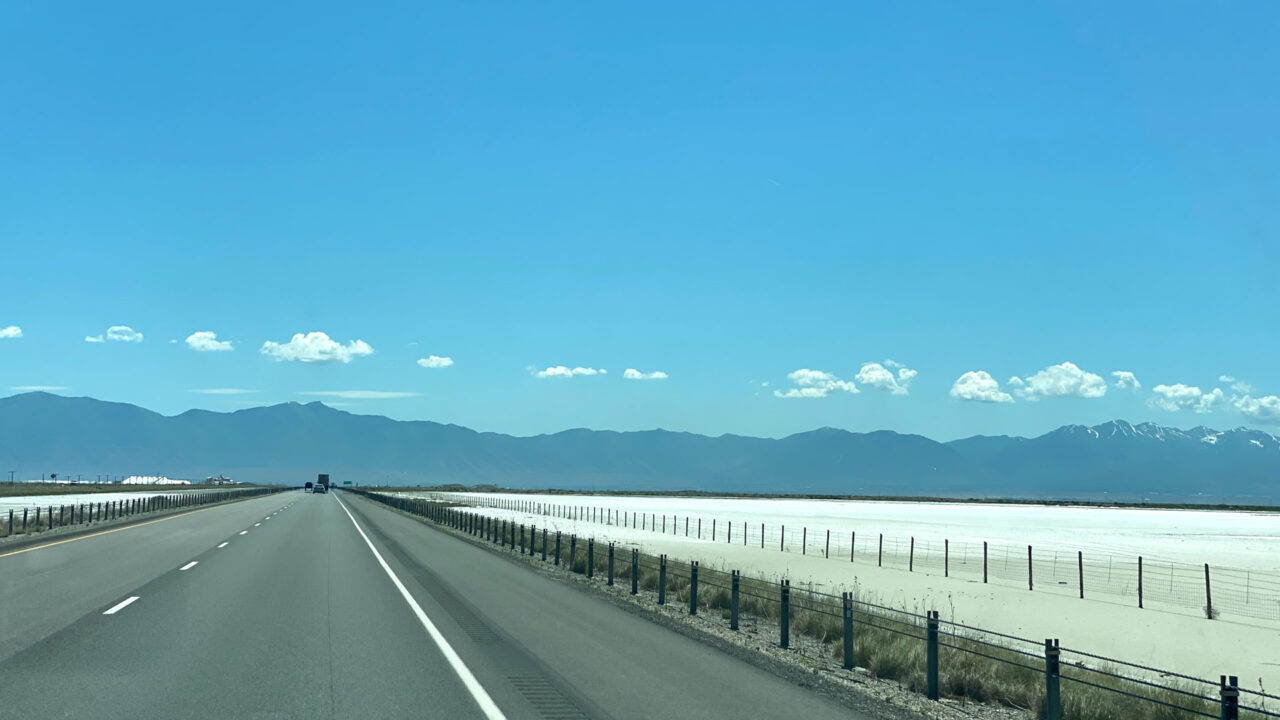
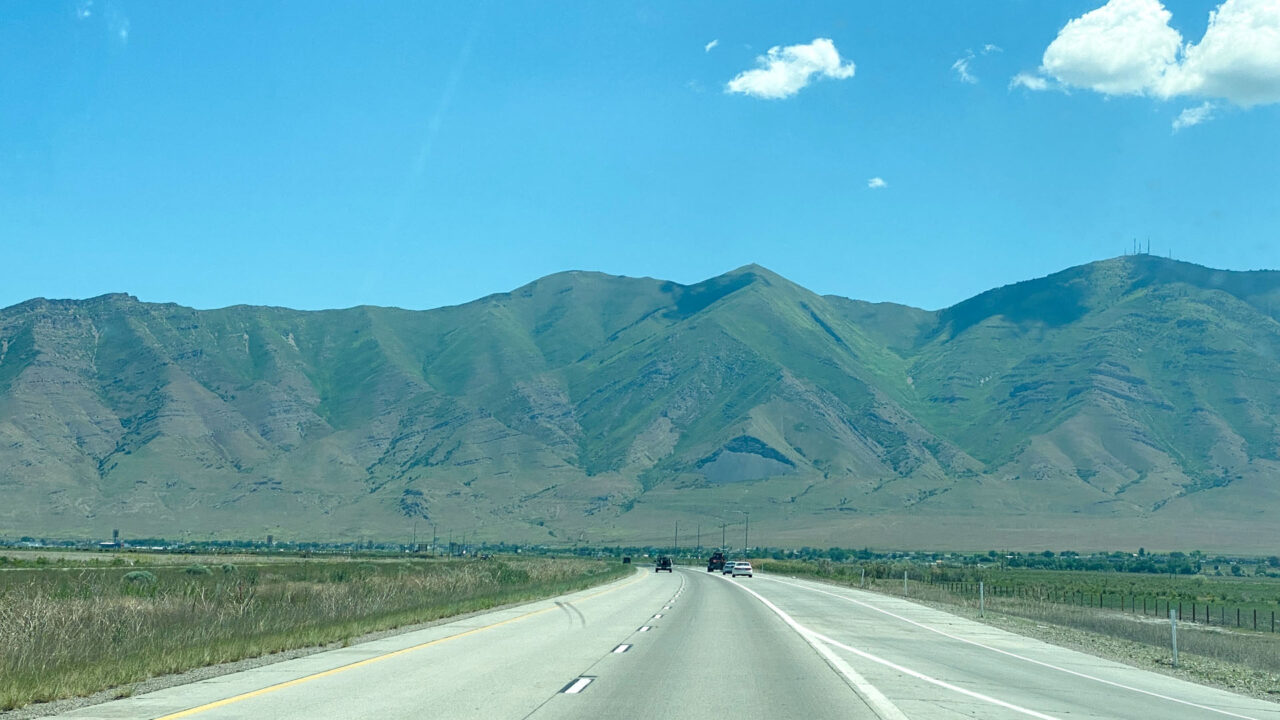
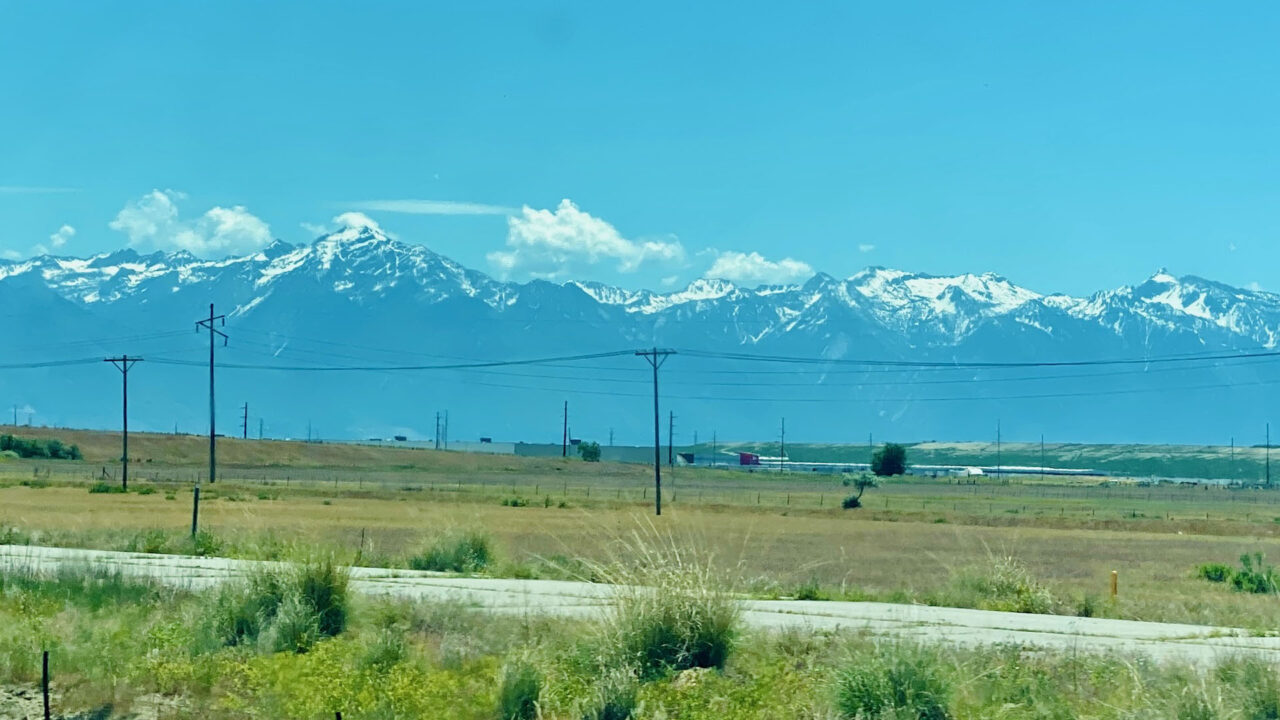
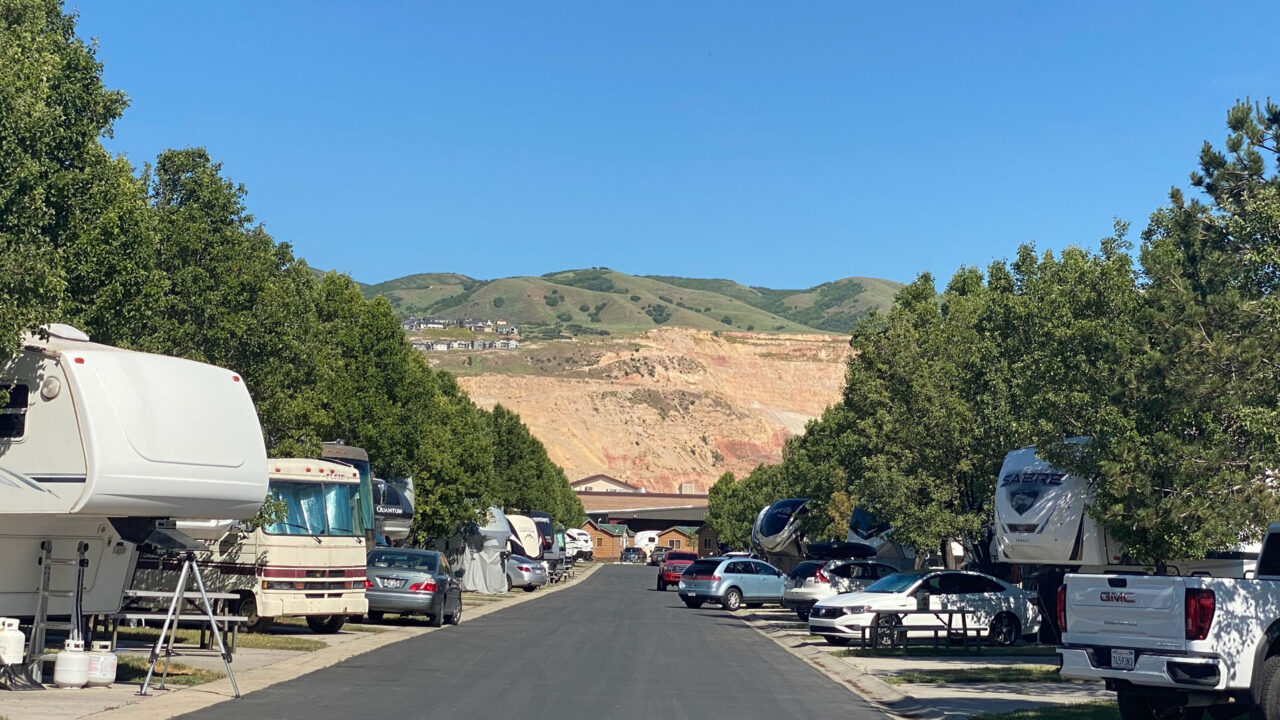
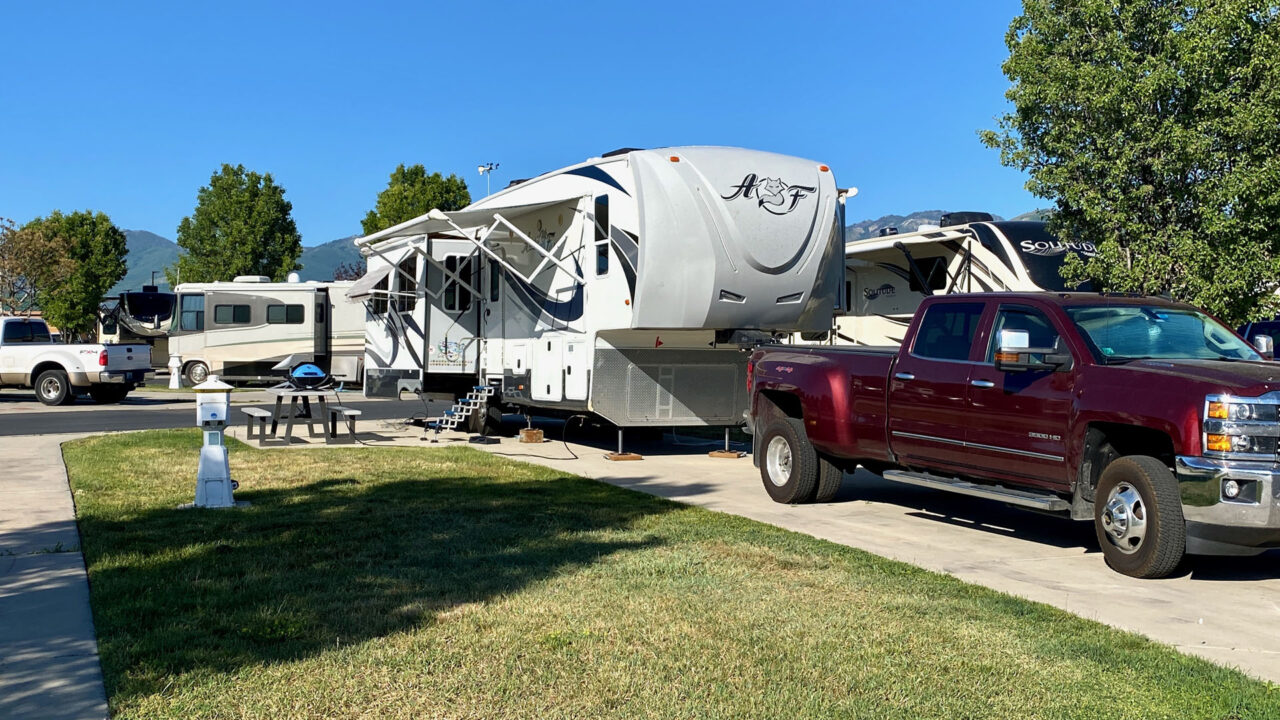
We traveled 124 miles due east on I-80. Once again encountering snow, oops I mean salt, near the highway along with beautiful green mountains in the distance. We’re still seeing occasional glimpses of snow at the top of some of those mountains. We arrived in Salt Lake City at Sun Outdoors and were blessed with mountain views at the campground.
Gary’s first project, once getting to SLC, was getting our bedroom slide functioning again (mentioned in the previous post). We visited the hardware store and he picked up the necessary supplies, and got to work. That man is Mr. Fix-It! The slide is good as new!
On Sunday we had Happy Hour with the pod to discuss what we wanted to do while in SLC. Joe, bless his heart, made the ladies Lemon Meringue Martinis. Yum.
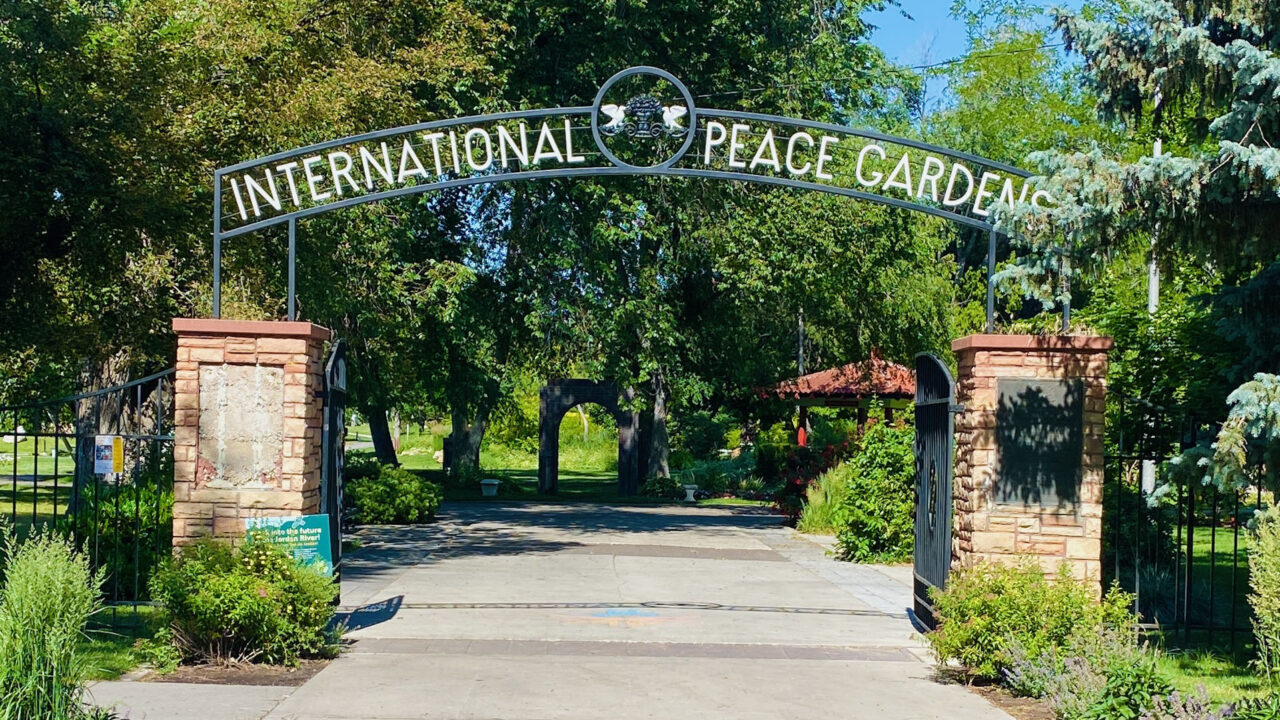
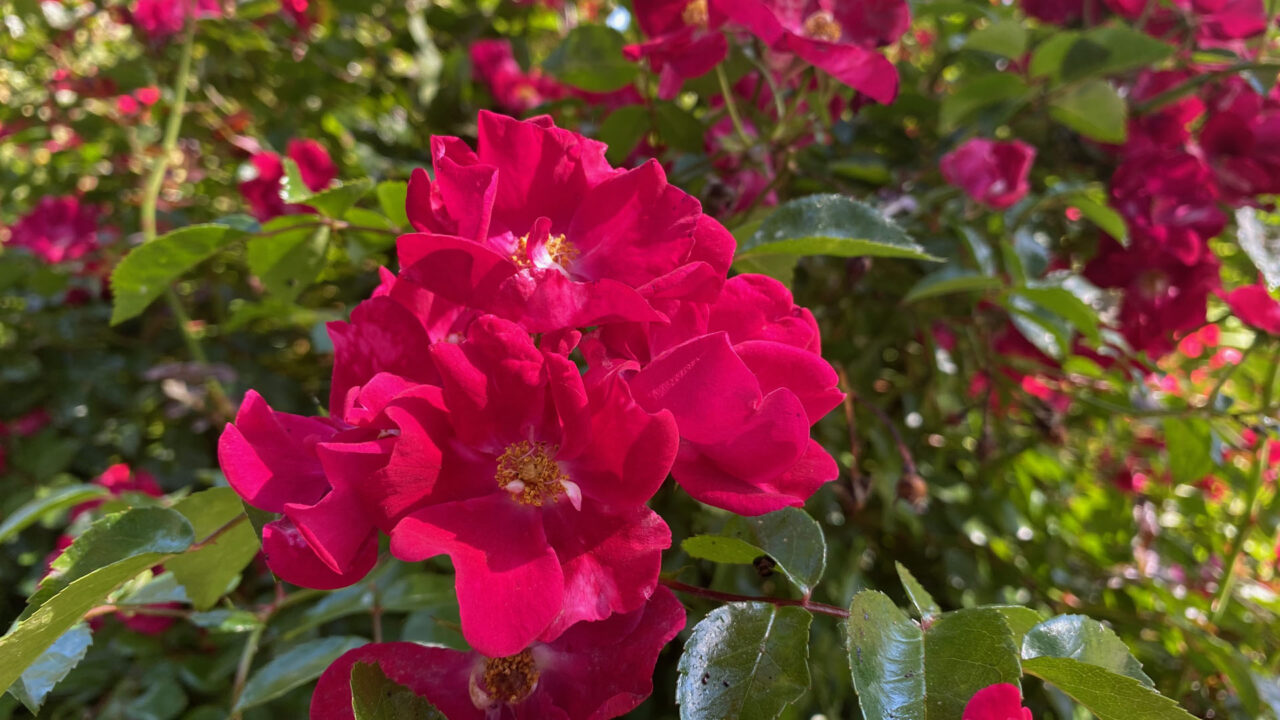
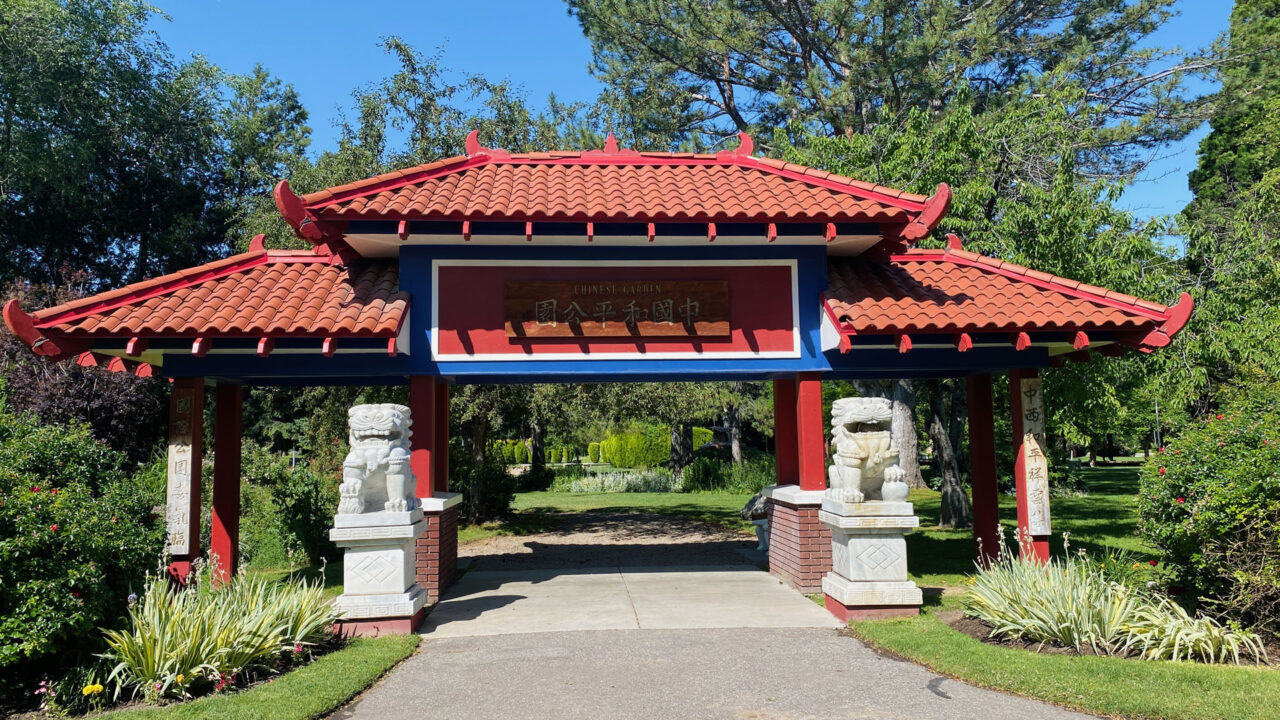
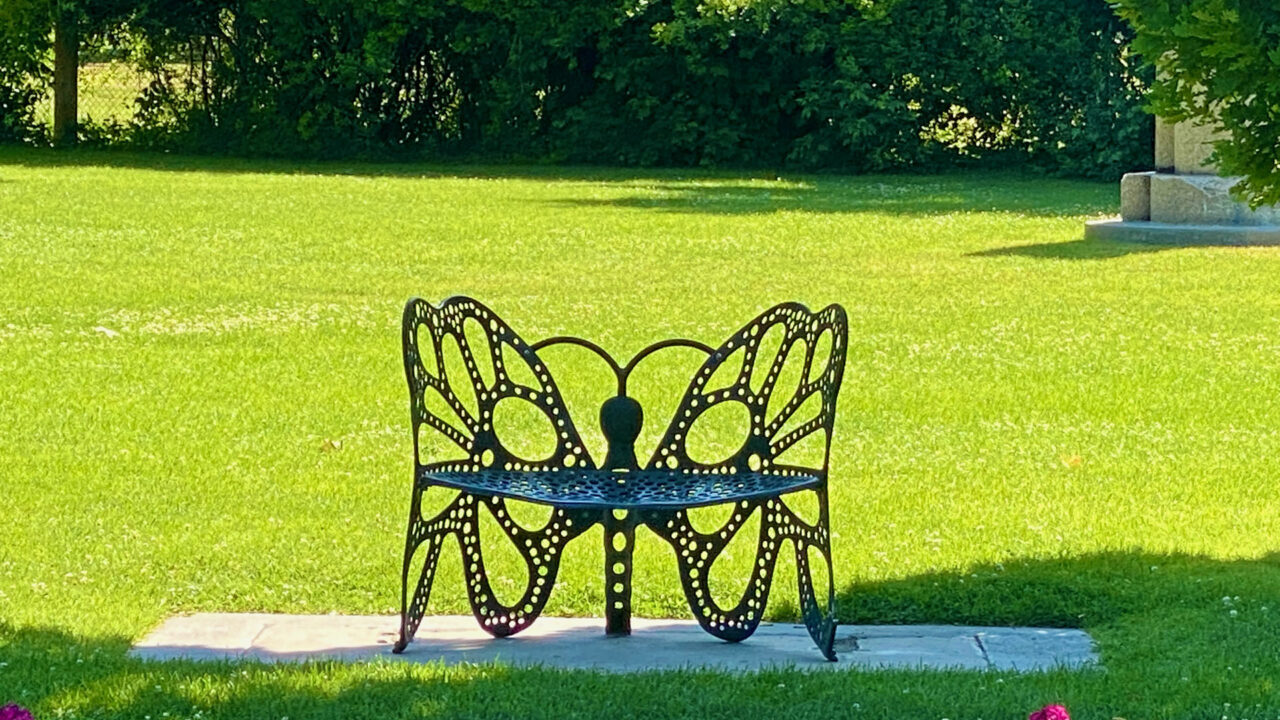
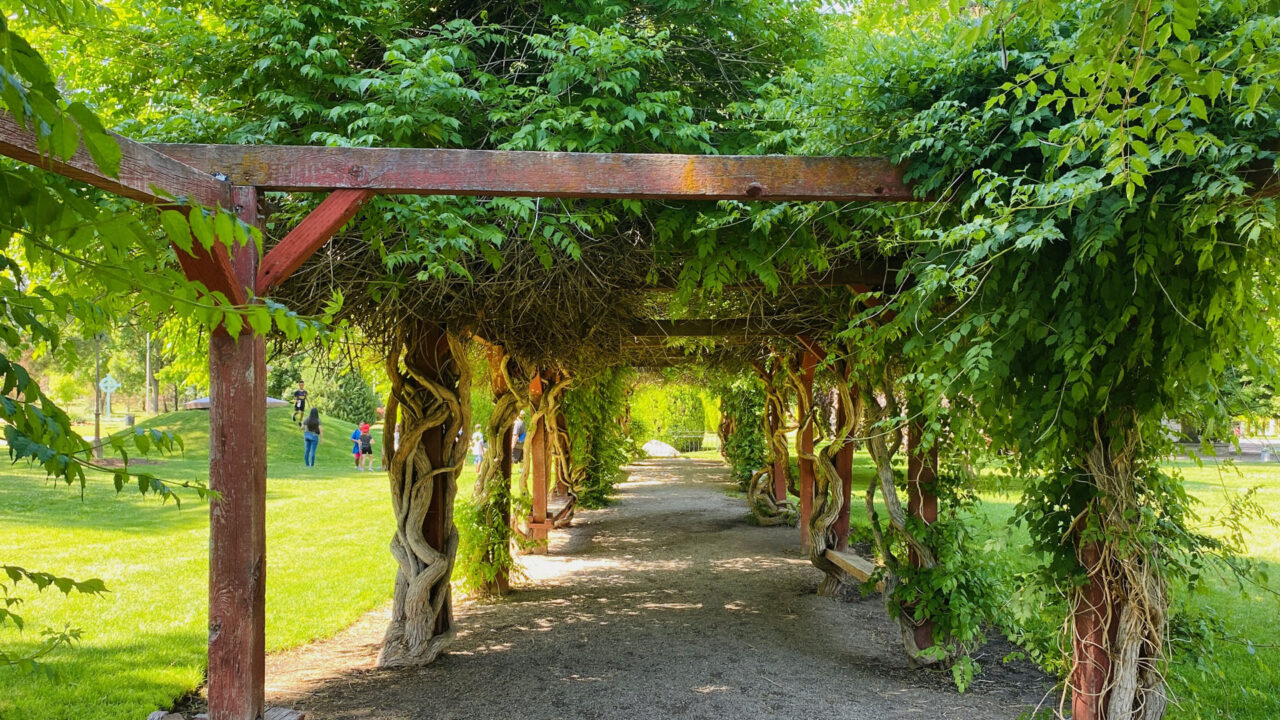
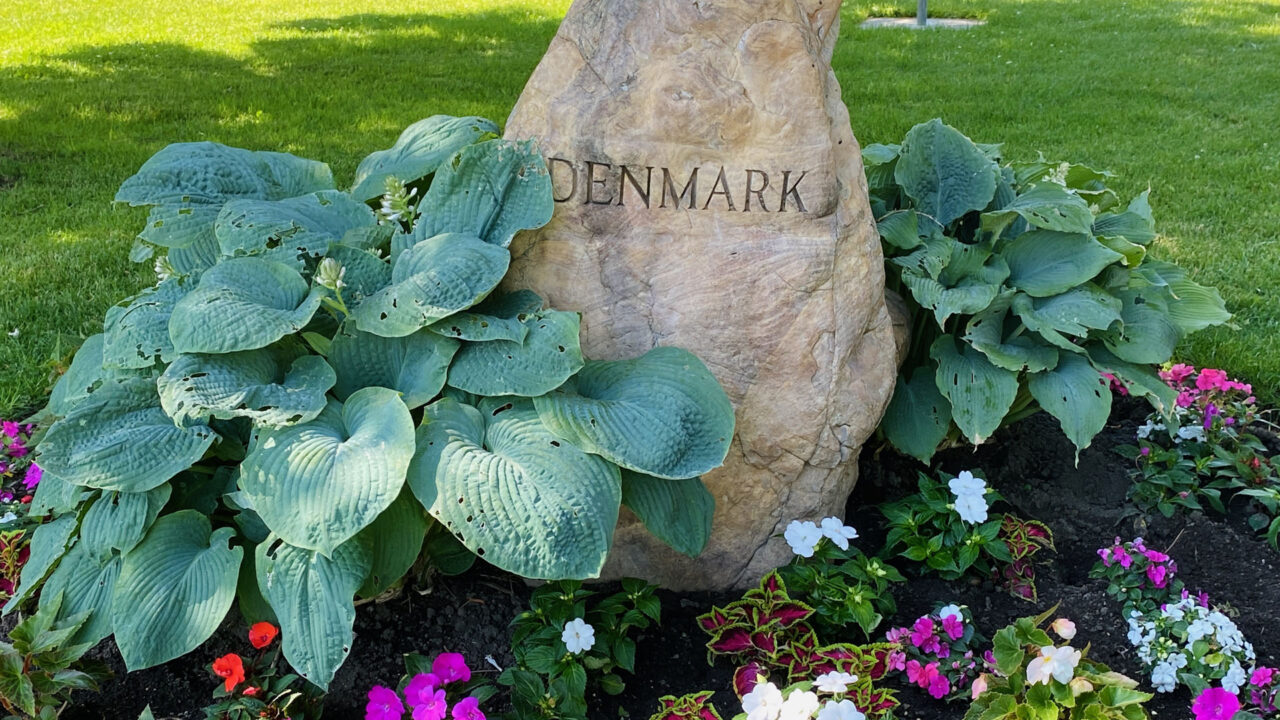
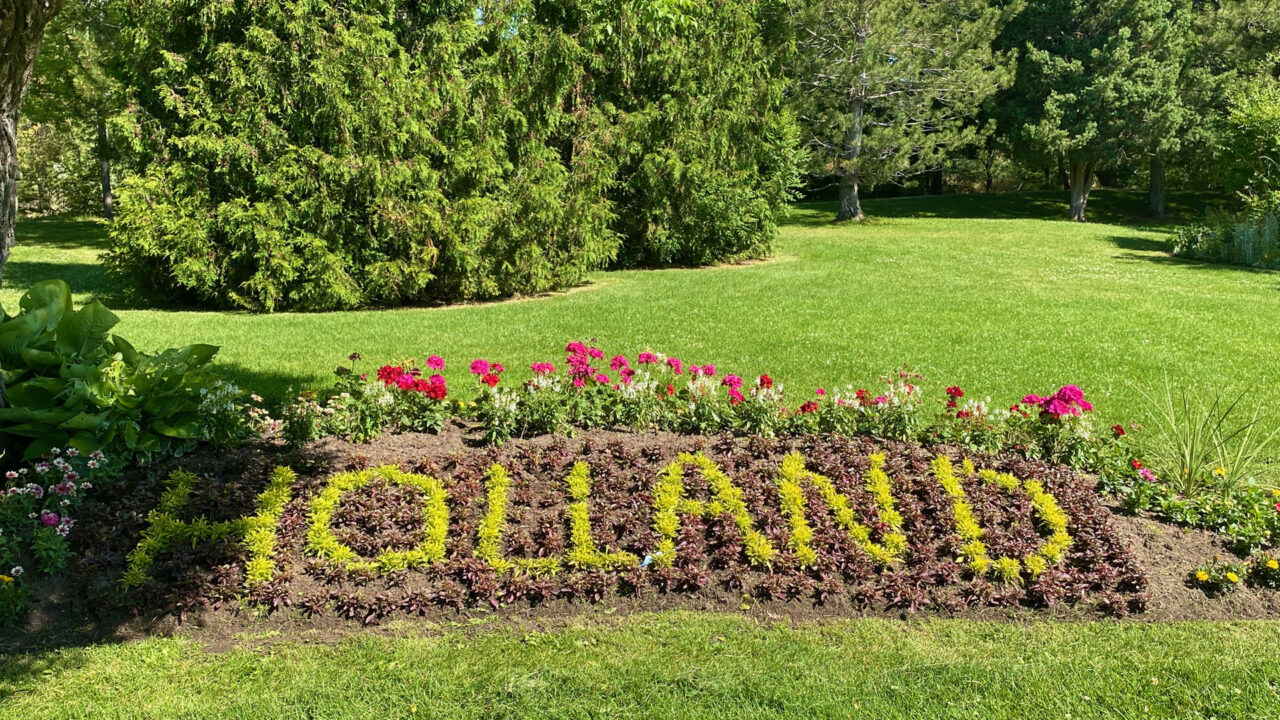
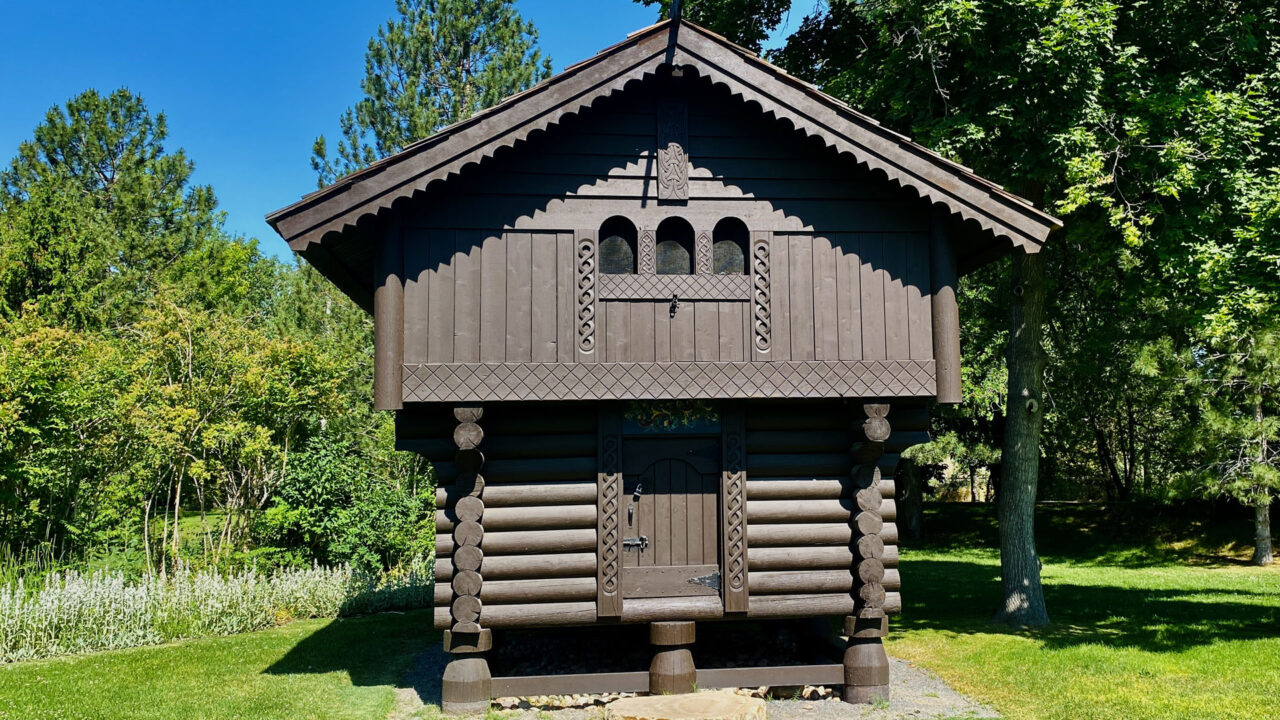
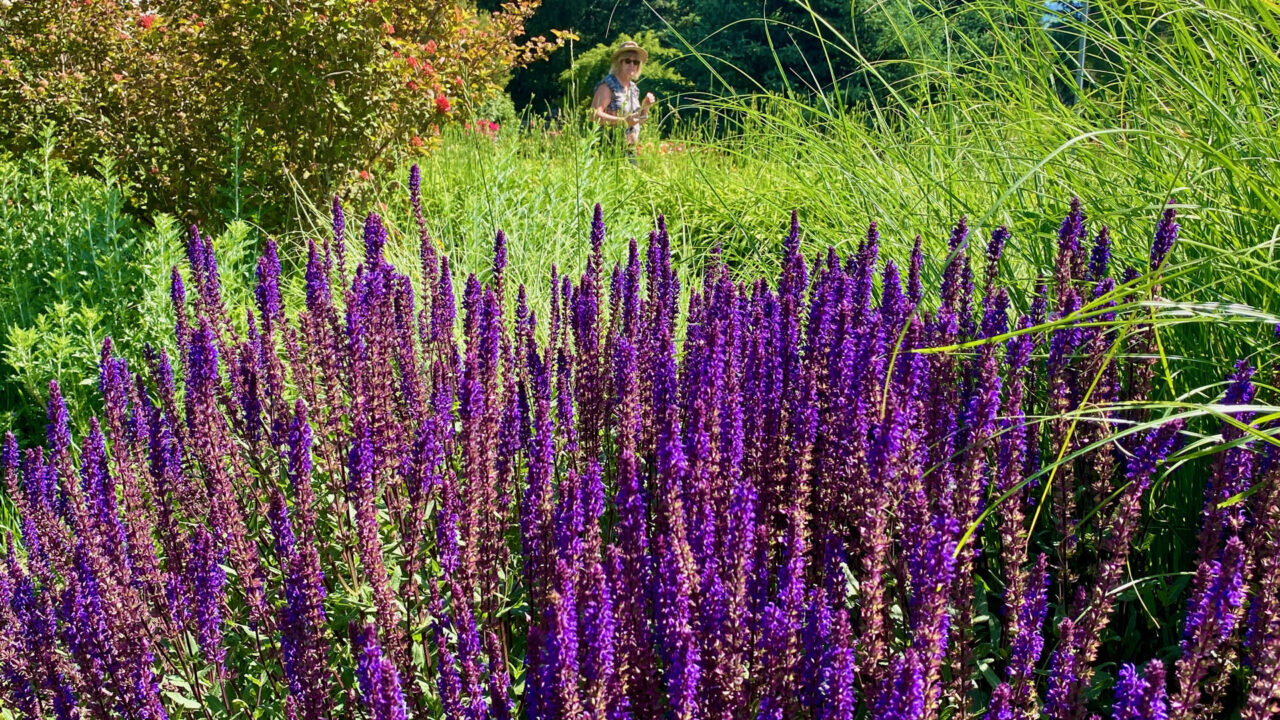
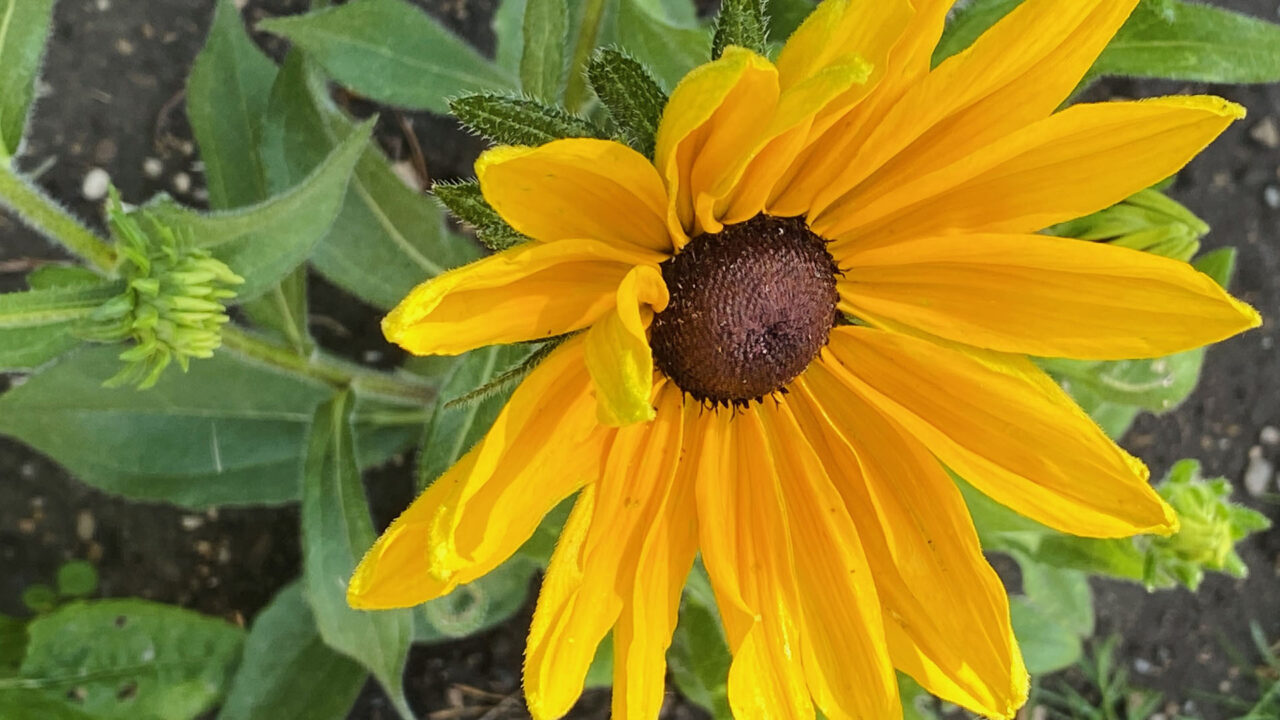
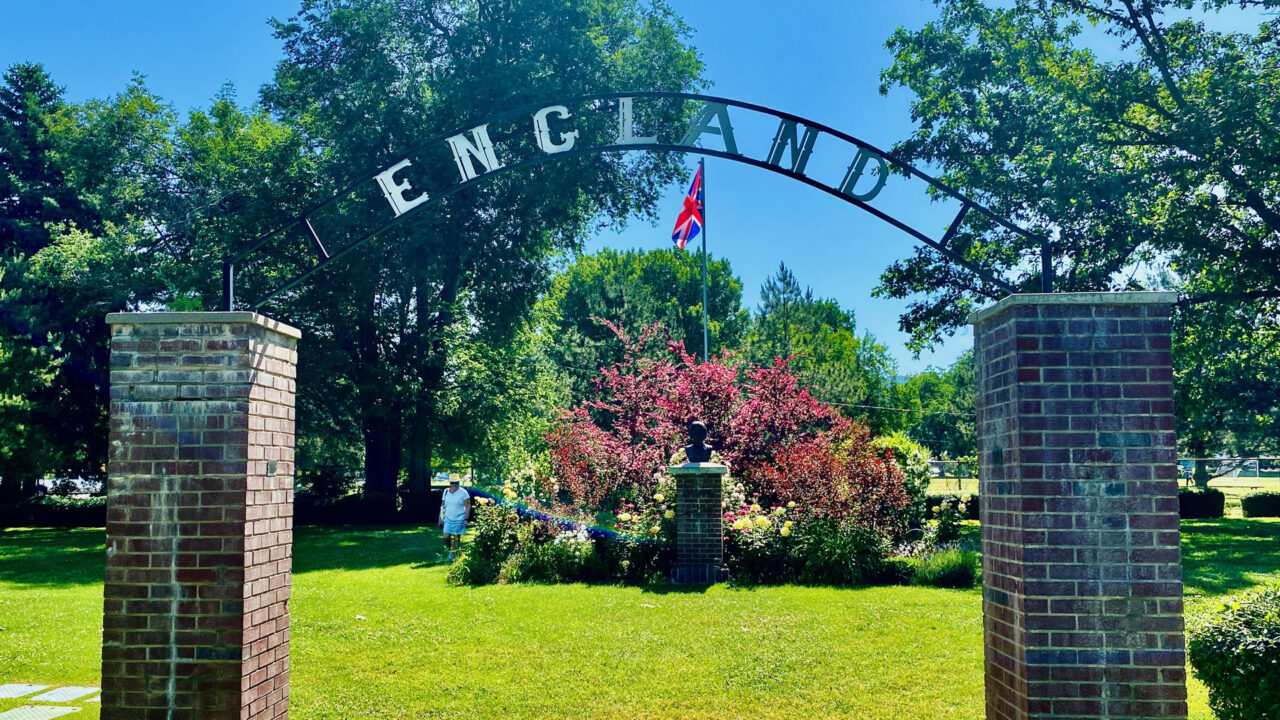
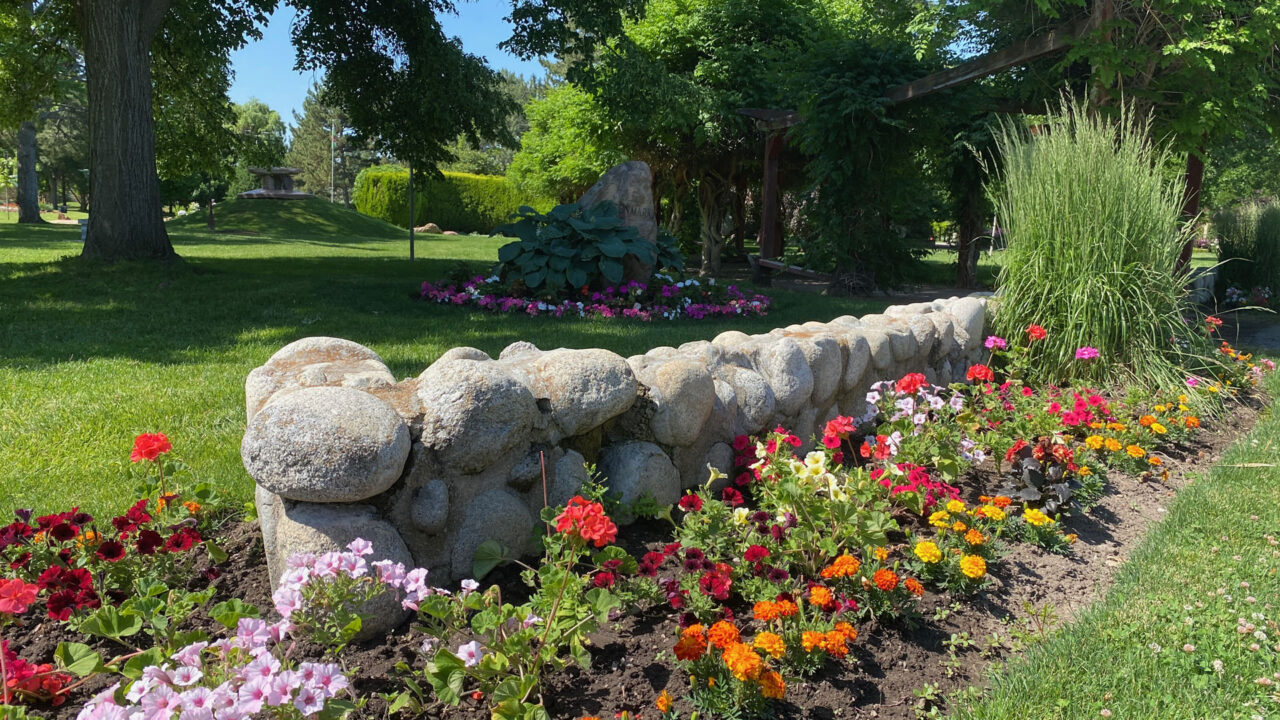
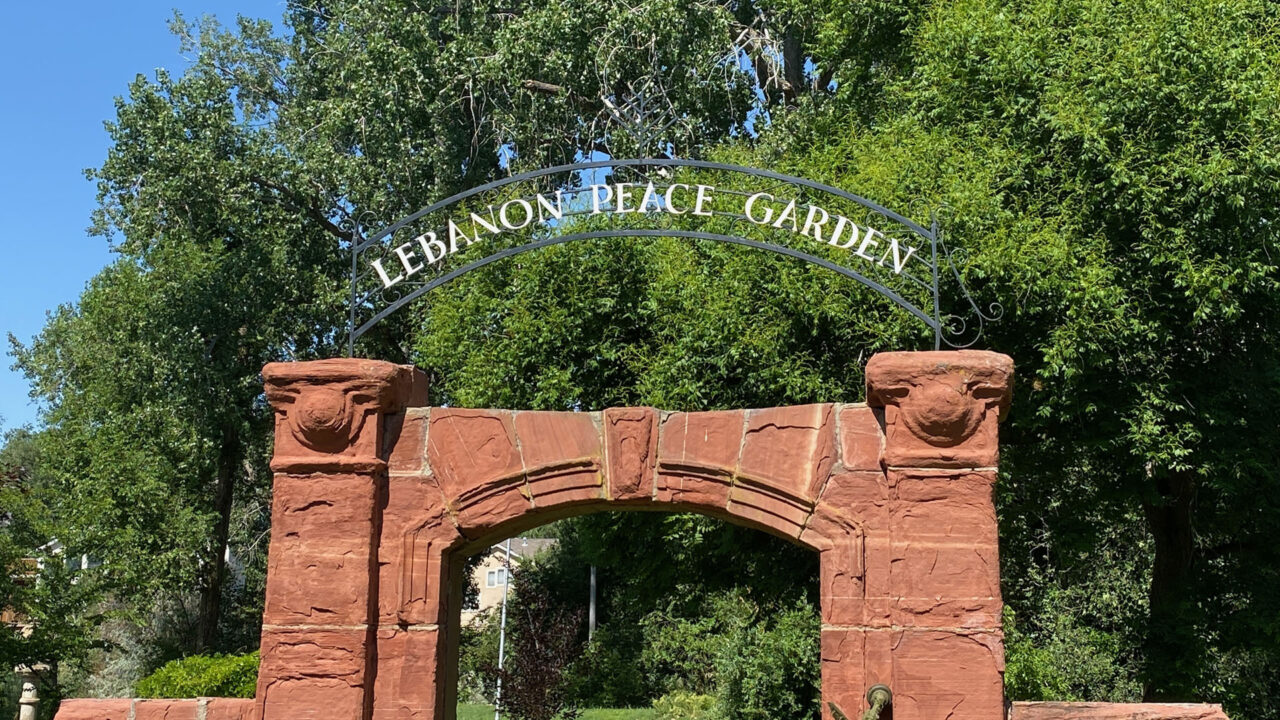
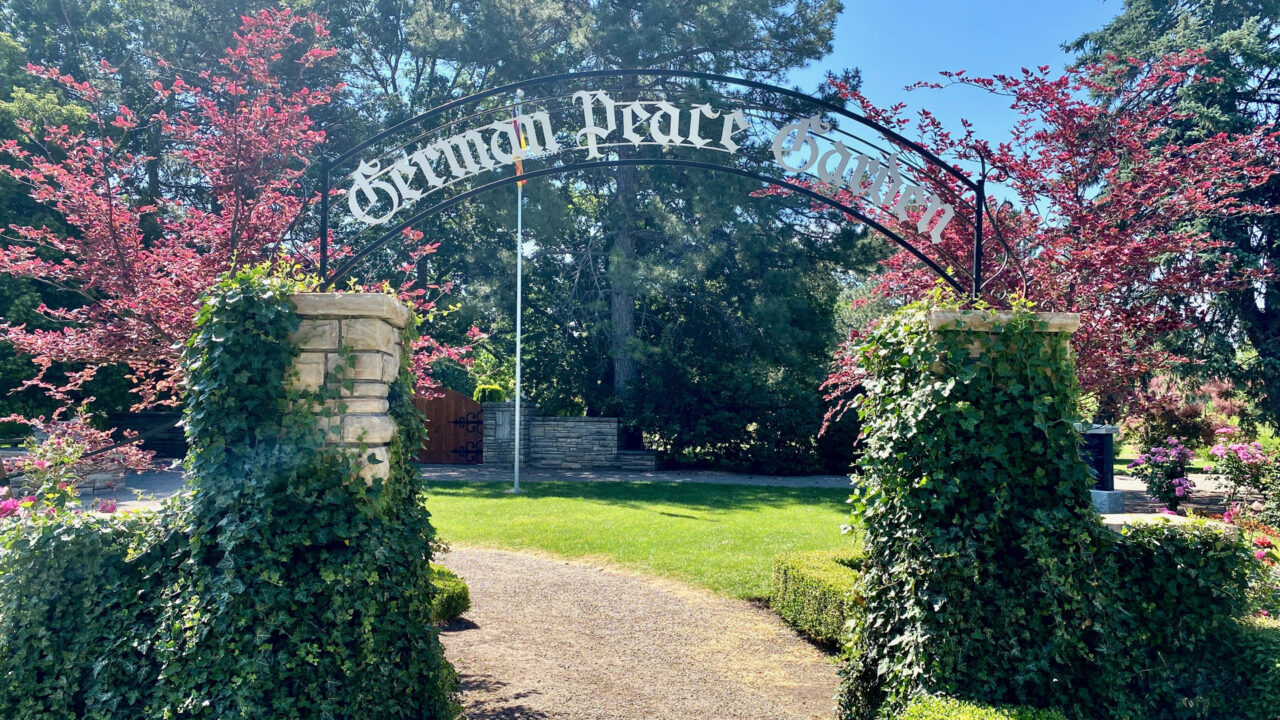
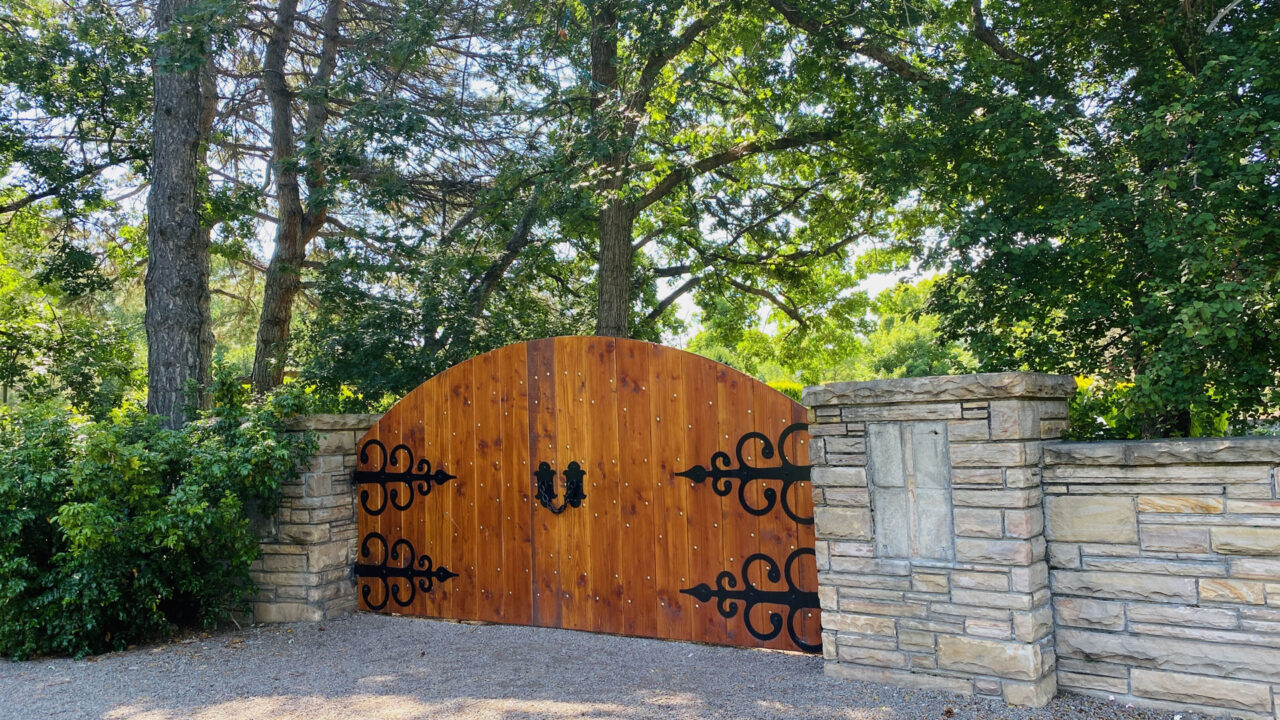
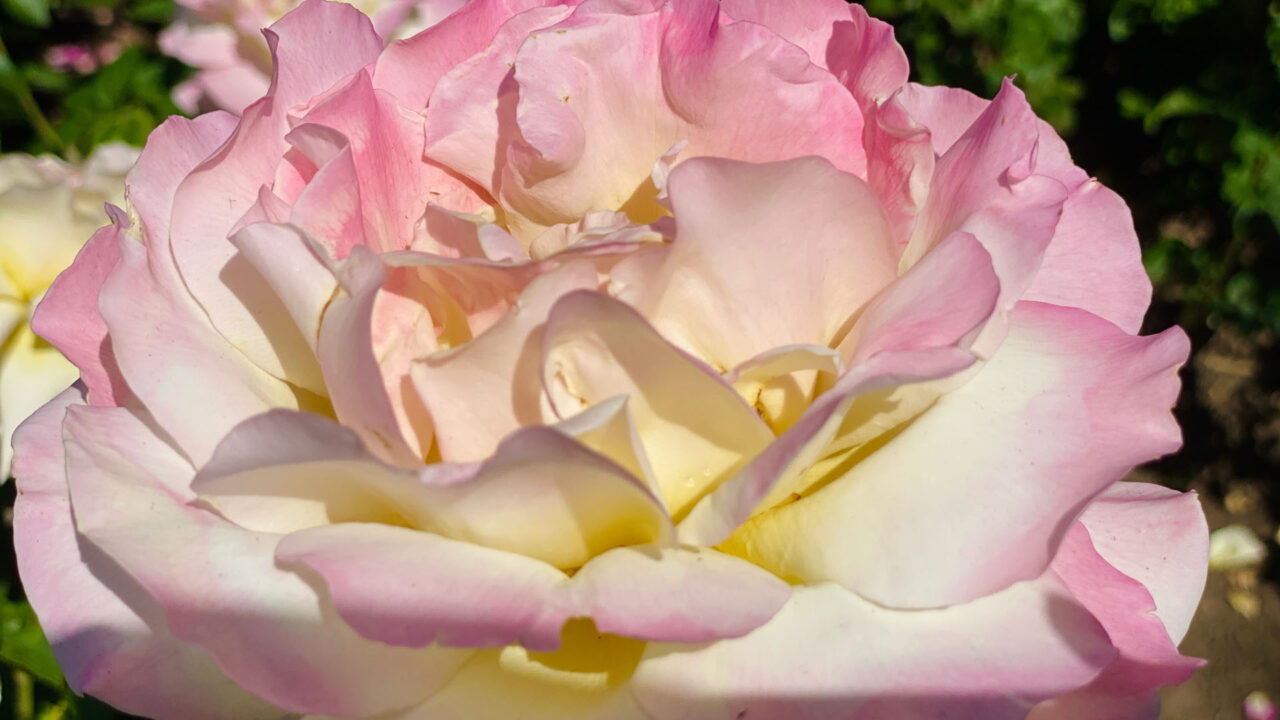
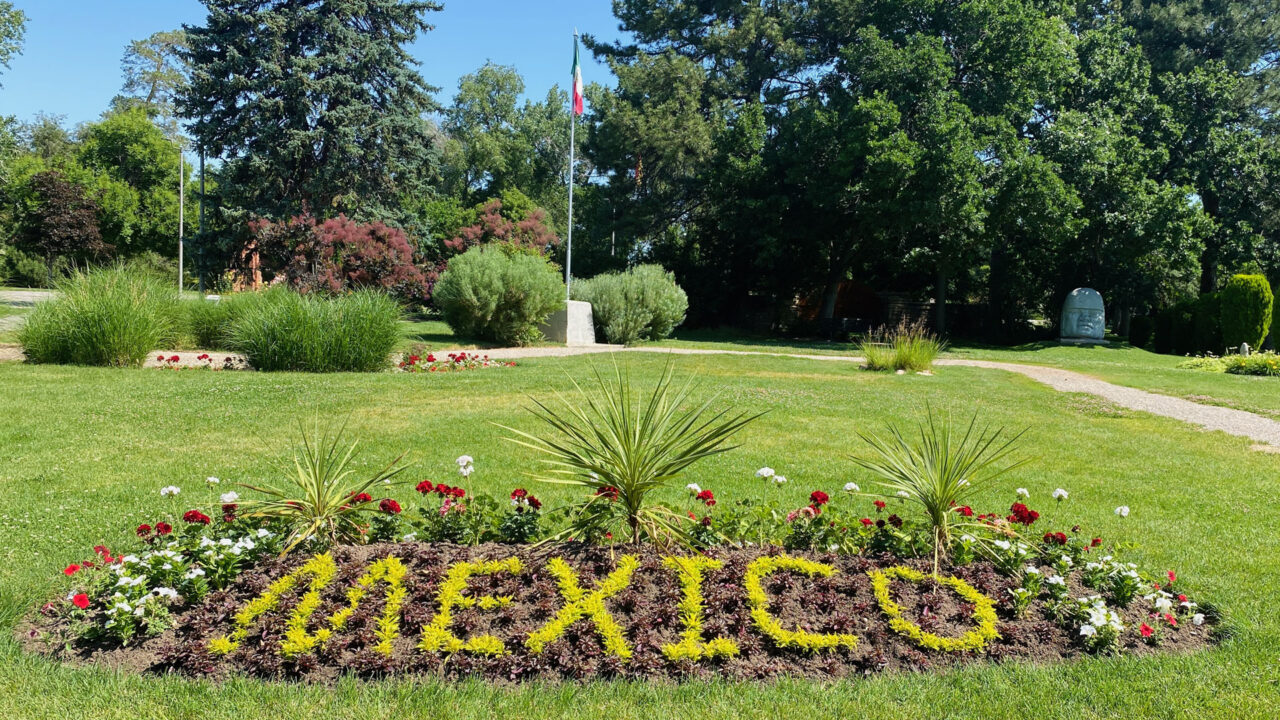
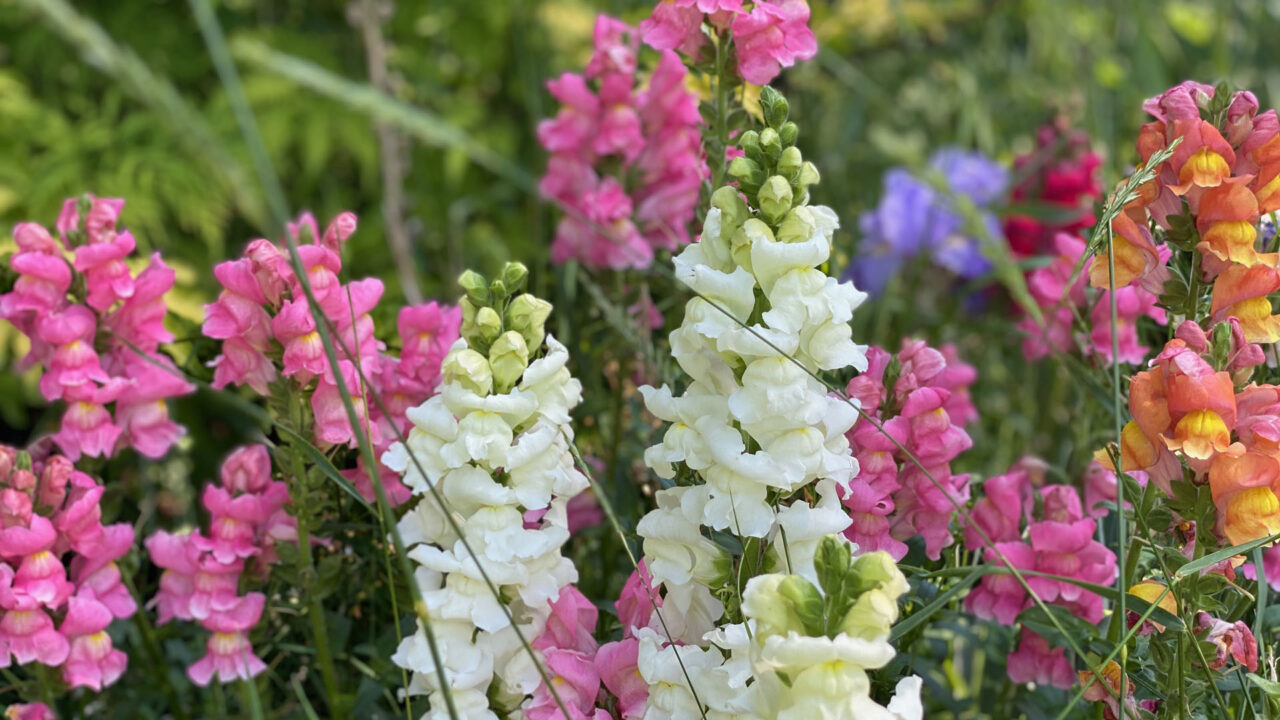
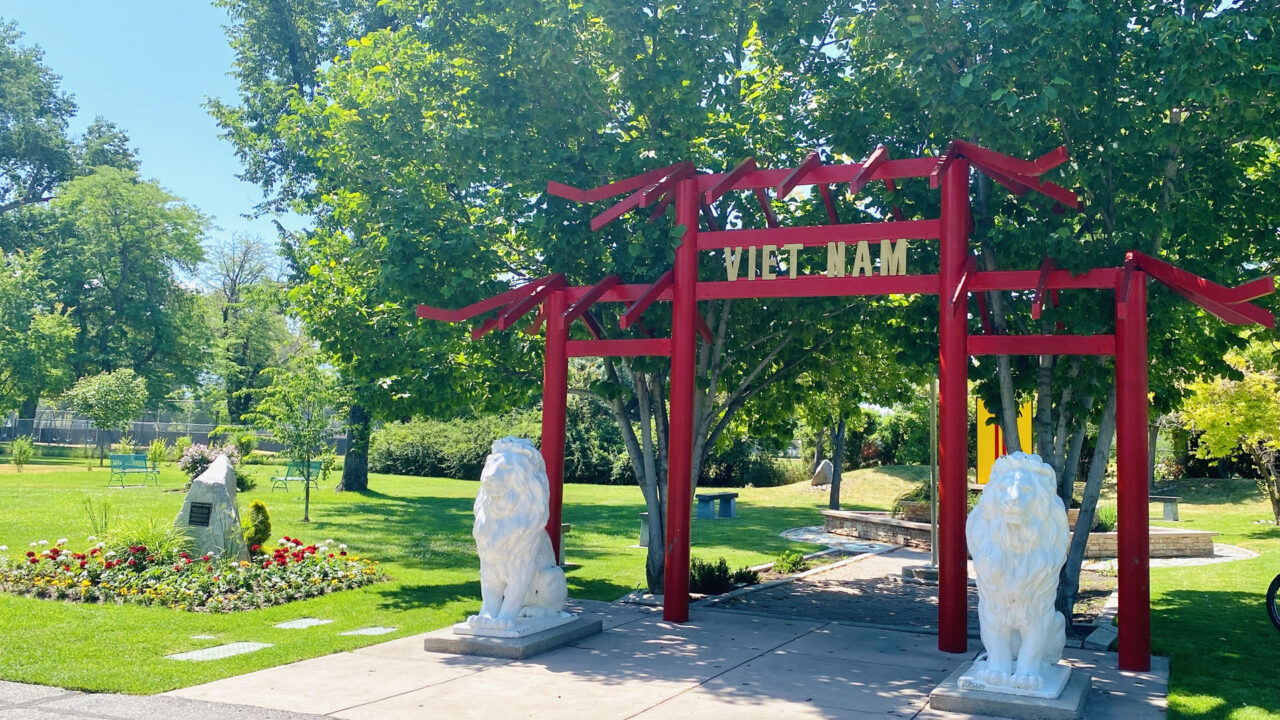
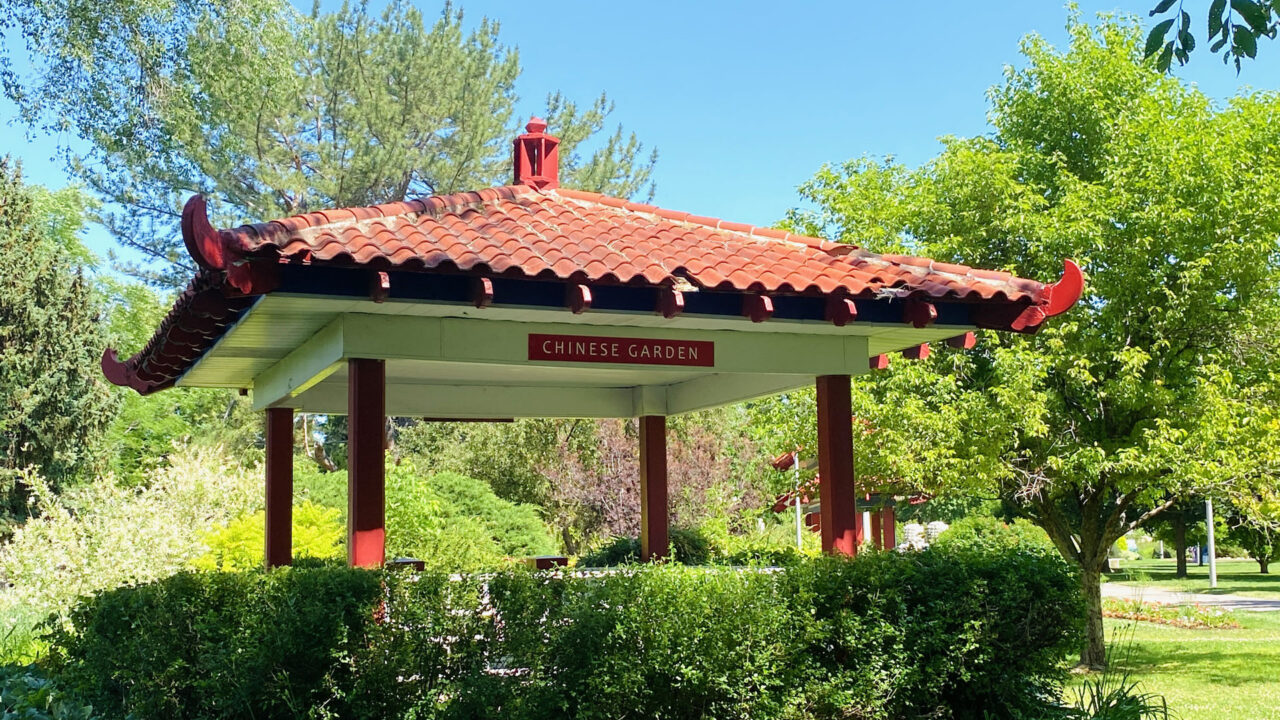
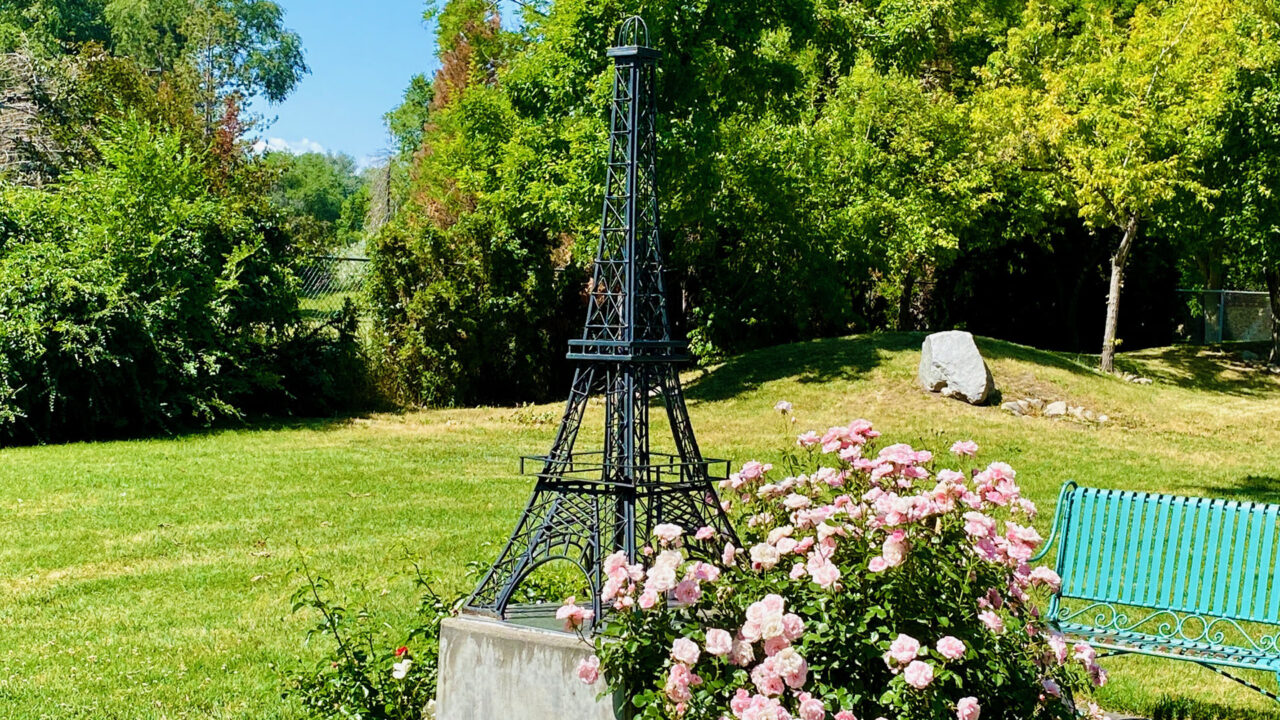
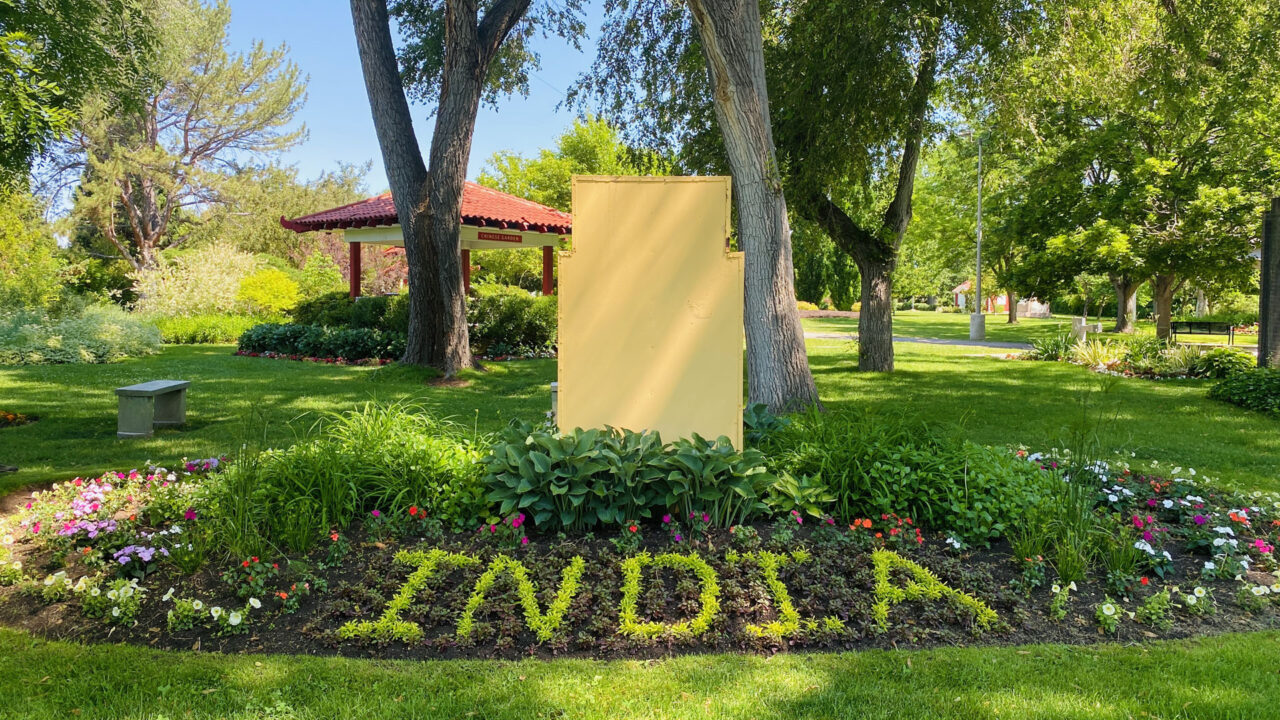
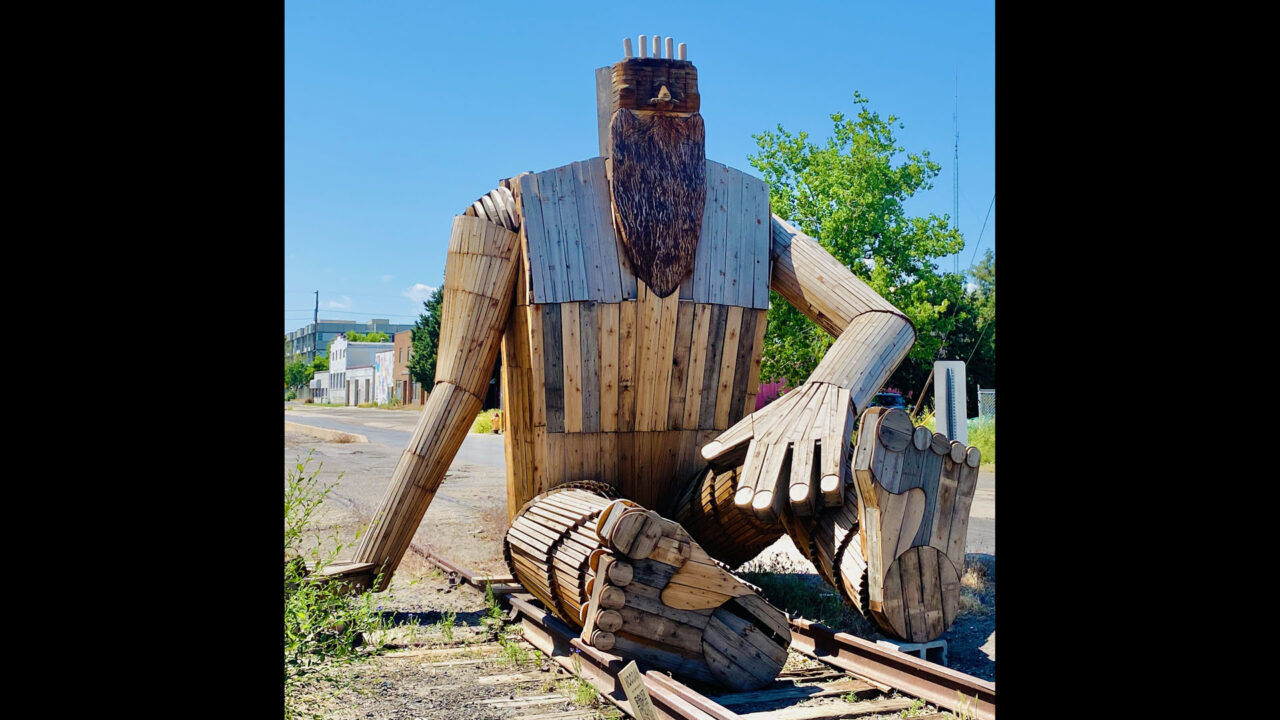
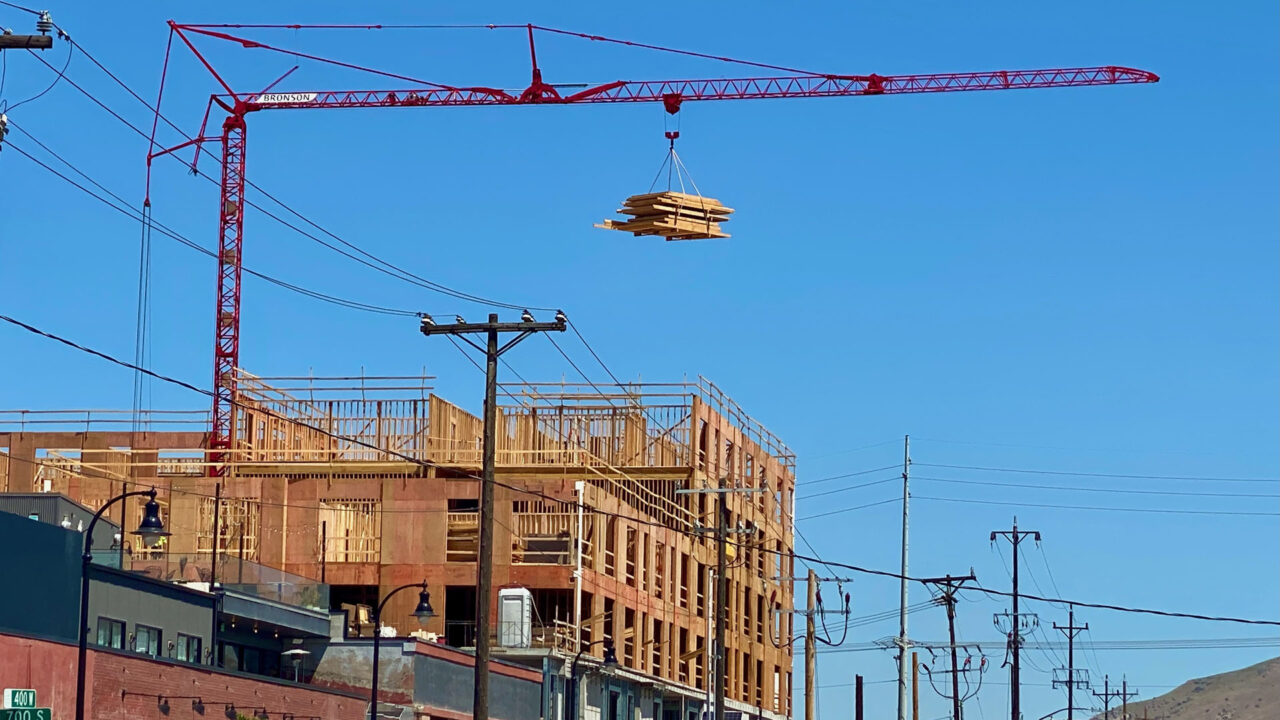
On Monday, June 10th (2024) the pod (minus Gary who had taken our truck in for some servicing) visited the International Peace Gardens “representing the cultural diversity of 28 nations.” The garden was conceived in 1939 and dedicated in 1952. It is charming with native plantings, “garden architecture,” and statuary of the Utah-based nation groups participating. A lovely way to spend a morning! Lots of roses were in bloom this time of year along with sunflowers, snapdragons, and other goodies. We also enjoyed seeing a Chinese Garden, a mini Eiffel Tower, and a replica of a Norwegian Stabbur, which is a storage building on a Norwegian farm. Afterwards, we stopped briefly at the Granary District and came across a large wooden fellow (pic below) called Hoodah. The granary is an up-and-coming area with lots of building going on. We visited a few art galleries while there. Then headed back home where I took care of laundry in the afternoon.
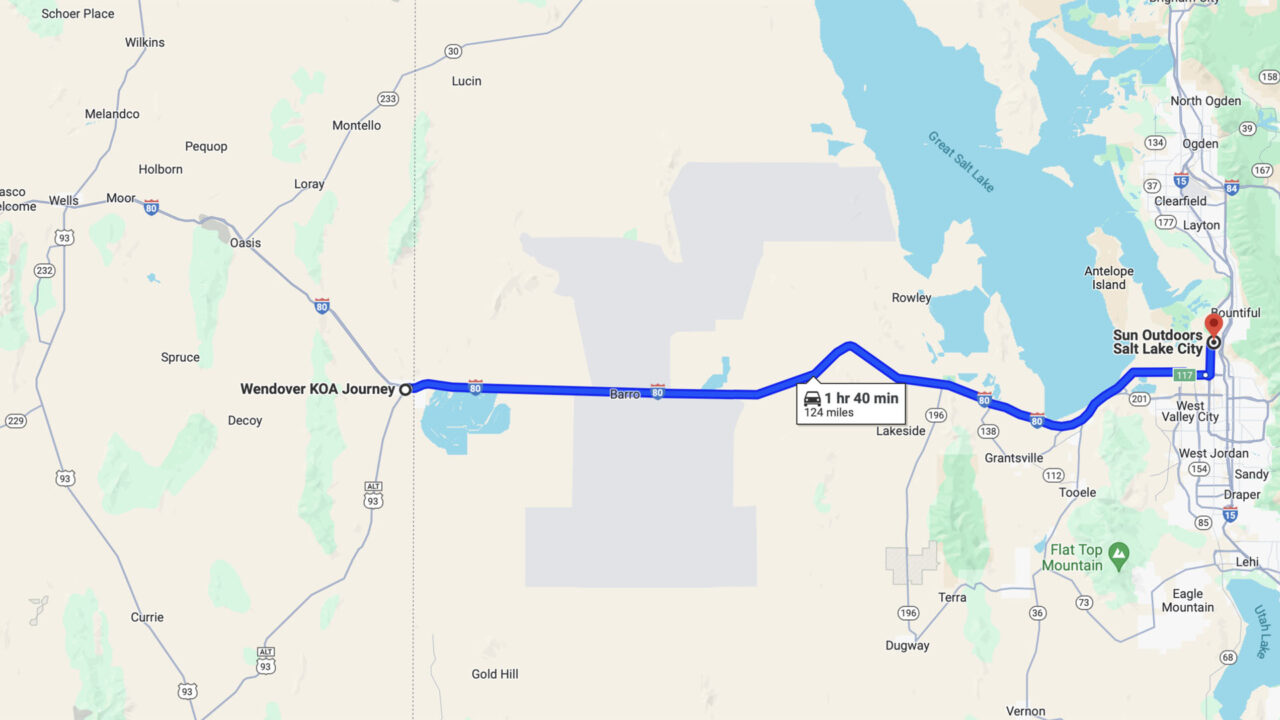 Wendover, NV to Salt Lake City
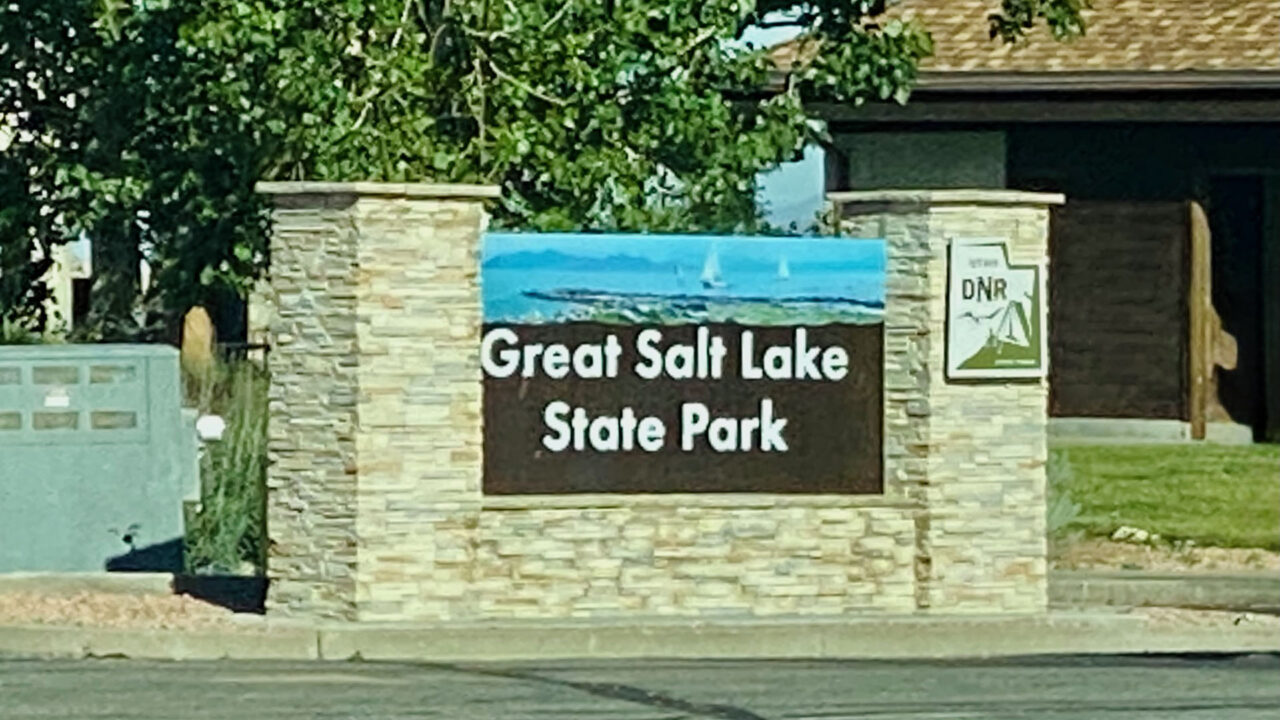
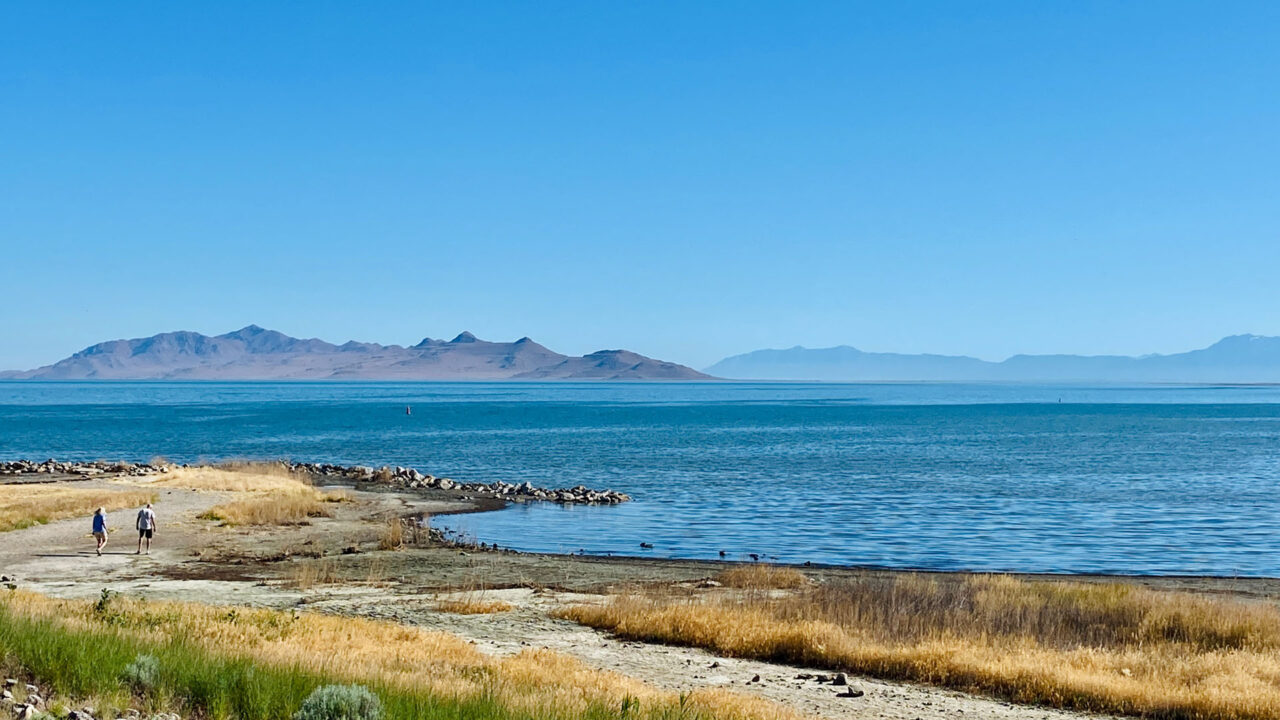
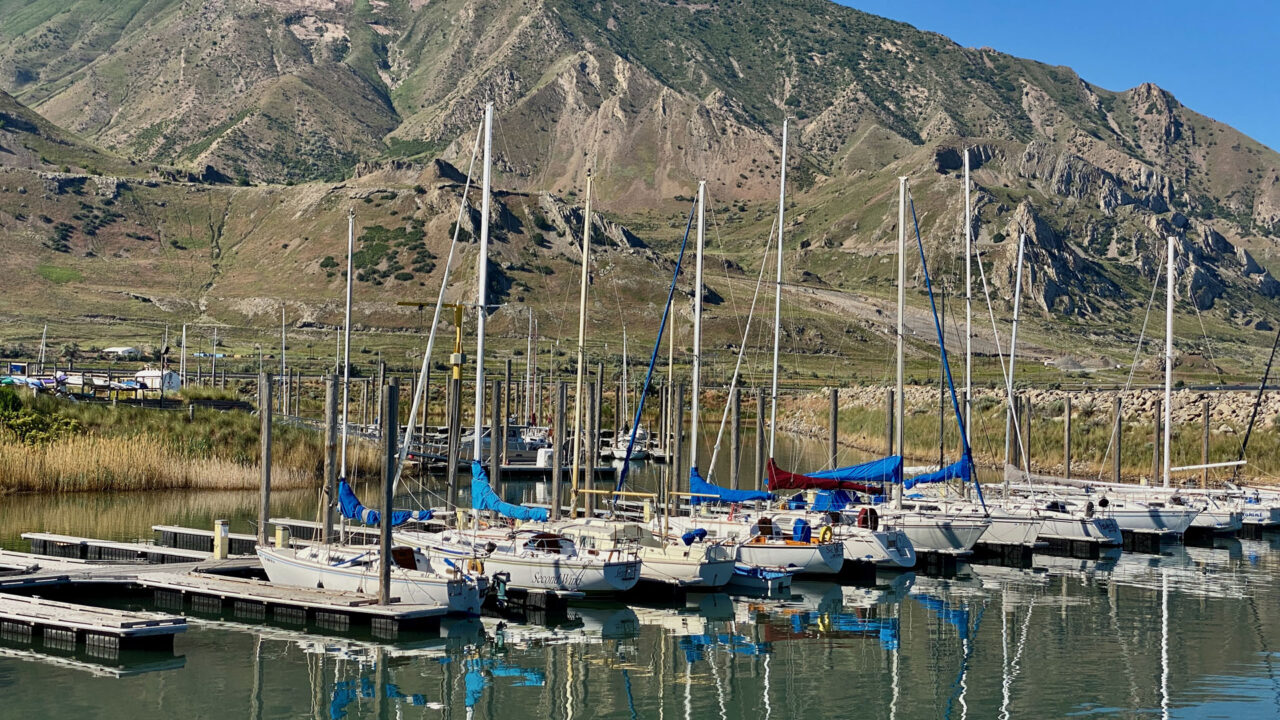
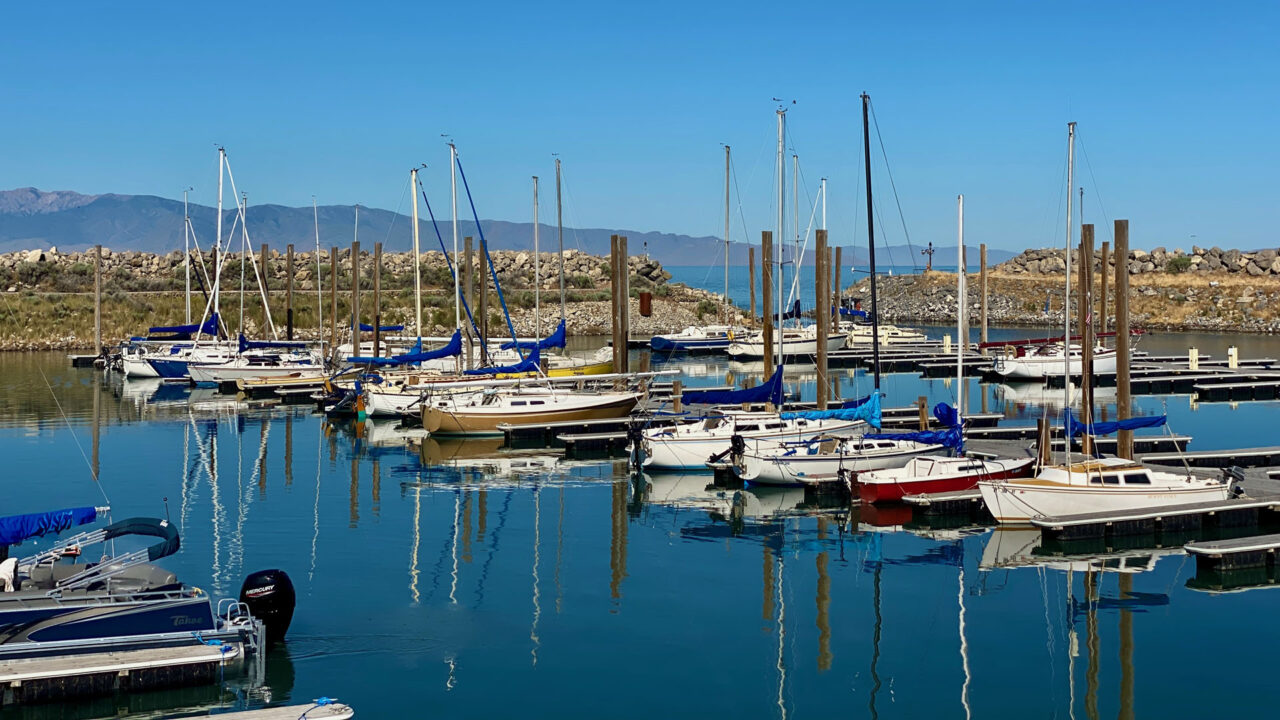
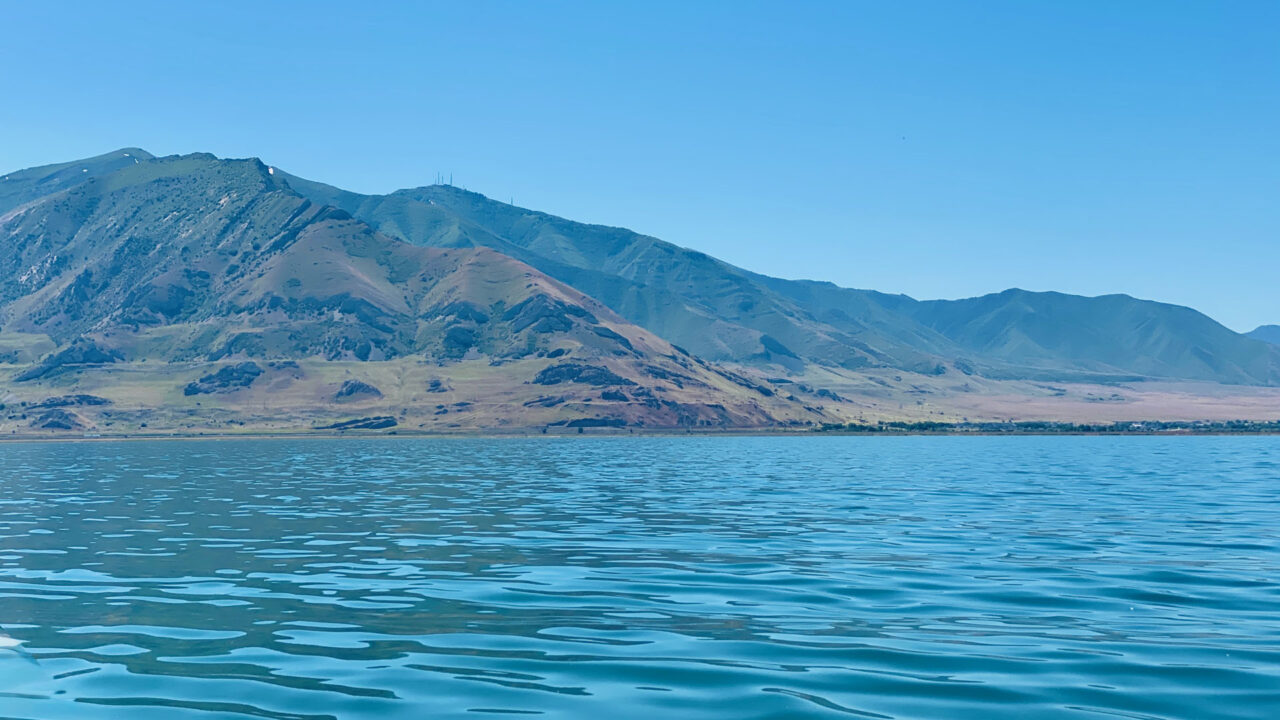
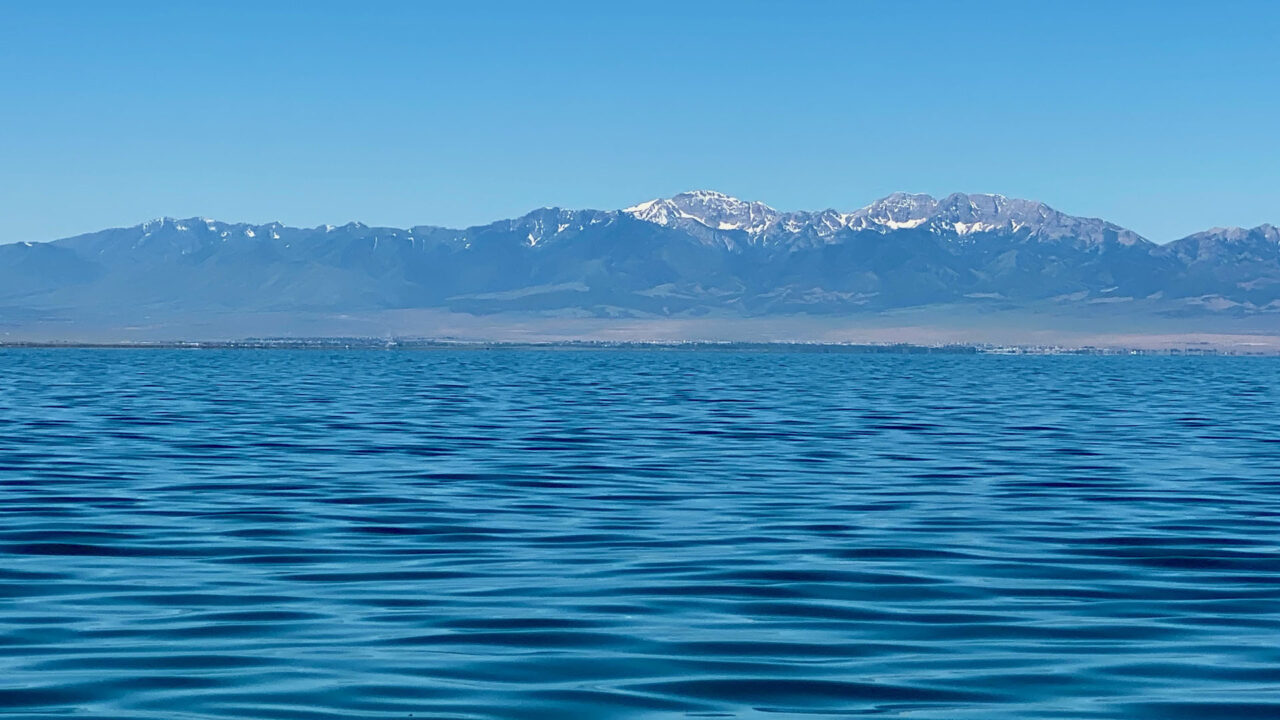
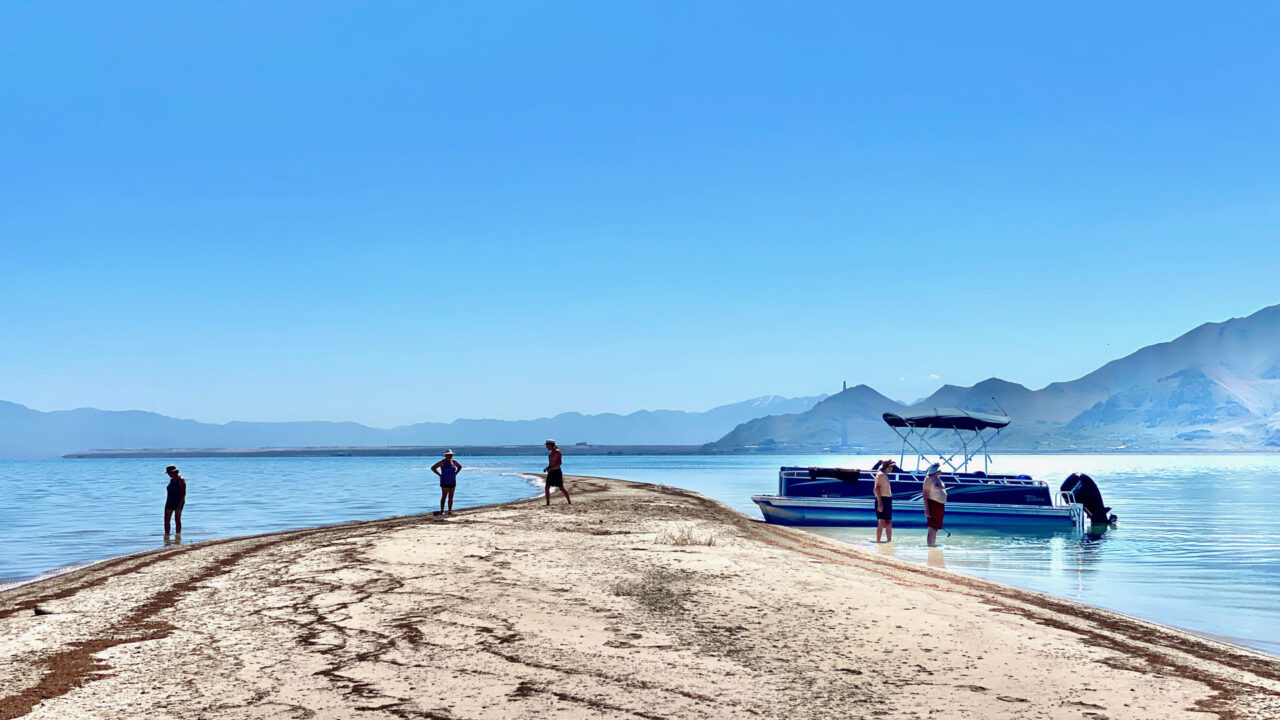
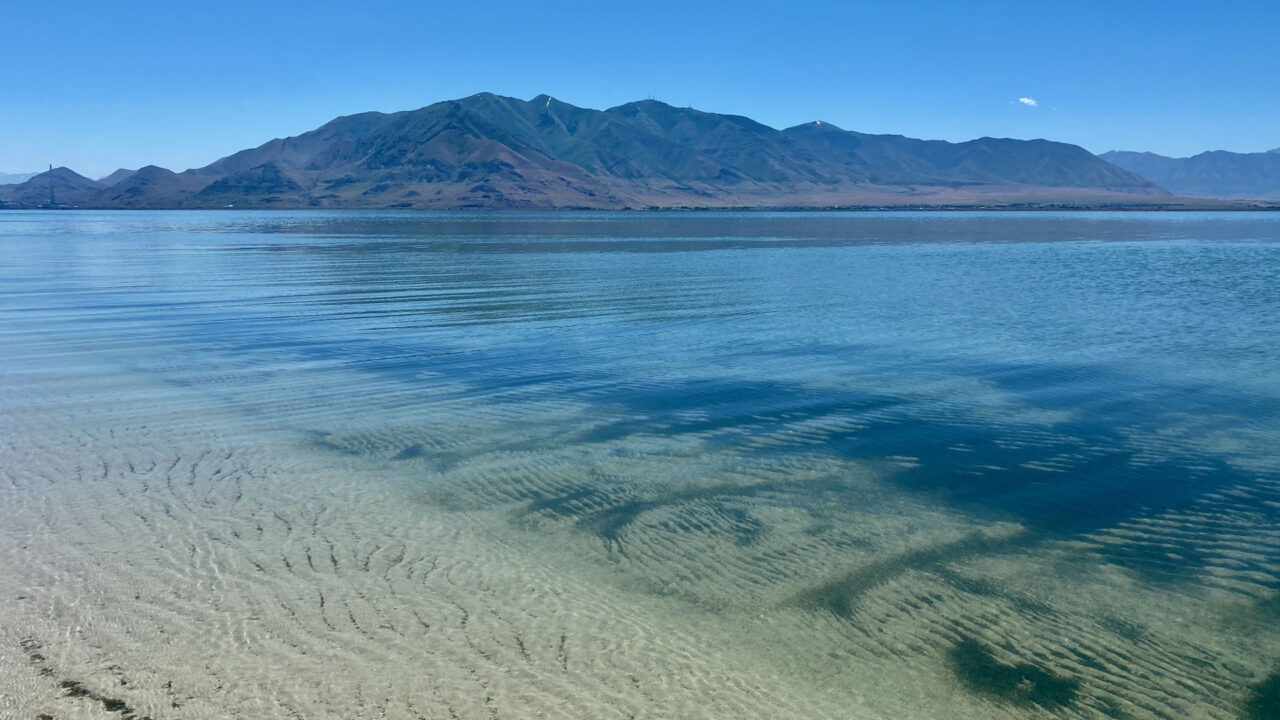
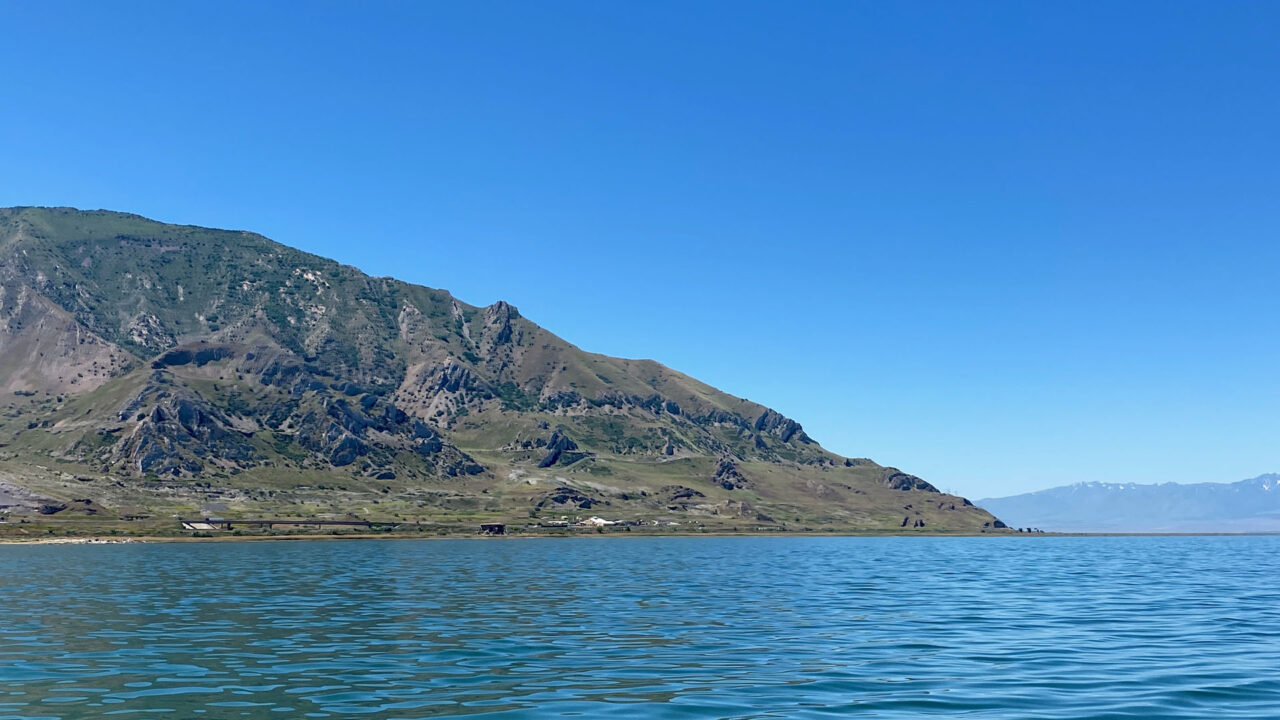
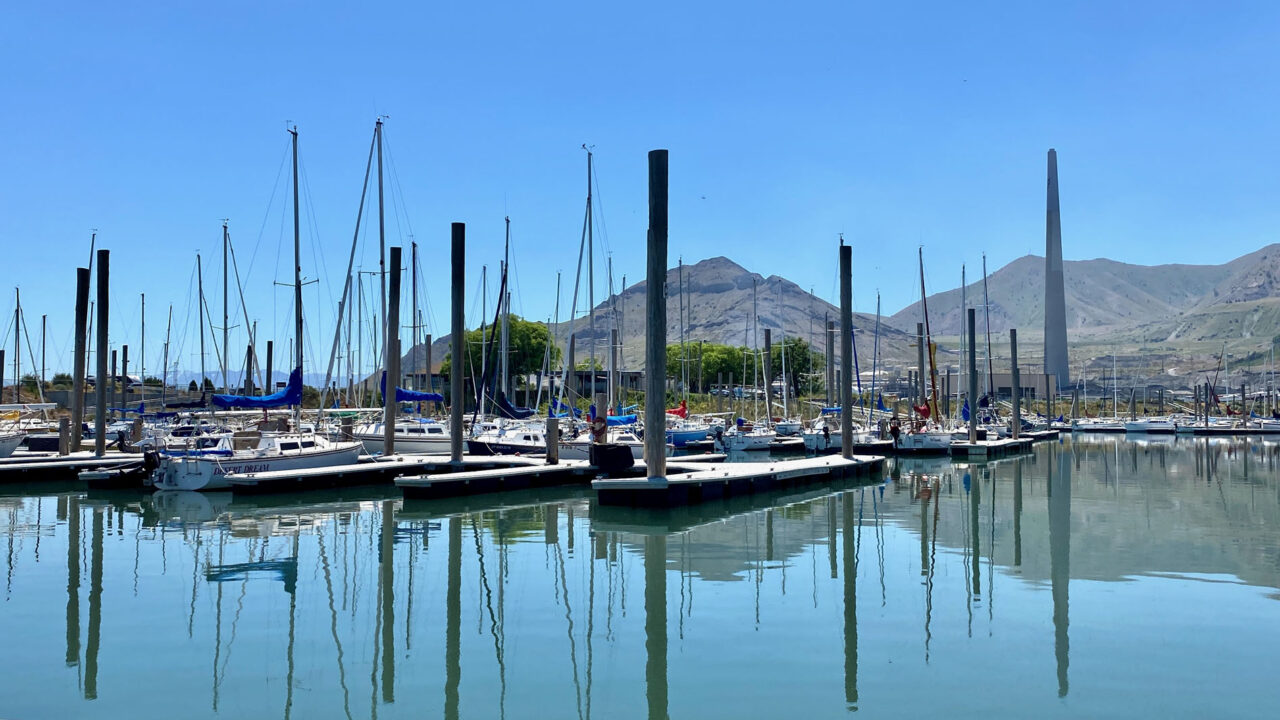
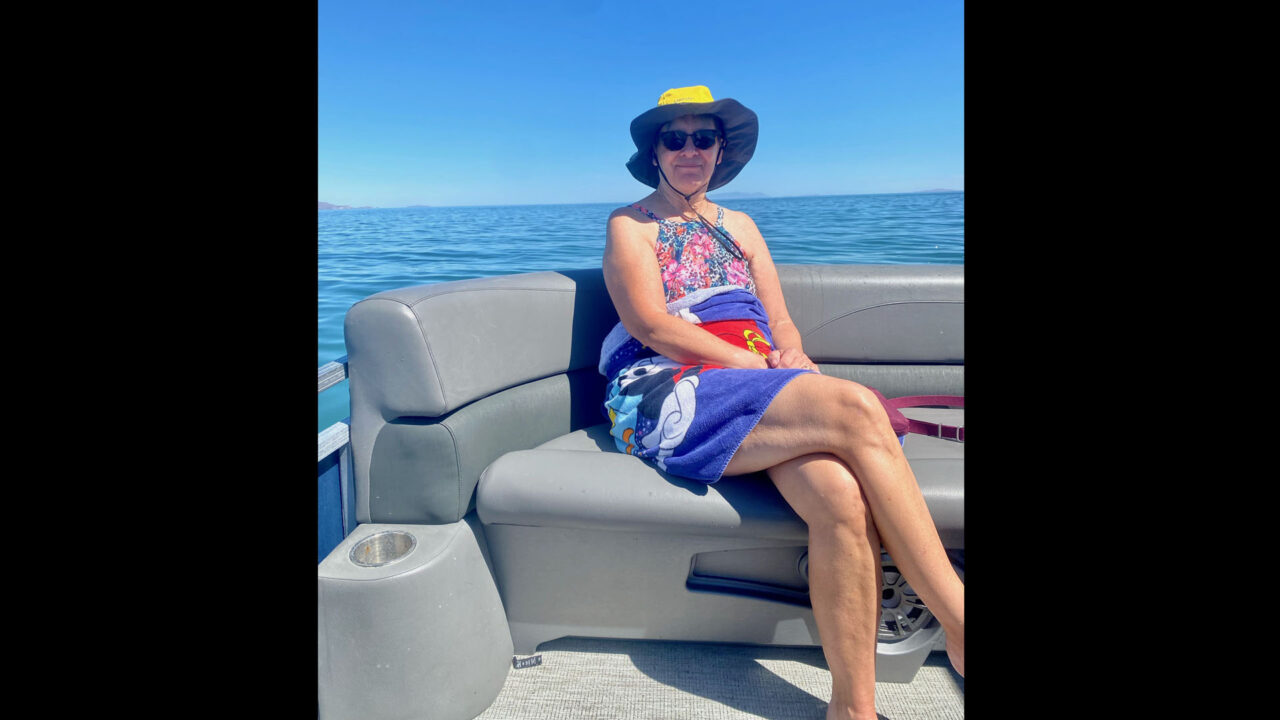
We’ve been fortunate to have so many amazing experiences on this nomadic journey we’ve embarked upon. On Tuesday, June 11th, (2024) was another once-in-a-lifetime experience. We got to swim in the Great Salt Lake. Beyond cool!!! The pod took a 2-hour boat ride originating from Great Salt Lake State Park… so much fun! Sailing is a huge pastime on the lake. The high salt content is not kind to boats though… especially engines!
The Great Salt Lake is the largest saltwater lake in the Western Hemisphere. It’s considered a “terminal lake” with no outlet to the sea. As the water evaporates, the concentration and density of minerals increases. The high salt content allows for the extraction of over 400,000 tons of common table salt every year, and another 1.6 million tons of salt and other minerals from the lake each year by various mineral industries. Wow.
Because of the lake’s high salinity, it does not support fish except for brine shrimp and brine flies which provide essential nutrition for tons of migrating birds. We saw plenty of brine flies. Thankfully they don’t bite, and they weren’t too bad this time of year. (The brown that we saw in the water was minerals.) The Great Salt Lake is approximately 75 miles long and 30 miles wide with an average depth of 12 feet.
The lake is between 12 and 30% salinity. The Dead Sea is the only one that’s saltier at 33%, and the ocean averages only 3.5% salinity. We were warned not to shave the morning of the day you’ll be swimming! And Tyler, our guide, suggested no cannonballs off the boat. You don’t want the salt in your eyes or up your nose. It would be painful! We were able to walk down the ladder at the back of the boat and just stepped into the water! We were given neck pillows so you could just float. The water temp was a comfortable 70 degrees, and felt wonderful! We could feel the salt on our skin when we got out of the lake.
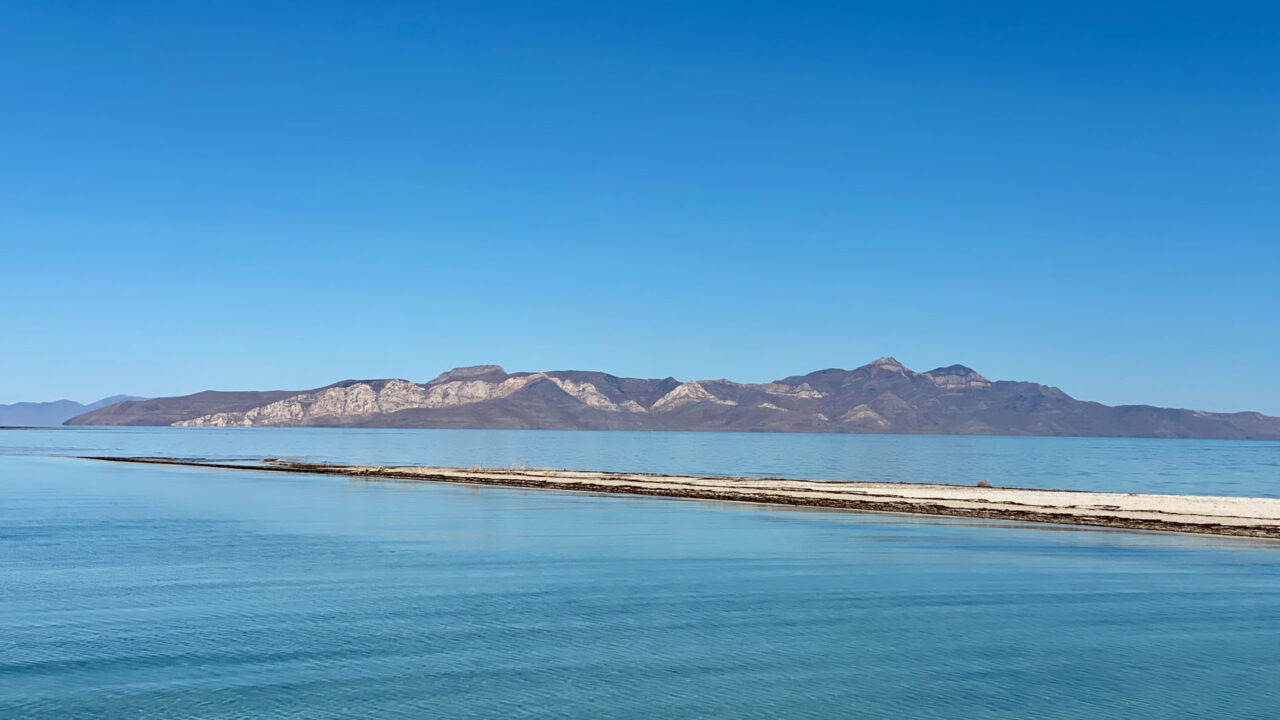
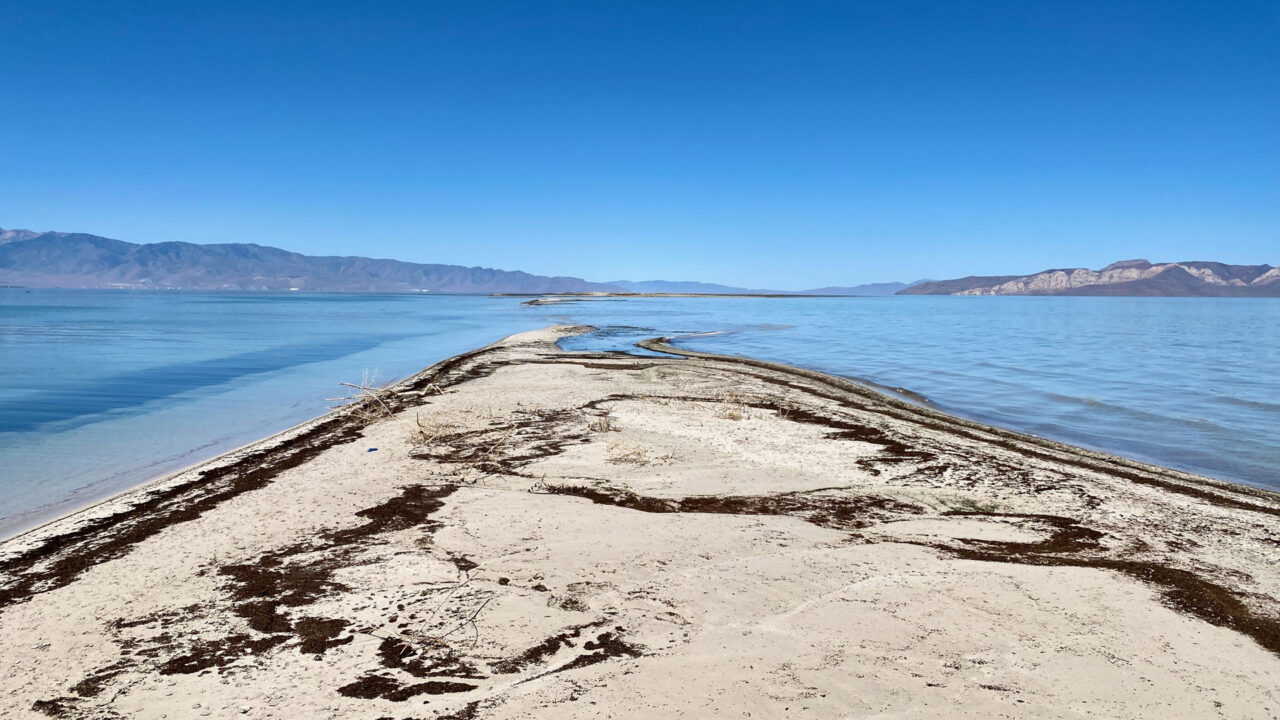
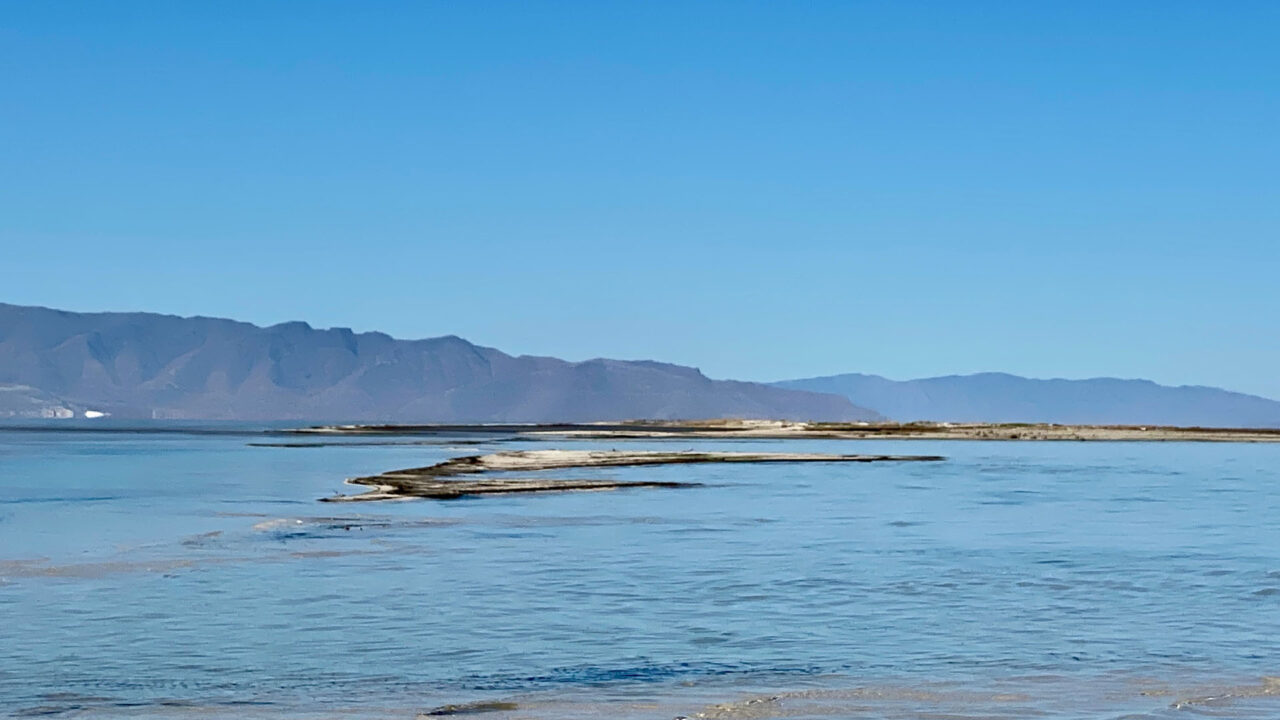
We stopped at a sand bar next. Not your typical sand. This is Oolitic sand or egg-shaped sand formed from calcium carbonate or salt. Very soft. We sunk up to our ankles in the water.
We had the lake to ourselves. This was such an awesome experience! Gary and I loved it and so much fun to do with the pod!
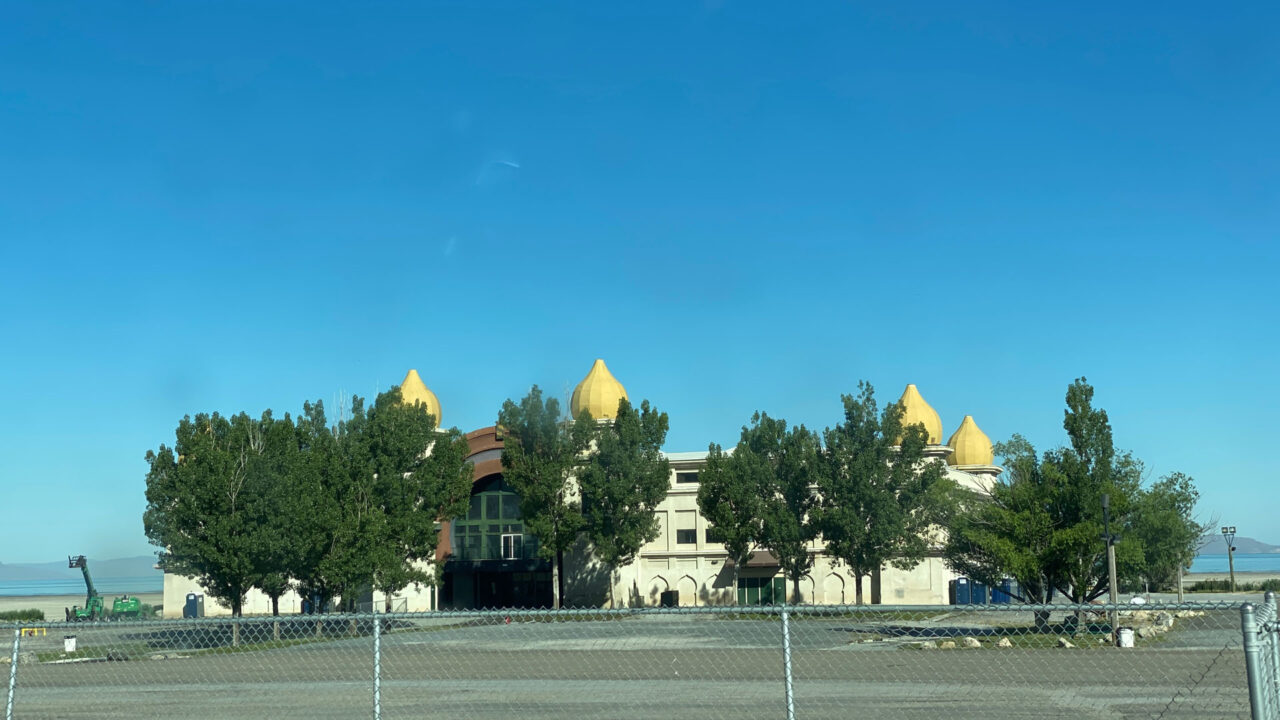
Afterwards we passed by an interesting Middle Eastern looking building. After some research, we discovered the first Saltair was built in 1893 as a recreational bathing resort to capitalize on the popularity of swimming in the Great Salt Lake. After the rise and fall of several structures, the latest is called Saltair IV and is a concert venue but the look is similar to the original structure.
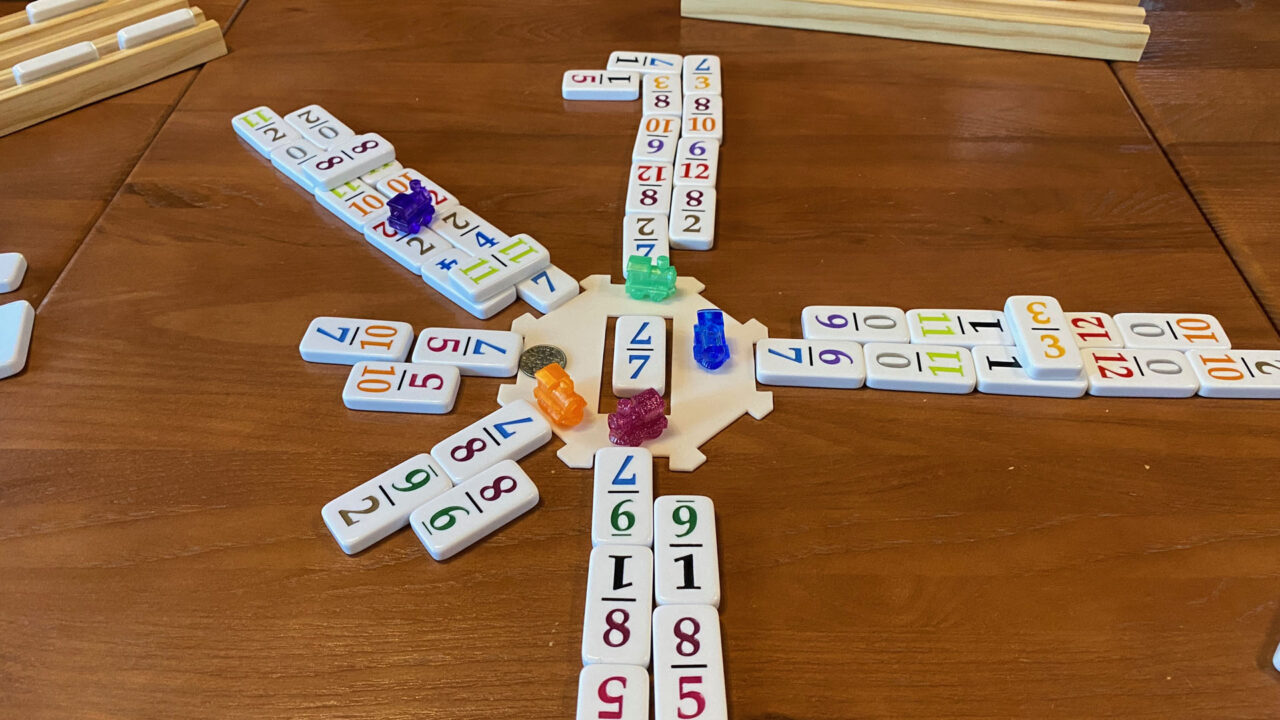
A late afternoon of Mexican Train and dinner at our house capped off our day.
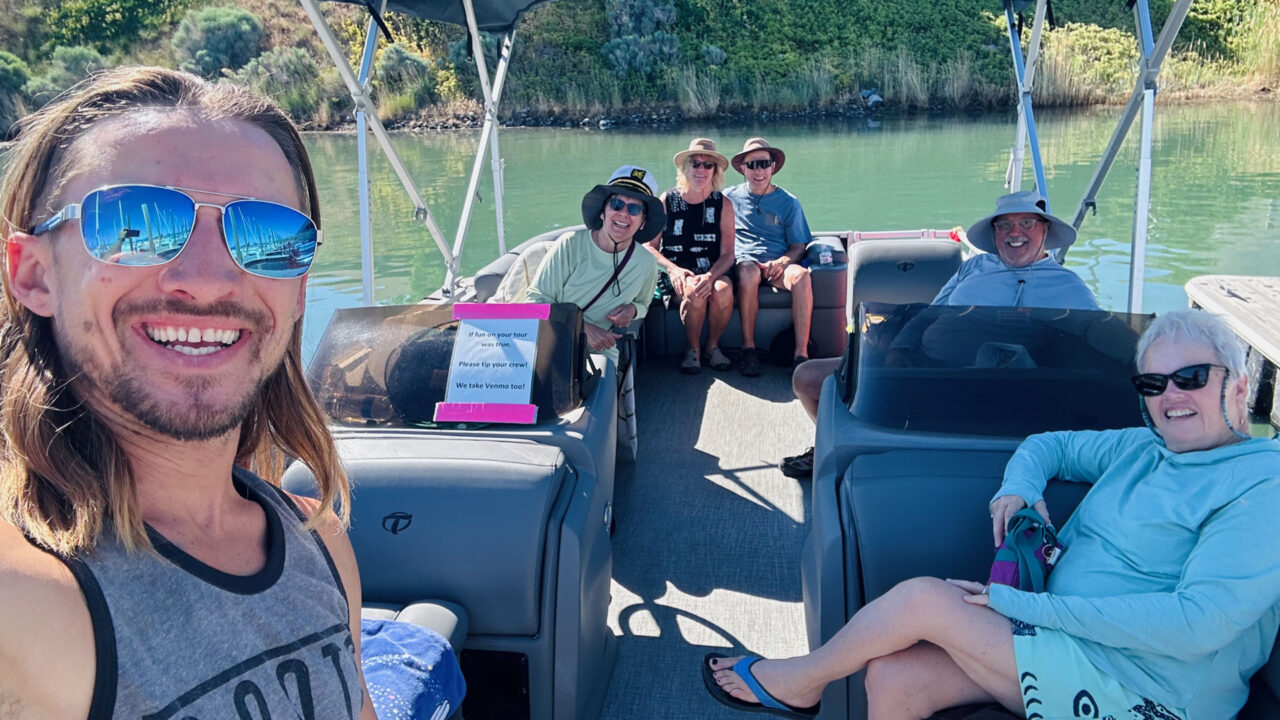
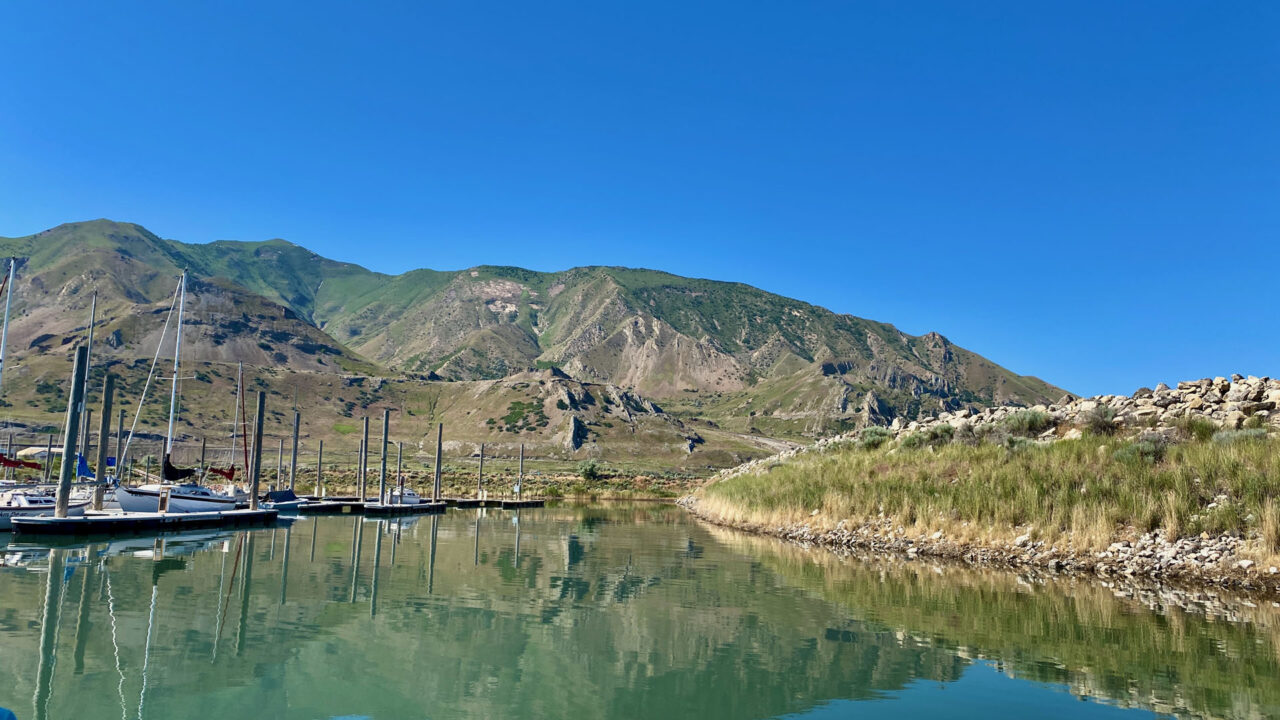
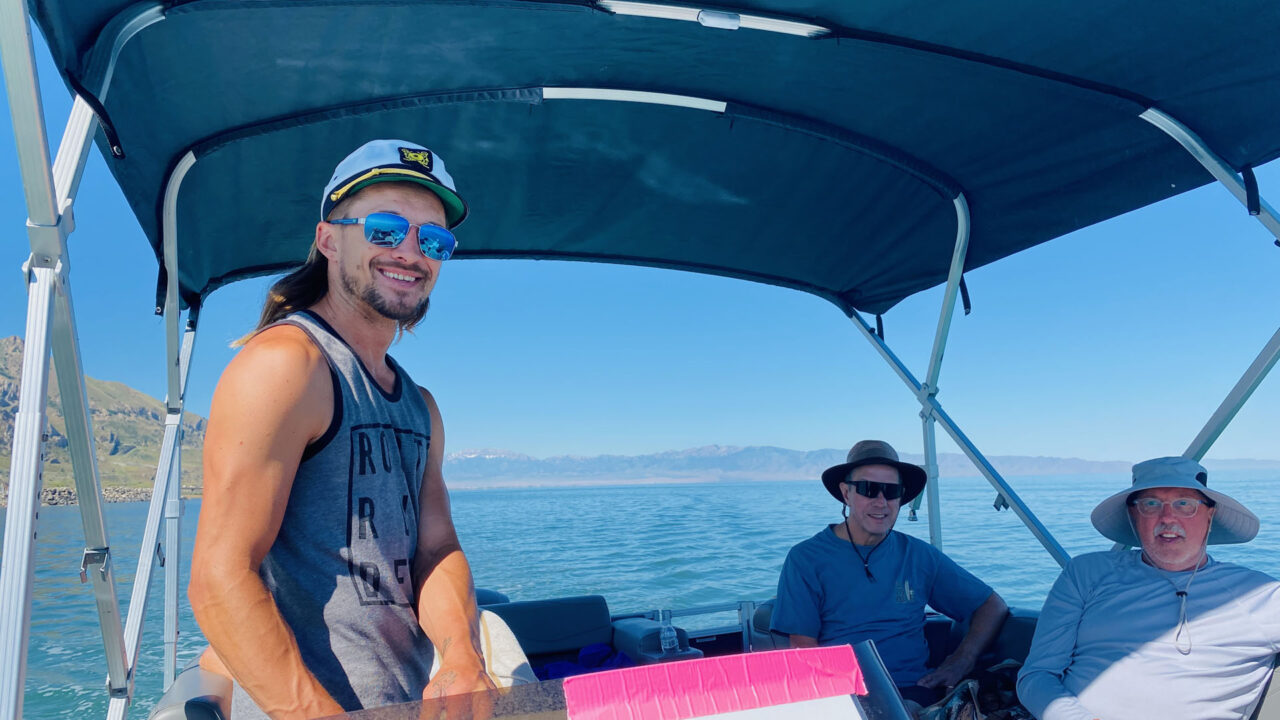
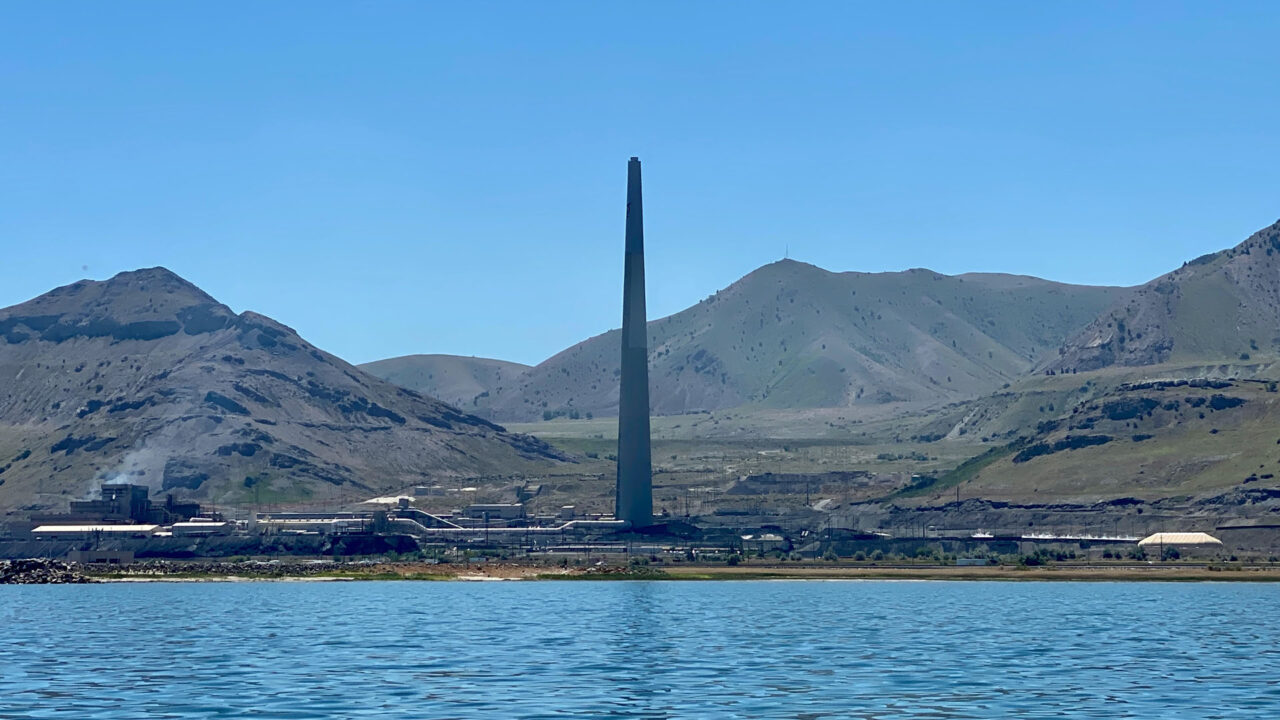
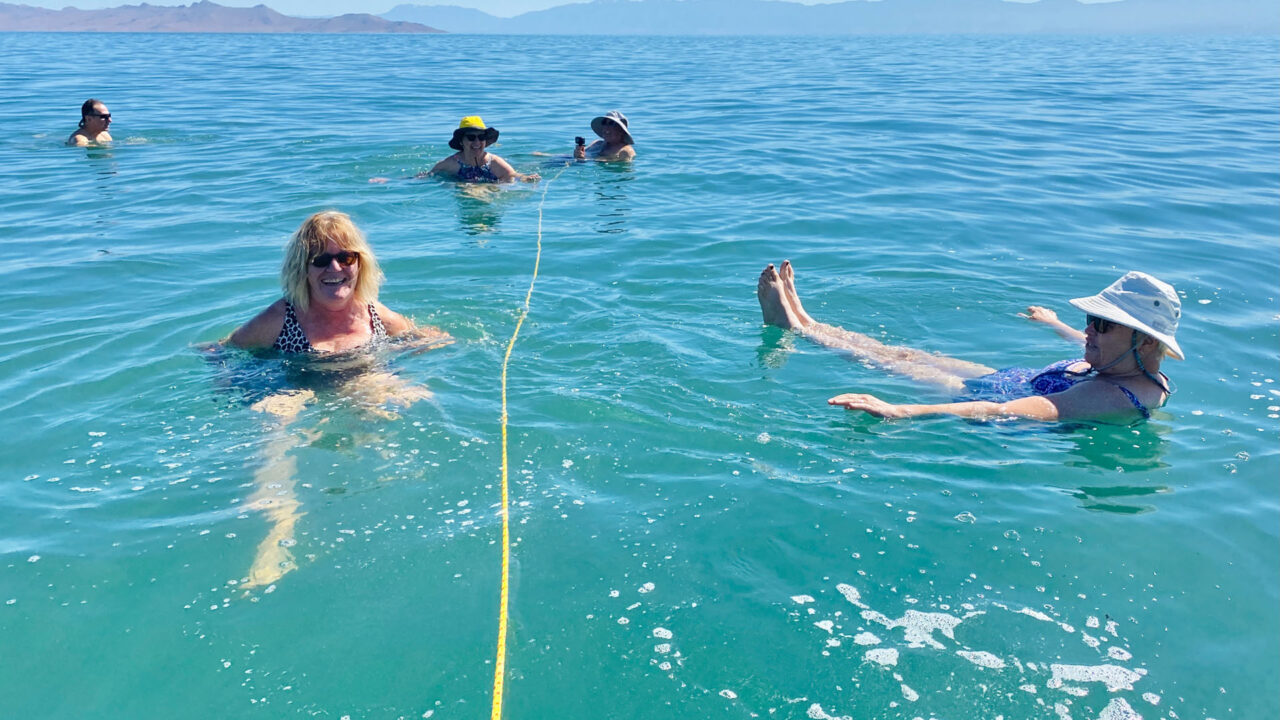
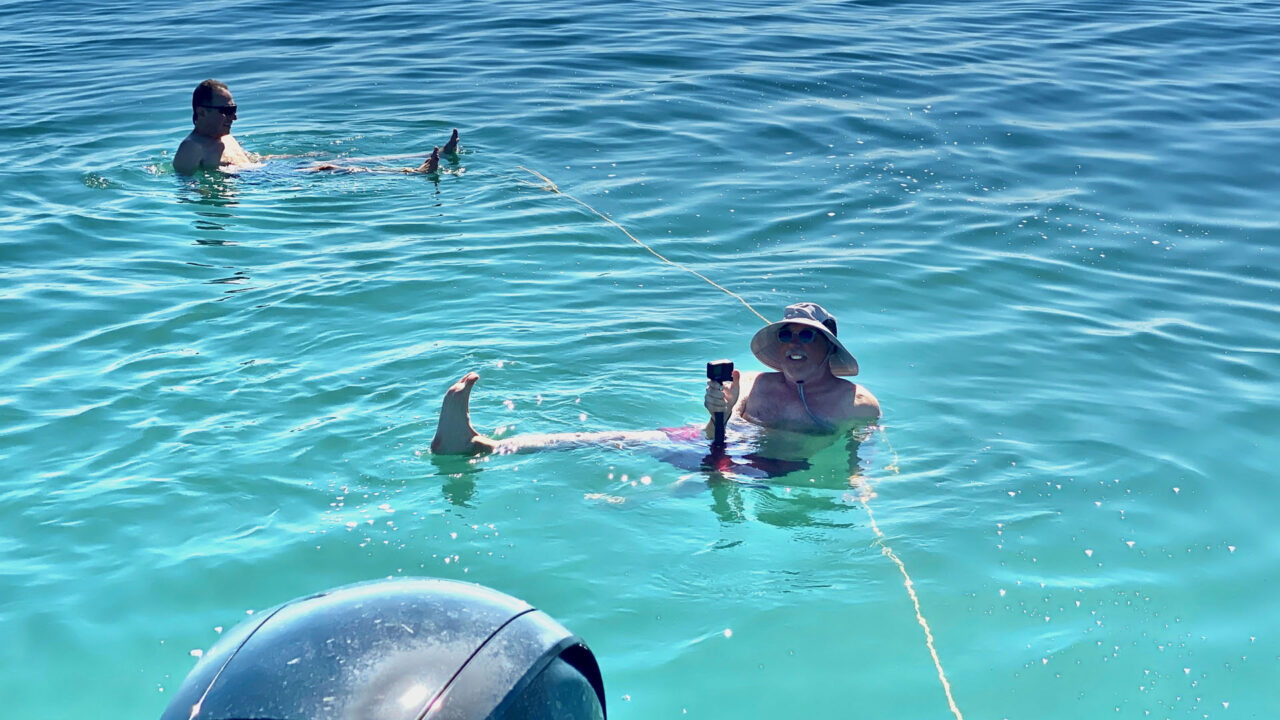
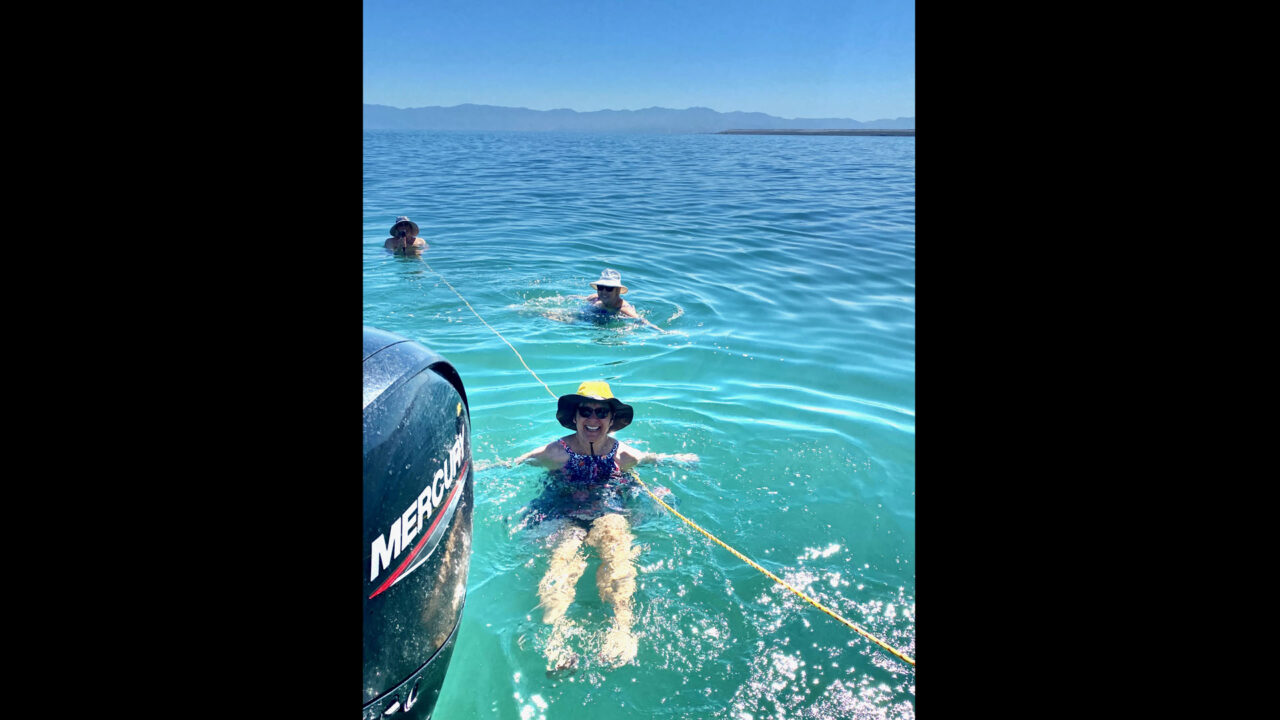
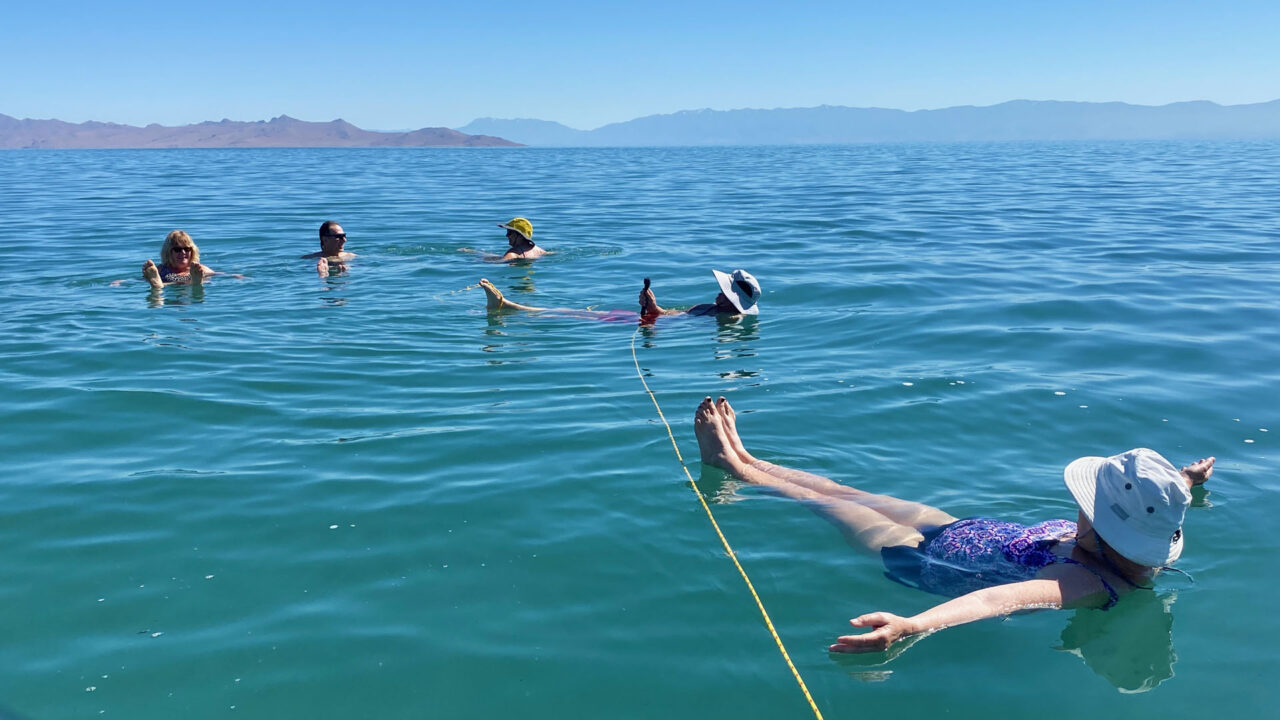
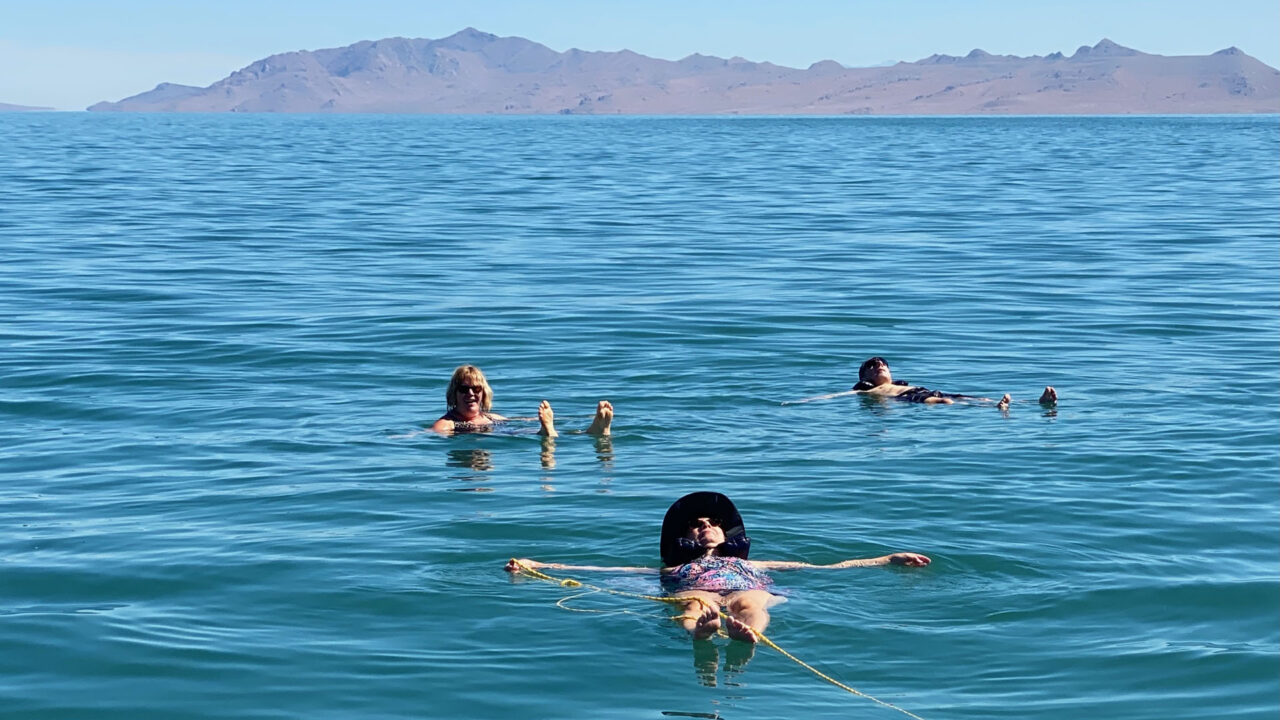
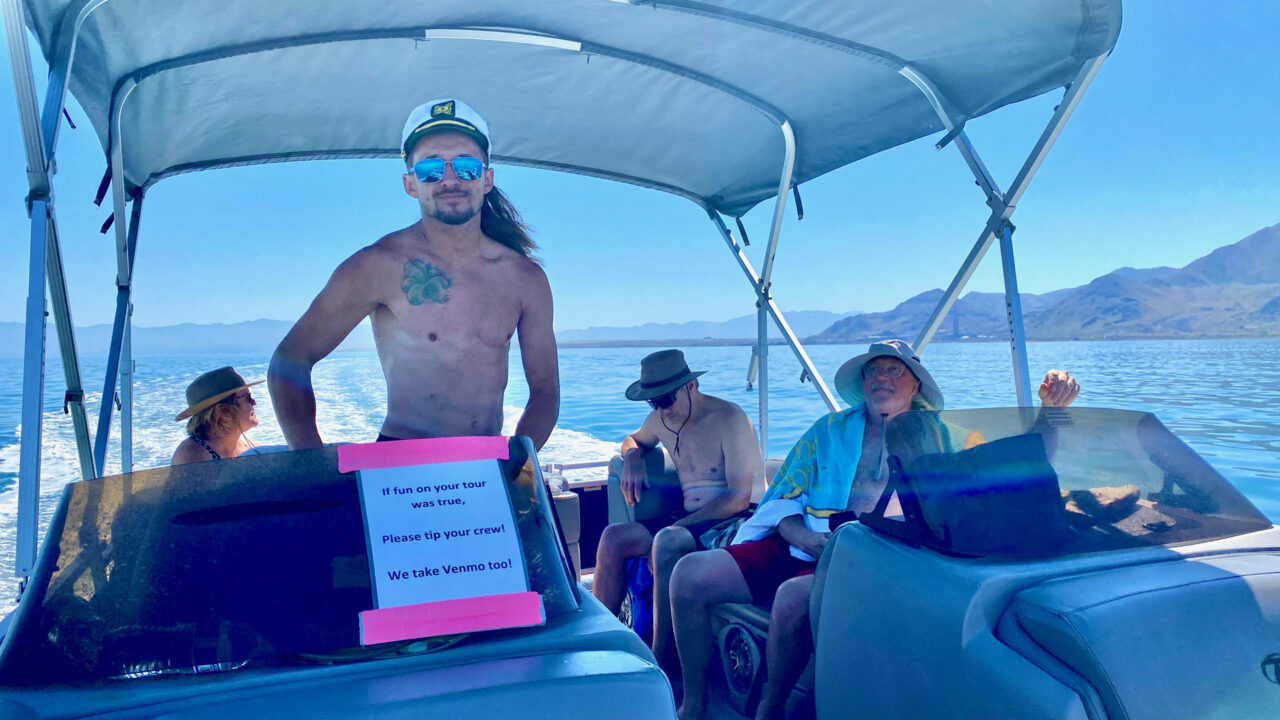
Gary captured 18 seconds of the pod (and our captain) floating in the Great Salt Lake. You can hear us oohing and aahing over it.
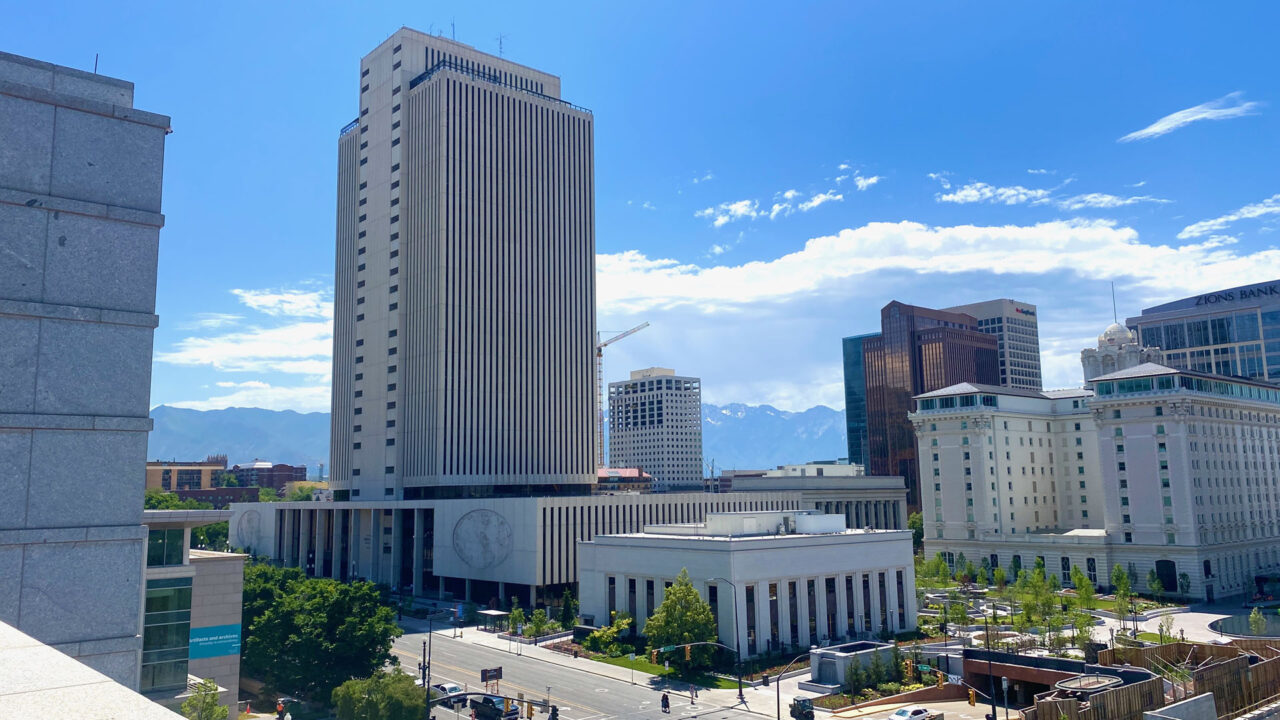
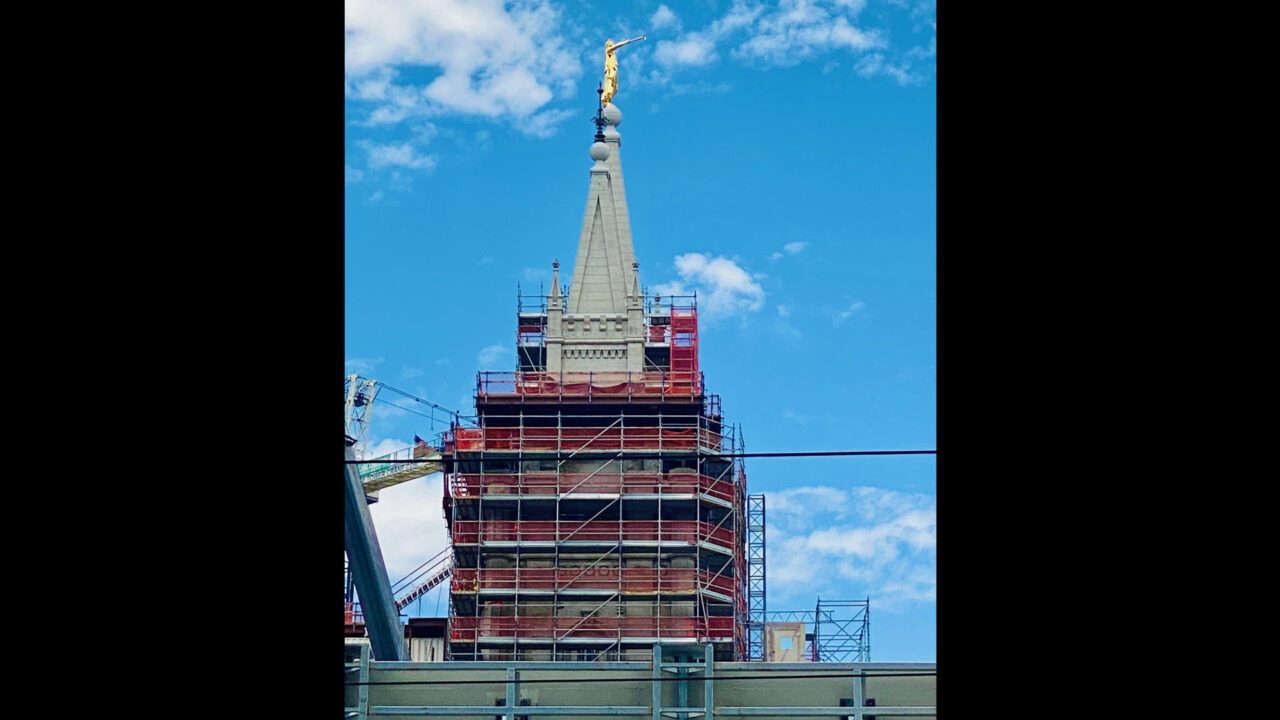
On Wednesday, June 12th, (2024) the pod headed into downtown SLC to visit Temple Square. A major renovation is underway at the Salt Lake City Temple so parking downtown was a challenge. Cheryl volunteered for that fun job. We had to backtrack to the State Capitol and park there. We walked 4 miles that day including down a 1/2 mile hill from the Capitol and up again! The locals call it Heartbreak Hill. And it was HOT! But still a fun day!
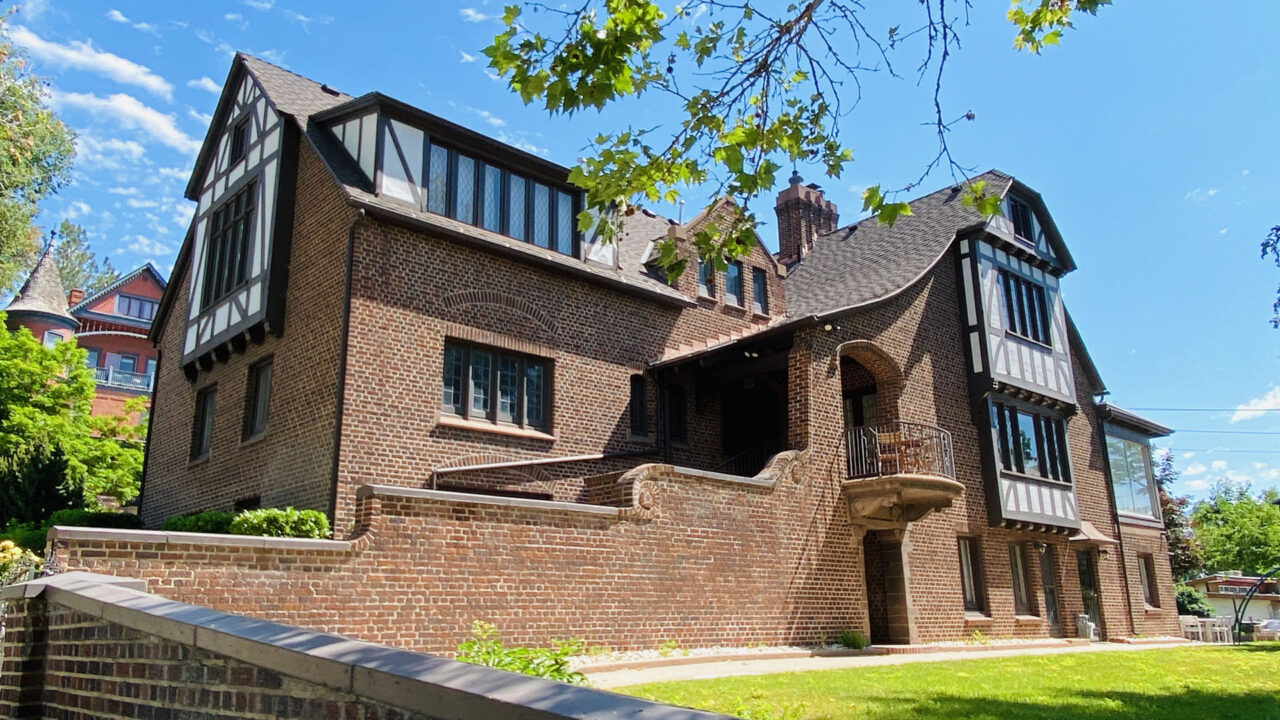
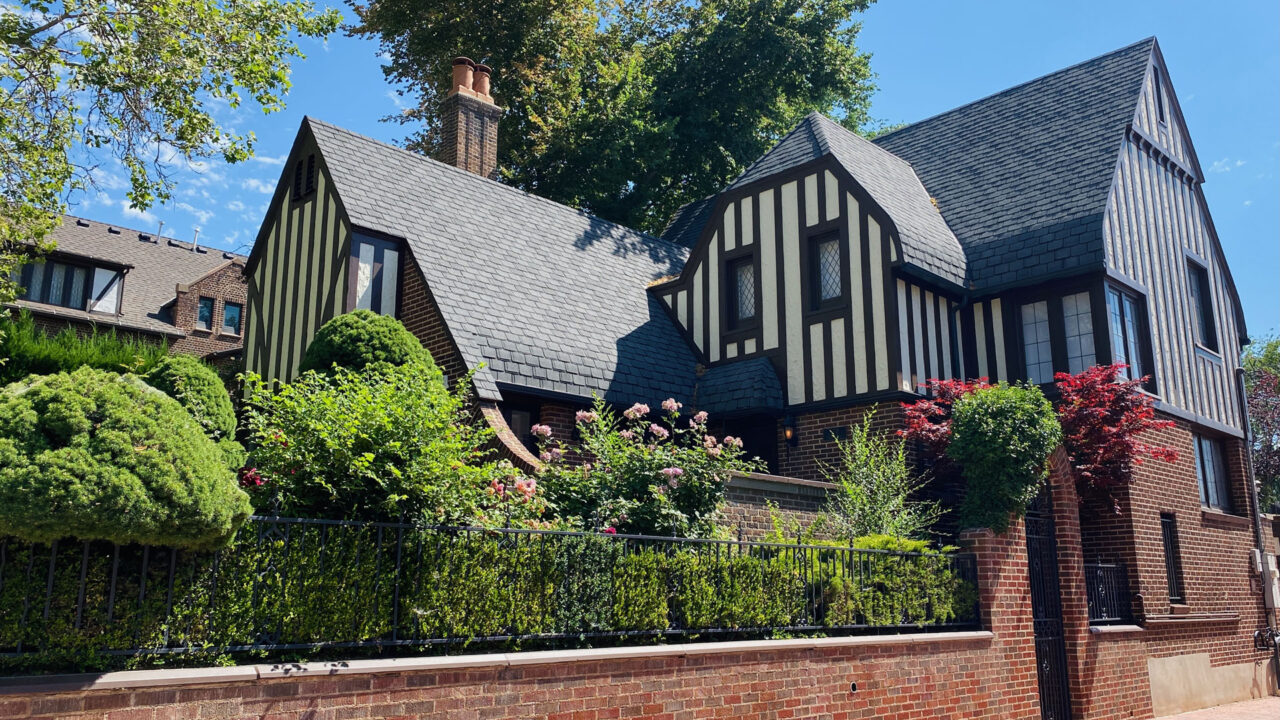
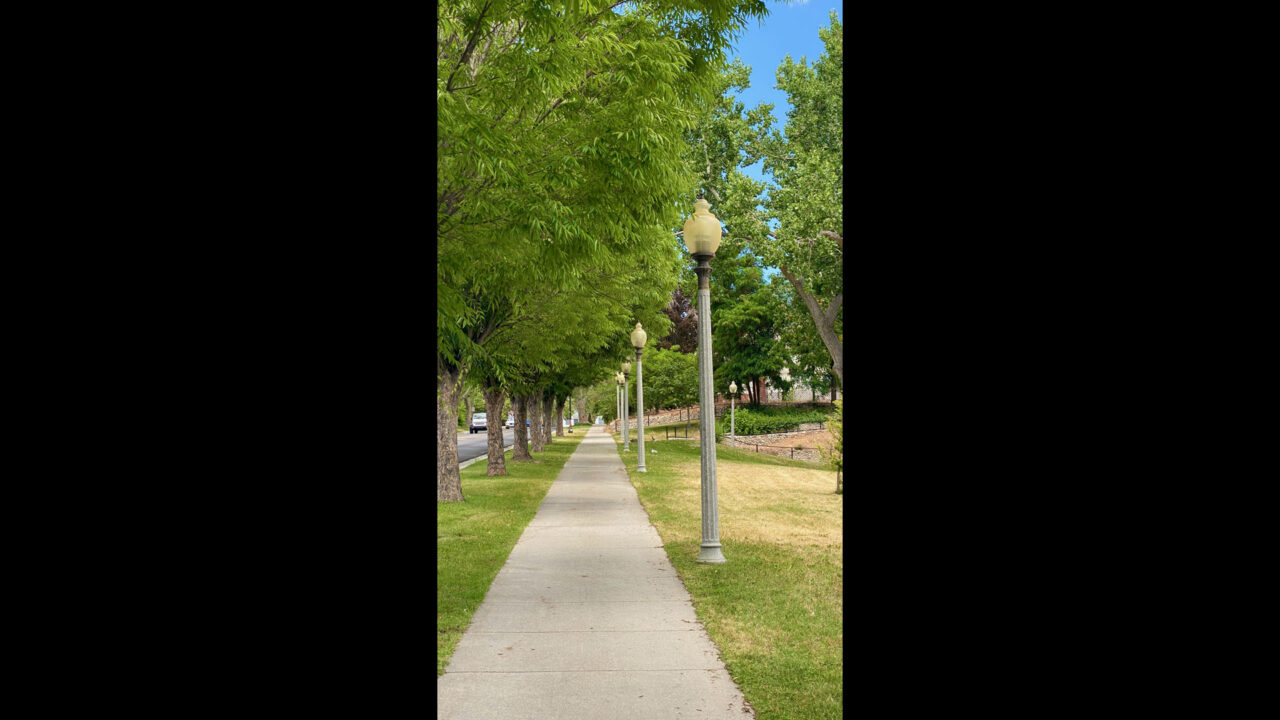
On our walk into town from the State Capitol we passed by a beautiful residential historic area including a private home built in 1918 for the head of the Utah-Idaho Sugar Company. It was restored in 2014. We also passed by the Old City Hall (in use until 1894) which now houses the Visitors Center.
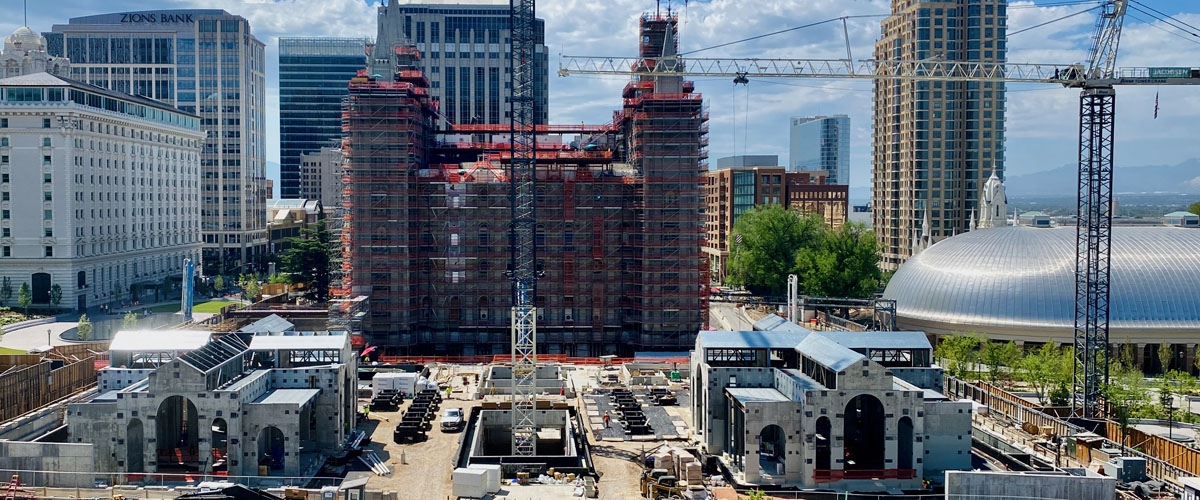
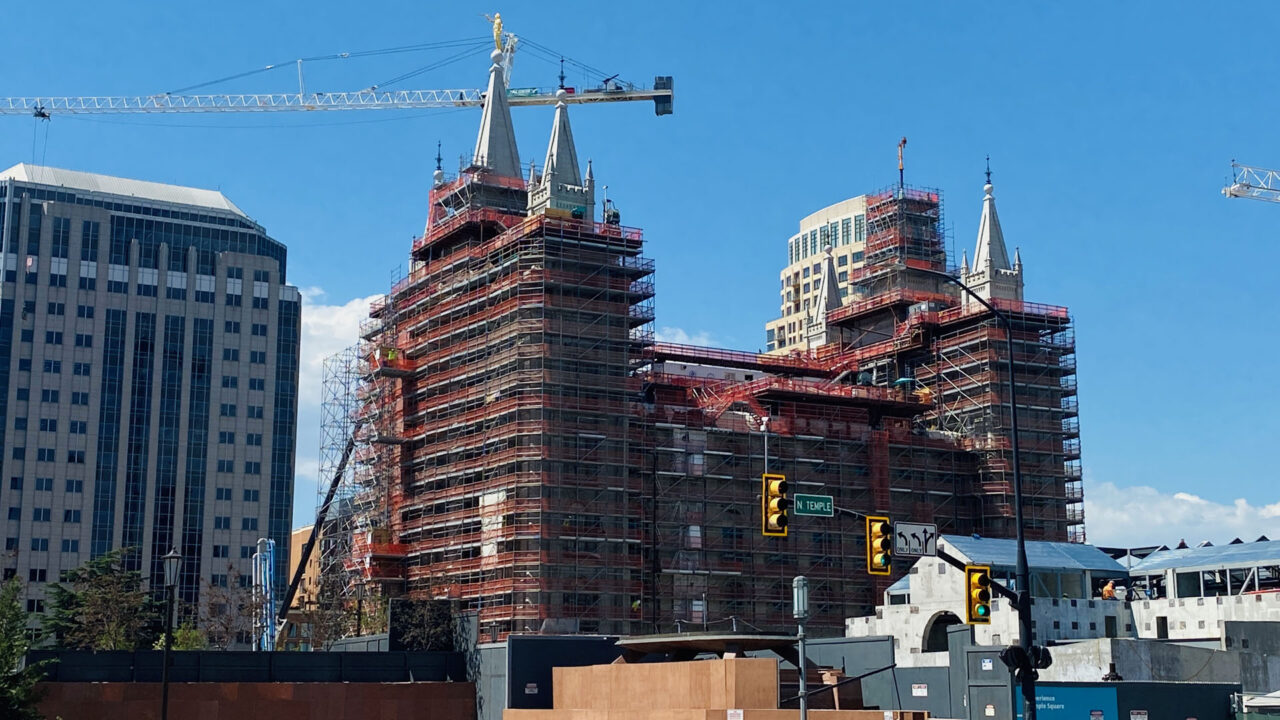
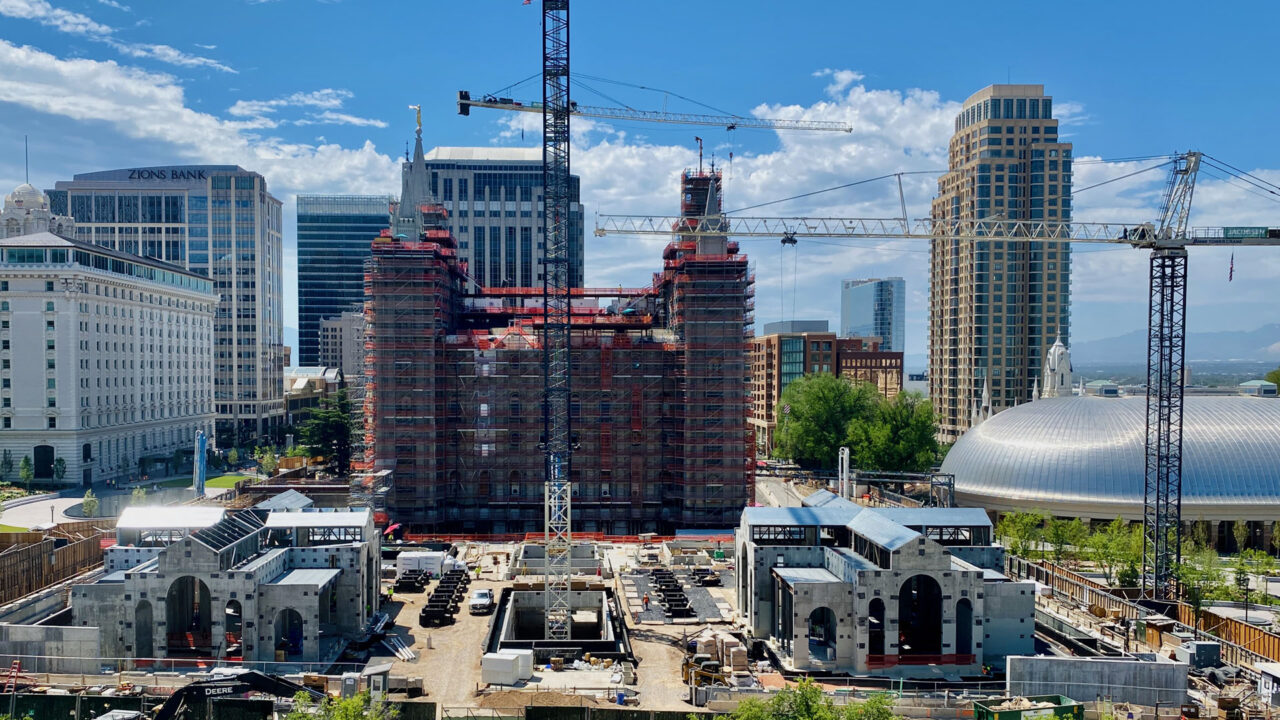
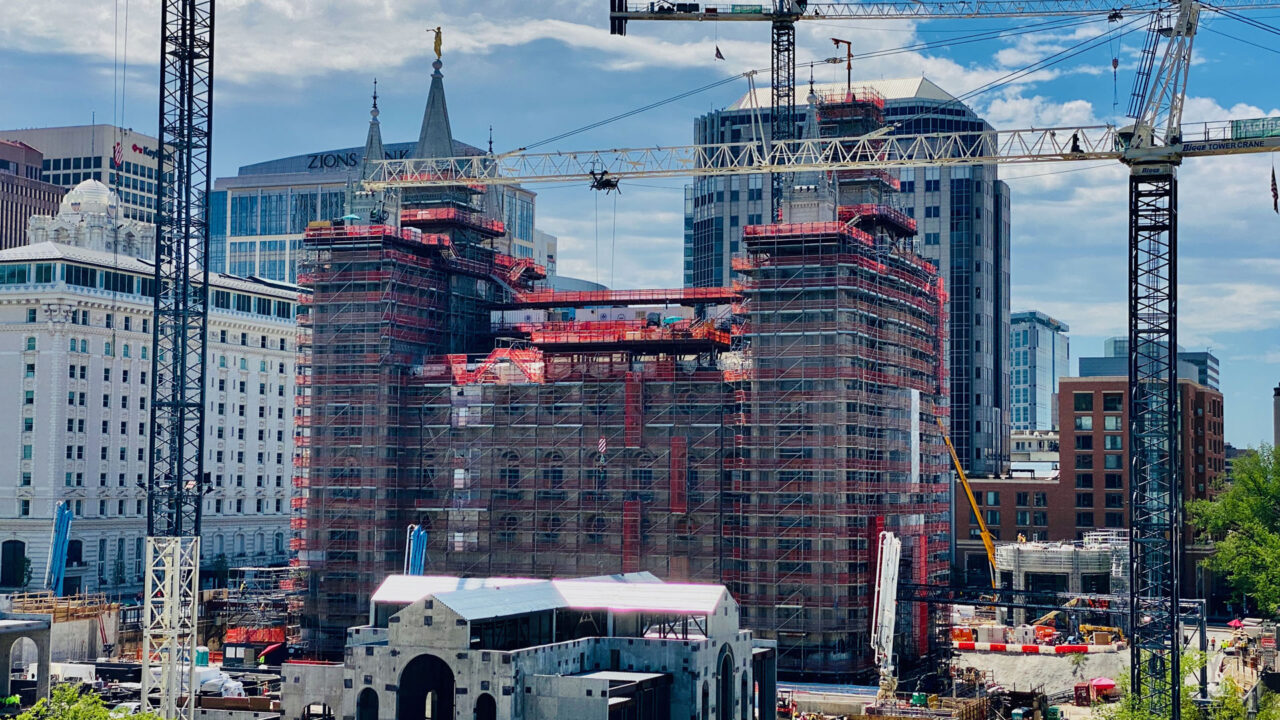
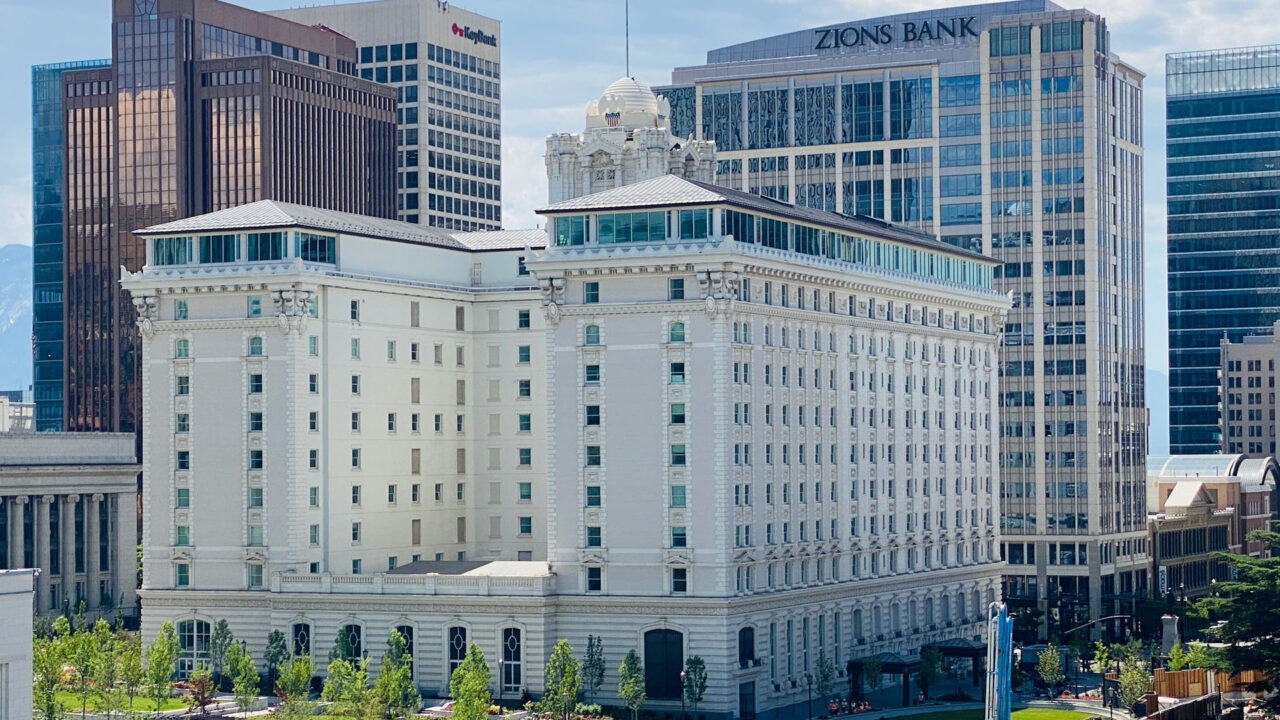
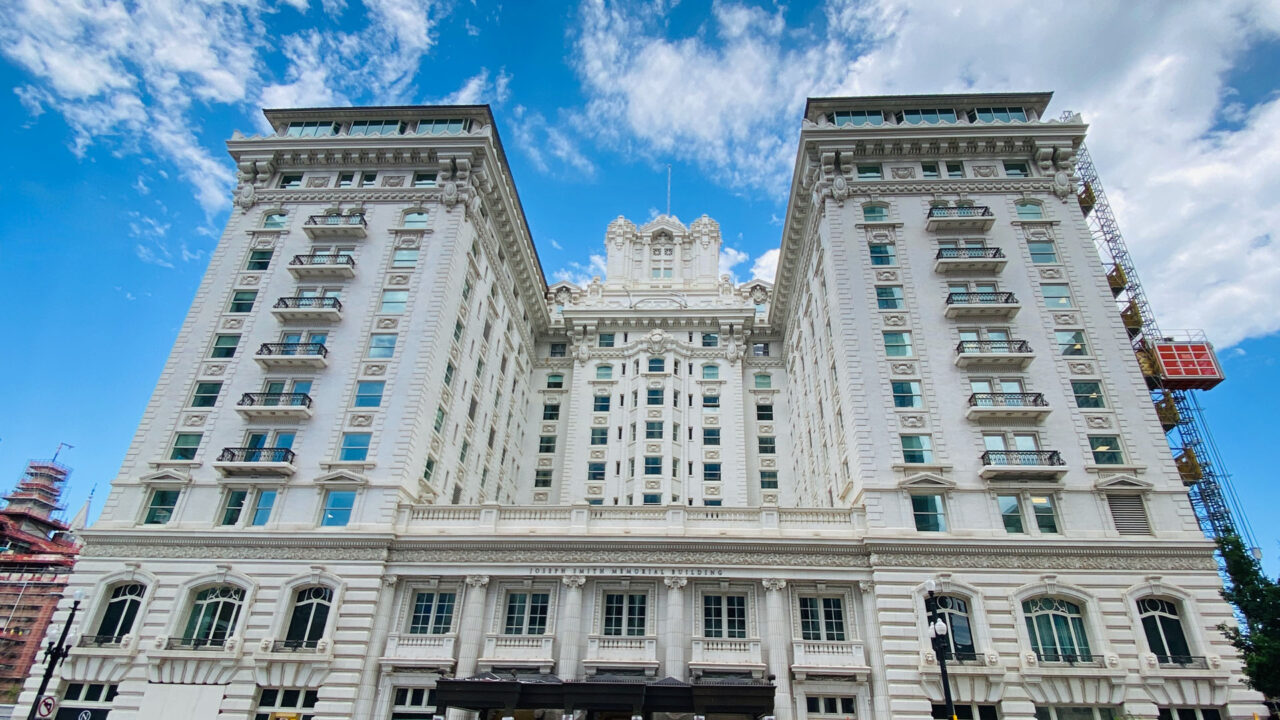
Renovations started on the SLC Temple in 2019. The structure is entirely covered in scaffolding and is getting outdated systems replaced as well as a major foundation upgrade. In the event of an earthquake, the mechanical upgrades will isolate the earth’s movement from the structure above. The temple will be able to move 5 feet and still remain stable. Wow! Work is supposed to be completed by 2026. However, the angel Moroni has already been returned to the top of the Temple. These angels sit atop all JCLDS temples.
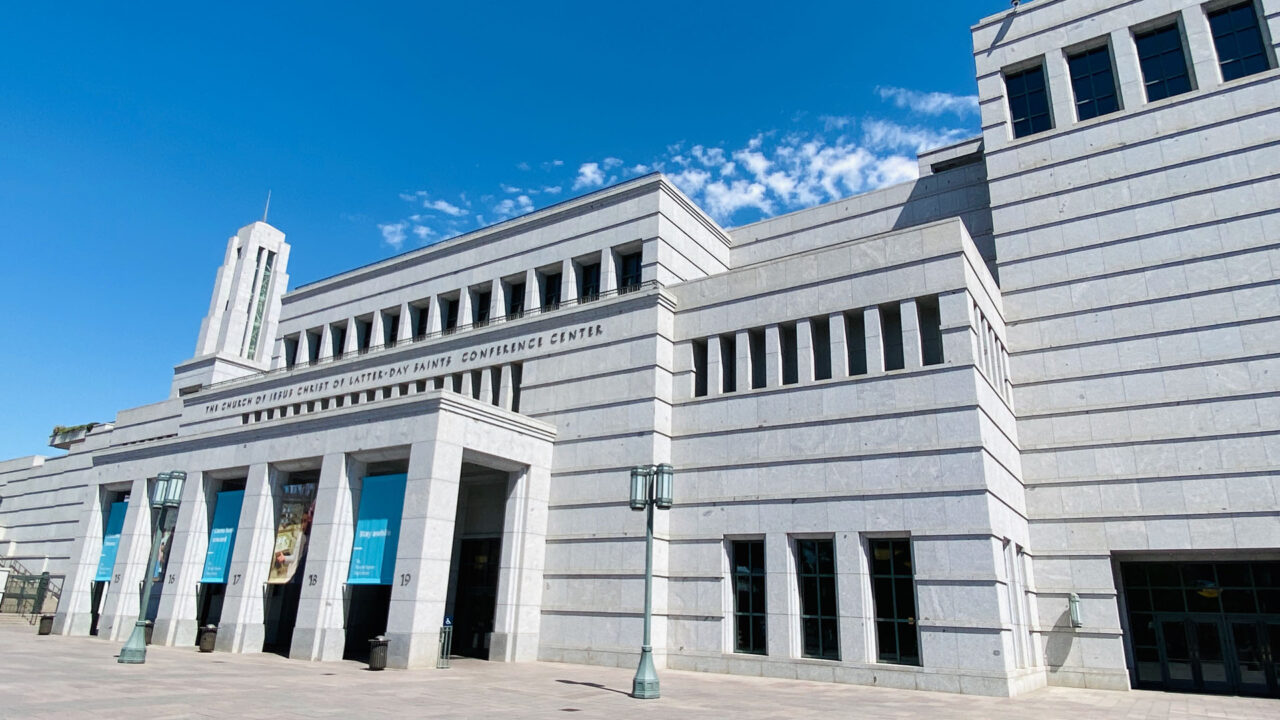
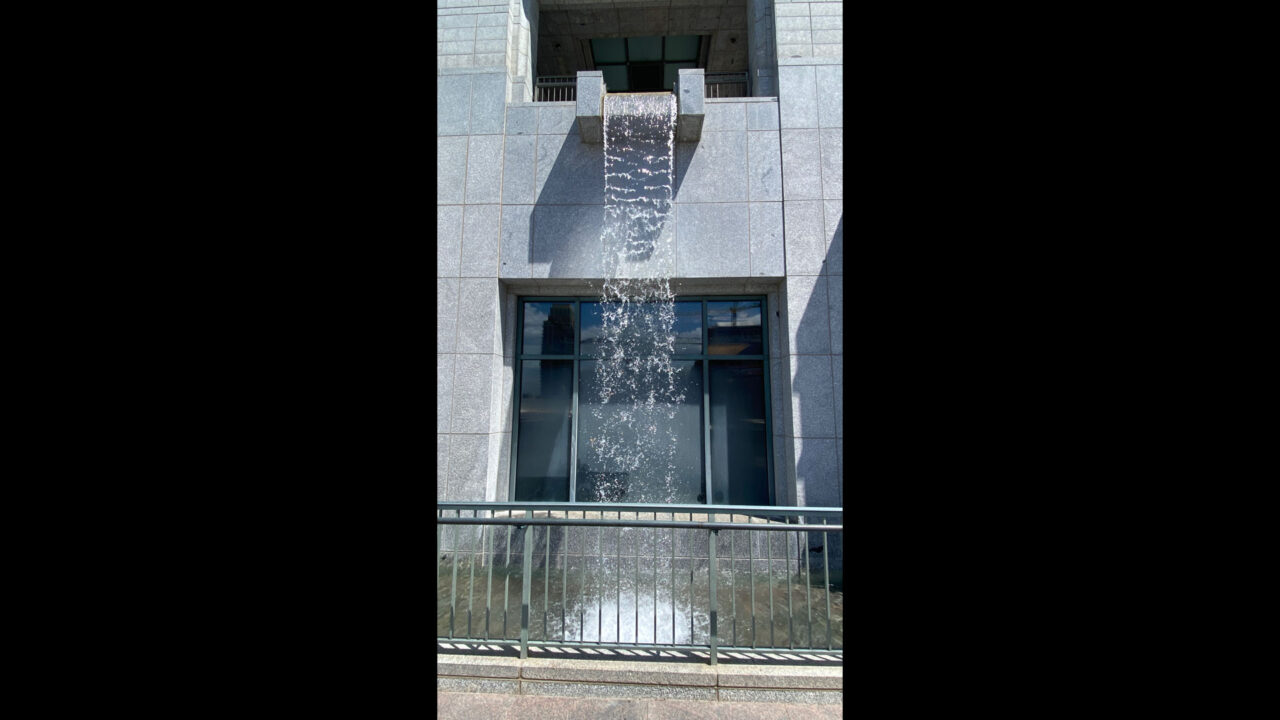
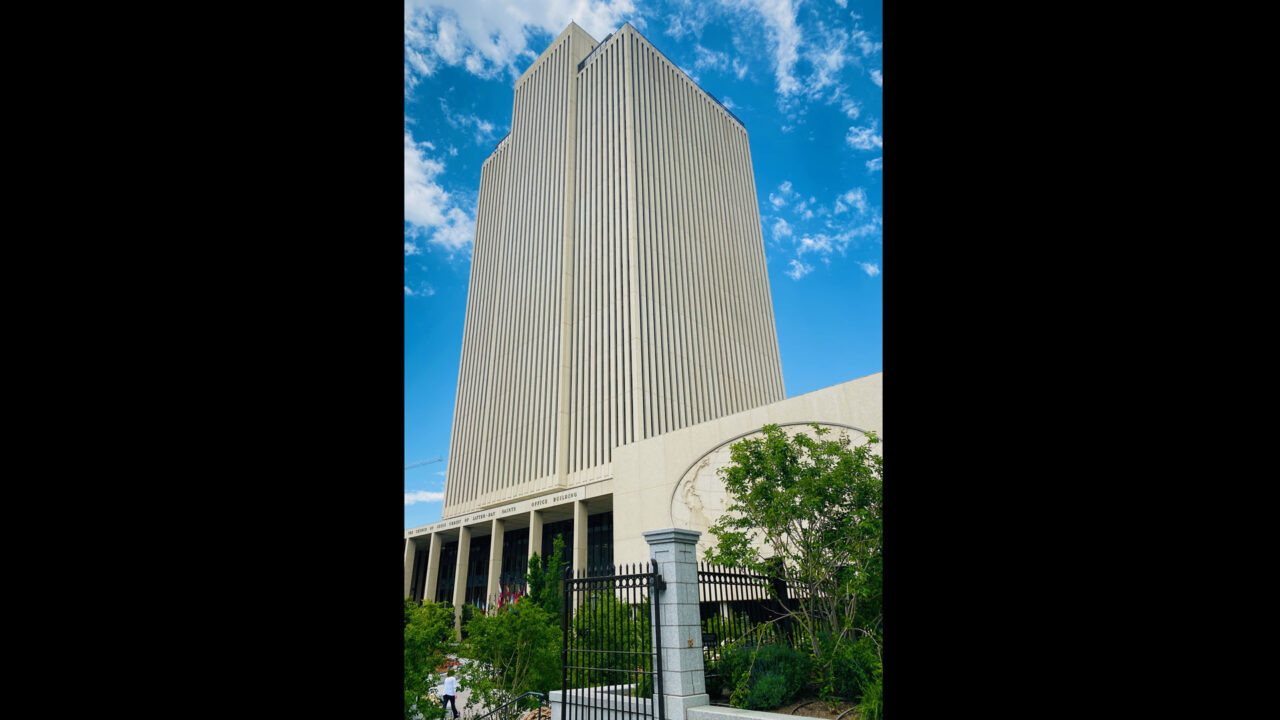
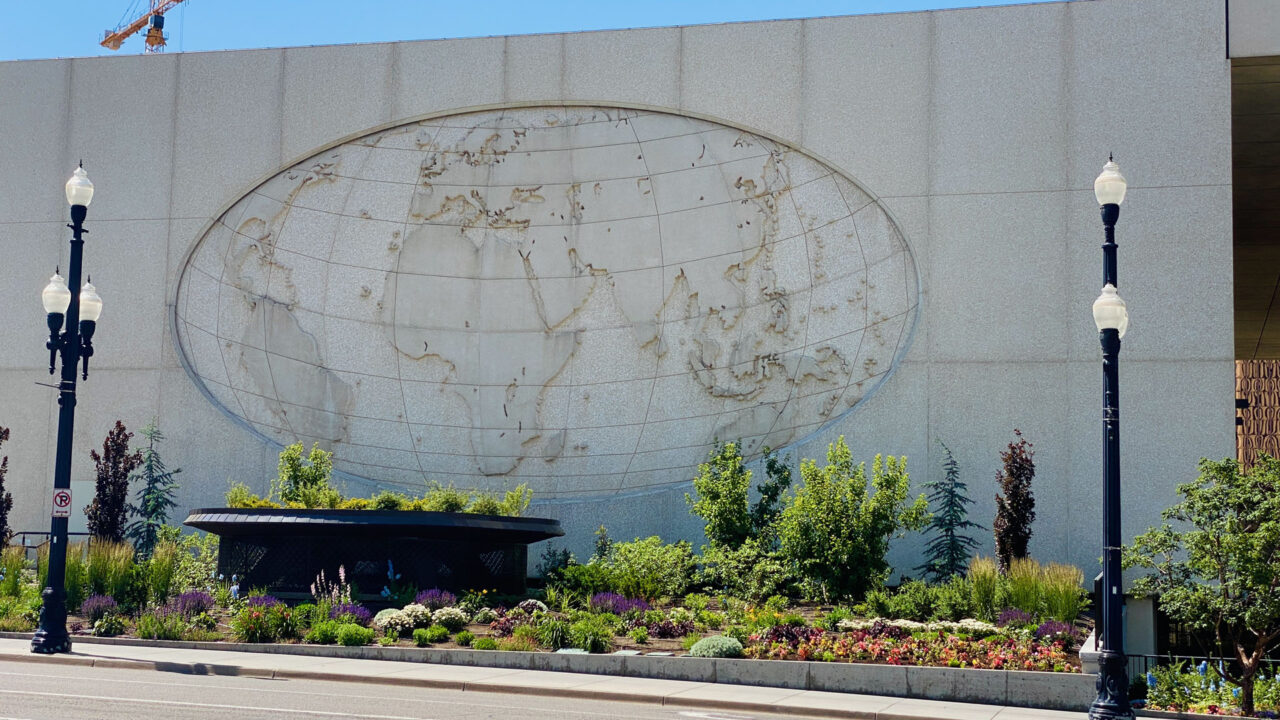
Even with all the construction, Temple Square was still worth a visit as we were able to visit their 21,000 seat conference center built in 2000 and the Tabernacle built in 1867.
Young women who were missionaries approached us in each of the two buildings to chat us up. They work in pairs, and are quite charming. They begin by asking where you’re from and then engage you in conversation… educating you on whatever you happen to be looking at. The missionaries volunteer to serve 18 months and are from all over the world. It got to a point where we decided it was best to keep moving. At one point, Joe said “Teresa, quit being so nice. They’ll never leave us alone.” Heehee.
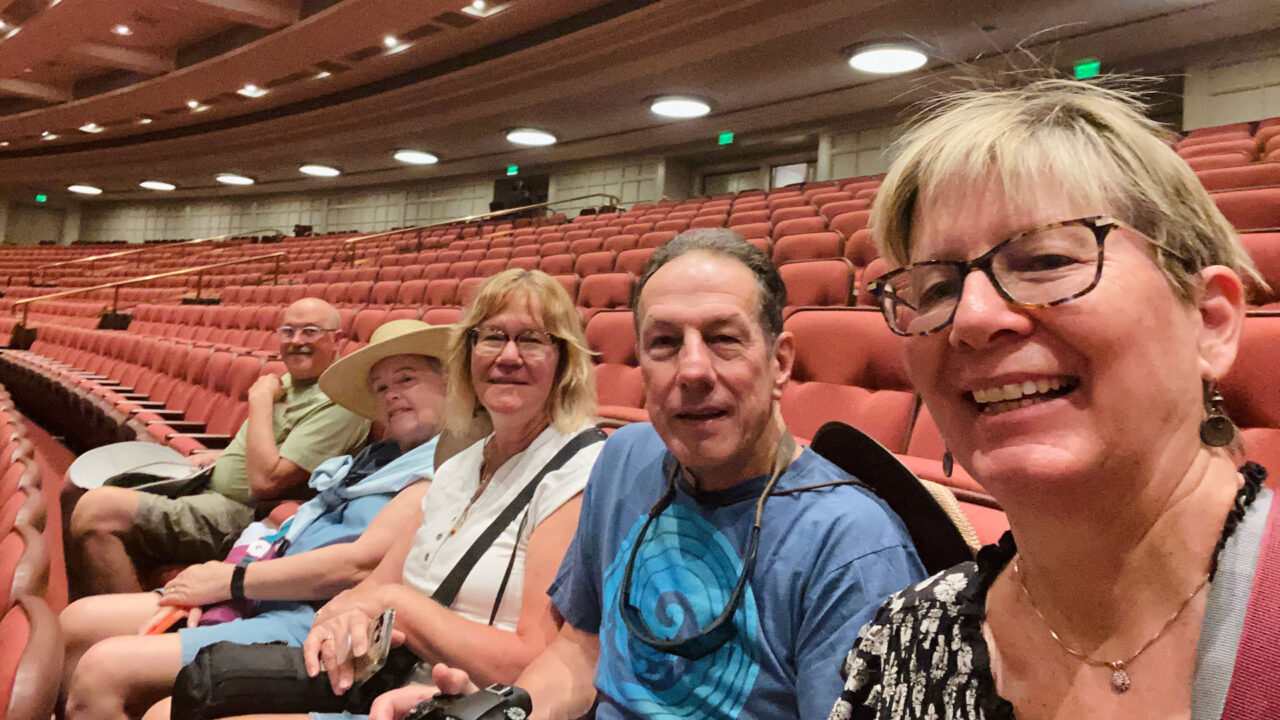
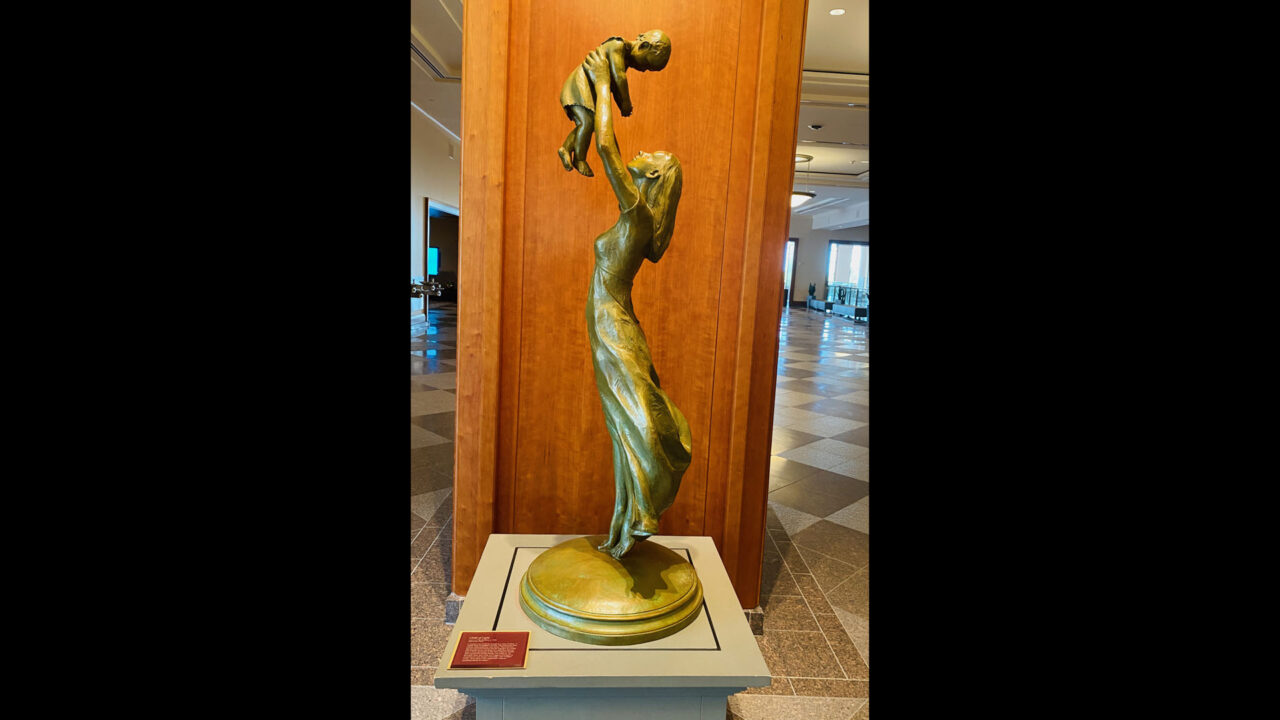
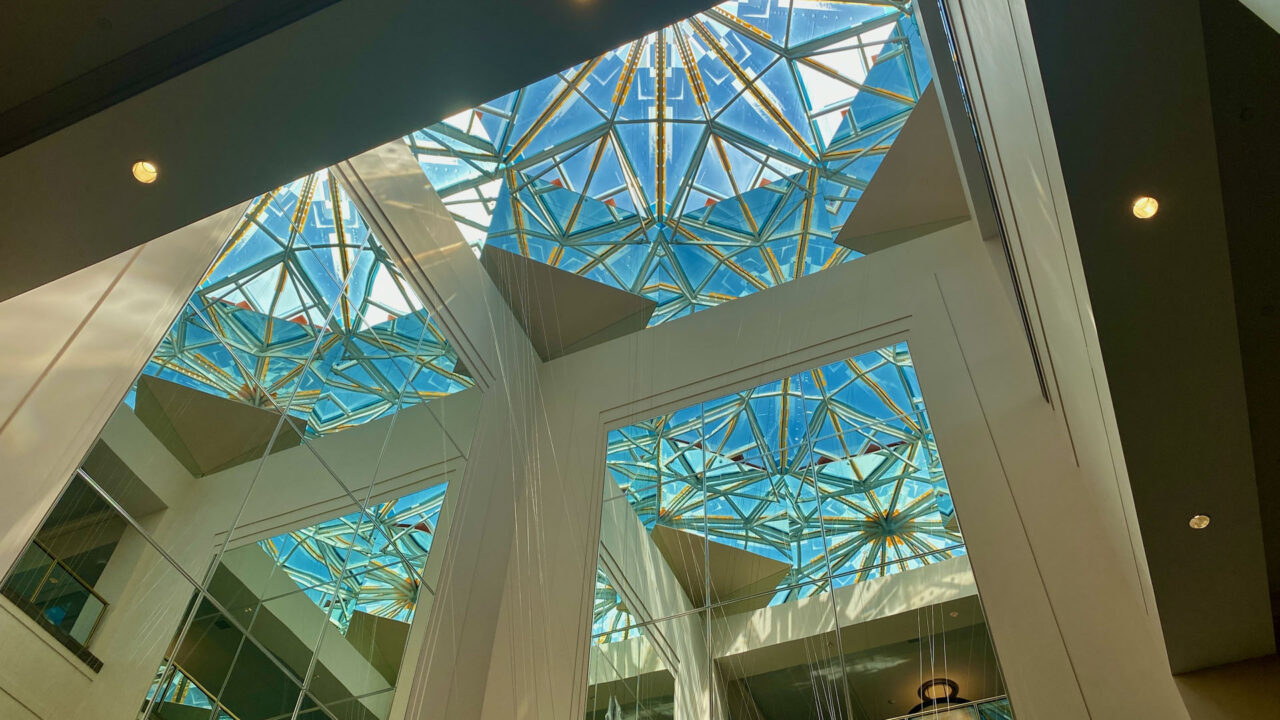
In the conference center our eyes were drawn to the beautiful ceiling, some lovely sculptures and religious paintings, and gorgeous views from the top floor. We also checked out the 21,000 seat auditorium and heard the organist practicing the 7,708-pipe organ. A-mazing! Then we were very nicely kicked out since we shouldn’t have been in there during that time. Ooops.
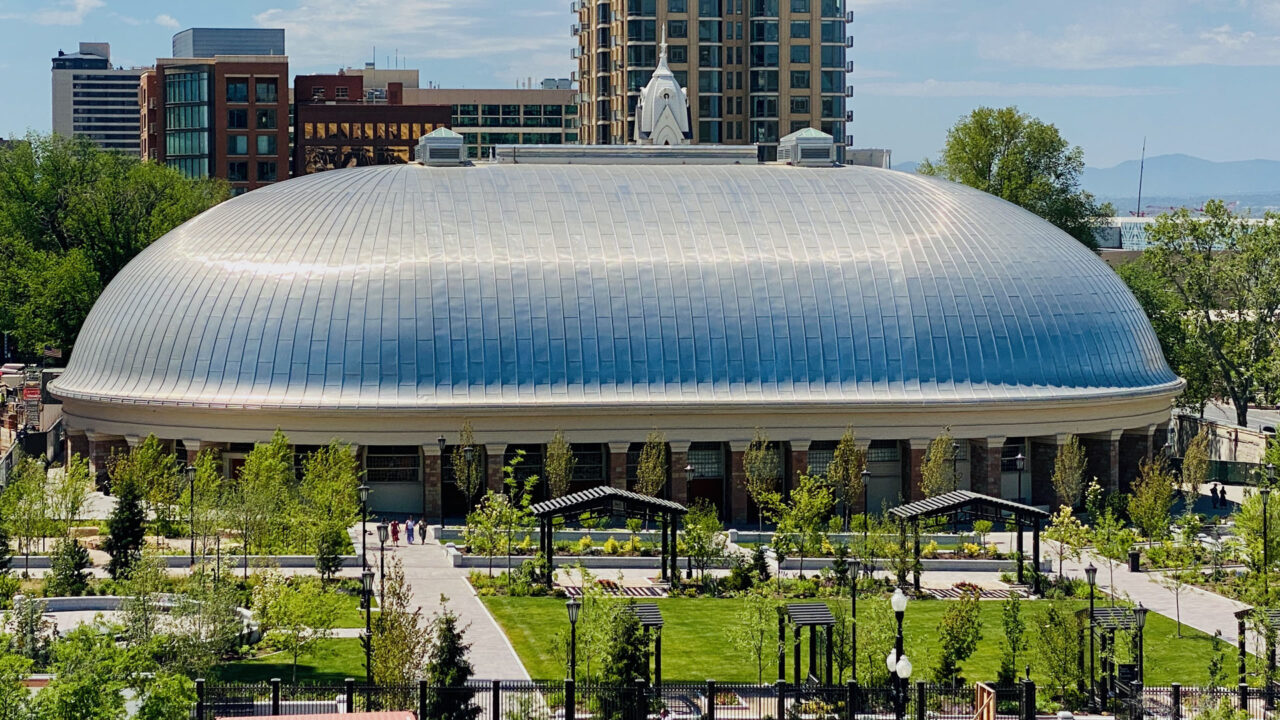
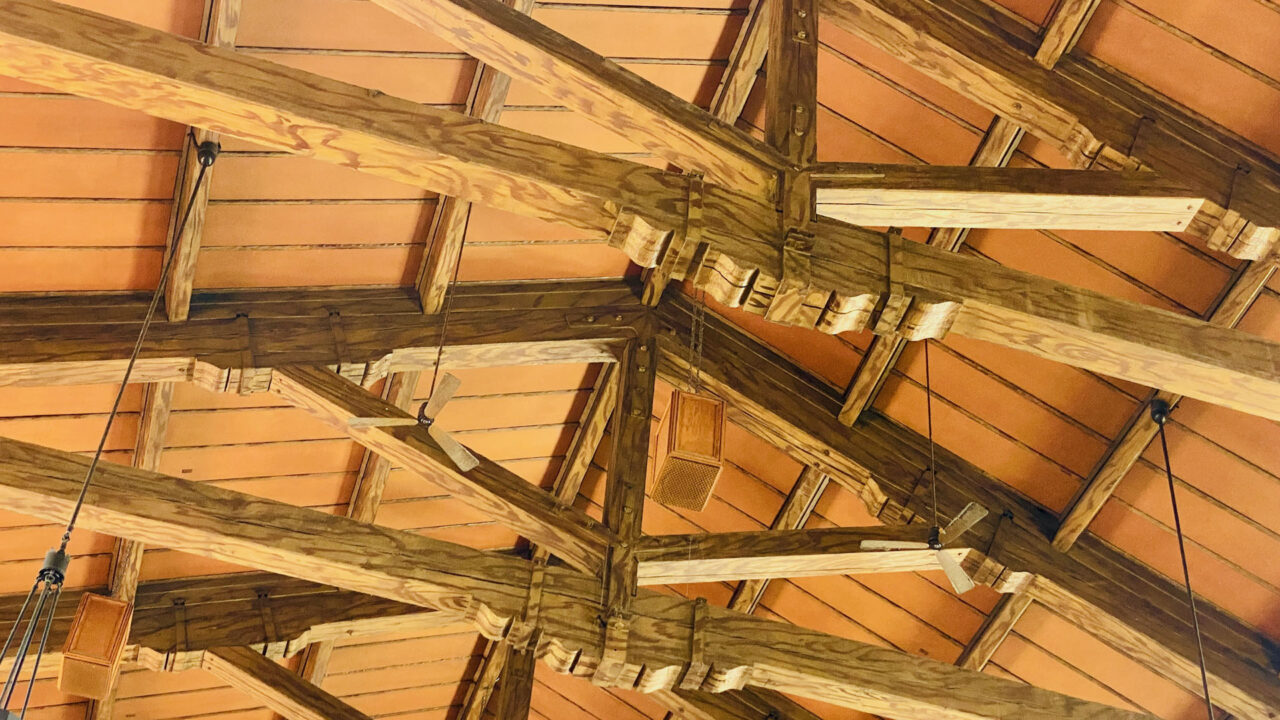
The Tabernacle, built in 1867, was the first conference center and could hold 5,000 people. The roof is a complex, latticed structure made of wood, with the current covering of aluminum panels having replaced original tin shingles. All that aluminum is what catches your eye first!
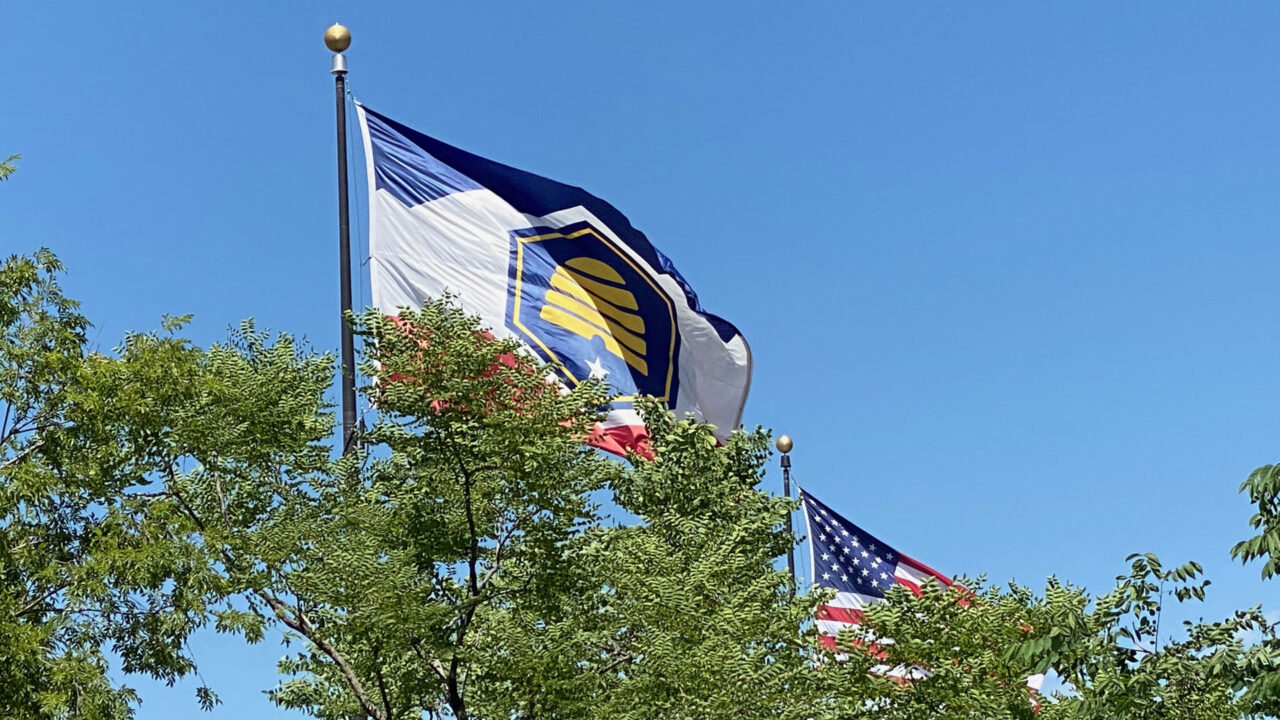
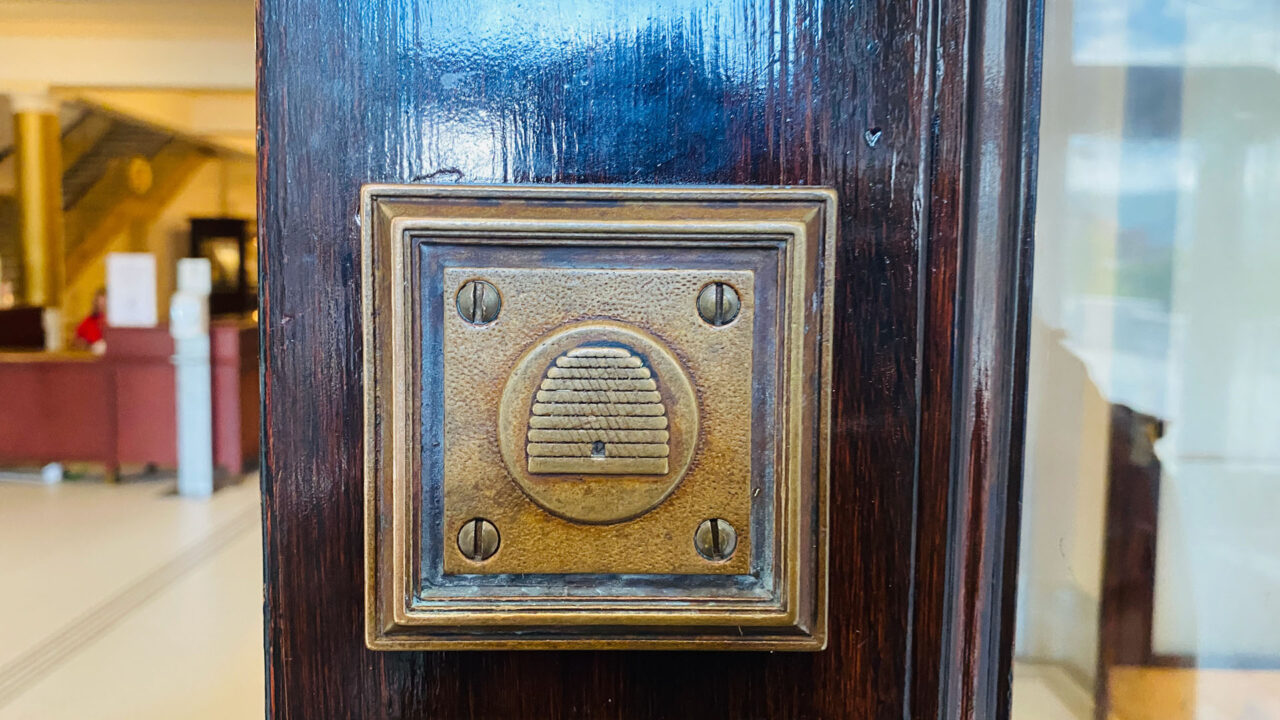
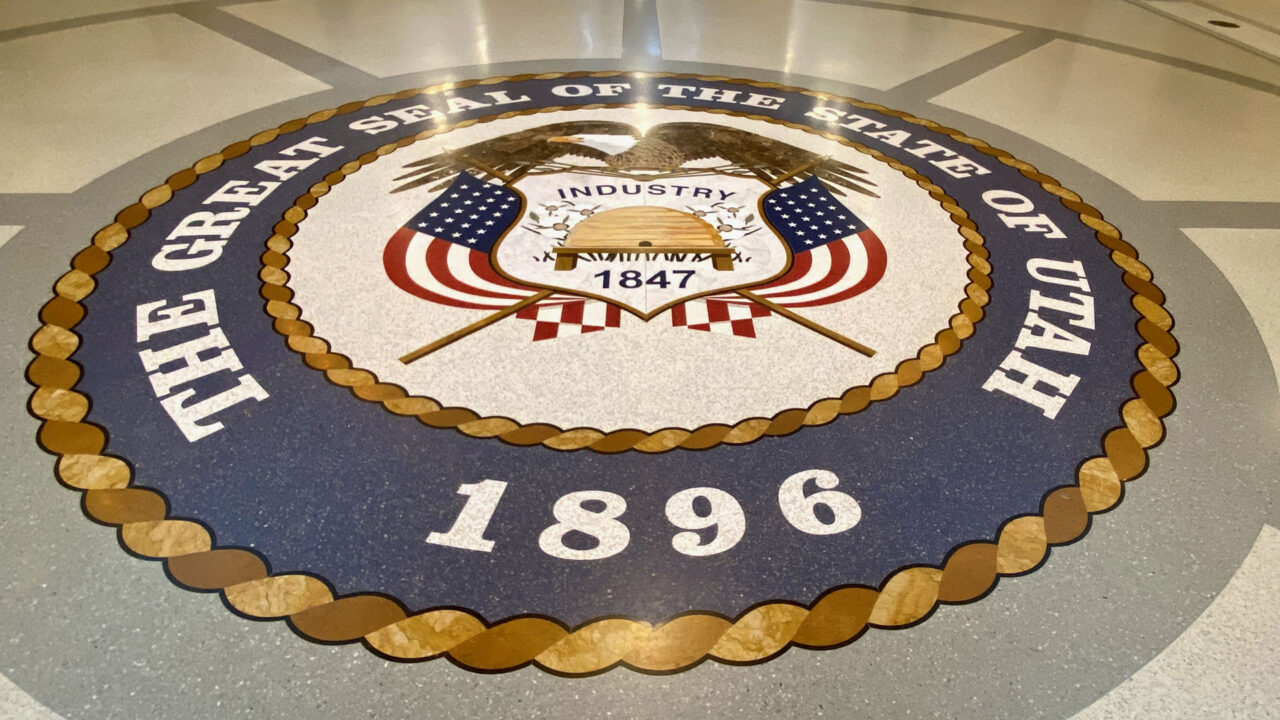
Utah’s beehive flag symbolizes the state’s dominant religion, The Church of Jesus Christ of Latter-Day Saints, and its motto “industry.” The beehive symbol is everywhere.
After visiting Temple Square, we fortified ourselves with a well-deserved lunch before walking back up the long hill to the State Capitol for our afternoon tour.
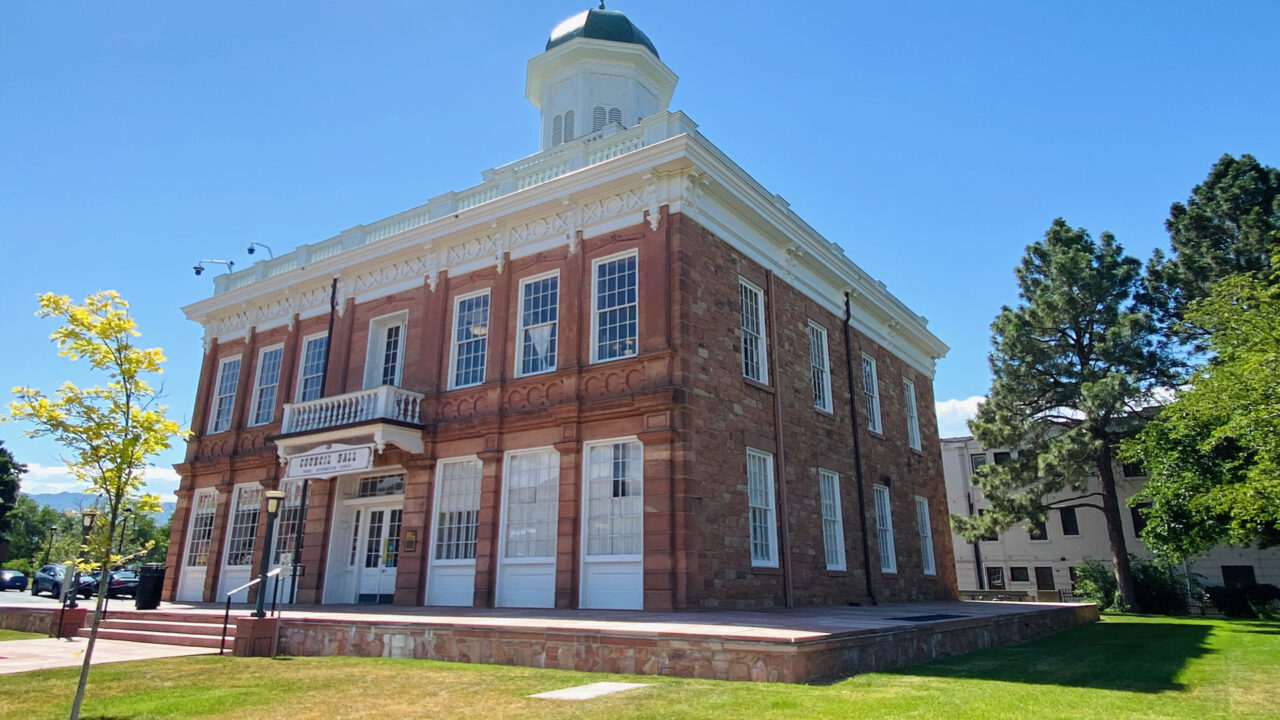 Old City Hall, now the Visitors Center.
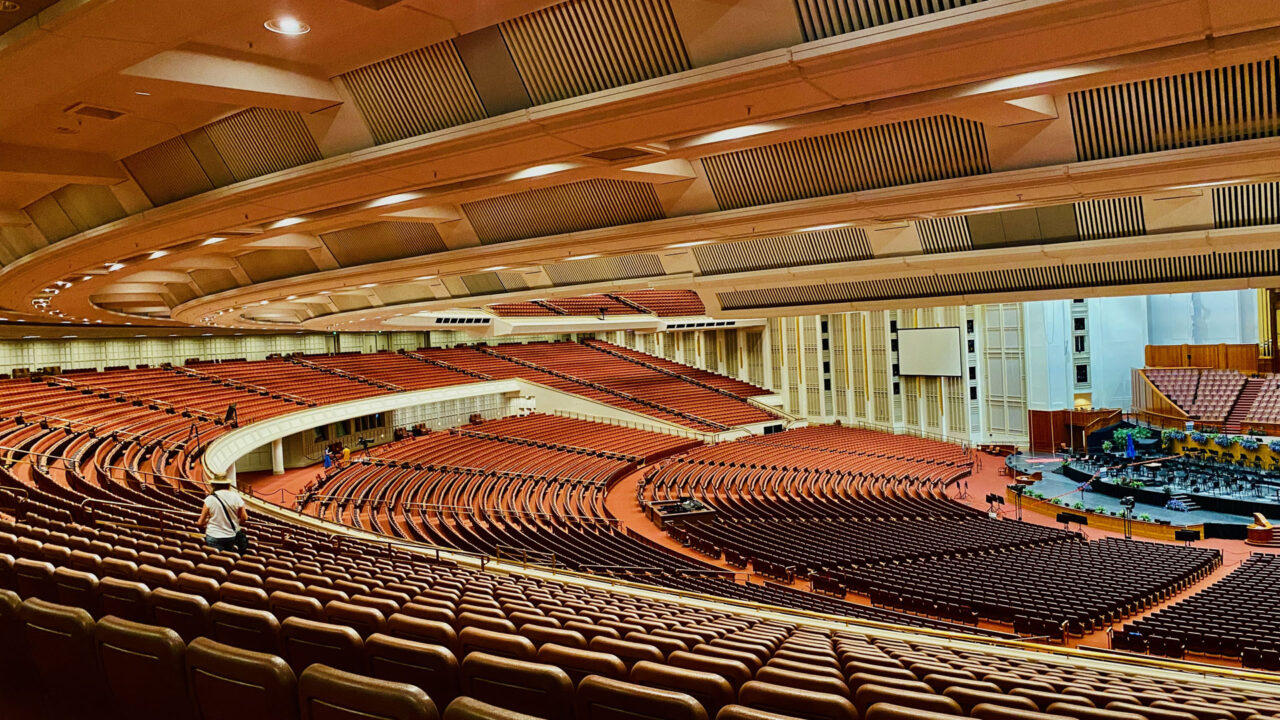
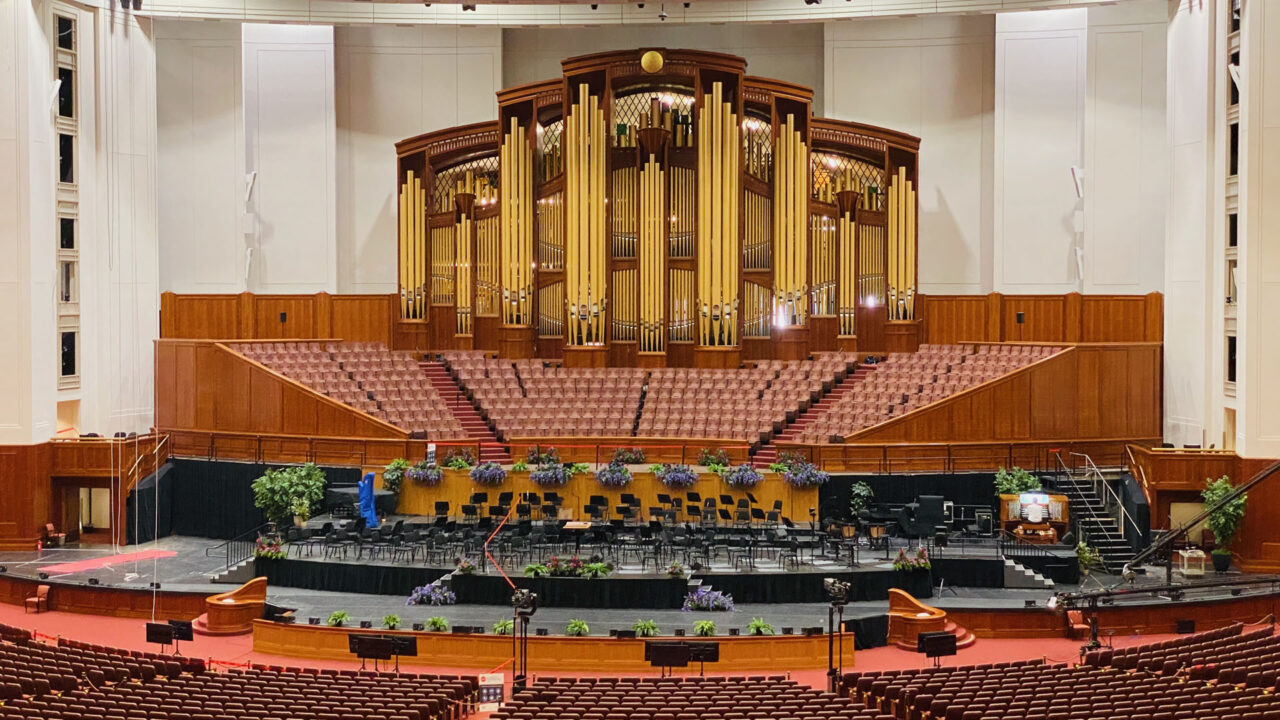
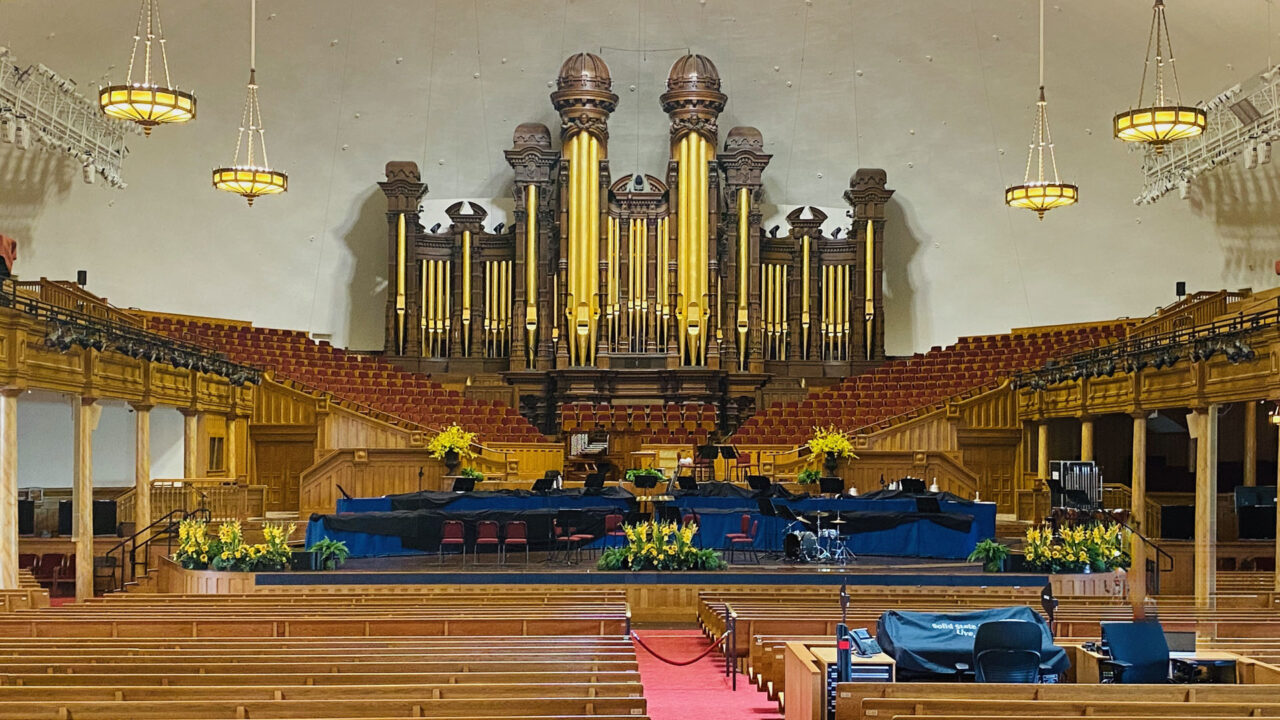
Gary did a 20-second video clip of the organist practicing on the 7,708-pipe organ at the 21,000 seat conference center. The acoustics in the building are awesome!
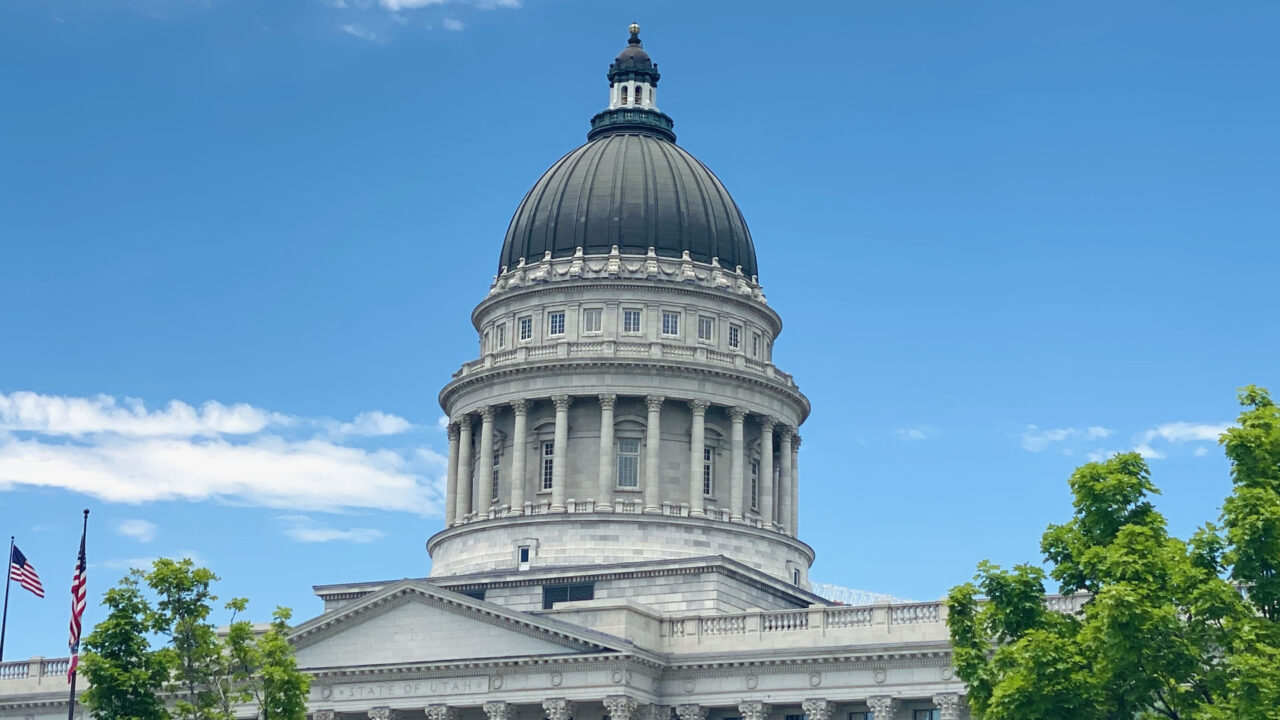
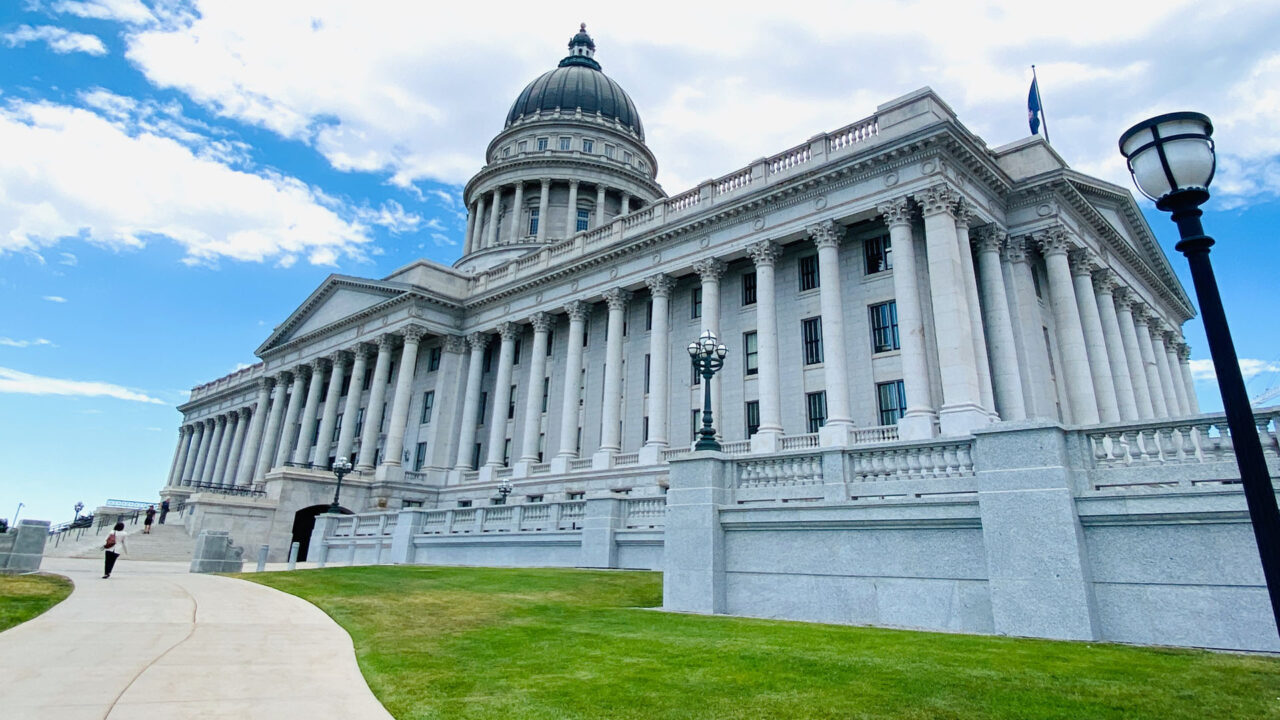
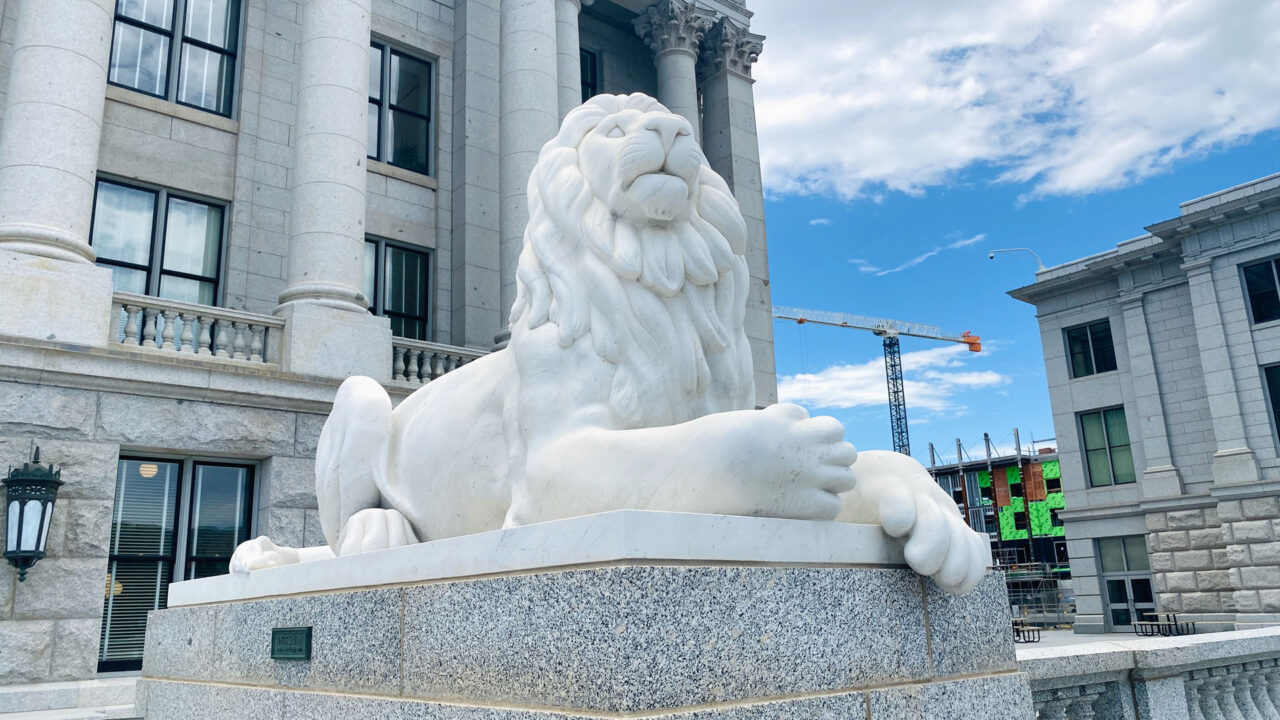
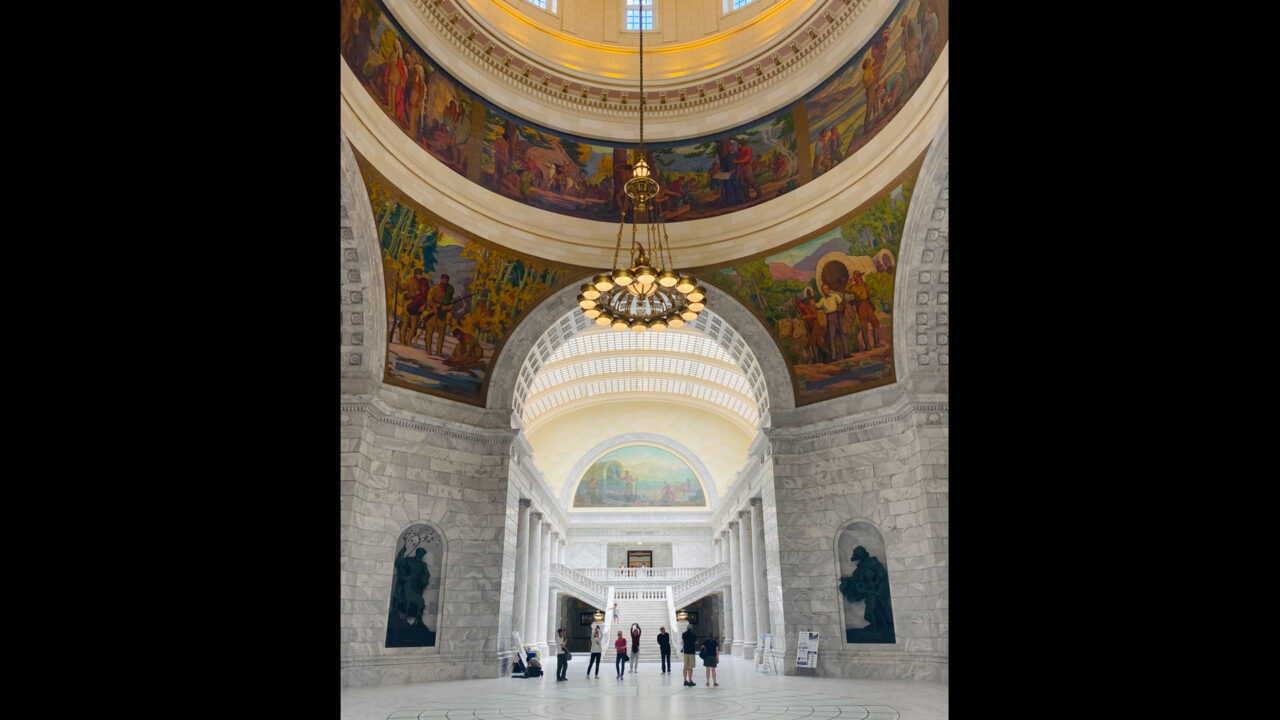
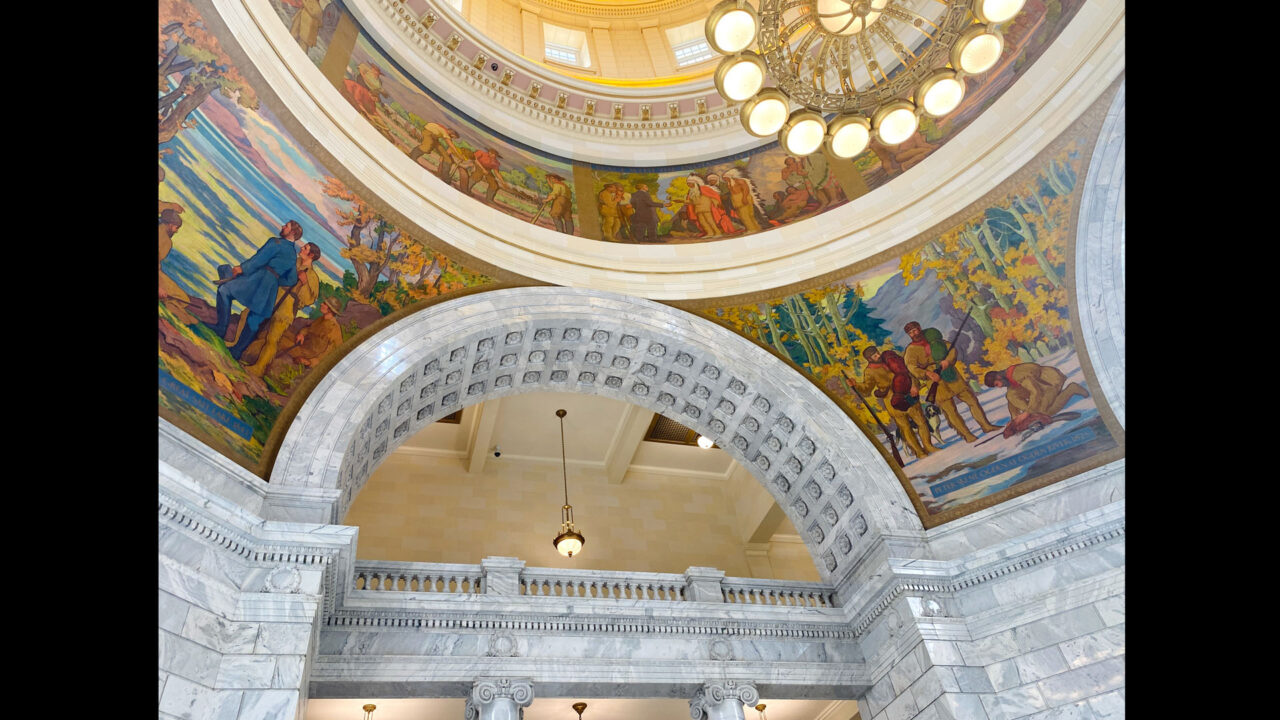
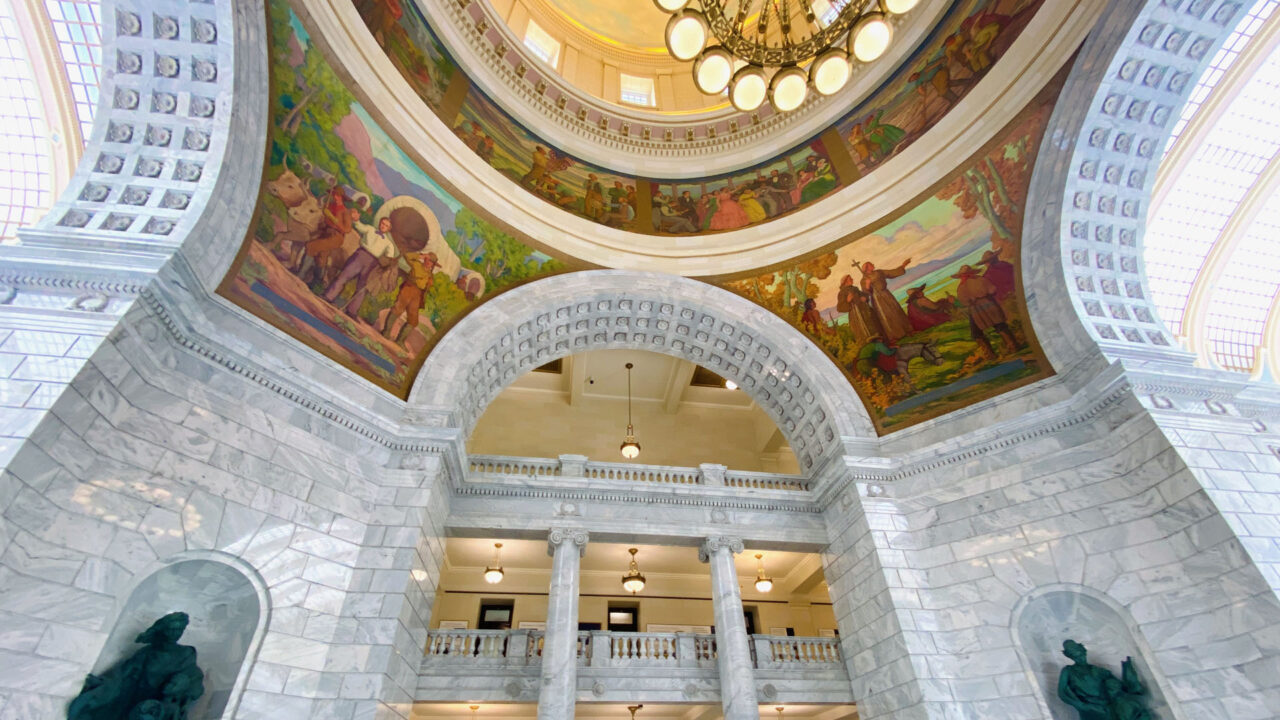
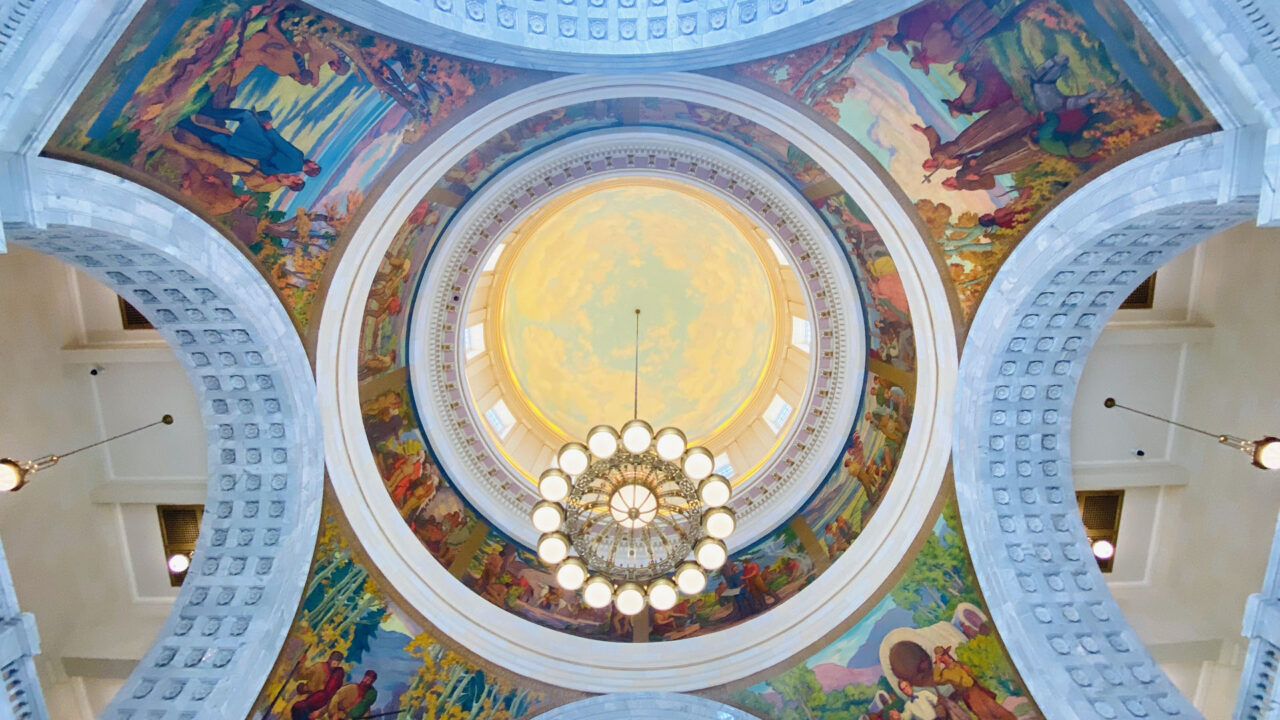
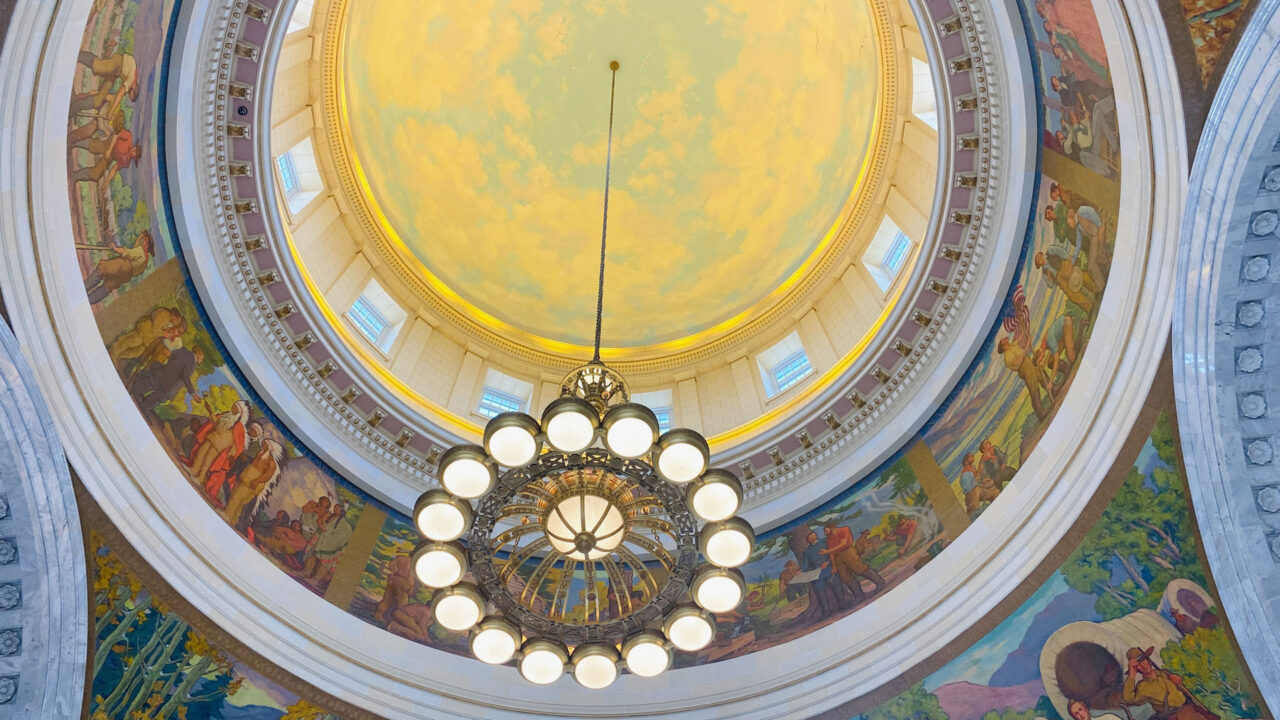
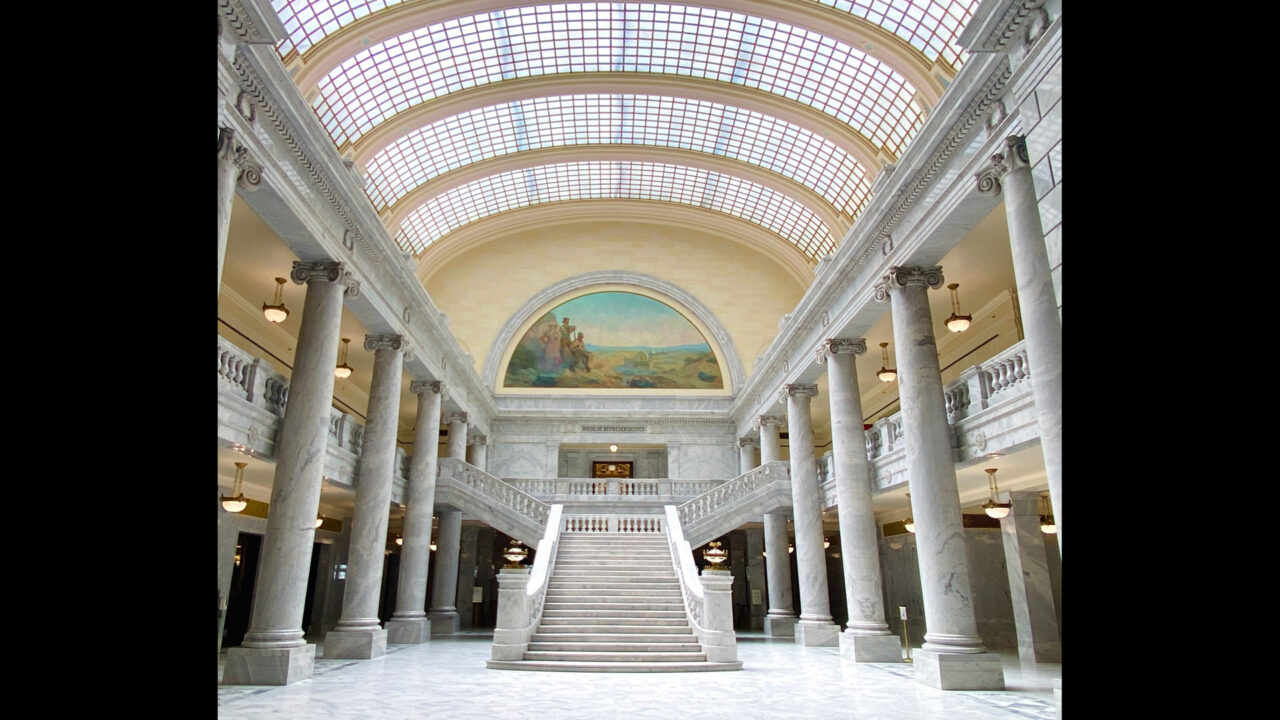
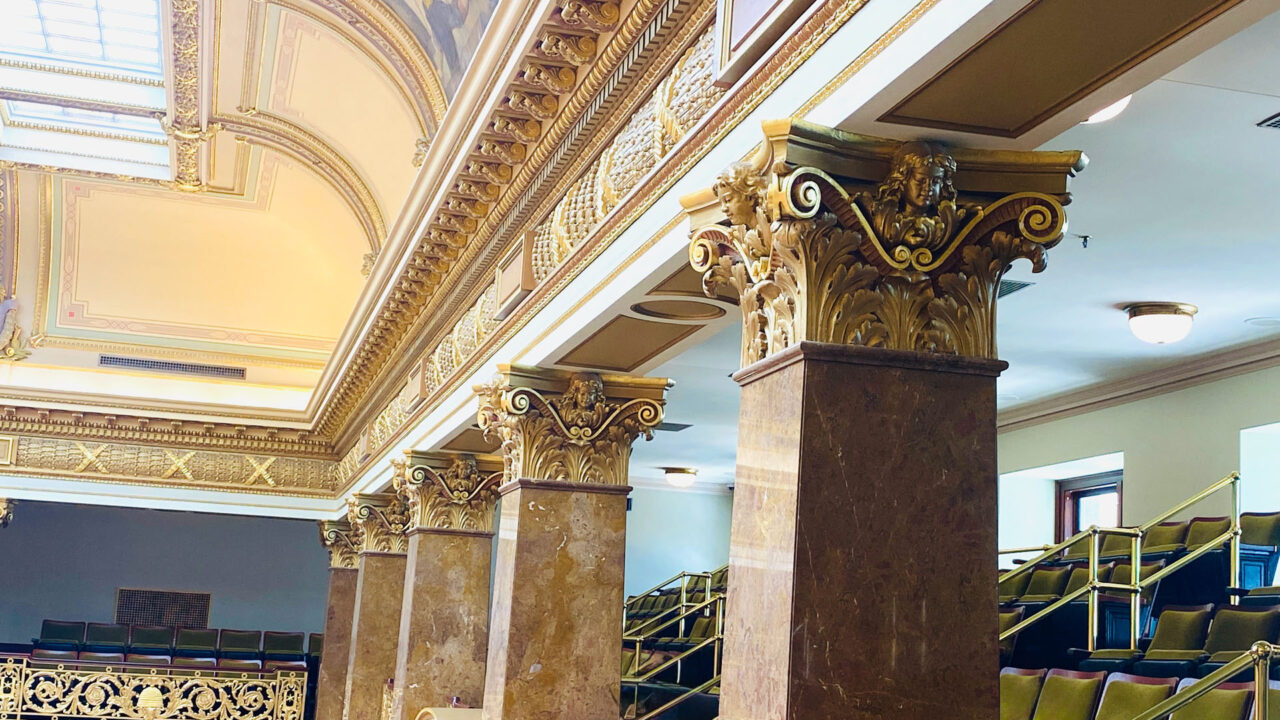
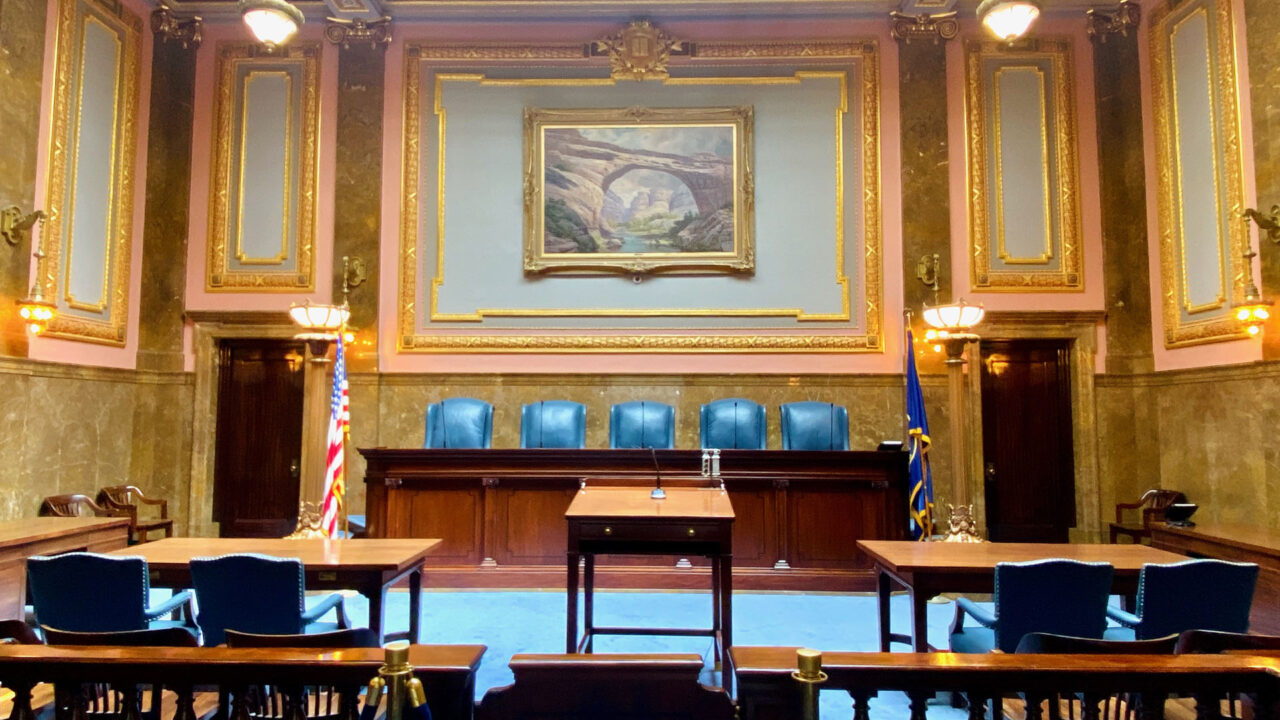
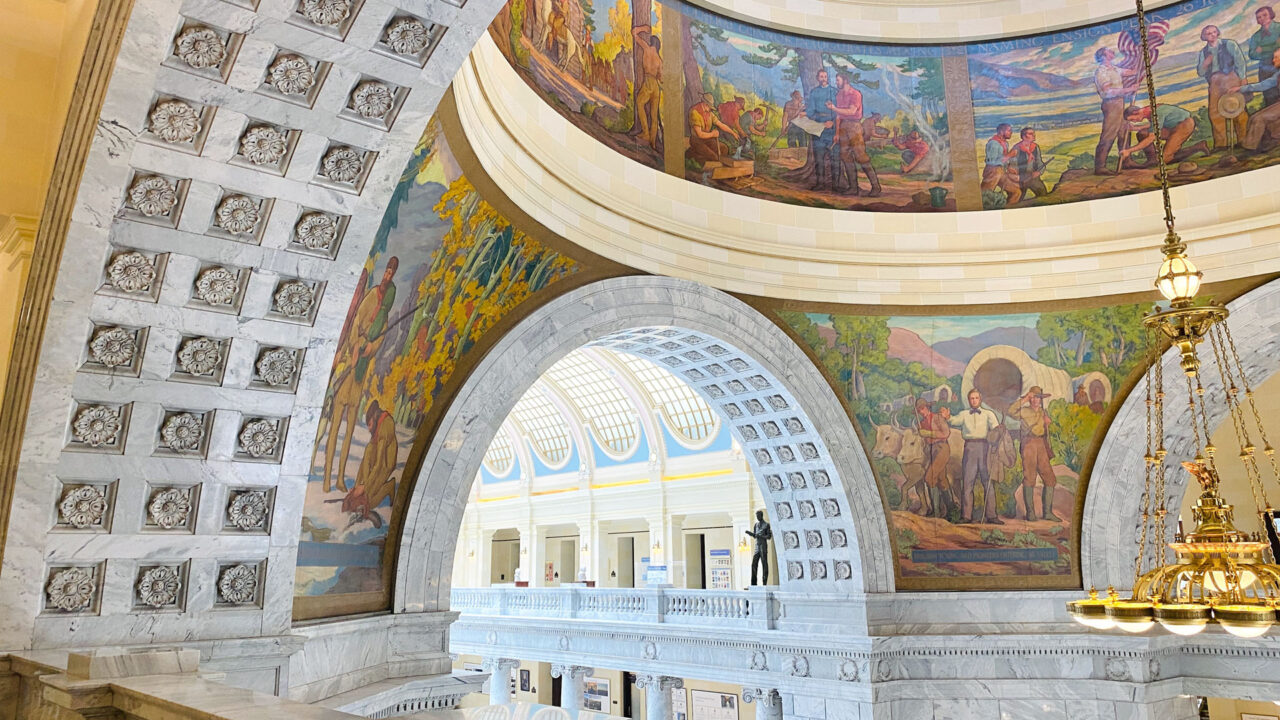
We enjoyed a tour of the Utah State Capitol, completed in 1916. The neoclassical design with 52 Corinthian columns has been restored, and the impressive dome is covered in Utah copper. The dome stands 165 ft above the Rotunda floor. The Rotunda’s columns, floor and wall panels are made of Georgian marble which was transported to Utah by railcar. There are 24 columns weighing 25,000 pounds each lining the room. The circular artwork (cyclorama) and murals in the Rotunda were added in 1935 thru the Depression-era “Public Works of Art Project.” Another great example of hiring talented individuals during the depression to allow them to do meaningful work and create something magnificent that has withstood the test of time.
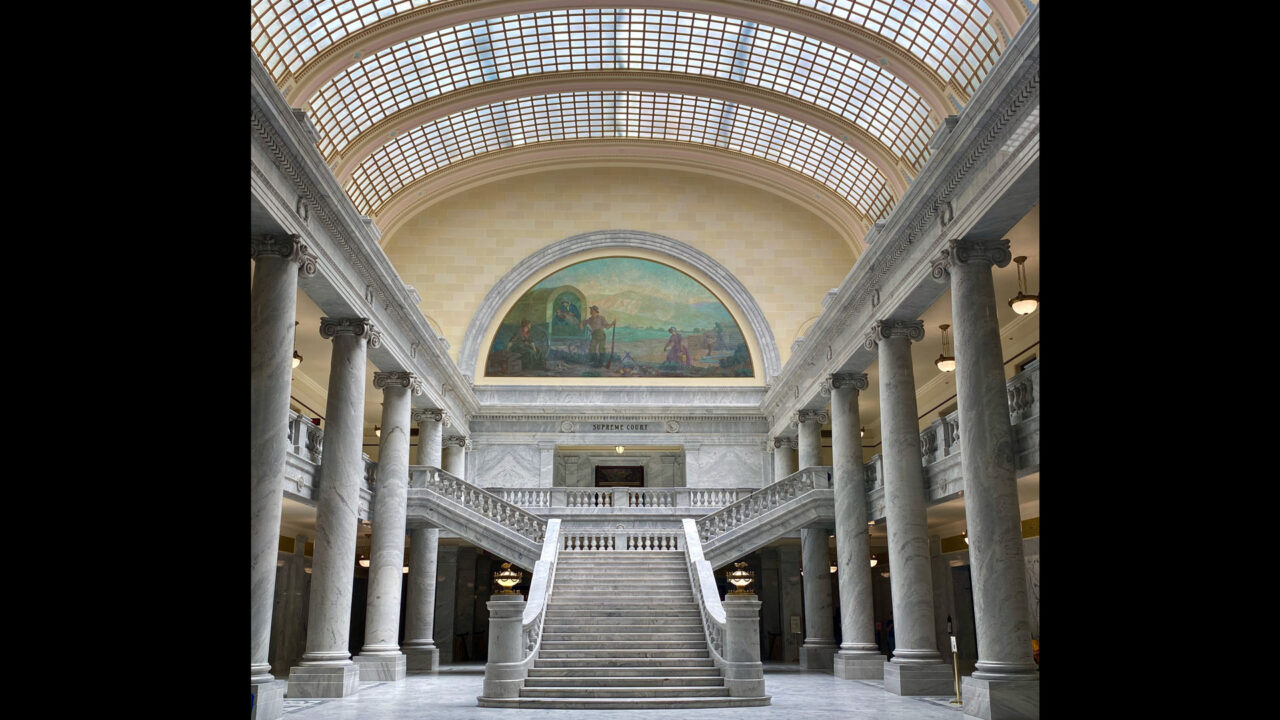
There are two grand staircases at either end of the Rotunda area, and at the top of each staircase are two large half-moon shaped paintings which were commissioned in 1917. I’m always amazed by the history in these buildings.
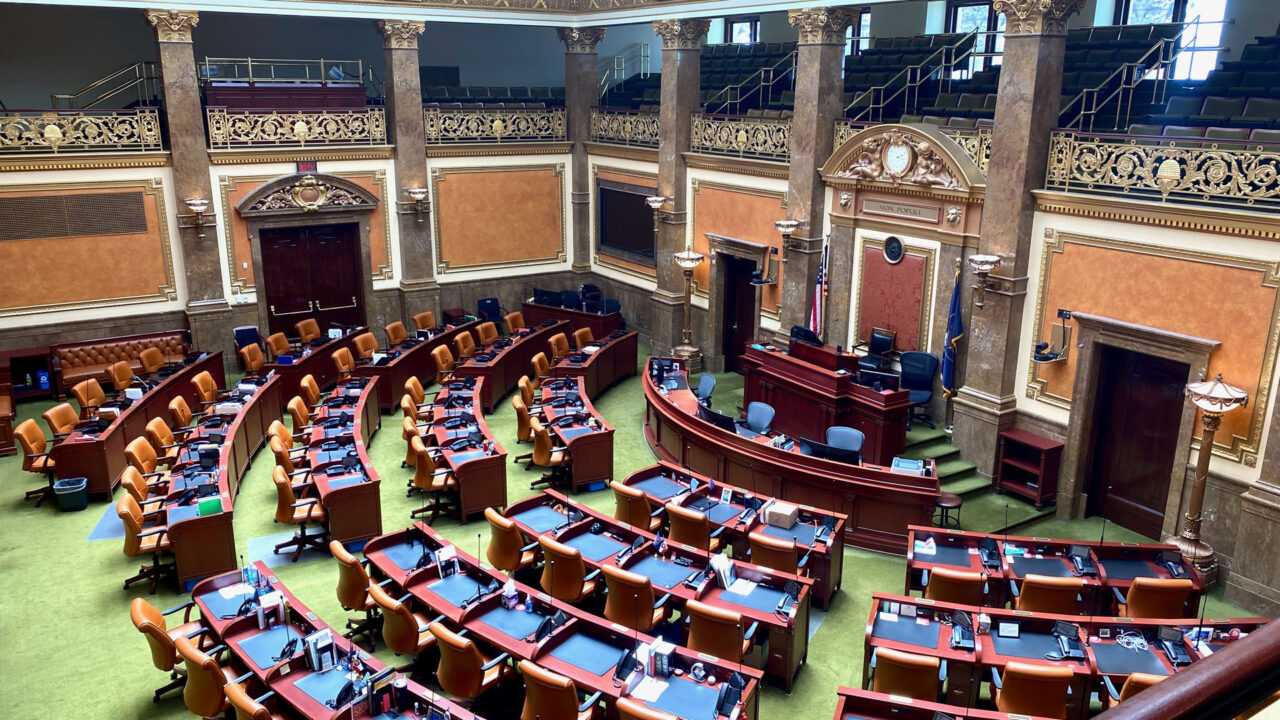
The House of Representatives in Utah is a body of 75 individuals elected for a 2-year term each serving a district of approximately 40,000 citizens. The Senate is made up of 29 individuals elected to 4-year terms each serving a district of approximately 100,000. Both serve 45 days annually.
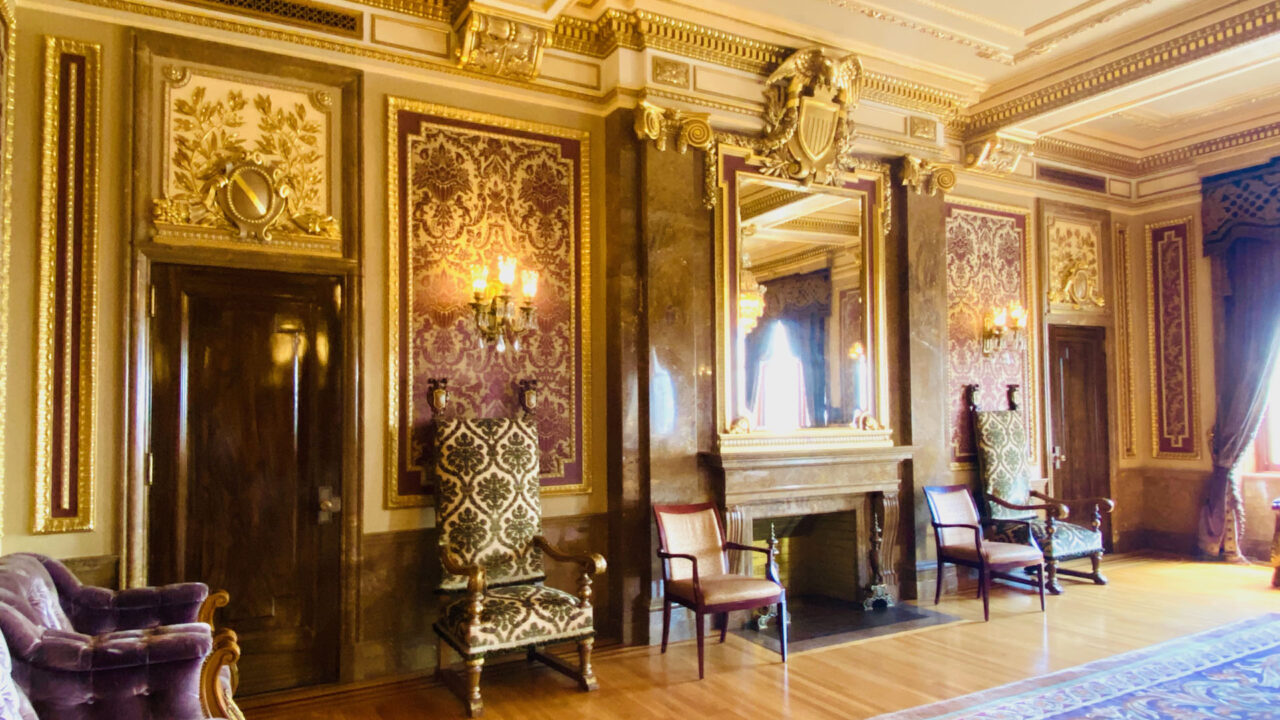
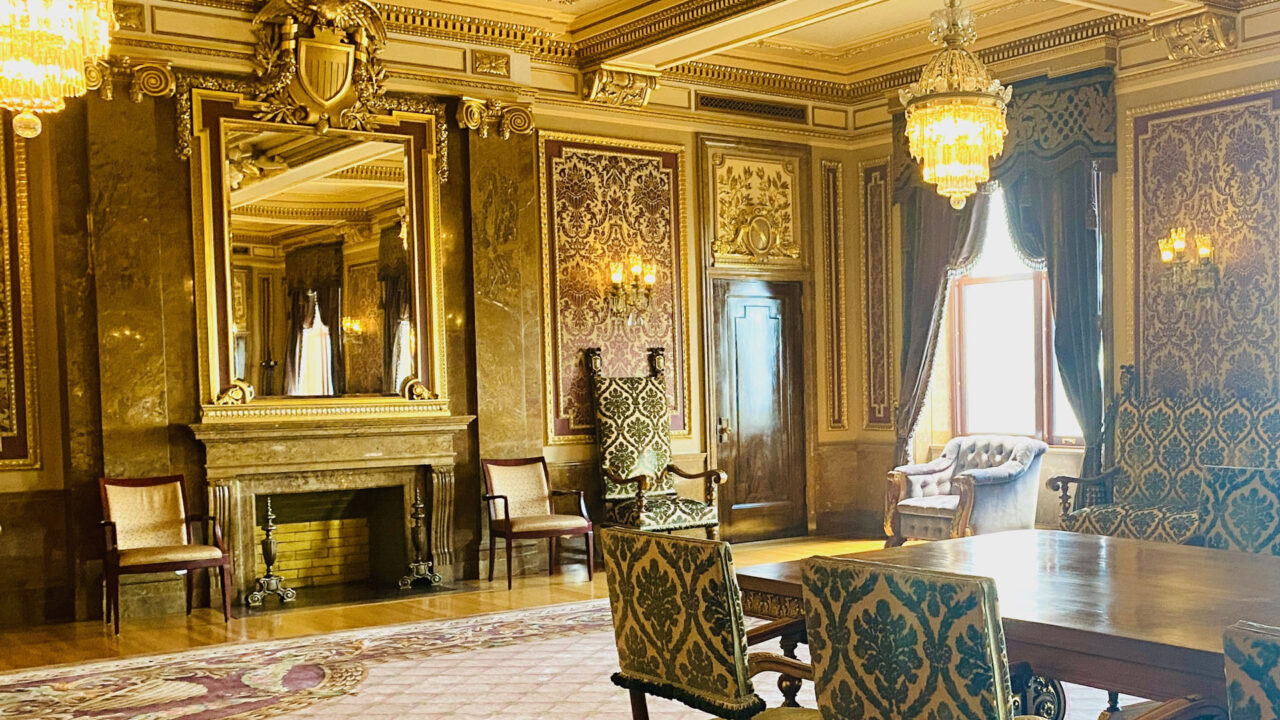
The many skylights throughout the building are meant to symbolize transparency in government… while the State Reception room is nicknamed “the Gold Room” because of its lavish furnishings and gold leafing. It was a stunning interior to this building, not just the Gold Room.
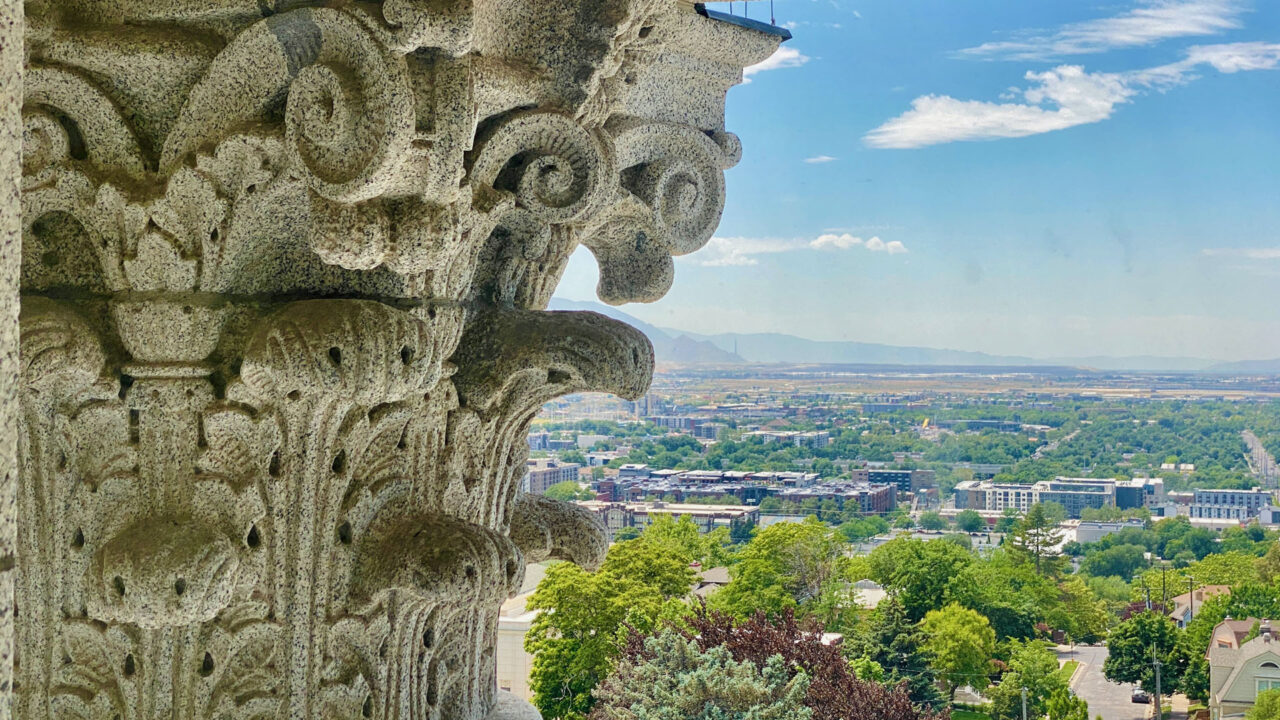
We were fortunate, as part of our tour, we could climb up to the House of Representatives balcony and look out on the grounds. Very cool climbing the narrow staircase and standing on the granite balcony.
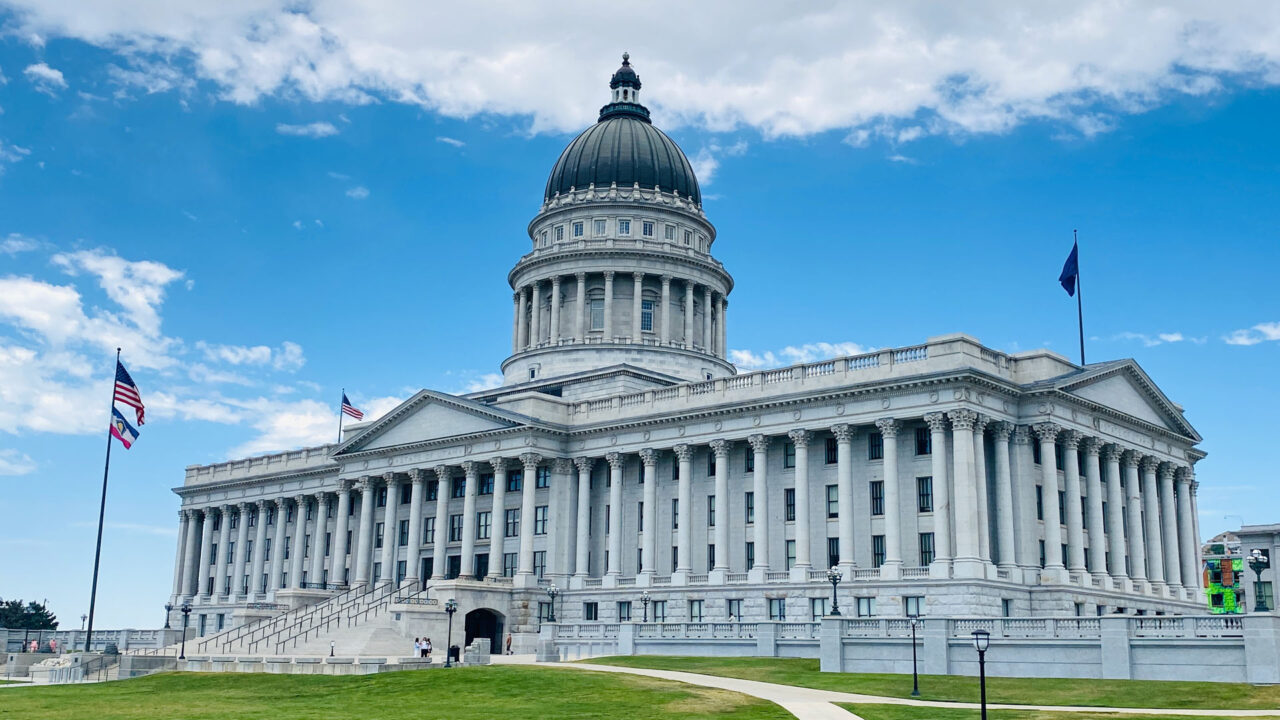 Utah State Capitol
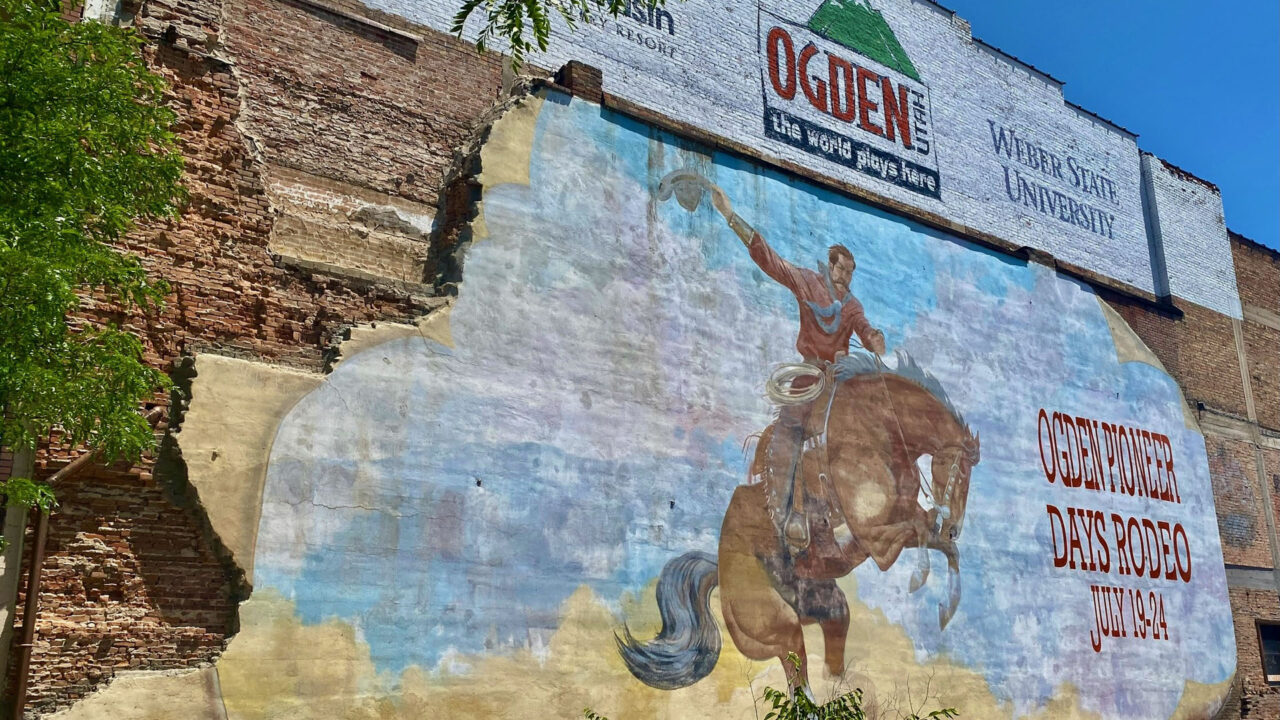
On Thursday, June 13th (2024) the pod visited Ogden, Utah. It became a boom town in 1869 when “The Golden Spike,” which was the last spike driven, completed the first transcontinental railroad. Ogden was the closest town to the railroad but still located 50 miles away. There were 9 rail lines that once converged in Ogden, which was originally called Junction City.
During Prohibition, mobster Al Capone stepped off a train in Ogden and took a stroll down notorious 25th street, then nicknamed “Two-Bit Street,” scouting business opportunities. He hopped the next west-bound train and was heard muttering to an associate: “This is too rough a town for me.” lol
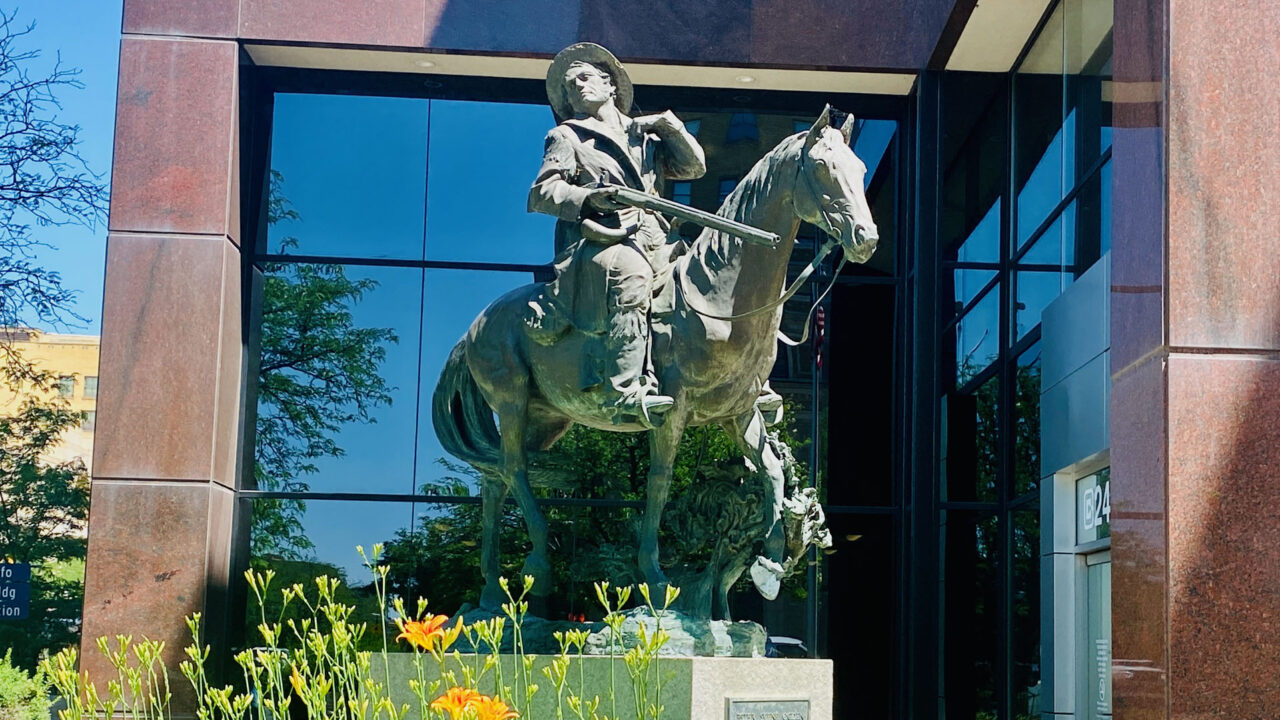
Ogden claims to be the oldest town in Utah beating out SLC by a couple of years. That’s debatable. But now it’s a funky artsy town with lots of history. Peter Ogden (1794 – 1854), who the town is named after, was a fur trader, trapper, explorer and diplomat.
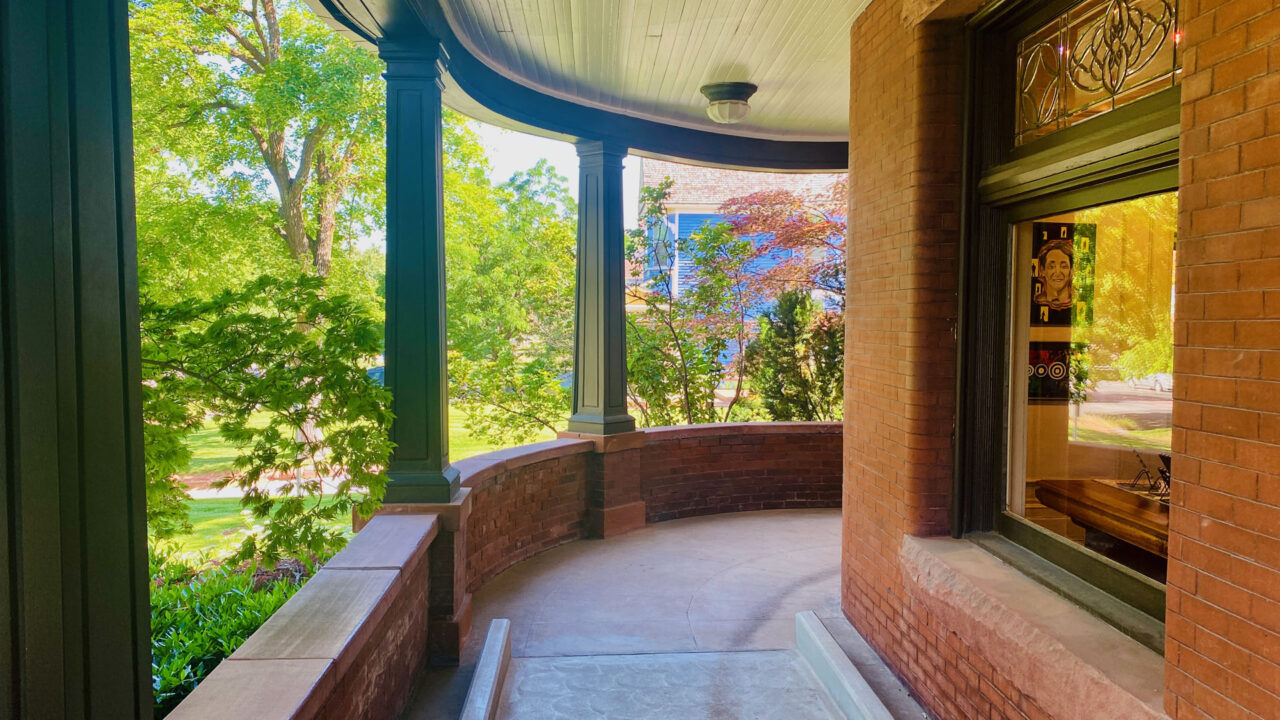
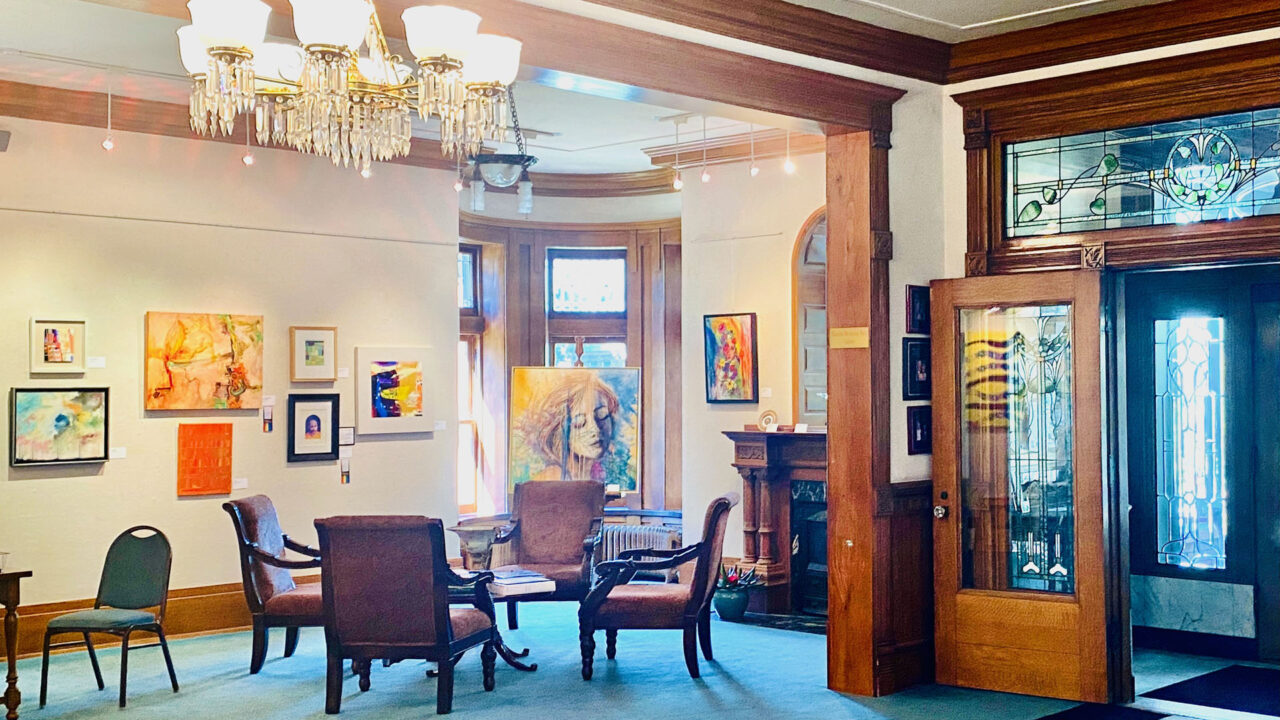
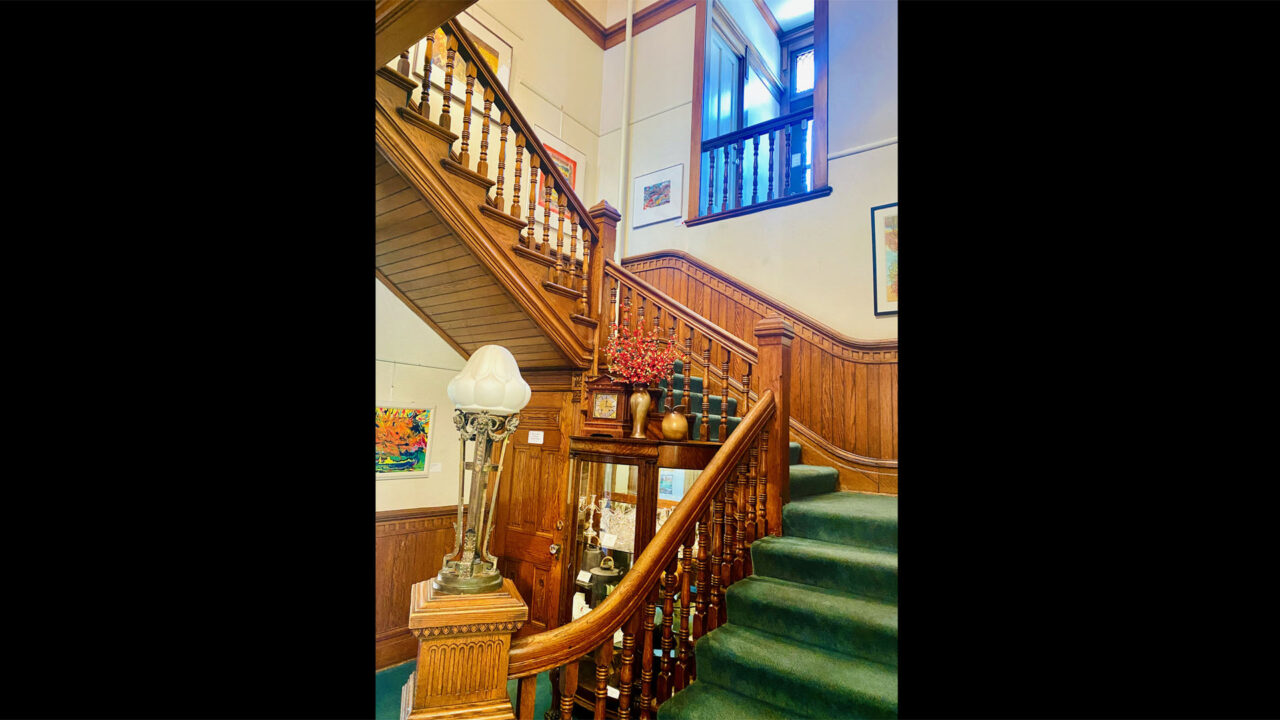
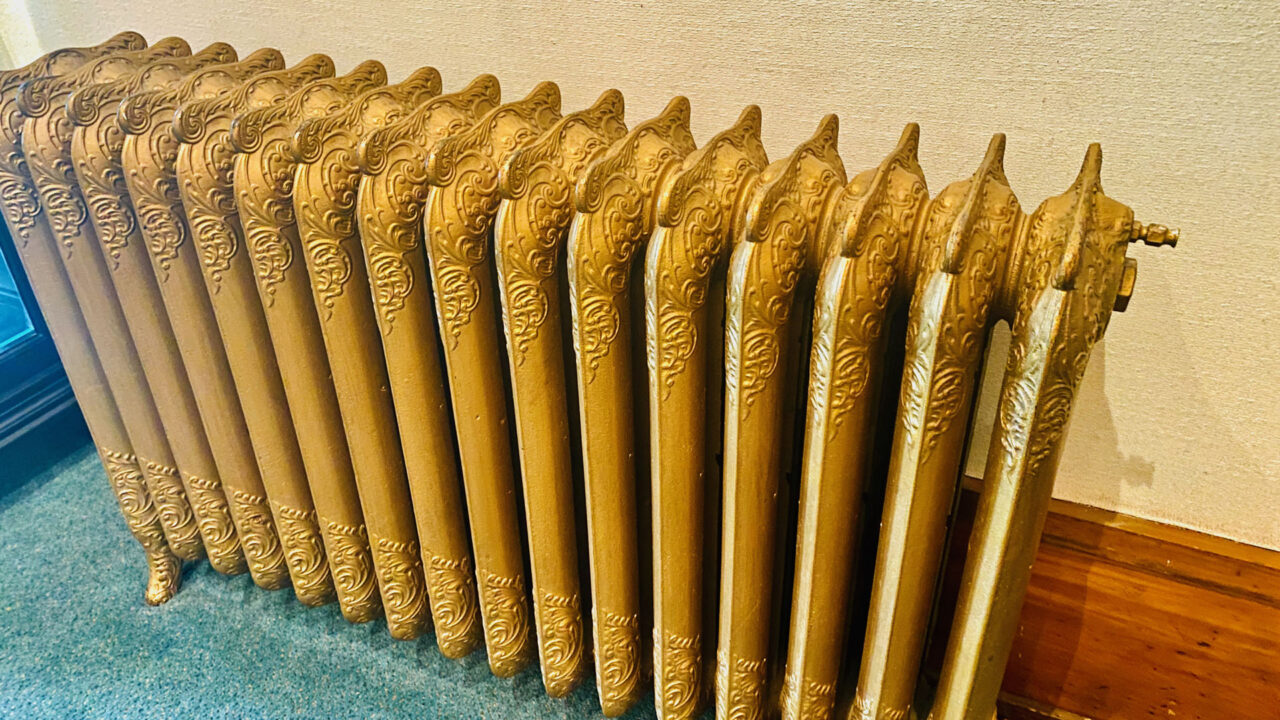
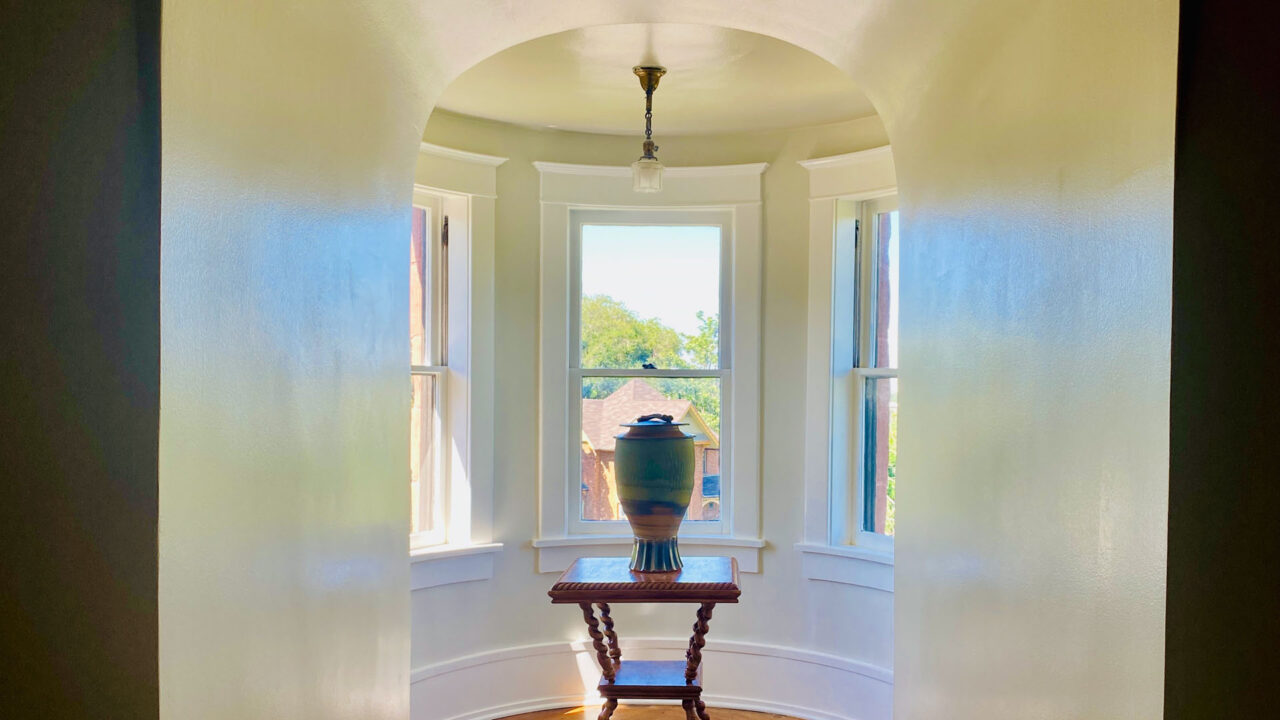
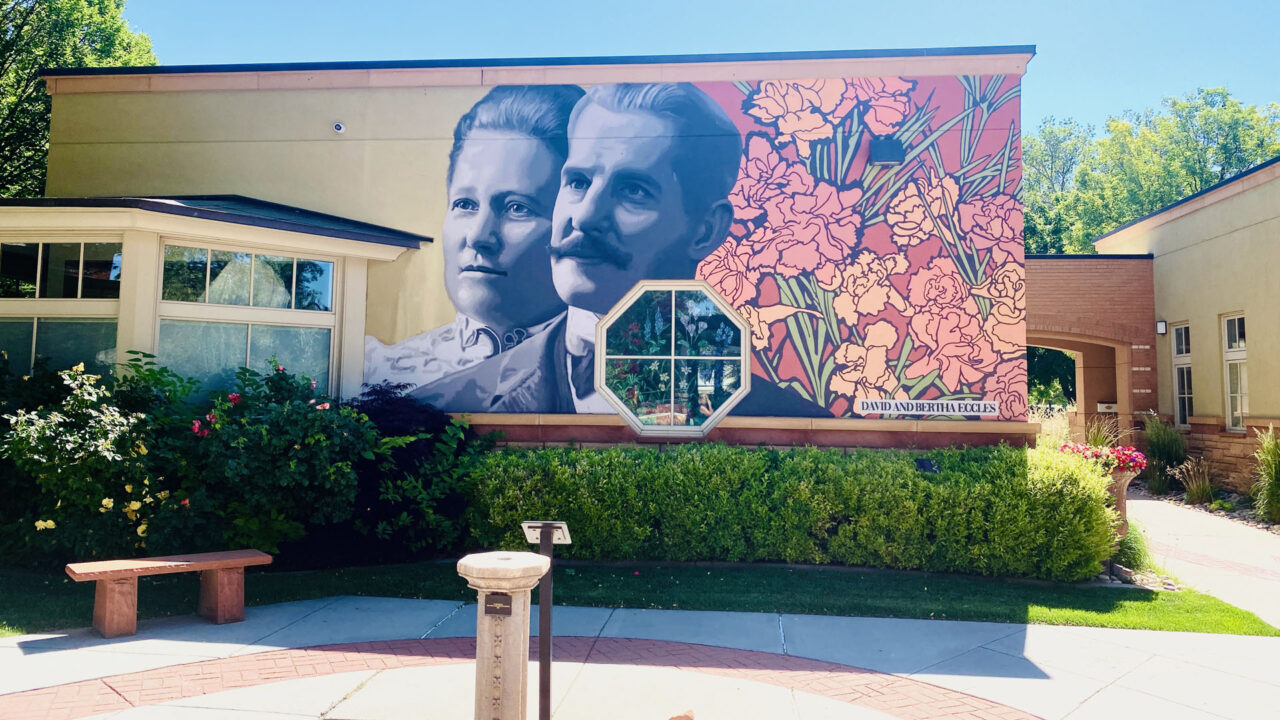
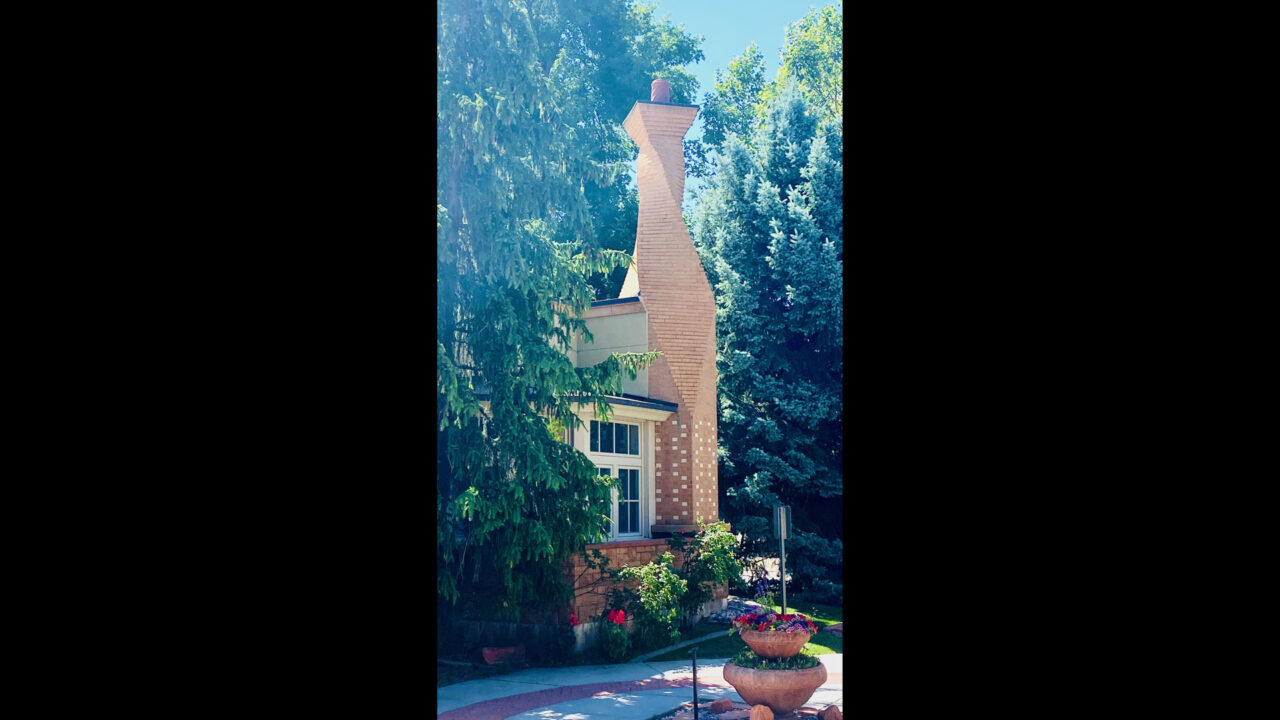
Our first stop in town was Eccles Art Center in an historic turreted 1893 mansion that offers rotating exhibits. Beautiful building with interesting art on display. I loved how they showcased the historic home furnishings amongst the featured artwork. This month’s exhibit was a Pride celebration. There was a mural on display of David & Bertha Eccles. Mrs Eccles was keenly involved in the arts in the community. Before her death she requested that the home be used for art and community building.
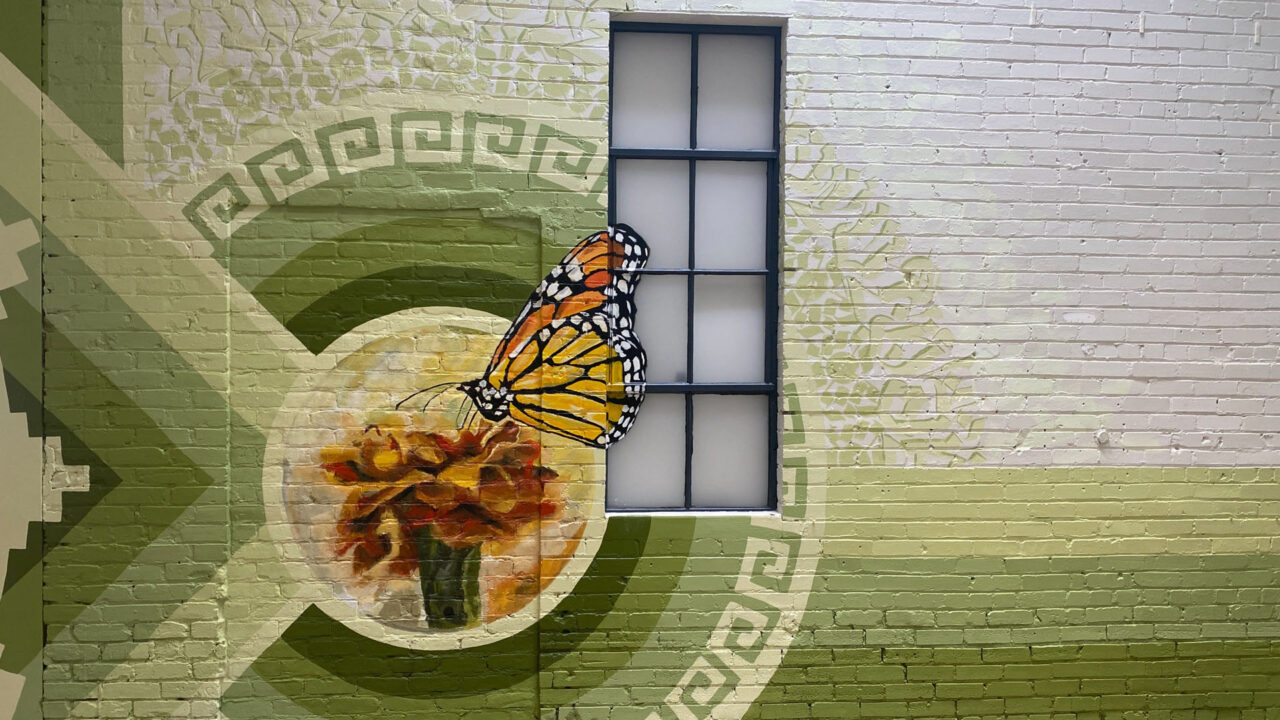
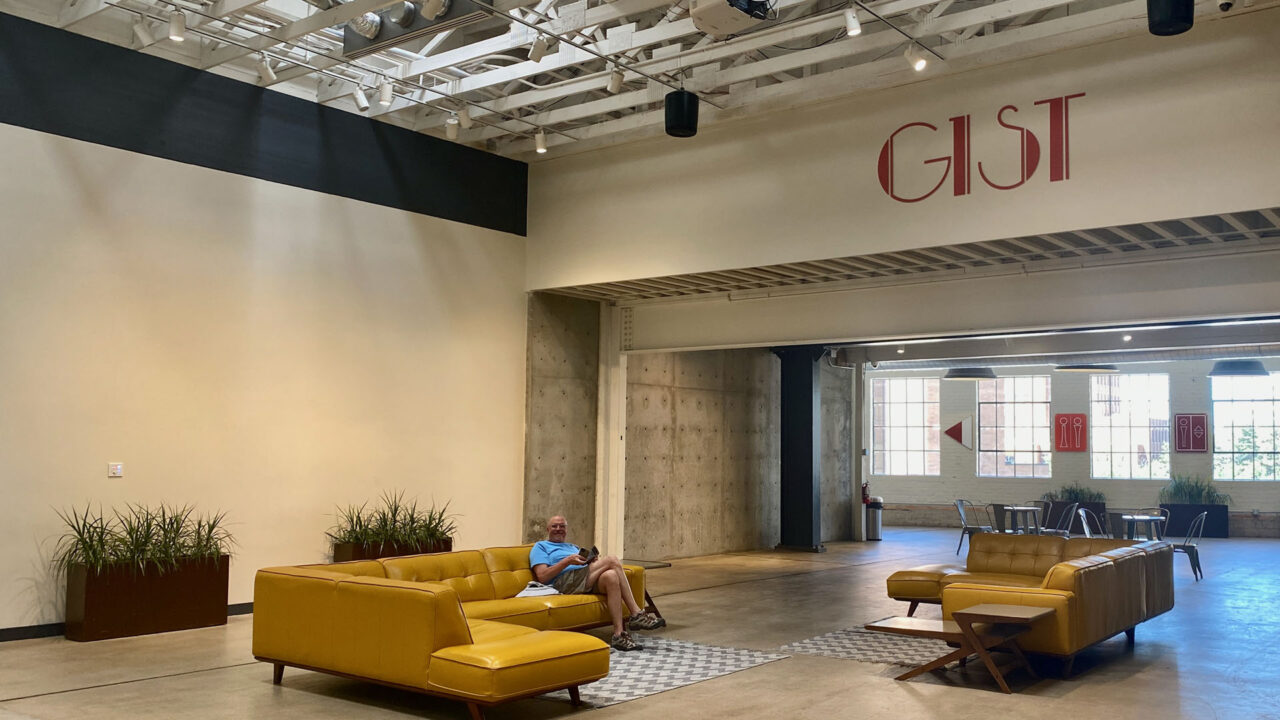
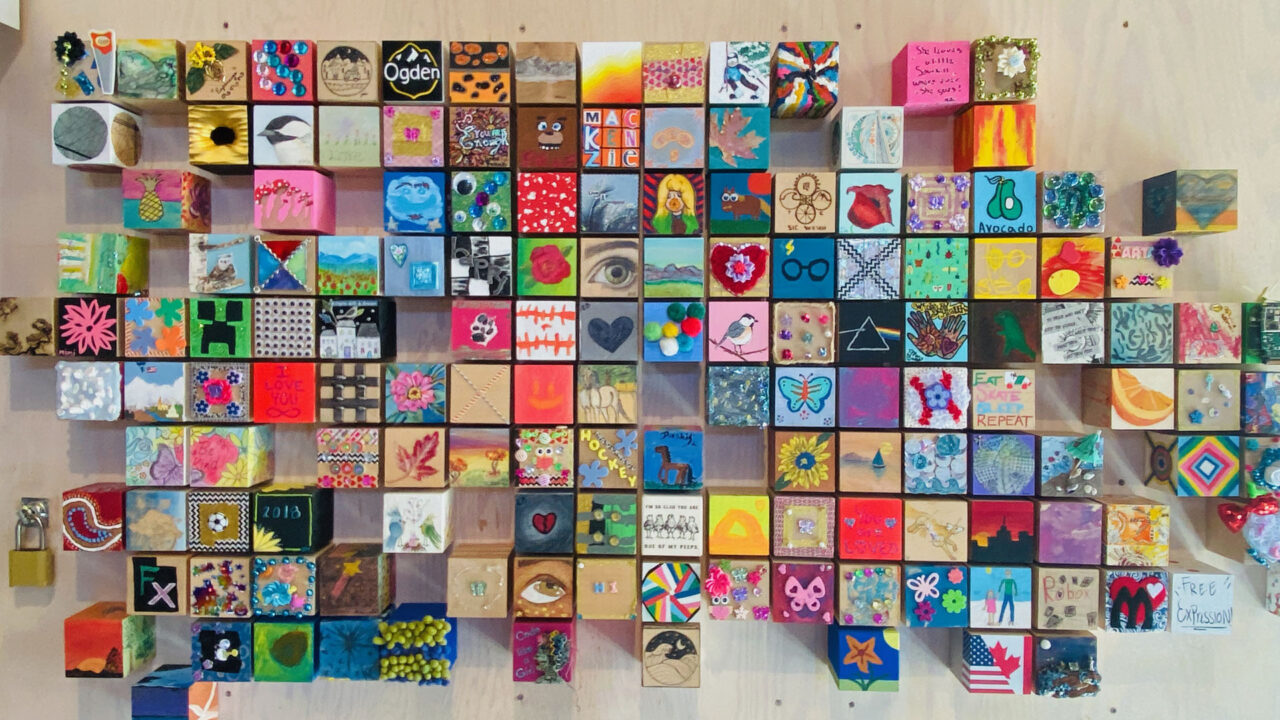
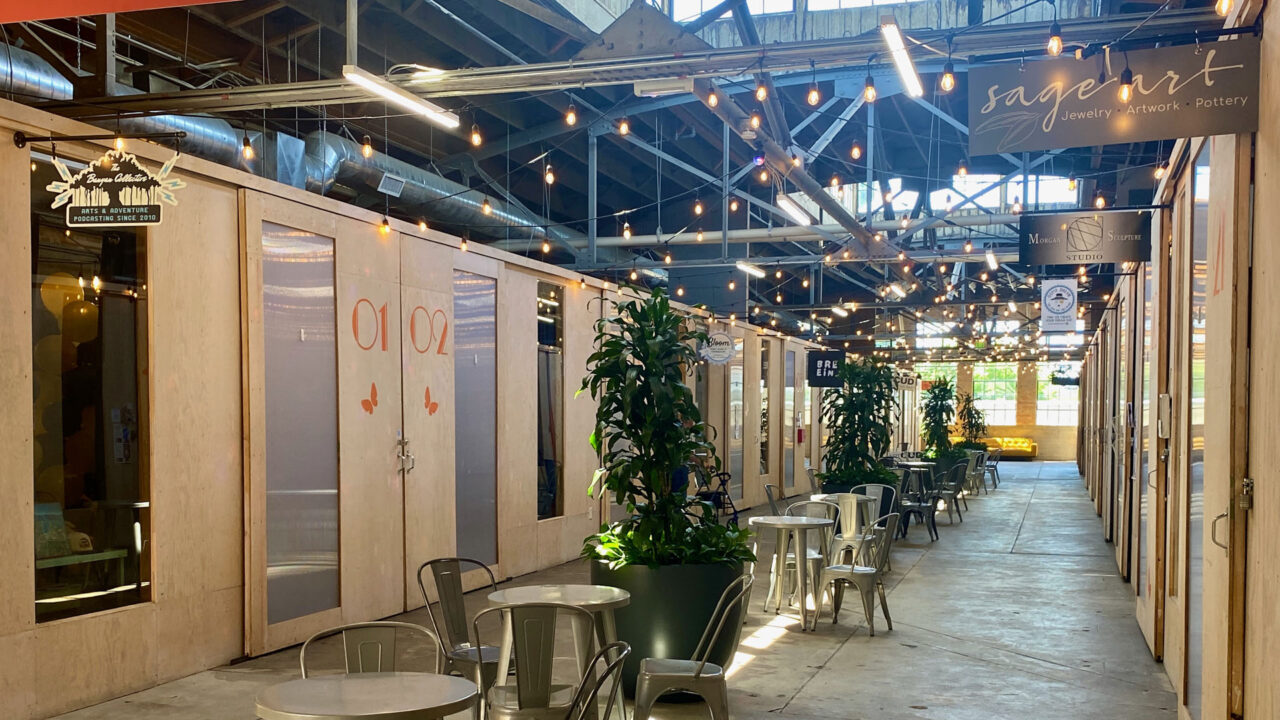
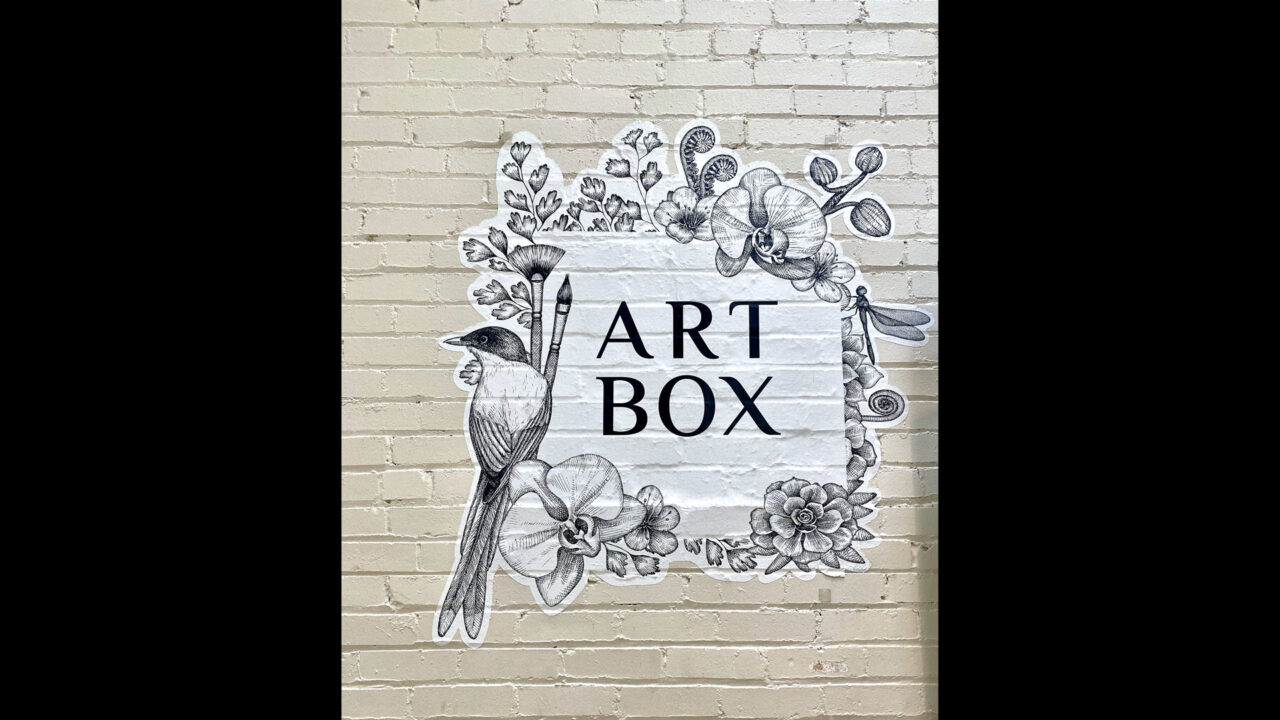
We also visited The Monarch building, offering work spaces for artists. On a Thursday morning when we visited most of the artist’s studios were closed so we had to satisfy ourselves with peeking in windows. They even featured a public art installation at a studio called Art Box that anyone can add to by painting a block.
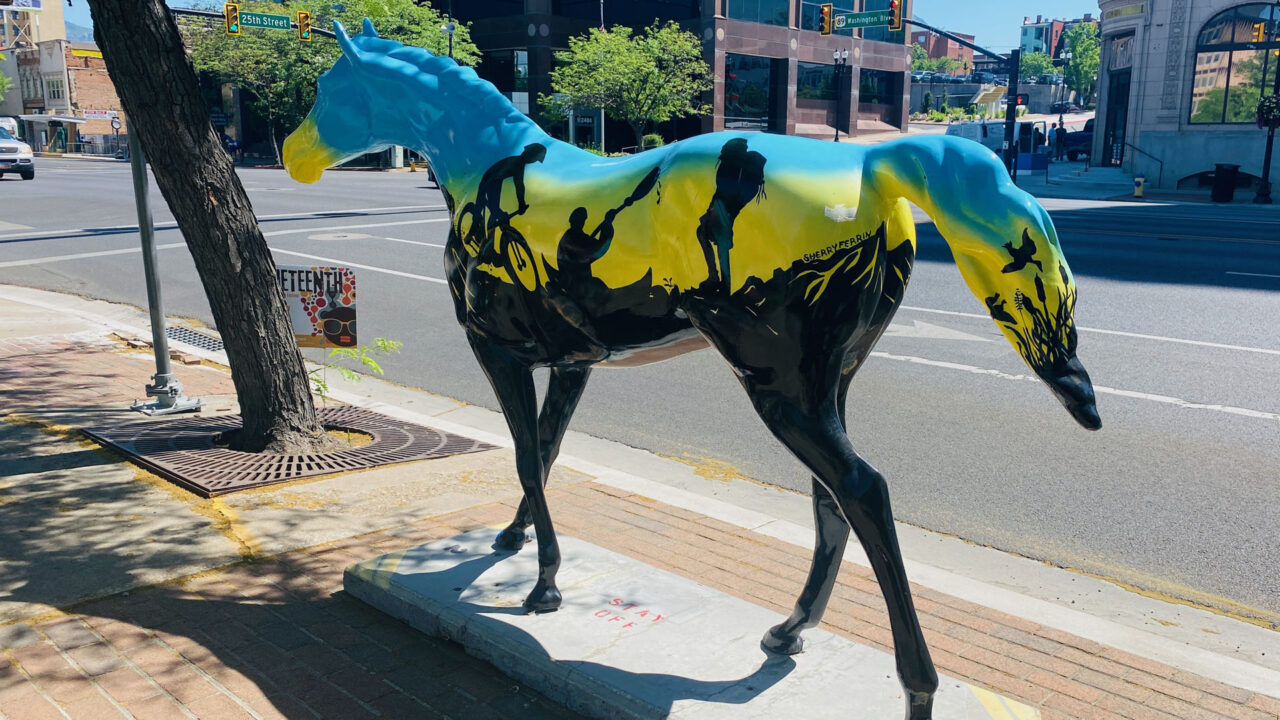
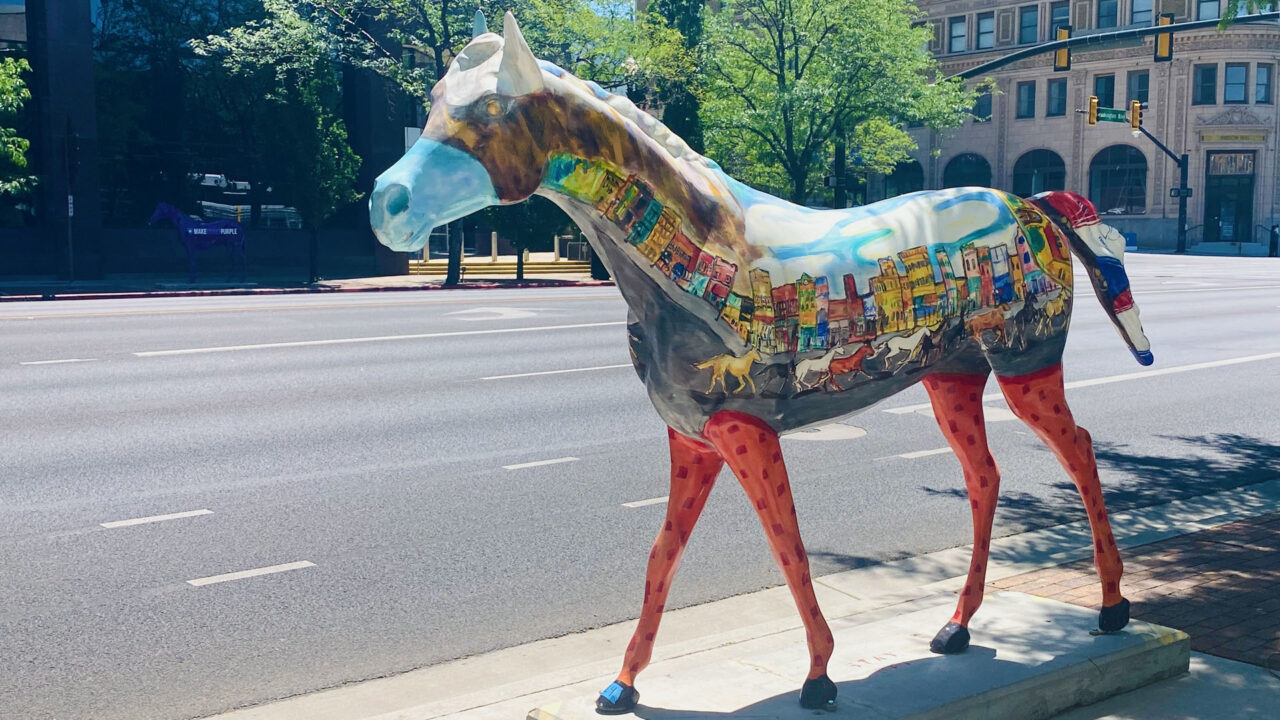
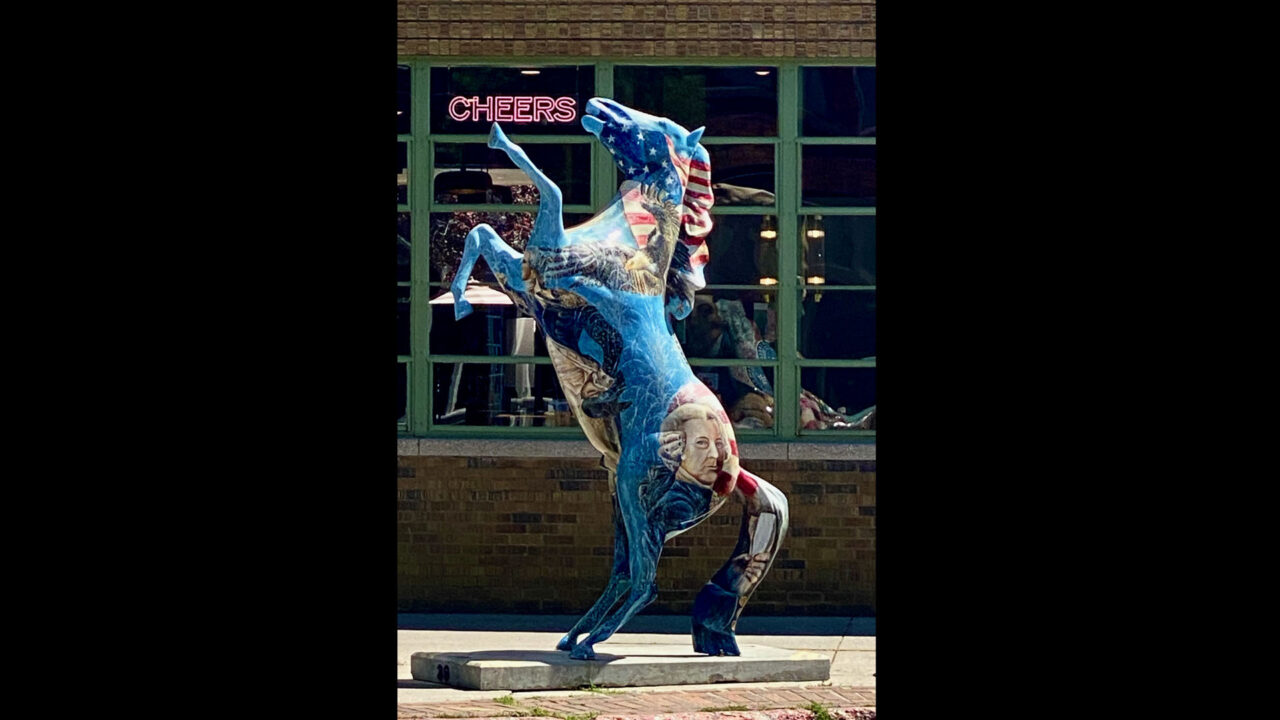
There were tons of painted horses around Ogden, each painted by a different artist. We’ve seen different towns feature different painted animals… pelicans, sheep, and cows to name a few.
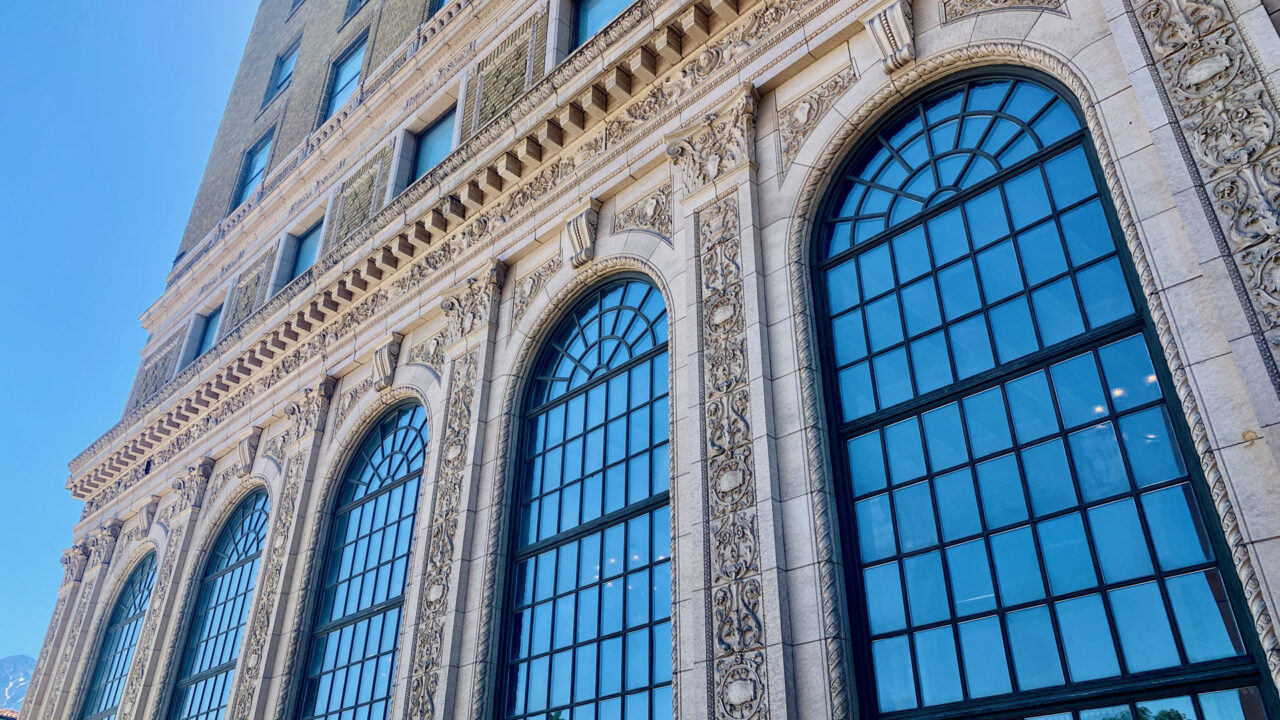
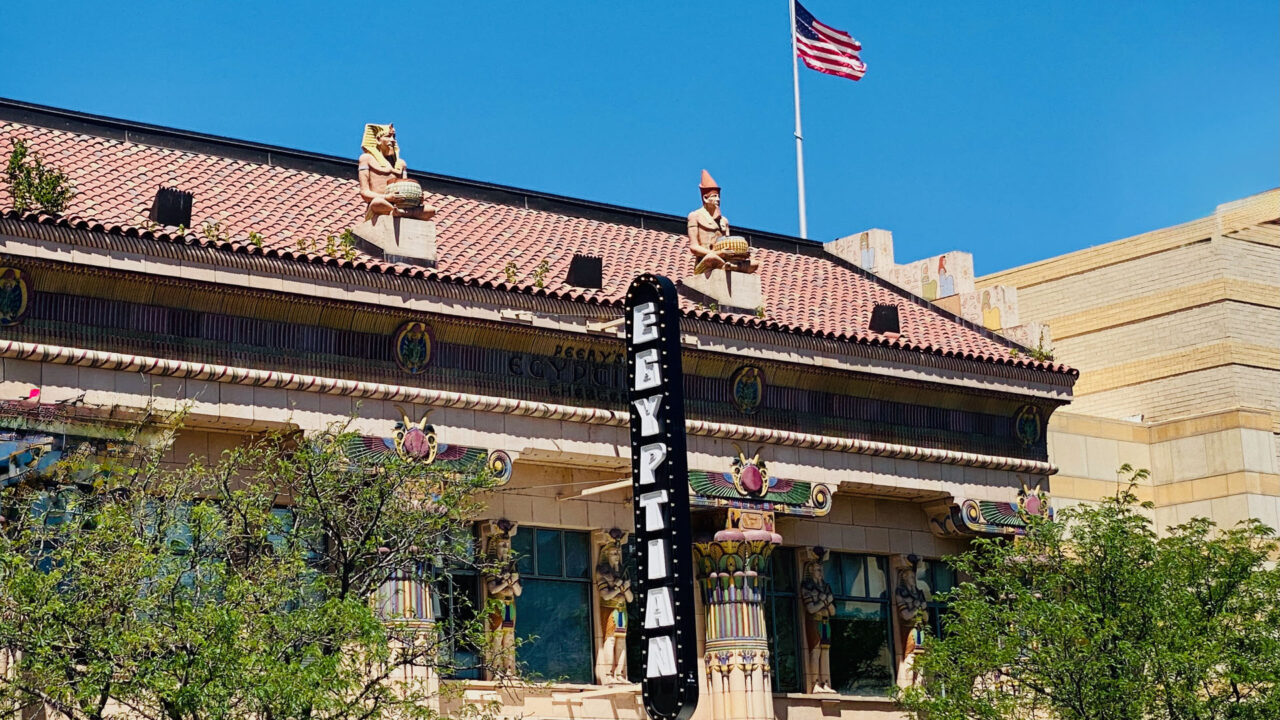
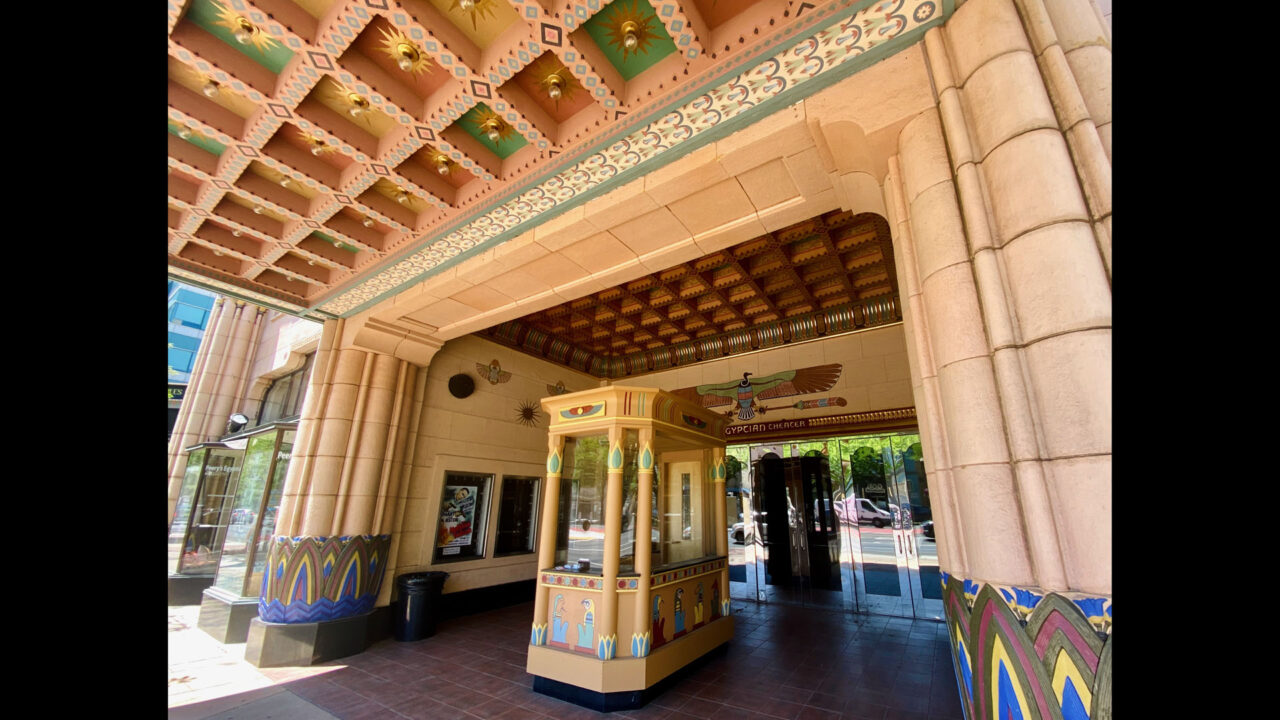
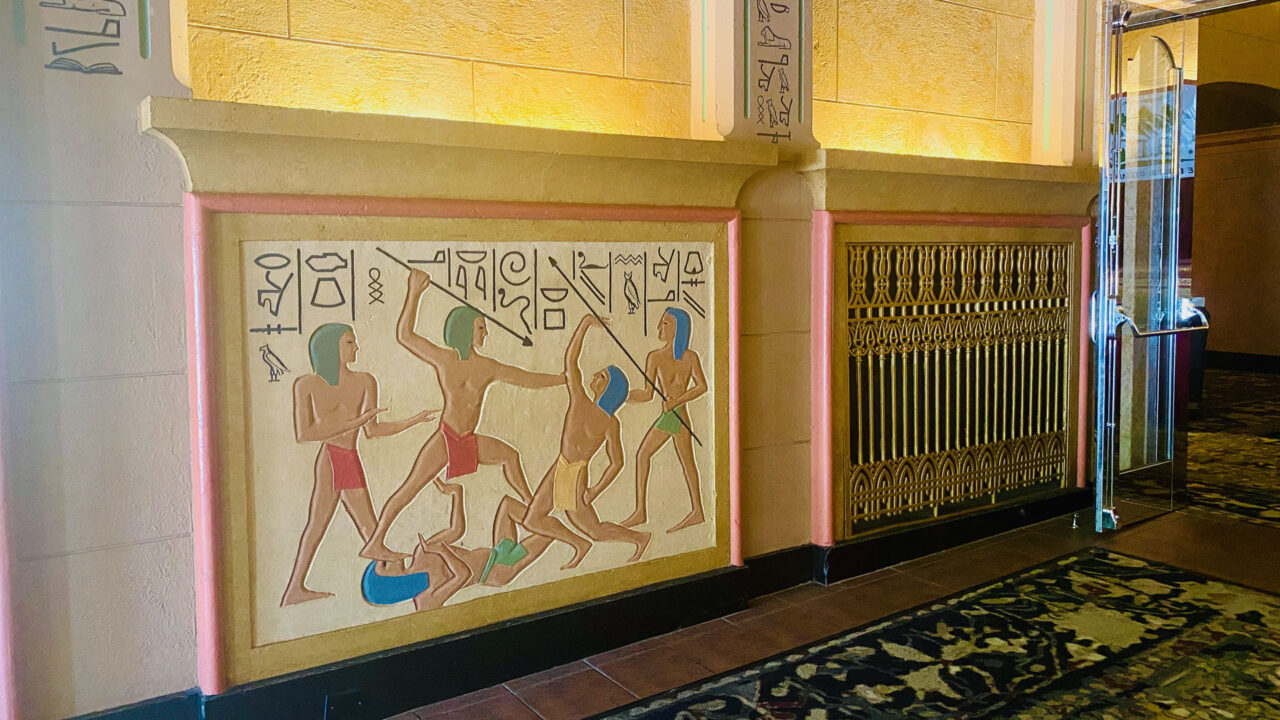
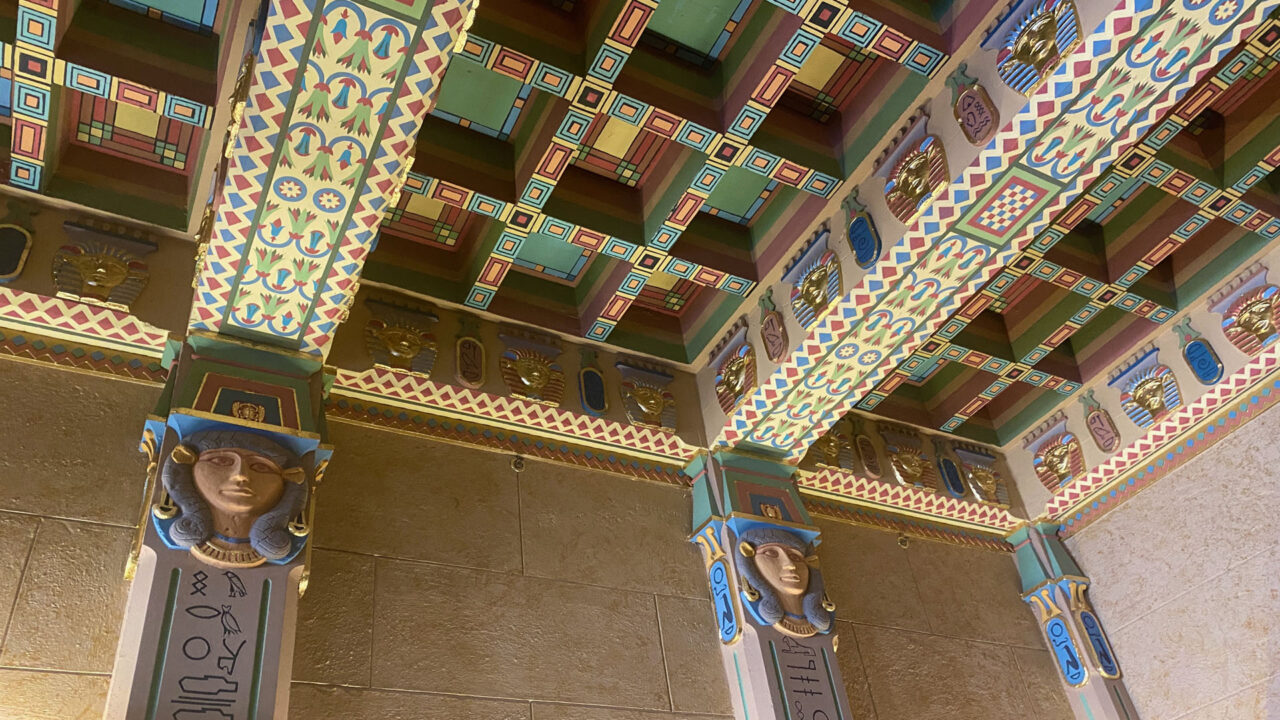
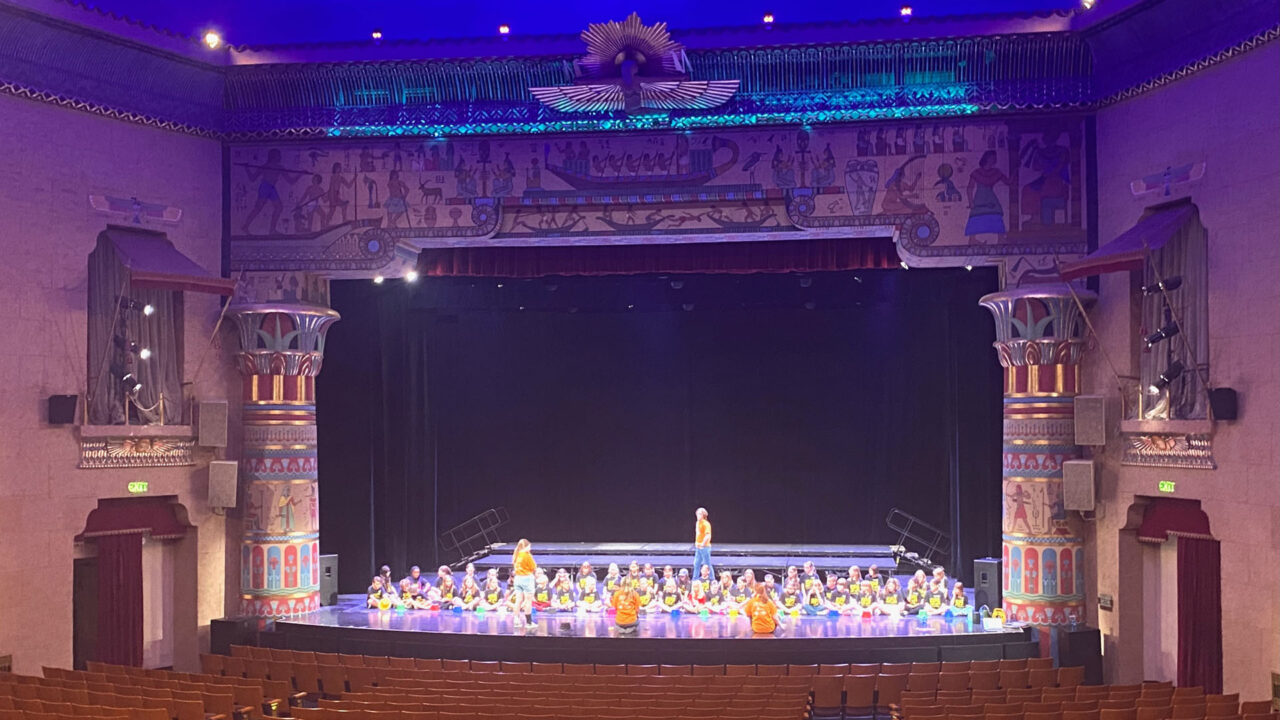
We also visited Peery’s Egyptian Theater built in the 1920s. It was inspired by ancient Egypt and the popular Grauman’s Egyptian Theatre in Hollywood. The theater in Ogden was slated for demolition in the 1980s but a nephew visiting town to attend his Aunt’s funeral saw that she had written an editorial letter to the newspaper stating how she thought the theater should be saved. He decided to honor that wish and contacted the powers that be in Washington. He donated a certain amount and the government matched it and the theater was saved just 2 days before the wrecking ball was to have done the deed. There were kid’s rehearsing on stage when we visited so obviously the theater is still enjoyed by the community.
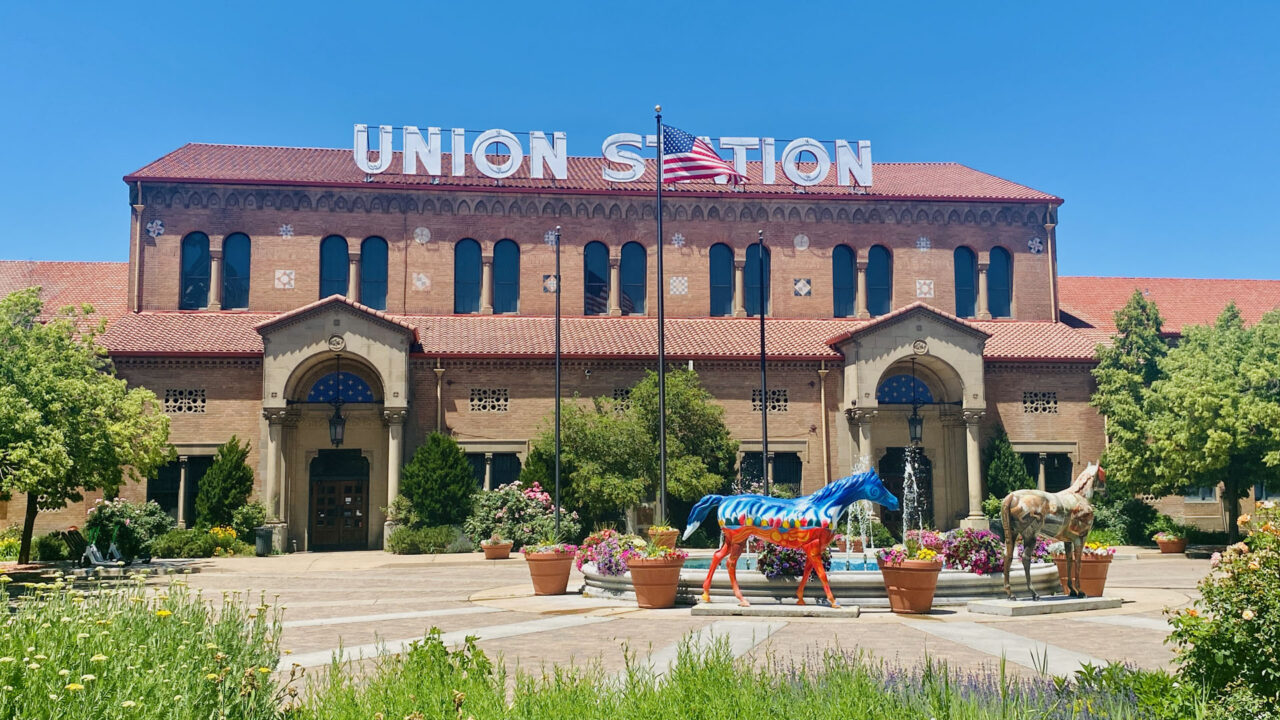
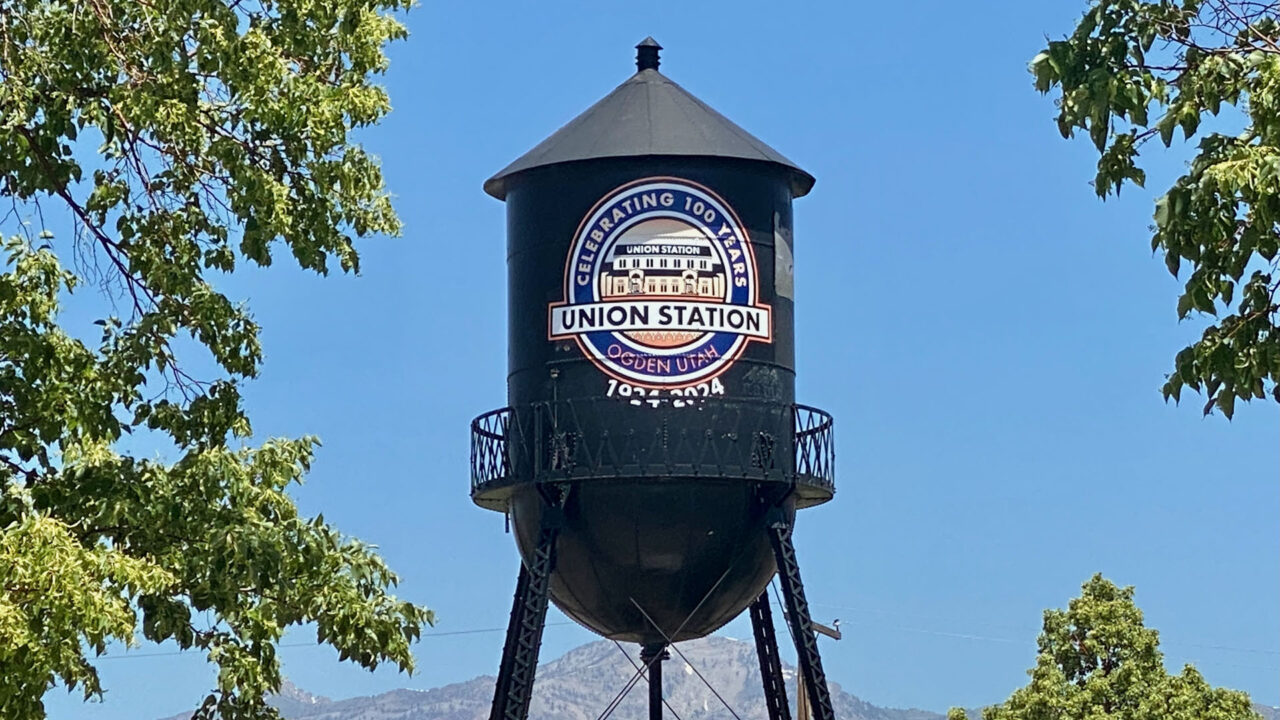
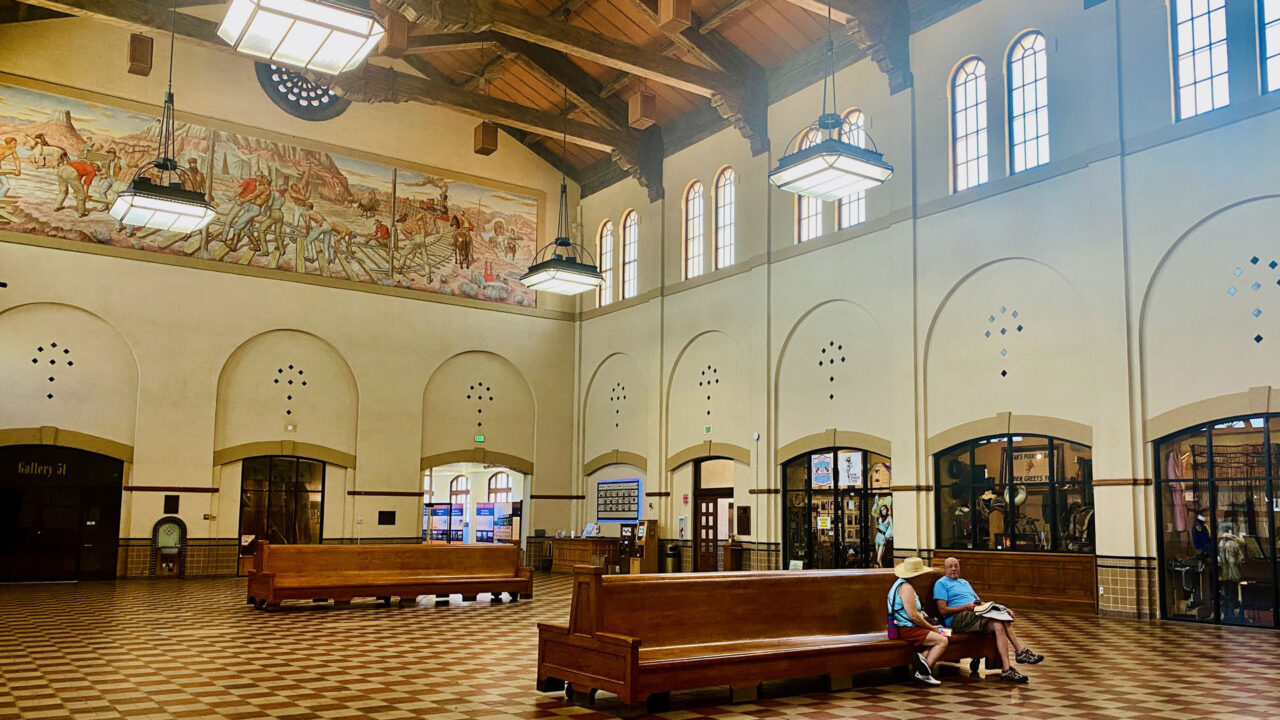
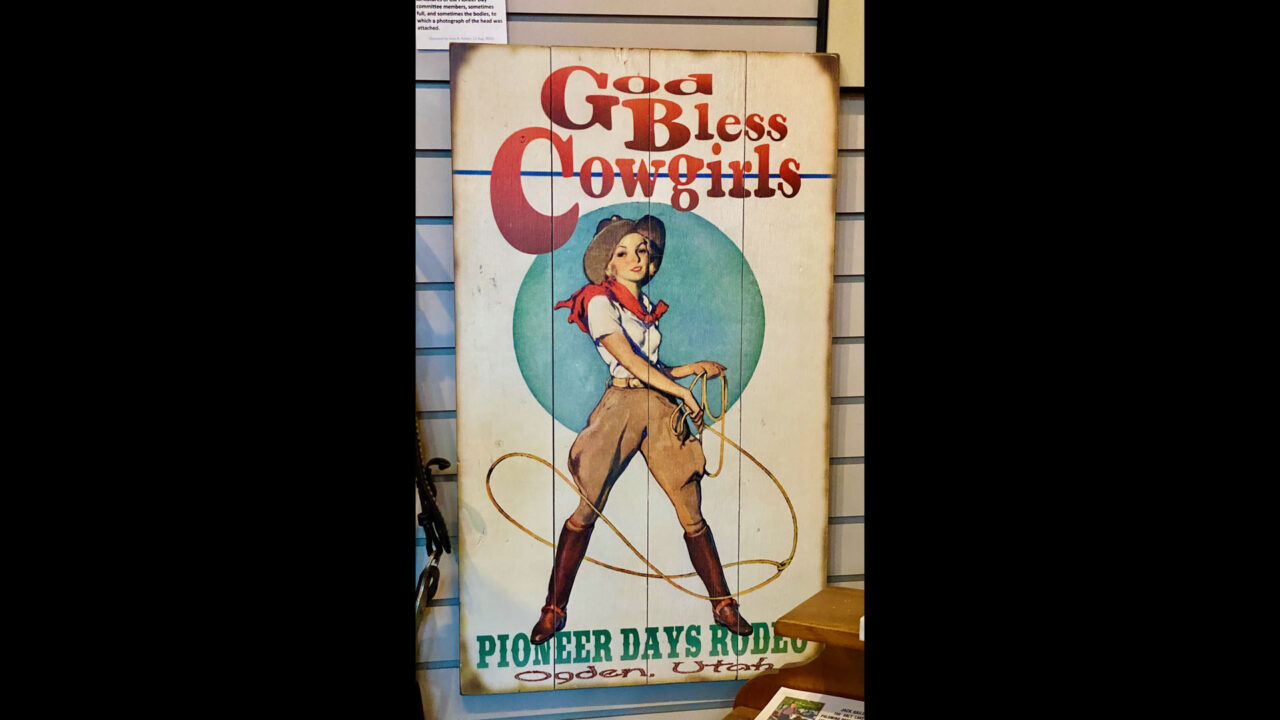
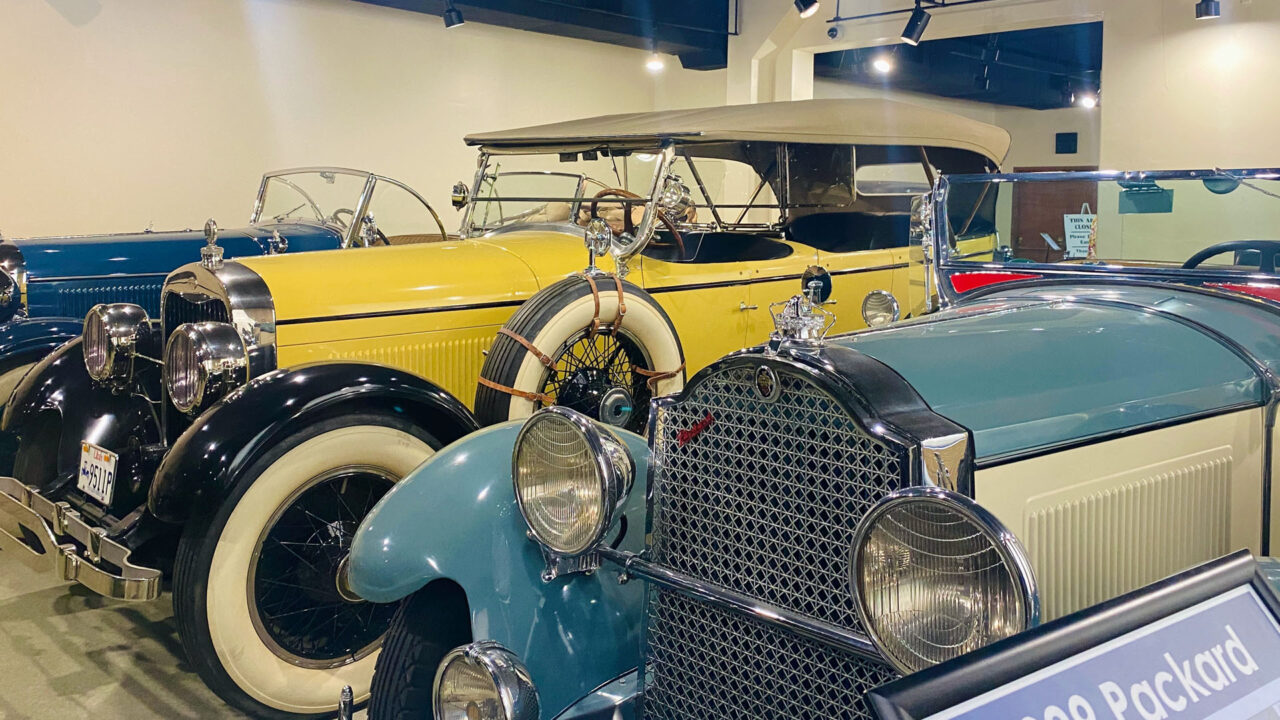
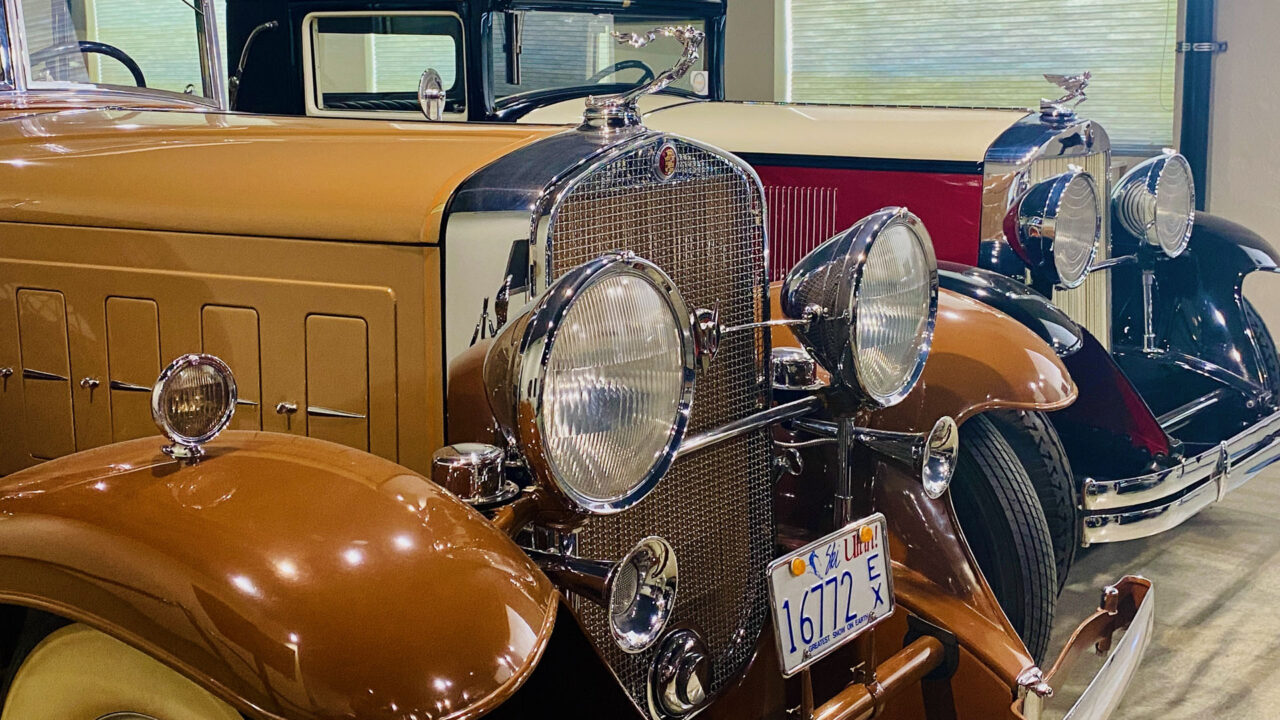
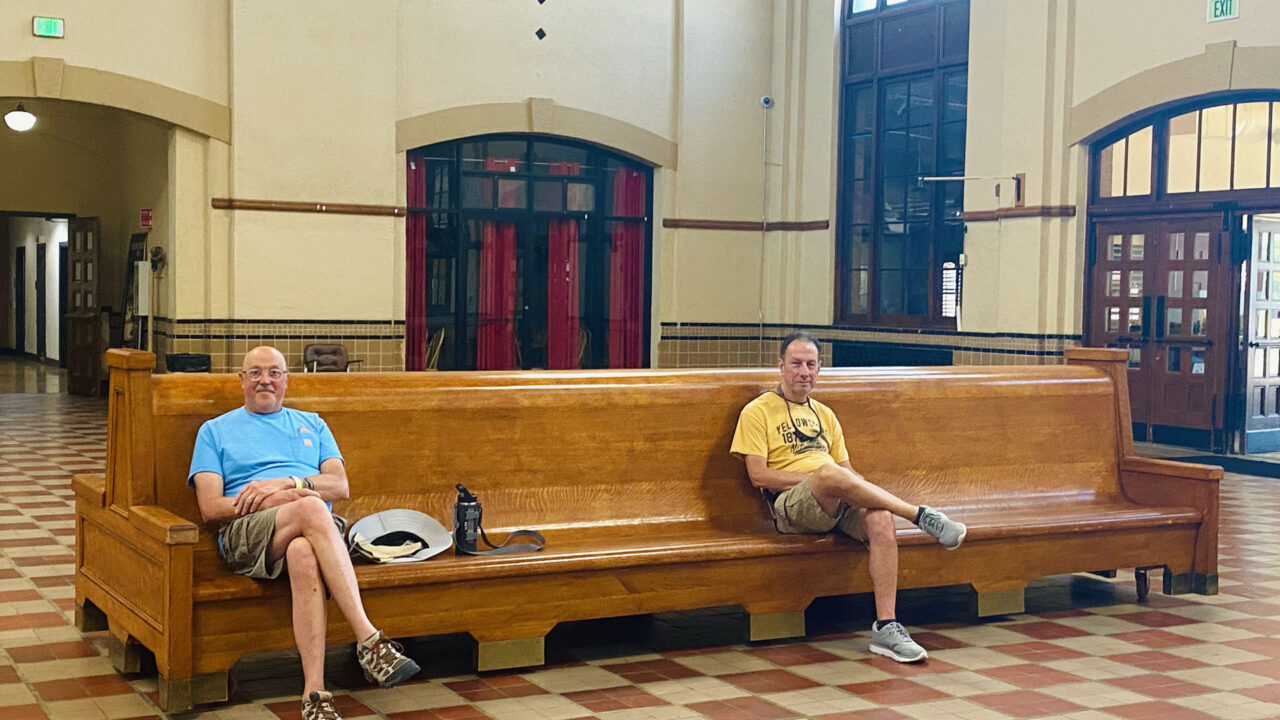
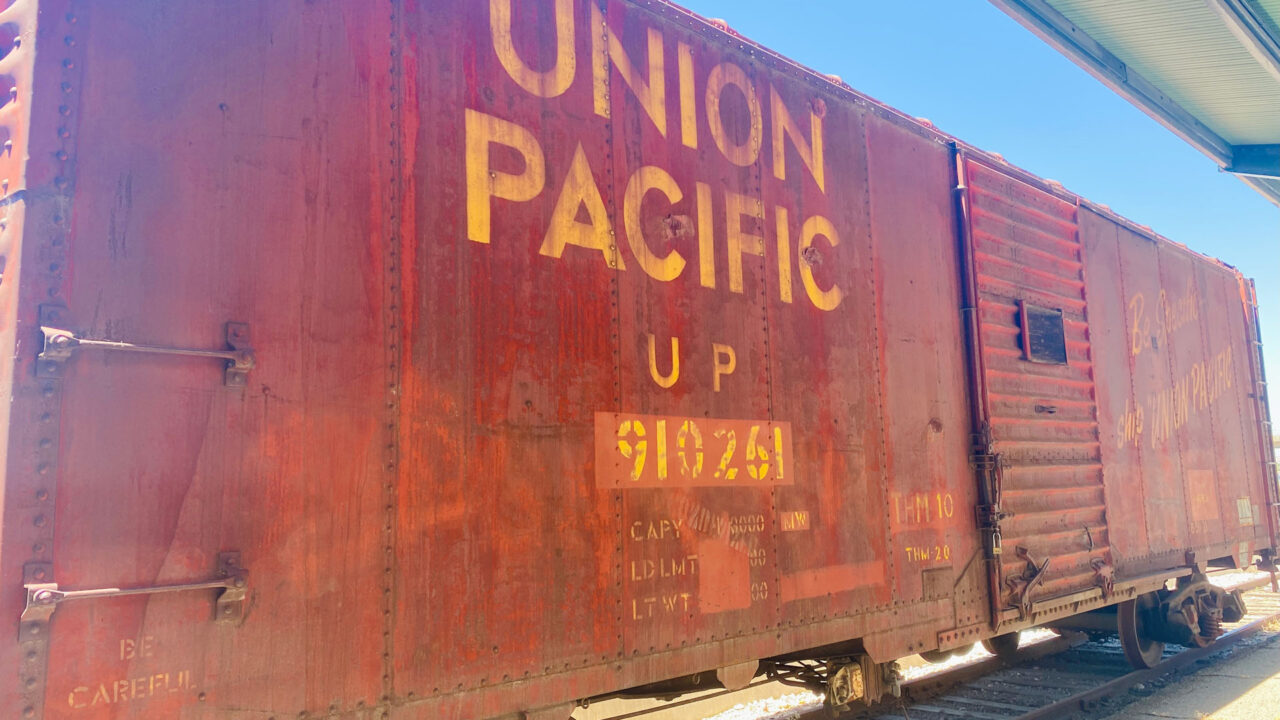
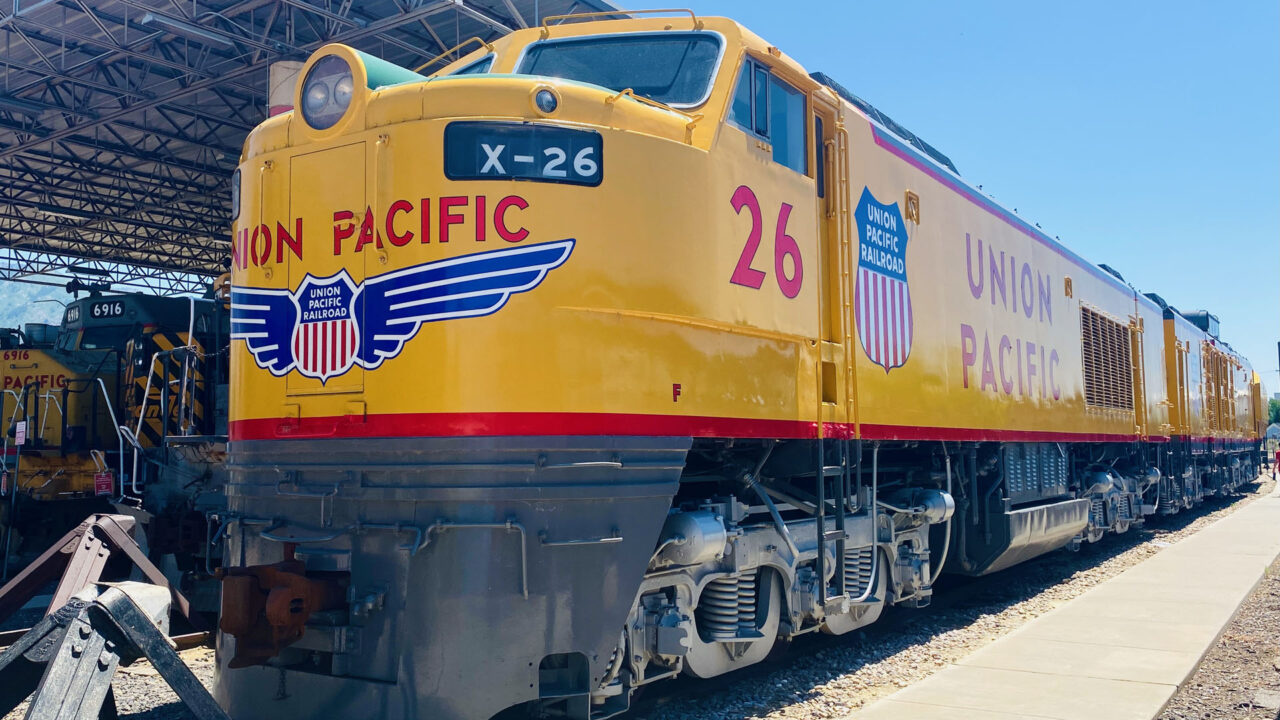
Lastly we visited Ogden’s Union Station, the first train station was built in 1870. This one is 100 years old having been built in 1924. Inside were several small museums (western, car and railroad) and outside were historic trains to view. The inside museums gave us a break from the heat. Phew! It was HOT!
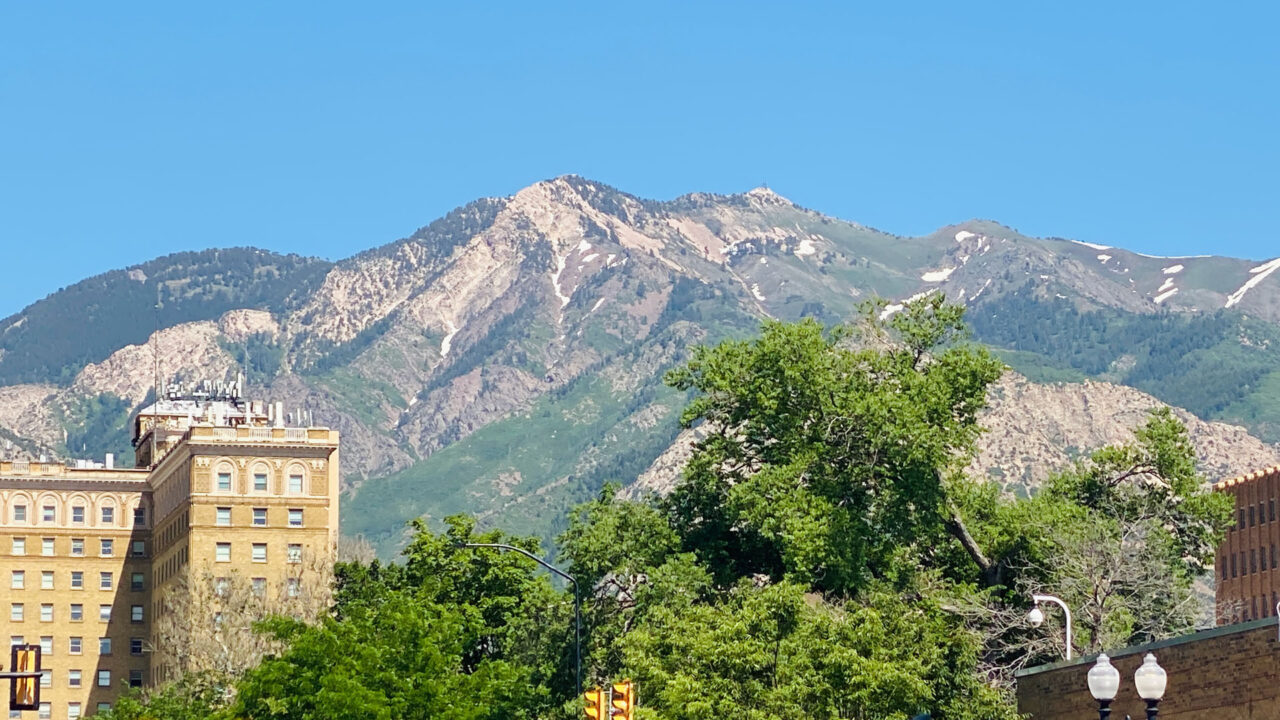
Afterwards we enjoyed a ‘linner” at Union Grill and called it a day! We thoroughly enjoyed exploring Ogden. As an added bonus the town has amazing mountain views.
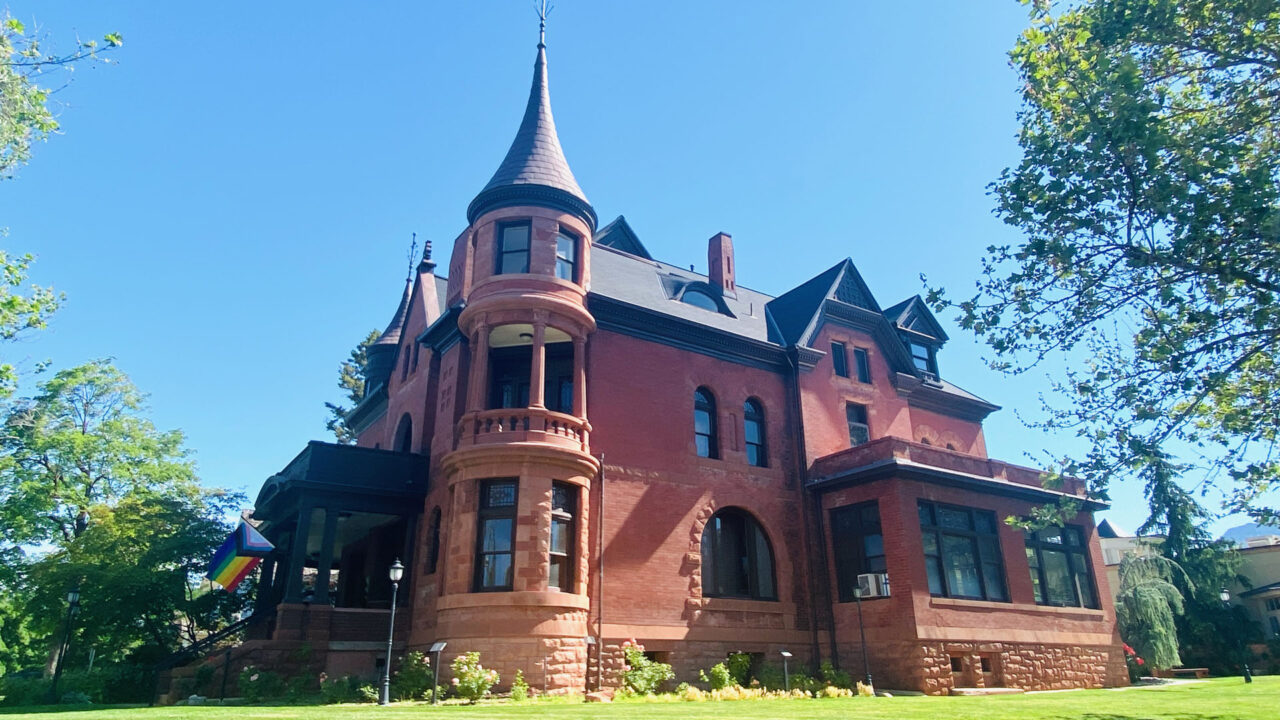 Eccles Art Center
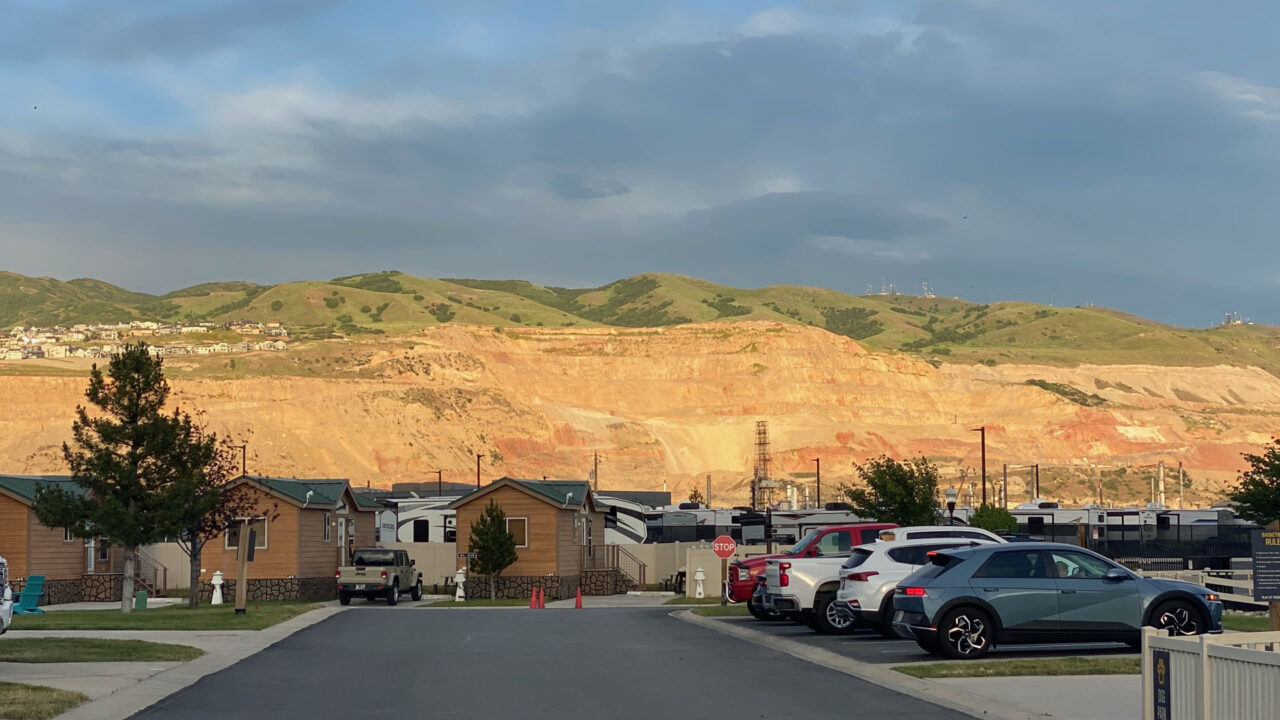
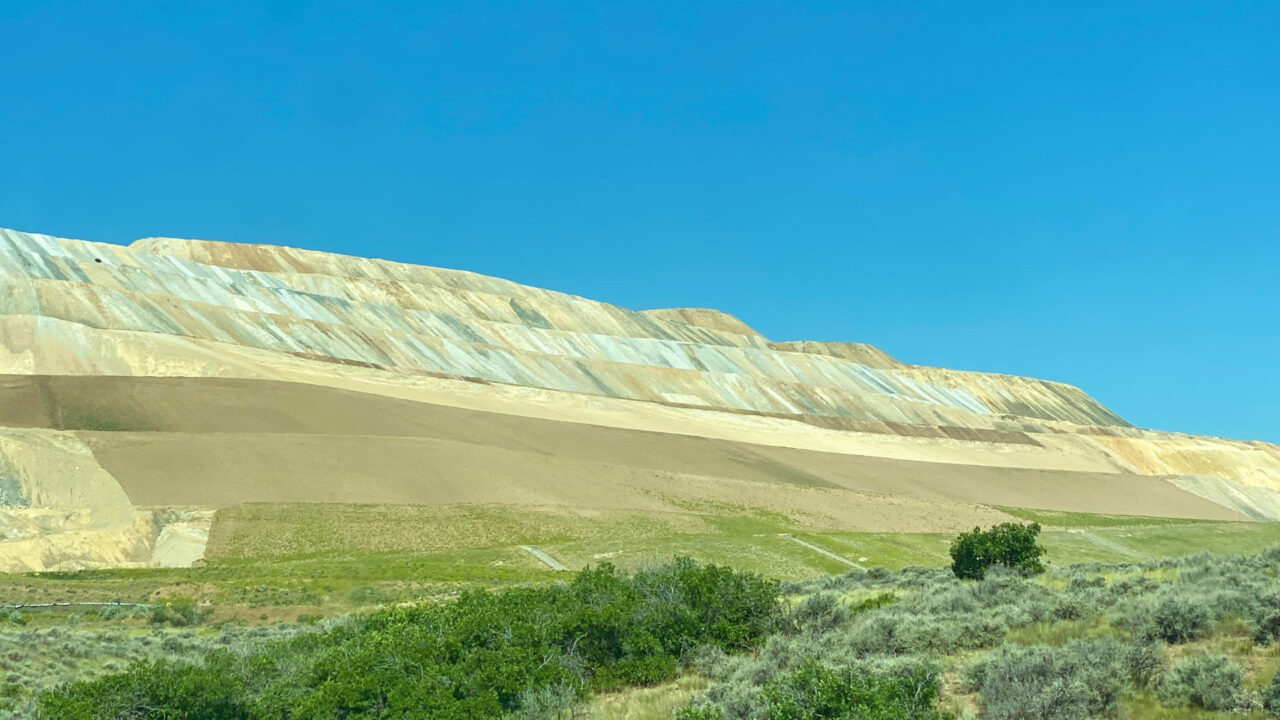
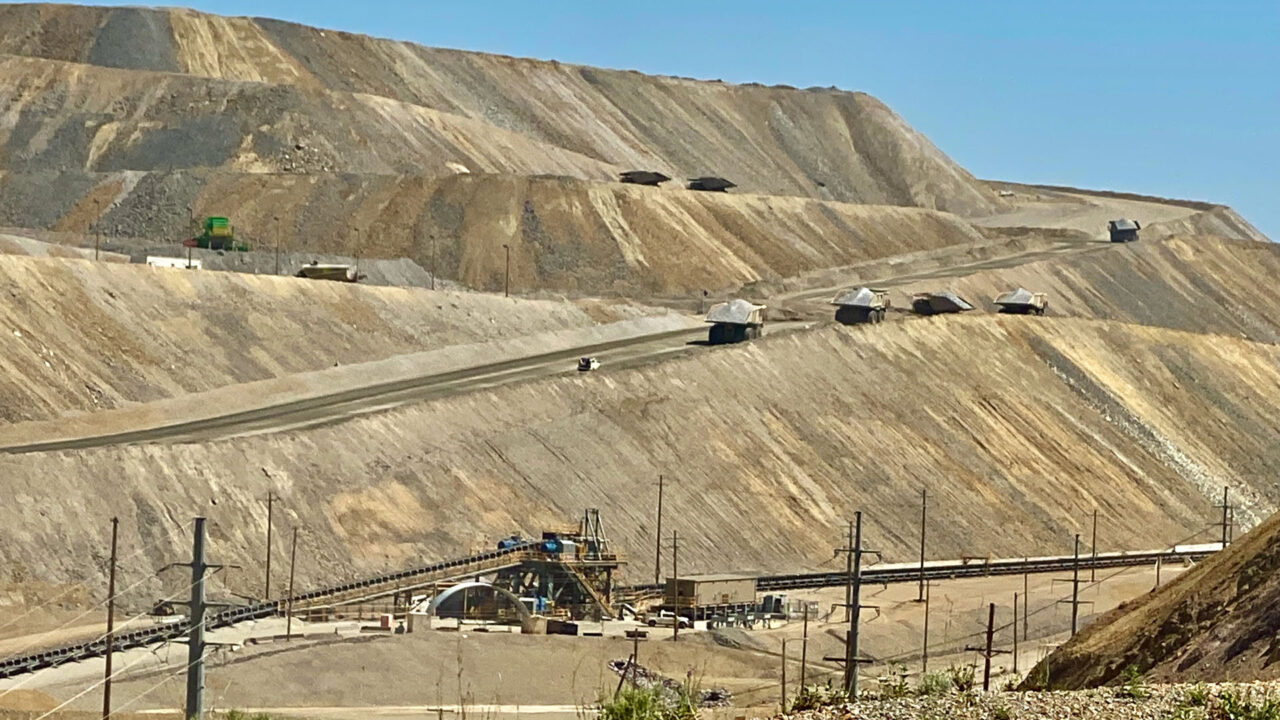
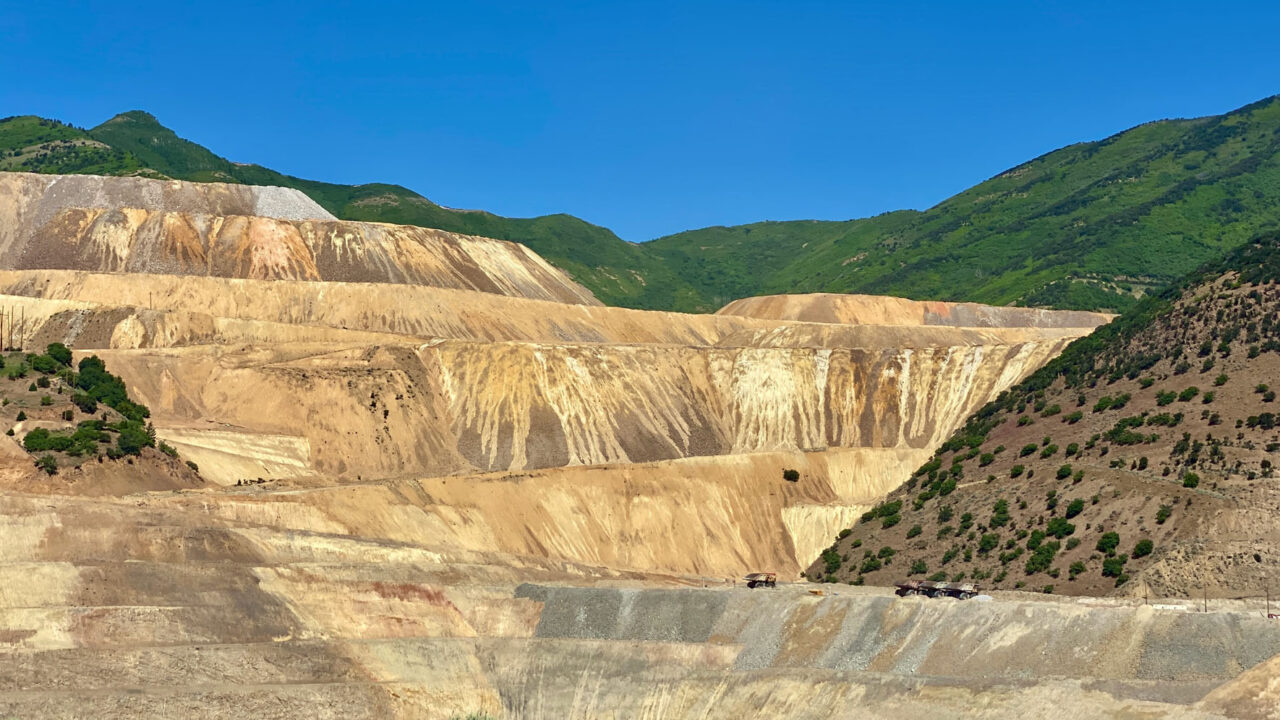
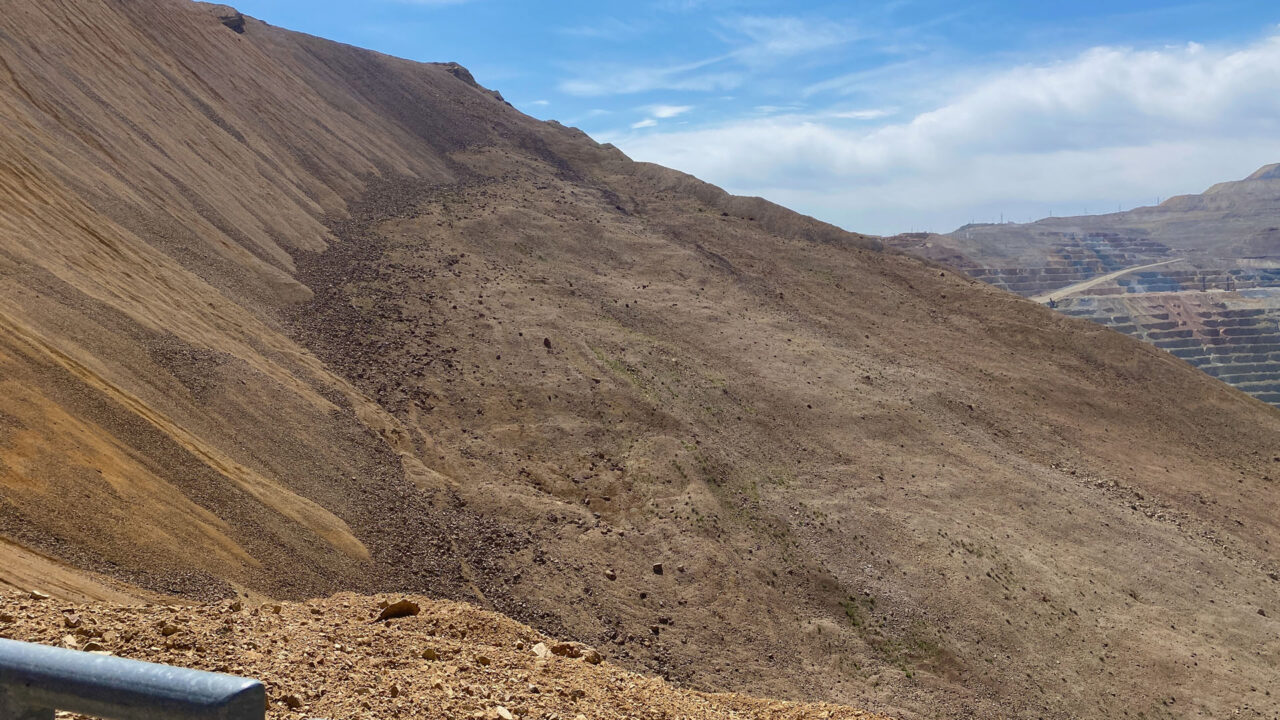
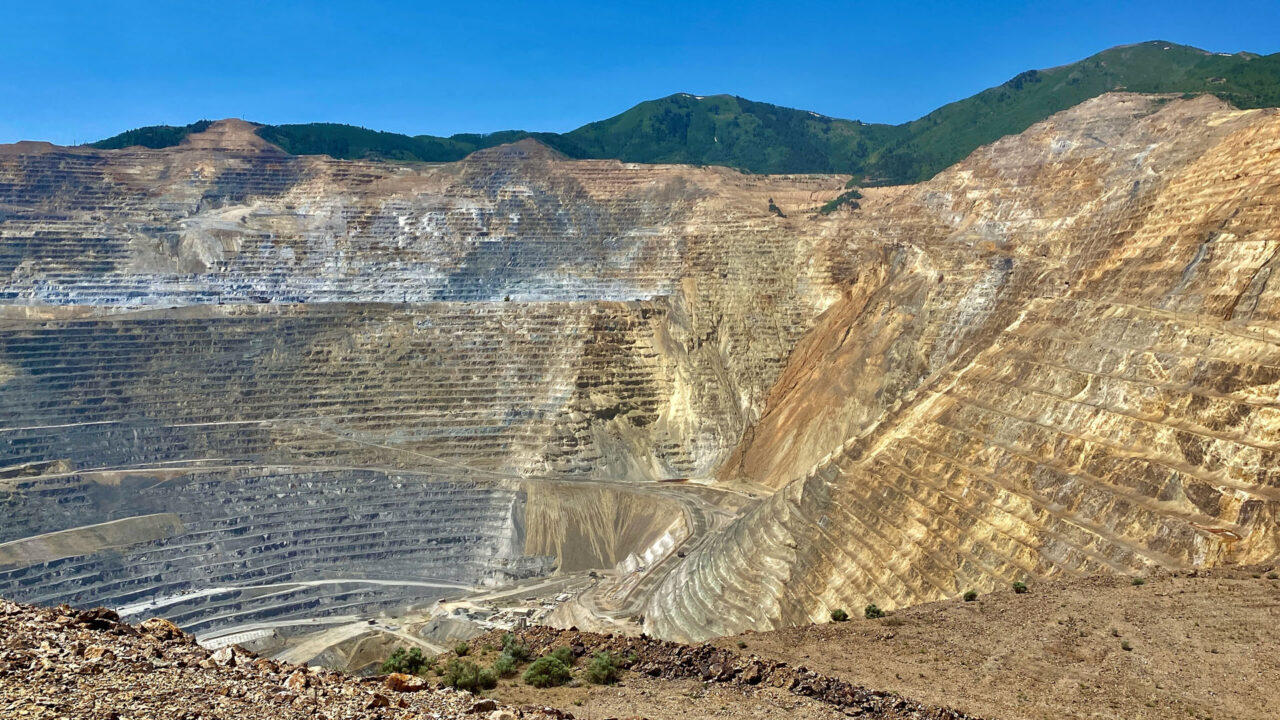
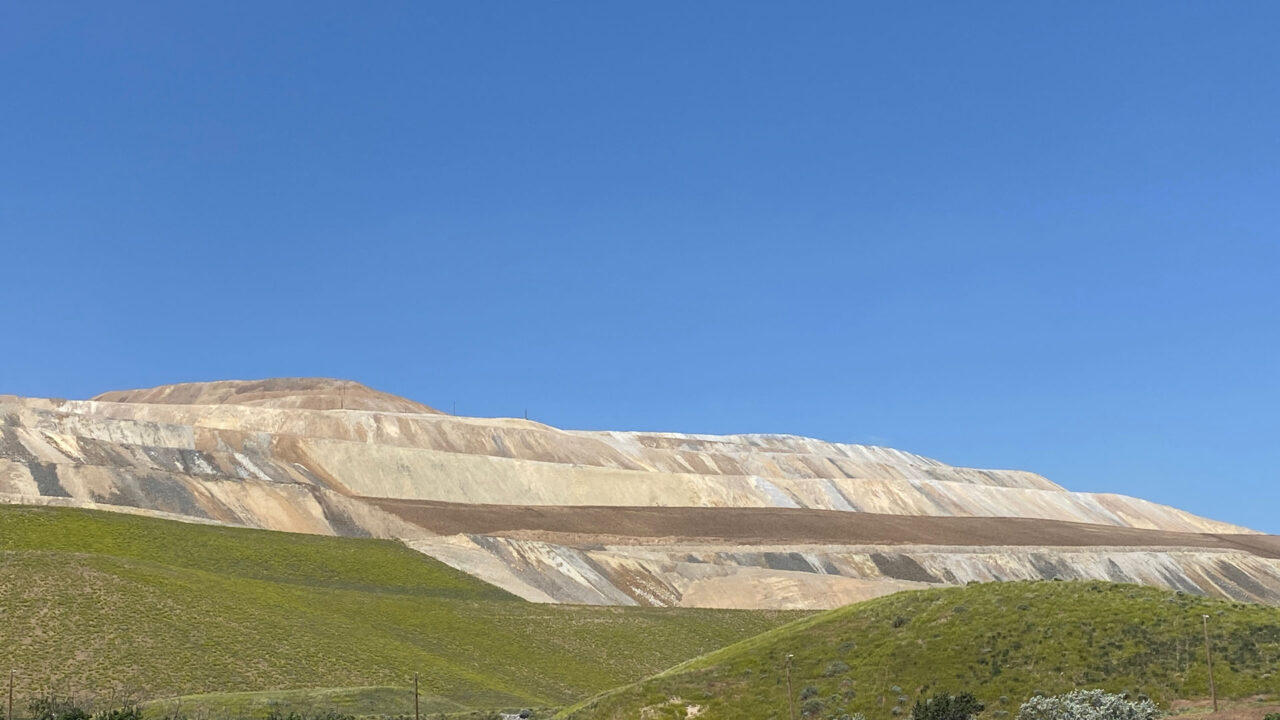
On Friday, June 14th (2024), our last day in Salt Lake City, Gary & I visited the Bingham Canyon Mine, which has been in operation for 120 years. In 1972 it became a National Historic Landmark. As we were driving up to the site, we saw, what we later realized was, waste rock being tossed over the side of the mine. It willl be re-sculpted and will become green with plantings.
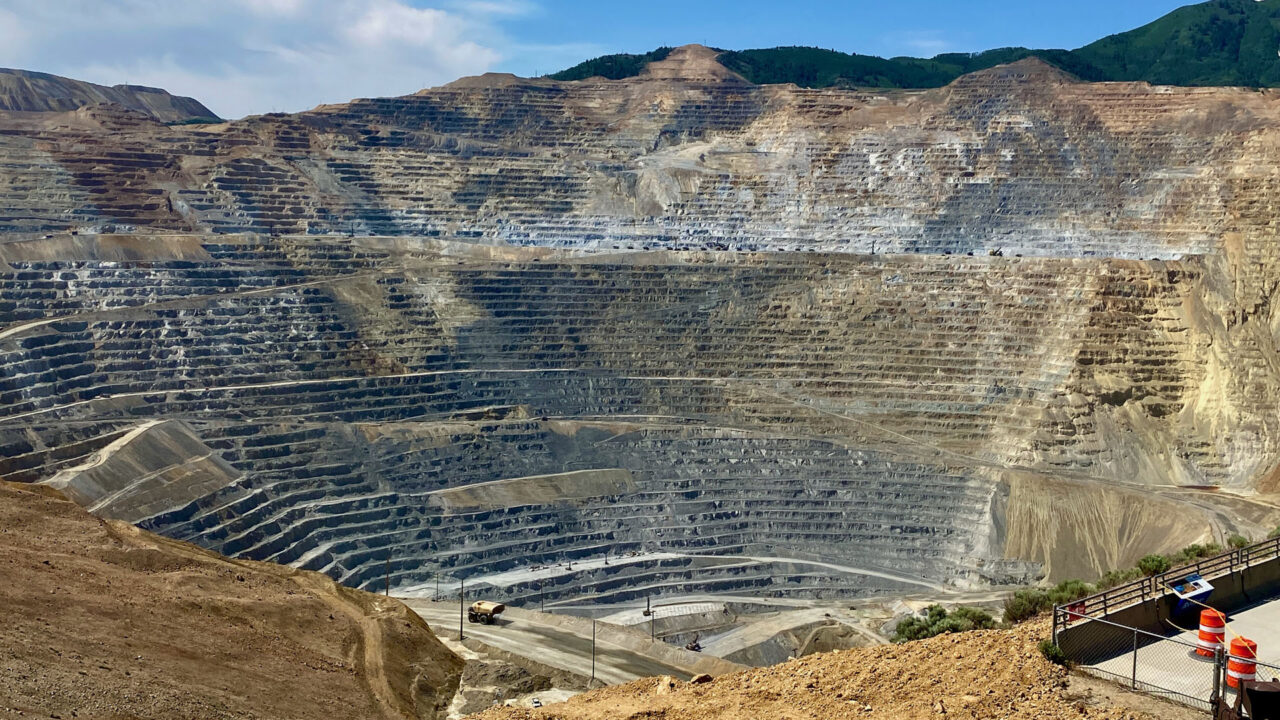
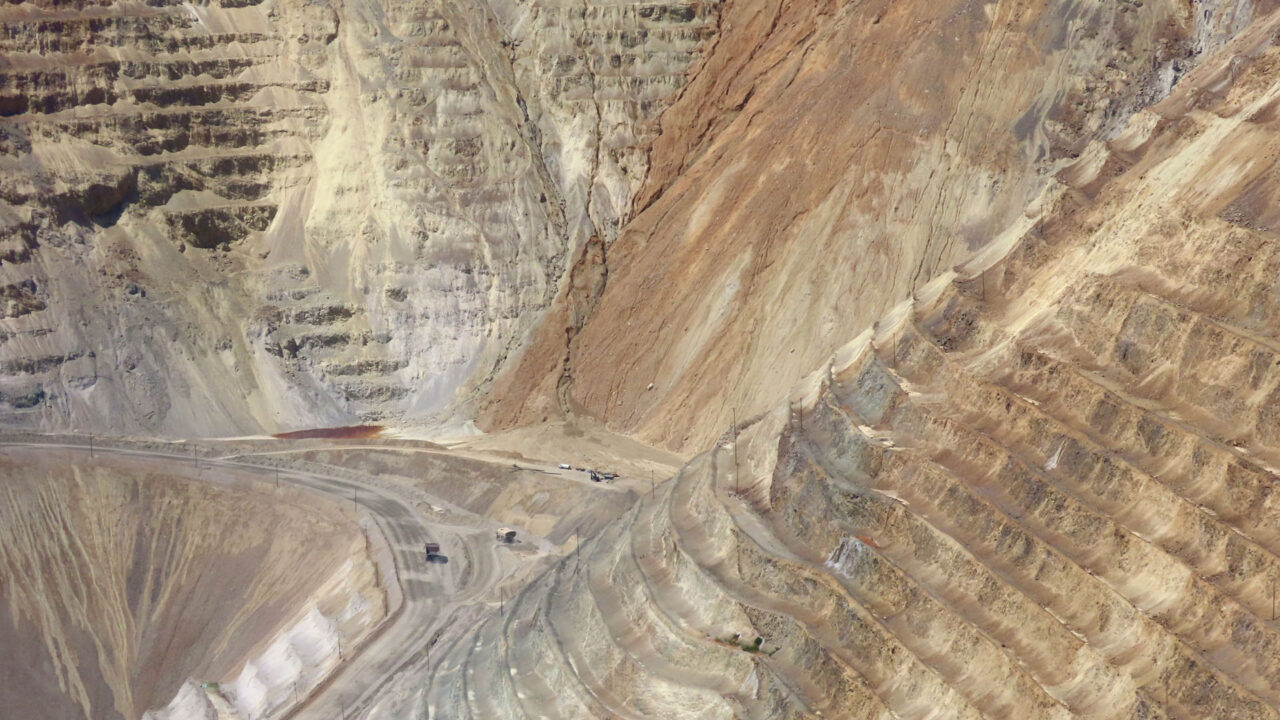
Bingham Canyon is one of the largest open-pit mines in the world measuring a mile deep and 2.75 miles wide. It’s the second largest copper producer in the U.S. and provides nearly a quarter of the country’s copper needs. Throughout its history, the Bingham Canyon Mine has produced more copper than any other mine… more than 19 million tons. The ‘concentrate’ moves through a 17-mile pipeline to Kennecott’s smelter, which is the cleanest in the world, and heats and melts the copper concentrate to remove other metals like gold and silver. The Kennecott Refinery produces copper that is 99.99 percent pure.
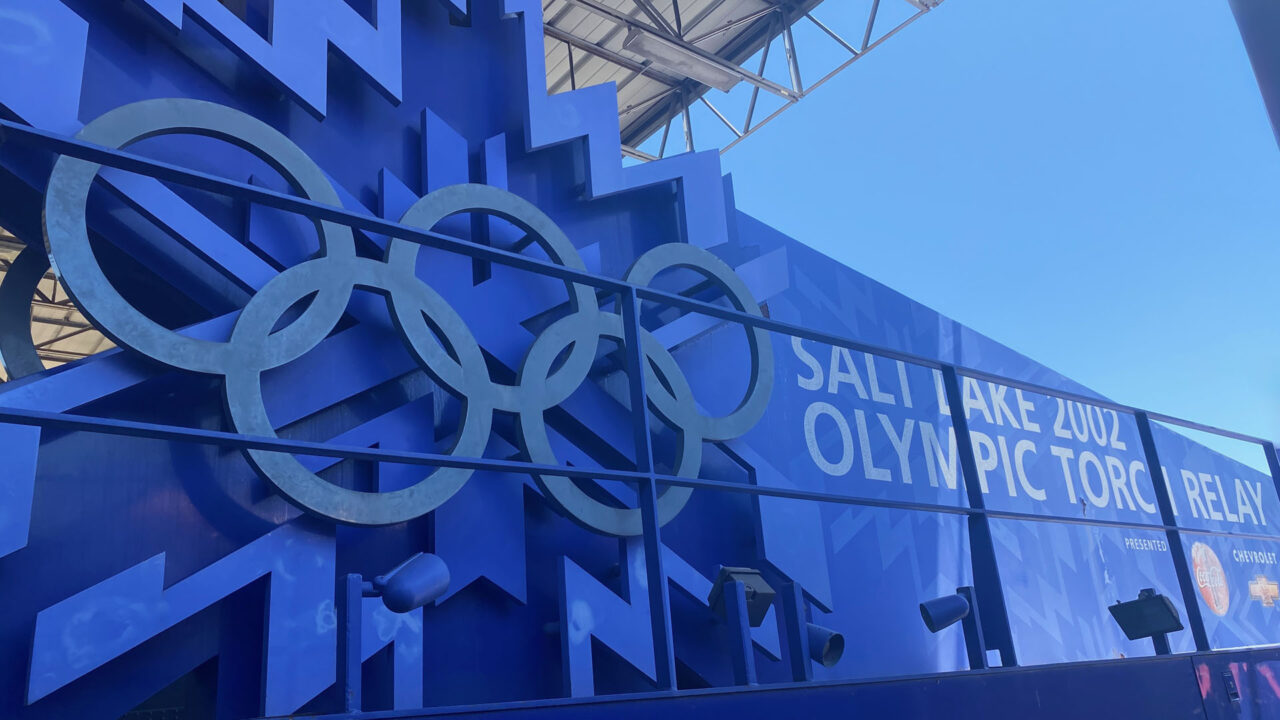
Kennecott mined and donated the copper, gold, and silver to produce medals for the 2002 Winter Olympic Games held in SLC as well as the 2012 Summer Olympic Games in London.
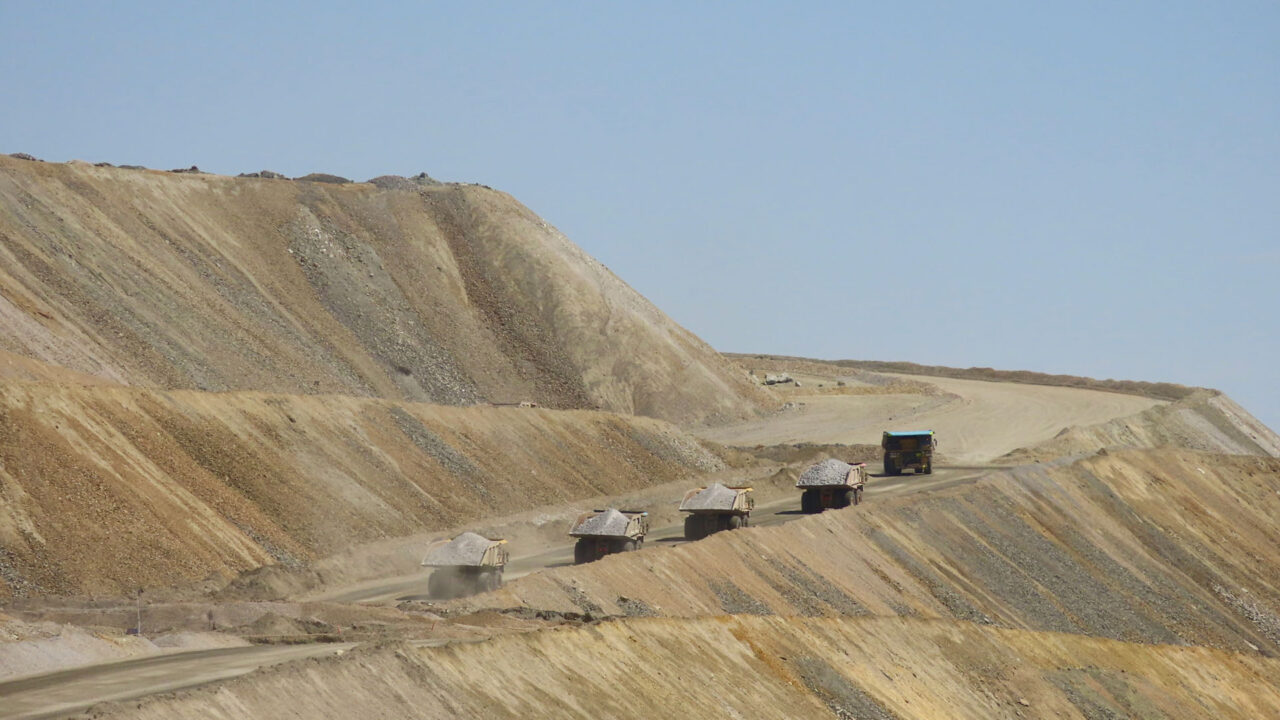
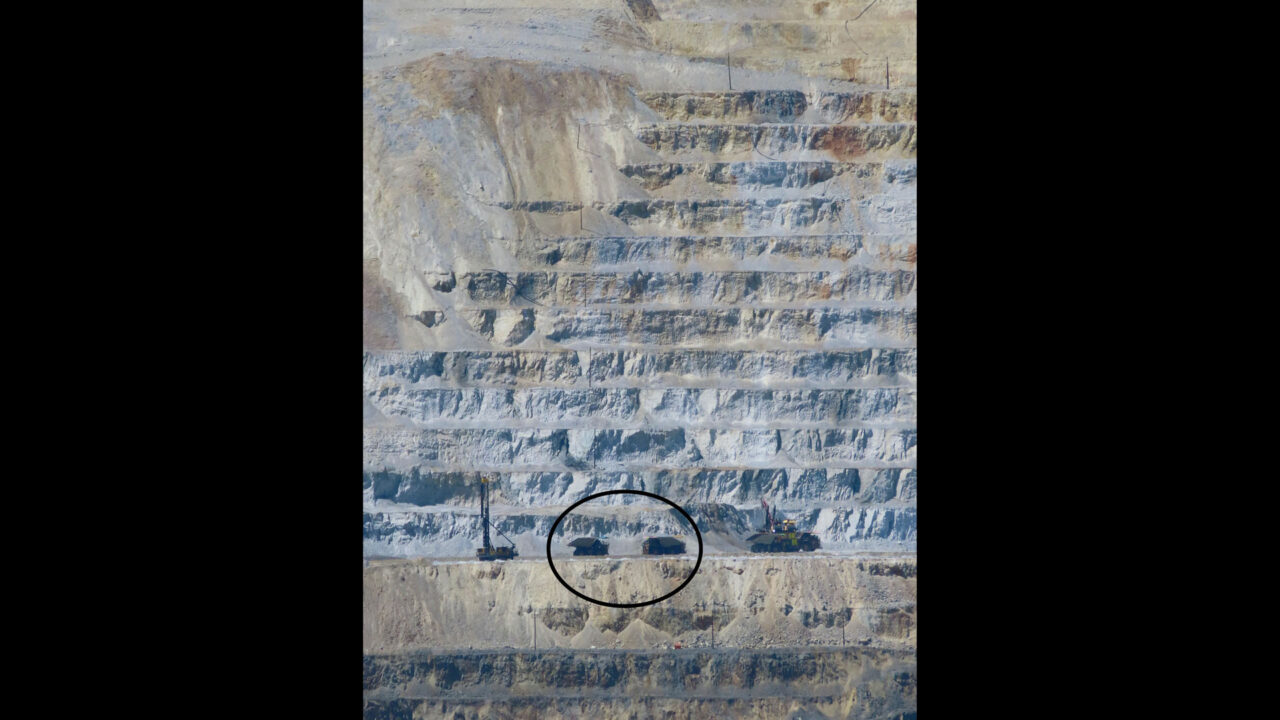
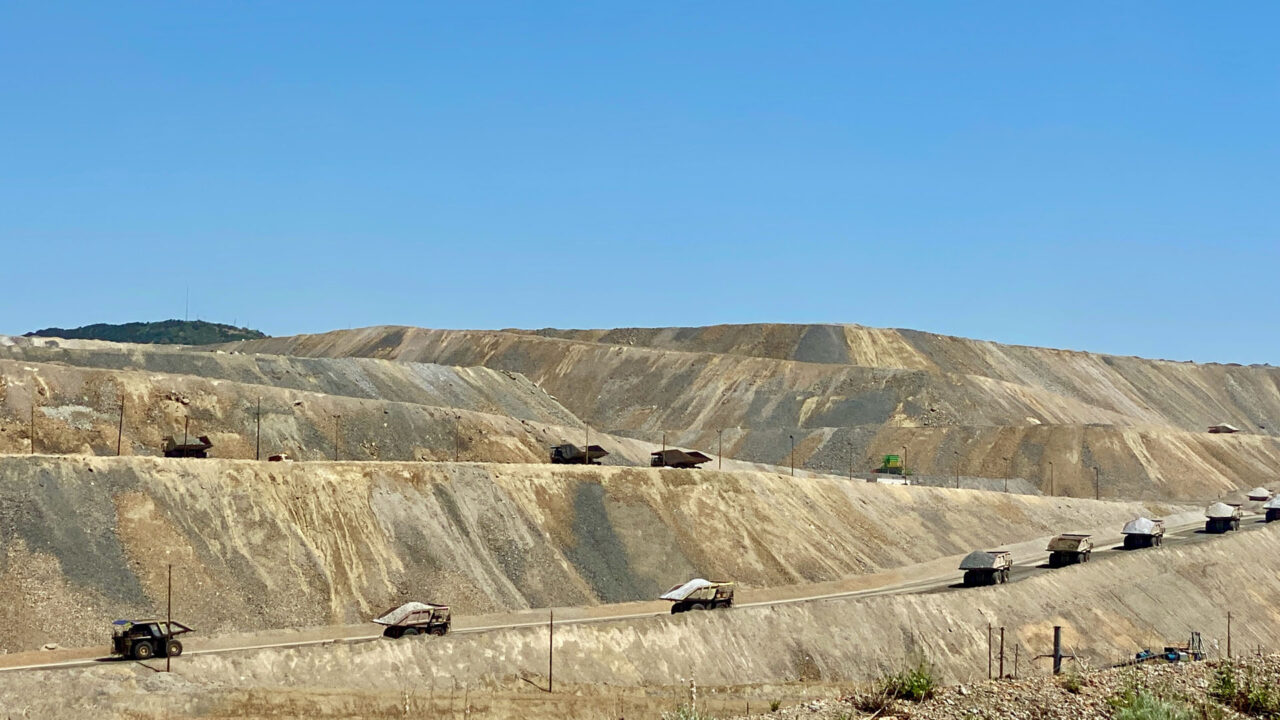
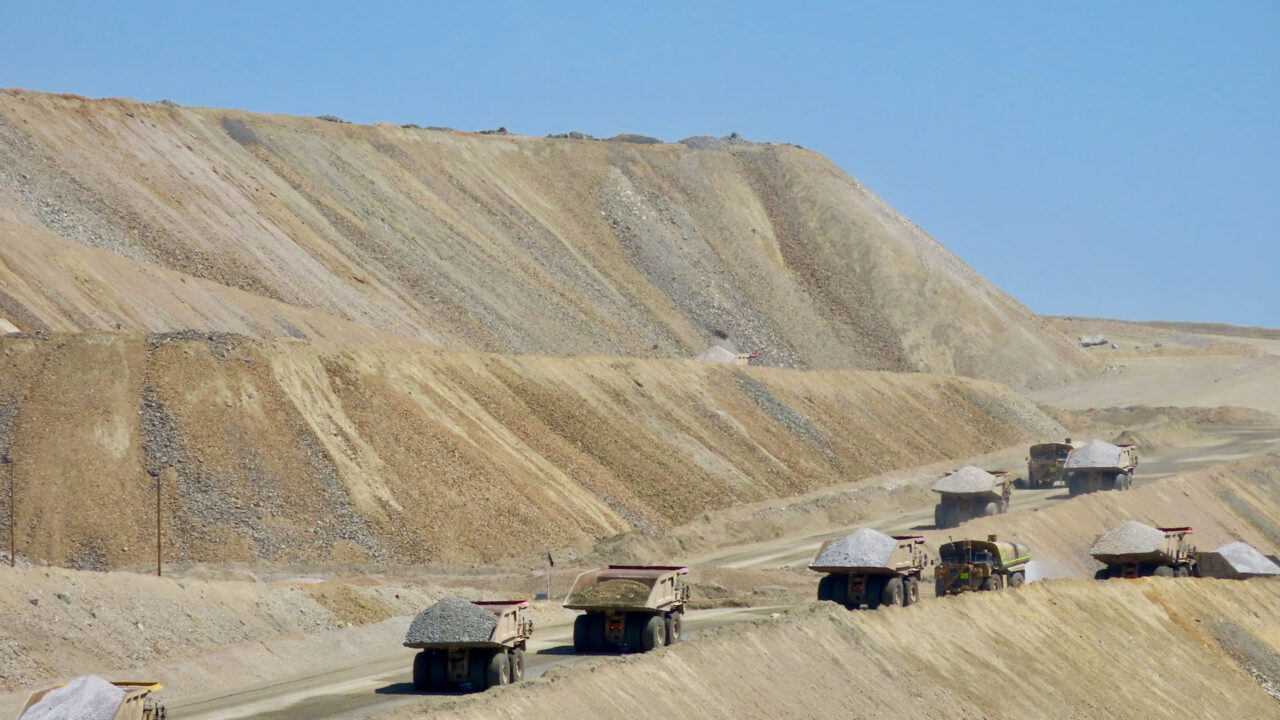
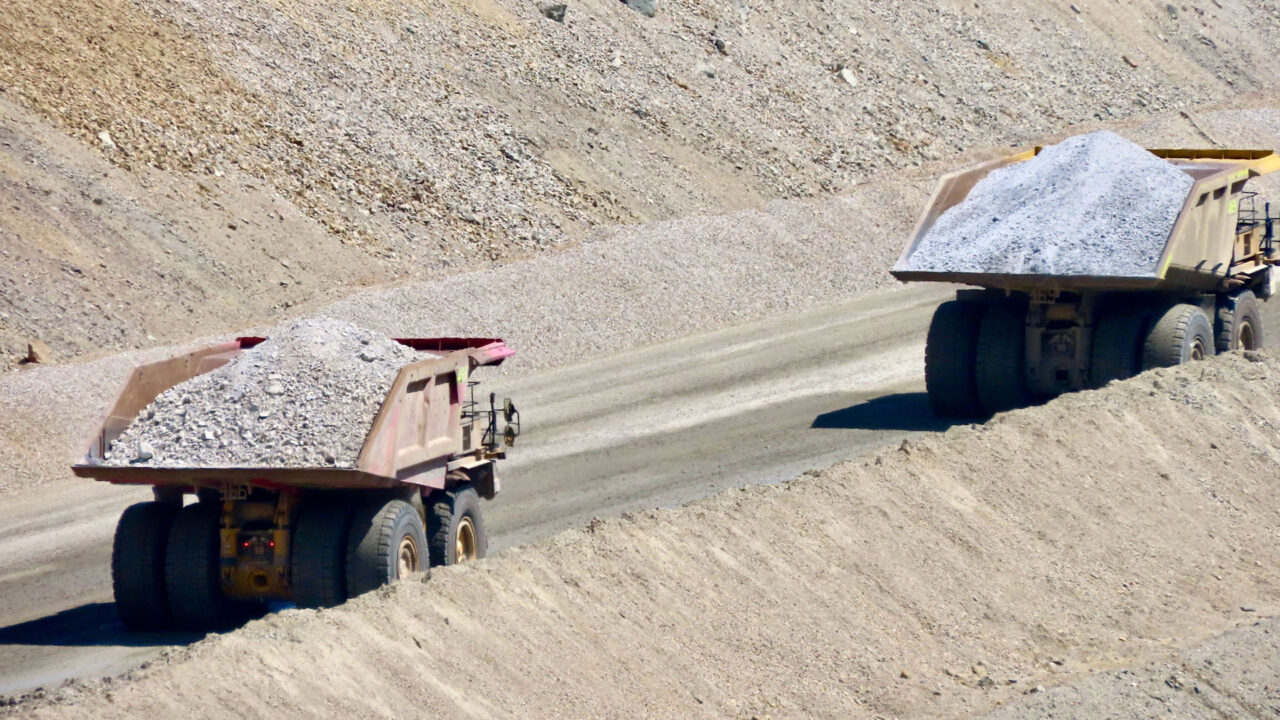
Future ore extractions are being done underground. They obtain 14 different minerals from this mine. Copper being the primary mineral. This mine is planned to be in operation for the next 200 years! We could see the huge trucks (big as a 2-story house) that looked like ants. Each hauling truck can carry a payload of 350 tons of mined ore materials and waste rock throughout the mine – as heavy as 53 elephants or 2 blue whales — and can go as fast as 40 mph. A fully loaded truck can weigh 1.1 million pounds. It takes them about 90 minutes to do a round trip from the bottom to the top of the mine.
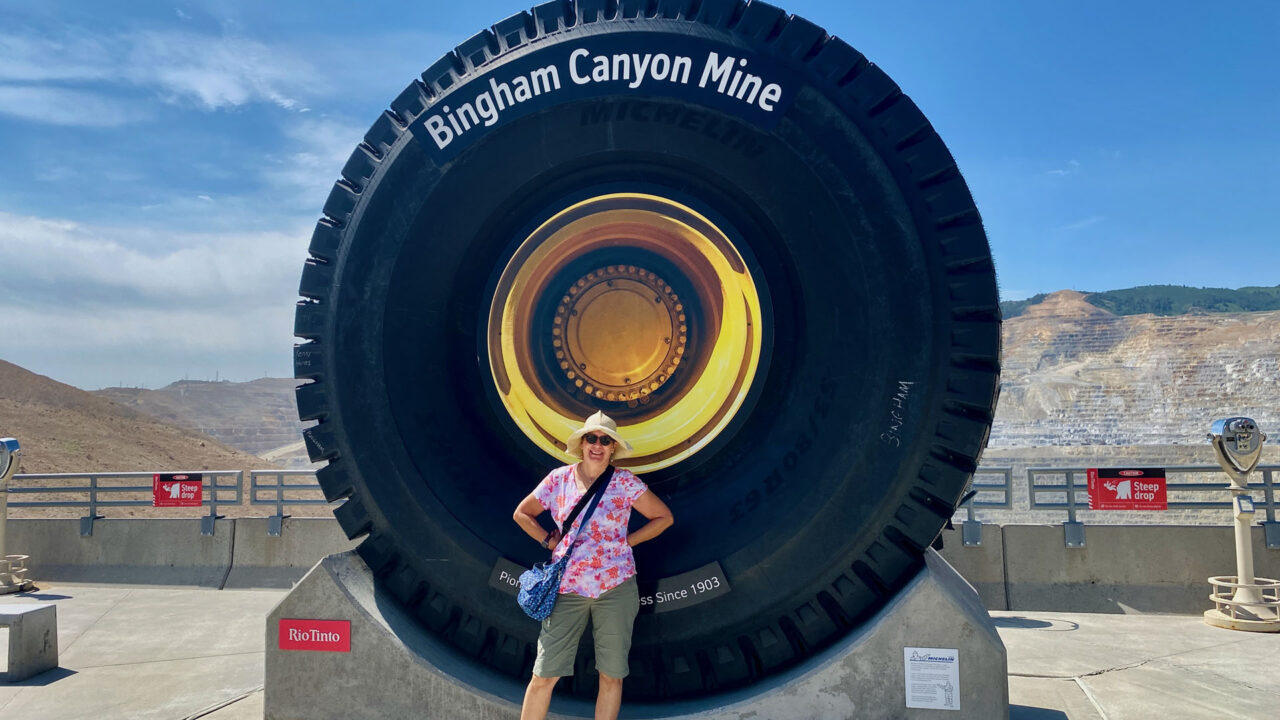
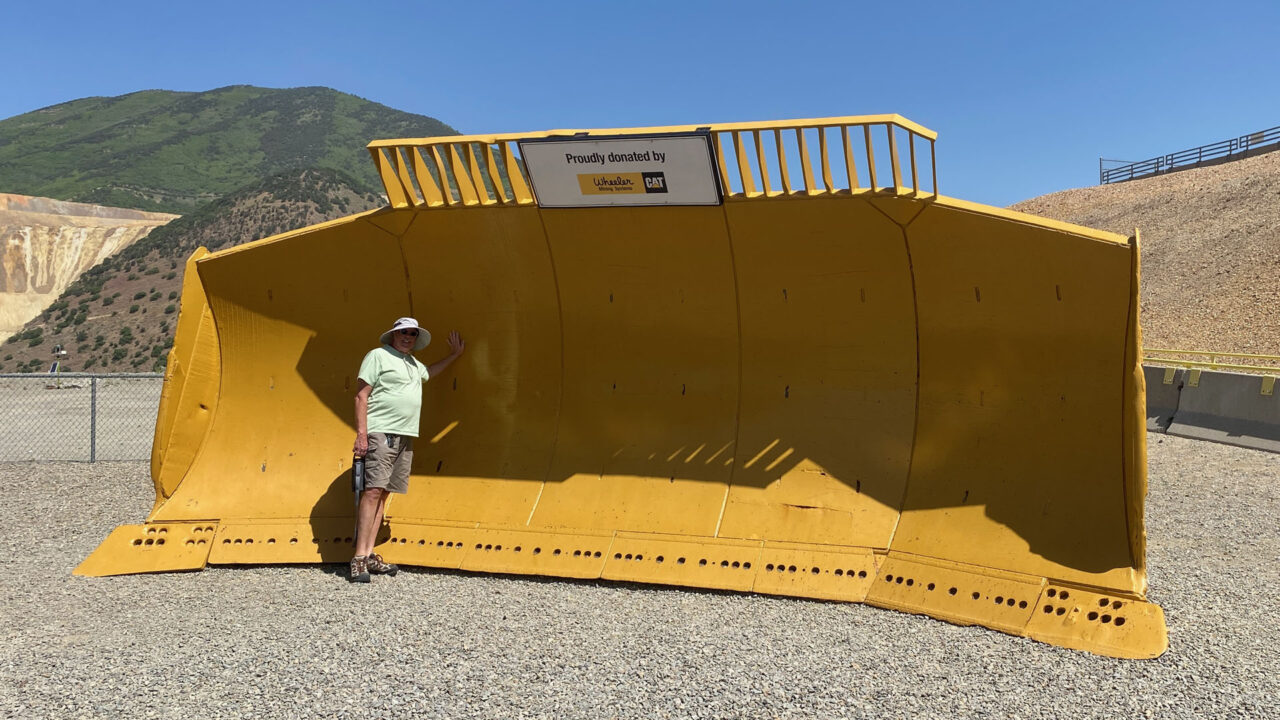
They use some of the largest vehicles on earth to mine copper. They have a massive Michelin tire on display that is used on their hauling trucks. It weighs 10,633 pounds or as much as 3 cars and is 12.5 ft tall. The same materials used to produce this tire could make 90 school bus tires or nearly 500 car tires. It contains over 2,000 pounds of steel… enough to make 16 washing machines. Recycled tires can be turned into water tanks, rubberized pavement and rubberized mulch for playgrounds.
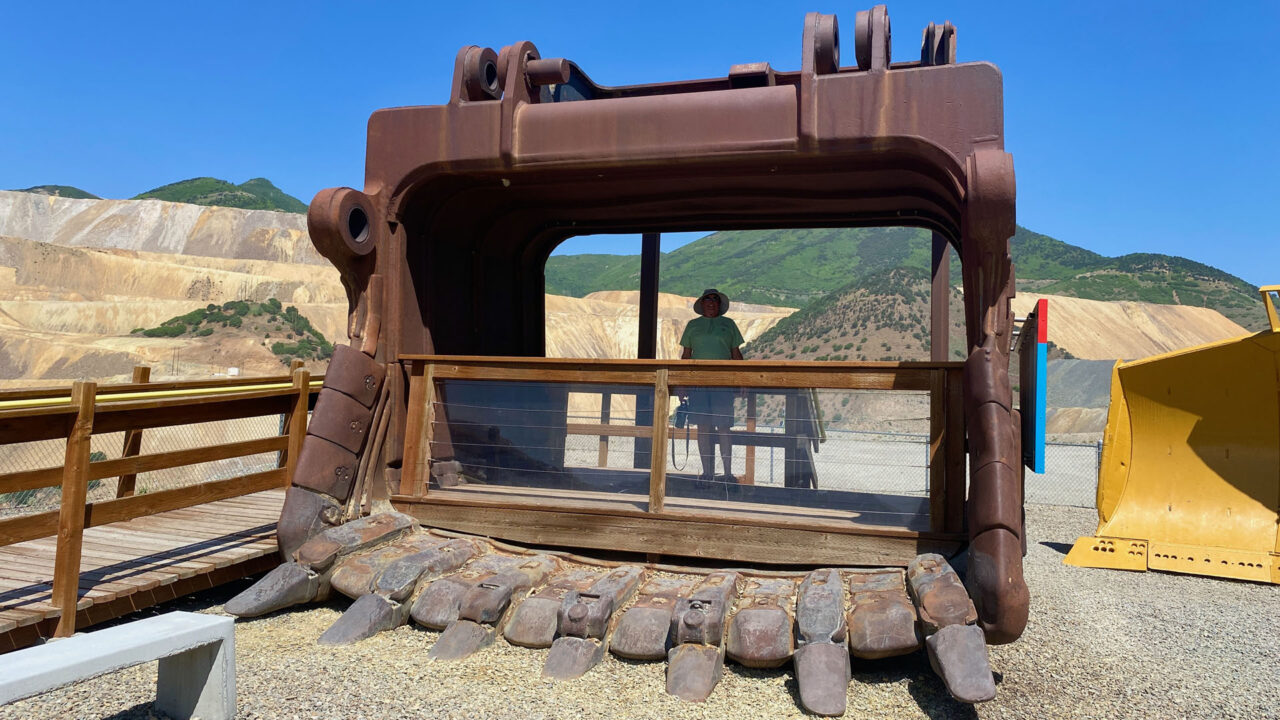
They also have an enormous electric rope shovel on display weighing 2,000 tons. Each electric shovel can move 120 tons per scoop which is equivalent to 60 cars. The scale of this stuff is just staggering.
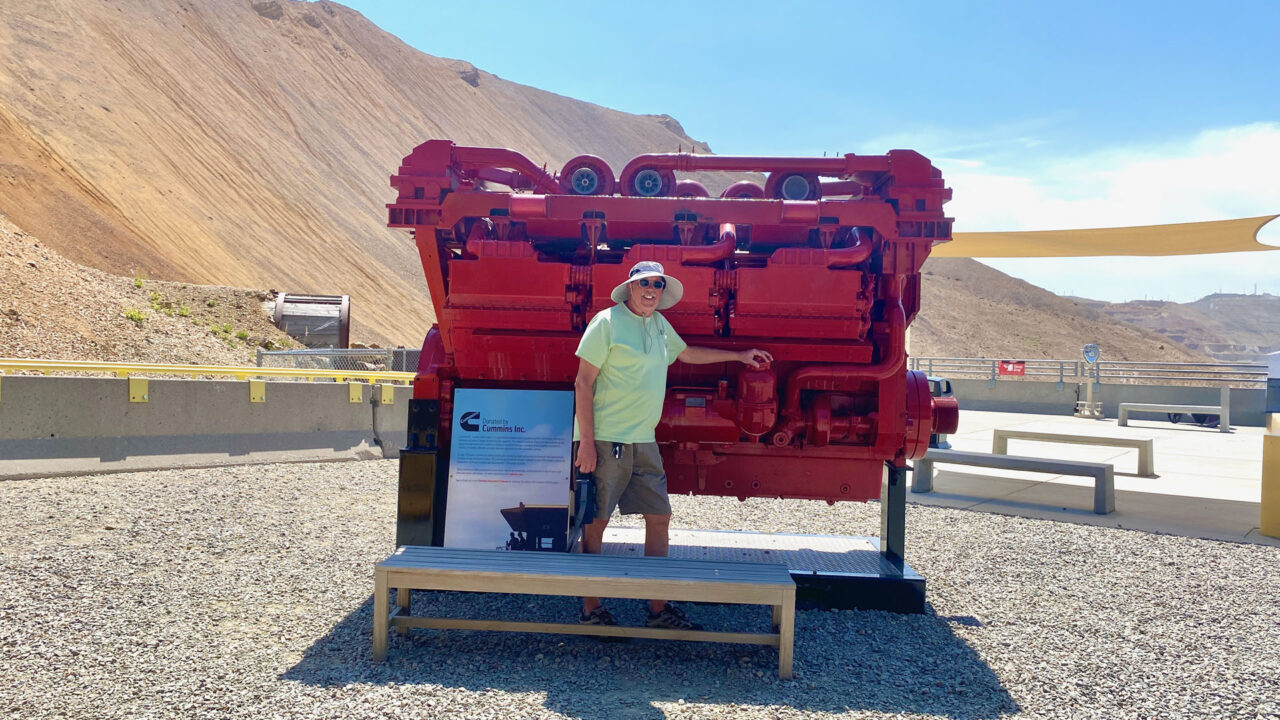
The Cummins engine they use is specifically built and designed for mining. It weighs almost 25,000 lbs. The 18-cylinder engine has a peak horsepower of 3,500 hp and a peak torque in excess of 10,000 lb-ft. For comparison, the typical diesel engine in a RAM 2500 pickup truck has 370 hp and up to 800 lb-ft of torque.
In April 2013 the mine experienced the largest mine slide event in history (Manefay Slide). Thankfully no employees were injured because of advanced monitoring.
During our visit there was a beautiful breeze blowing at the top of the canyon. It was fascinating to see the scale of the operation and the size of the equipment they use. We’ve never seen anything like it. An interesting morning for sure!
Next we move on to Idaho!
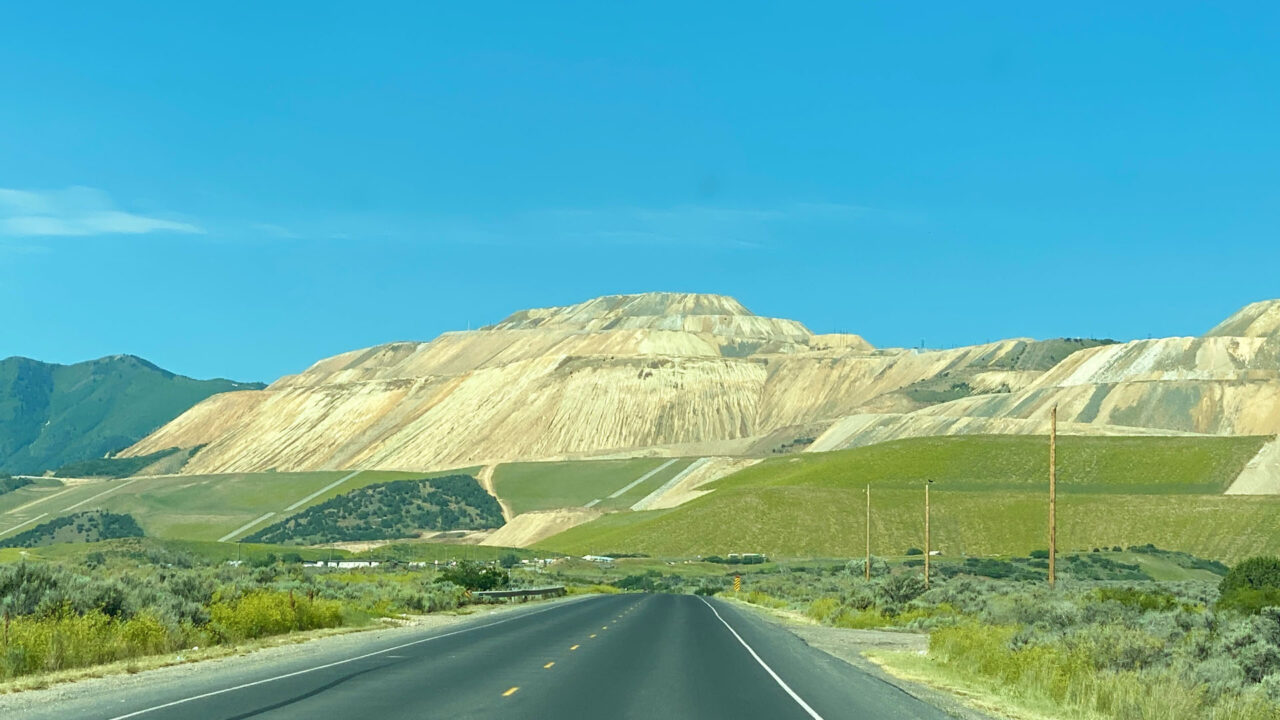 Driving to the mine.


Leave a Reply to Janice Tillman Lyle Cancel reply