TUE., JULY 30th, thru SAT., AUG. 3rd, 2024
We traveled 170 miles northwest from the town of Prosser in Washington’s wine country to Mineral, WA, located 30 minutes from the entrance to Mount Rainier NP. We’re very much looking forward to exploring this Washington icon!
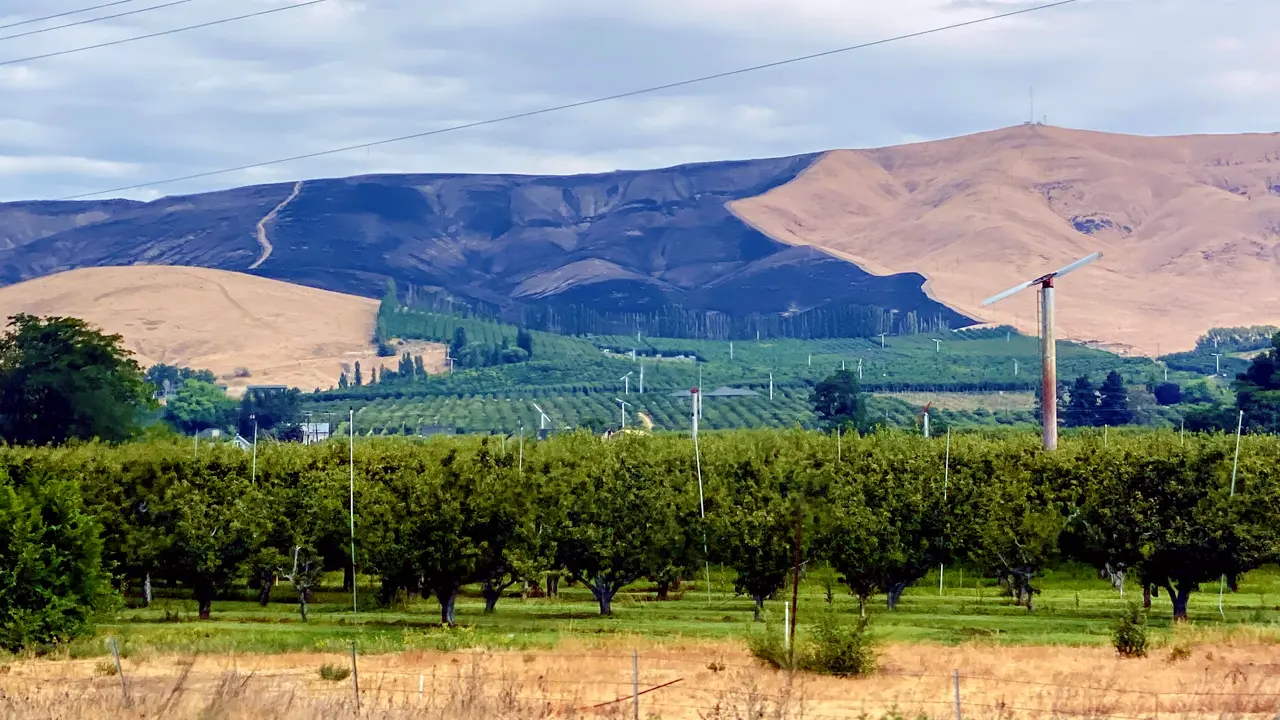
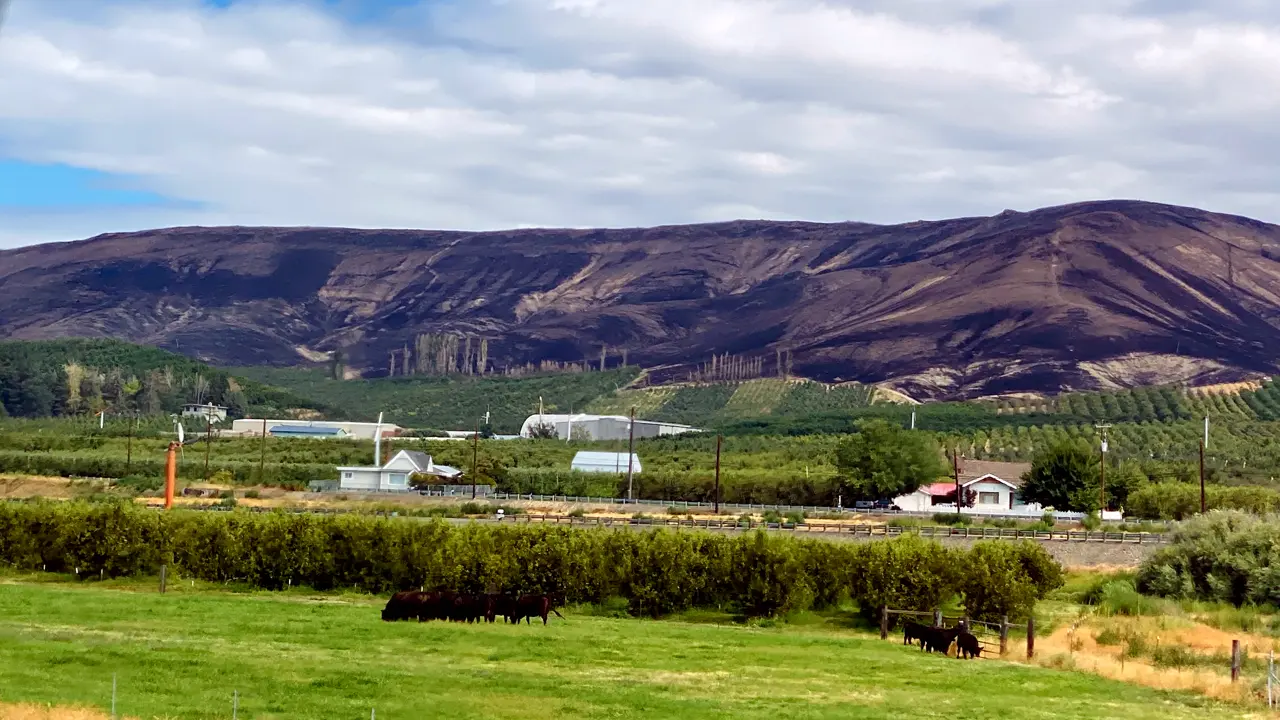
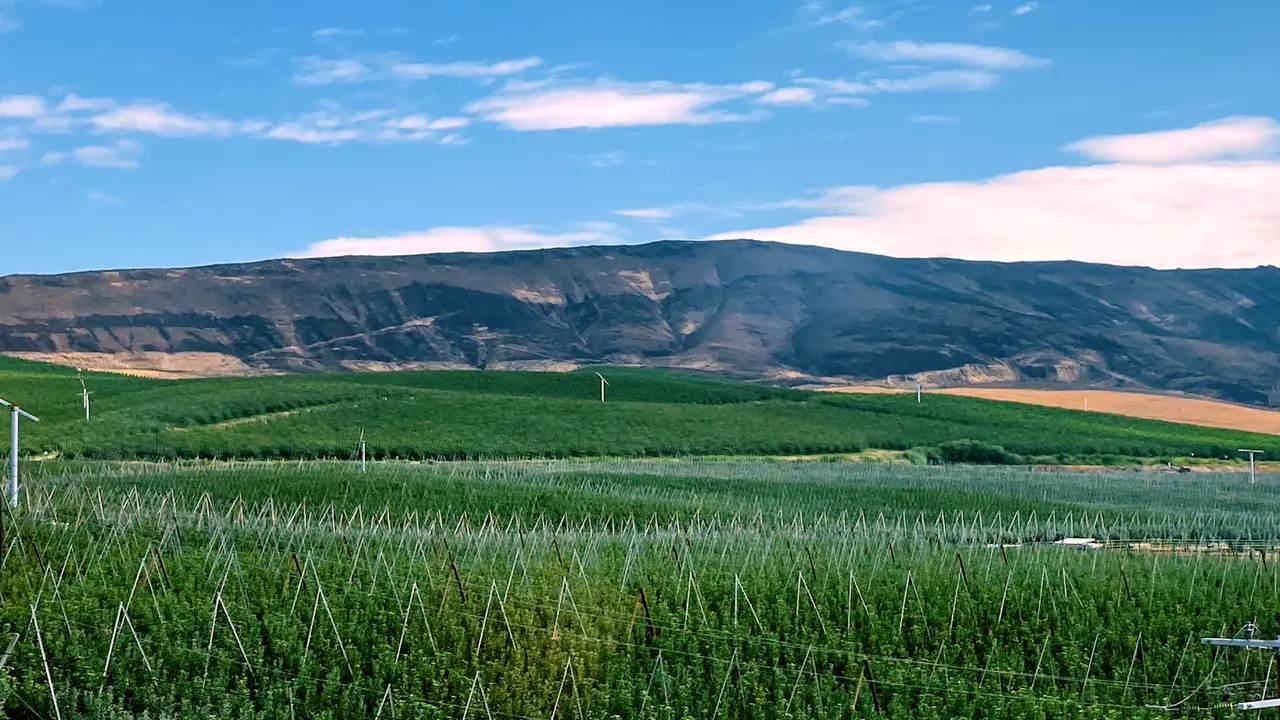
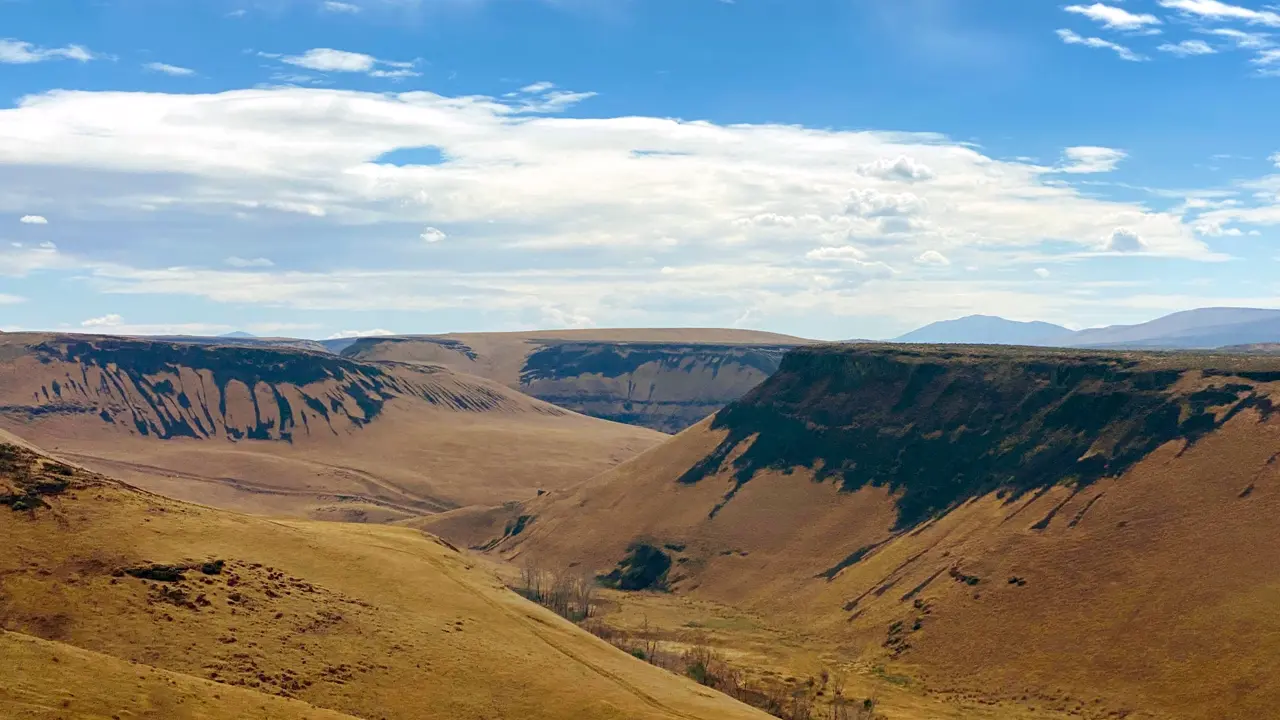
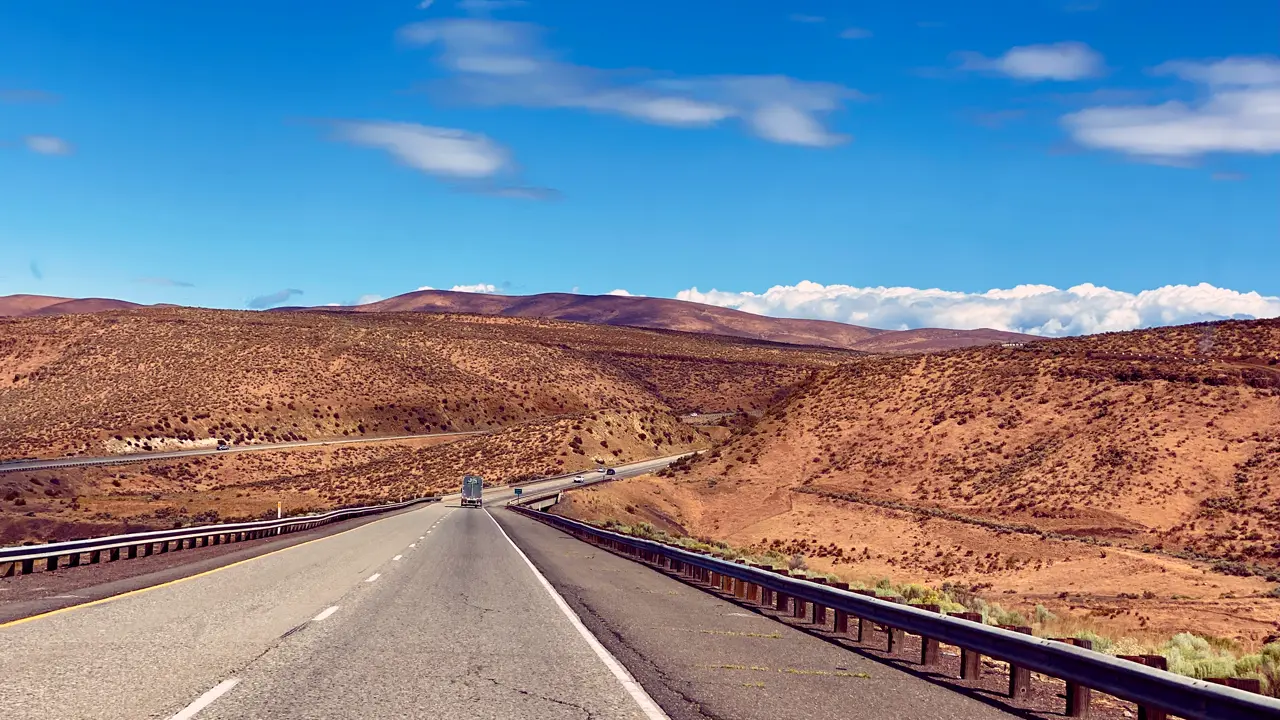
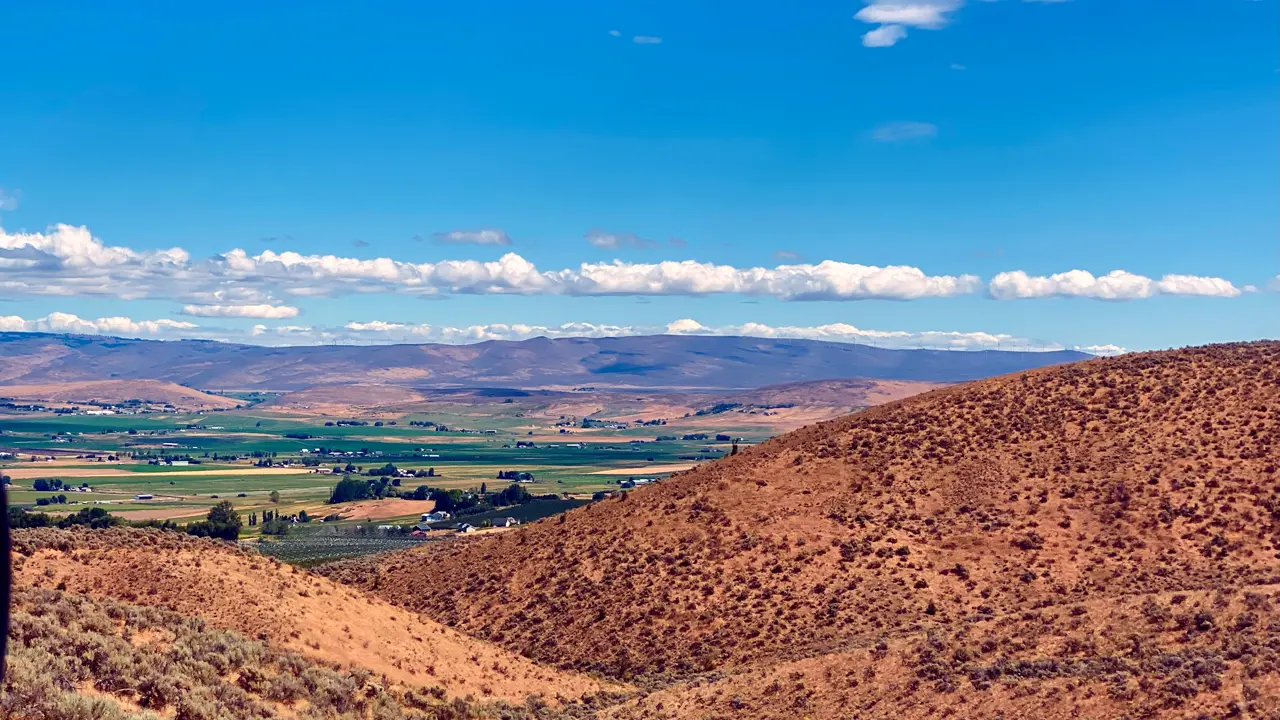
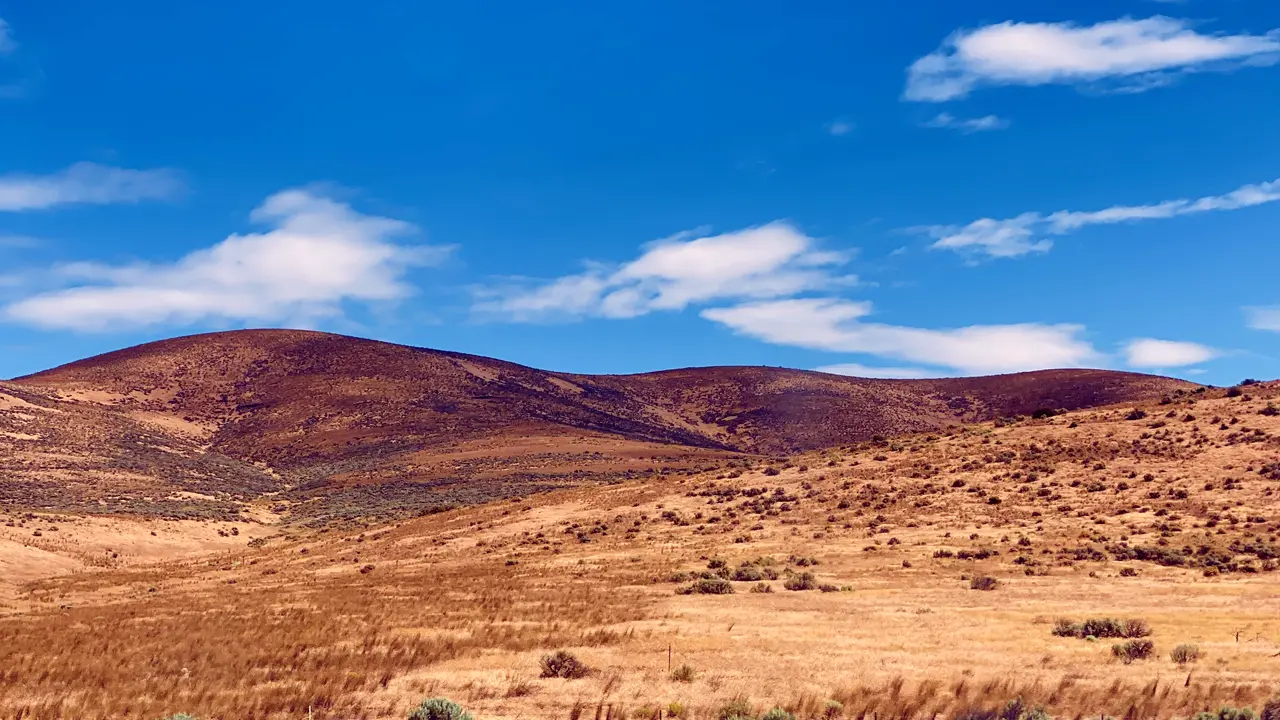
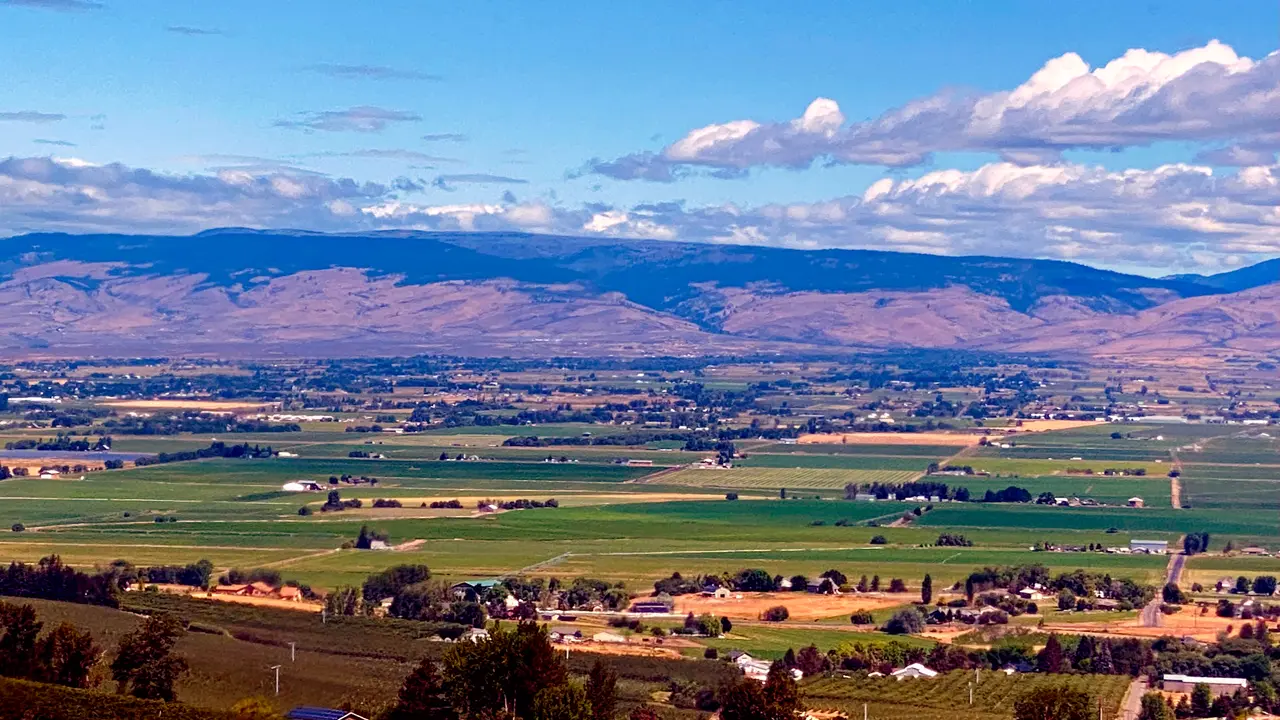
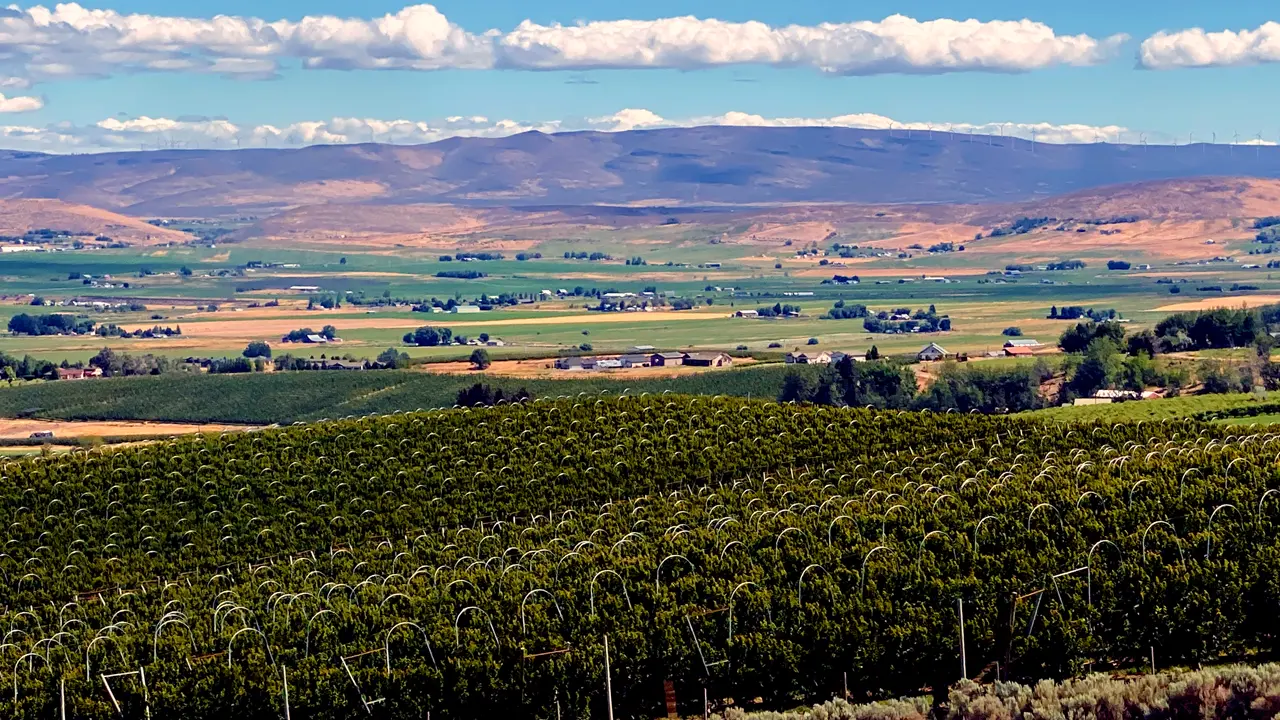
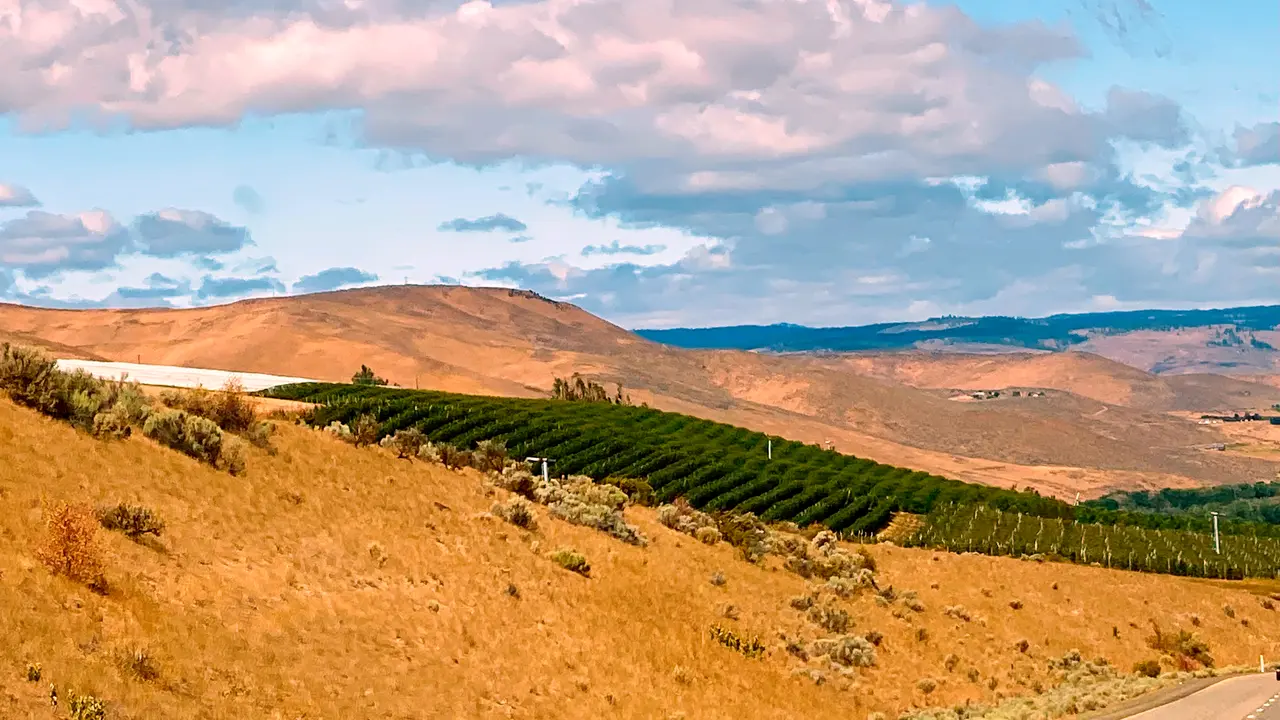
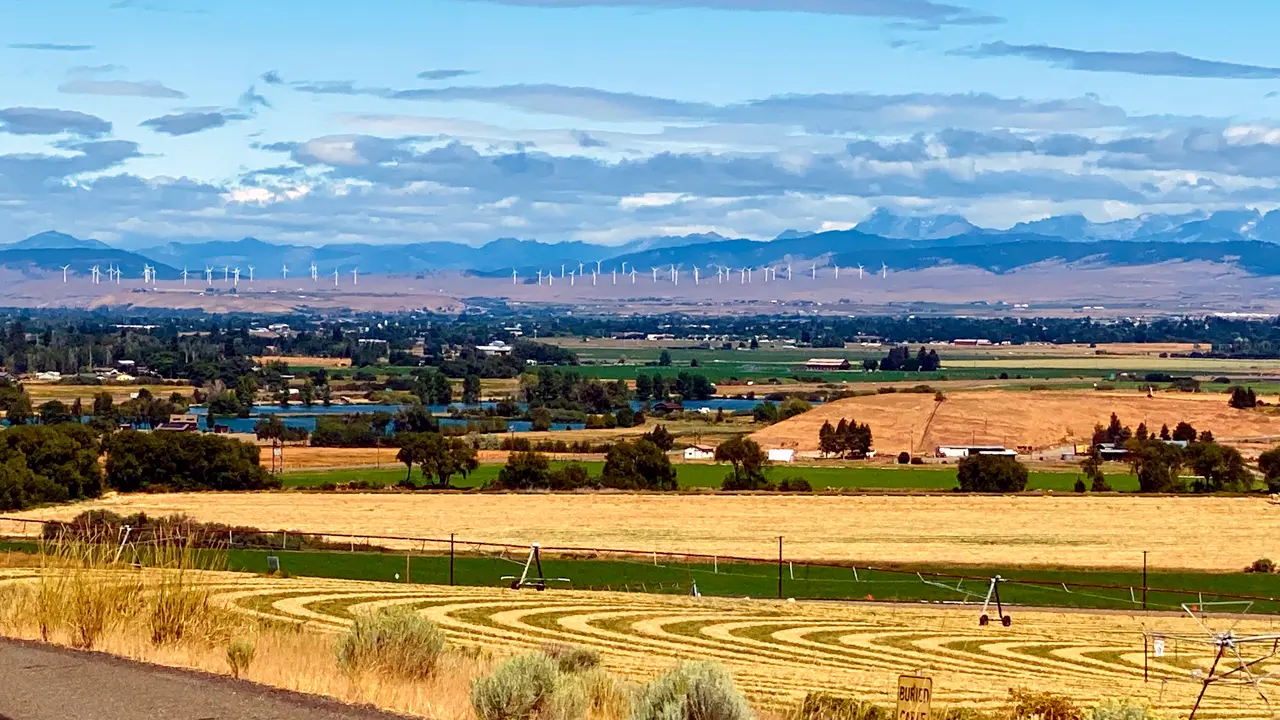
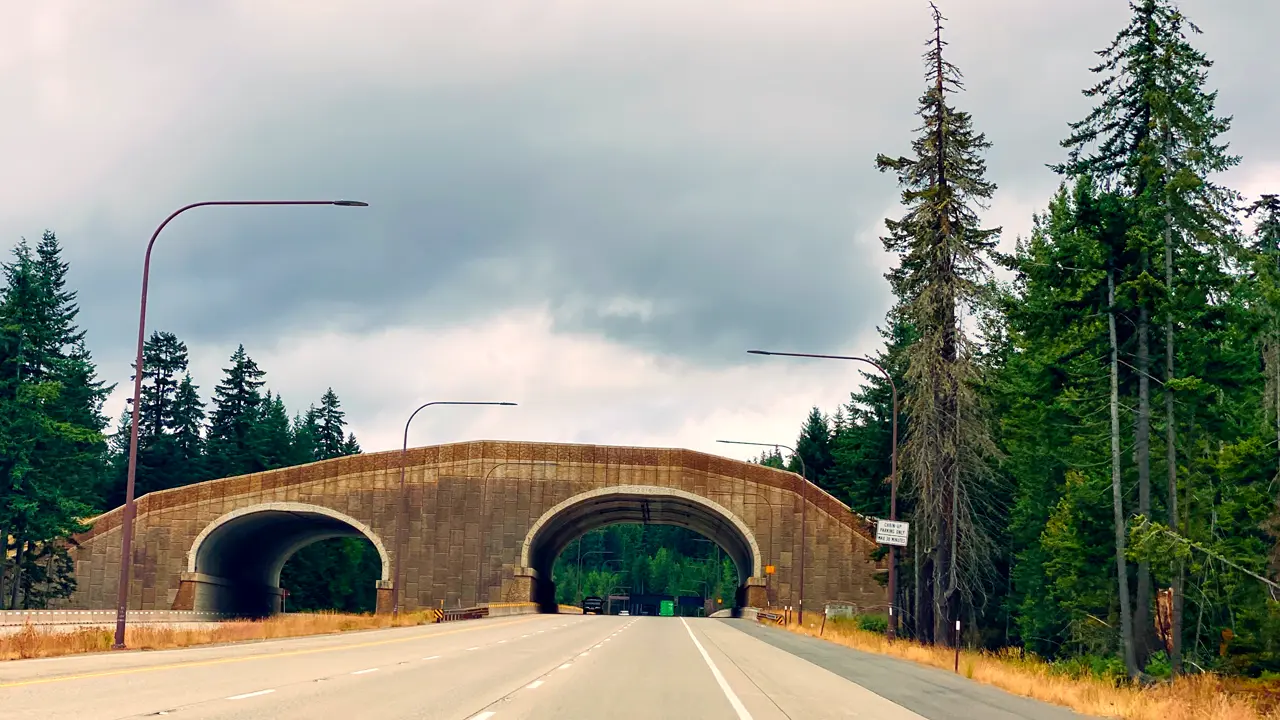
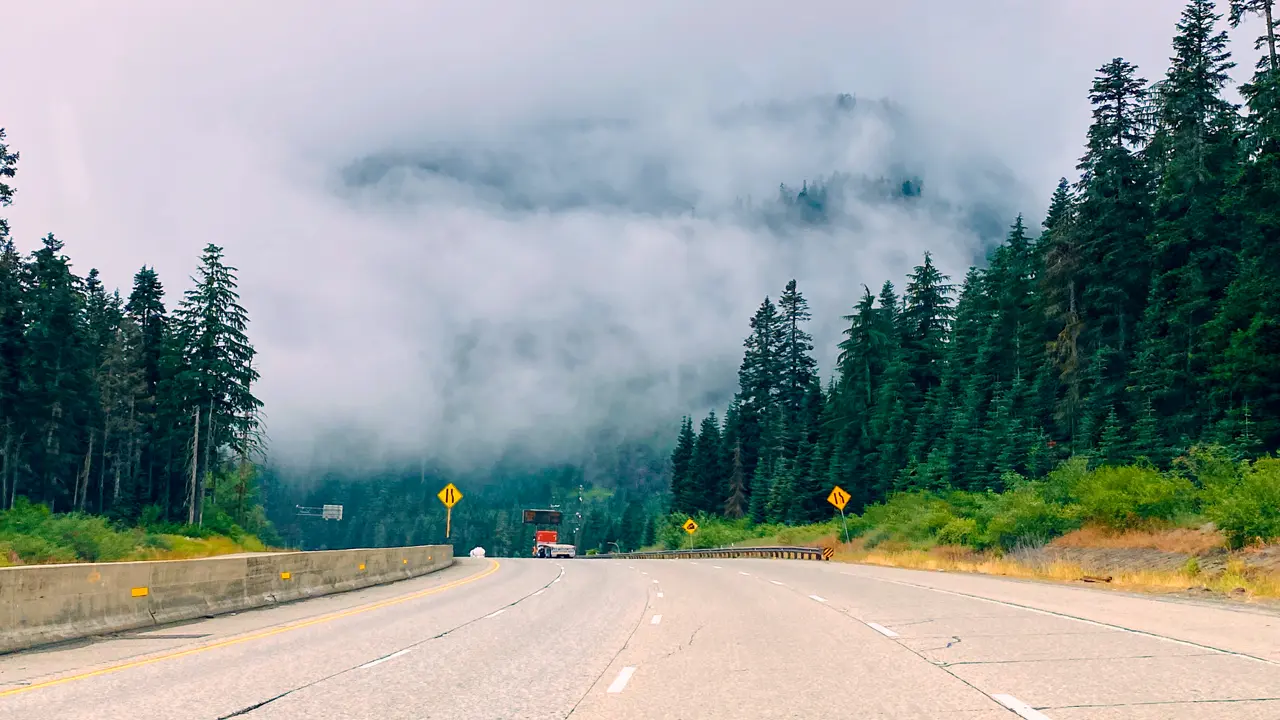
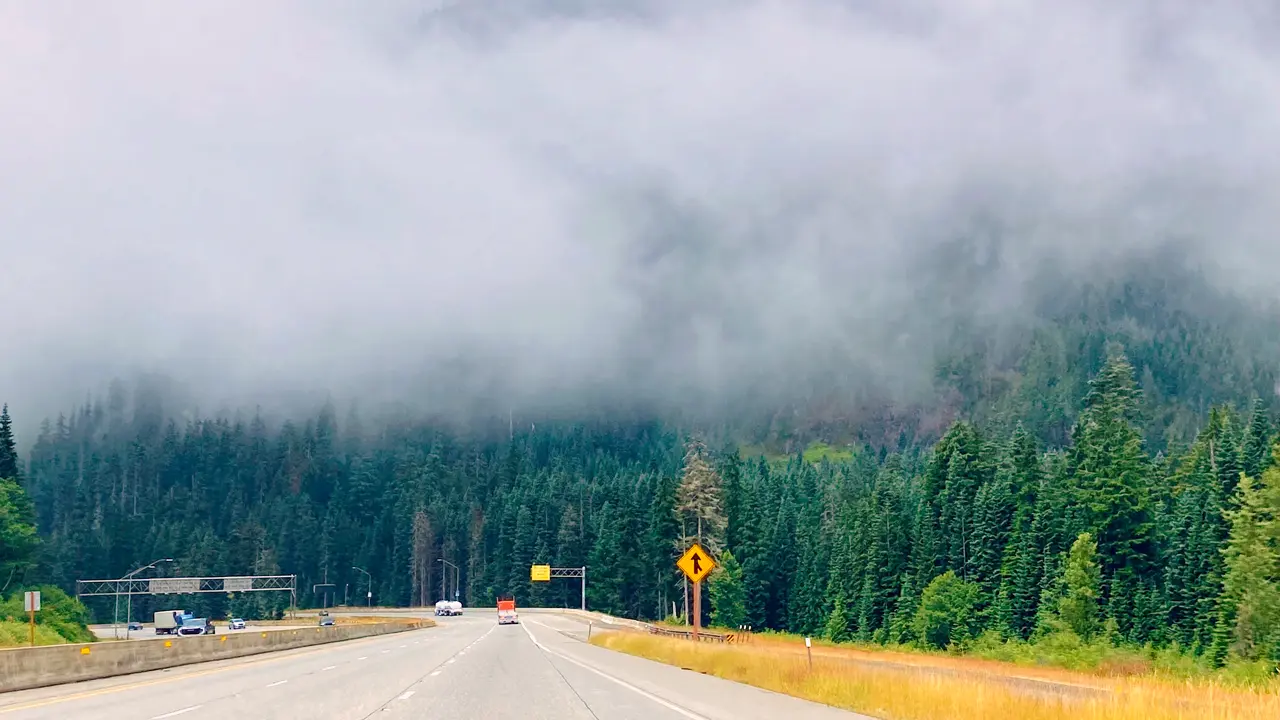
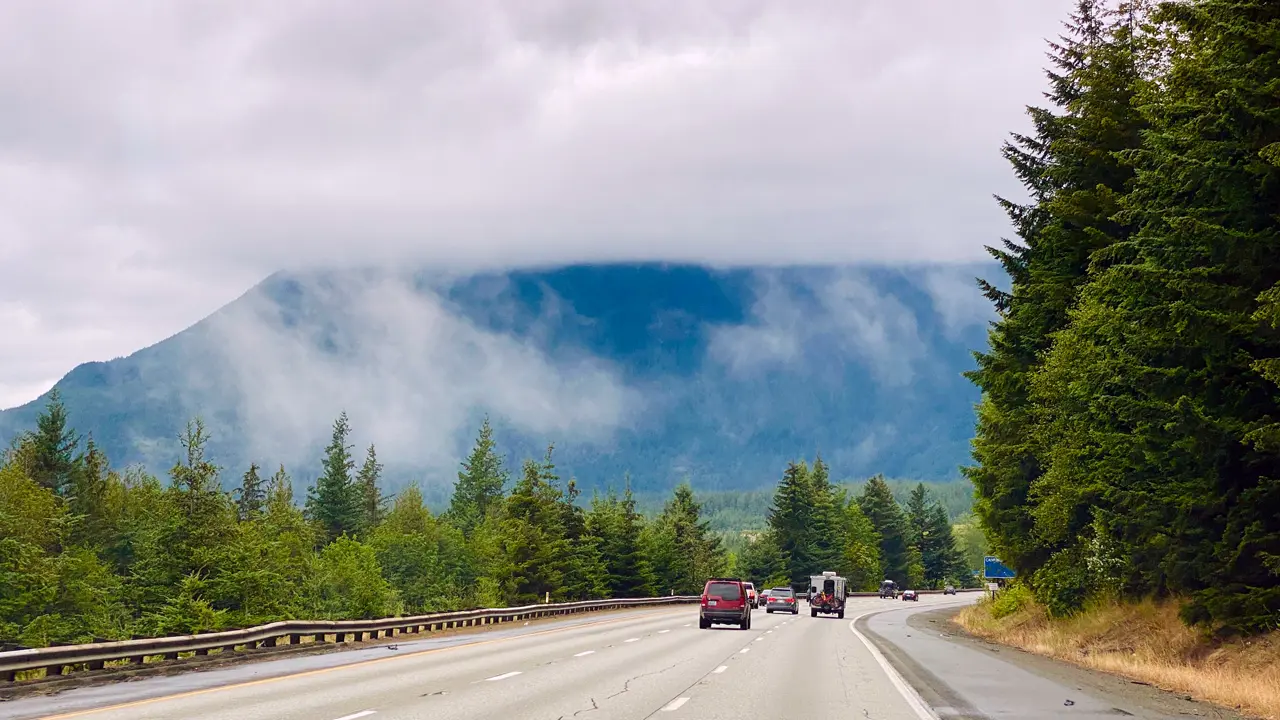
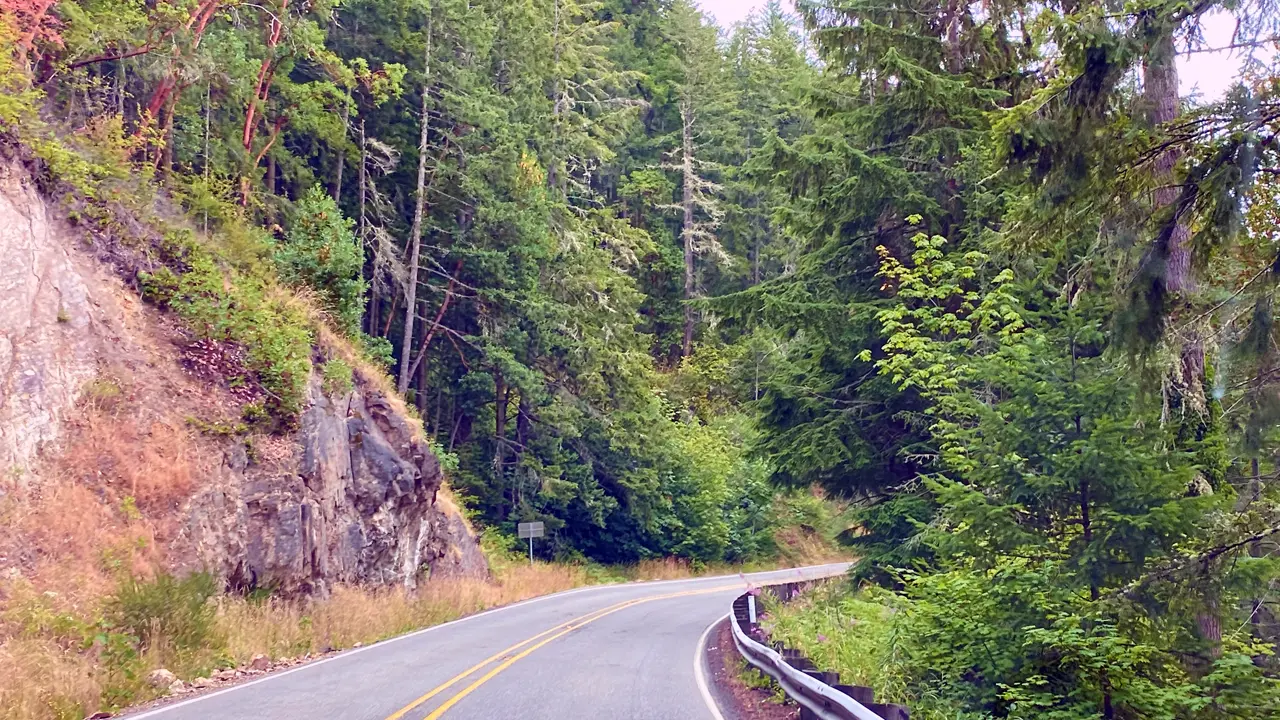
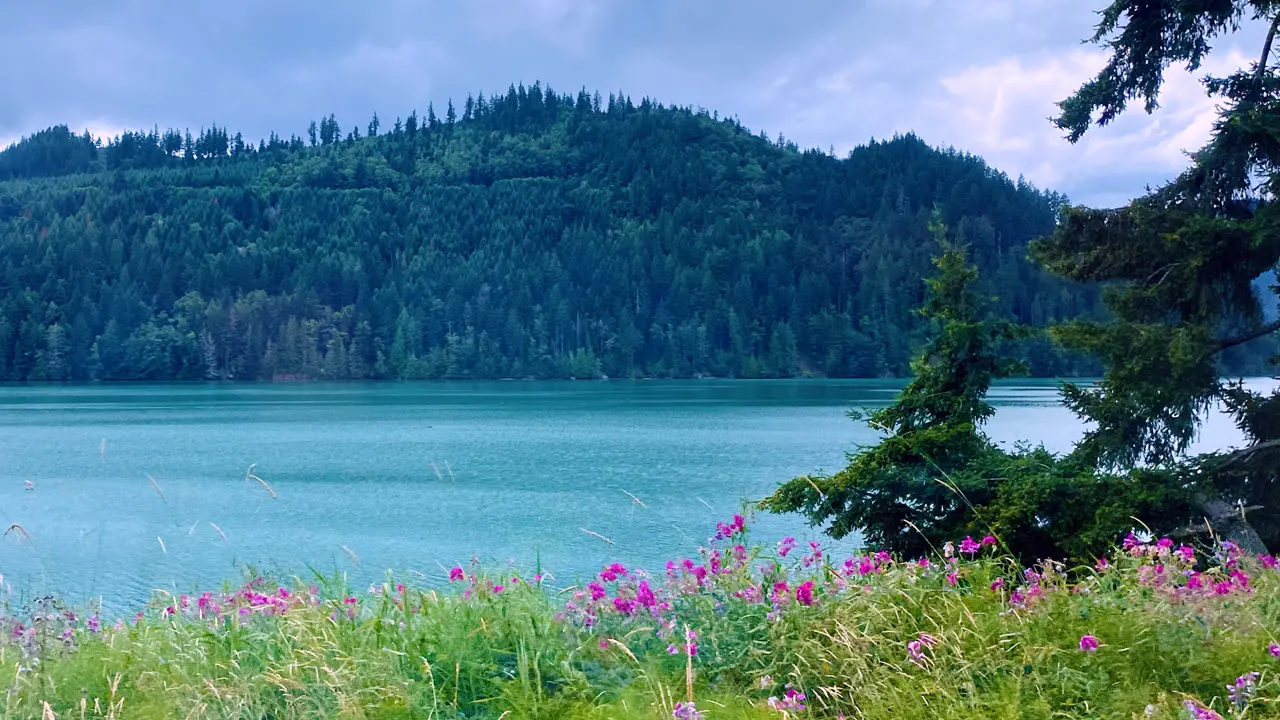
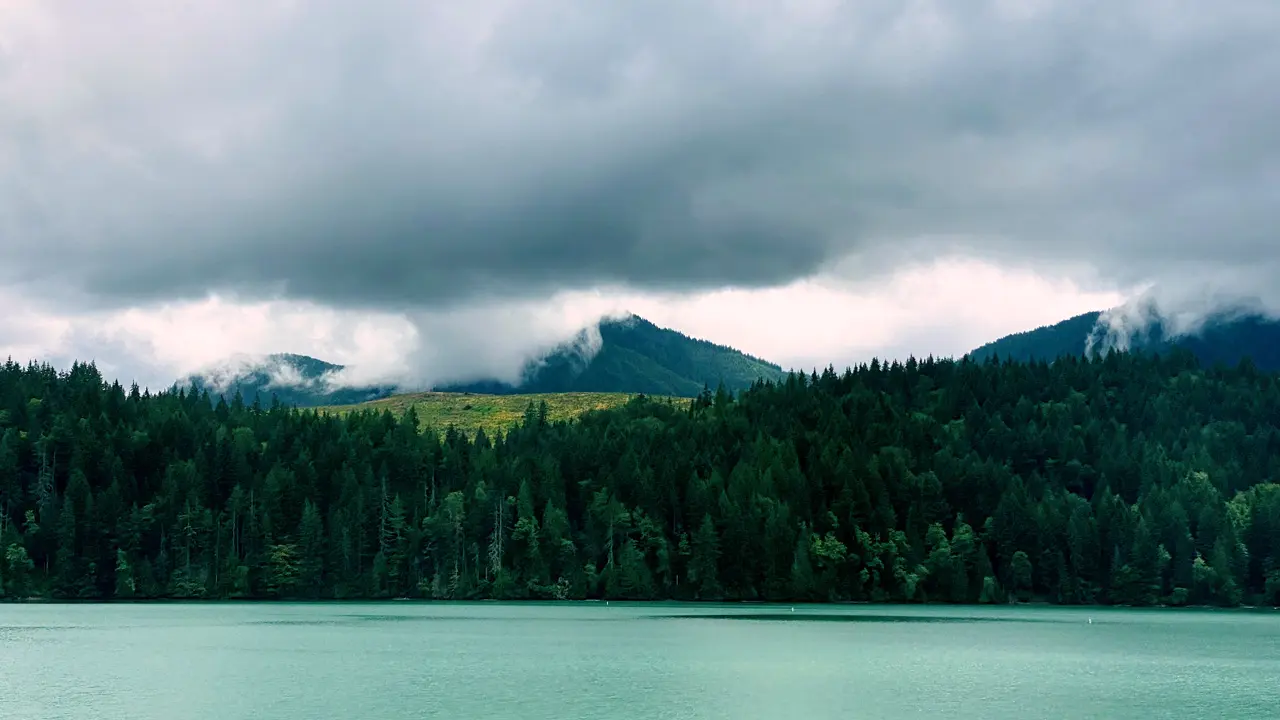
But, oy, we had a circuitous route getting here from Prosser! Due to wildfires in the Yakima area, we had to come the looong way here, which added 70 miles to the trip and about 1.5 hours of travel time. On the plus side, it was interesting to see the contrasting conditions of being on both the east and west side of the Cascades. On the east side, we had arid conditions in Prosser, where rainfall is about 8 inches a year, and the only greenery is from all the irrigated crops, and most especially the grapes. Conversely the western side of the Cascades offers a lush landscape with acres of forested areas. Love this diverse country of ours. We saw lots of wind turbines along our drive, and for good reason, the wind was intensely strong in certain areas. We encountered some rain and fog-covered trees for a short while. Then we had 10 miles on a tree-lined winding, twisty curvy road on WA-7 before we reached Elkamp Eastcreek Campground. So picturesque.
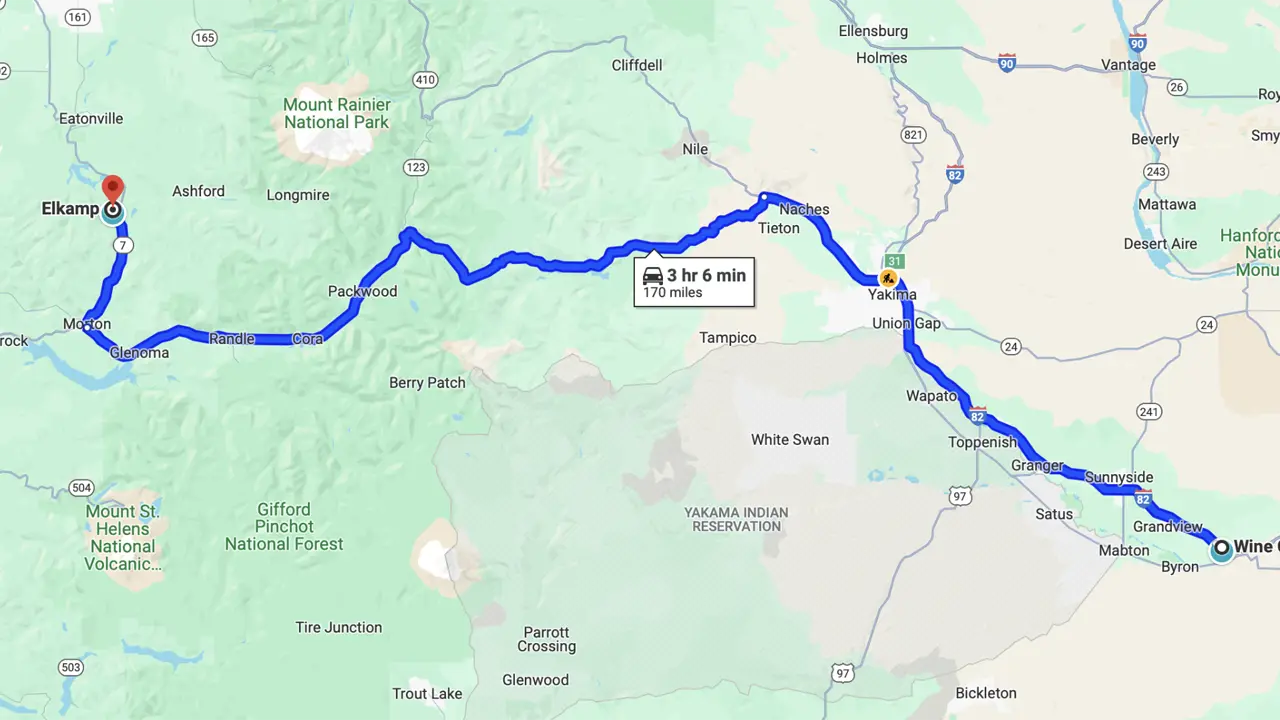 Prosser, WA to Elkamp in Mineral, WA
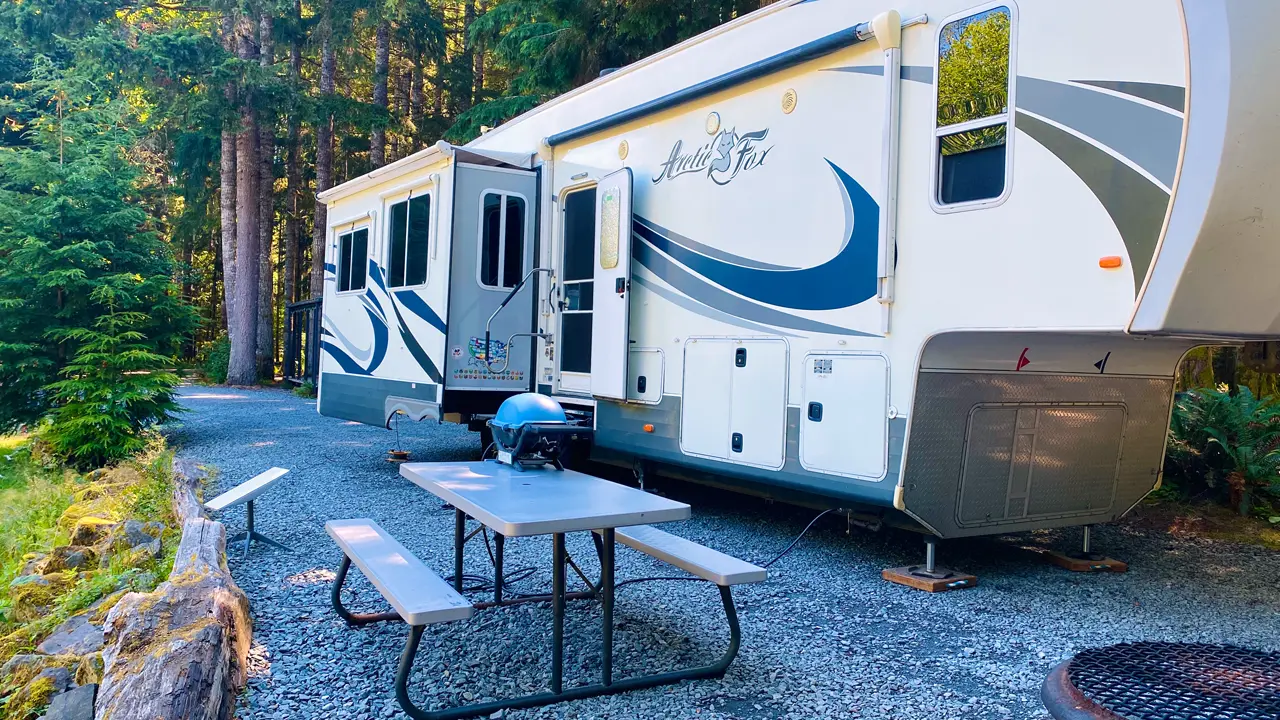
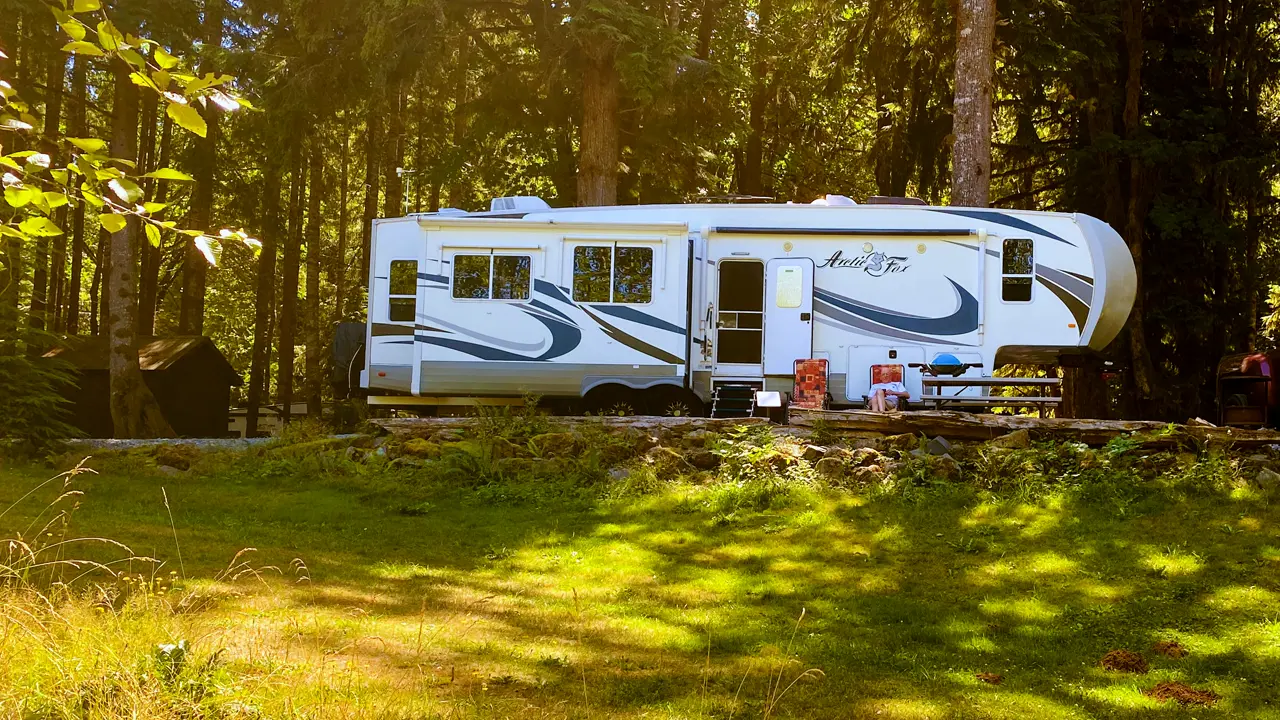
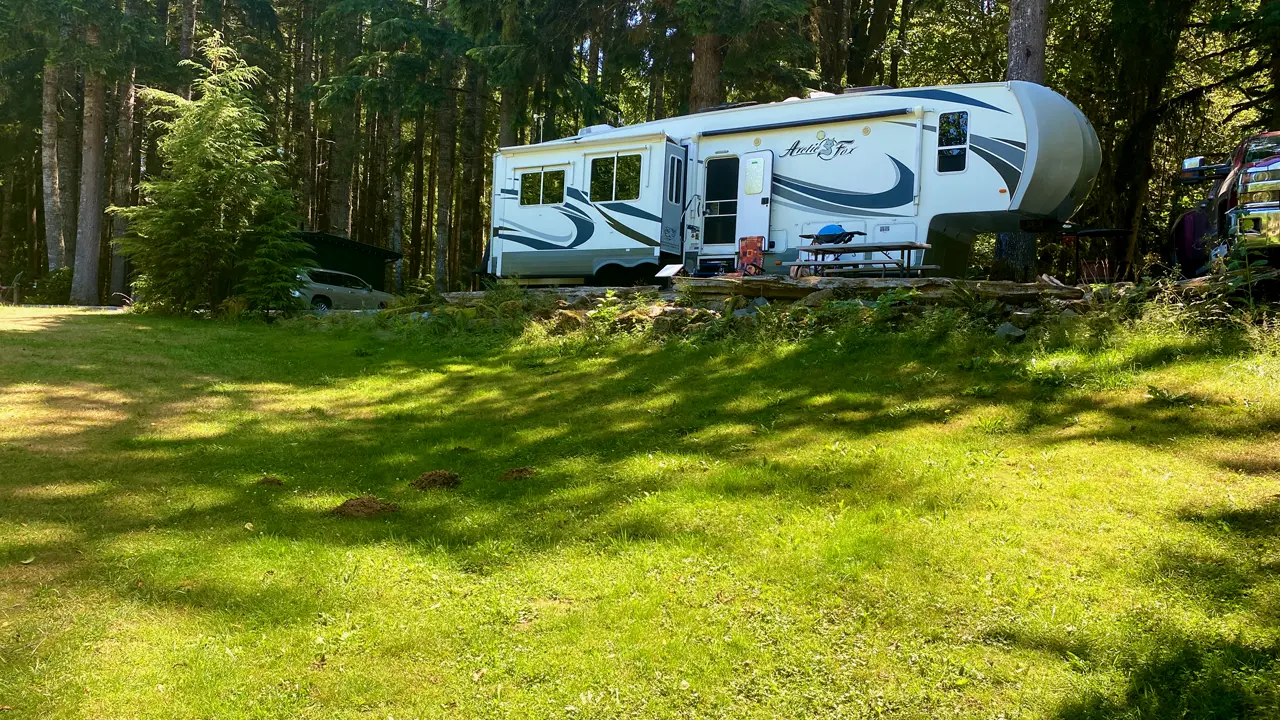
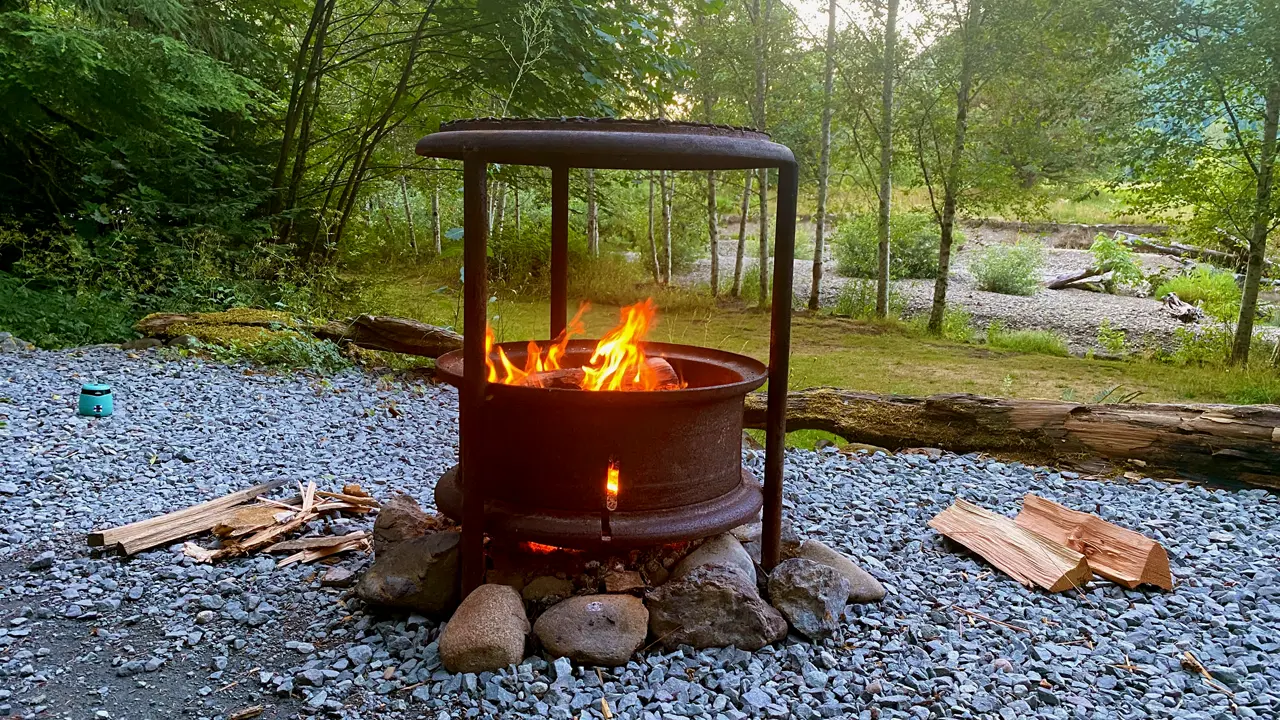
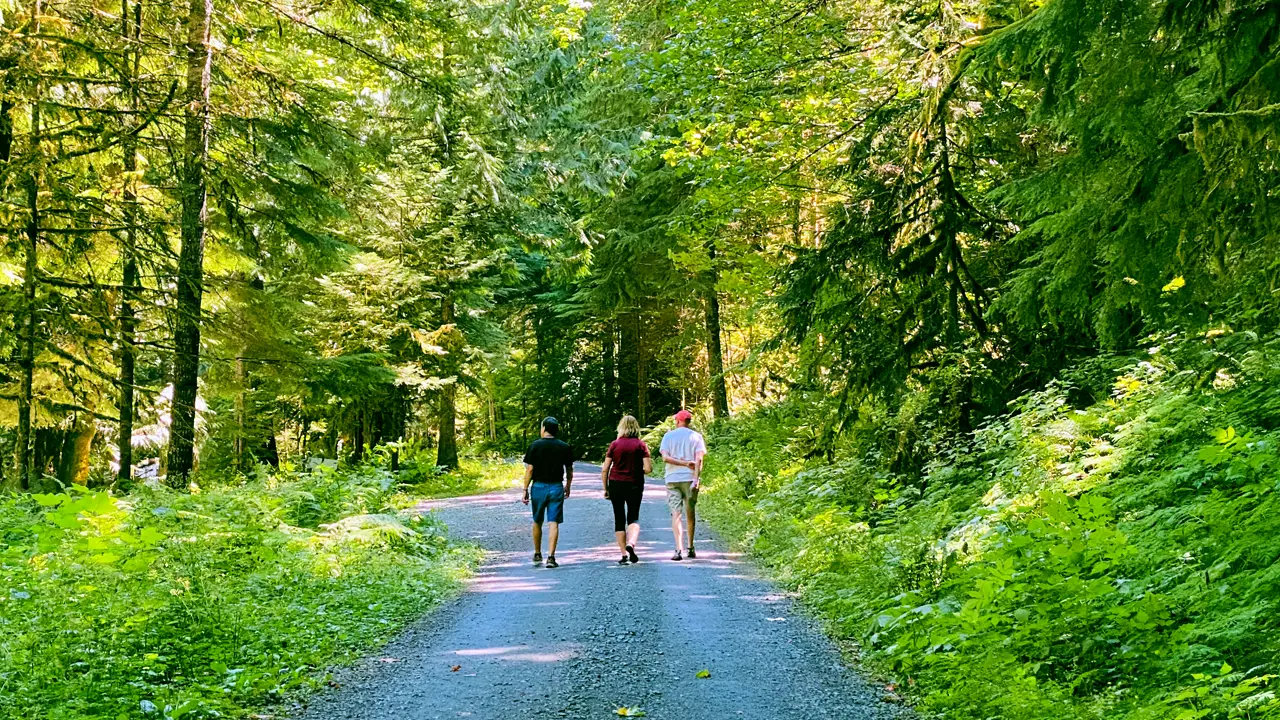
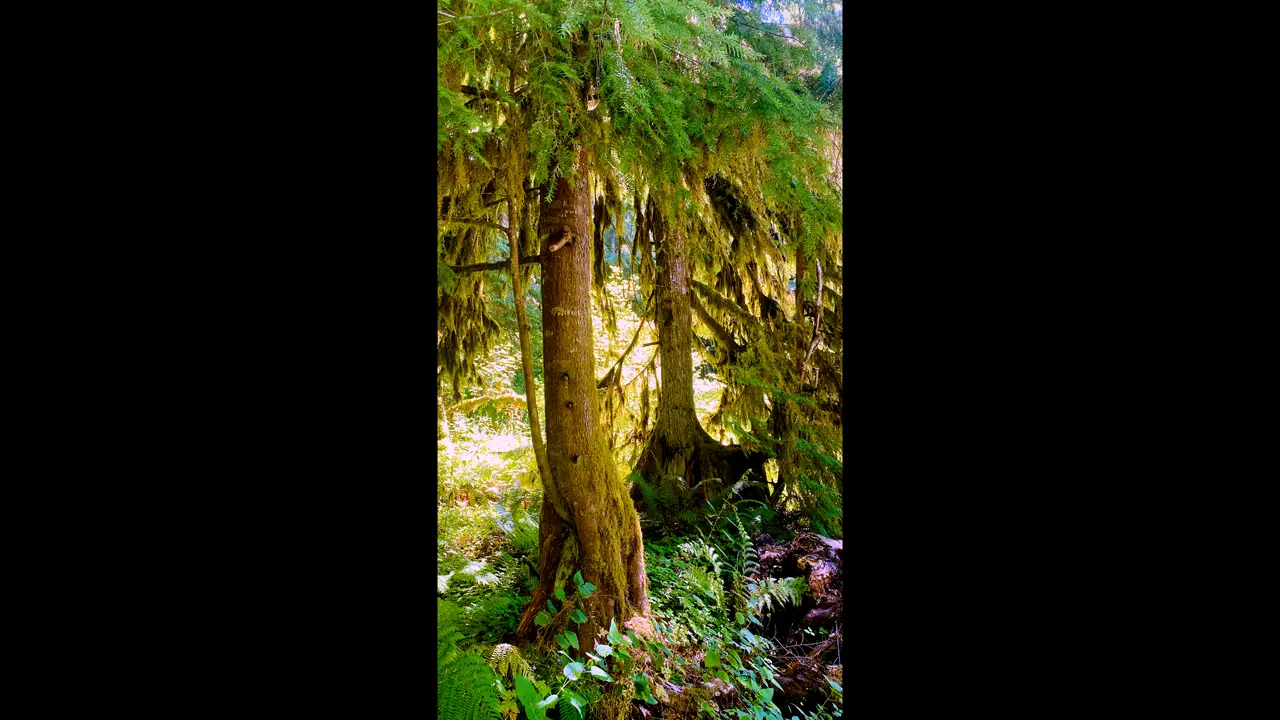
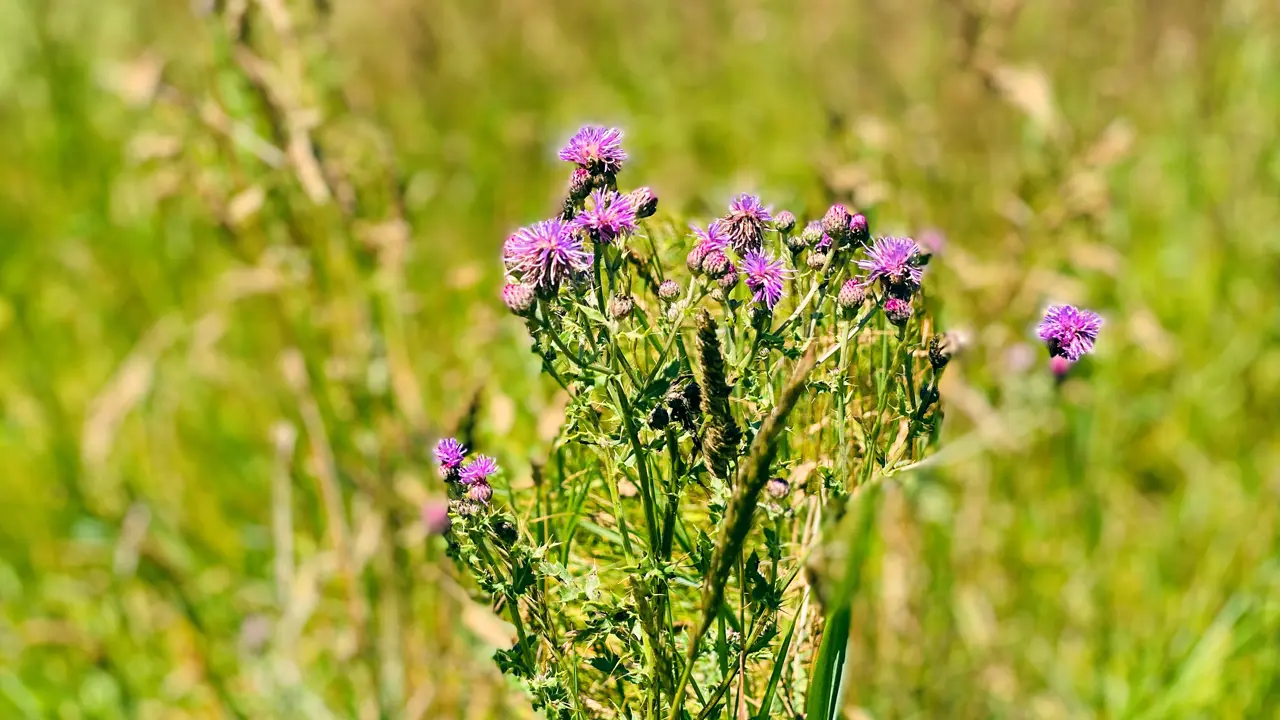
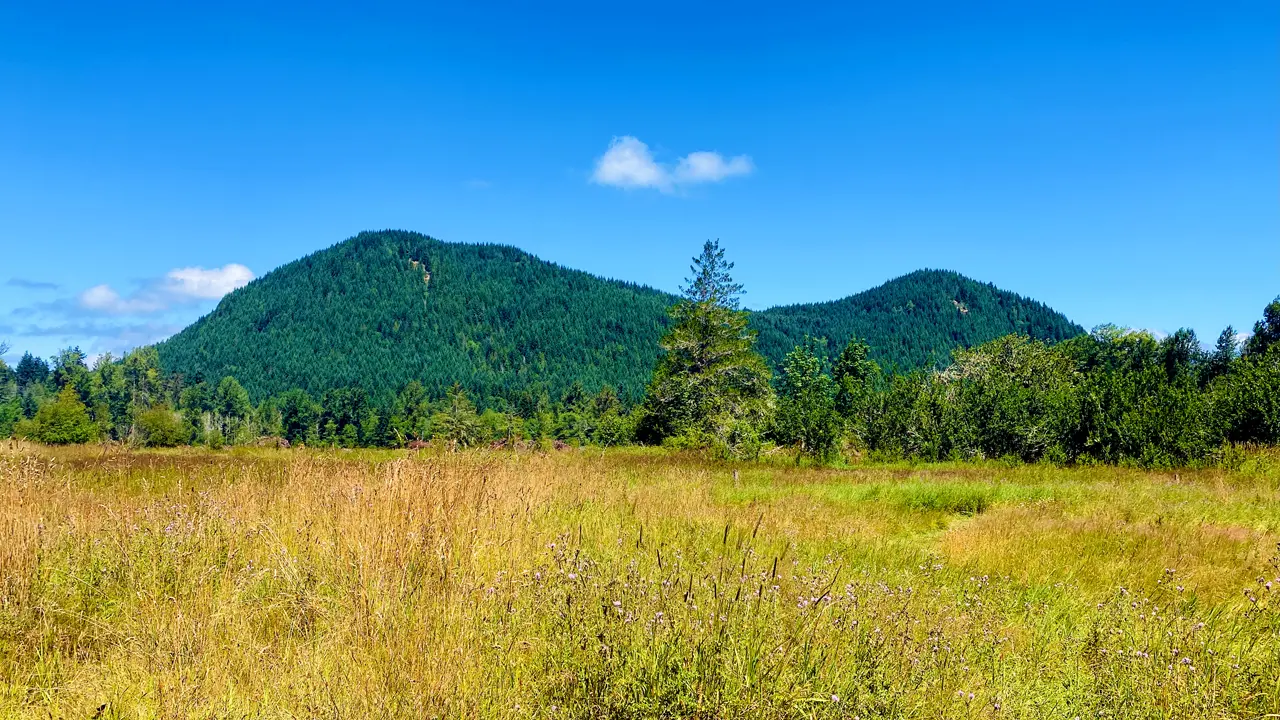
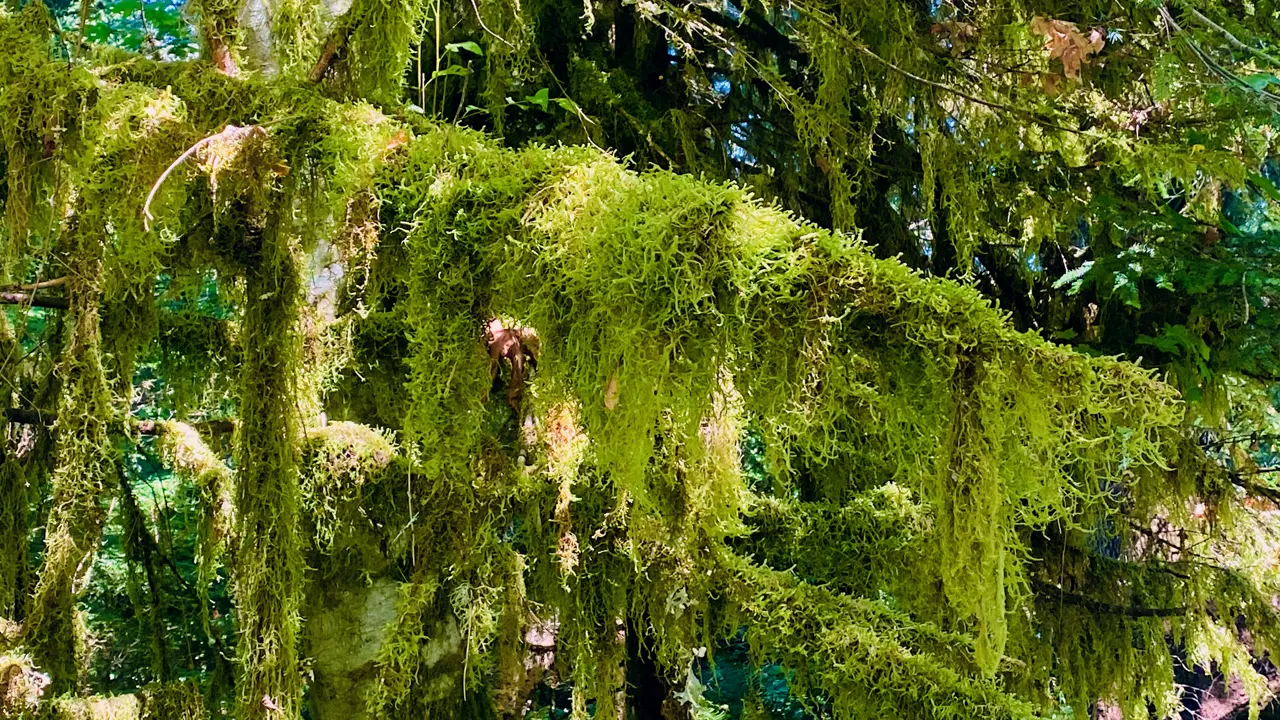
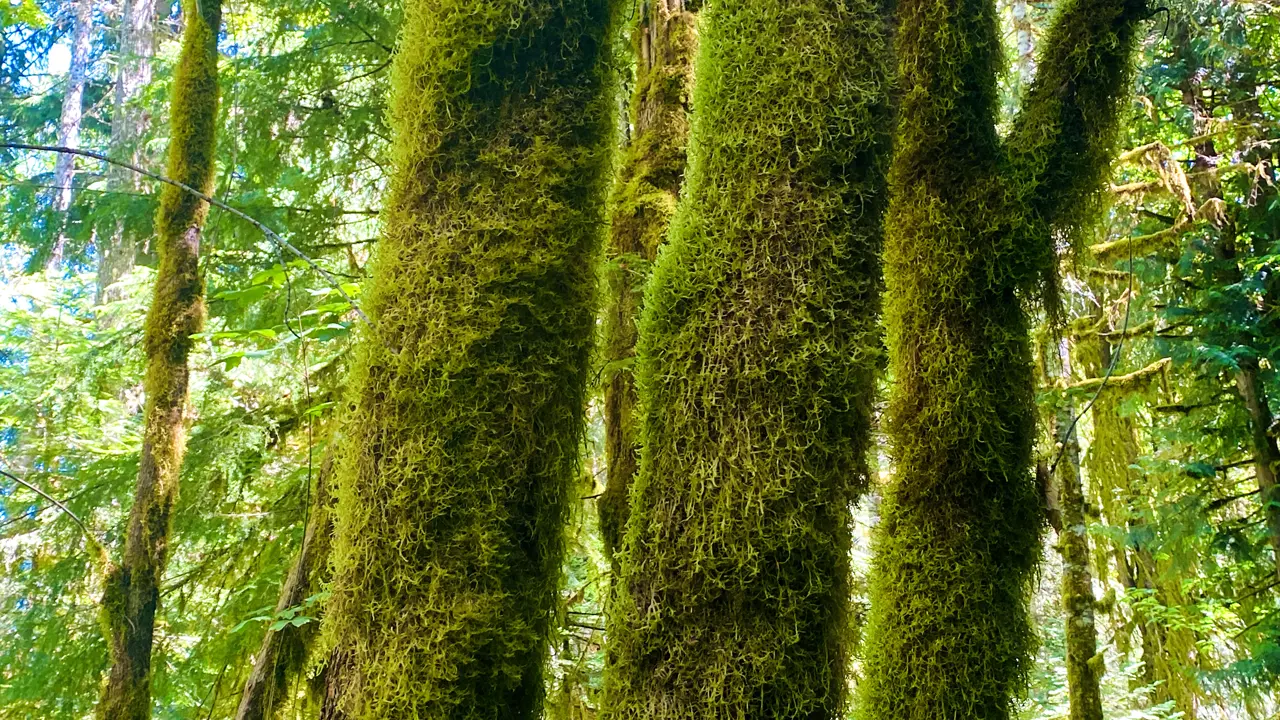
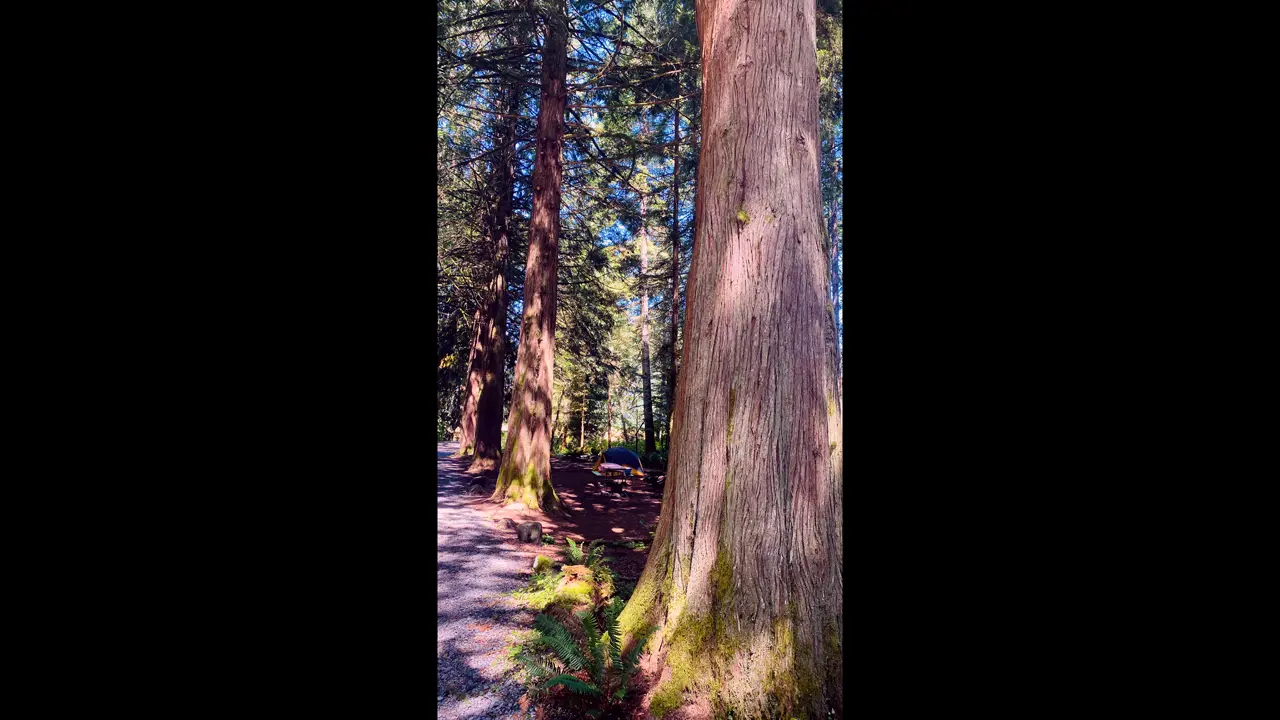
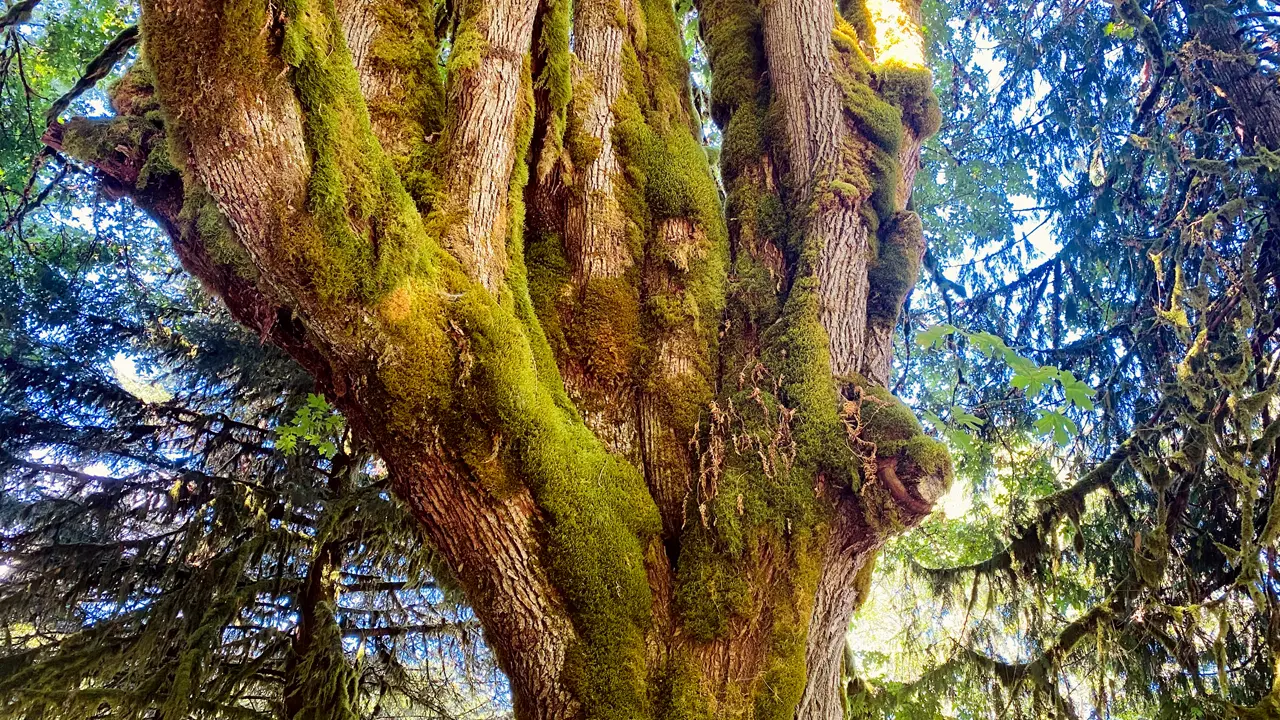
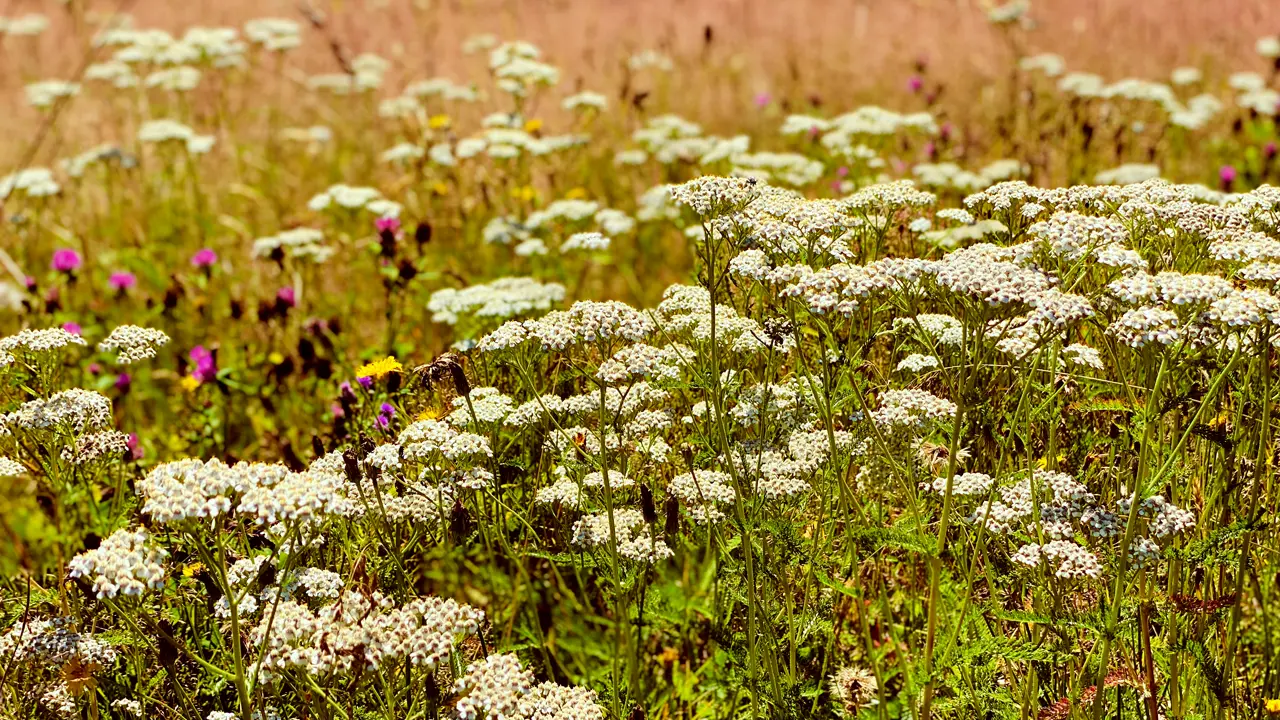
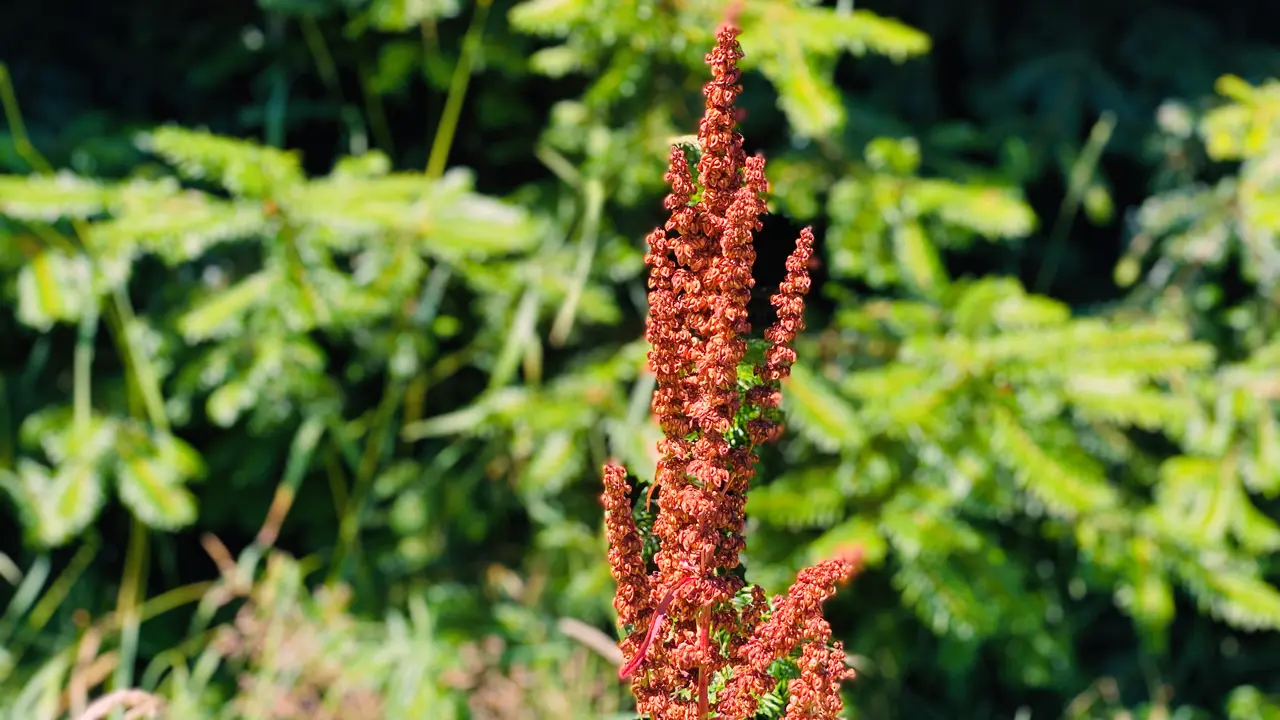
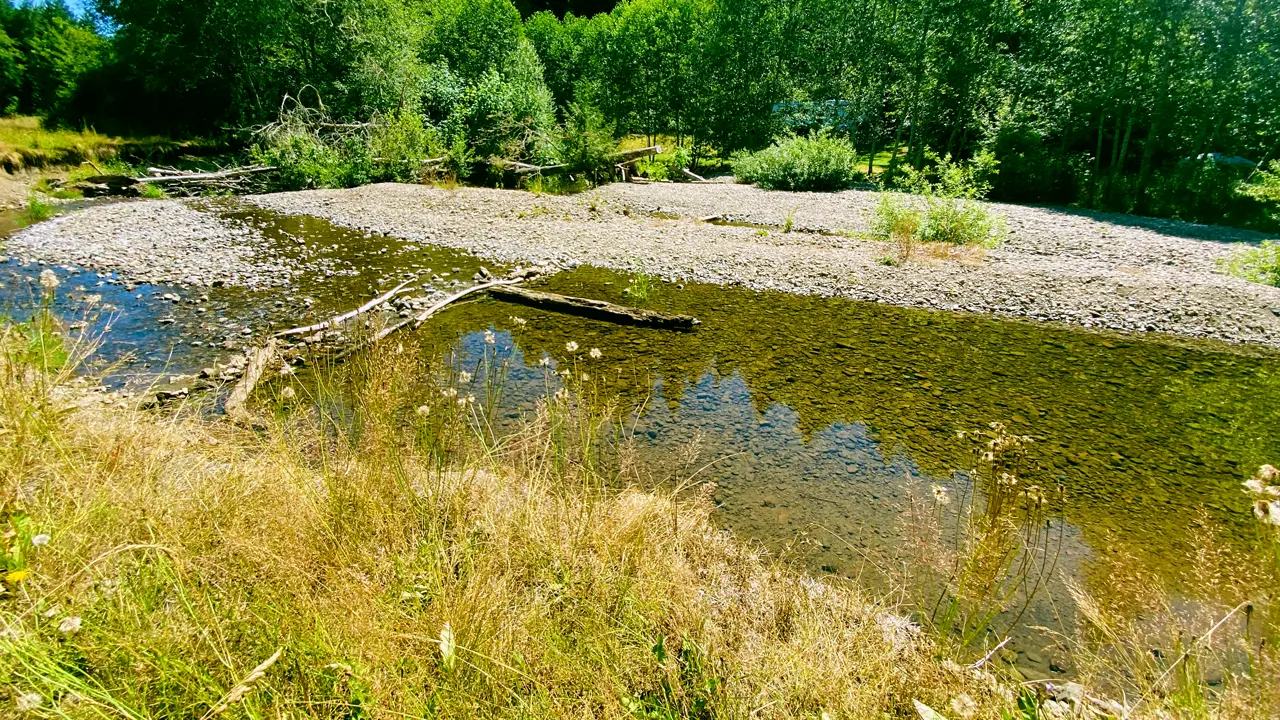
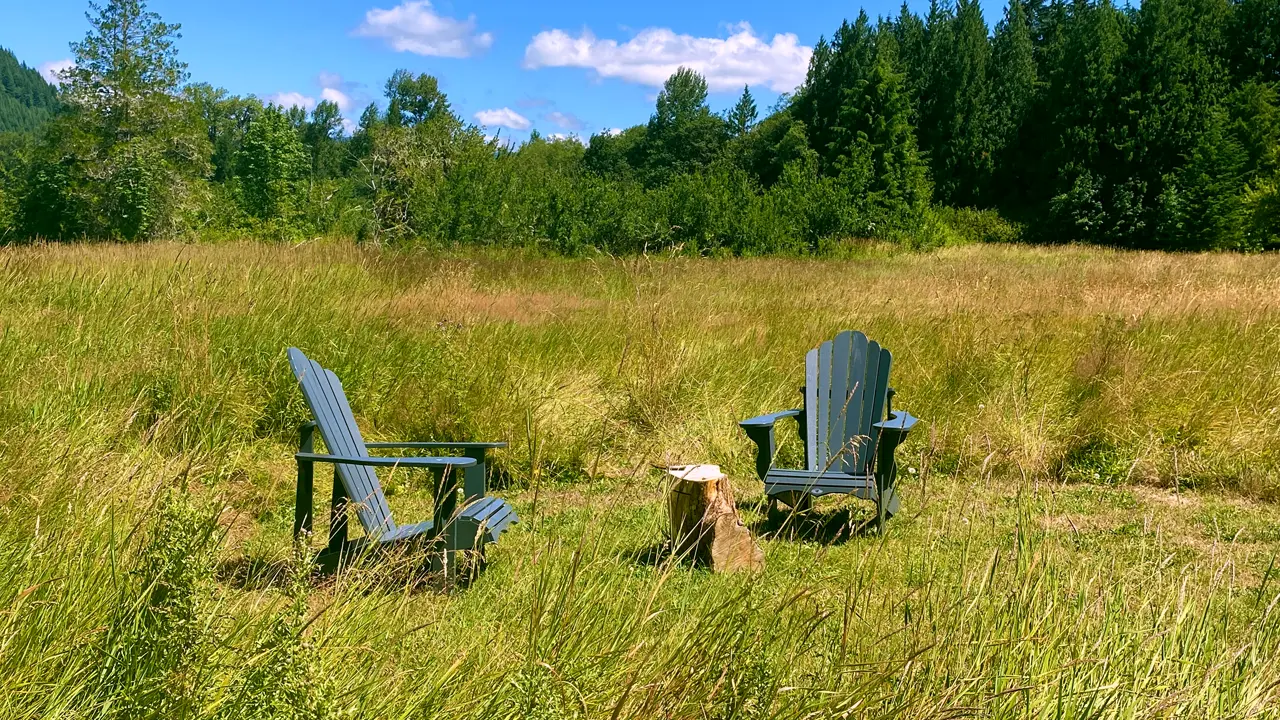
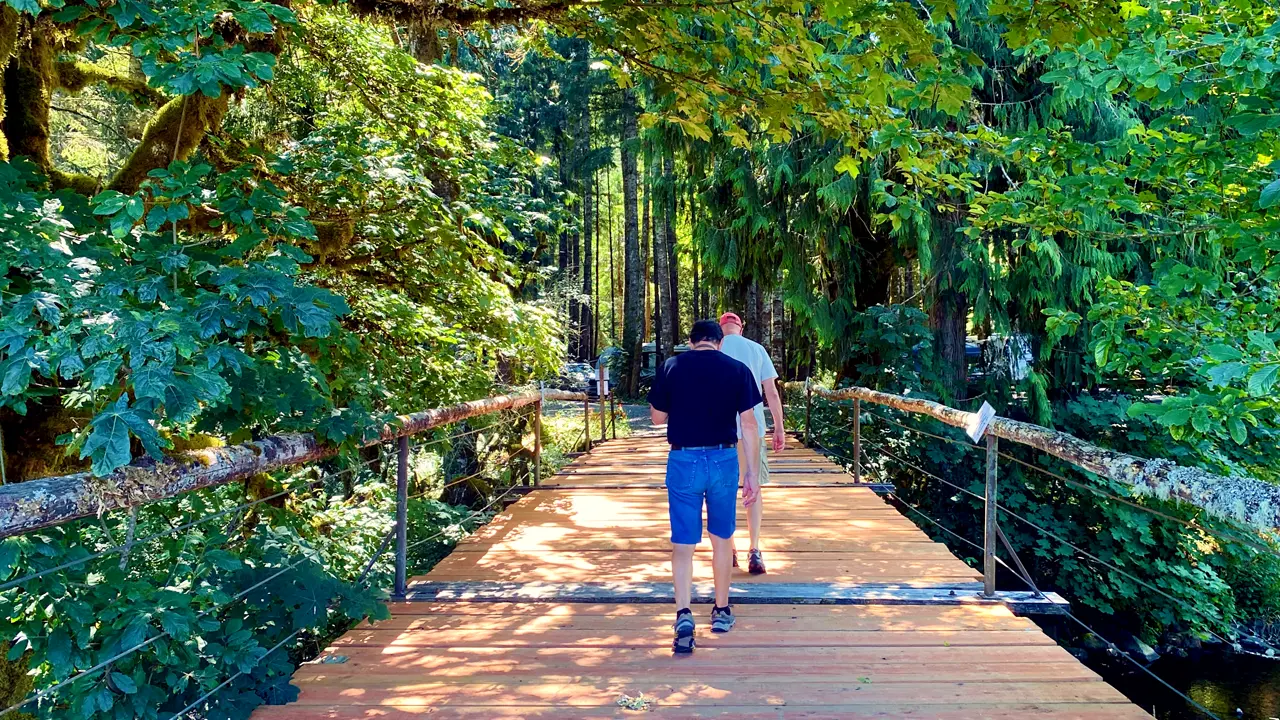
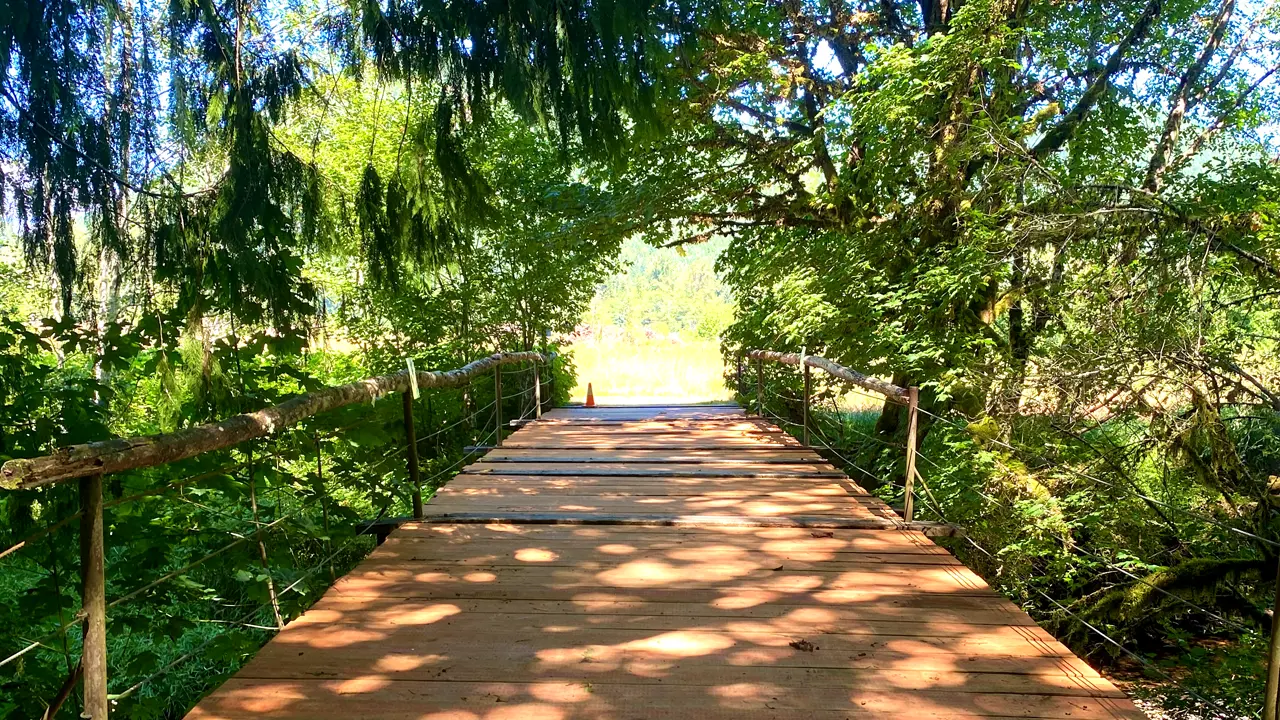
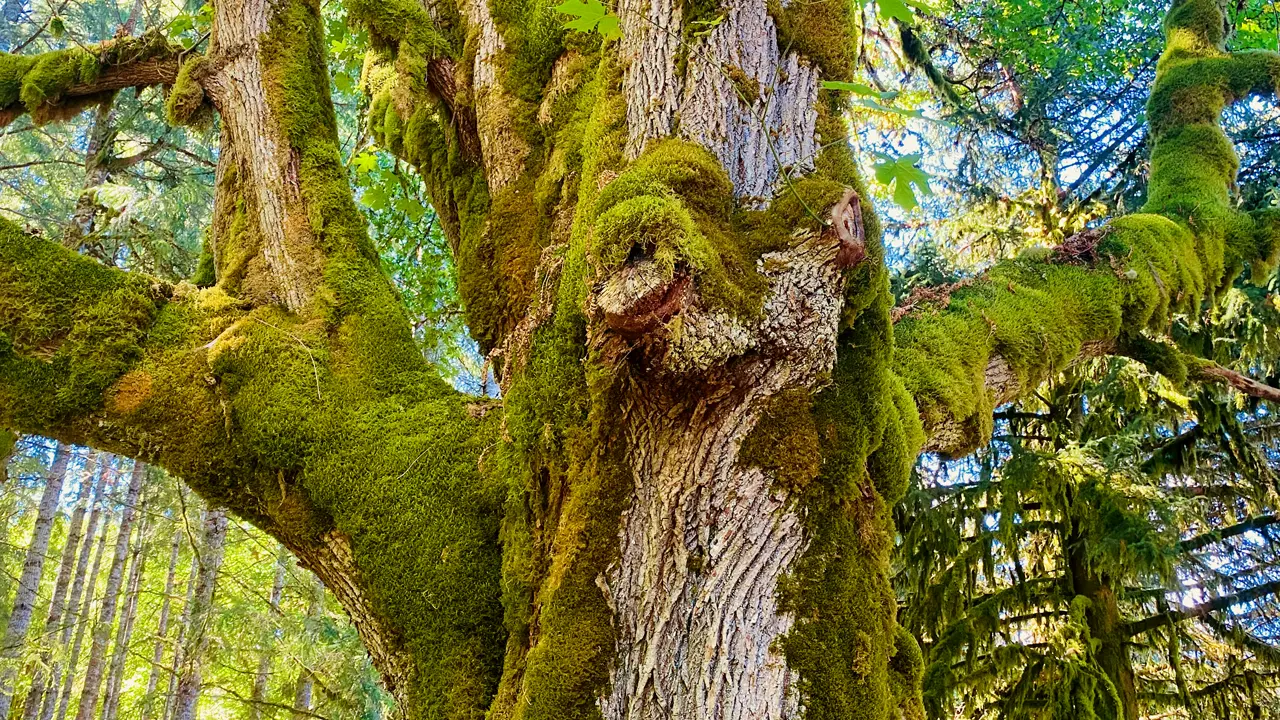
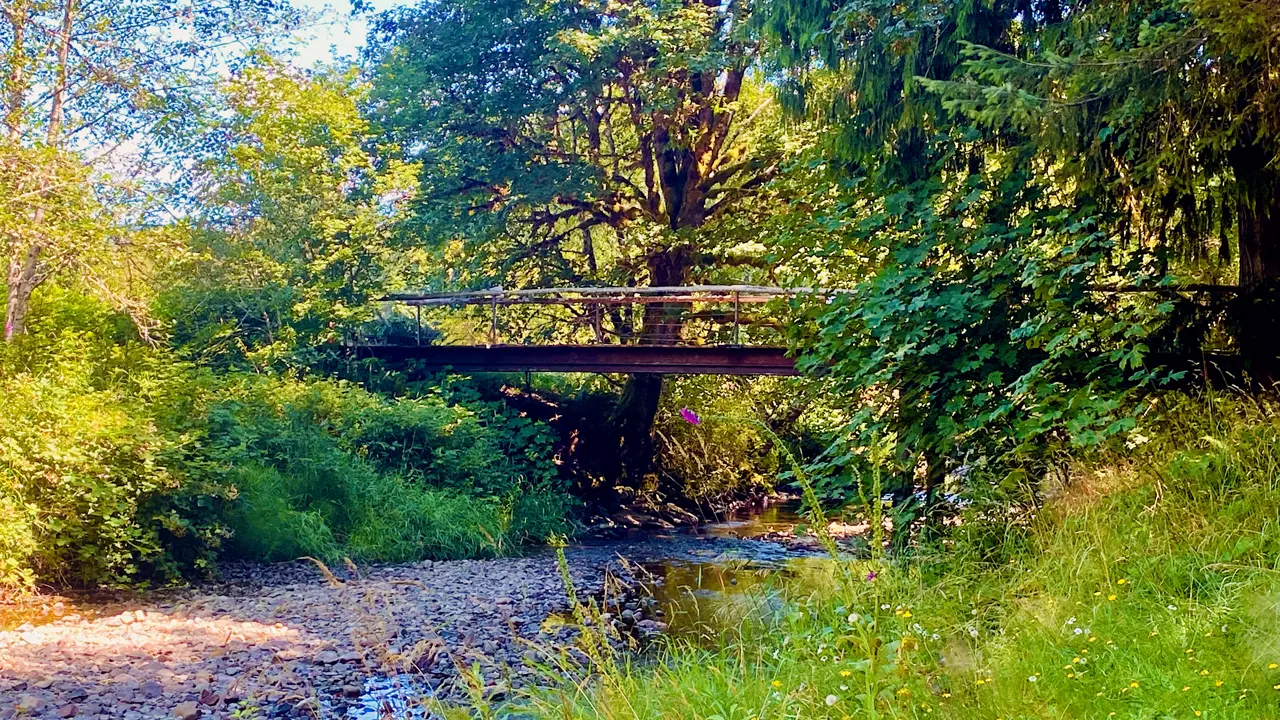
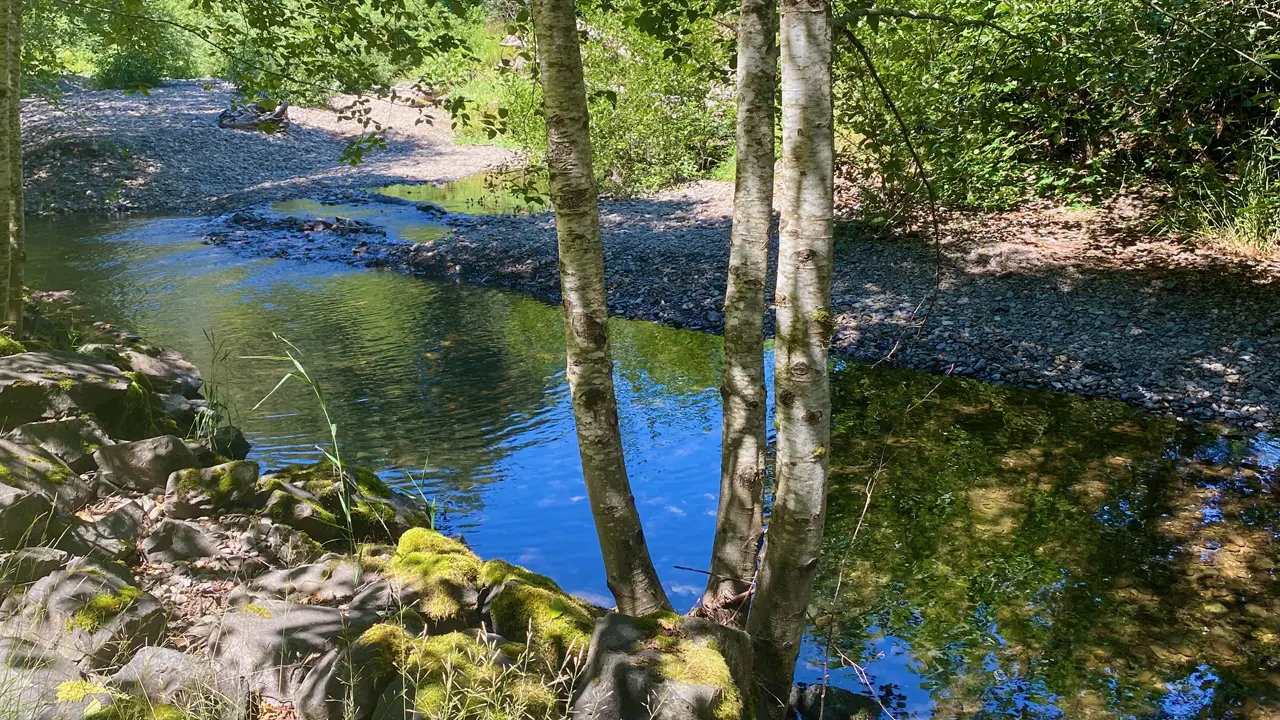
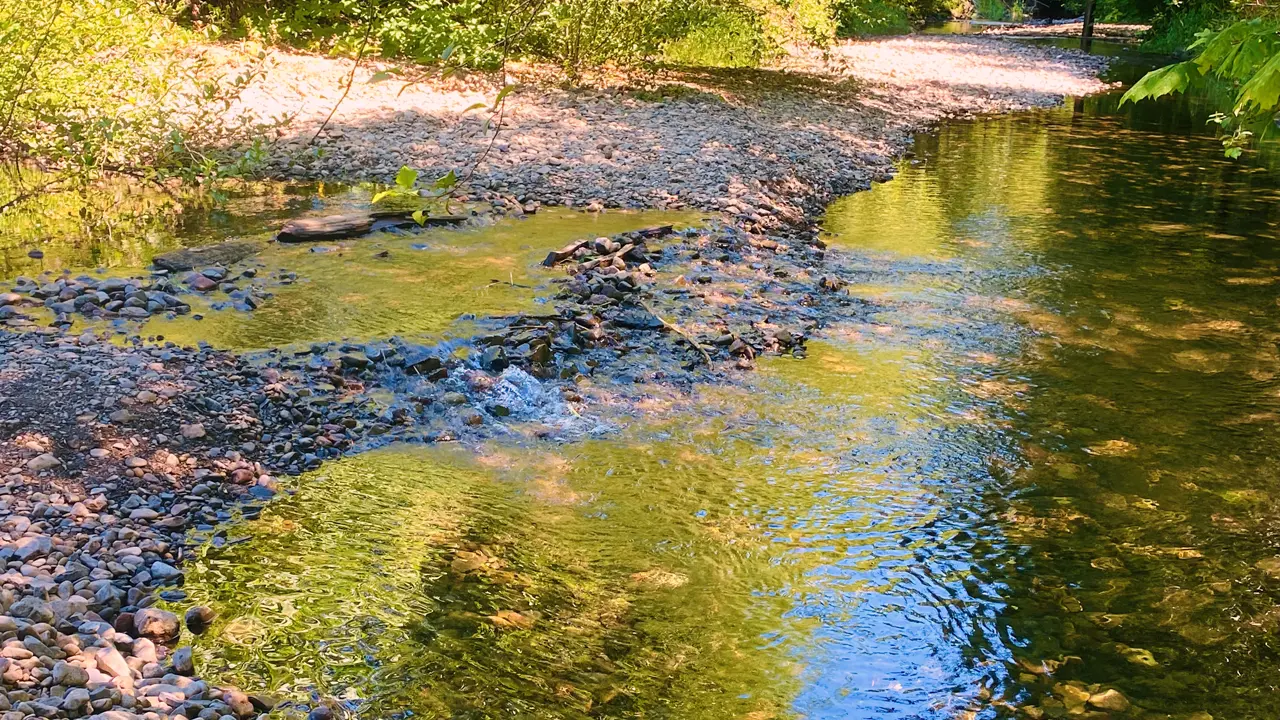
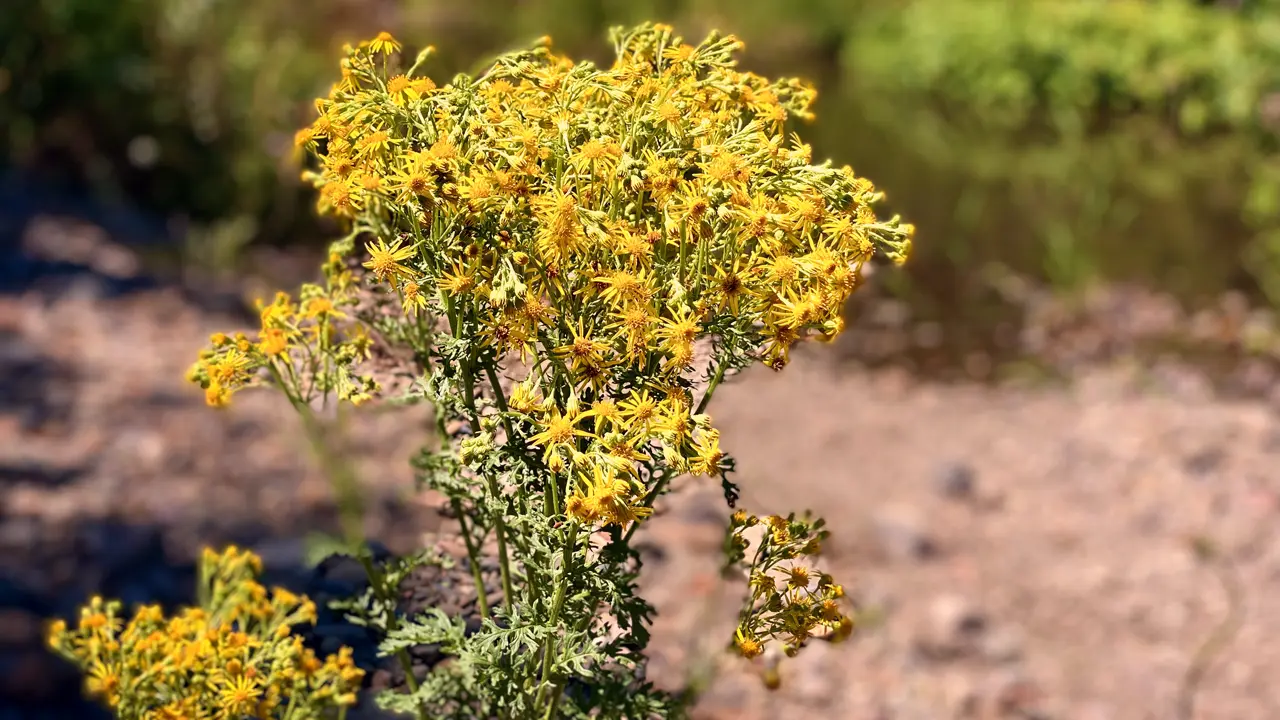
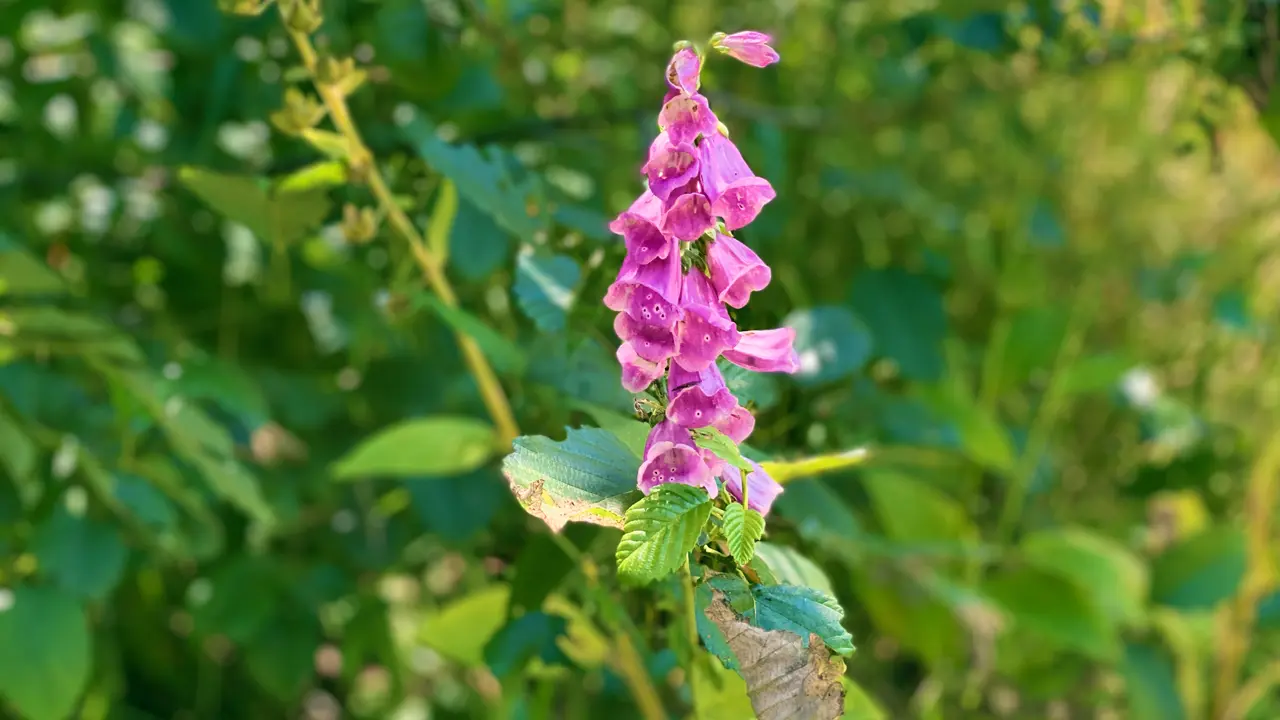
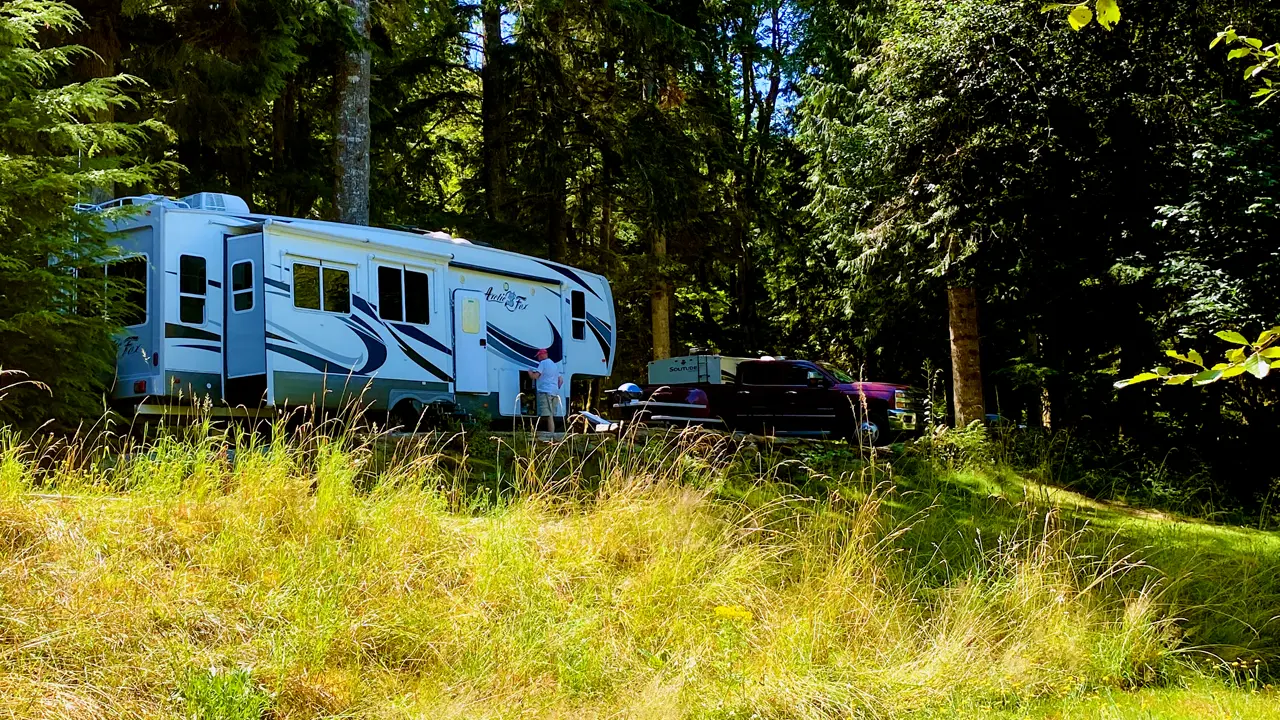
We loved the rustic natural setting of our small campground at Elkamp Eastcreek. There were 25 sites in a natural environment with massive moss-covered trees and a babbling creek. The campground had Adirondack chairs scattered around the mowed paths surrounding the fields. It must be something when all the wildflowers are in bloom. There was a rickety bridge to cross the creek. We all stayed in the middle and walked single file. Gary said the boards were all just placed there. Not nailed in place. Yikes. We had a great site. If only we had sewer, I’d stay here forever! Lol The pod did a walk-about on Wed., July 31st (2024).
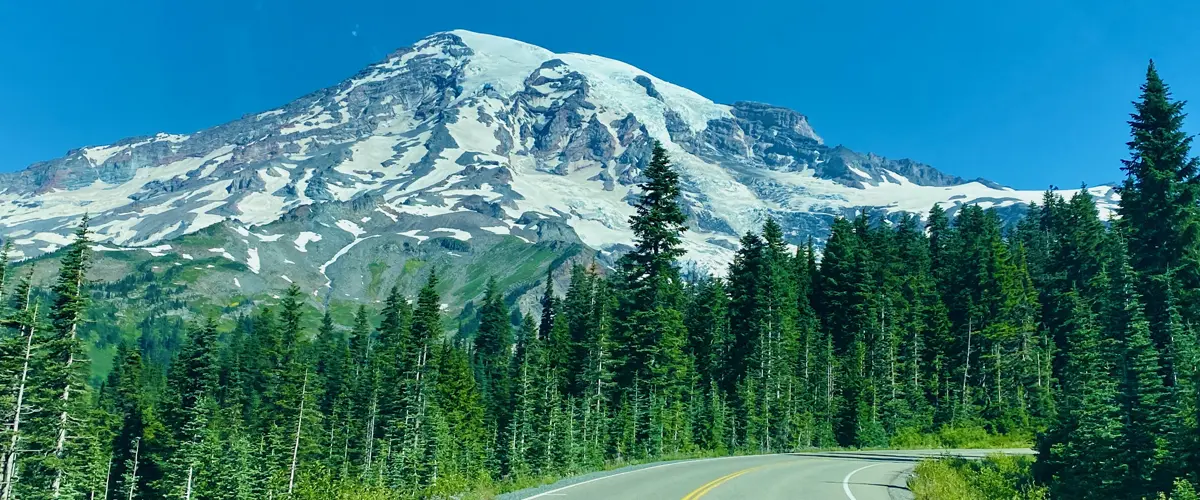
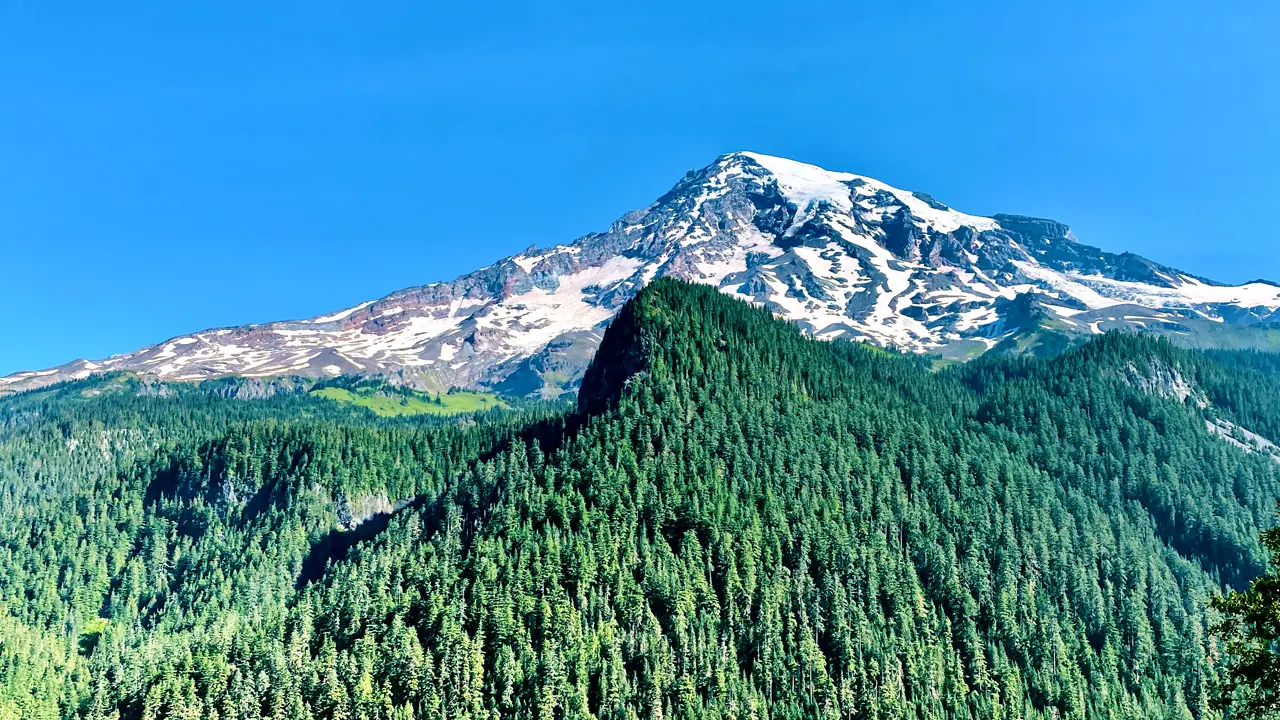
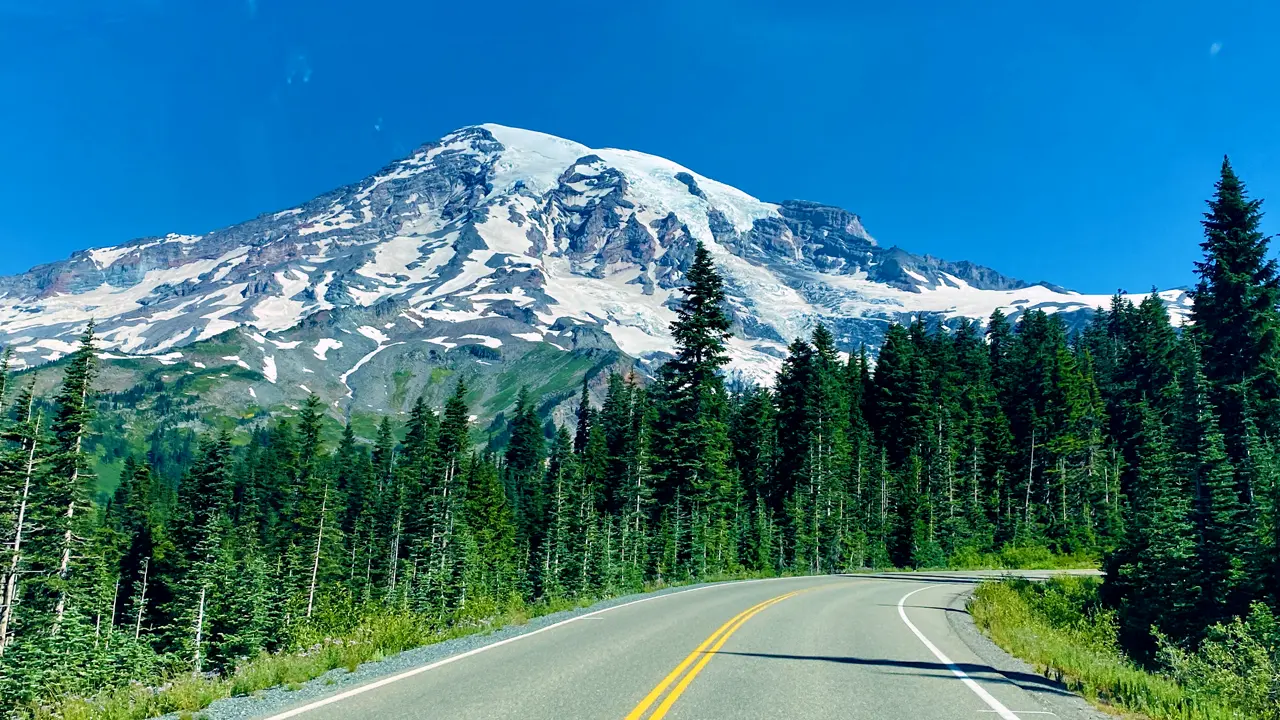
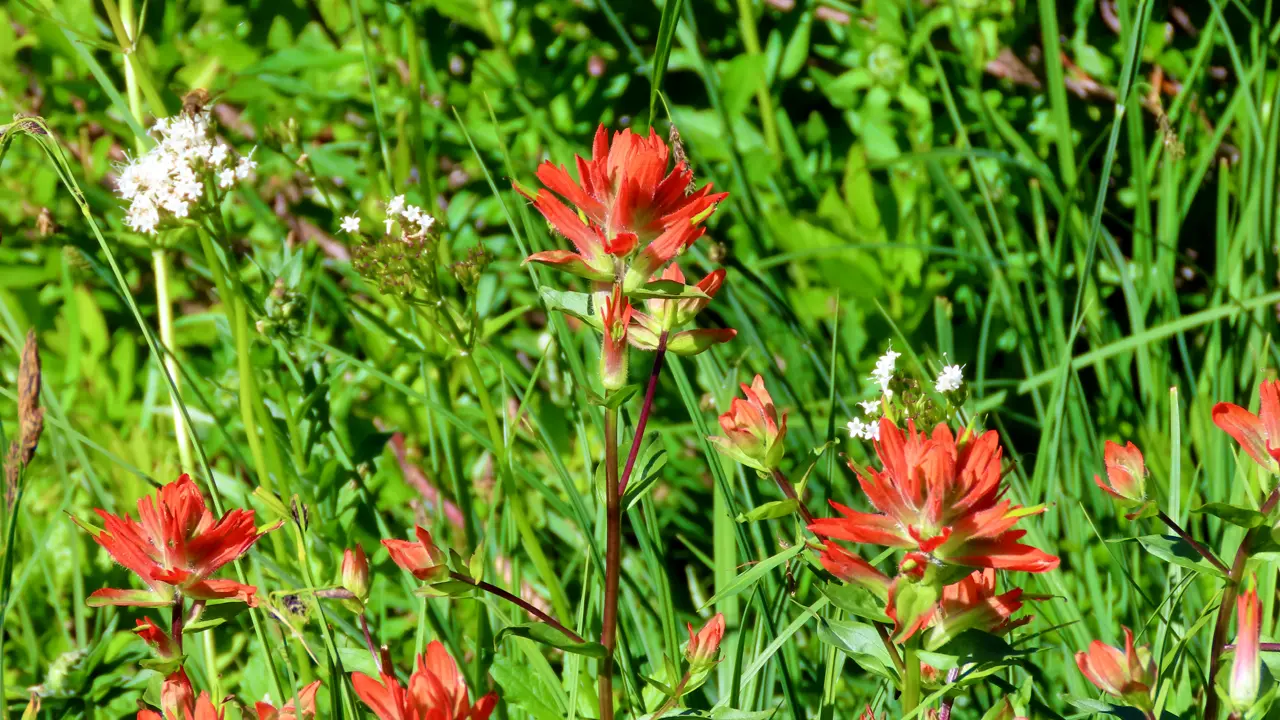
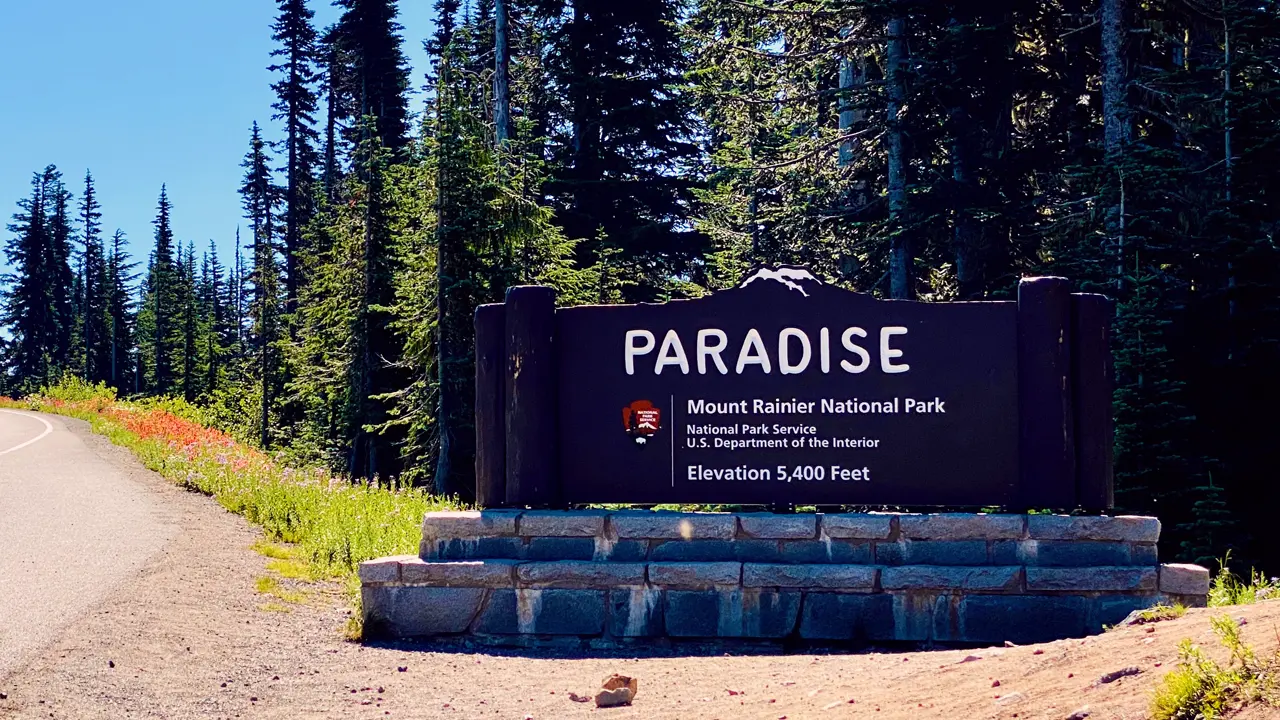
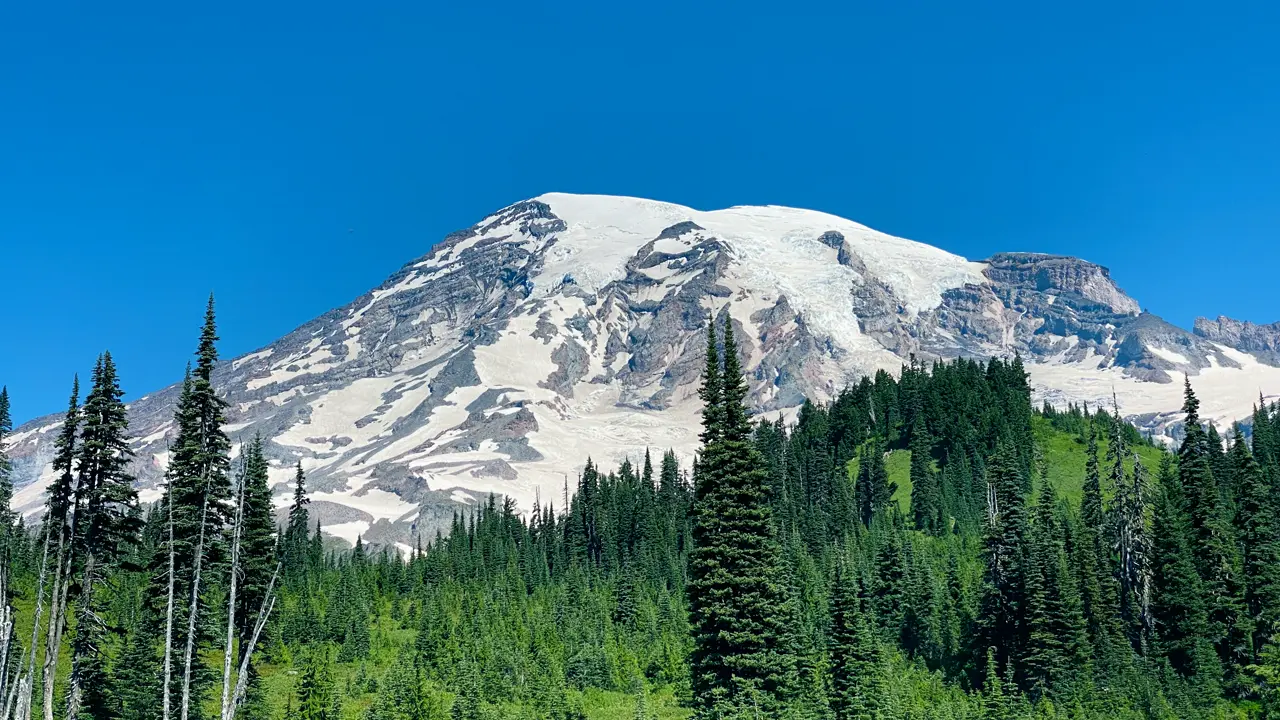
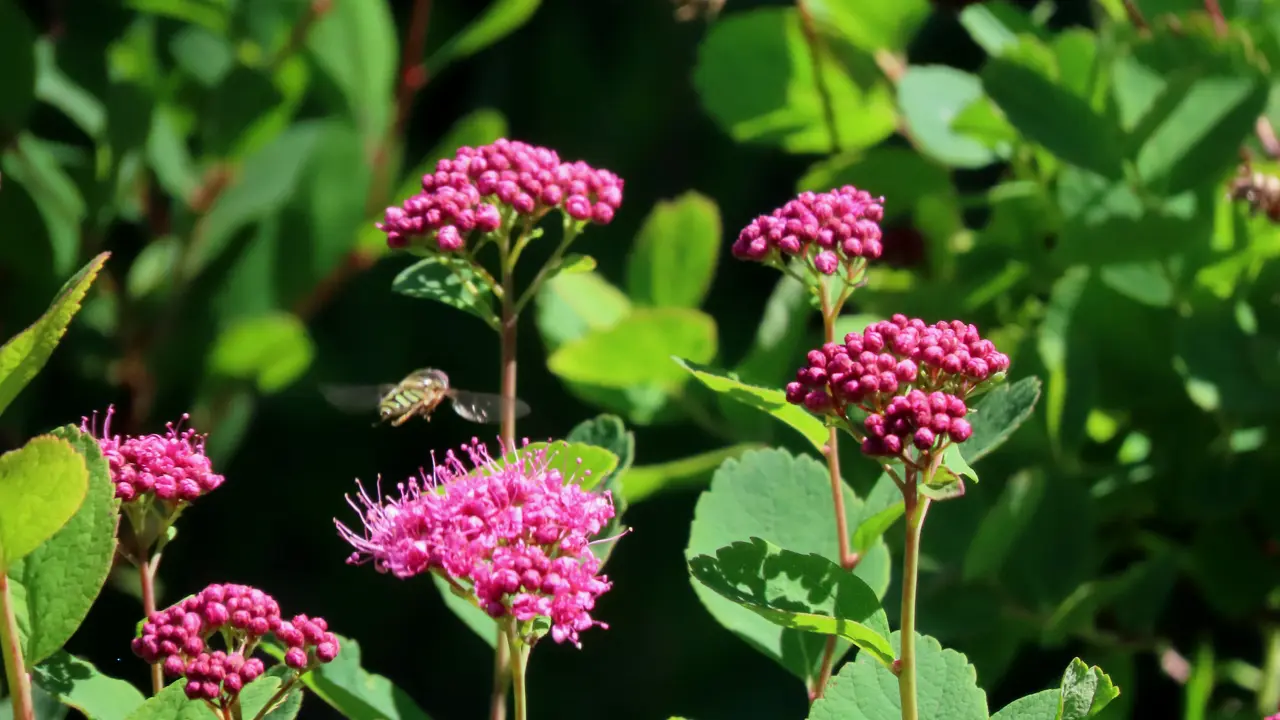
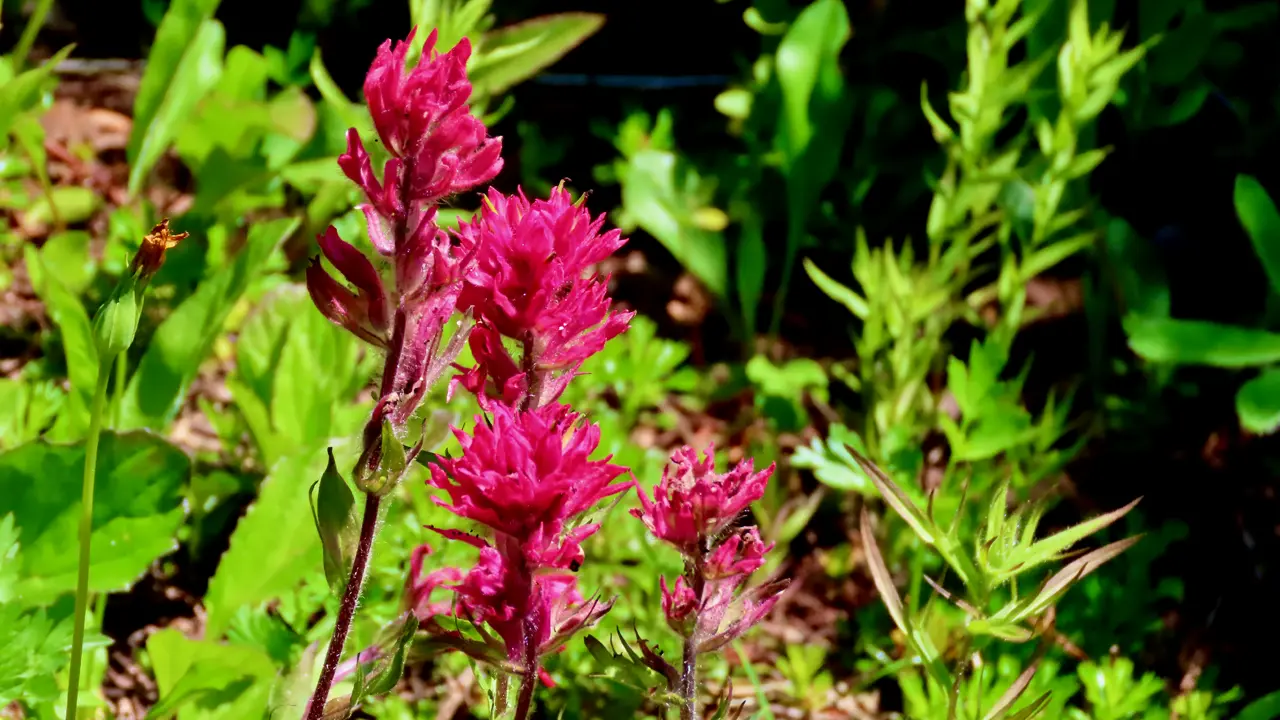
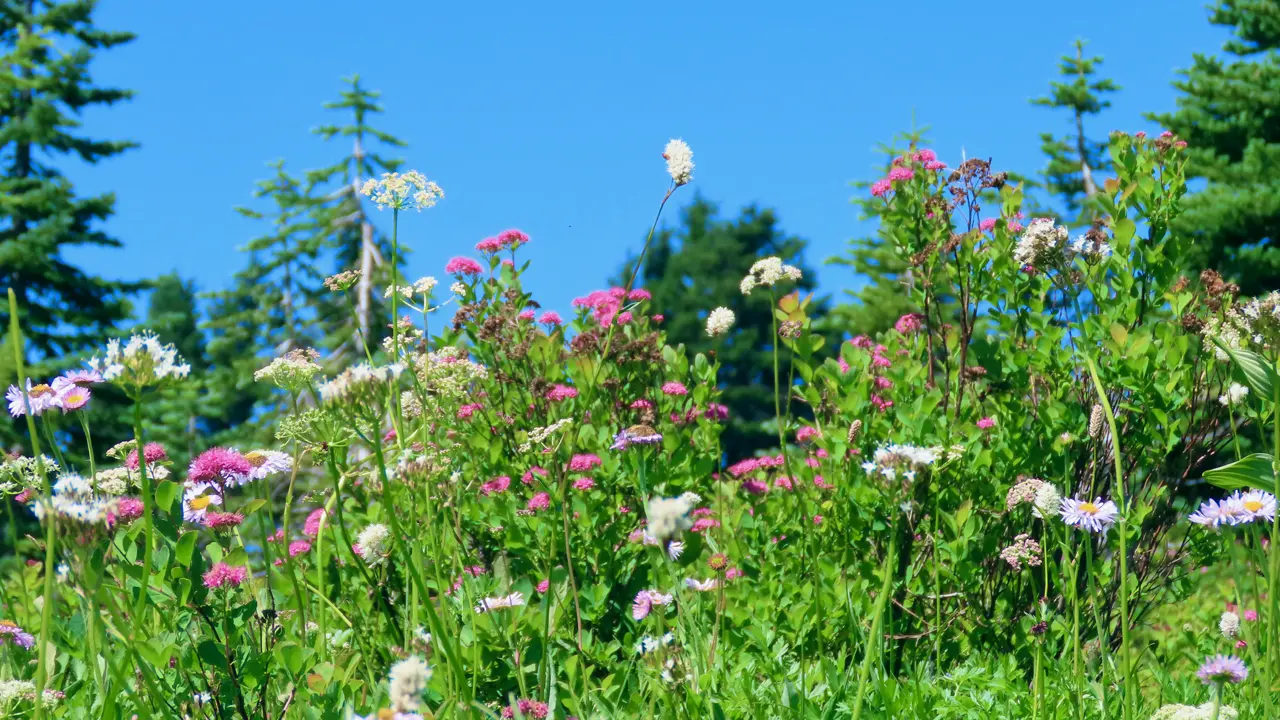
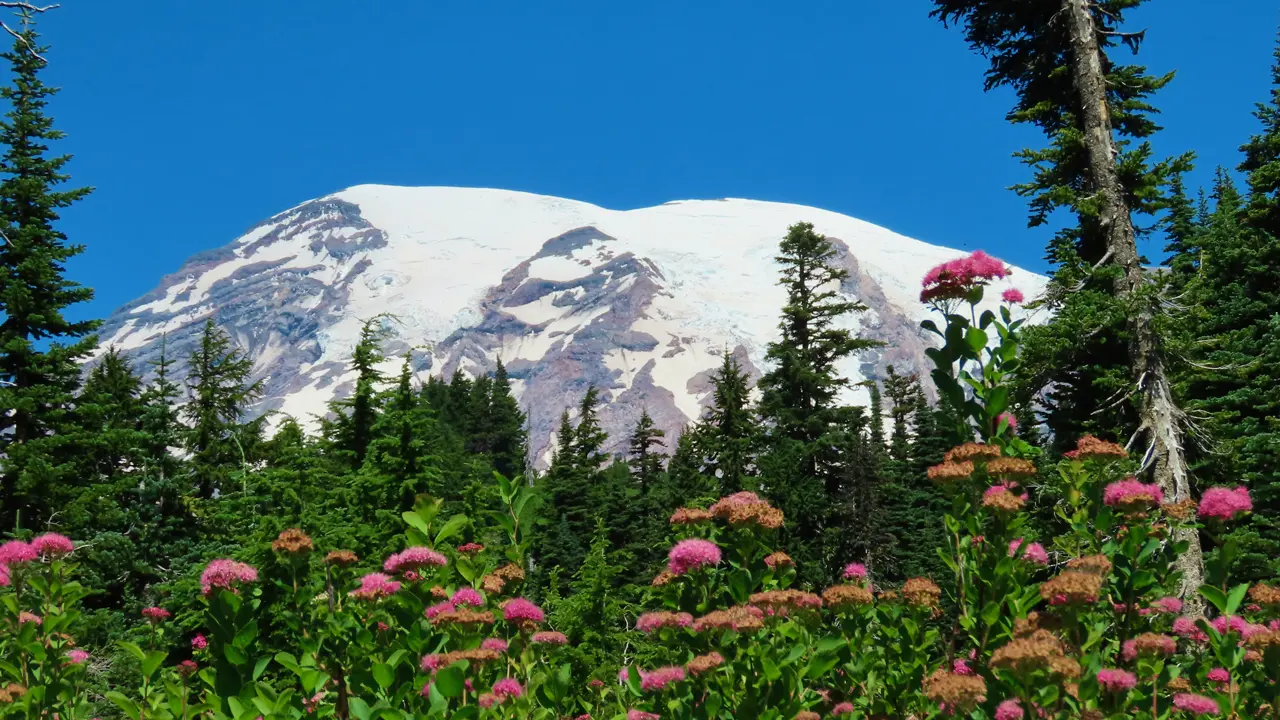
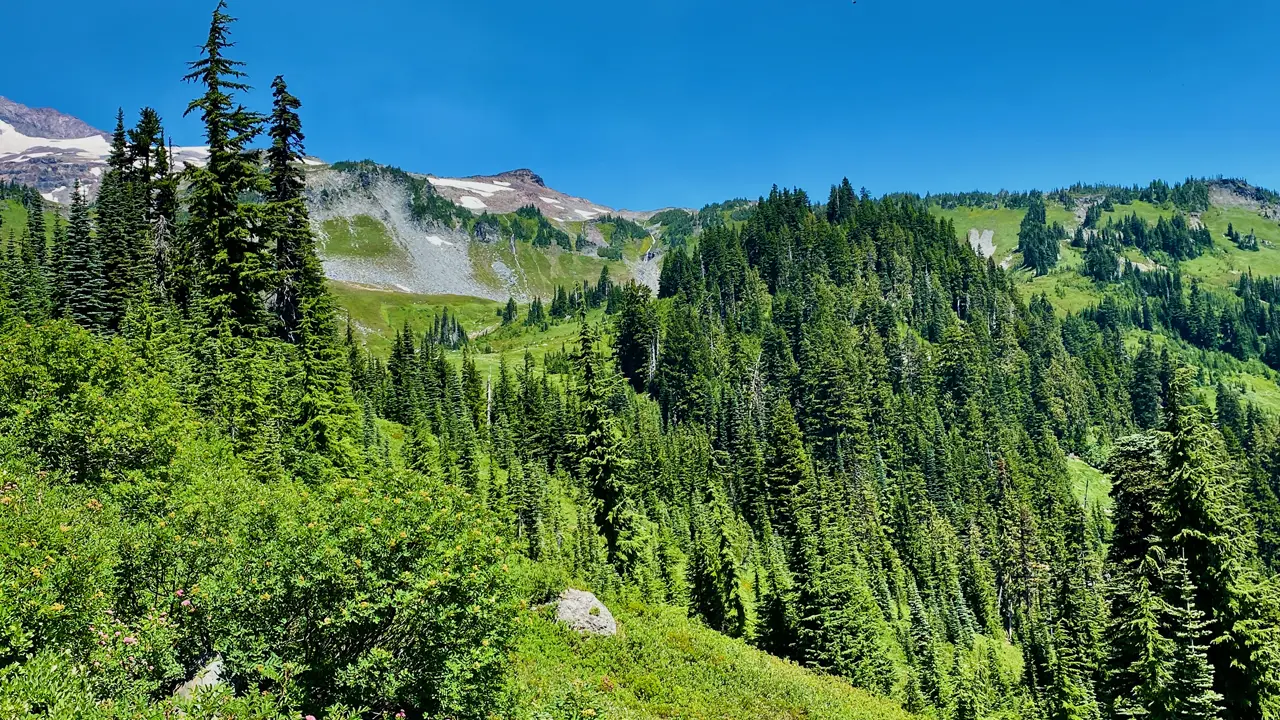
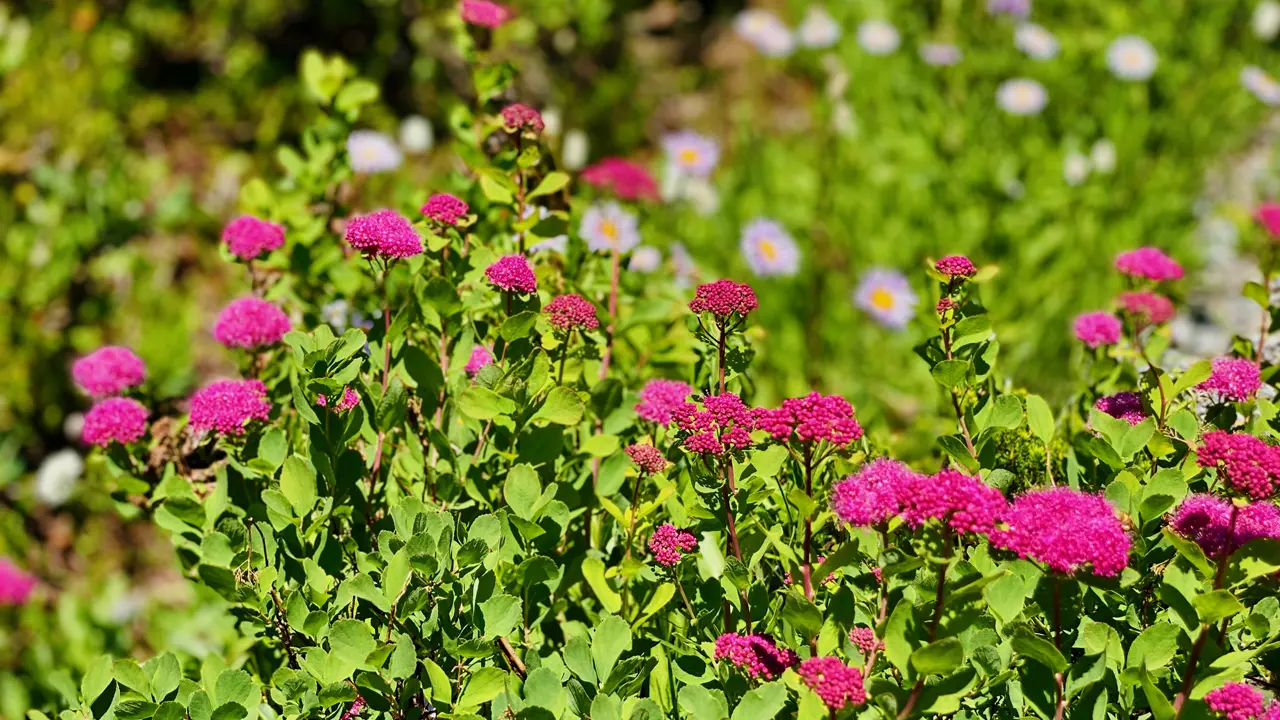
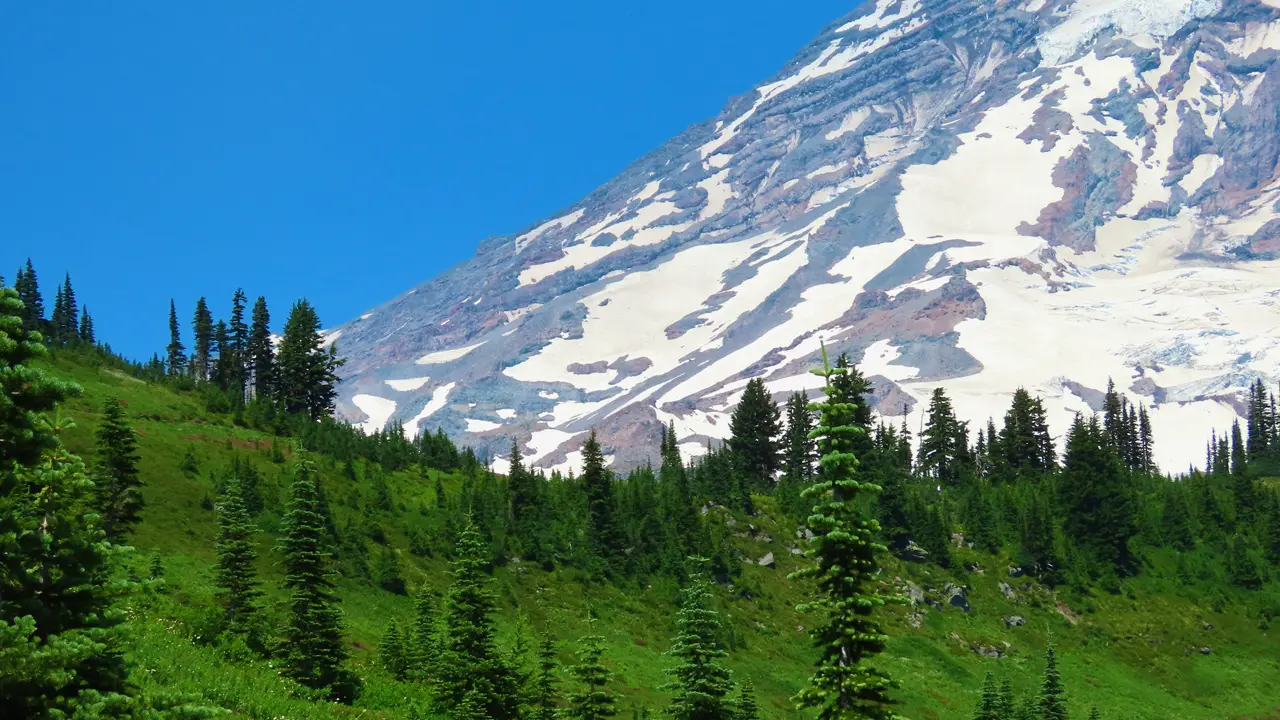
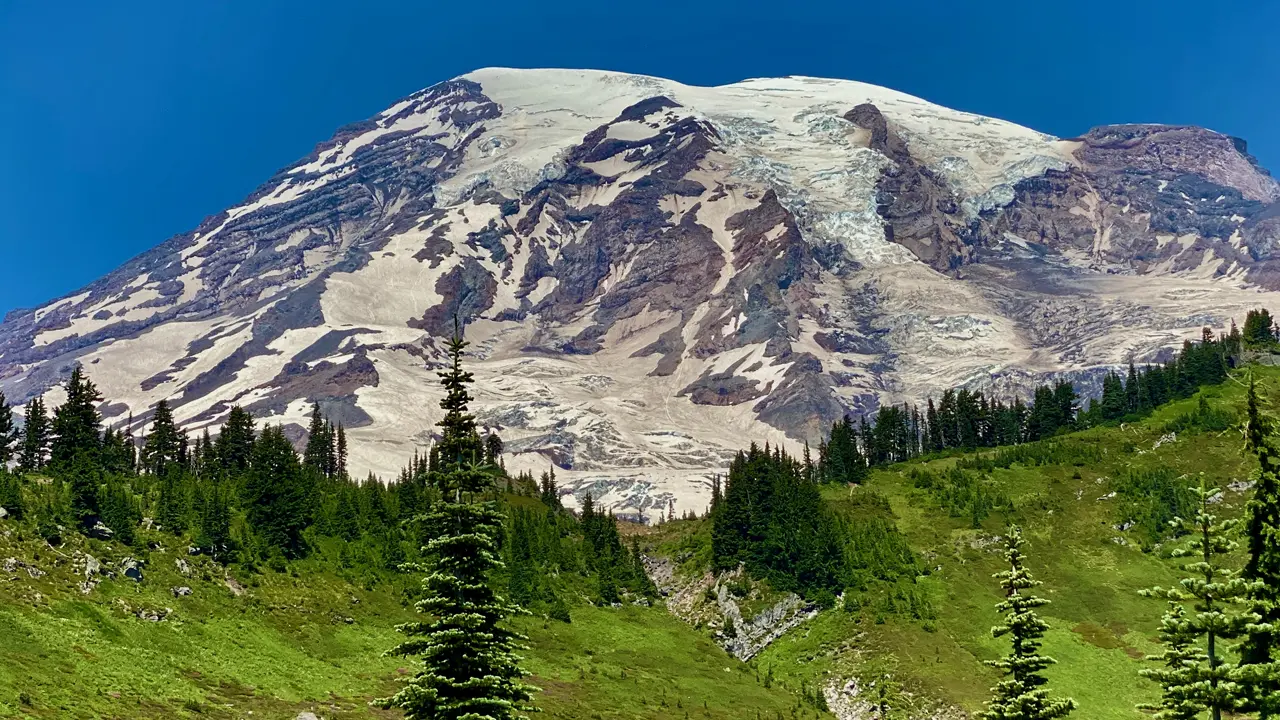
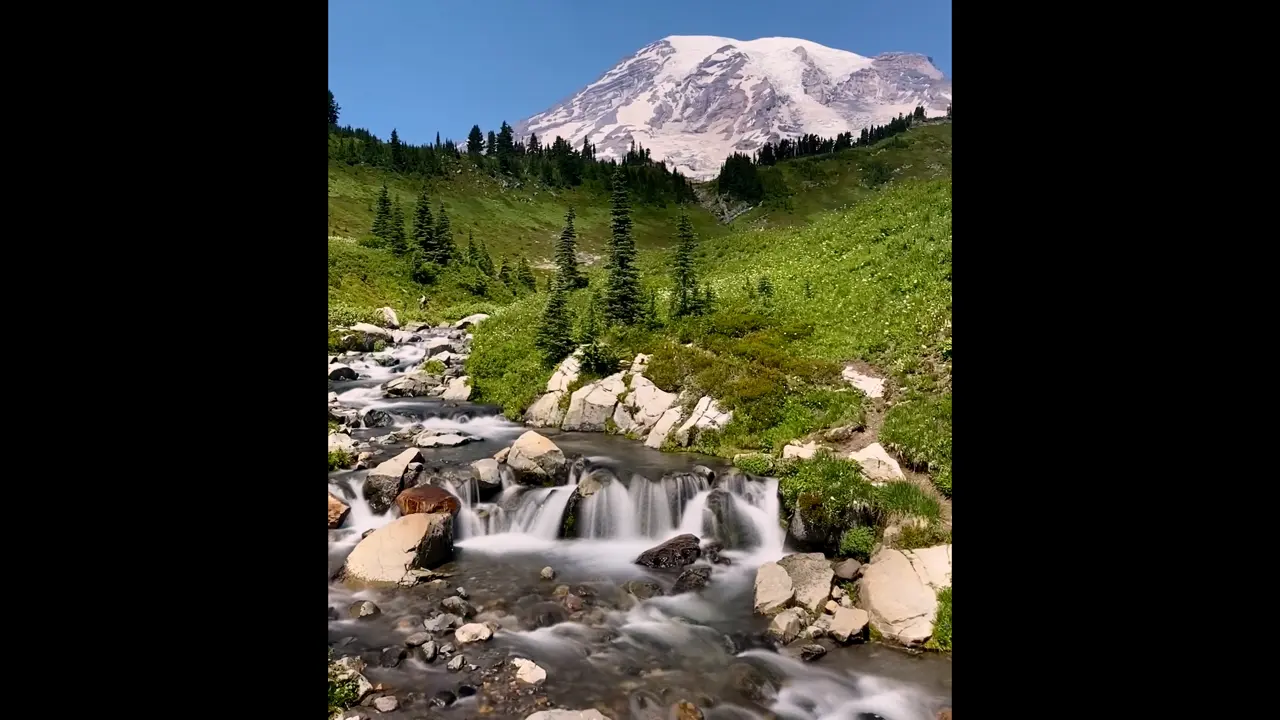
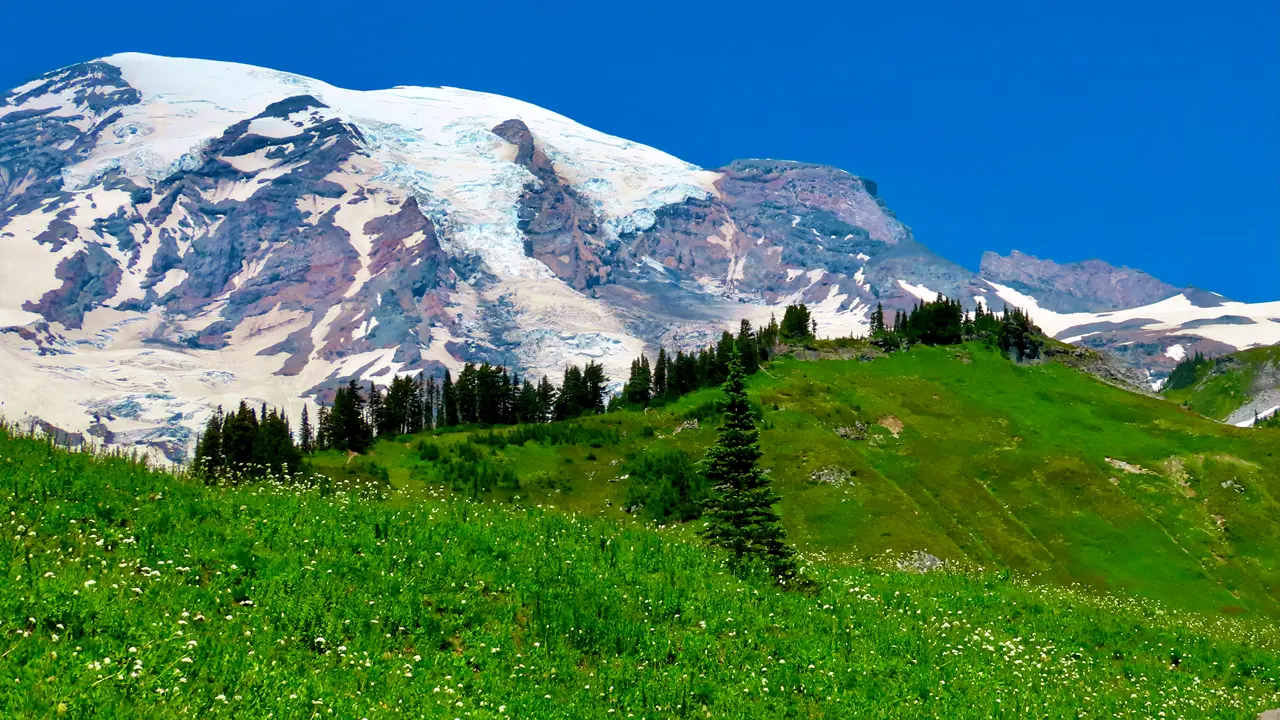
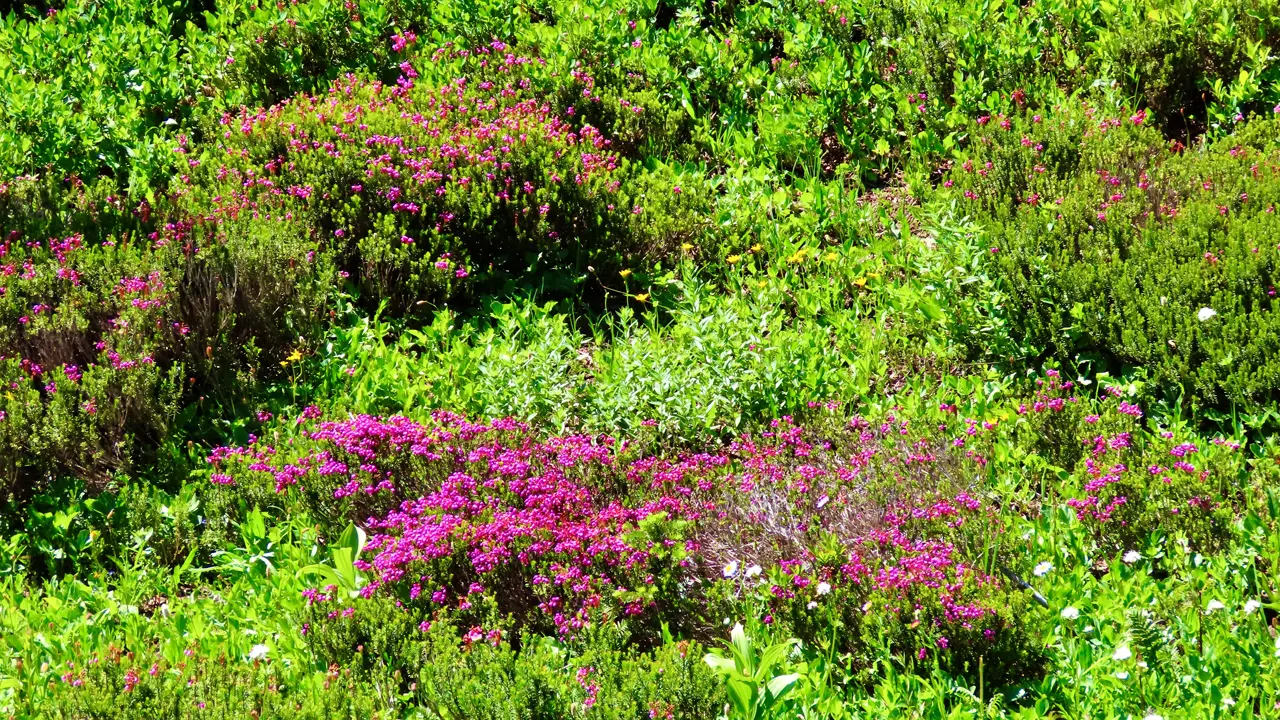
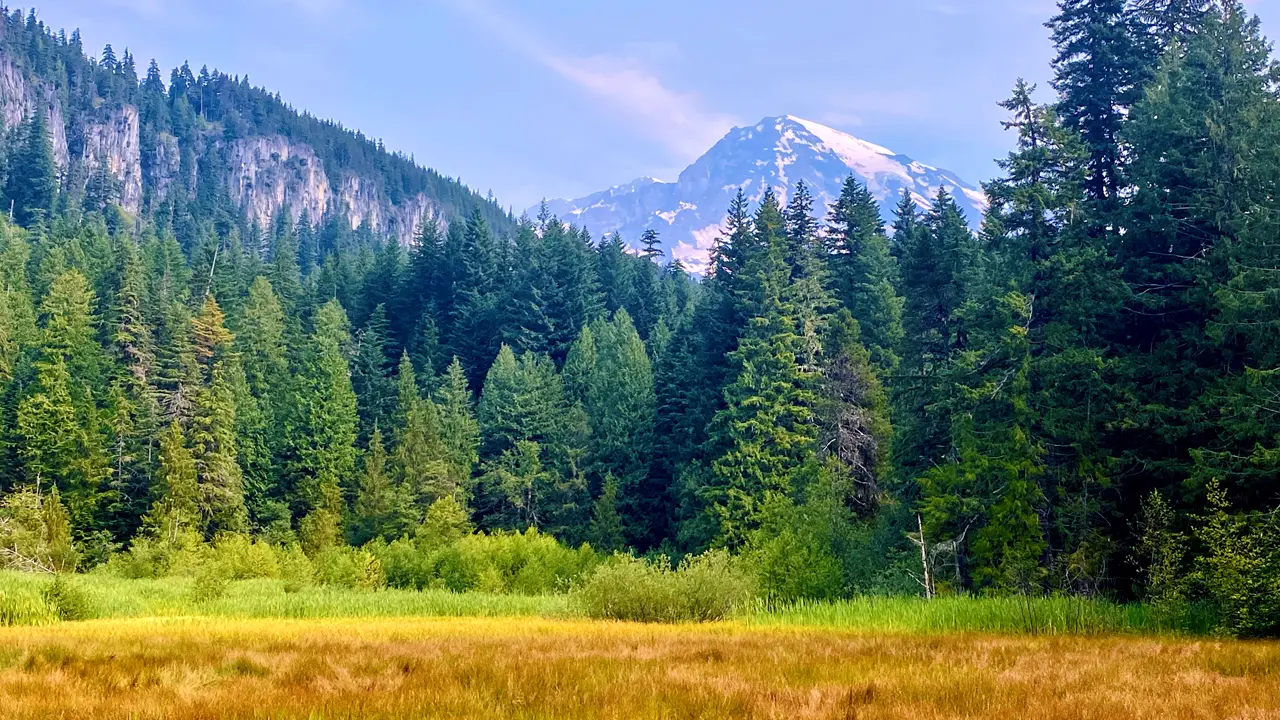
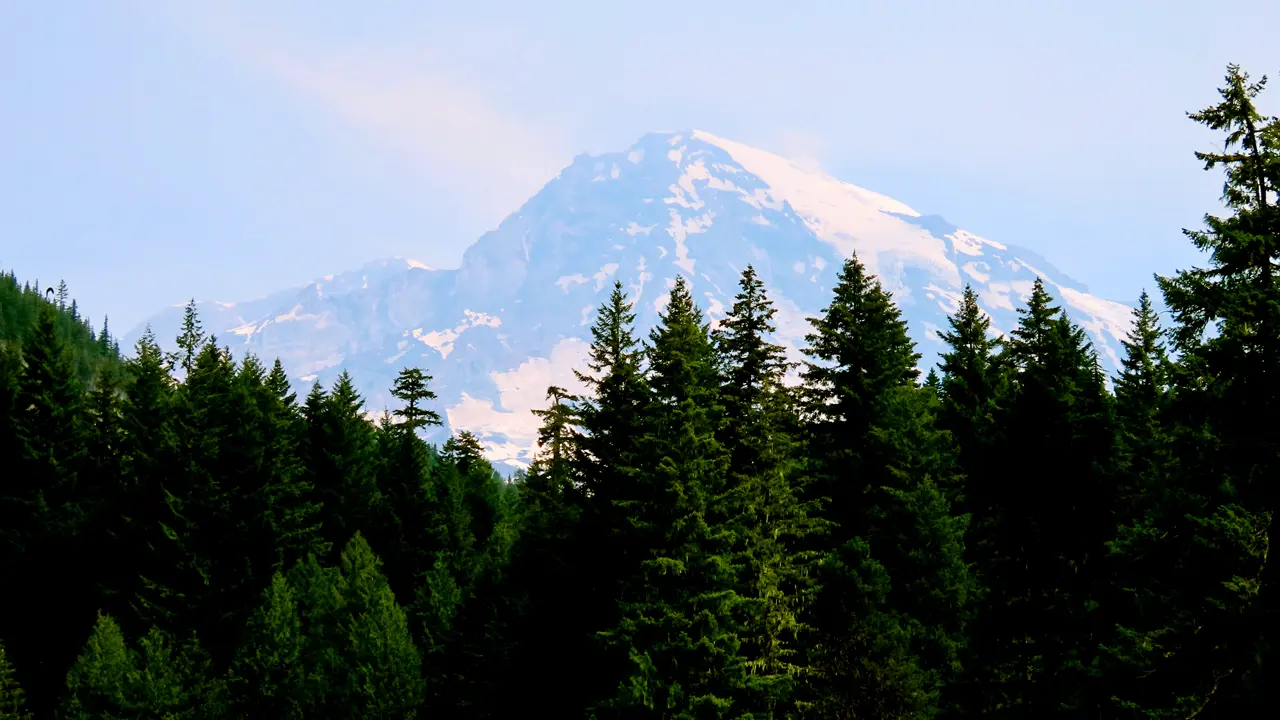
On Thursday, Aug. 1st (2024), the pod visited Mount Rainier NP. The focus this day was on the section of the park called “Paradise.” It’s known for spectacular waterfalls, streams, and meadows filled with wildflowers in the summer. Stunning! We were fortunate to have a brilliant sunny day with clear skies to see Mount Rainier in all its glory. We entered the park via the Nisqually Entrance, which has a wooden arch (a replica of the original) that has been at this entrance since the park’s opening in 1899 when Mount Rainier became the nation’s 5th national park. It was named after Rear Admiral Peter Rainier.
Funny story… we were parked and gathering water, hats etc. to start hiking when we were approached by a young man of about 25 who asked “by any chance do you have an emergency avalanche shovel?” Ummmm no, sorry. Wow. I was so flattered he thought we looked like the kind of people that might actually carry one. lol Had a little swagger in my step for the rest of the day!
Moving on… Mount Rainier is not only an active volcano but the tallest volcano in the Cascades at 14,410 feet. Twenty five major glaciers – approx. 36 square miles of ice – make Mount Rainier’s glacier system the largest in the U.S. exclusive of Alaska. Average snowfall is 640 inches at Paradise (elevation 5,400 ft), which is the highest elevation you can get to by car at Mount Rainier.
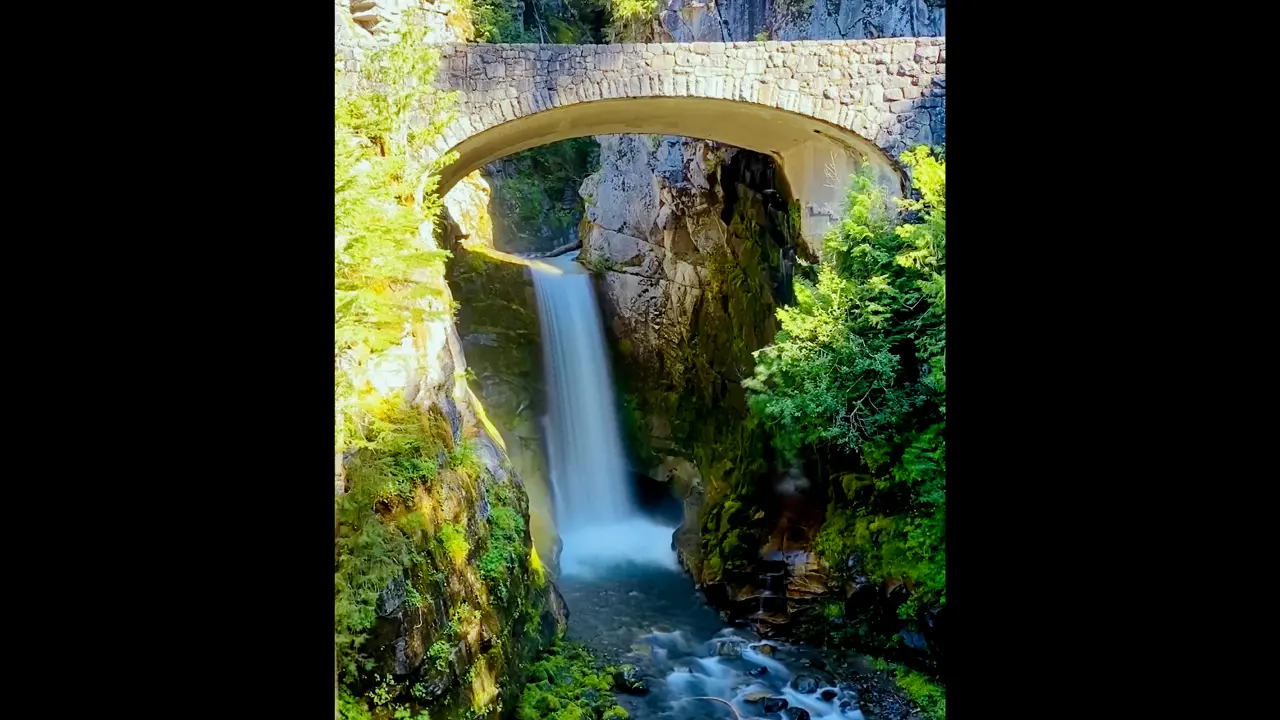
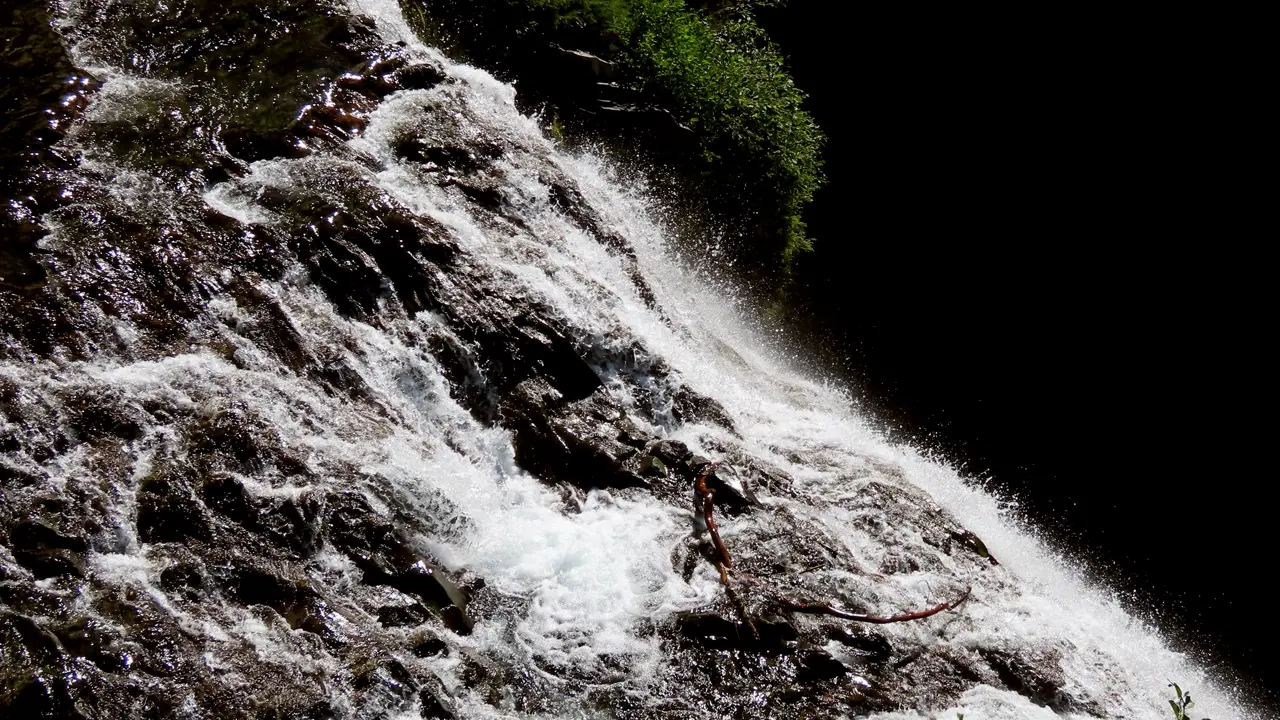
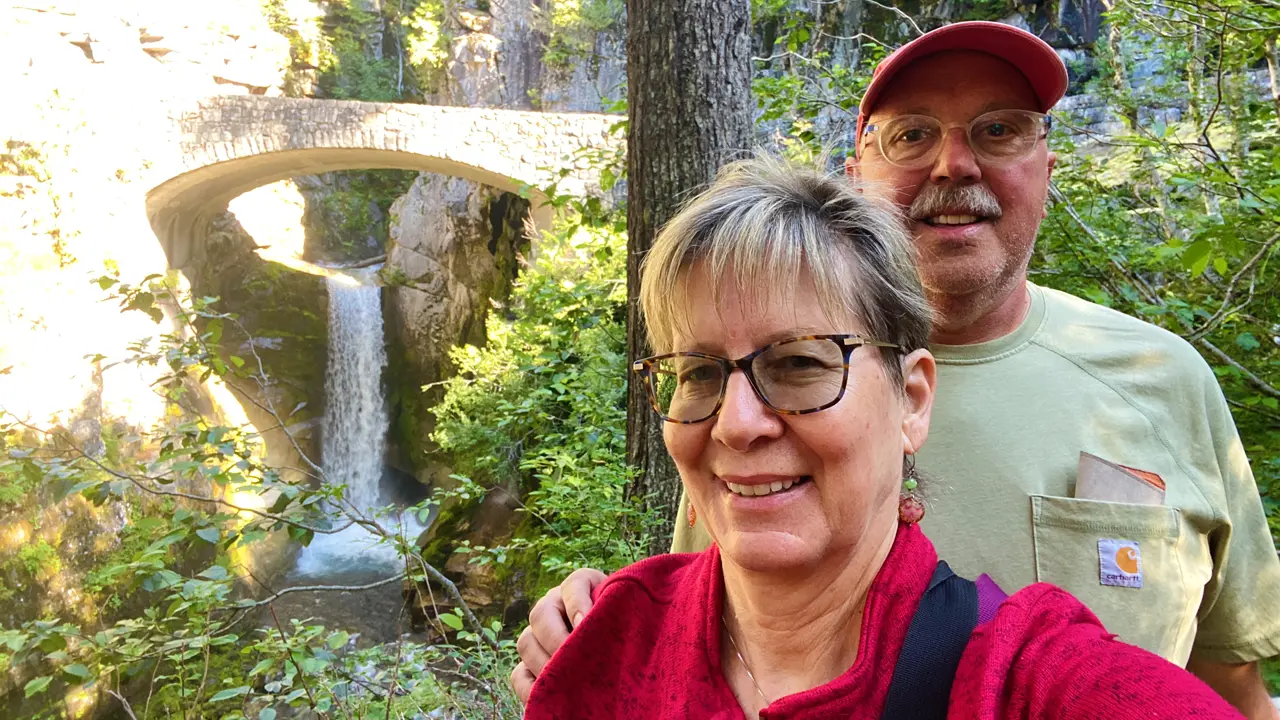
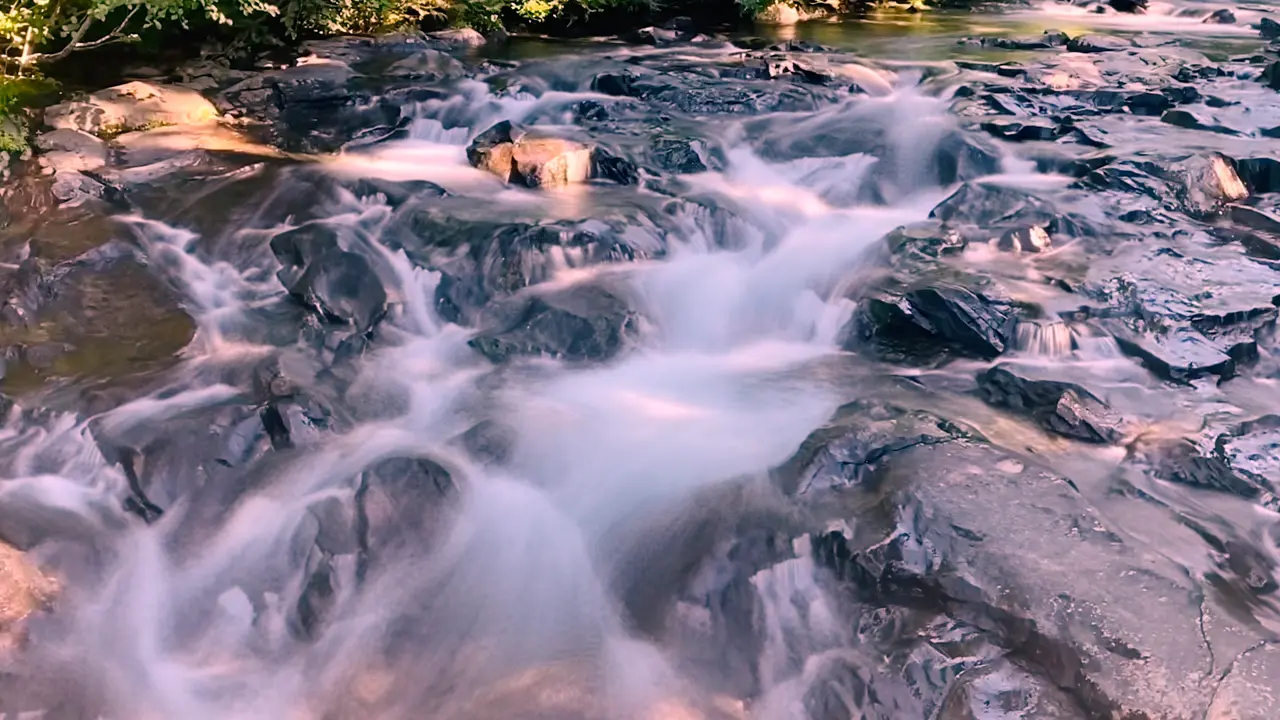
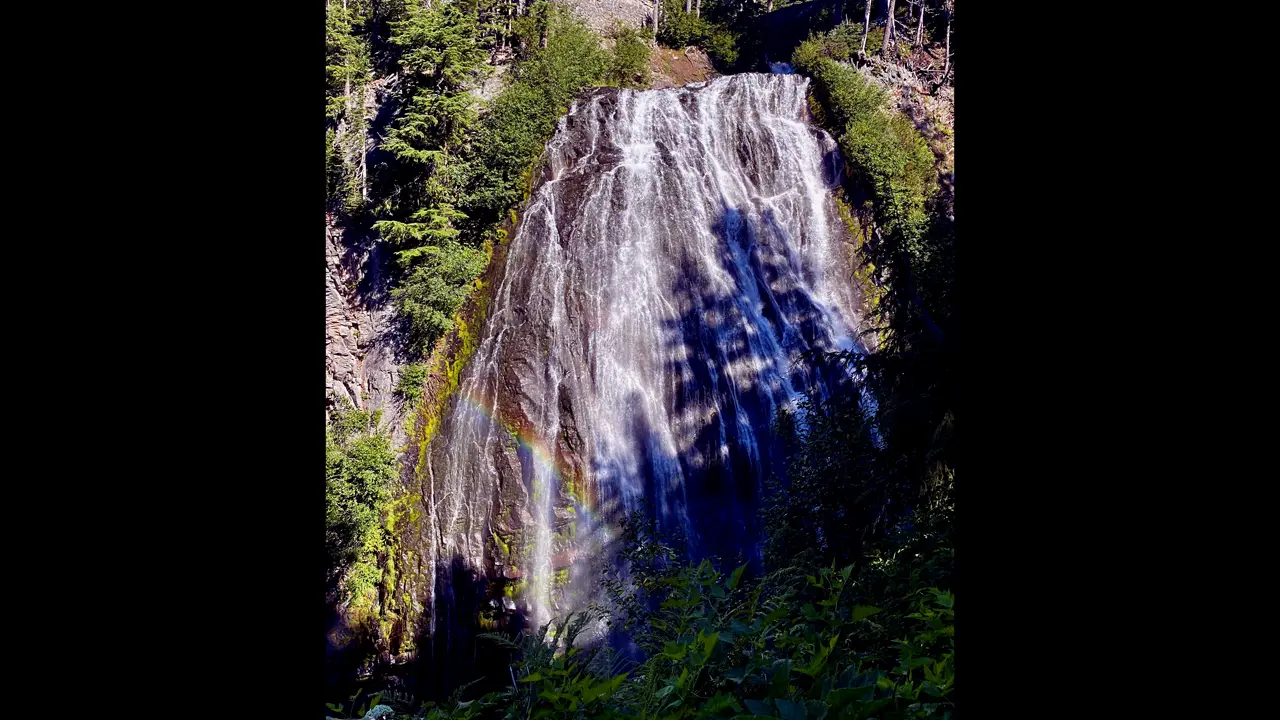
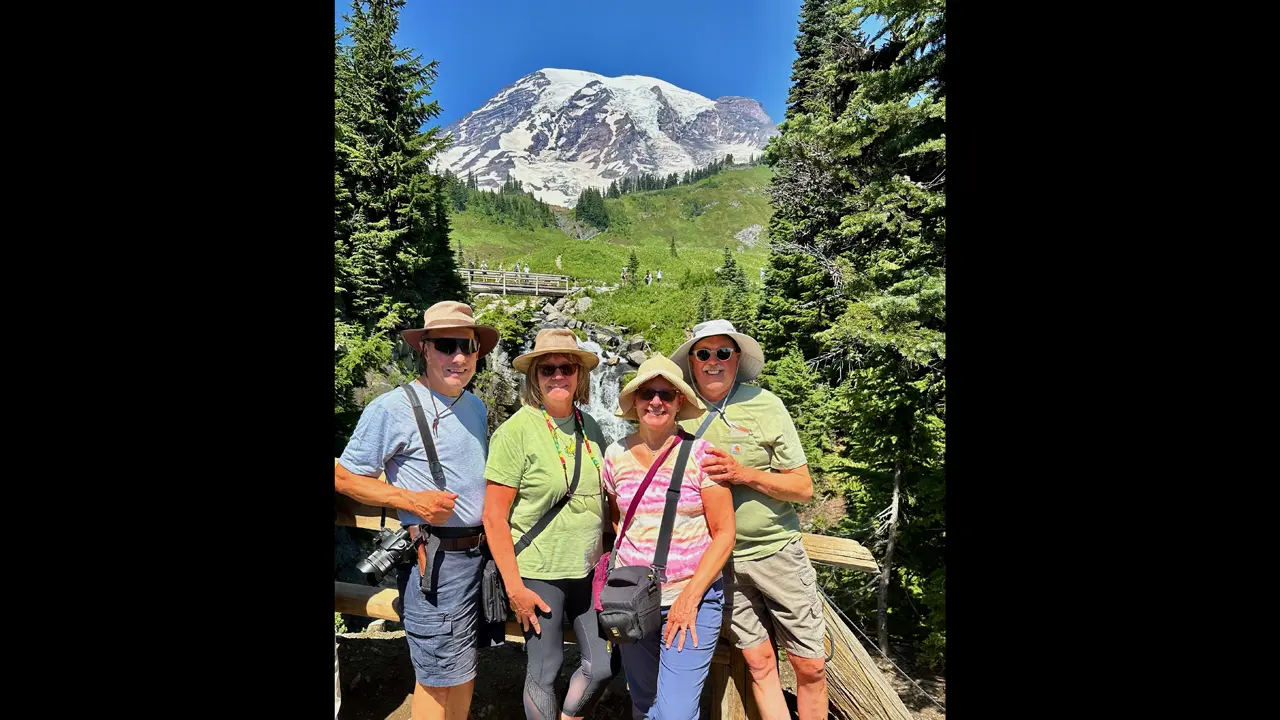
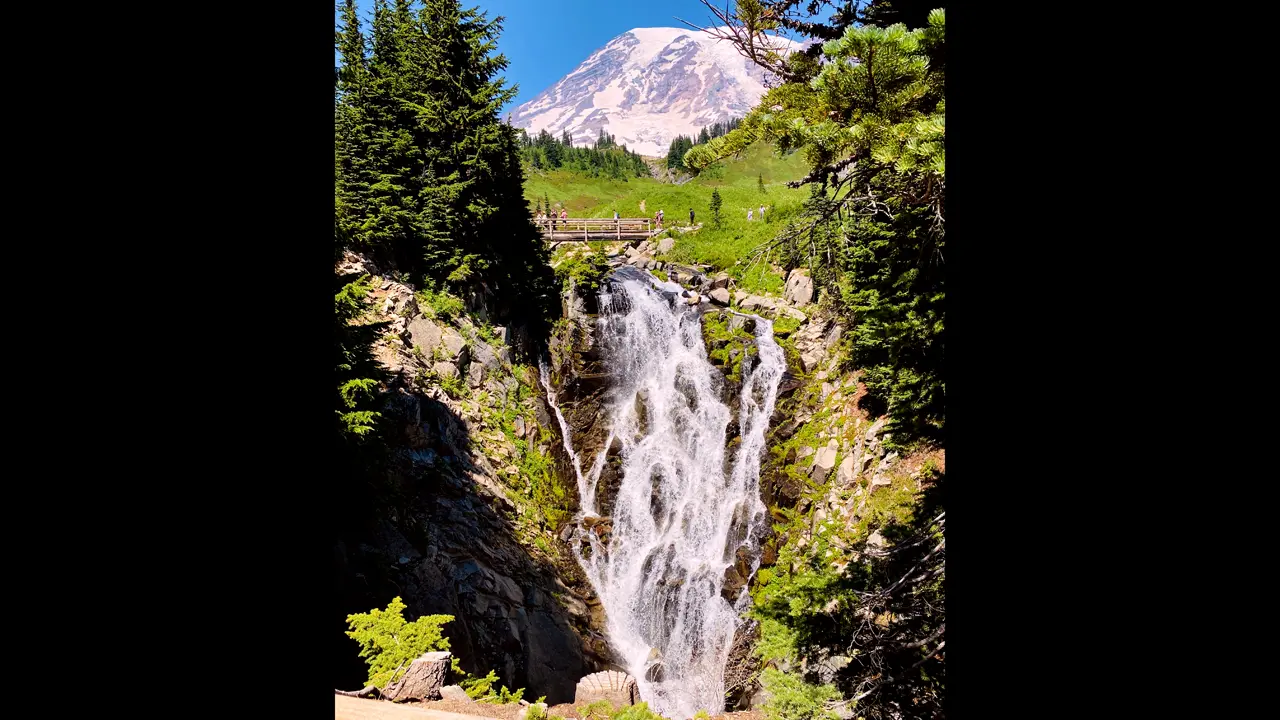
We were blessed to see several waterfalls. We hiked down to enjoy views of Christine Falls. The entire falls is 69 ft but this lower section with Christine Falls Bridge is 37 ft tall. An iconic view at Mount Rainier. We also visited Narada Falls, which is the largest waterfall (168 ft) accessible by car in the park, and one of the most impressive. We also hiked Skyline Trail to Myrtle Falls. It was hot and uphill, but worth it!
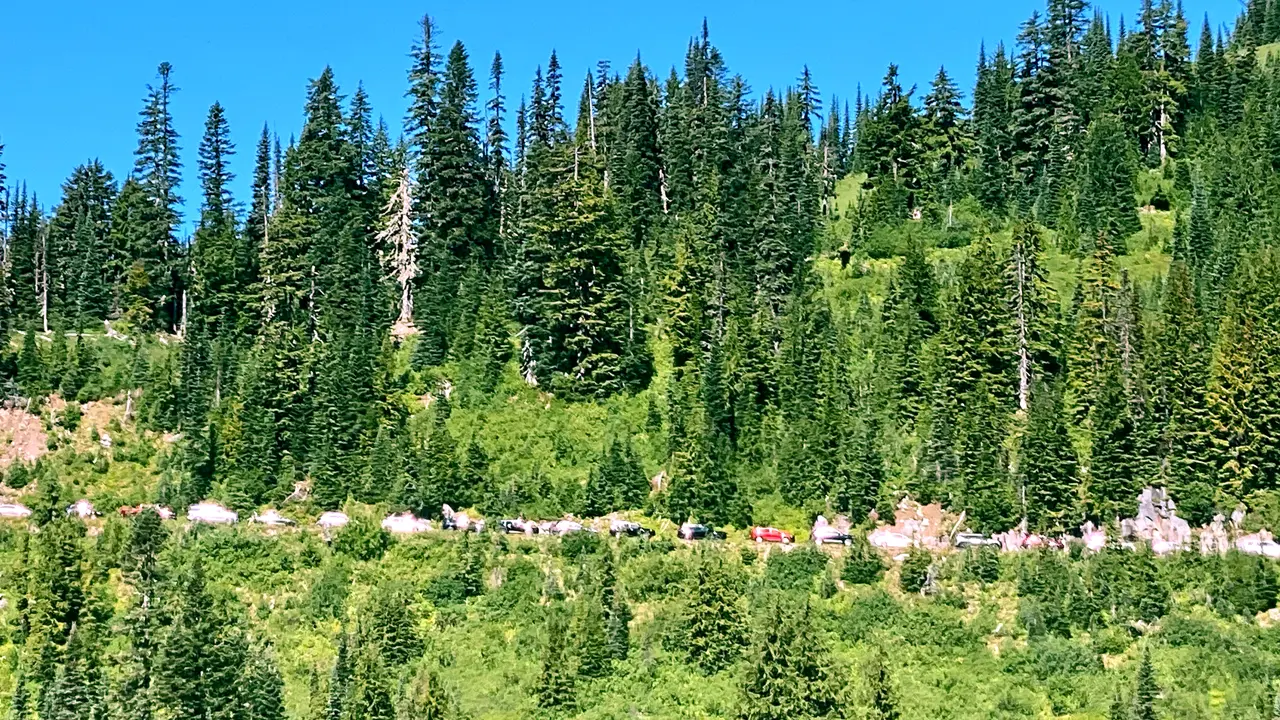
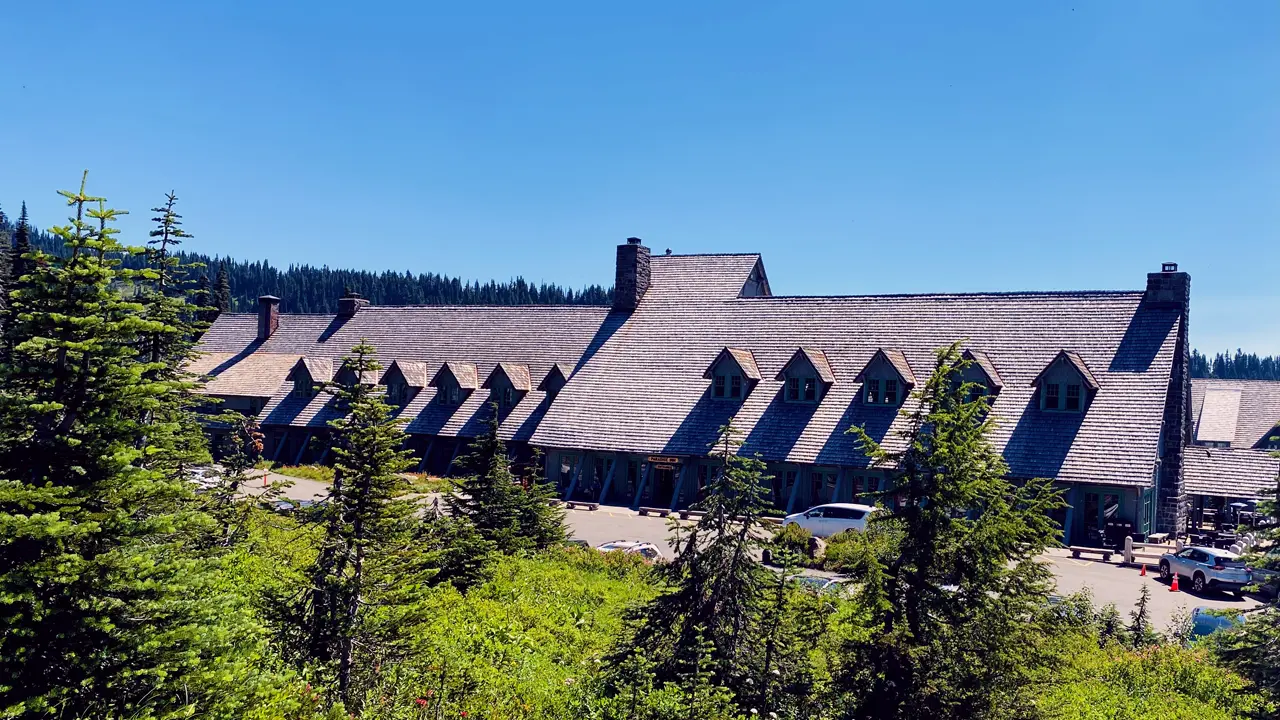
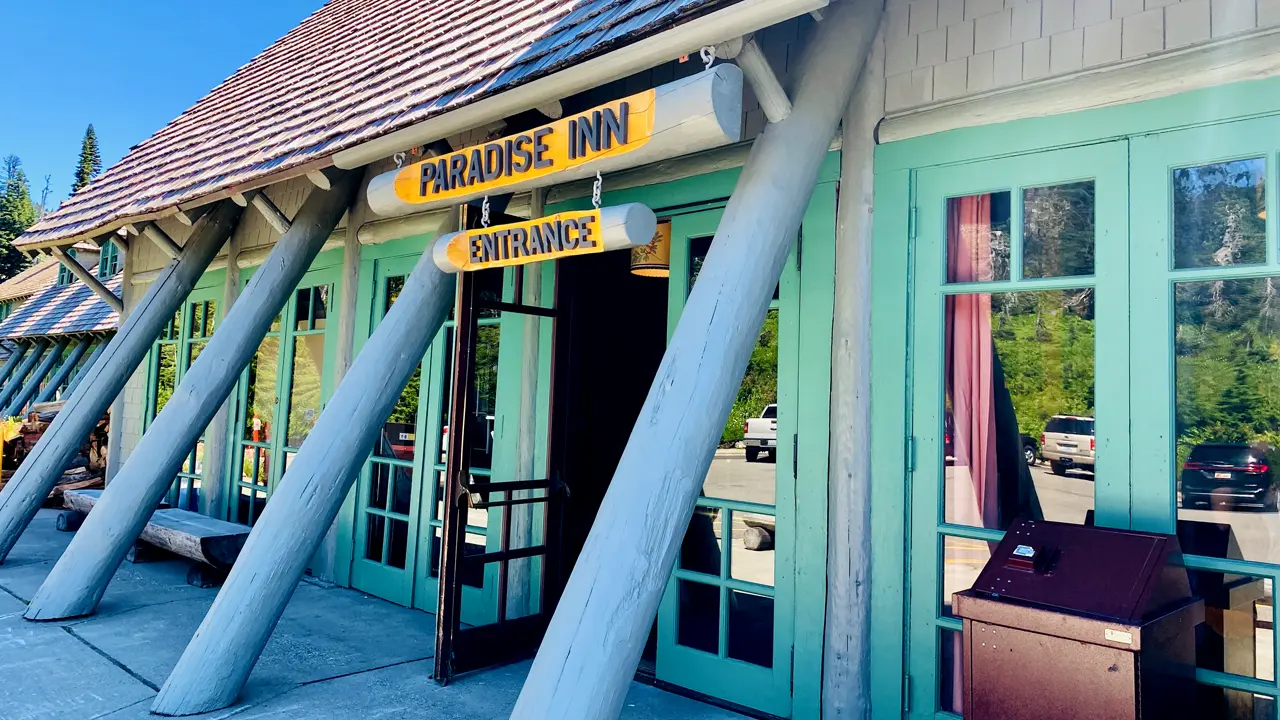
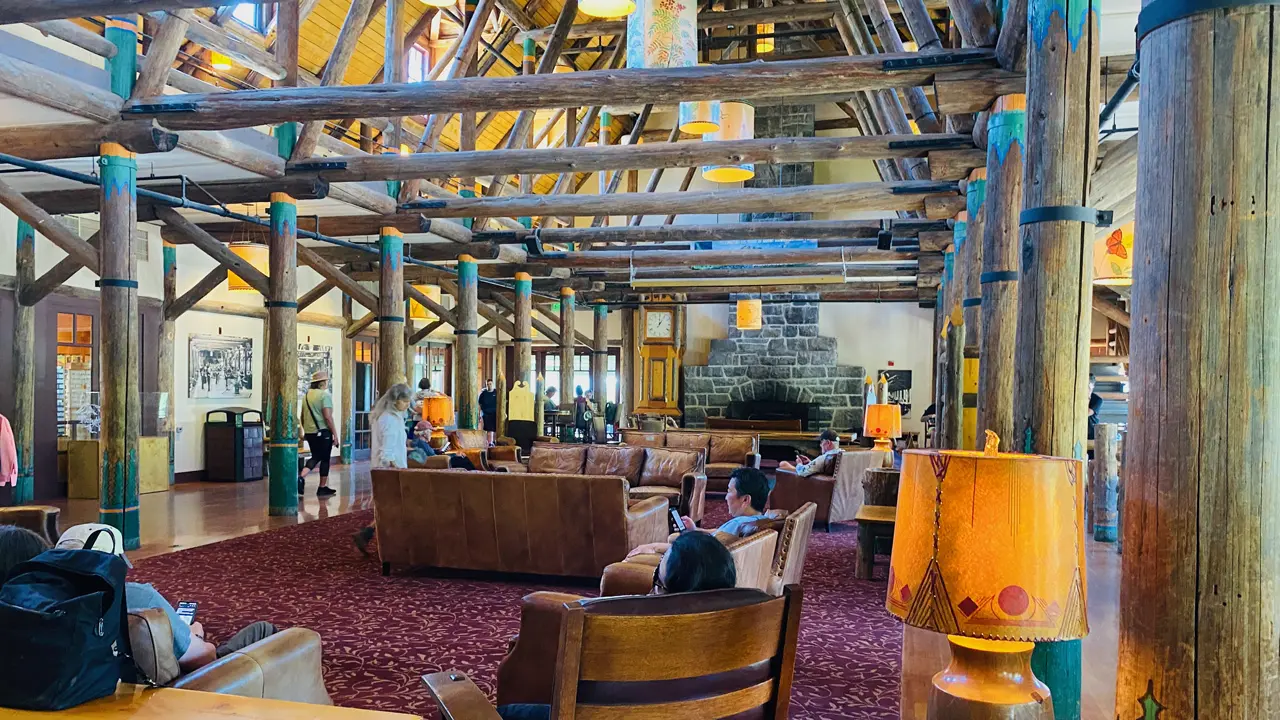
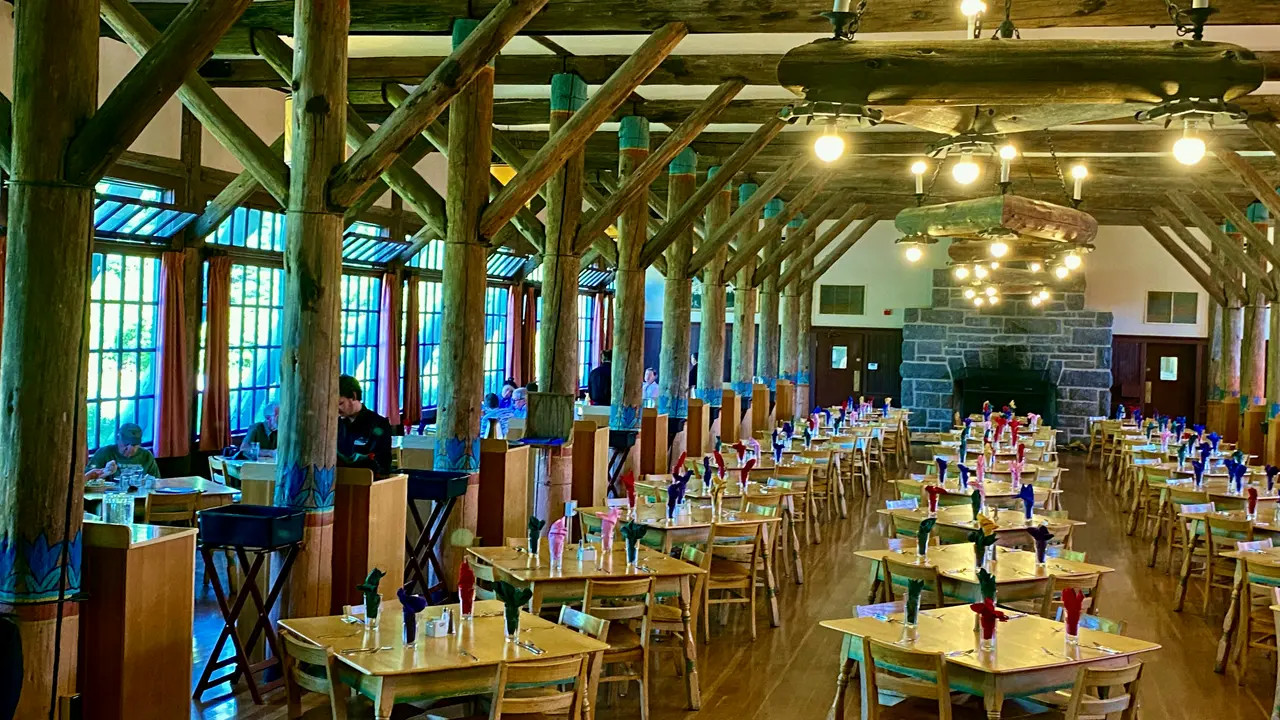
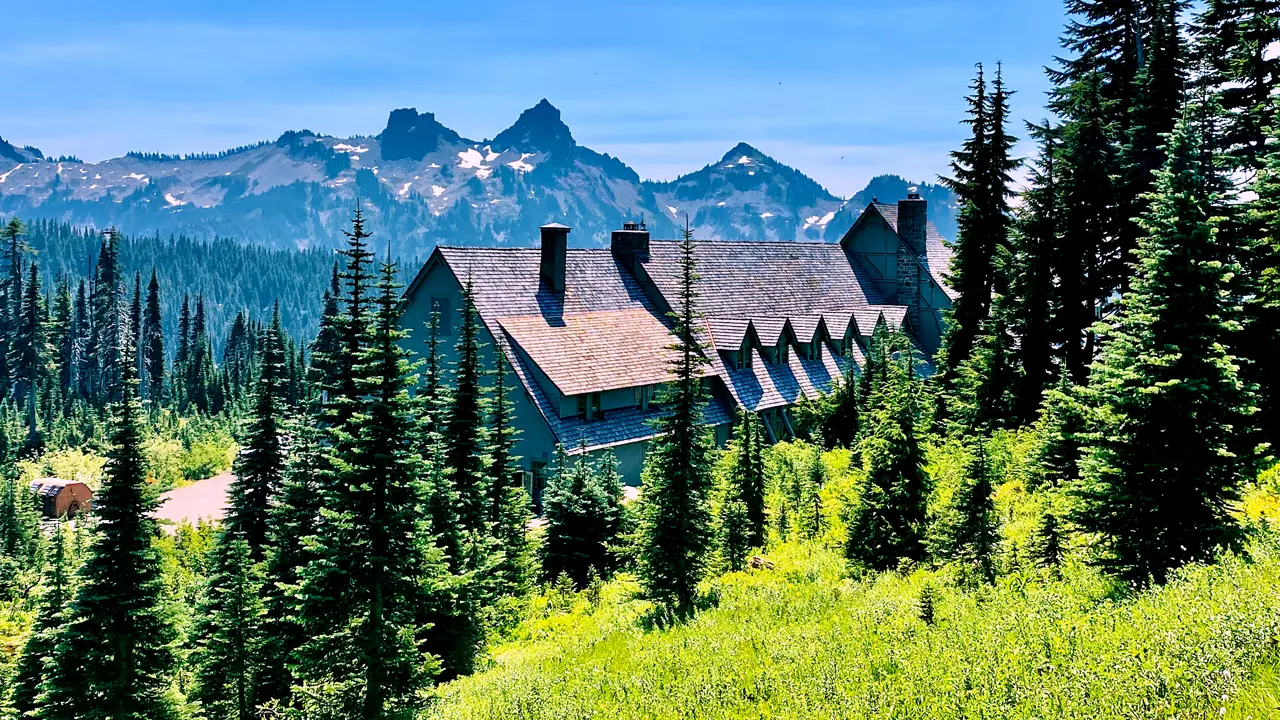
There was a line of cars parked outside of the Paradise parking area. We had to circle around but Gary finally got a parking spot in the lot. We channeled our lucky charm (our friend Mary) to get a spot. Mary always has good luck finding parking! We saw historic Paradise Inn. During a year of extreme snow, it can become practically buried. The original Paradise Inn opened in 1917. It was constructed of standing dead timber (yellow cedar) from a fire in 1885, and without a single nail being used in construction. It still stands today with additions being done to the original structure in the 1920s.
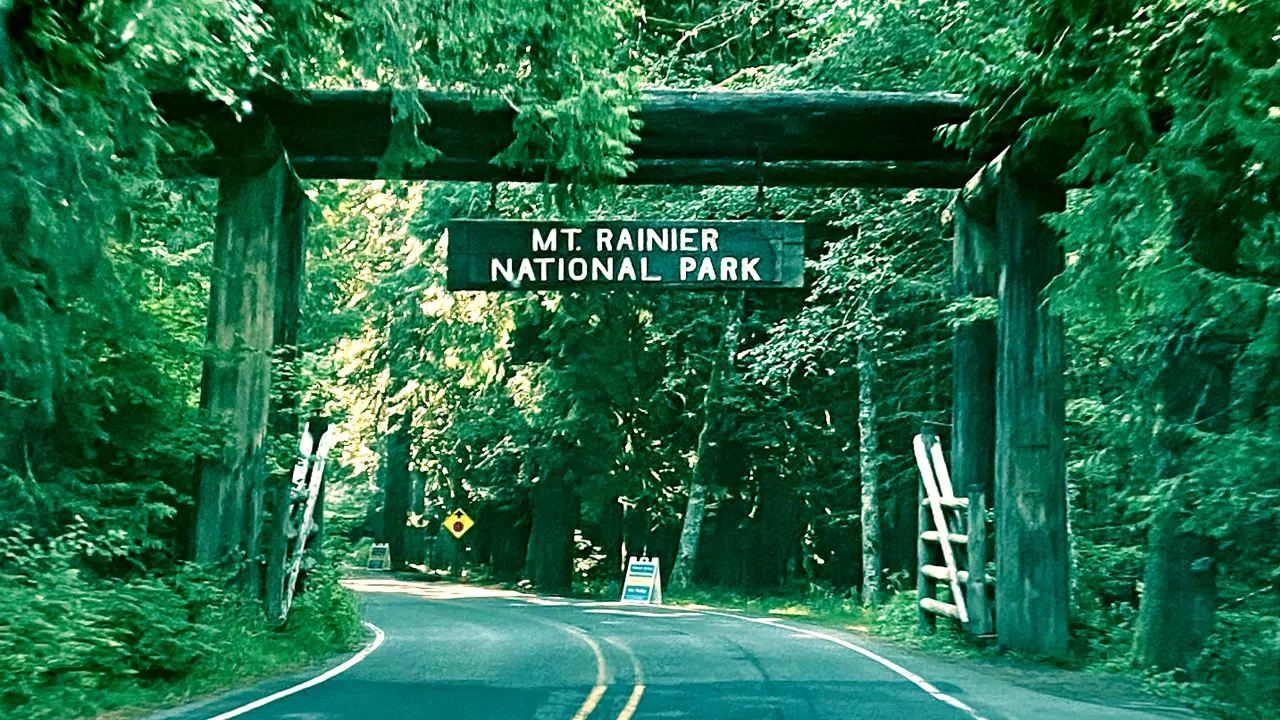 The Nisqually Entrance with the same type of wooden arch at the entrance since 1899.
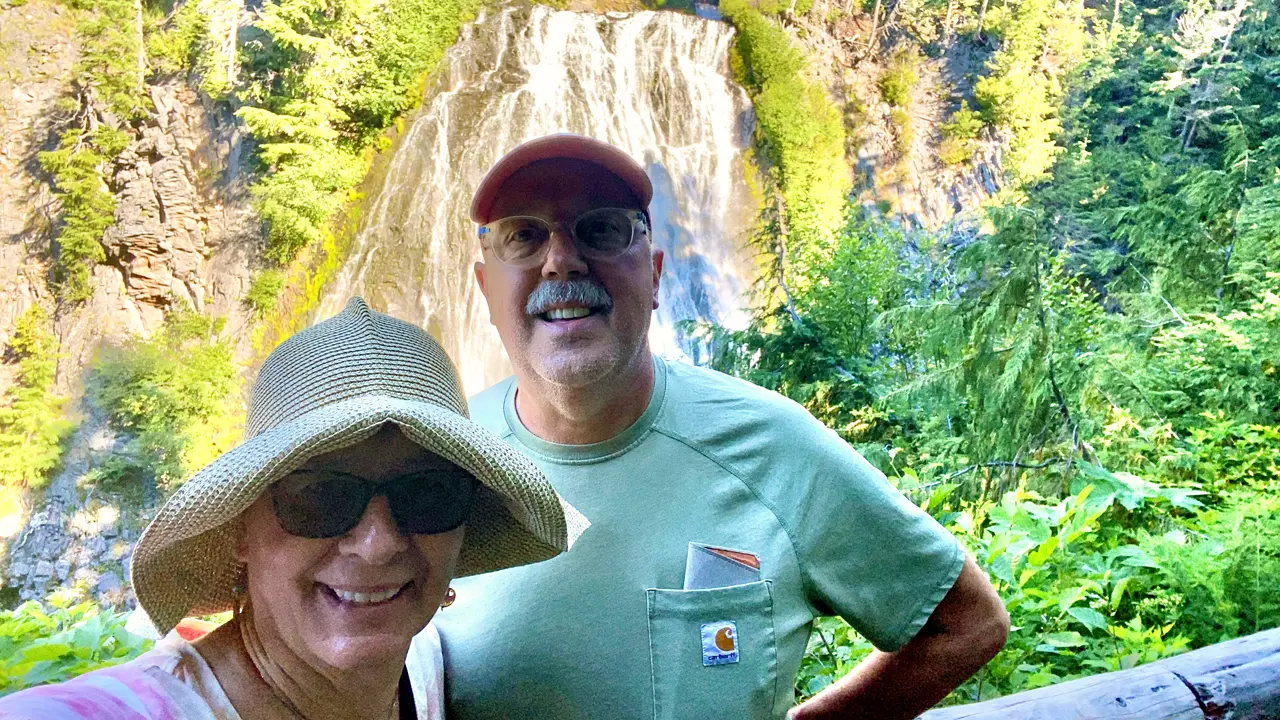
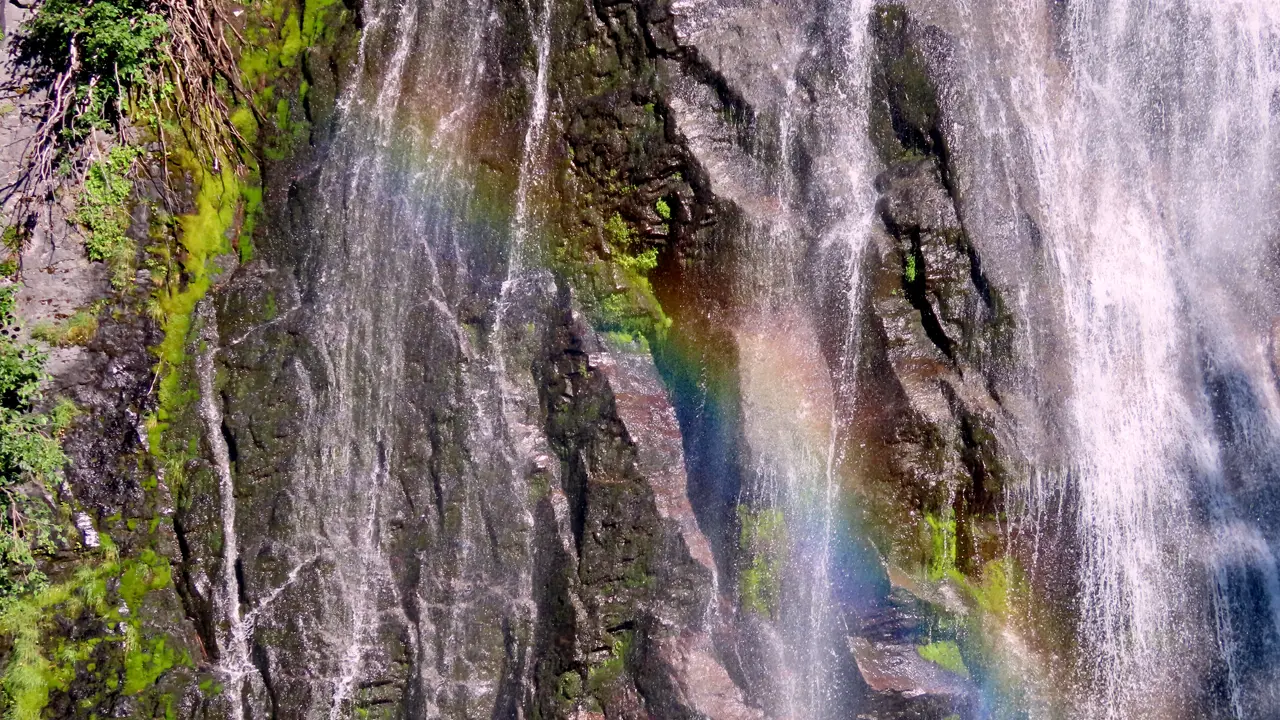
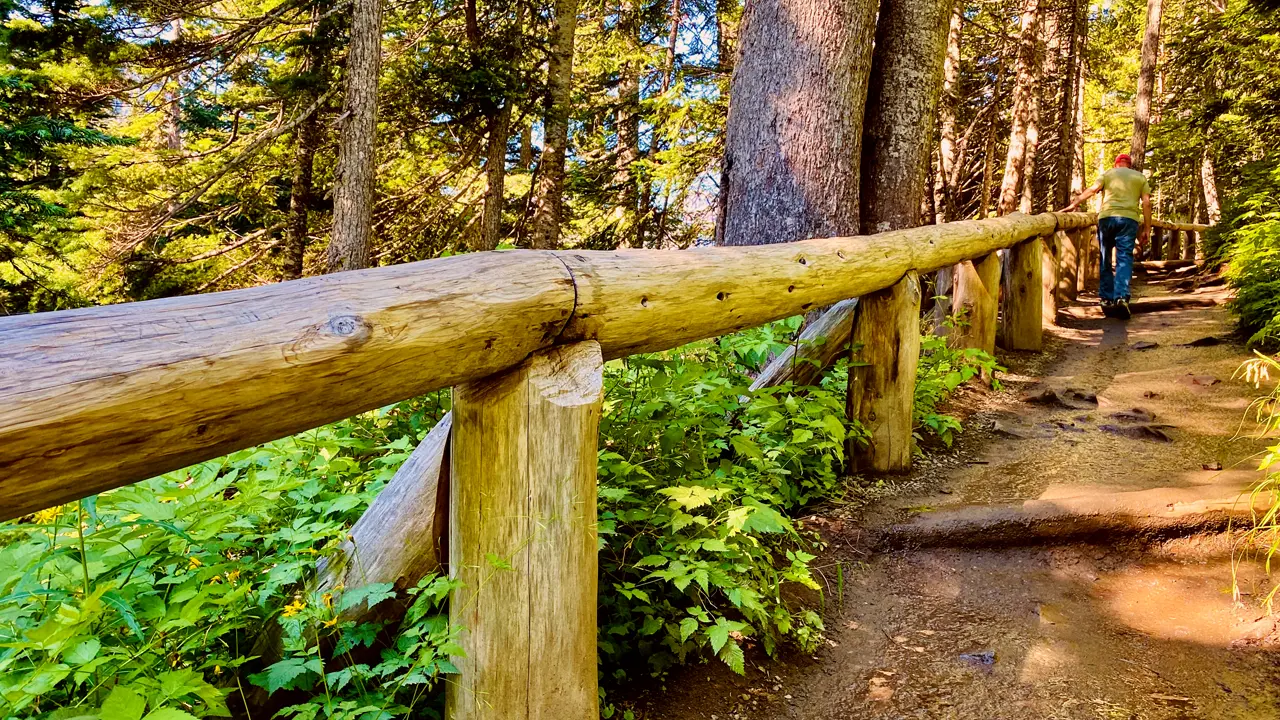
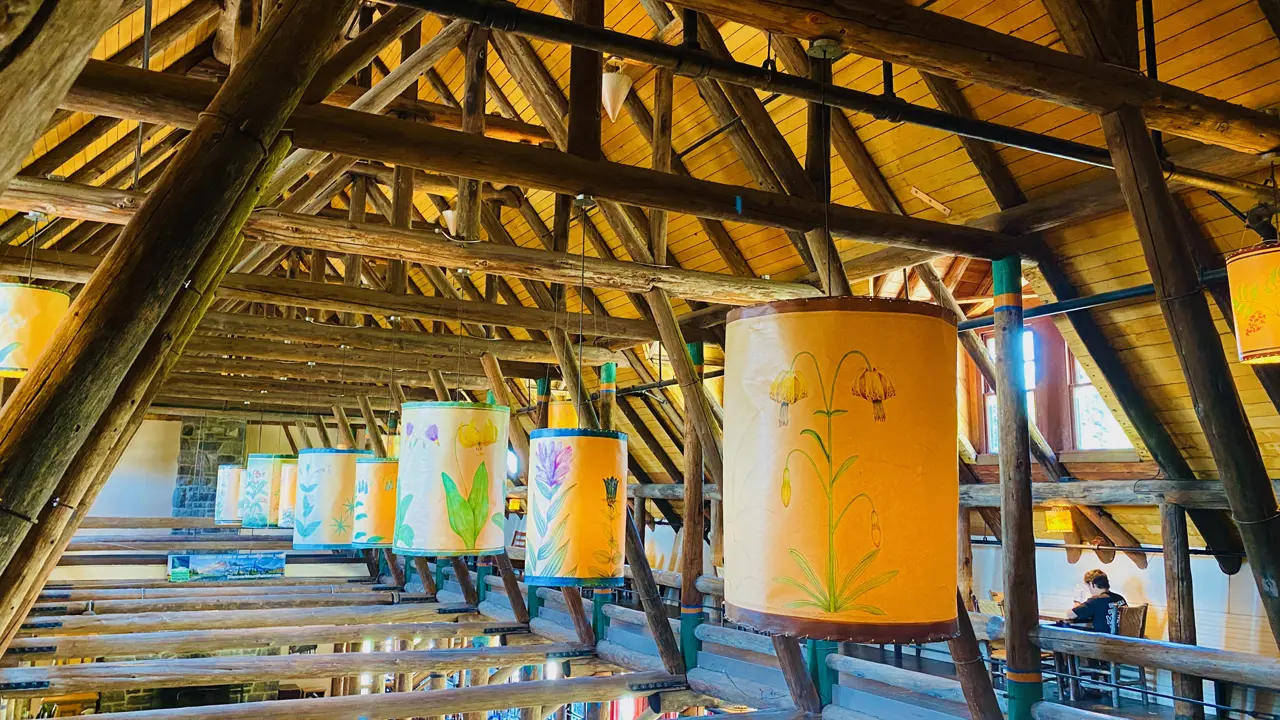
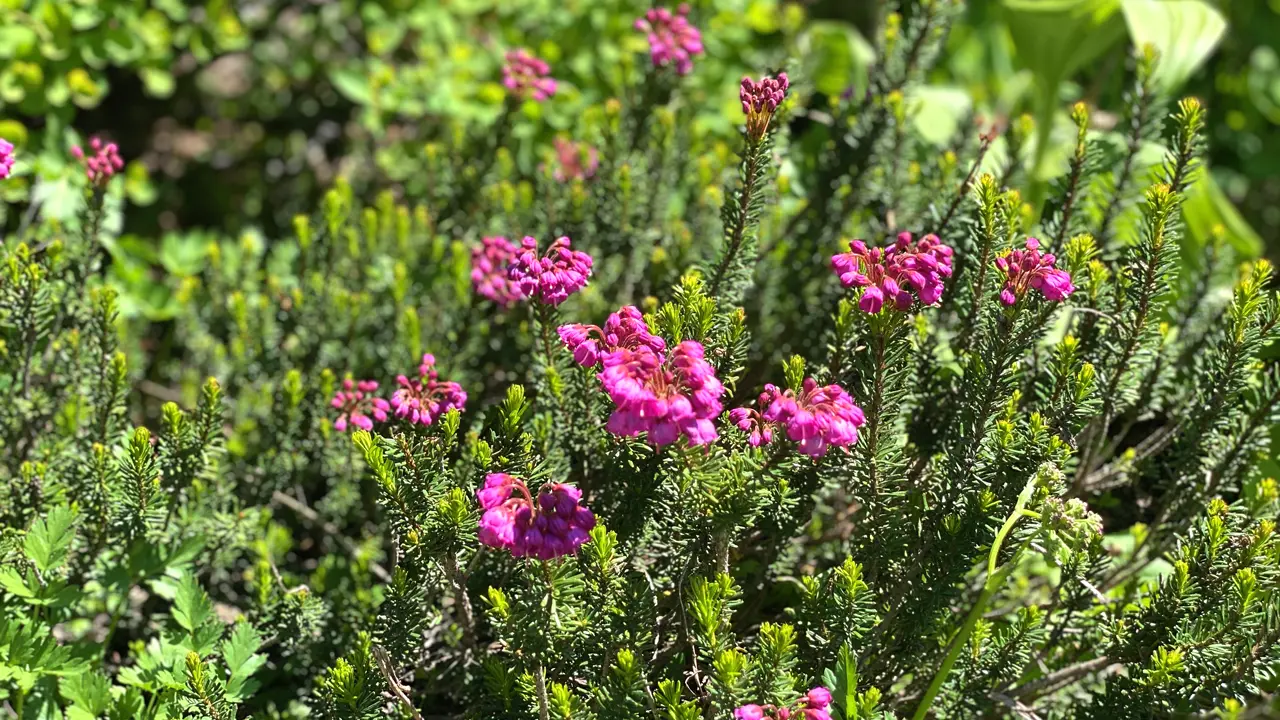
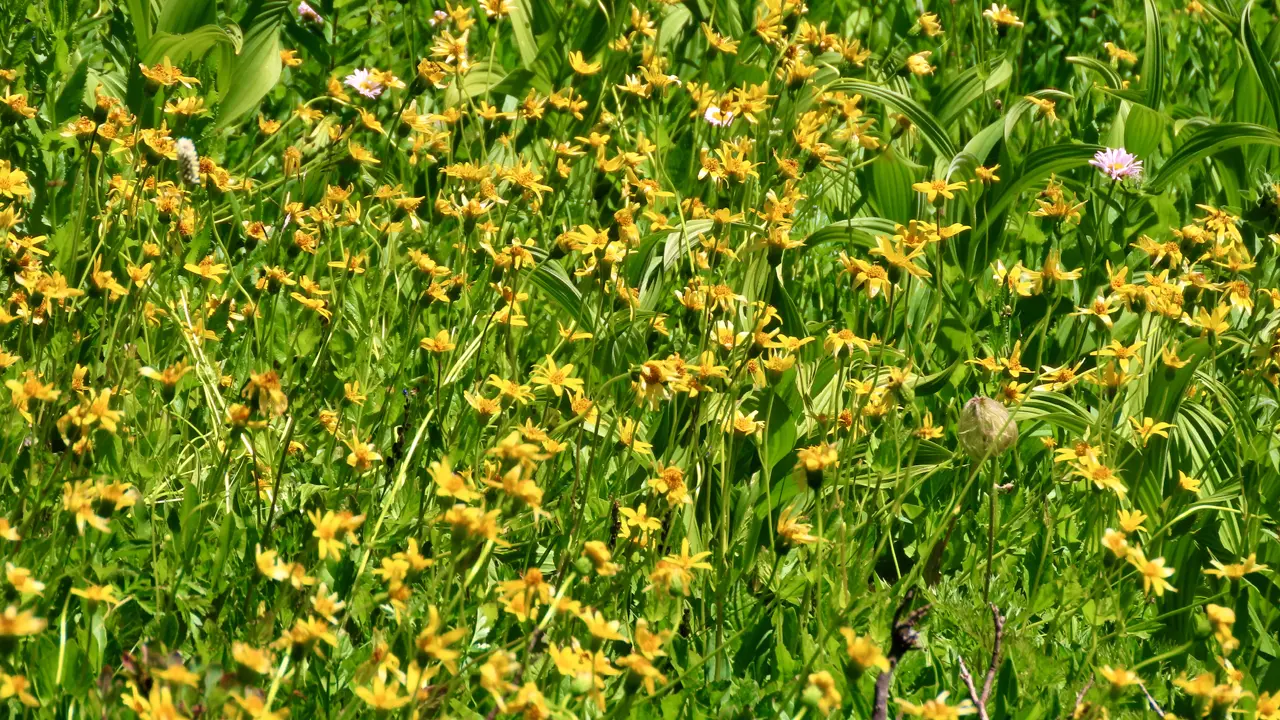
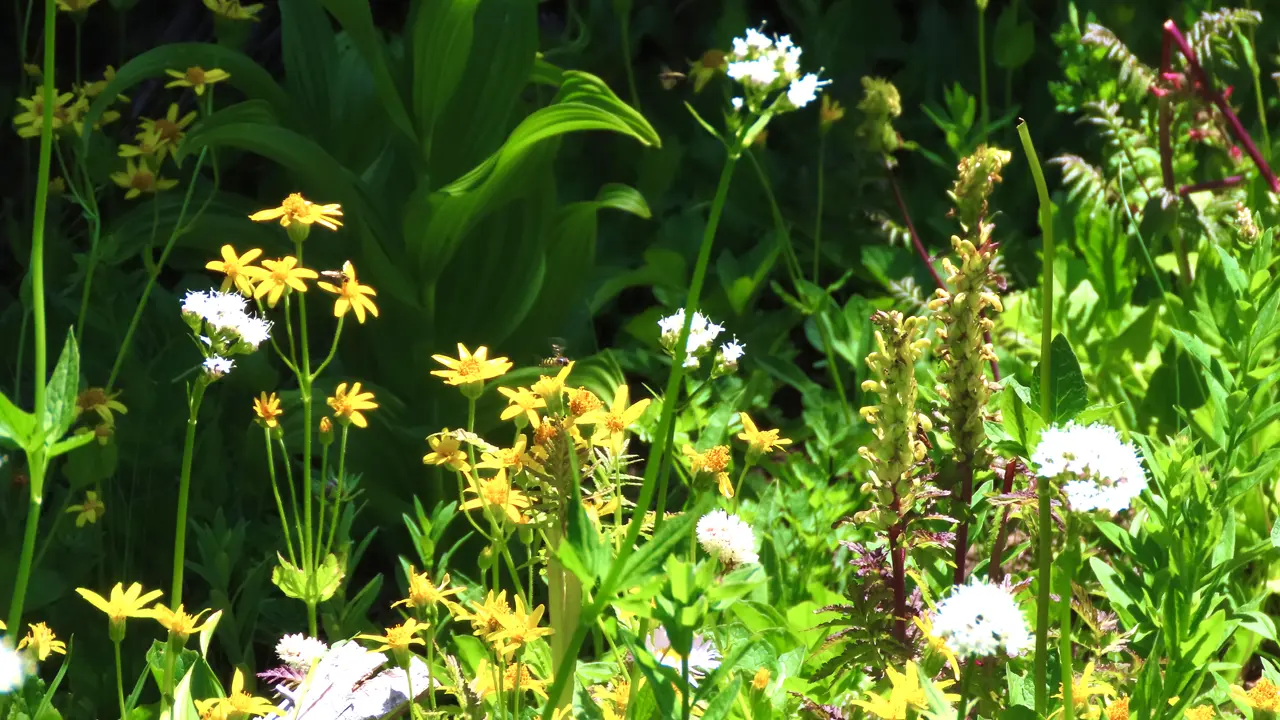
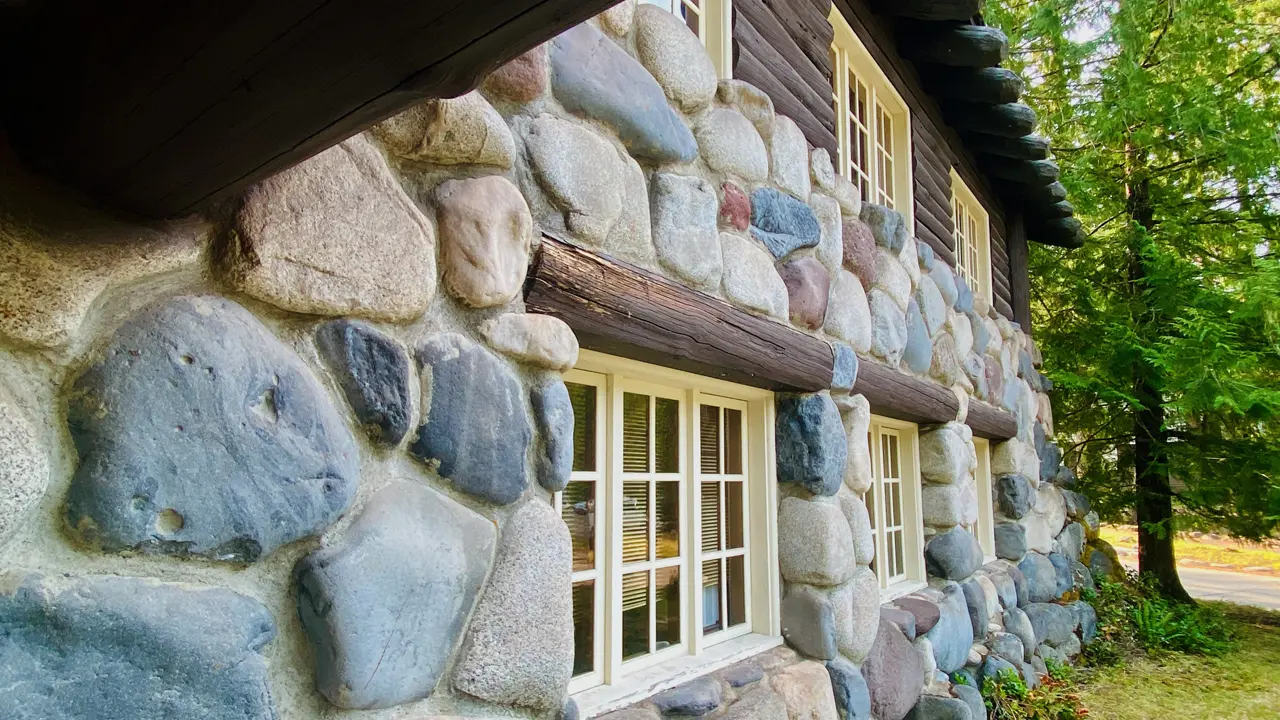
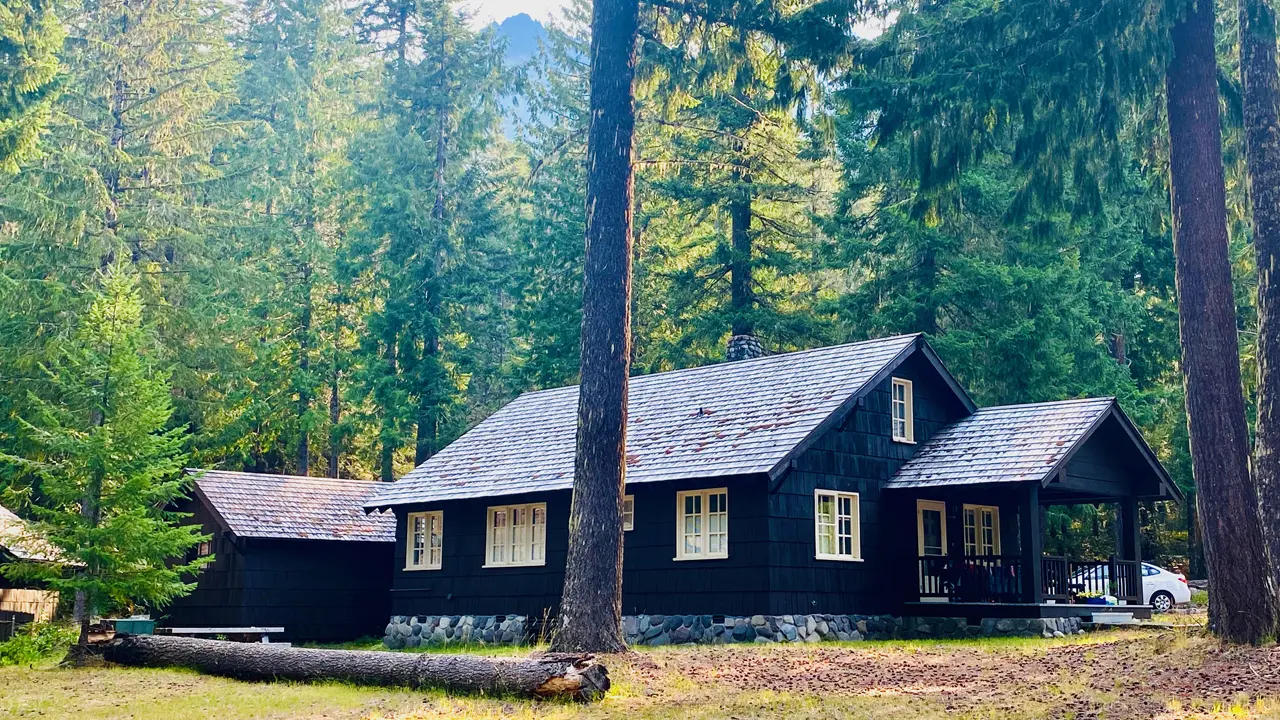
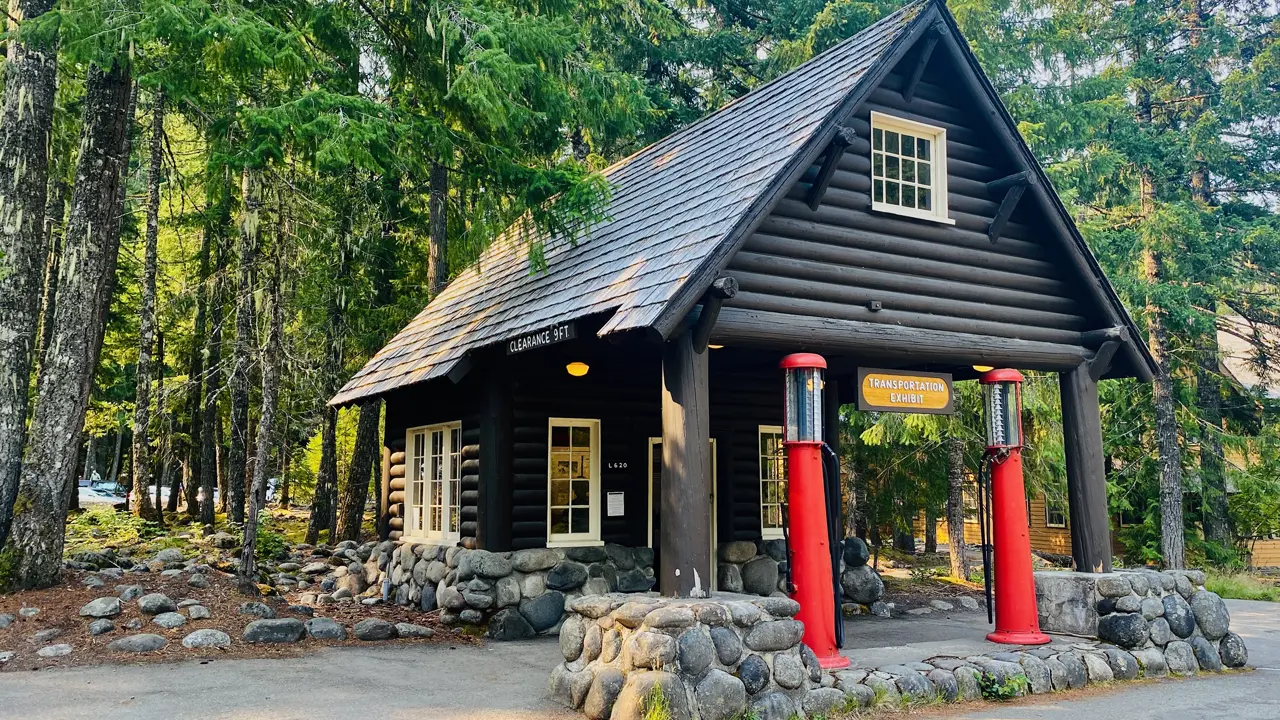
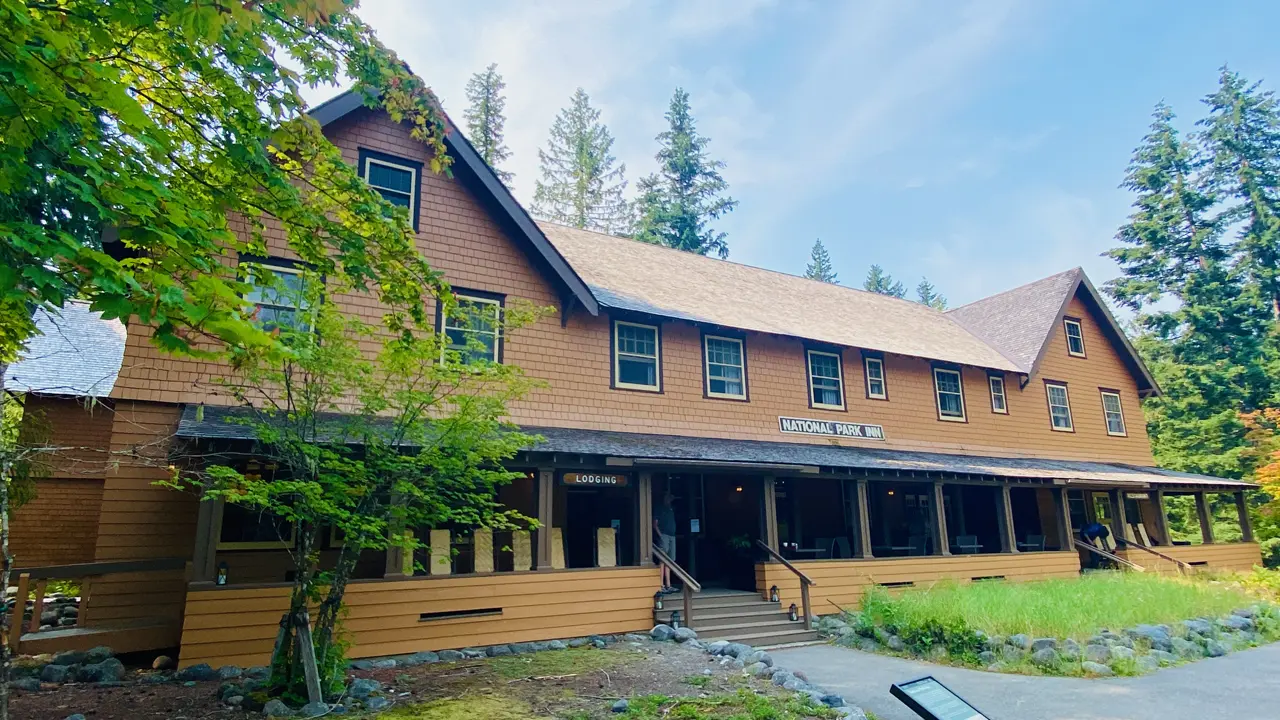
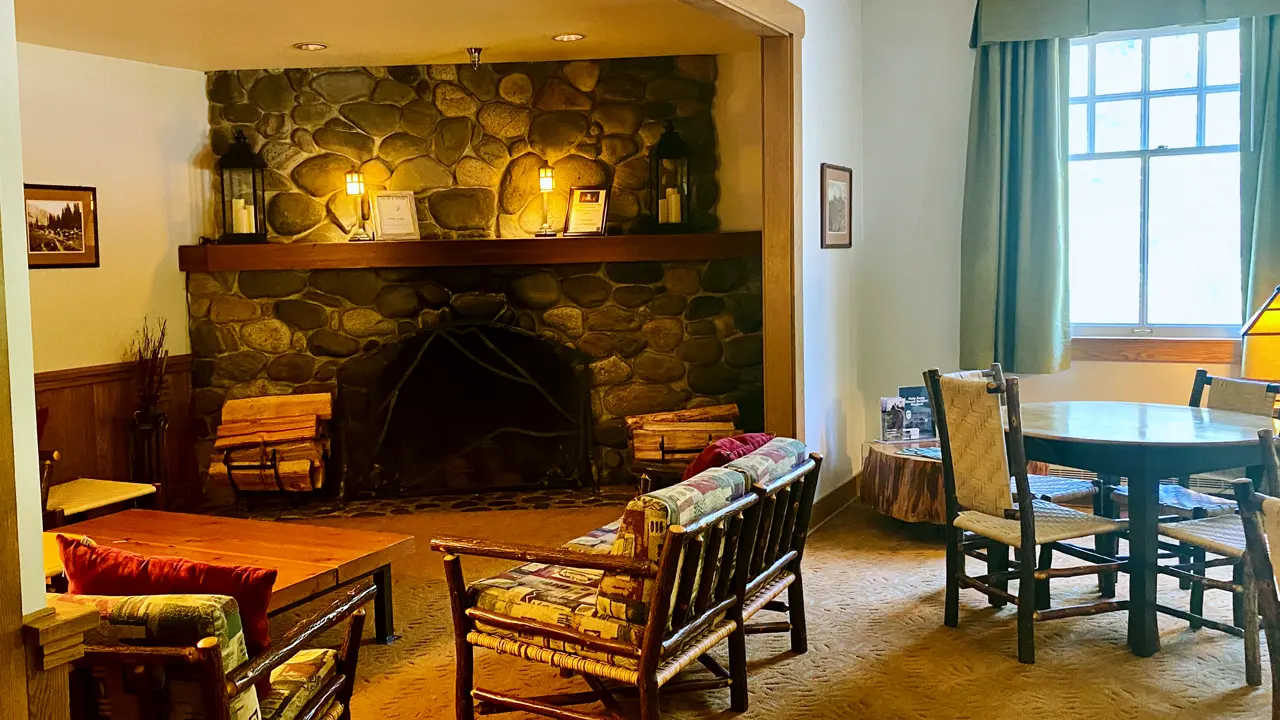
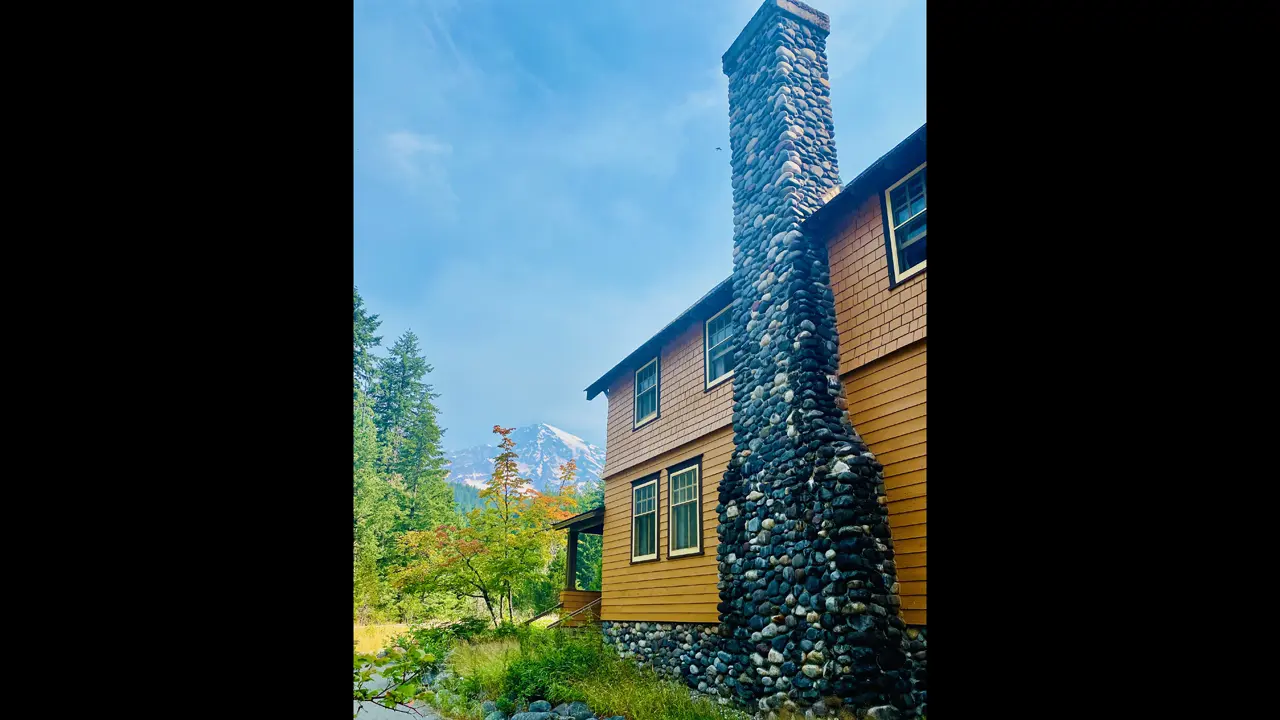
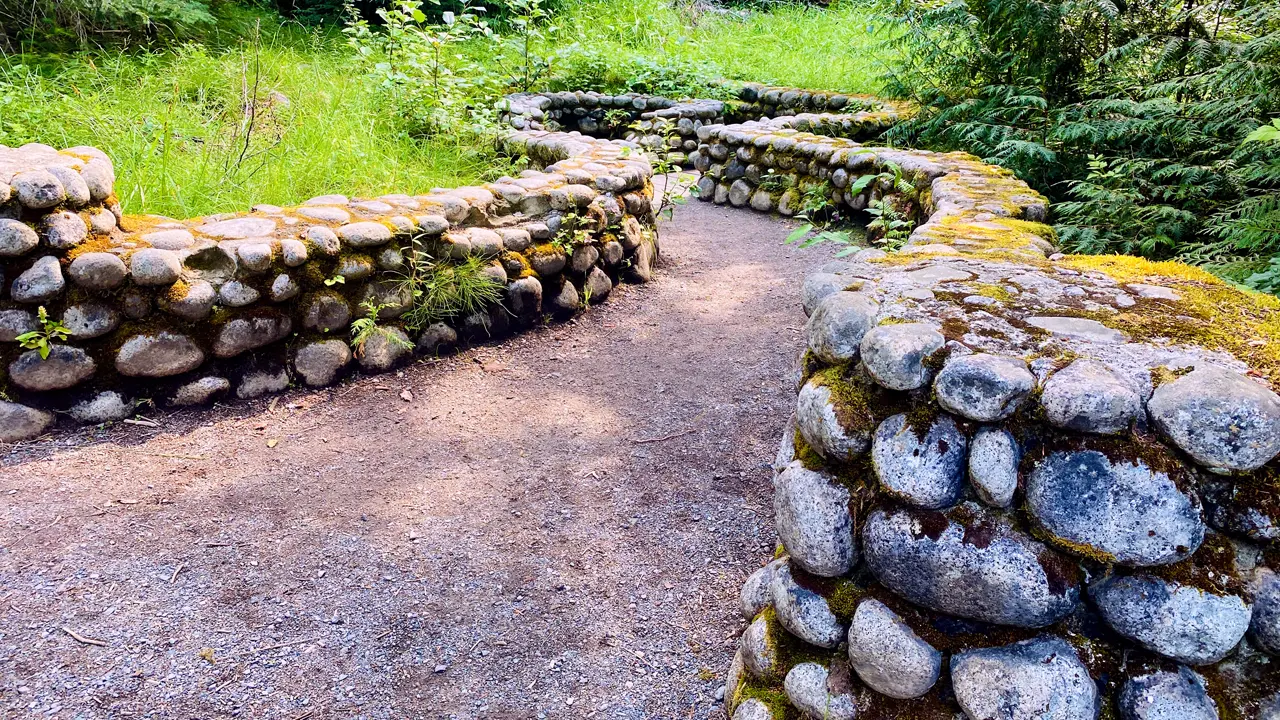
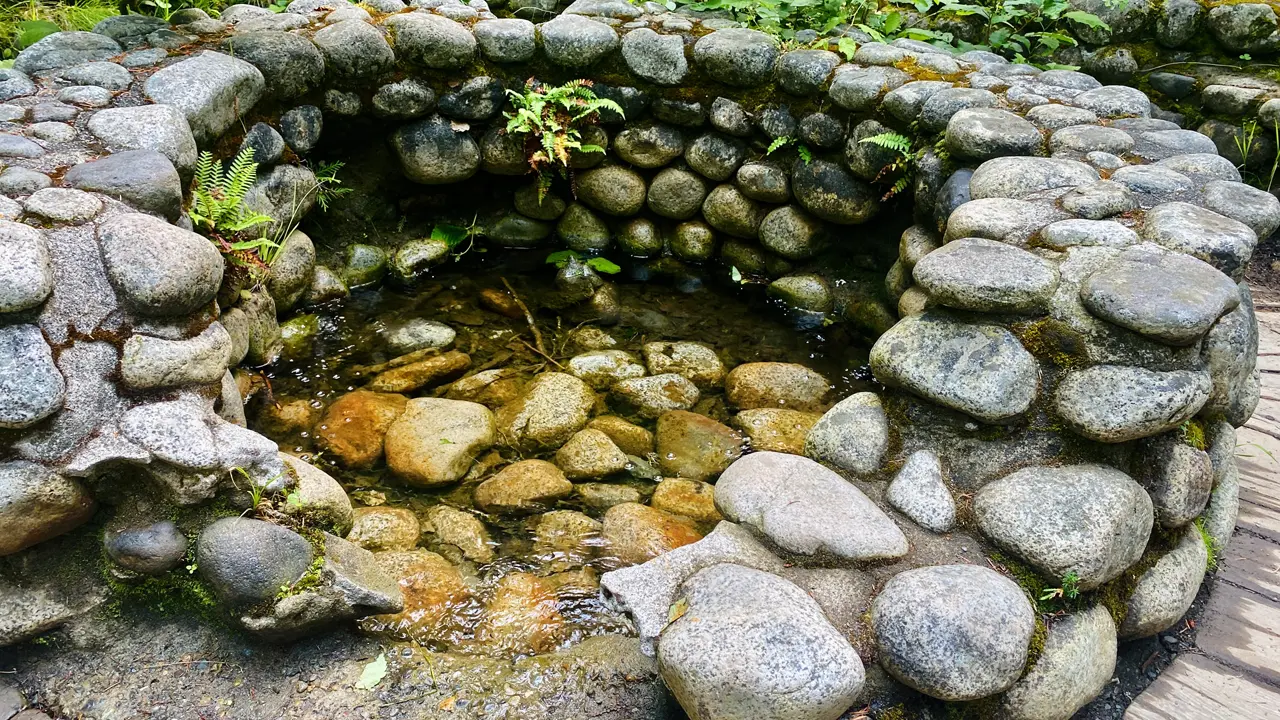
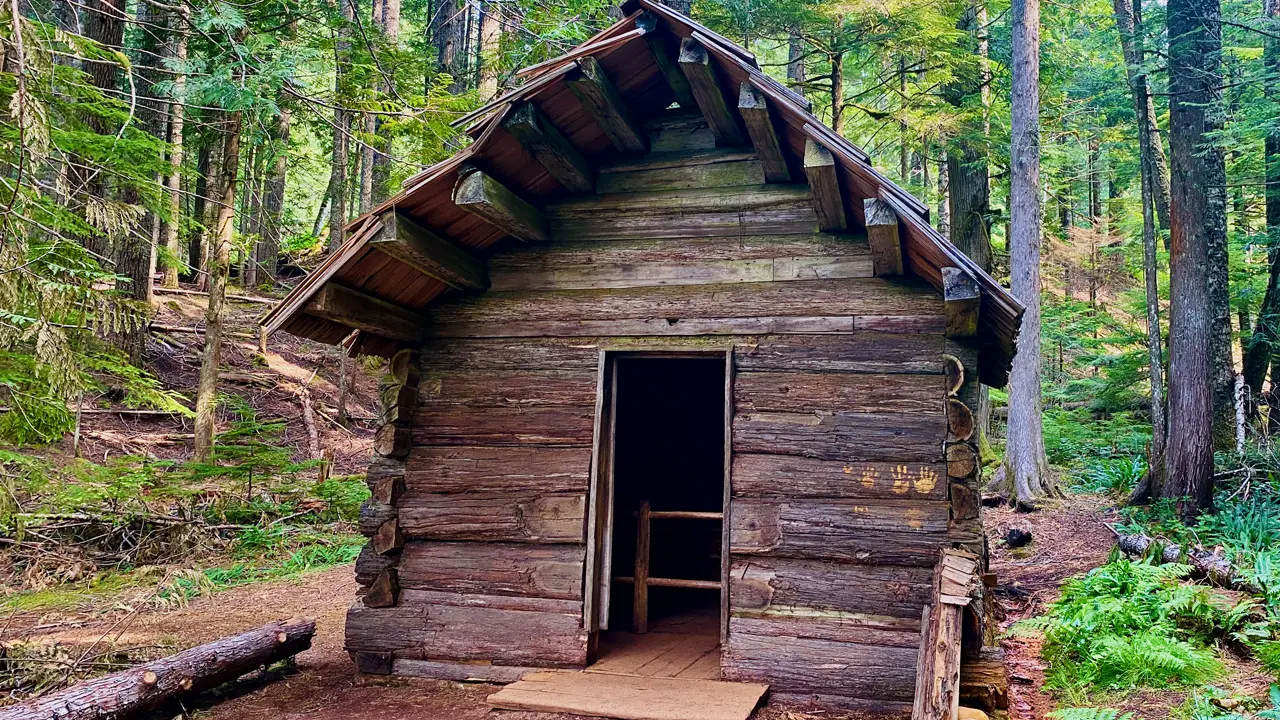
On Friday, Aug. 2nd (2024), we headed back into Mount Rainier to visit the historic Longmire area of the park, named after James Longmire who opened a mineral springs resort here in the 1880s. There are still some remnants of the springs. It’s home to many historic buildings including the Wilderness Information Center (originally an admin building) which was completed in 1928. It’s striking with its glacial boulders and thick cedar logs. Many of the buildings are considered “Rustic Architecture,” the style became popular in the early 1900s when local stone and timber were used to have buildings blend into their environment. There was even the Longmire Service Station constructed in 1929 and still intact, which is now a museum. The National Park Inn, built in 1917, is still housing guests today.
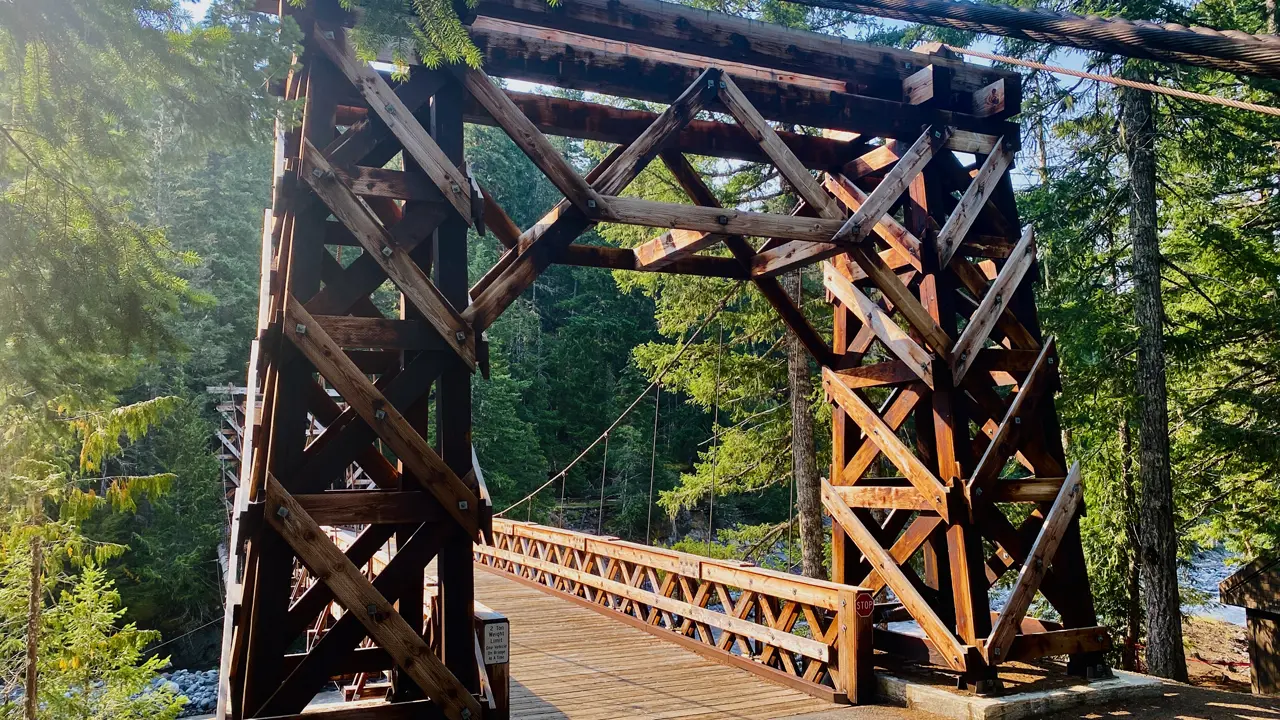
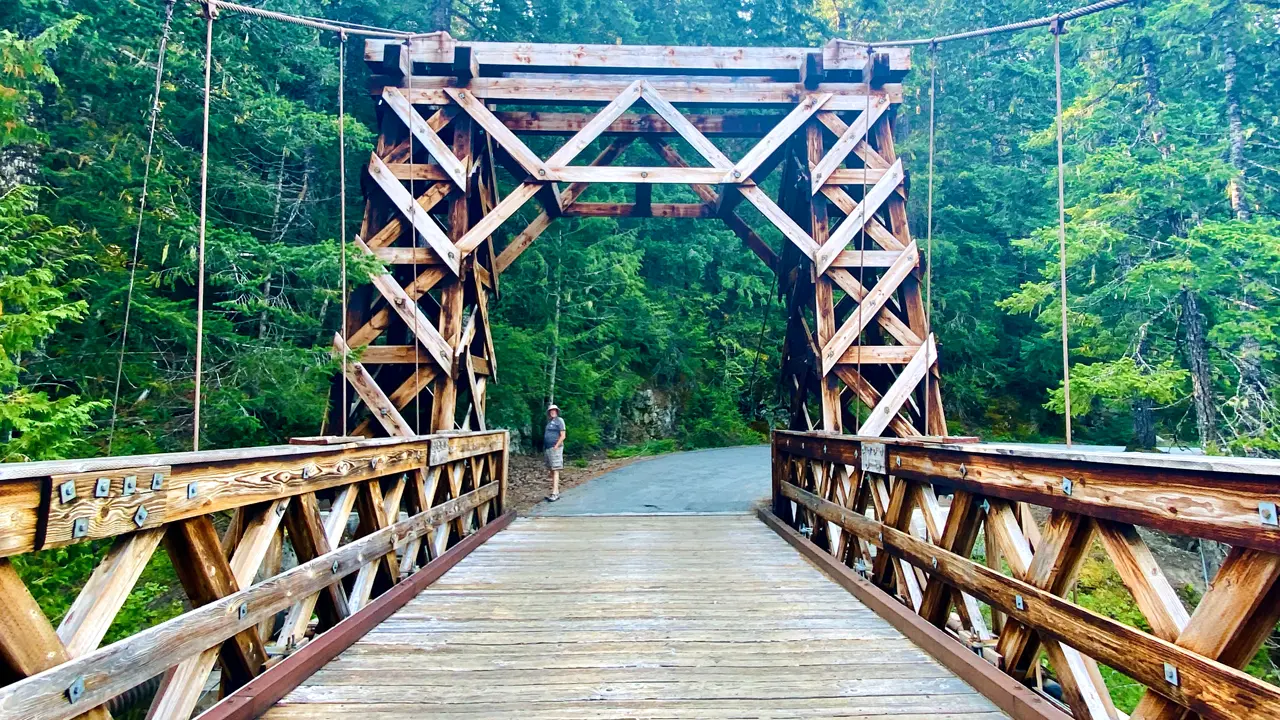
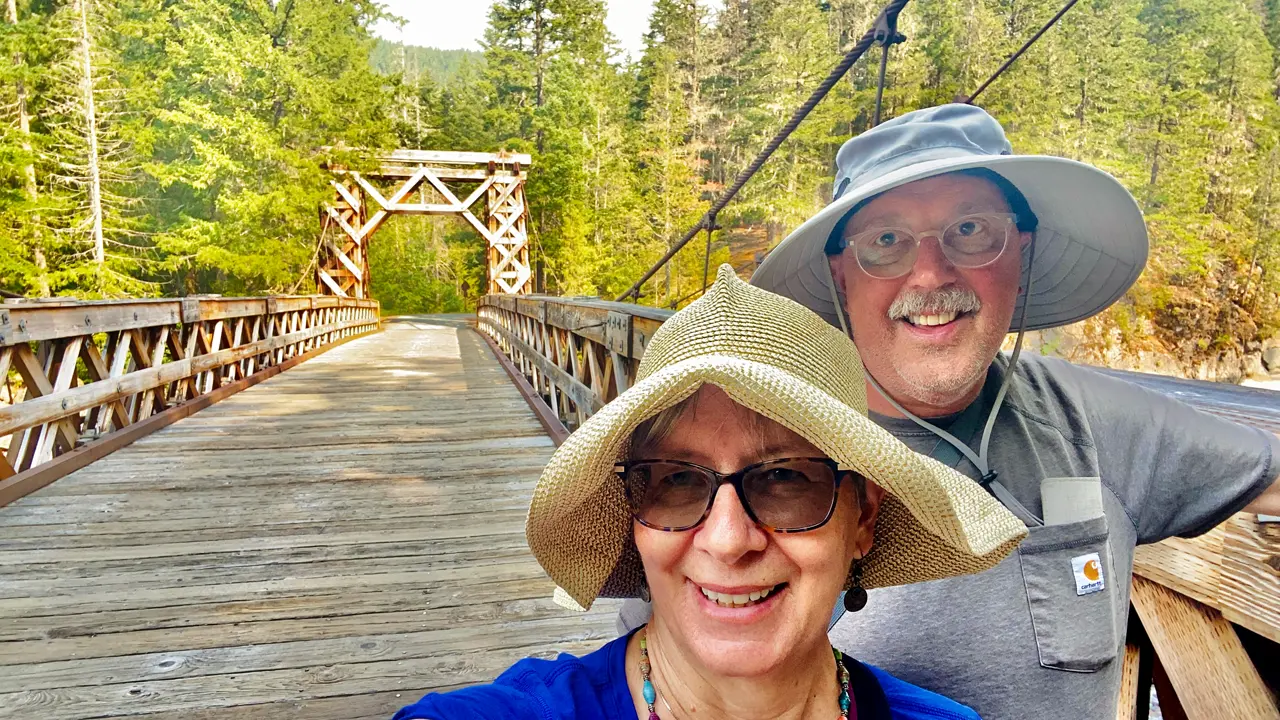
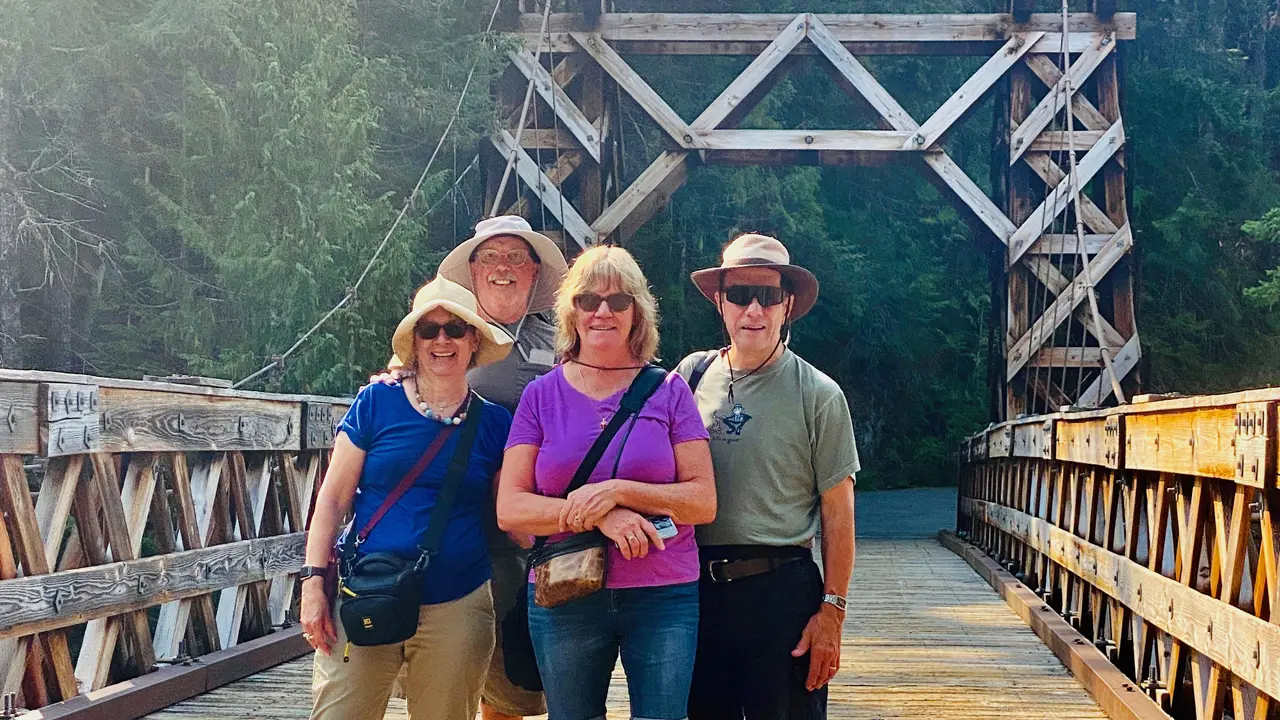
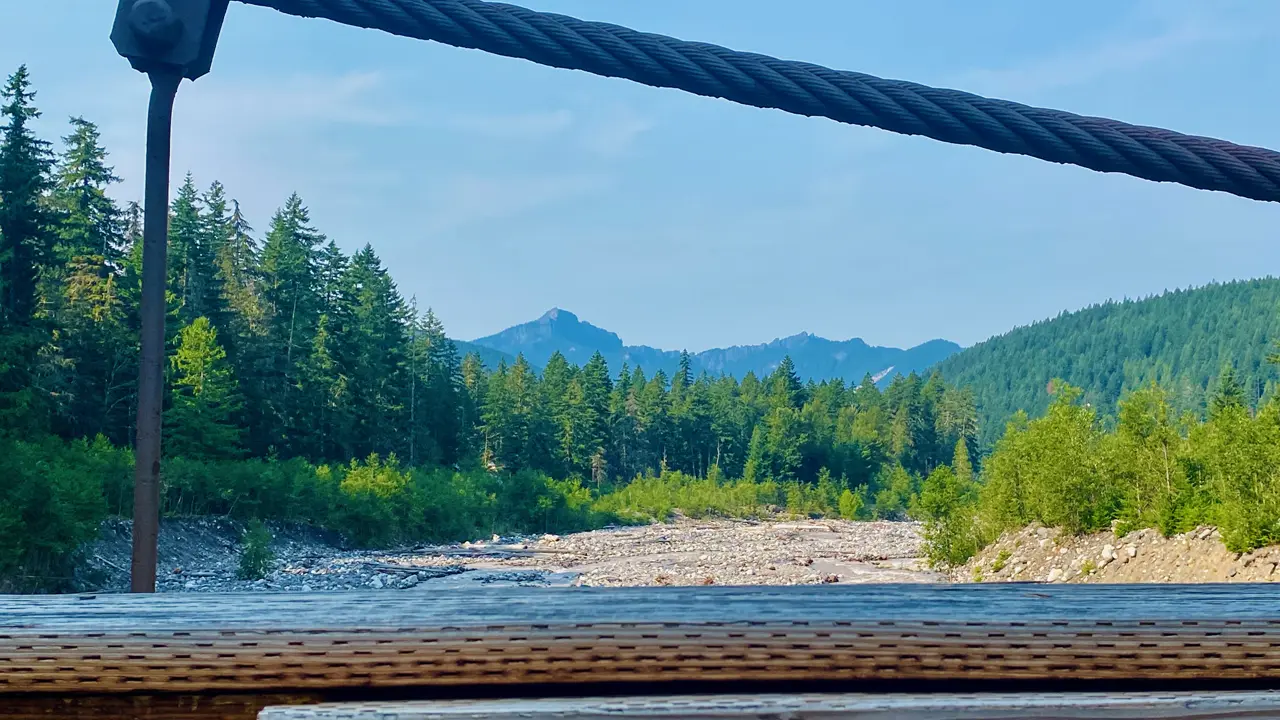
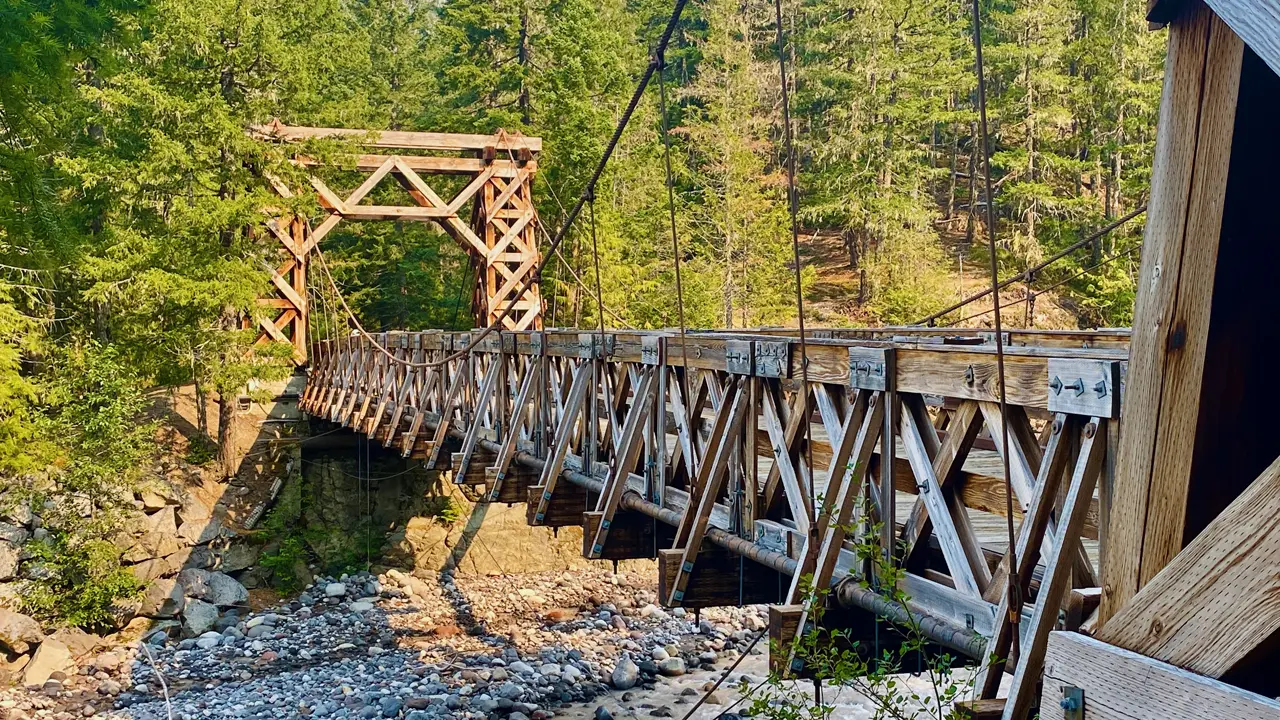
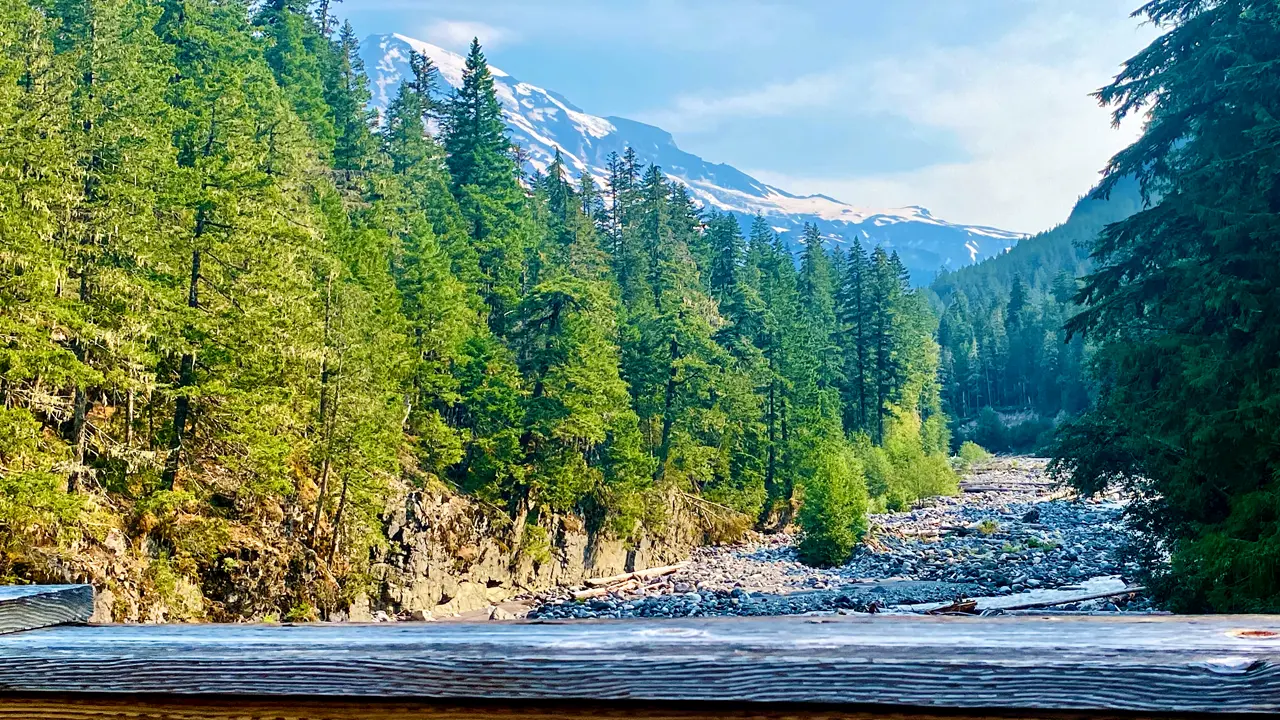
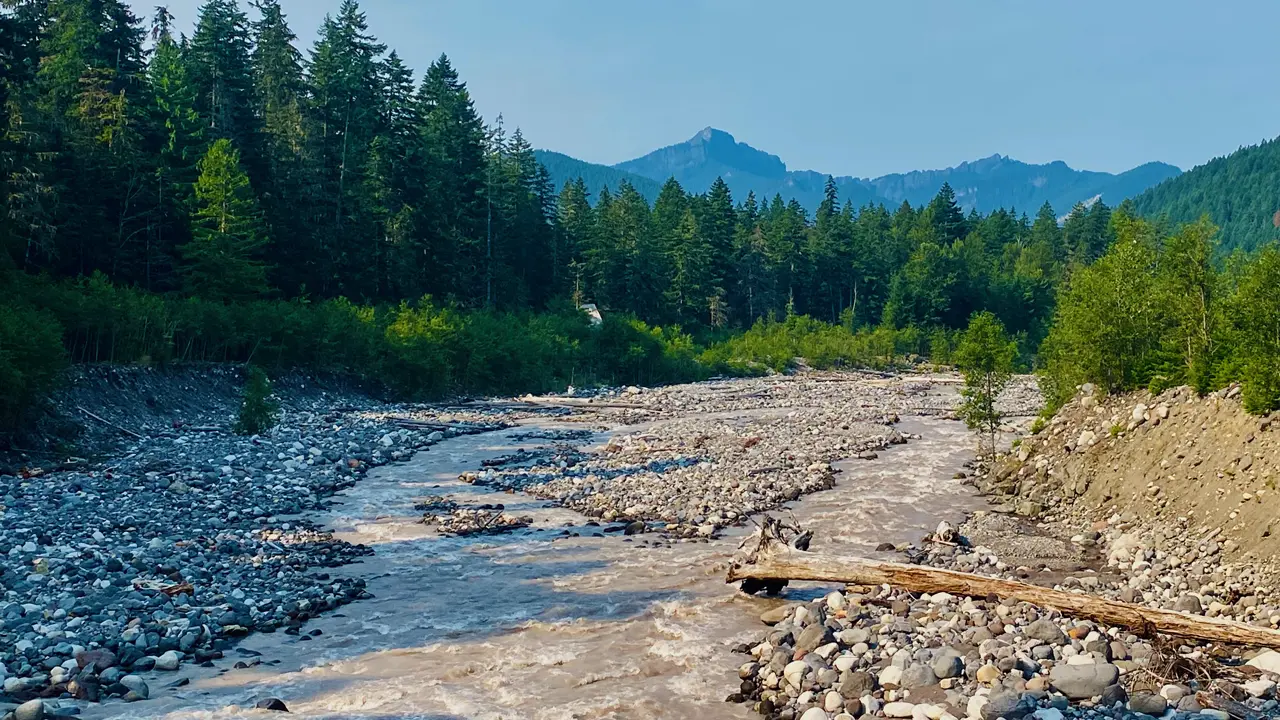
The Nisqually Suspension Bridge is also located in this historic Longmire area. It was built in 1923-24 to reach a planned automobile campground on the south side of the Nisqually River. It was primarily constructed of timber with steel cable supports, designed to blend with the natural, rustic environment. It was reconstructed in 1952, making it the only remaining timber-frame vehicle suspension bridge designed by the National Park Service. We walked across it; light vehicles can drive across it although I don’t know if I’d want to, but it is sturdy for sure.
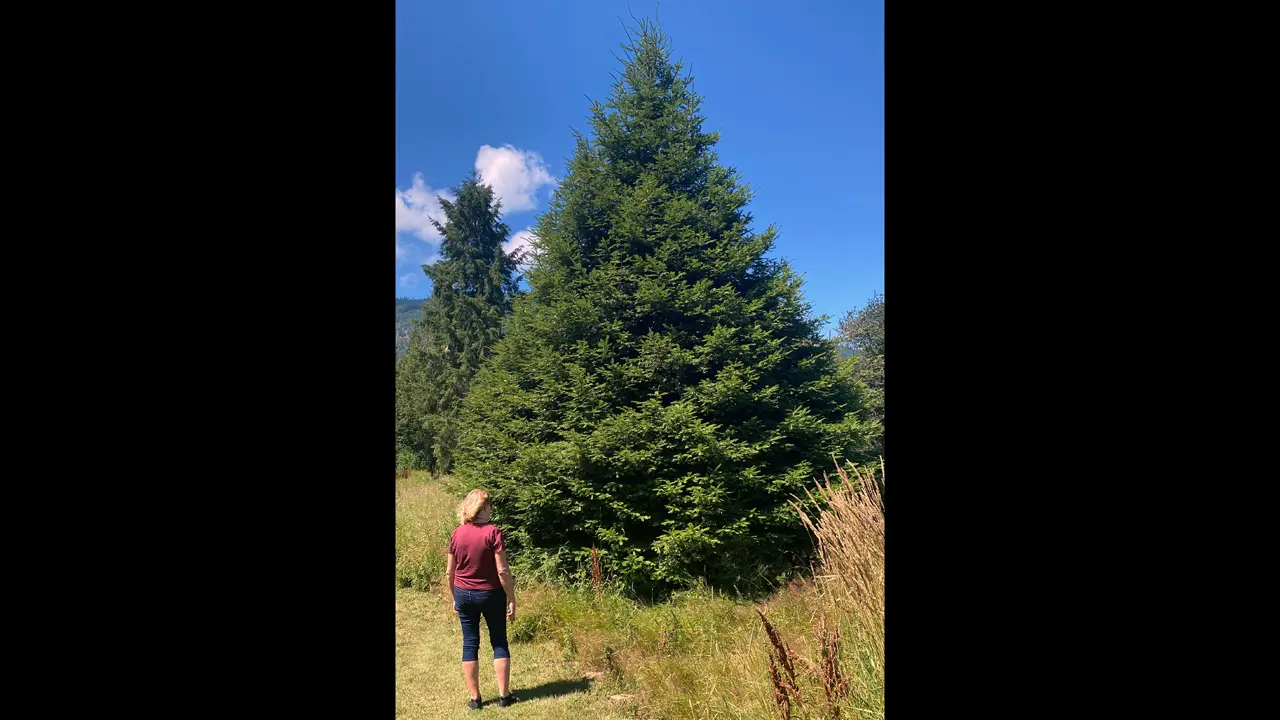
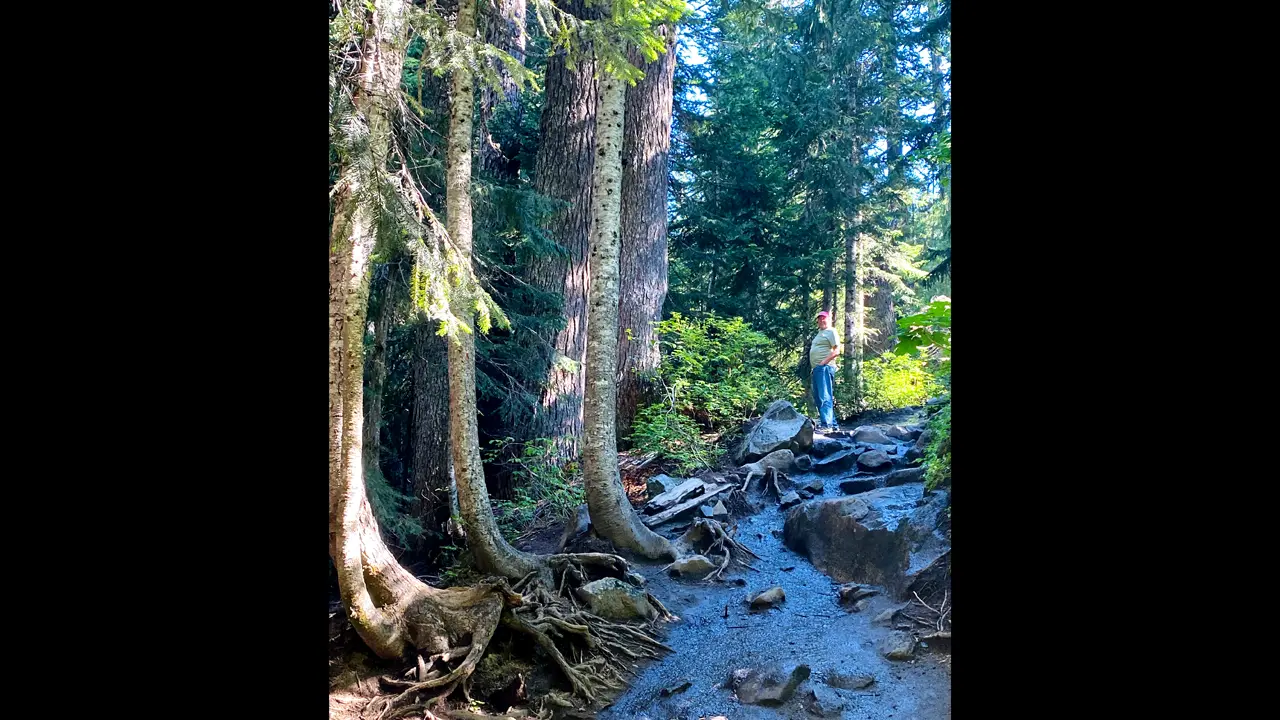
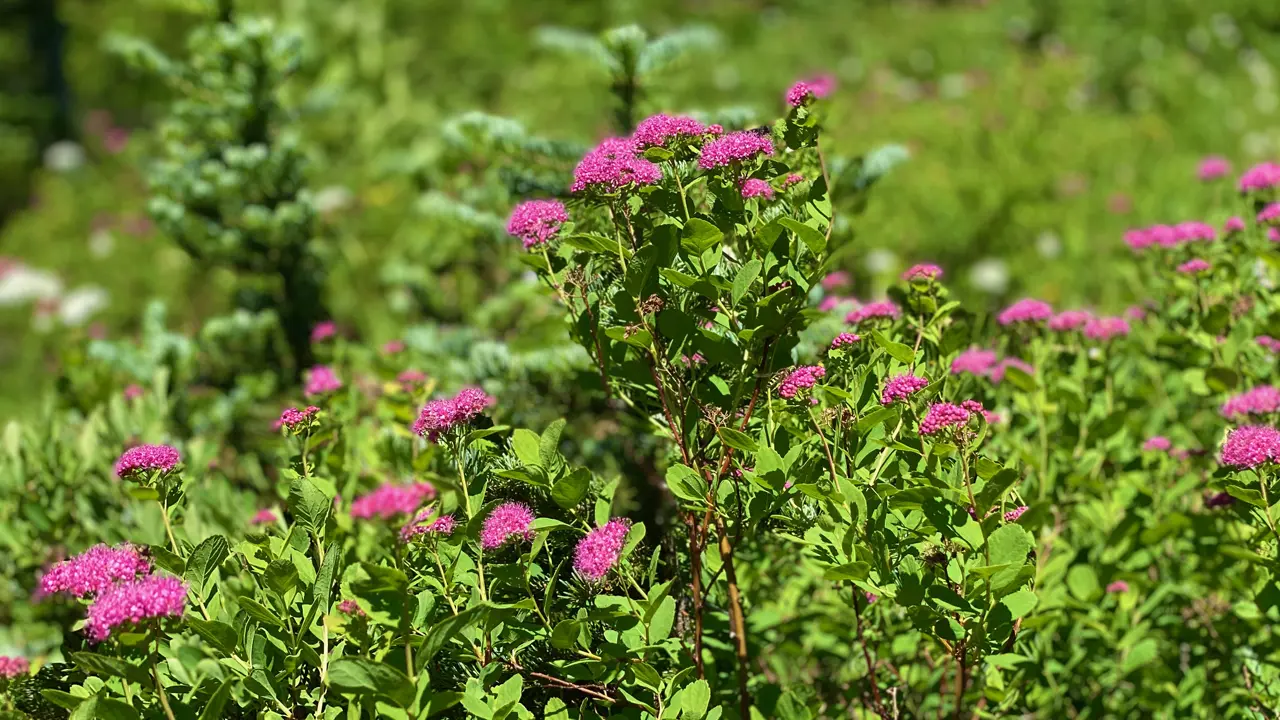
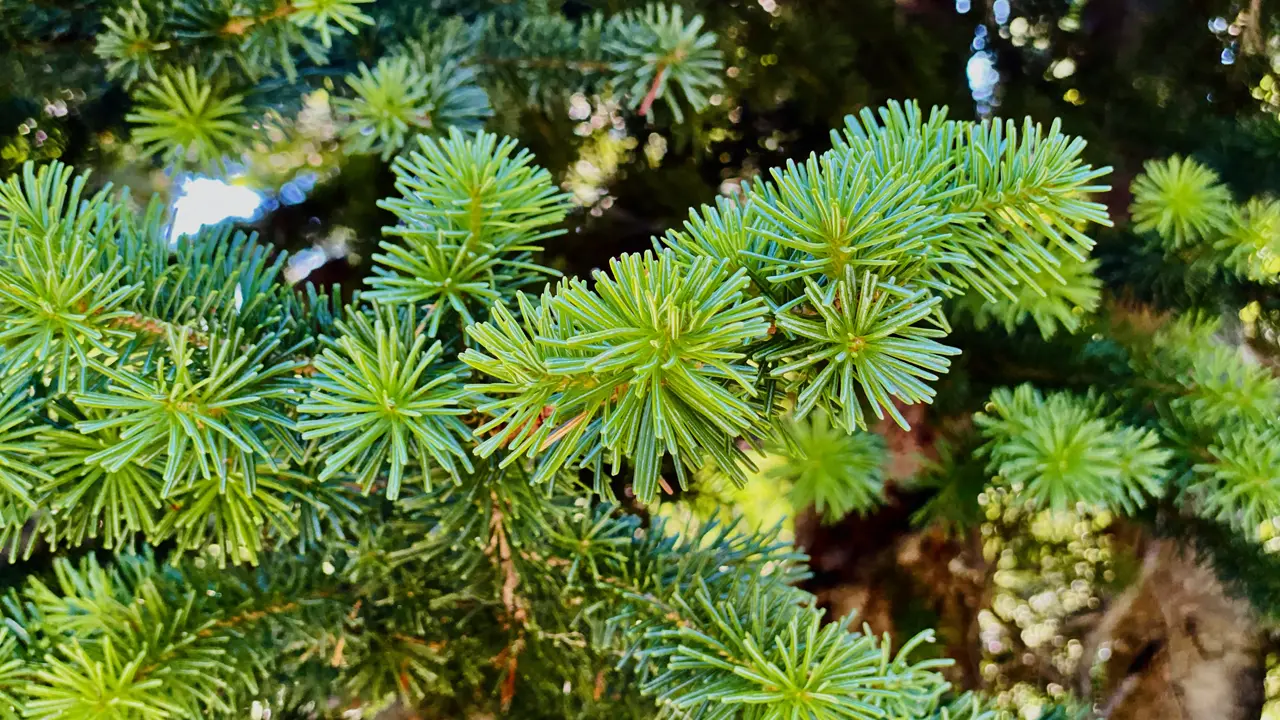
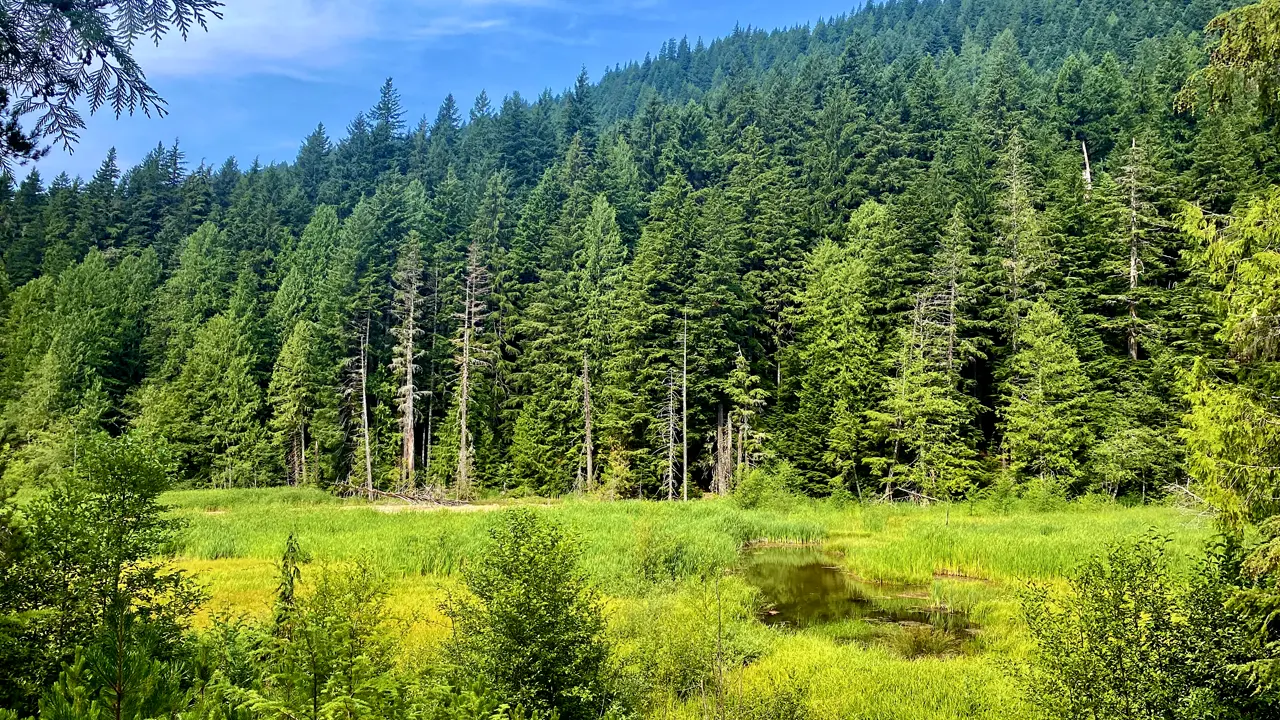
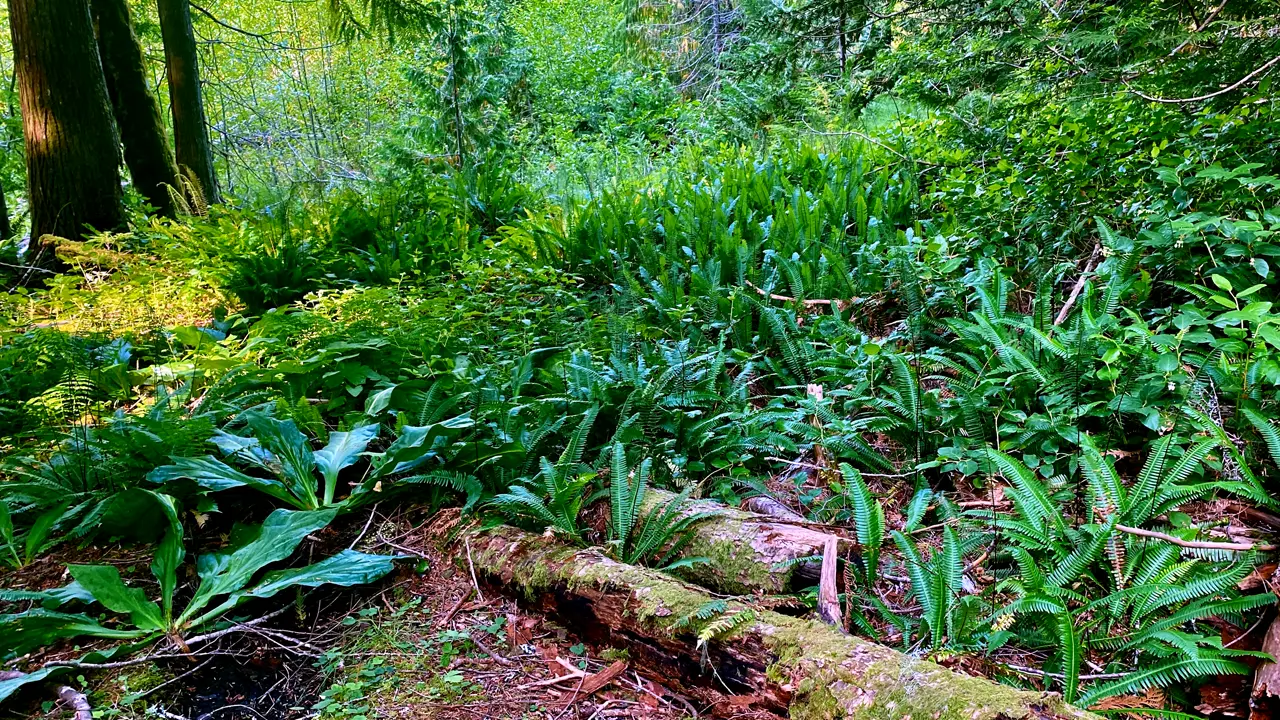
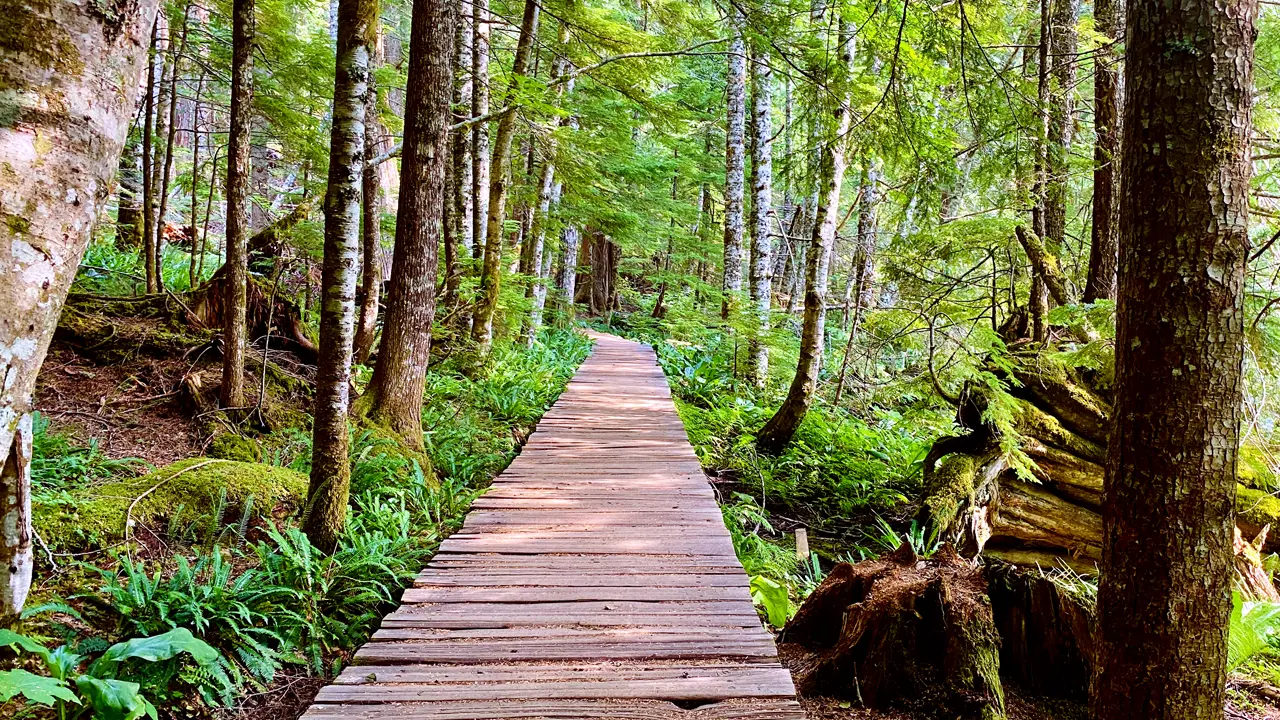
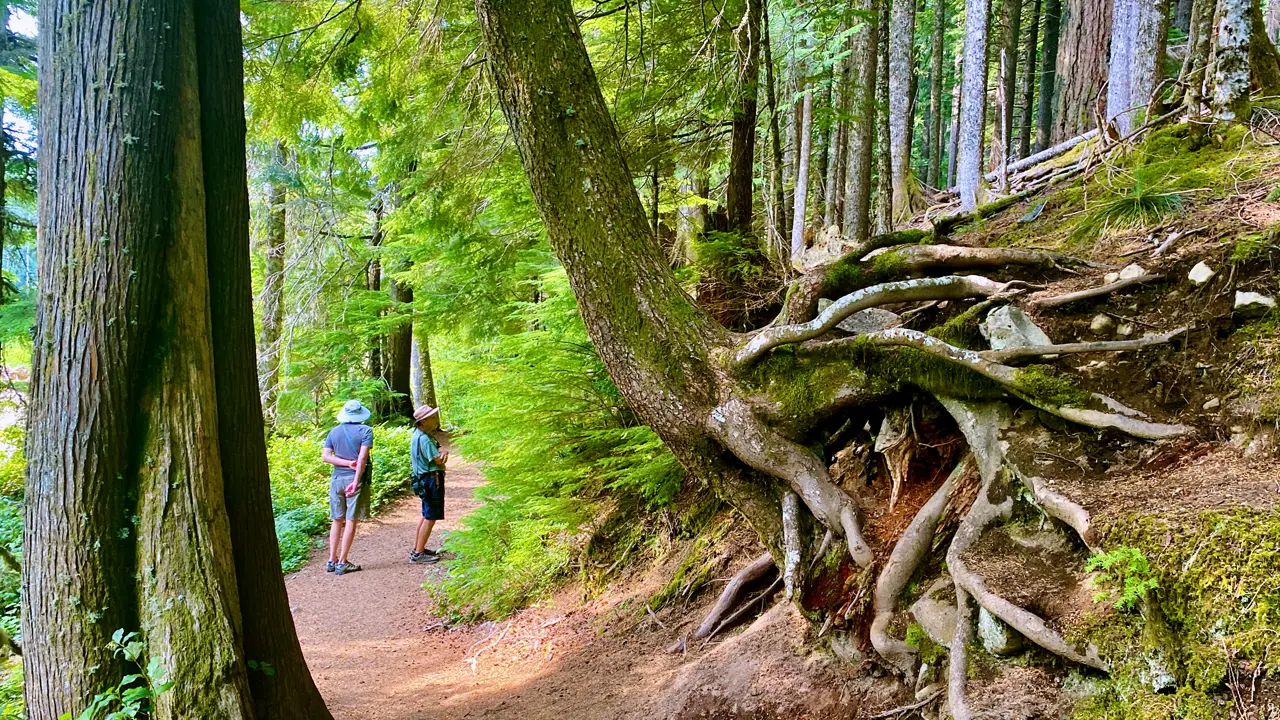
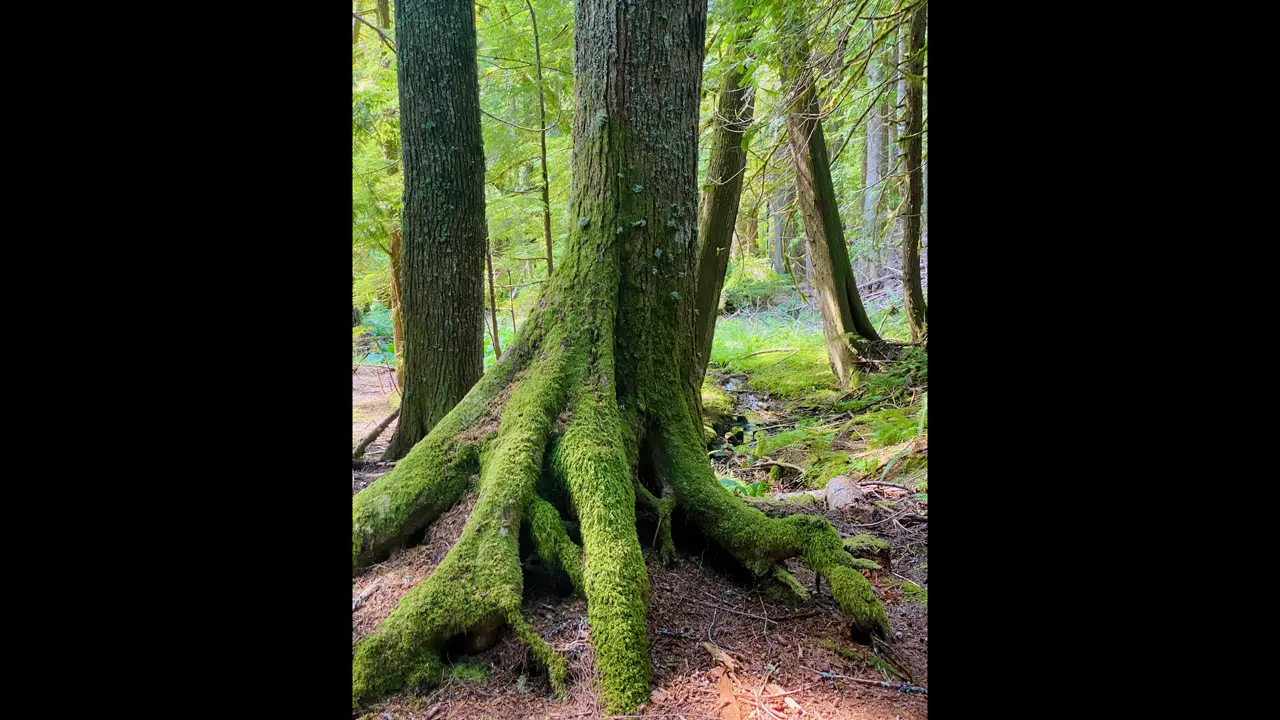
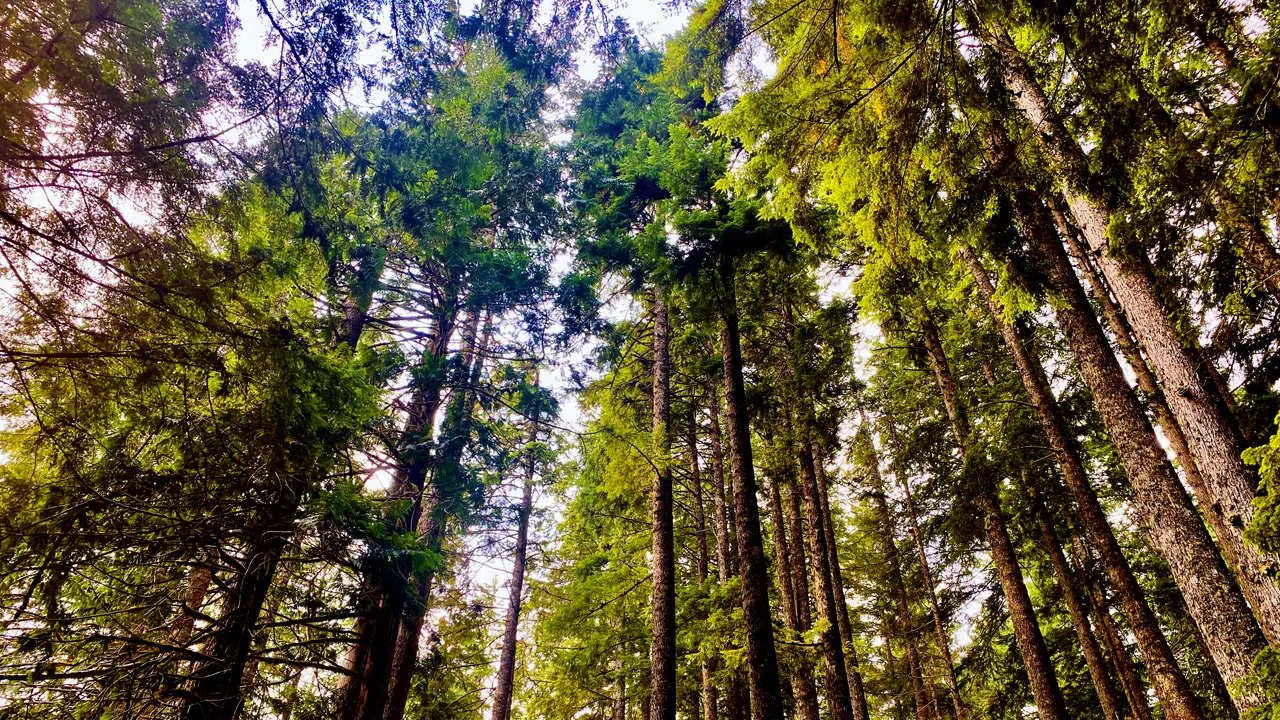
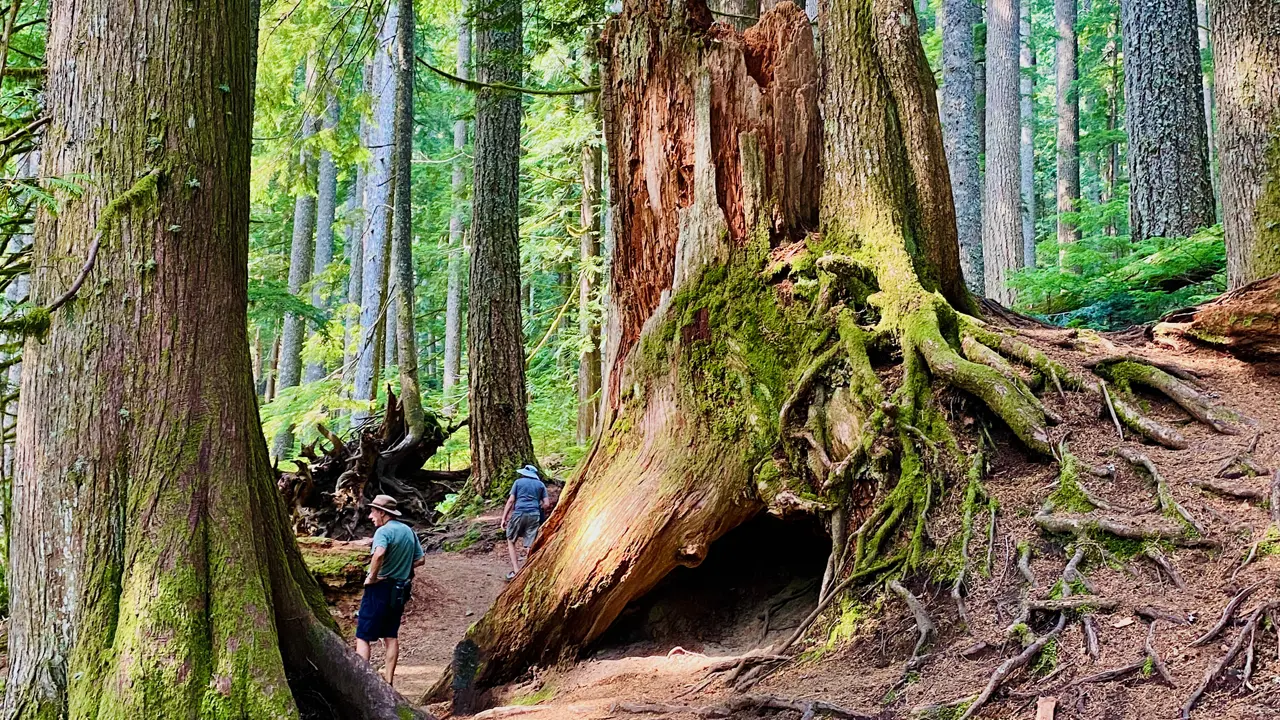
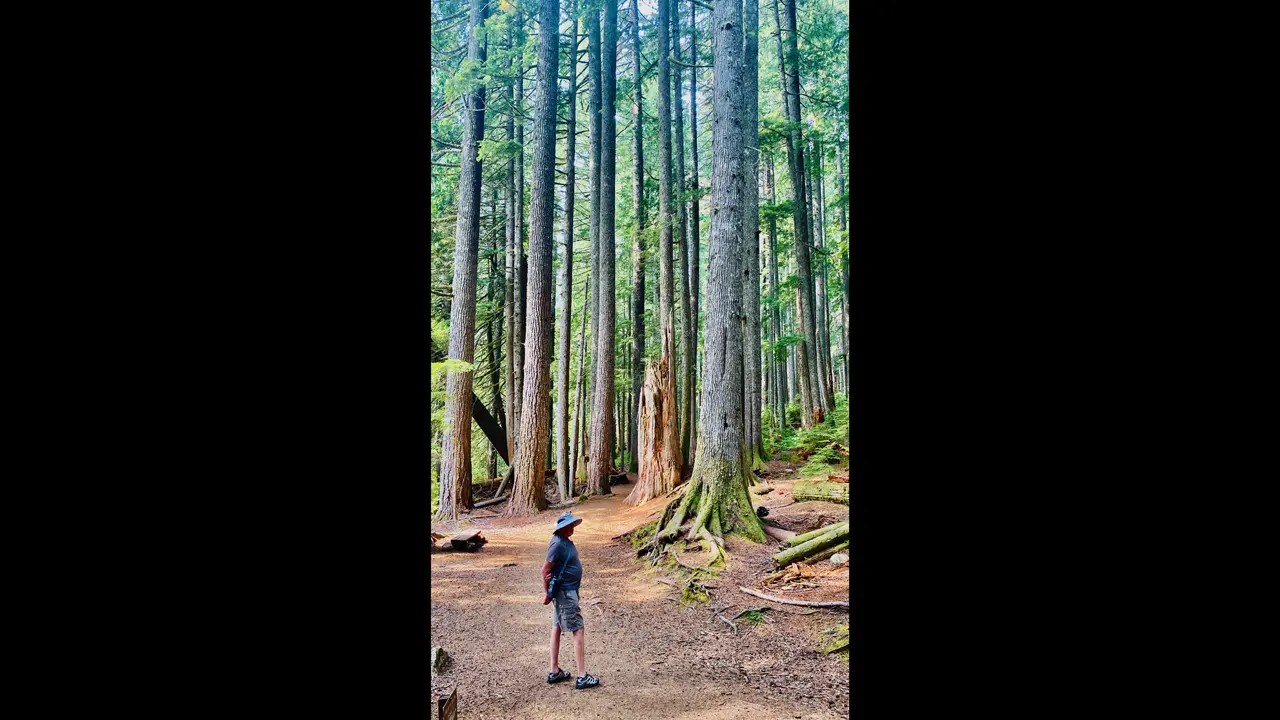
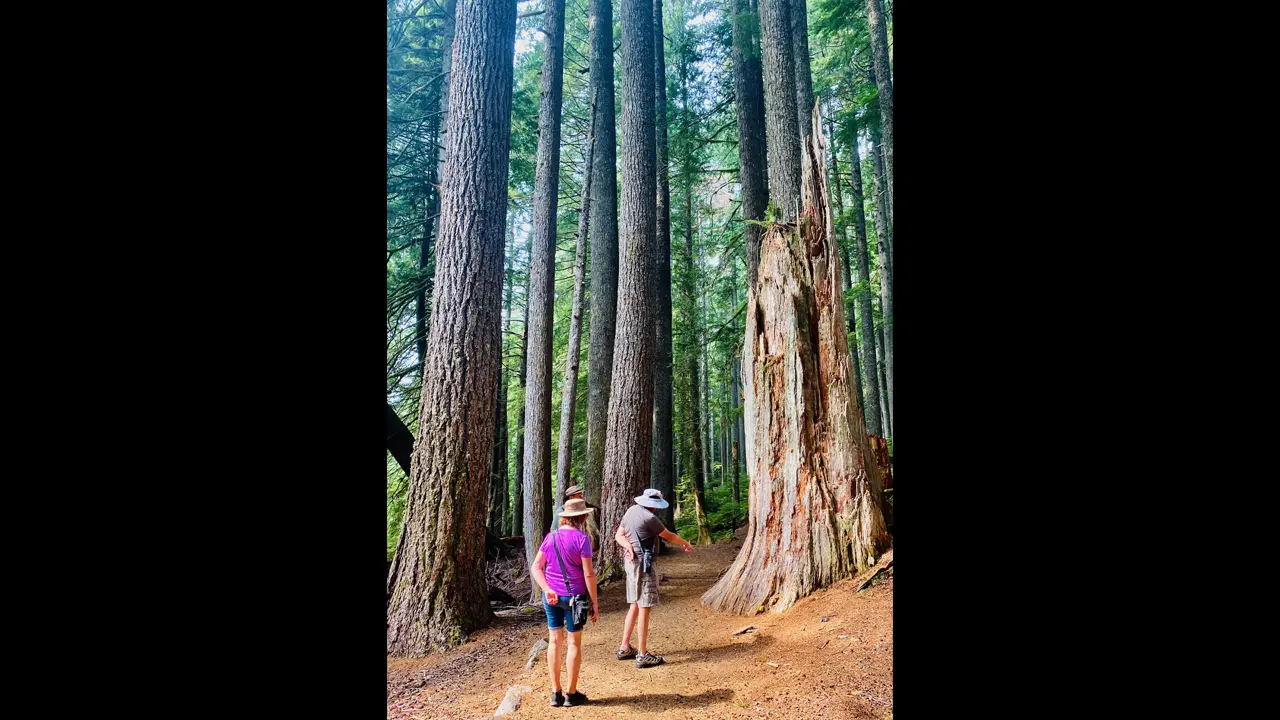
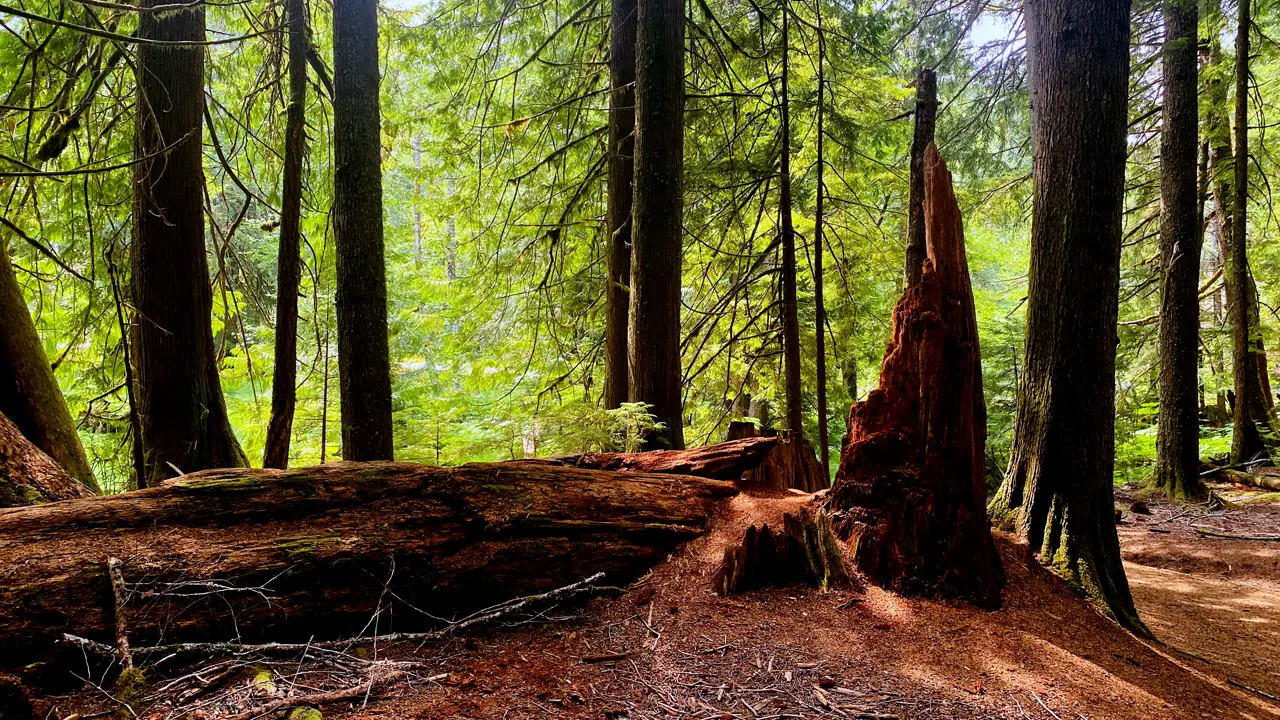
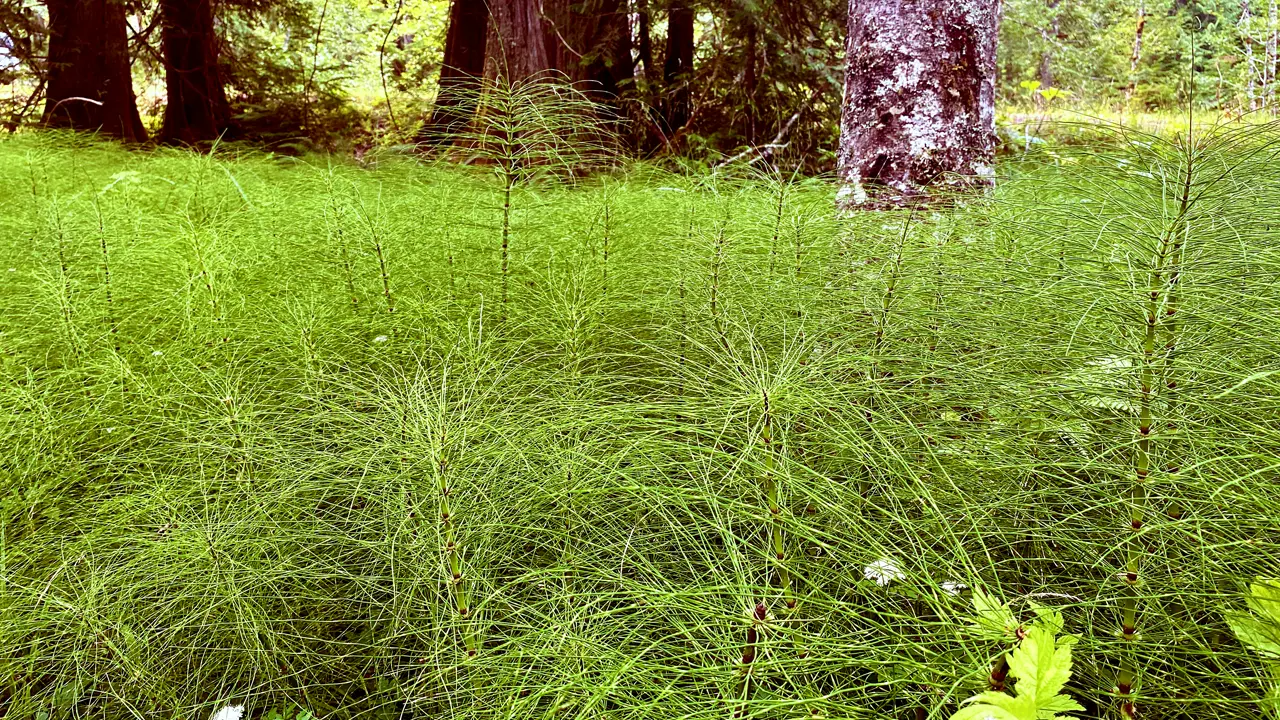
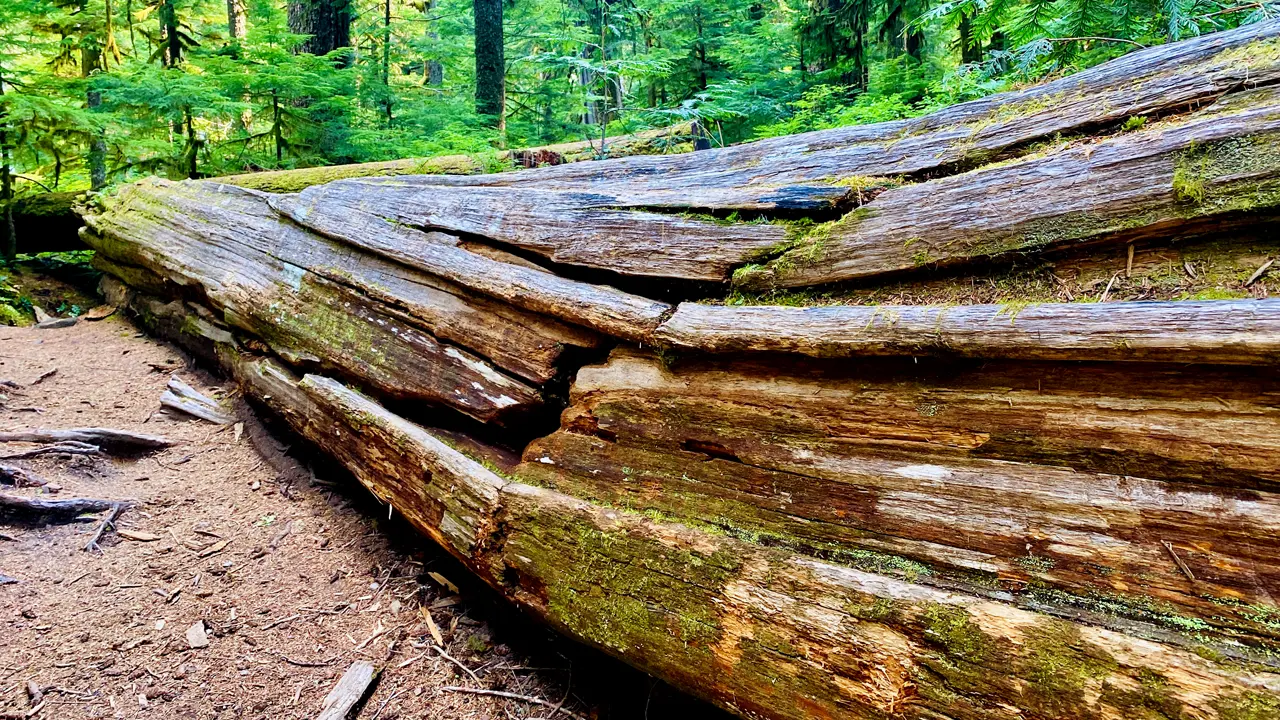
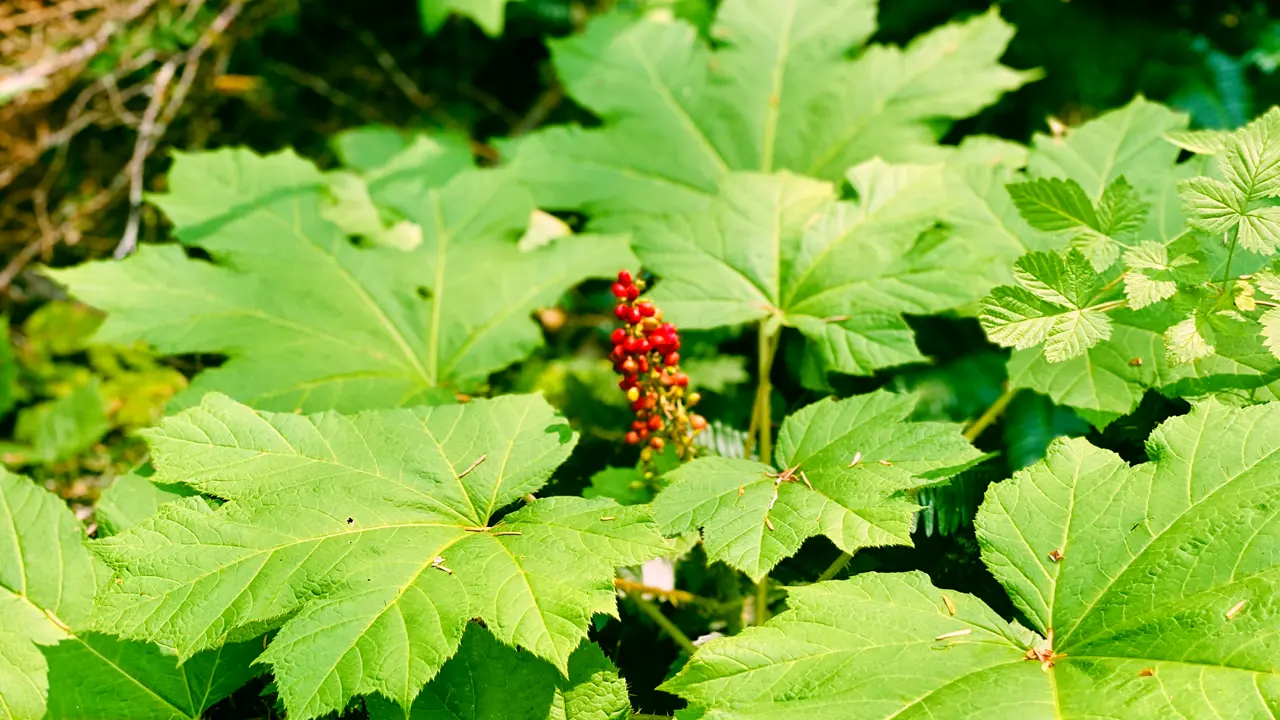
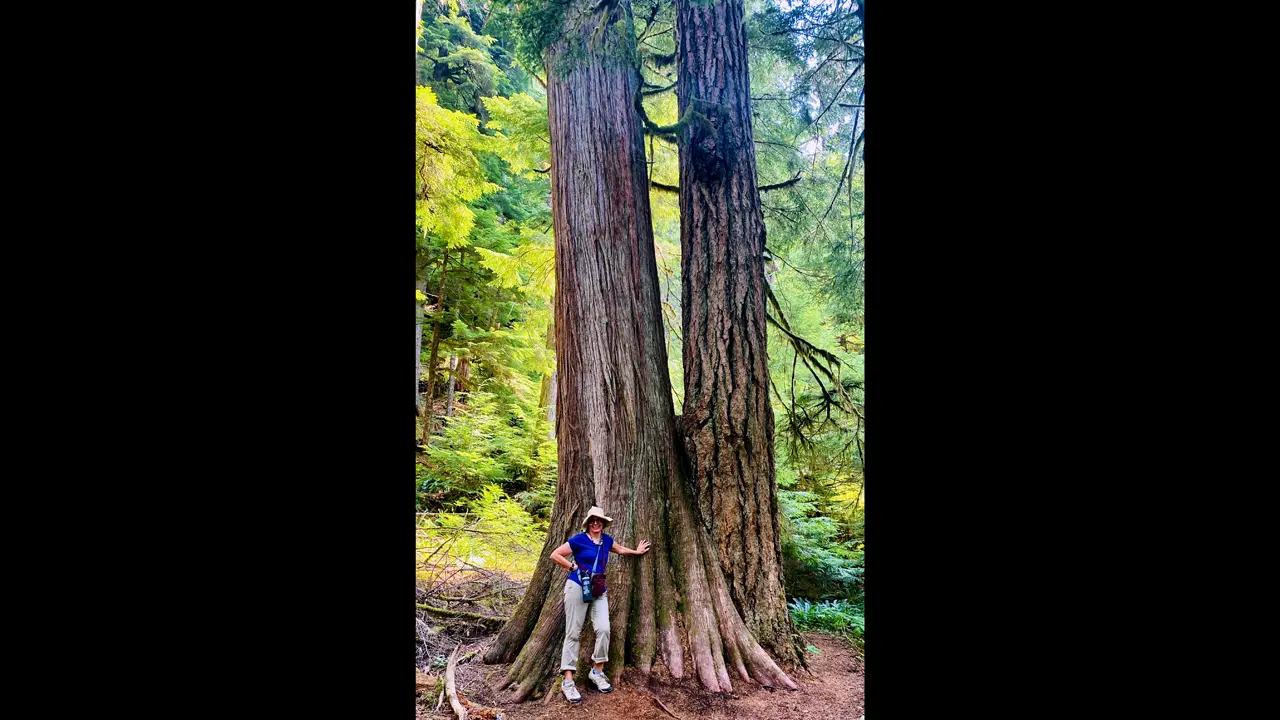
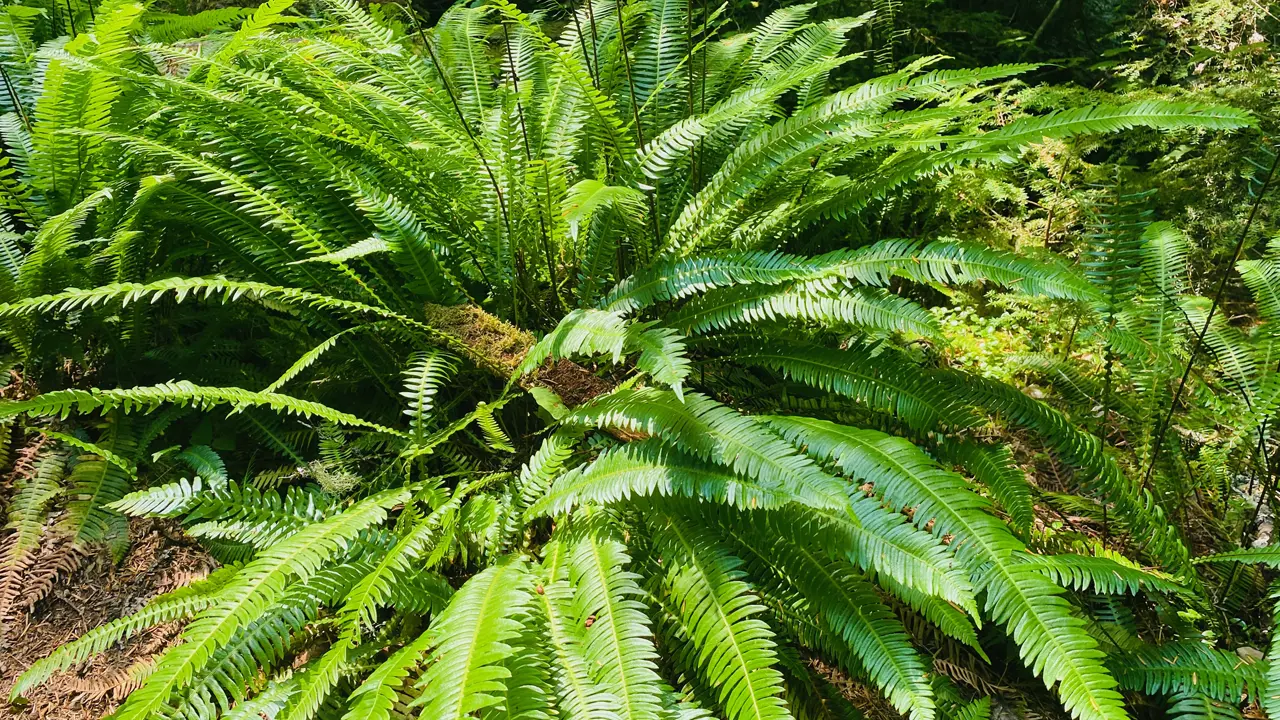
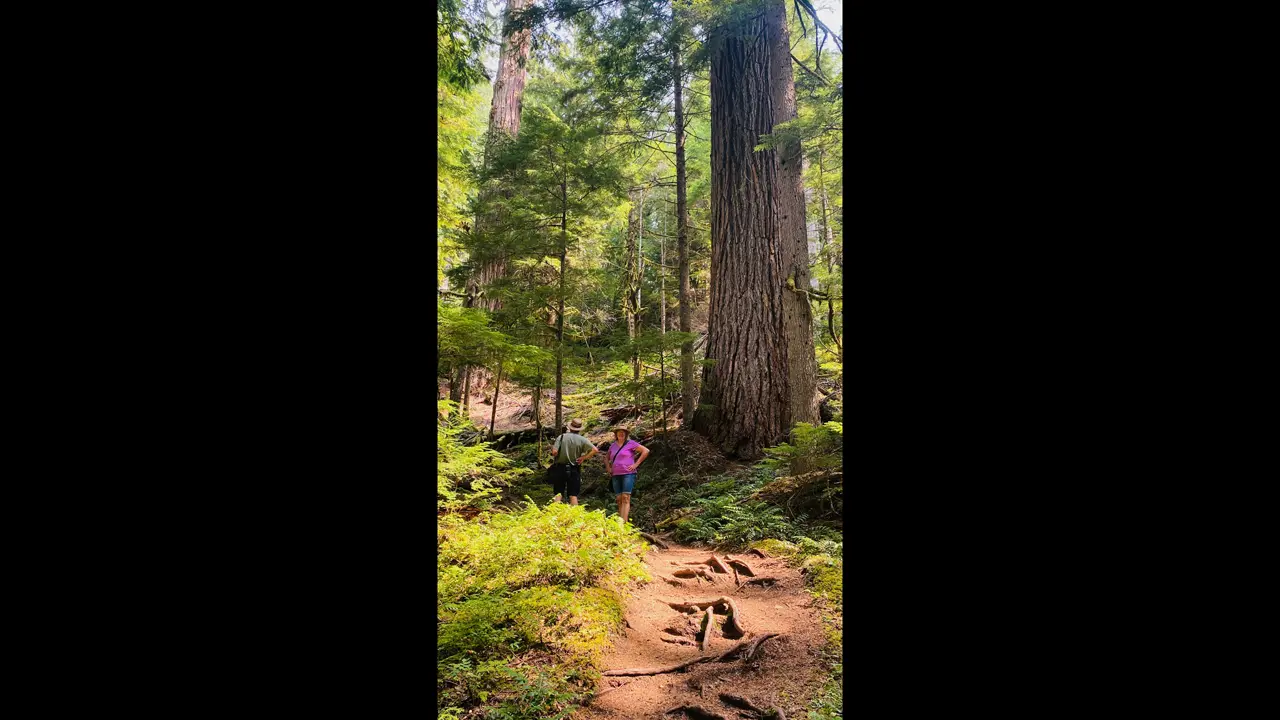
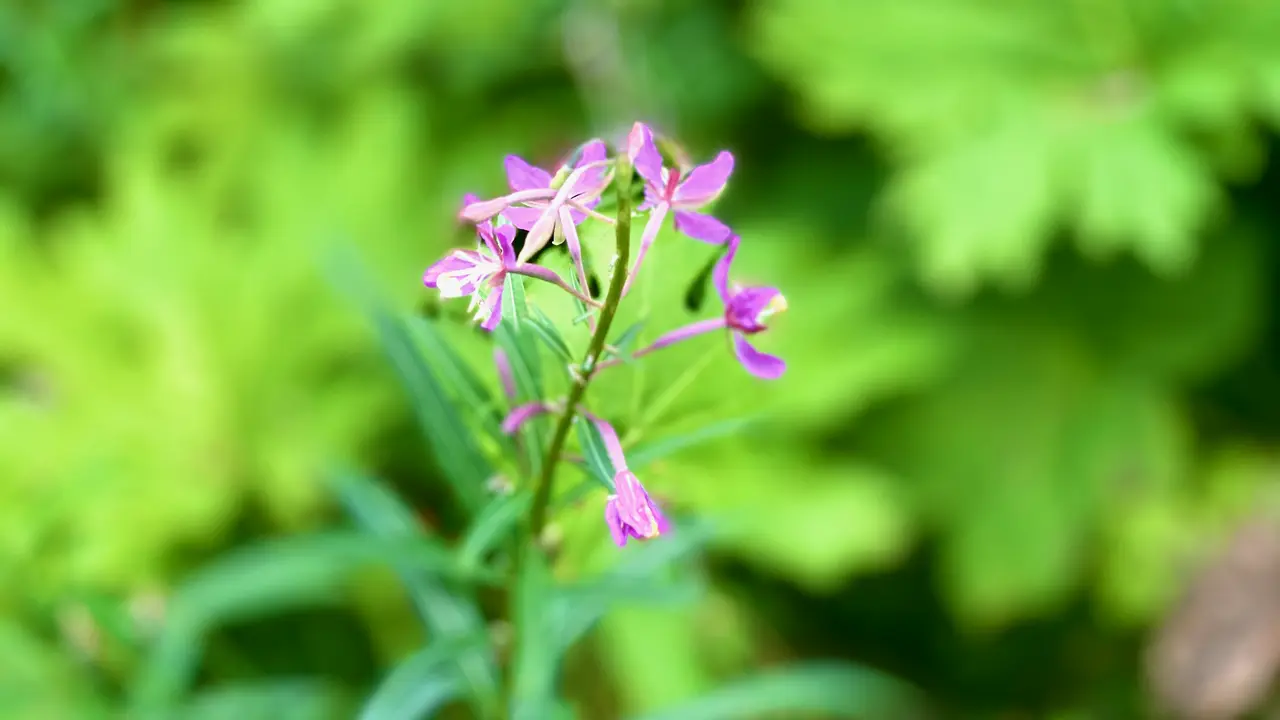
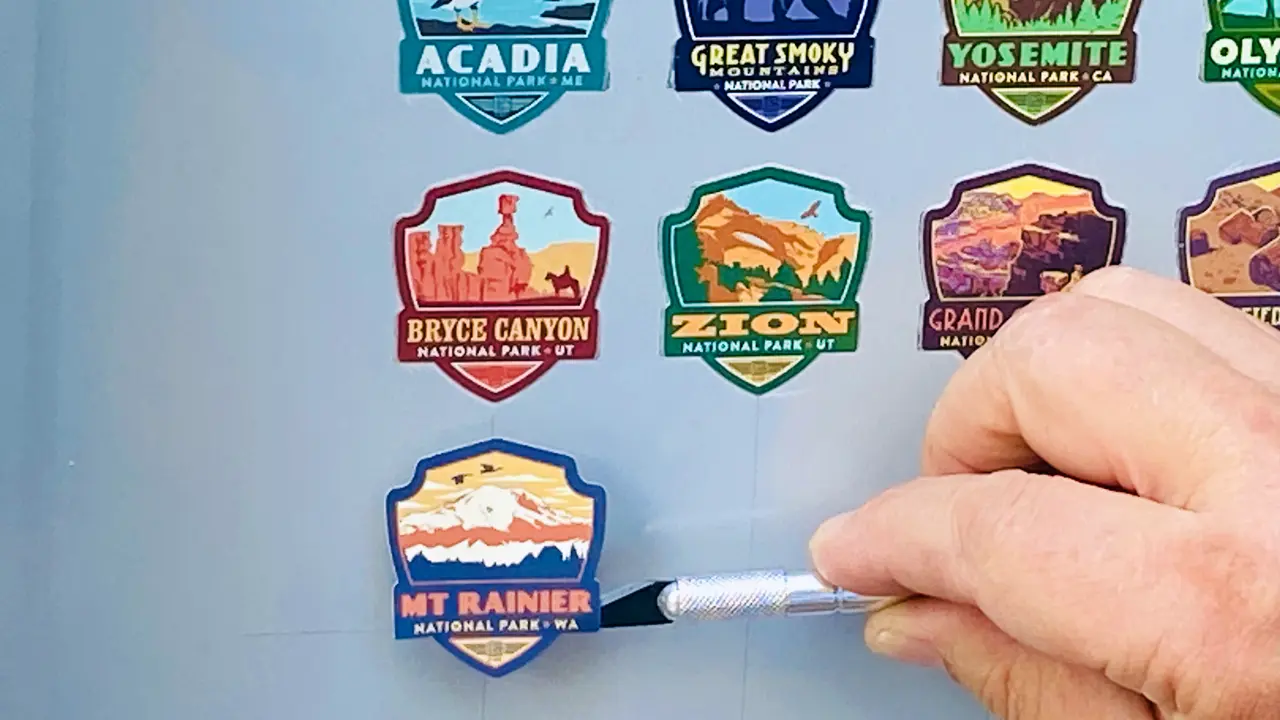
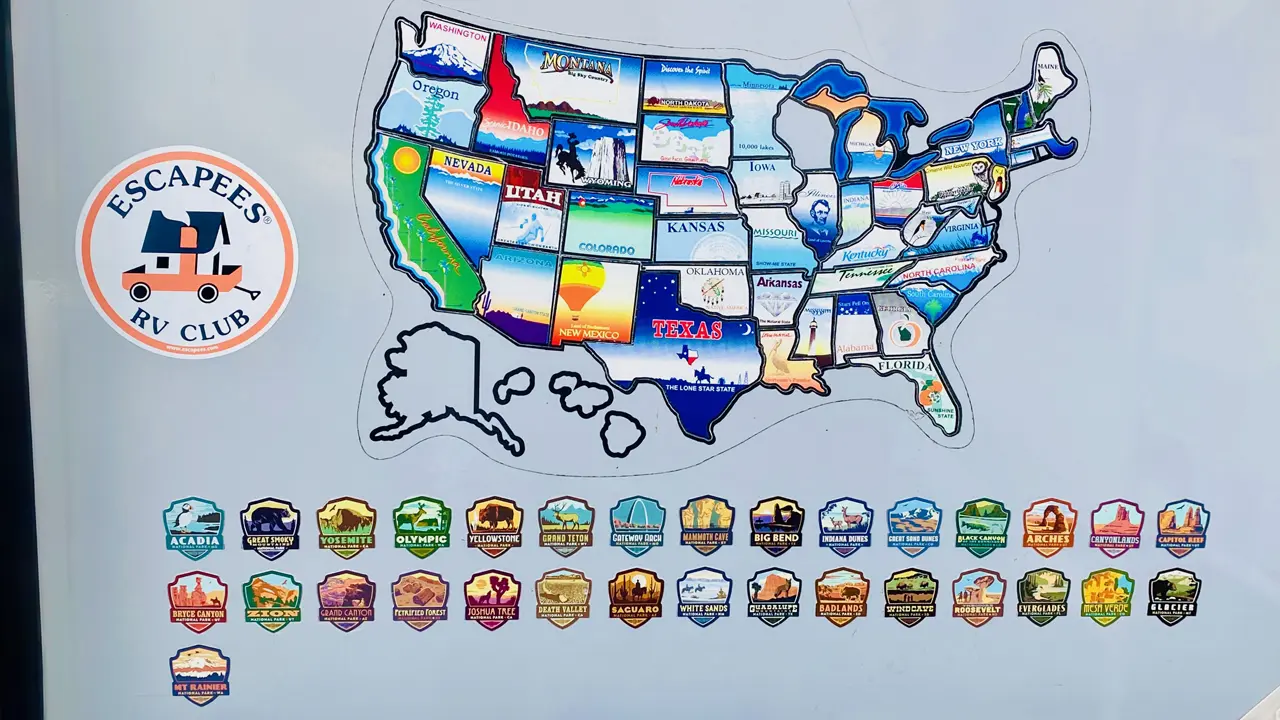
This section of the park also has some old growth trees that can grow to 250 feet tall (the height of a 25-story building) and be 200-to-300 years old. They’re just incredible, and we enjoyed some wonderful hiking trails through this area. We also saw many native plants. Such different scenery from the day before! The park is celebrating its 125th anniversary this year, and it was our 31st national park to visit.
We loved our time here at Mount Rainier, so impressive. Just beautiful! Next we head to Sultan, WA for a month, located 40 miles outside of Seattle.
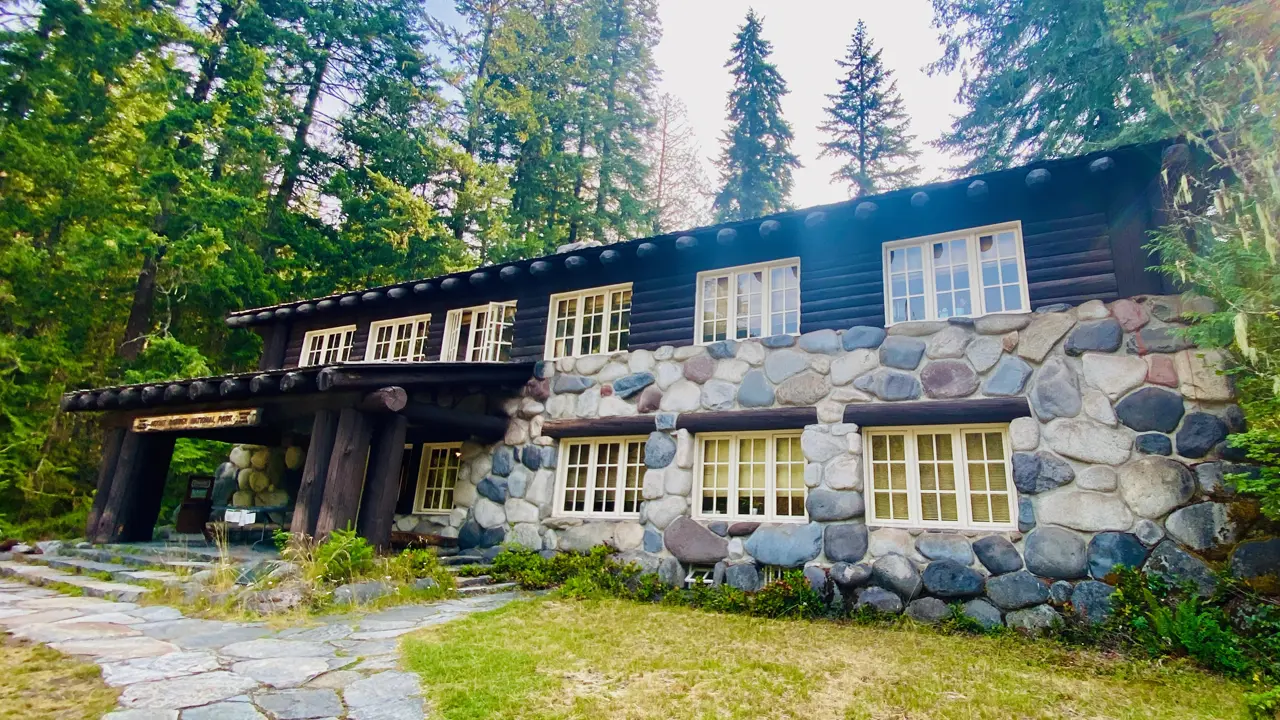 Completed in 1928. Now serves as the Wilderness Information Ctr.


Leave a Reply