THUR., JUNE 27th thru SAT., JULY 6th, 2024
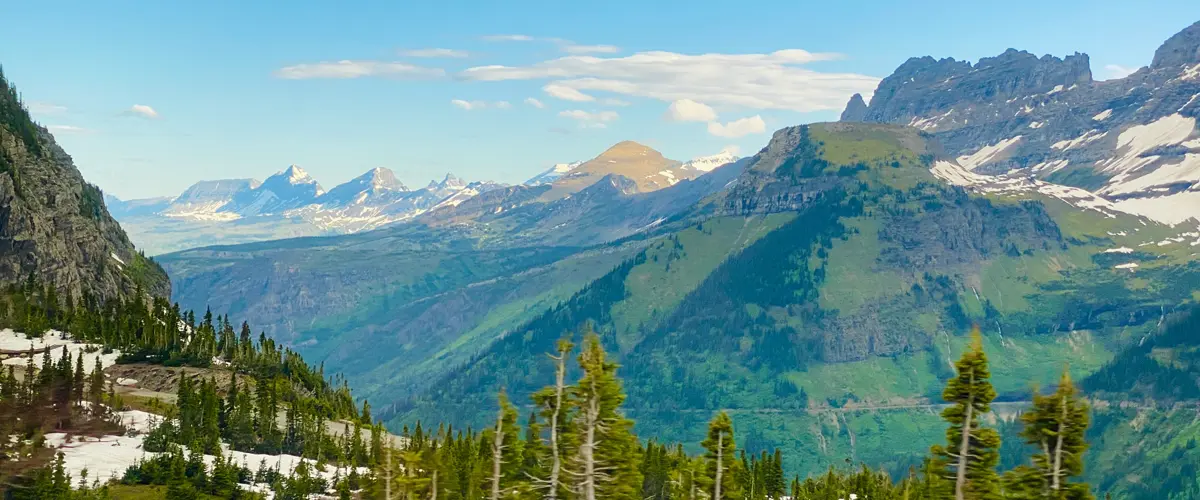
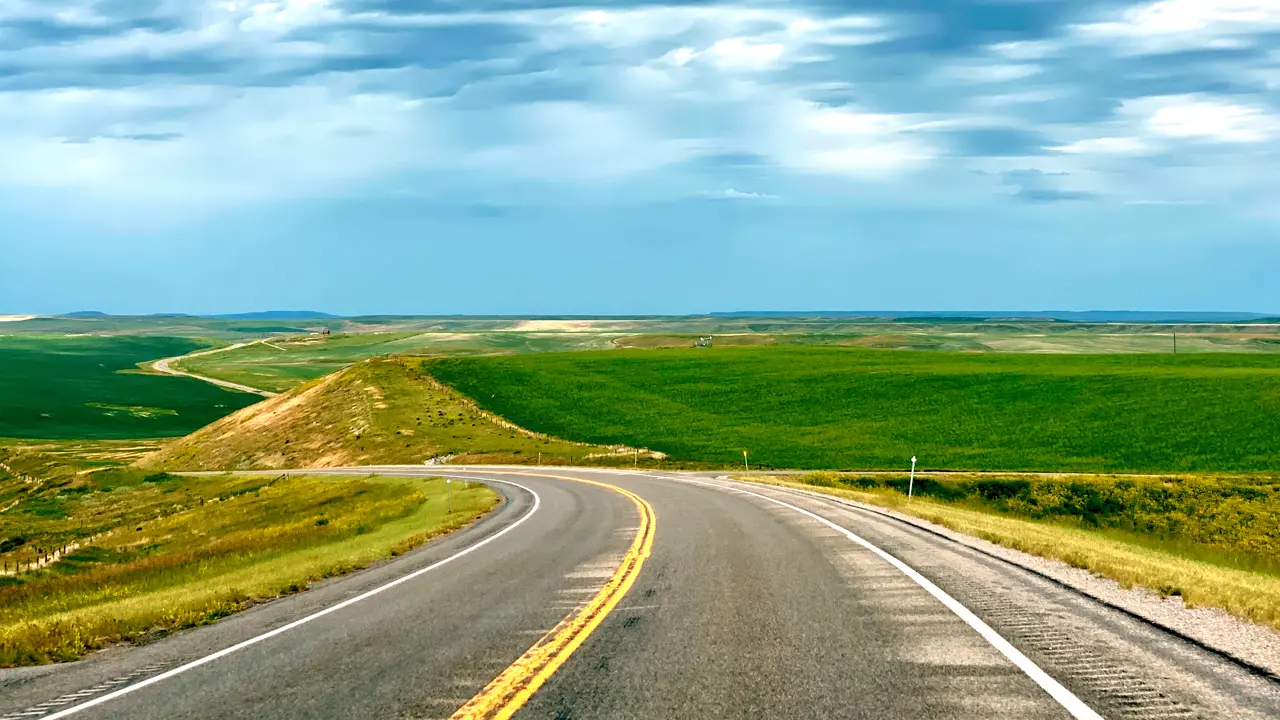
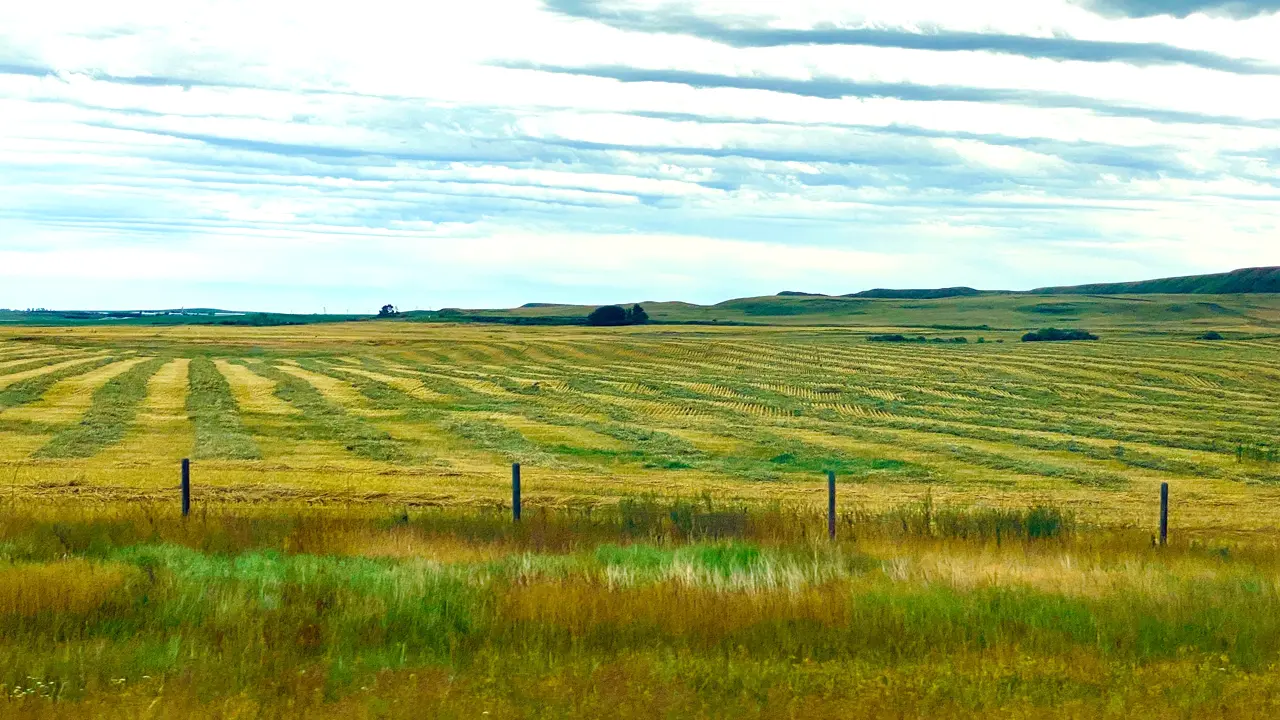
We had two back-to-back gorgeous travel days even though we were driving through some rain both days. The second day was truly one of the prettiest ever!
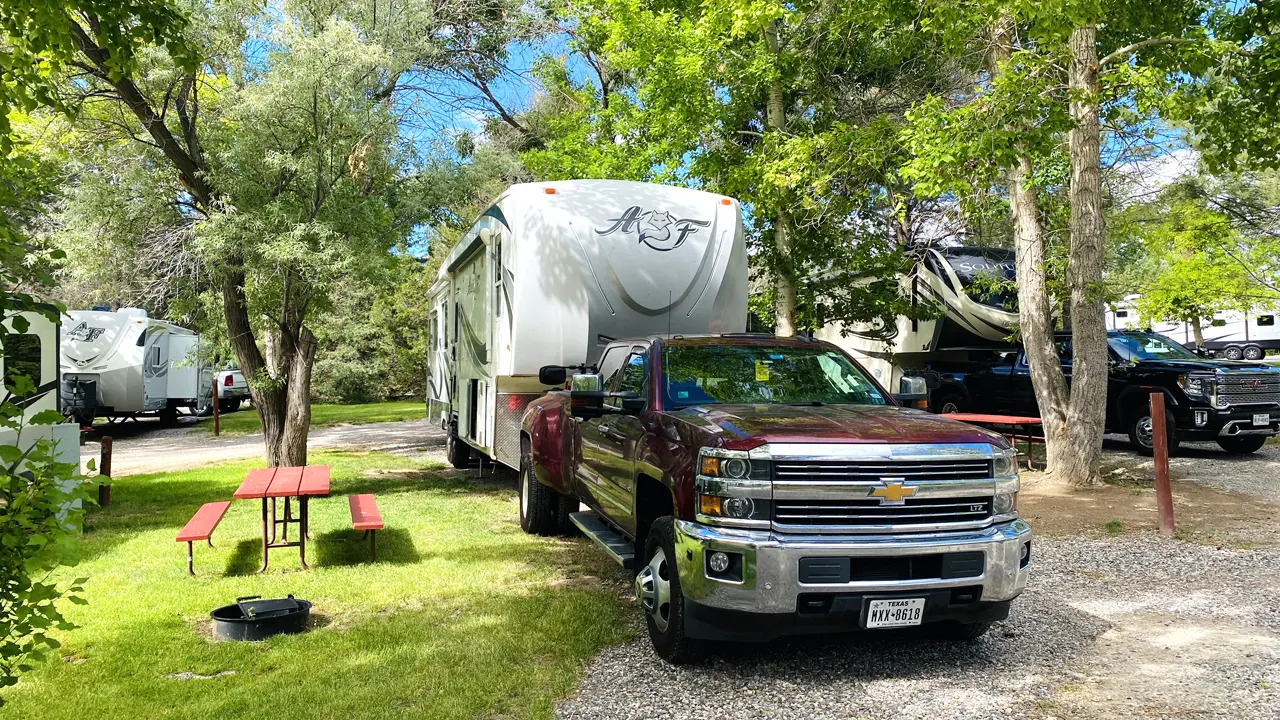
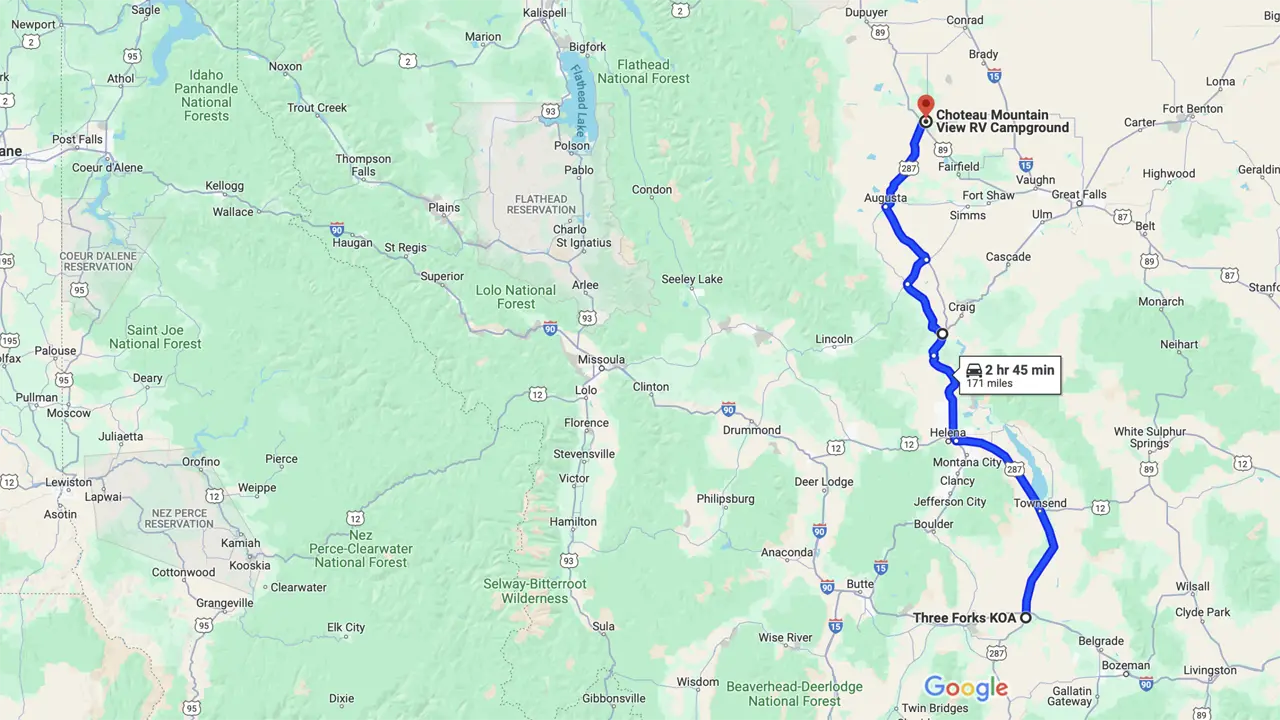
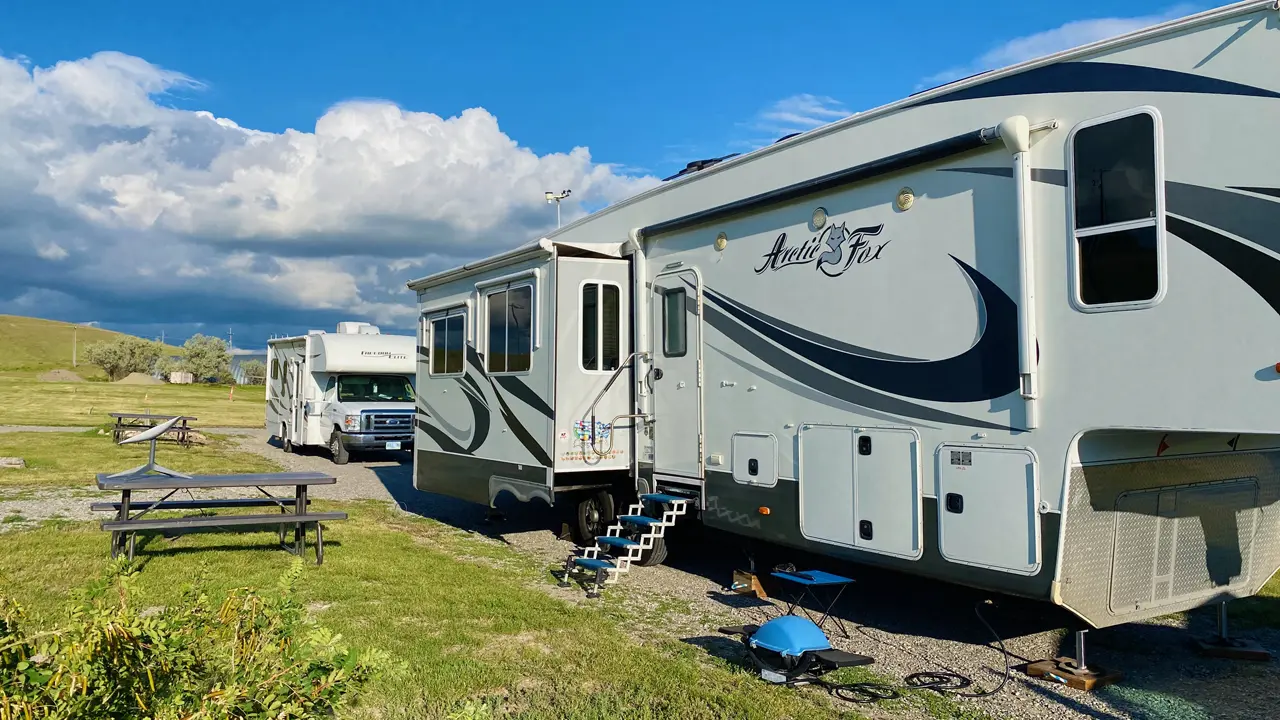
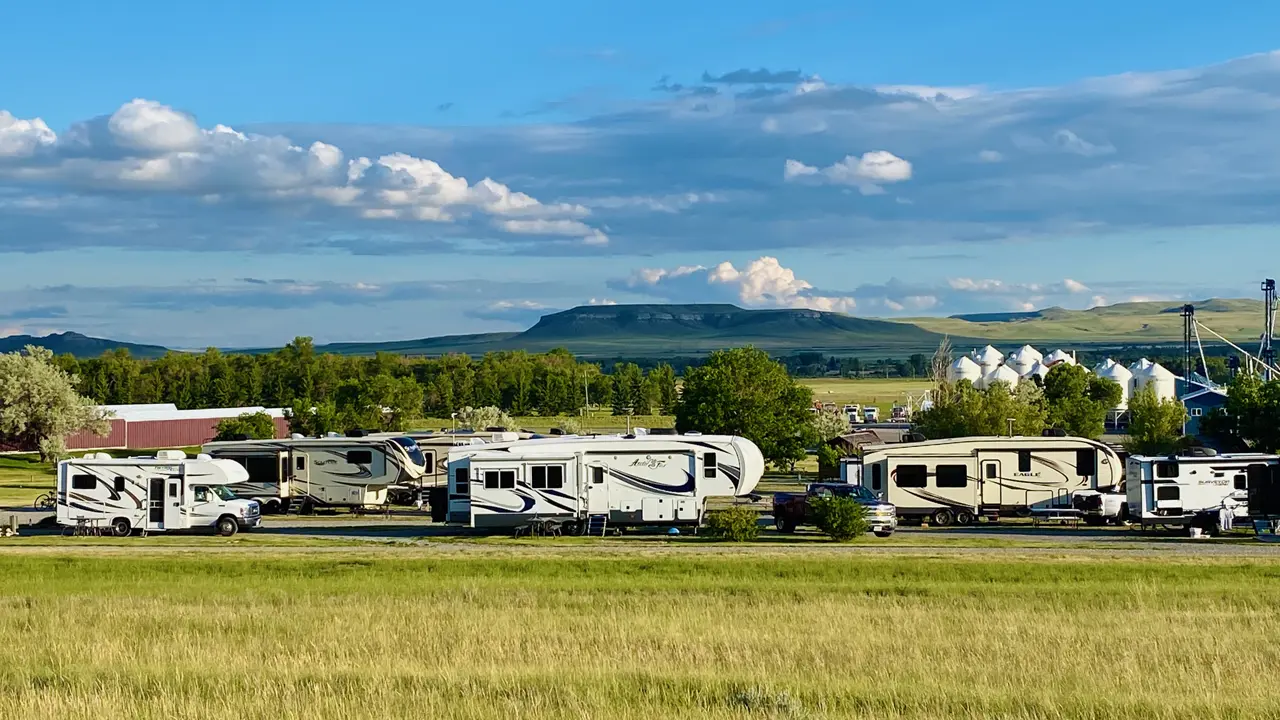
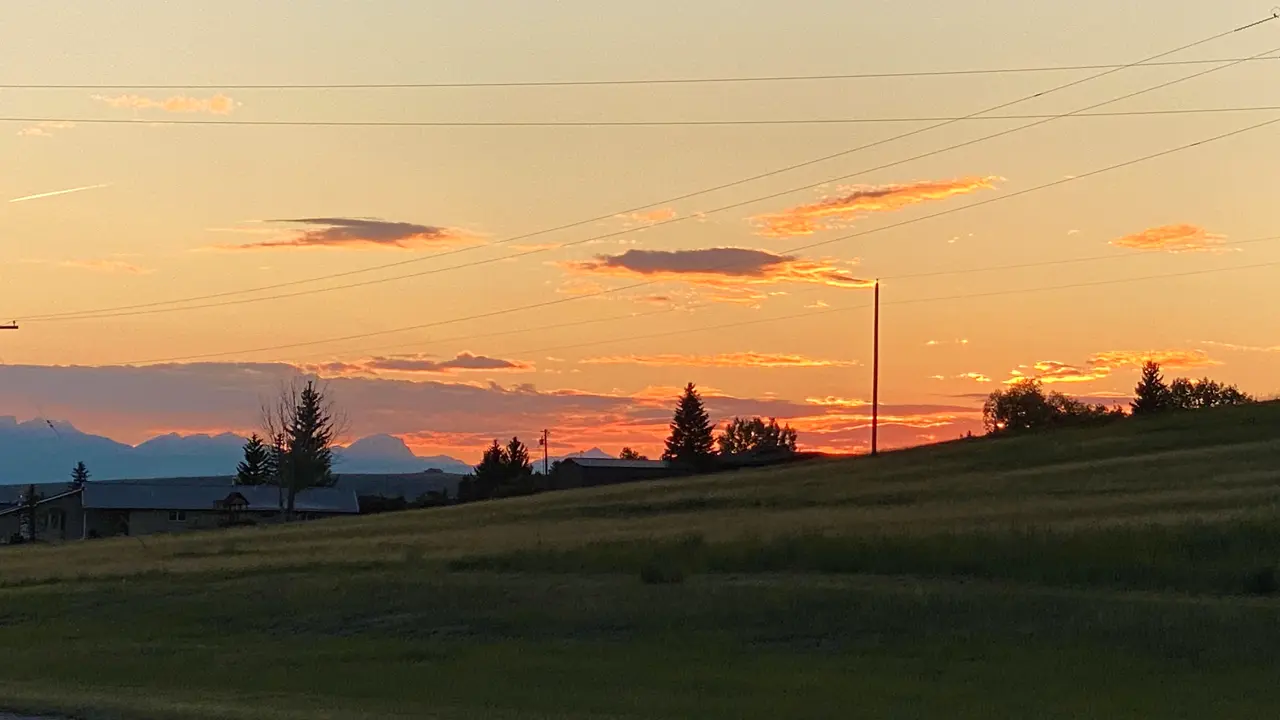
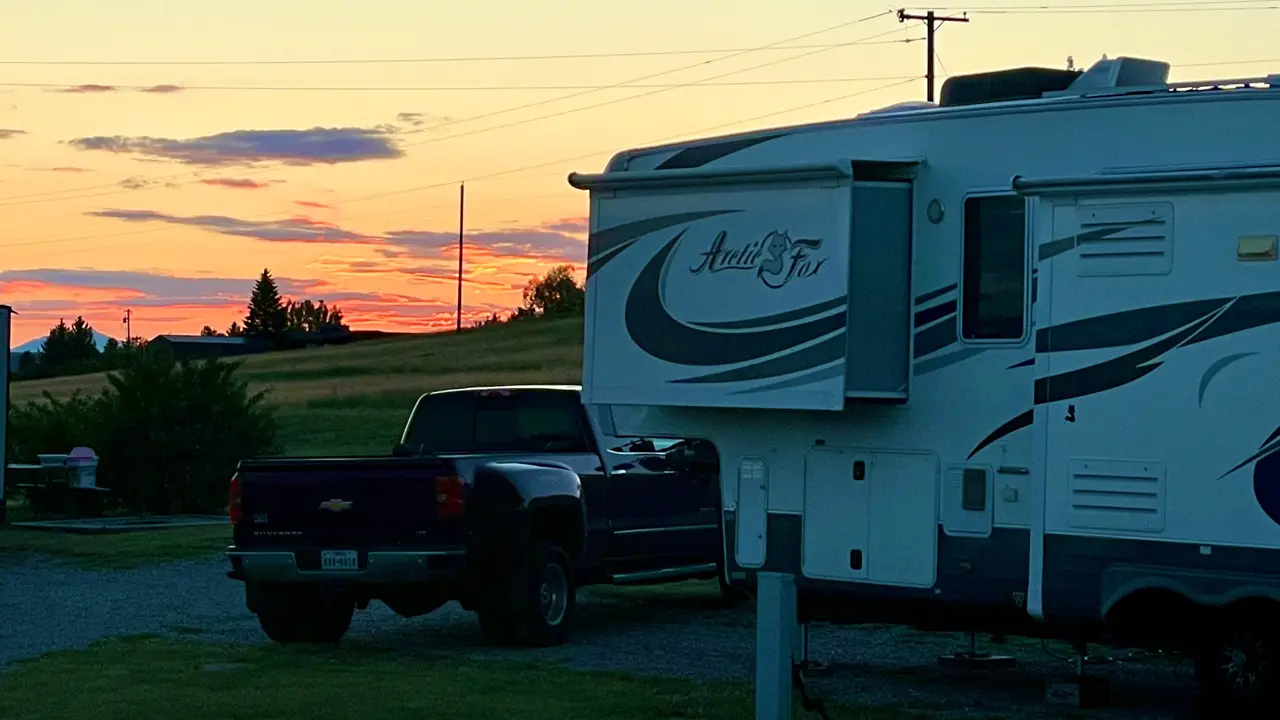
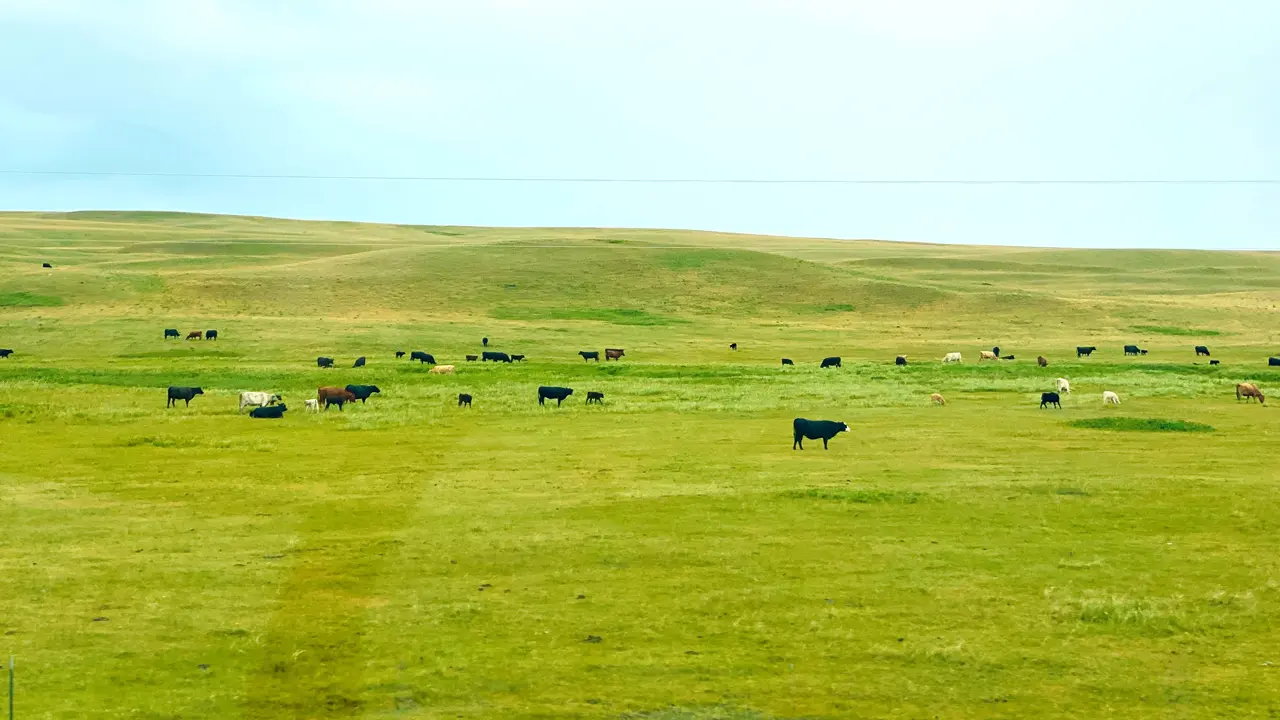
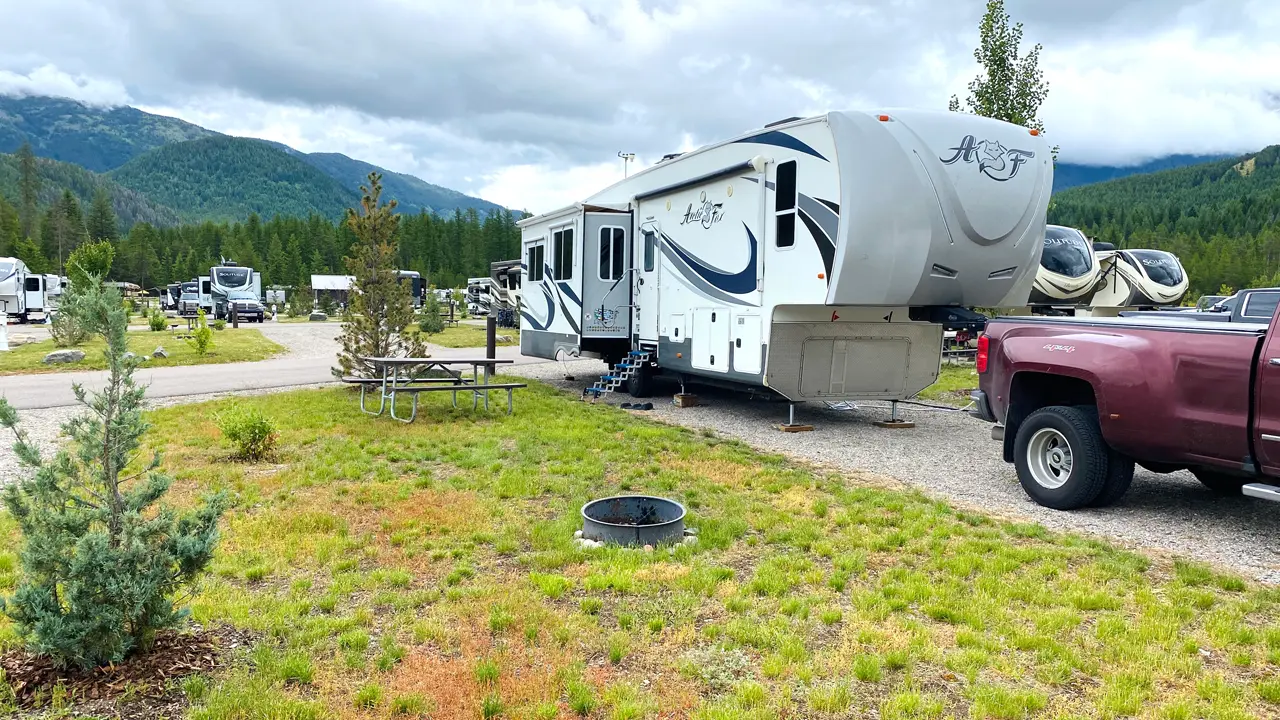
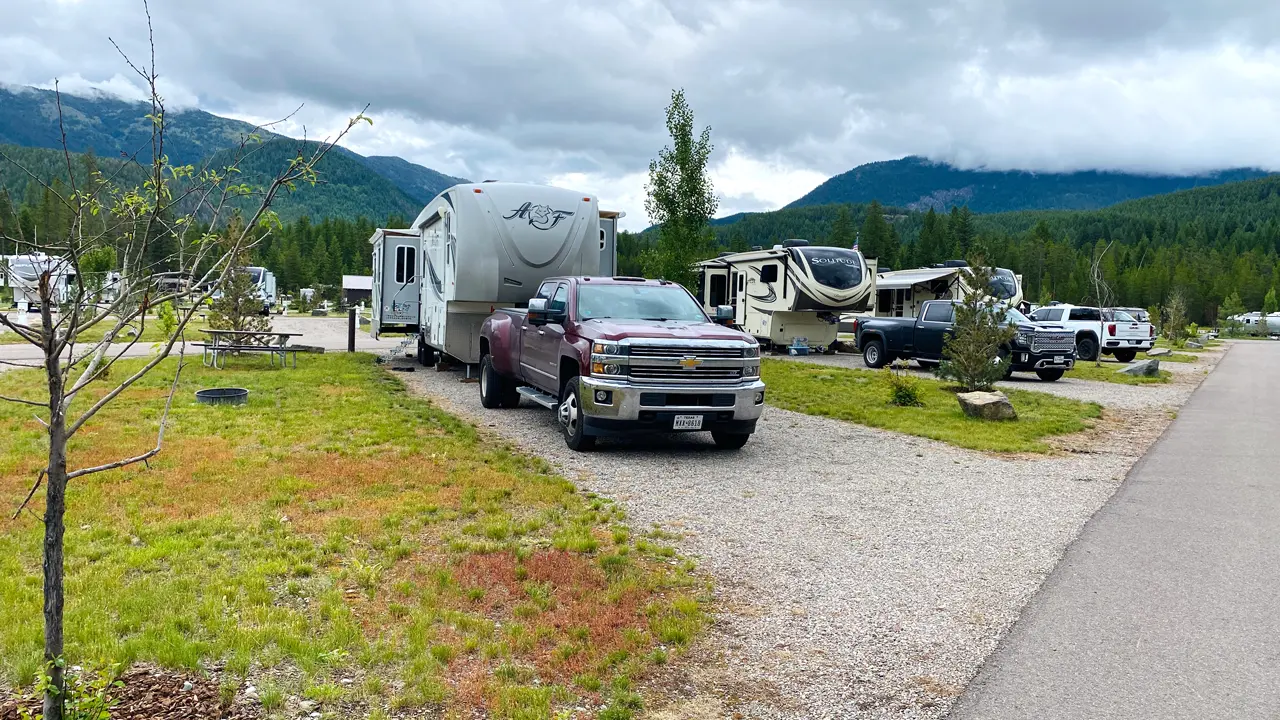
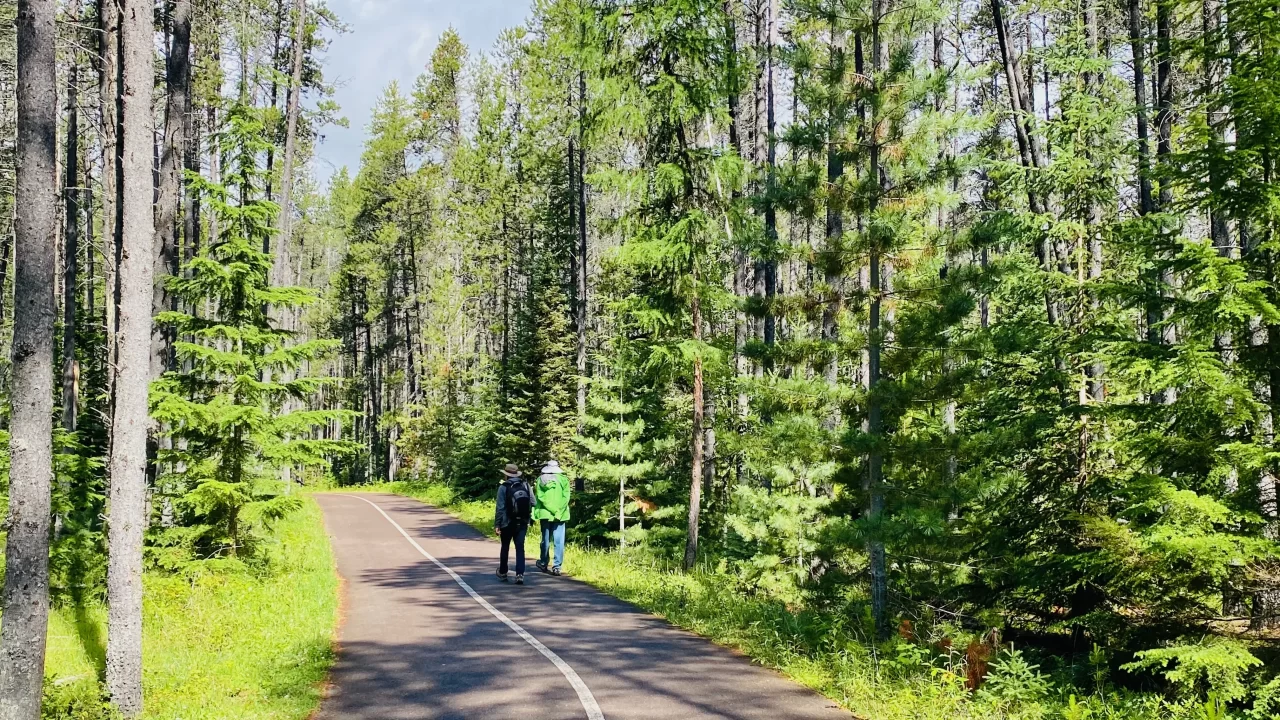
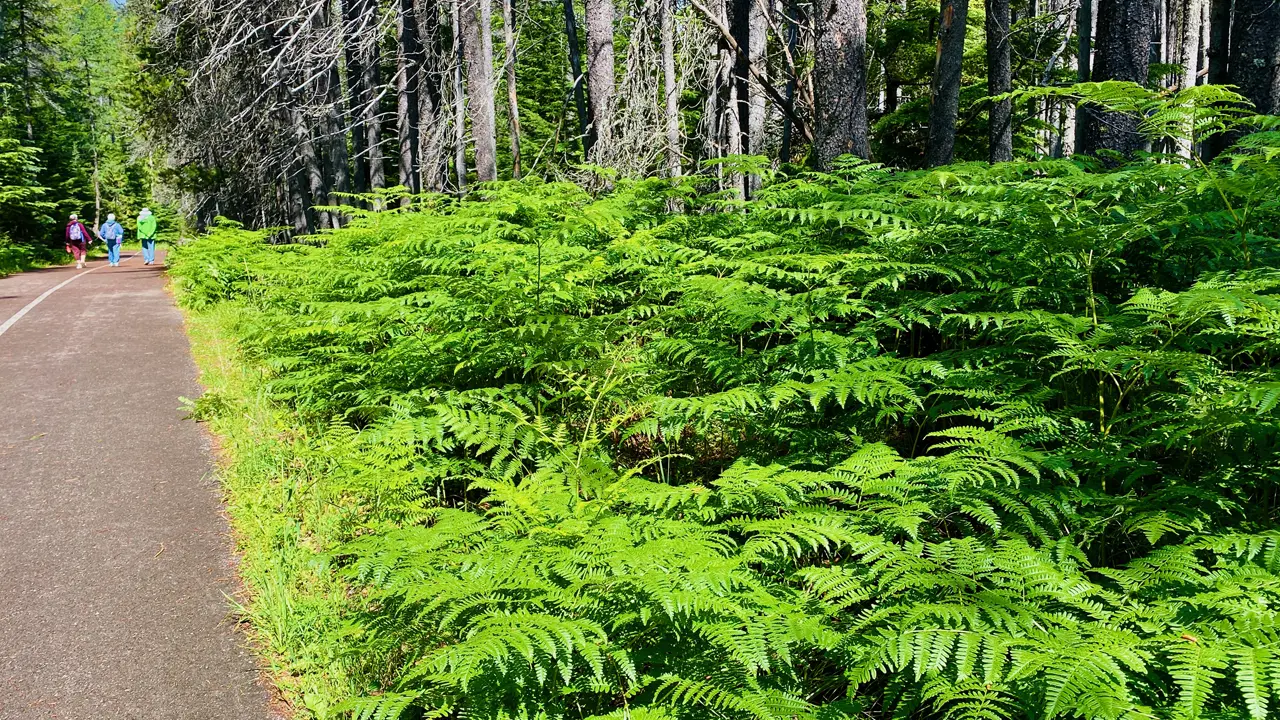
First, we drove northwest 169 miles from West Yellowstone to Three Forks, Montana and then the next day traveled 171 miles north to arrive at Choteau Mountain View RV Campground in Choteau (pronounced show-toe) Montana. There were funky sites in this RV park but the staff lead you to your site so it’s all good. The owners were fabulous! Since we were here for 2 nights, the second day, in addition to getting fuel, groceries, and laundry done, we took the Soroptimists Walking Path behind the campground. Soroptimists is latin for “Best for Women.” That organization built the path. It goes all the way into town. Choteau seems to be an impressive town despite it’s small population of only 2,000. We could just make out the Rocky Mountains at sunset from the campground.
Tomorrow we move on to a week’s stay just outside Glacier National Park. Feeling blessed.
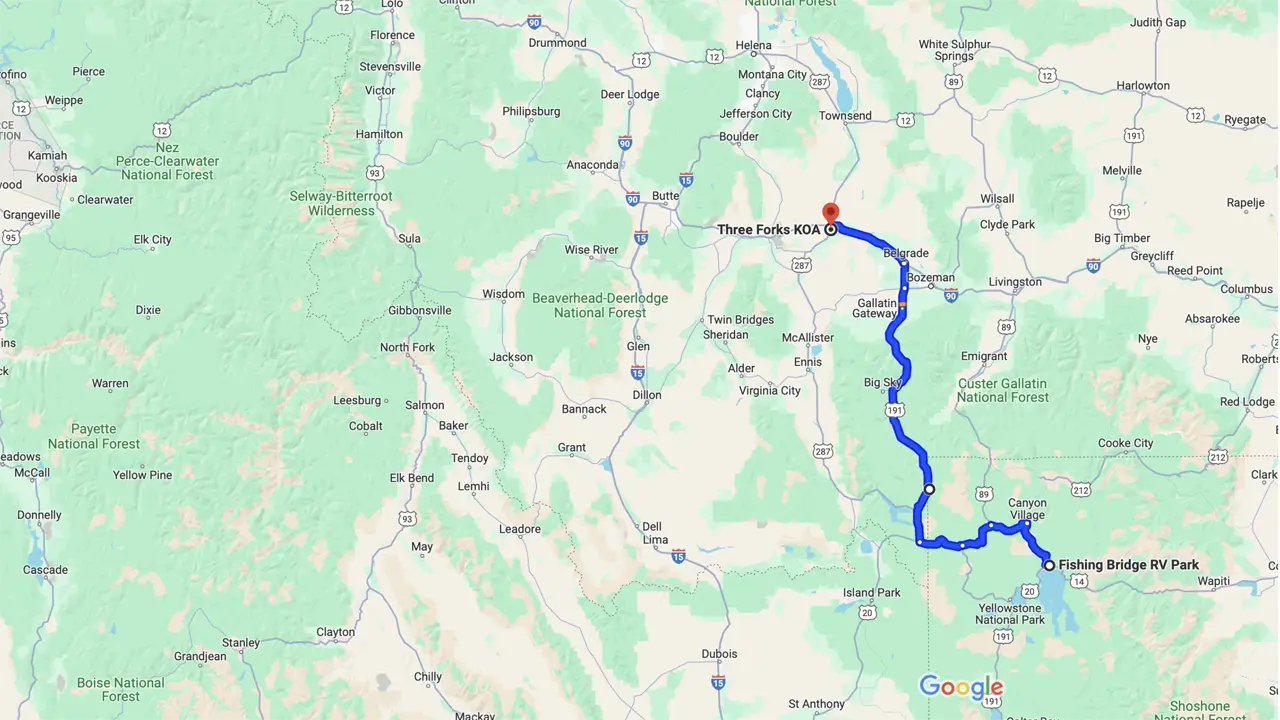 Yellowstone to Three Forks, MT
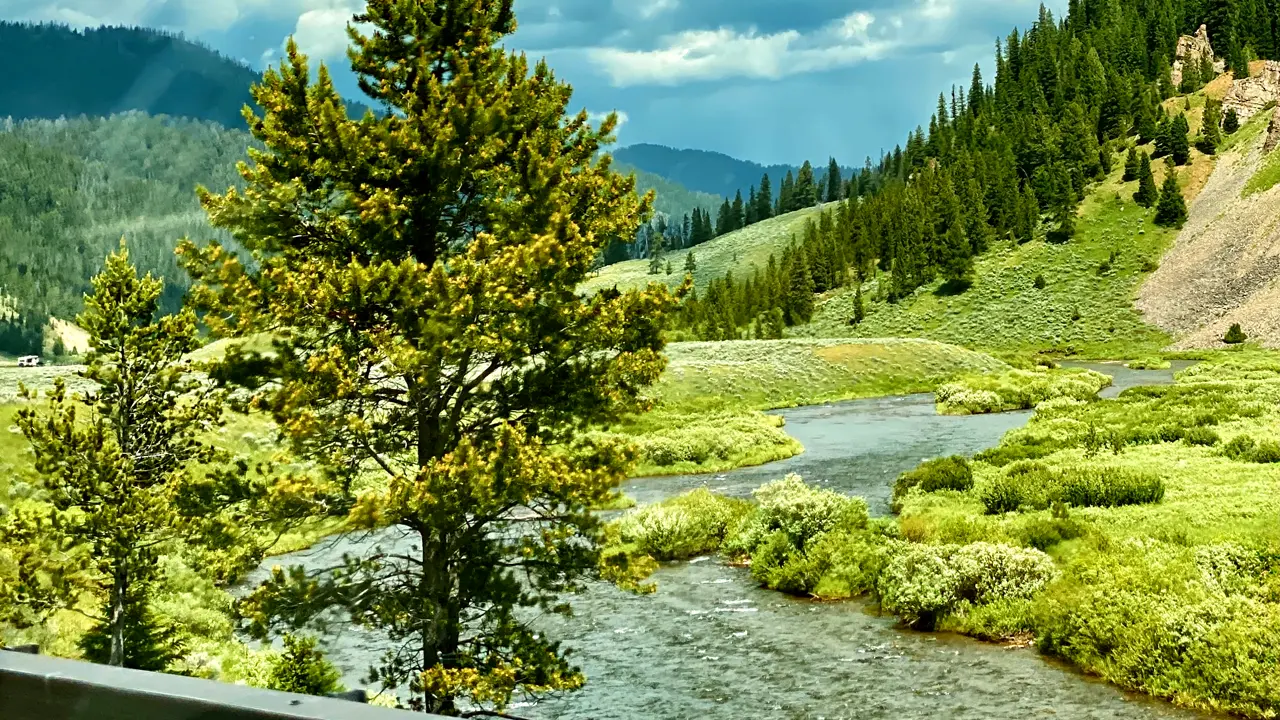
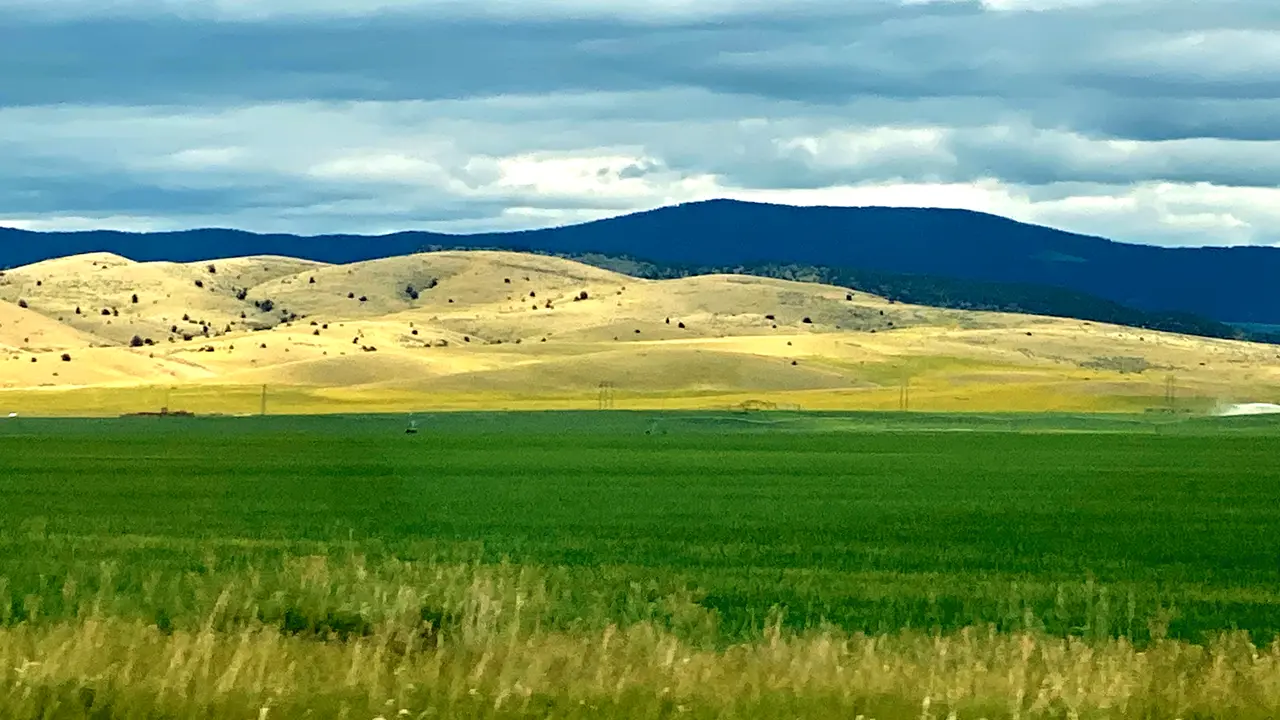
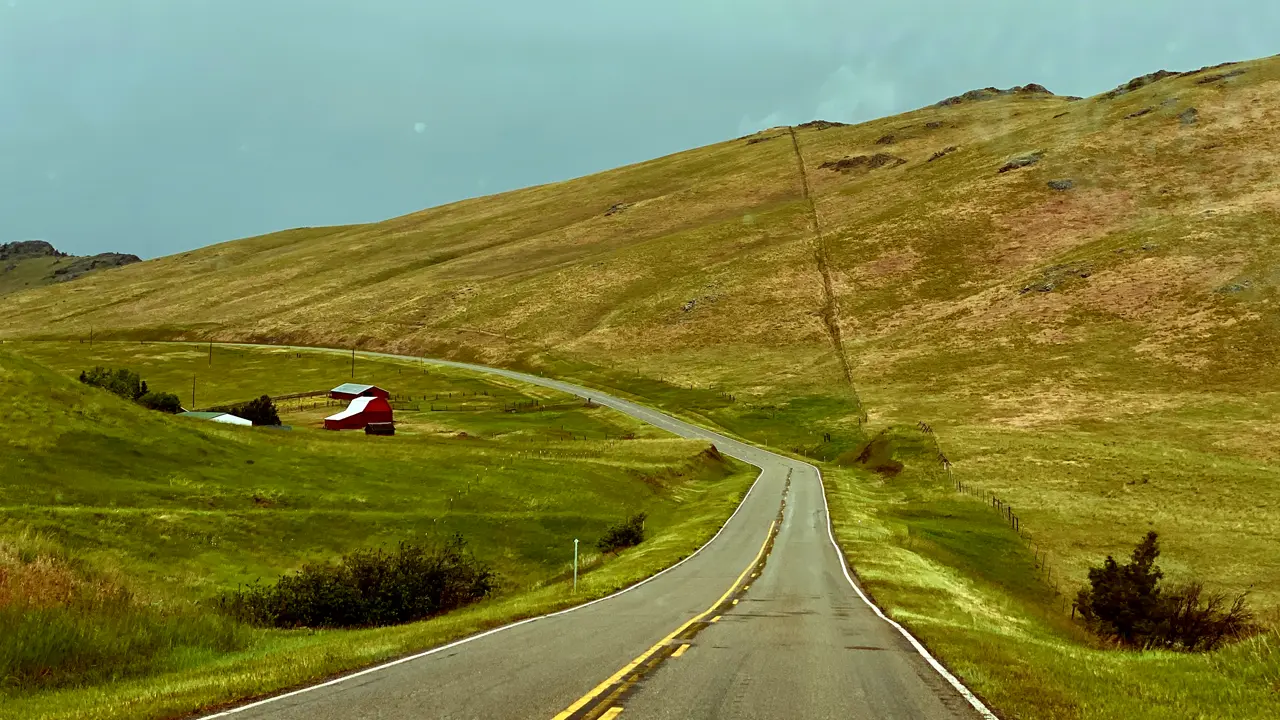
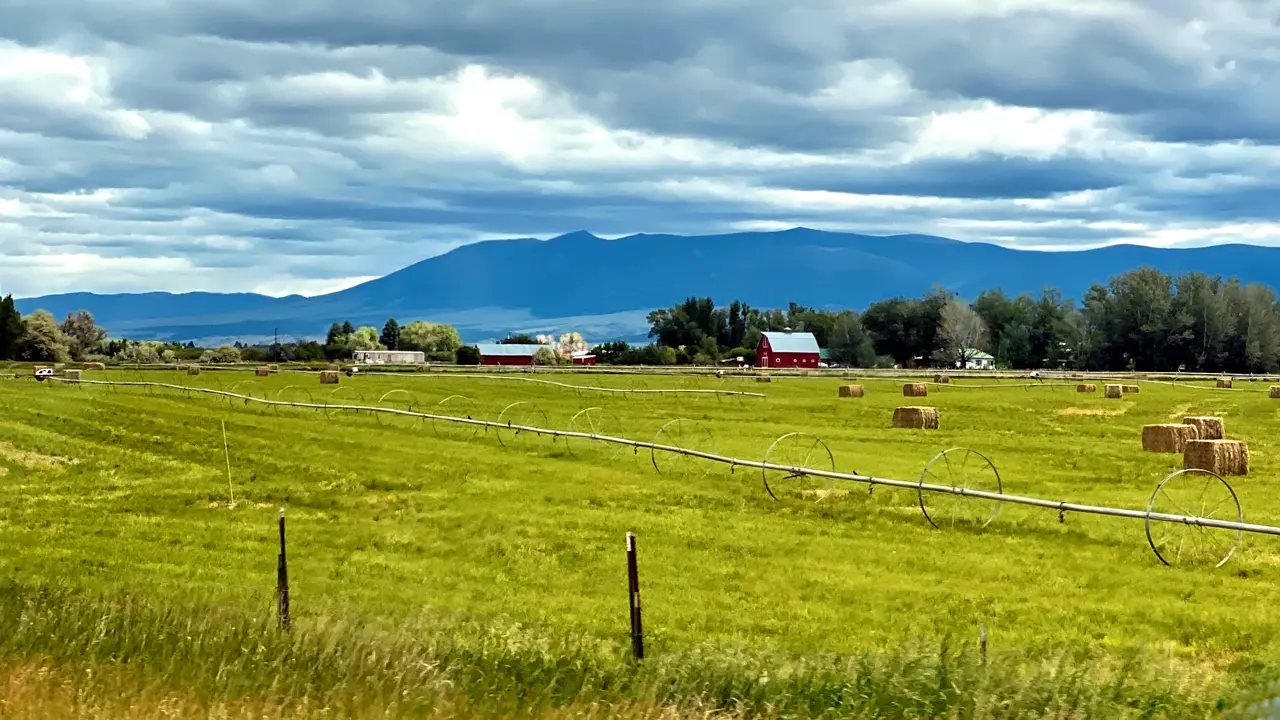
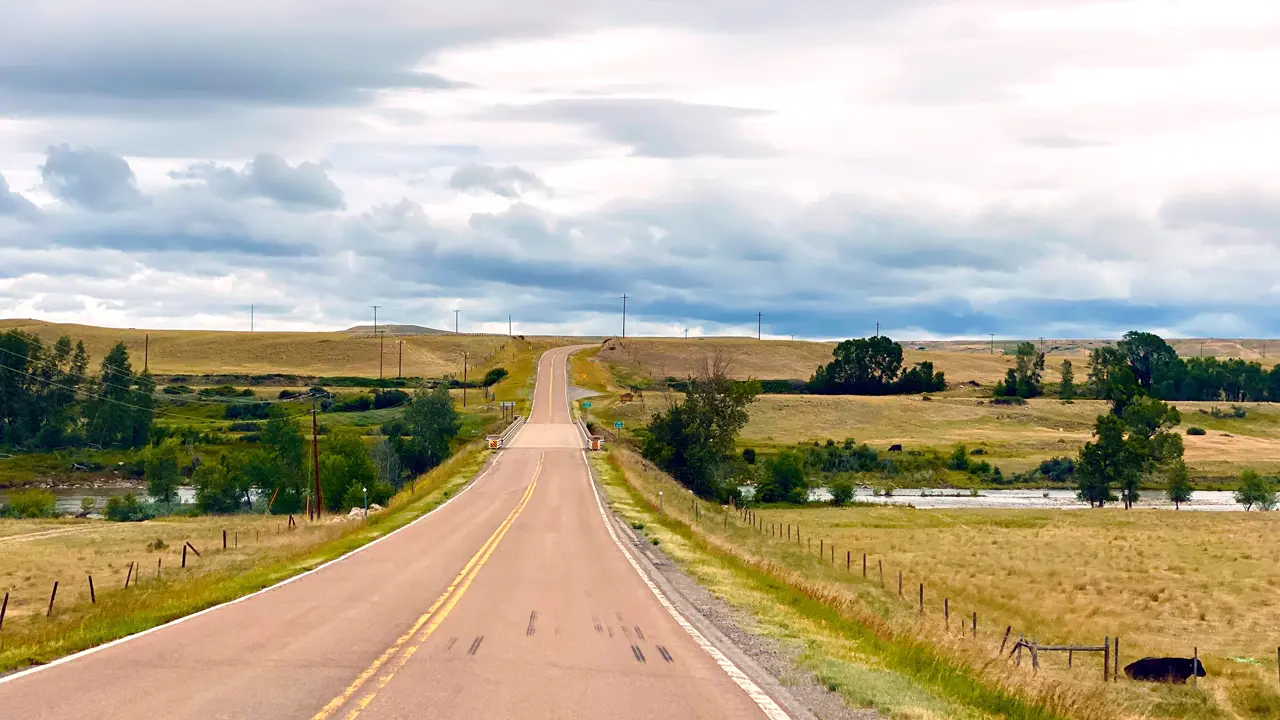
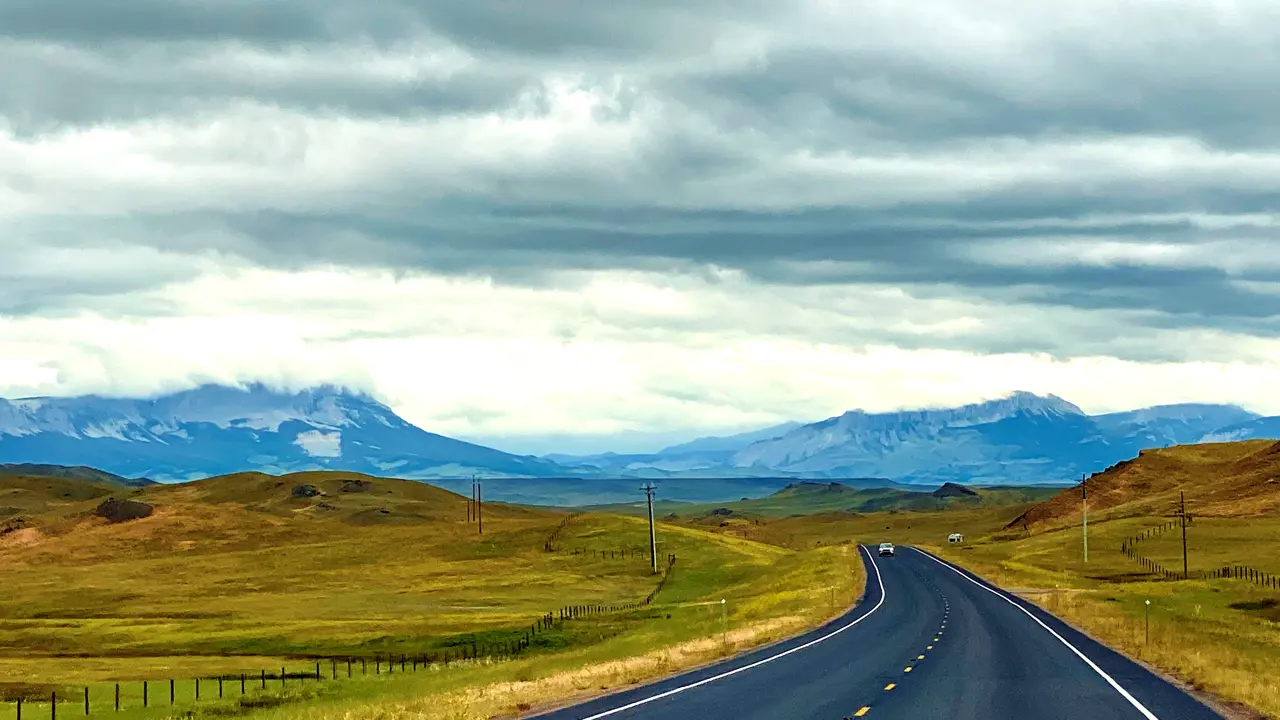
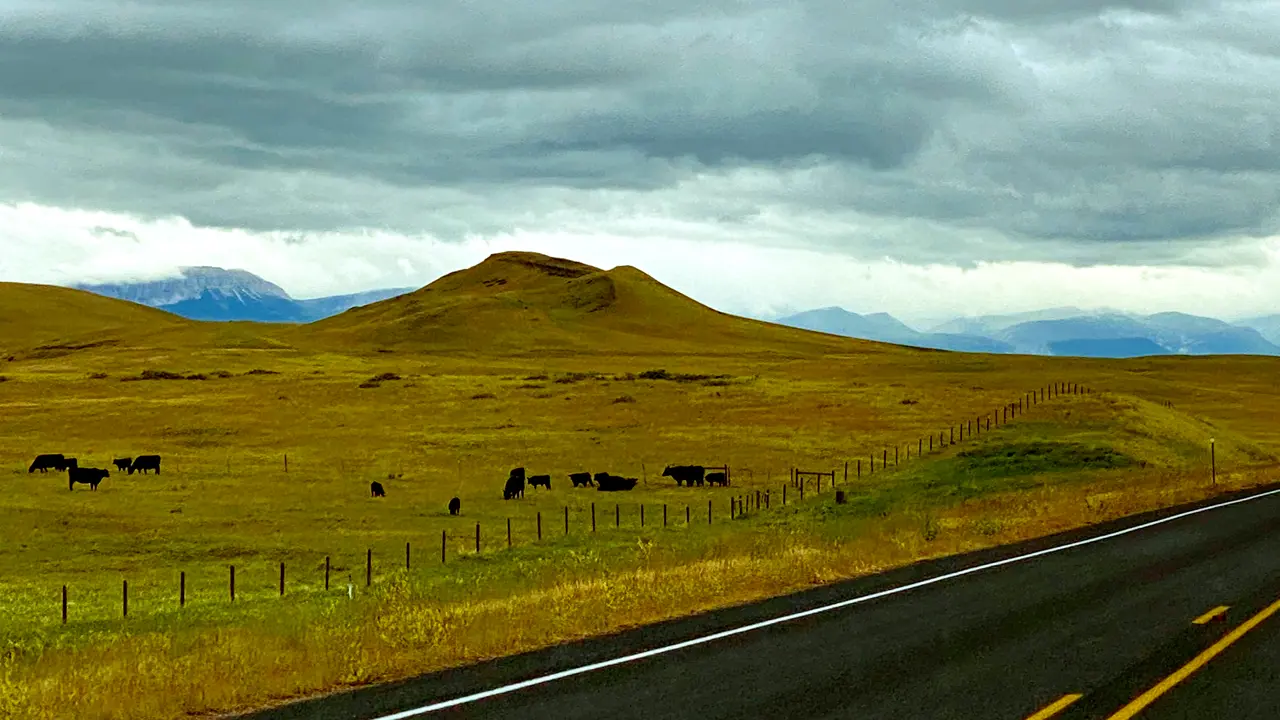
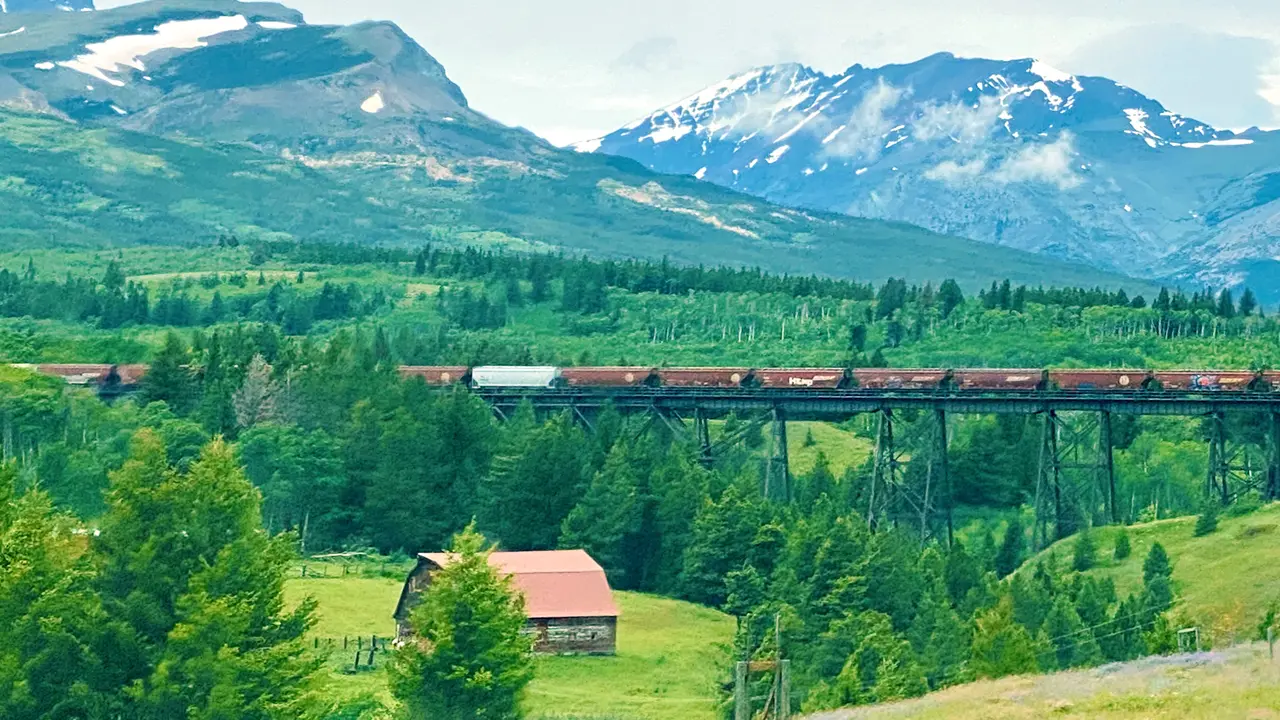
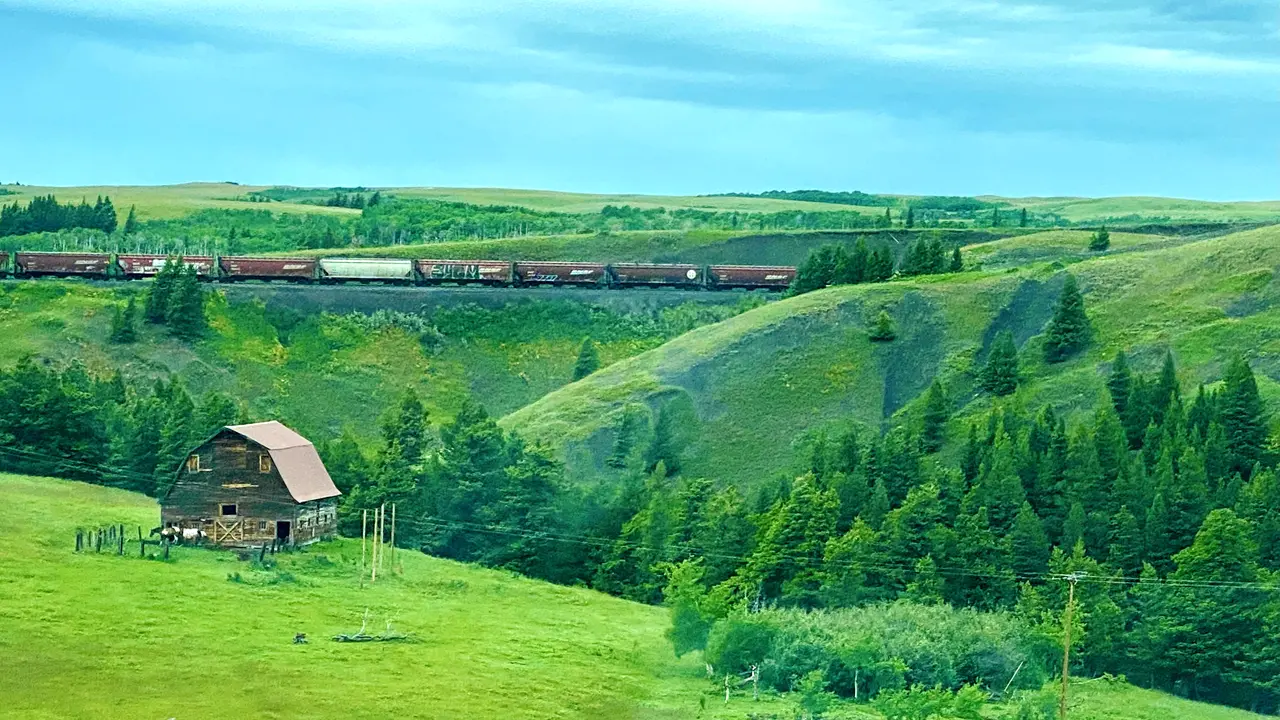
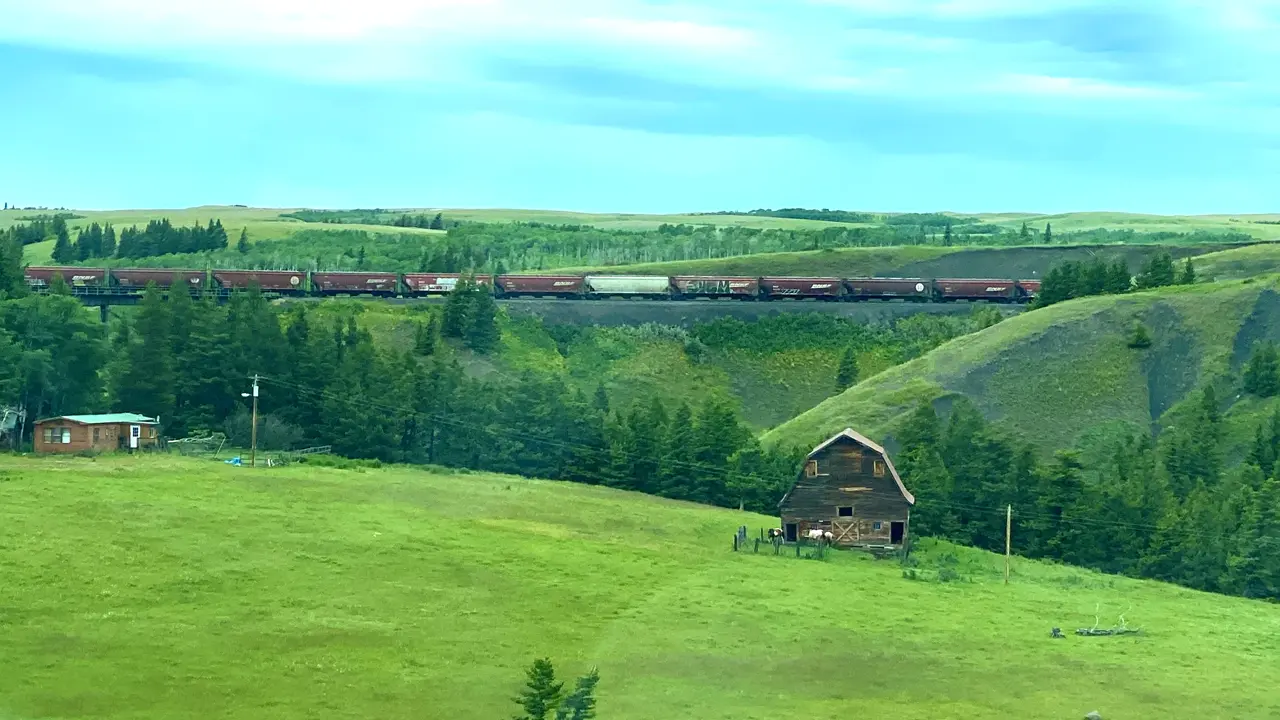
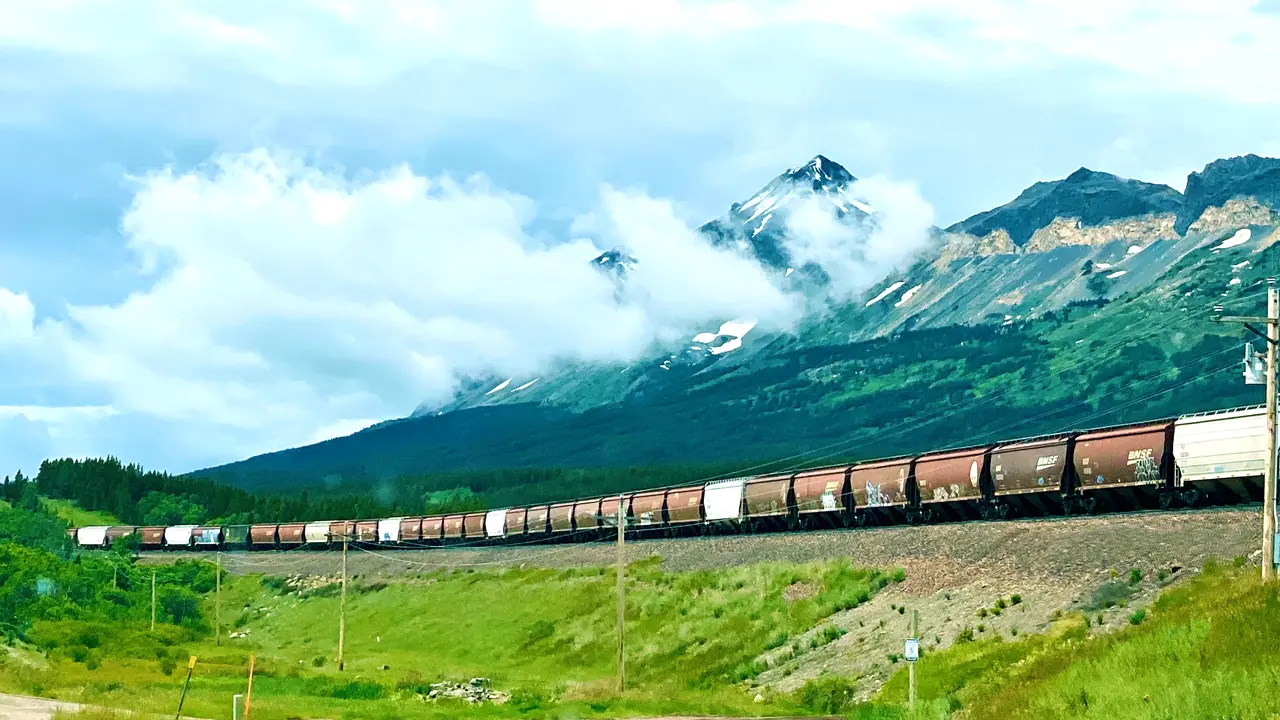
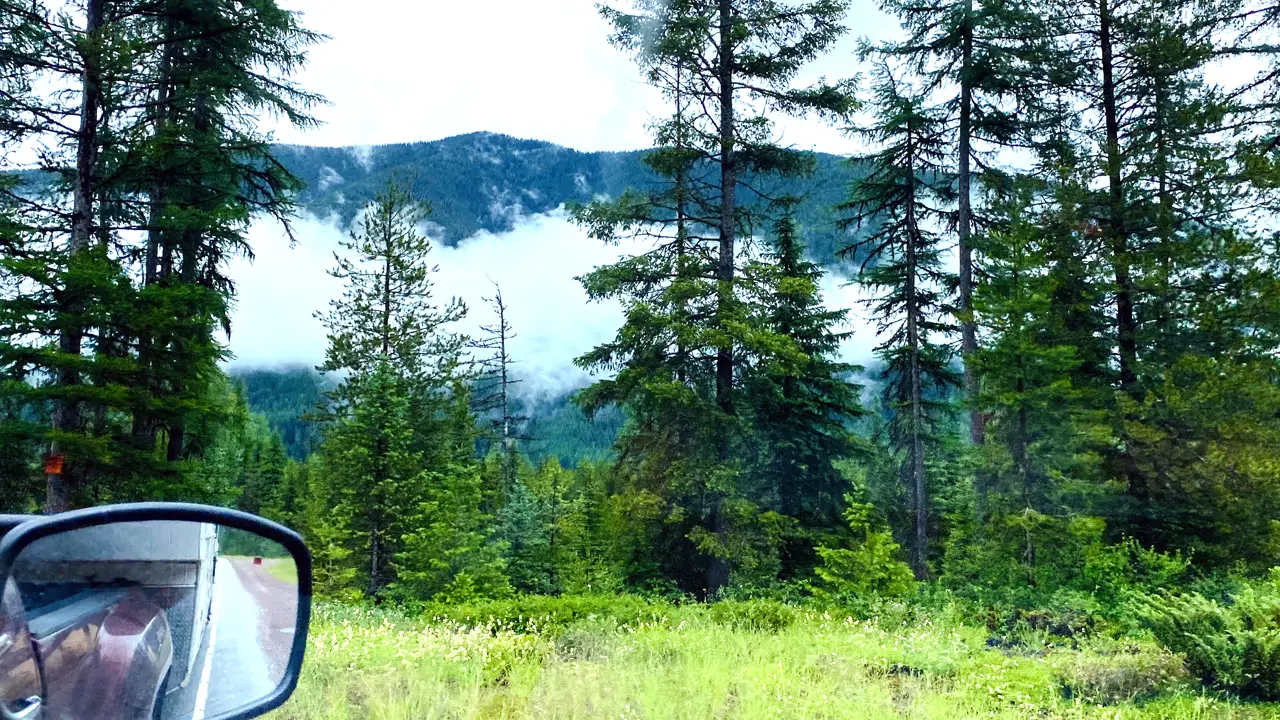
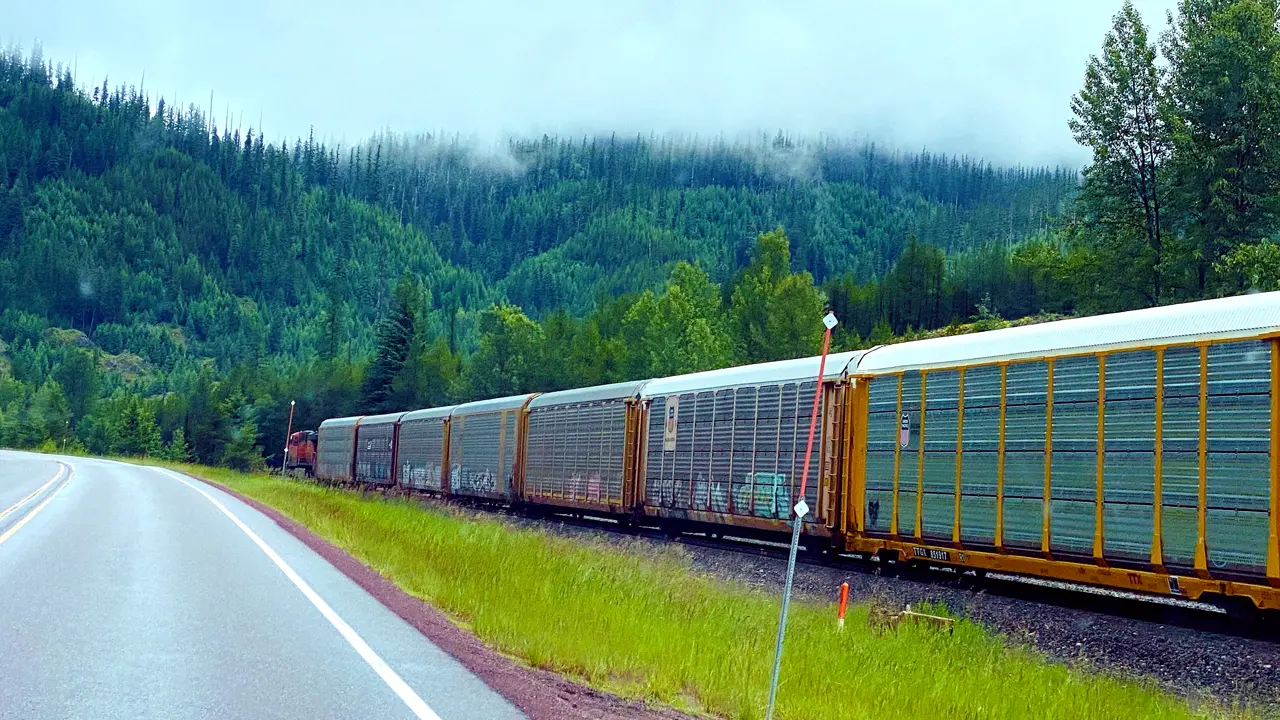
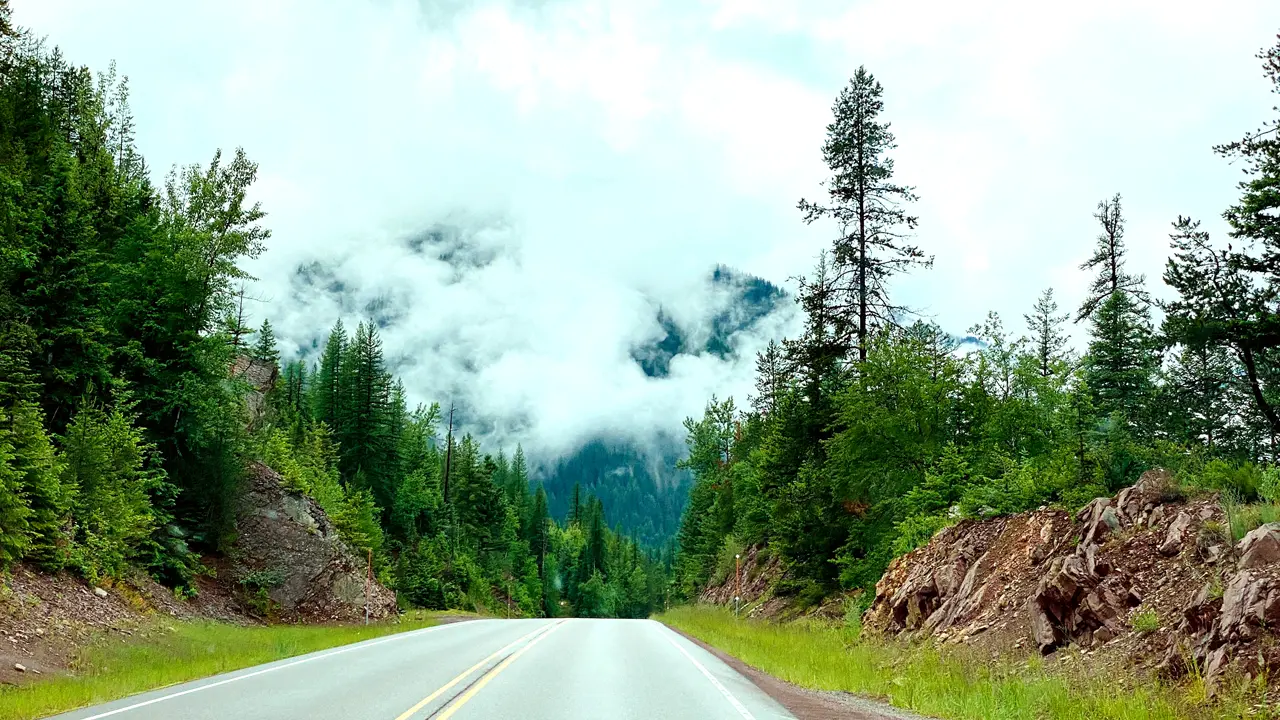
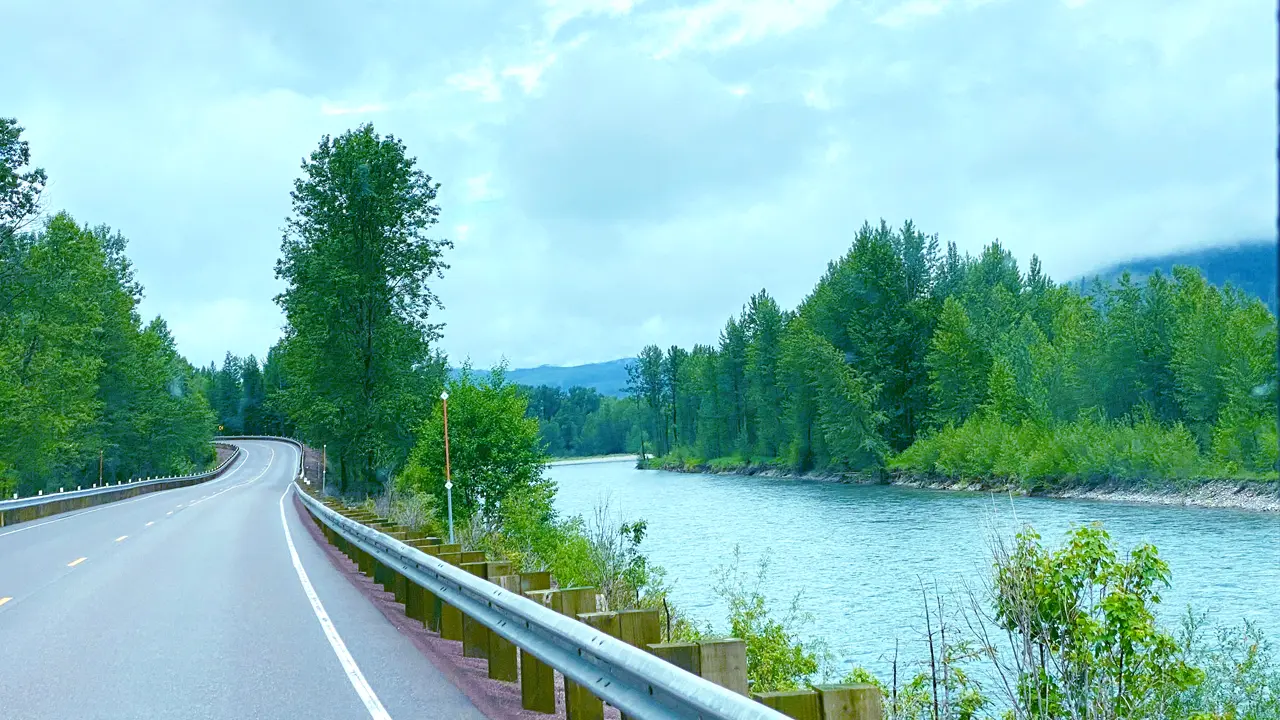
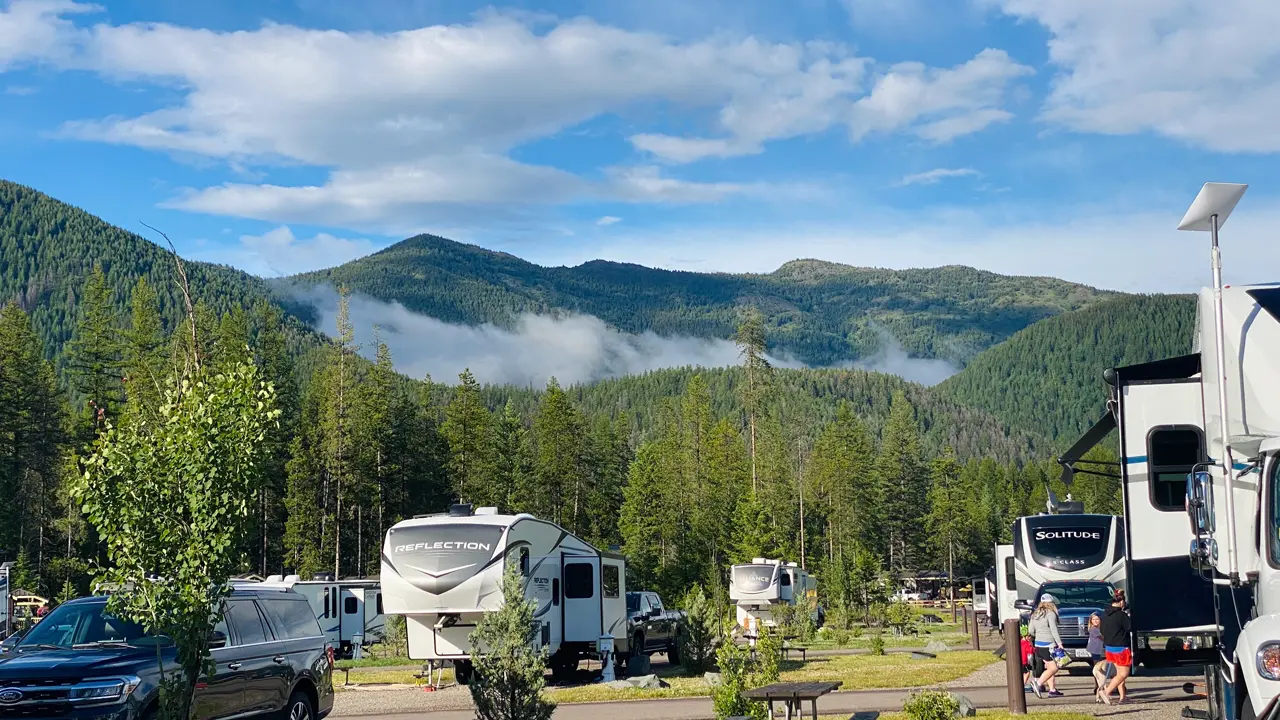
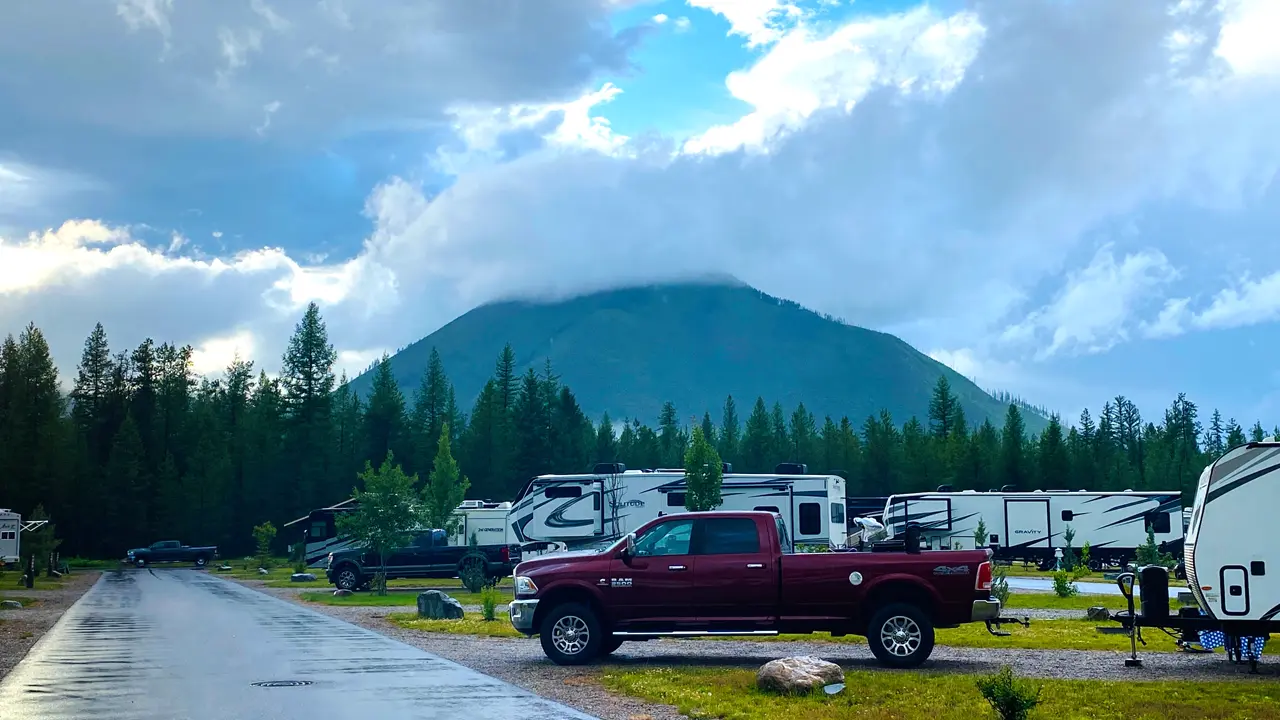
On Sunday, June 30th (2024) we arrived in West Glacier, Montana at West Glacier RV Park. Just when we think the drive can’t get any prettier, it does! A gorgeous 140-mile ride from Choteau to West Glacier with overcast, rainy skies making it all very mysterious. We drove along US-89 North, which was winding and beautiful, then drove through East Glacier Park with train tracks running along the side of the road for miles and miles. Some of the scenes looked like a painting. A low cloud bank added a magical quality to it all.
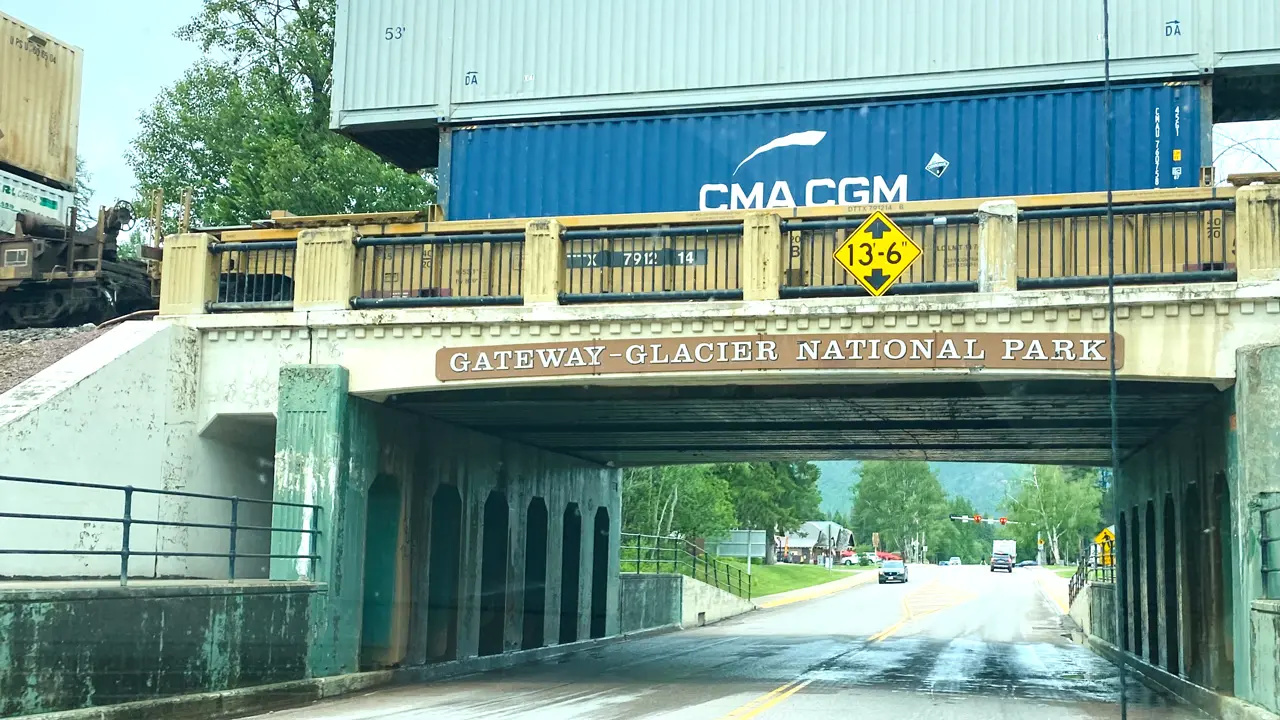
Our tiny home’s height is 13’5”. We had to make a turn and travel under a low 13’6” bridge just as a train was going by on top of it. A weird sensation! This was the start of the Going-to-the-Sun Road. Our campground was about a 1/2 mile down the road from the bridge.
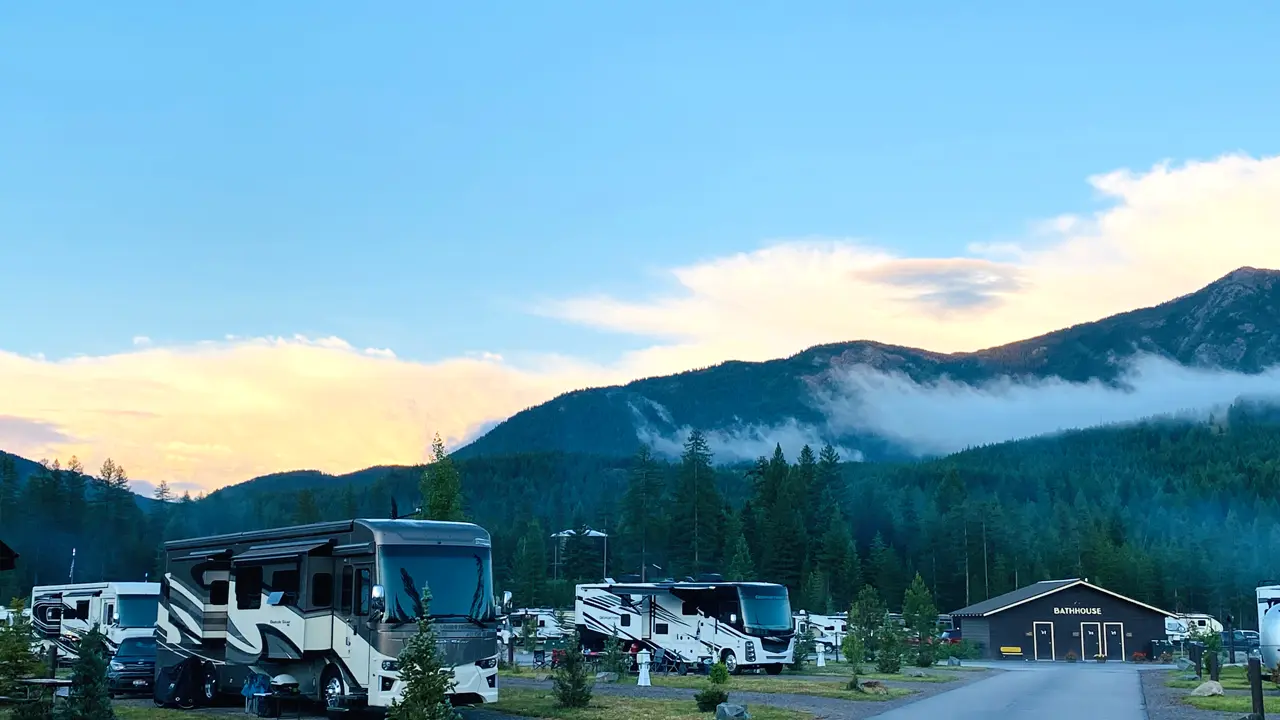
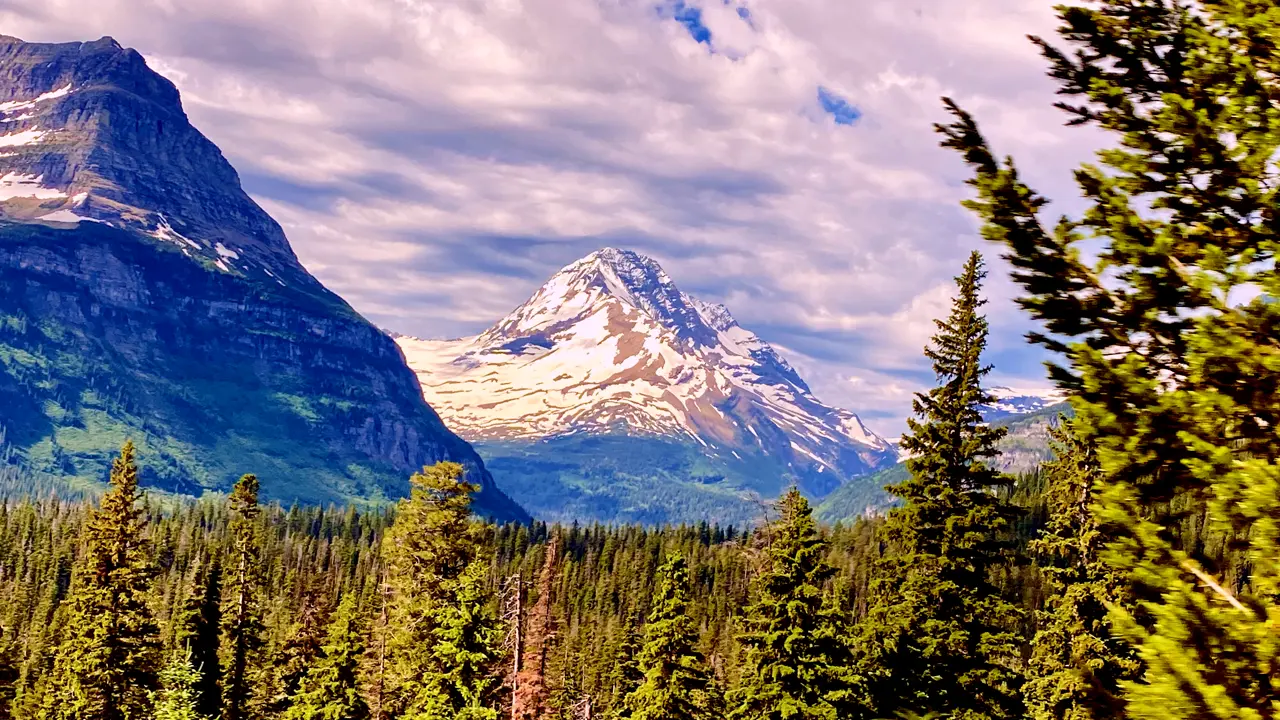
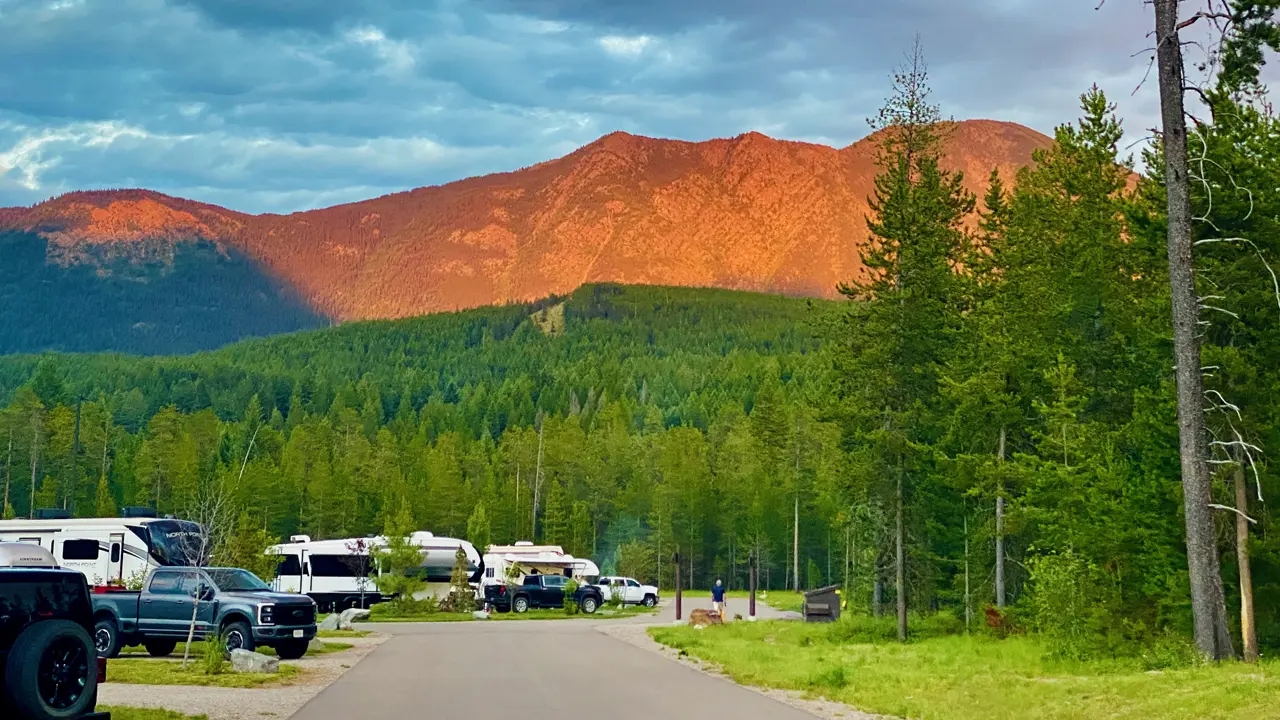
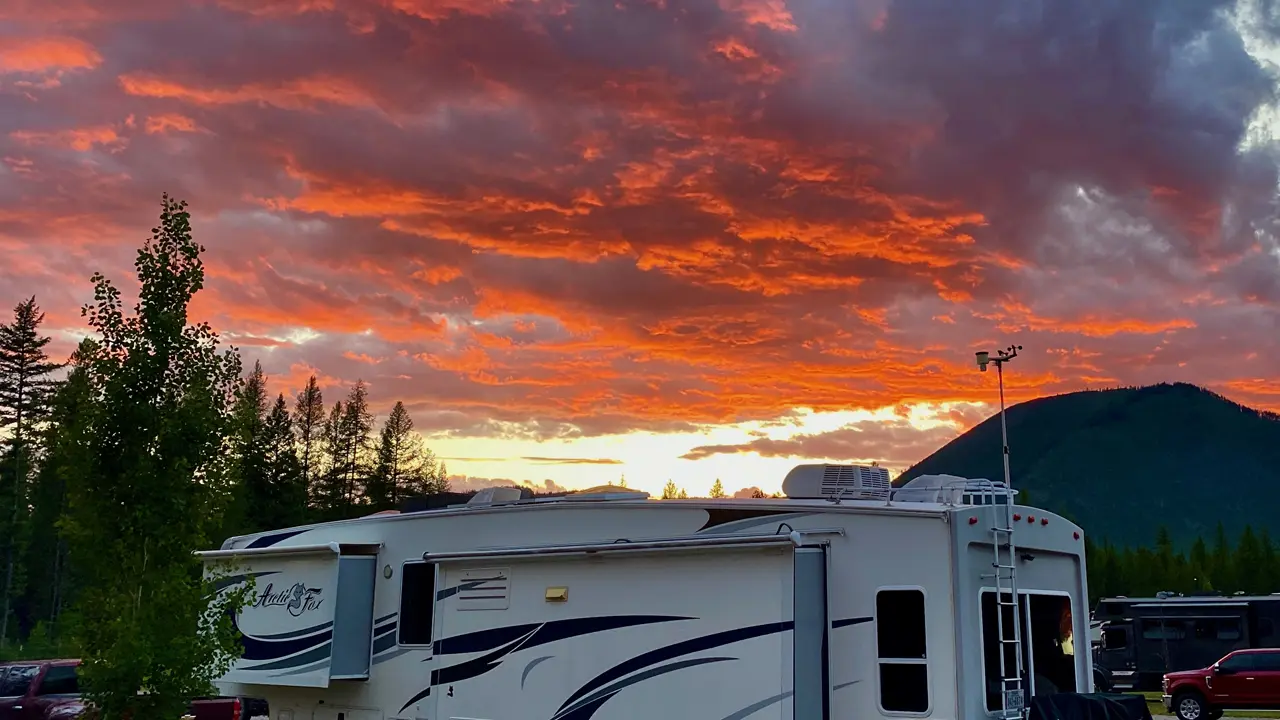
Beautiful mountain views surround the RV park. Sunset happens at almost 9:45 PM! Tomorrow we start our exploring.
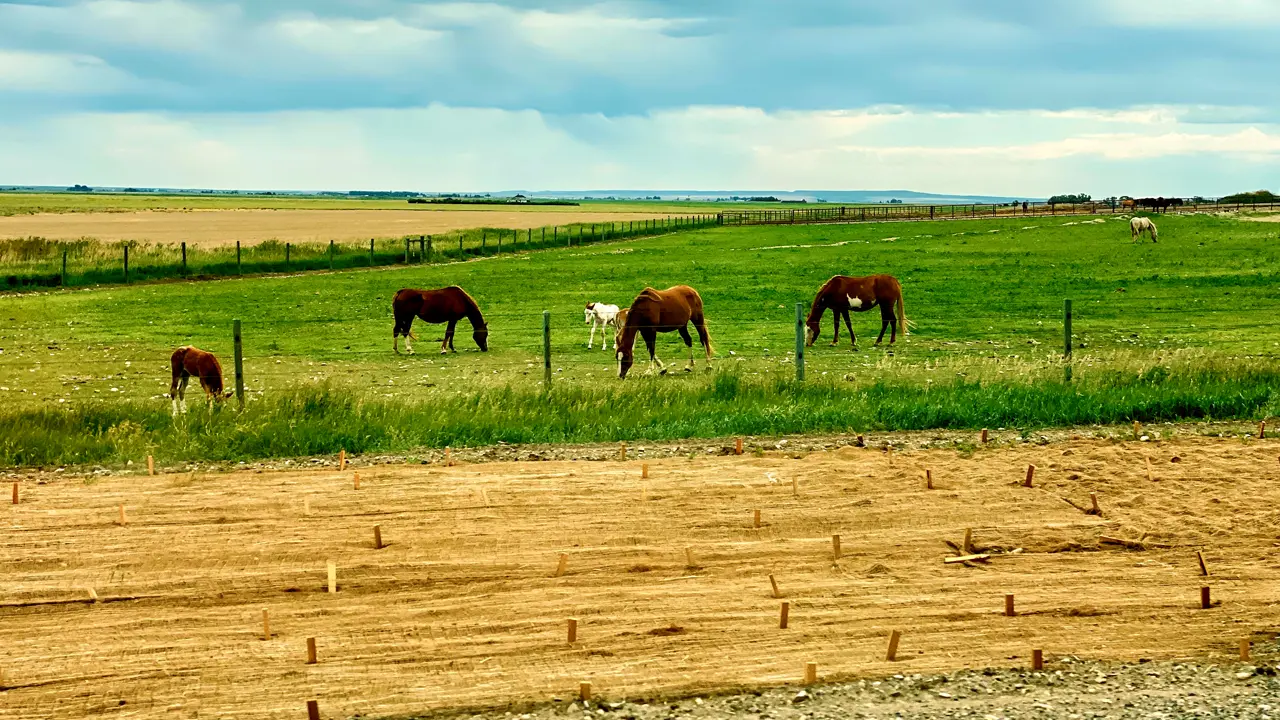 Horses and foals.
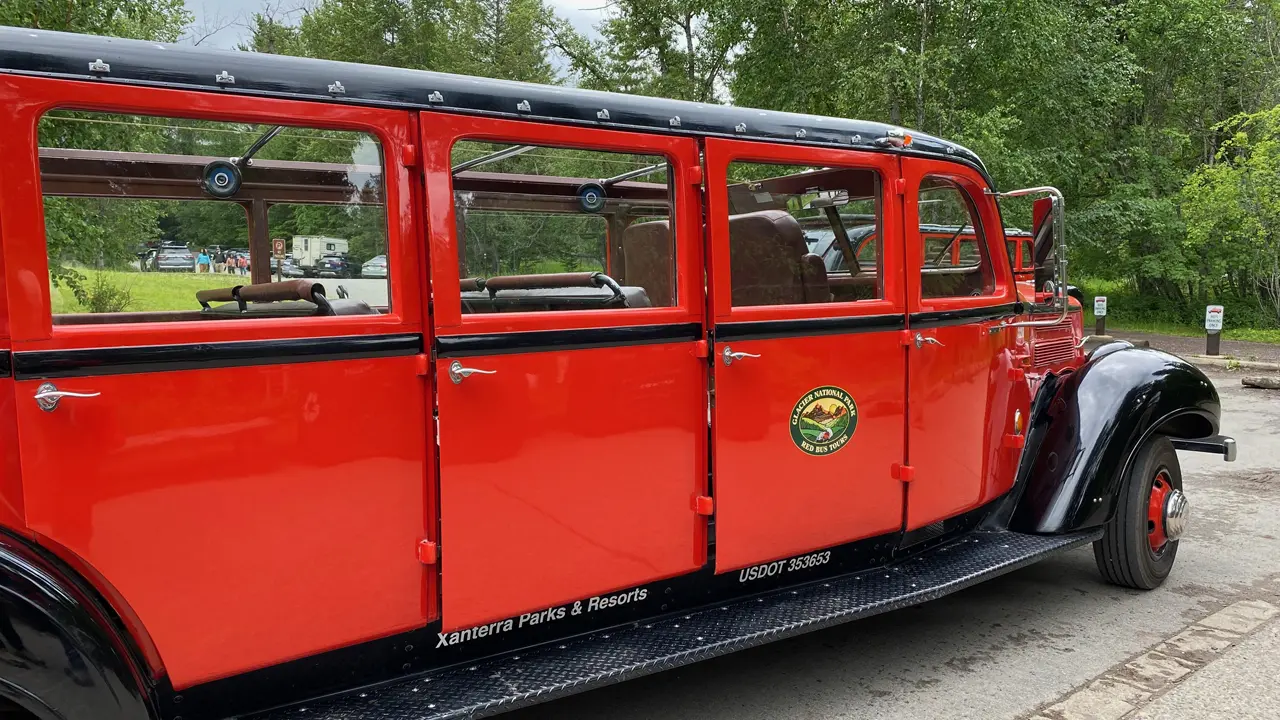
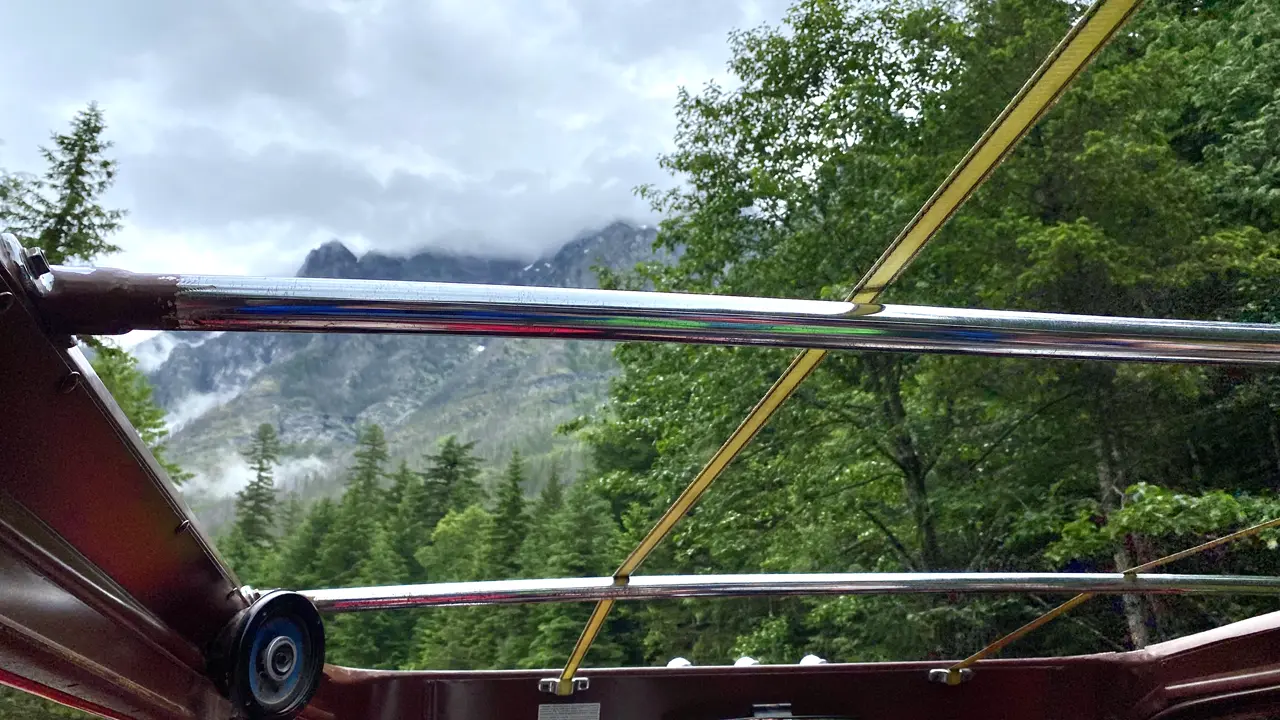
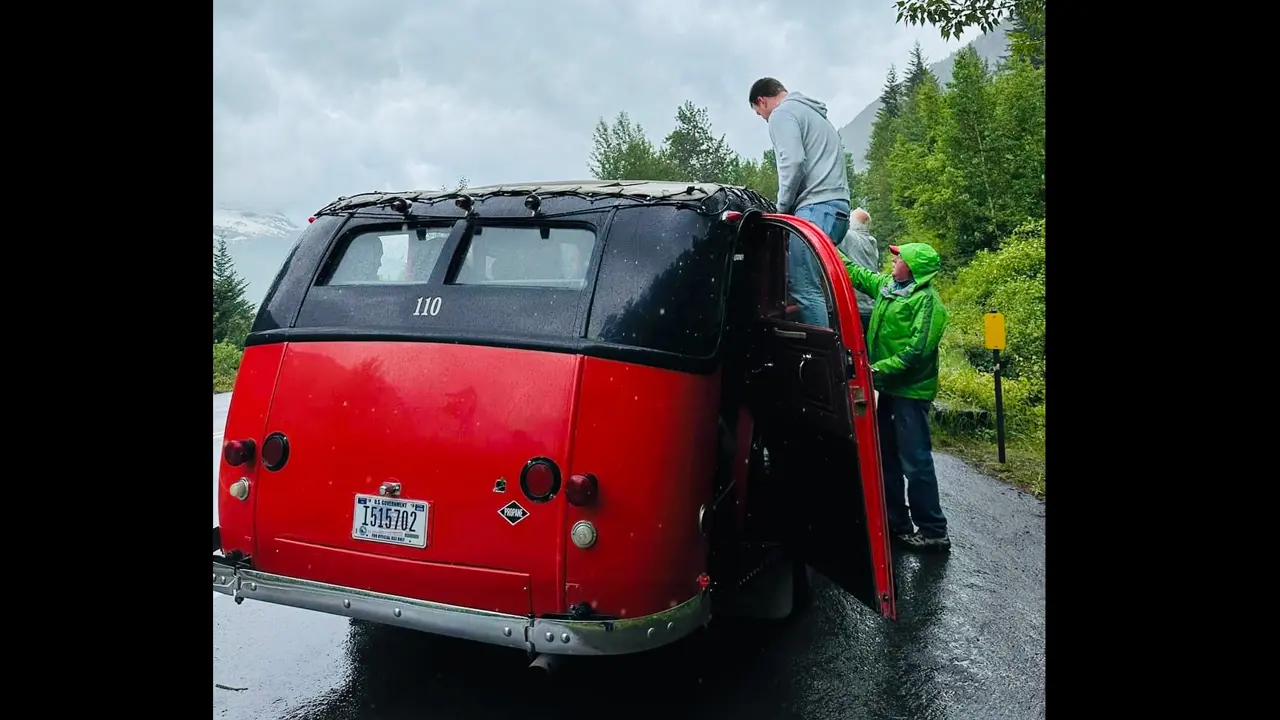
Day 1, Monday, July 1st (2024) some rain was in the forecast but since we have no control over the weather, off we go. There were now 6 of us… our traveling partners, Cheryl & Joe; Cheryl’s bestie visiting from Florida, Carol Ann; our friend Mary from New Hampshire and Gary & I. Given that our dually trucks are too large to drive on the Going-to-the-Sun Road, our pod of 6 opted for a Red Bus Tour. The historic red “buses” seat about 16 and are part of the largest, longest-running fleet of vehicles in the National Park Service. The red buses began in 1914 and the latest refurbishment took place 1999 – 2002 by Ford Motor Company. The goal was to retain the classic look and feel but update to meet today’s safety standards. The bus drivers are known as “jammers” because back-in-the-day they had to jam the buses into gear a lot because of the manual transmission. Our “jammer” has been driving the same red bus for 13 summers. His brother also is a jammer. At the height of the season there are 33 buses in service. Why red? Ford Motor Company was asked to match the “wild mountain ash berry red” plant that grows in Glacier NP. In the fall the plant becomes a beautiful red color. The top of the red bus opens for great views of the mountains, which we thoroughly enjoyed… until it started to rain. Did I mention the temps were chilly? The top went up.
GNP was established in 1910 and is nicknamed “The Crown of the Continent.” It’s about 1 million acres or the size of Rhode Island. What makes it special? It’s a showcase of melting glaciers, alpine meadows, carved valleys, and spectacular lakes with over 700 miles of hiking trails. Wow. In 1966 the park had 35 named glaciers large enough to be considered active. Today, 24 named glaciers remain. The trend of glacier retreat is expected to continue as temps rise.
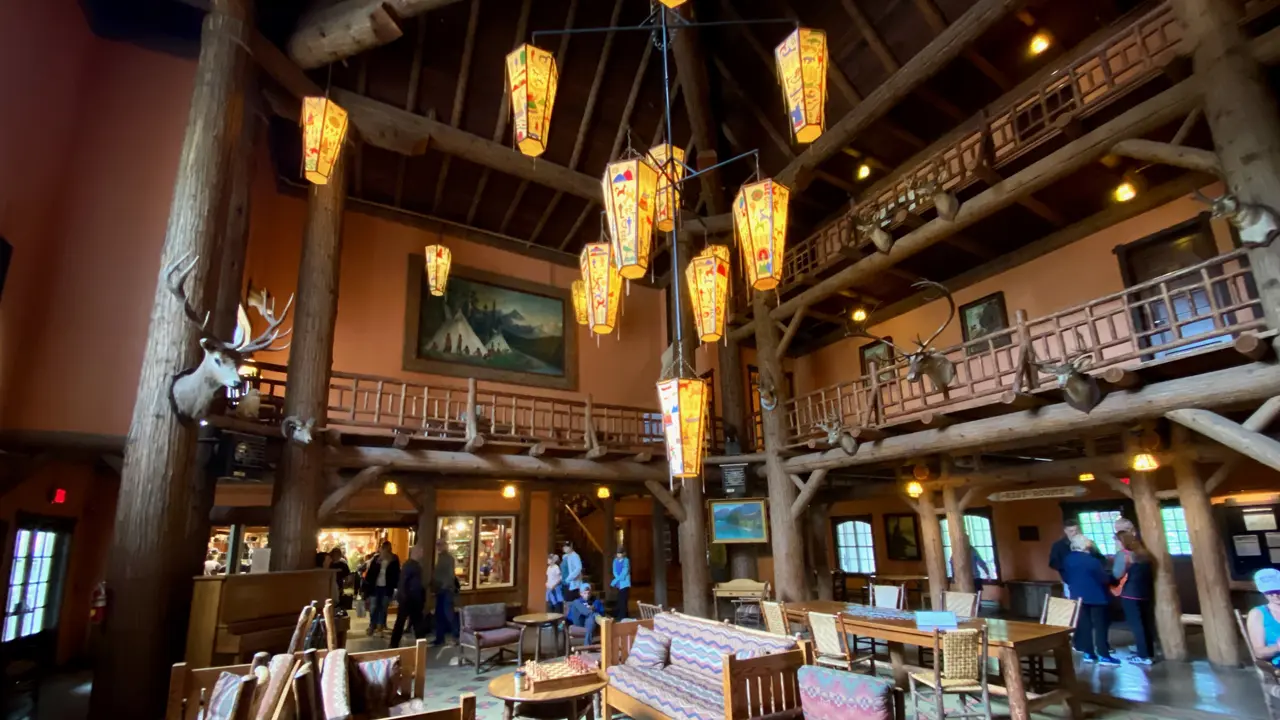
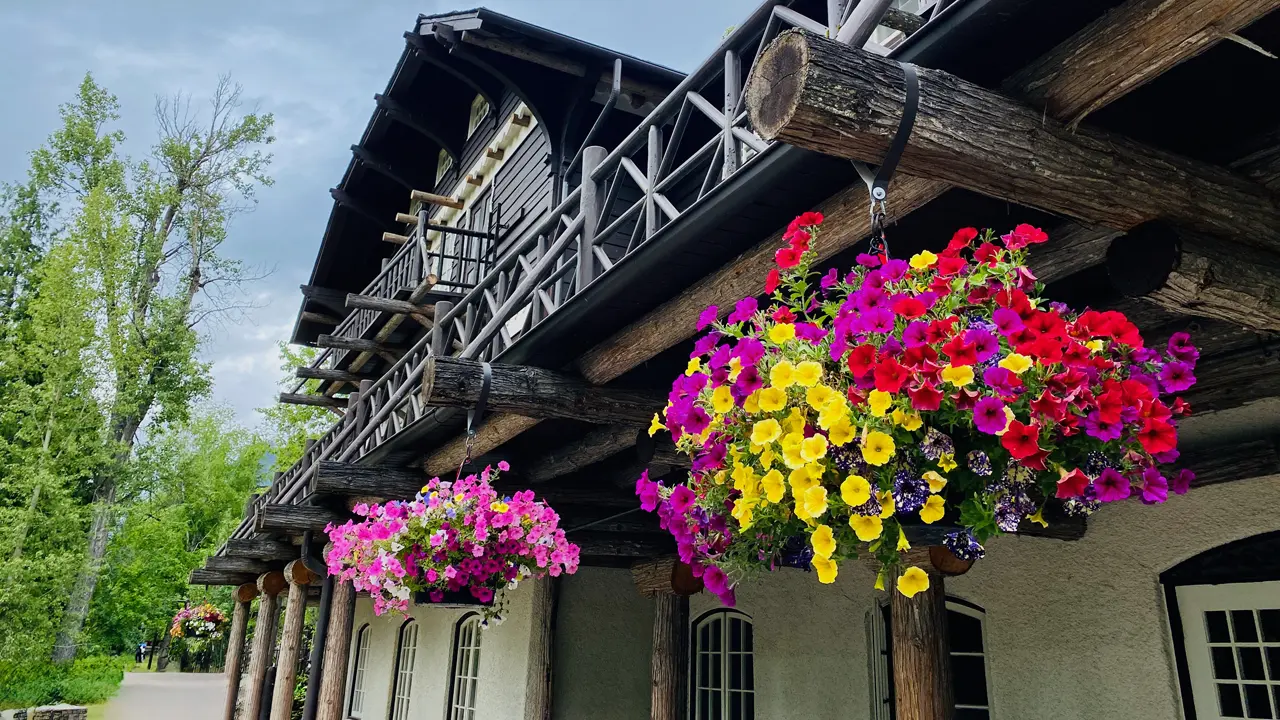
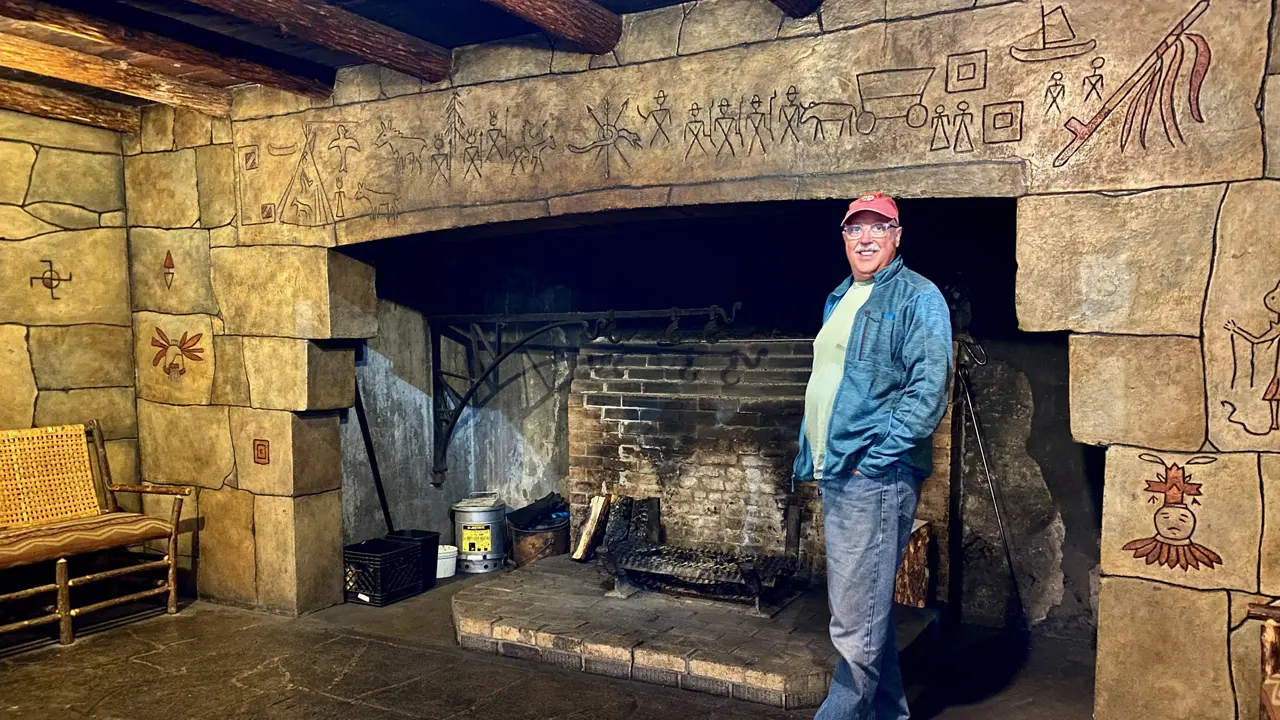
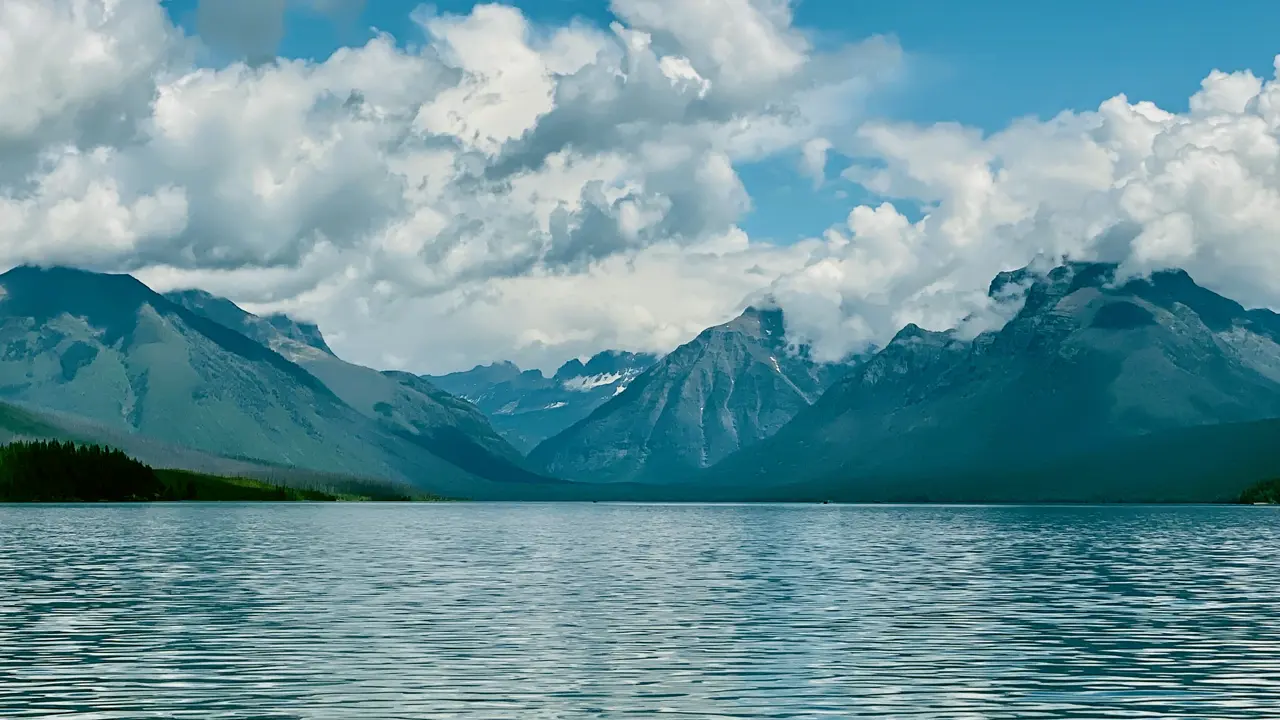
Lake McDonald is the largest of the many glacially carved lakes in the park at nearly 10 miles long and 500 ft deep. Lake McDonald Lodge is a National Historic Landmark. Built in 1913, the foundation and first floor walls are built of stone, with a wood-frame superstructure. It also has a massive fireplace!
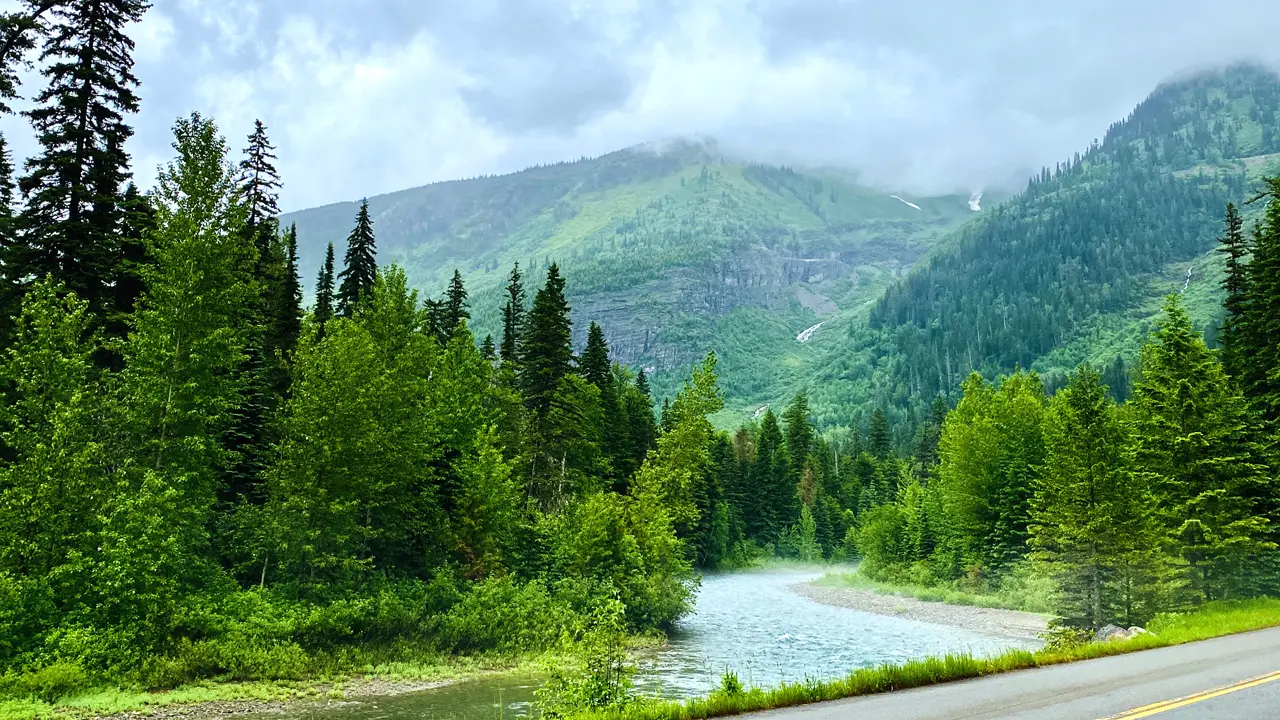
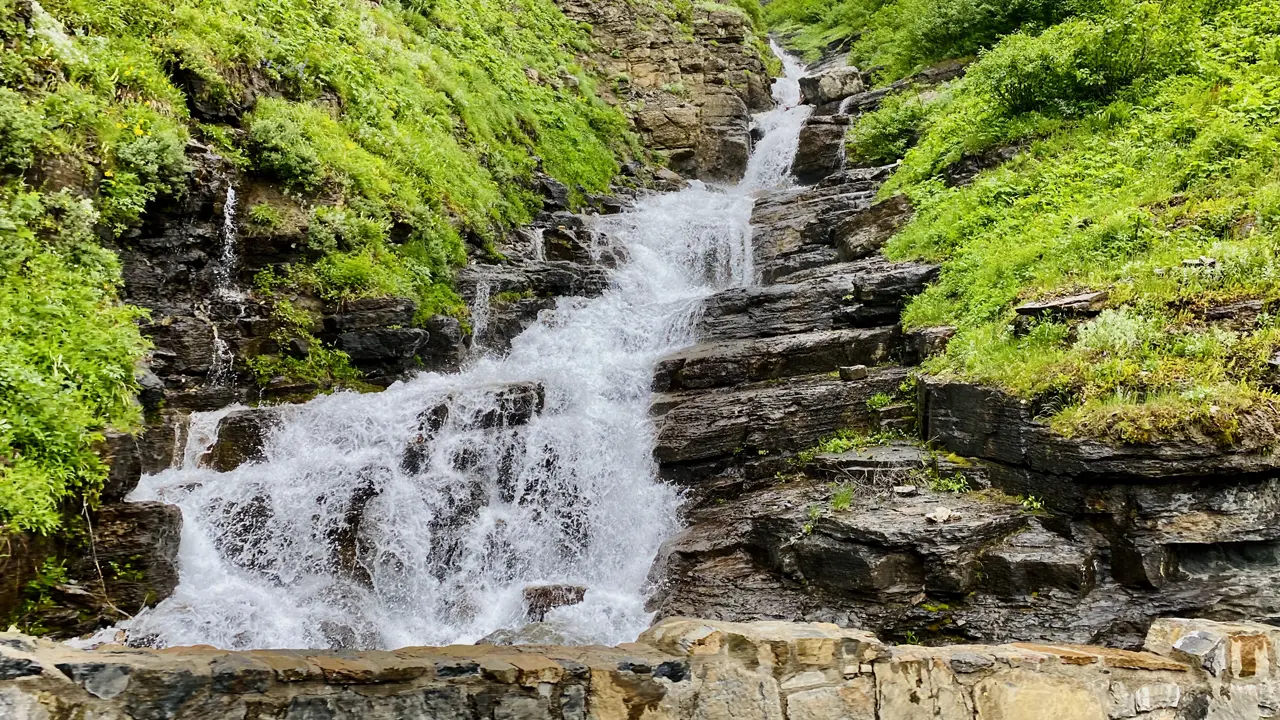
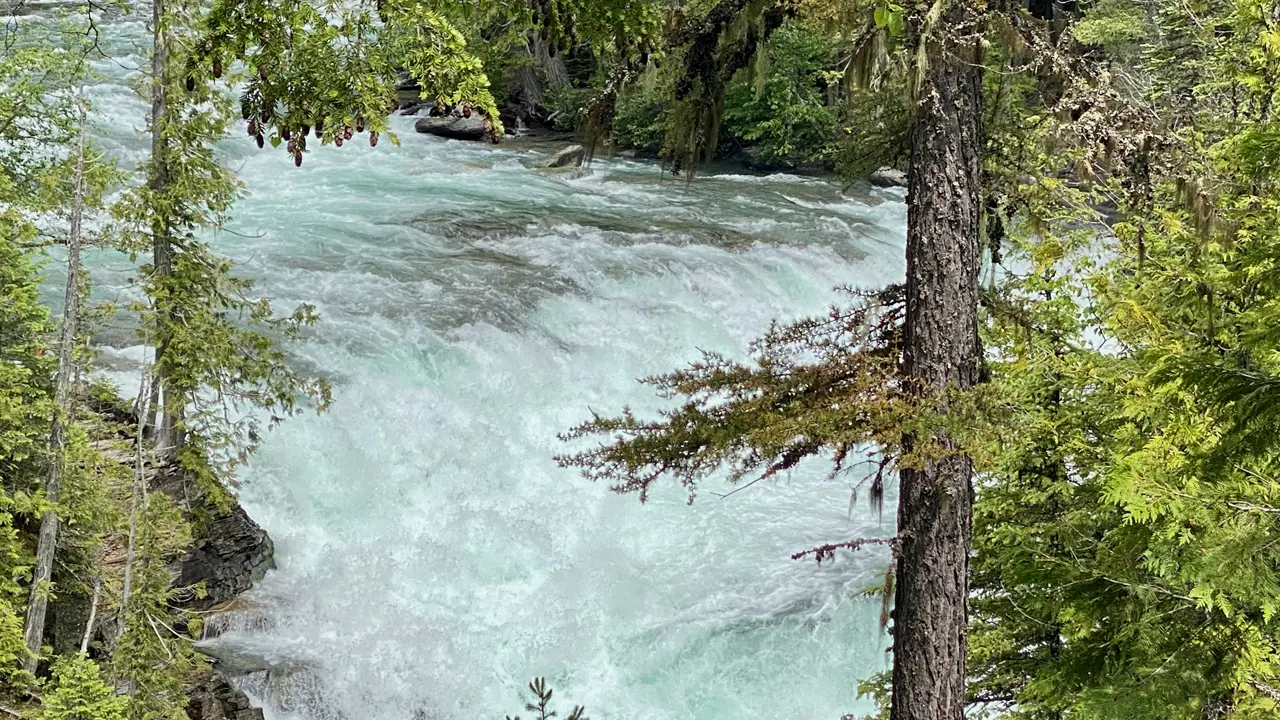
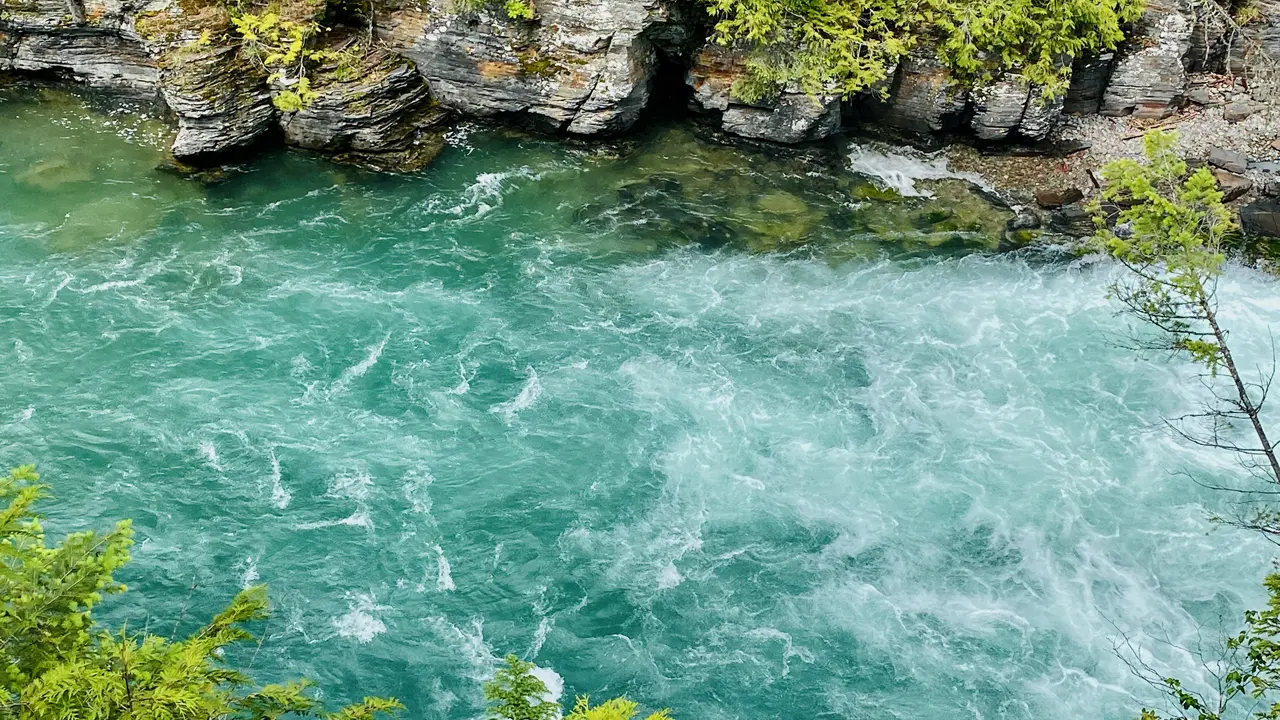
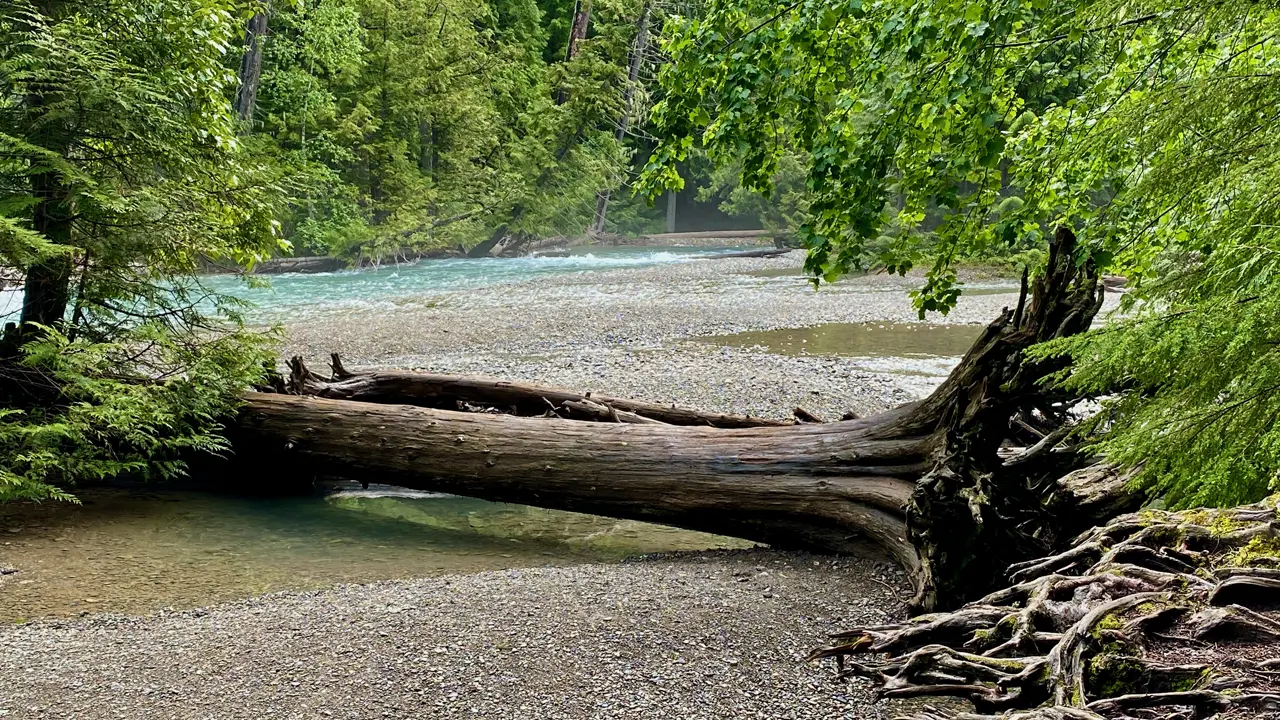
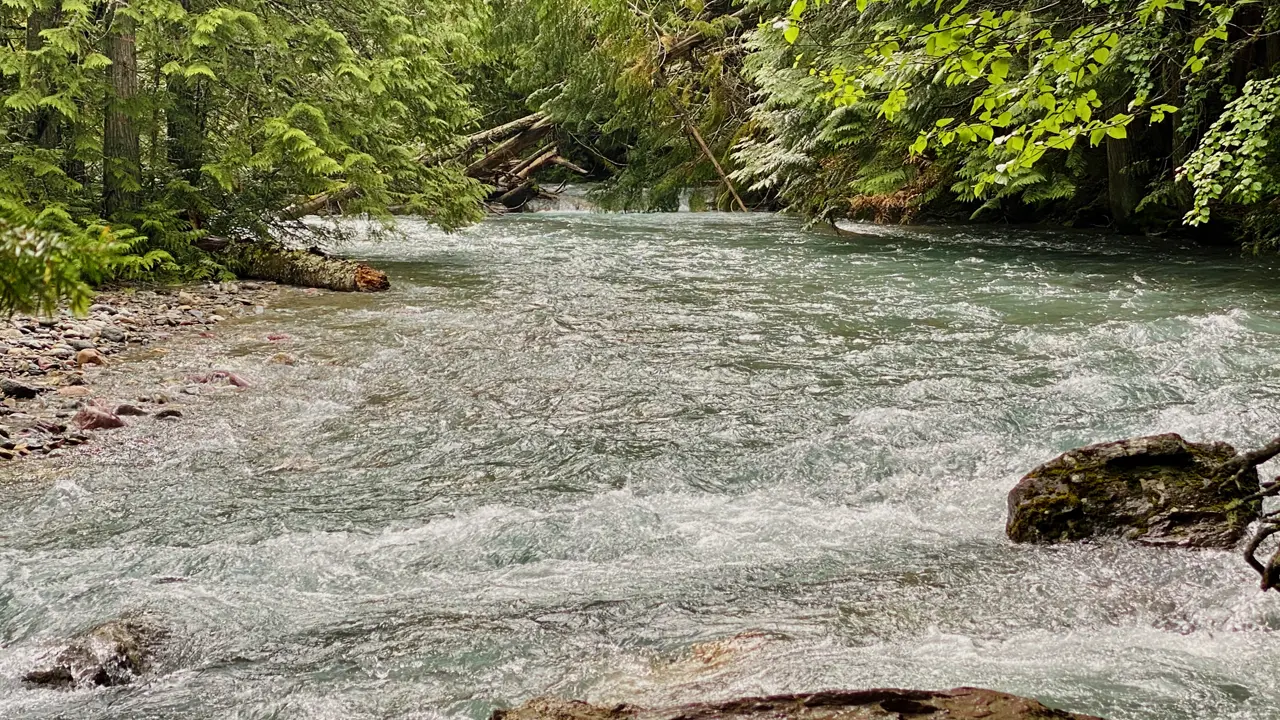
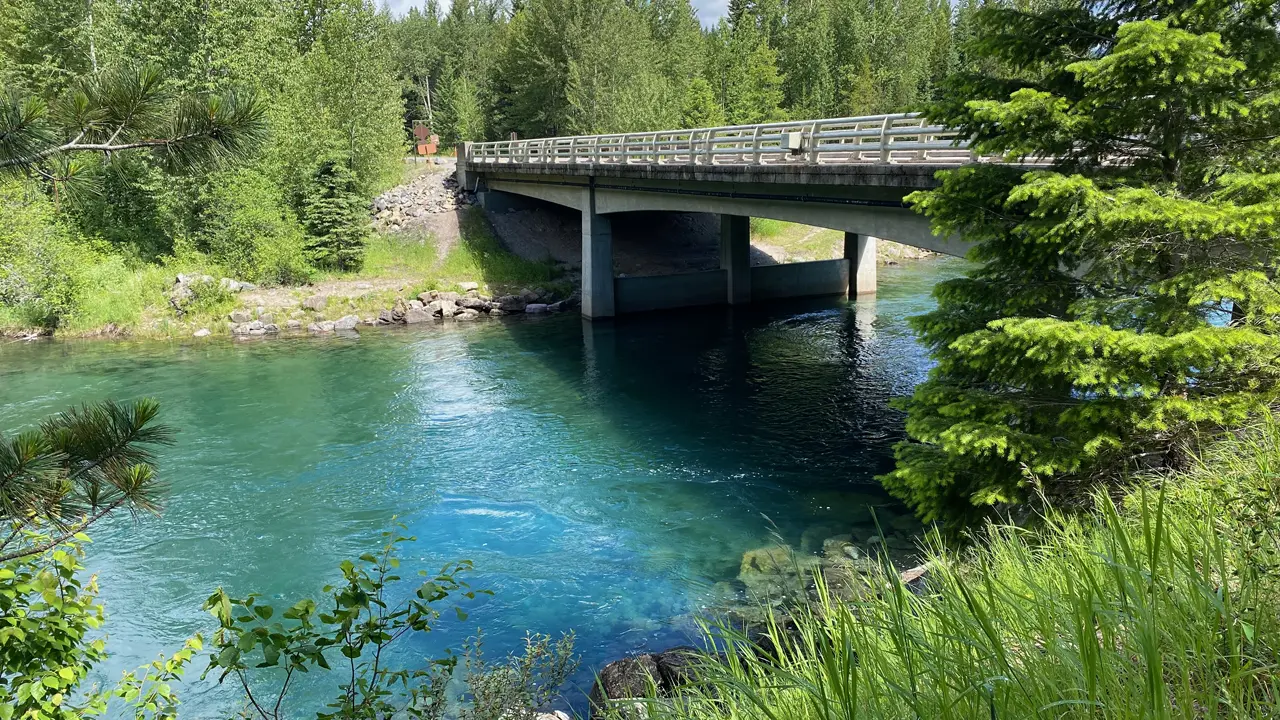
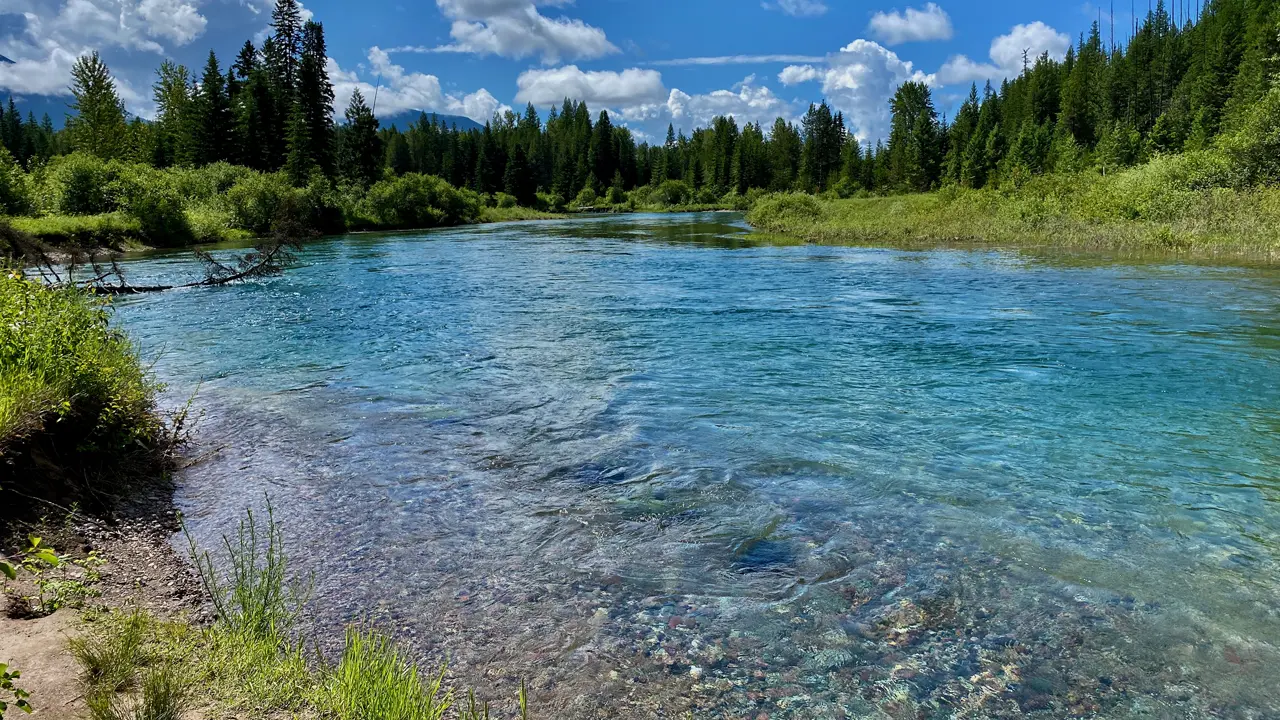
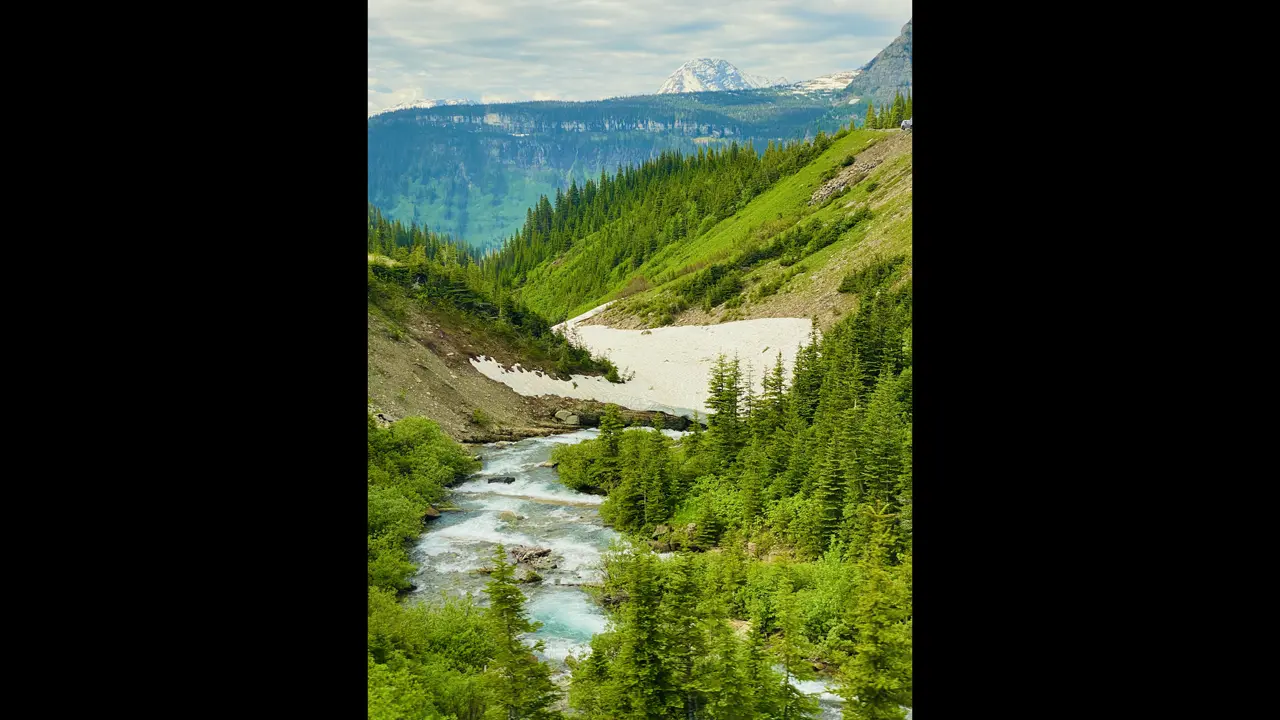
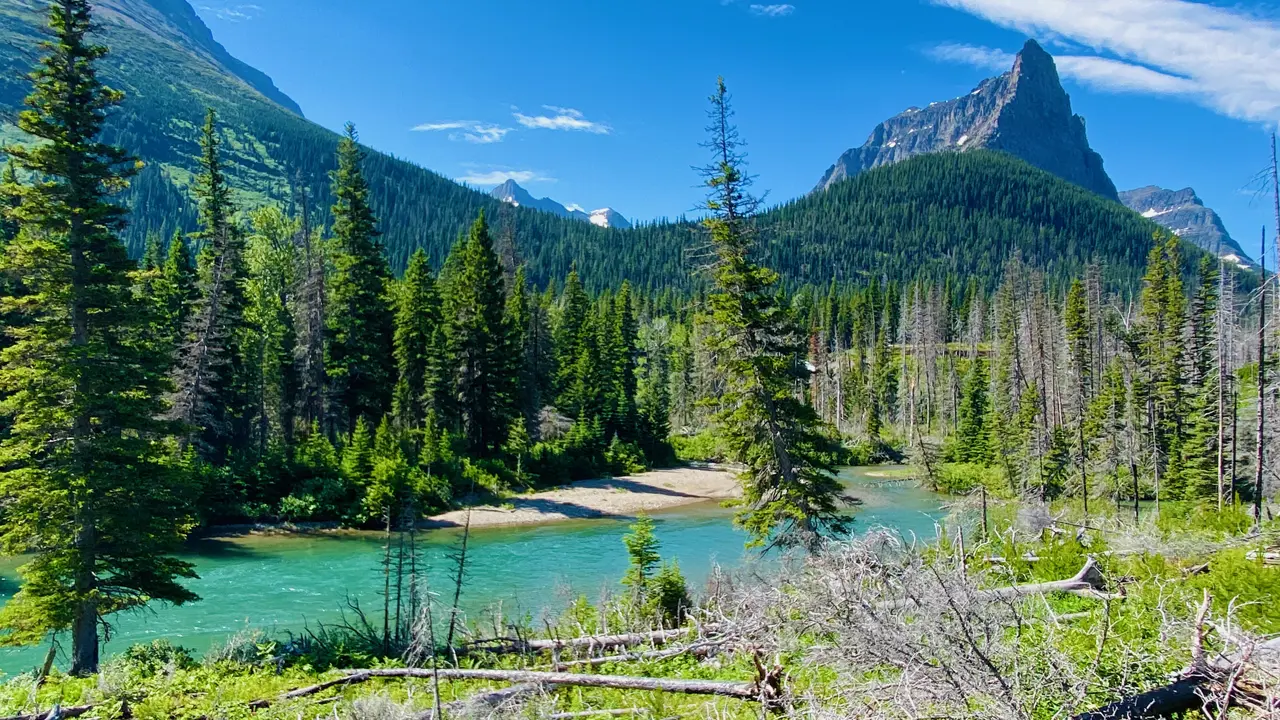
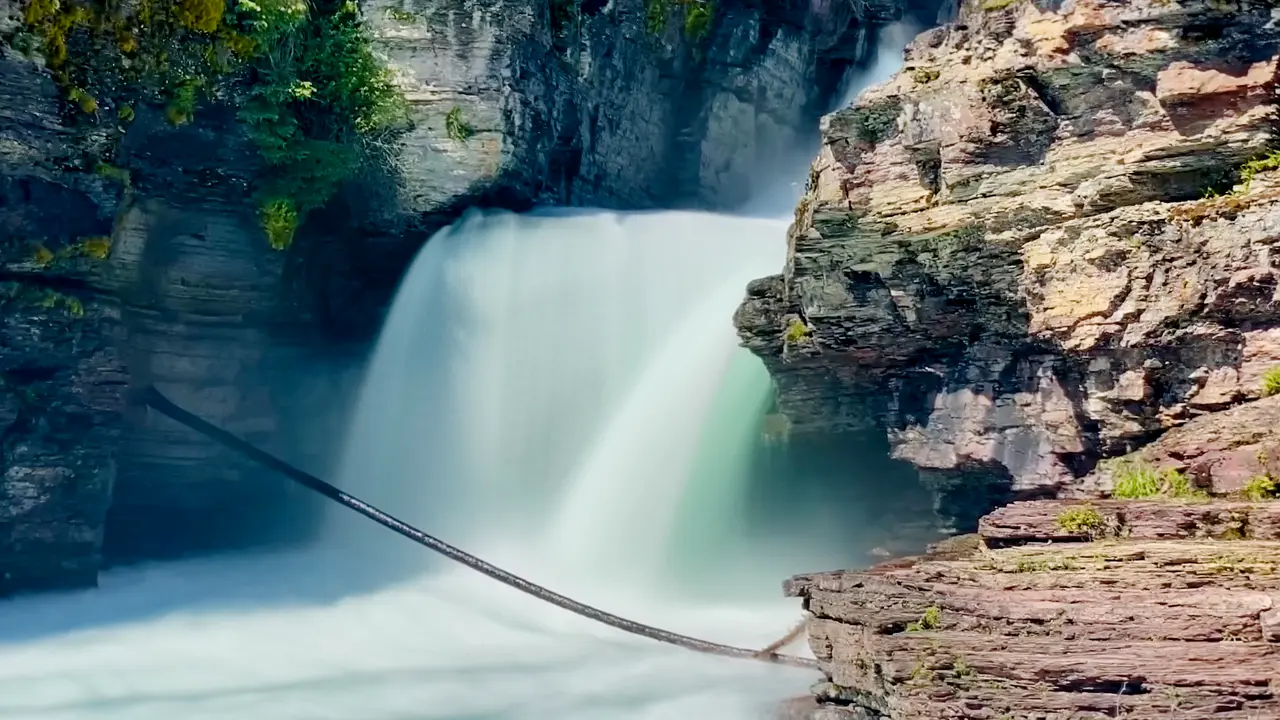
Glacier NP is known for having blue/green water. Glacial “flour” aka glacial silt causes the aqua color of the water. It is sediment from ground up rock and gravel particles produced during glacial erosion. This time of year the rivers and waterfalls were flowing big time!
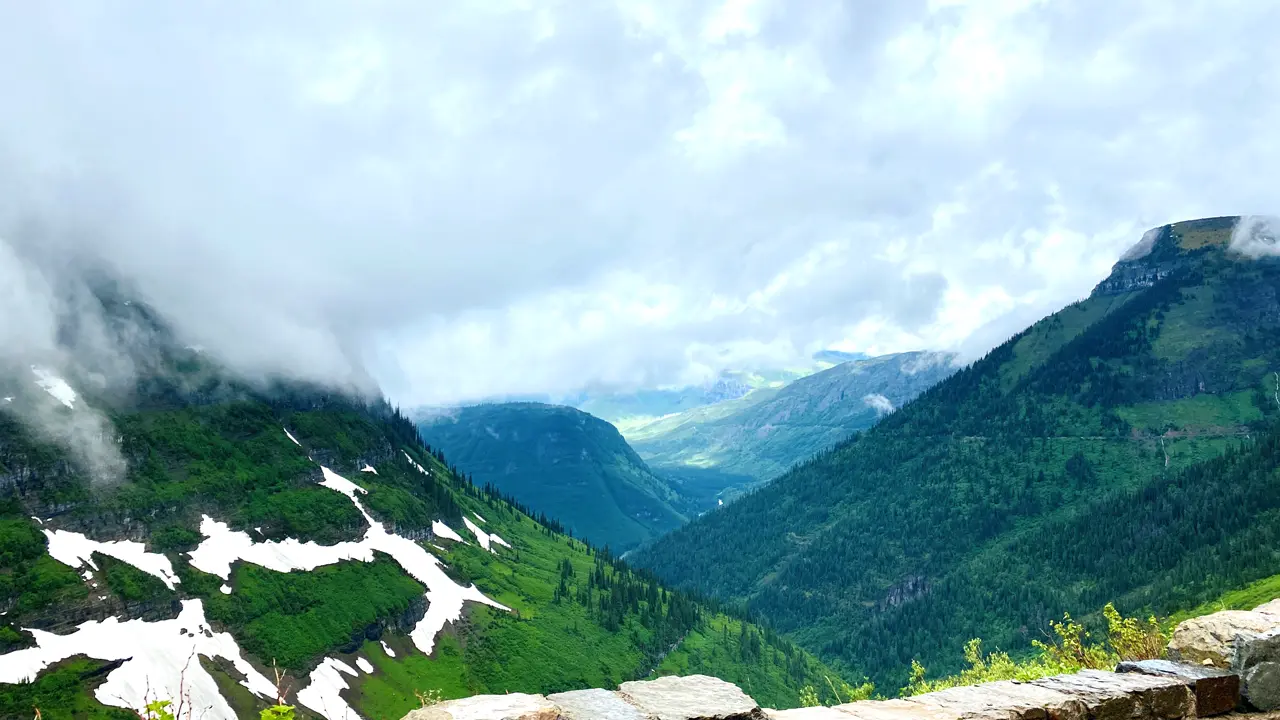
Construction began on what would become Going-to-the-Sun Road in 1911. It gets its name from nearby Going-to-the-Sun Mountain. It was a 2.5 mile paved “boulevard” at that time. The current 50-mile version of the road was begun in 1925 after various plans were considered, one which included 15 switchbacks. Critics thought it would look like a mining road. Finally Stephen Mather, the NPS Director at the time, settled on a design that would “lie lightly on the ground” and work began in 1925. The road was ultimately completed in 1933 and Going-to-the-Sun Road was officially dedicated and named on July 15, 1933. Over the years the road has been widened, paved, and slightly re-aligned… but the basic design remains.
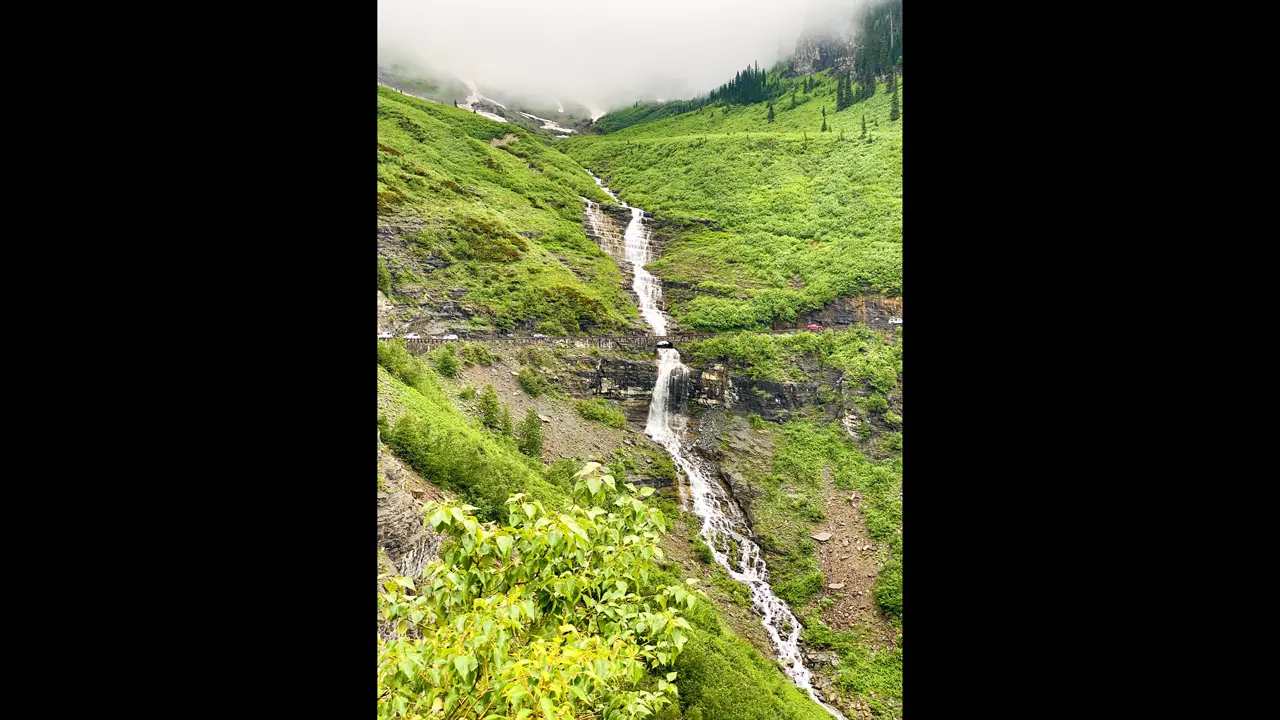
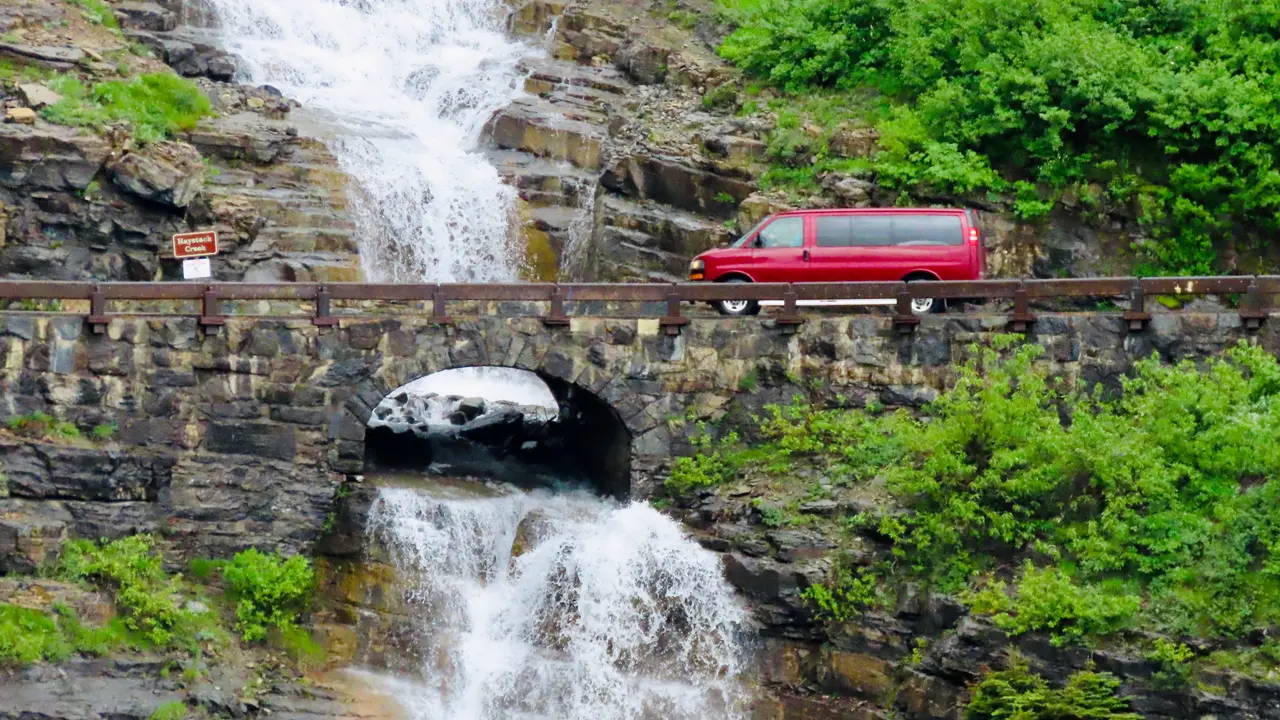
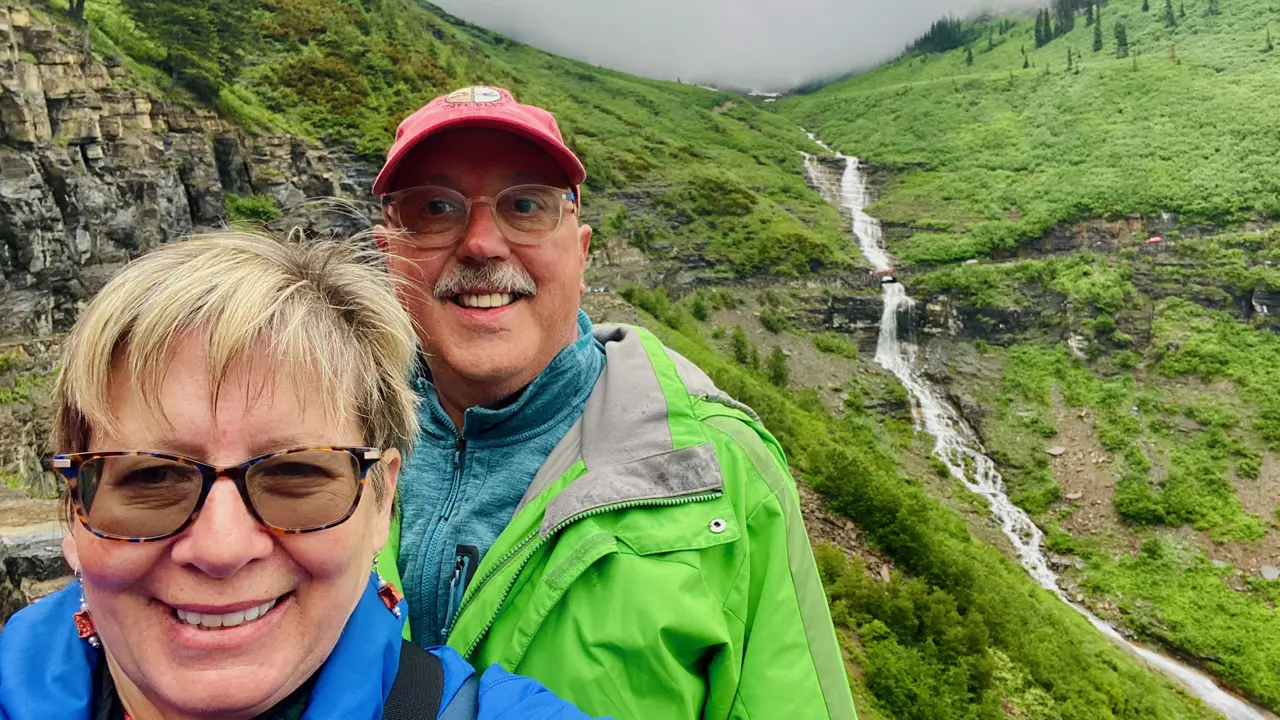
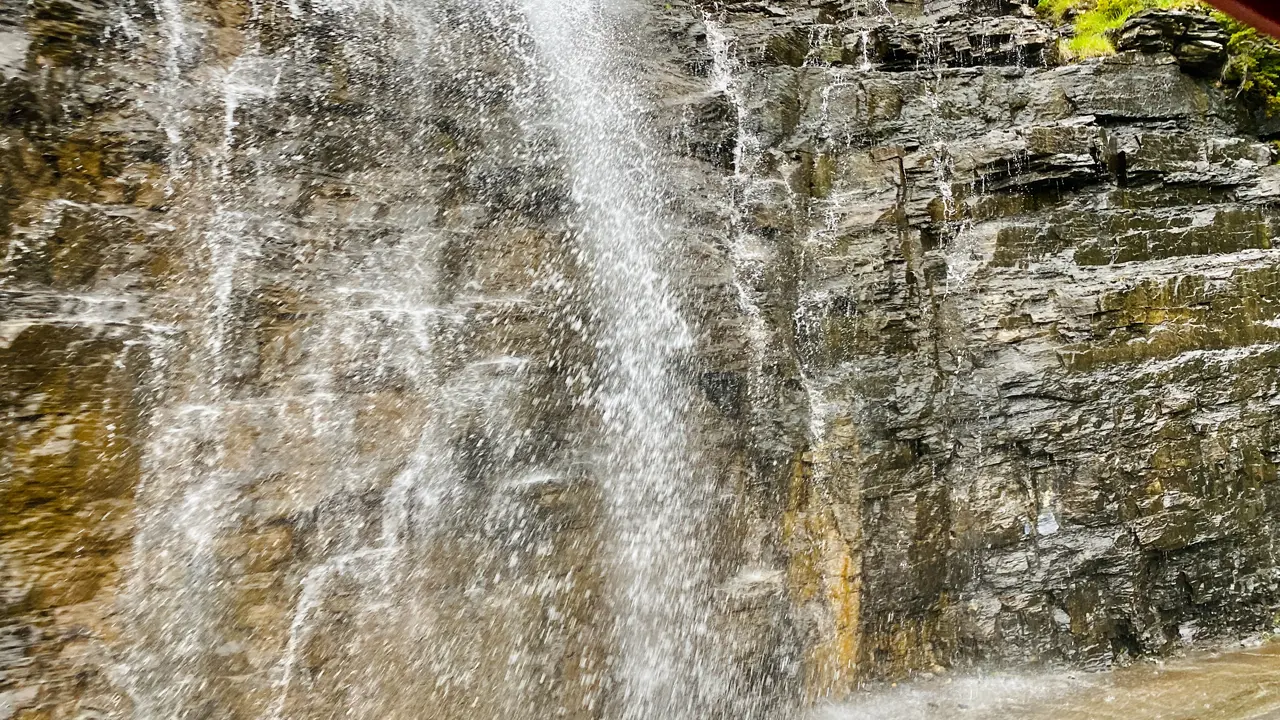
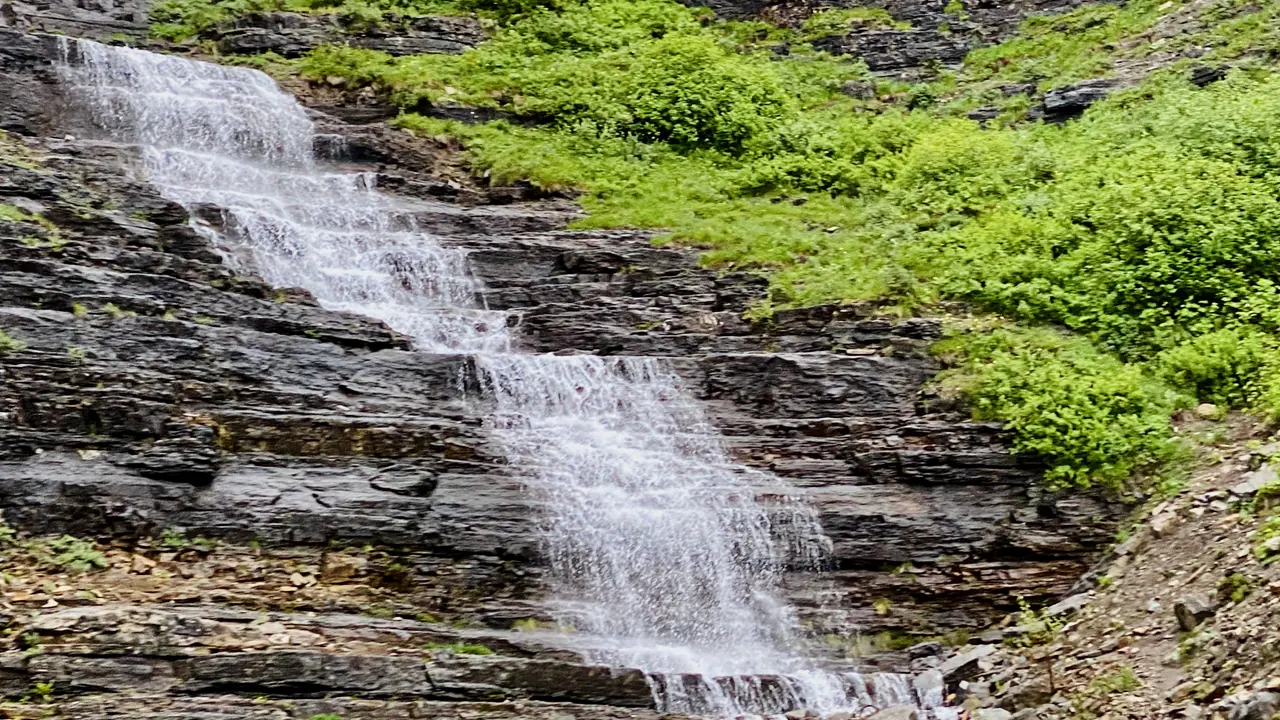
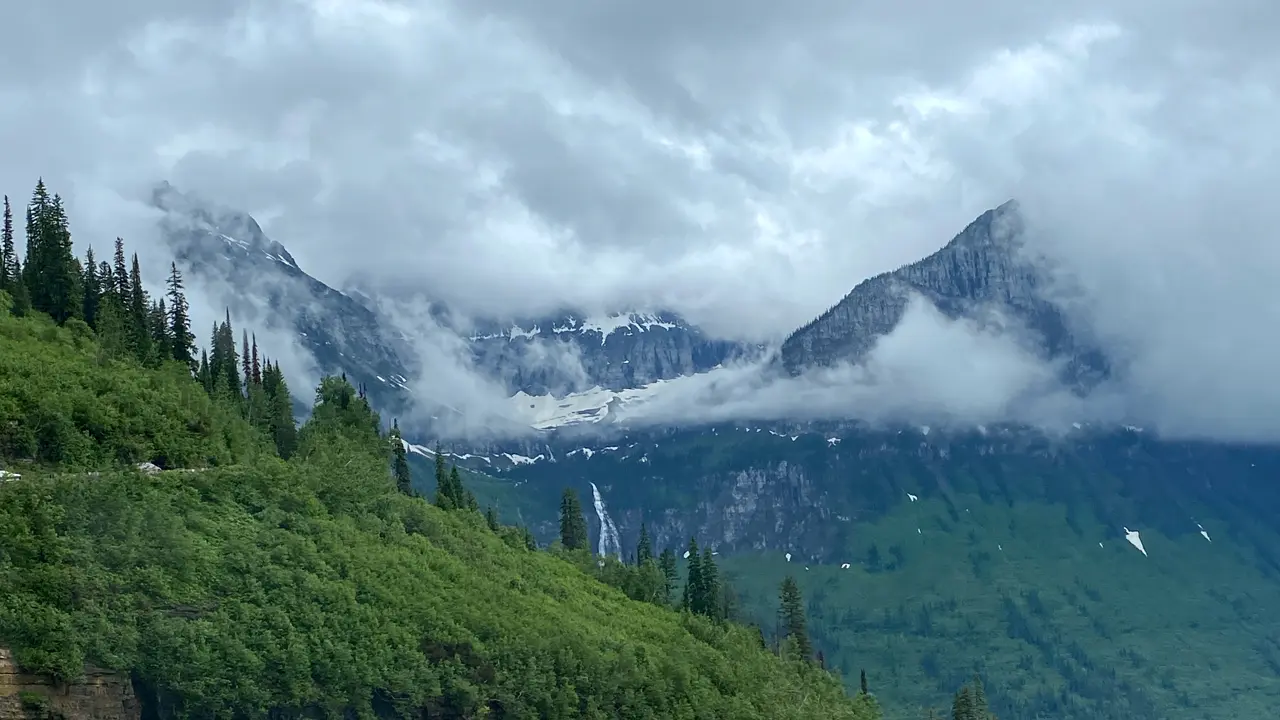
We made several stops along this stunning road including Bird Woman Falls – plunging water cascades 492 ft from the hanging valley between Mt Oberlin and Mt Cannon. We also stopped at Weeping Wall – a gushing waterfall along a 100-ft wall.
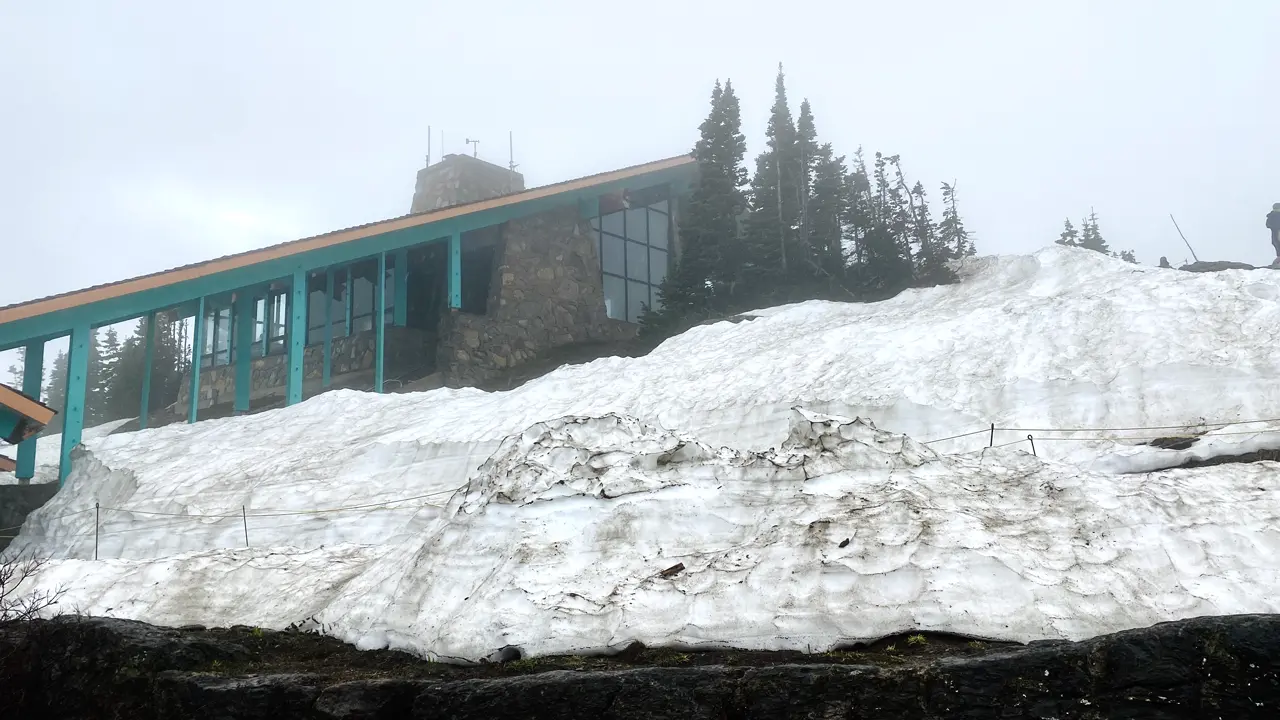
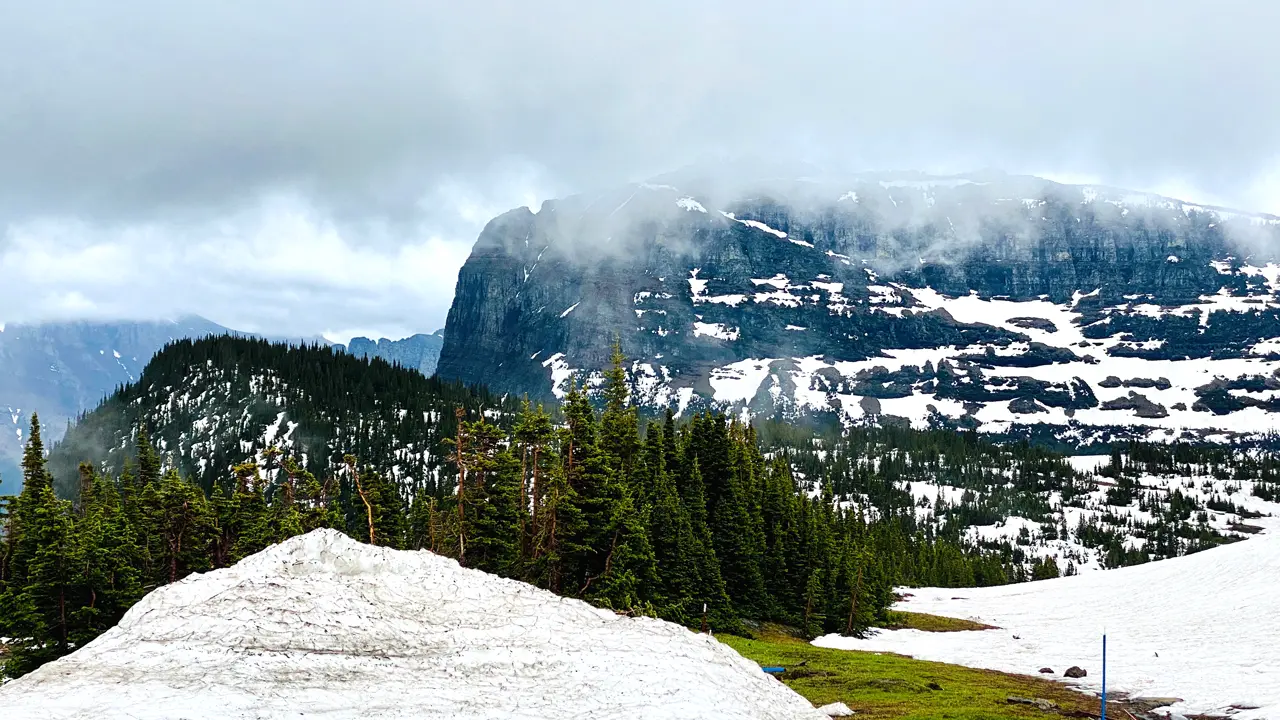
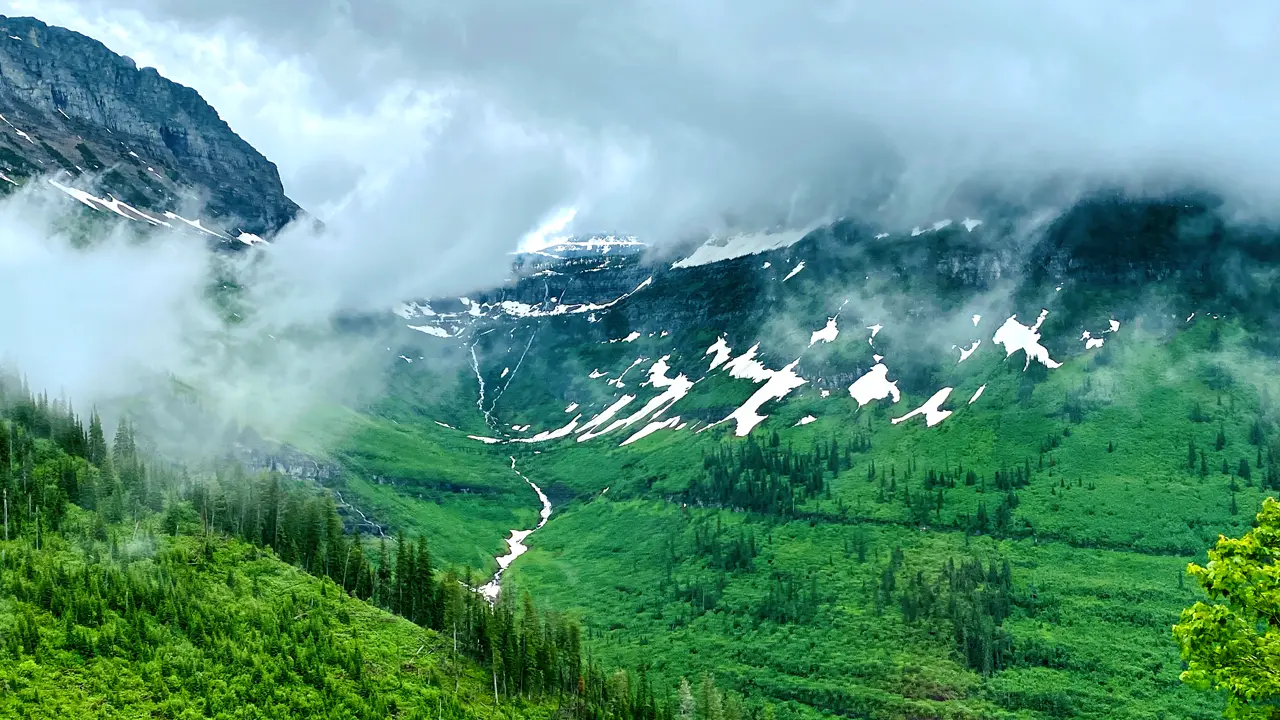
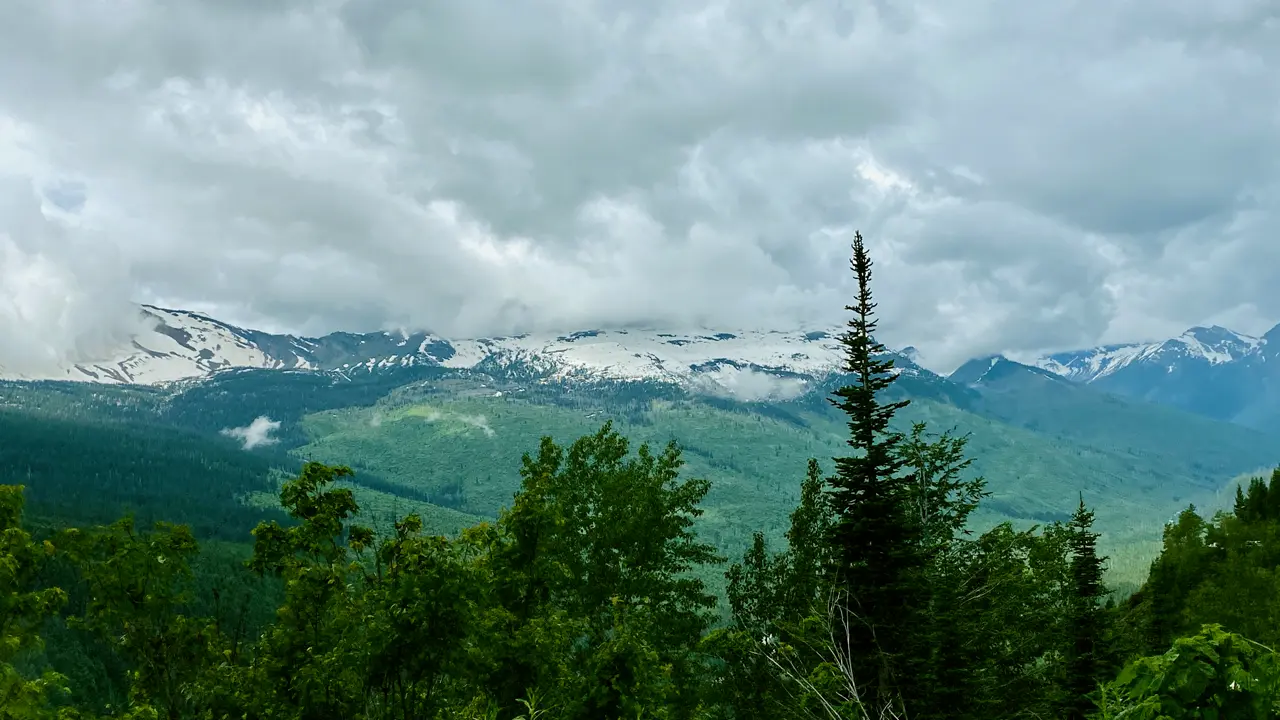
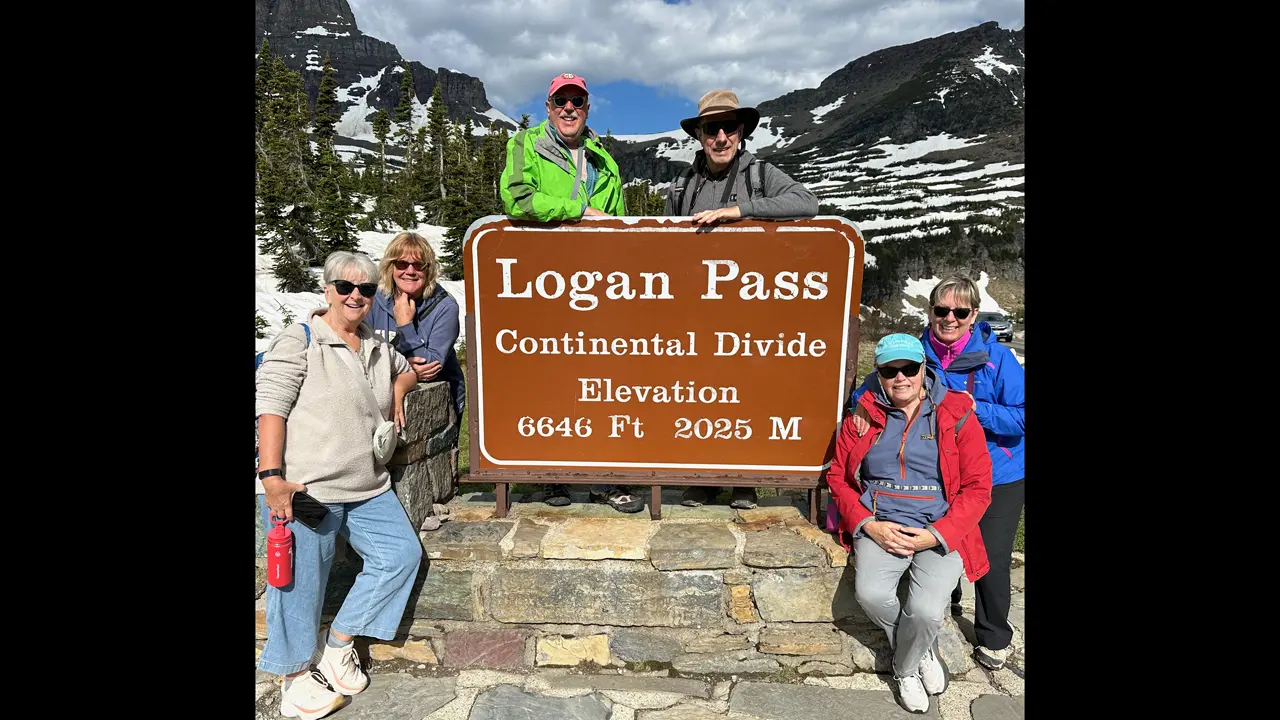
Logan Pass is at the highest elevation at 6,646 feet along Going-to-the-Sun Road. It was socked in with low clouds on this first visit. And there were still remnants of snow. Every year it takes approx. 3 months to clear Going-to-the-Sun Road of snow!
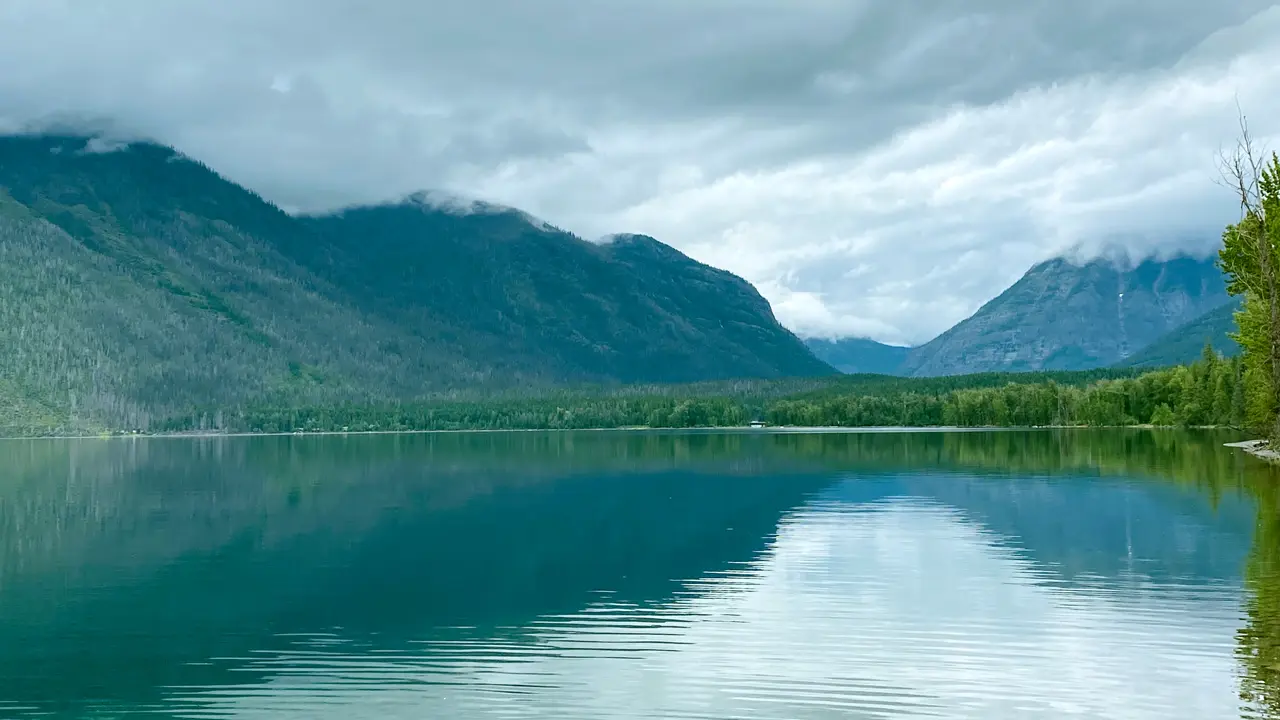 Lake McDonald – the largest of the glacially carved lakes in the park.
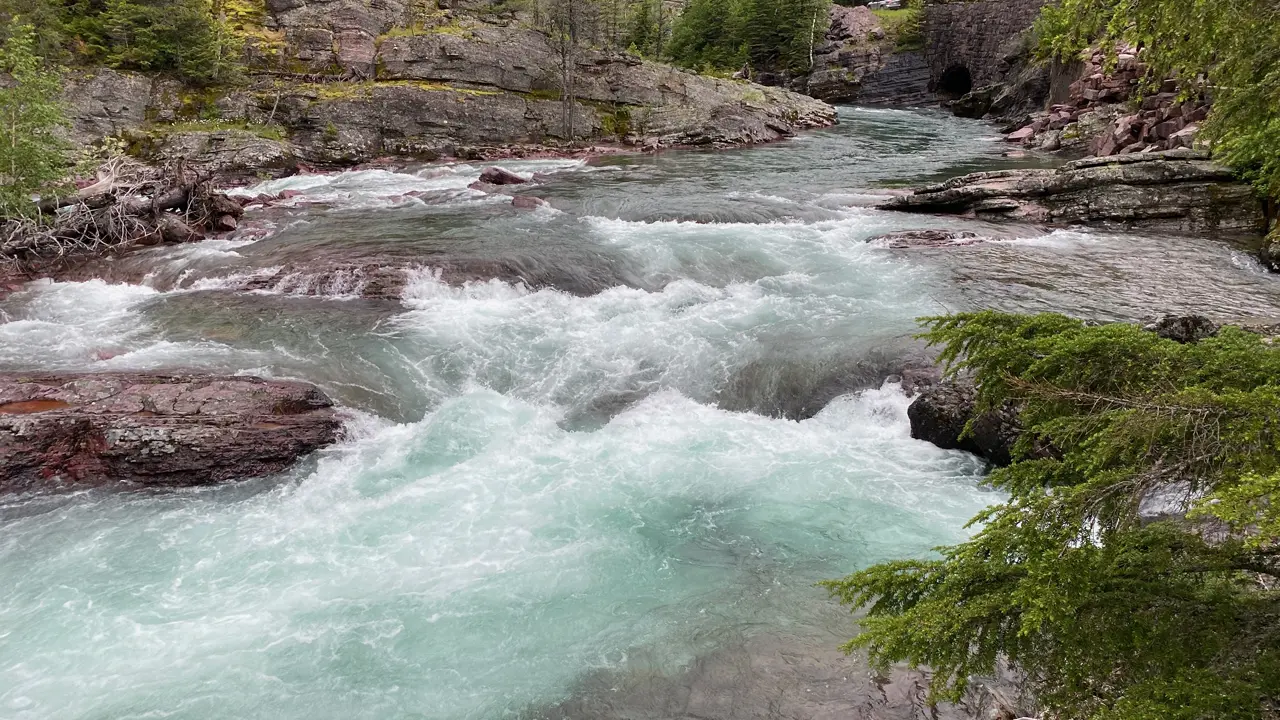
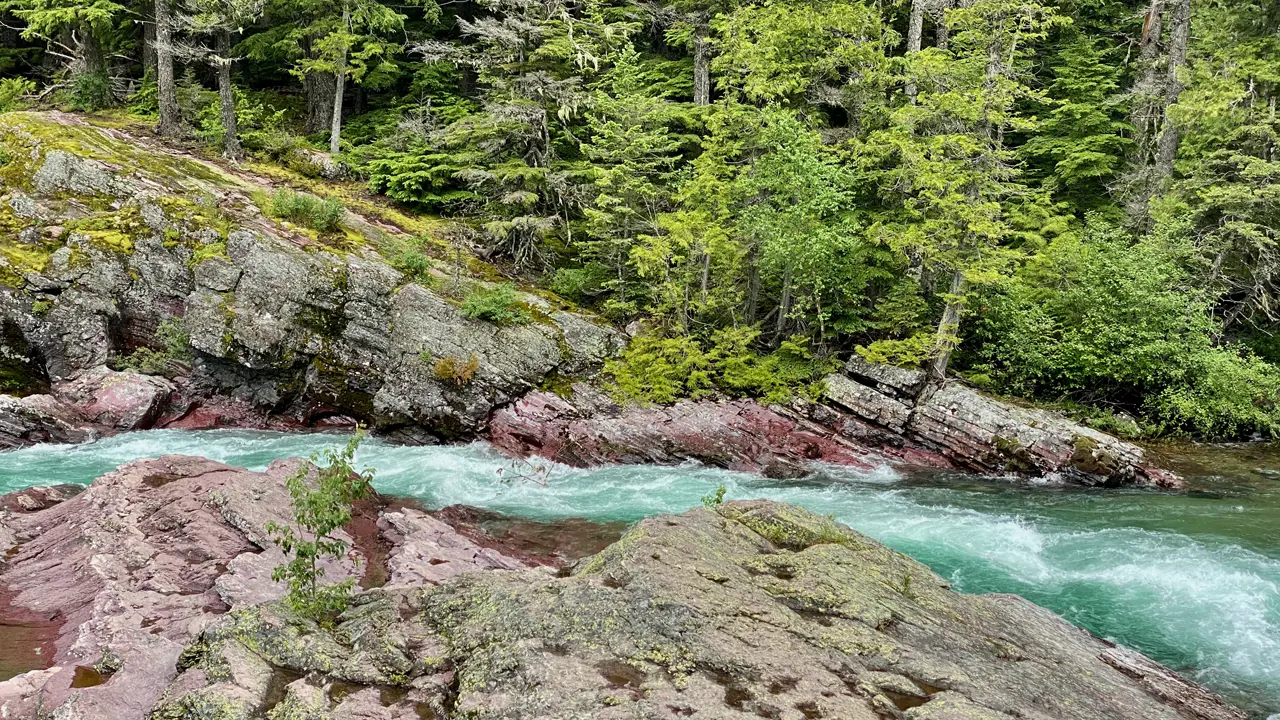
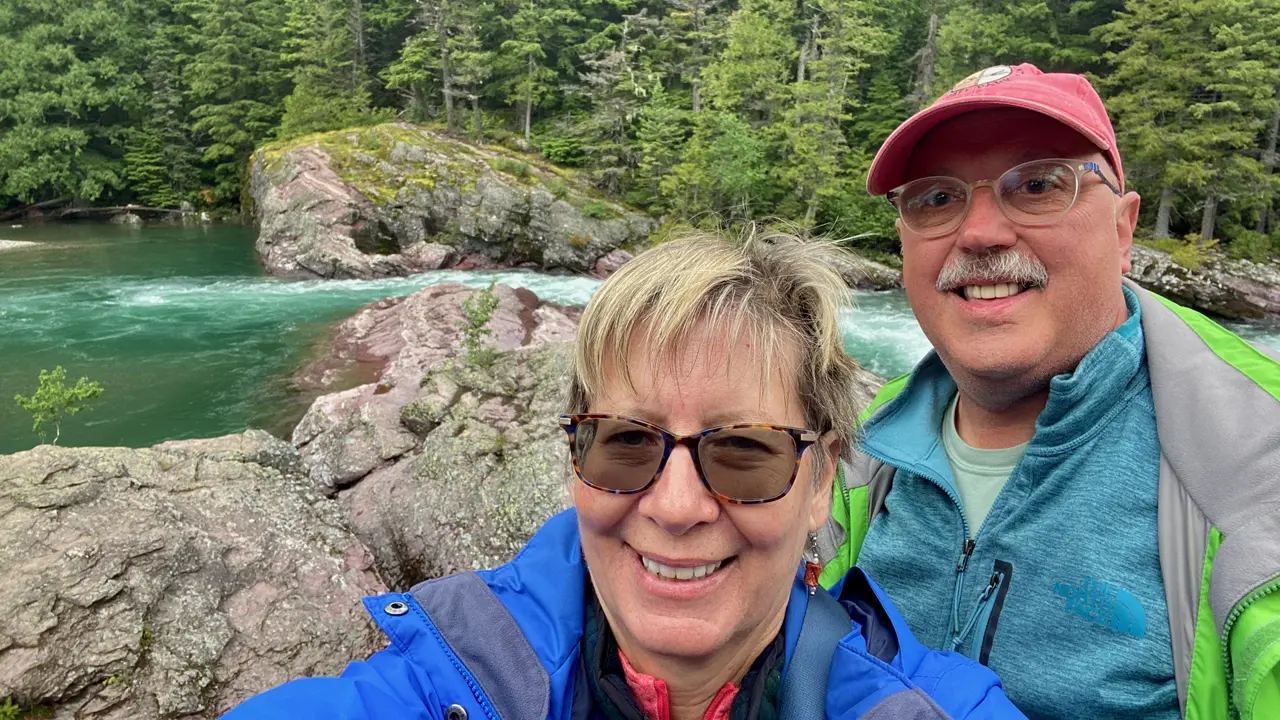
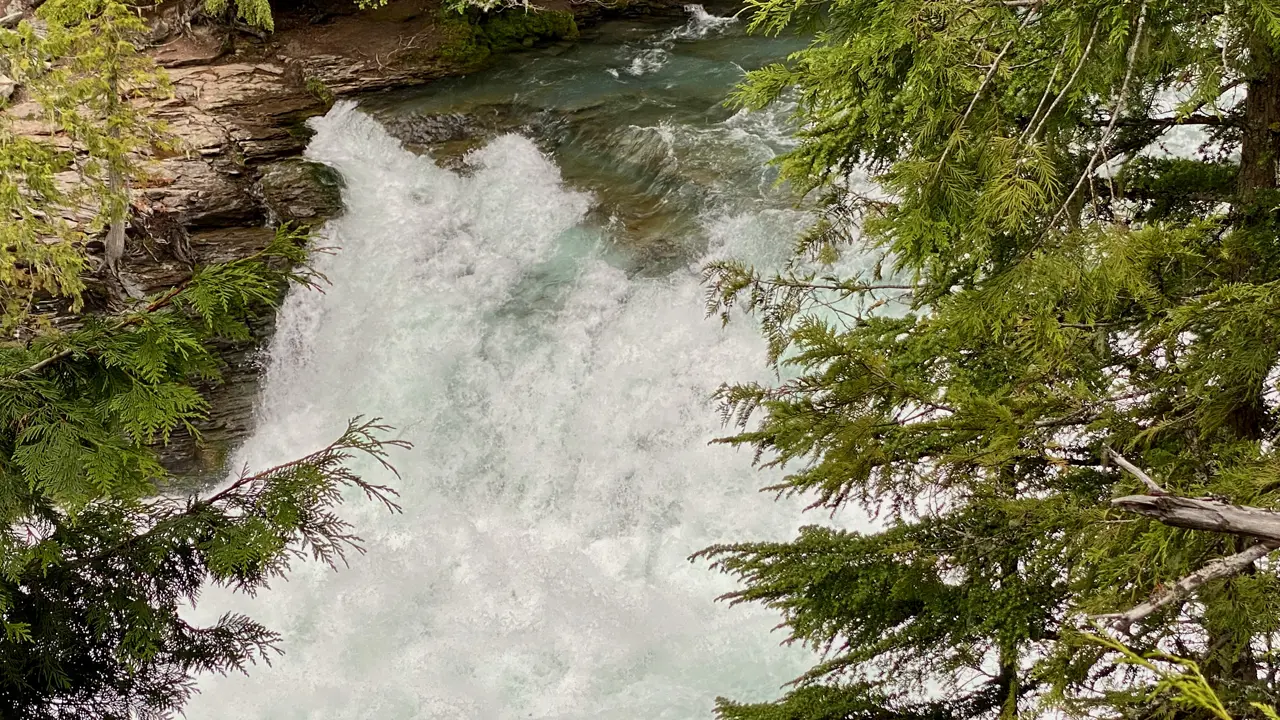
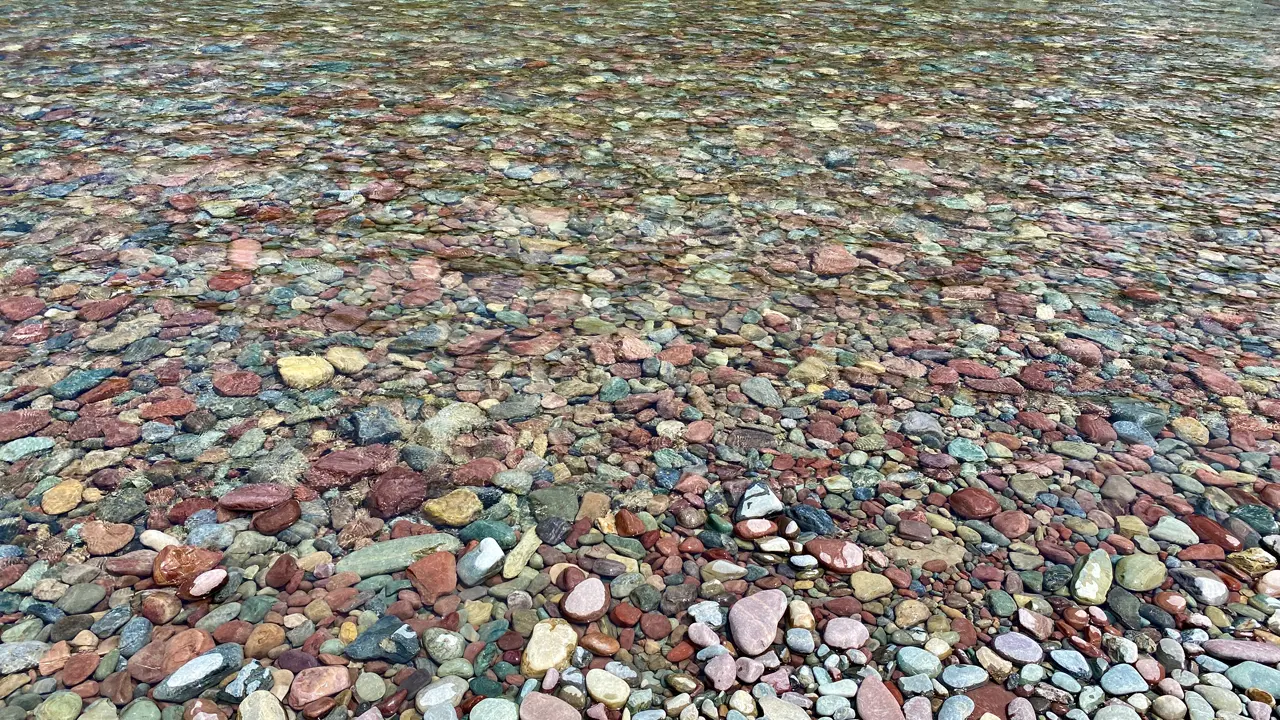
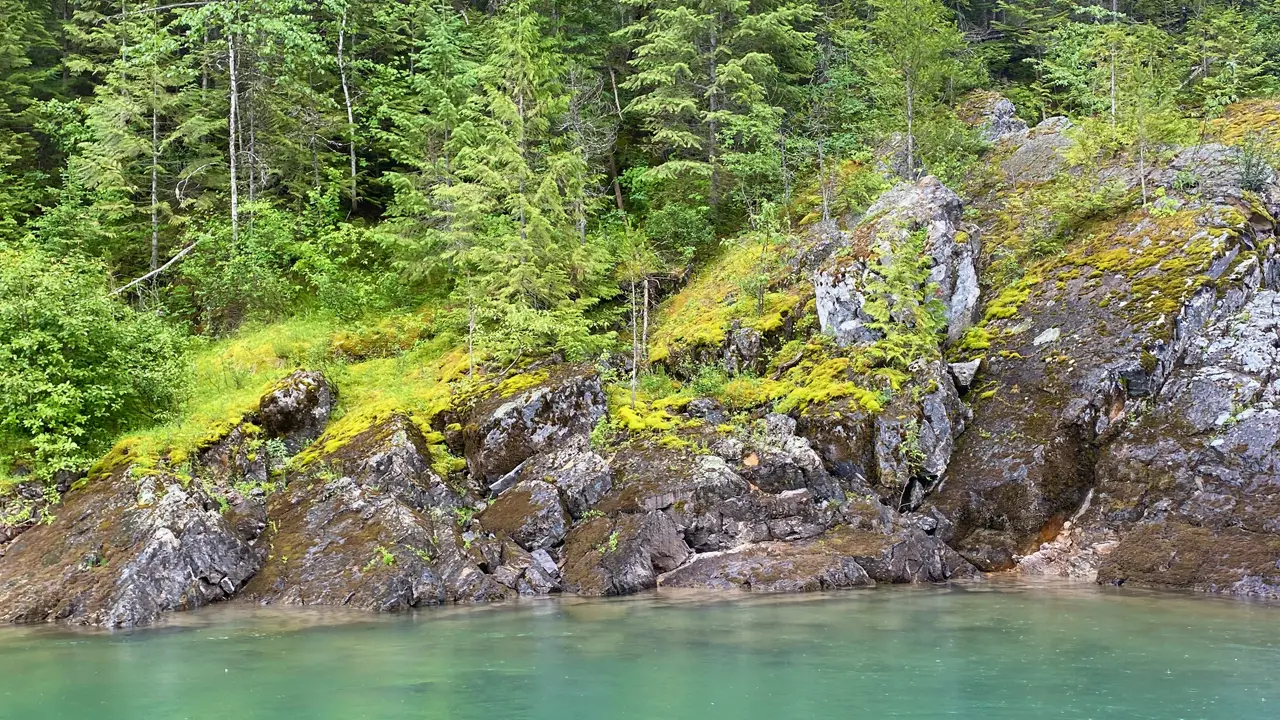
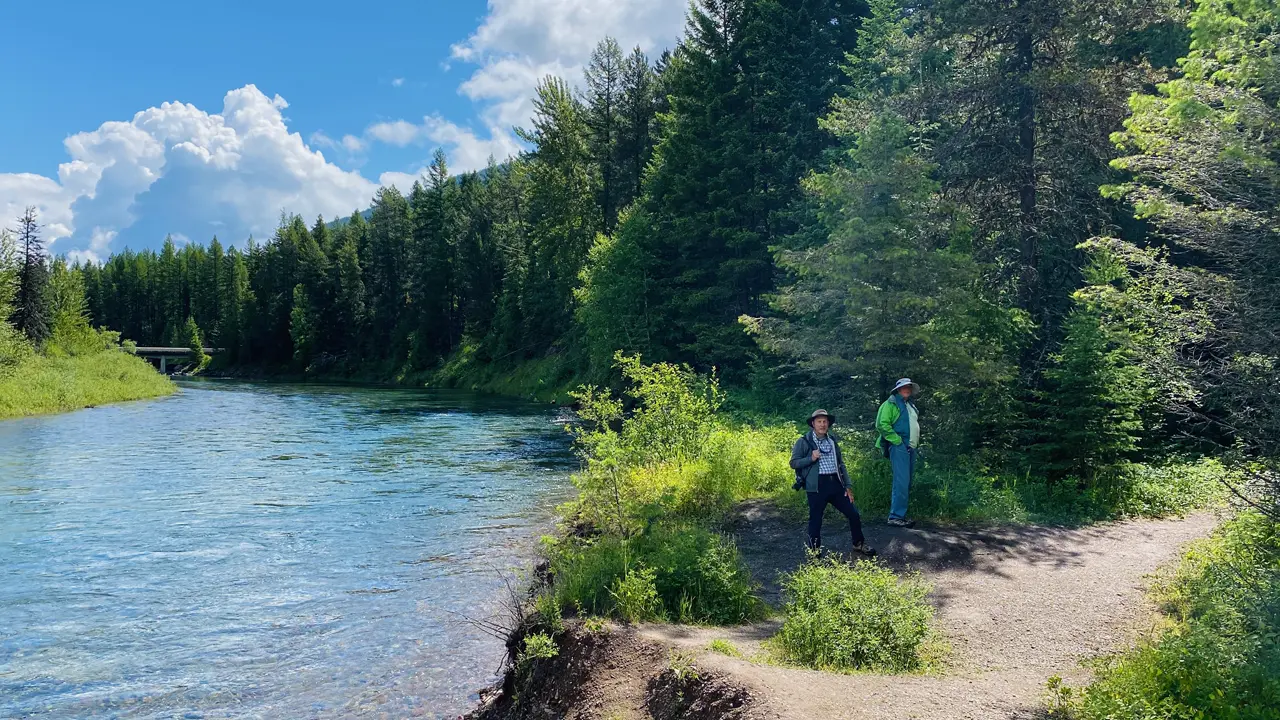
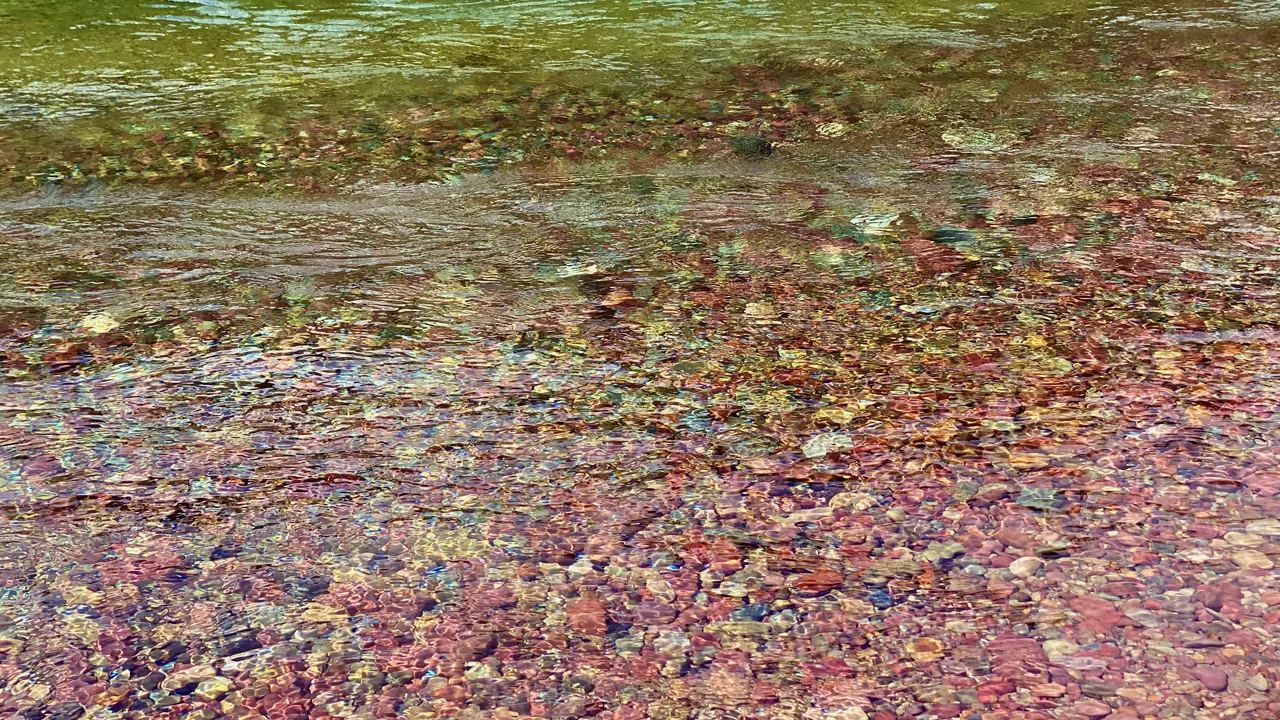
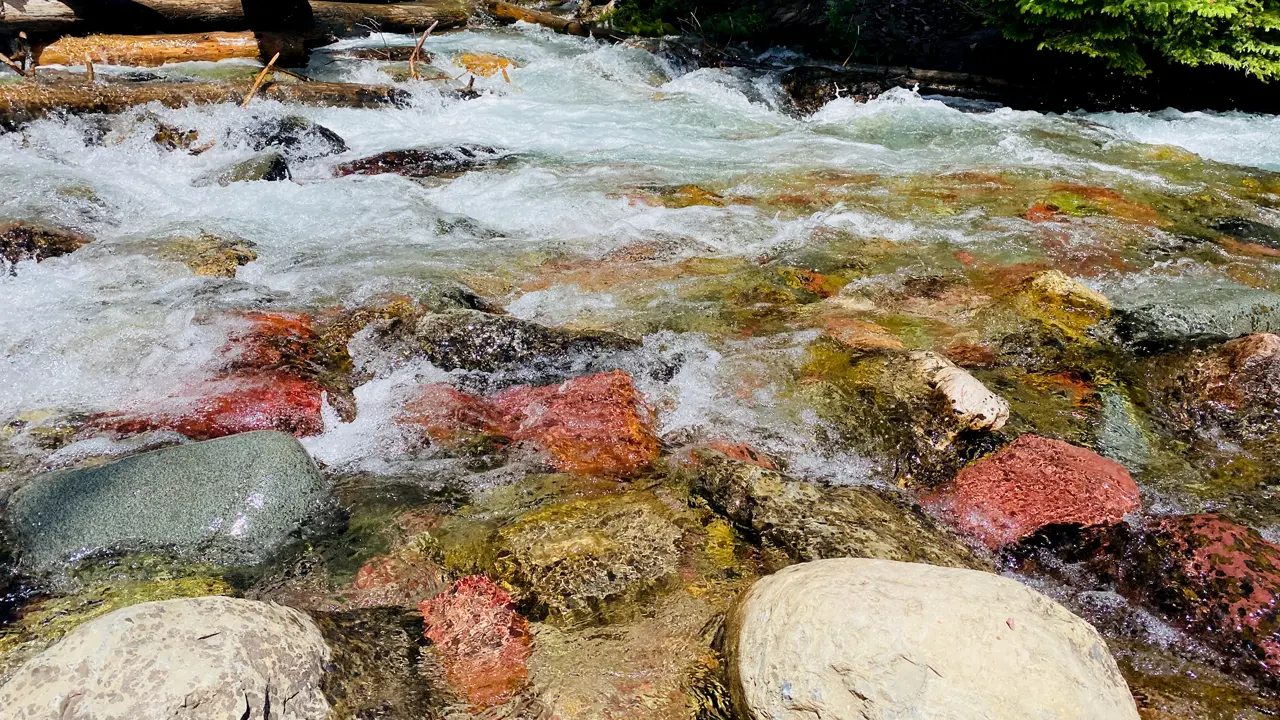
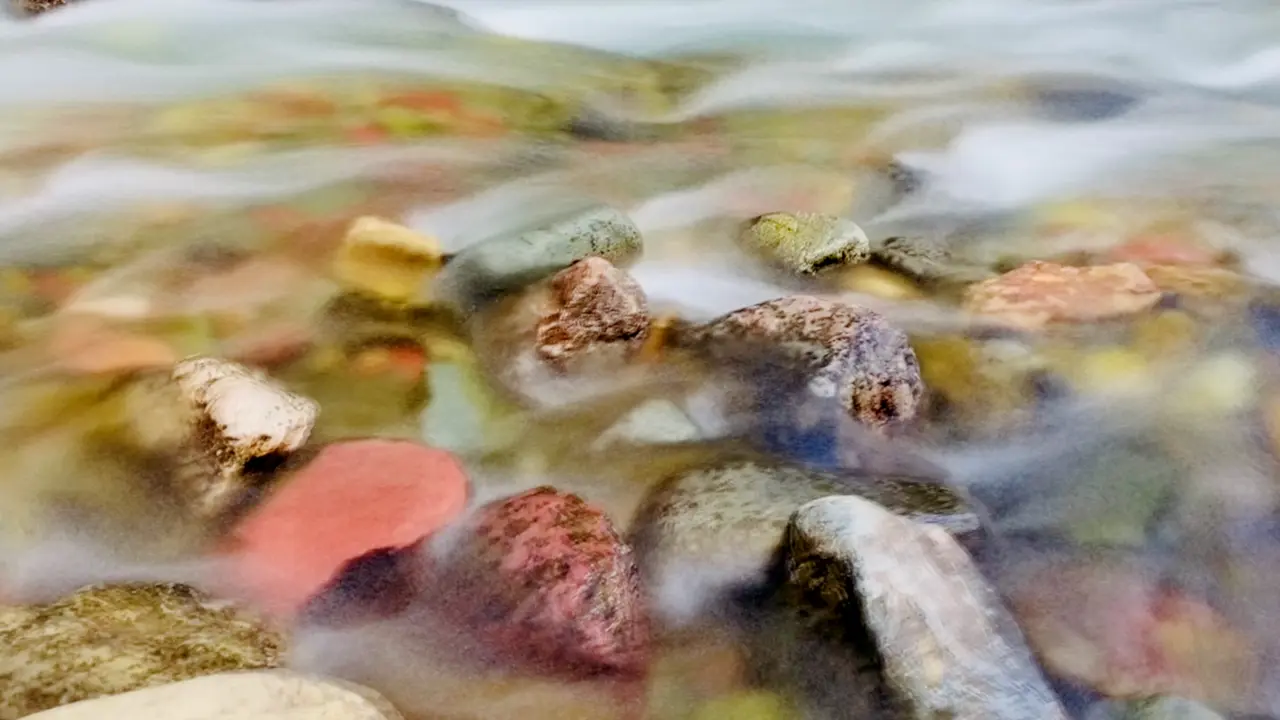
Day 2, Tuesday, July 2nd (2024) – Today’s adventure was supposed to be a “scenic float” on the Flathead River. The rain, thunderstorms, lightning and hail were just an added bonus. lol. It started out so promising! Hailey was our young captain; she had just finished her freshman year in college. At the river’s edge was clear smooth water with gorgeous multi-colored rocks. We started out with a lovely float down the river then the water got a little rougher (glad I had taken my motion sickness pill in the morning) and then rain. We took a little break to stretch our legs on the shoreline, but some pod members opted to stay in the rubber boat. That might have had something to do with the thunder and lightning in the distance. lol. We had a little bit of blue sky toying with us amongst all the gray clouds, rain, and hail. And, of course, just as we finished our rafting trip, the rain stops! That night we had a double rainbow at the campground!
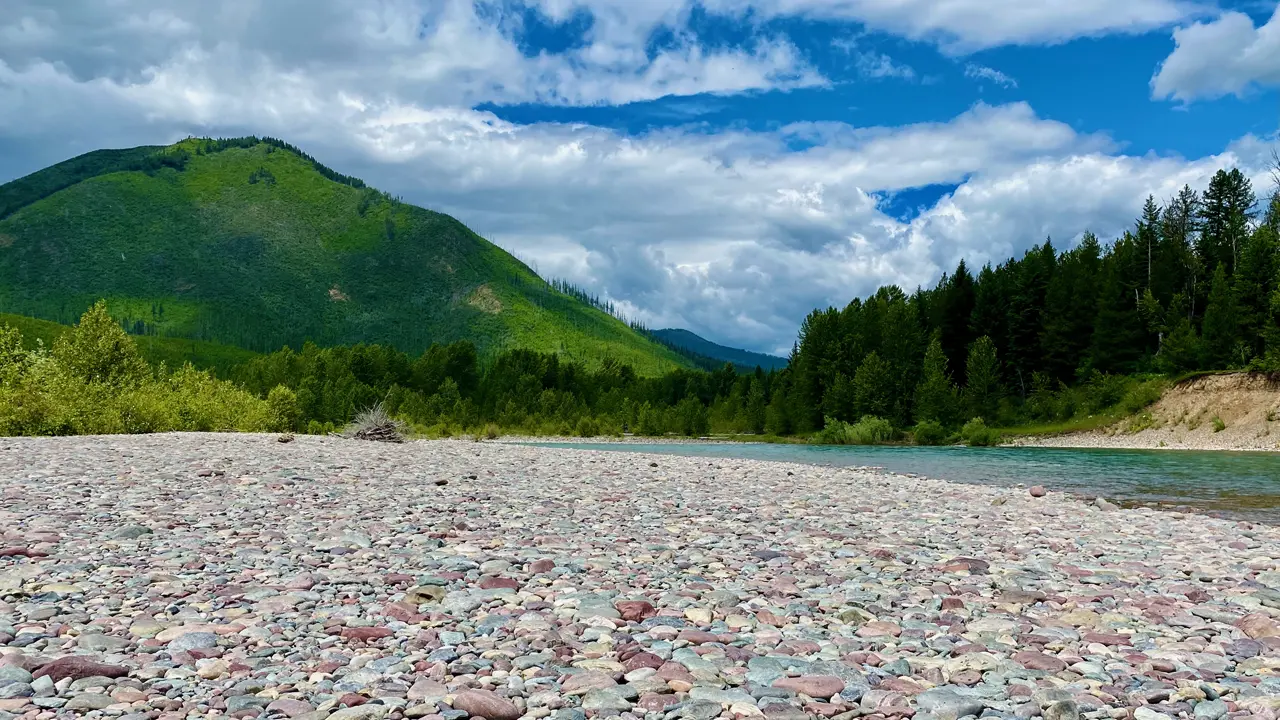 Beautiful rocks at the water’s edge.
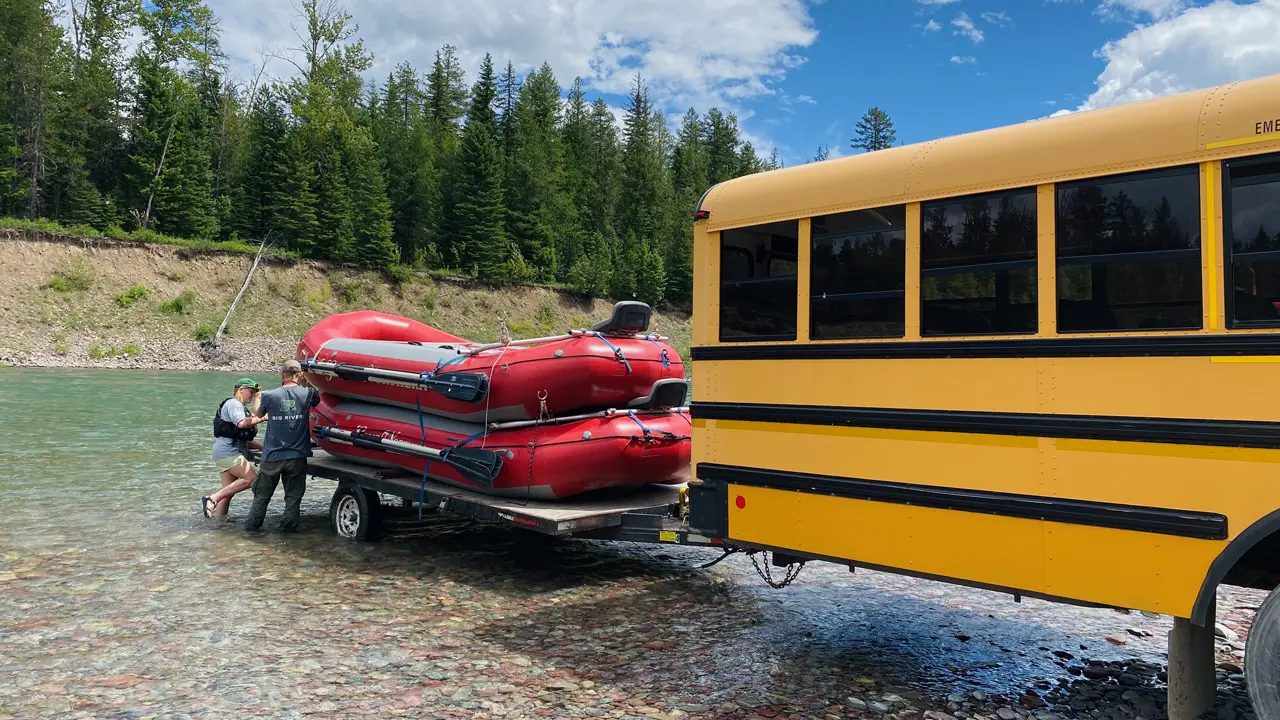
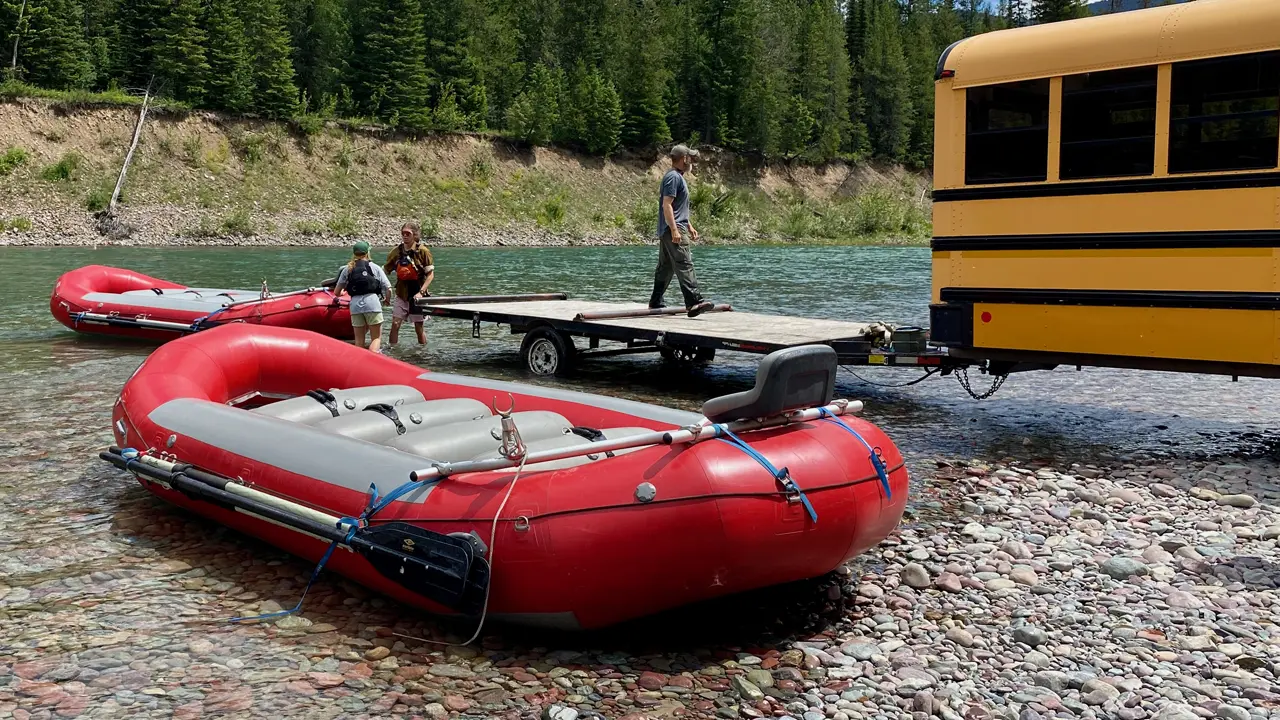
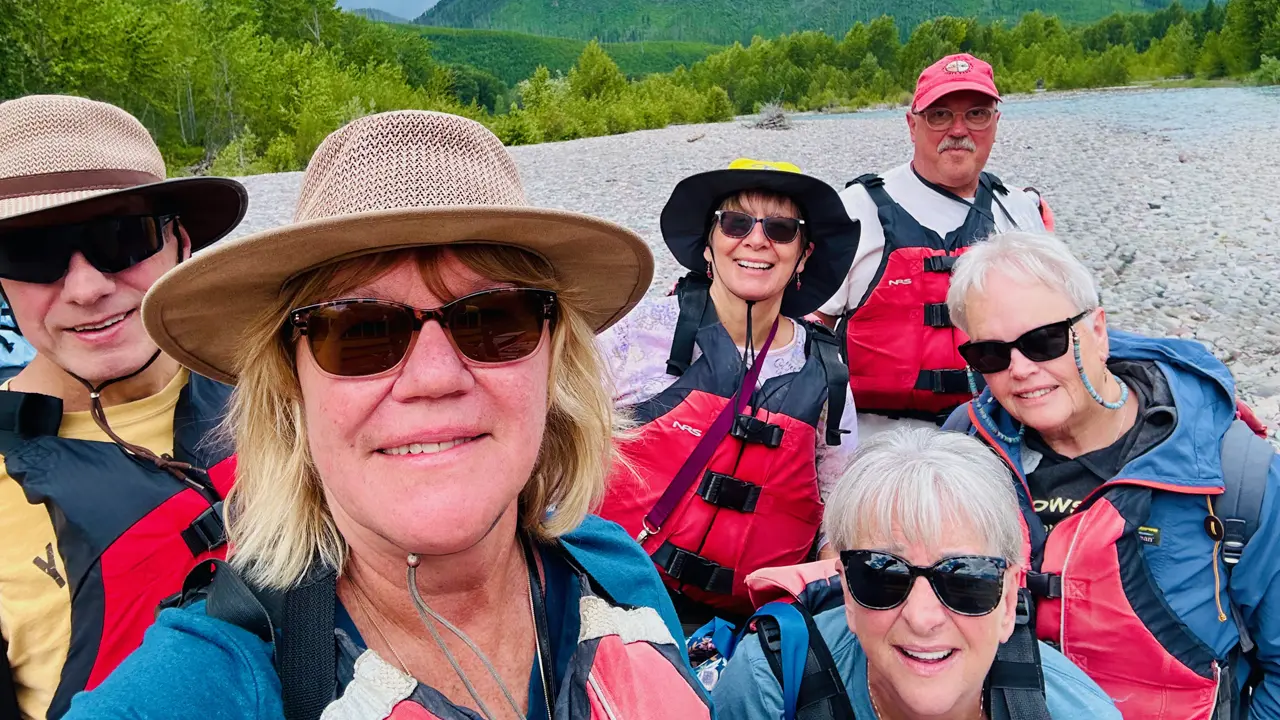
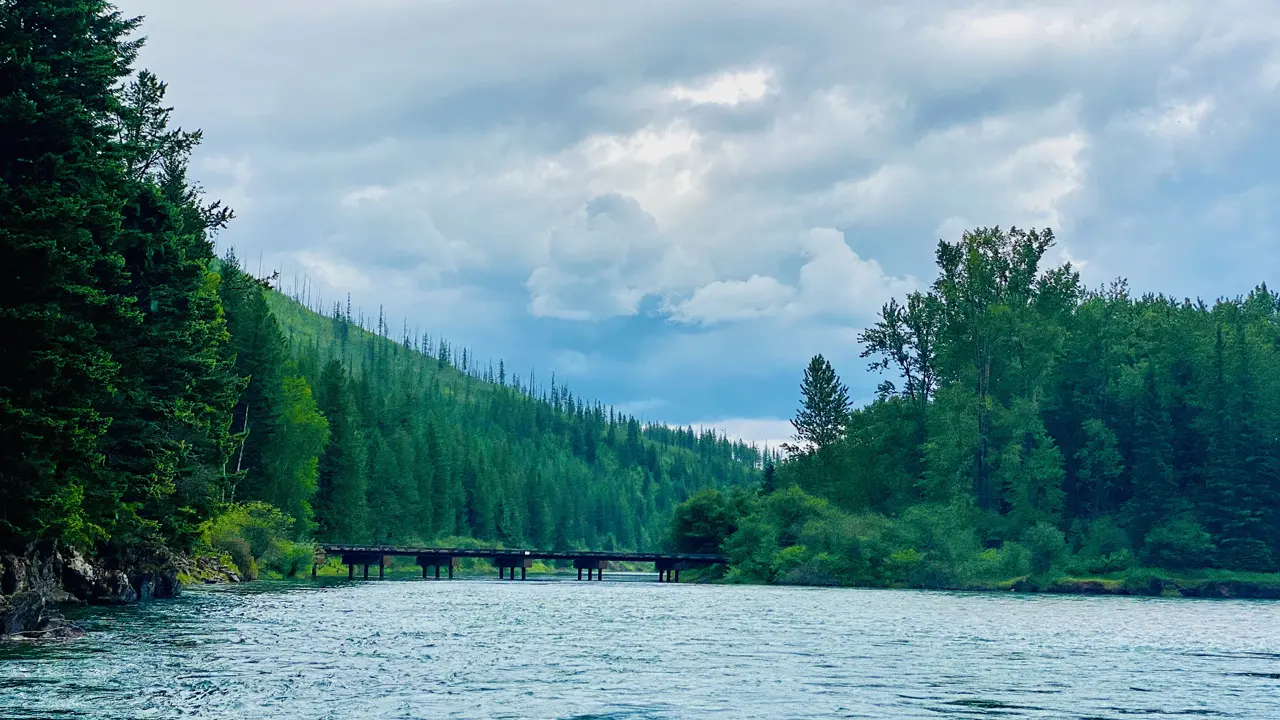
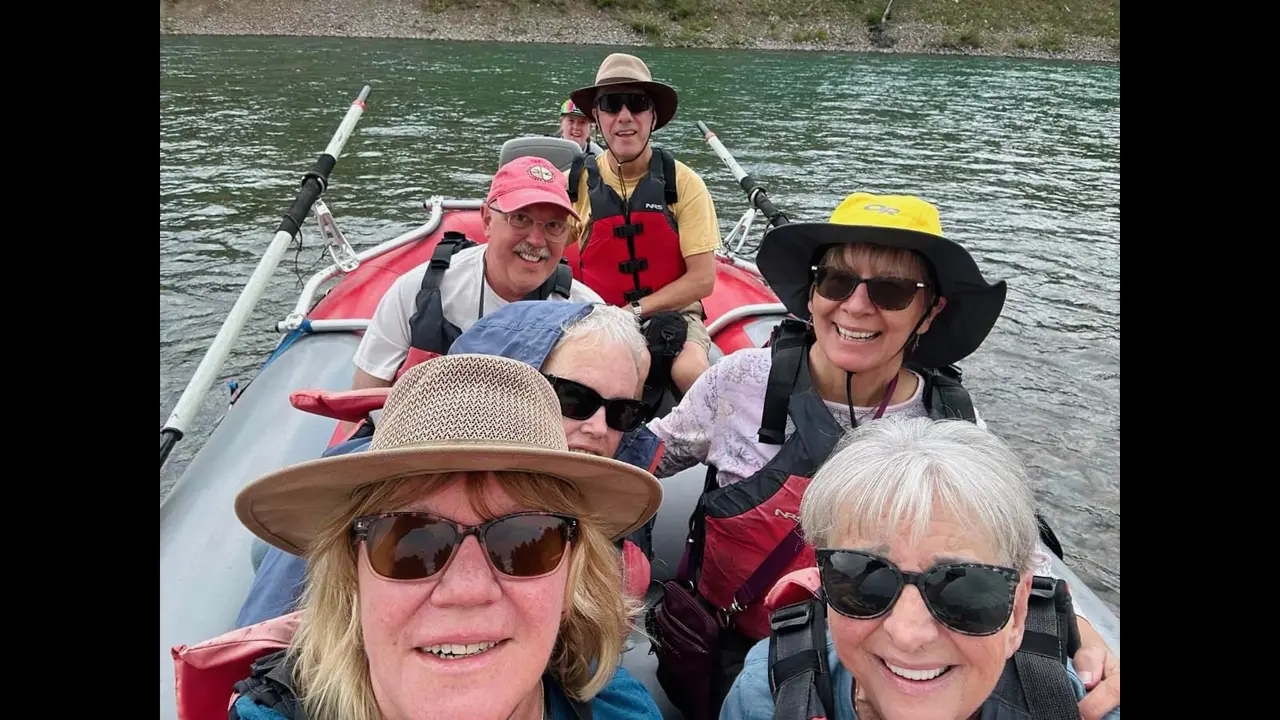
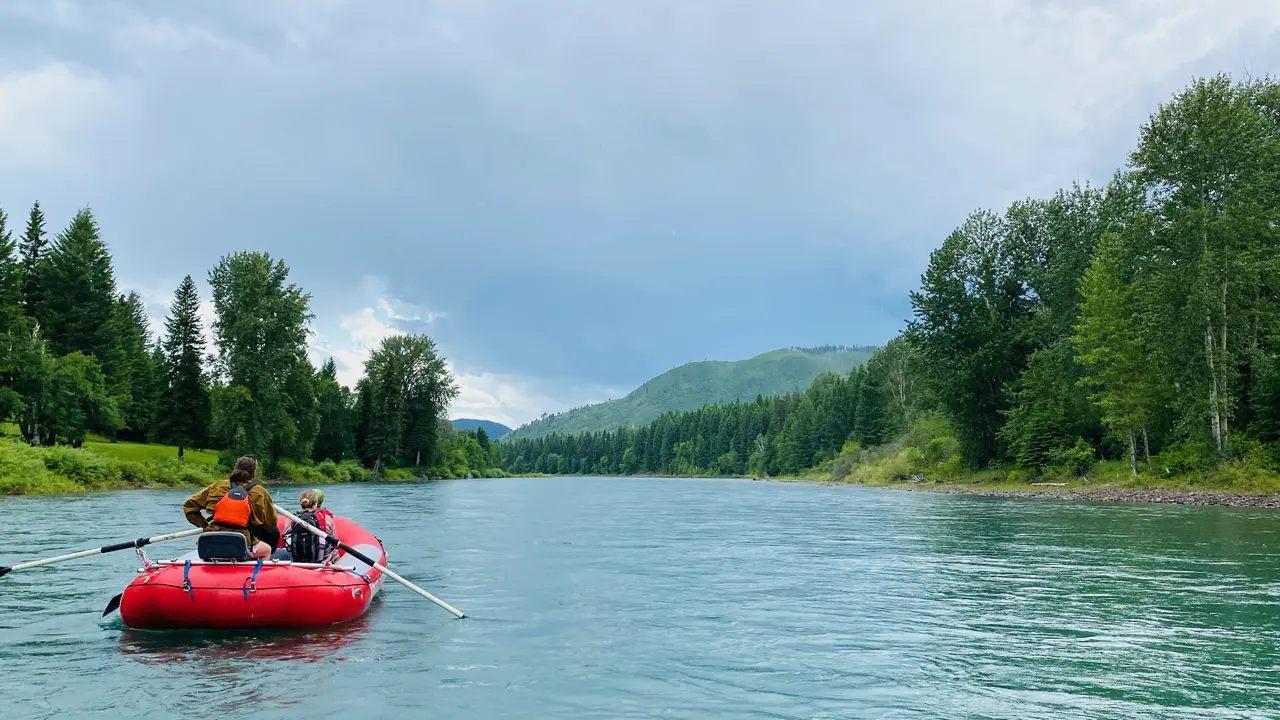
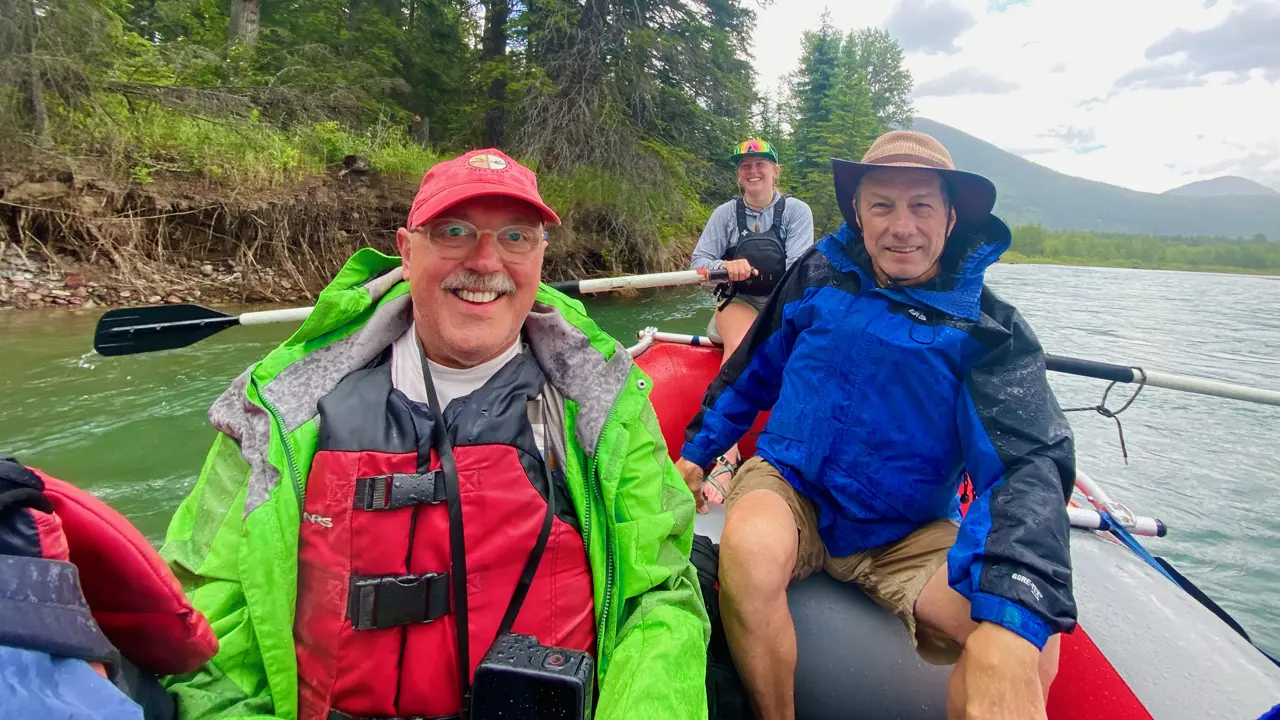
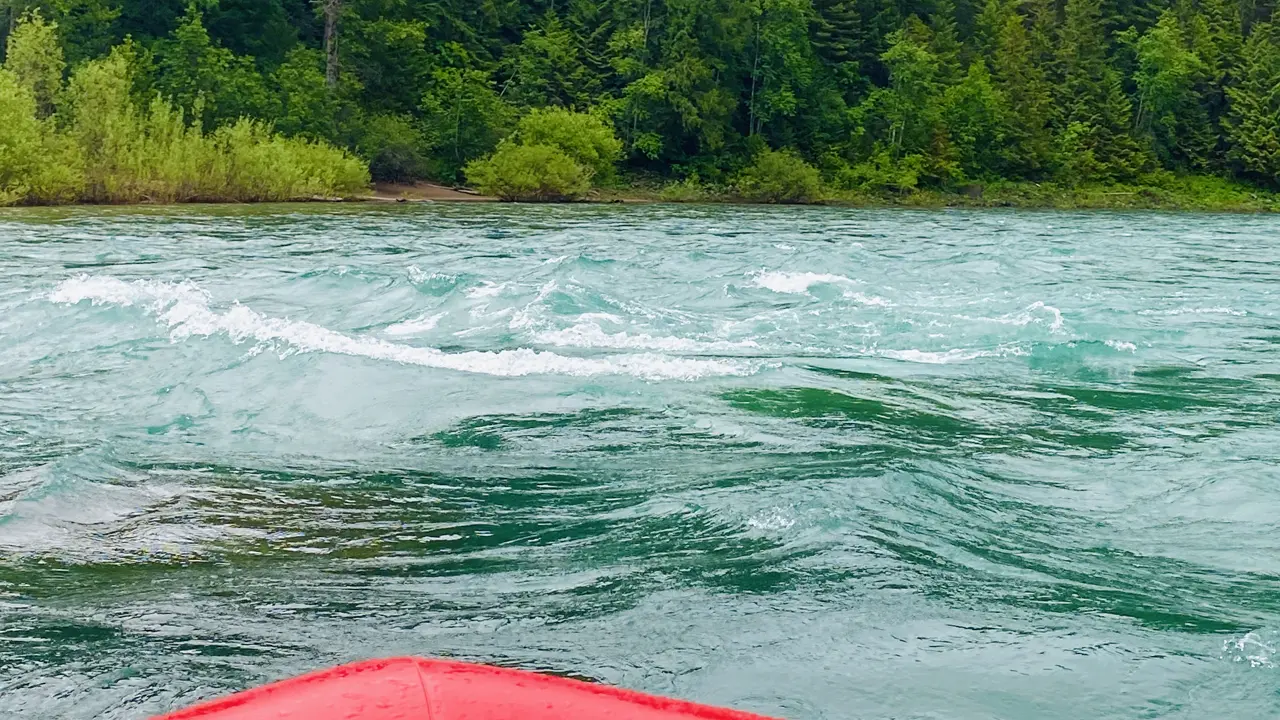
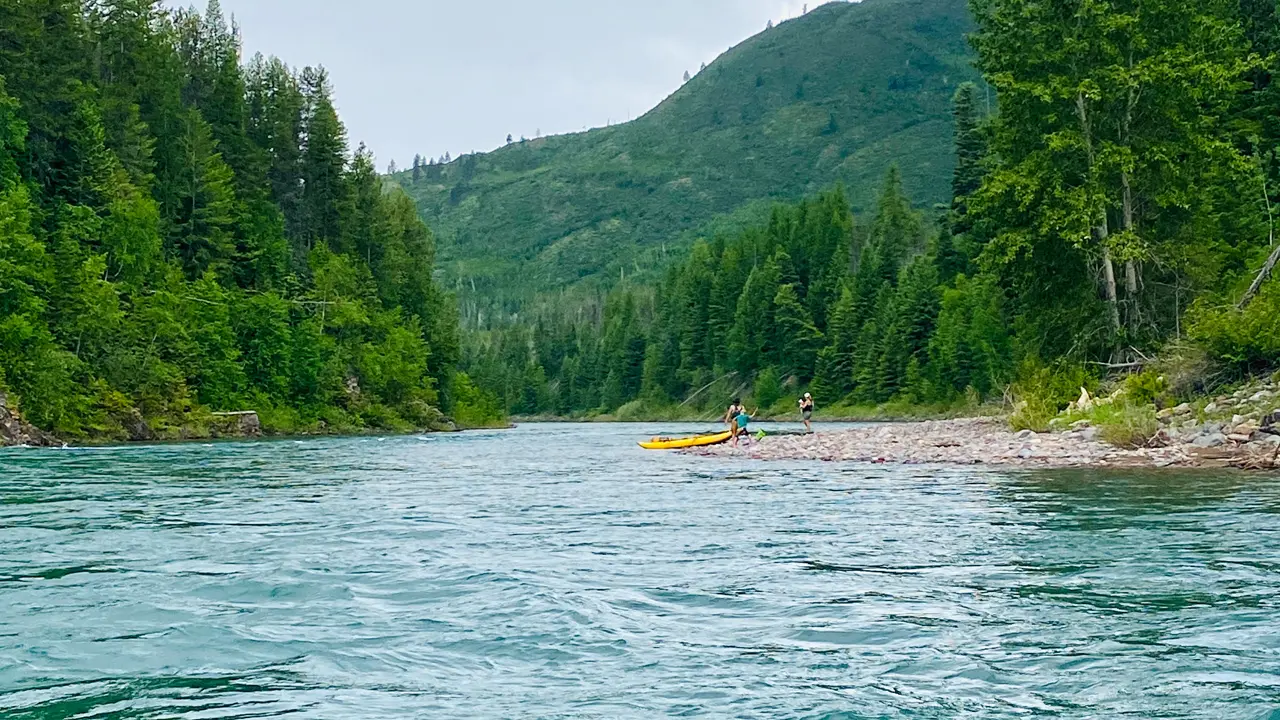
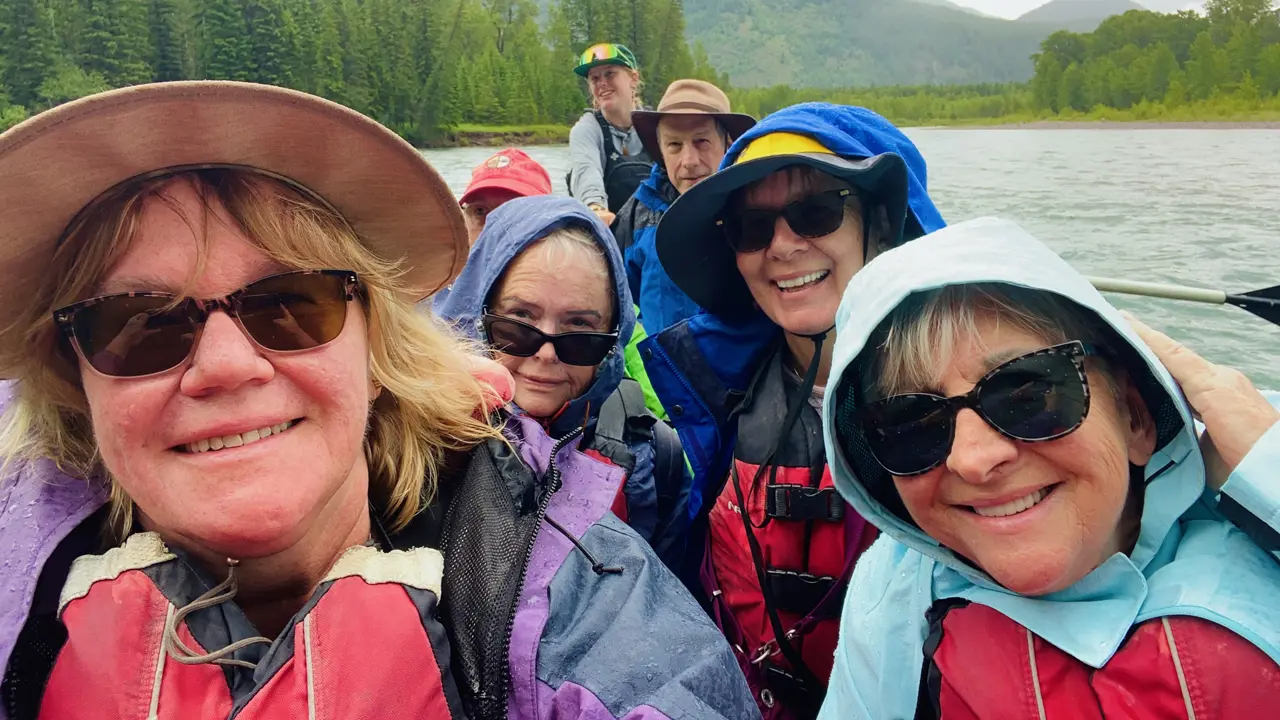
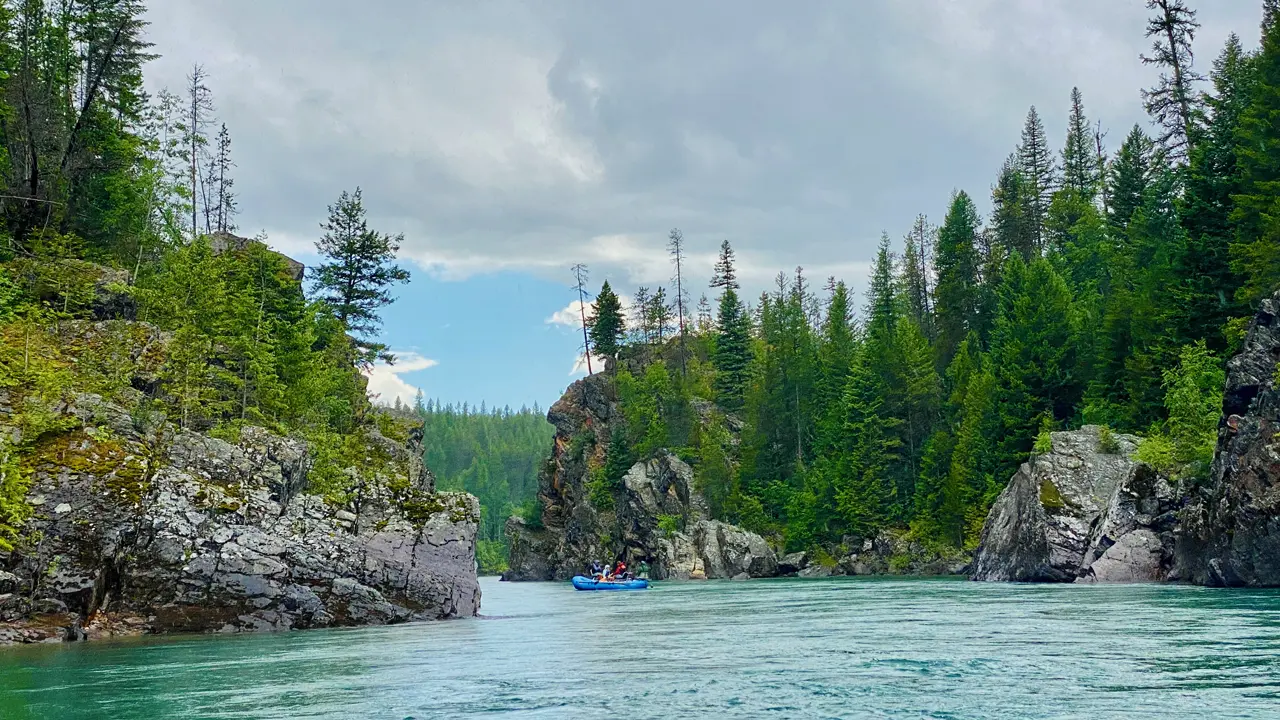
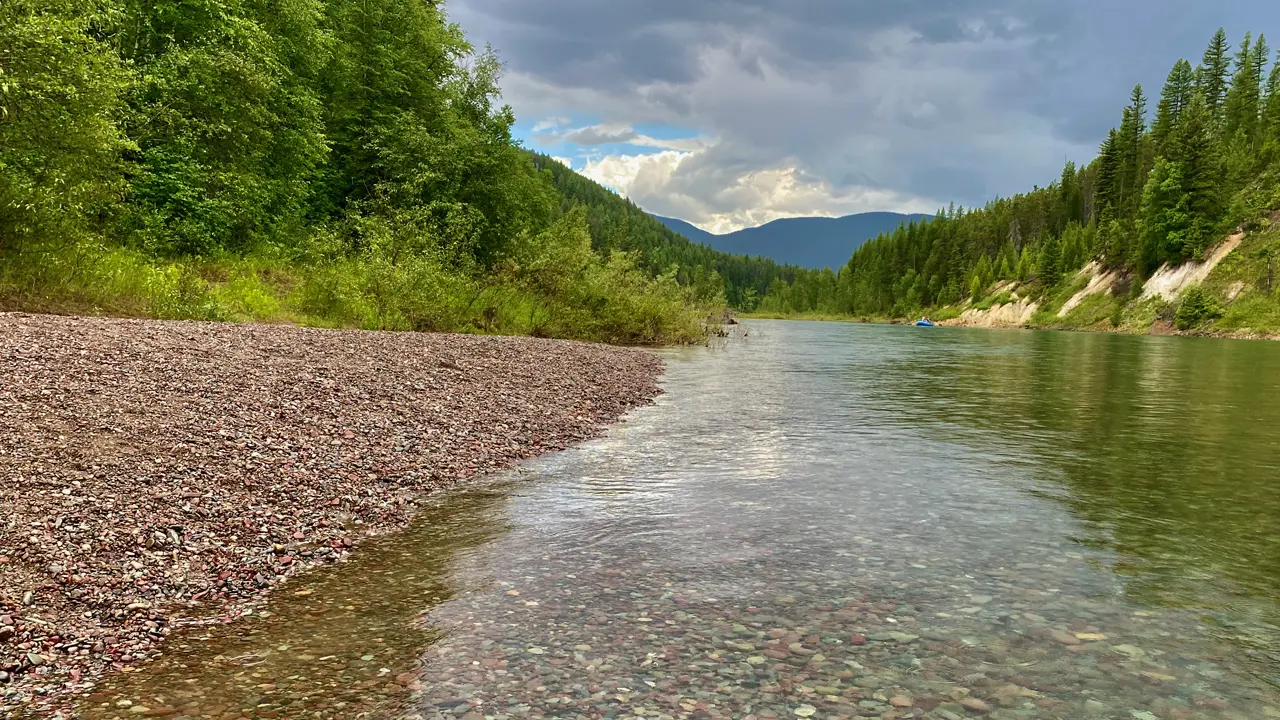
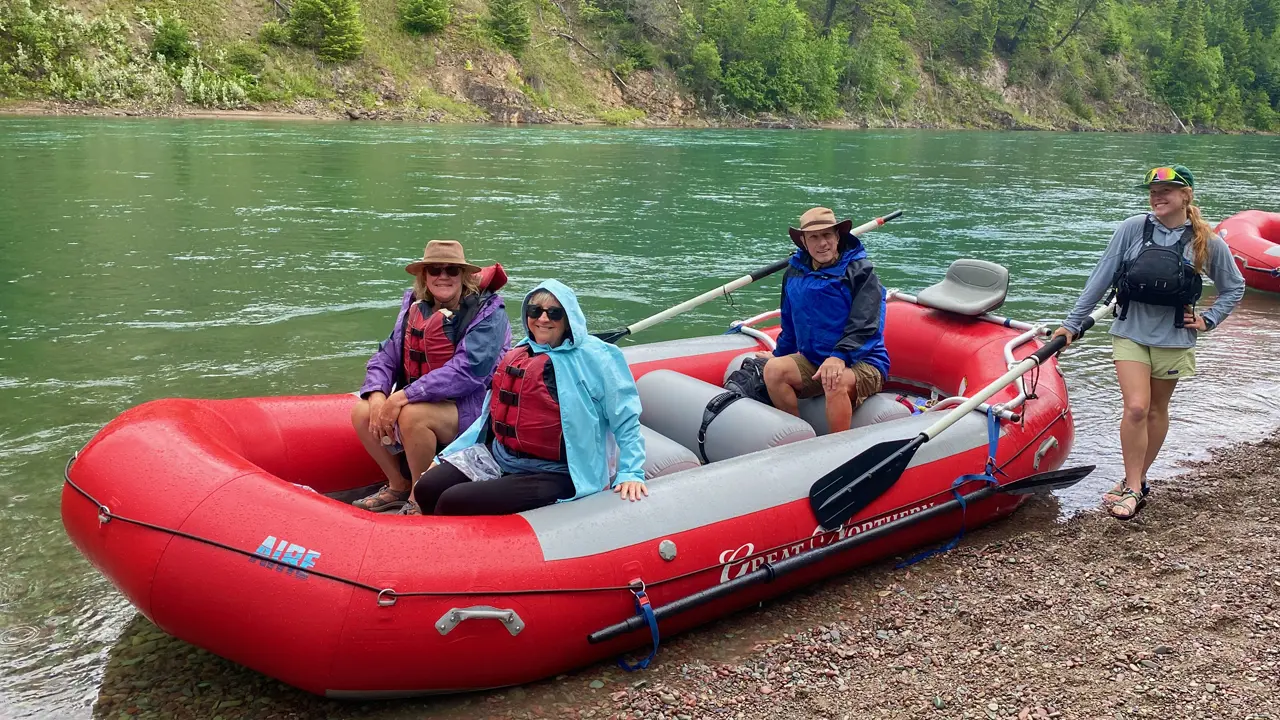
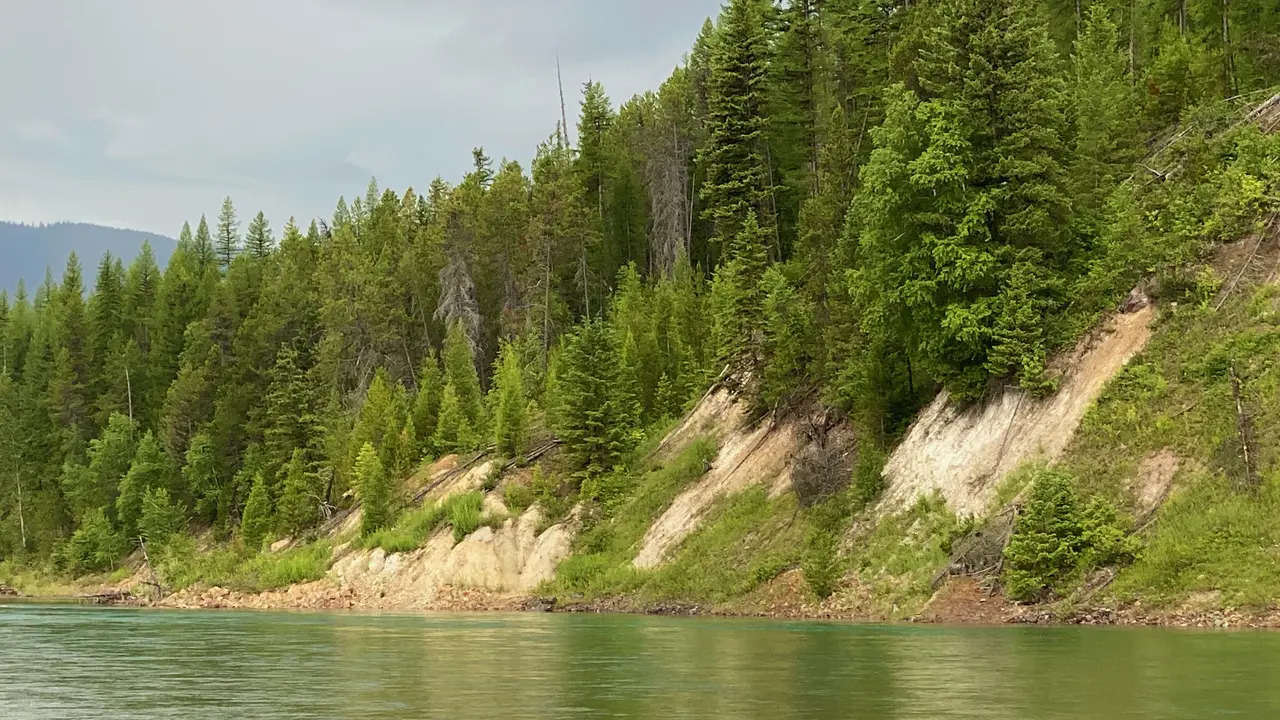
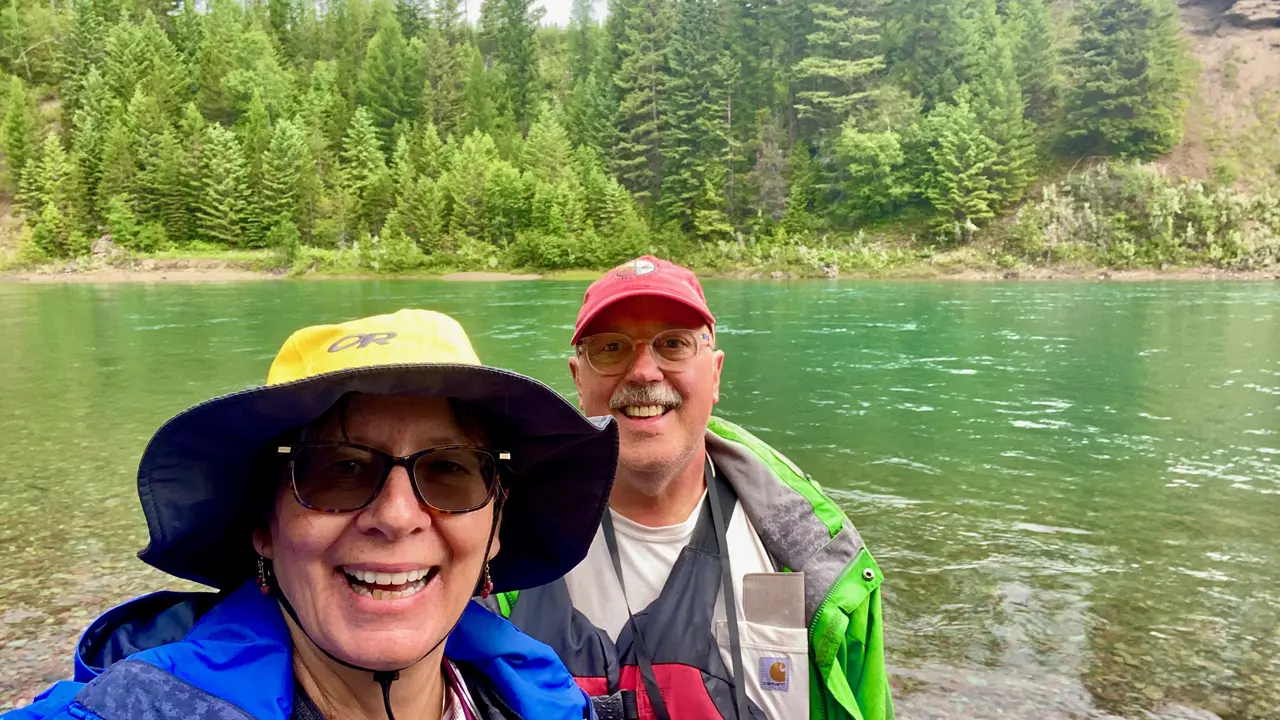
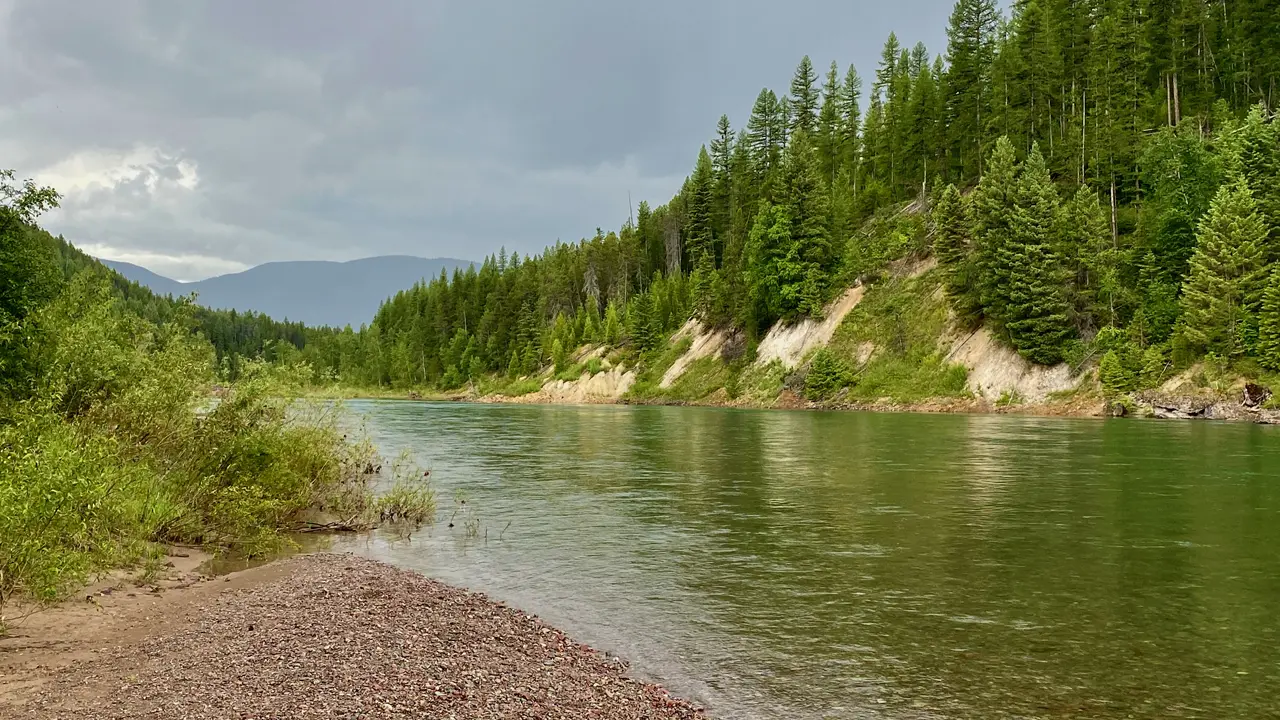
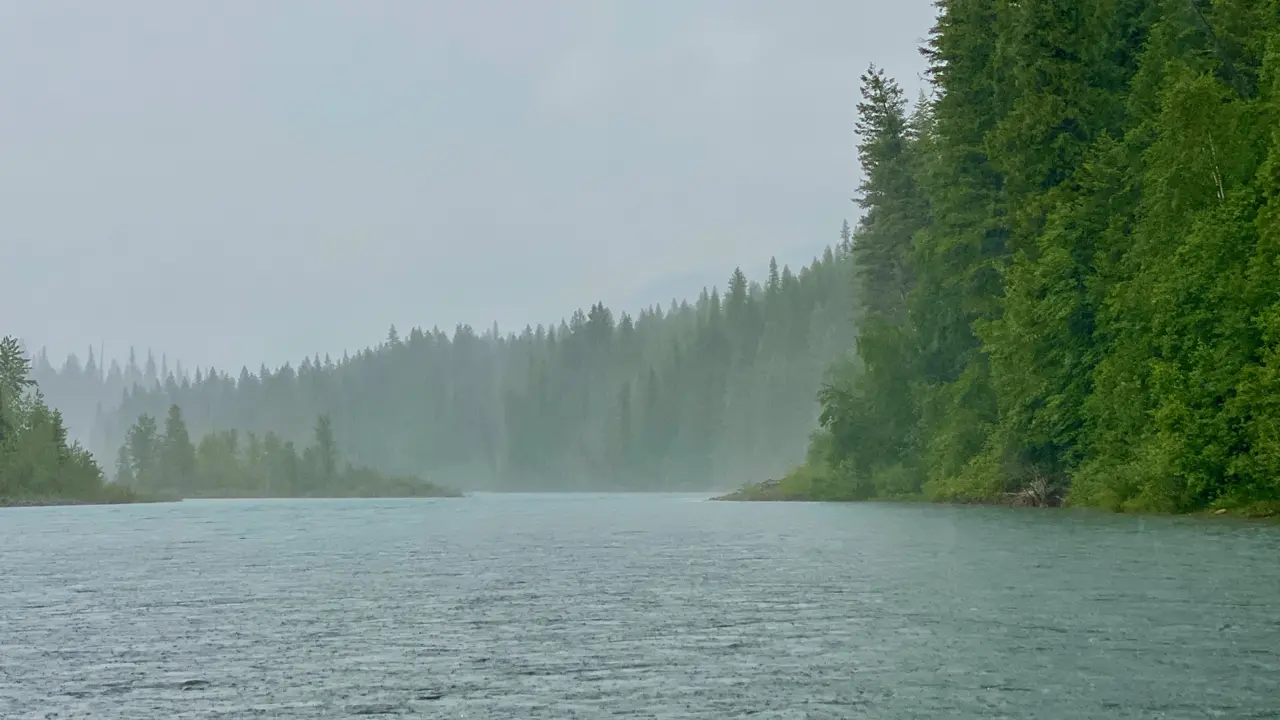
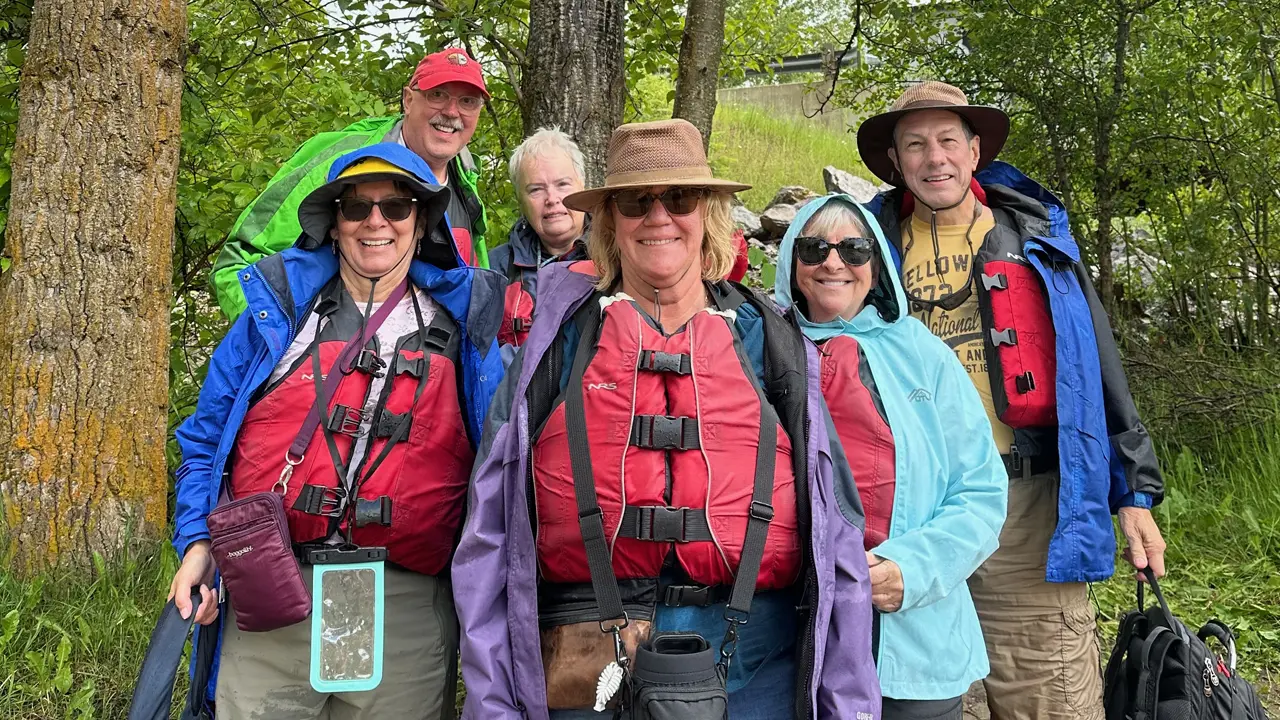
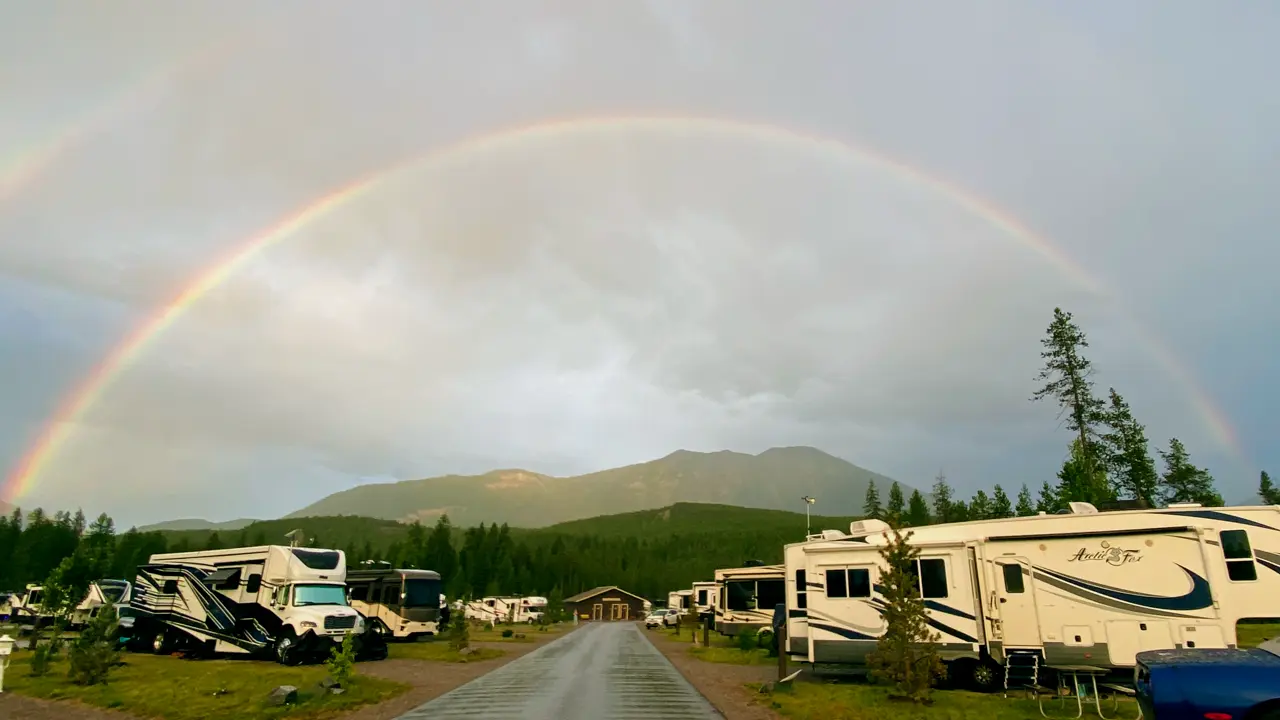
Gary put together a short video of our rafting adventure.
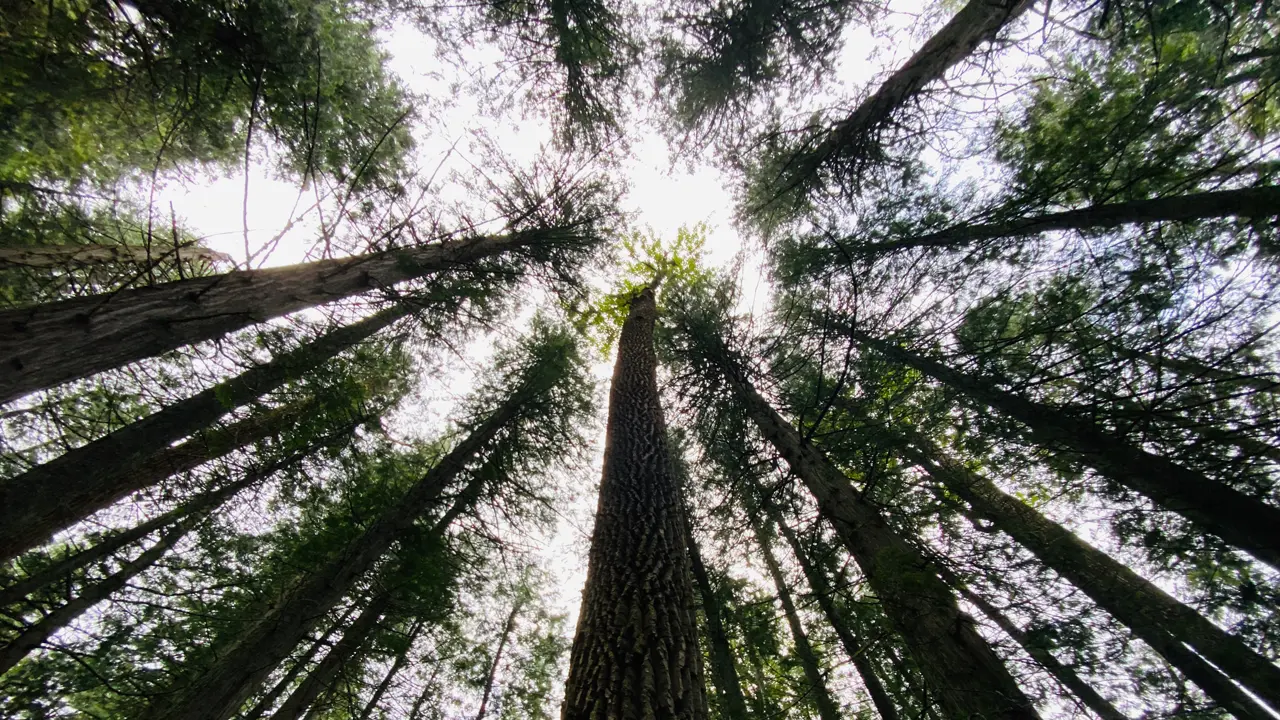
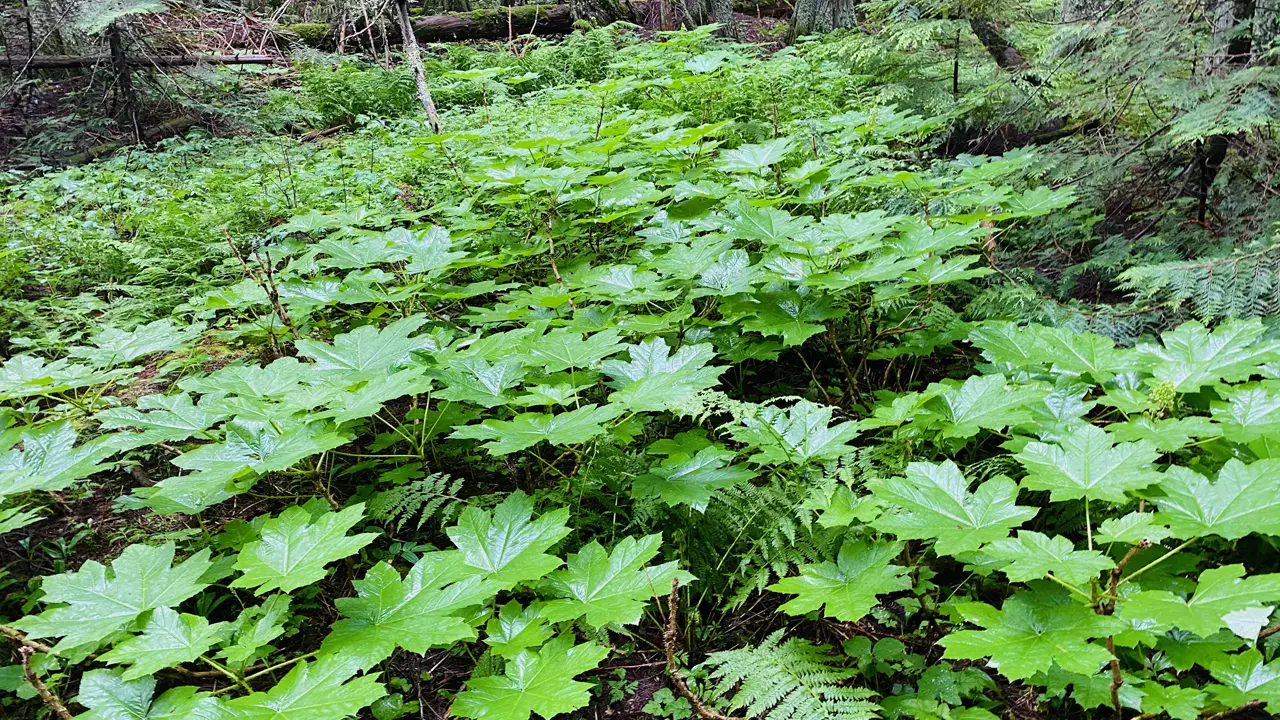
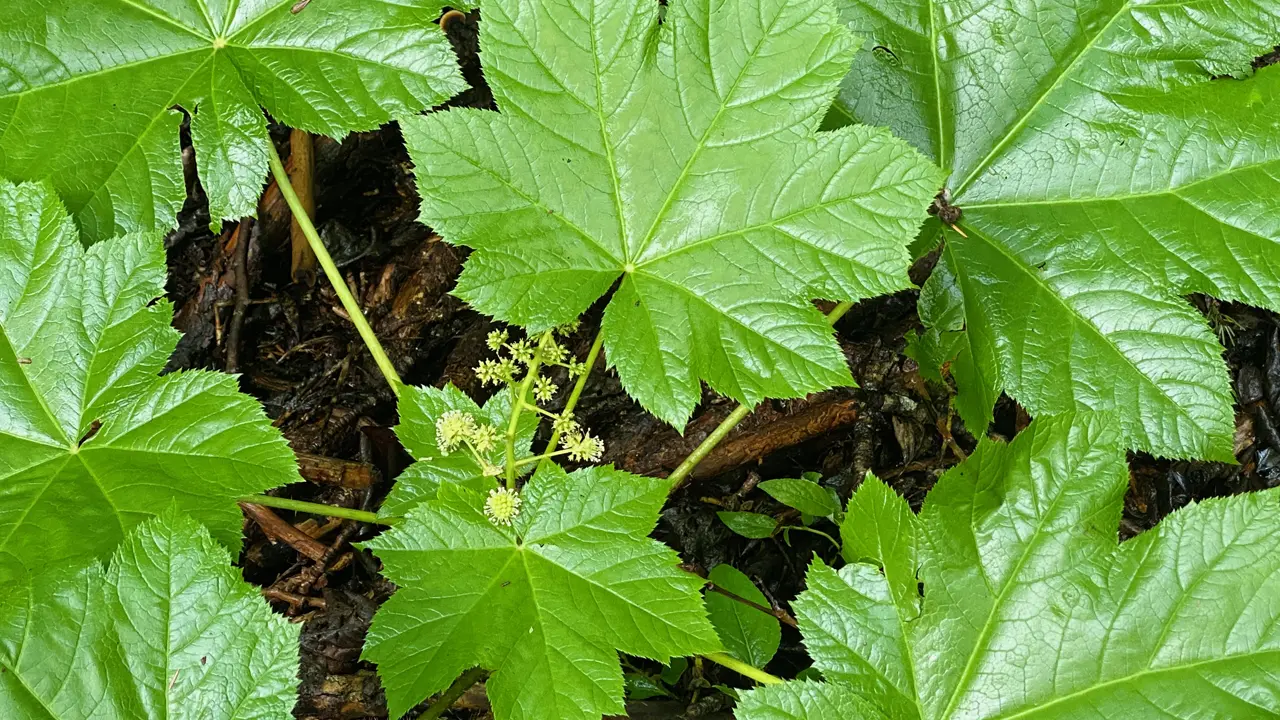
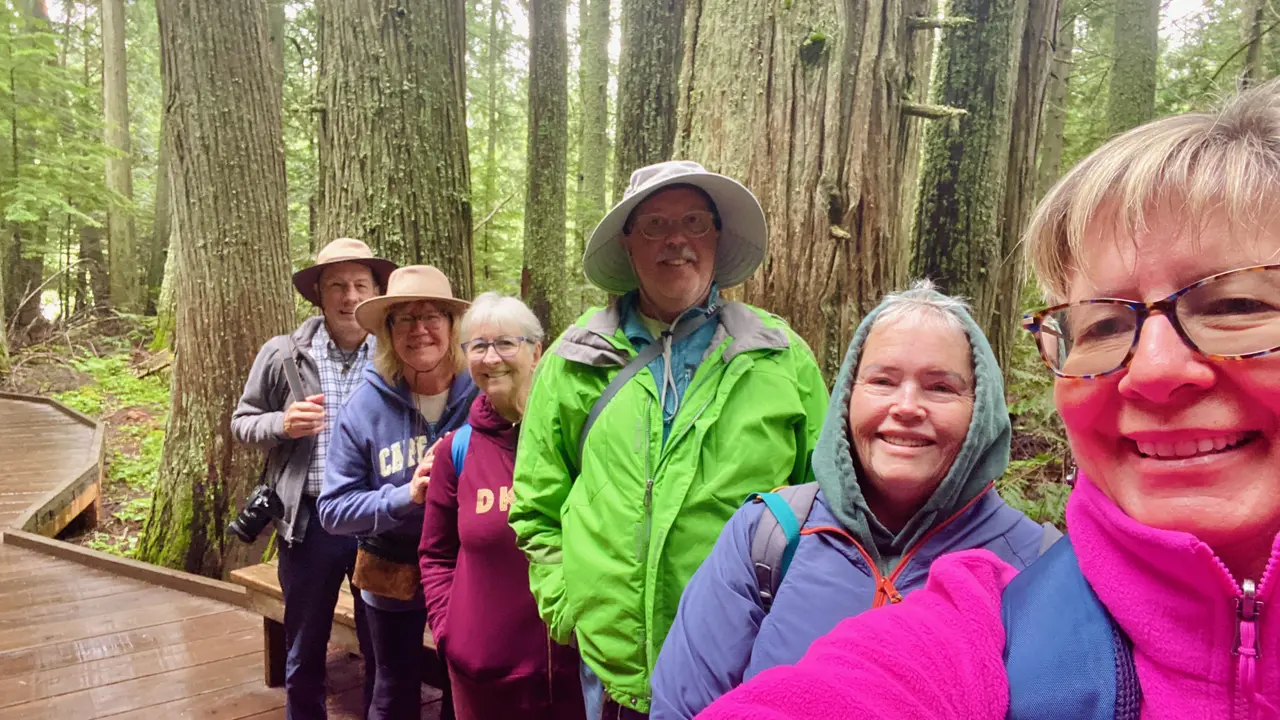
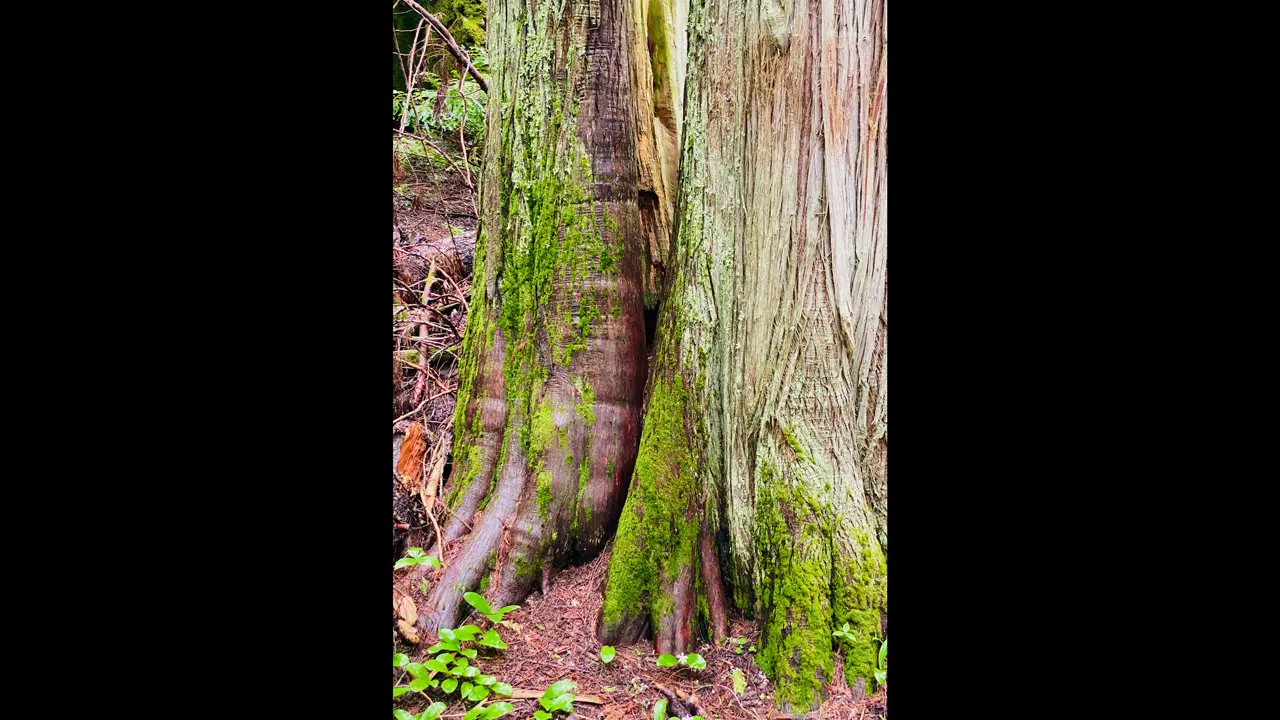
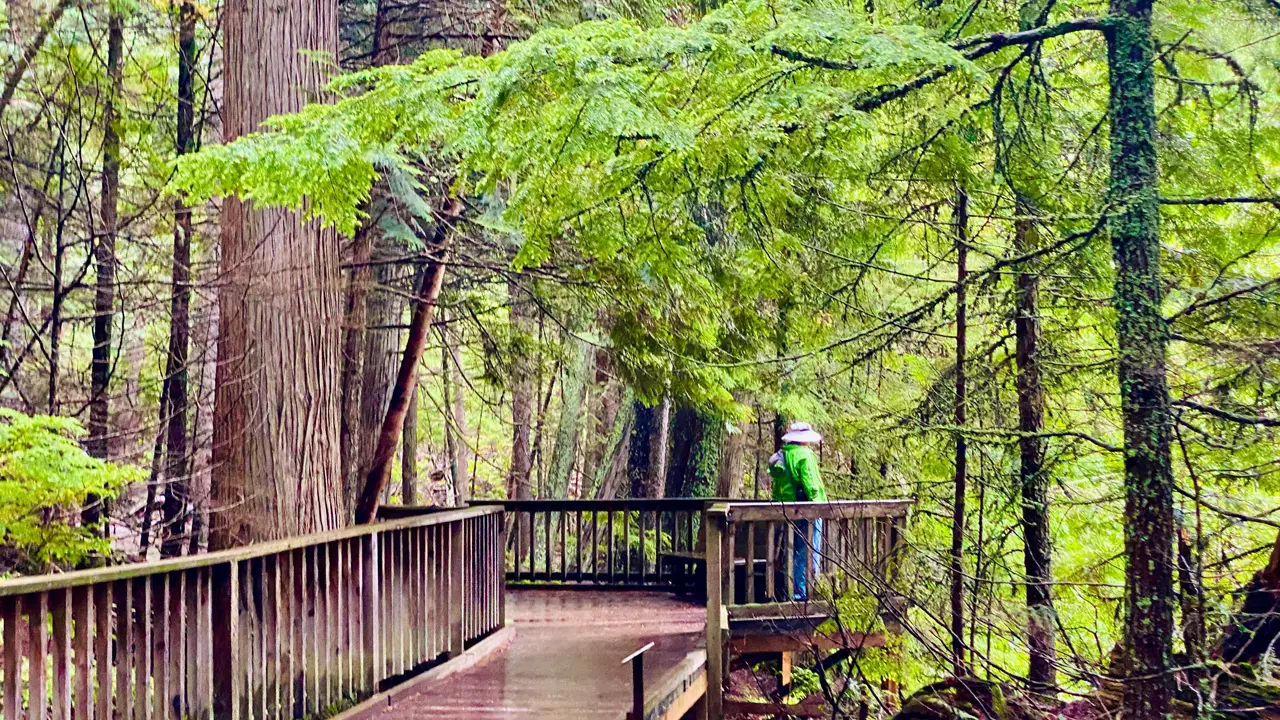
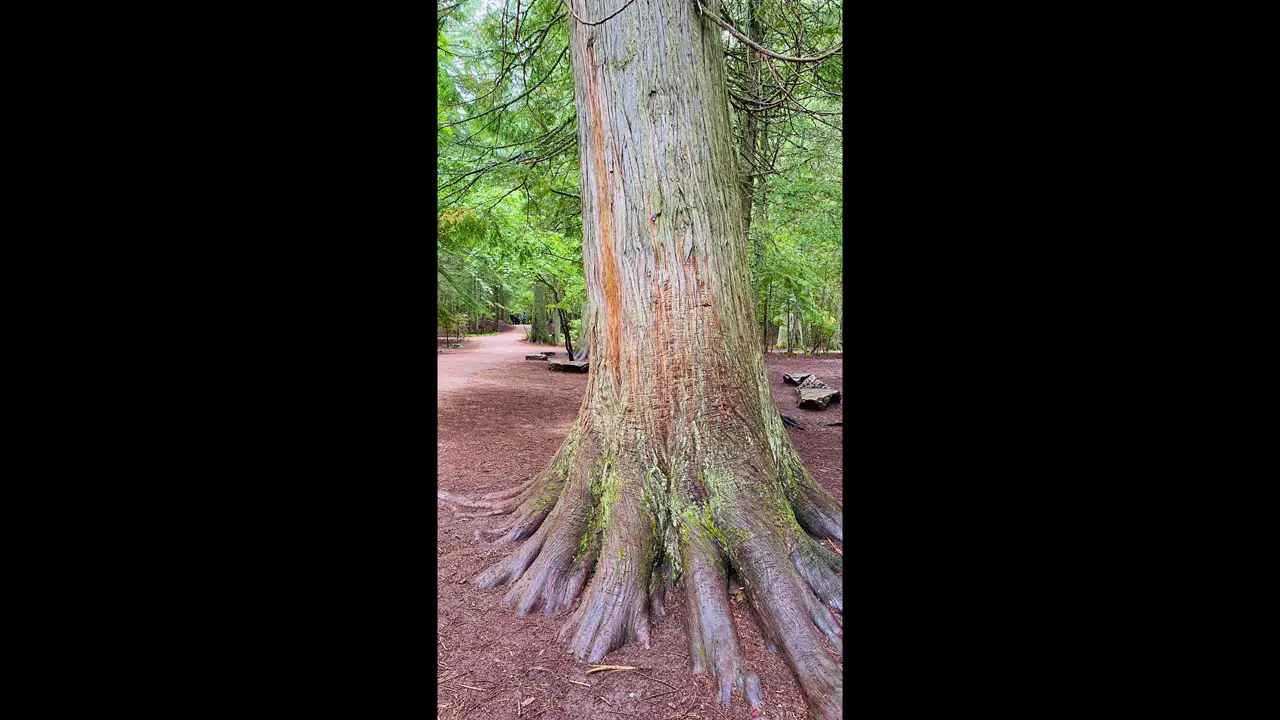
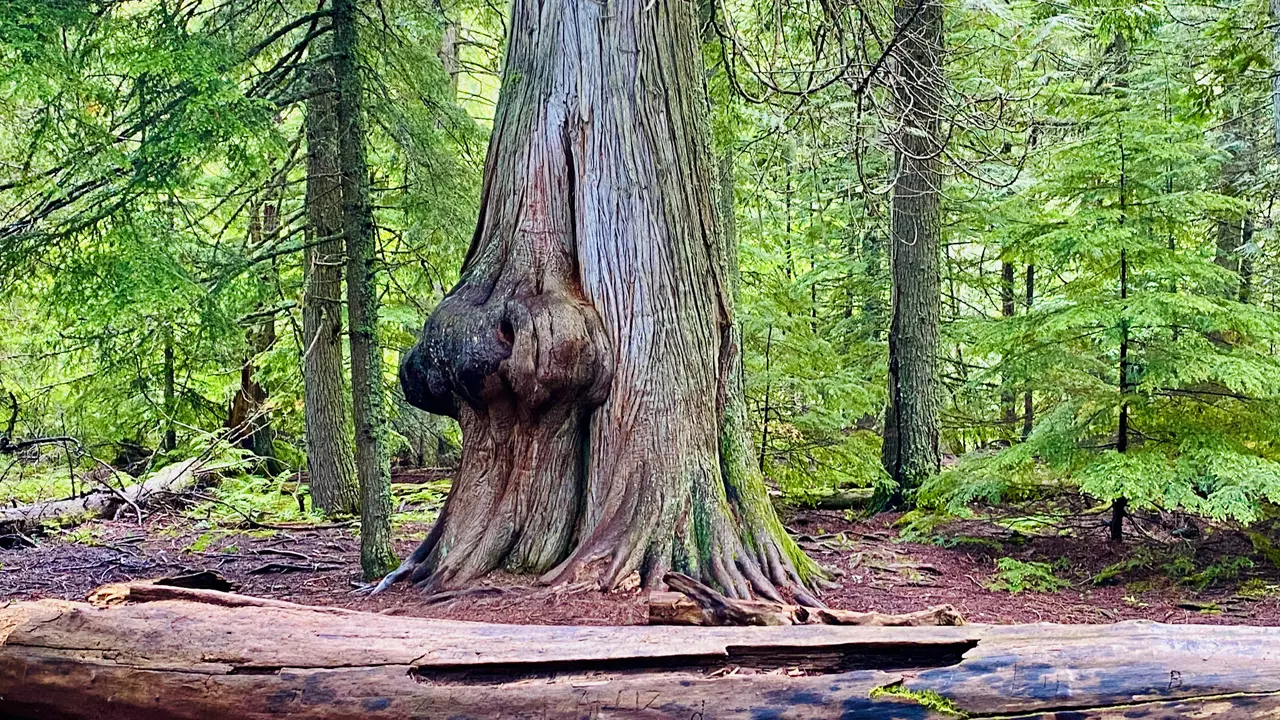
Wednesday was an overcast, rainy day so we opted not to visit the park but instead visit the local shops and play games… Sequence is a new fave. Day 3, Thurs., July 4th (2024) we took the early park shuttle (7:45 AM) to walk the 1-mile boardwalk “Trail of the Cedars.” It’s in a rainforest-type environment with lush green ferns, mosses and cedars growing to heights of 100 feet and 4-to-7 feet wide. Some of the trees are estimated to be more than 500 years old. Absolutely gorgeous. We were all mesmerized. There was a plant called Devil’s Club, which is toxic when eaten by humans. Their leaves were huge and they were everywhere.
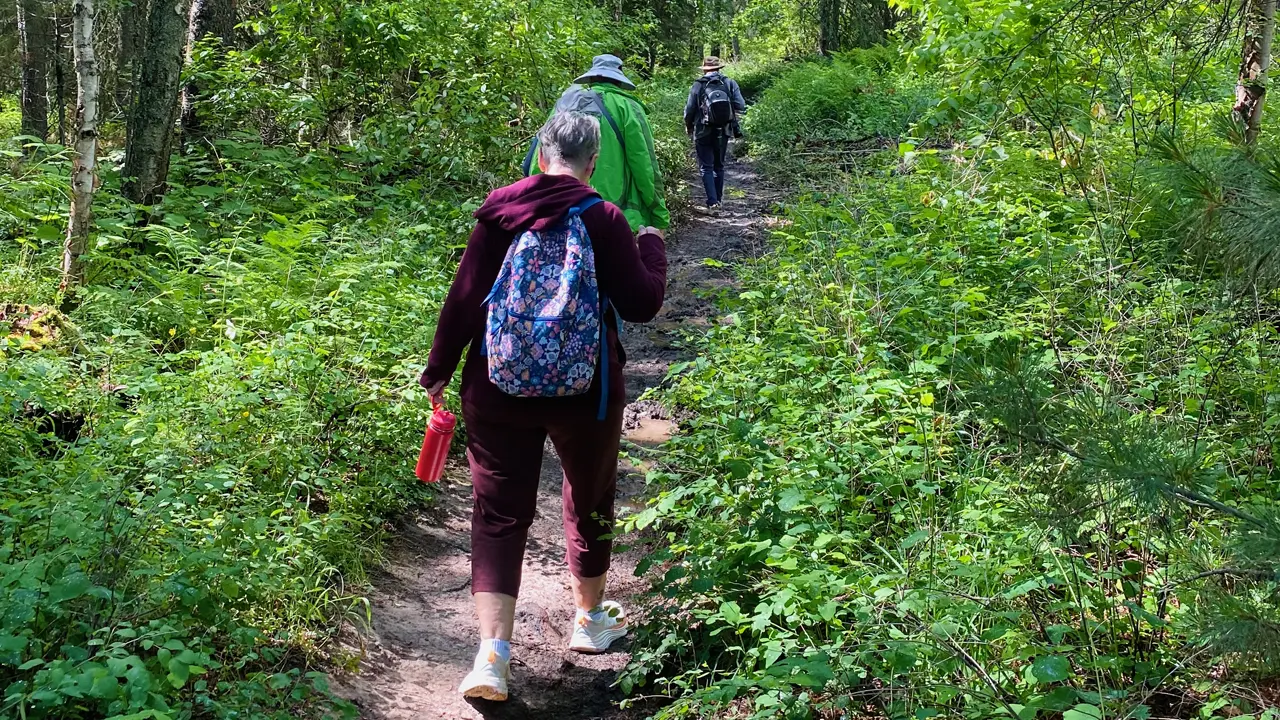
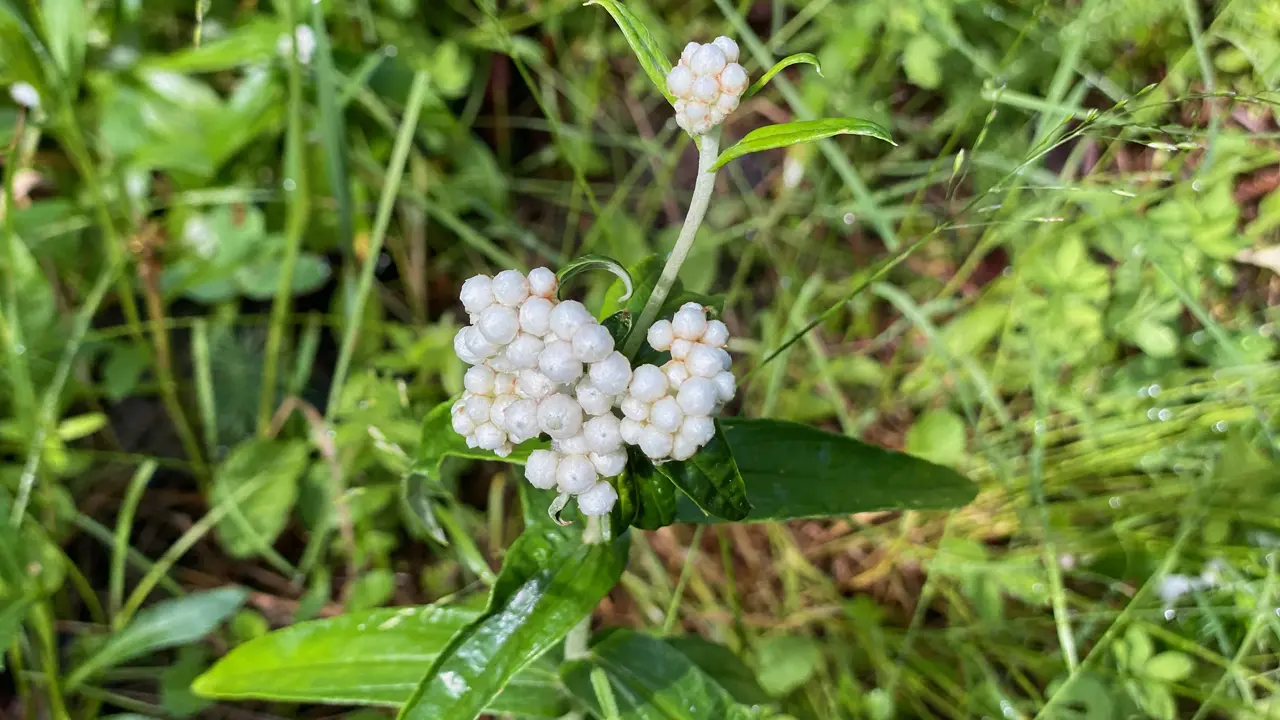
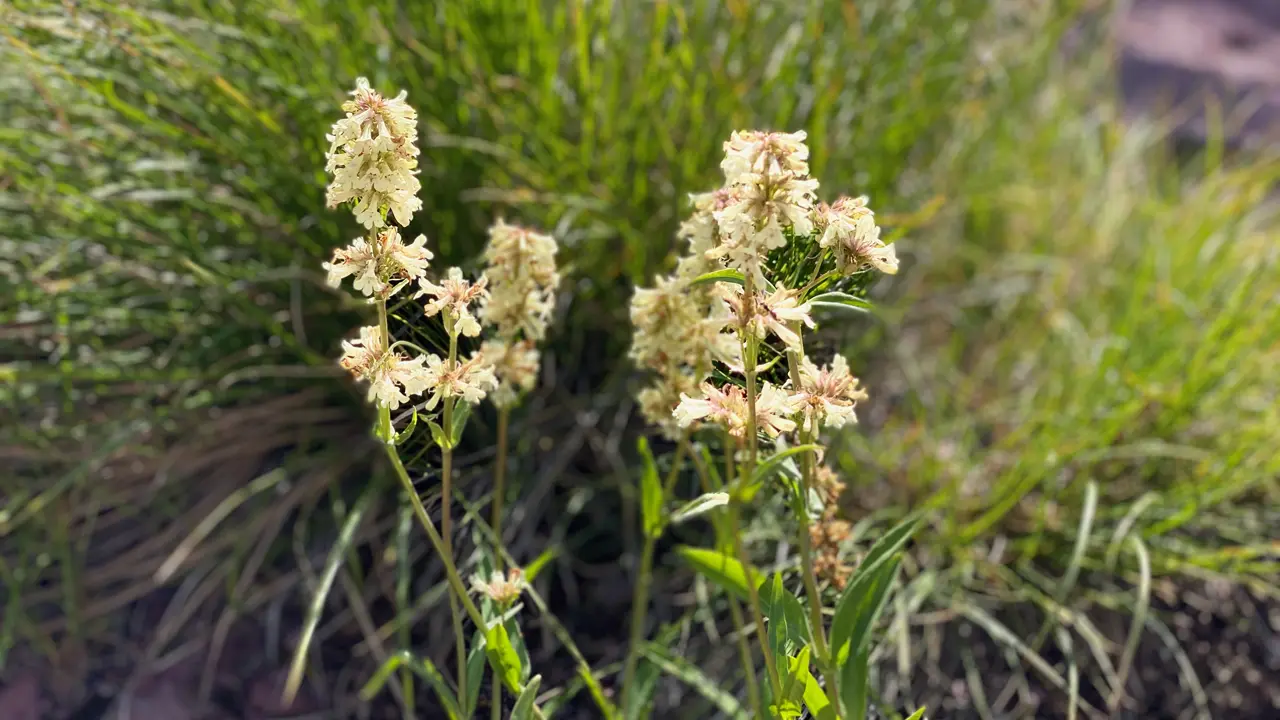
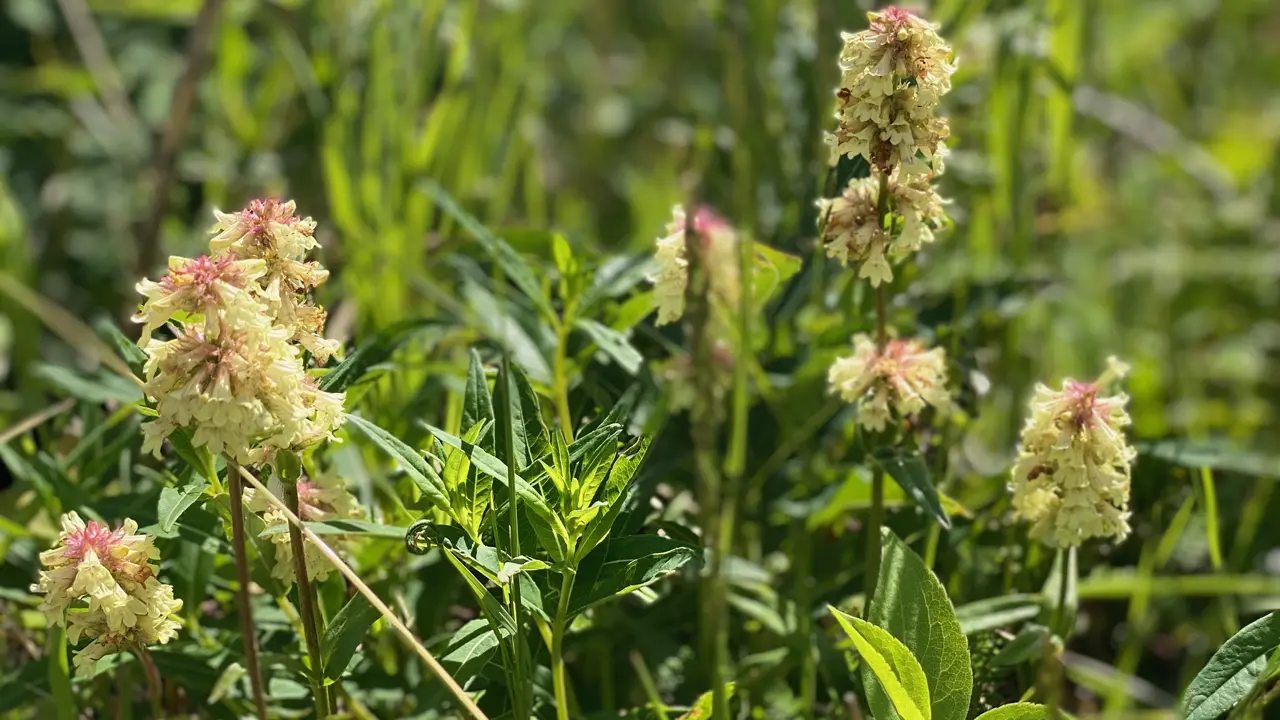
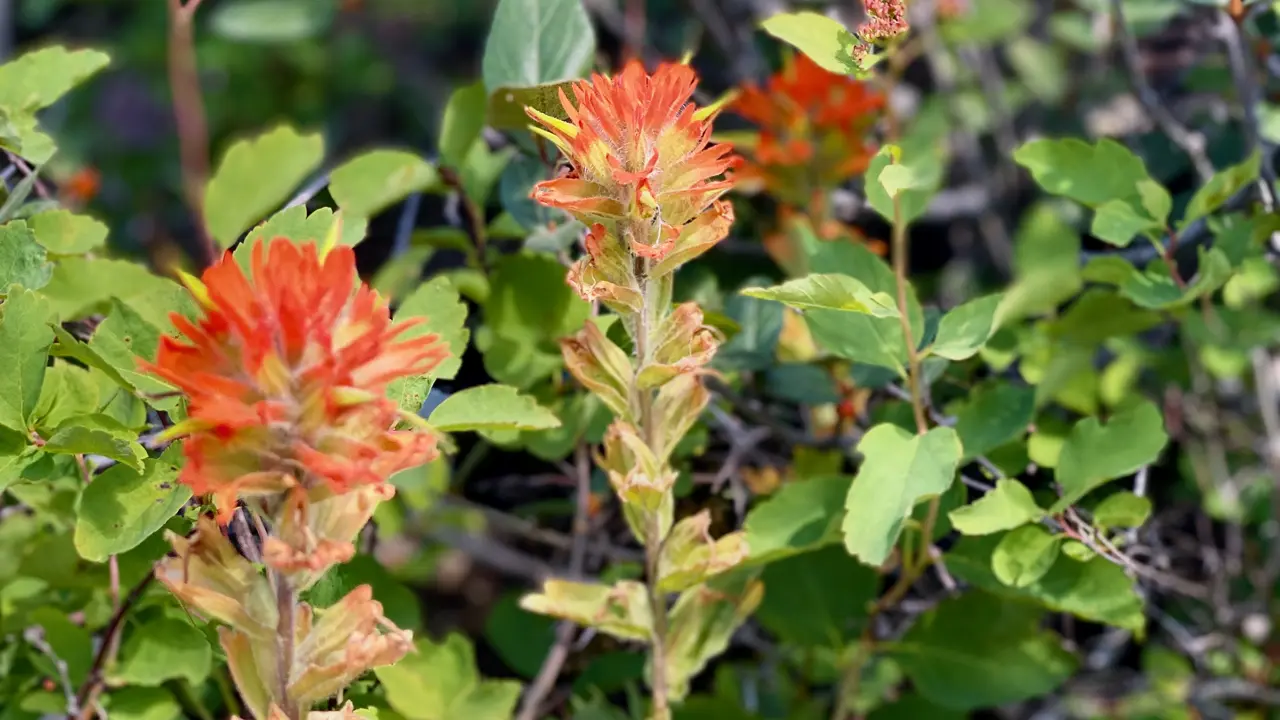
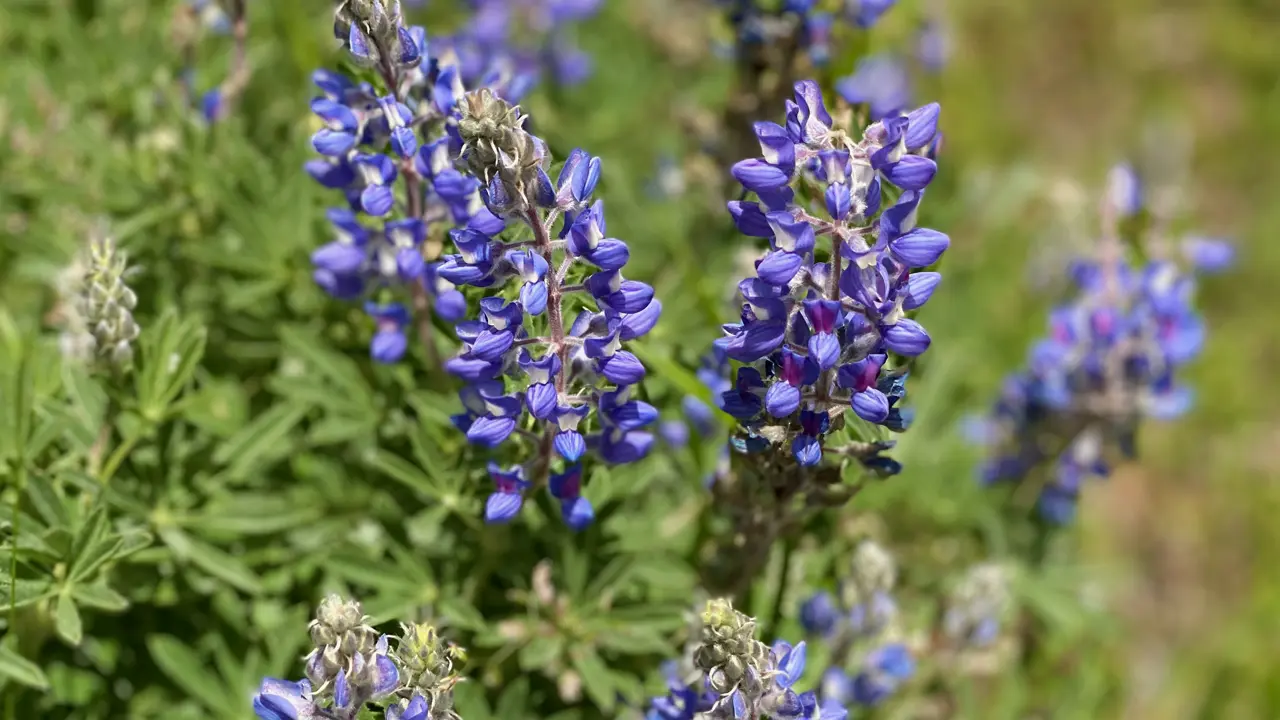
Afterwards we took the shuttle back down to the Lake McDonald area to walk the 2.2 mile Oxbow Trail, which proved to be muddy, but we were rewarded by seeing a doe, buck and a marmot. None of which I got pictures of. We also saw a ton of wild flowers and had beautiful views of Lake McDonald. Oxbow is in reference to the u-shape of the river. We finished by walking into Agpar Village for Huckleberry Heaven Ice Cream (delish!). Huckleberry is a thing around here. Once again we were carrying bear spray with us, although thankfully did not have to use it!
Then it was time to head back home for a bbq at our house to cap off the day!
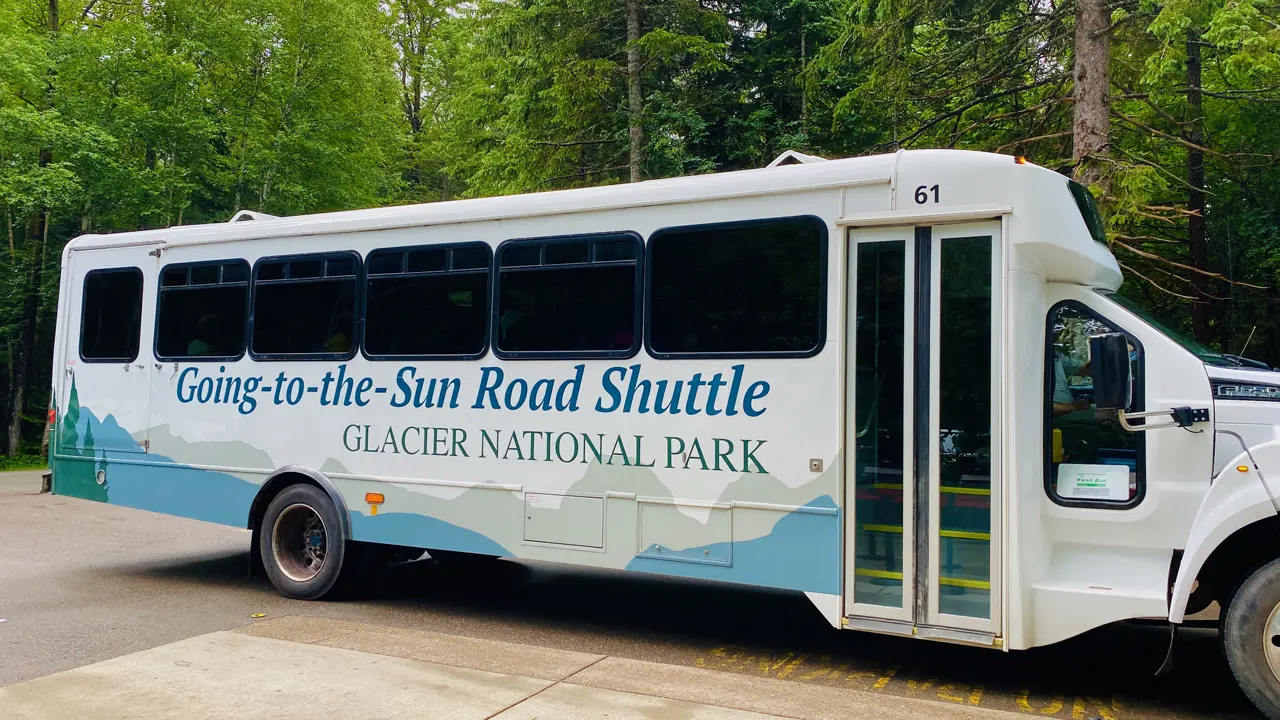 Our ride. A smaller bus takes you to Logan Pass.
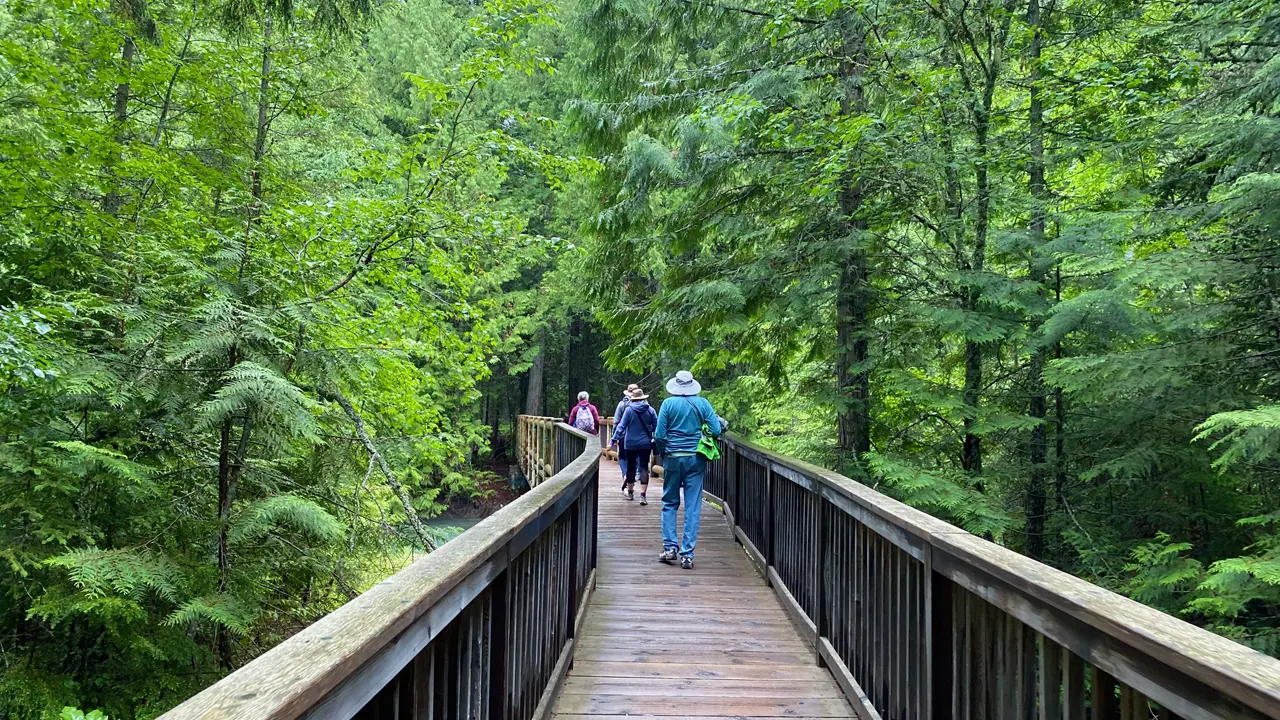
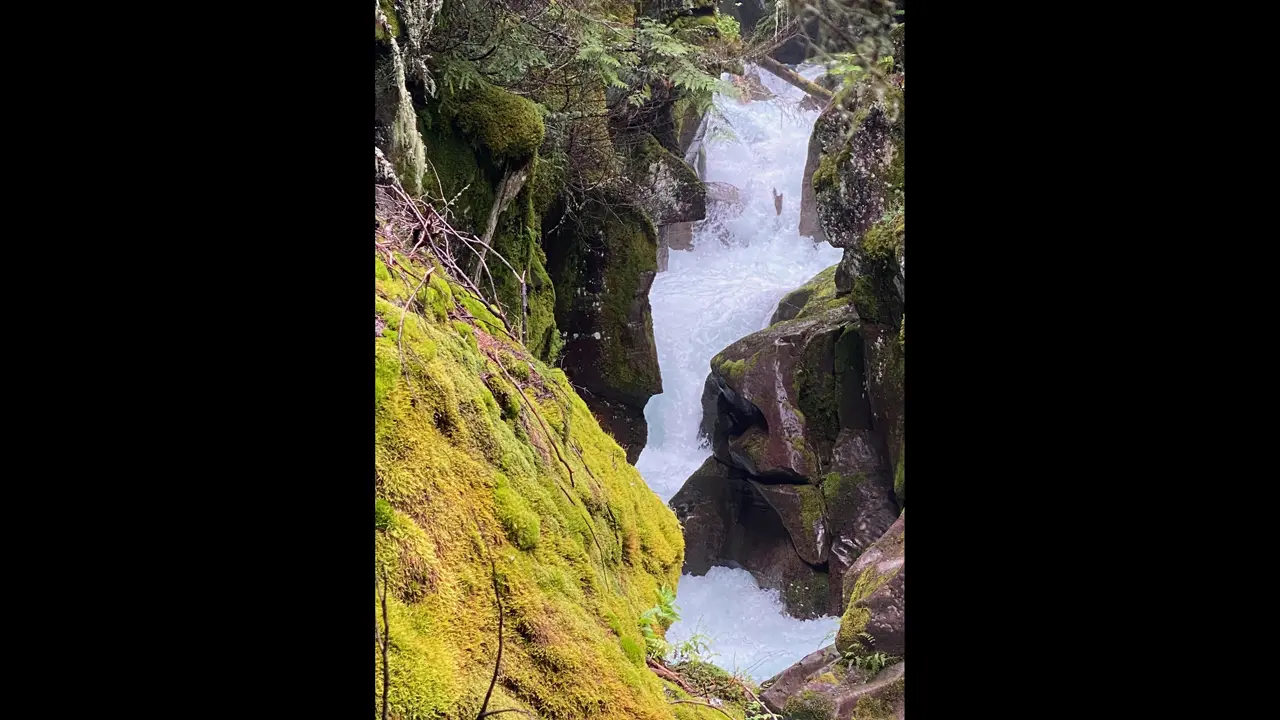
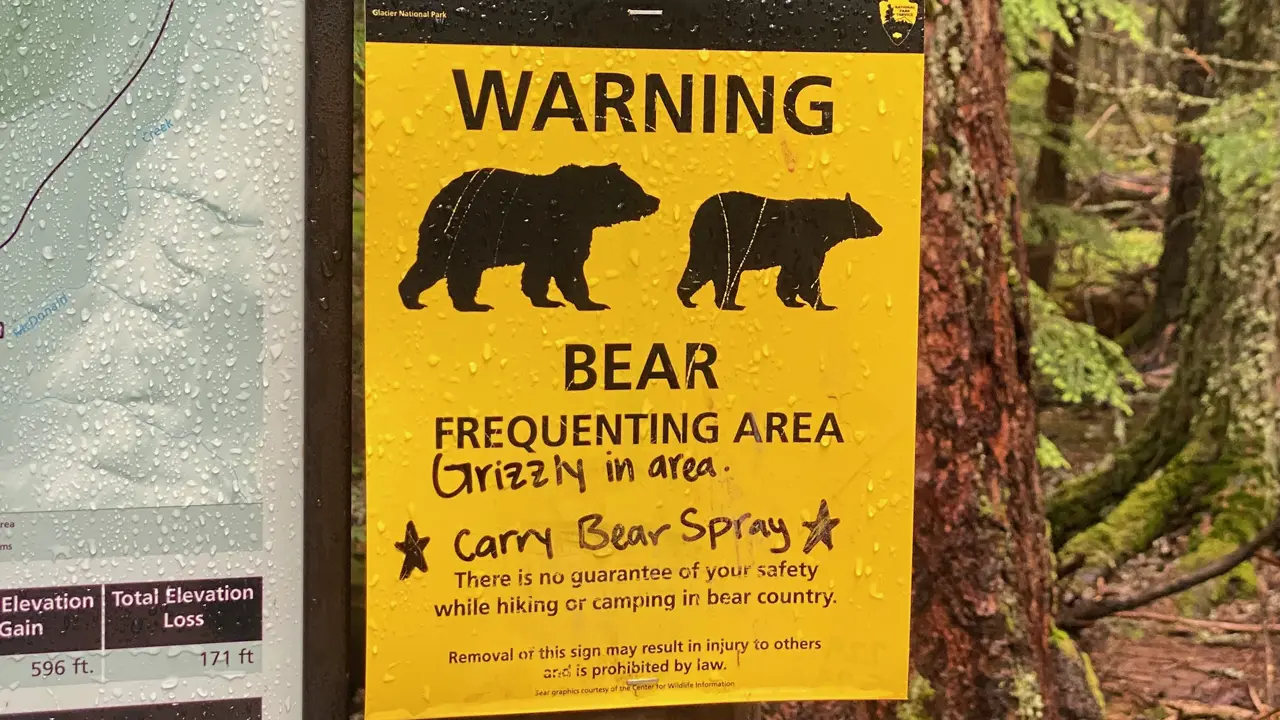
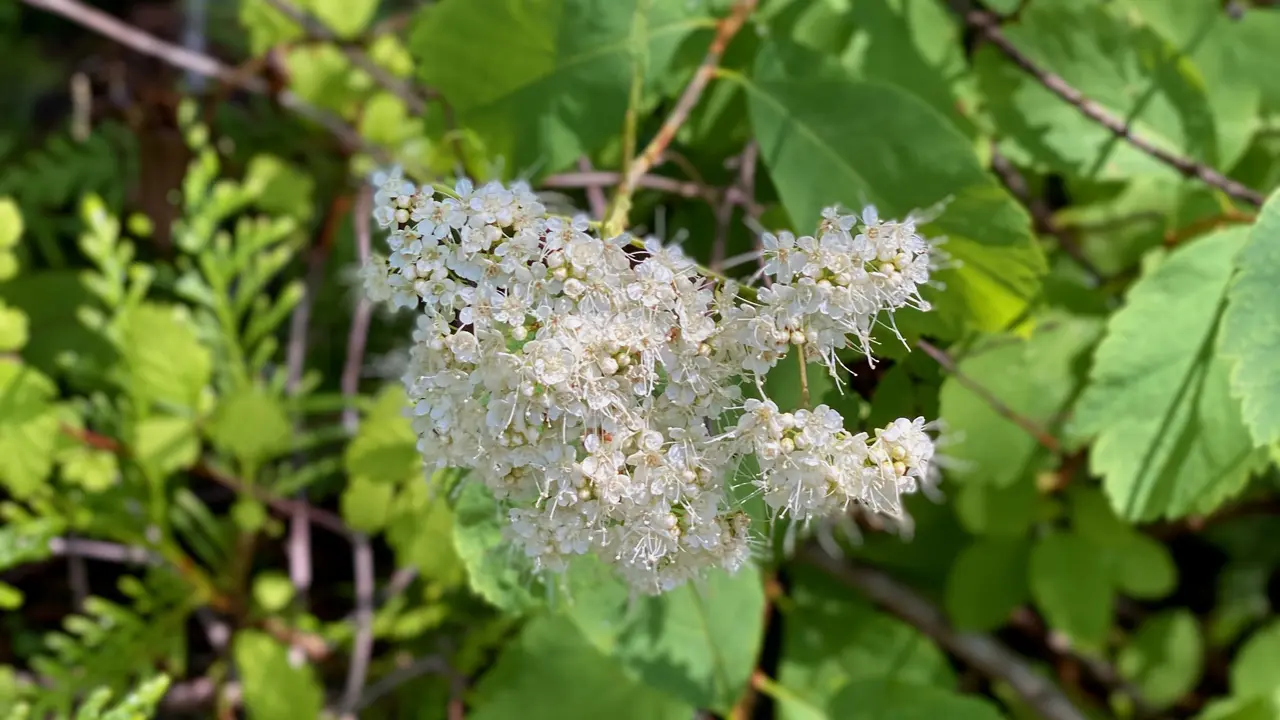
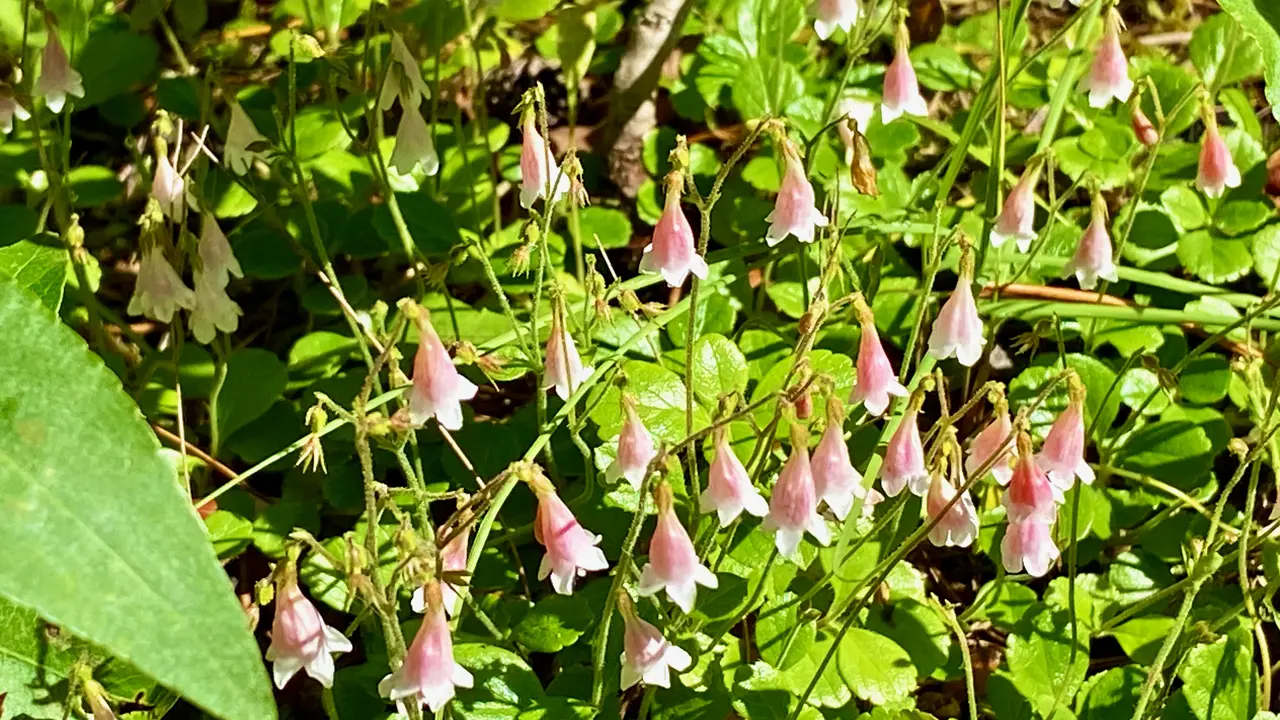
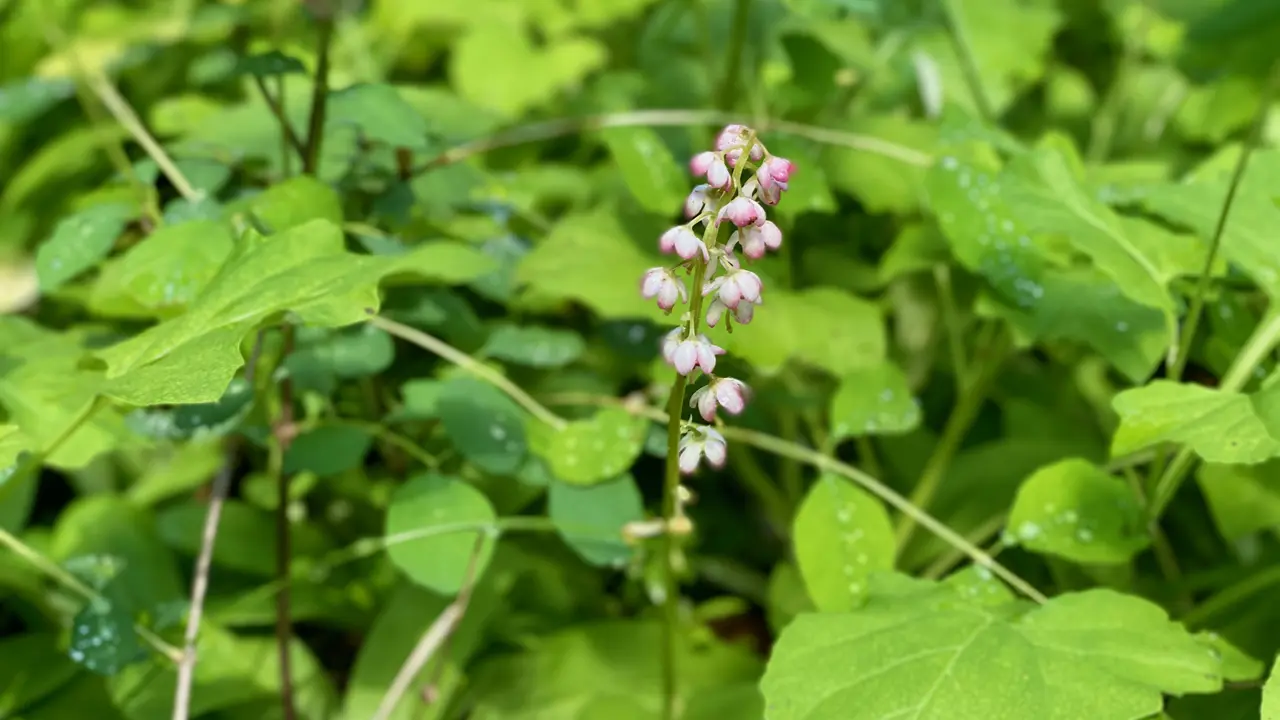
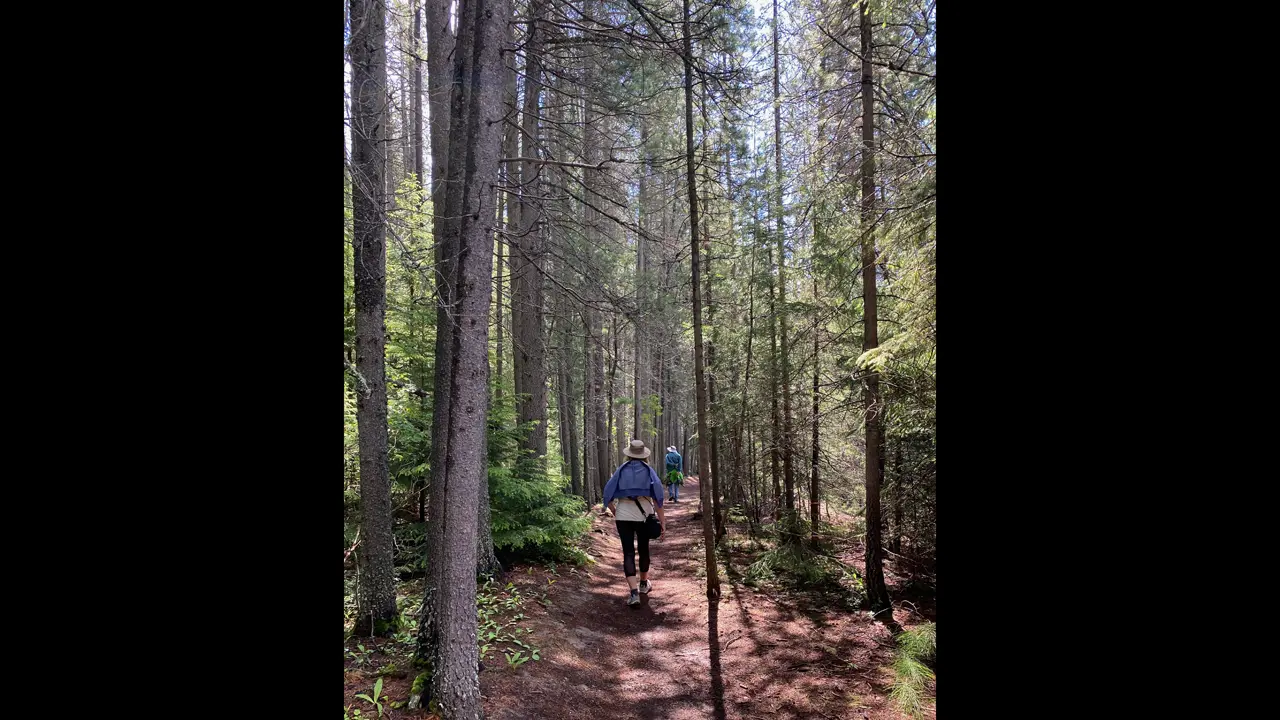
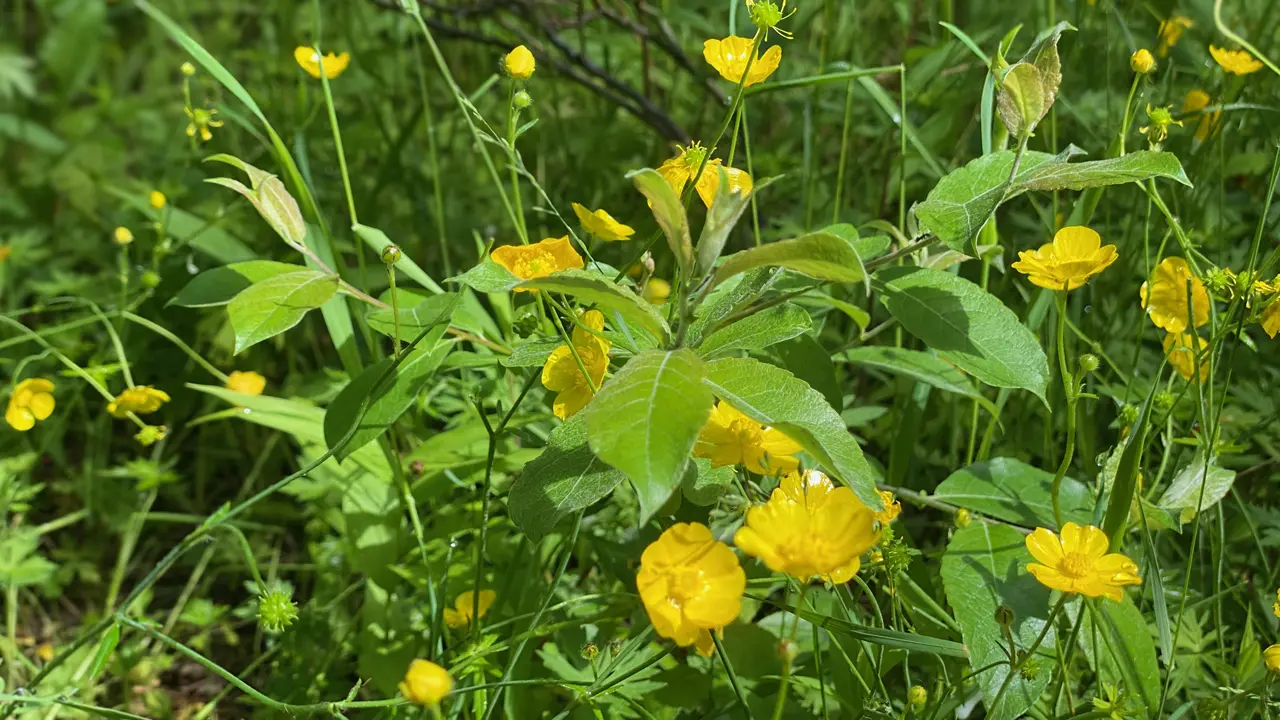
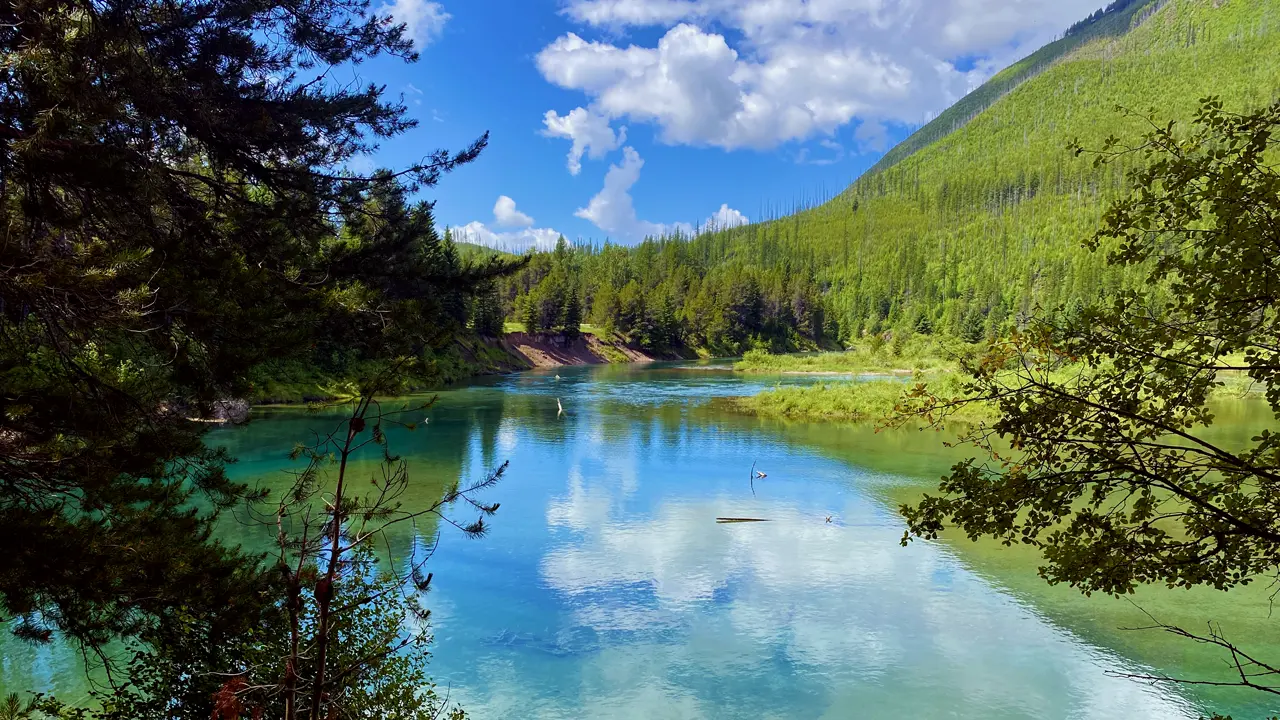
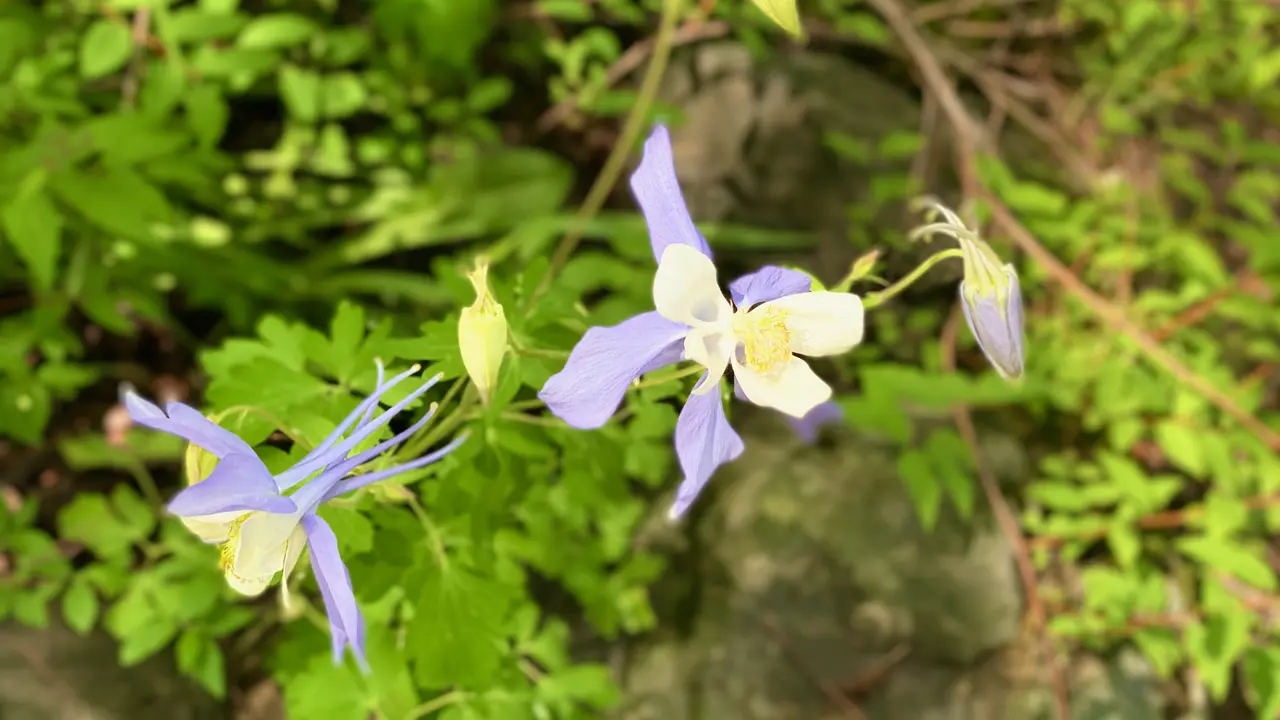
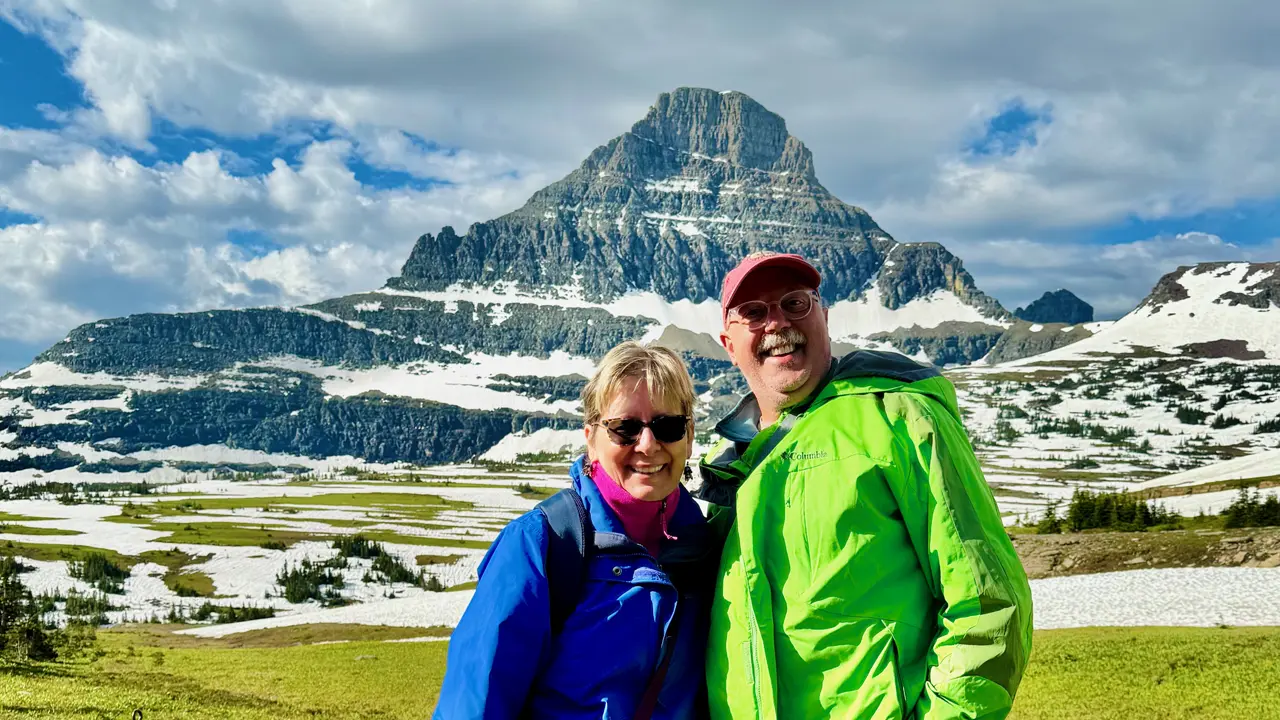
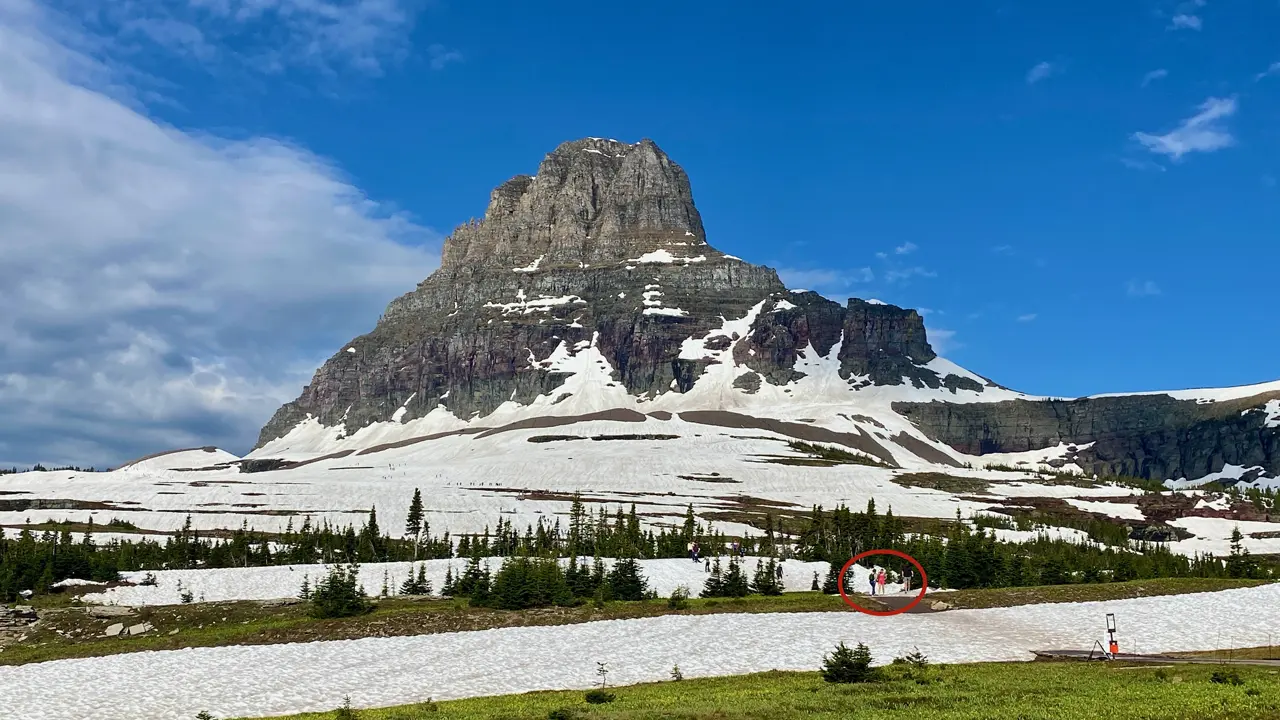
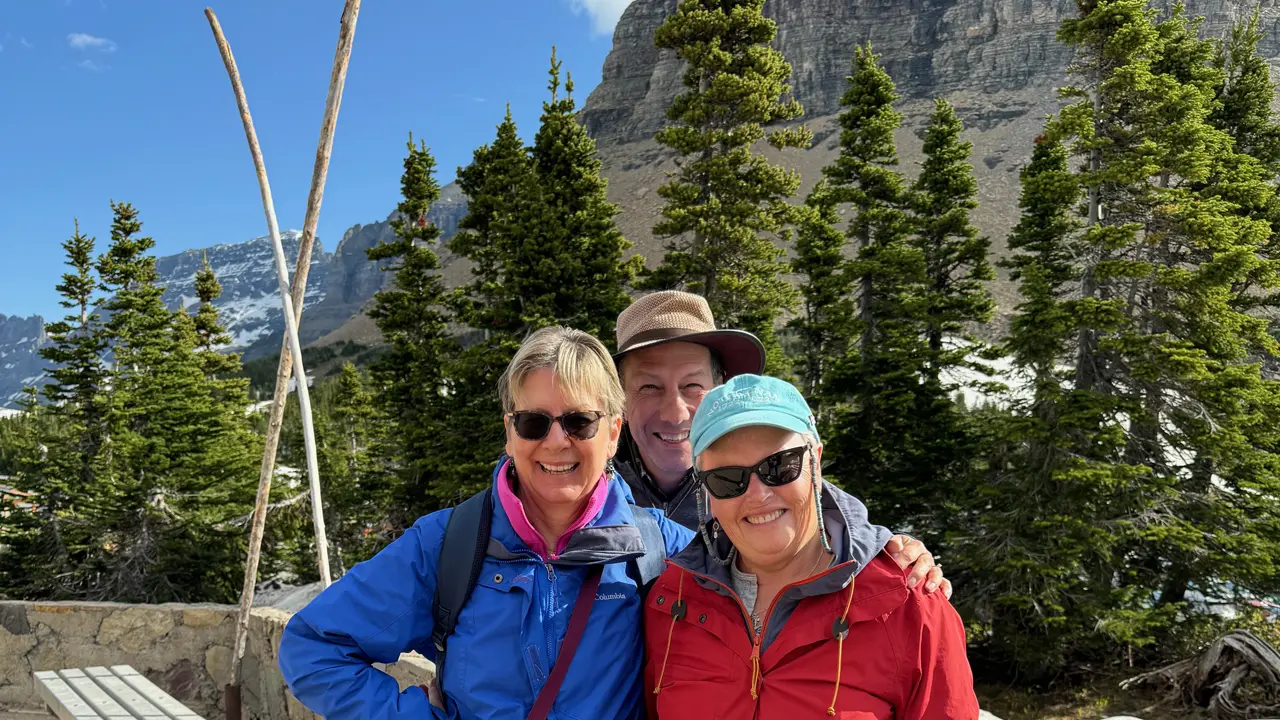
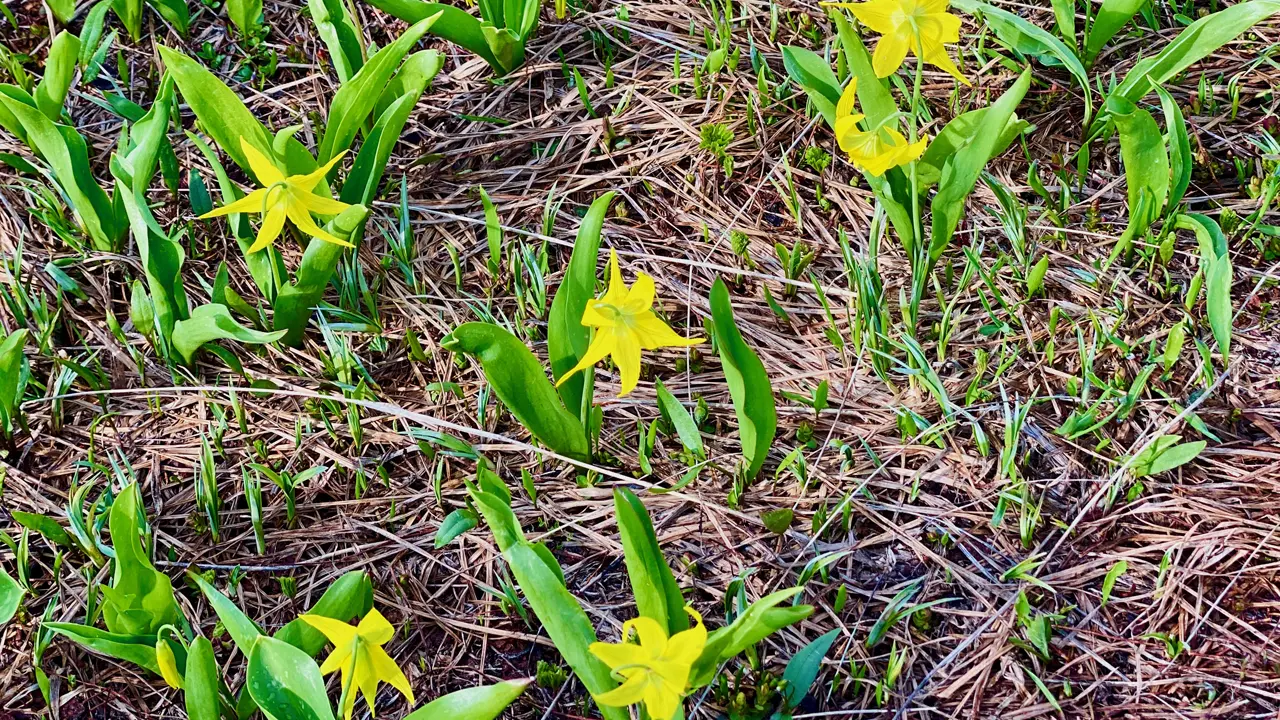
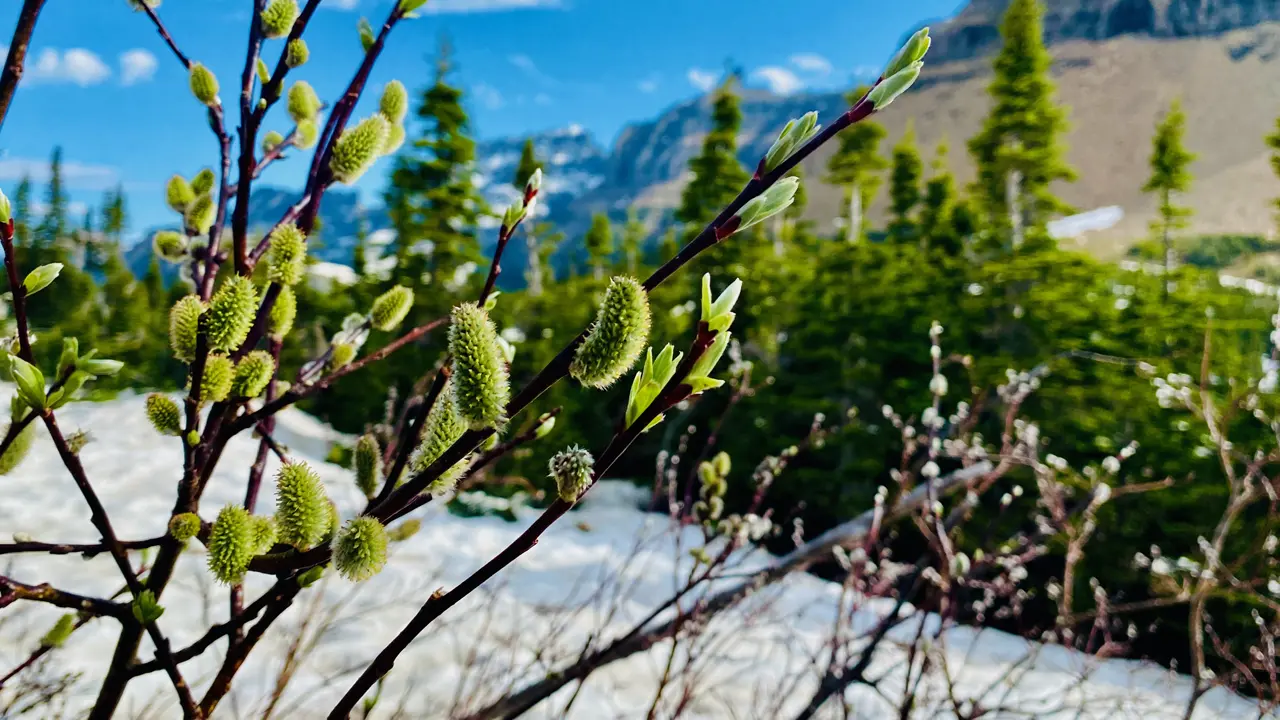
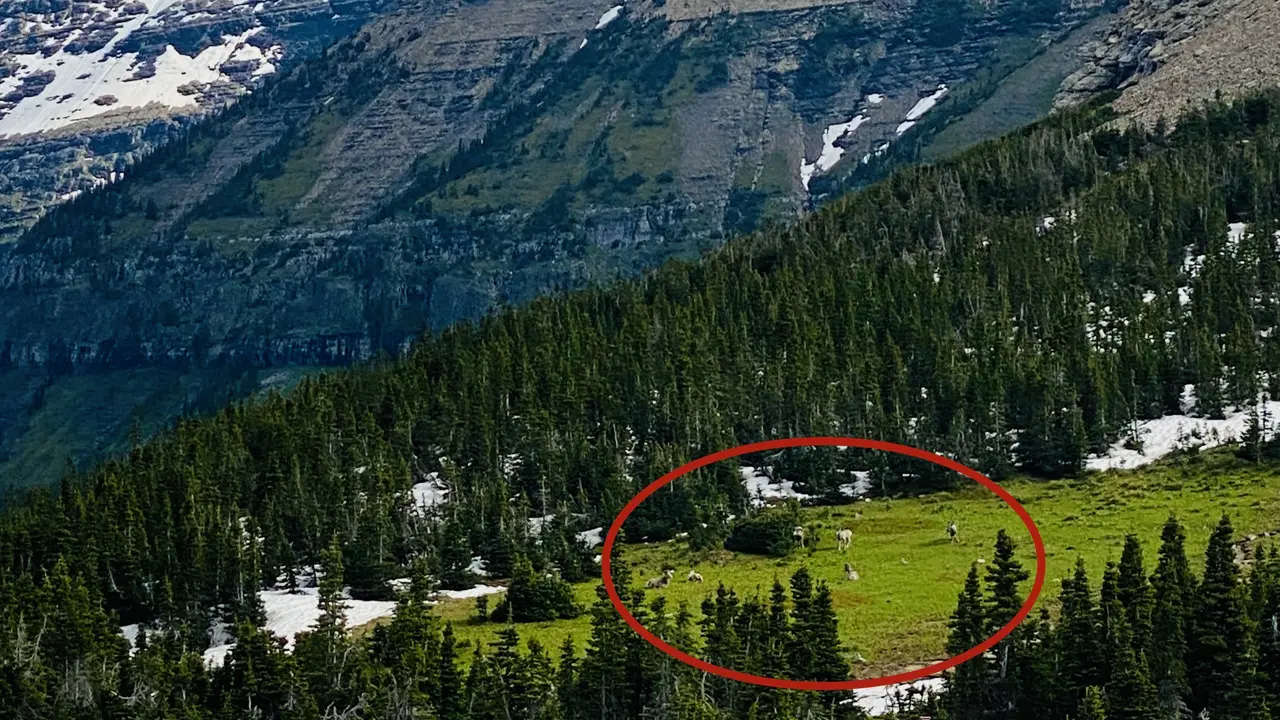
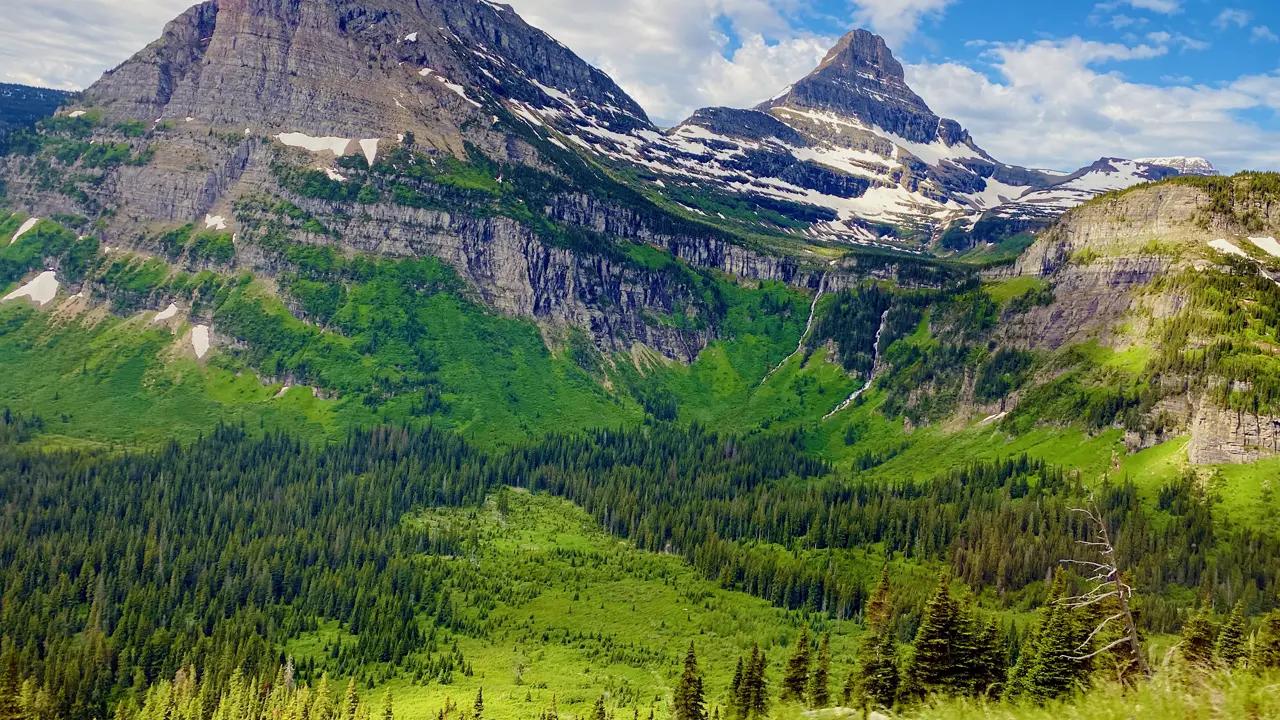
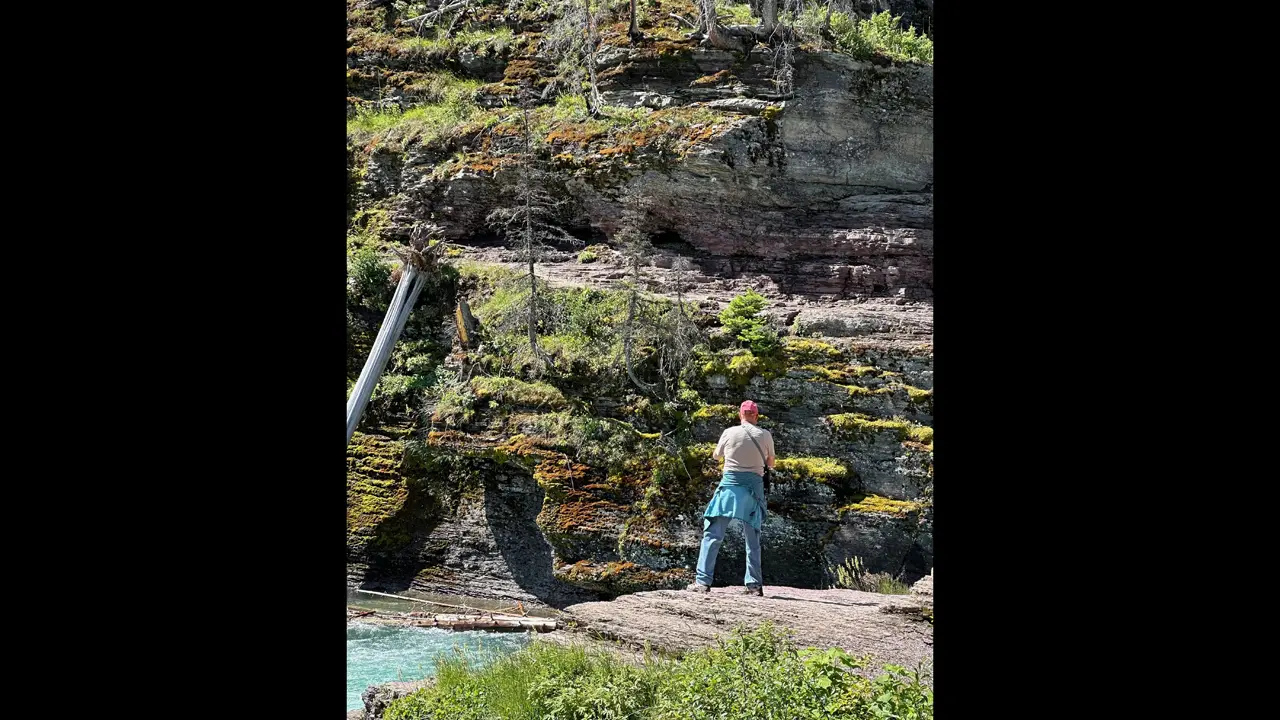
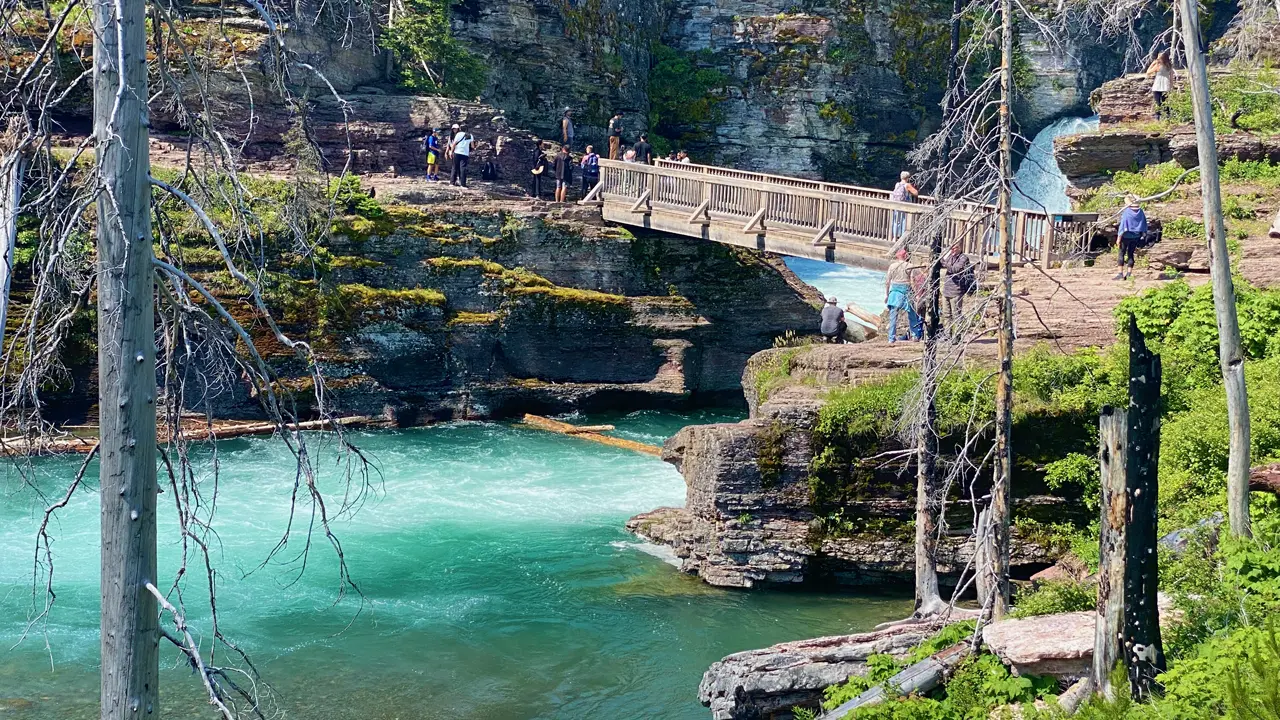
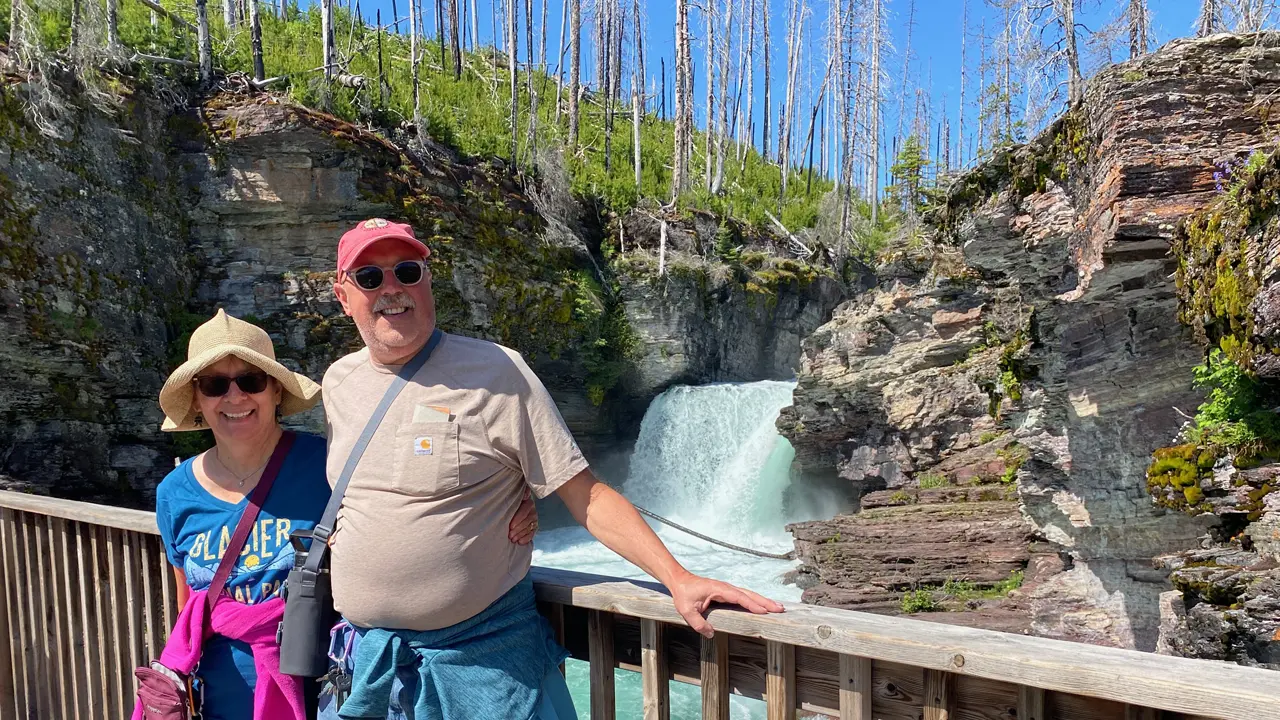
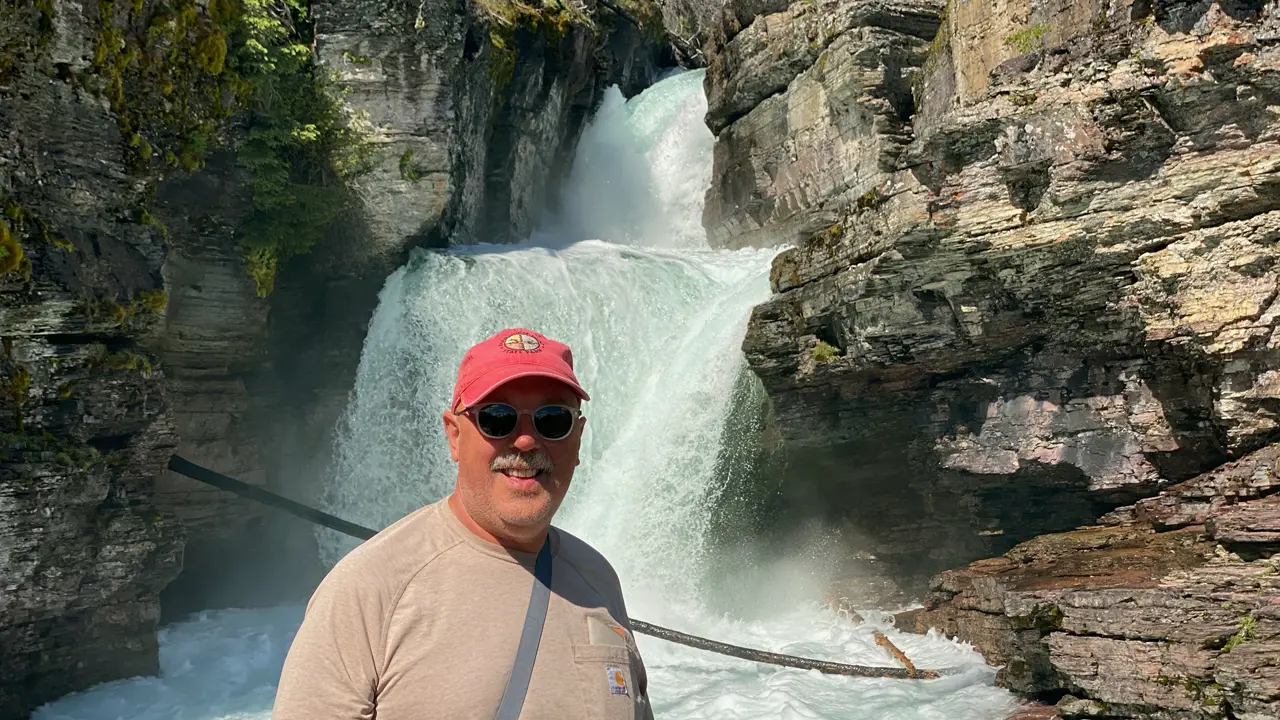
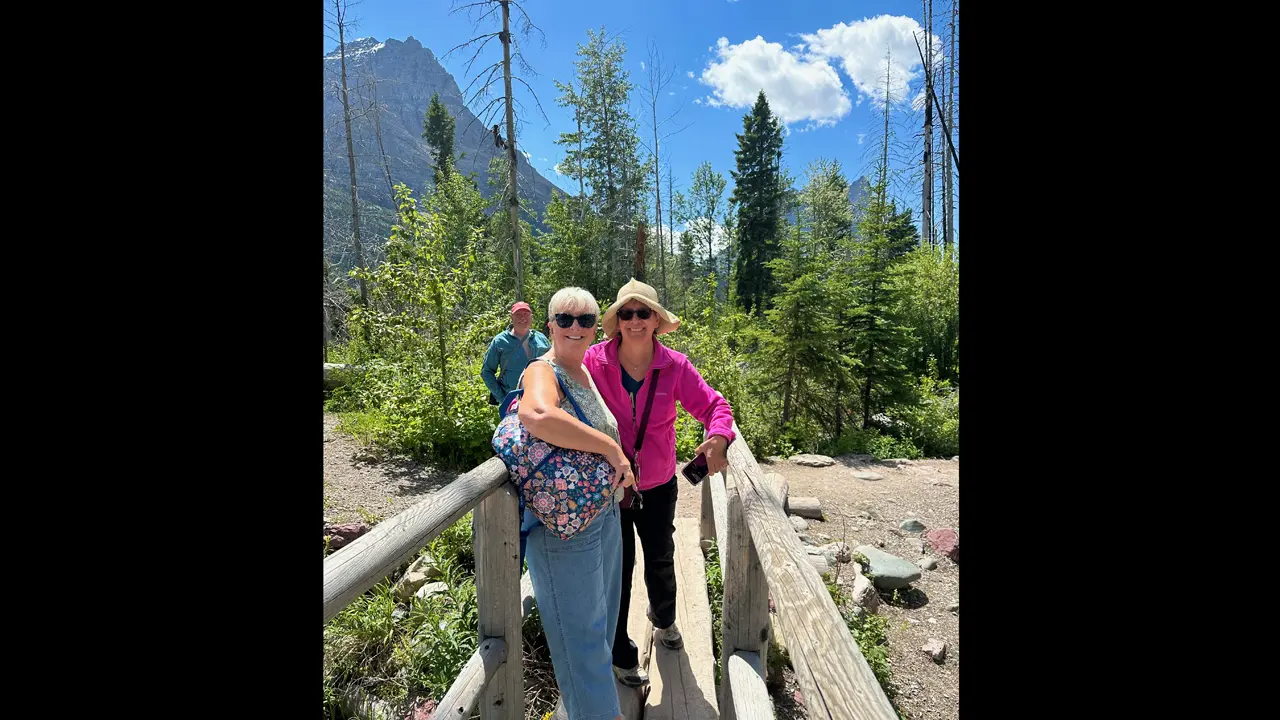
Day 4, Fri., July 5th (2024) was another early wake-up for the pod. We caught the 7:45 AM bus to Logan Pass and were the only ones on the shuttle! We enjoyed beautiful clear views at Logan Pass, unlike our previous visit earlier in the week. Logan Pass has the highest elevation on the Going-to-the-Sun Road at 6,646 ft in elevation. There was still lots of snow around, and supposedly bear activity in the area, although we didn’t see any. The ground was covered with a wildflower called Yellow Avalanche Lily. Just beautiful. Because of the bear activity, some of the more popular trails were closed. We walked around, enjoyed the views… even spotting bighorn sheep in the distance… then continued on the shuttle to the East side of the park to St. Mary’s Falls where we did a 2.2 mile hike down to the falls. Beautiful. Once again we saw lots of wildflowers. With all the melting snow, the waterfalls were magnificent! Then we had to hike back up after our visit to the falls. What goes down must go up.
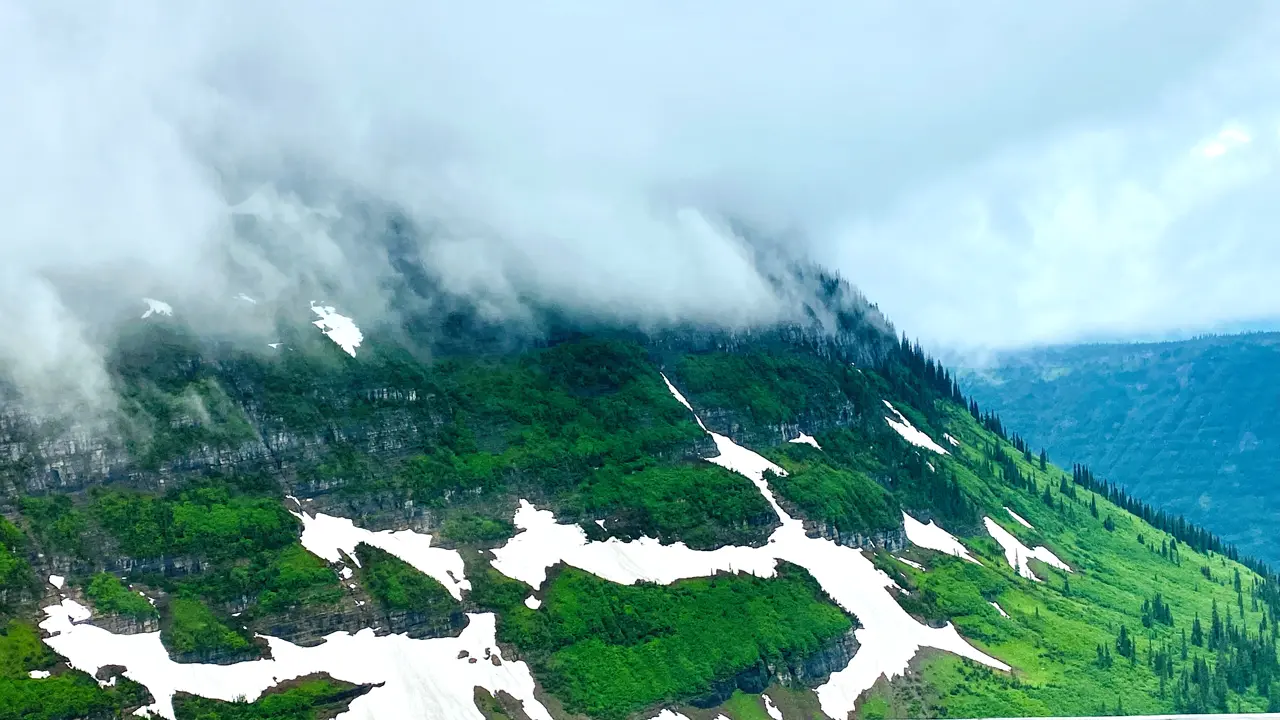
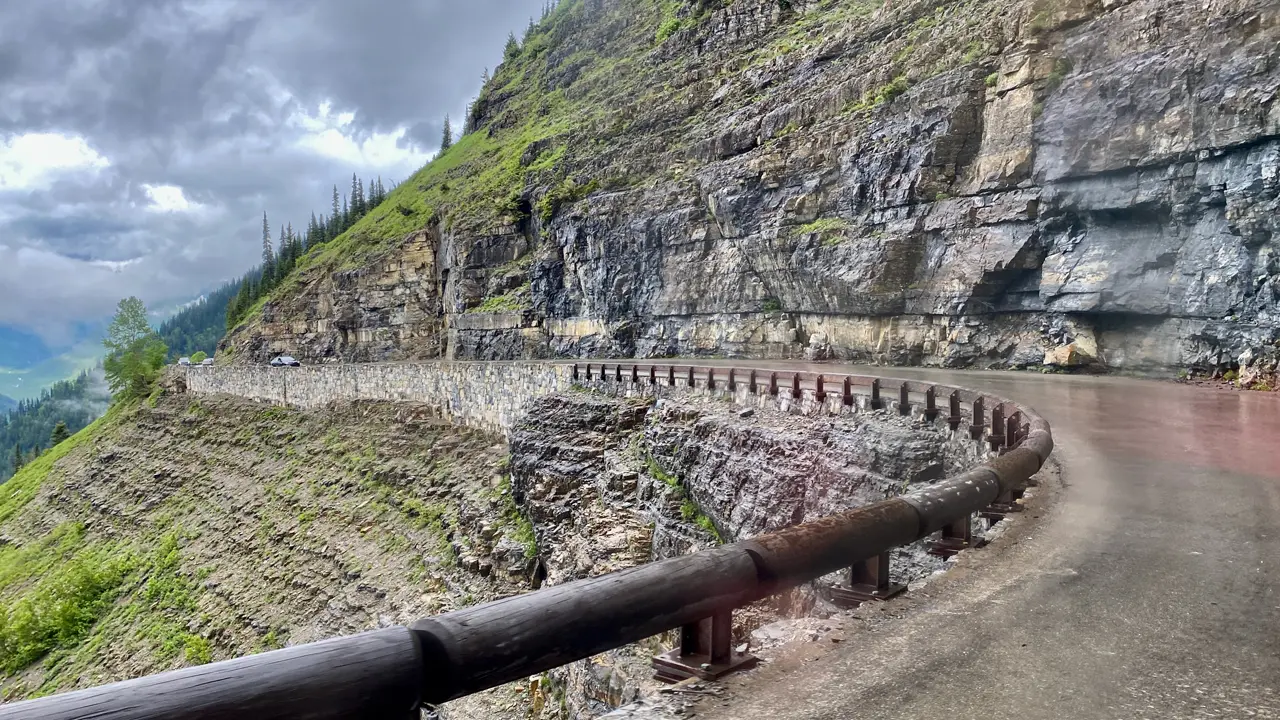
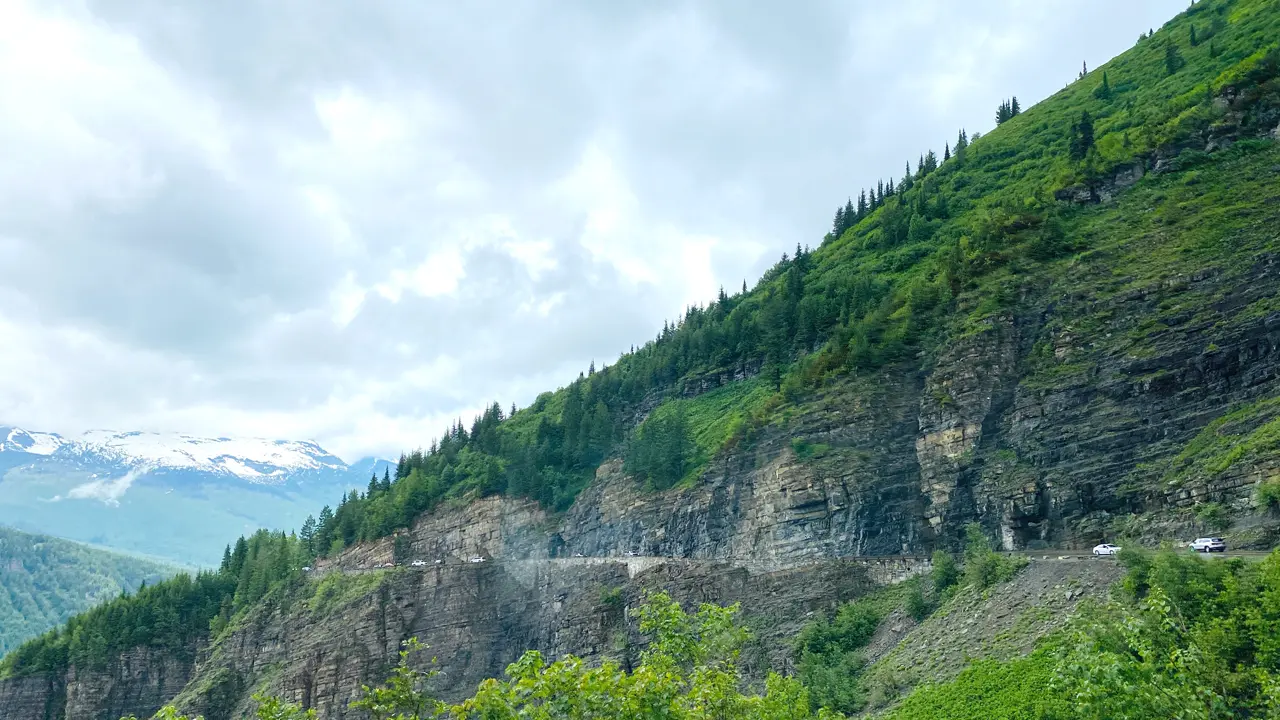
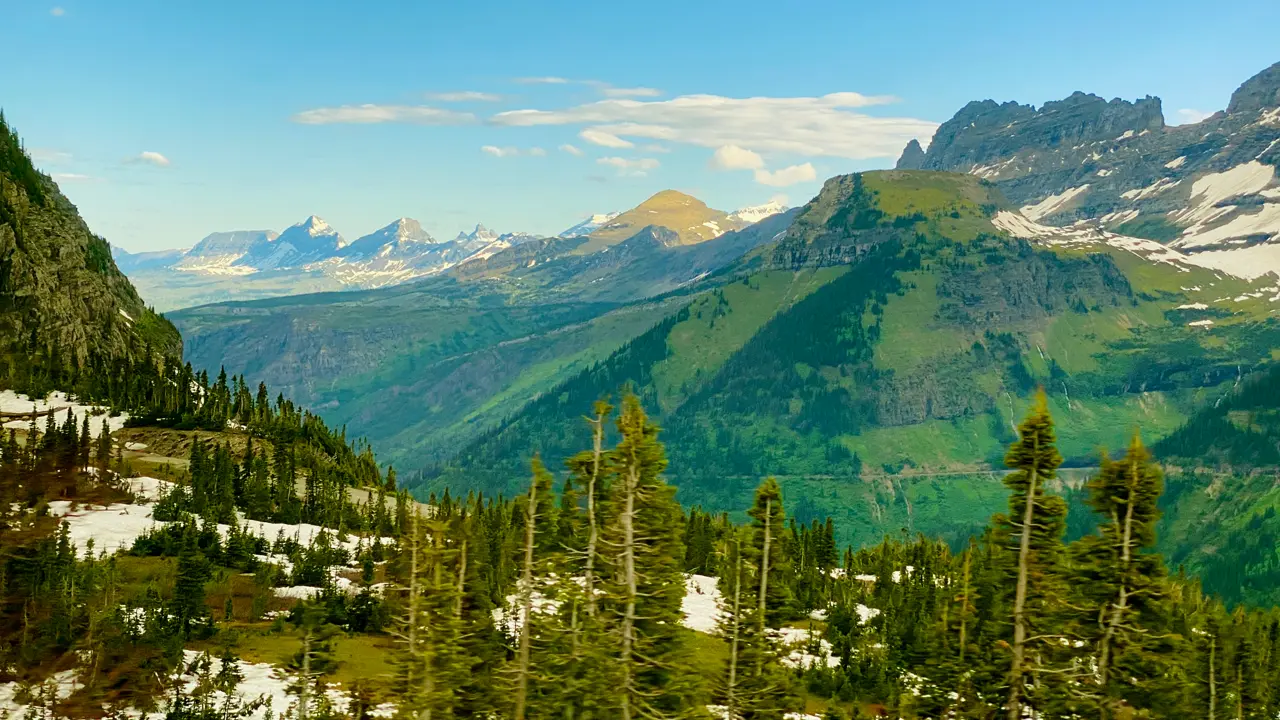
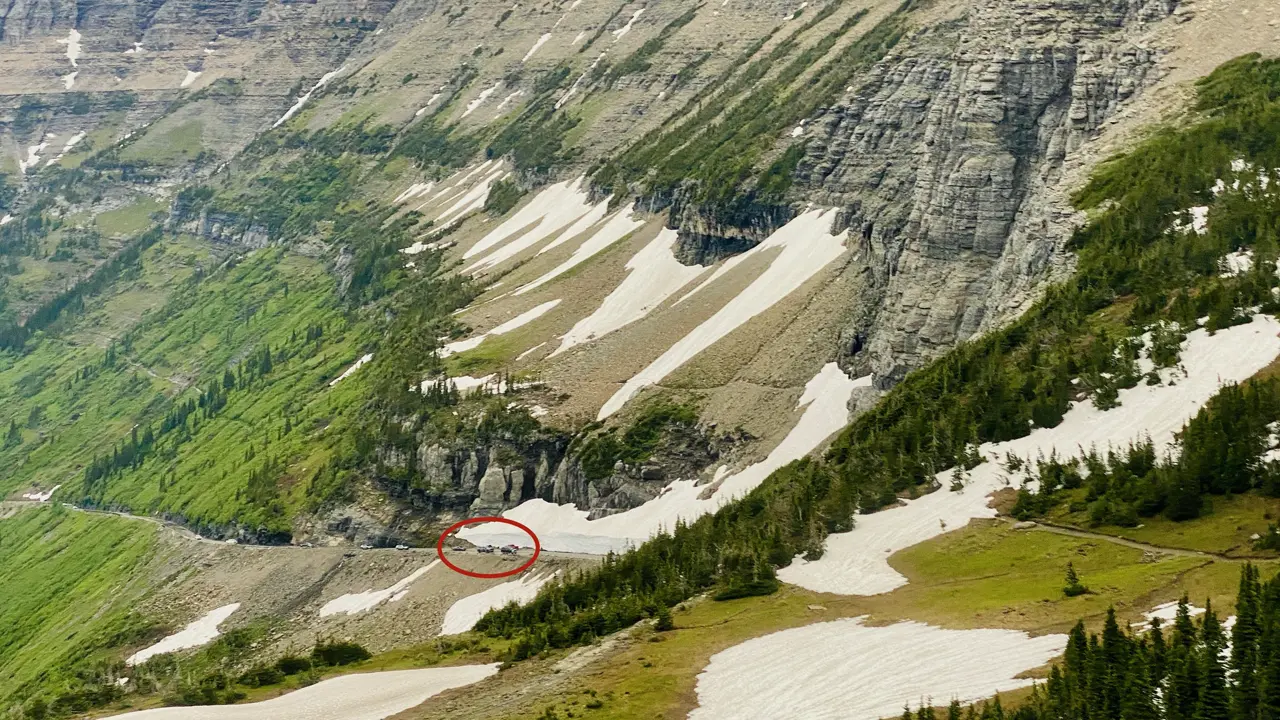
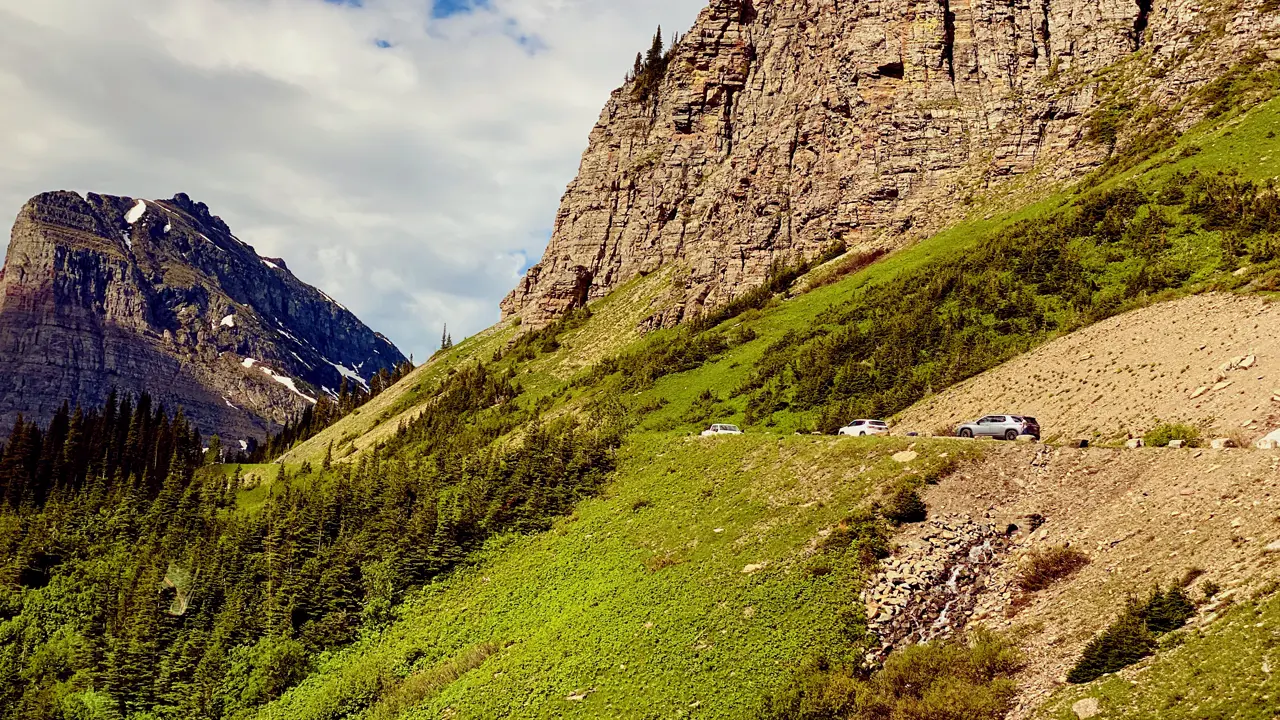
From the shuttle, we had beautiful views on the Going-to-the-Sun rode which blends into the hillside. That’s just what the young landscape architect envisioned when he designed this road back in the 1930s.
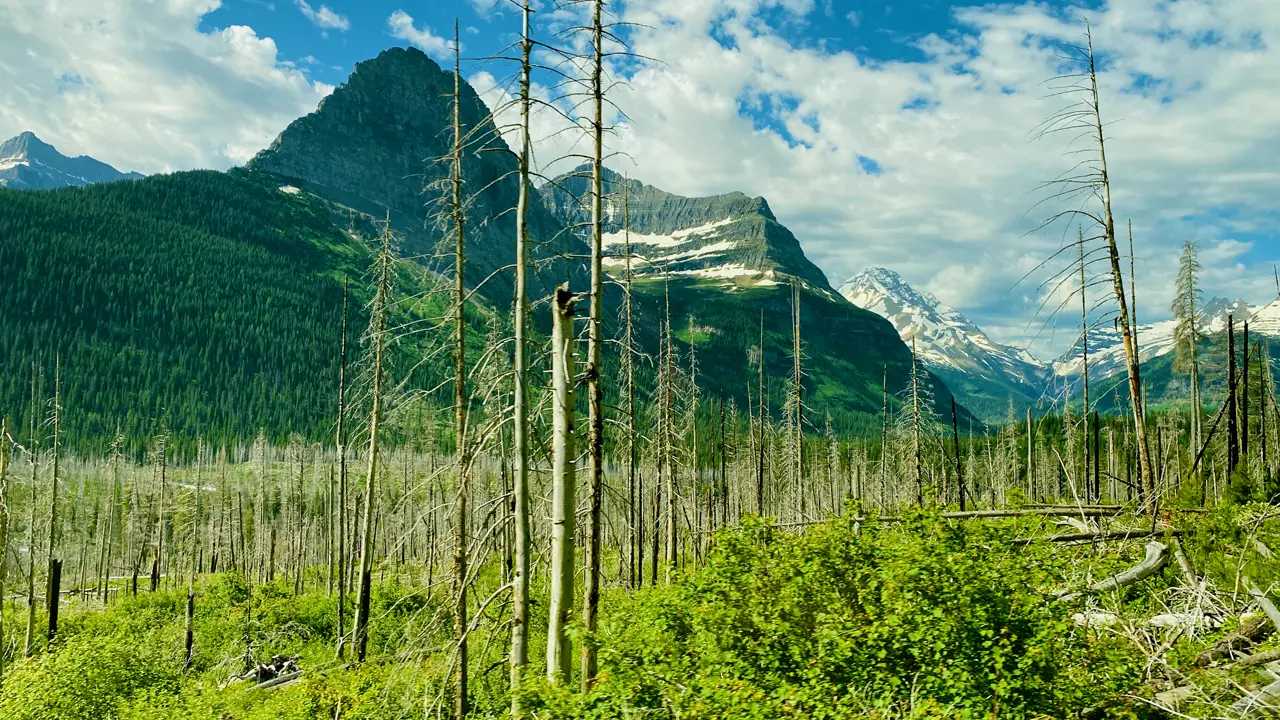
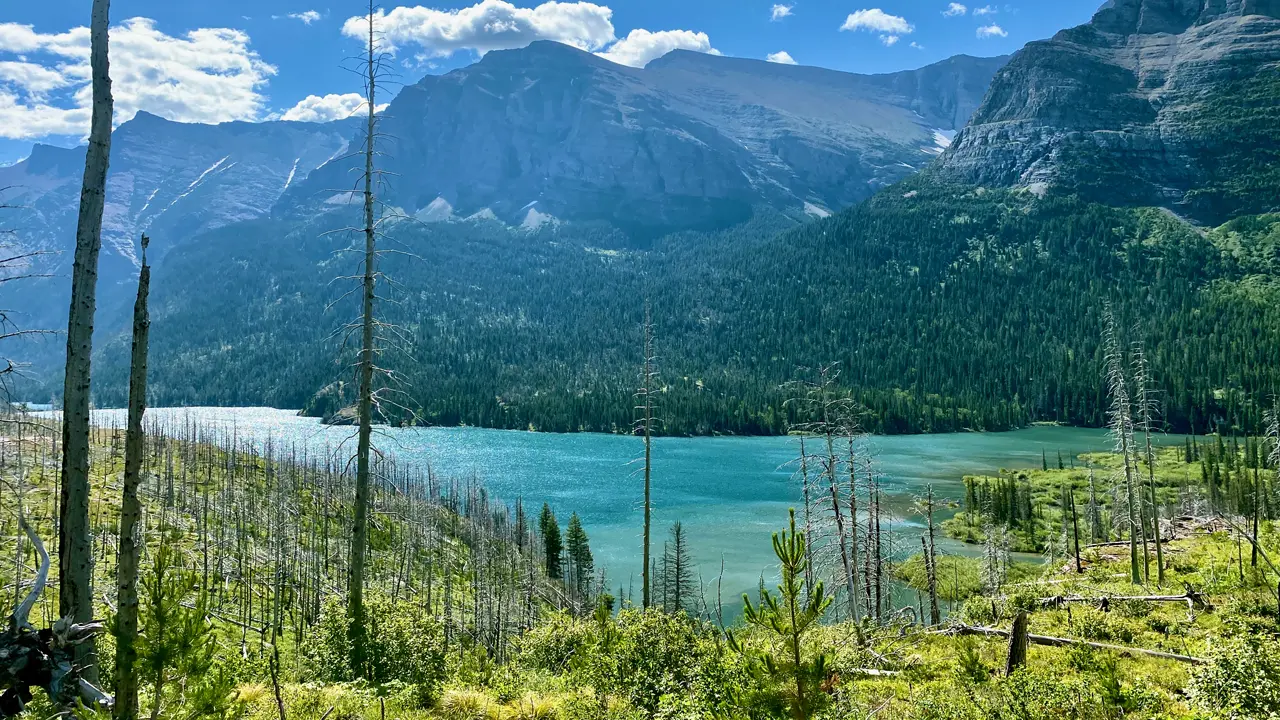
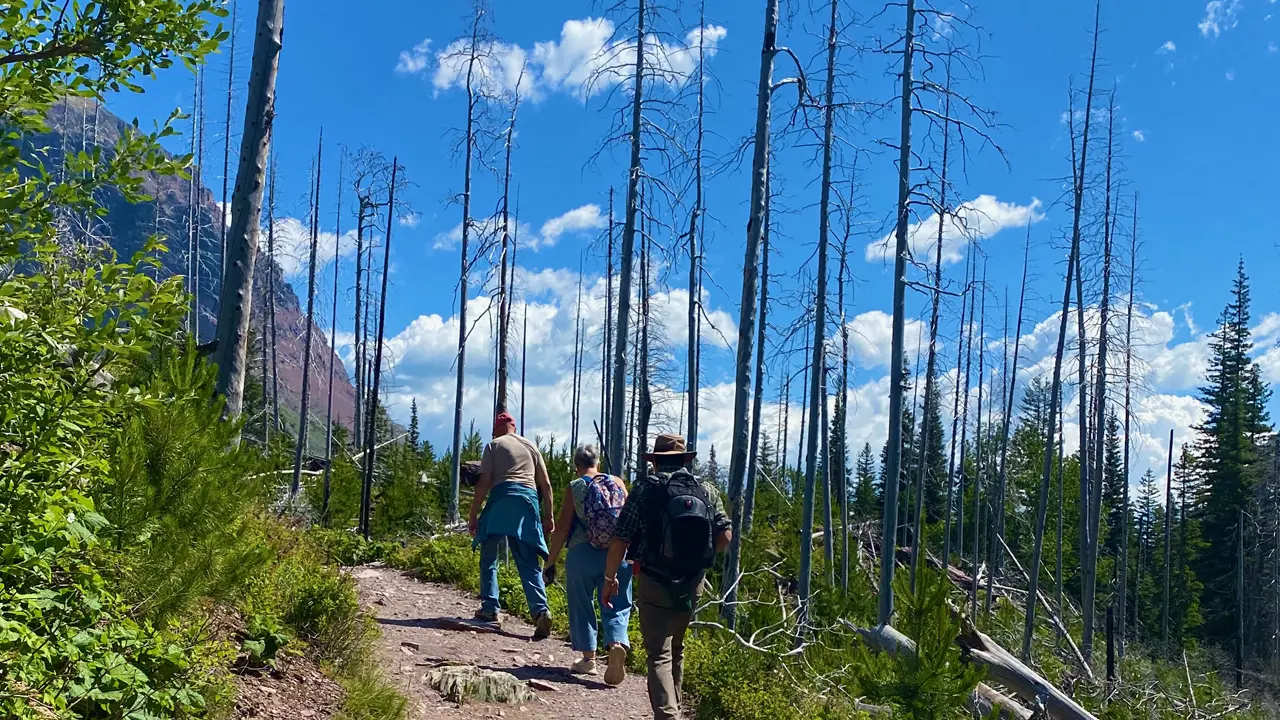
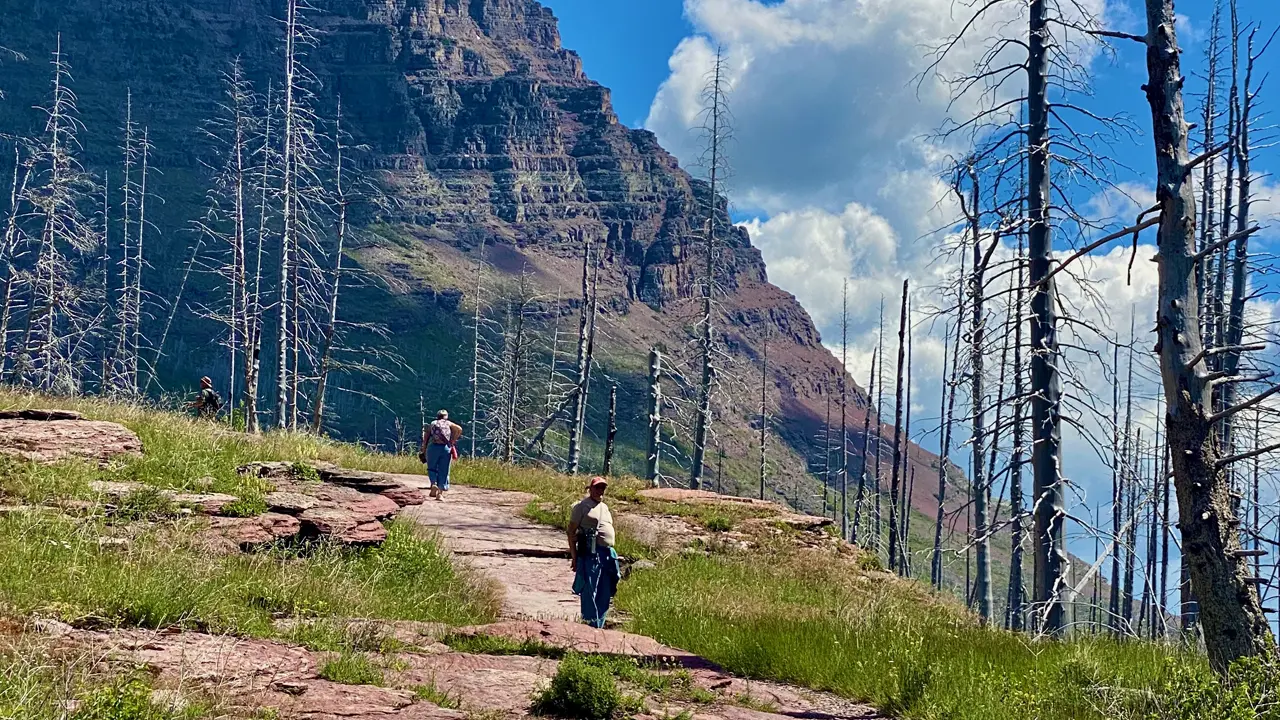
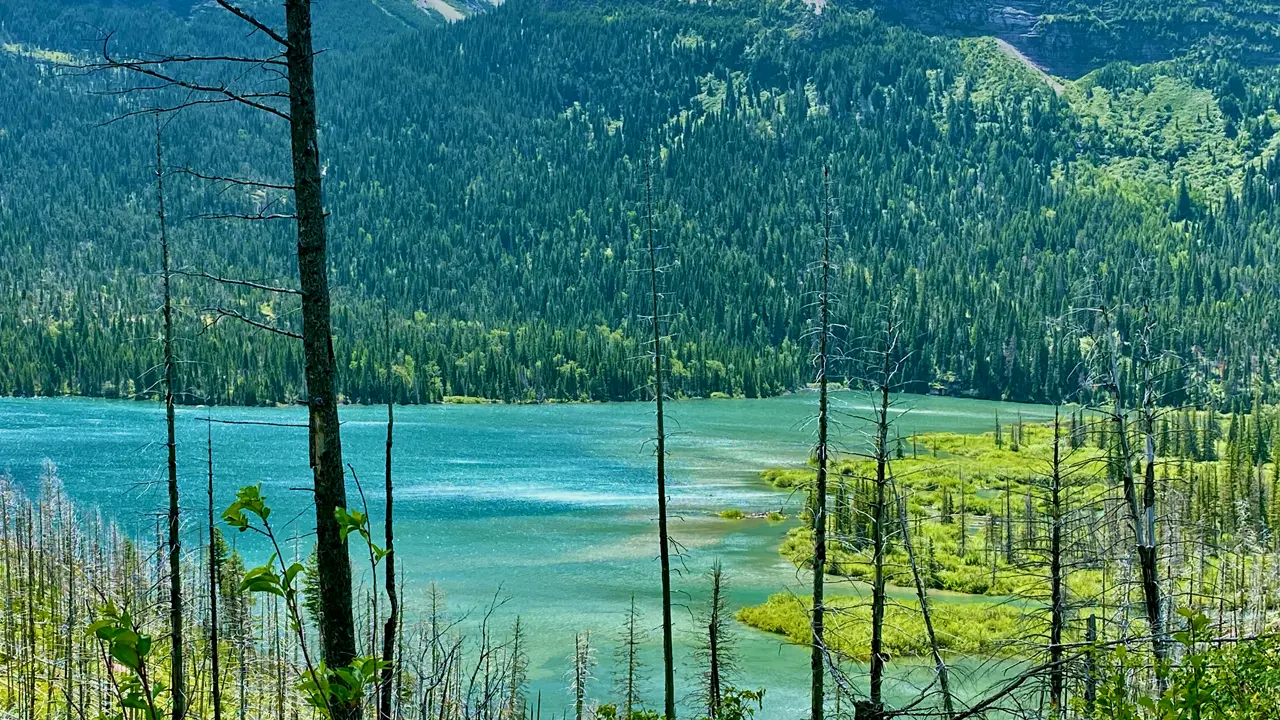
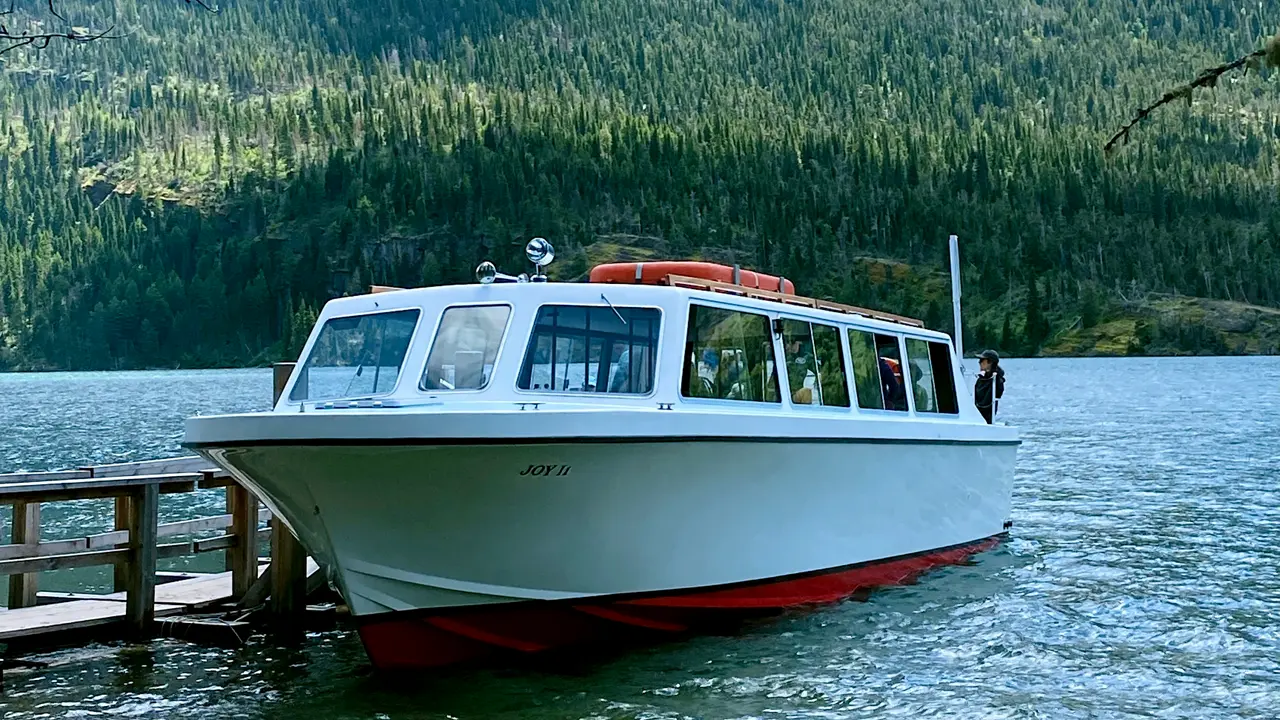
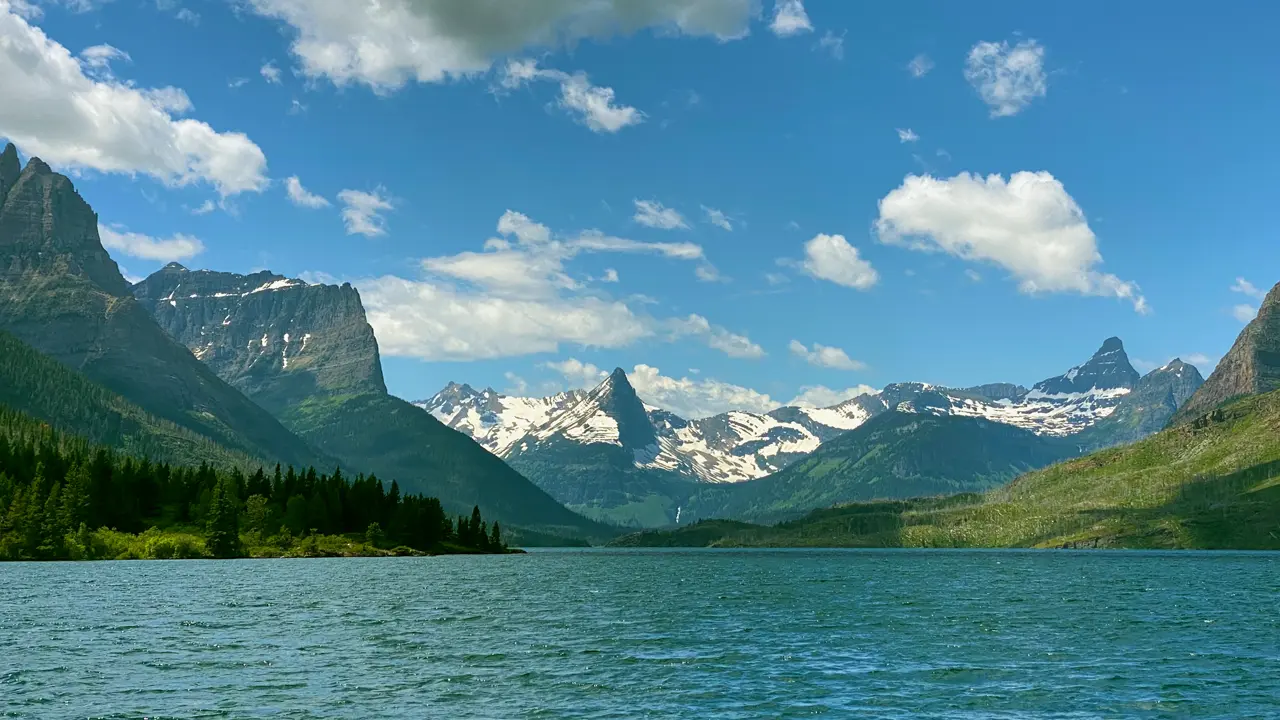
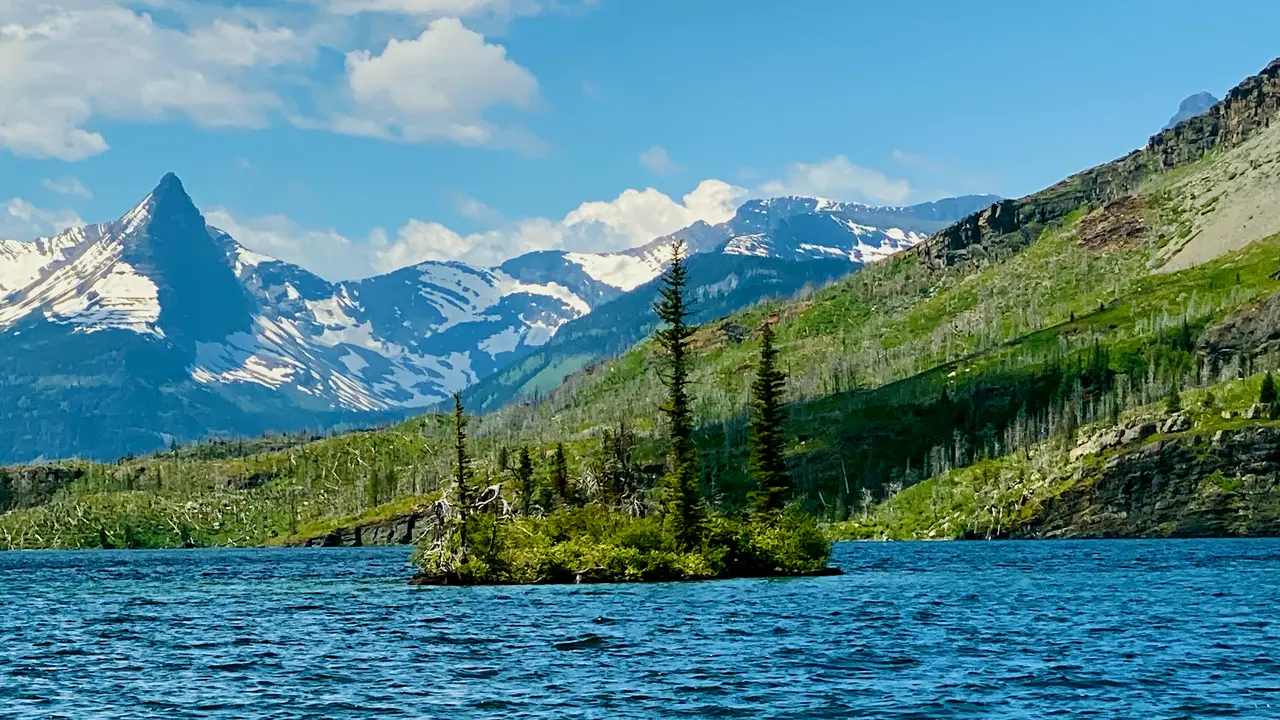
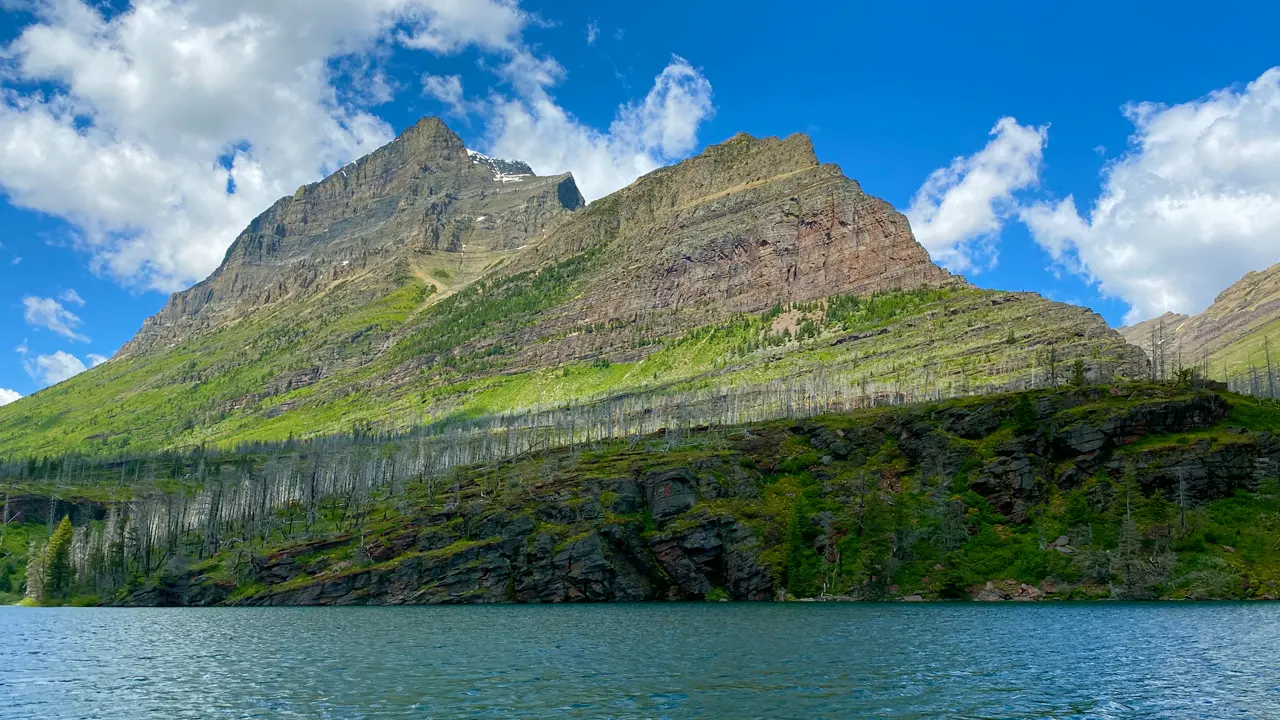
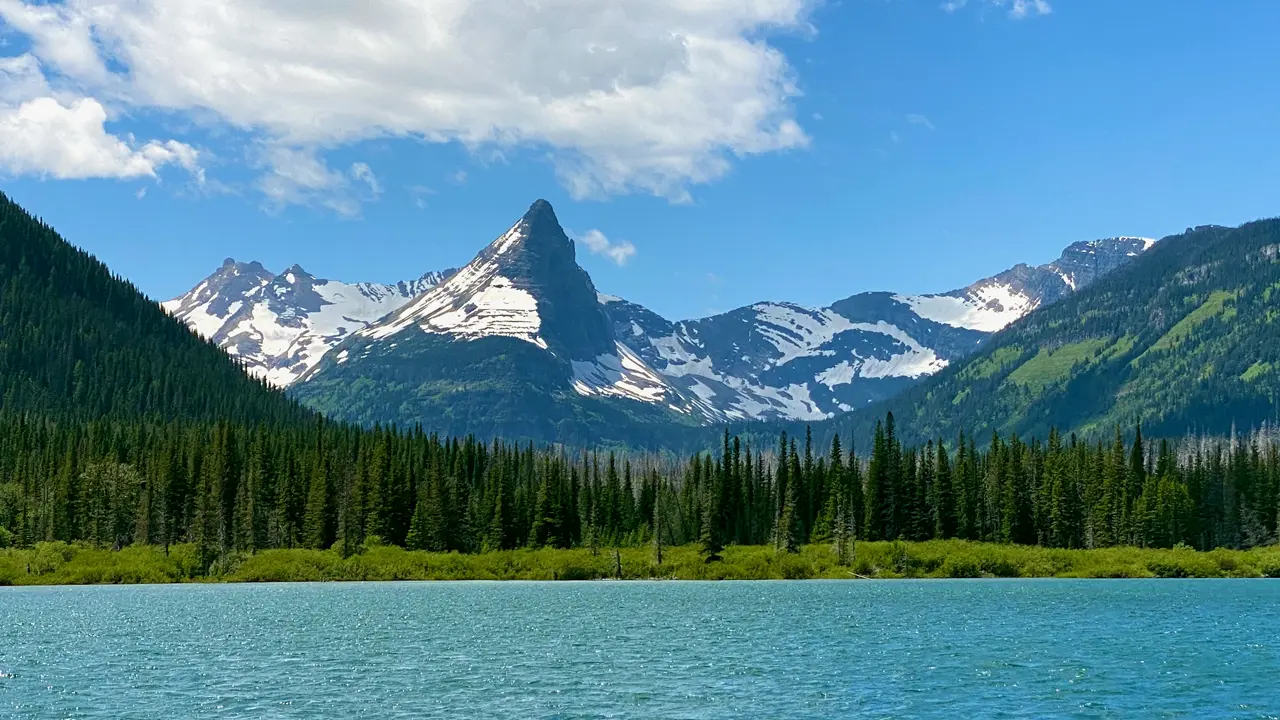
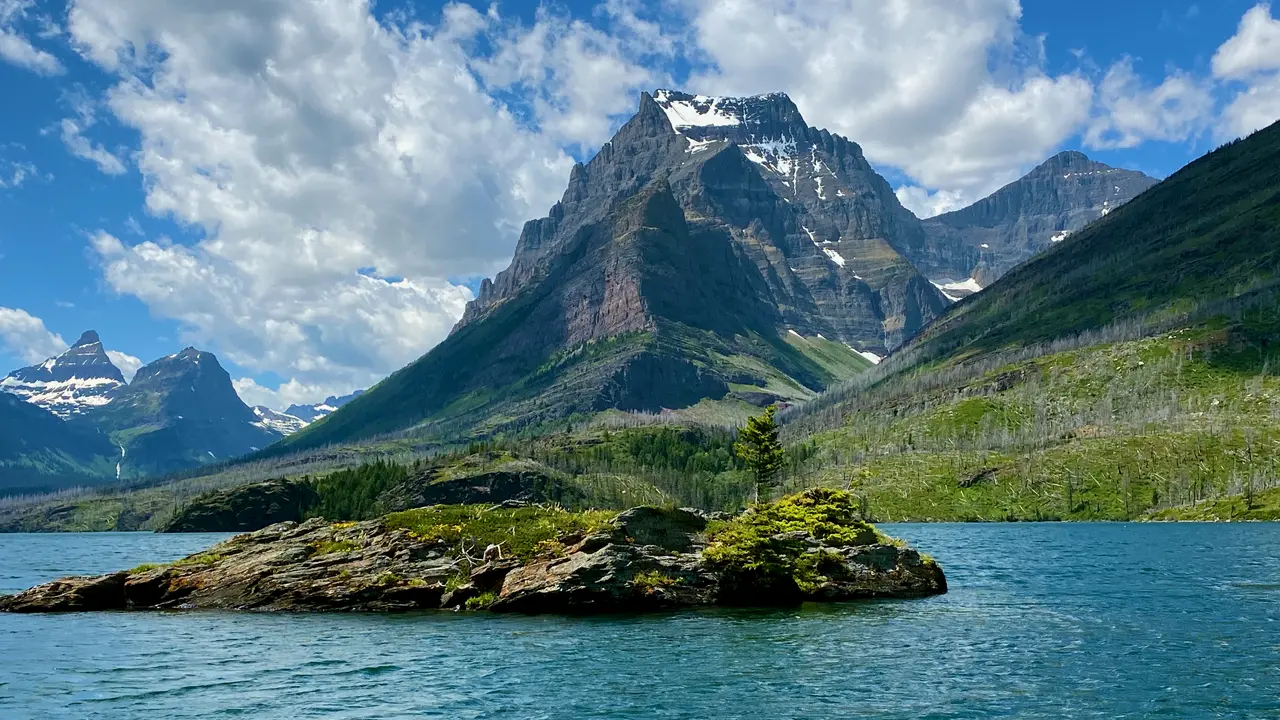
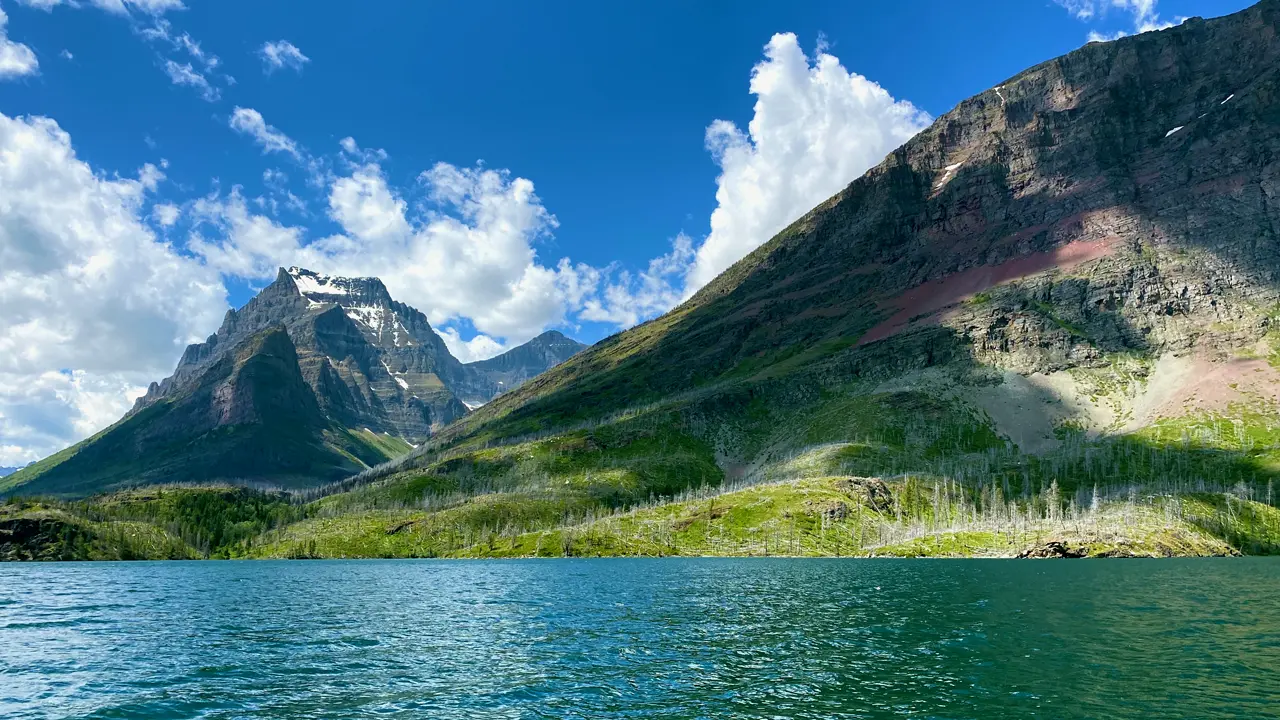
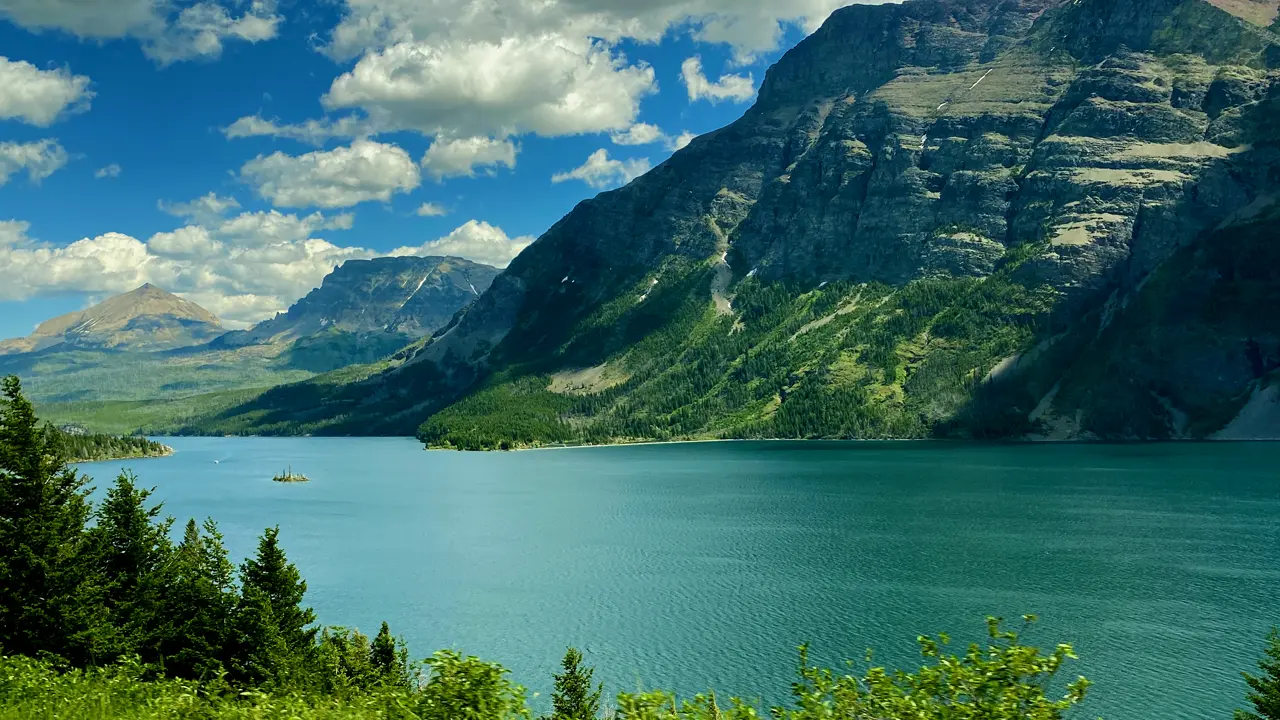
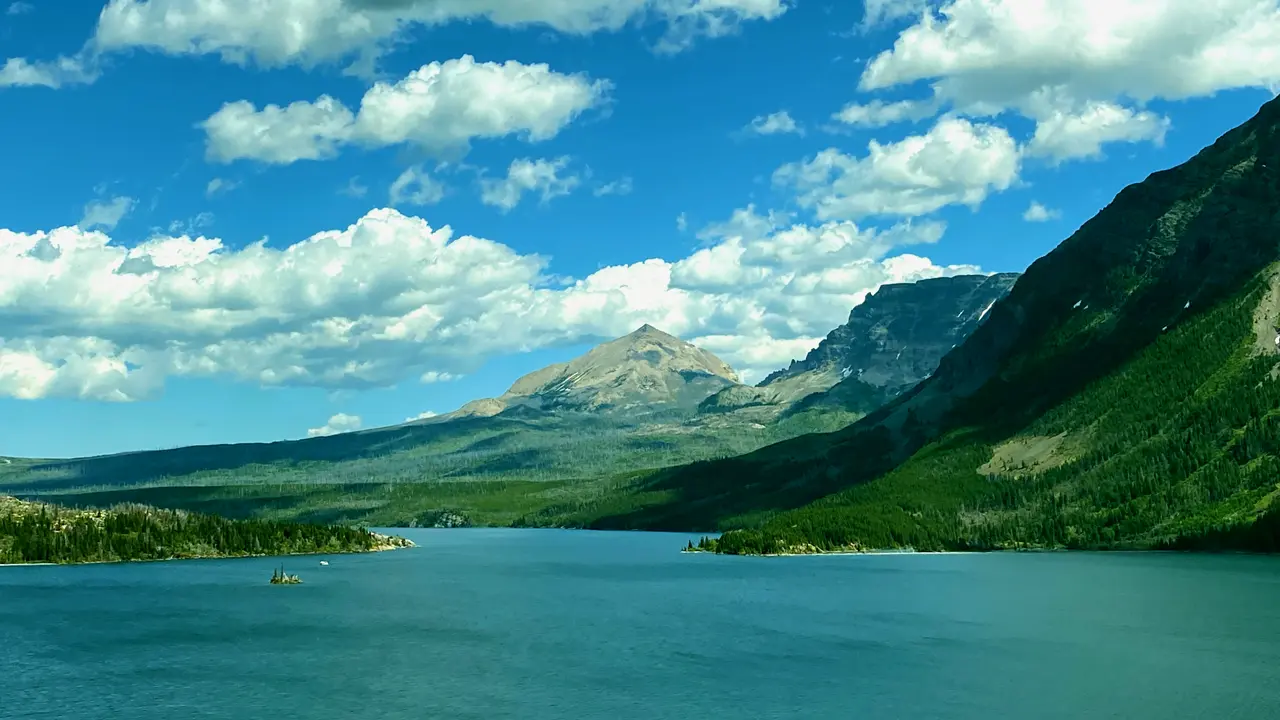
Then it was back on the shuttle to head to St. Mary’s Lake for a boat ride on that gorgeous lake. There were remnants of a 2015 forest fire still in evidence near St. Mary Lake. We noticed that on our earlier hike as well as on our boat ride.
Glacier National Park gets its name from the fact that glaciers carved the park “like a big ole ice cream scoop” so says Sammy Jo, our boat guide. Summer winds on the lake can be 65 mph. The boat will still go out. Thankfully we had a calm day. Winds can be 165 mph in winter. And the lake freezes solid in winter. The current water temp is 40 degrees at the top surface on St. Mary’s Lake. I can’t imagine what it is at the bottom.
As mentioned earlier, there are 24 named glaciers remaining in the park but they are dwindling due to global warming. What makes a glacier? (1) ice that’s a 100 ft thick; (2) ice has to still be moving and (3) a minimum 25-square-acre top surface of ice.
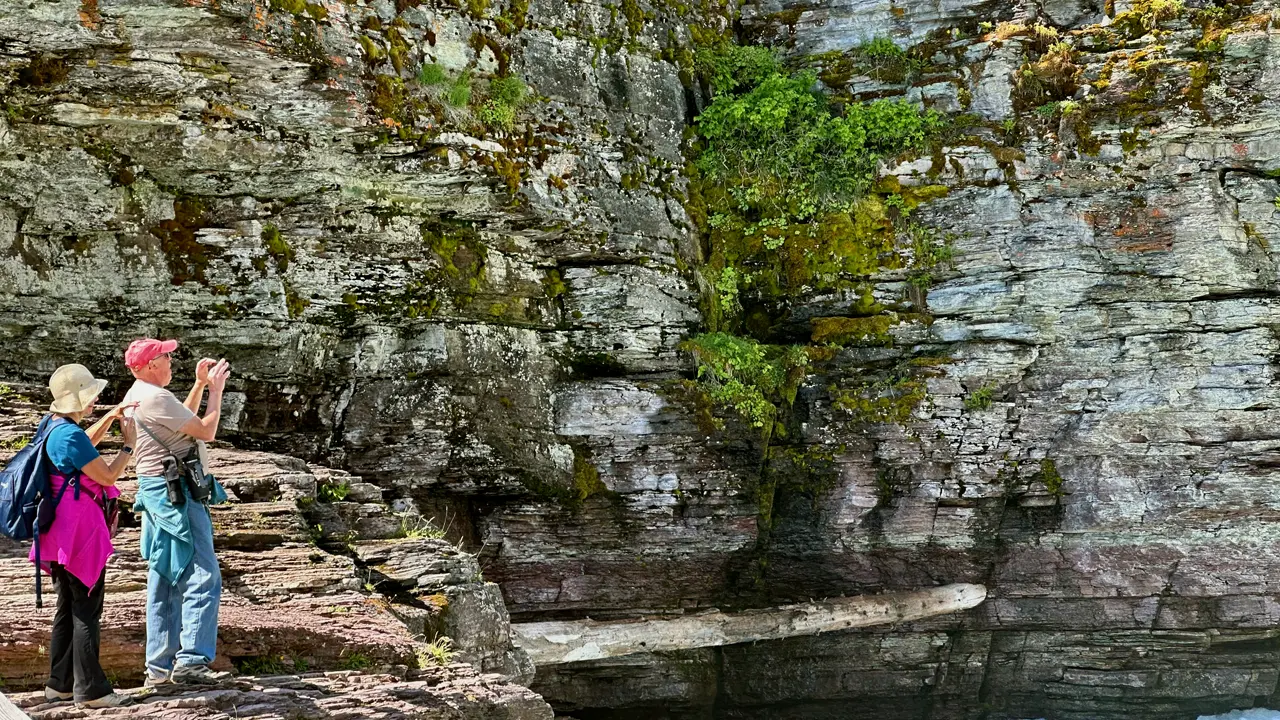
No rock climbing at Glacier. The rock surfaces are too crumbly. It has to do with how the mountains were formed millennia ago.
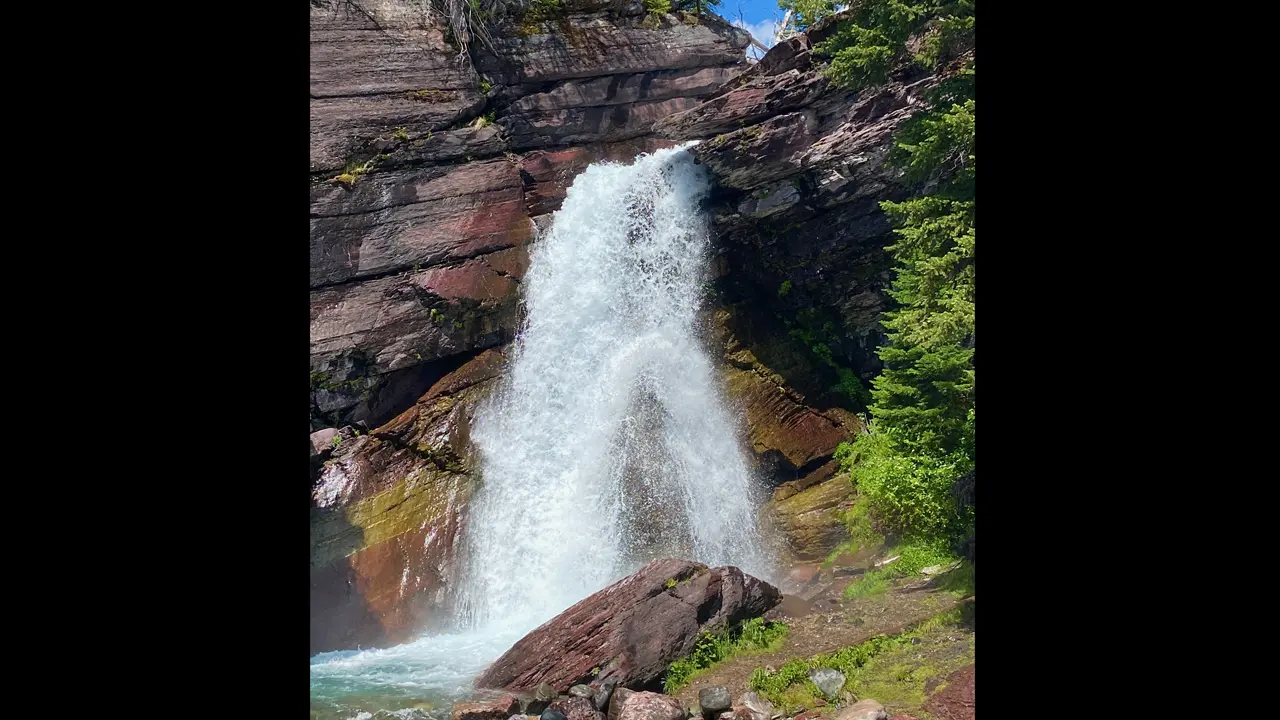
In addition to the boat ride, we also were able to do a short walk to Baring Falls. After that it was time for multiple shuttle rides to get back to where we started! We got home around 5:30. A long day but so much fun!!
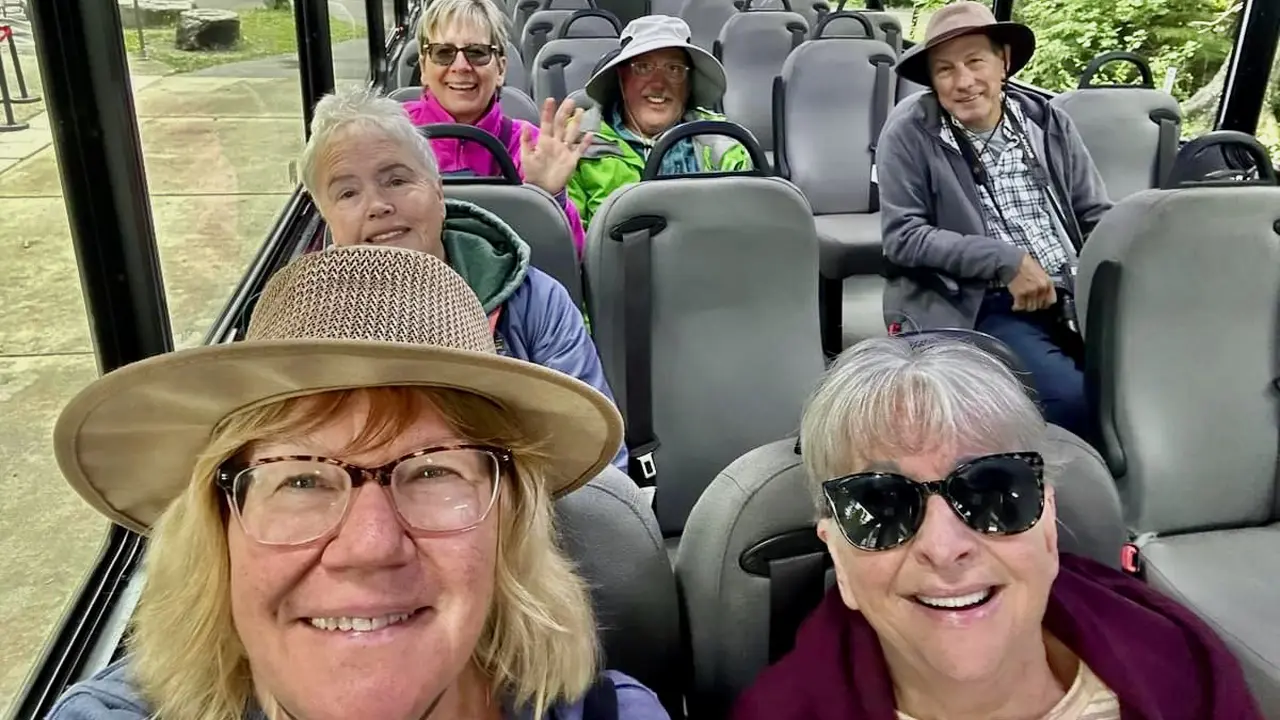 On the bus to Logan Pass.
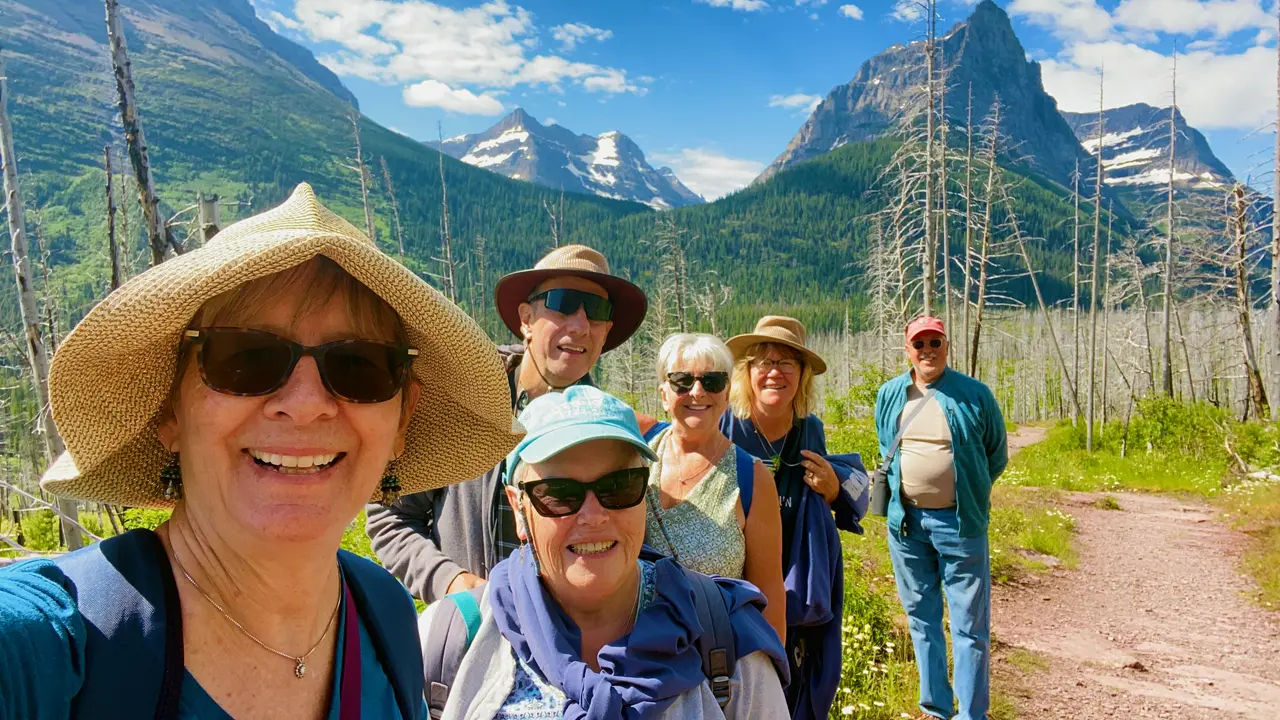
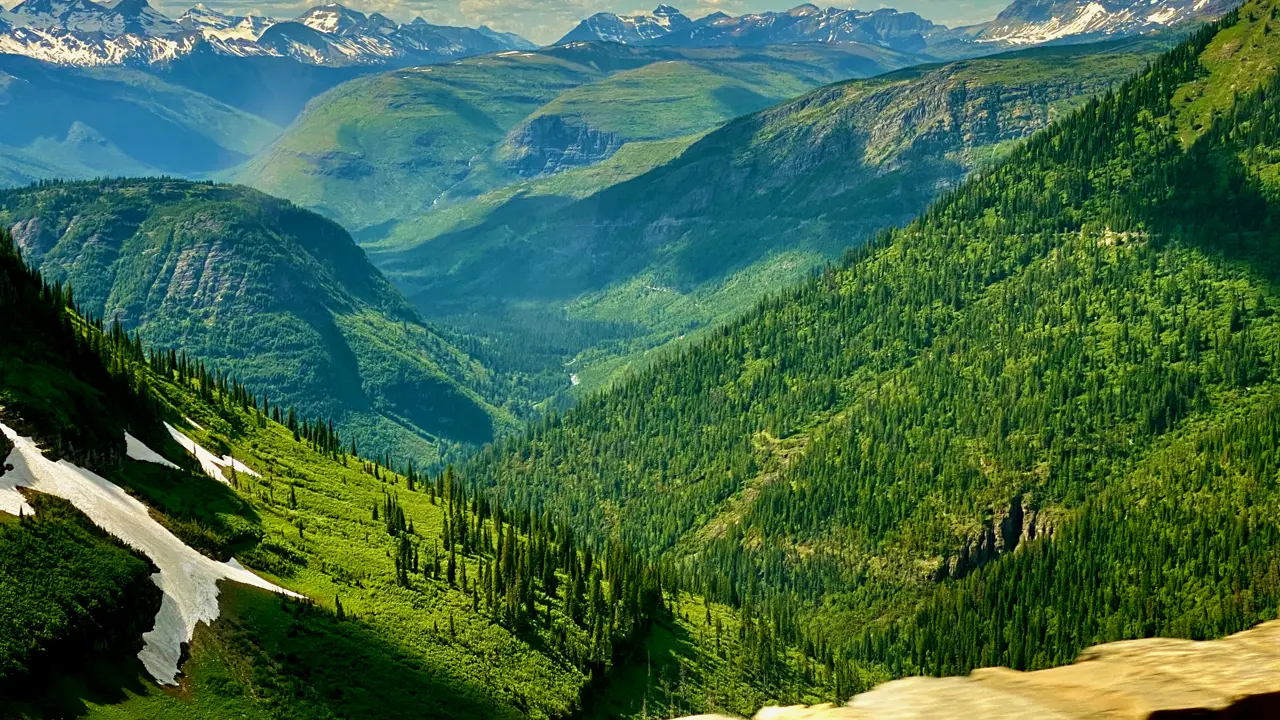
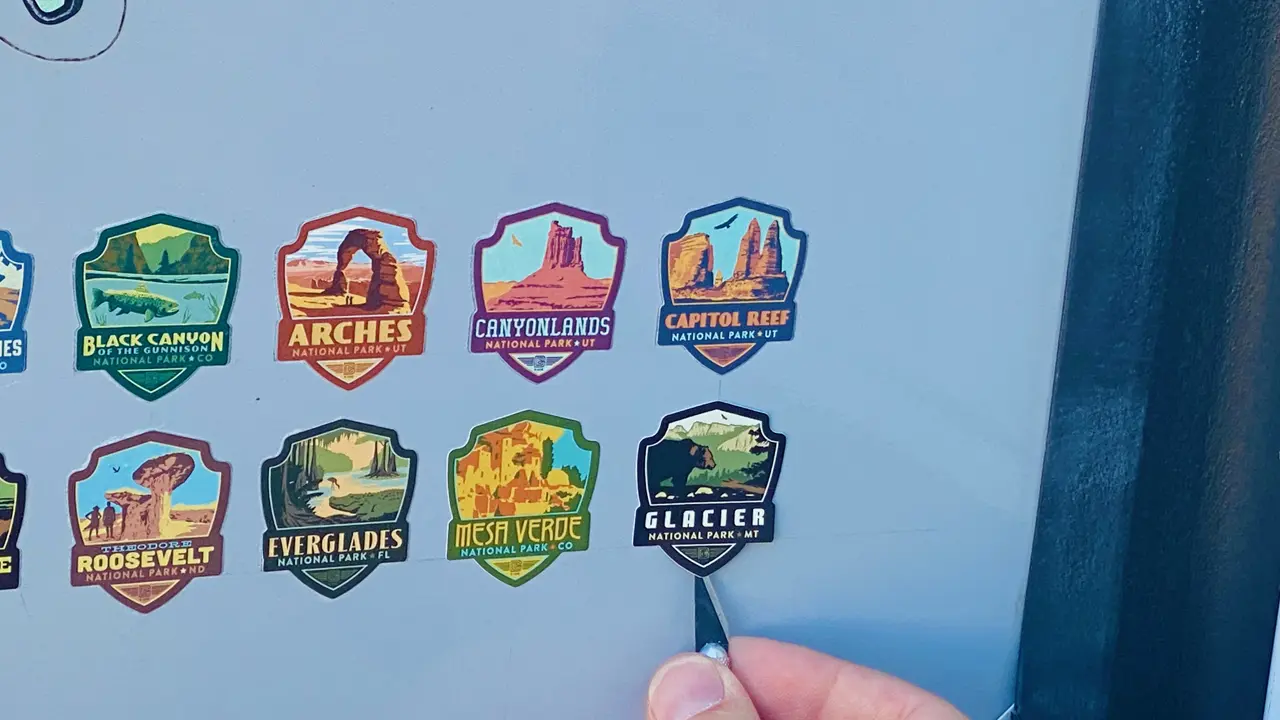
Saturday, July 6th, (2024) was a chill day at the campground before leaving on Sunday. Glacier NP is beyond incredible. Its beauty is unmatched. Too big to see in one visit. We would come back in a heartbeat. To share the experience with good friends made it even more memorable.
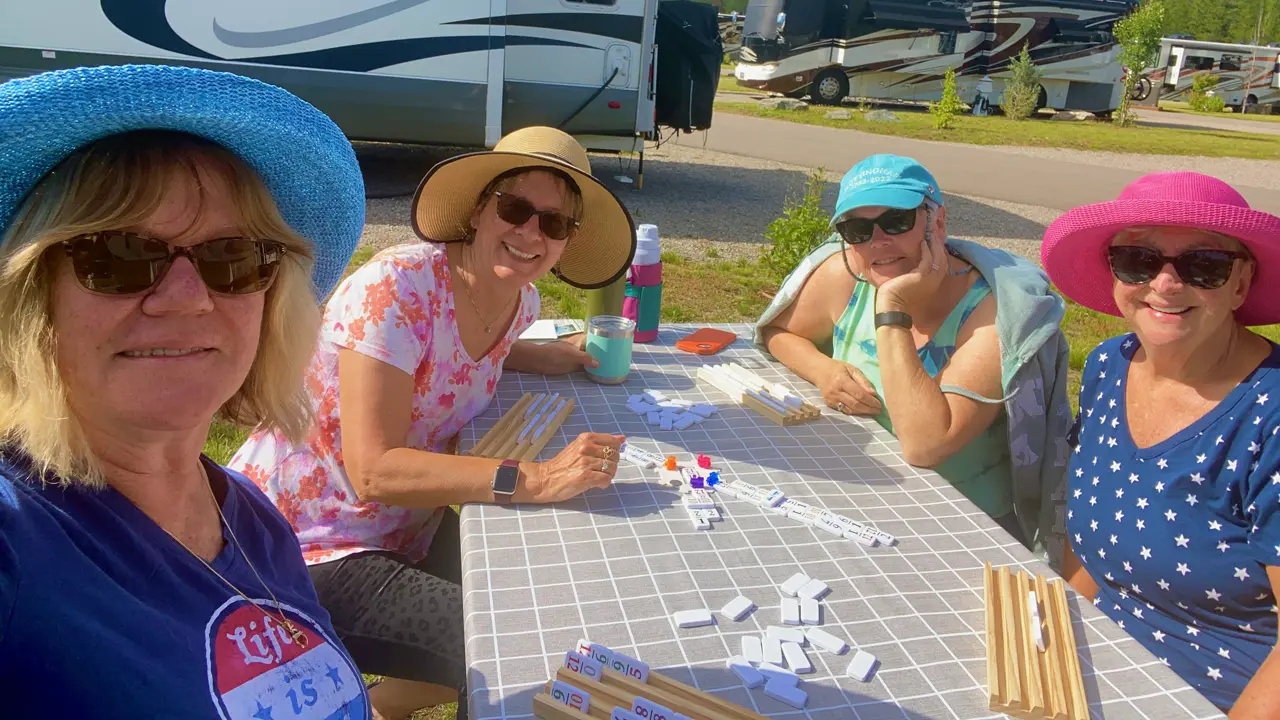
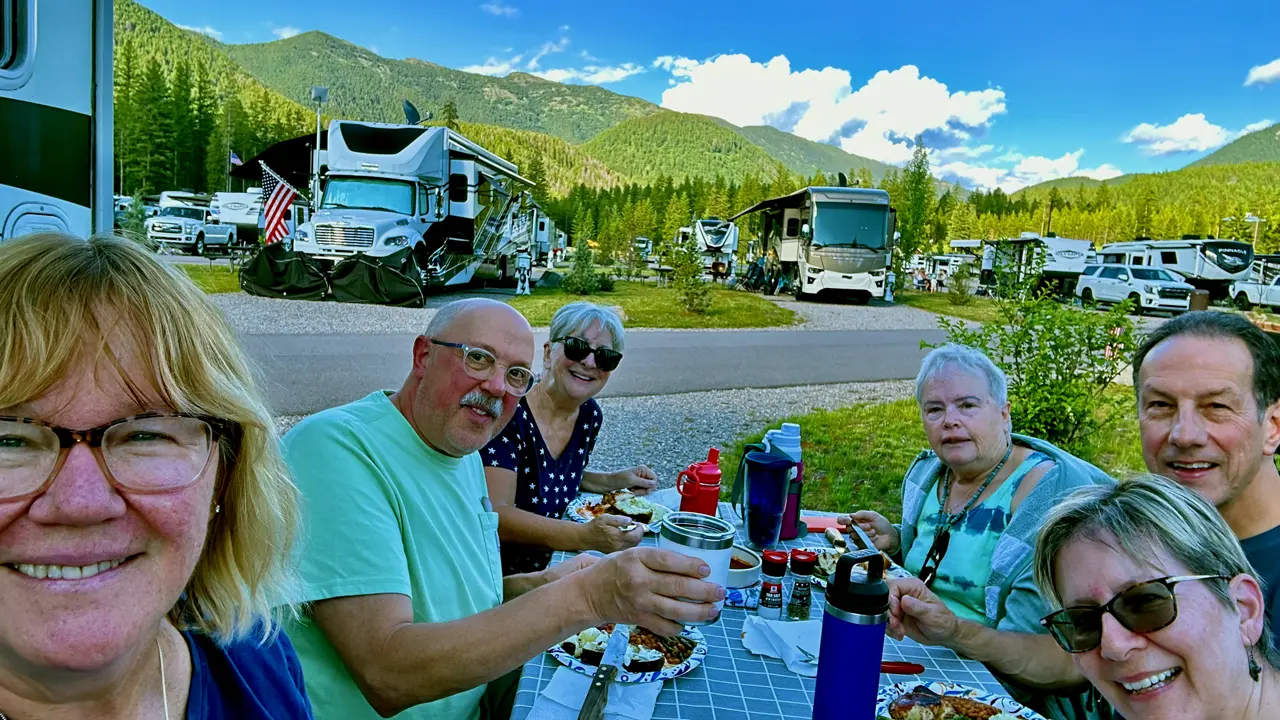
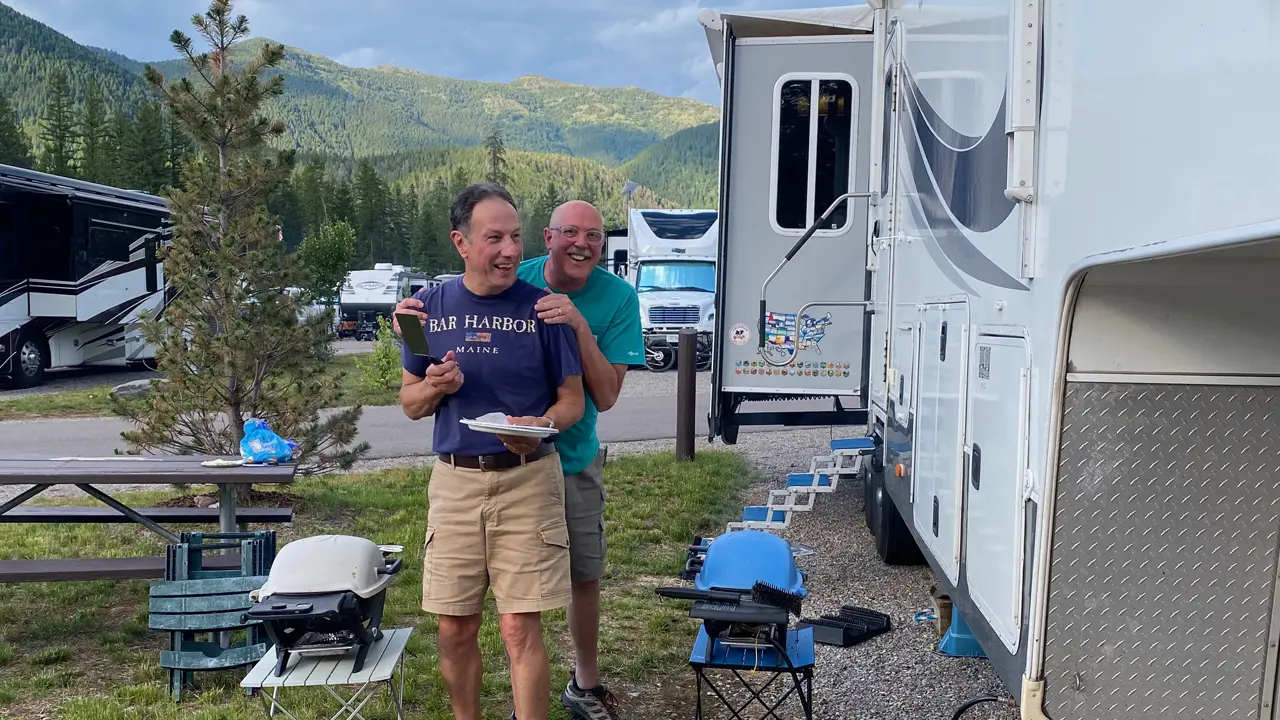
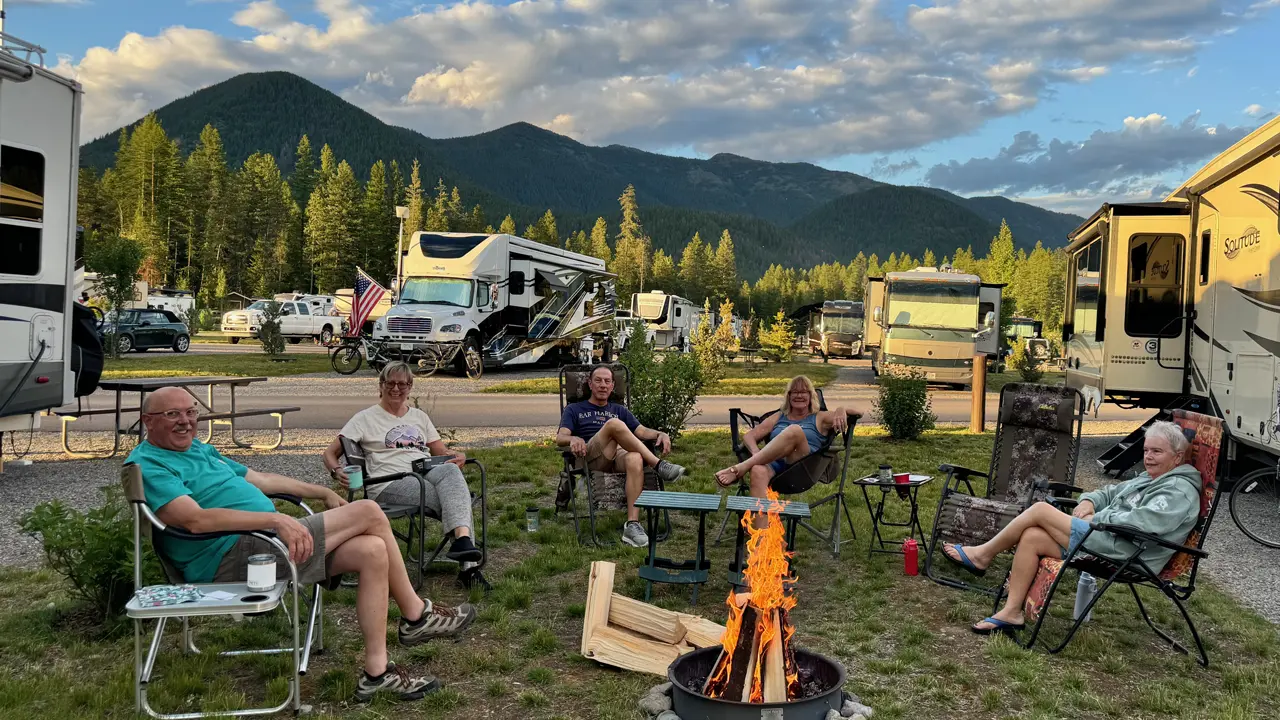
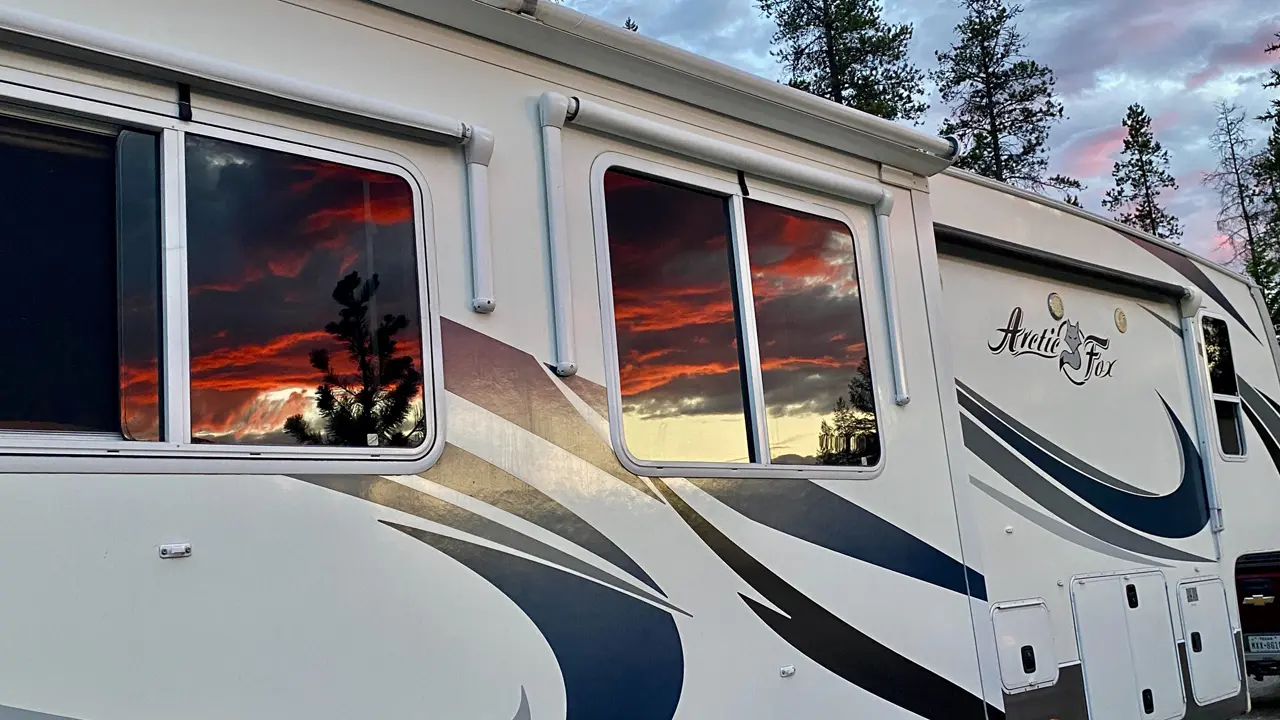
Our pod of 6 spent our final afternoon playing a rousing game of Mexican Train outdoors since it was a gorgeous day. We enjoyed dinner together (thanks to the Hannafords). The boys cooked burgers and hotdogs, and we got to witness one last spectacular sunset followed by another great campfire by Ranger Joe. Then it was time to wrap things up. We’ll savor these memories for a long time.


Leave a Reply to Andrea Martin Cancel reply