SUN., MAY 31st thru FRI., JUN 5th, 2026
We left Folkestone for Portsmouth, UK on Sun., May 31st (2026). We hugged the staff goodbye at the Burlington Hotel. They’ve all been wonderful. The restaurant manager even packed a few of Gary’s favorite pastries for the road. So sweet!
Five trains and 4 transfers later, we arrived in Portsmouth! It actually went rather smoothly although there were a few stressful moments. We had 12 minutes between 2 trains and 7 minutes between 2 others. All of that with Gary’s bum leg and having to get from one platform to another carrying luggage. Felt a little like an Amazing Race adventure! Luckily all the stations, but one, had a lift. At Hampden Park a very nice gentleman offered to carry Gary’s suitcase up the stairs, across the bridge, and down the other stairs to the next platform. People are kind!
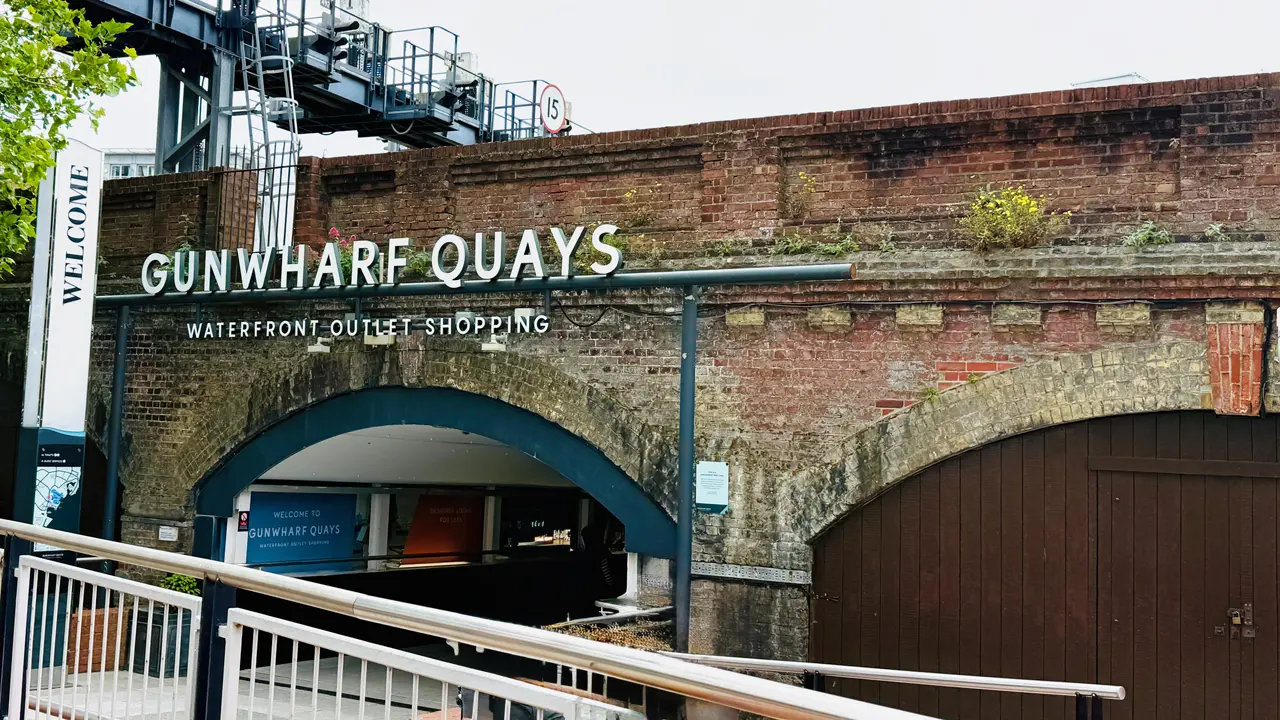
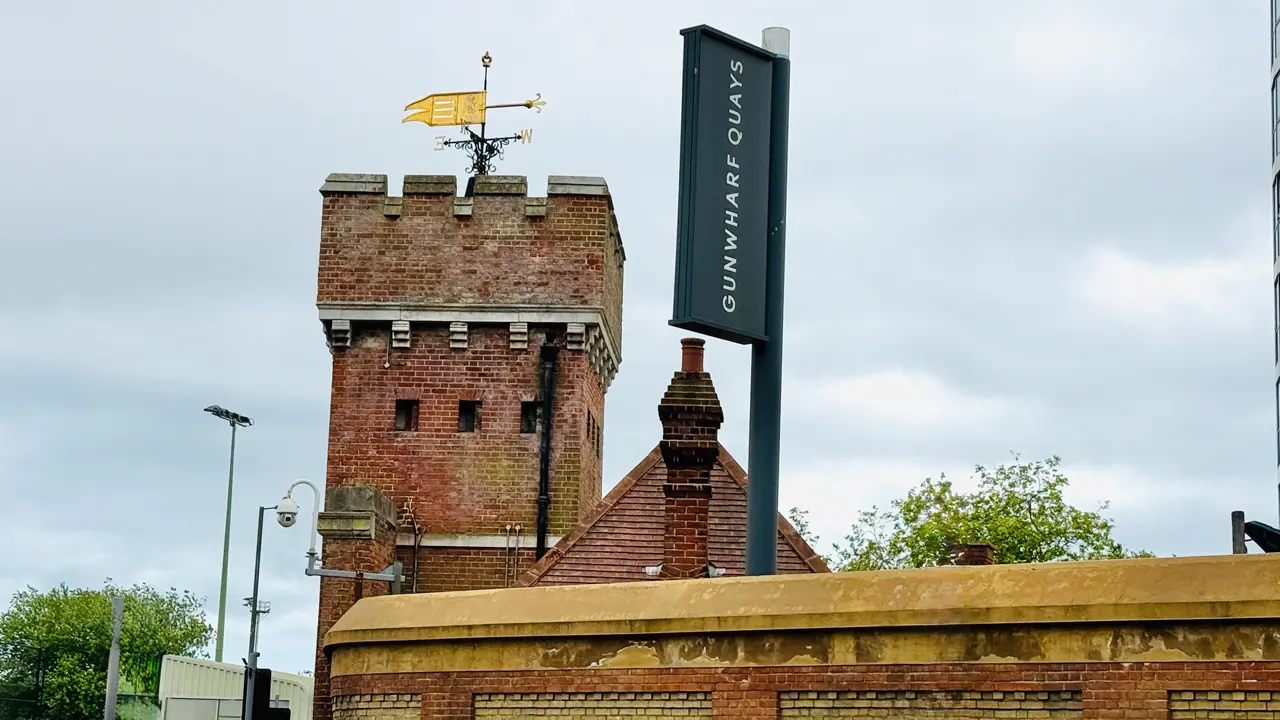
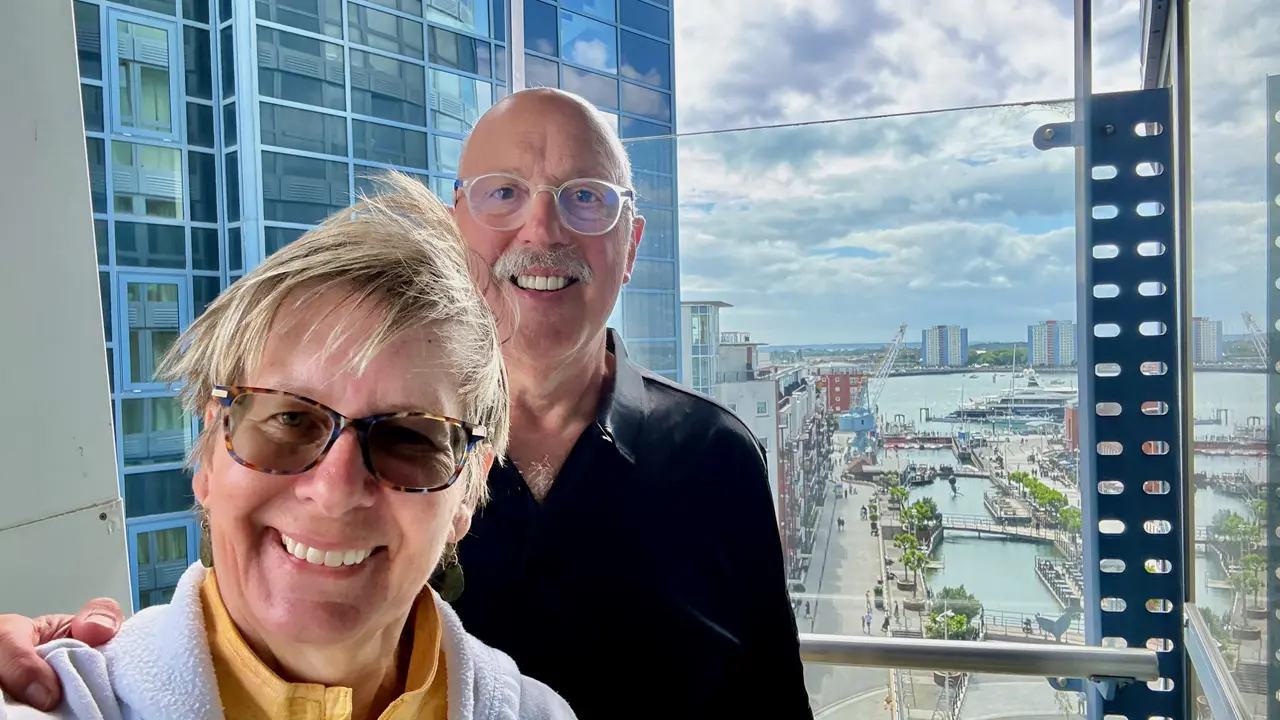
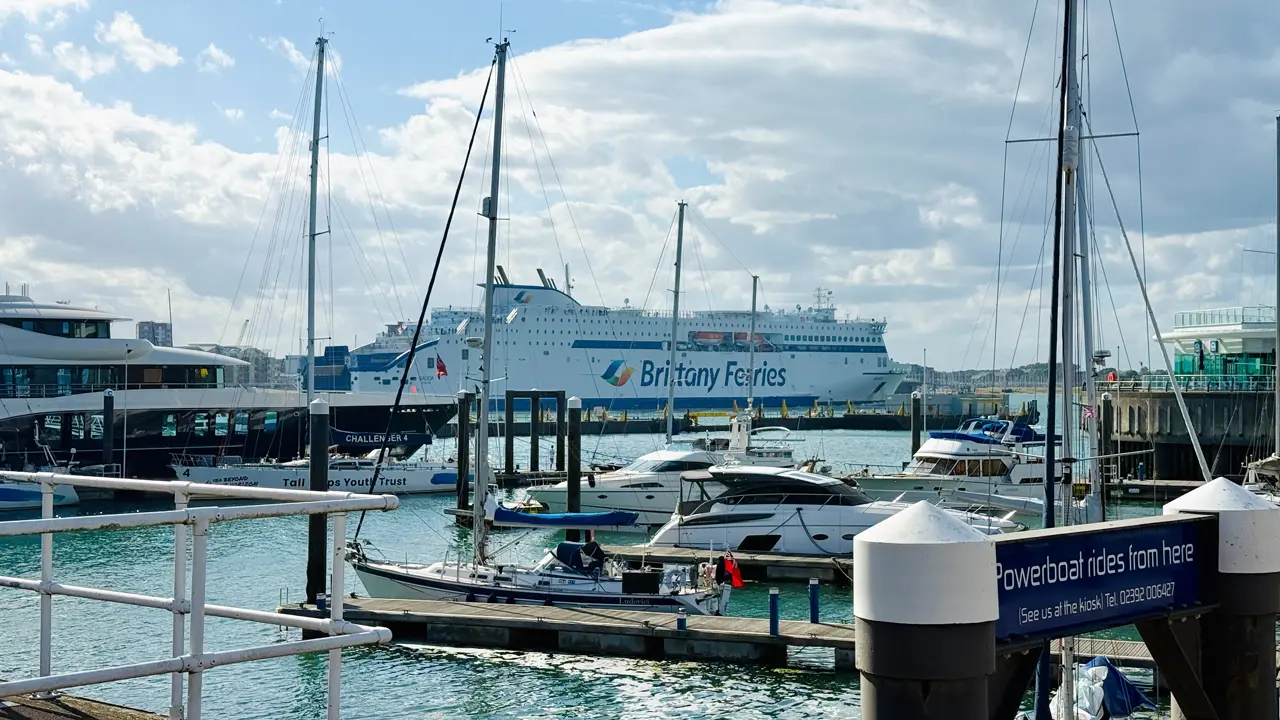
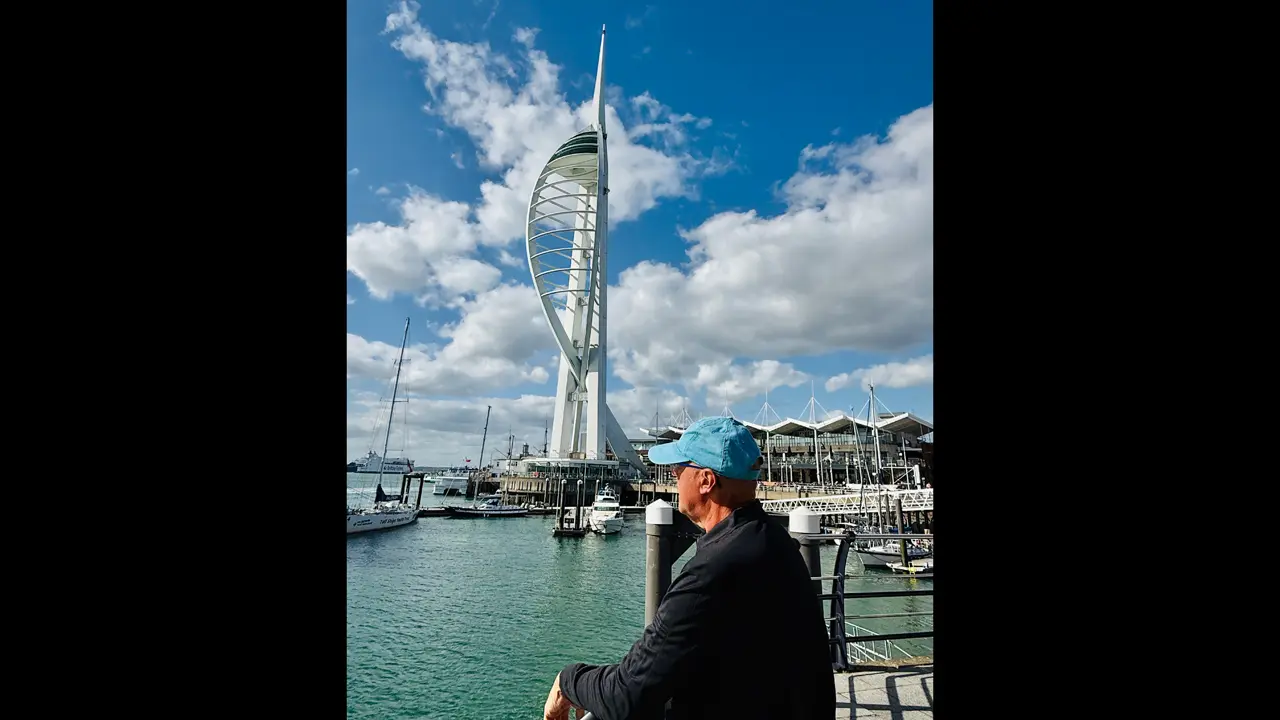
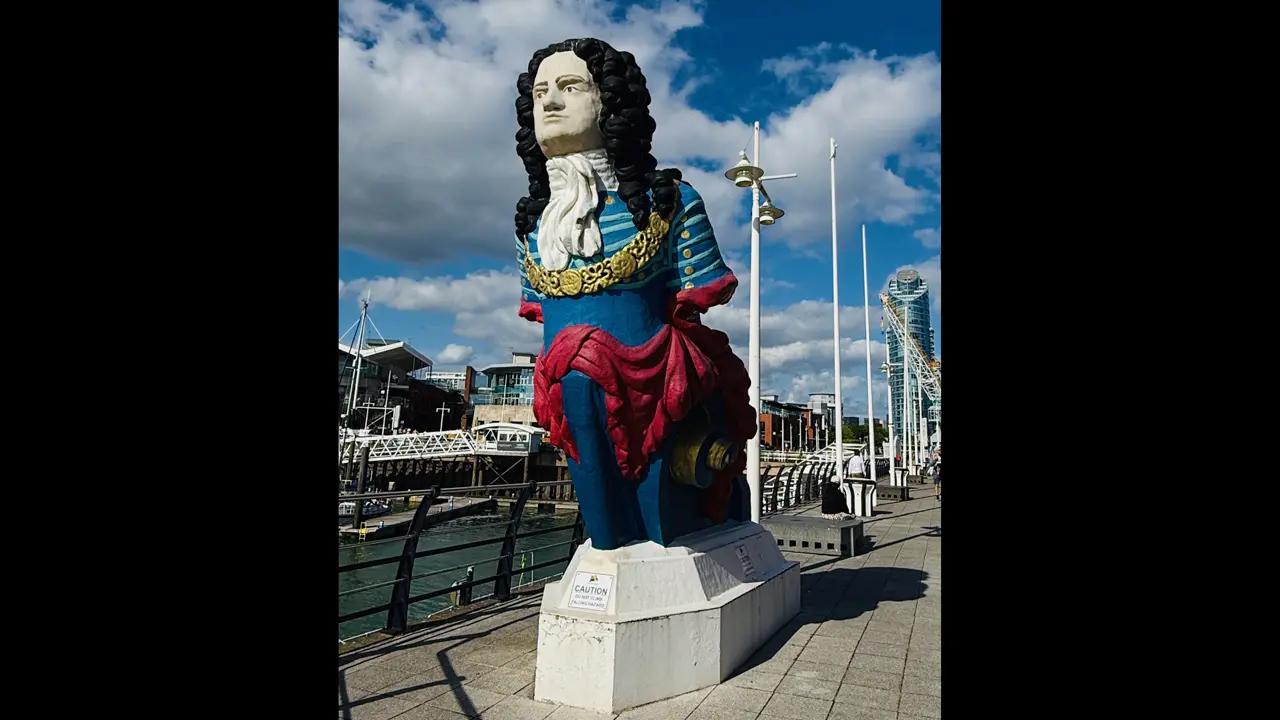
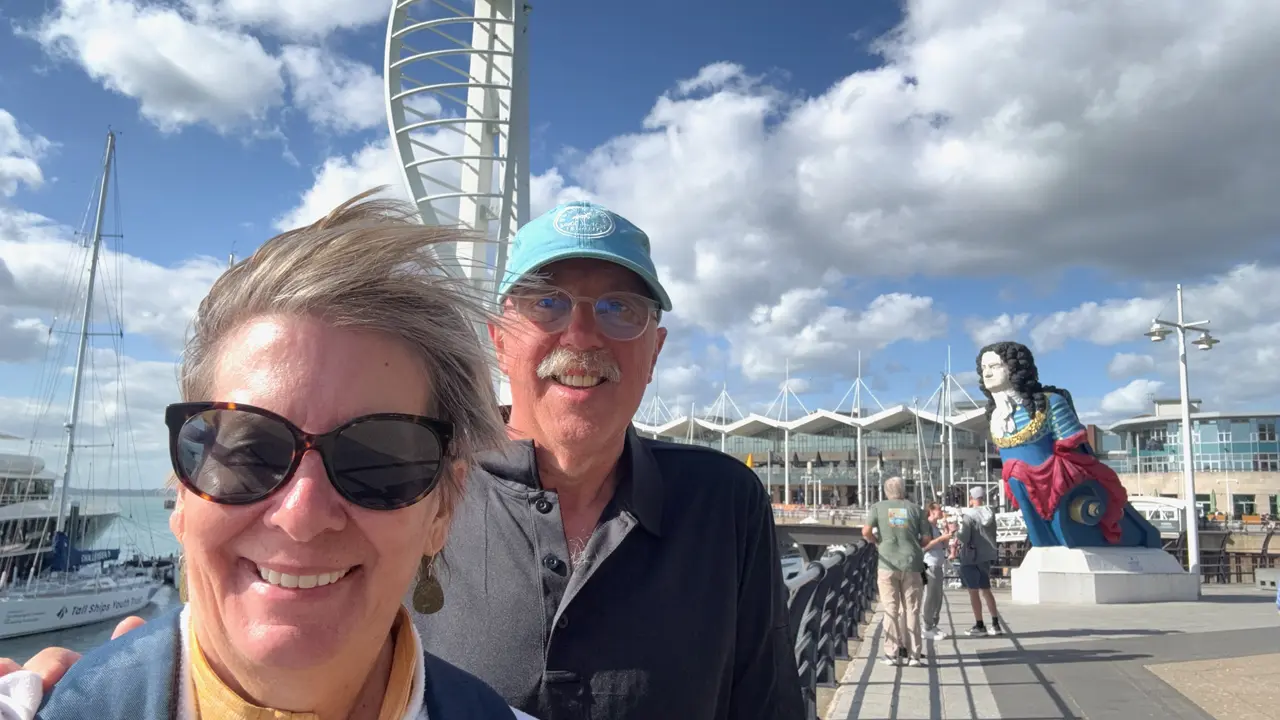
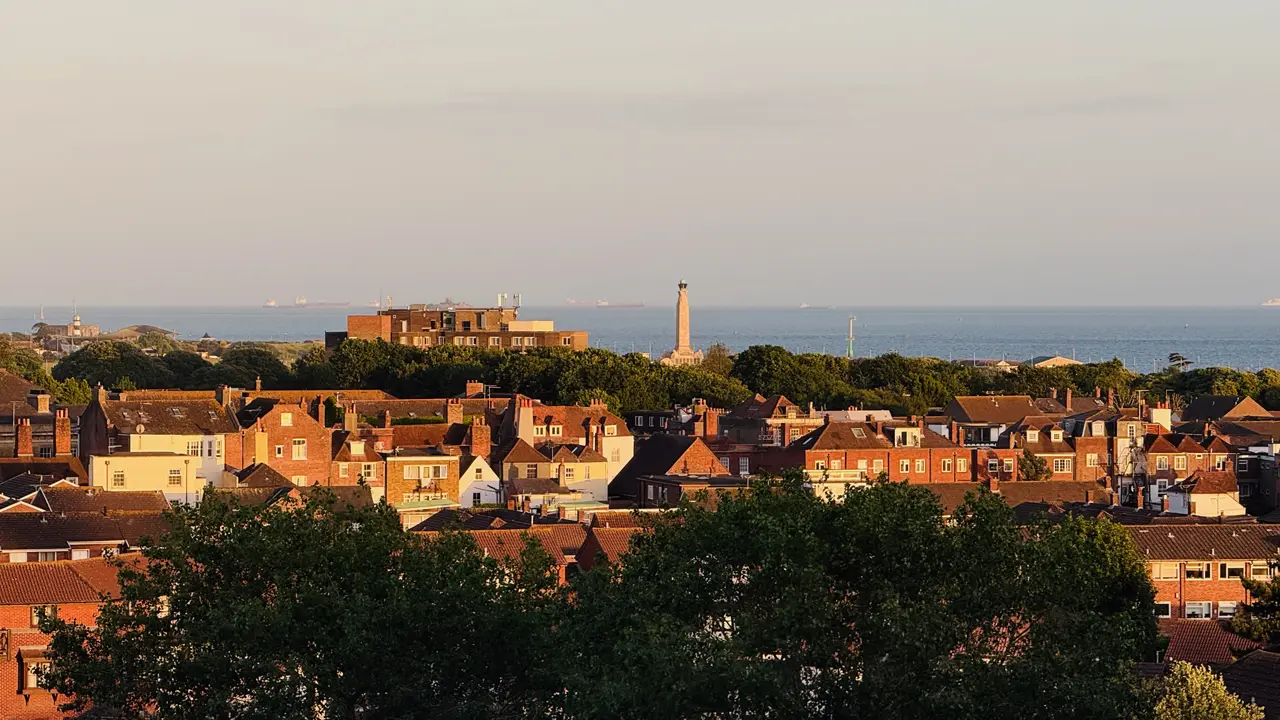
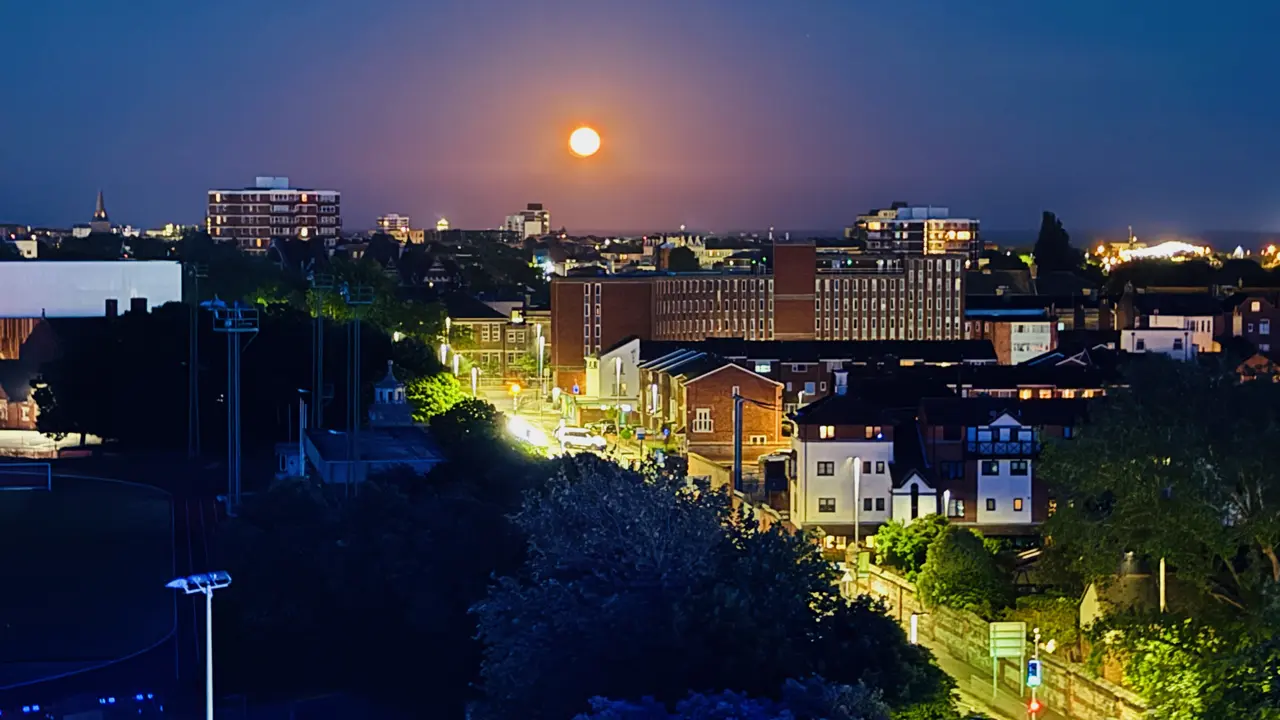
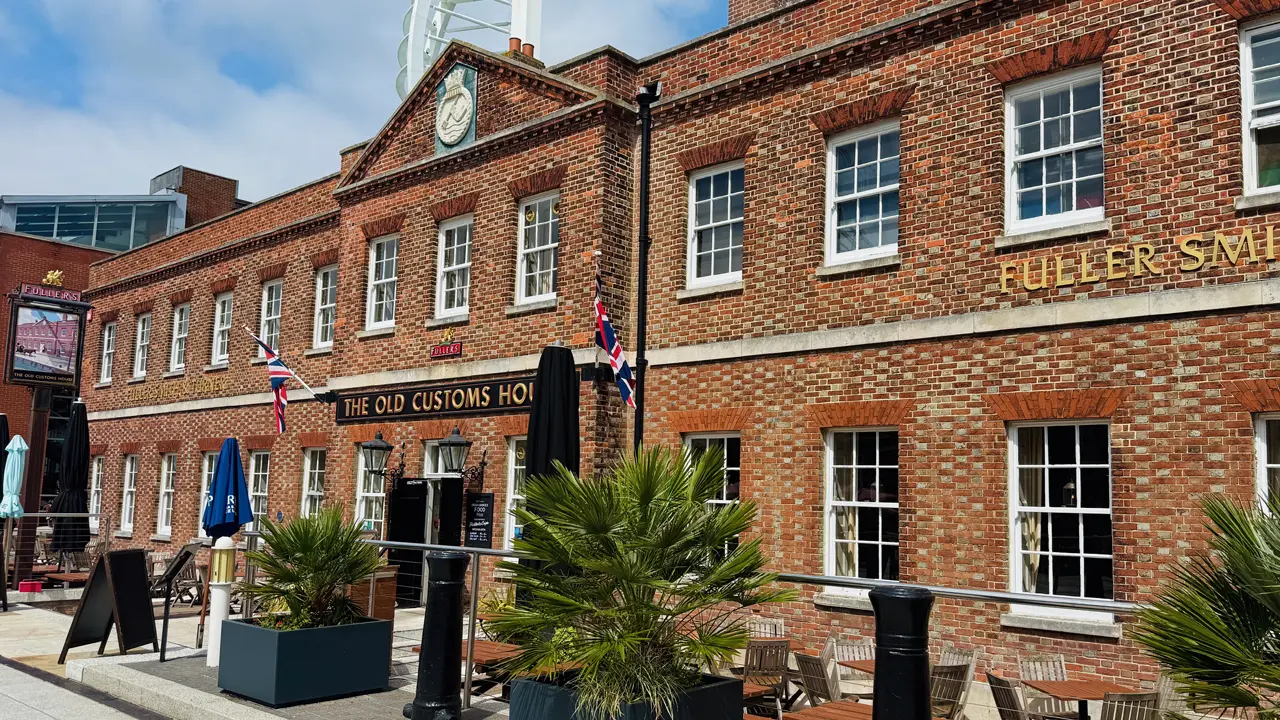
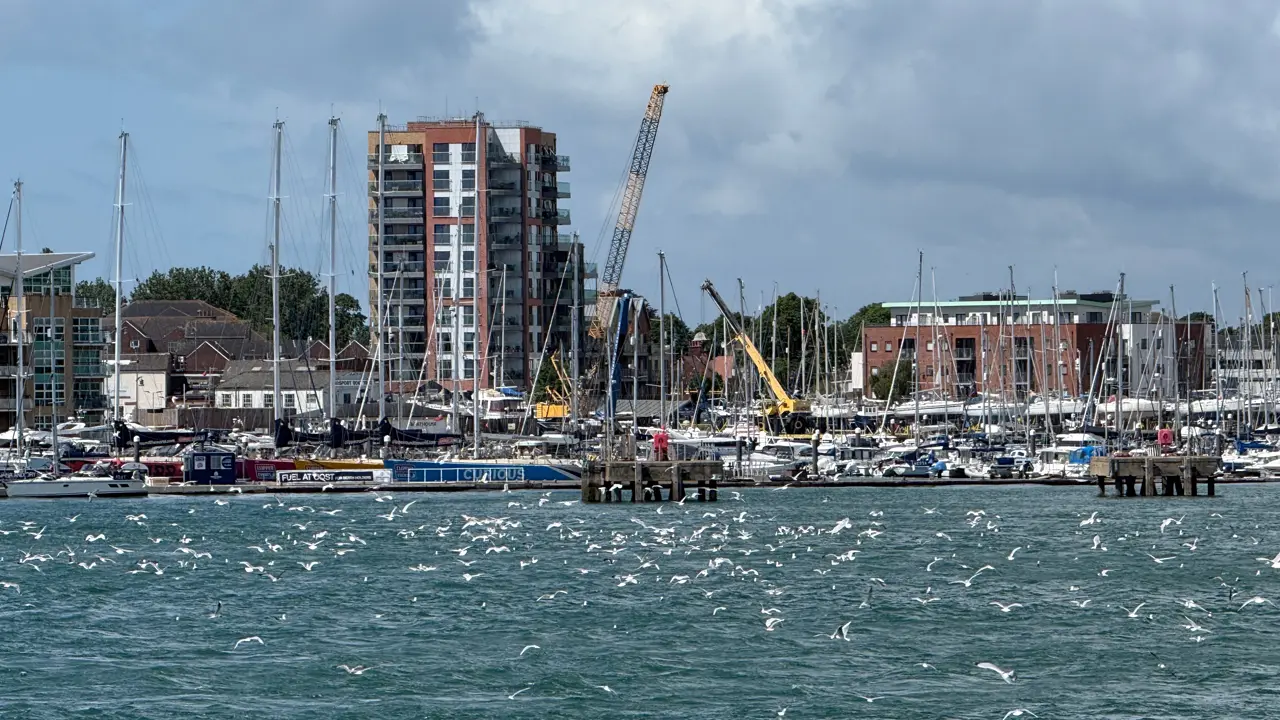
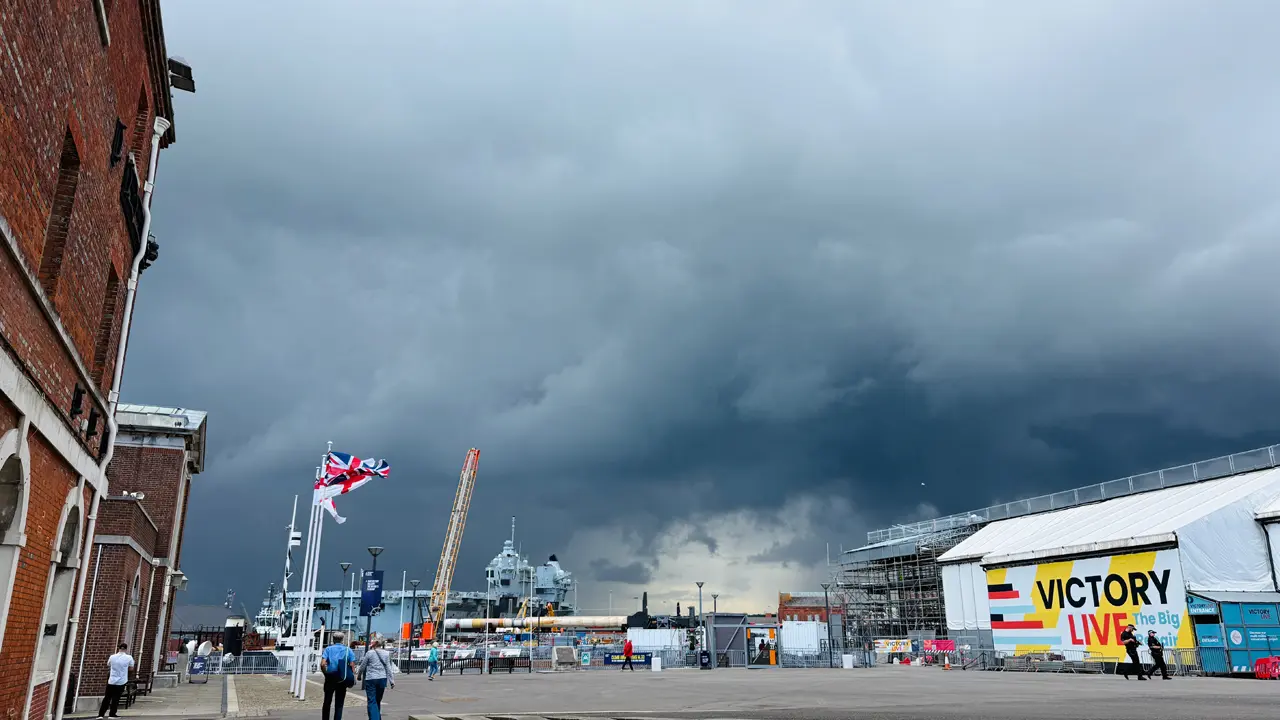
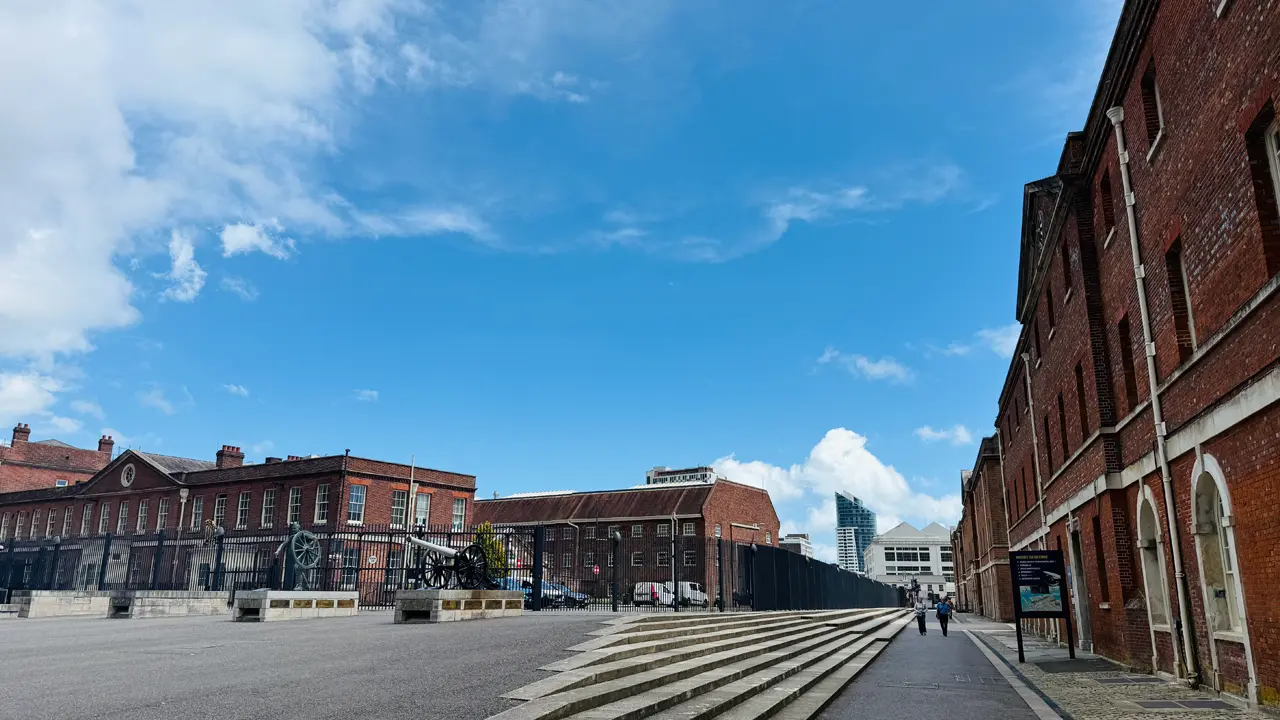
Once settled into our new temporary apartment in Portsmouth, we took a walk outside to check out our new surroundings. We are staying at Gunwharf Quays (pronounced “Keys”) situated next to Portsmouth Harbor and a 10-minute walk from the train staton. In a past life Gunwharf Quays was known as HM Gunwharf — a Royal Navy ordnance yard dating back to the 18th century where cannons and ammunition were stored. There is still an original gateway and outer wall dating back to 1902, and an Old Customs House, now a restaurant, dating back to the 18th century. There are several historical placards and monuments throughout this area.
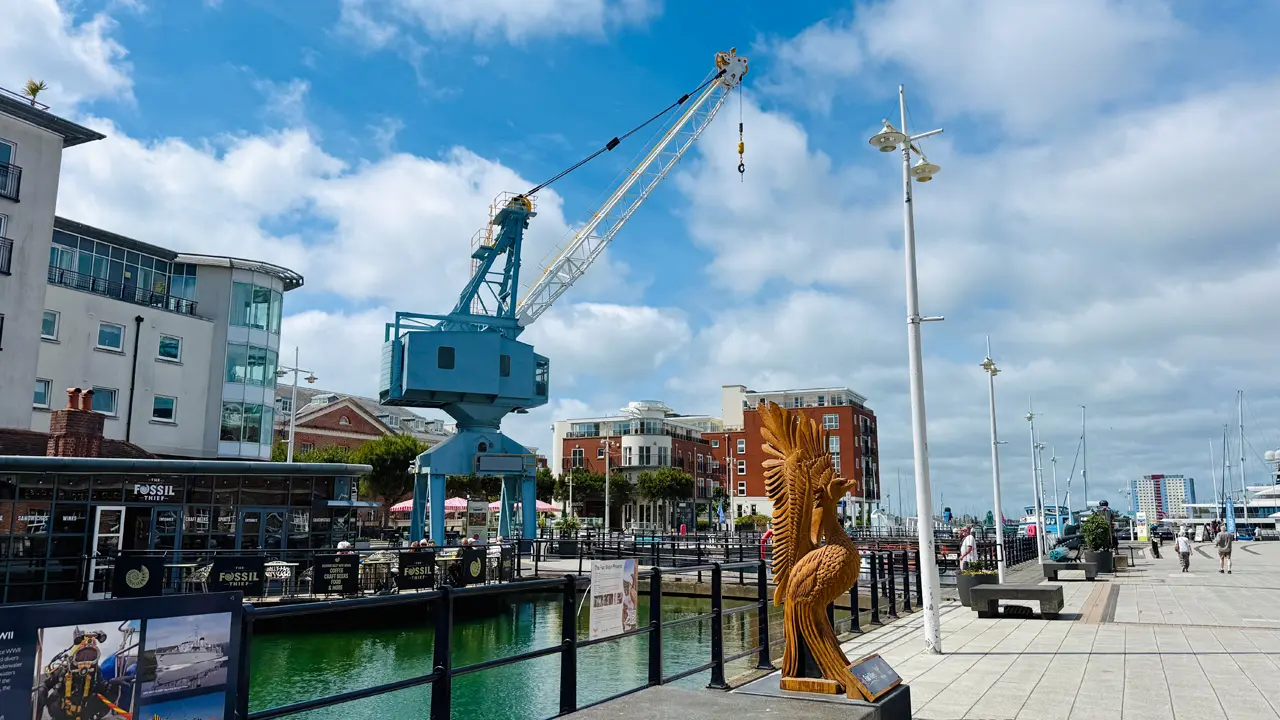
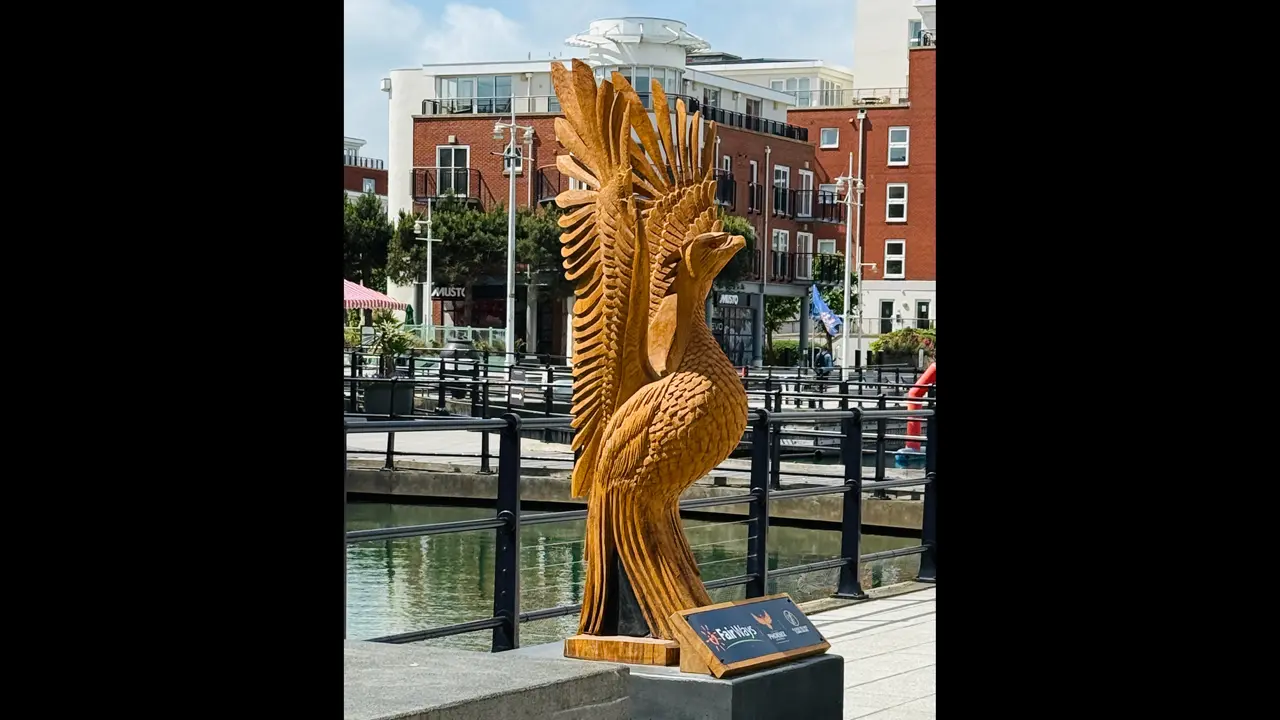
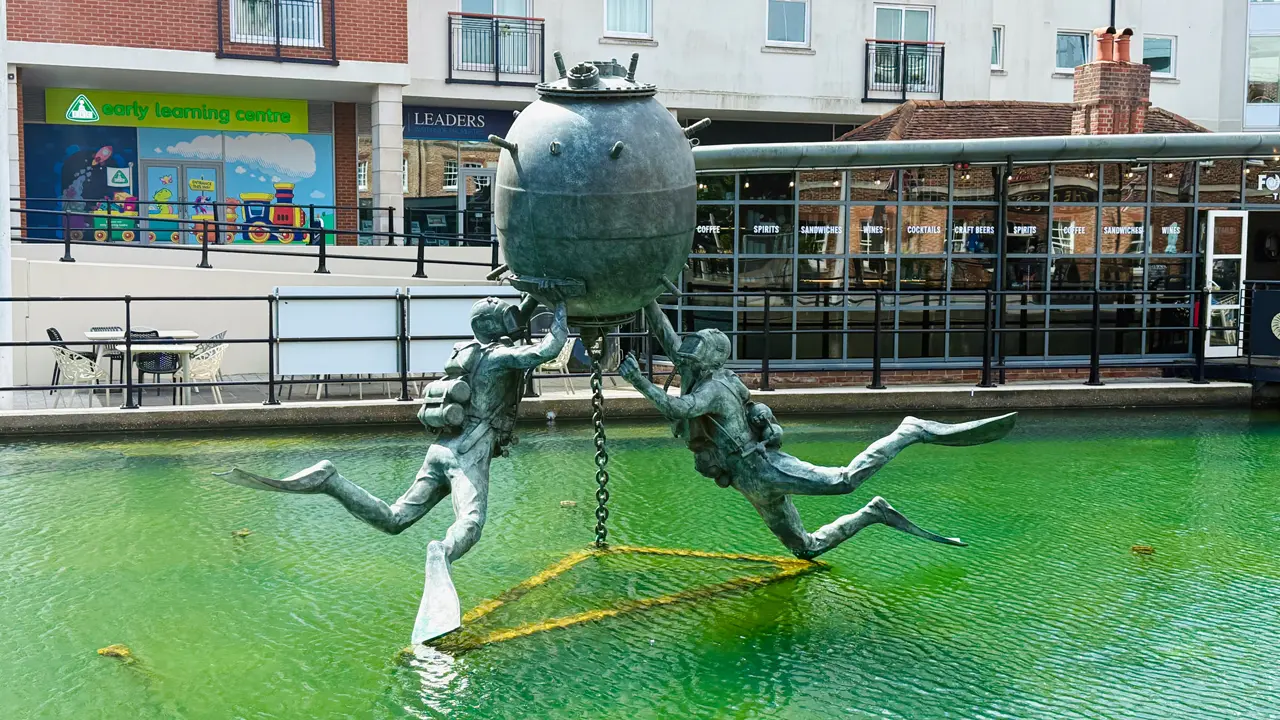
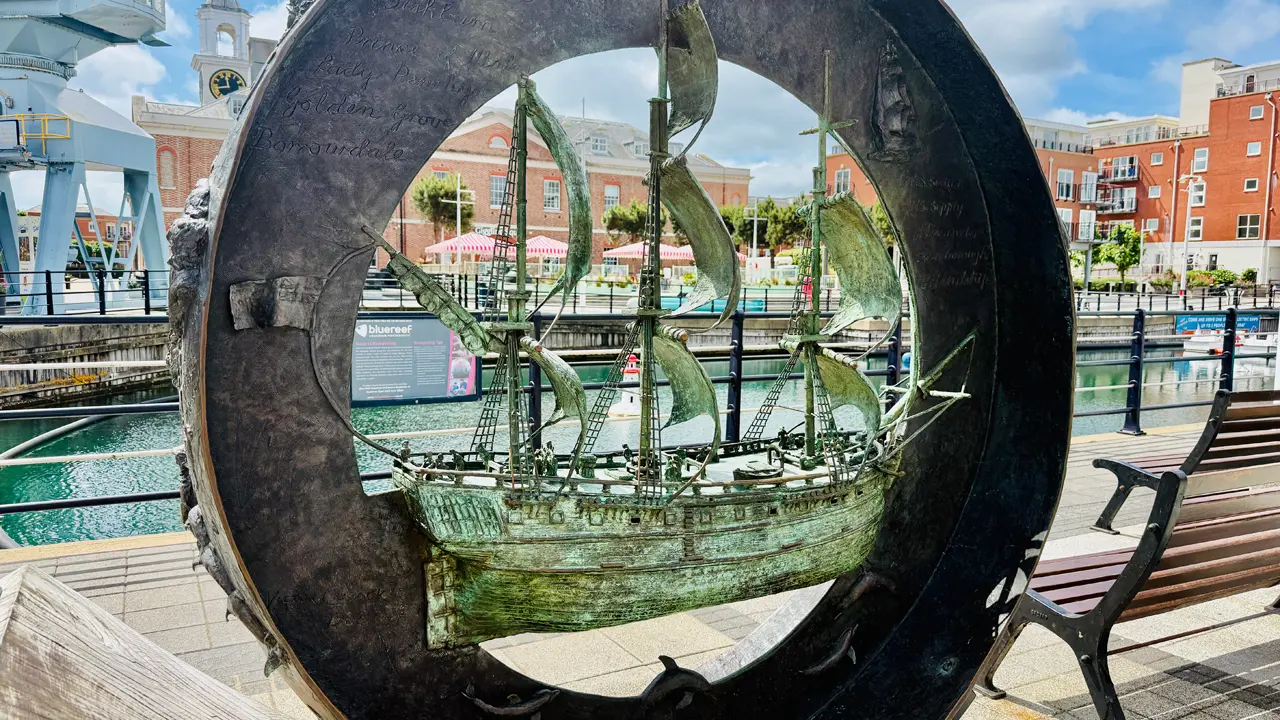
One rather striking monument is the Vernon Mine Warfare and Diving Monument which commemorates HMS Vernon (1876), the Royal Navy’s Torpedo and Mine Warfare branch, which occupied this site until it closed in 1996. The sculpture is of a moored mine and two divers. The mine honors those involved in mine design, mine laying, sweeping and hunting. The two divers are a tribute to those involved in naval and military diving as well as bomb and mine disposal. There is also a crane which is now a monument. It was operated in conjunction with HMS Vernon at the time. I’m always amazed at what we are able to learn on our travels!
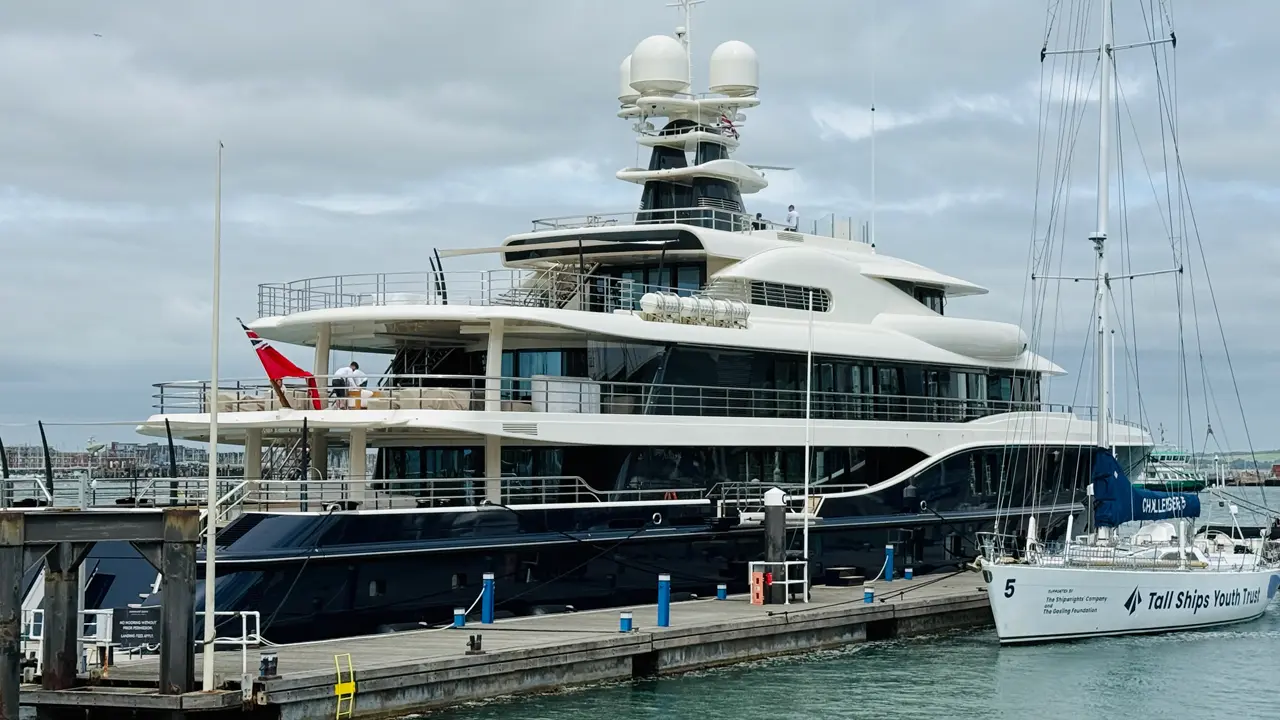
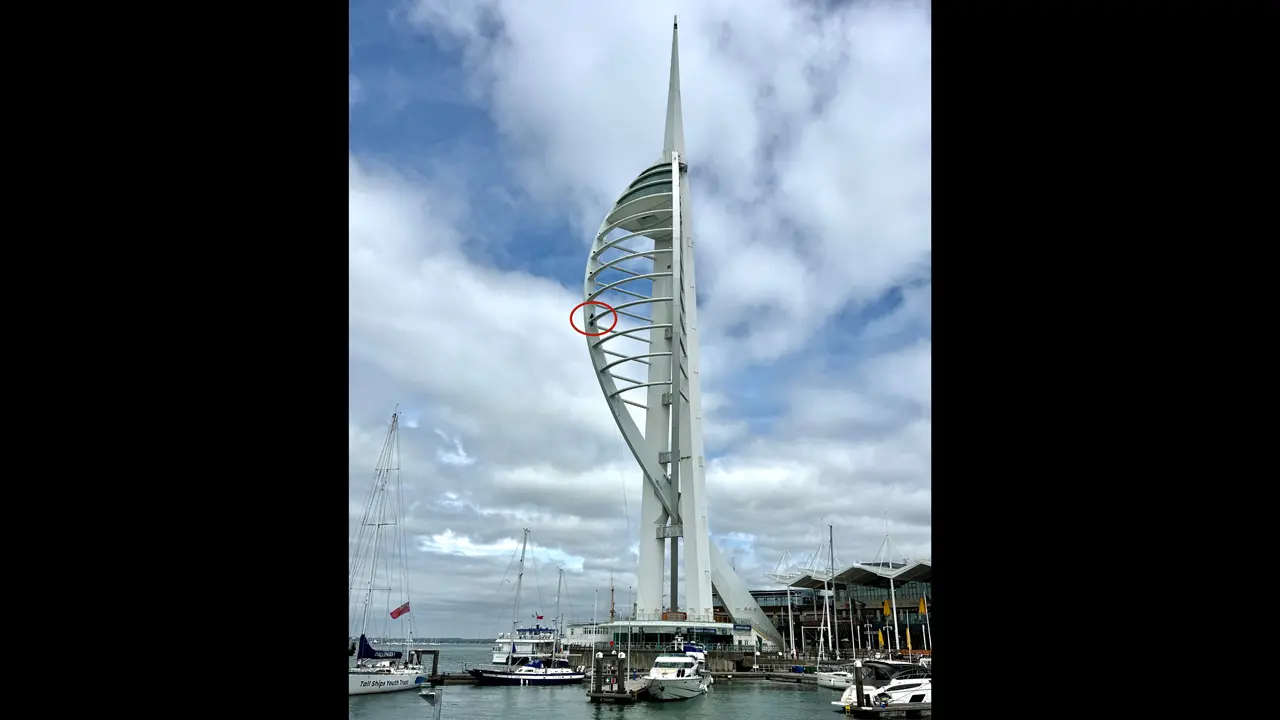
Currently this area is also home to 90 premium outlet stores, 30 restaurants/bars, and boat traffic. One such “boat” that is frequently docked here is The Nome. It’s a 246 ft super yacht that cost $150 million (photo below). Gunwharf Quays is also home to Spinnaker Tower, a 560 ft tall sail-like designed tower that is meant to celebrate Portsmouth’s rich maritime heritage. The top floors offer panoramic views… for a fee.
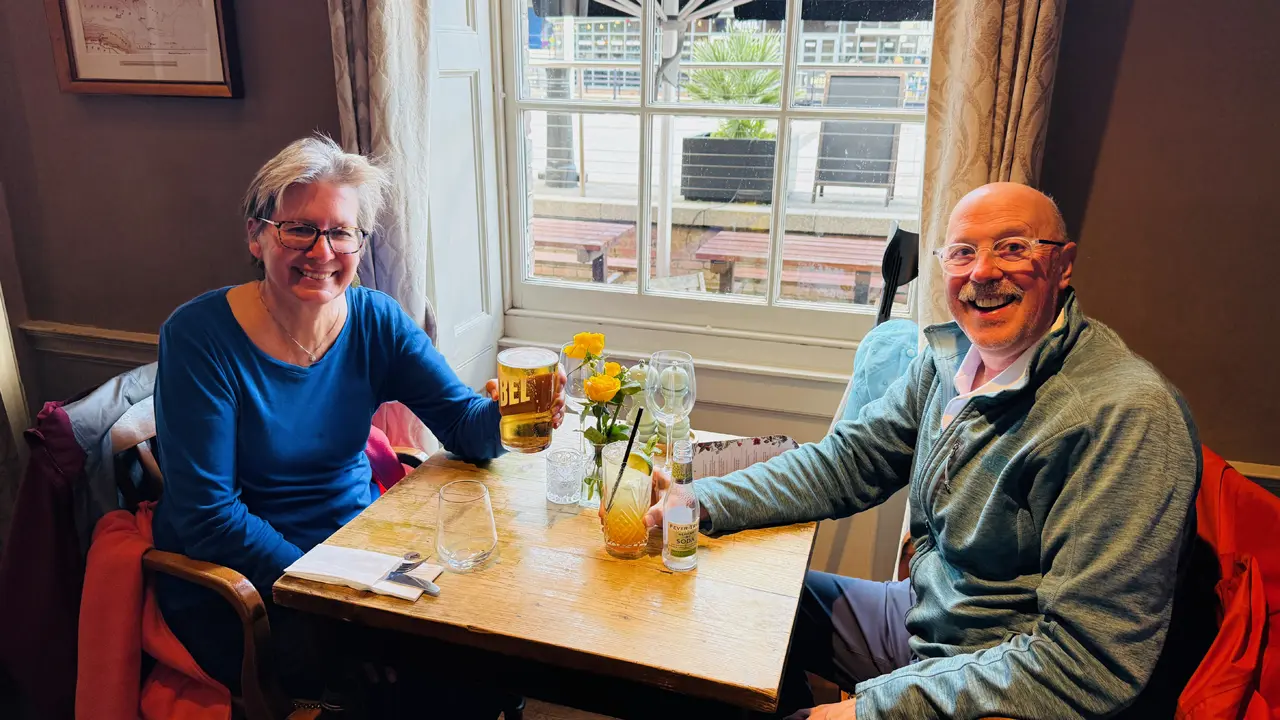
Gunwharf Quays is a unique setting offering a blend of old and new. After exploring our new surroundings, we ate an early dinner at the Old Customs House.
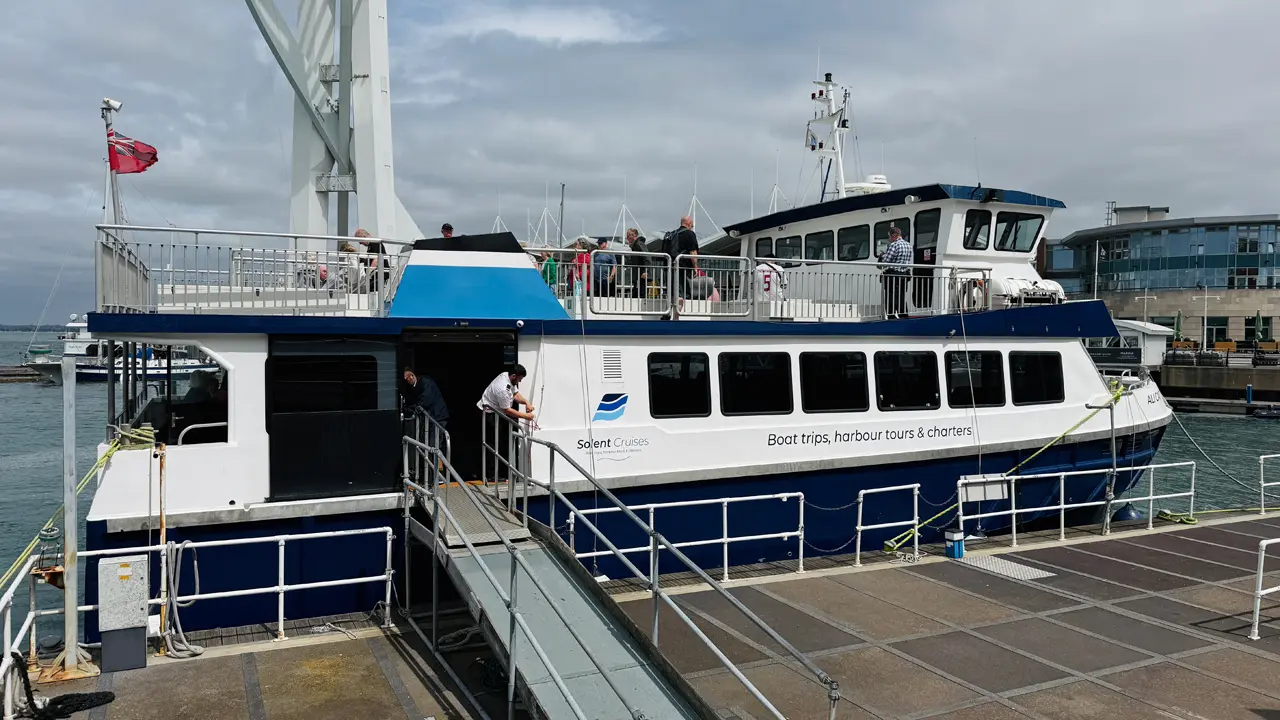
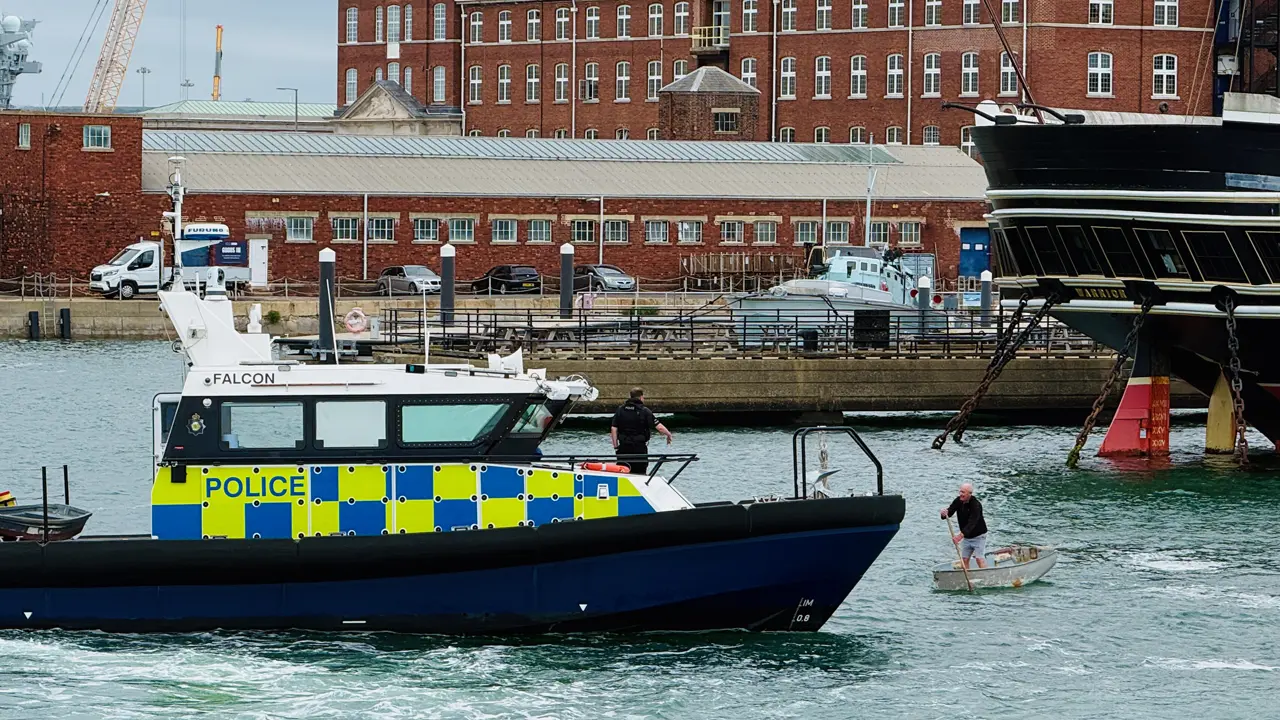
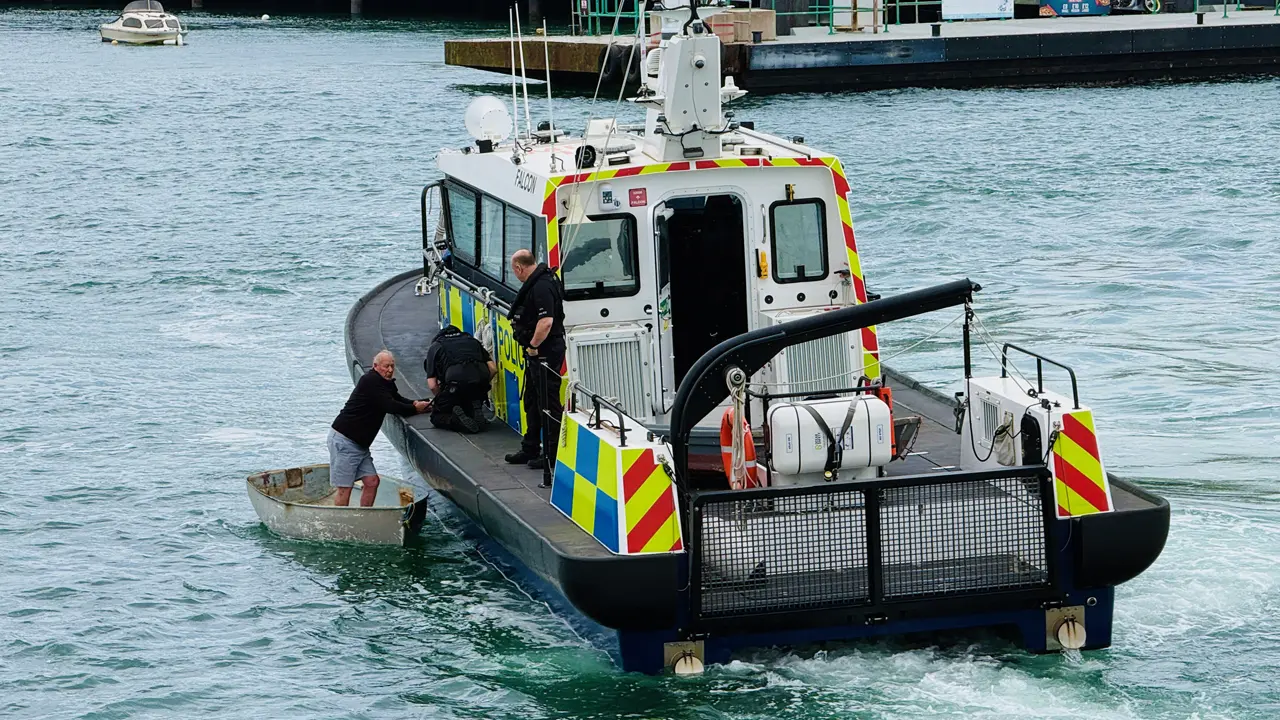
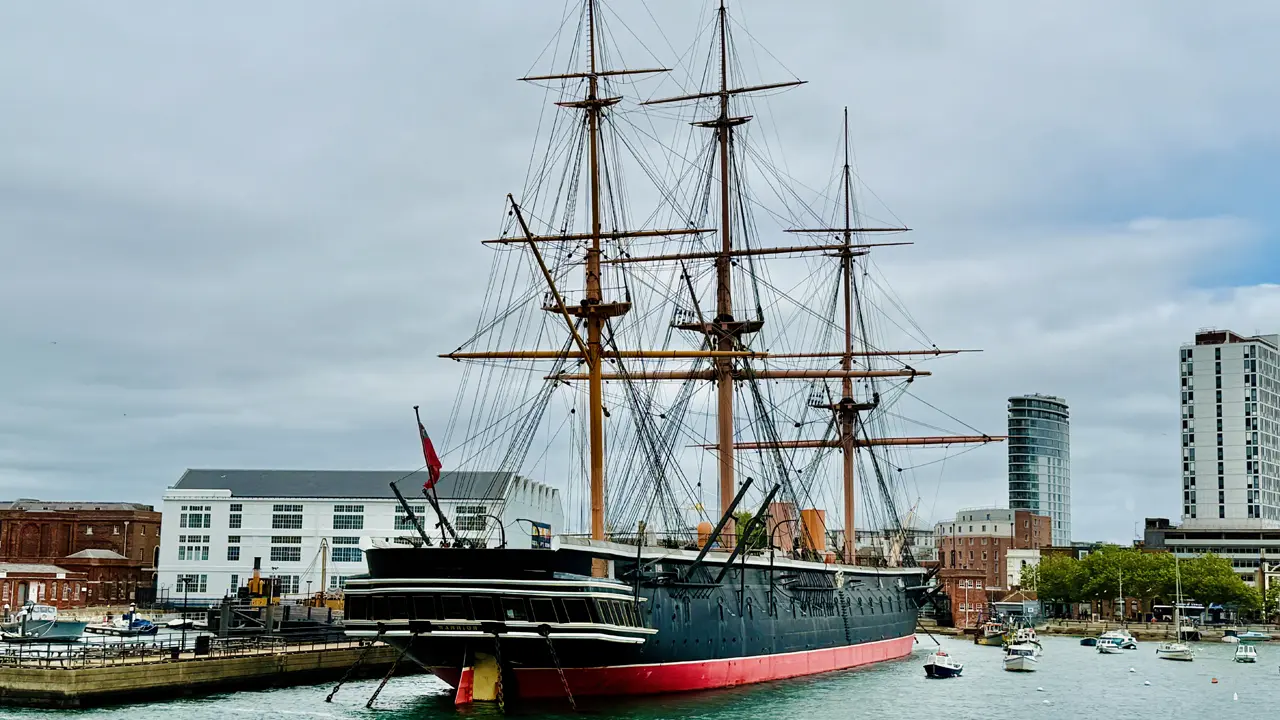
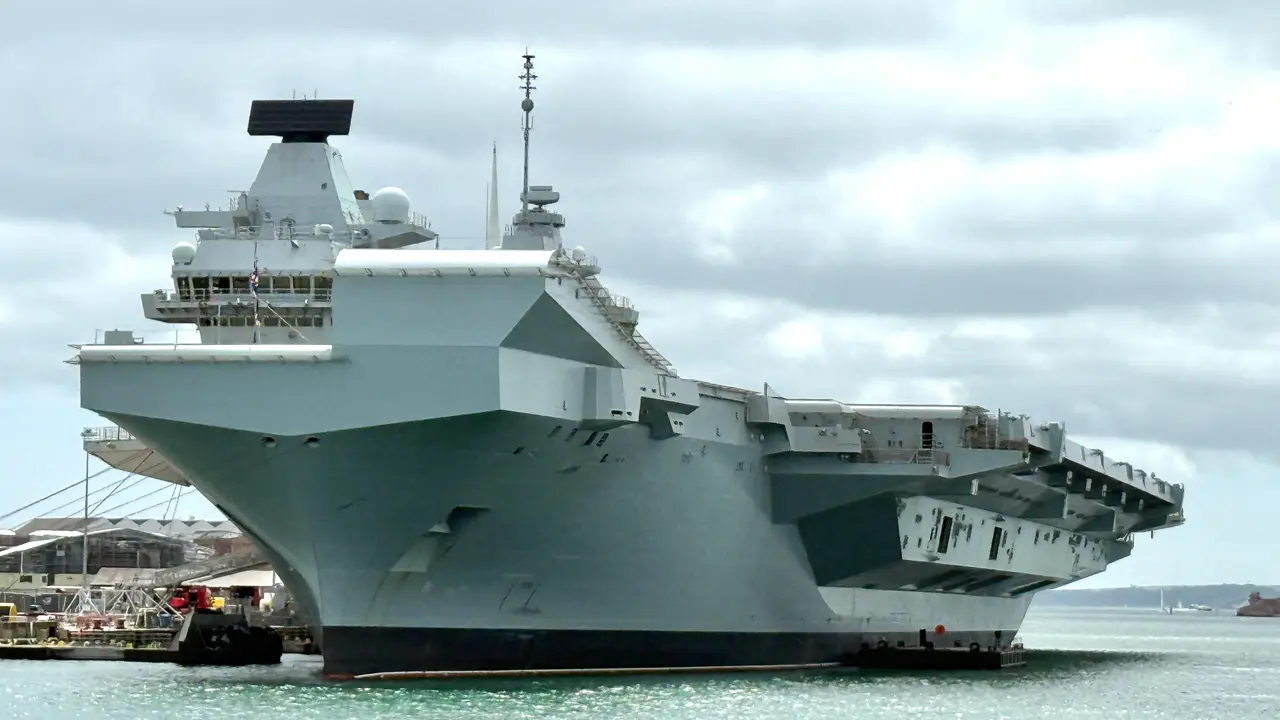
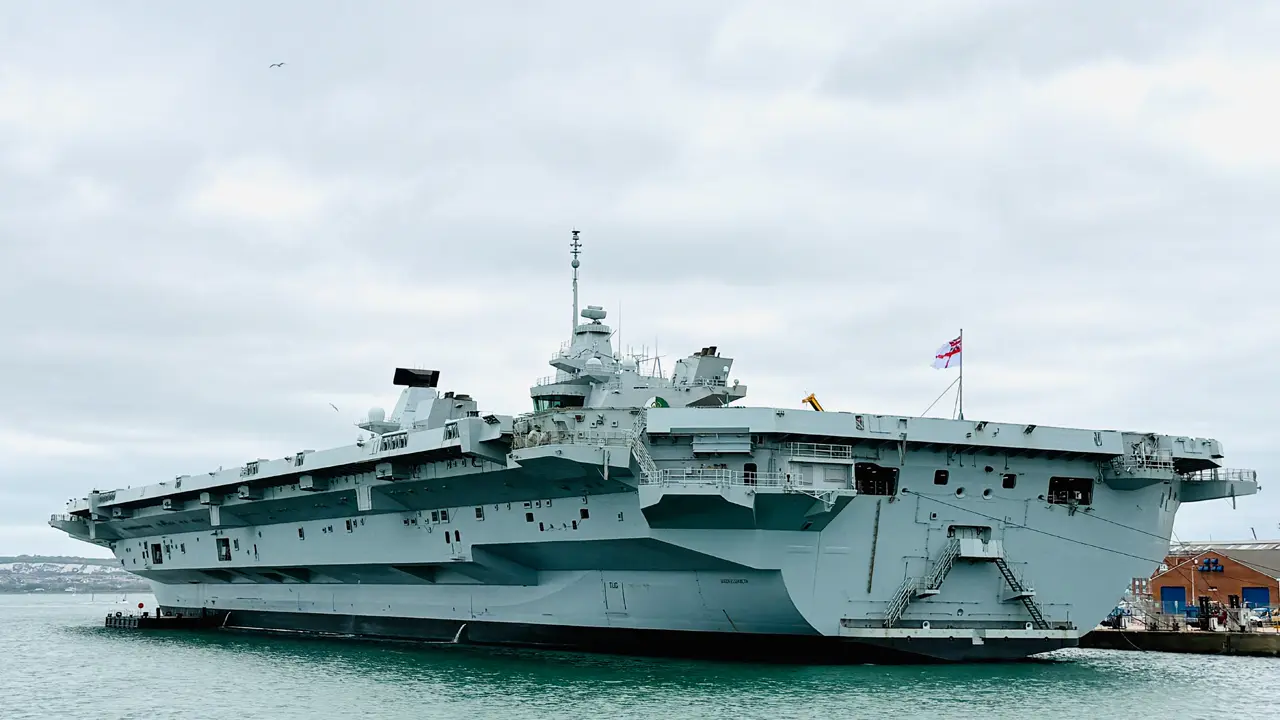
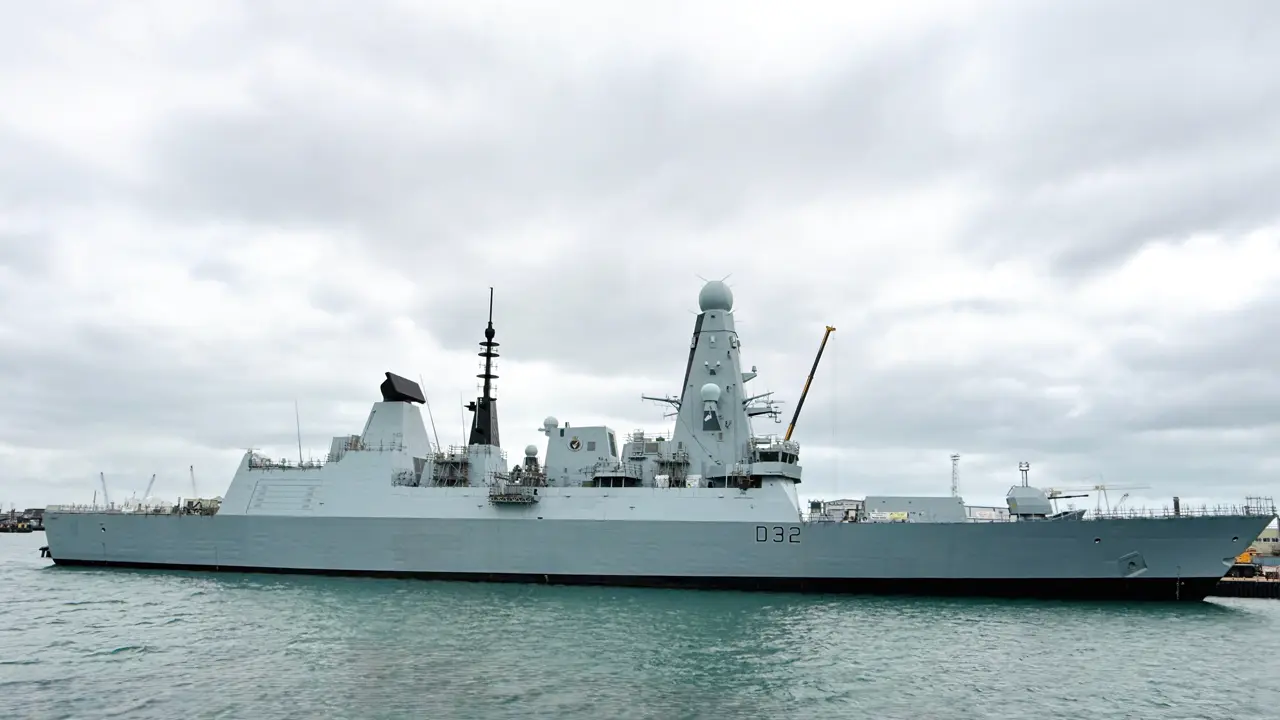
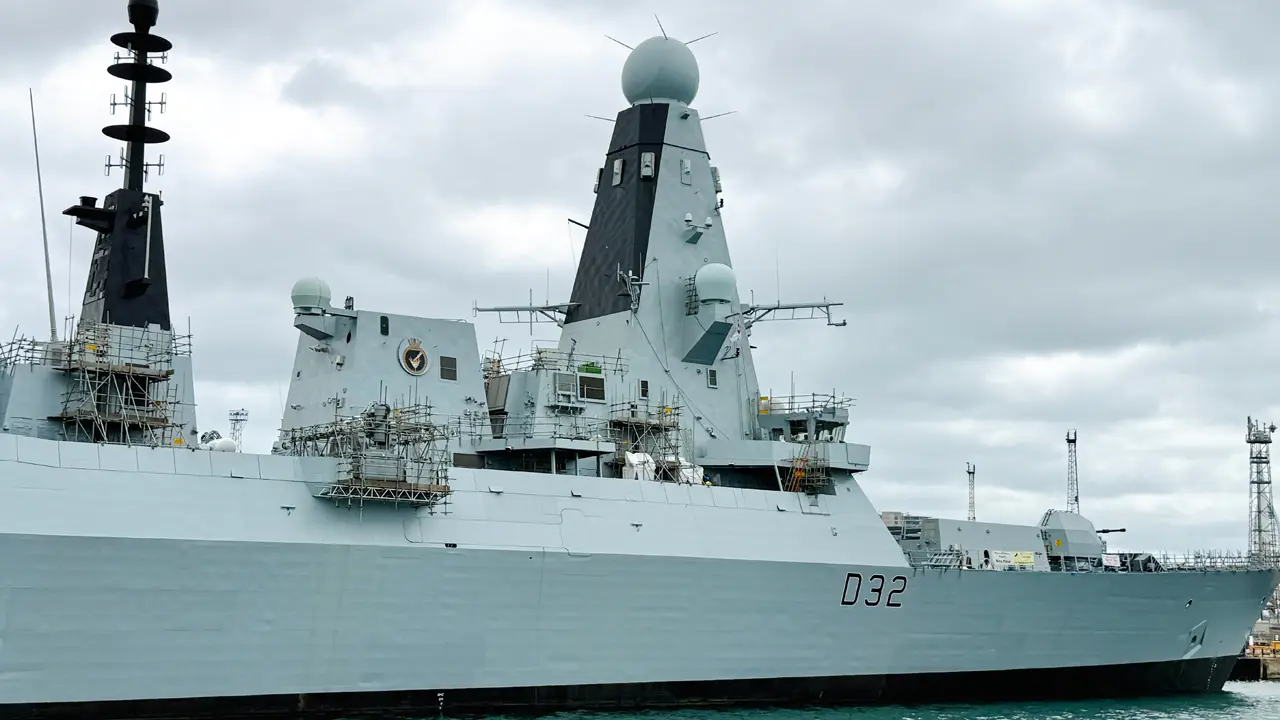
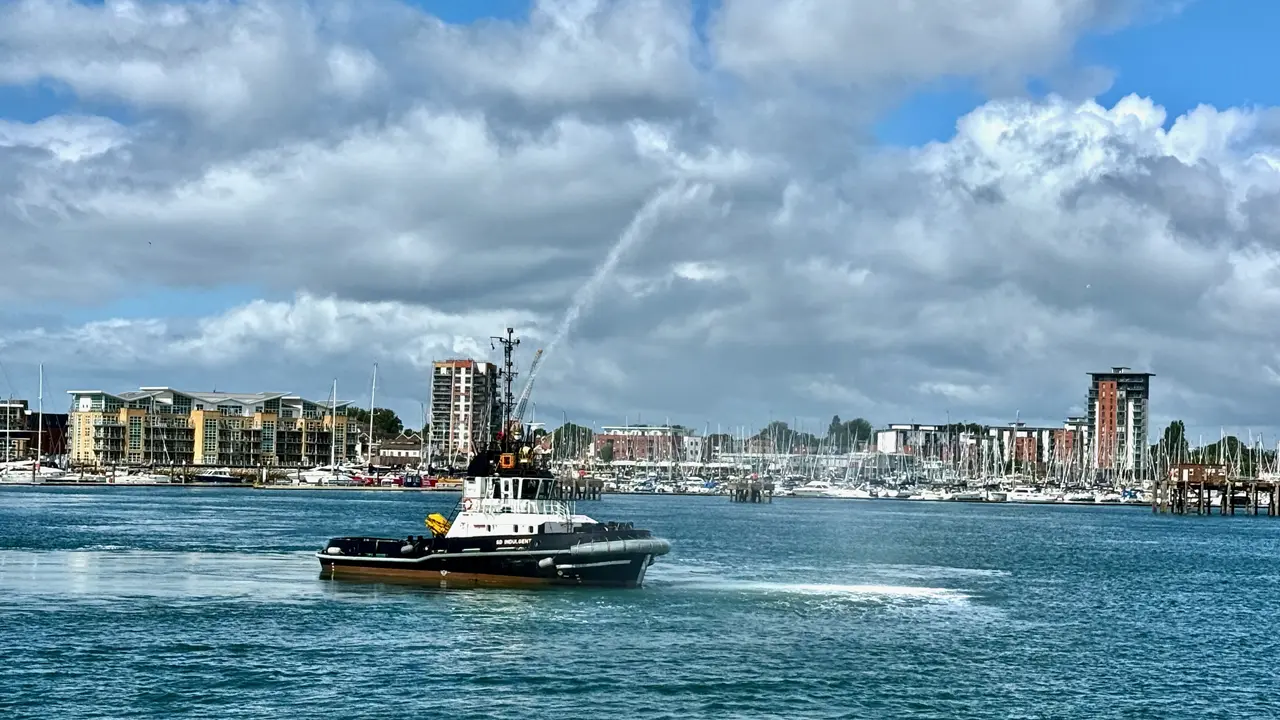
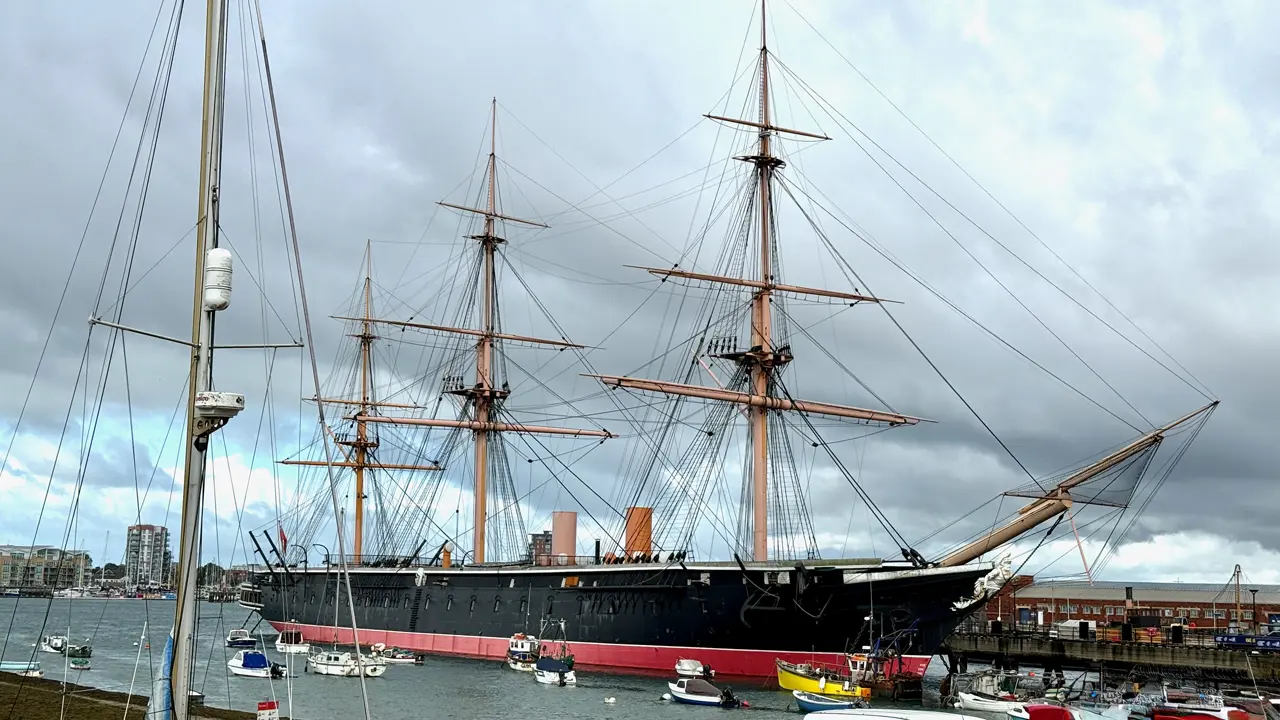
The next day, Monday, June 1st, we did a Harbor Cruise, where we saw the enormous HMS Queen Elizabeth Aircraft Carrier as well as the HMS Daring, the lead ship of the Royal Navy’s fleet of Type 45 air-defense destroyers. On a more historic note, we also saw the HMS Warrior. Built in 1860, it was the largest warship of its day. The dockyard has an odd juxtaposition of old and new vessels. We witnessed police helping one gentleman with his boat. There is a definite police and military presence here since this is an active military base besides being a historic one!
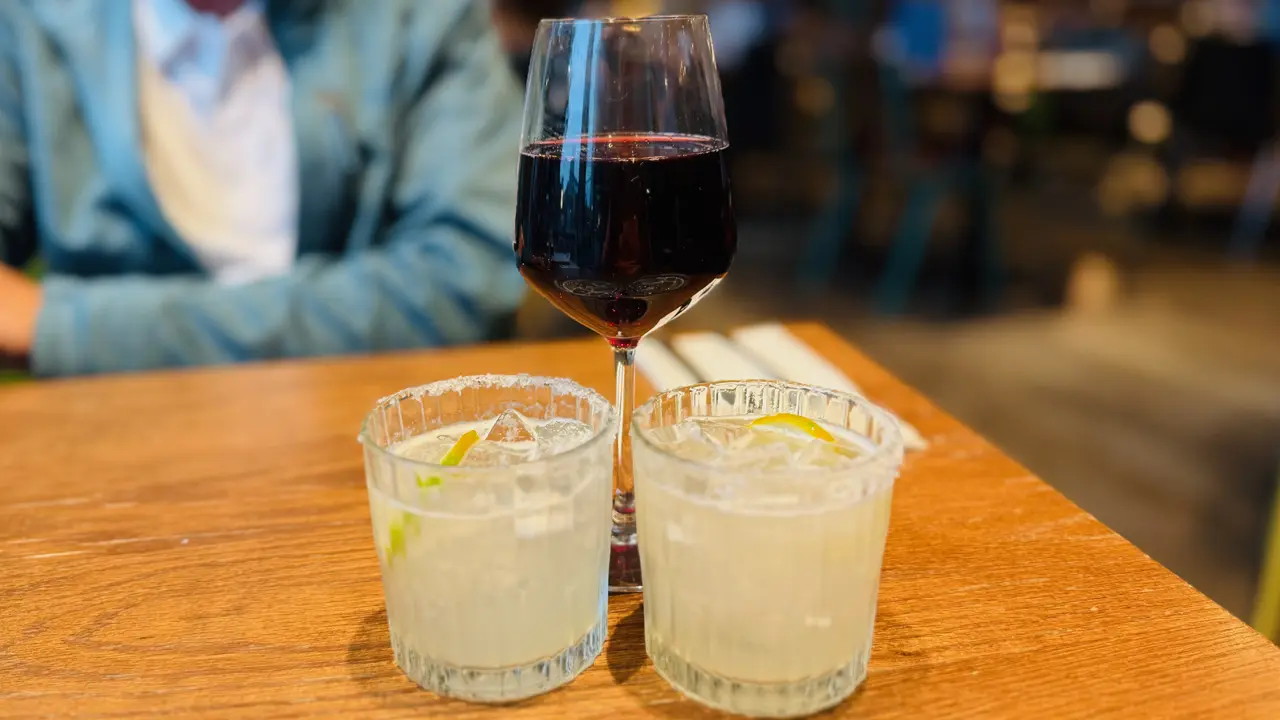
In the late afternoon we explored some of the shops and had an early dinner at Las Iguanas for Mexican food, located mere steps from our apartment. I had the added advantage of getting a Happy Hour special of a second margarita for an additional 2 pounds, just sayin’.
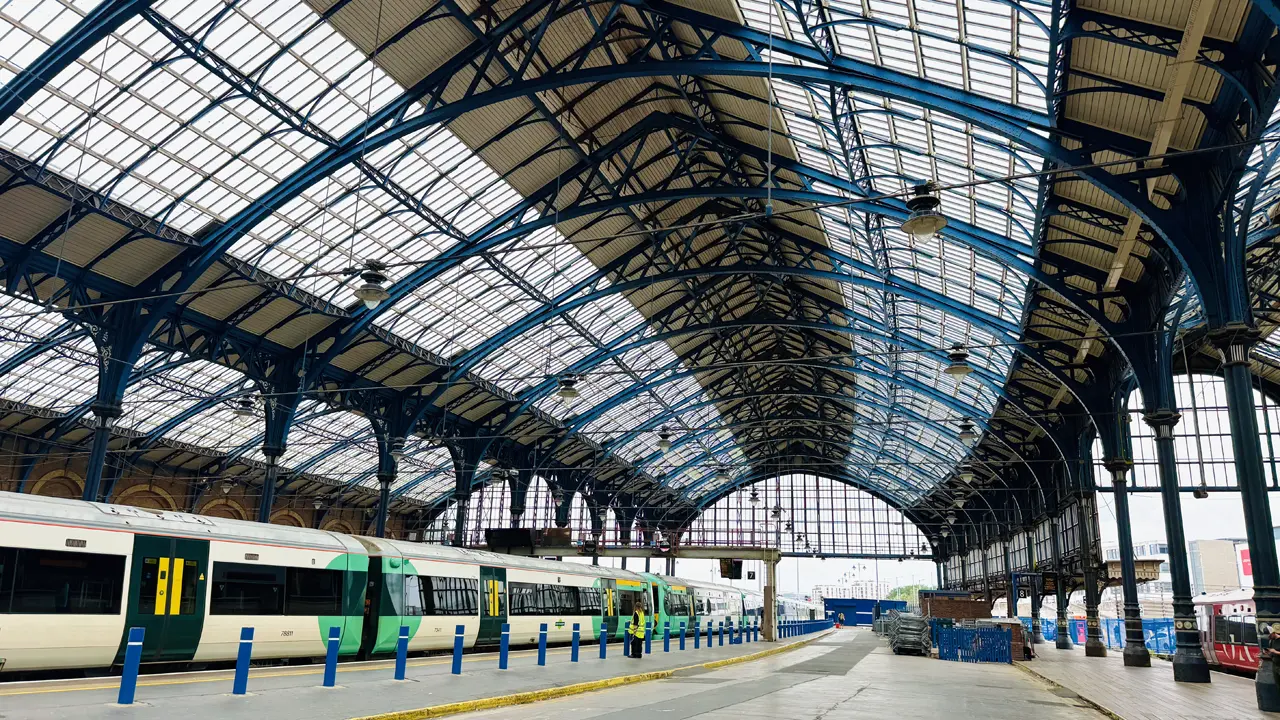 Brighton Station
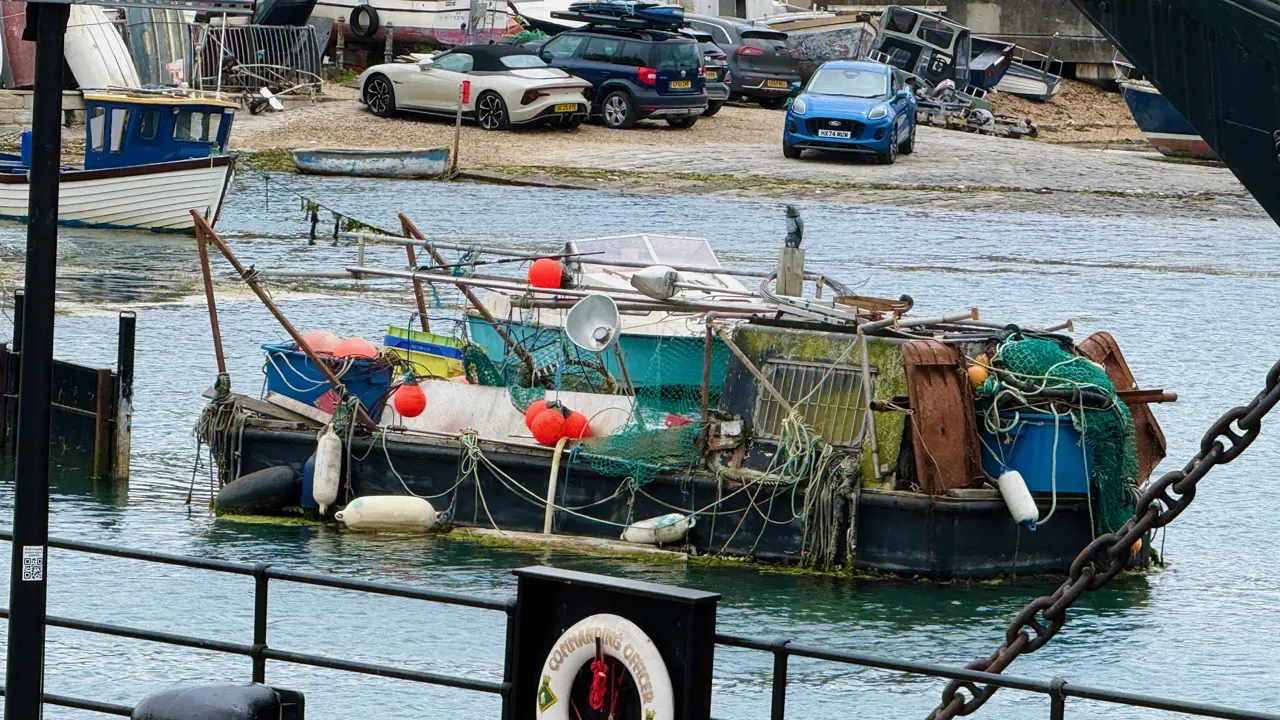
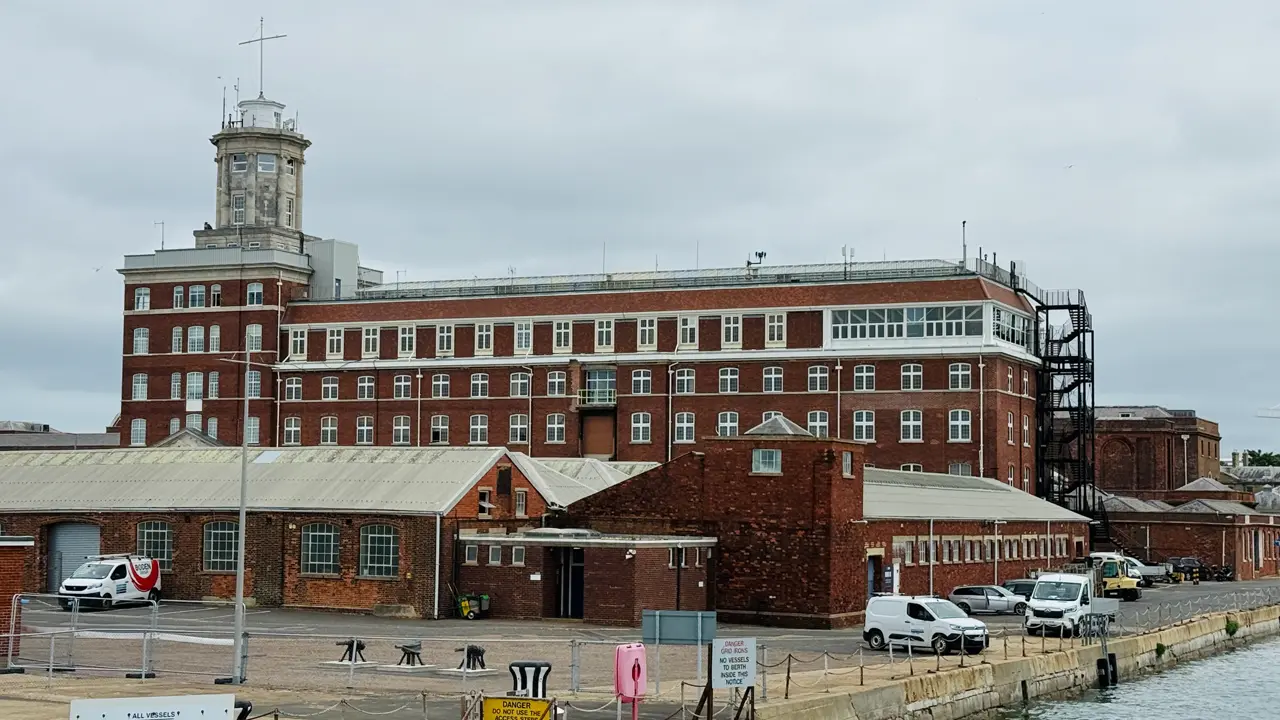
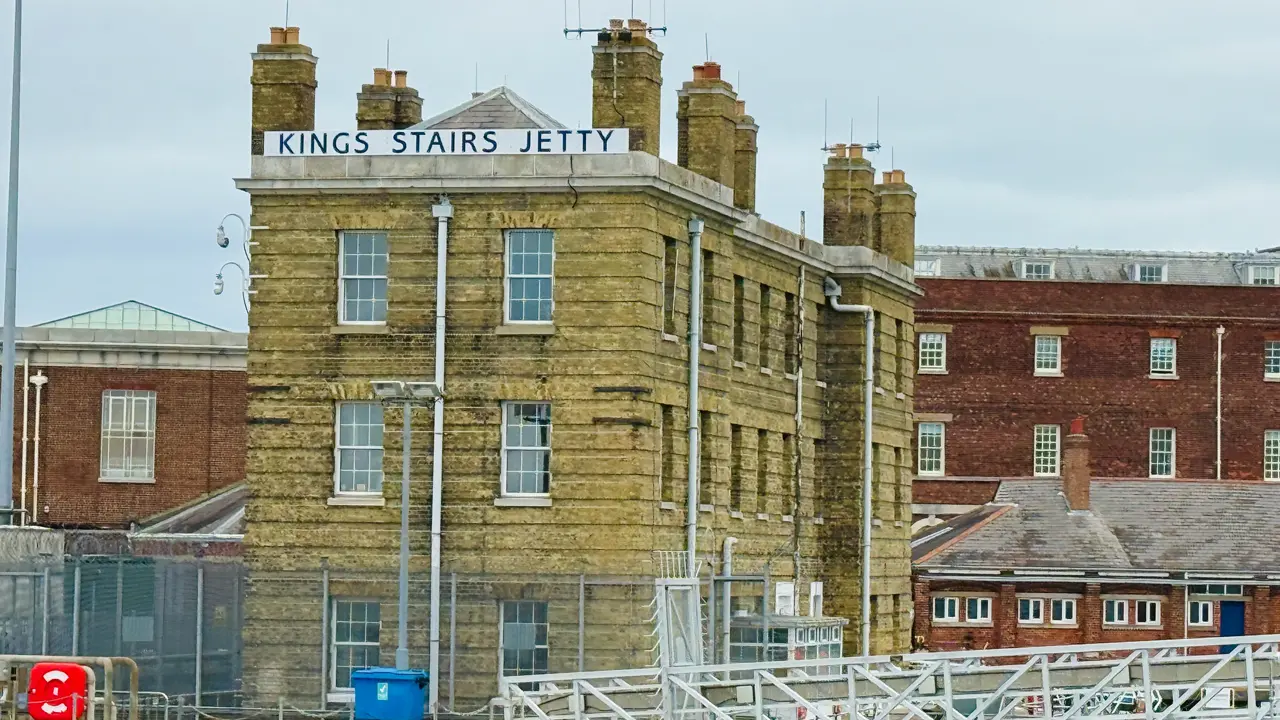
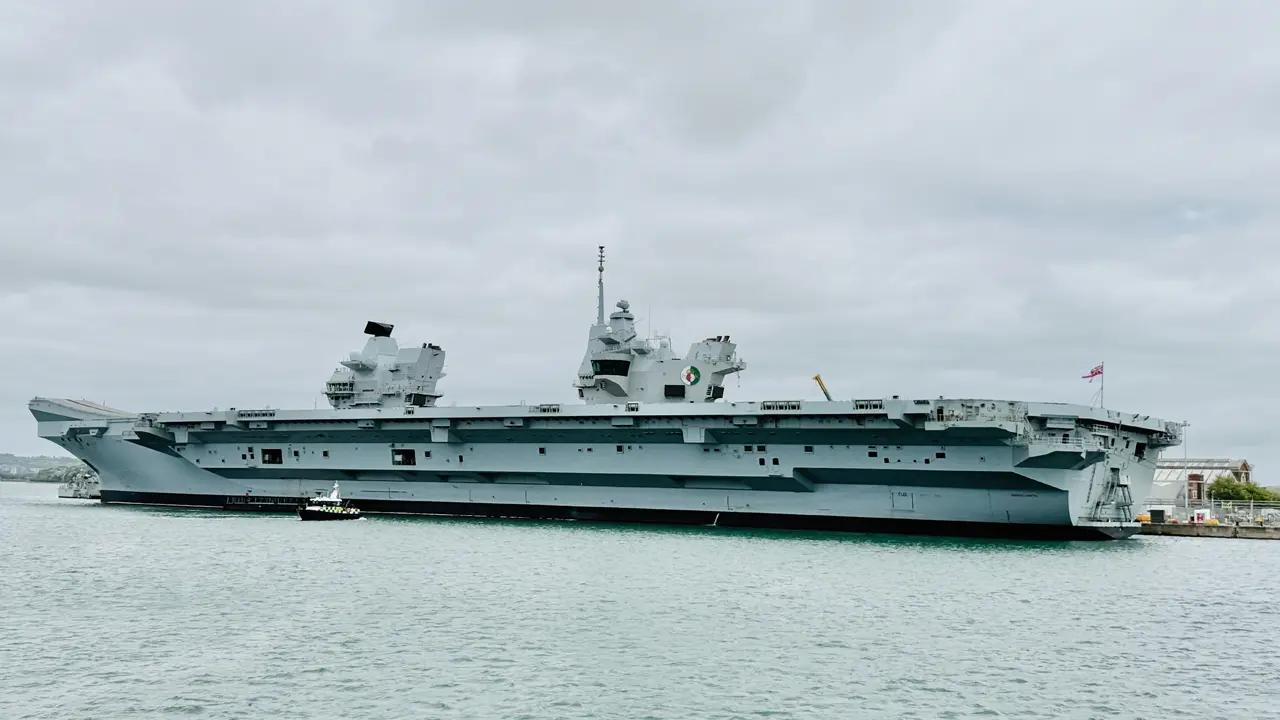
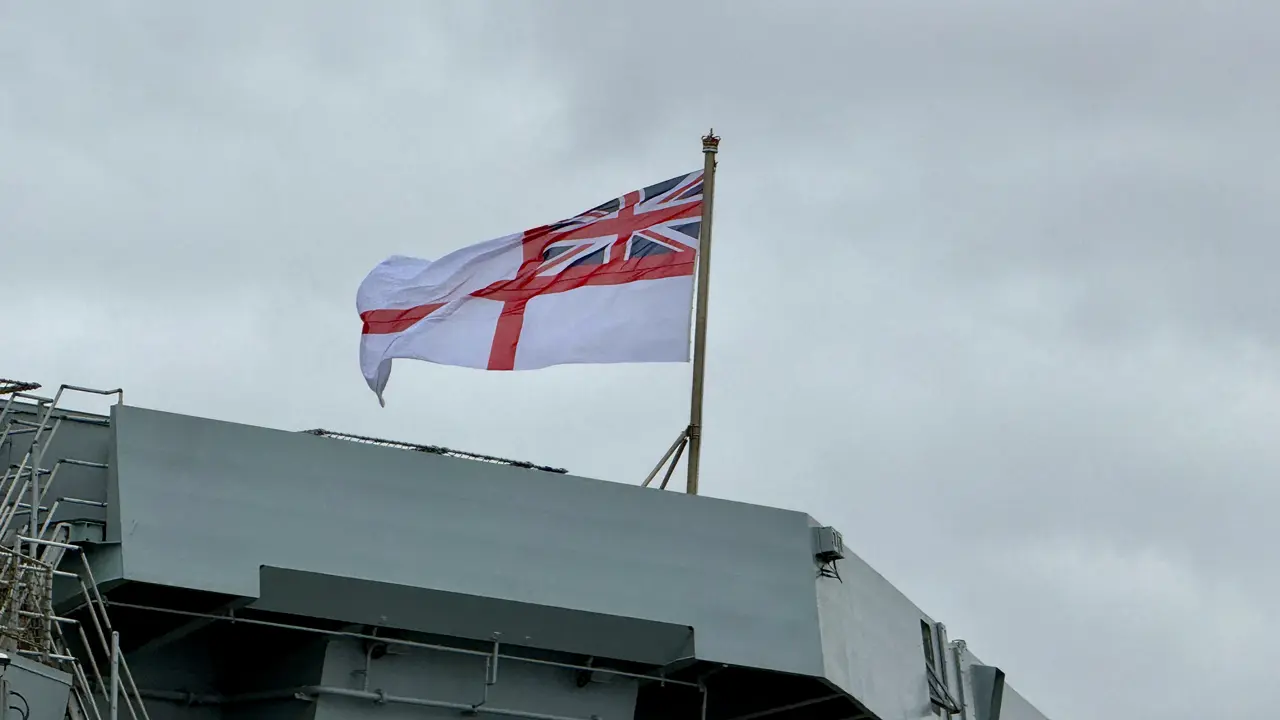
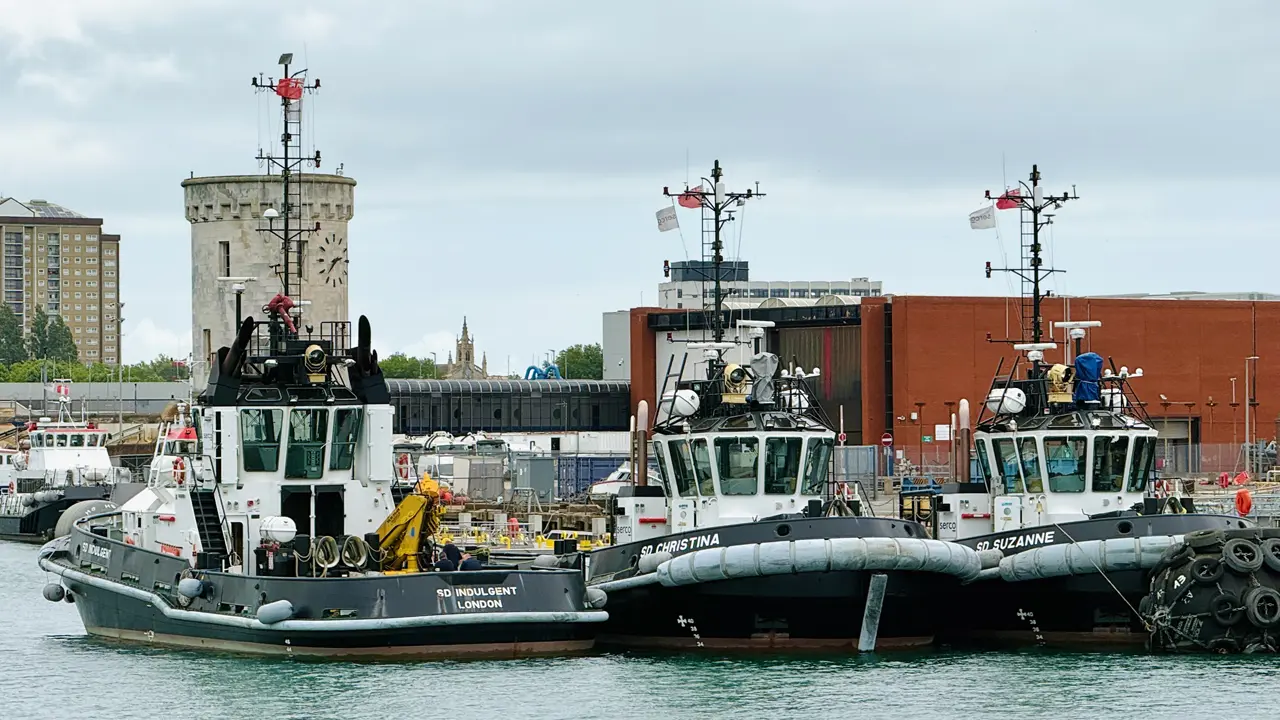
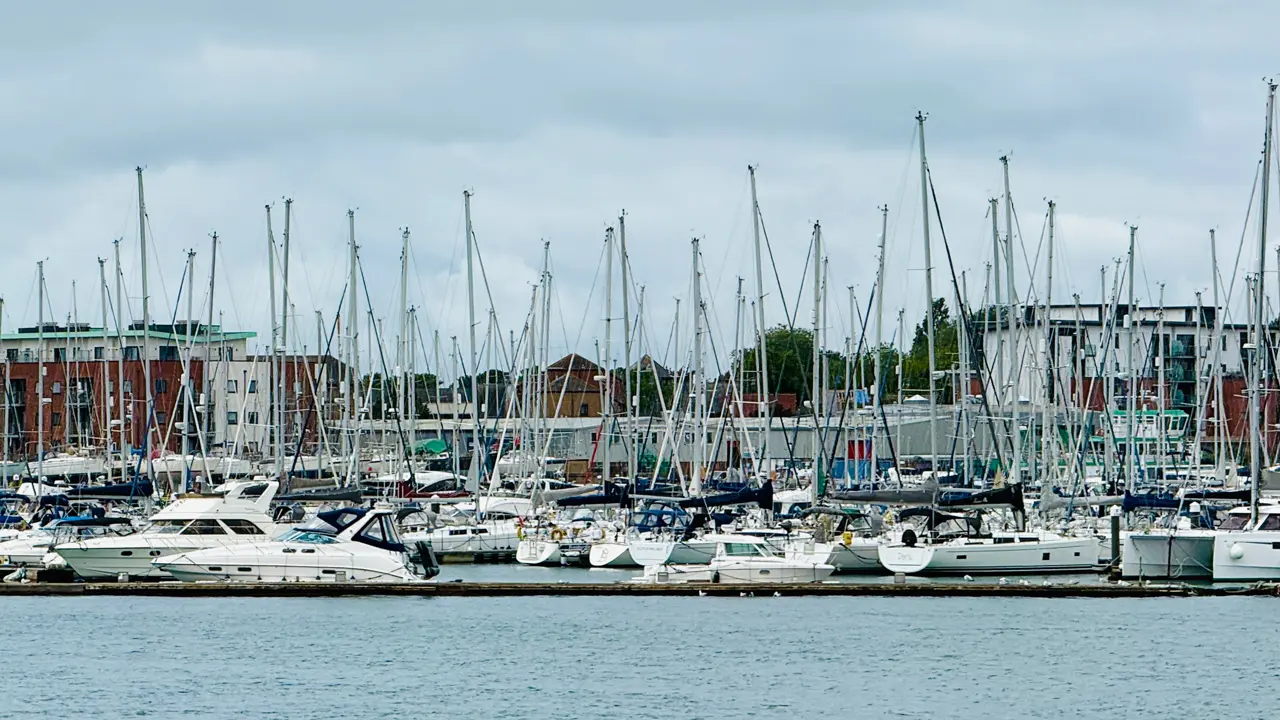
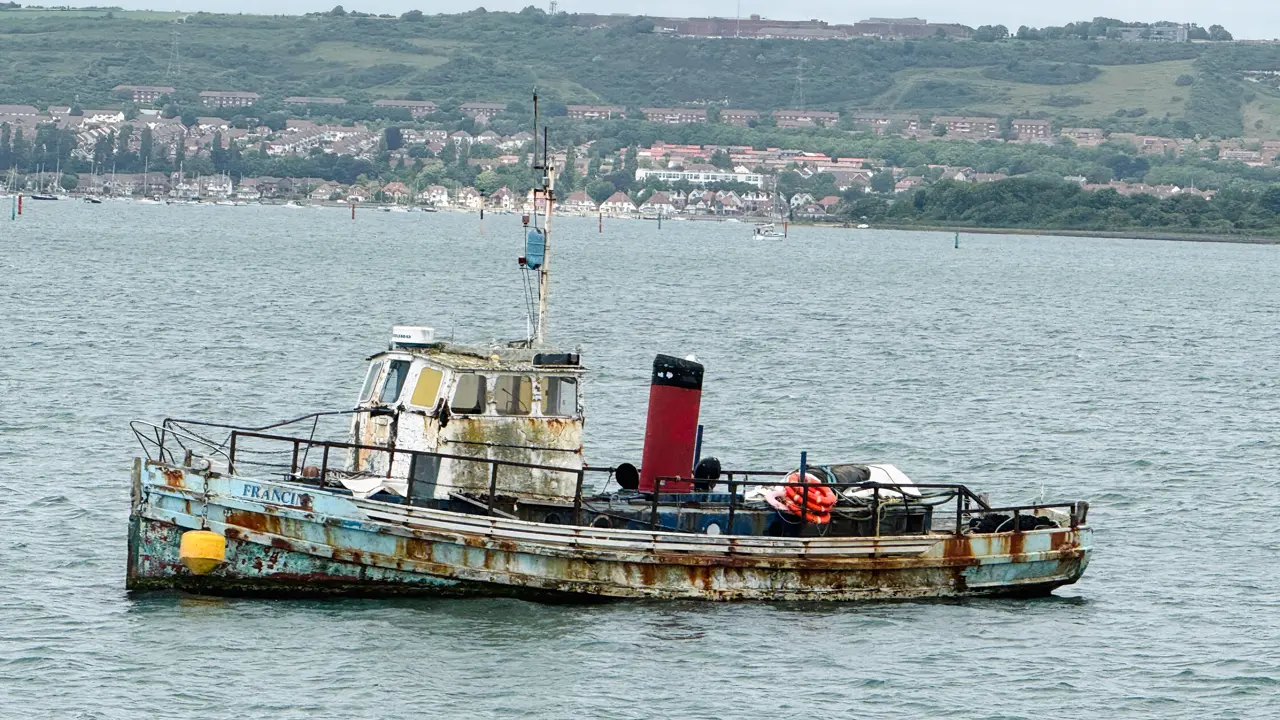
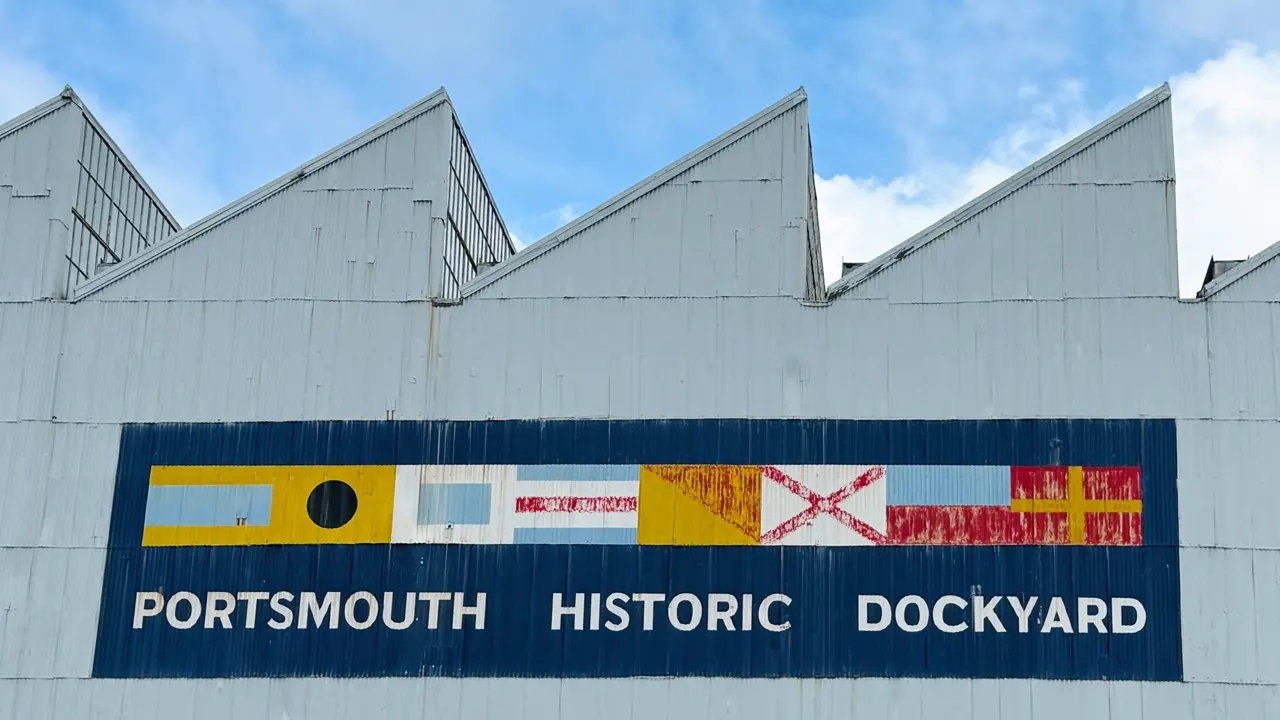
On Tues., June 2nd (2026), we visited the Portsmouth Historic Dockyard, which is part of Her Majesty’s Naval Base Portsmouth. Along with having an historic dockyard, it is also an active base for the Royal Navy. It was home to the world’s first dry dock, built in 1495. Today it’s home to 4 historic ships, 1 submarine, and 7 museums/exhibitions. It’s quite something!
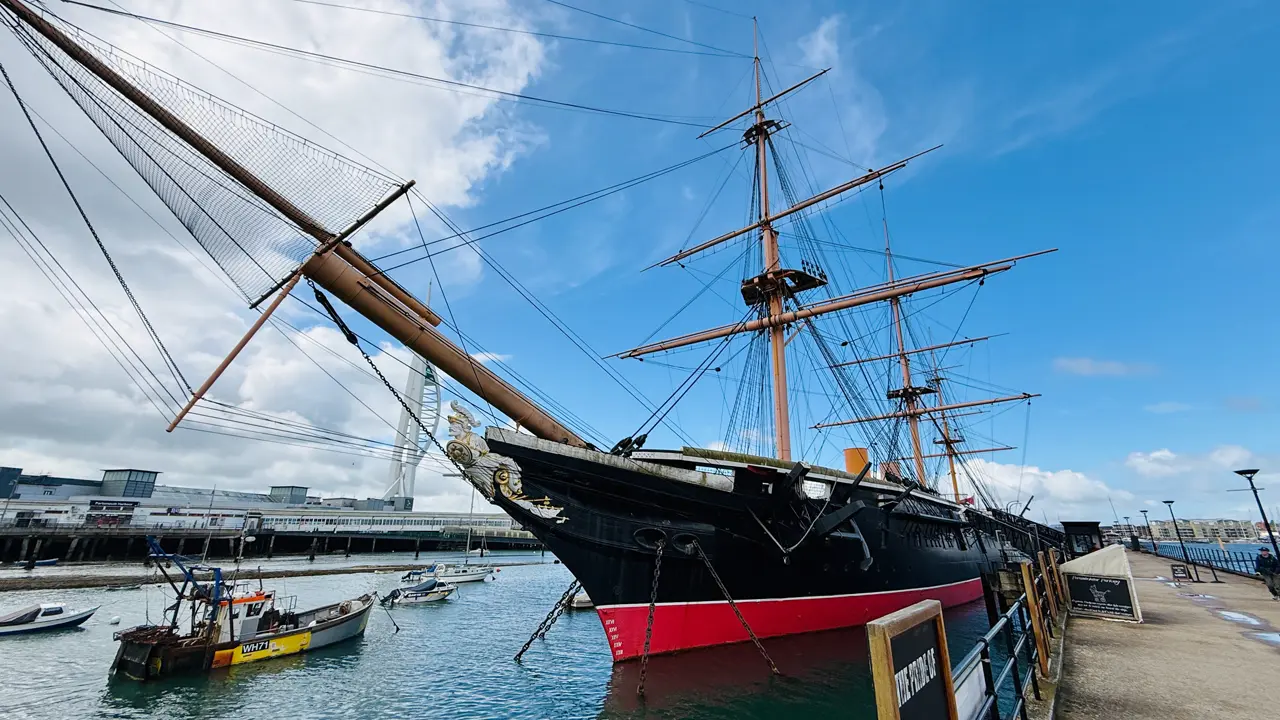
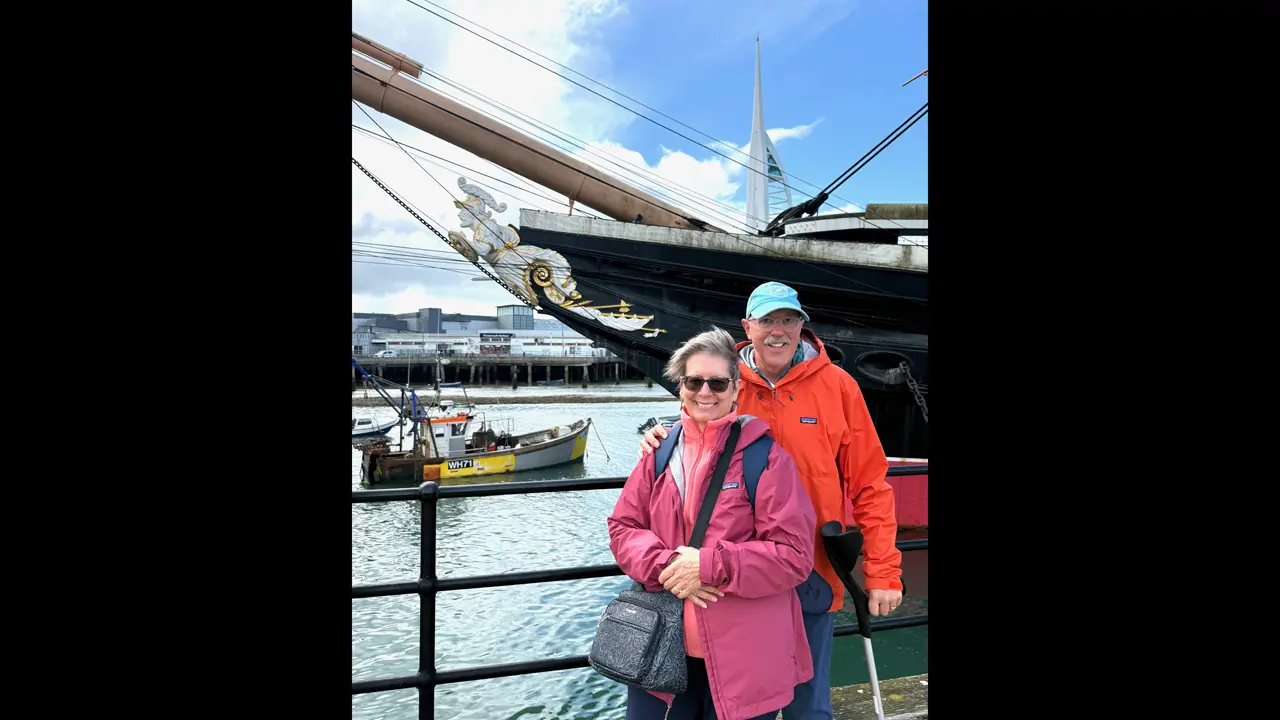
First we visited the HMS Warrior, launched in 1860, it was then the fastest, largest and most powerful warship in the world. Such was her supremacy that she never fired a shot in anger. The ship was in excellent condition, and it was a privilege to roam all thru her!
Some interesting tidbits:
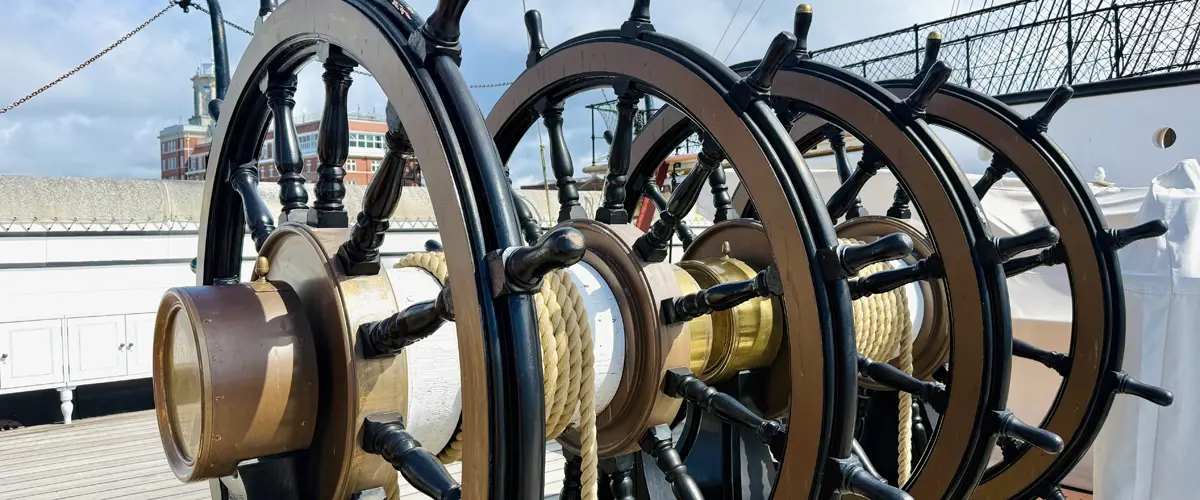
- There were steering wheels located above and below deck. The ones below deck were to be used if they were under attack.
- The men ate, slept, prepped and fired cannons all in one space. There were 706 men on board! Some men would be sleeping in hammocks above where others ate at the table below the hammock.
- The officers had small staterooms where there swinging cots were suspended from the ceiling. Apparently it was a way to counteract the motion of the sea and keep the bed level and upright despite the ship pitching and rolling violently in rough seas.
- The HMS Warrior was the first ship to have washing machines!
- Each man had a “kit” where they could store their personal belongings.
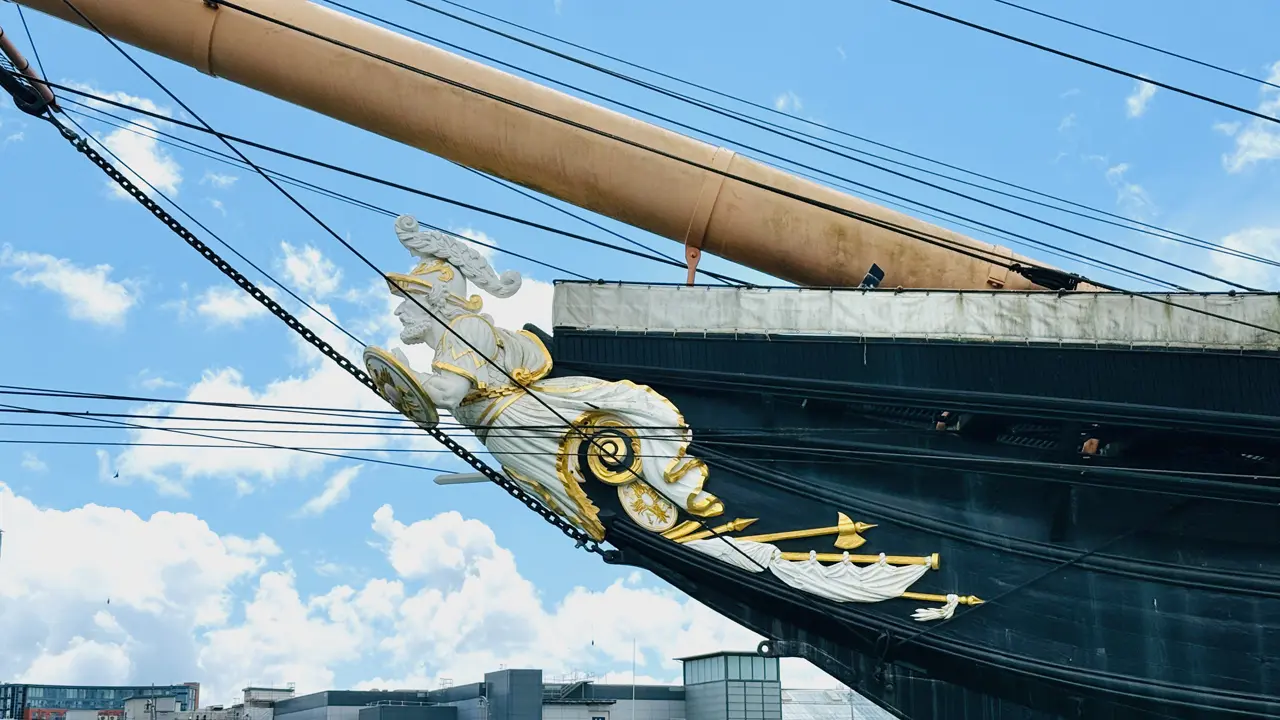
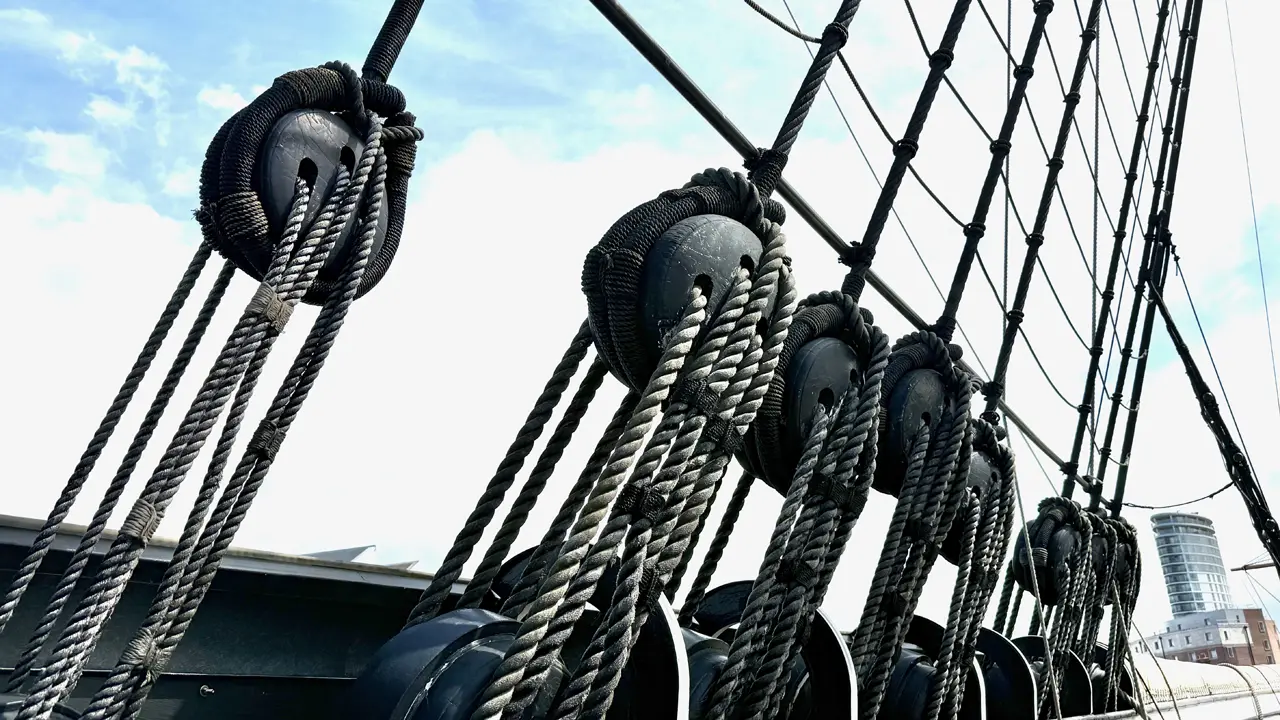
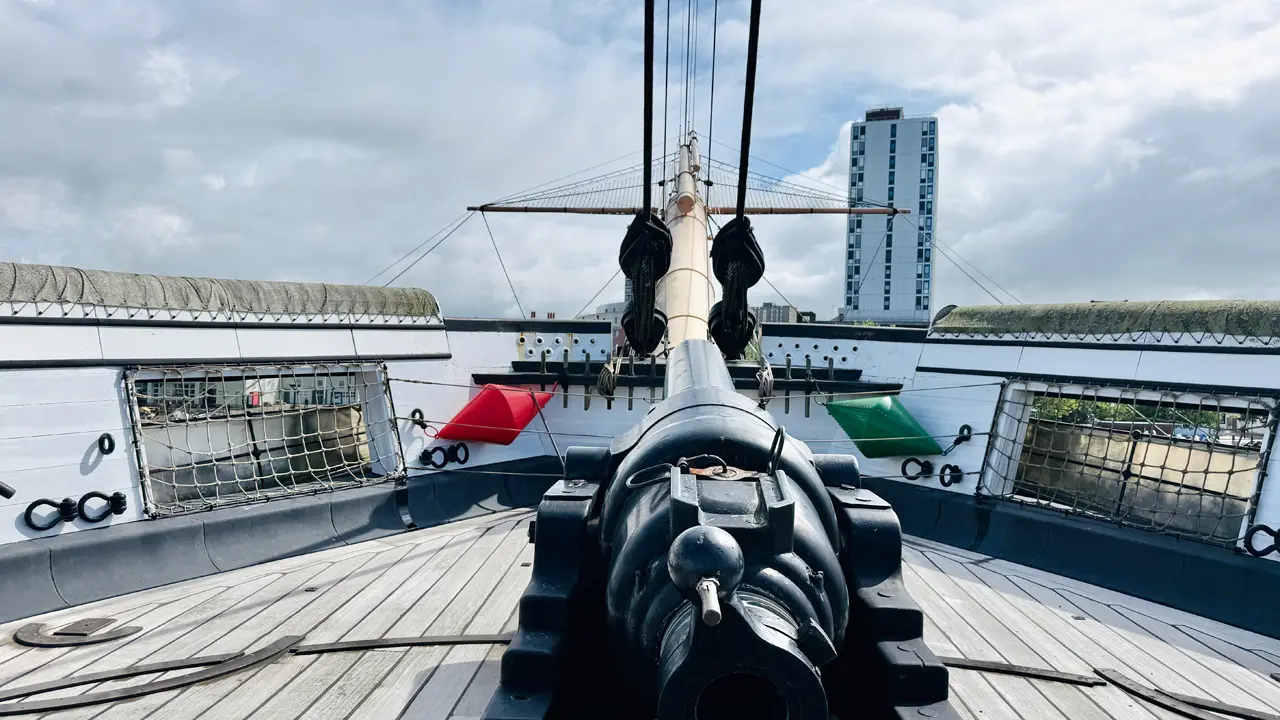
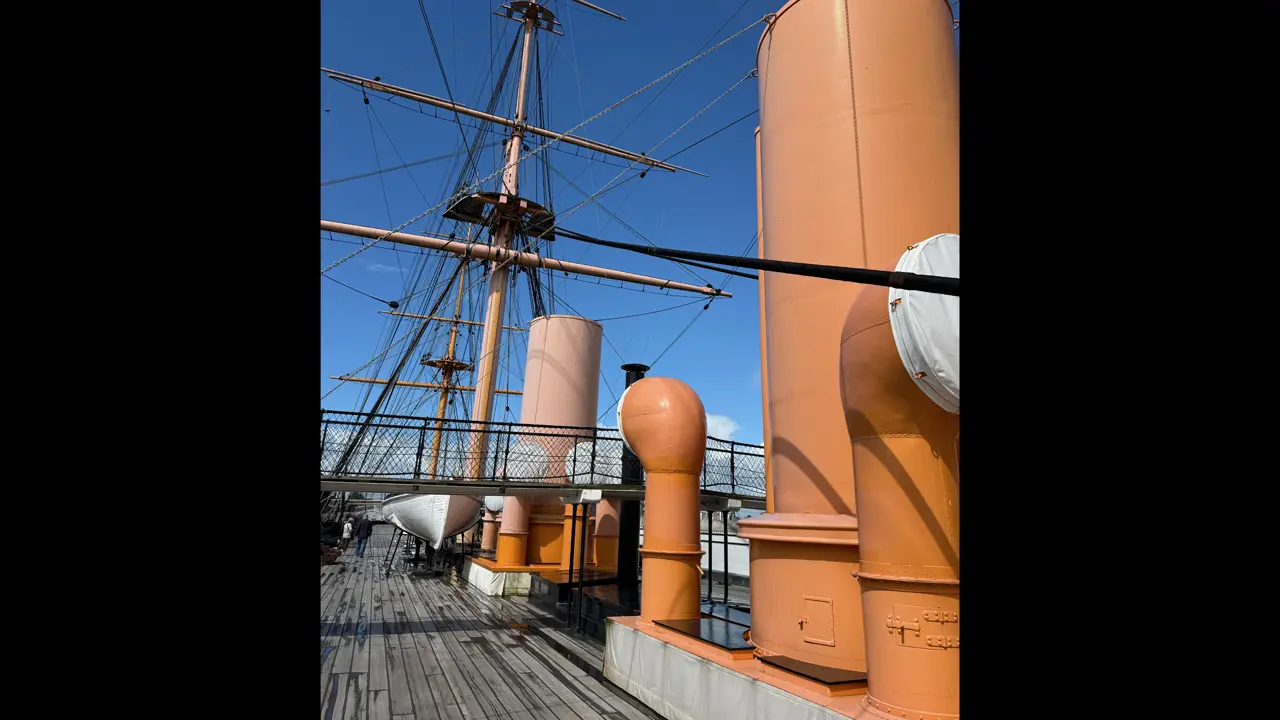
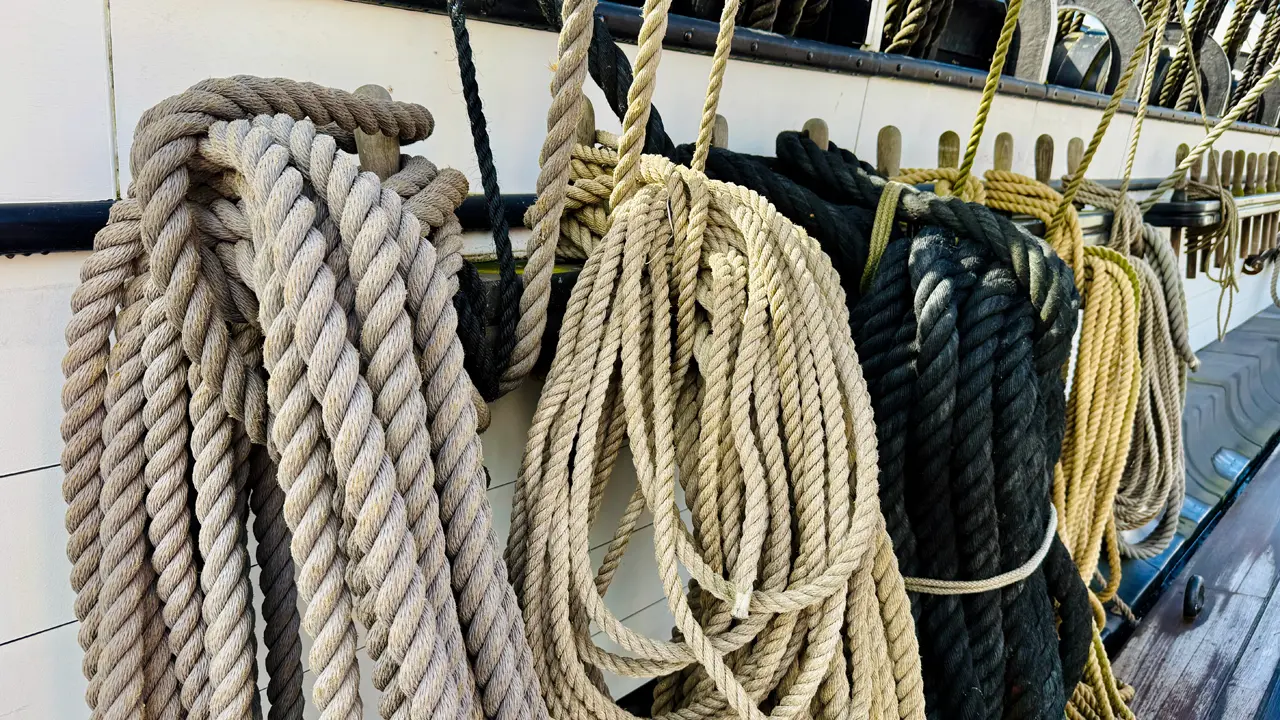
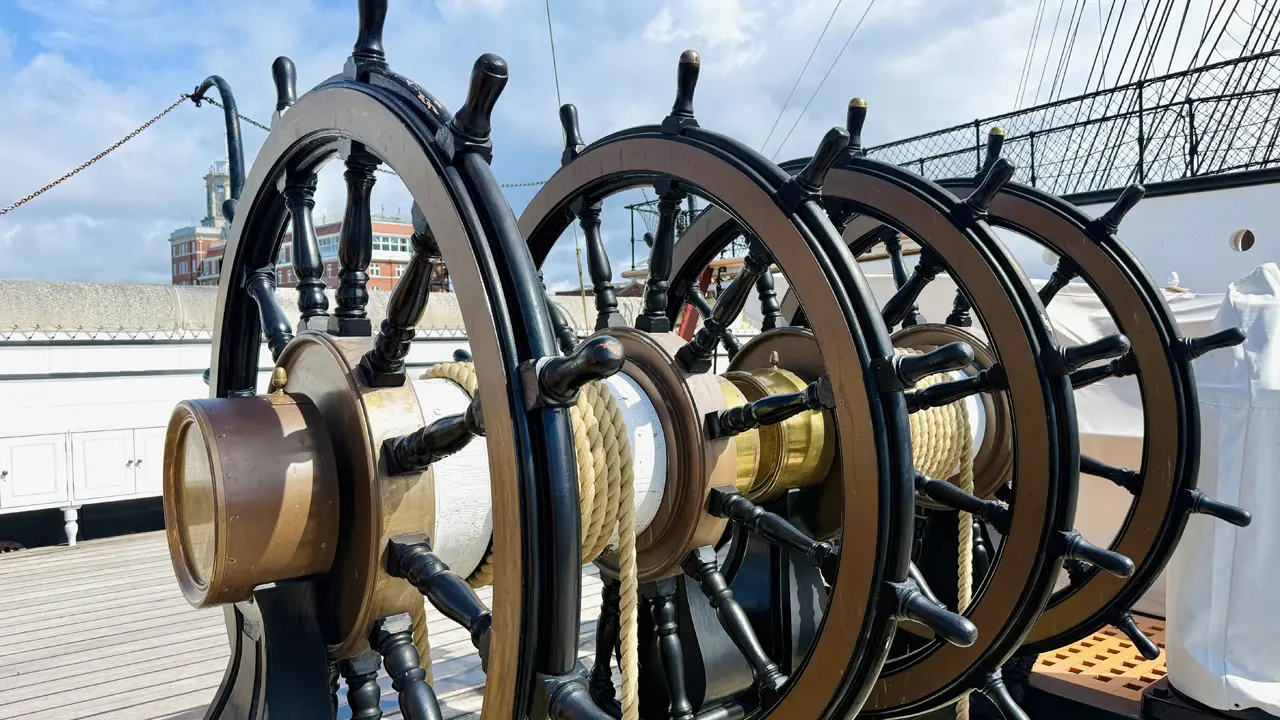
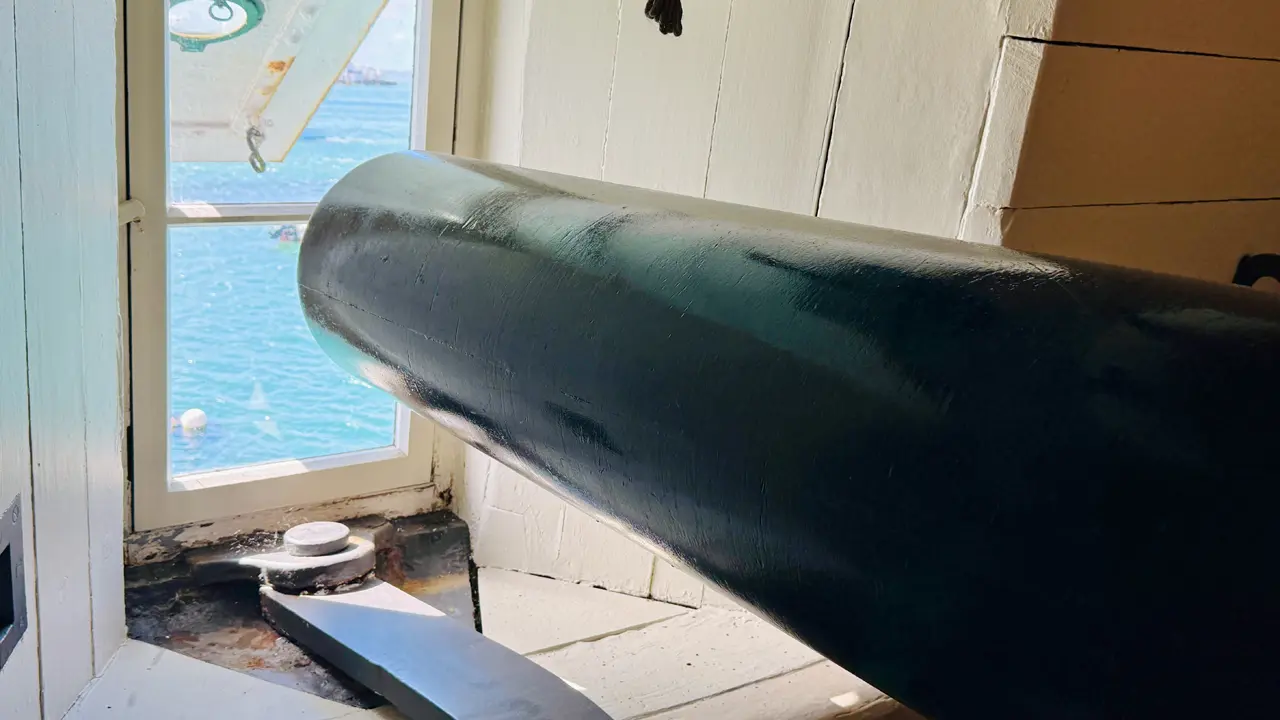
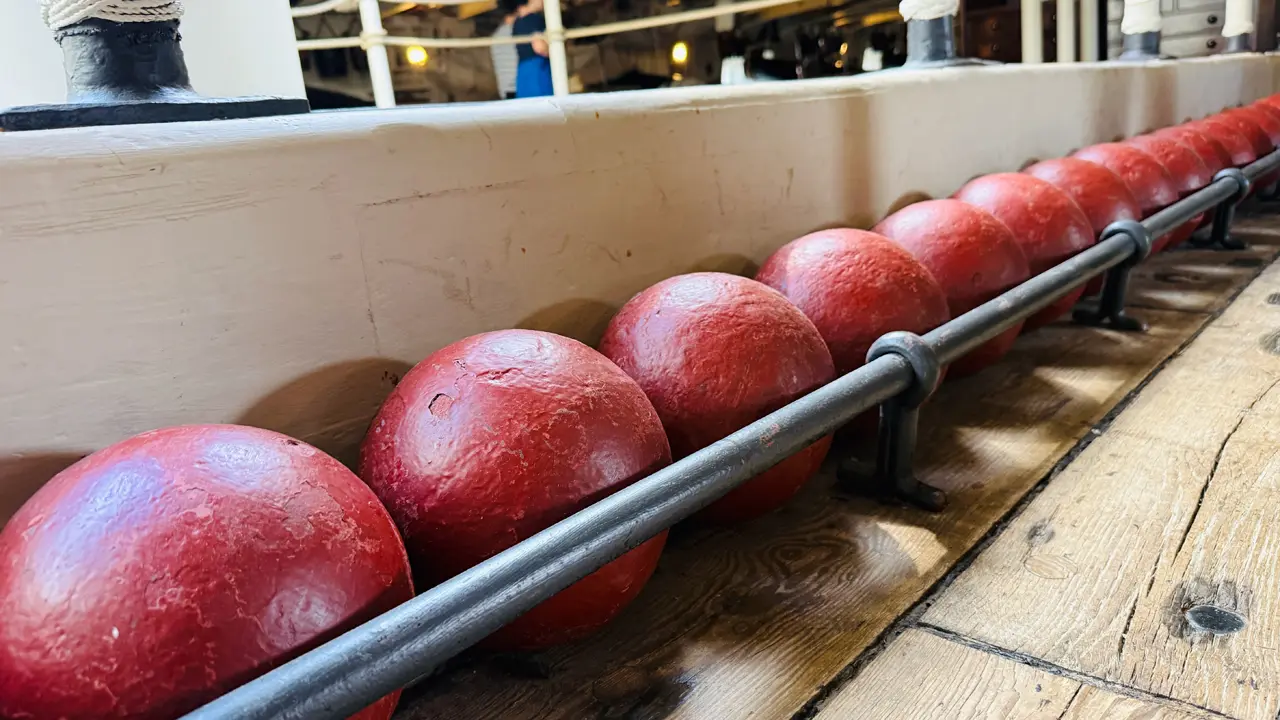
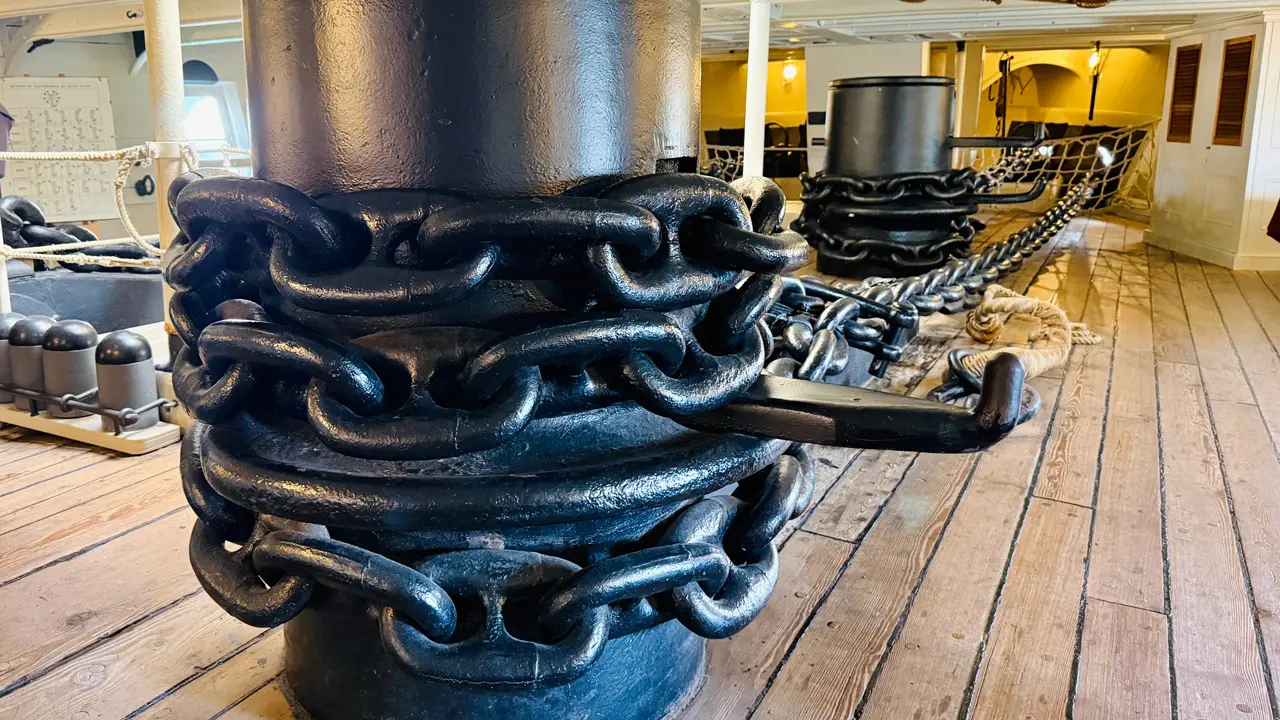
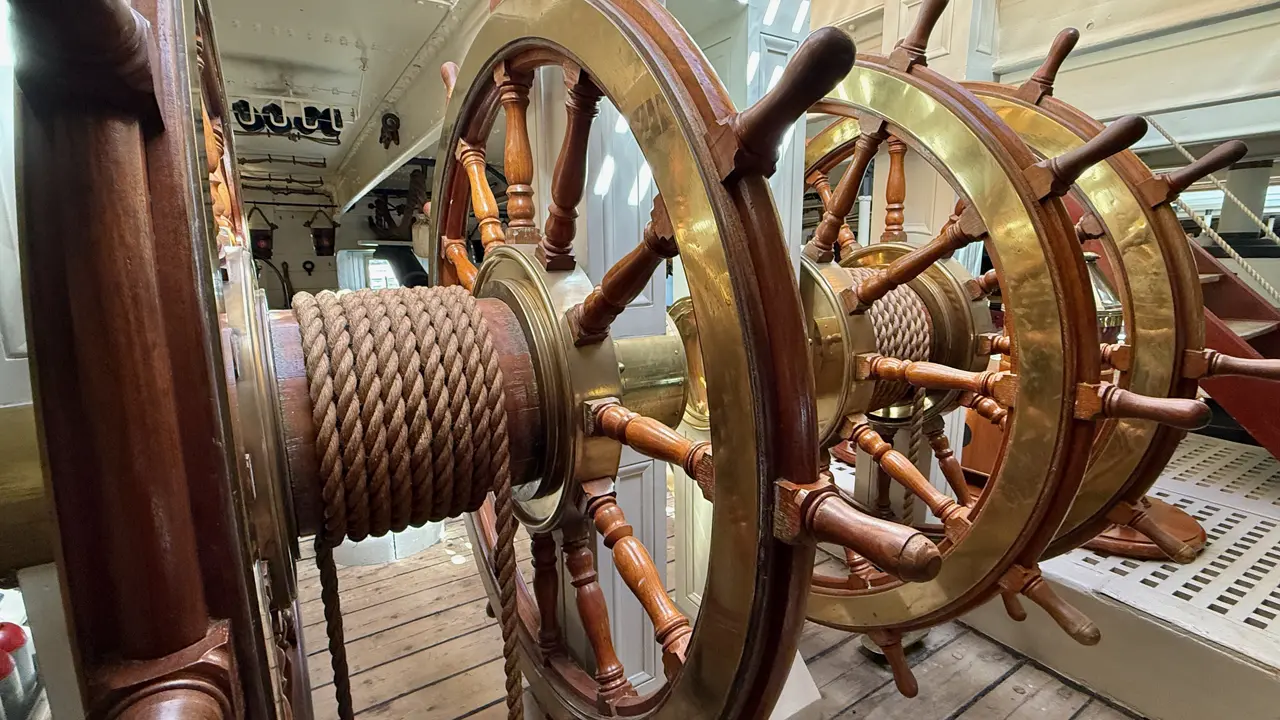
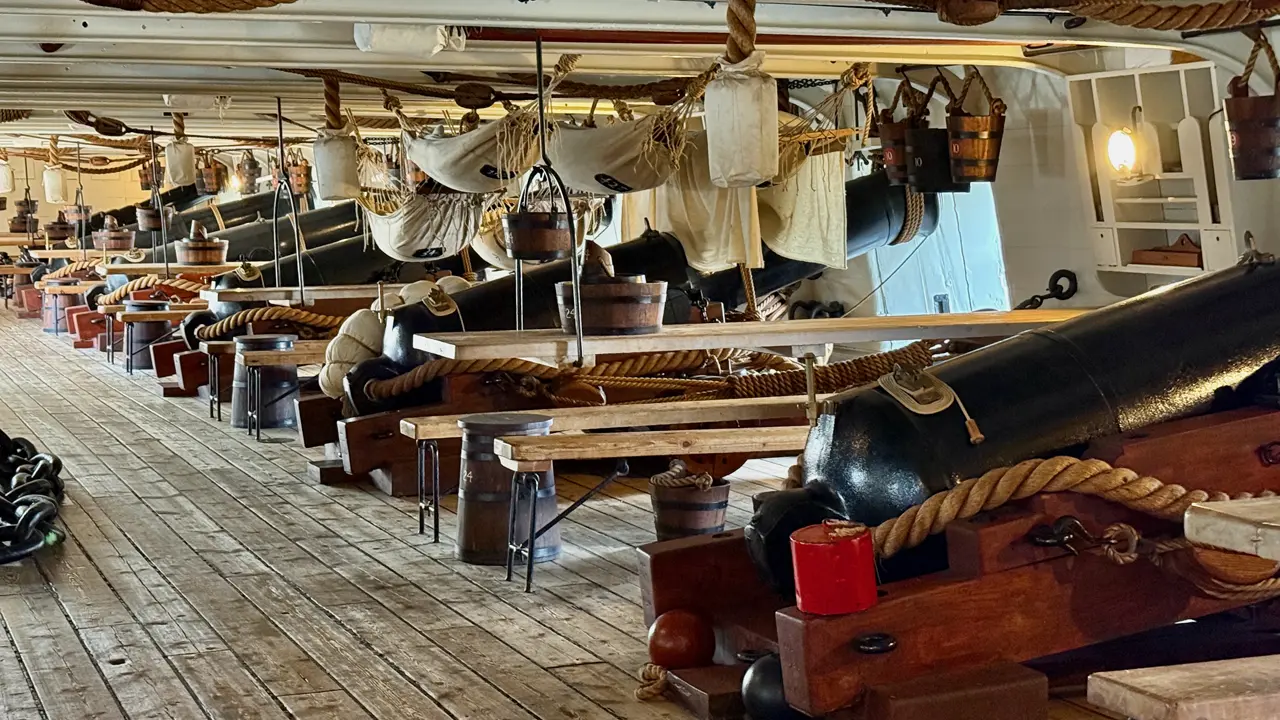
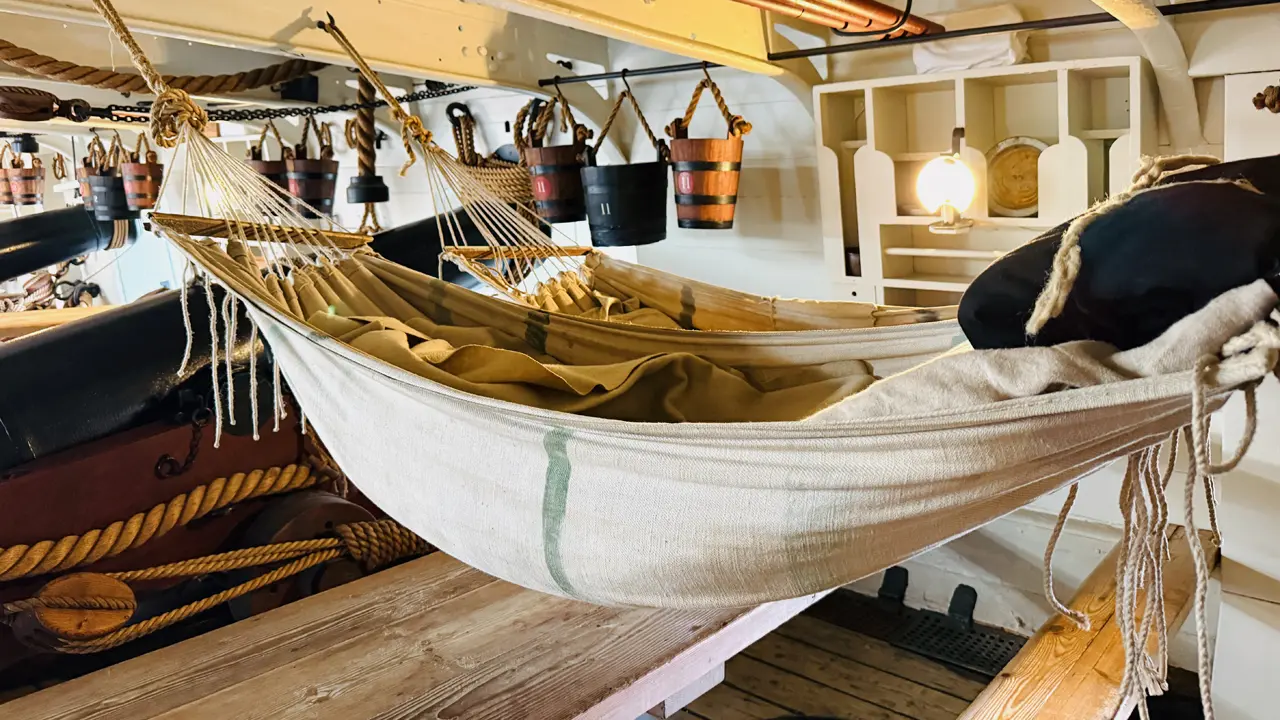
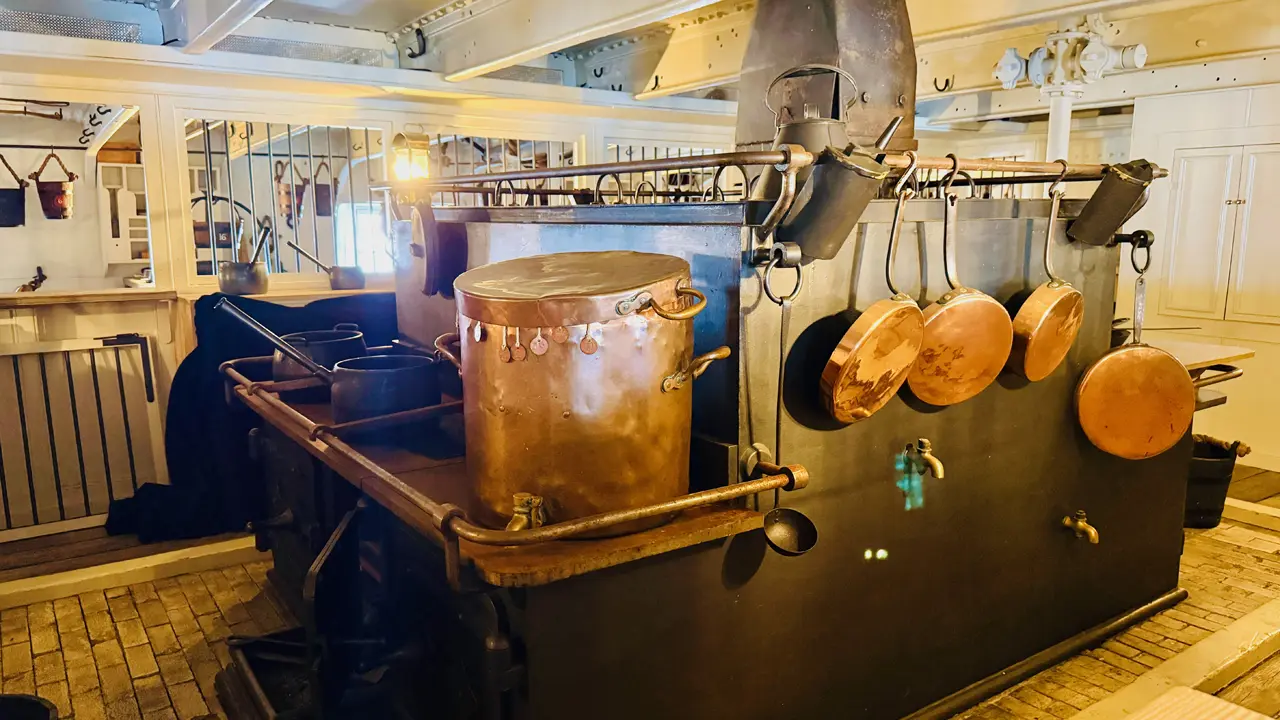
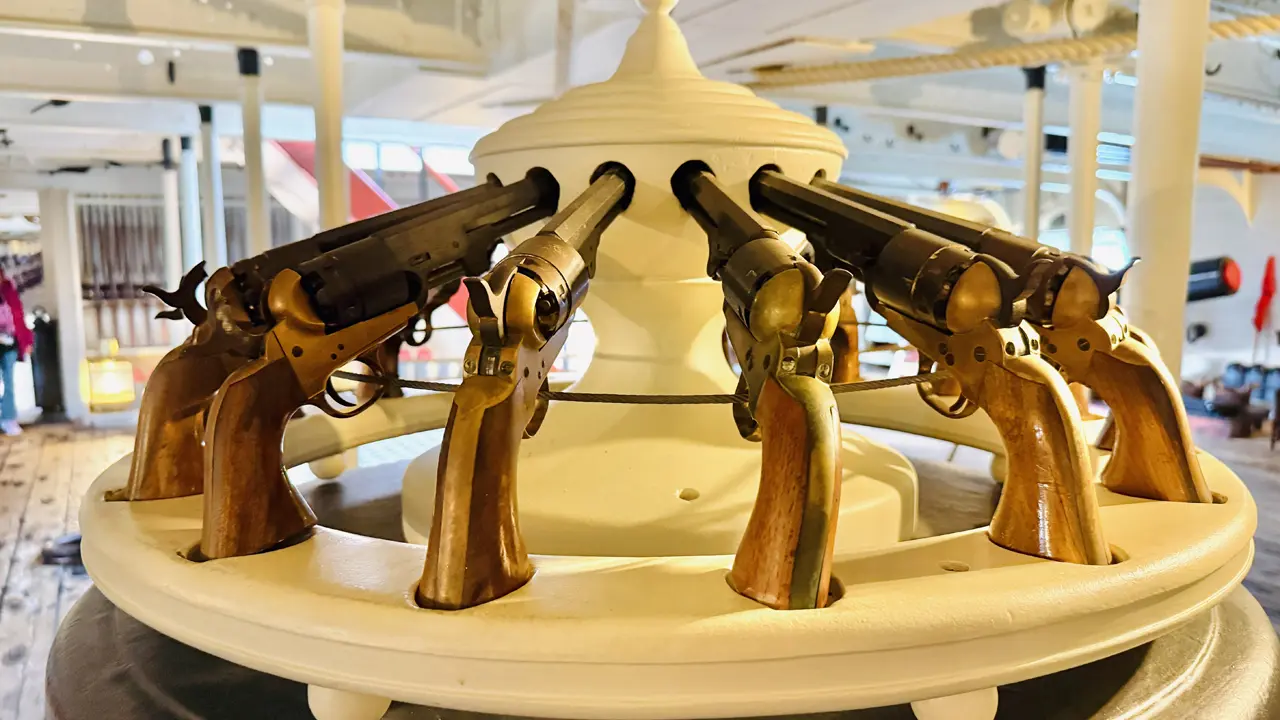
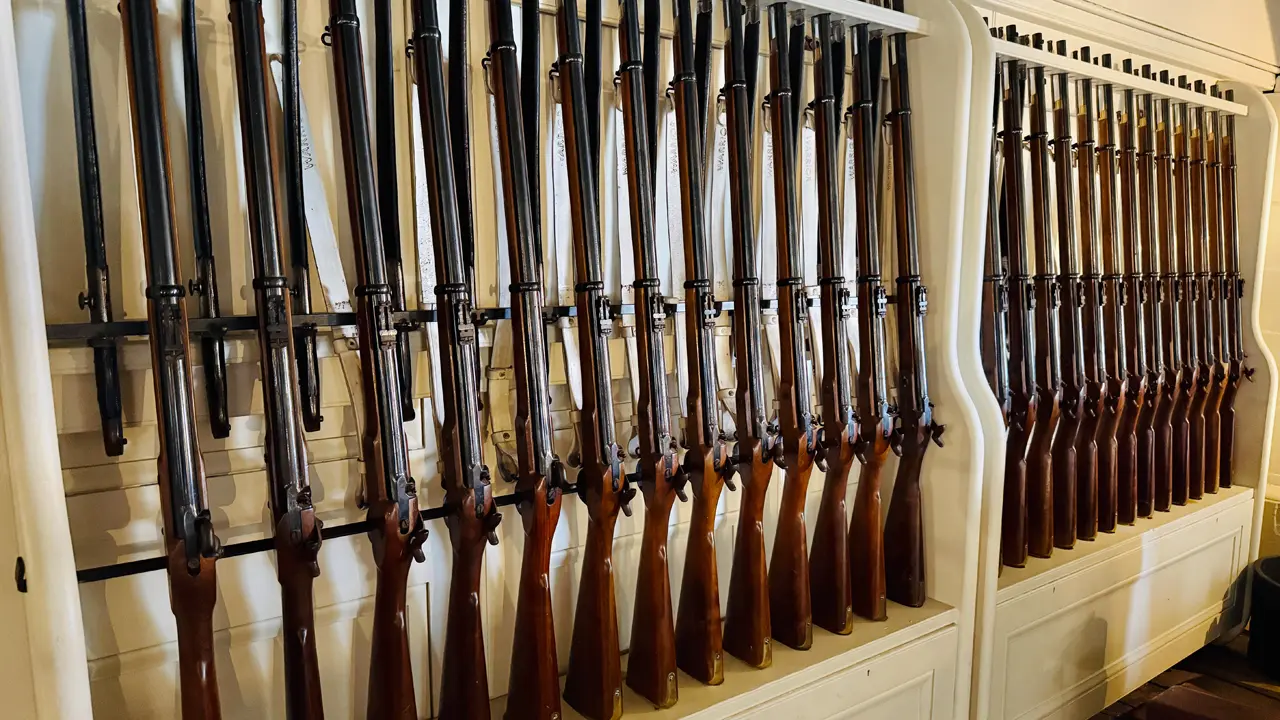
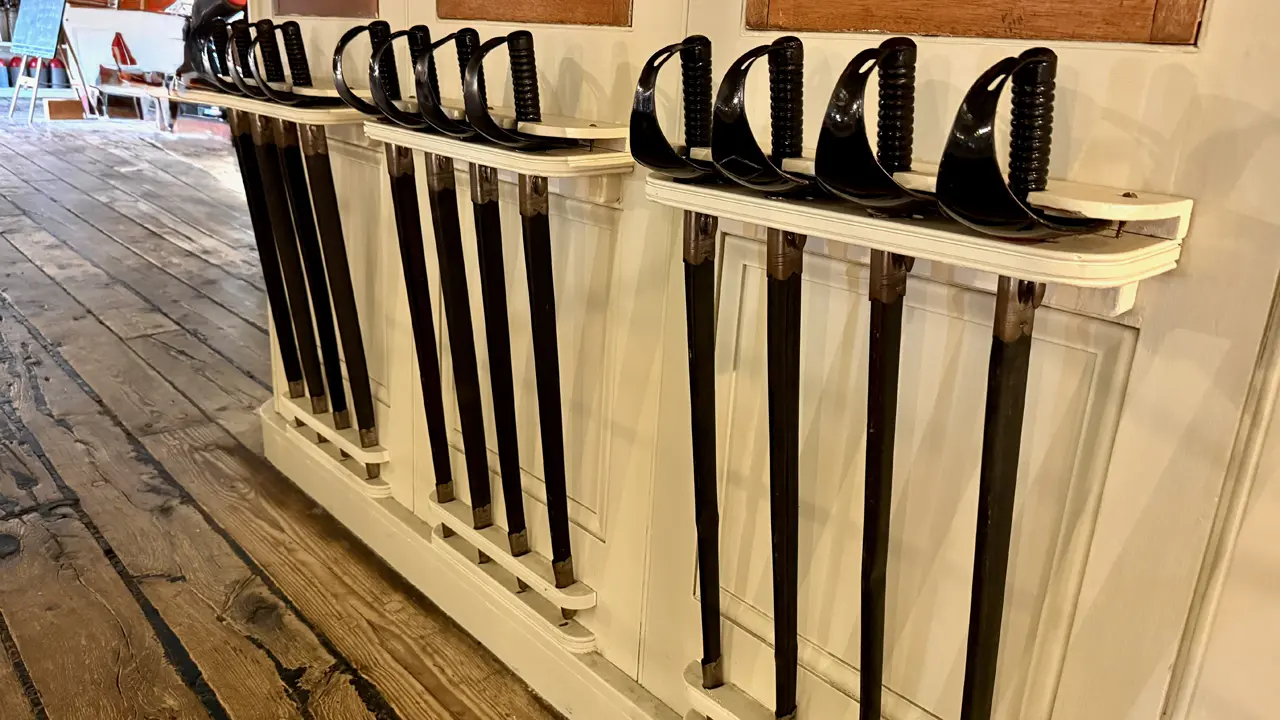
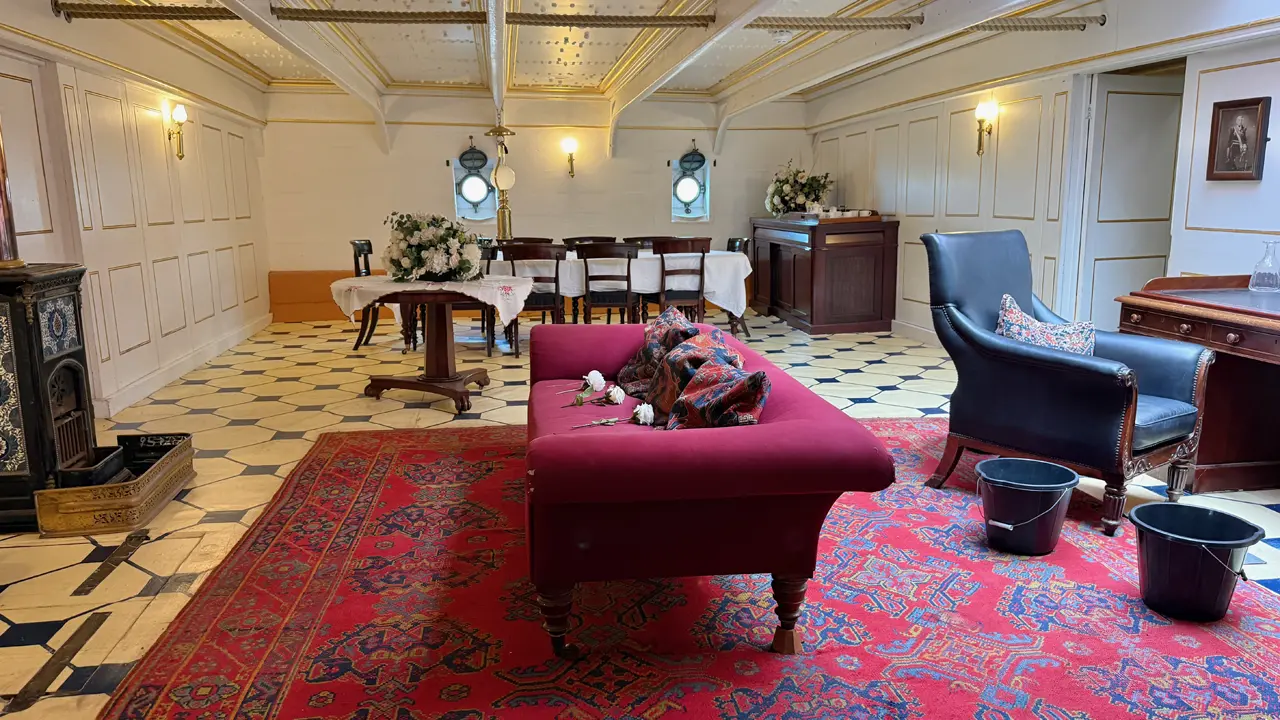
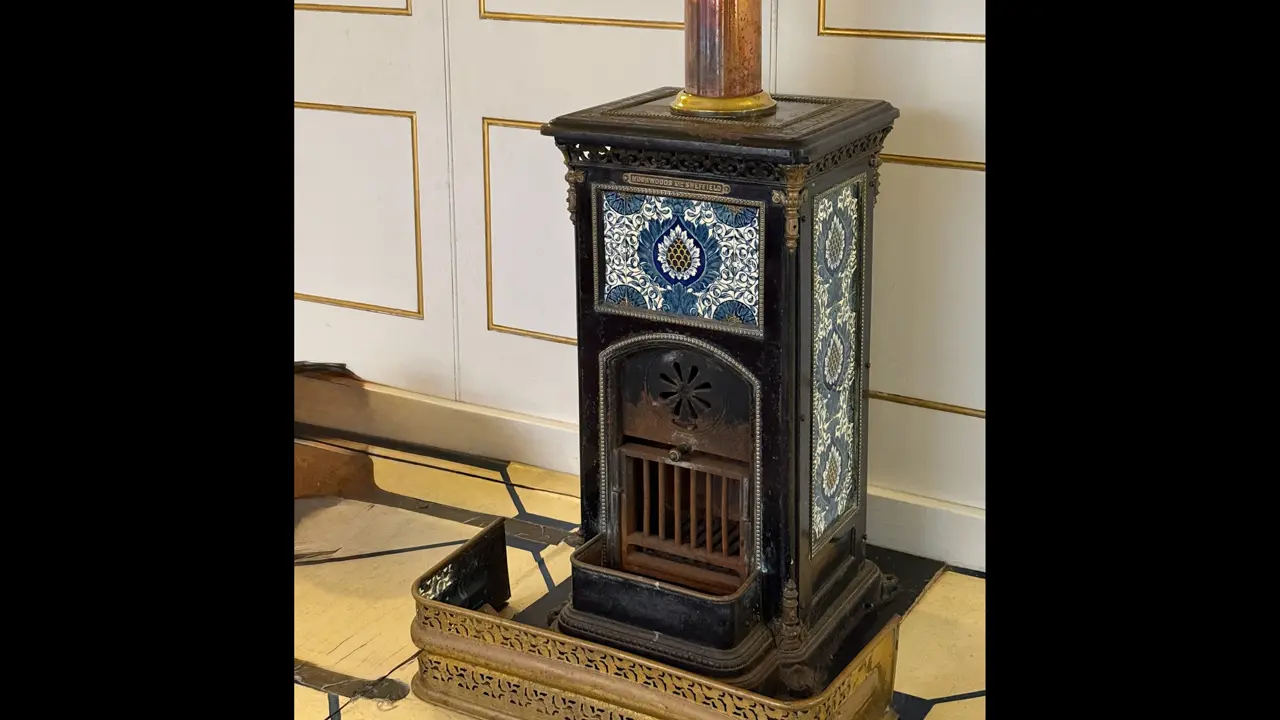
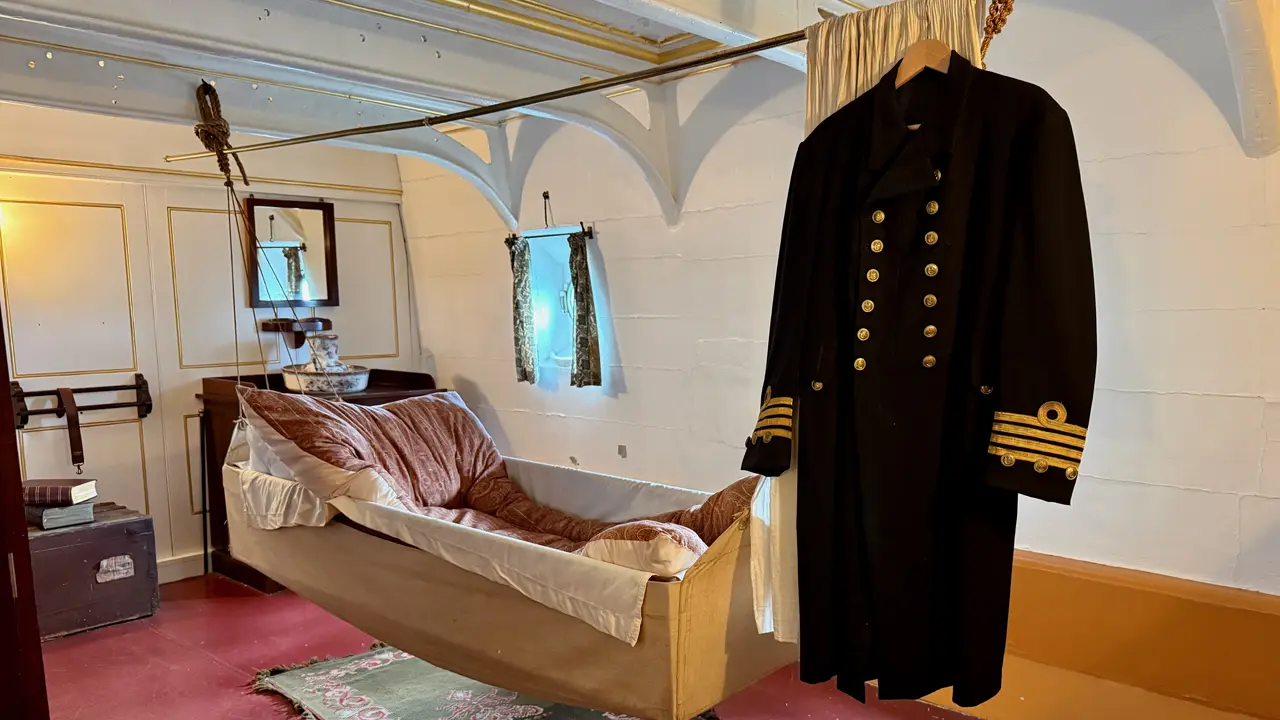
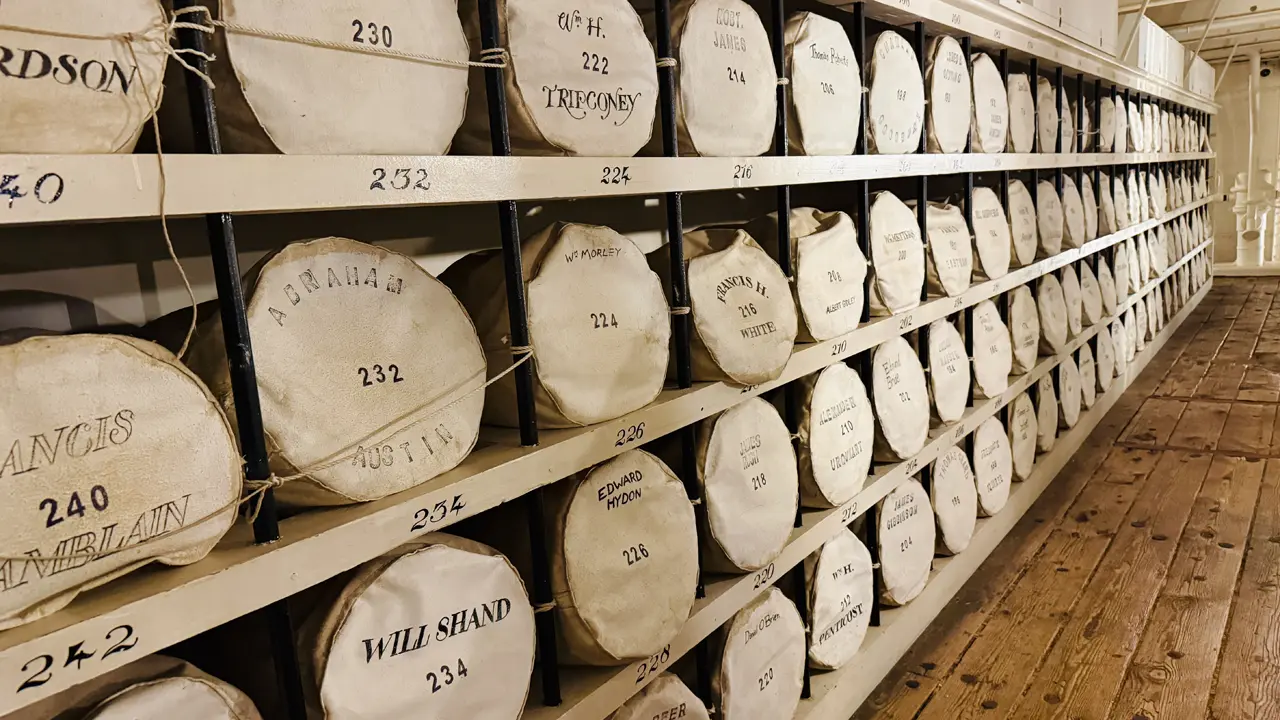
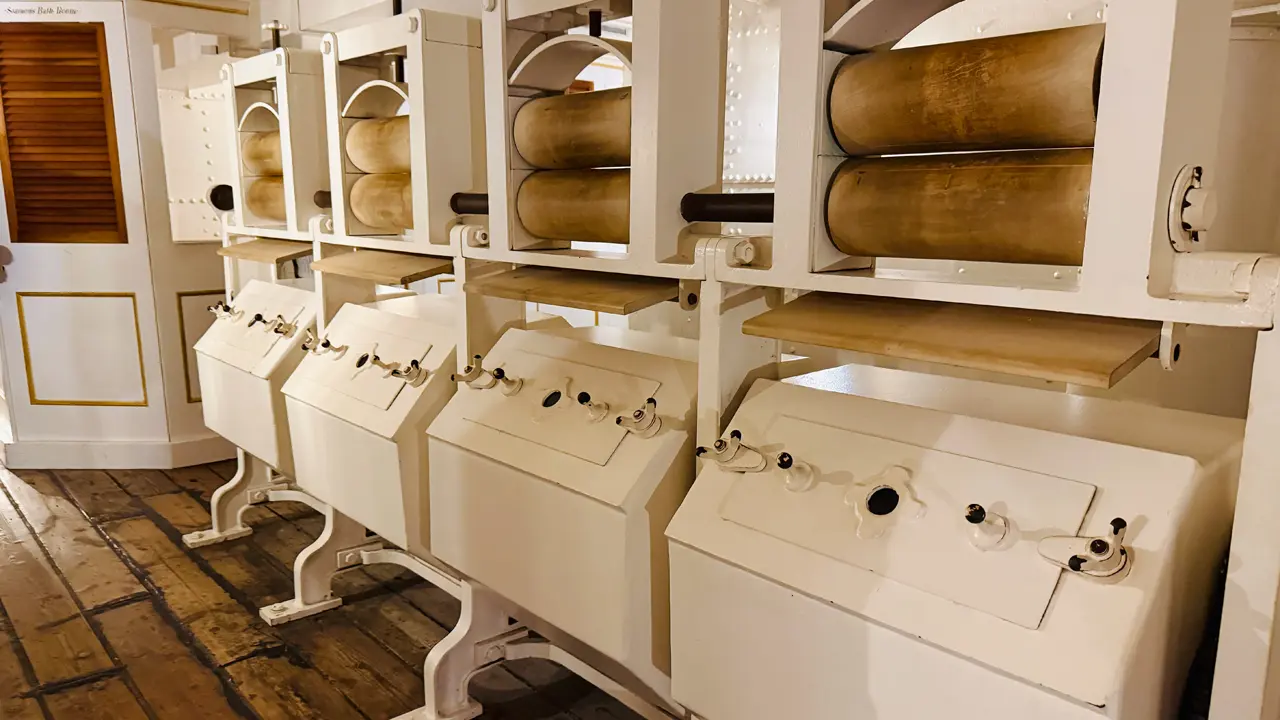
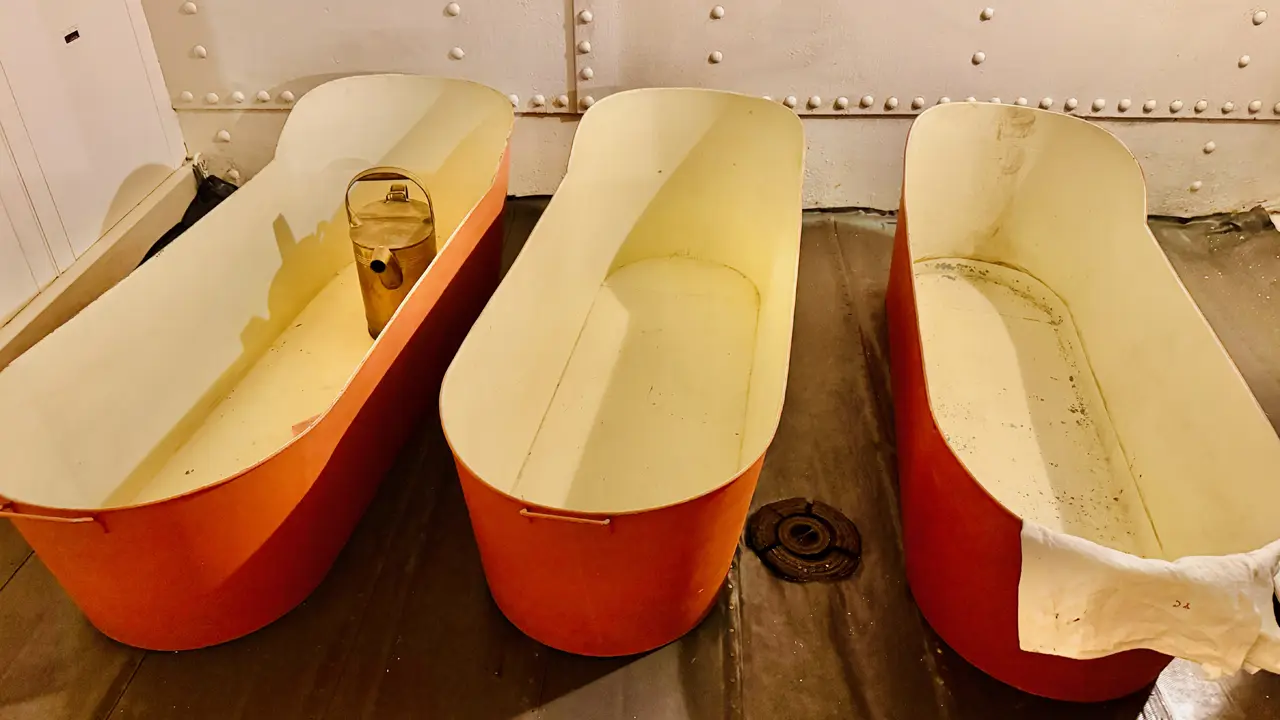
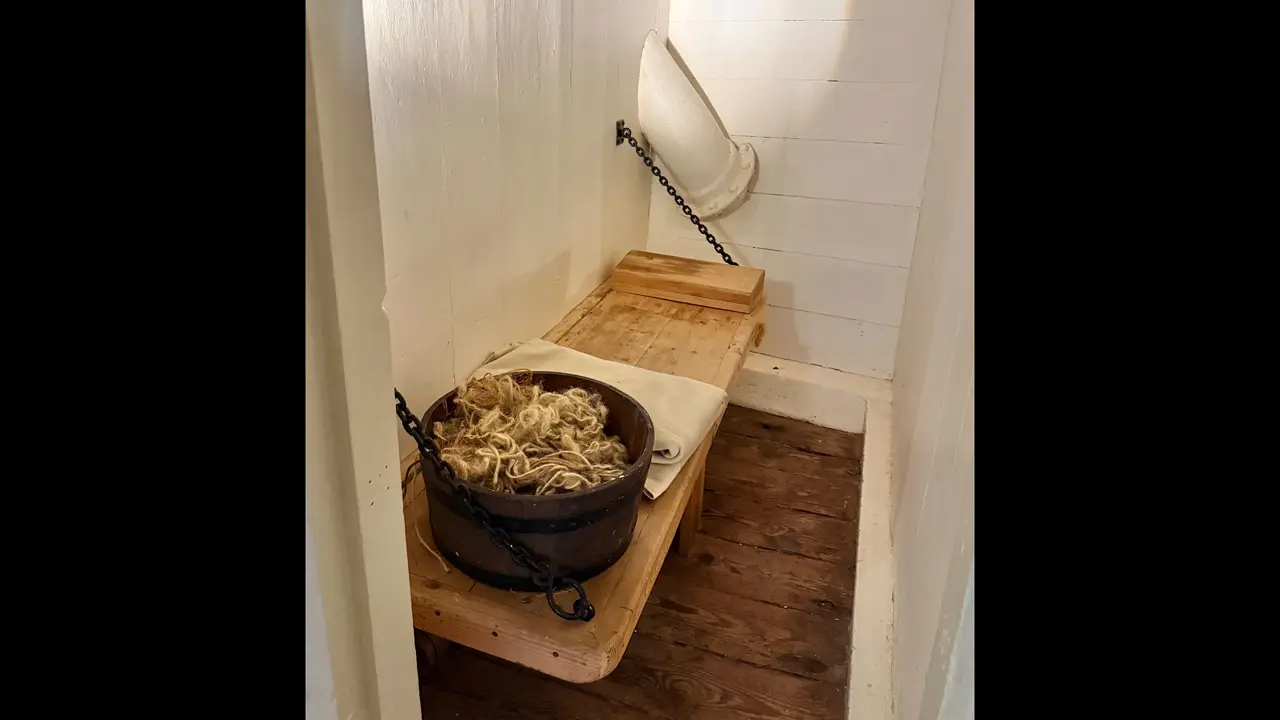
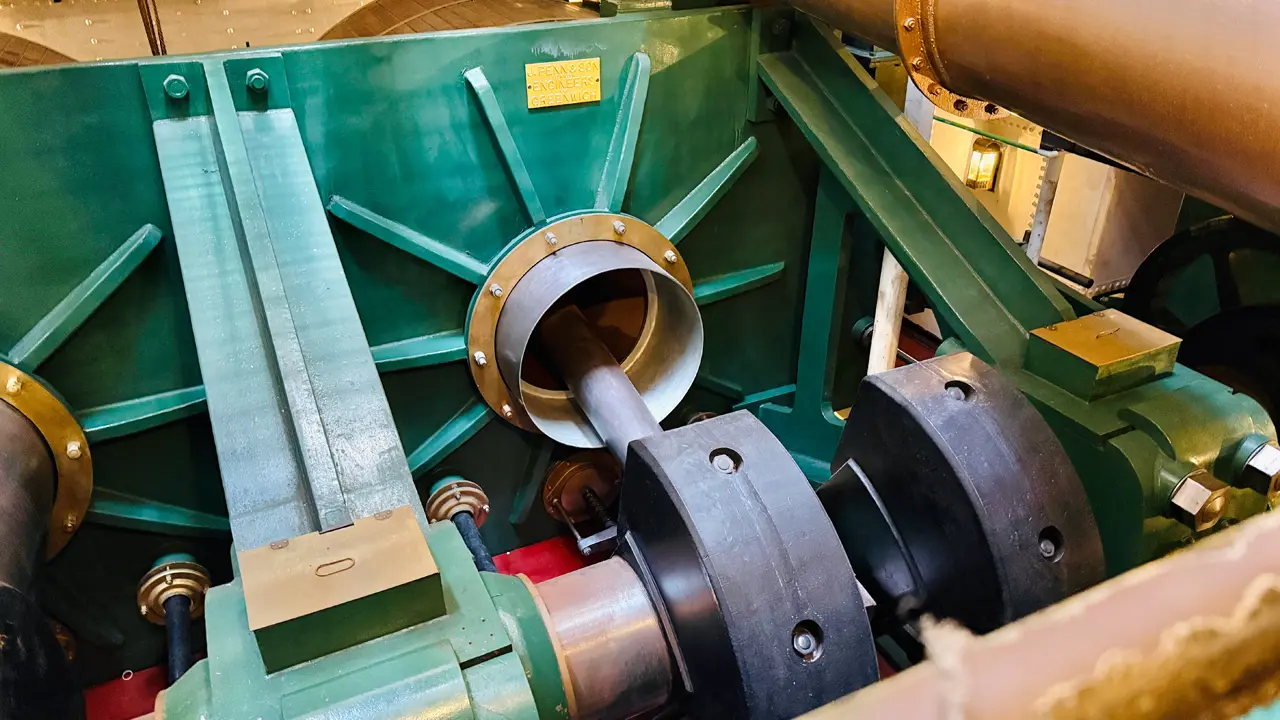
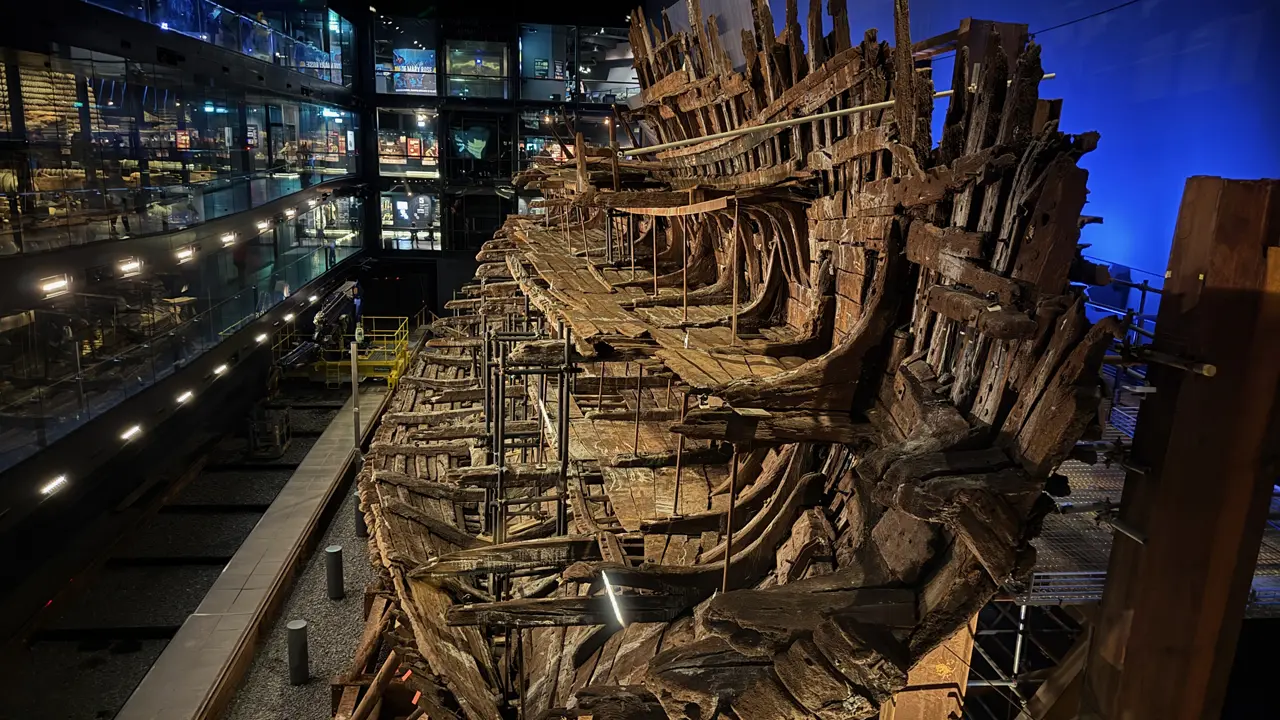
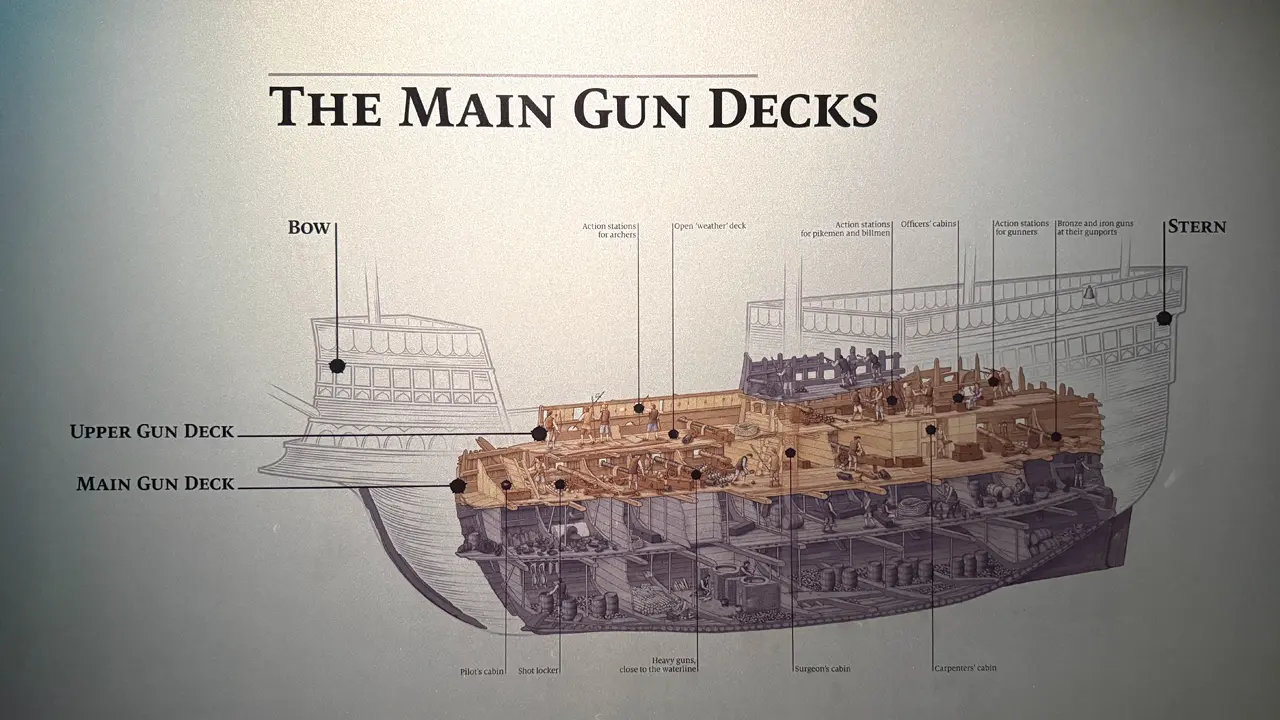
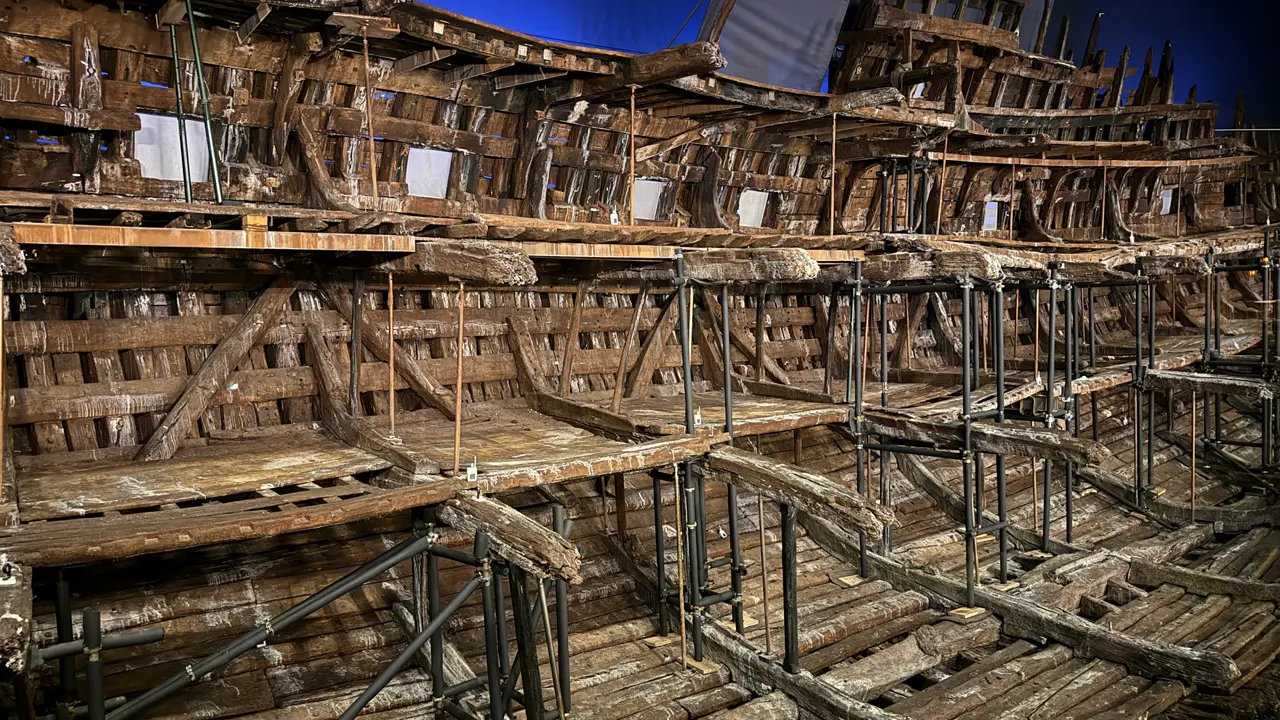
After visiting the HMS Warrior, we moved on to visit King Henry VIII’s ”Mary Rose.” She launched in 1511 as one of the first warships built in Portsmouth. She sailed for 34 years but on her final voyage from Portsmouth, she sank a mile away from port. There were more than 500 men on board when the Mary Rose sank…. only 35 survived. She stayed underwater for 437 years before she was discovered and then raised in 1982. She is widely regarded as one of the most significant and scientifically valuable shipwrecks ever discovered.
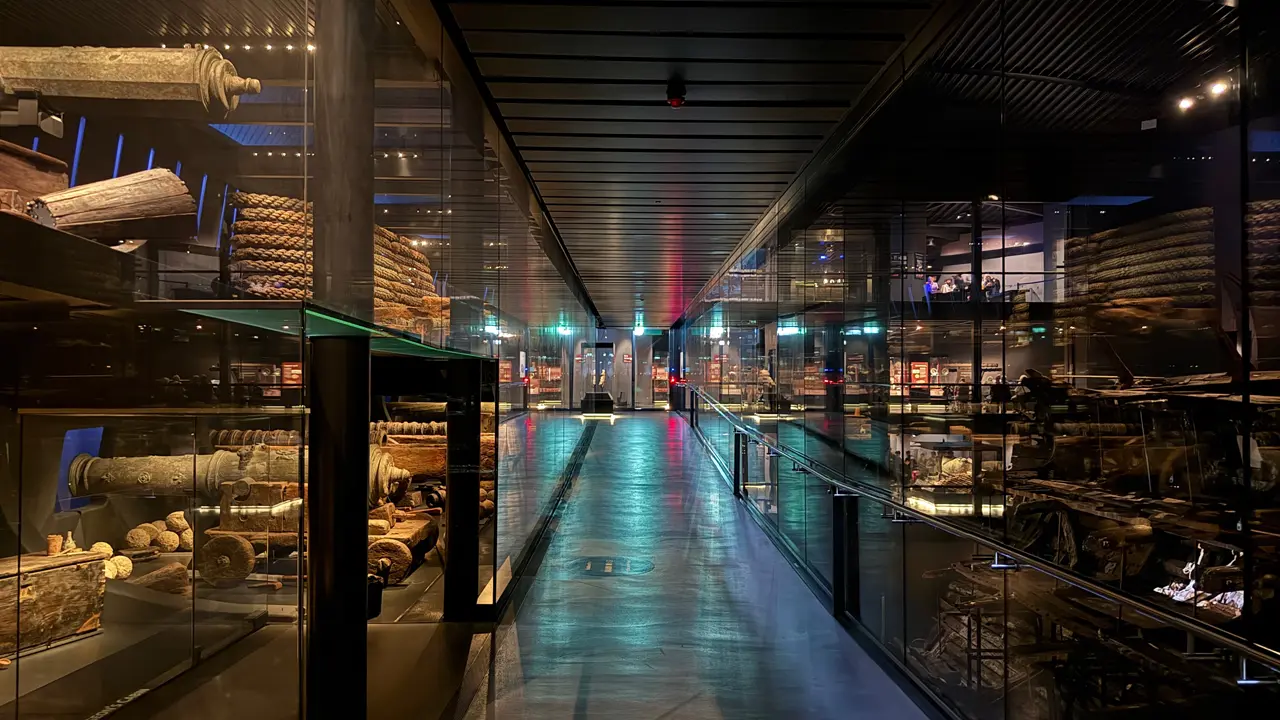
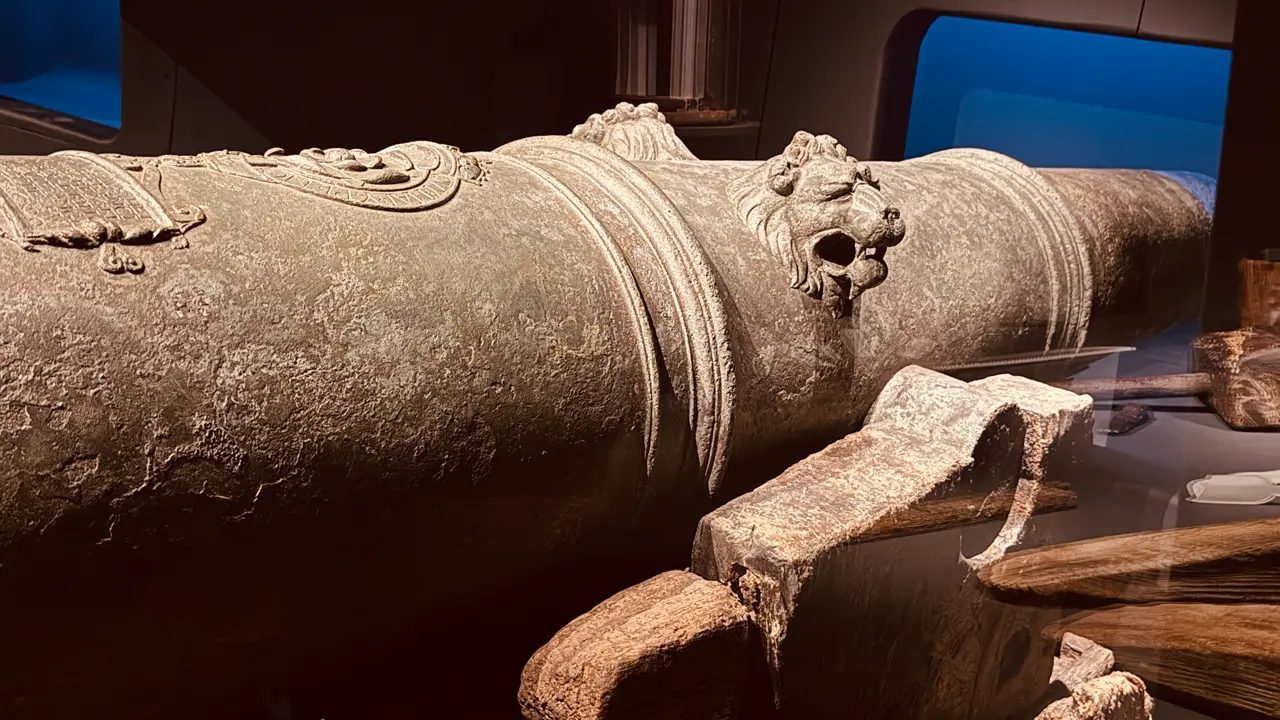
We were blown away! Along with the ship’s hull on display, there are over 19,000 original artifacts. The museum is a show stopper! One of the best we’ve visited!
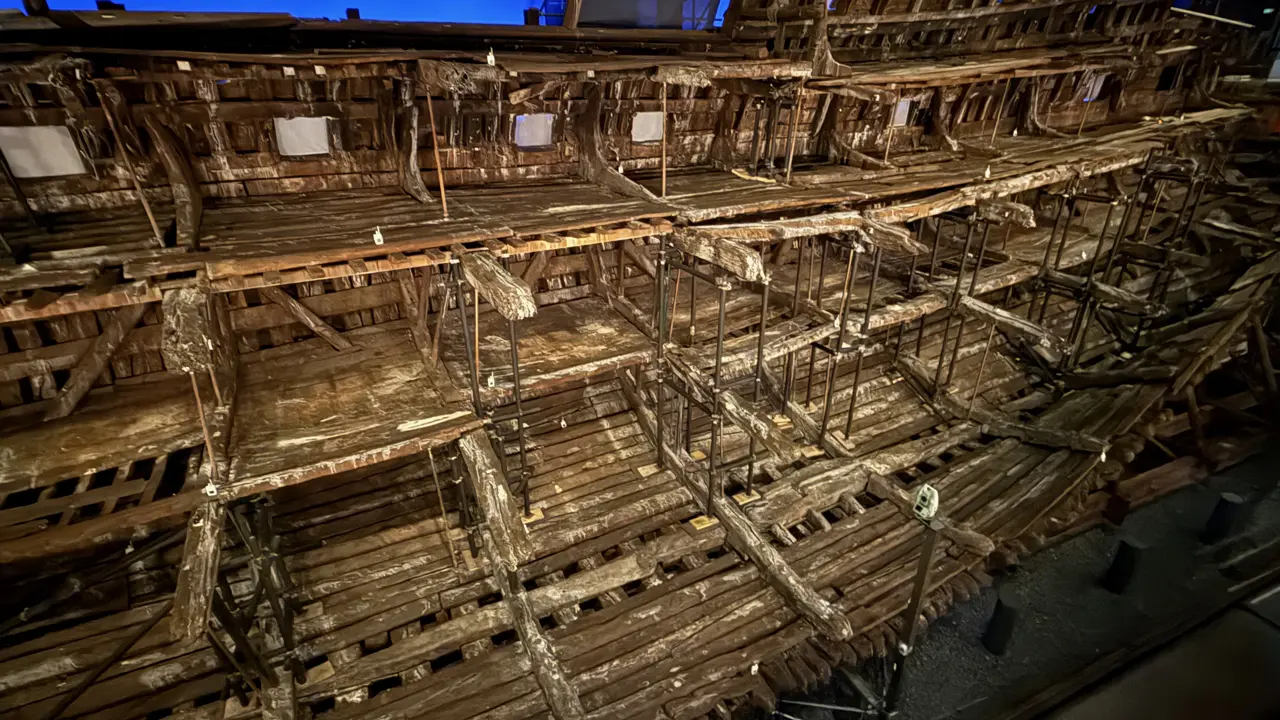
The Mary Rose sank on her starboard side, leaving the port side to be slowly destroyed over 400+ years by erosion and marine animals, fungi and bacteria. The starboard side survived because it became buried in the mud, which protected it from the underwater currents and from destructive organisms. Therefore a large section of the starboard side hull was able to be brought up in one piece.
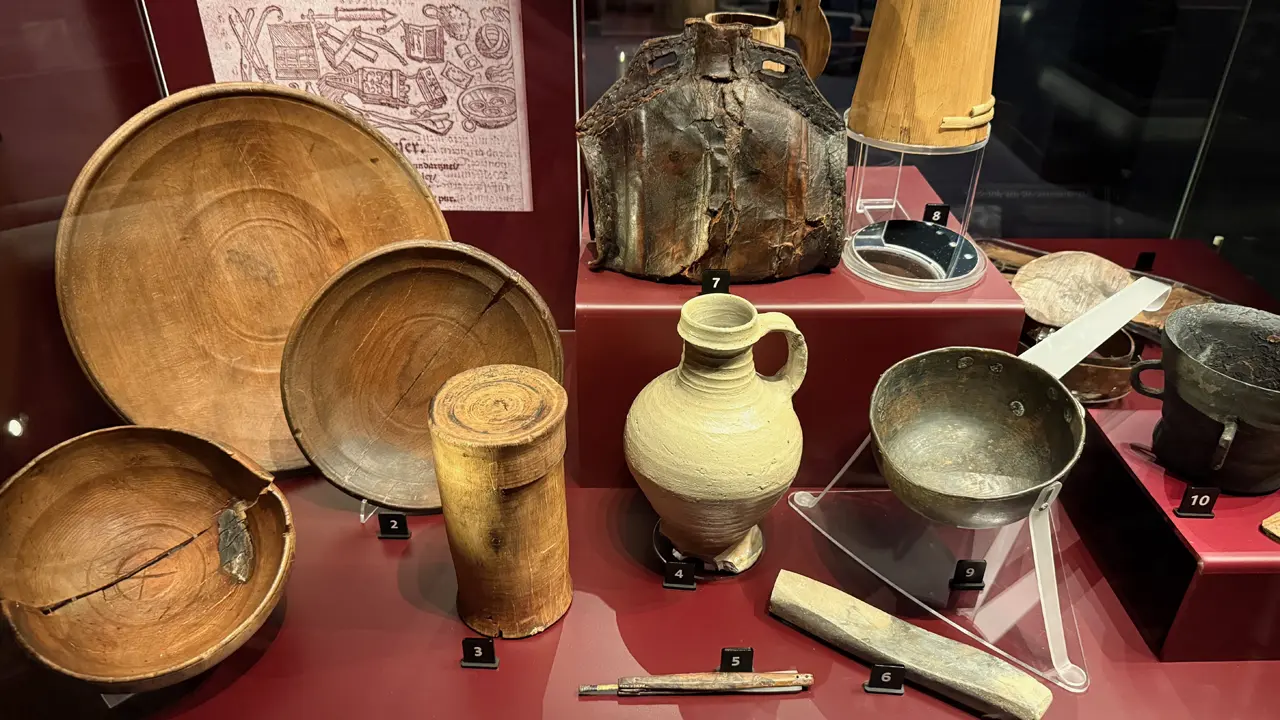
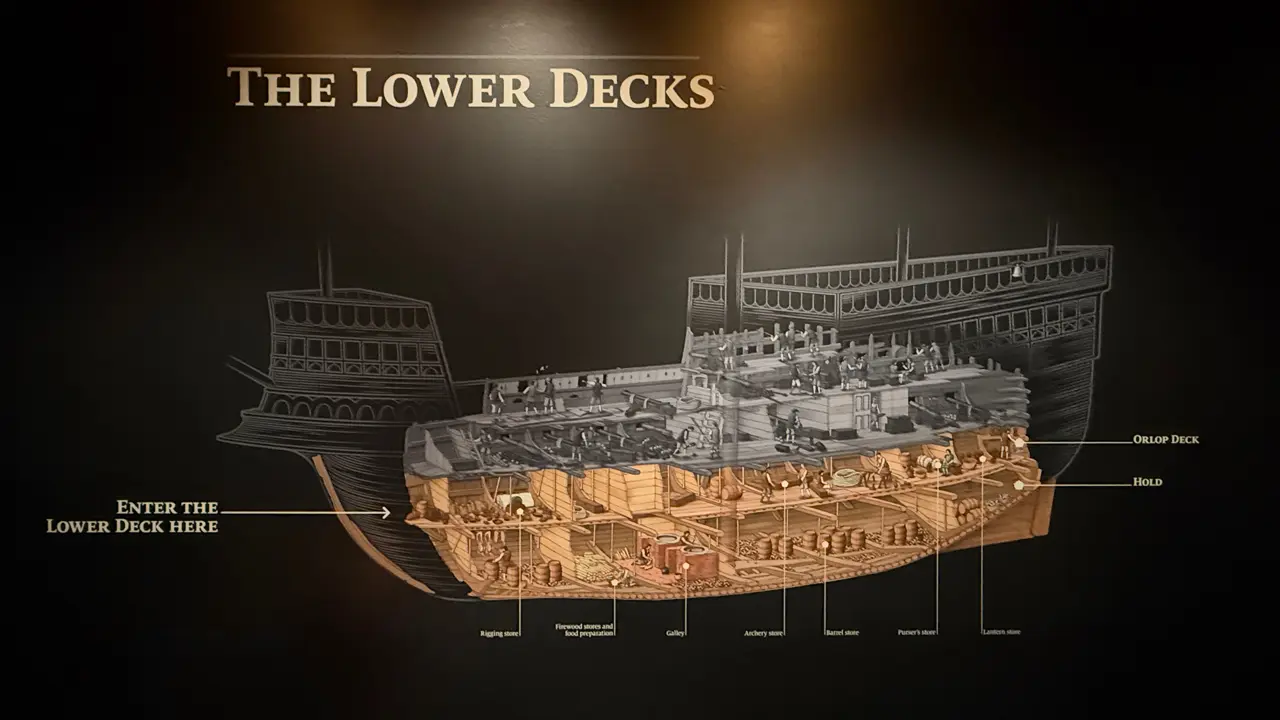
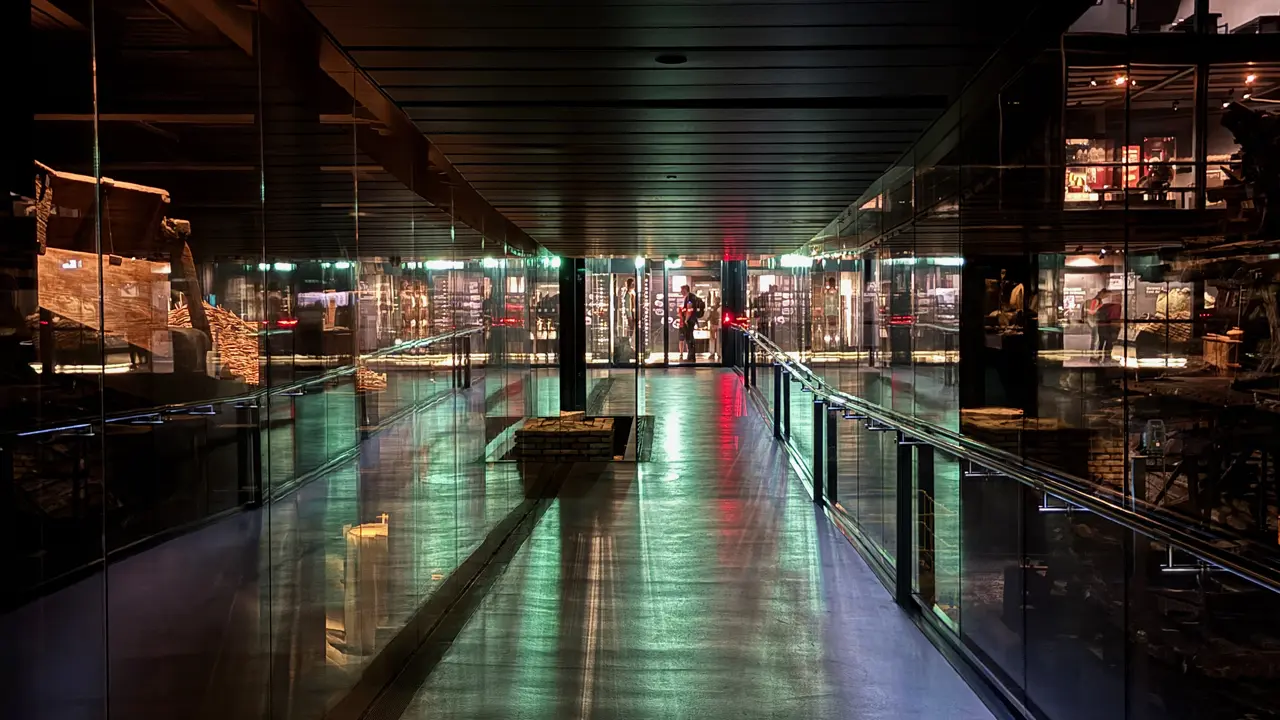
The museum was arranged on 3 floors. You were able to walk along a central corridor on each floor and on the left side were artifacts behind glass and on the right were the decks of the Mary Rose. The idea being that the glass cases on one side mirrored what you would be seeing on the actual ship to your right. Along with it were piped in sounds and occasional video projections and holograms. Extraordinarily well done!
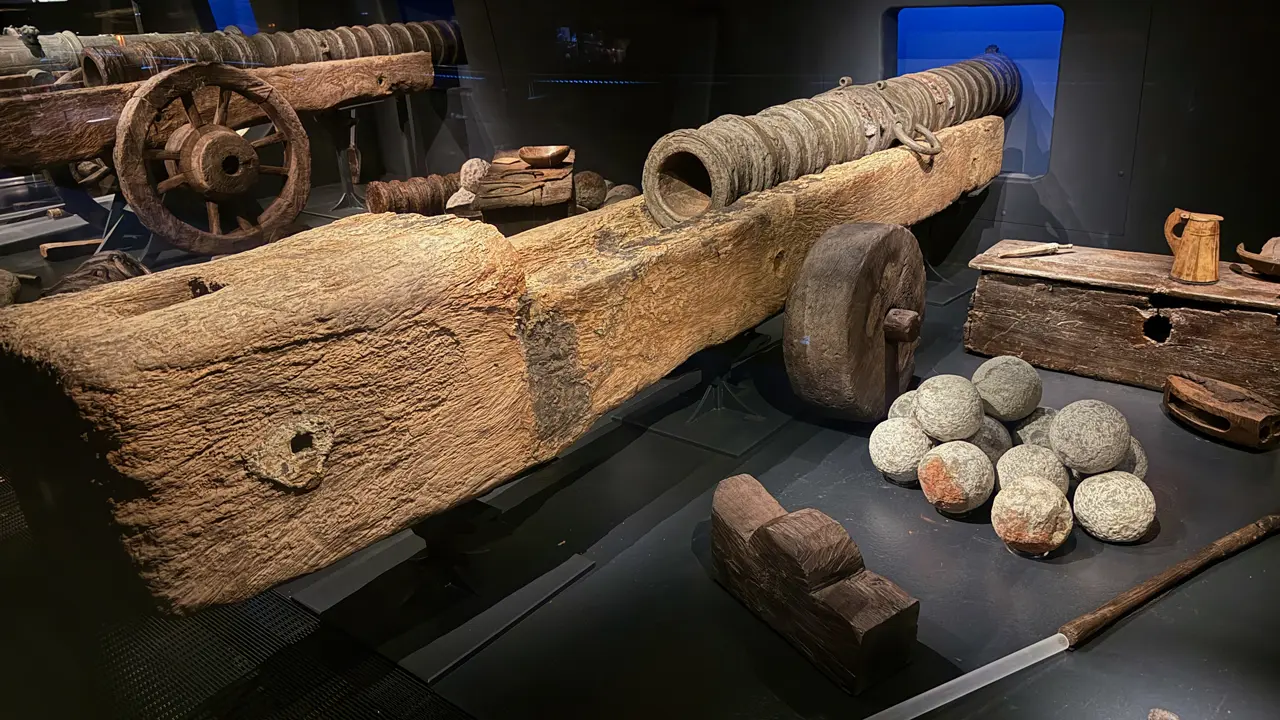
Some of the original artifacts on display:
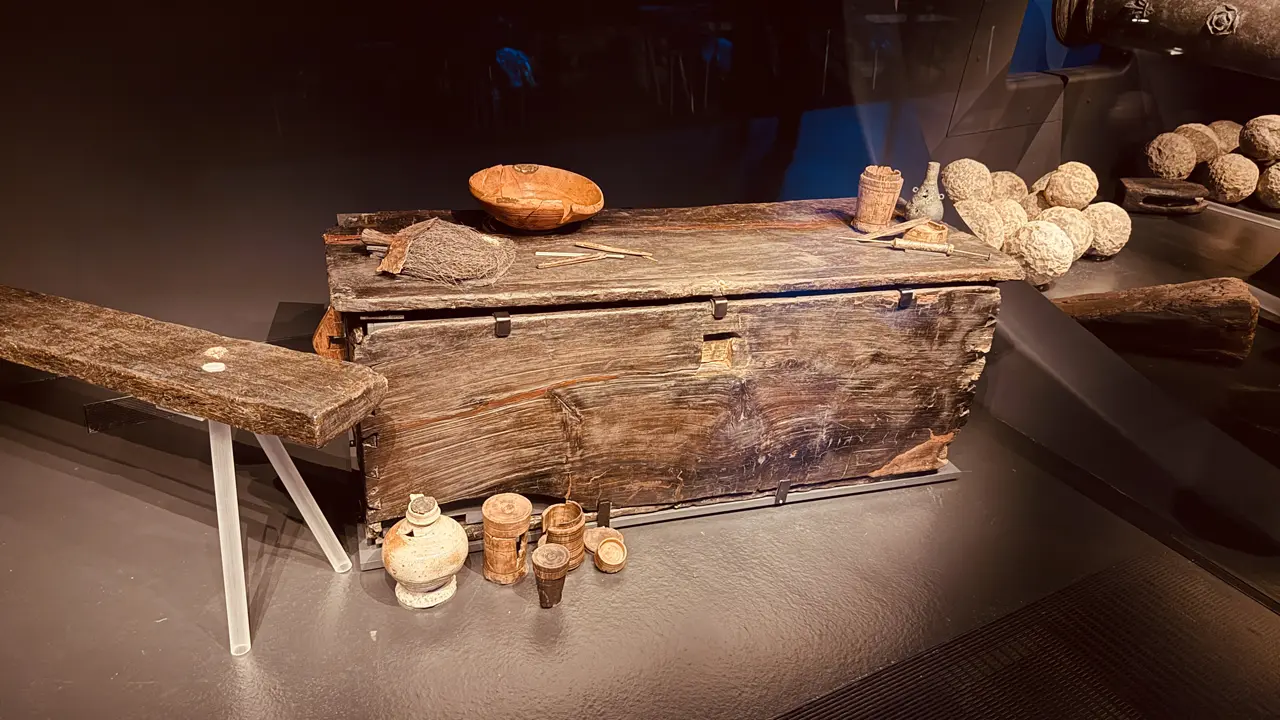
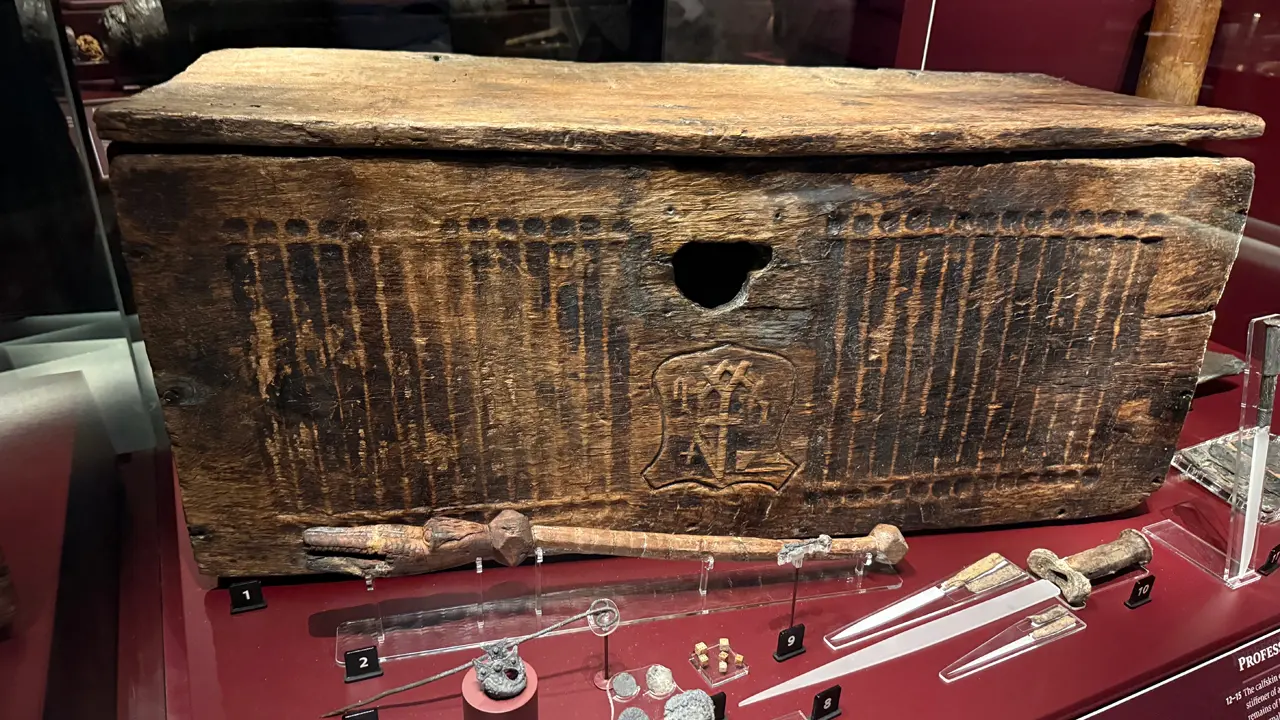
- There were 50 chests found. Many with their contents still inside.
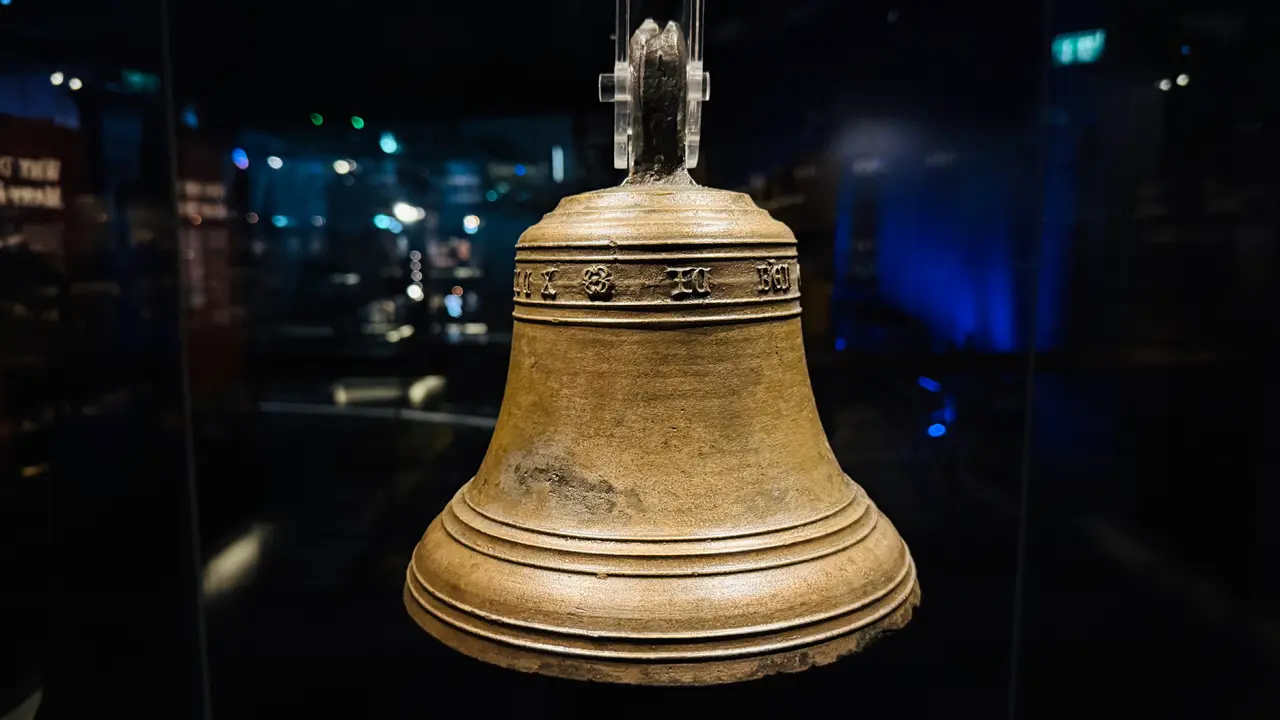
- There was an original bell cast in 1510.
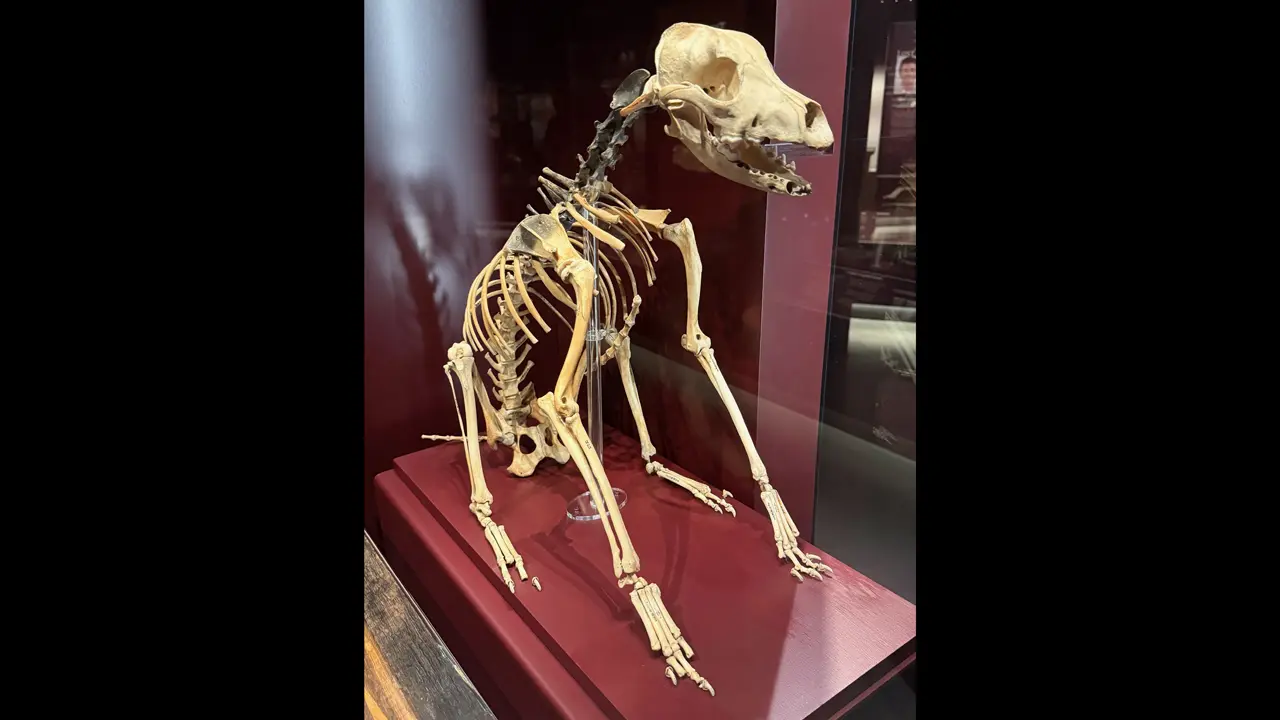
- The skeleton of Hatch, the ship’s dog (archeologists named him). He was discovered outside the carpenter’s cabin and would have been responsible for catching rats.
- The only thing not original were some of the blades from the knives. They were made of a frosted acrylic.
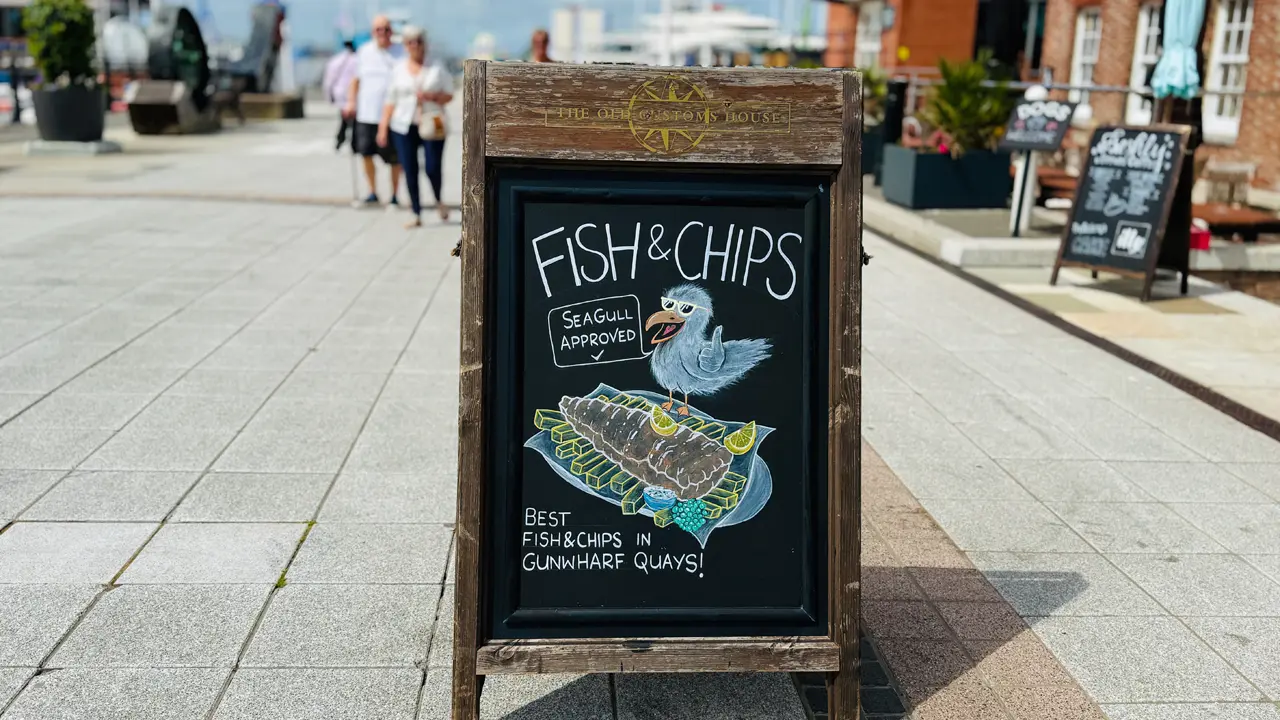
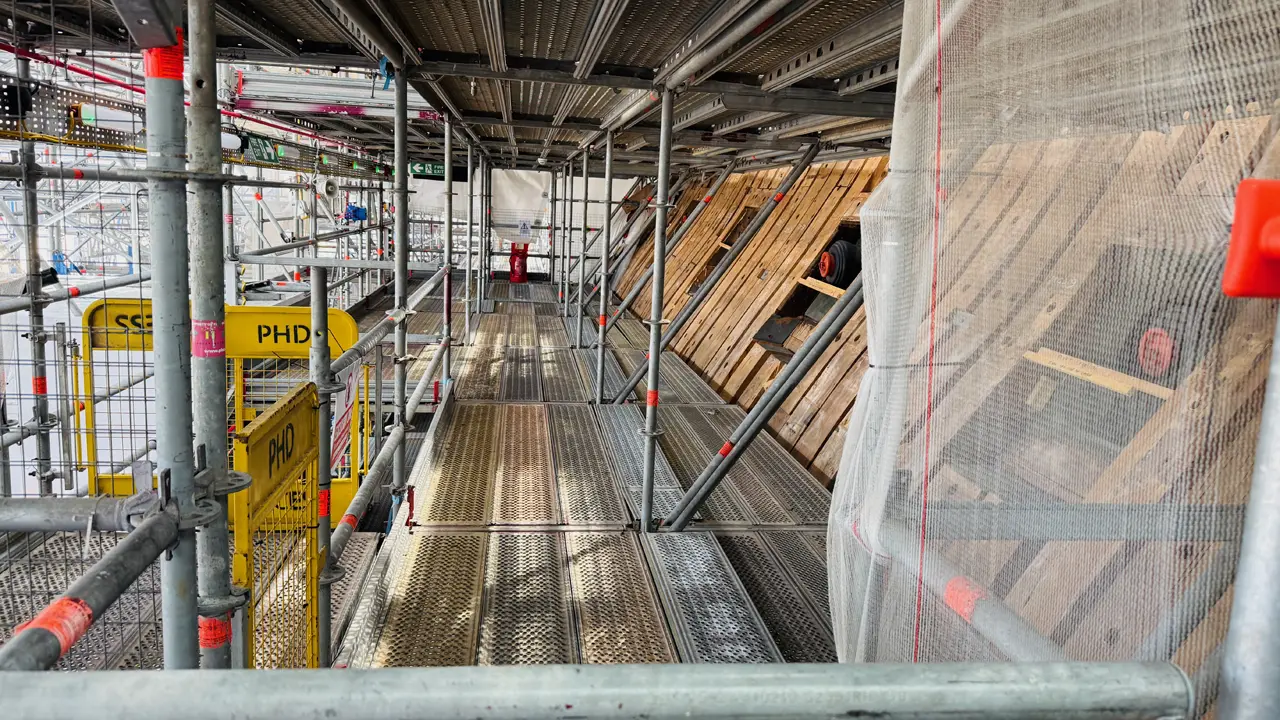
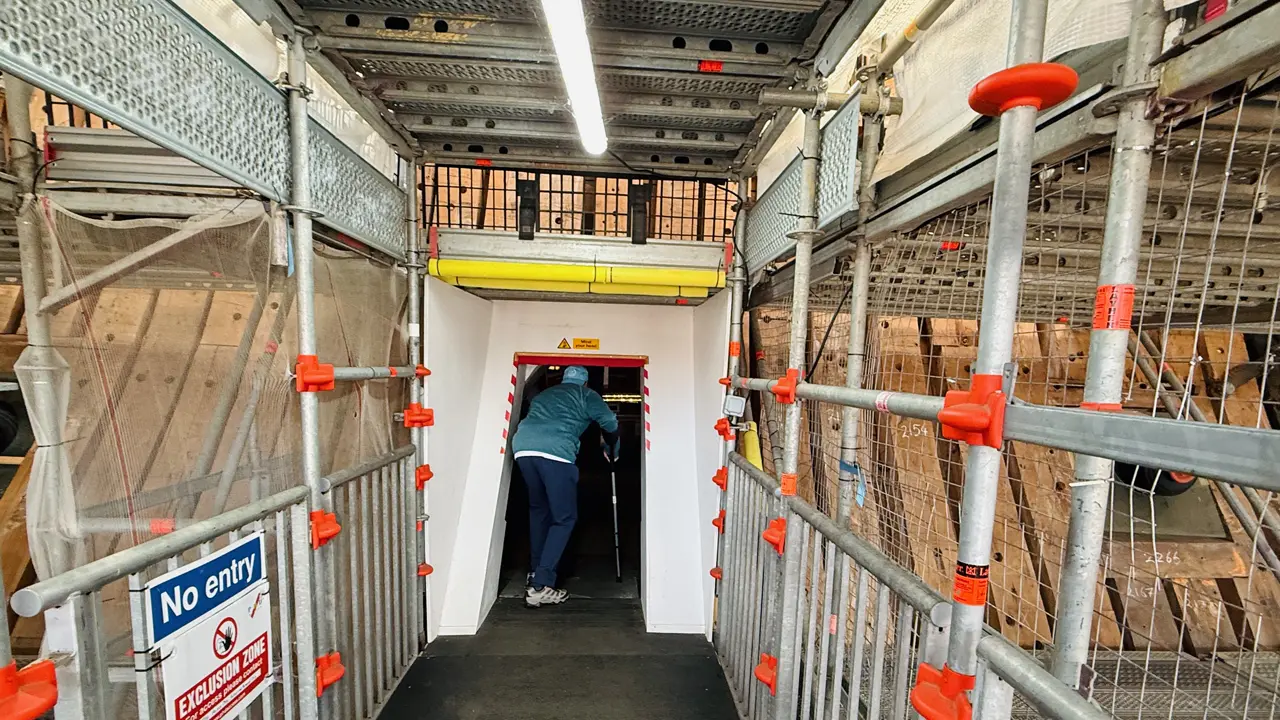
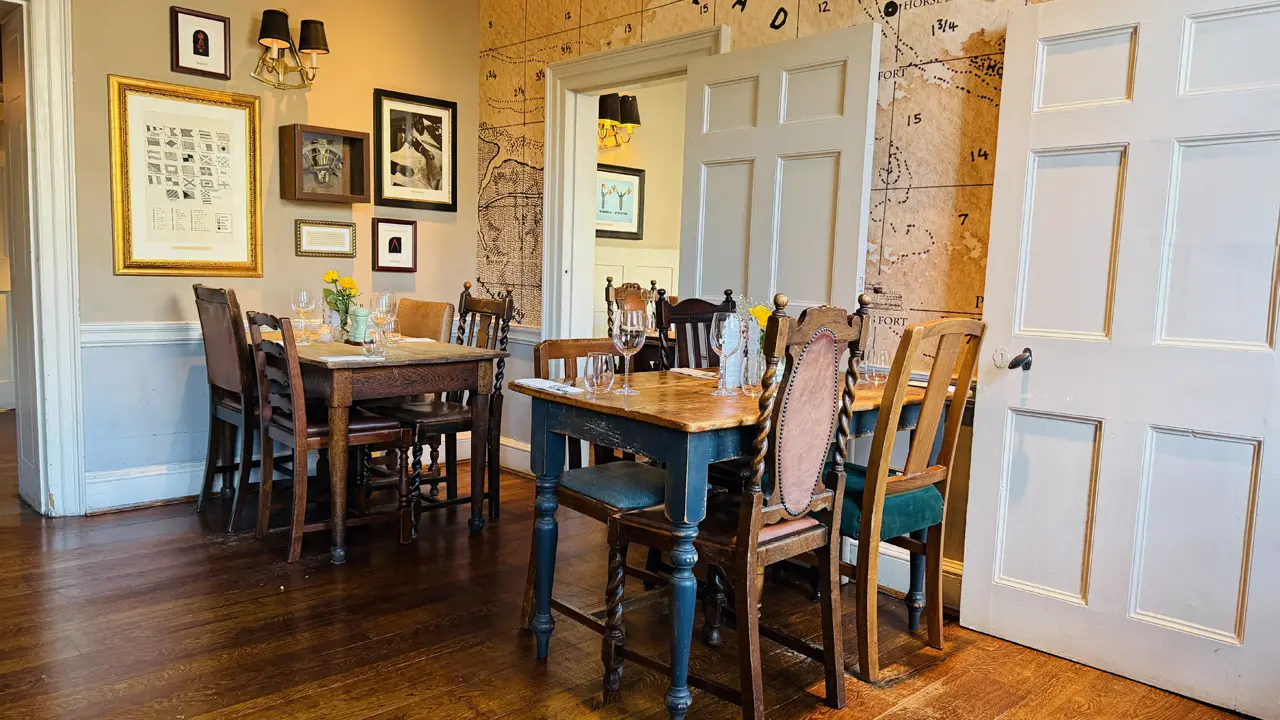
Afterwards we made the mistake of visiting the HMS Victory before calling it a day. She is undergoing a 20-year restoration project! She is encased in scaffolding but you can still go inside and explore her. It was built 100 years before HMS Warrior and apparently everyone was short. Gary had to stay hunched over thru most of the visit on the ship. Low ceilings! Oy. Half-way thru we were ready to leave but it was a maize to find our way out. We eventually made it off the ship, and headed home only to get caught in a rain storm. lol. Nothing to do but stop into a pastry shop and bring some goodies home! We enjoyed dinner at the Old Customs House again. The restaurant is so charming. It has a series of small dining rooms. All with about 6 dining tables in each room. So cute. Another fish & chips dinner for me. I can’t get enough. lol
We planned to head back to the dockyard the following day to continue exploring BUT the weather was so awful (windy and rainy) we decided to have a chill day instead.
Next is Southampton for 2 nights.
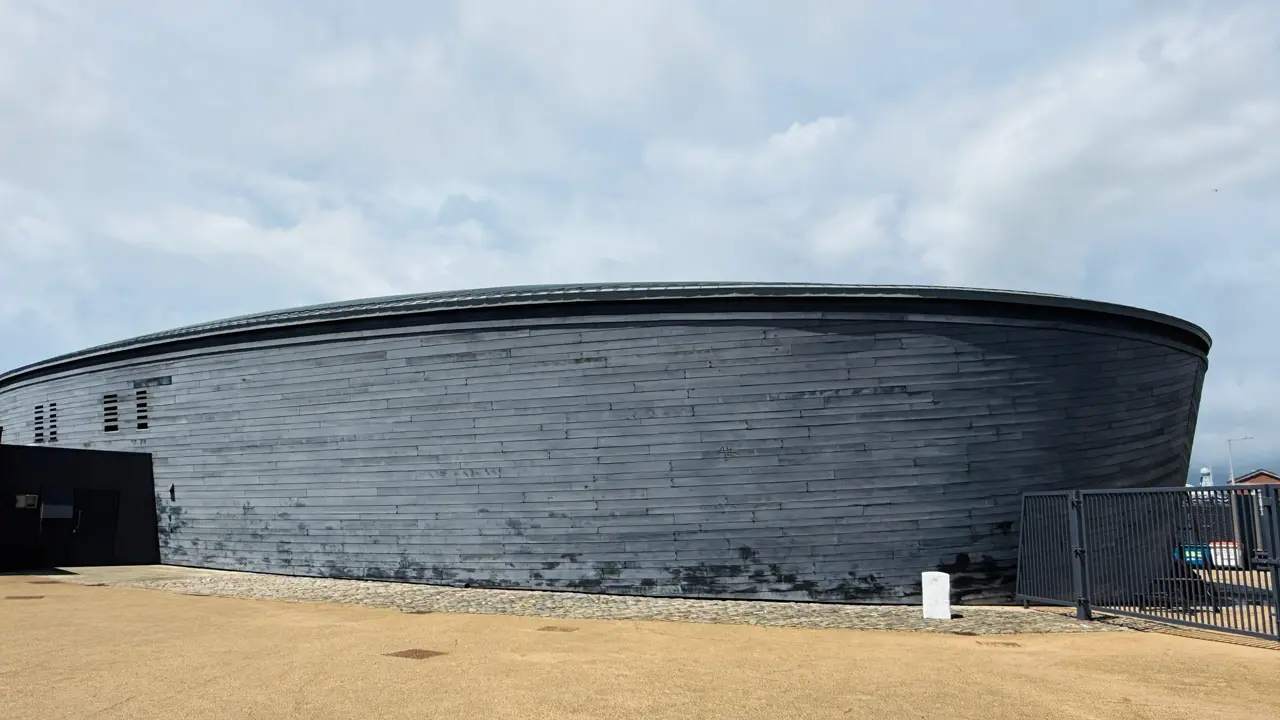 Home of Henry VIII’s Mary Rose.
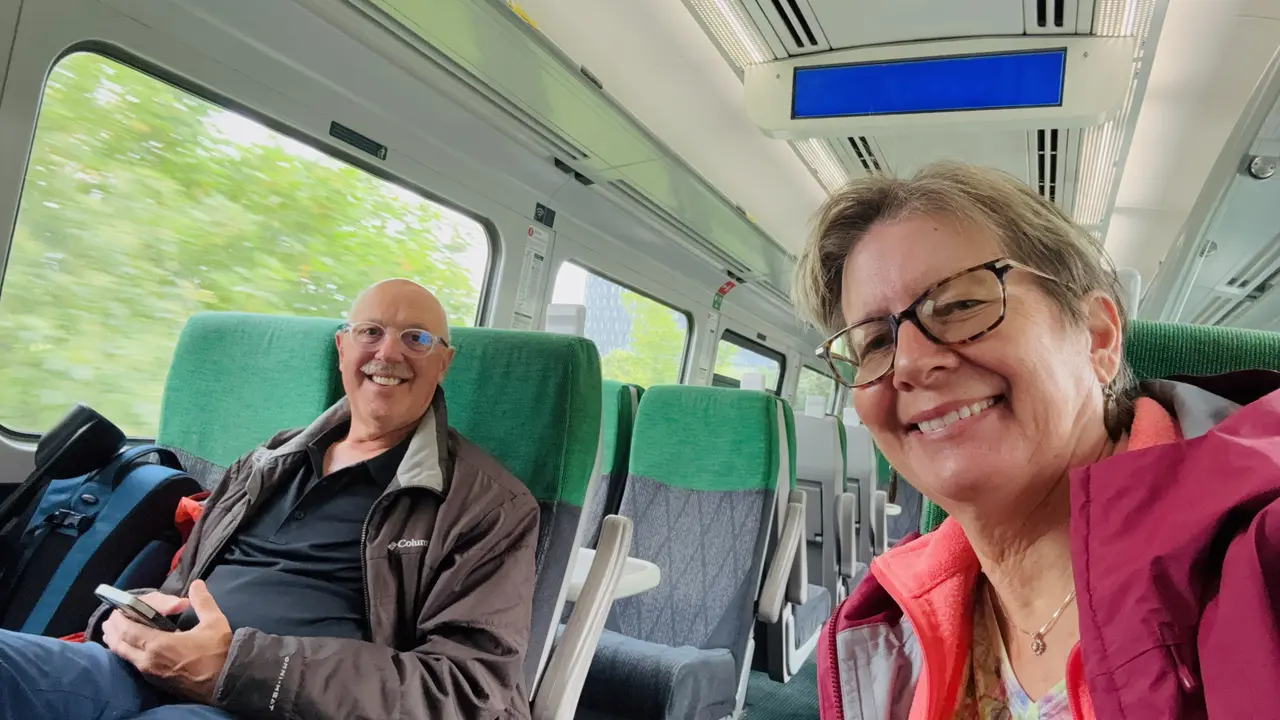
On Thurs., June 4th, we left Portsmouth and headed to Southampton, UK. An easy 45-minute train ride. Such a switch from the crowds at the train stations in Paris and London! When we first boarded, there was no one on our train car!
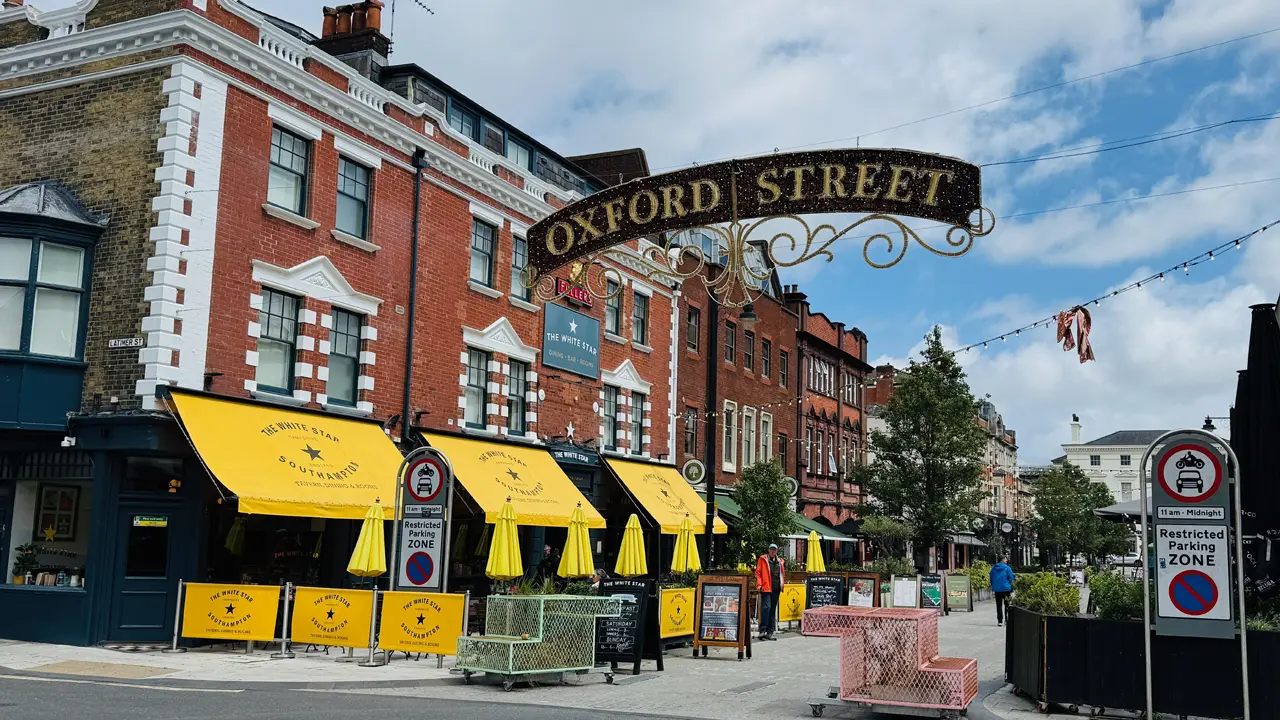
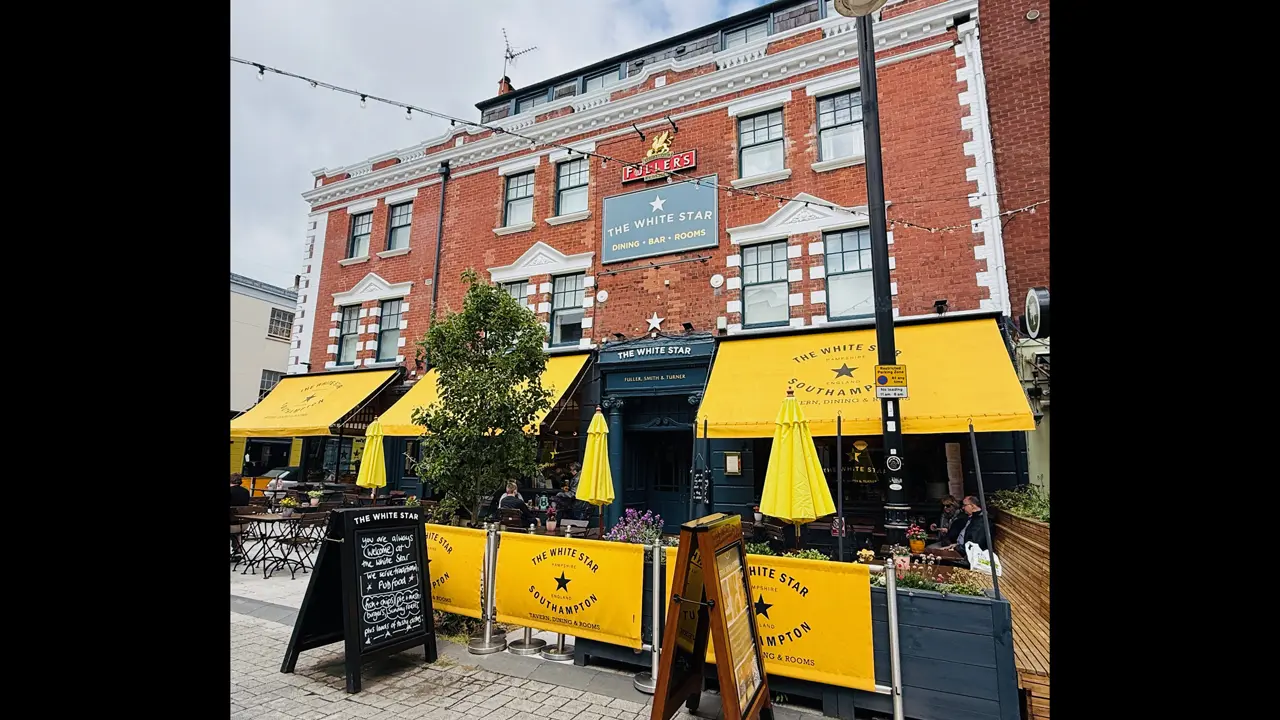
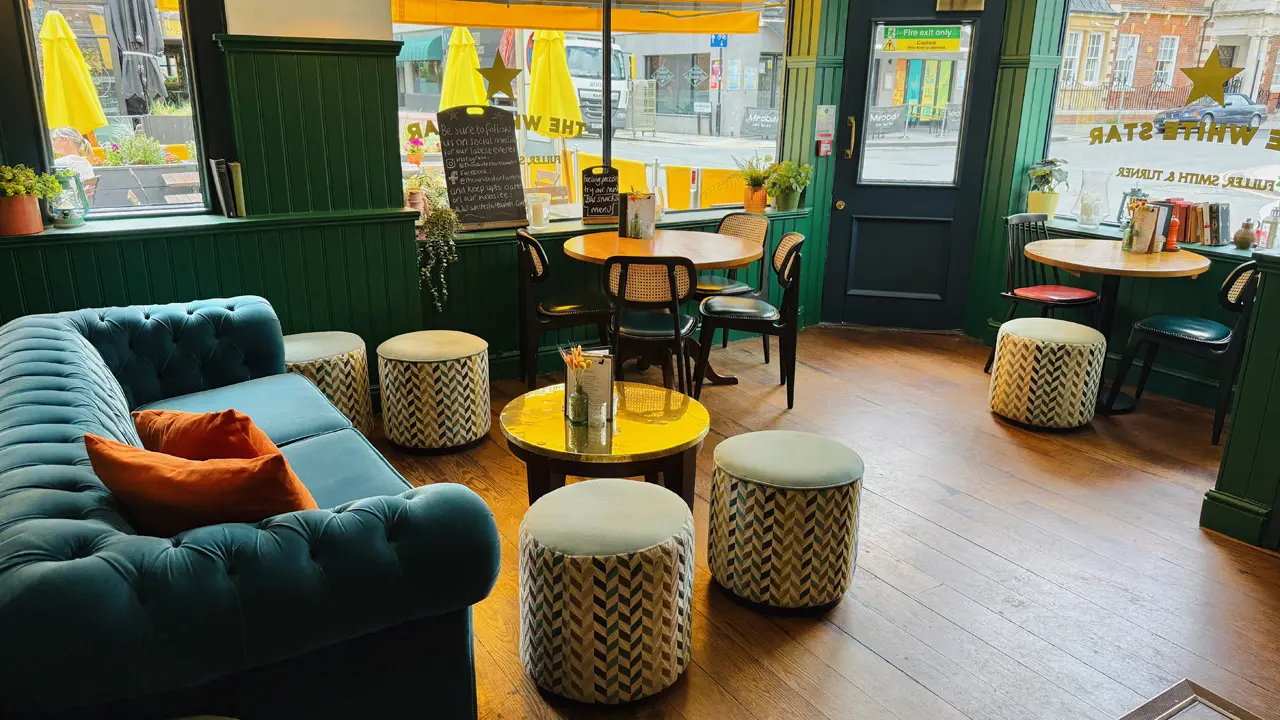
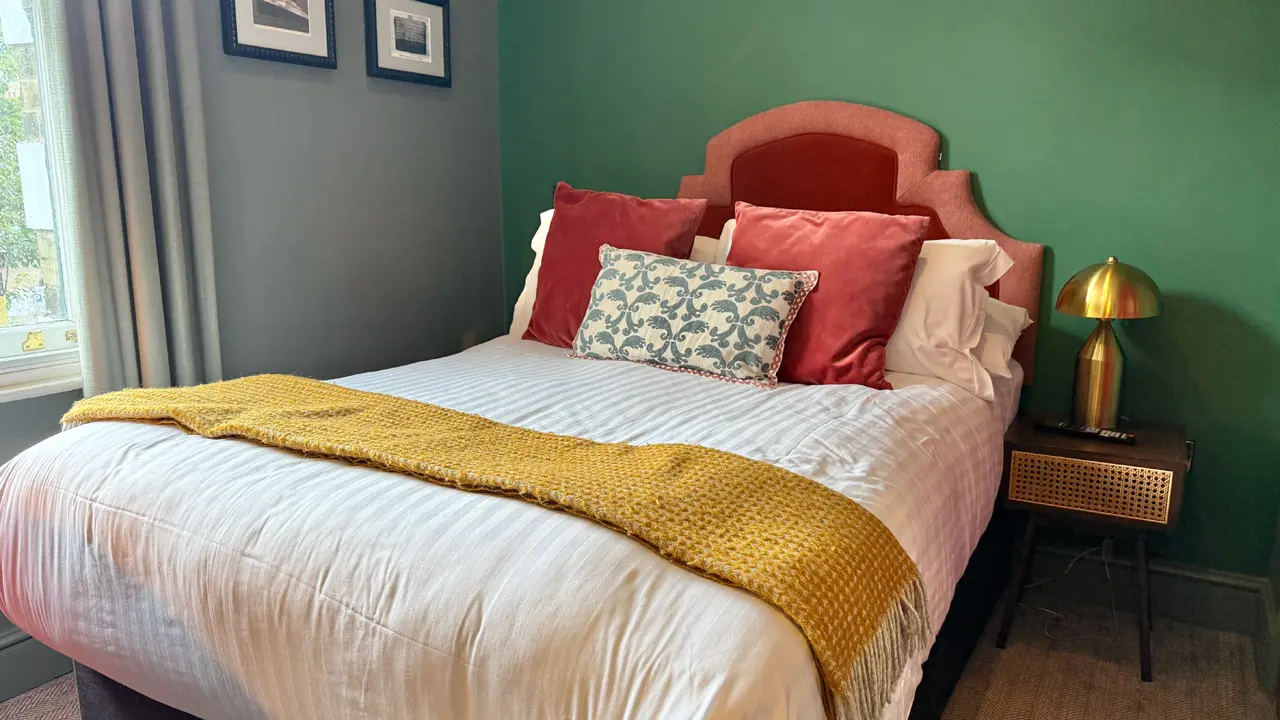
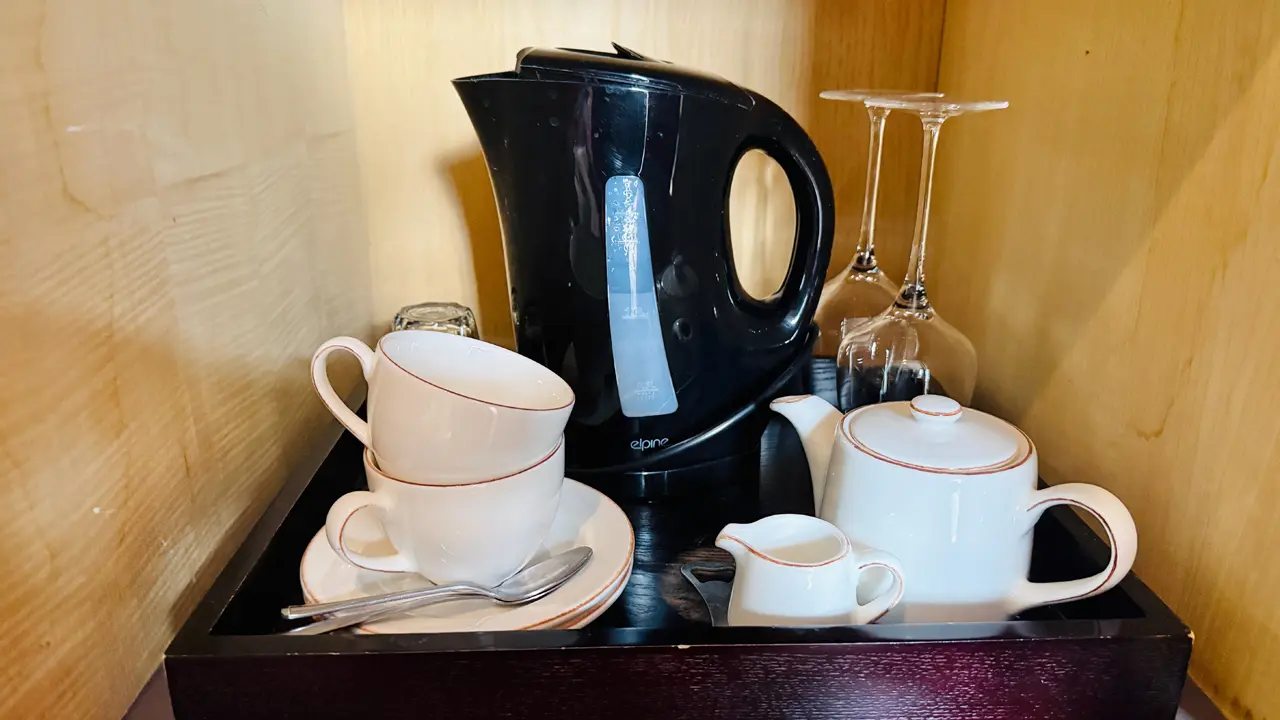
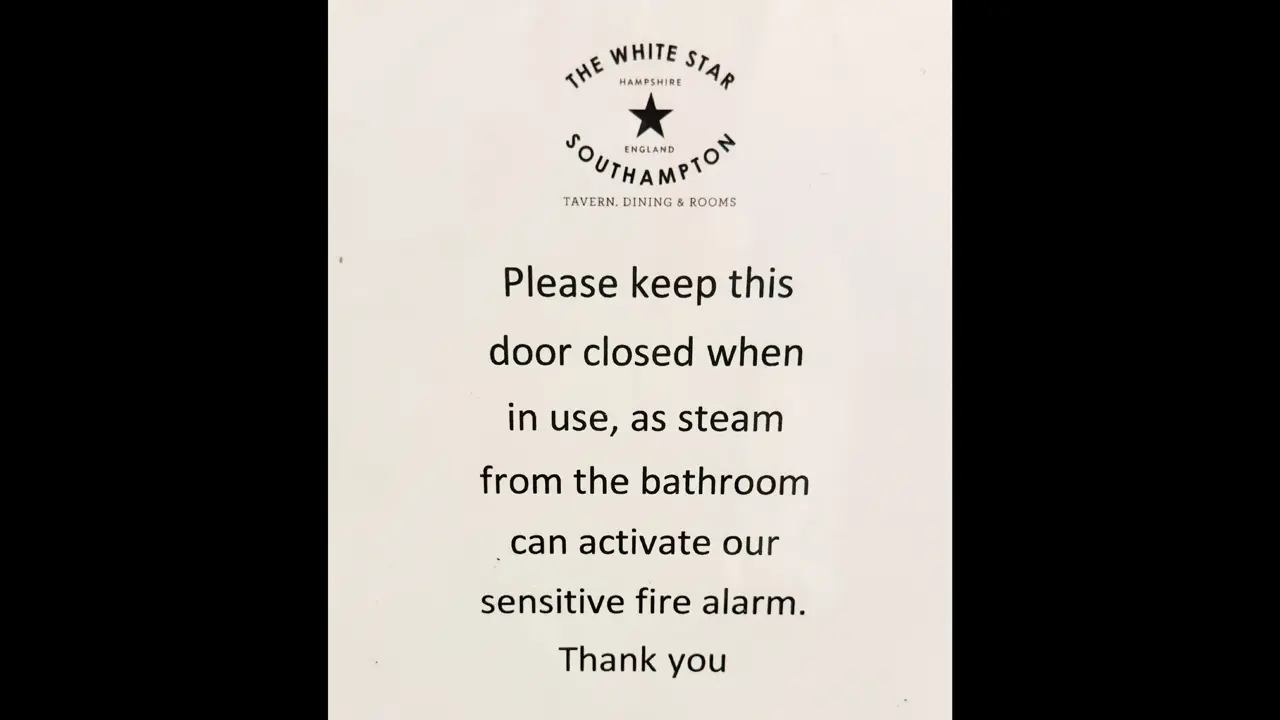
We are staying at the historic White Star Tavern established 1884. It has a storied past. Passengers and crew of the ill-fated RMS Titanic stayed here prior to setting sail, although at that time it was known as The Alliance Hotel. Now there are 17 boutique hotel rooms above the tavern. It is the epitome of quaint! Our room is small but charming, and even comes with a tea service and shortbread cookies along with water, milk, and a beer in the fridge… all free of charge plus an outstanding breakfast is served!
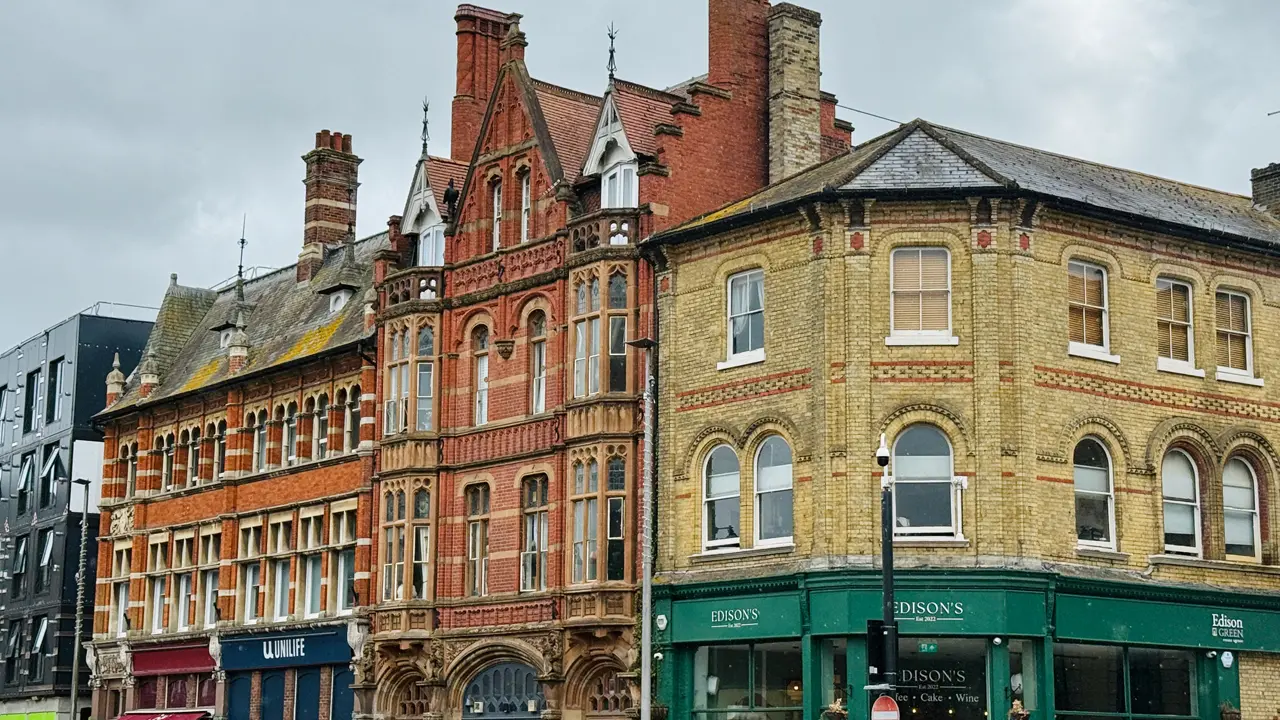
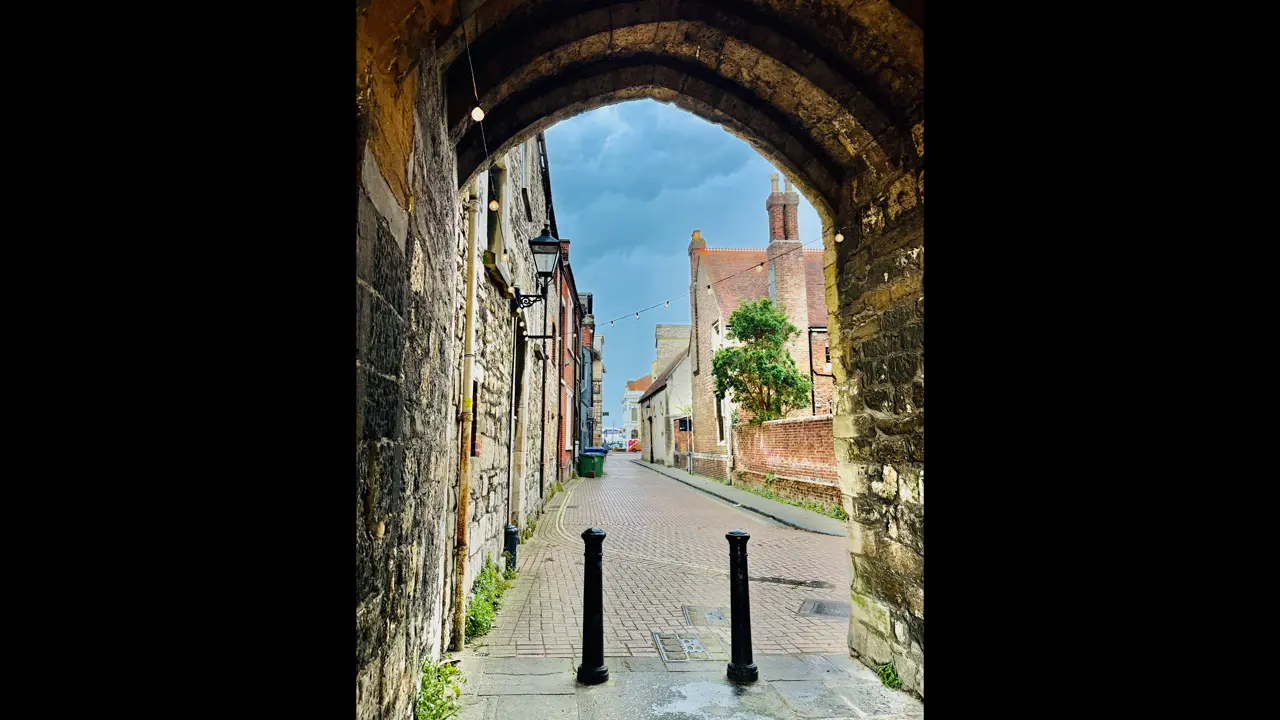
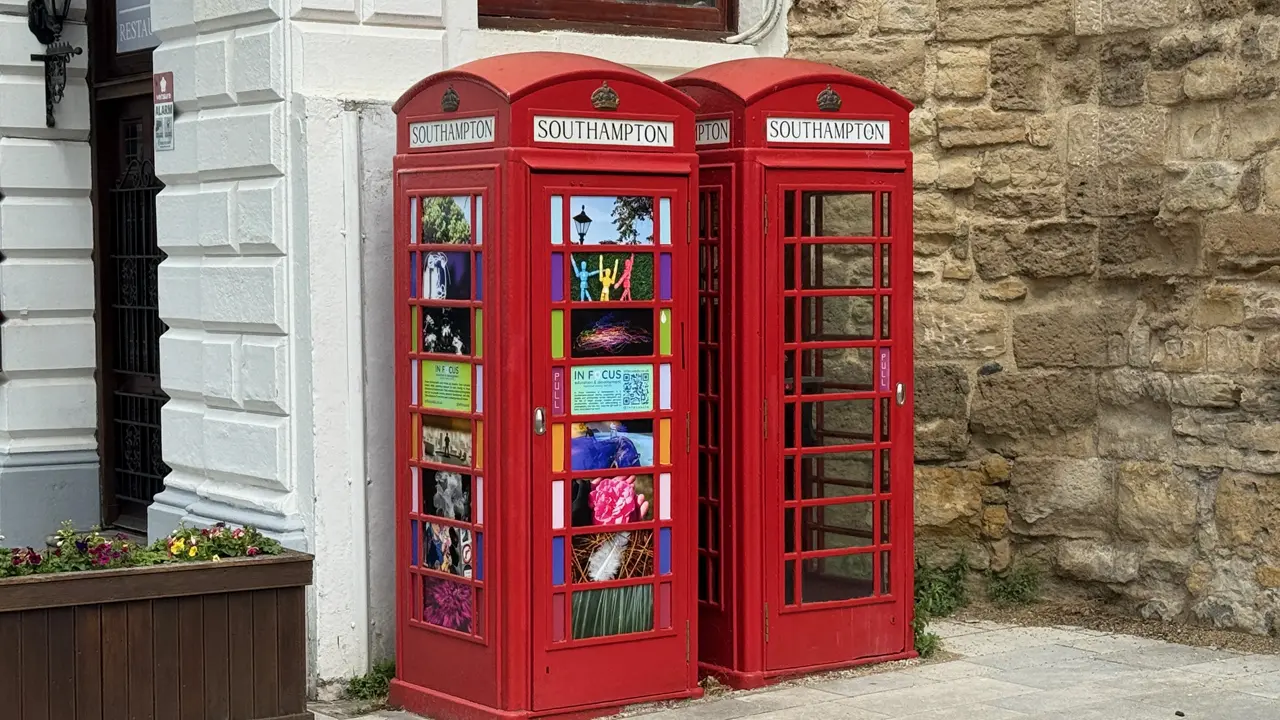
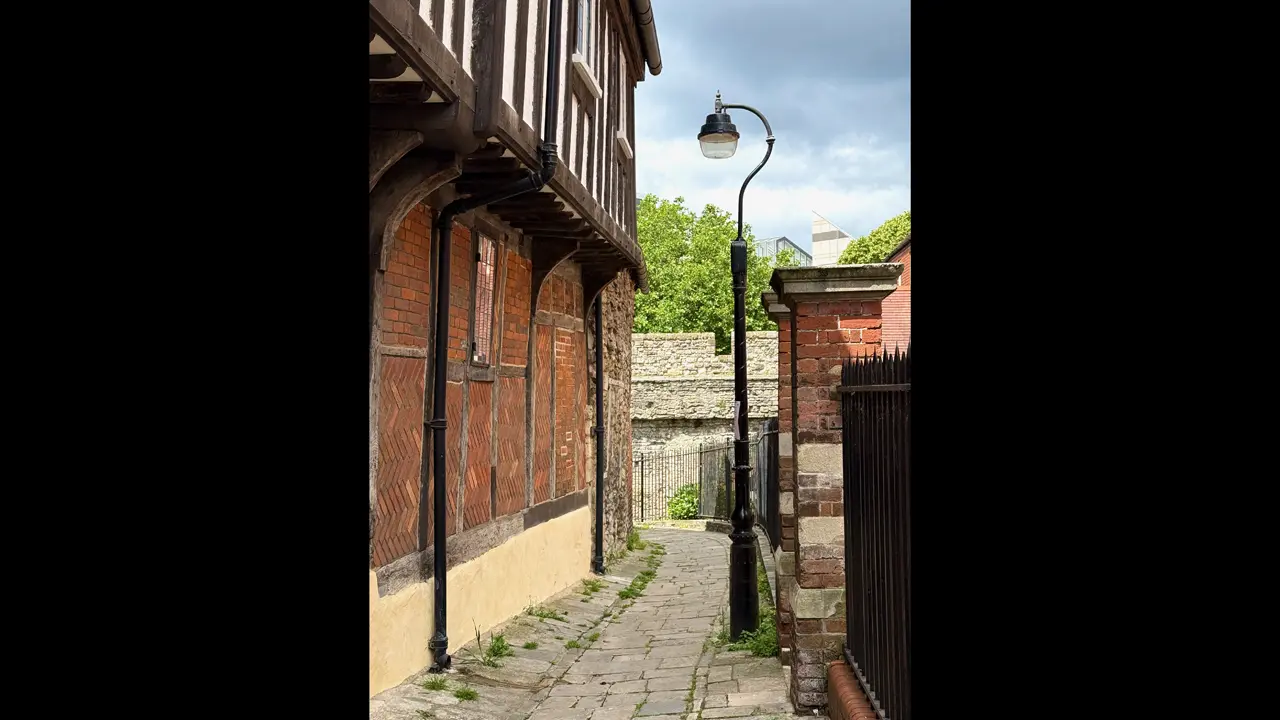
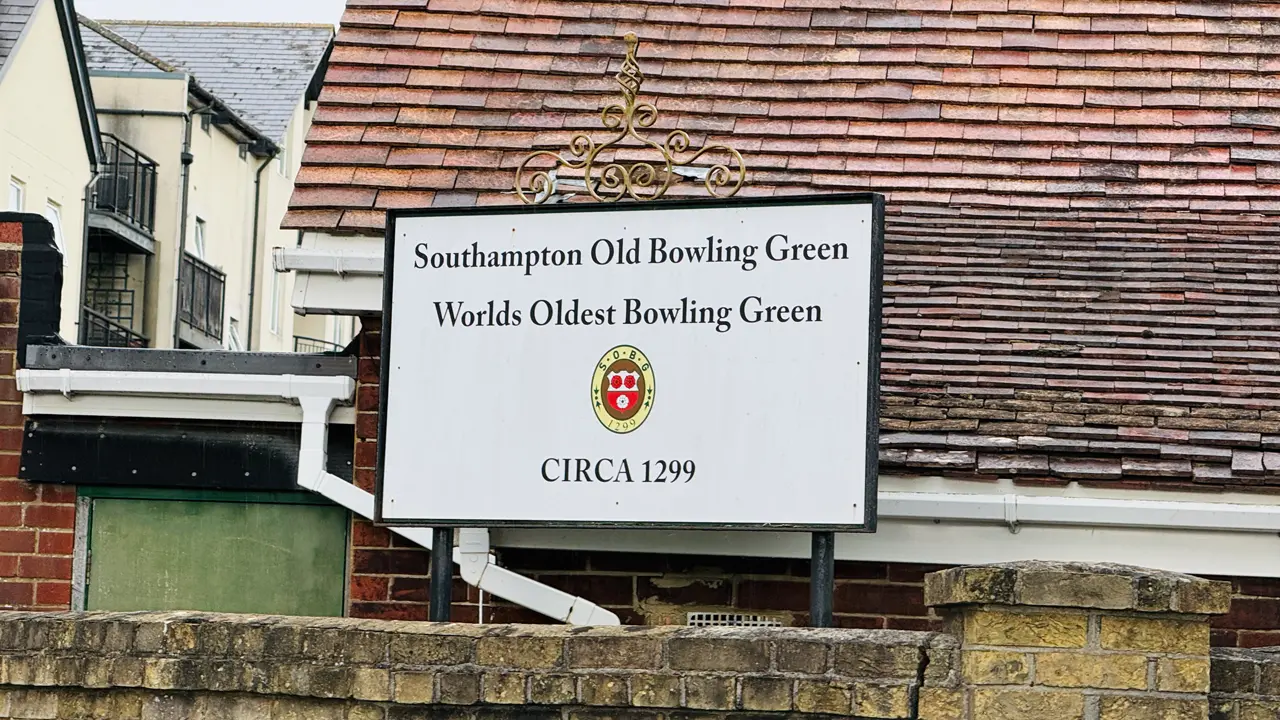
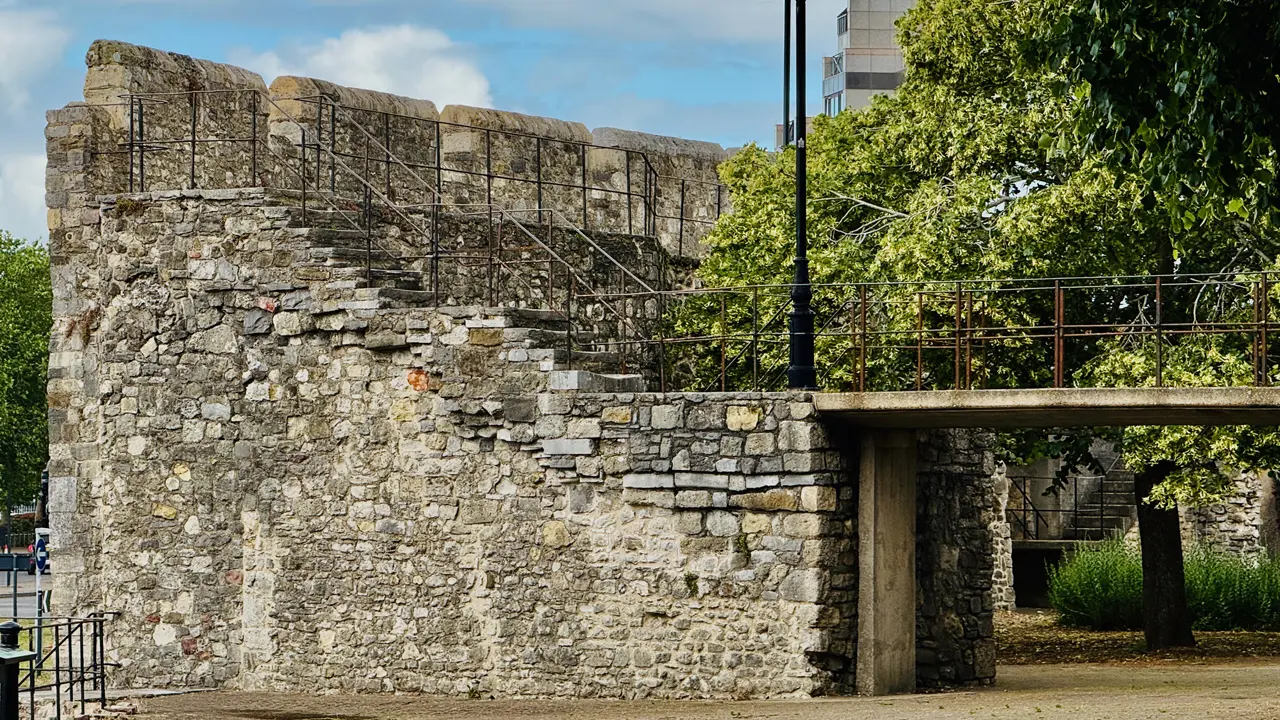
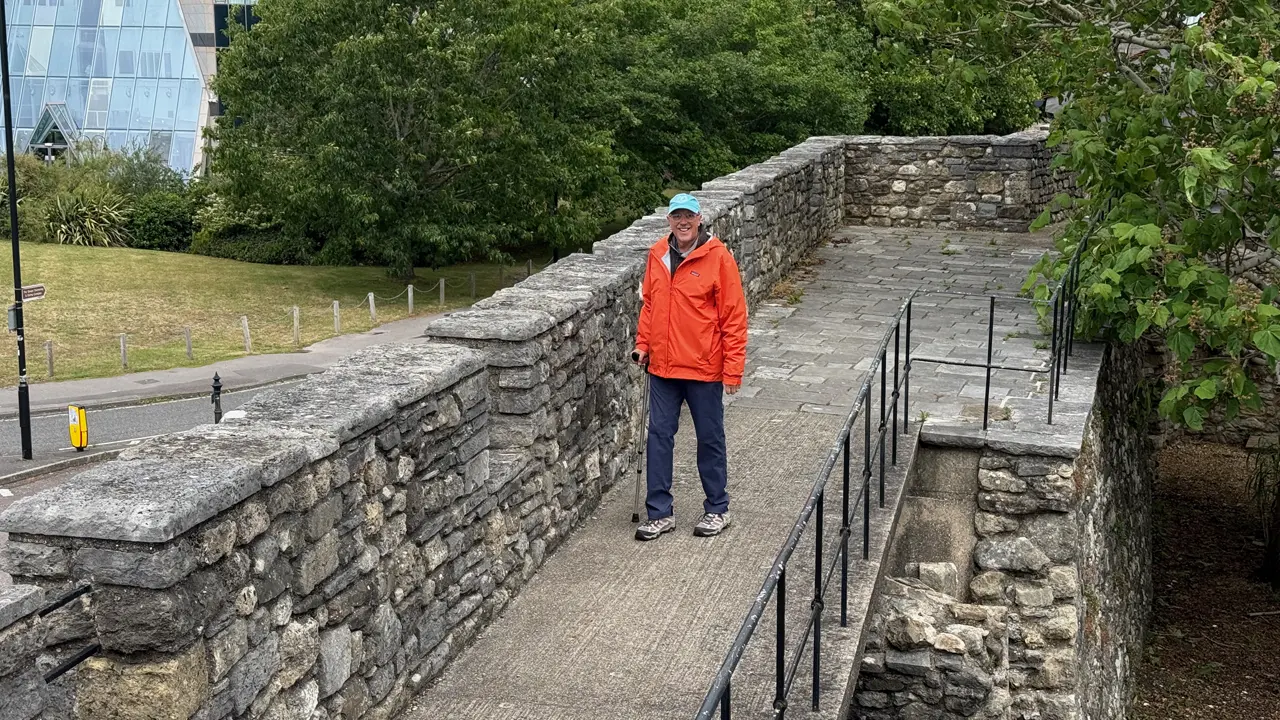
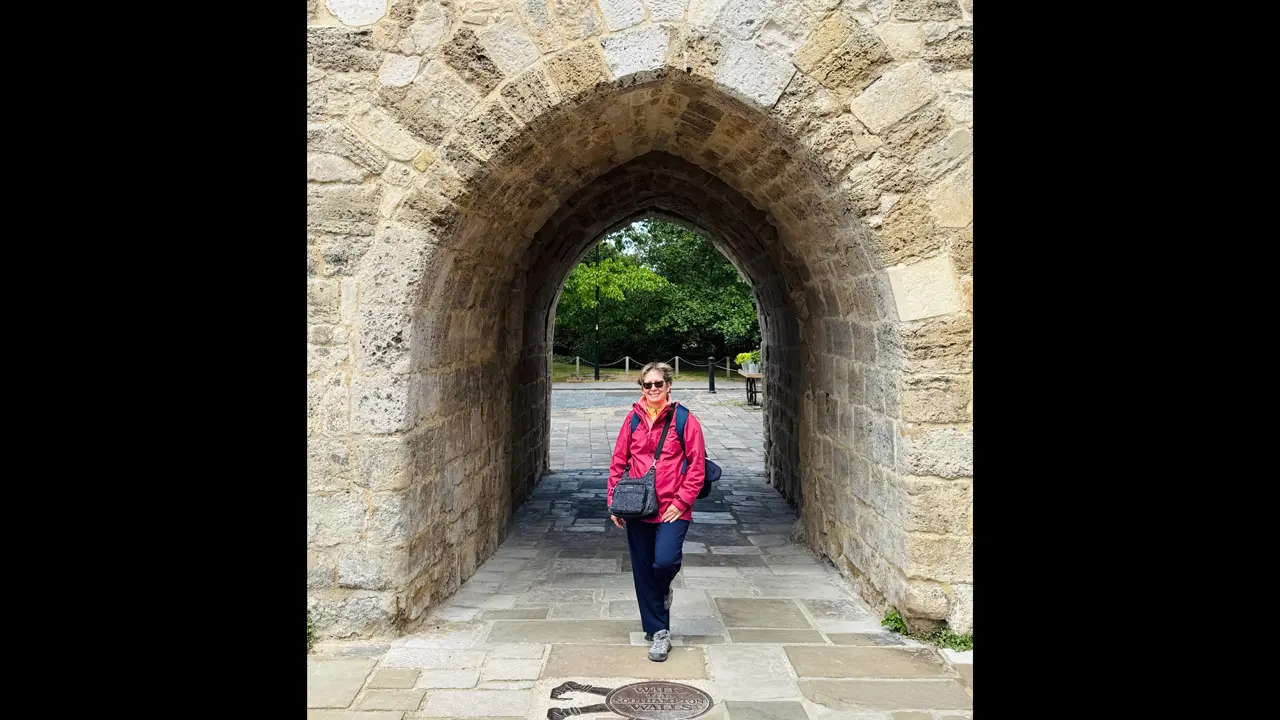
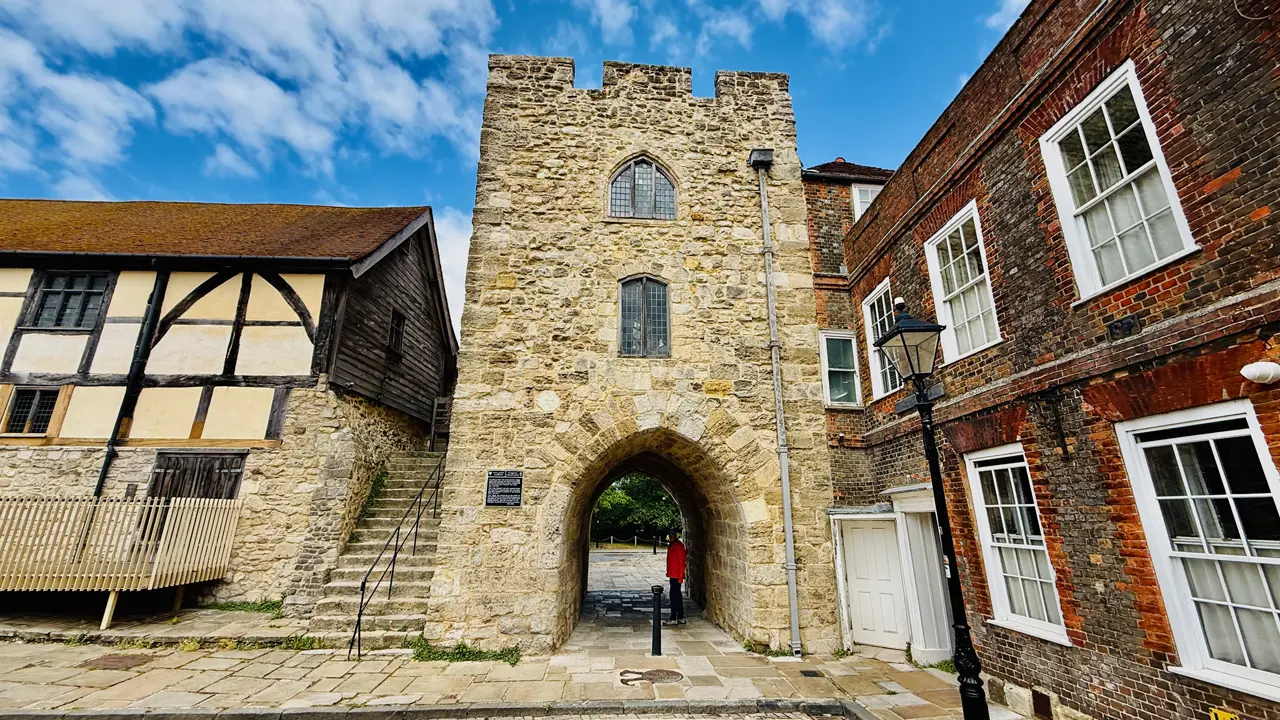
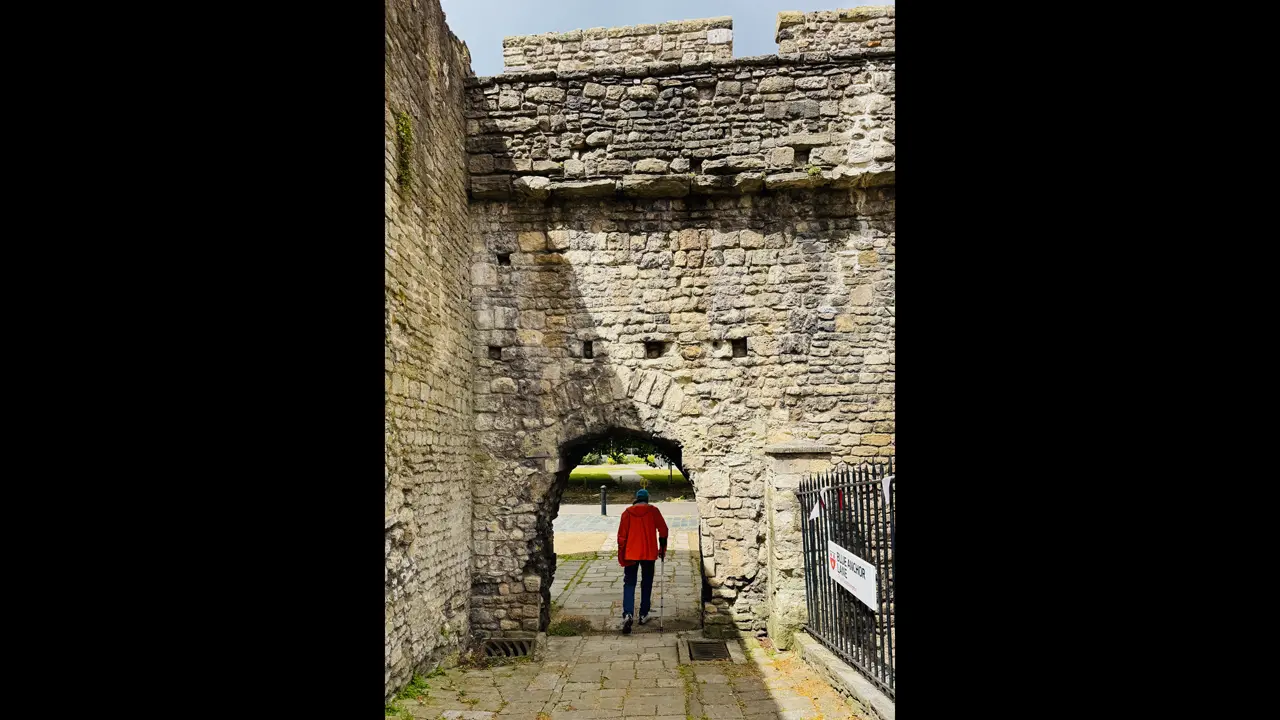
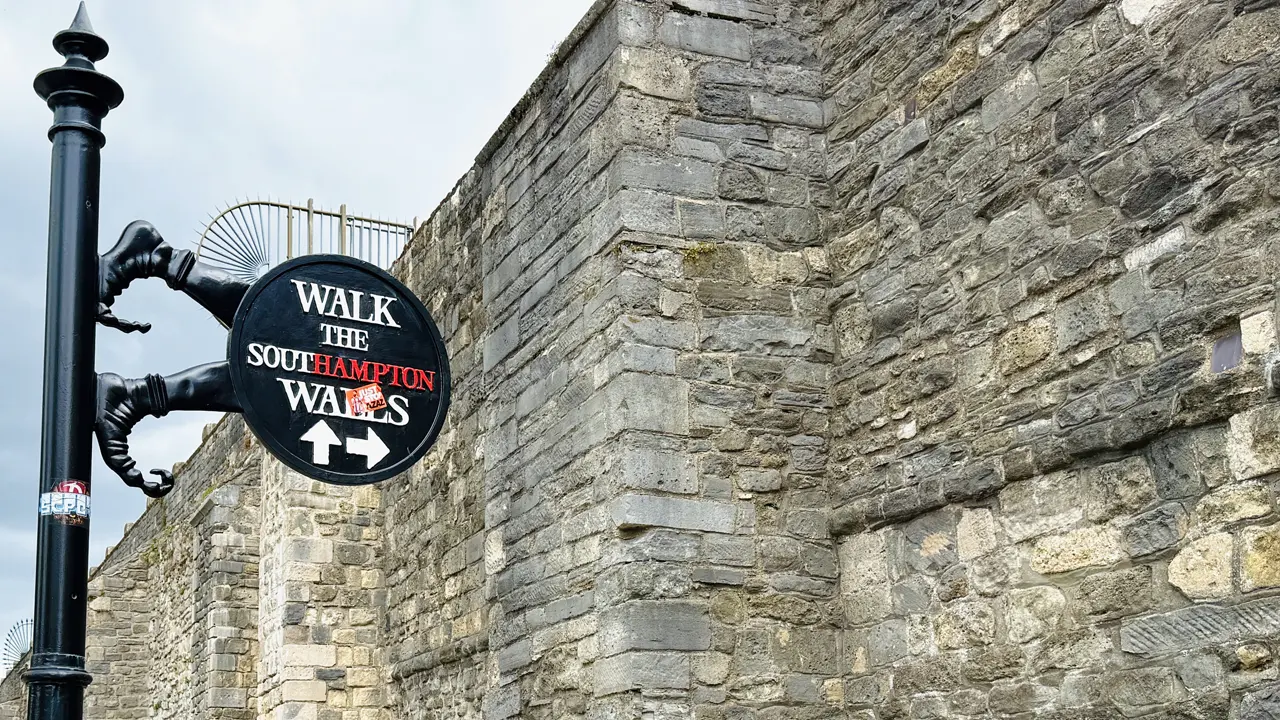
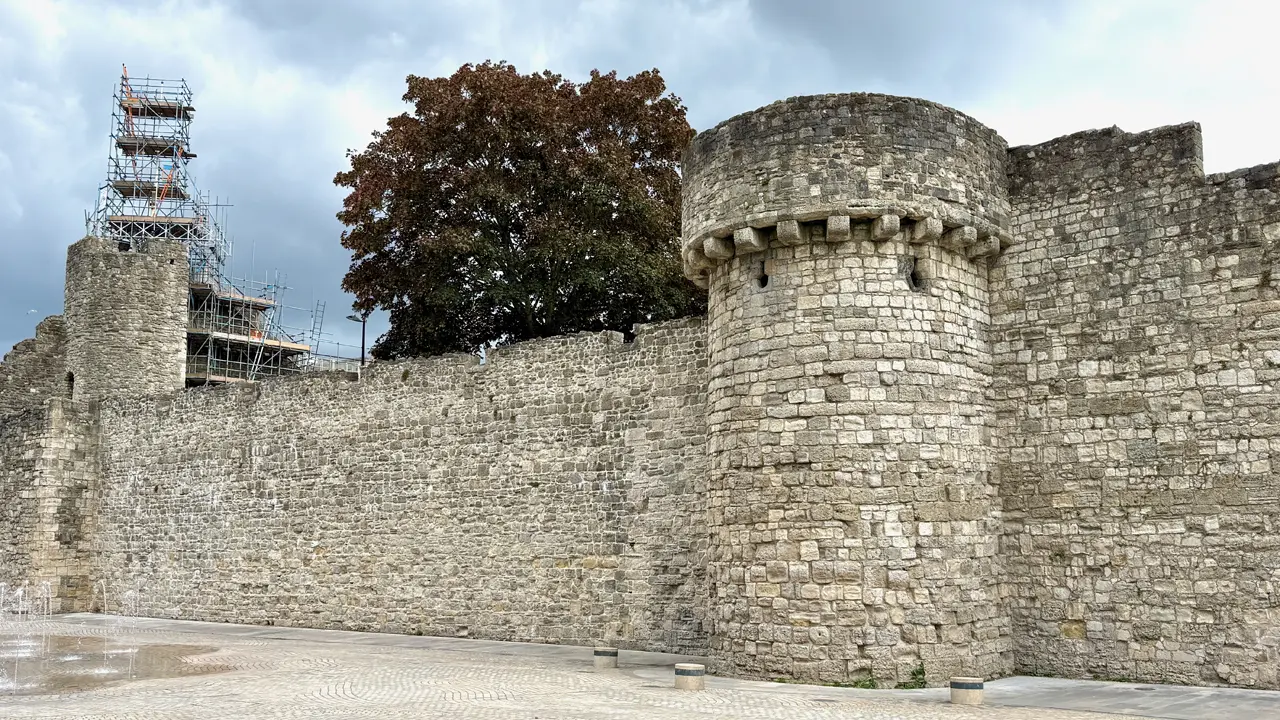
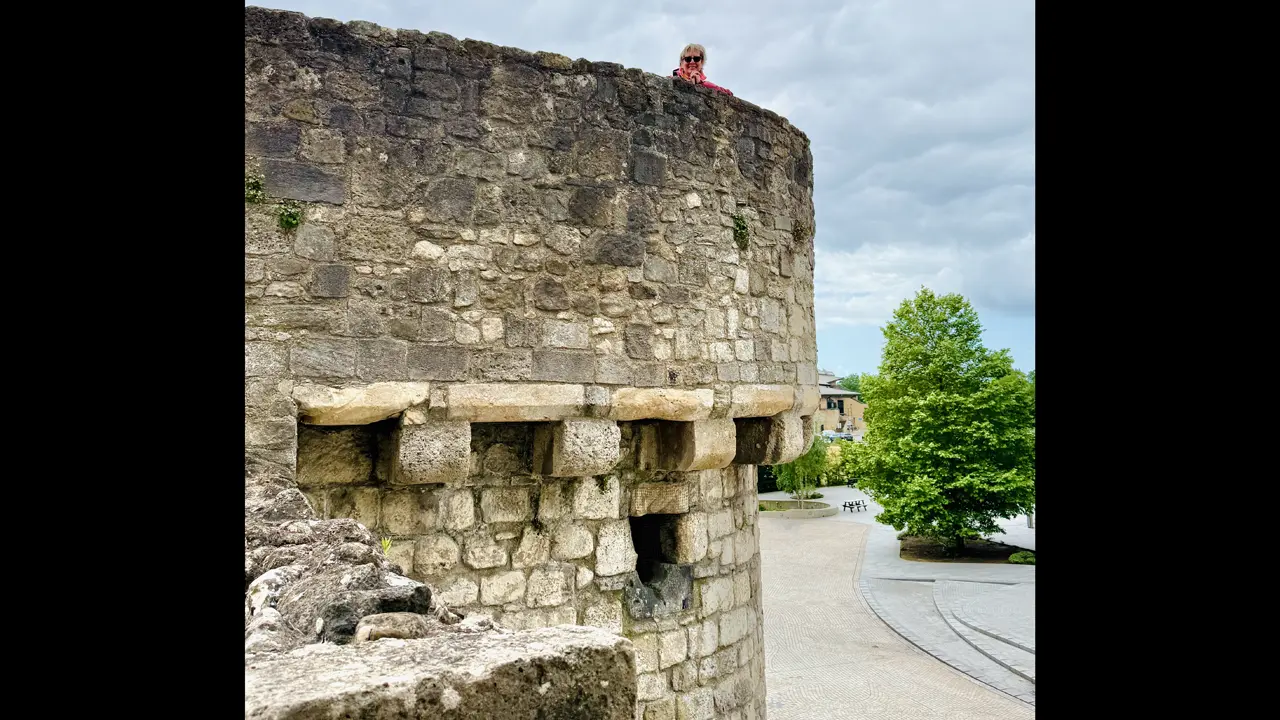
We spent Thursday afternoon and Friday wandering around Southampton. We focused mostly on exploring Old Town and doing a self-guided walking tour of the Southampton Walls. Roughly half of Southampton’s original 1.25-mile medieval walls have survived along with 13 towers and 6 gates. So cool! The history here is staggering. The walls were built between 1200 and the 1380s, Mayflower set sail from here in 1620, Titanic left port on April 10, 1912 and Southampton was the QE2’s home port for 39 years… just to name a few milestones.
Southampton has many stories…
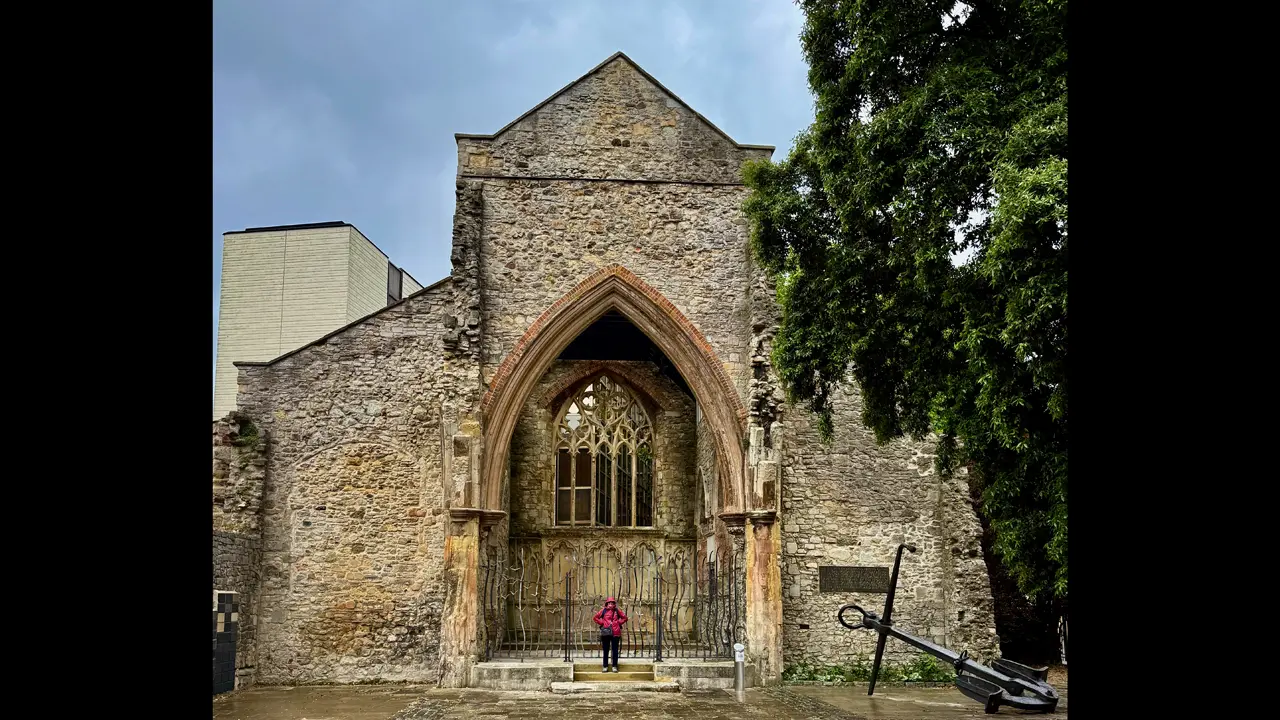
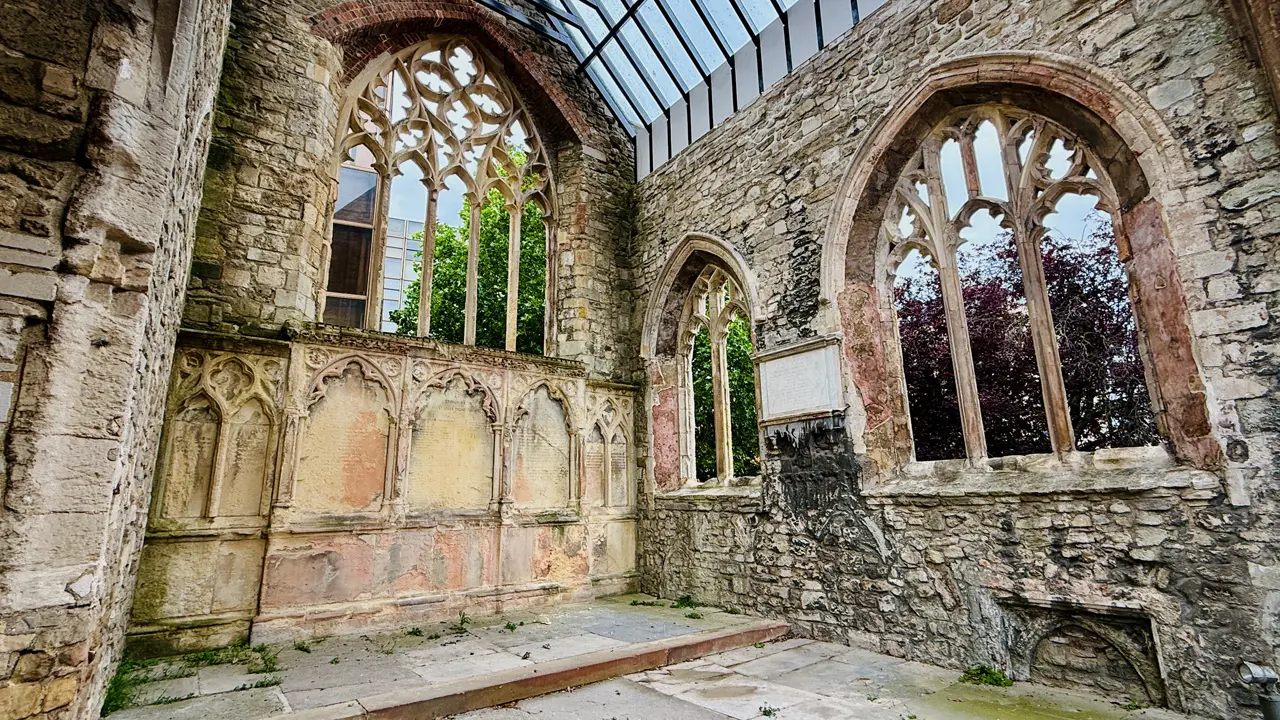
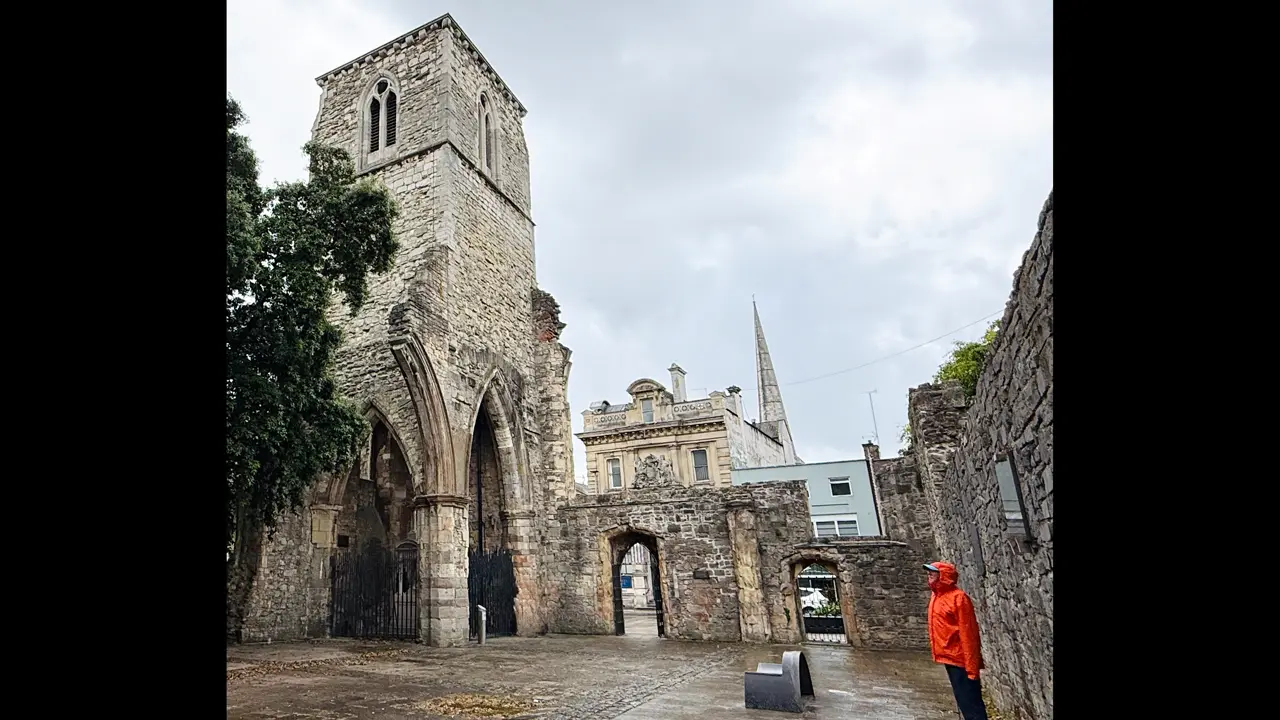
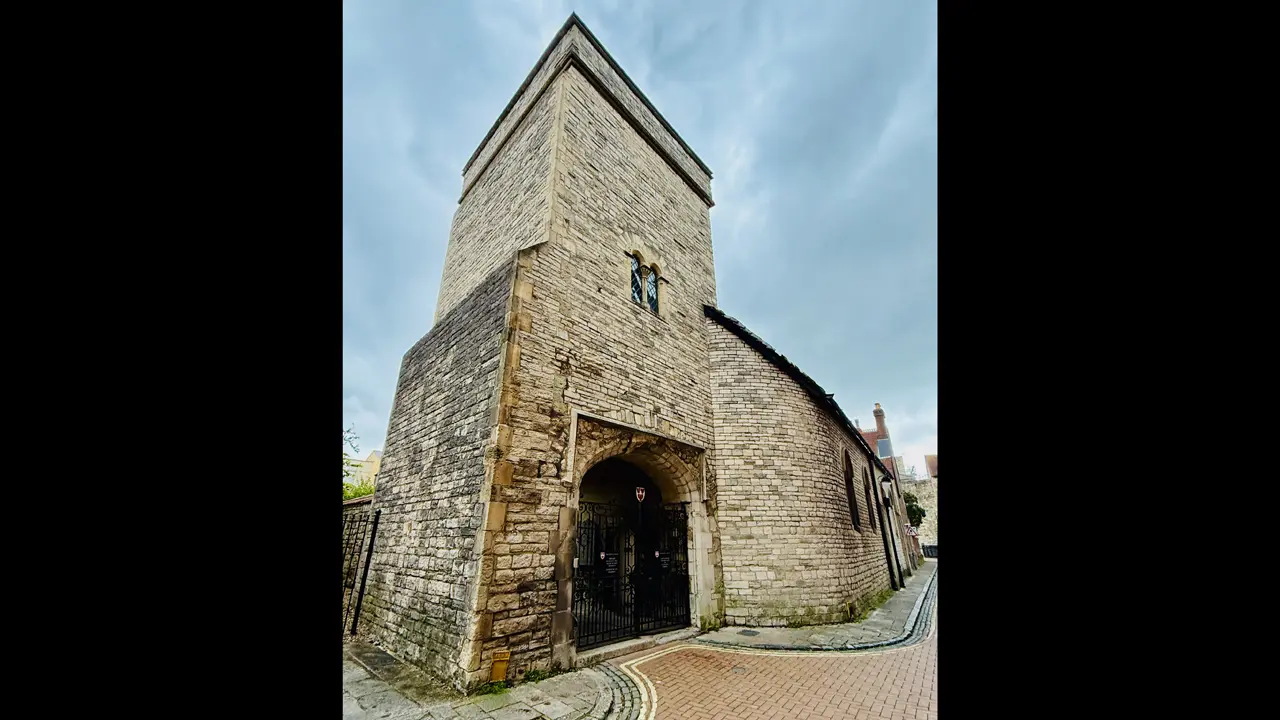
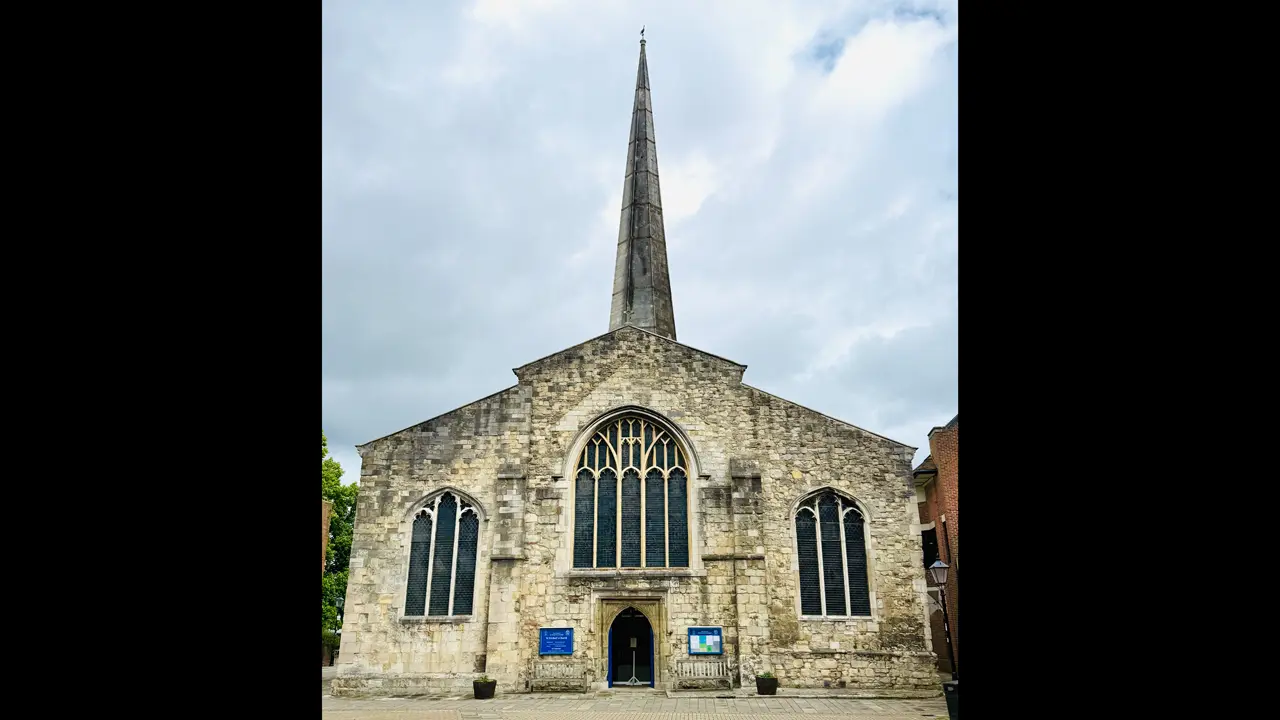
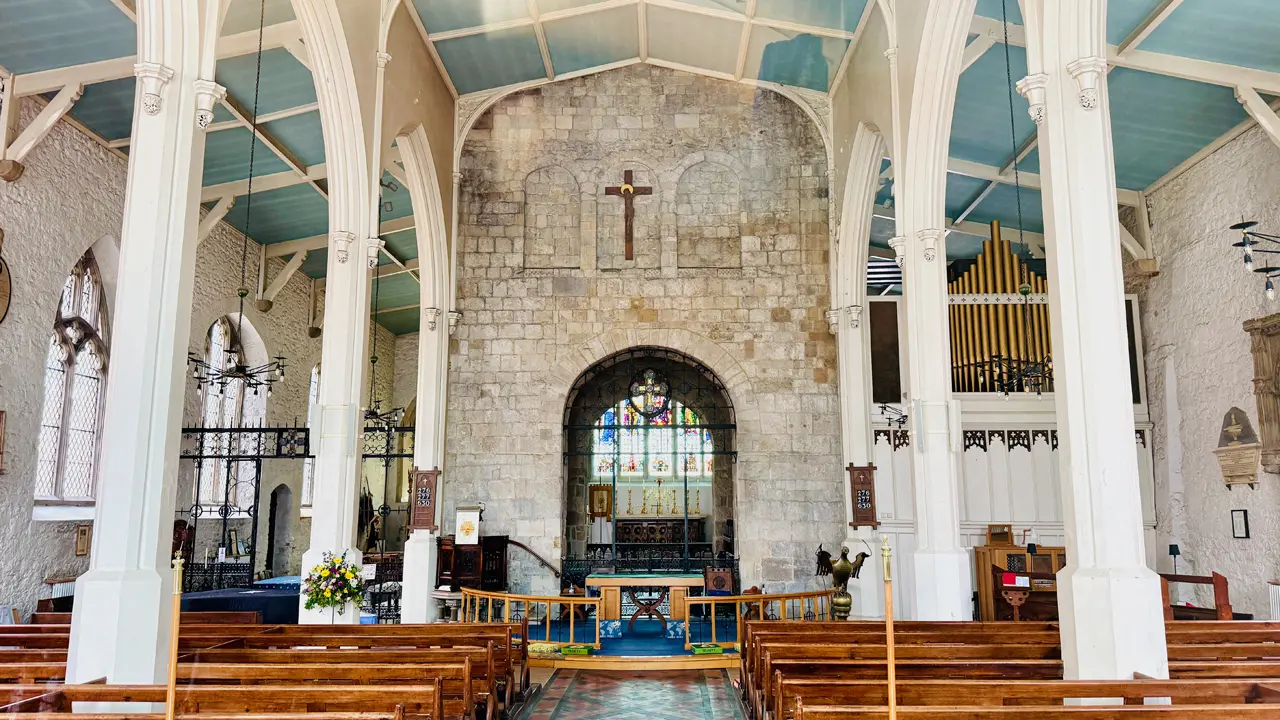
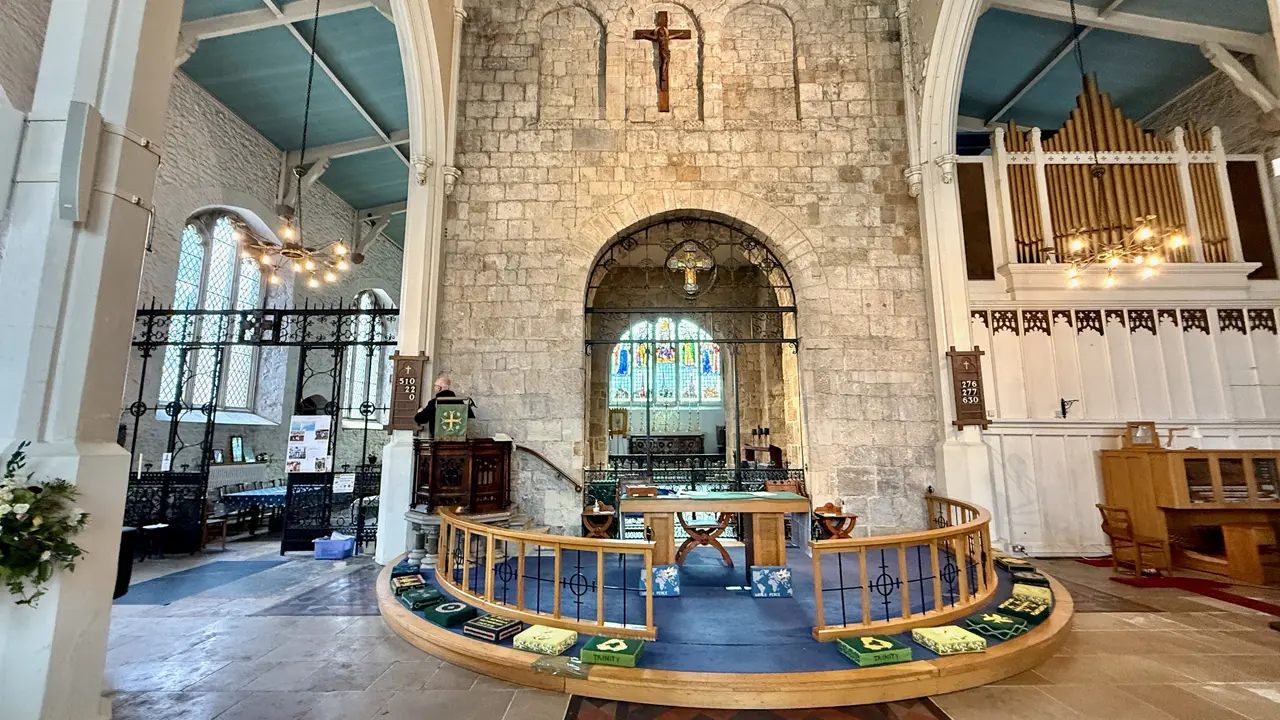
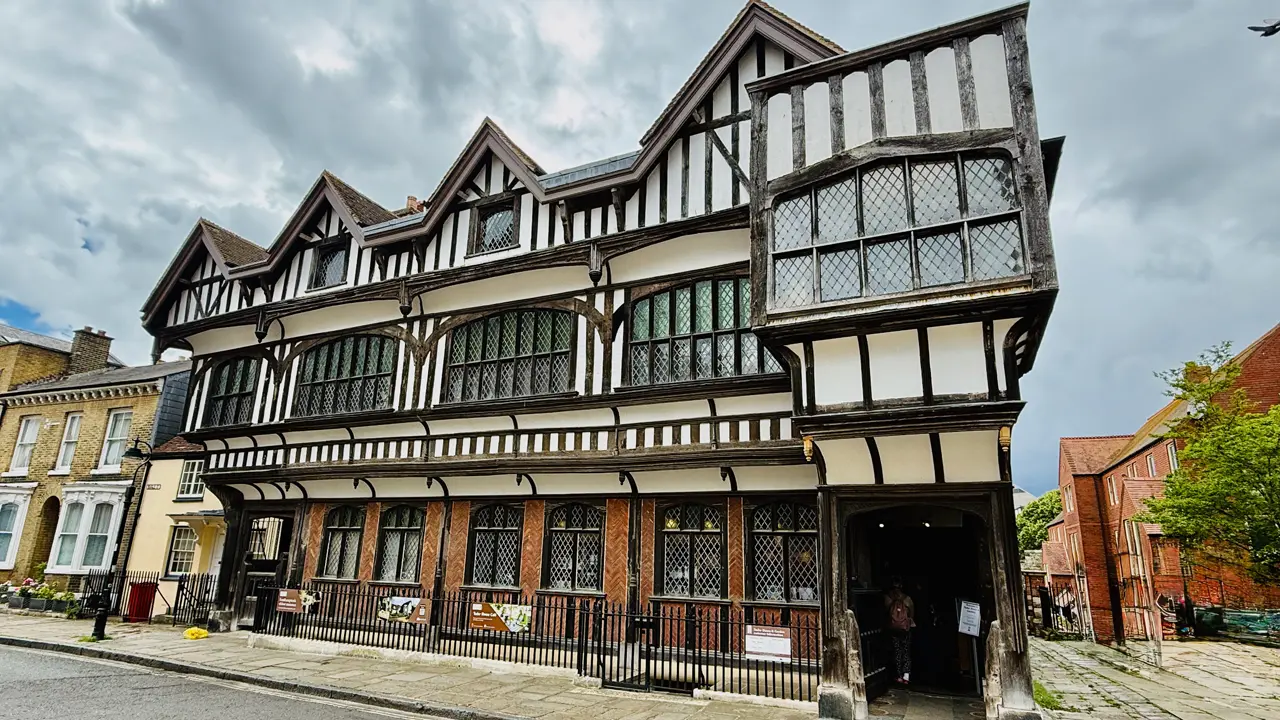
We visited Holyrood Church, built in 1320. It now stands as a hauntingly beautiful, bomb-damaged ruin preserved as a memorial to the Merchant Navy. The church was tragically destroyed by enemy bombing during the devastating November 1940 Southampton Blitz. We also visited St. Michael’s Church, which is the oldest building in Southampton, having been founded in 1070. Built just a few years after the Norman Conquest (1066), its central tower is the oldest surviving structure in the city. Across from St. Michael’s is The Tudor House & Garden, which is over 500 years old. Now a museum, but closed when we visited.
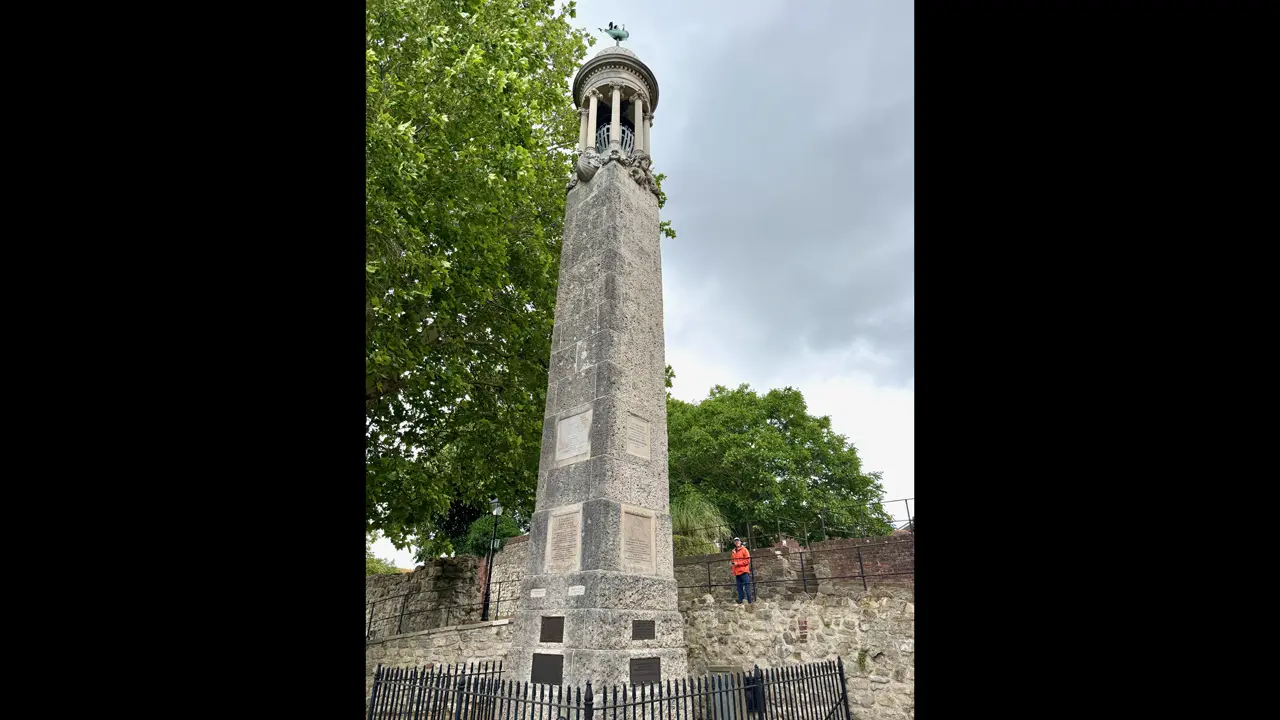
There was a Mayflower Memorial also known as the Pilgrim Fathers’ Memorial. It was built in 1913 to commemorate the departure of “the little company of Pilgrim Fathers who were destined to be the founders of the New England States of America on 15 August 1620.” Their transatlantic voyage began near this spot on two ships – the Mayflower and the Speedwell. At the top of the memorial is a bronze model of the Mayflower. The ship points west towards the “New World.”
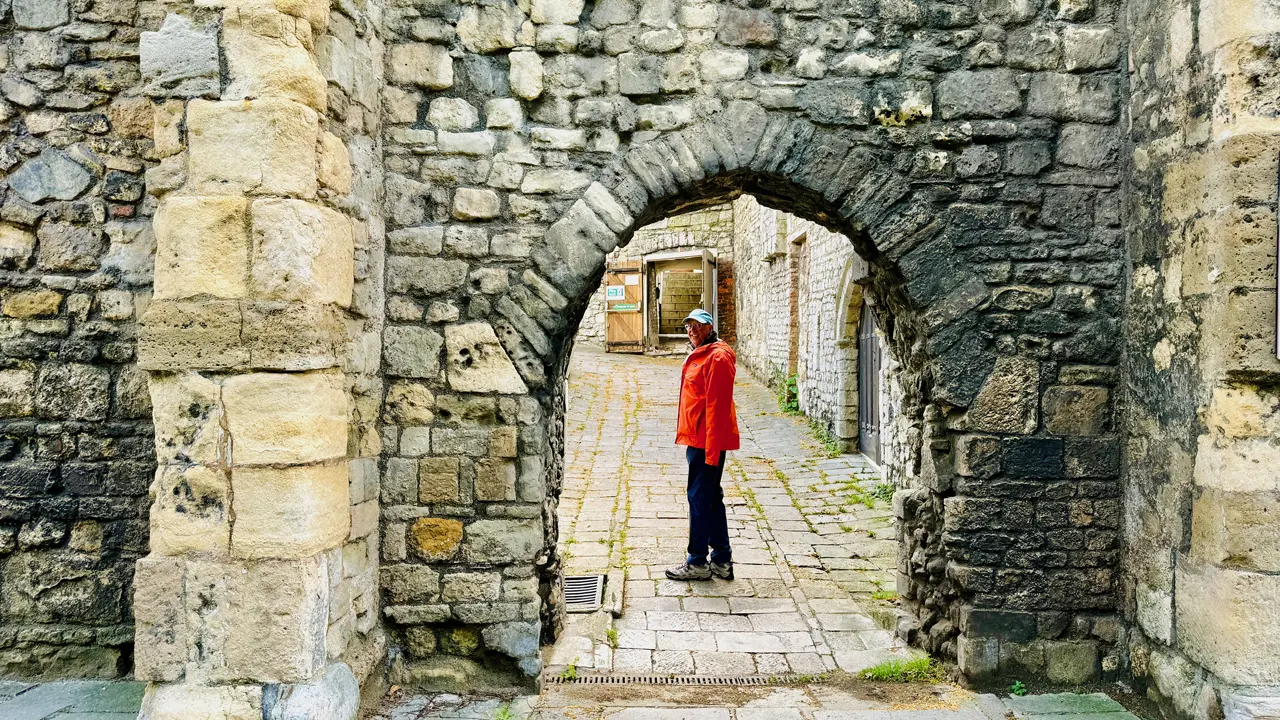
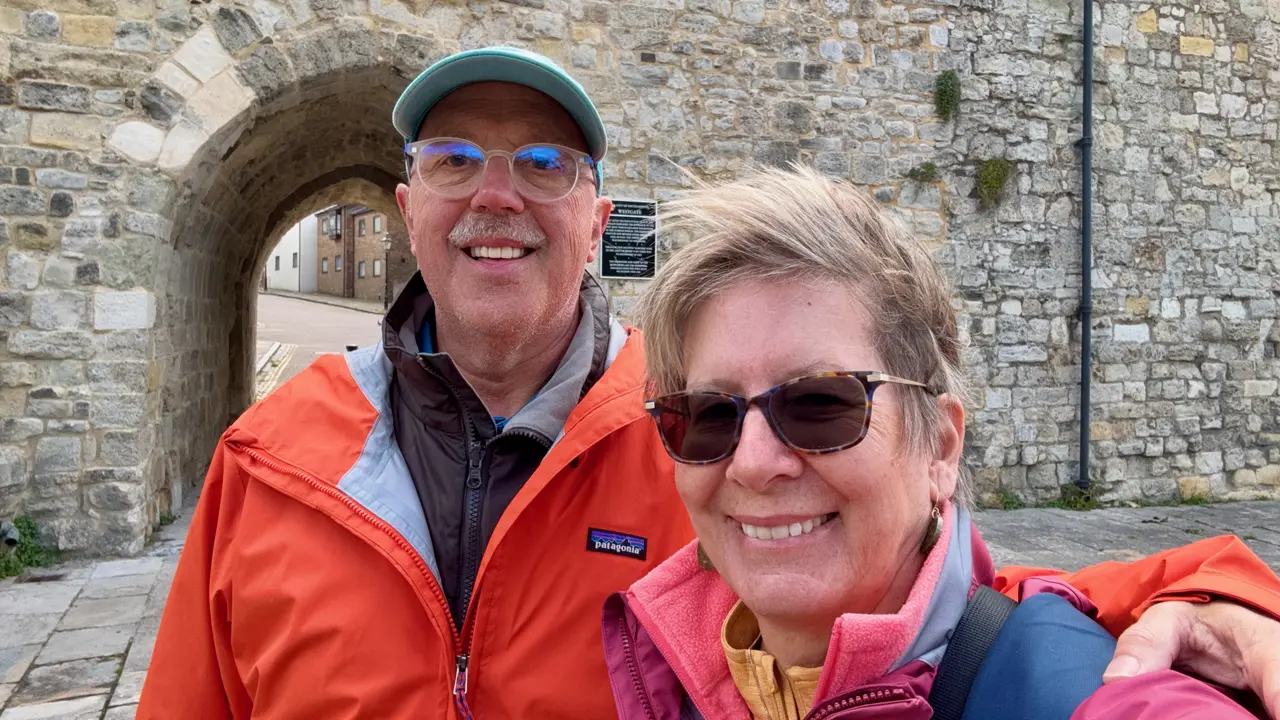
We passed thru Westgate, which was built after the French Raid of 1338, and was an important entrance into medieval Southampton. In 1415 Henry V’s armies departed through Westgate on their way to victory at Agincourt. And the sailors and passengers of the Mayflower and her sister ship, Speedwell, passed through Westgate on their way to America in 1620. Amazing.
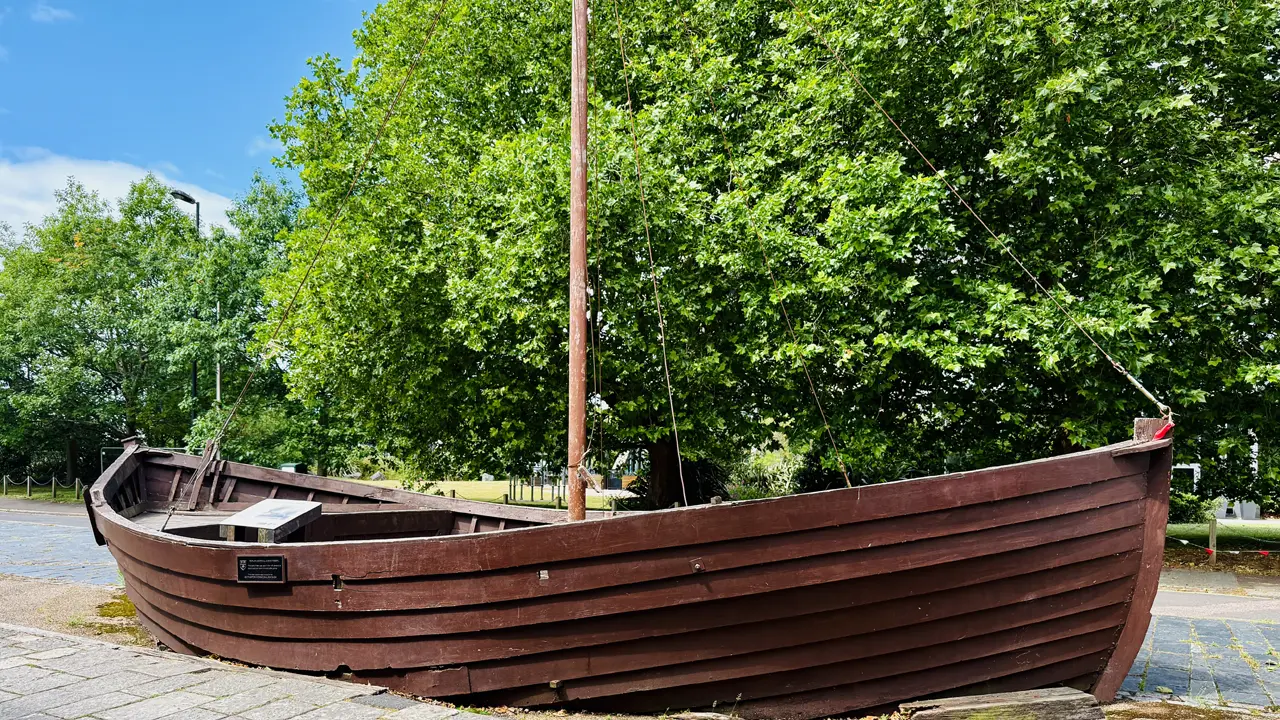
We also saw a replica of a type of medieval trading ship known as a Keel (1200 to 1400), It was based on Viking shipbuilding techniques and thought to be the type used to take wool to Calais, then bring wine back from Bordeaux.
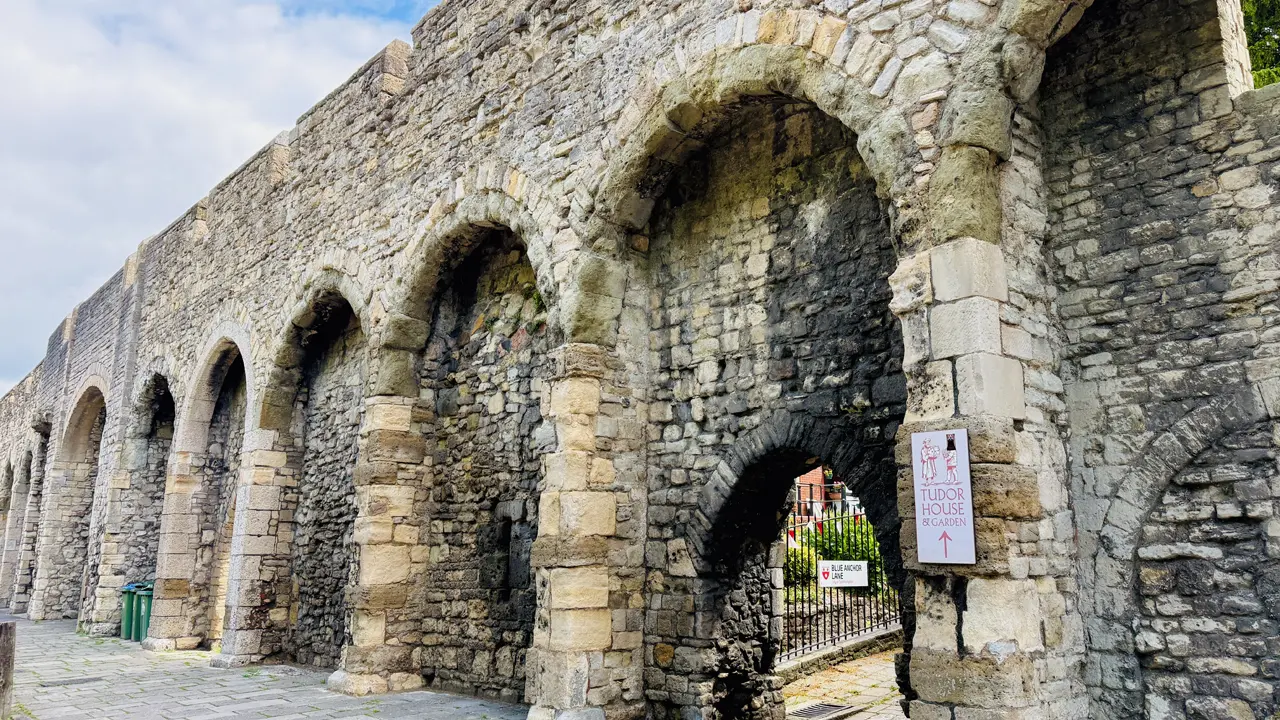
On a quiet morning in October 1338, a fleet of ships silently entered Southampton Harbor. French and Genoese soldiers and mercenaries stormed the town, attacked residents, looted their possessions and set fire to buildings. When Edward Ill heard about the raid and the loss of his wine and wool, he furiously commanded a wall be built to protect against future attacks. That wall, or defensive arcade as they called it, is still standing and is now known as The Arcades.
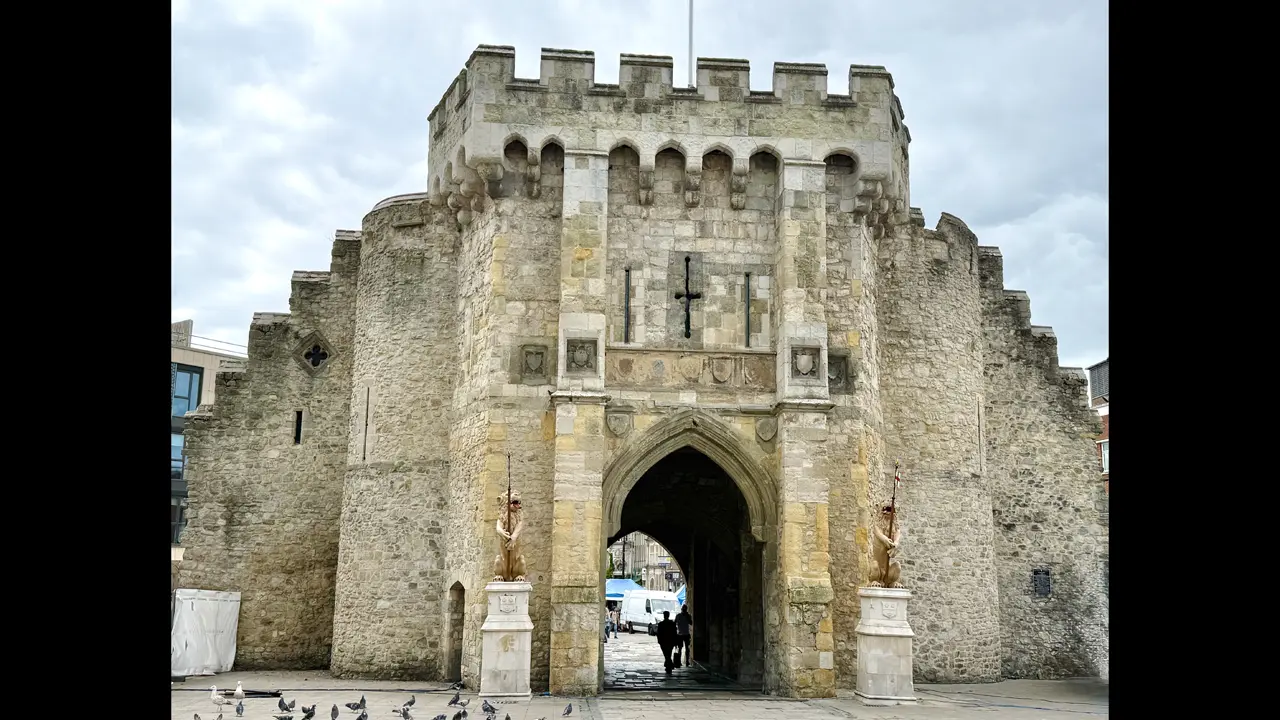
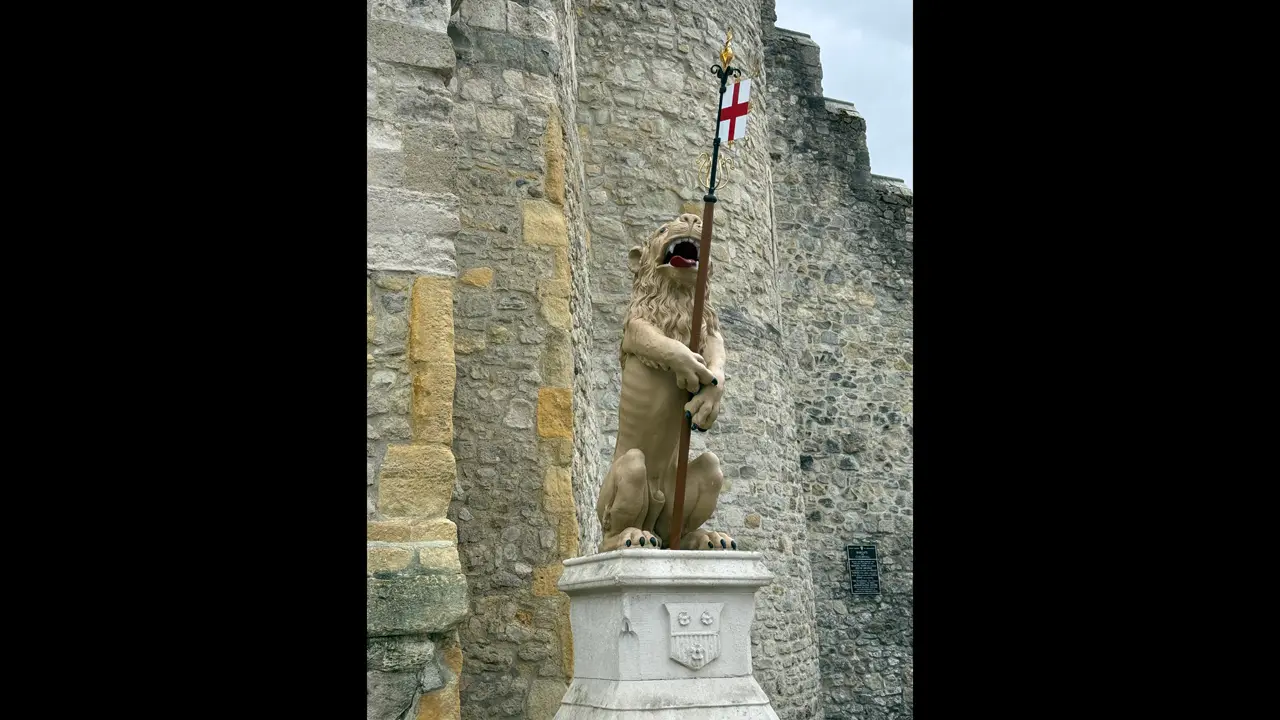
The Bargate is an iconic 12th-century northern gateway and main entrance to the medieval town of Southampton. Local taxes were collected on goods entering or leaving the town. It was also a venue for important civic functions and public entertainment. In 1593, Lord Strange’s Company of Players, of whom William Shakespeare was a member, performed here. A pair of lions has guarded the gateway since the early 1600s. The existing lions have been here since 1743. They are made of lead and were repainted in their original colors in 2021.
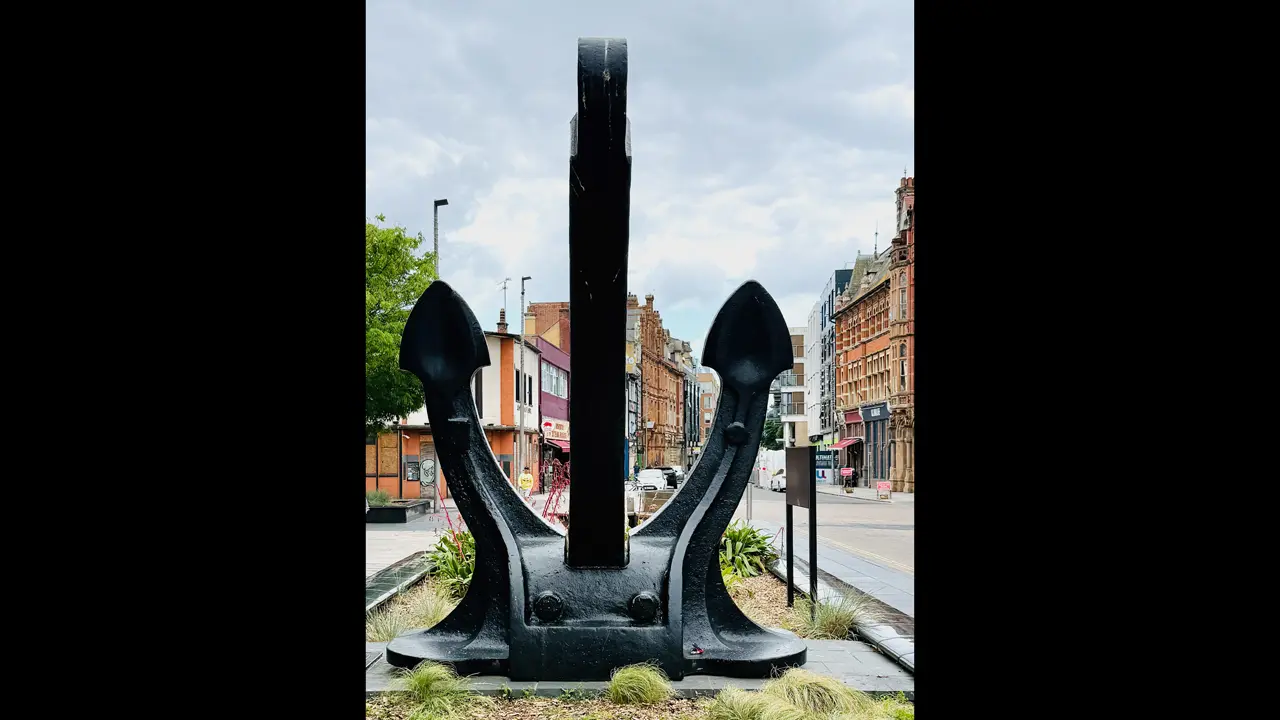
We even saw an Anchor from Queen Elizabeth II on display. It was given to Southampton by Cunard to commemorate the long association between the ocean liner and the city. Southampton was the home port for the QE2 for 39 years.
A few newer structures…
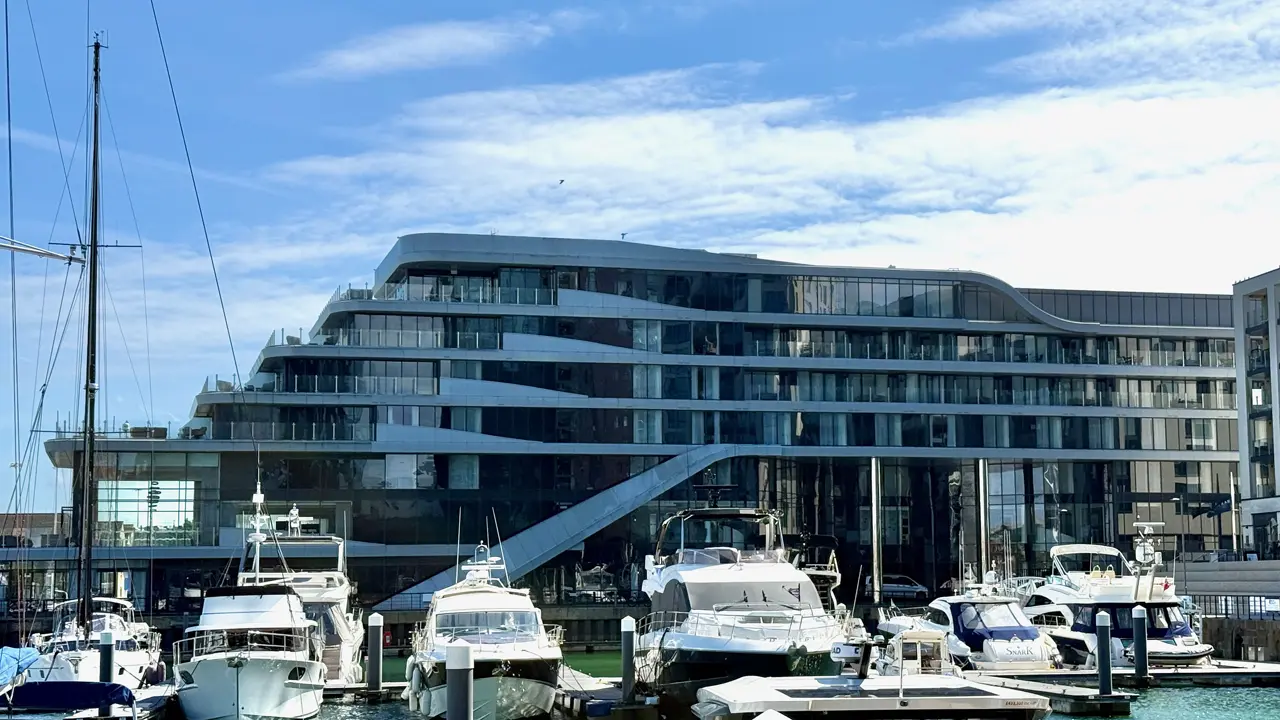
Harbour Hotel Southampton – Located in Ocean Village, it’s designed to resemble a luxury super yacht or cruise liner, complete with tiered, sweeping wooden decks and tinted glass.
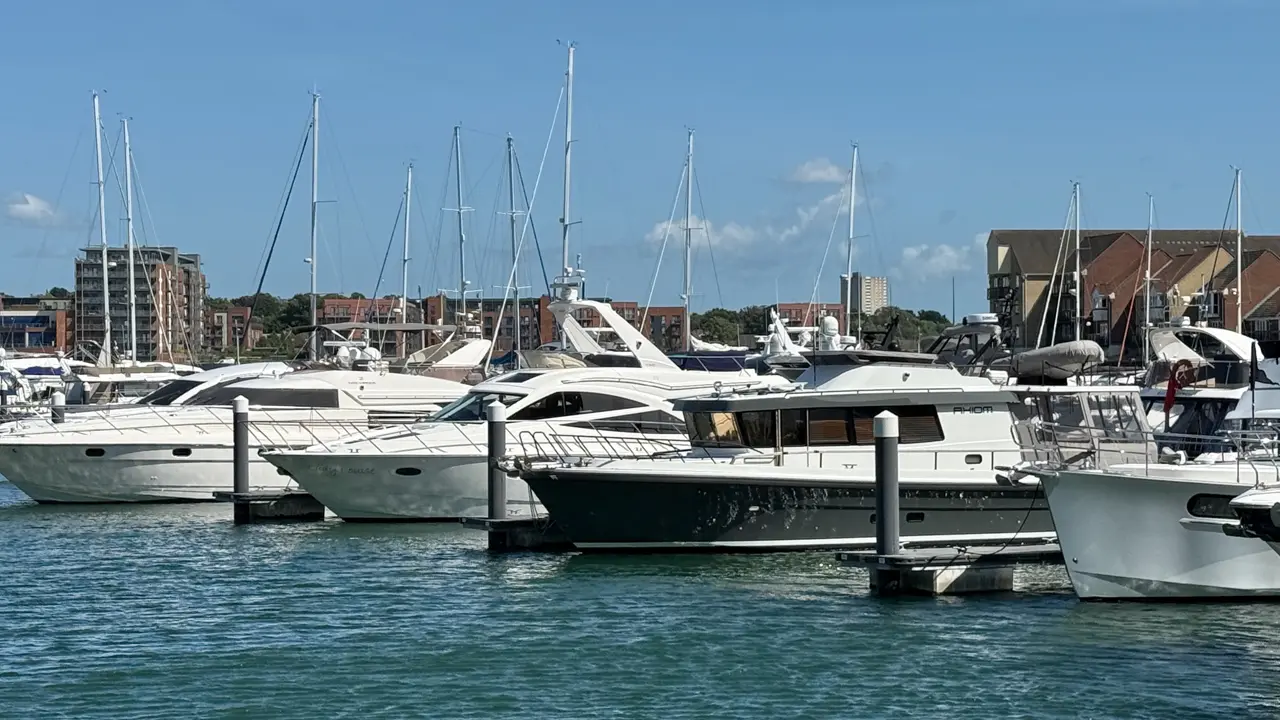
The Ocean Village Marina is the UK’s first 5-star marina. It’s home to luxury yachts, tall ships, and serves as the starting point for global yacht races.
I had my final Fish & Chips dinner last night, and I must say The White Star Tavern makes an excellent Gin & Tonic!
Next we set sail on Celebrity’s APEX ship for a 14-night Arctic Circle & Norwegian Fjord’s Cruise. The adventure continues…
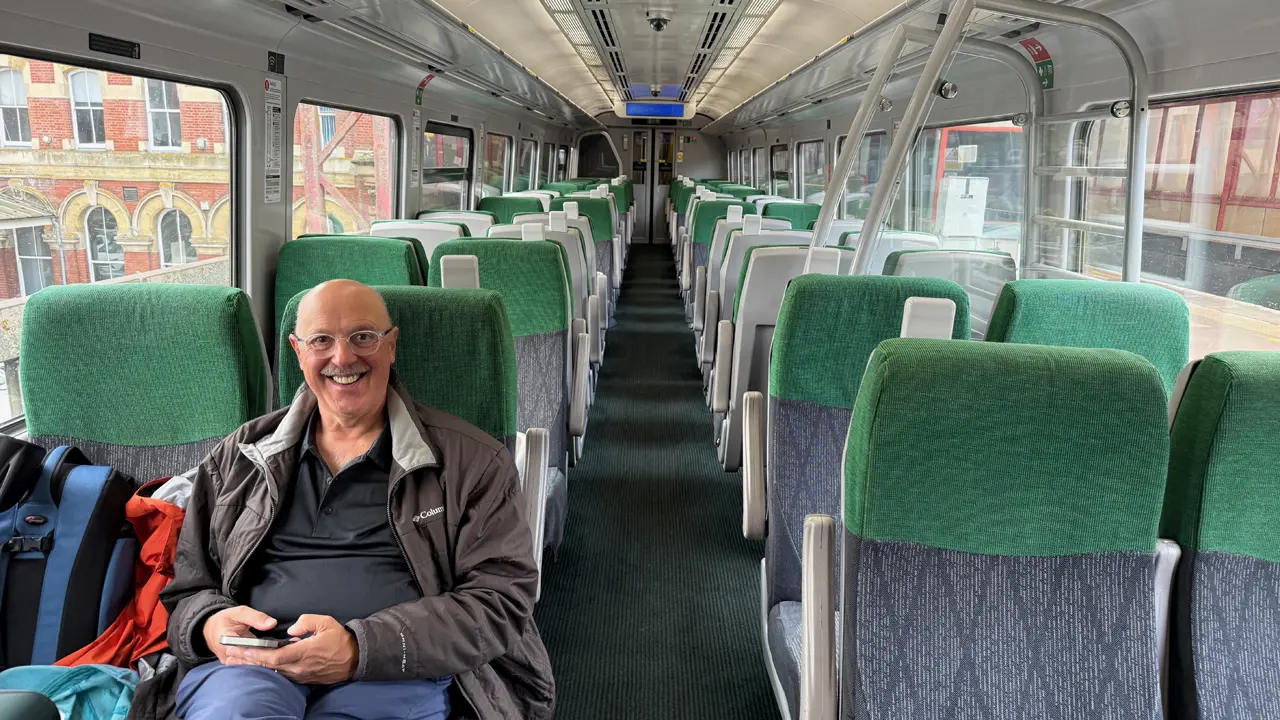 Train ride from Portsmouth to Southampton.



Leave a Reply