WED., MAY 27th thru SAT., MAY 30th, 2026
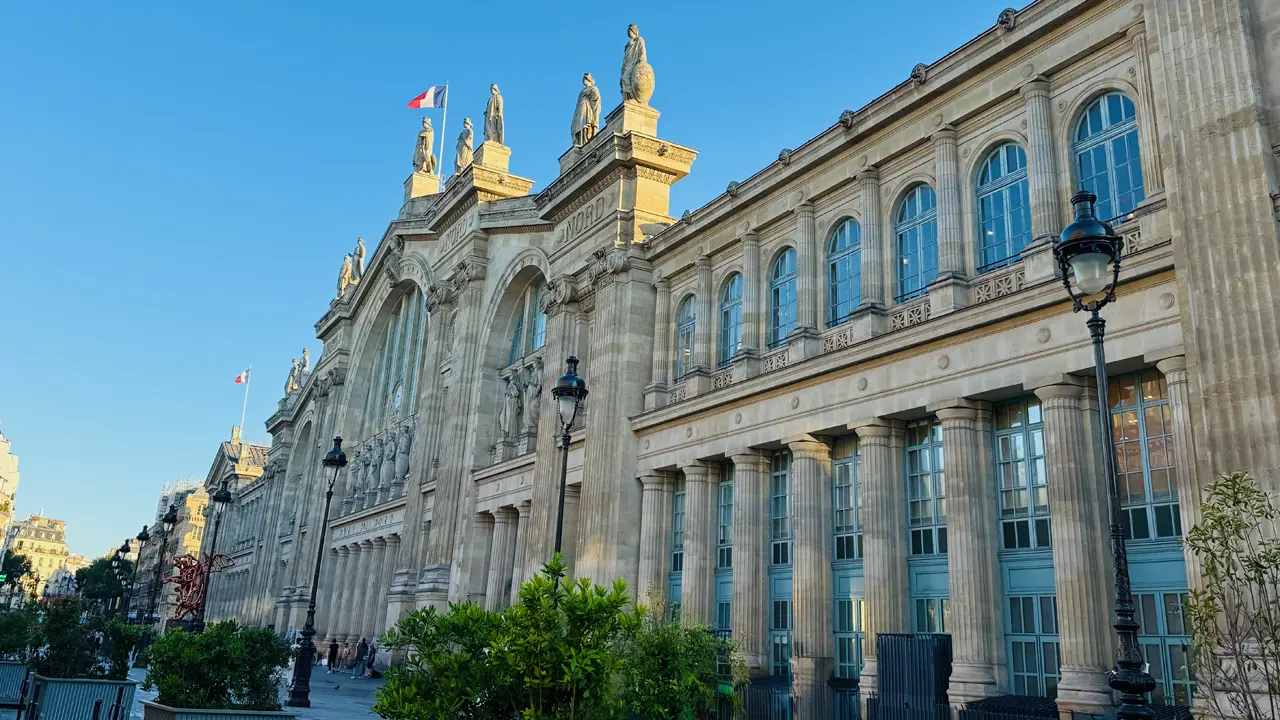
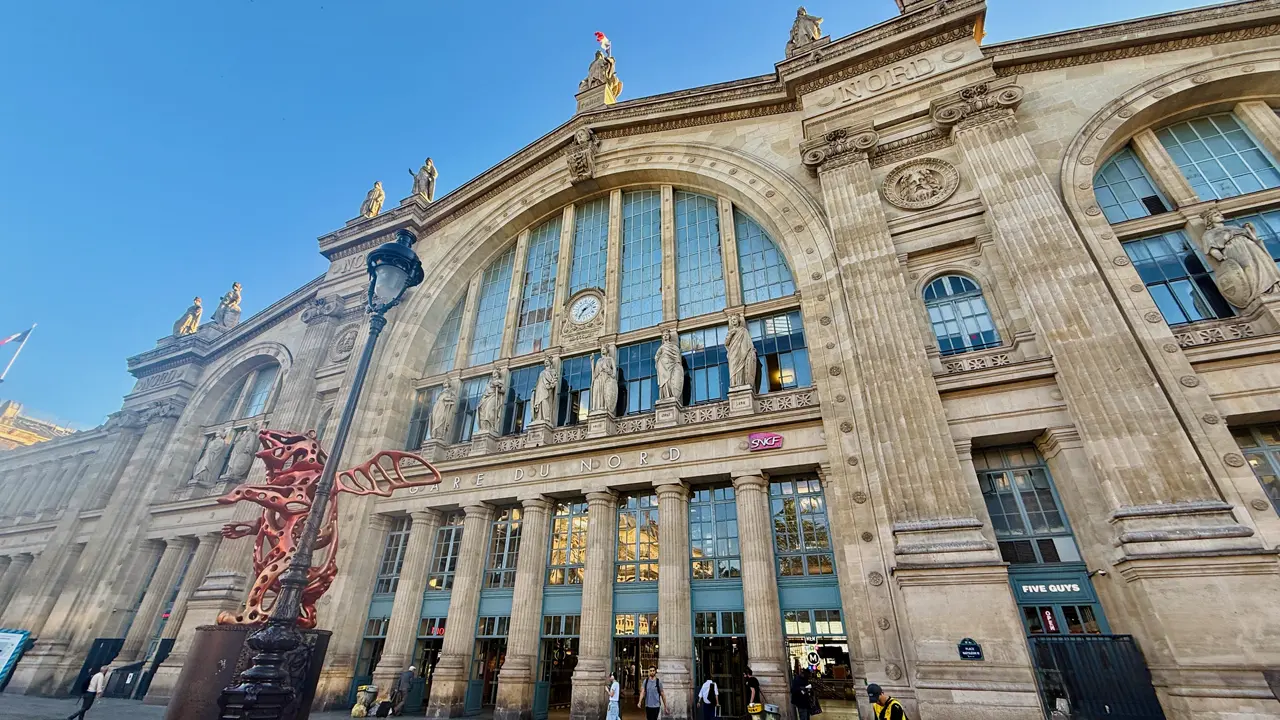
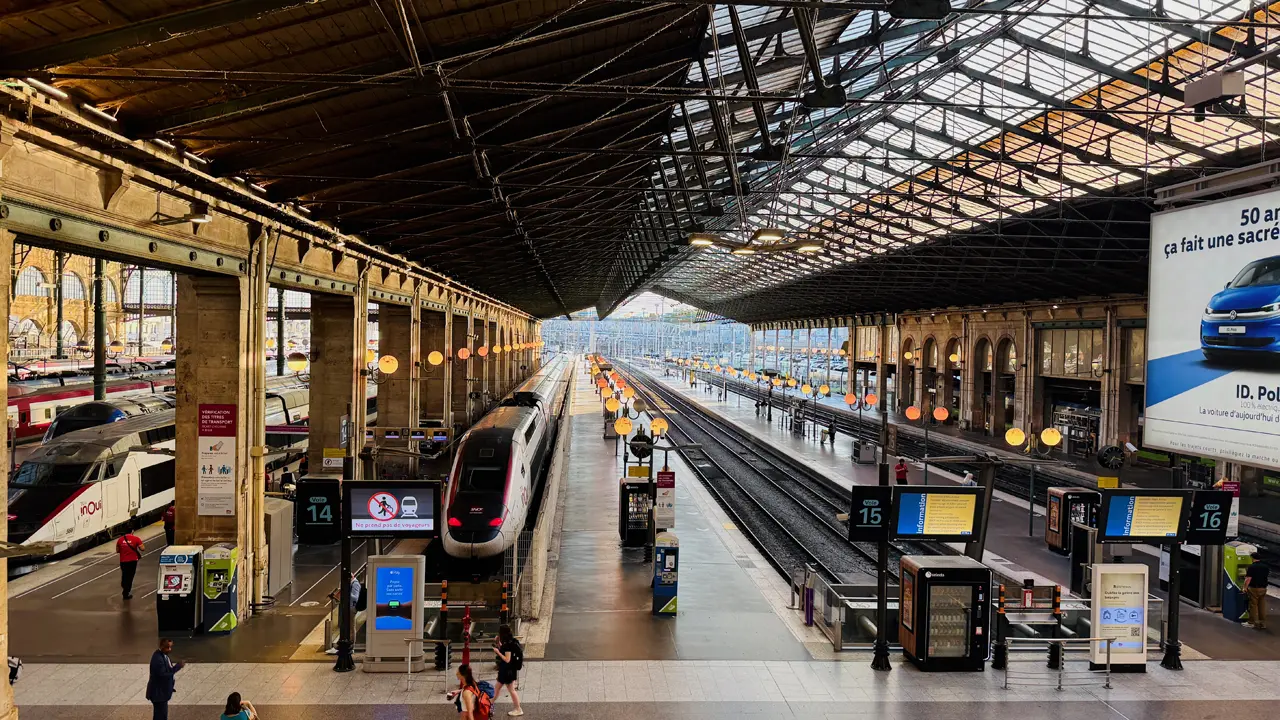
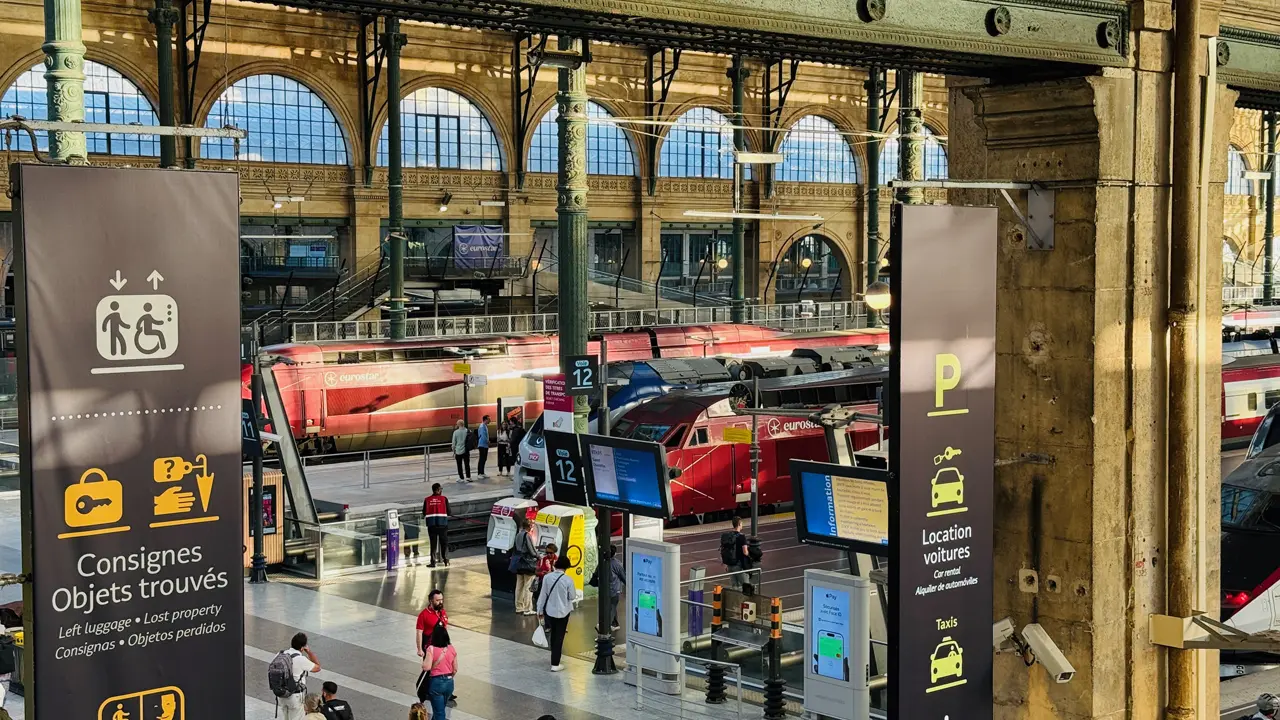
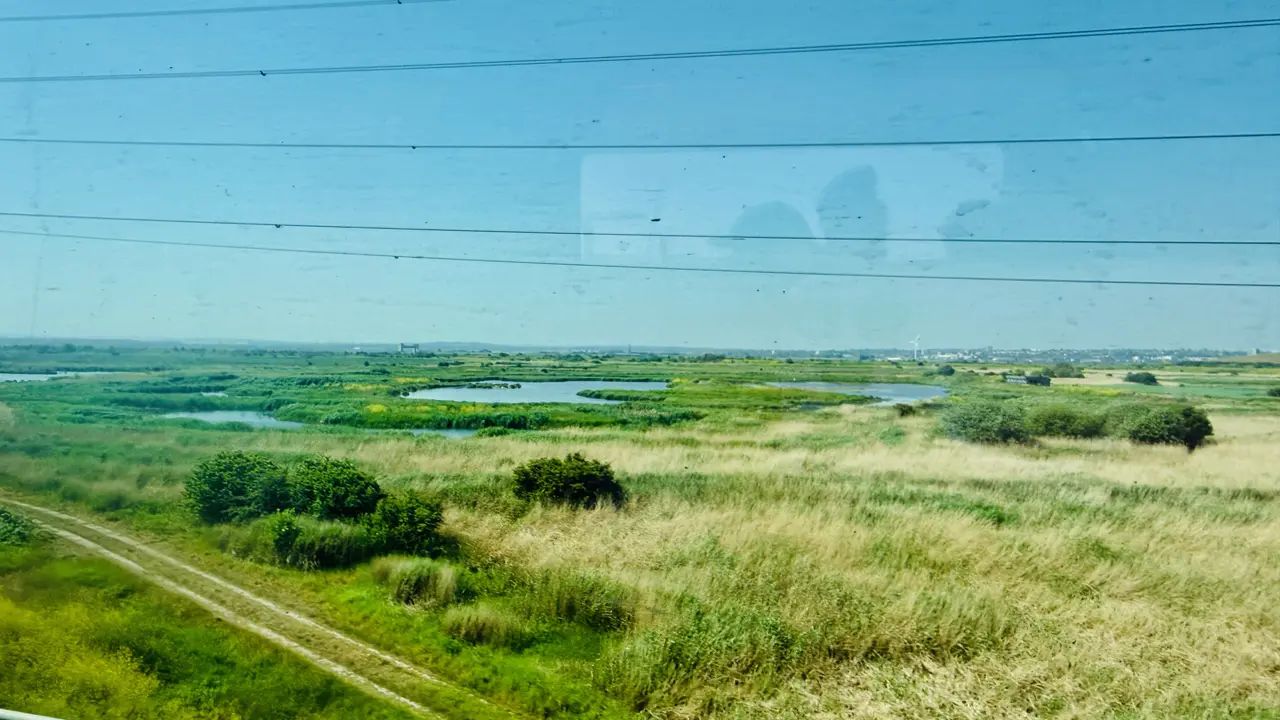
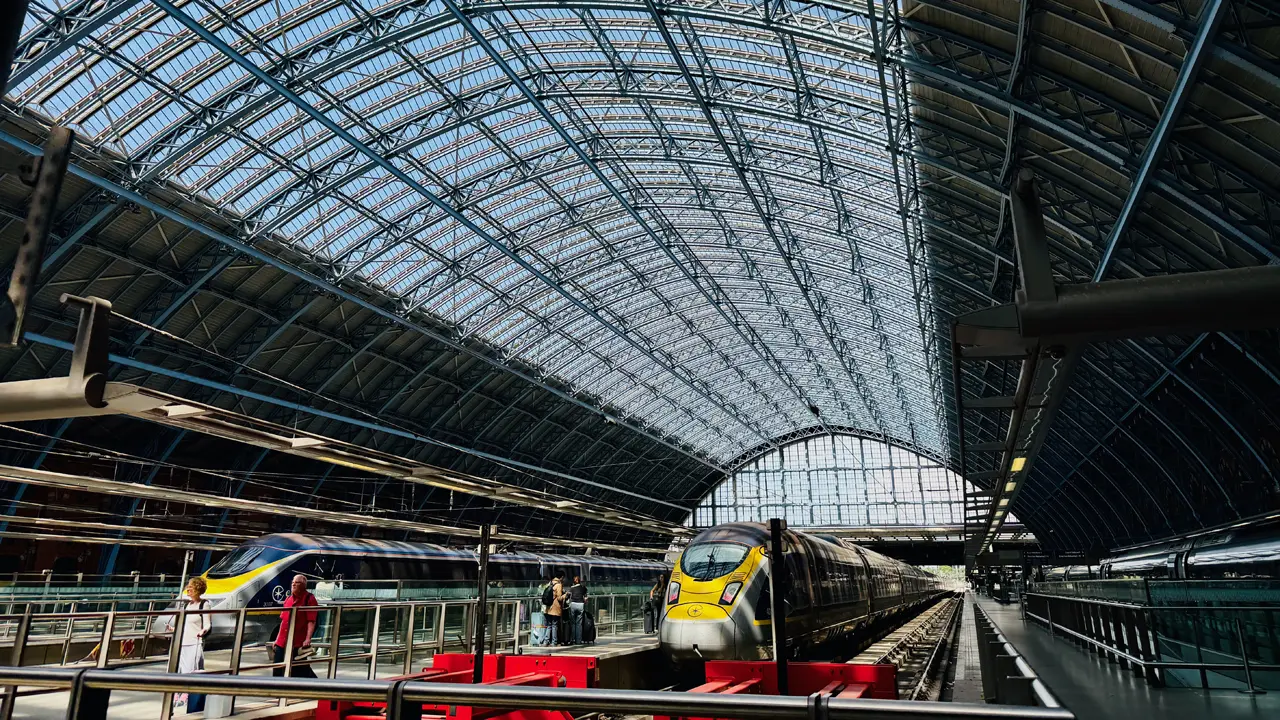
We were up early on Wed., May 27th (2026), to make our way from Paris to Folkestone UK. The benefit was seeing a fabulous sunrise from our apartment. We ubered over to Europe’s busiest train station, Gare du Nord (Paris North Station). It was completed in 1864 and features a Neoclassical facade designed to look like a “Roman triumphal arch.” The exterior was gorgeous, while the interior was chaotic. People everywhere!! We were catching the Eurostar for the 2.5 hour train trip from Paris to London. Yet again, Gary’s cane and knee brace helped us cut through the queue, as its called here. Not that we were trying to do that, but staff parted the seas for us. Once on board, we had a nice high-speed train ride passing under the Chunnel as well as passing by lots of pretty countryside with crops growing.
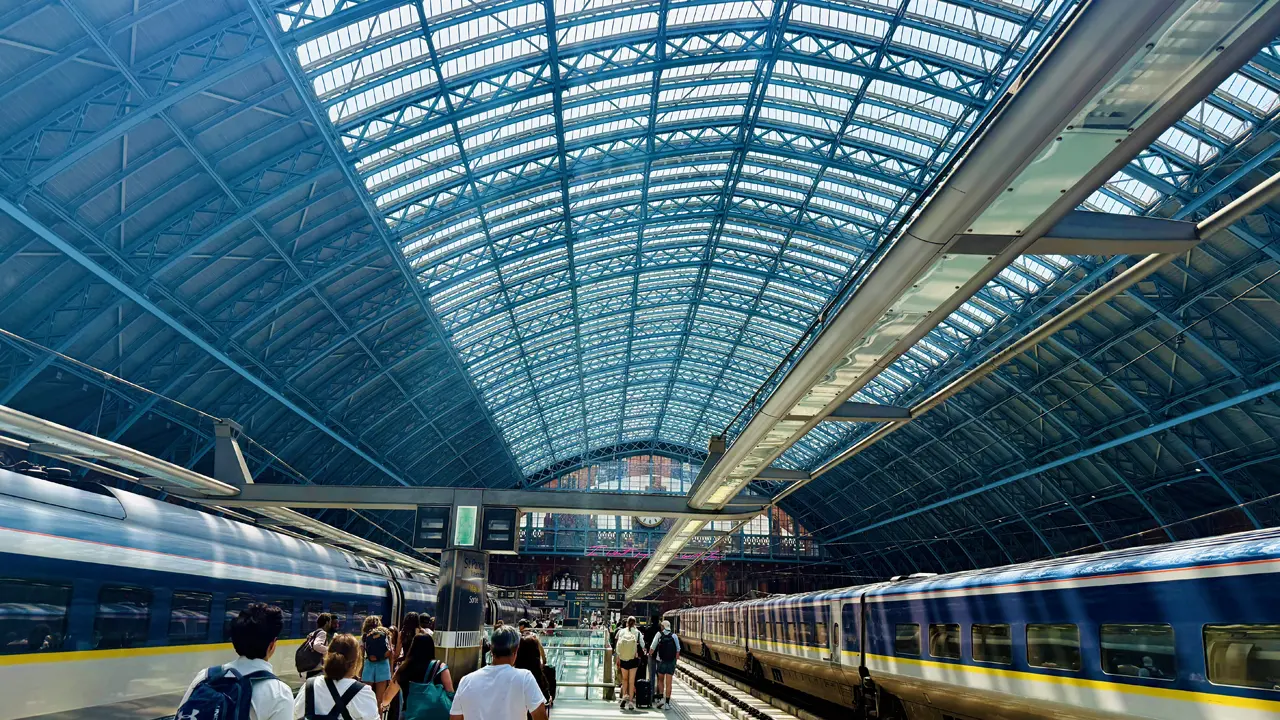
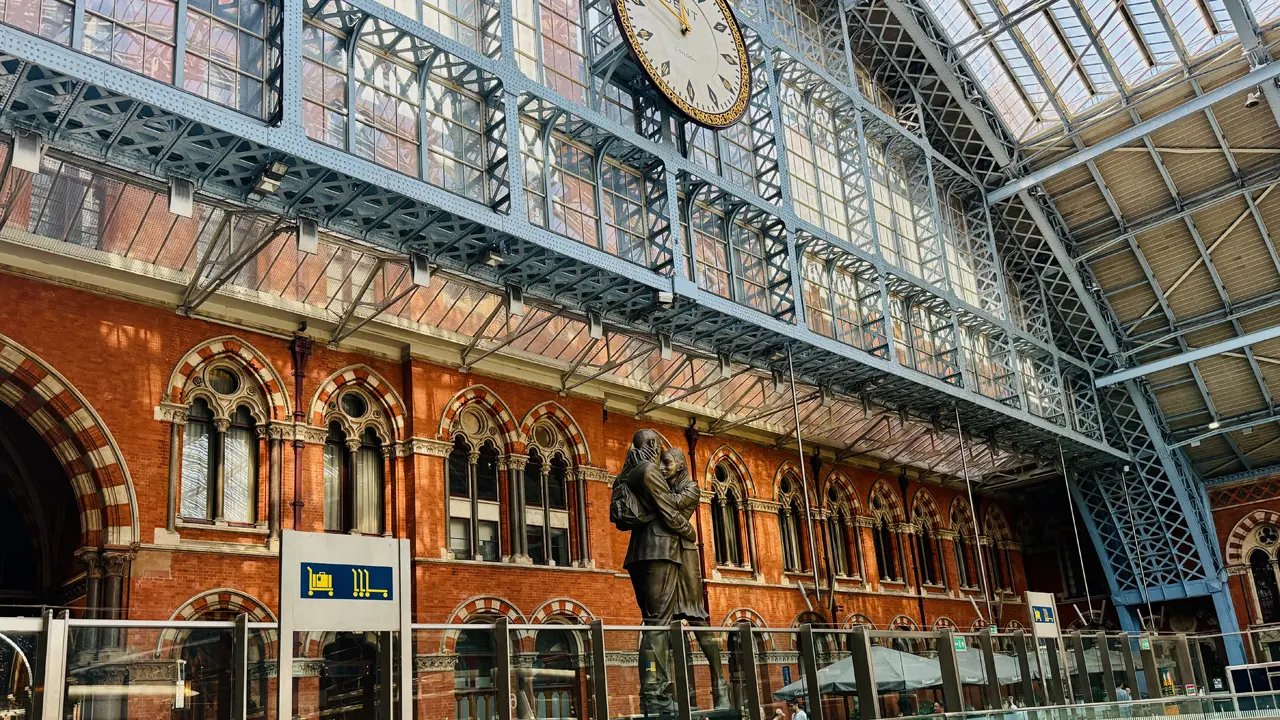
Outside London we waited on the track for over an hour before we were able pull into the station. Apparently there was a train that was stuck on the track. We eventually arrived at St Pancras International in London, which was even more chaotic than Gare du Nord. Lots of delayed trains, and tons of people, particularly tourists, wondering what to do. I cornered a couple of train station workers milling amongst the crowds, and they were exceedingly helpful.
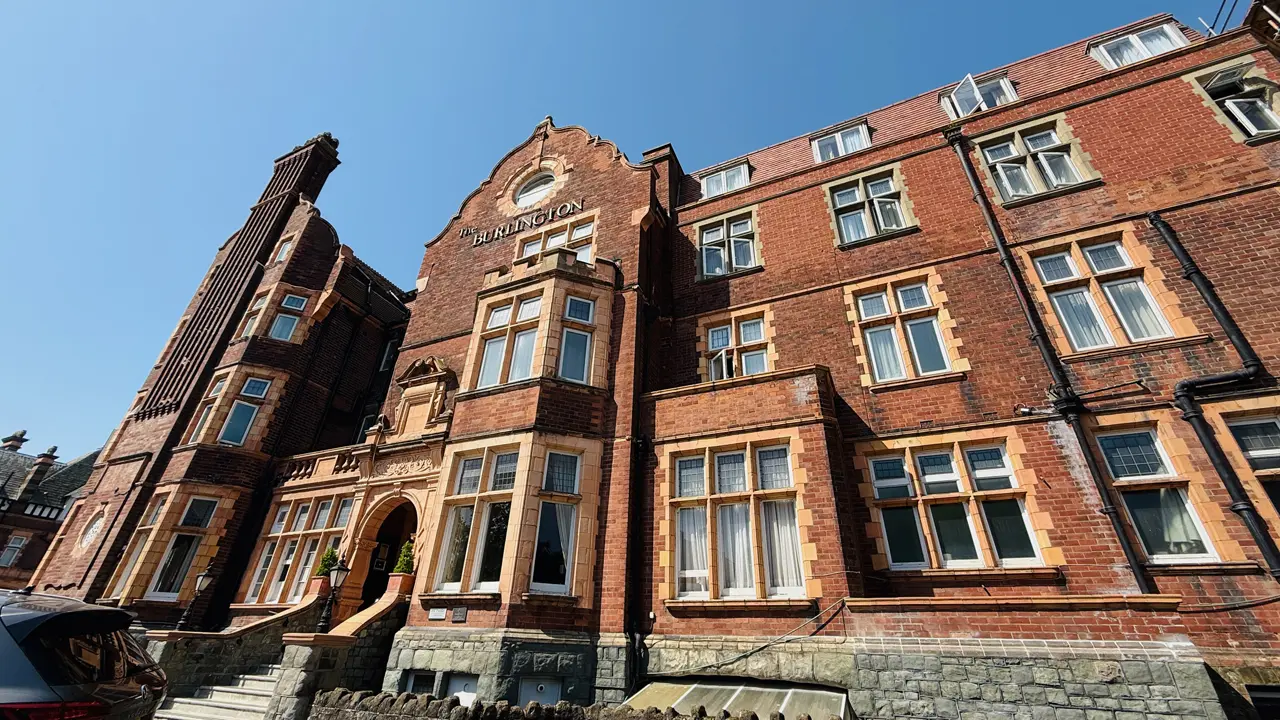
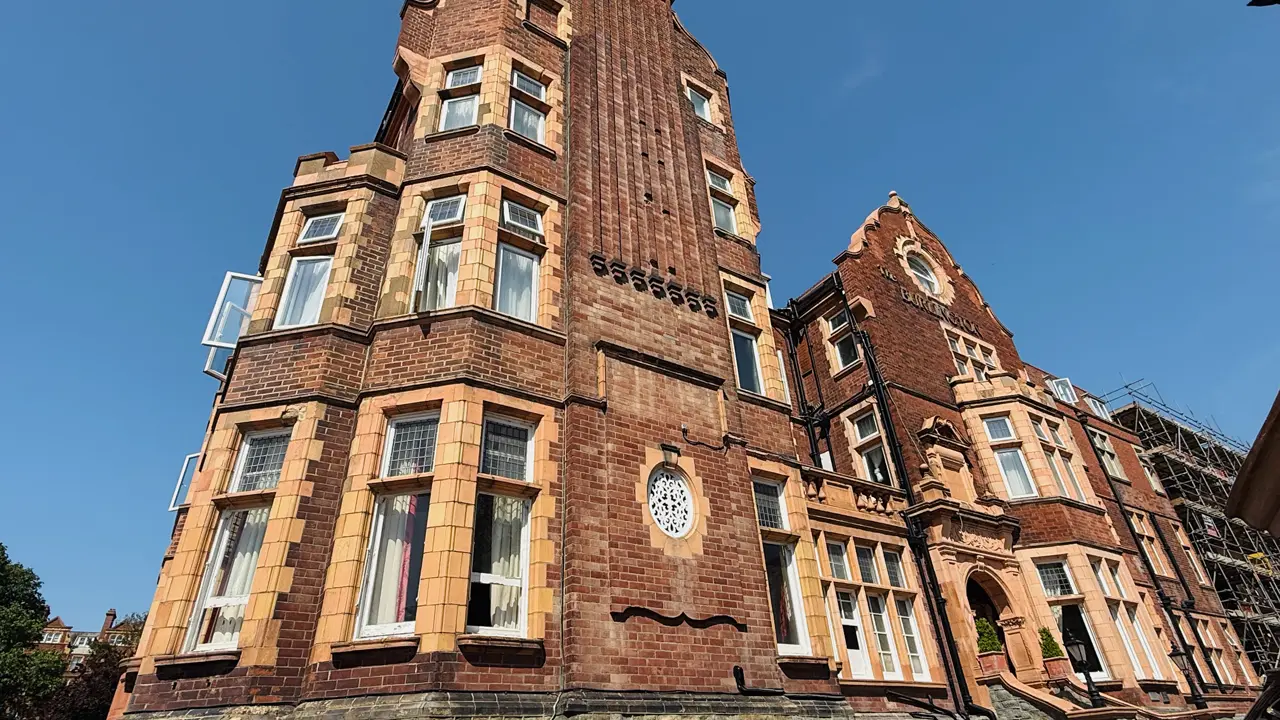
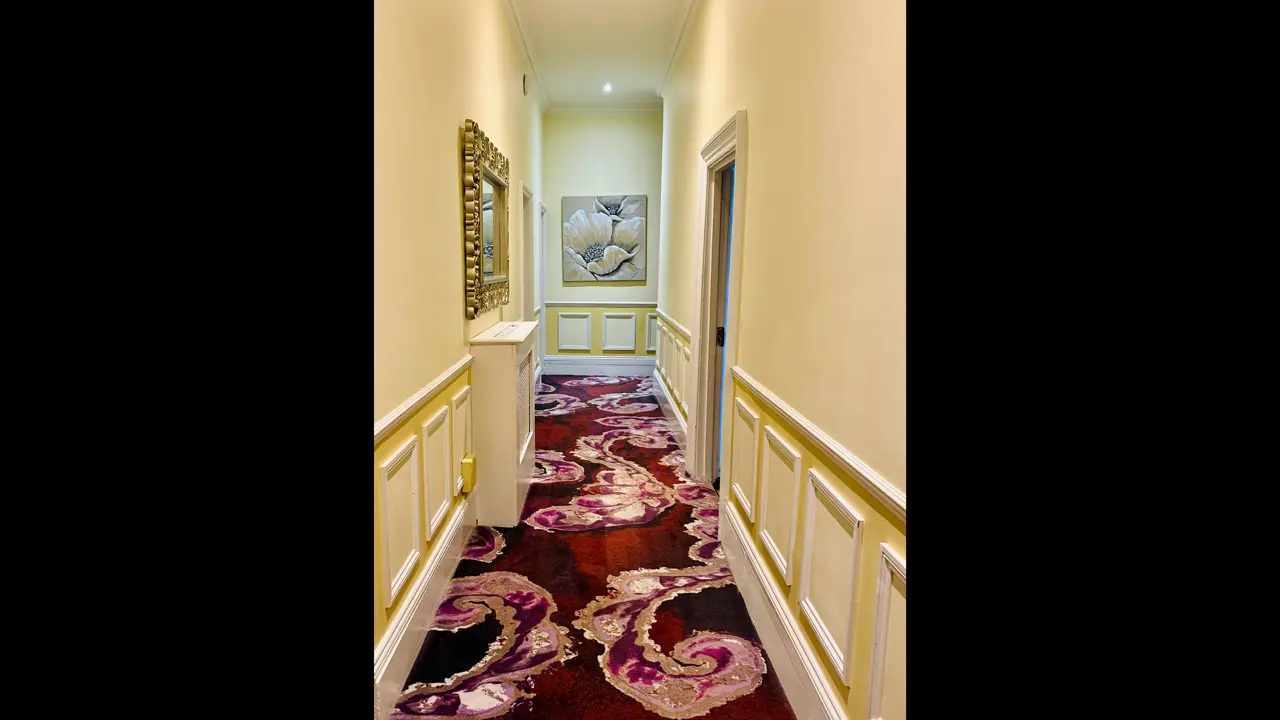
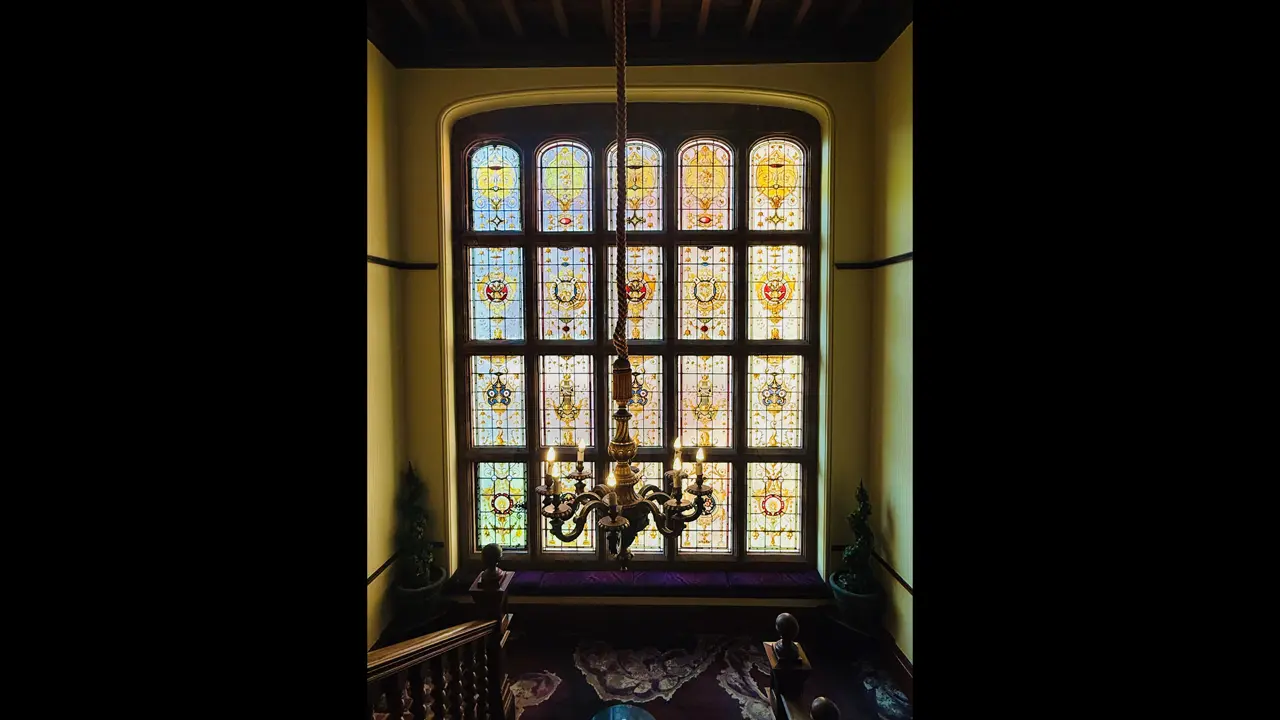
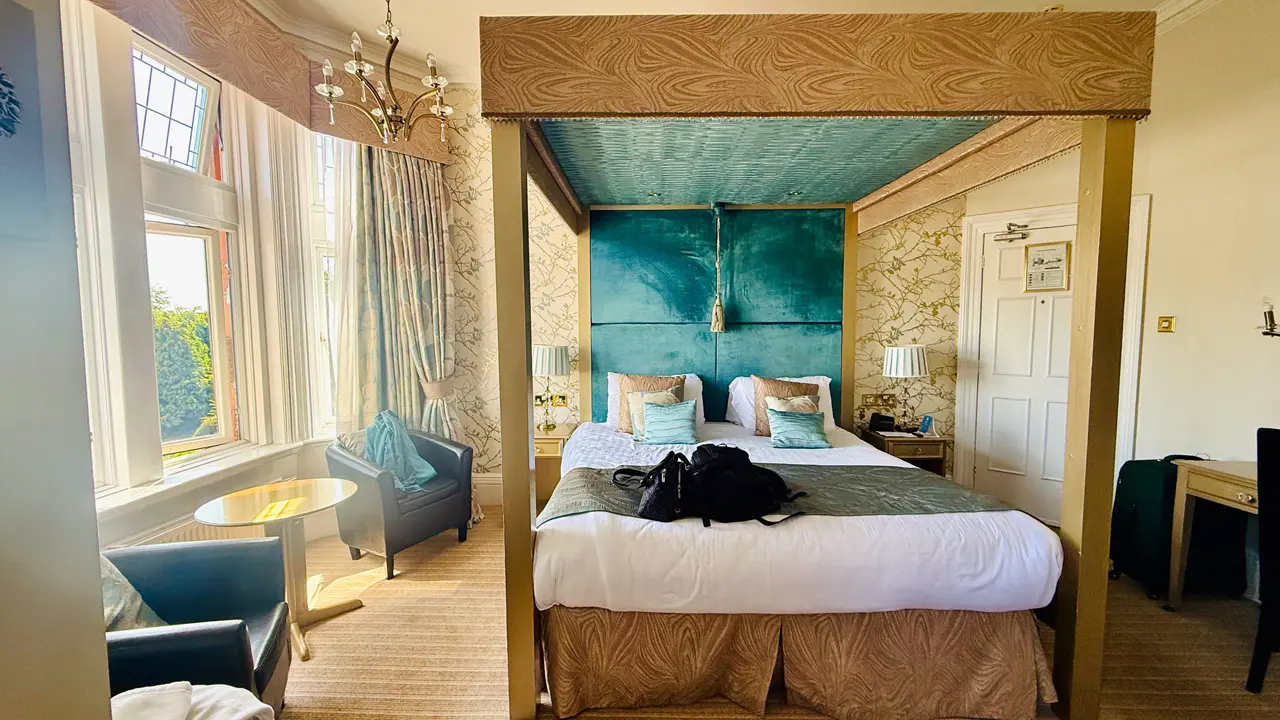
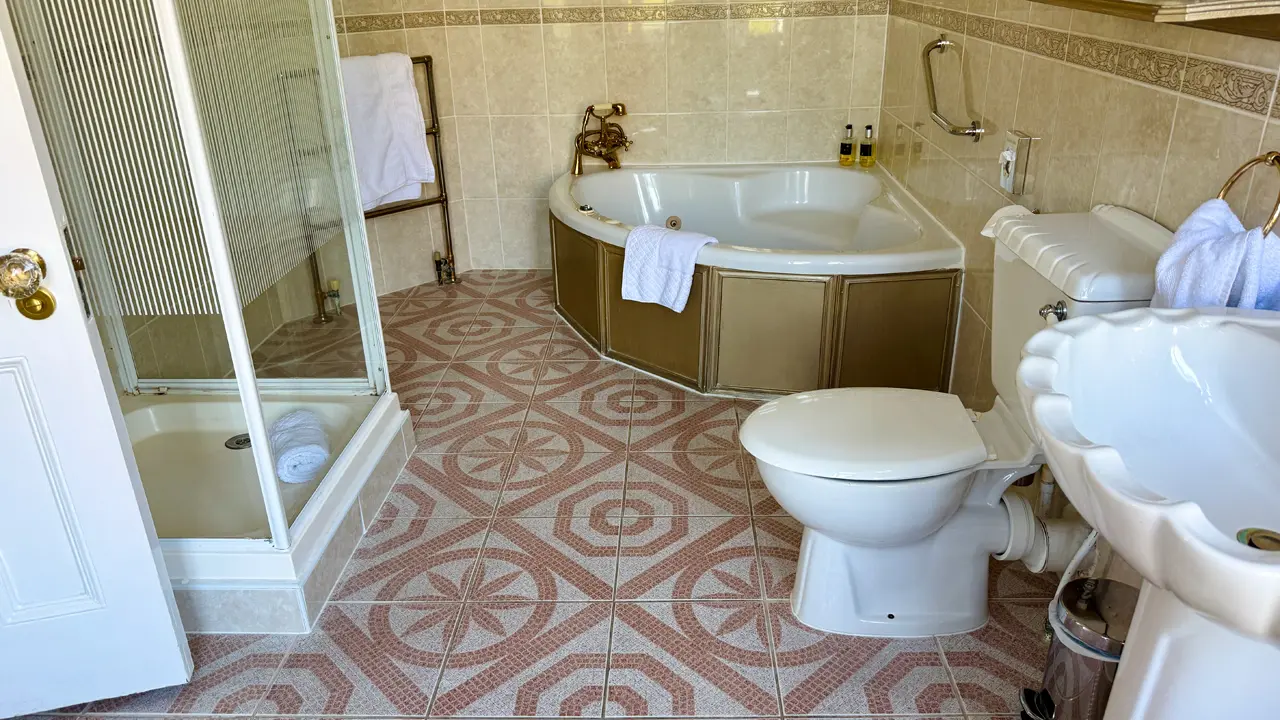
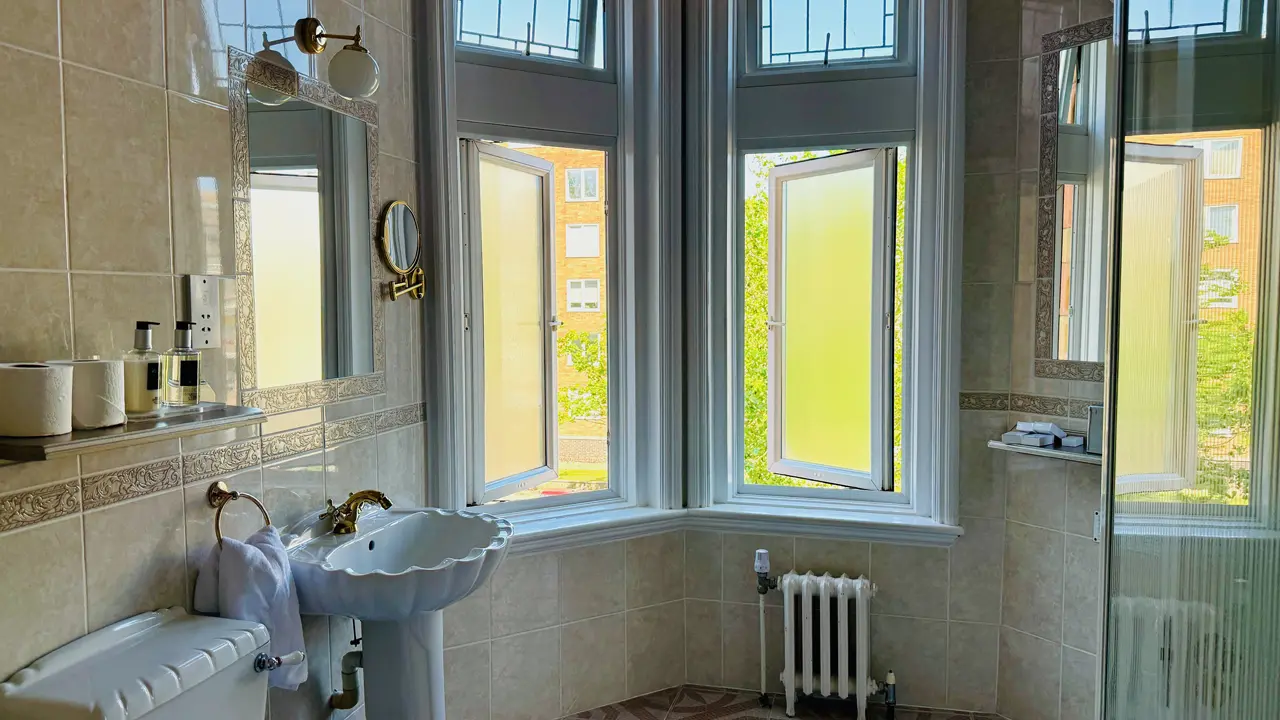
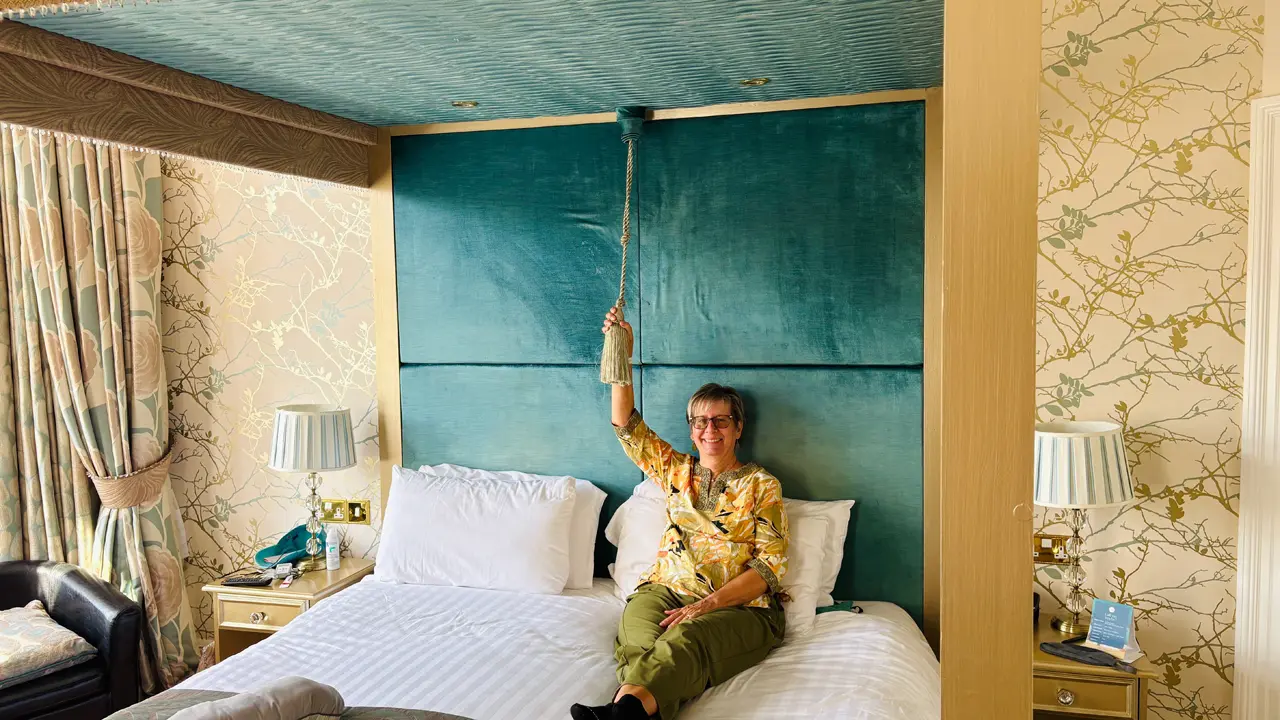
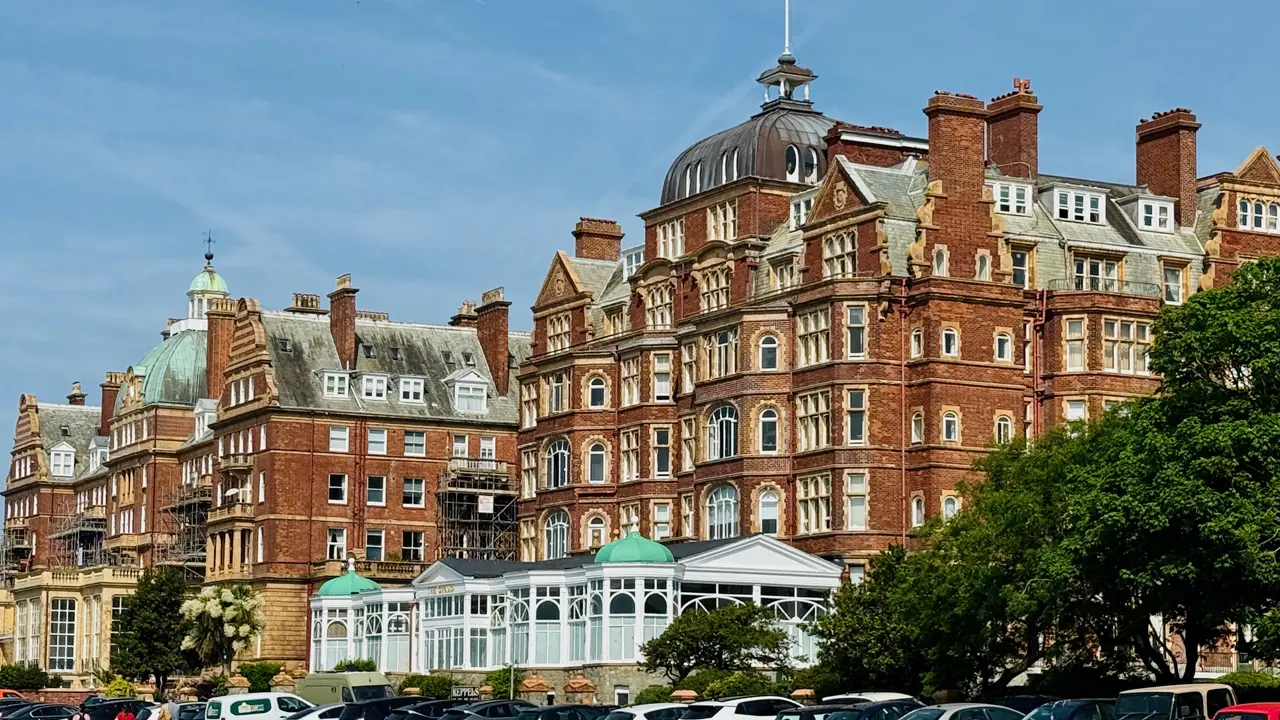
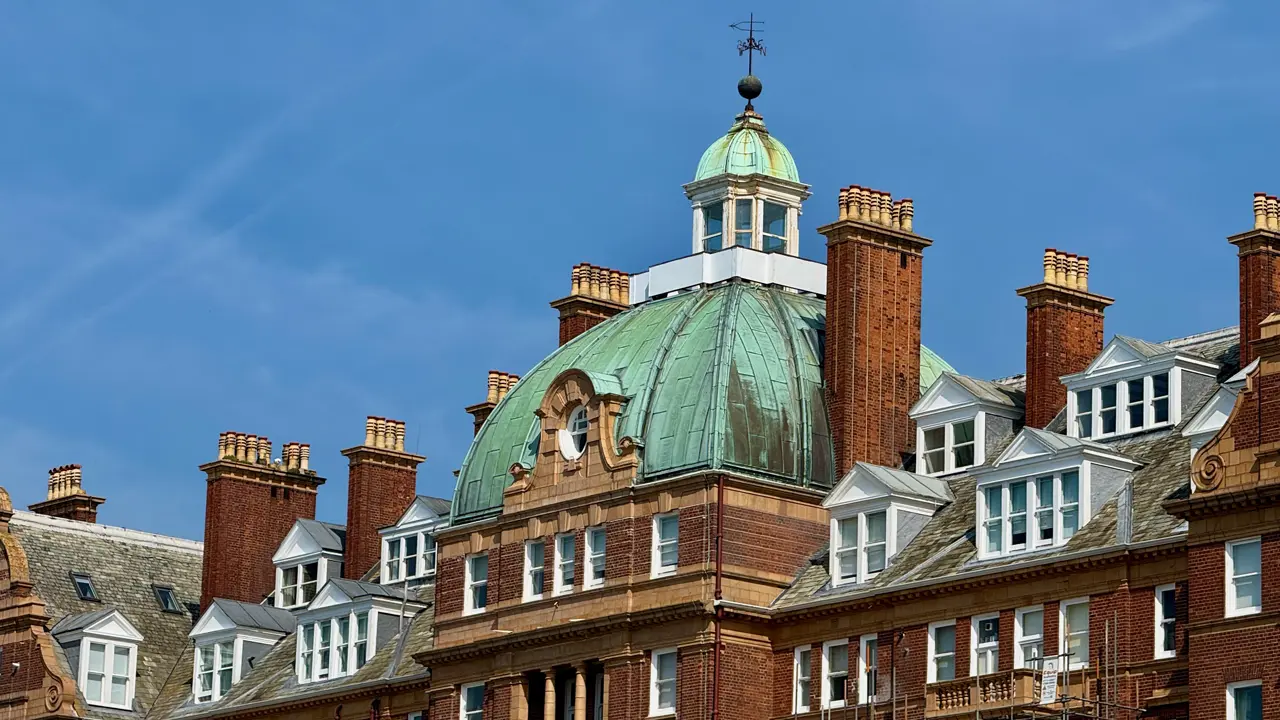
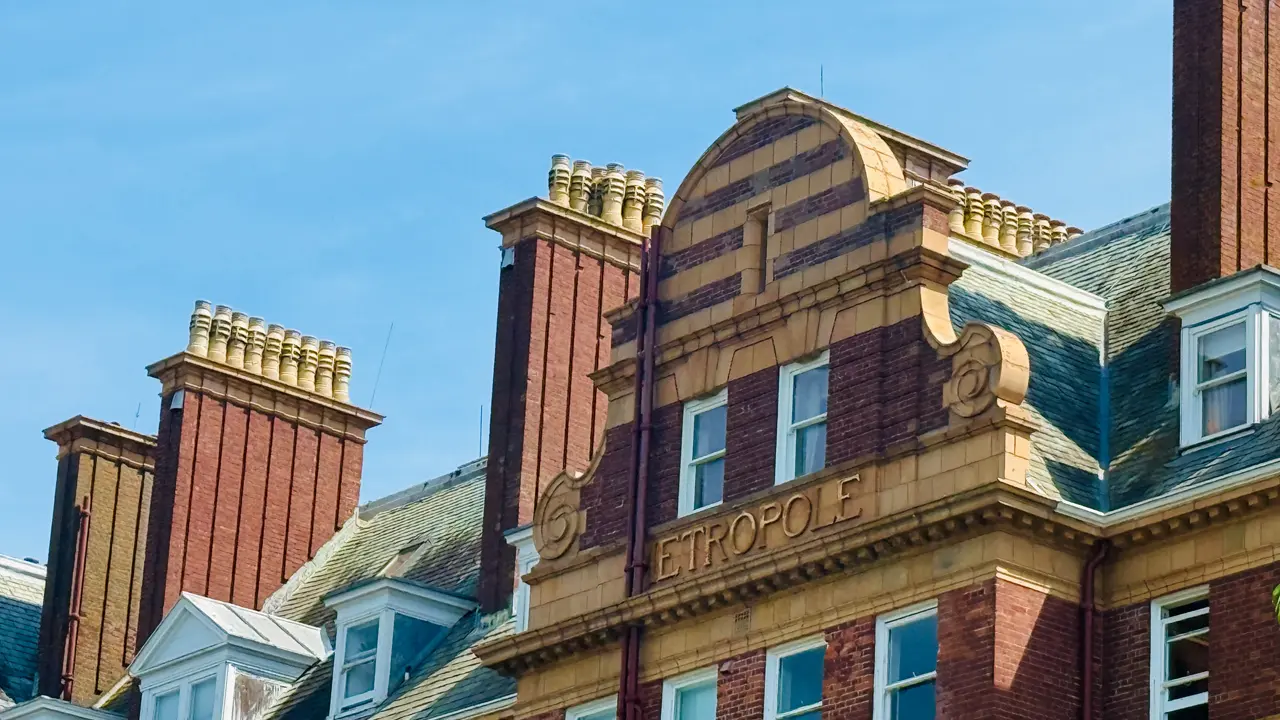
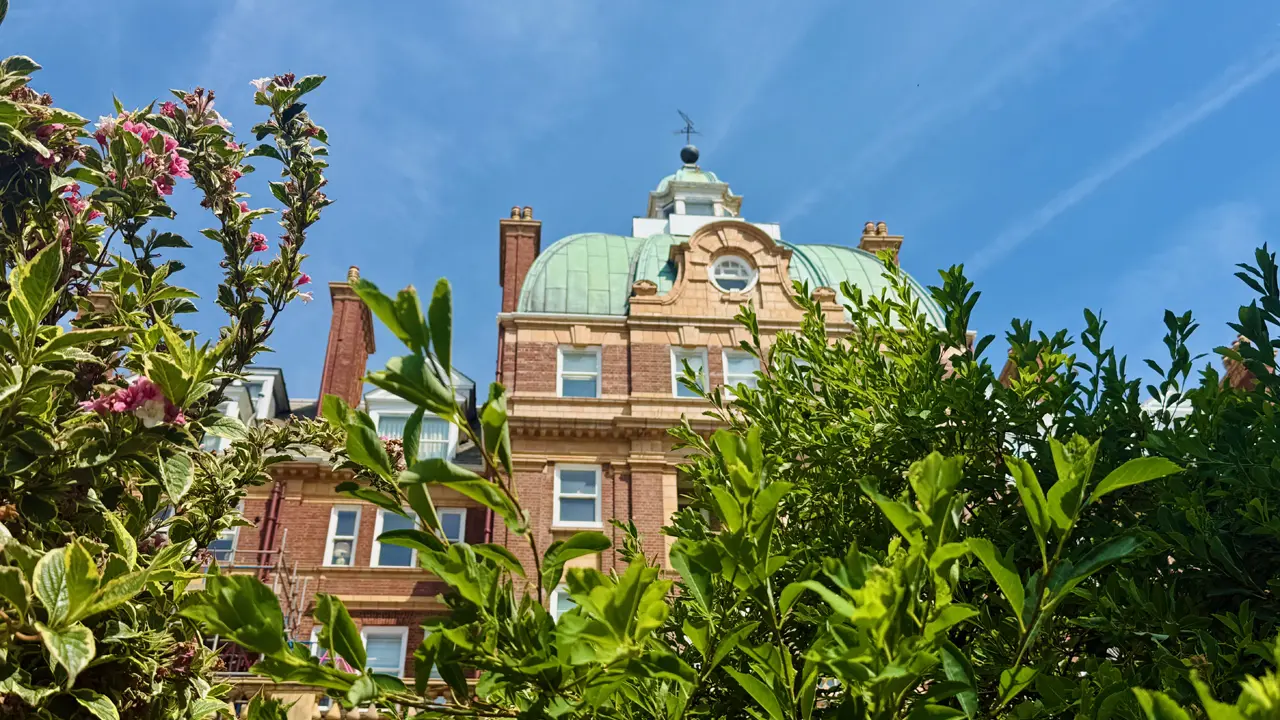
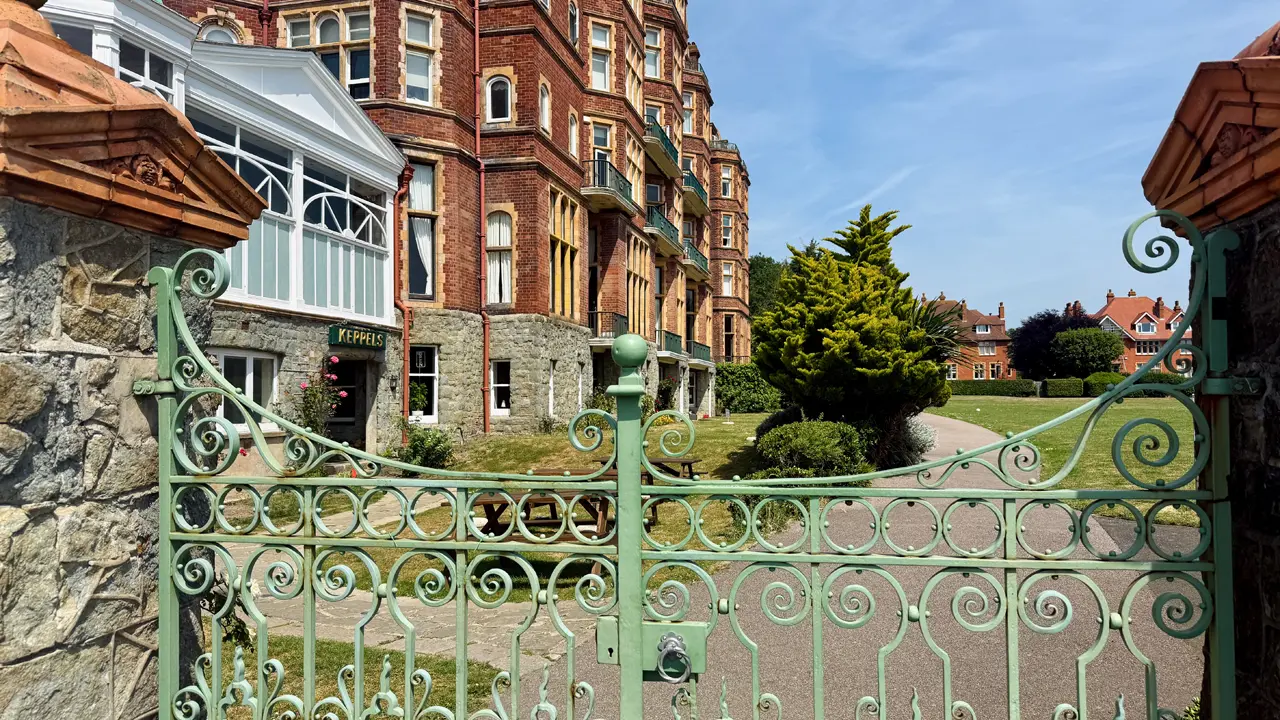
After two more trains and a final taxi ride, we arrived about 4pm at The Burlington Hotel in Folkestone (pronounced Folkstun) UK. The beautiful Victorian hotel opened in 1893. Our corner room on the first floor, which actually would be considered the second floor in the states, has large windows that open out to capture a glimpse of the English Channel.
We’re looking forward to cooler temps and exploring this charming coastal town. But before that we’re looking forward to a relaxing dinner at the hotel after a long travel day. Since we’re now in the UK, I ordered Fish & Chips which was to die for.
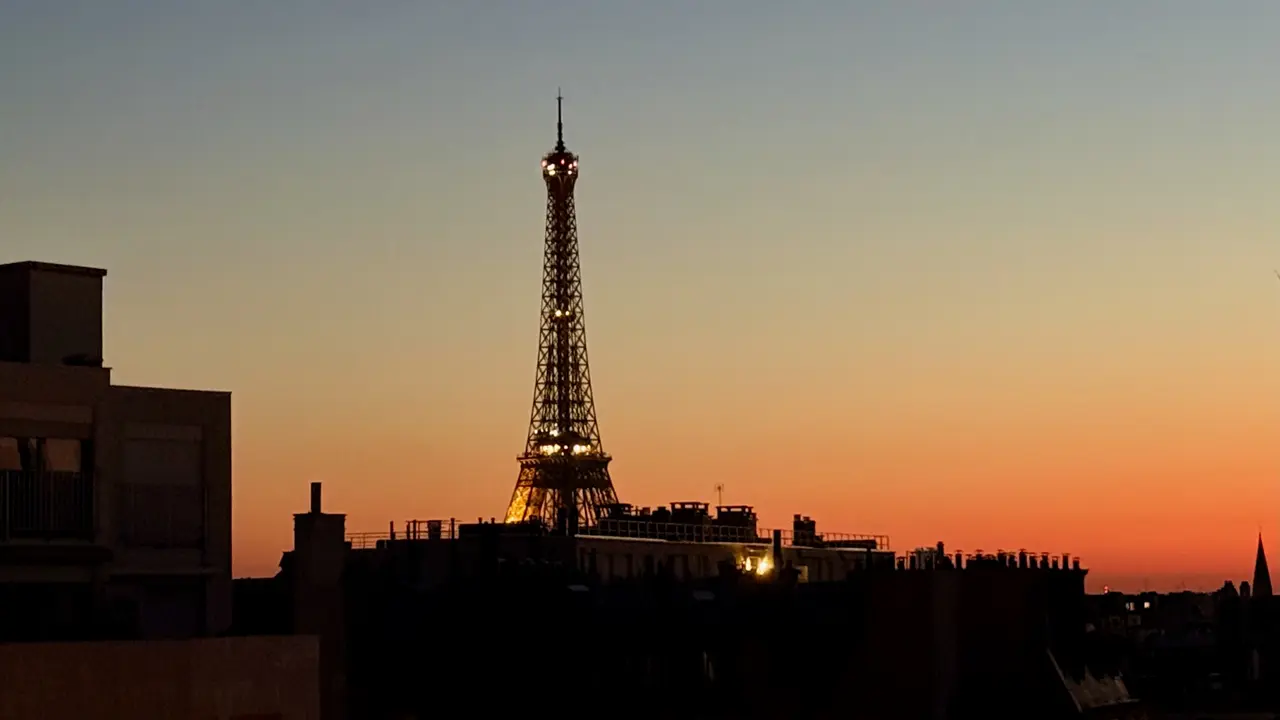 Sunrise




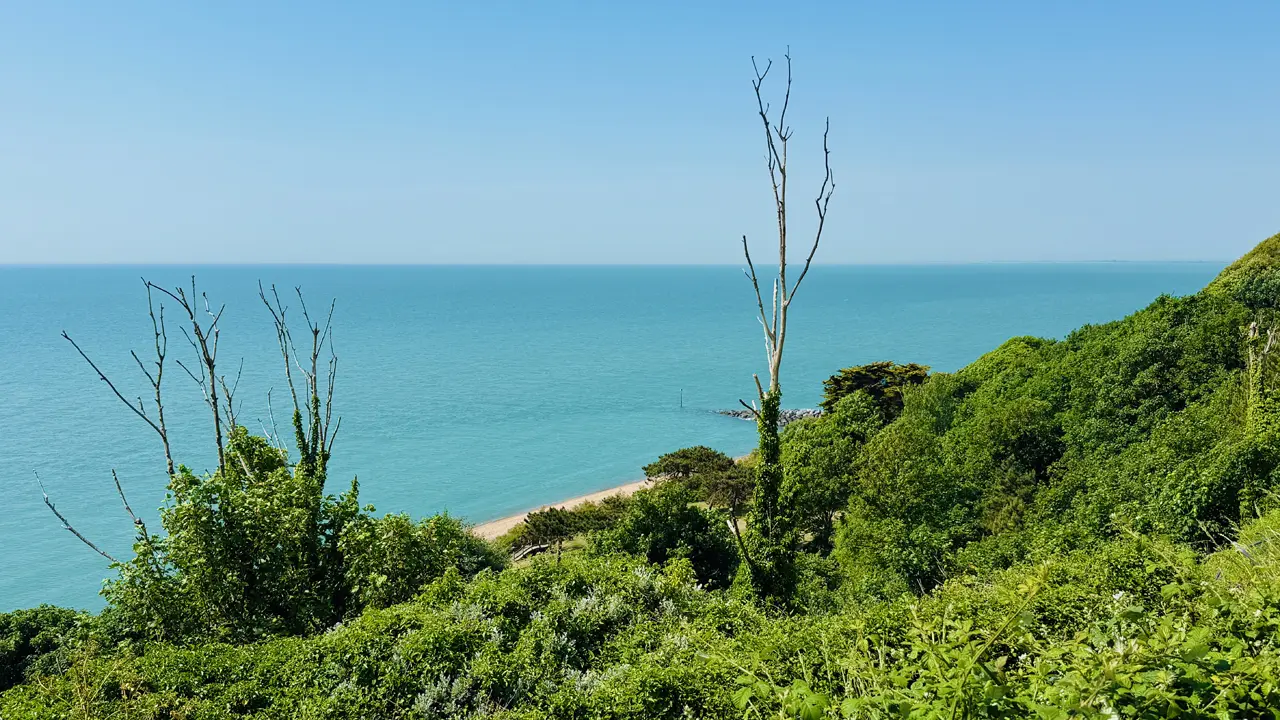
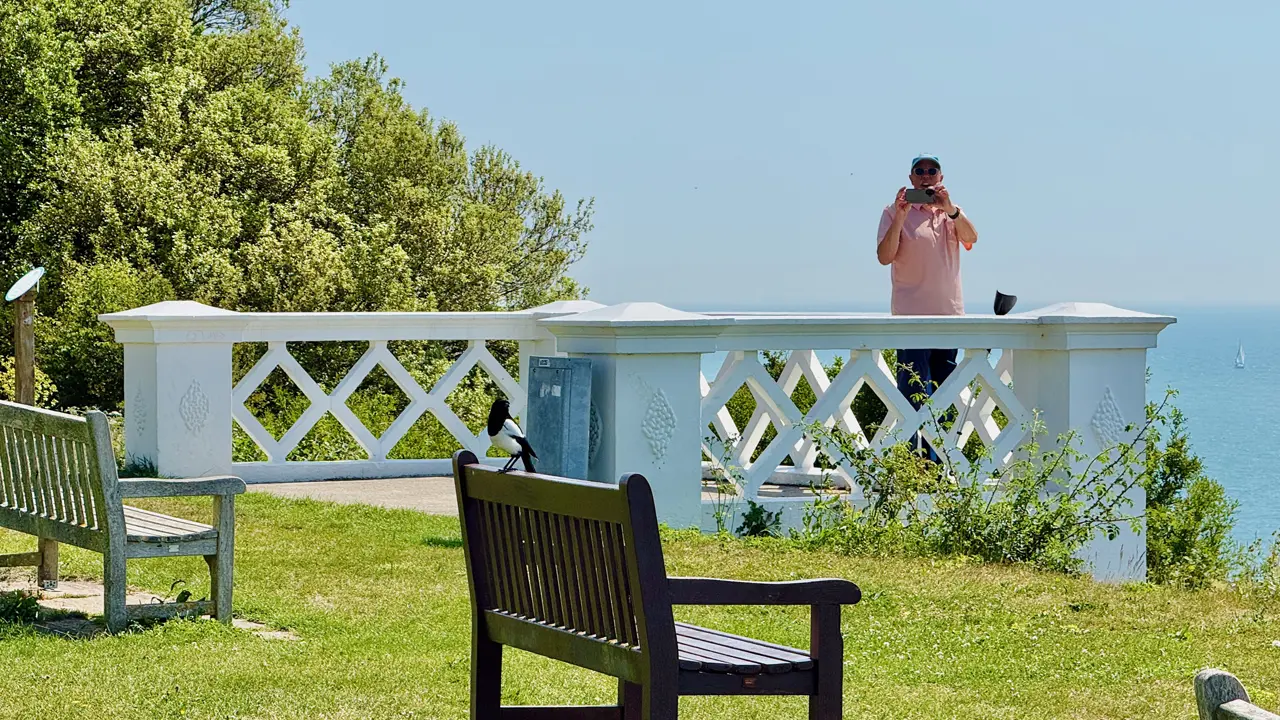
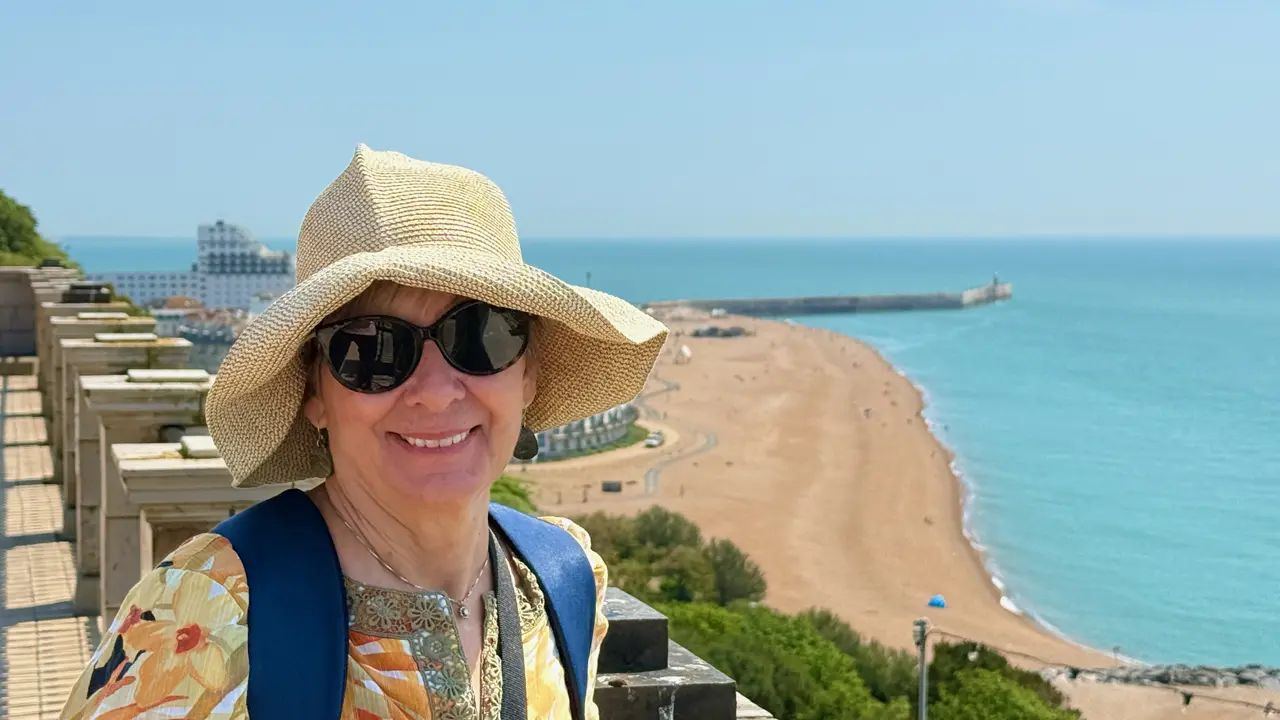
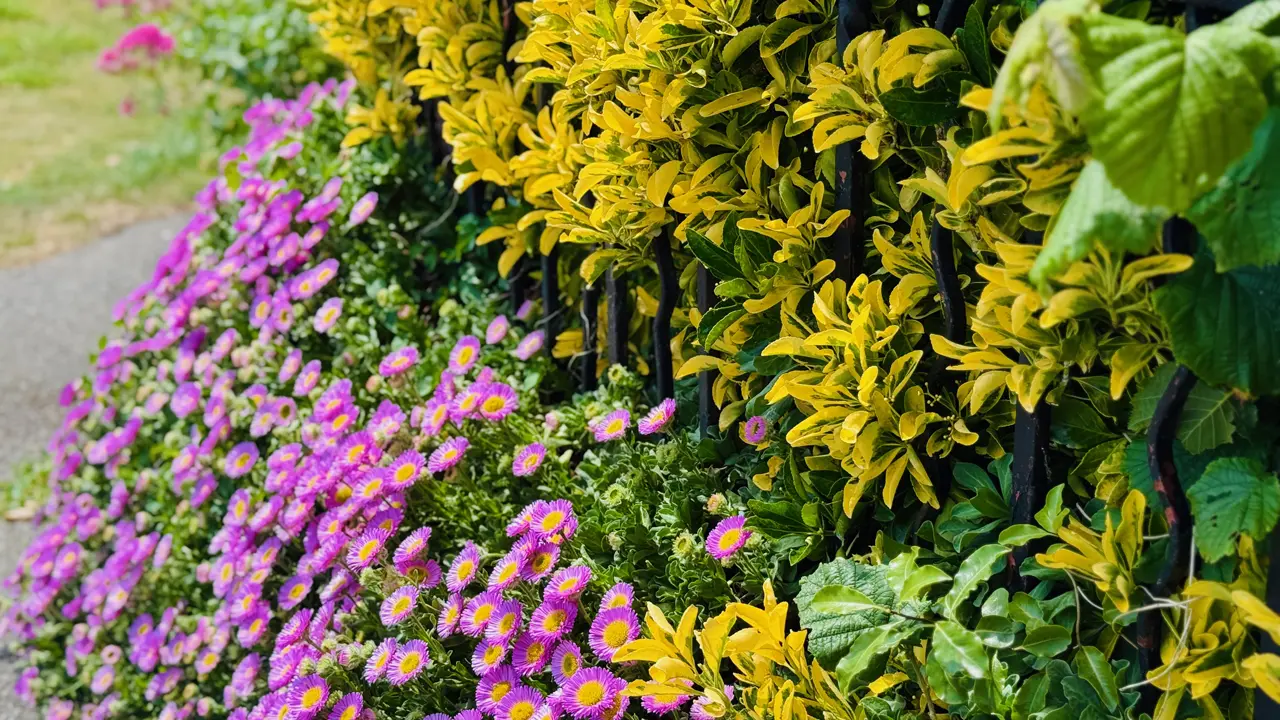
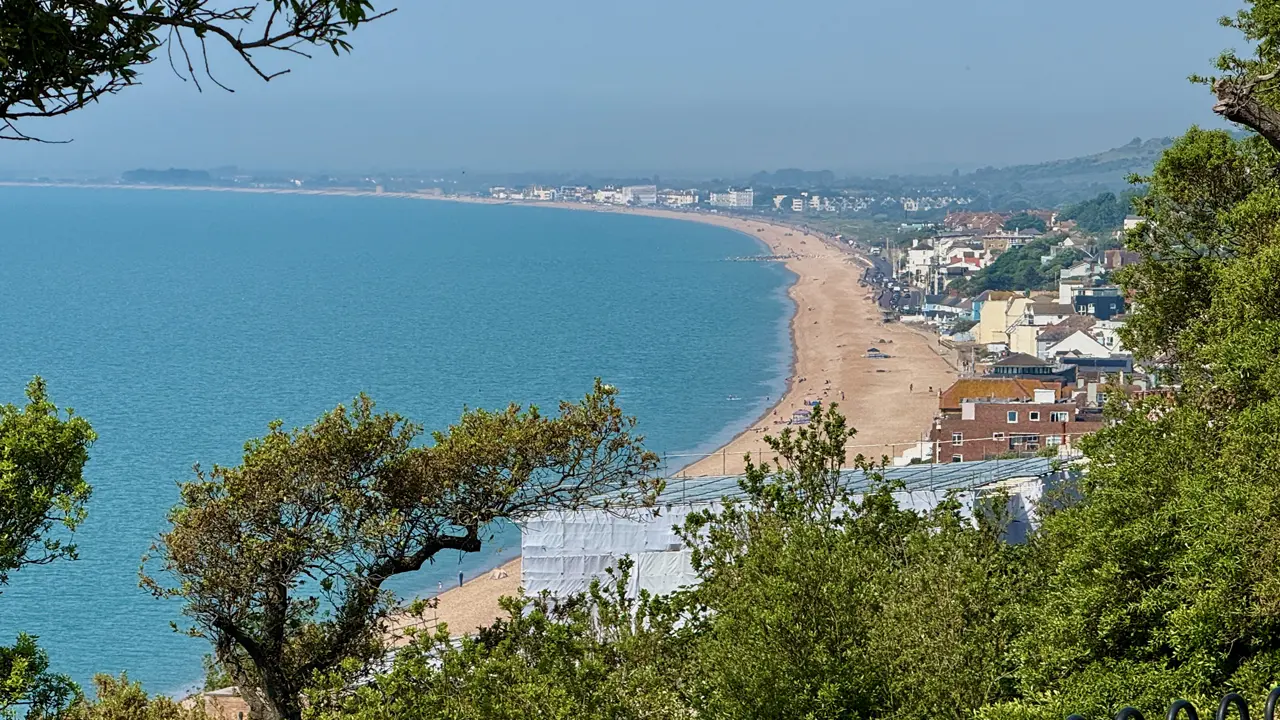
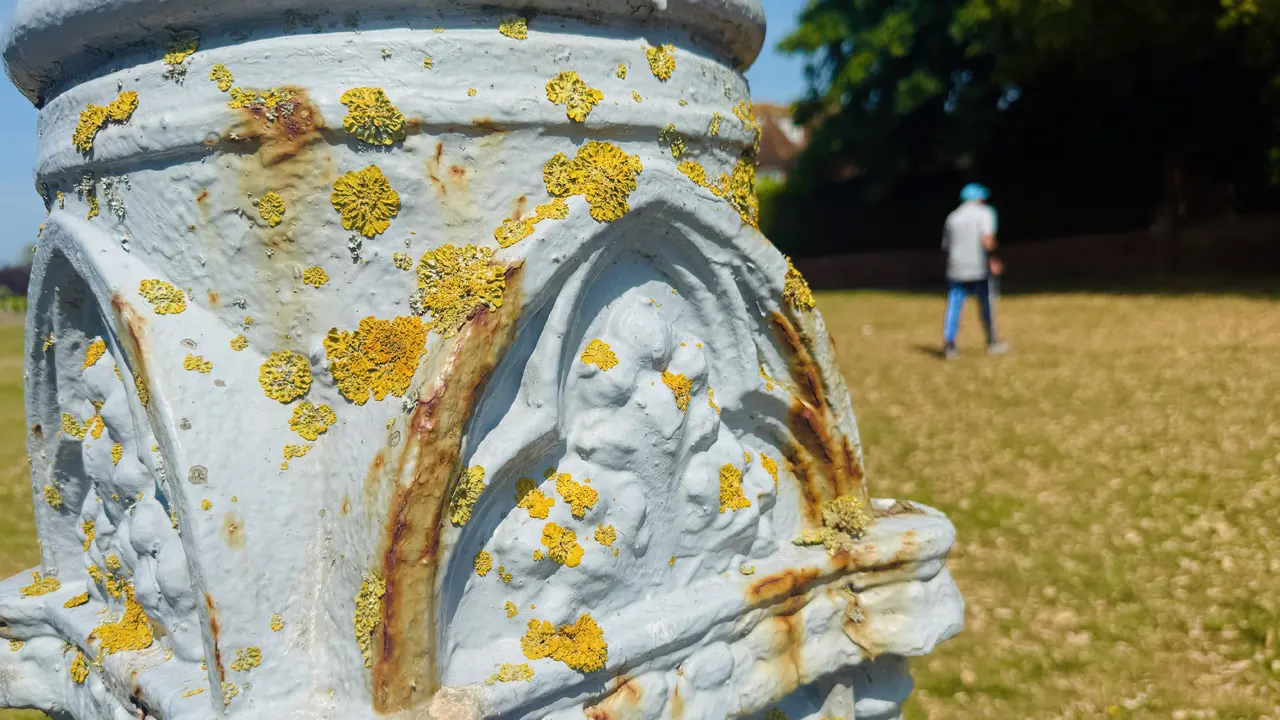
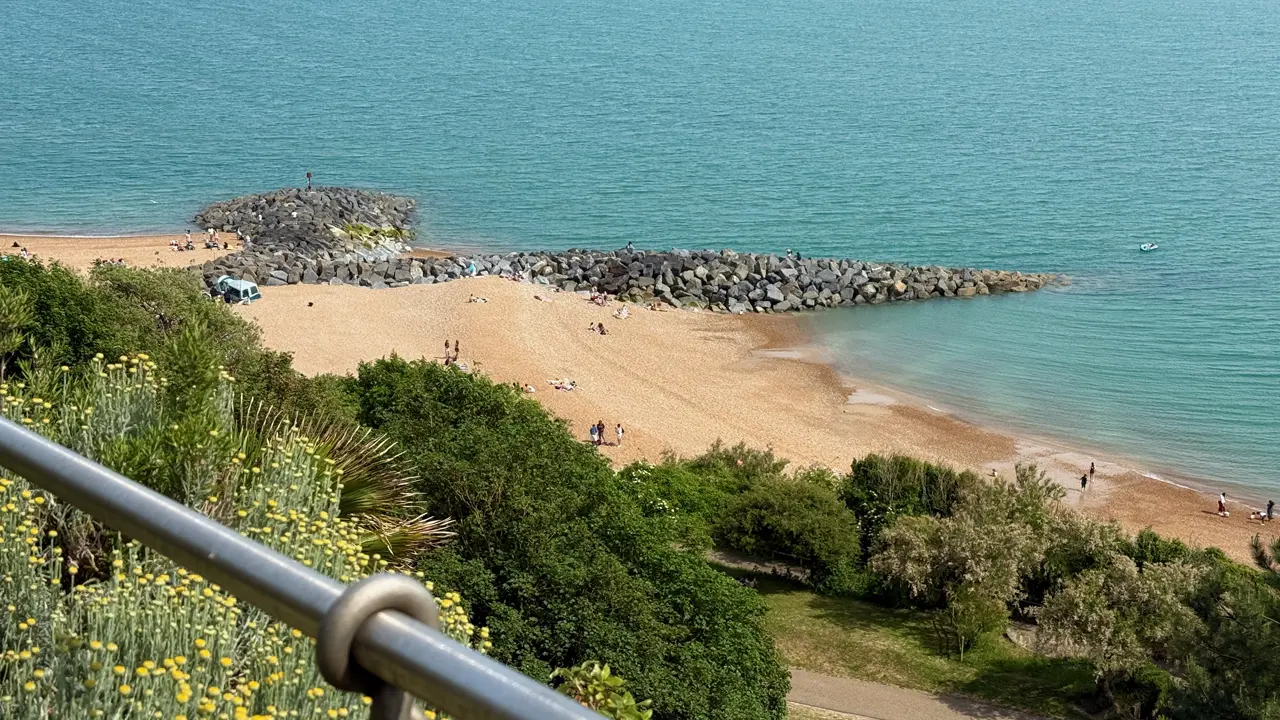
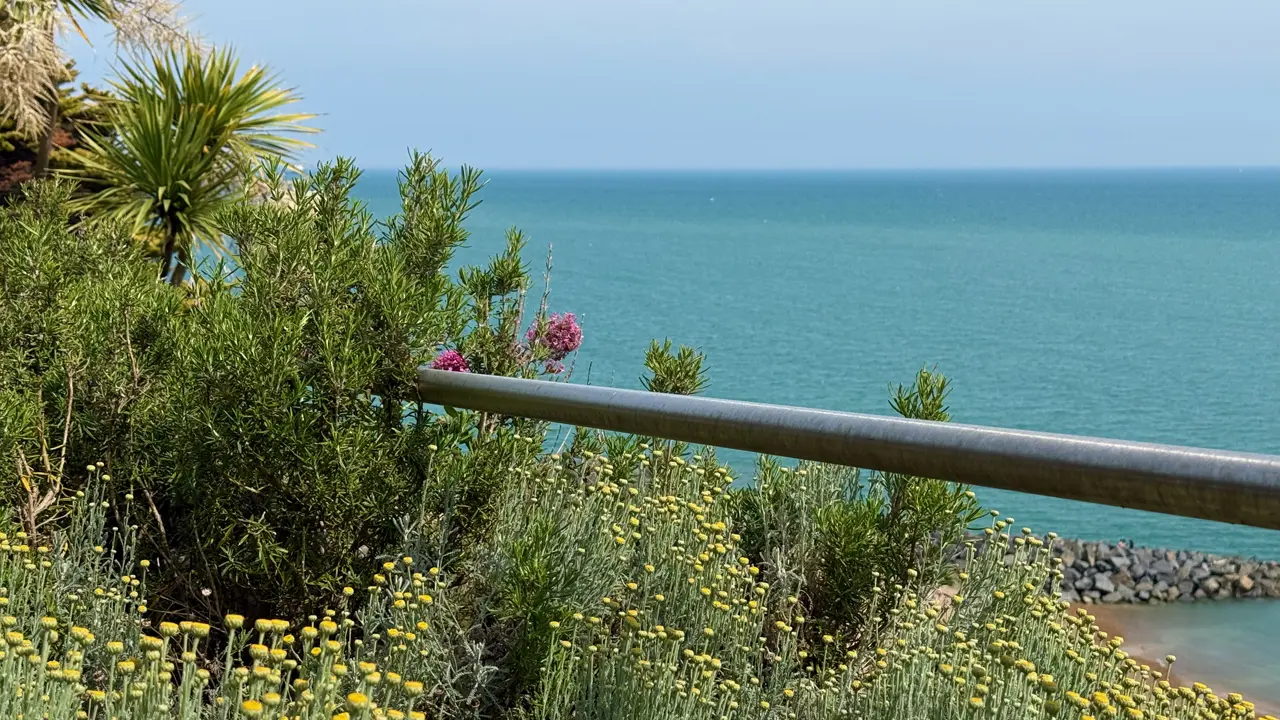
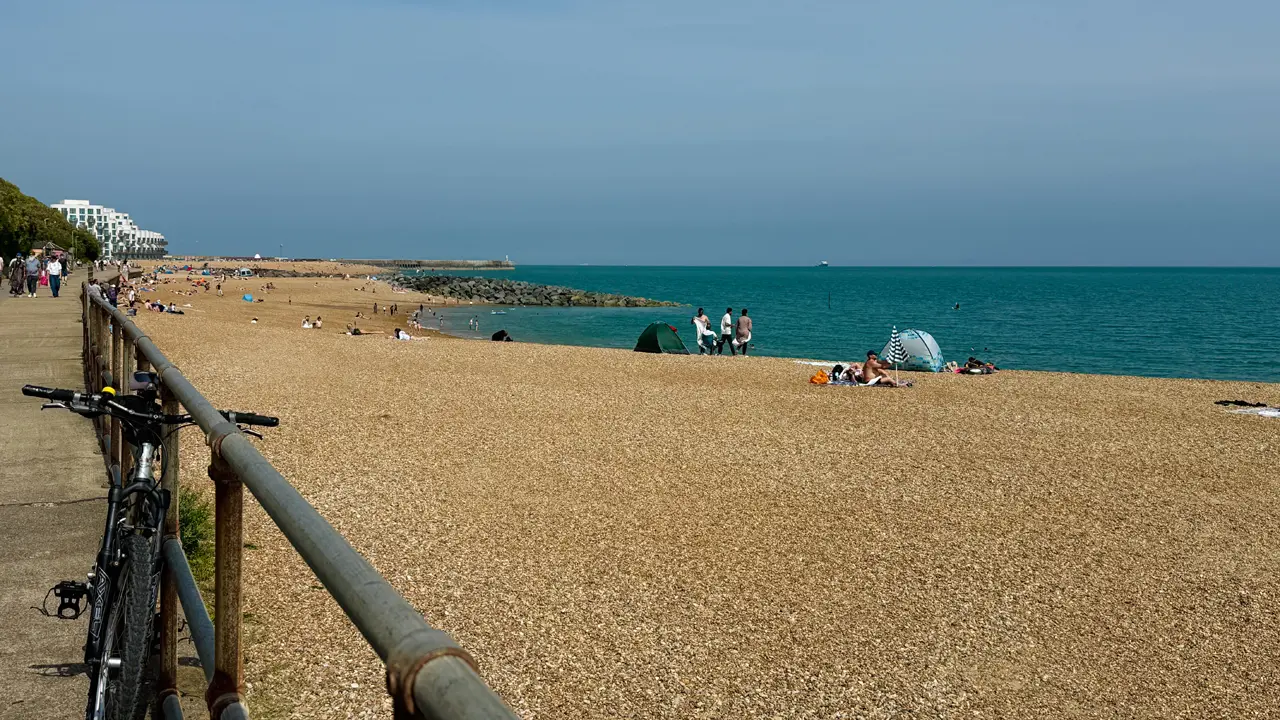
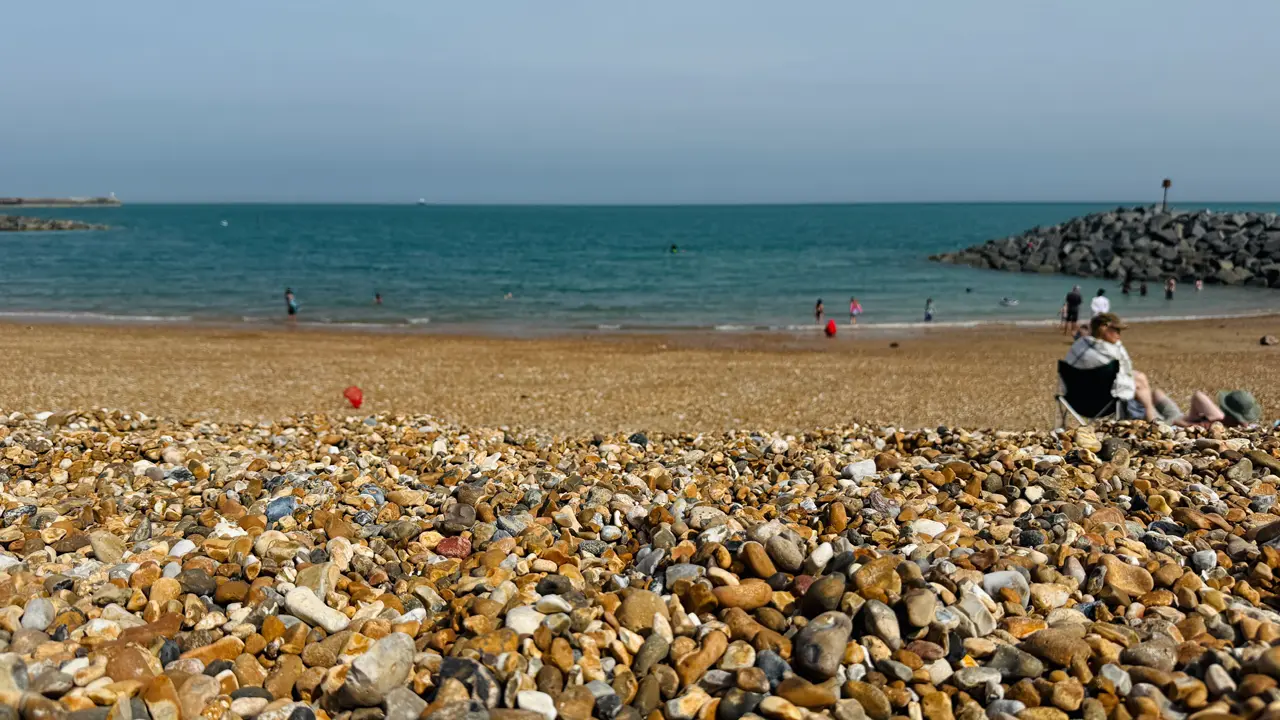
We’ve fallen in love with the town of Folkestown. For two days we explored this charming town. The Leas was our favorite part of this community. It’s a mile-long-cliff-top promenade. Designed in the mid-19th century, it features stunning, panoramic views of the English Channel with lots of green space, park benches, and beautiful historic Victorian and Edwardian-style cast iron lampposts.
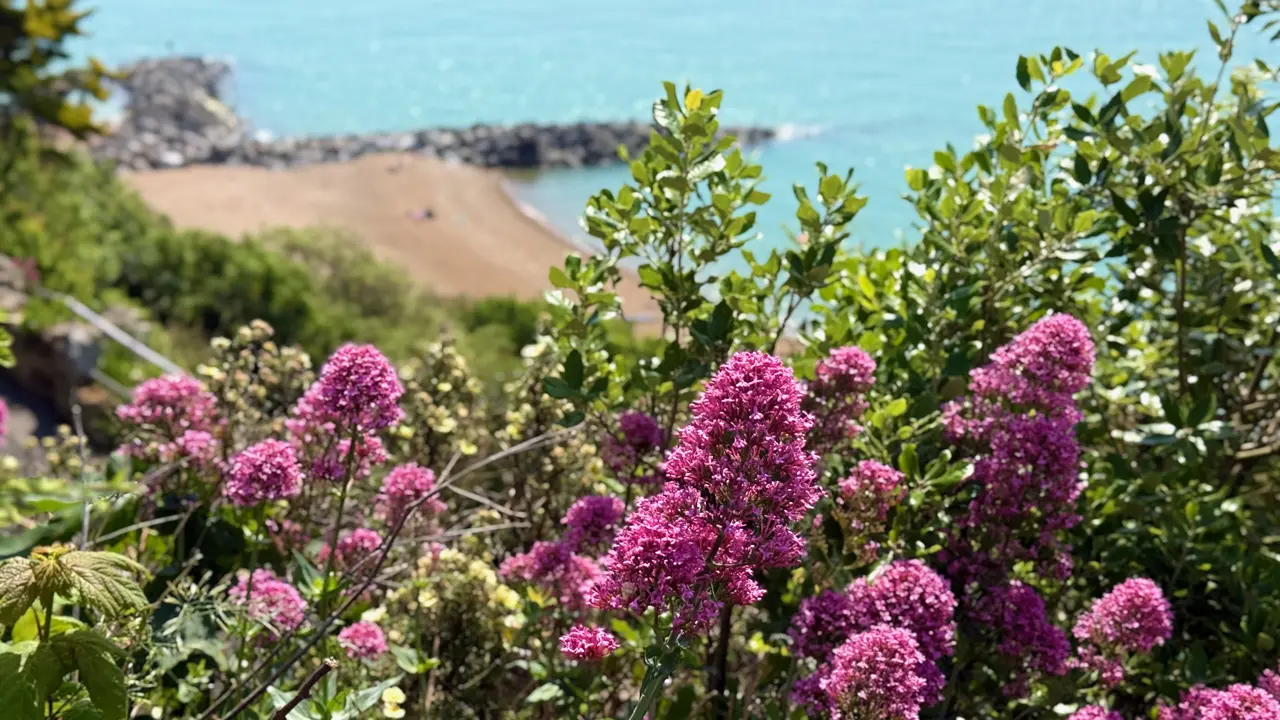
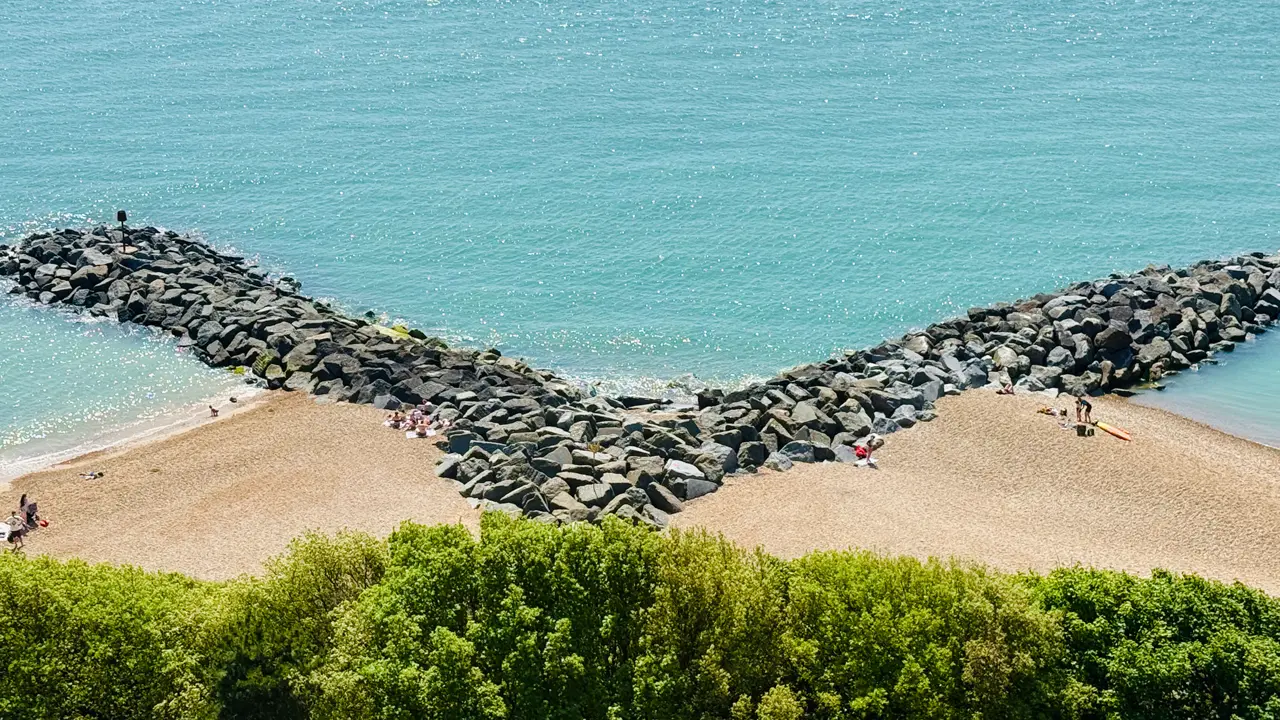
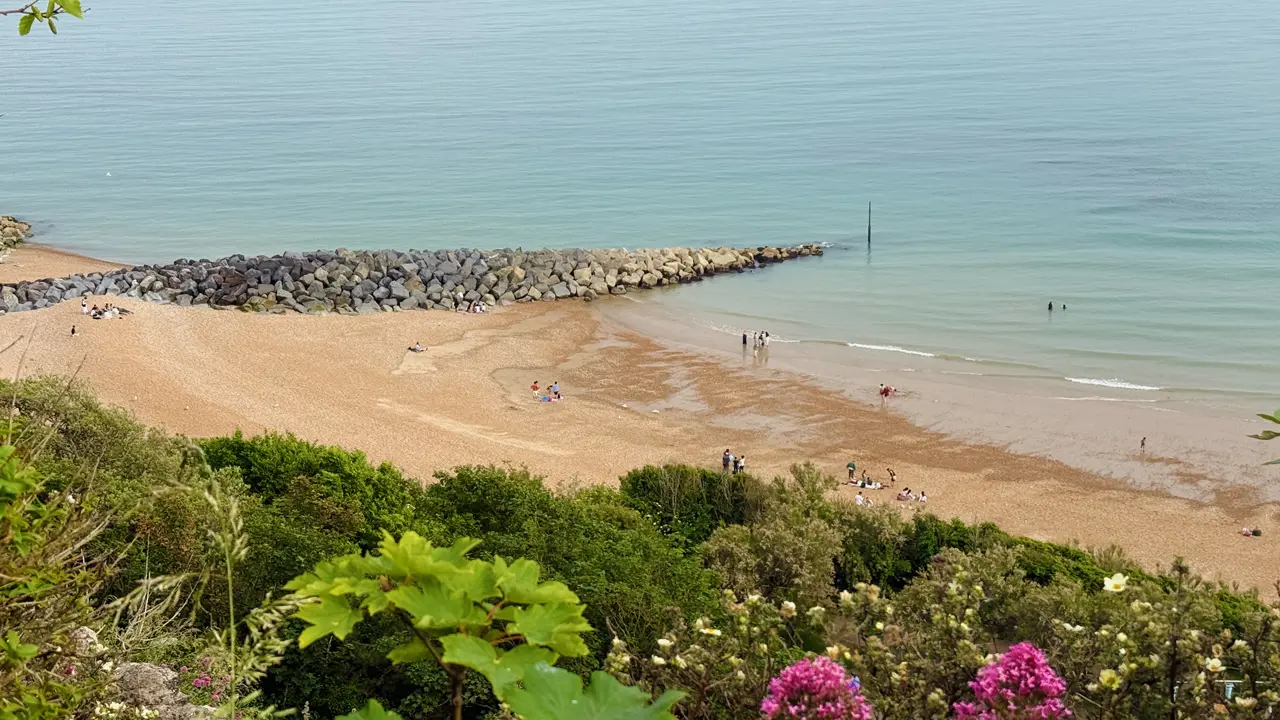
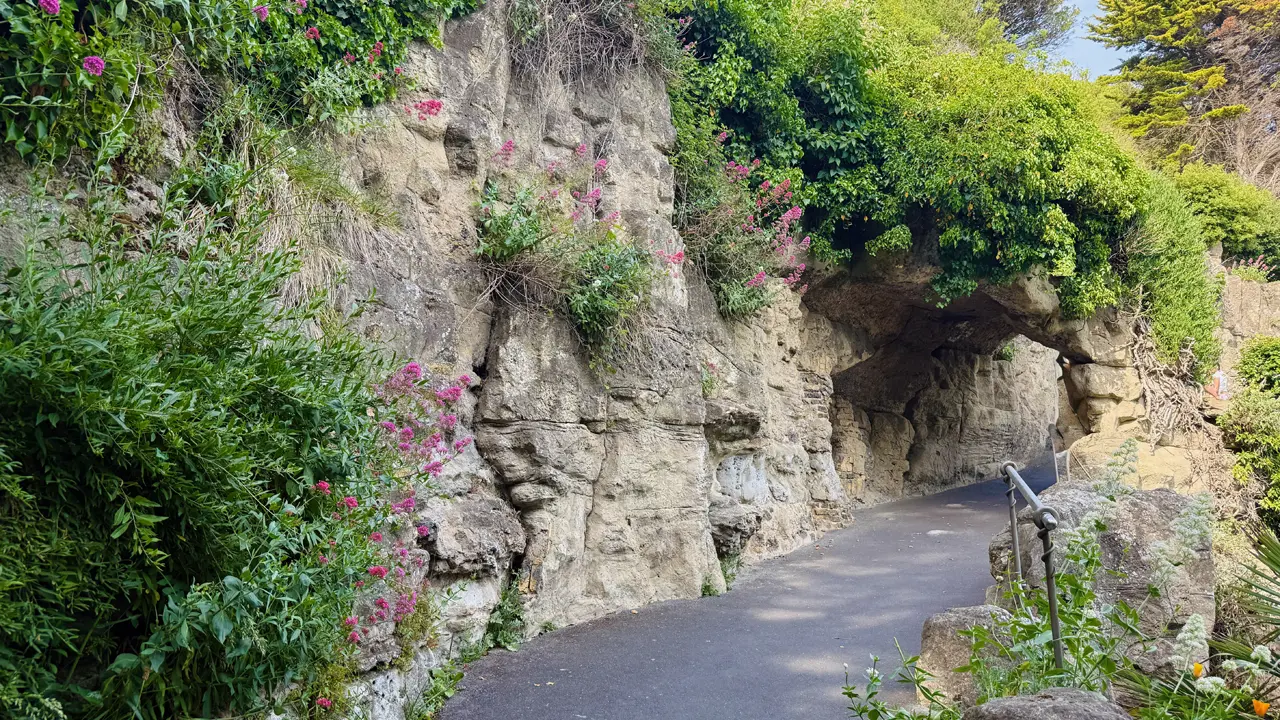
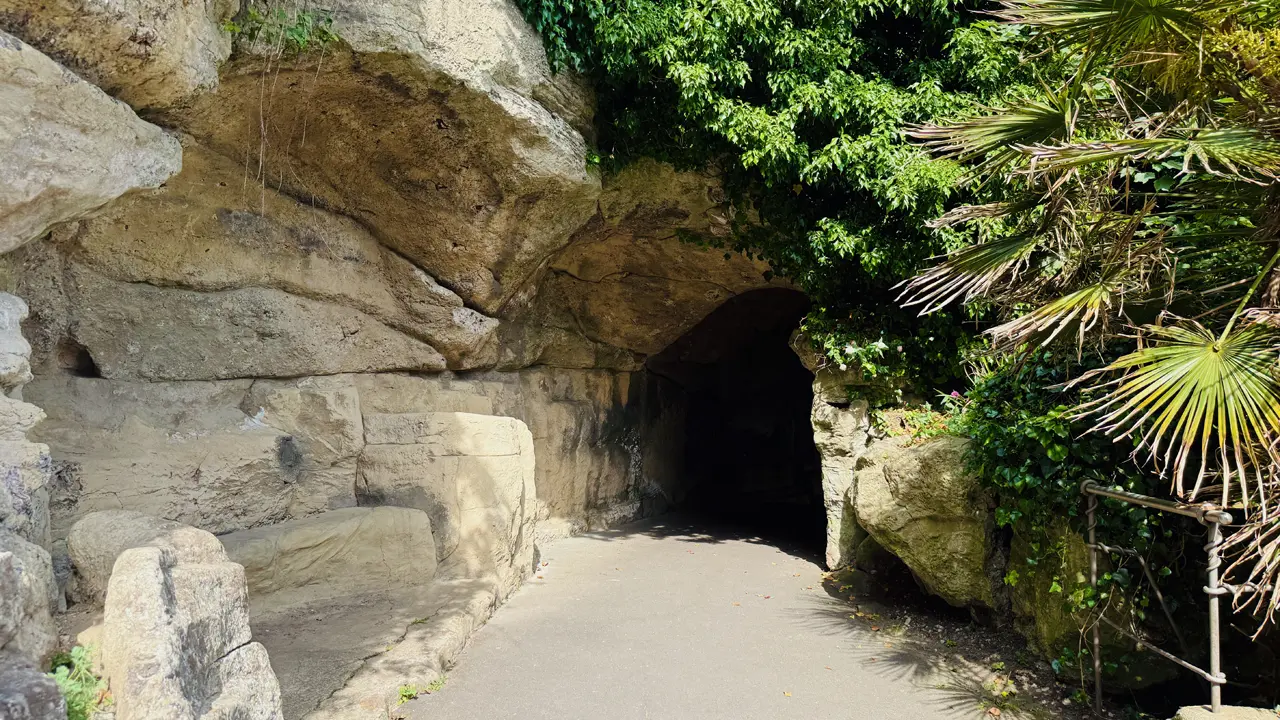
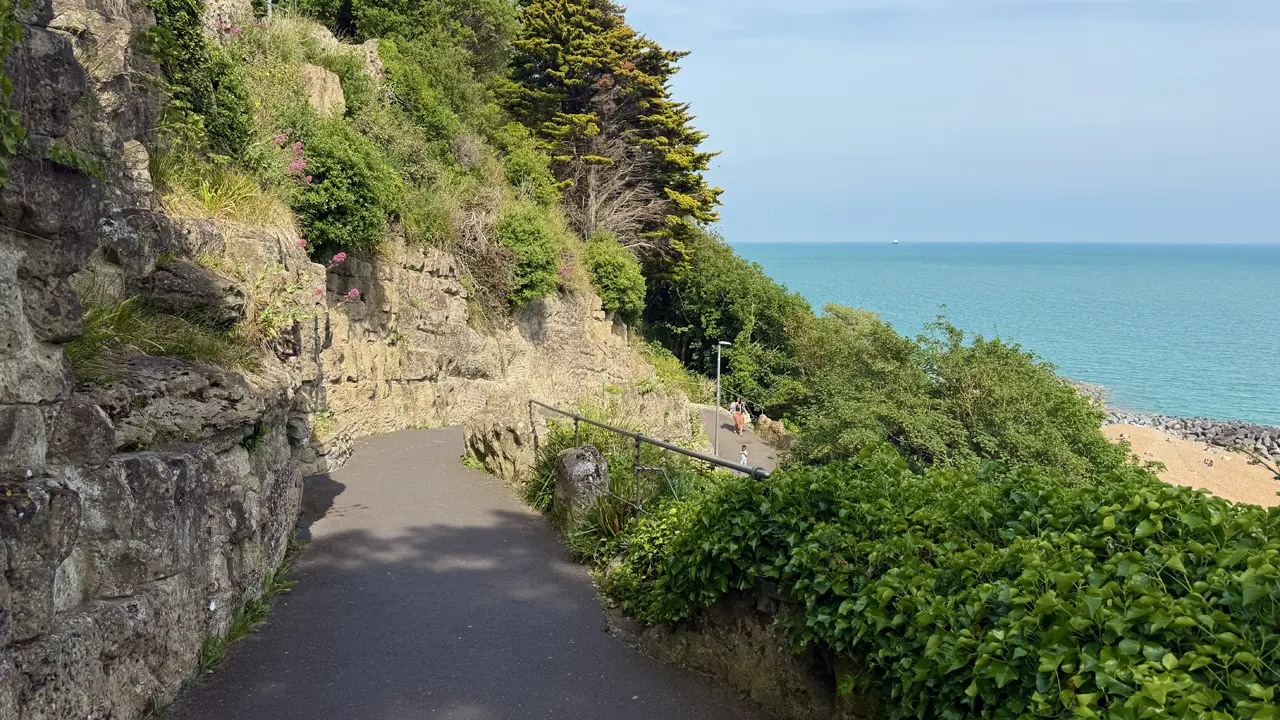
The Leas also connects to The Zig Zag Path which is an an Edwardian walkway that drops 164 feet over 2/10 of a mile and is a way to get to Mermaid Beach and the shore from The Leas. You can walk for quite a few miles along these interconnected walkways. Gary walked much of the time with me, and I did some on my own so we didn’t overtax his knee.
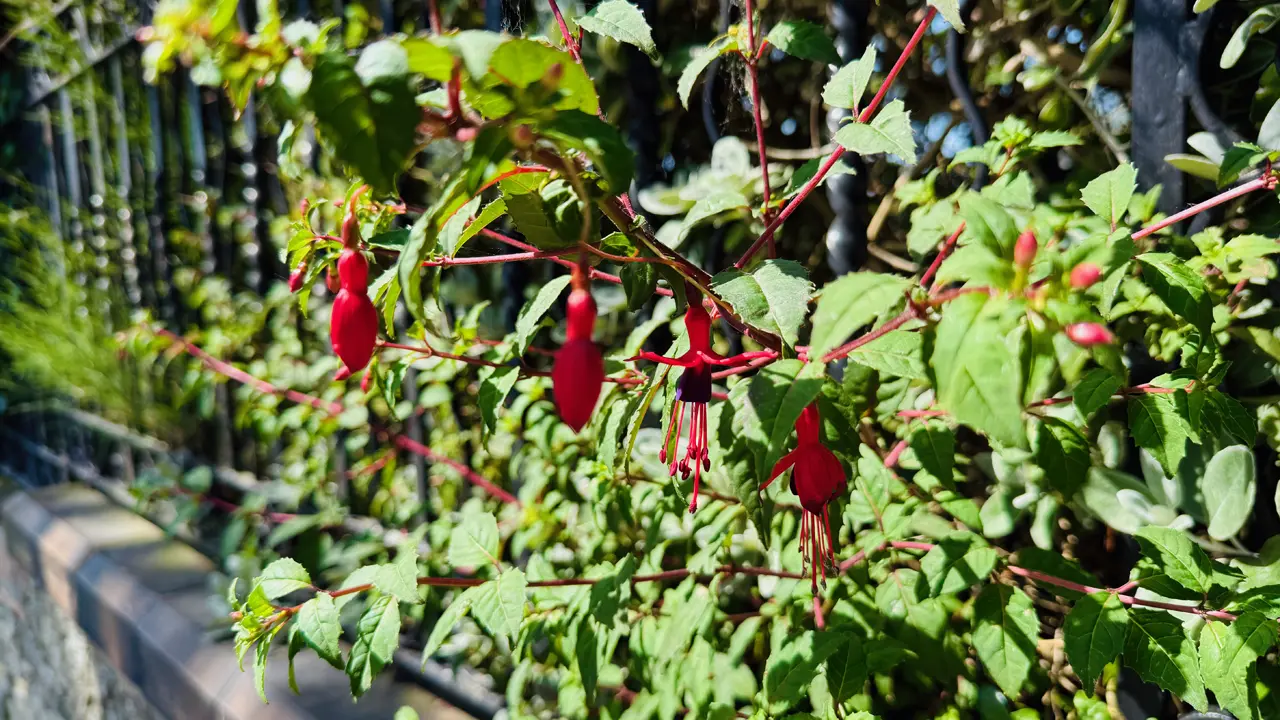
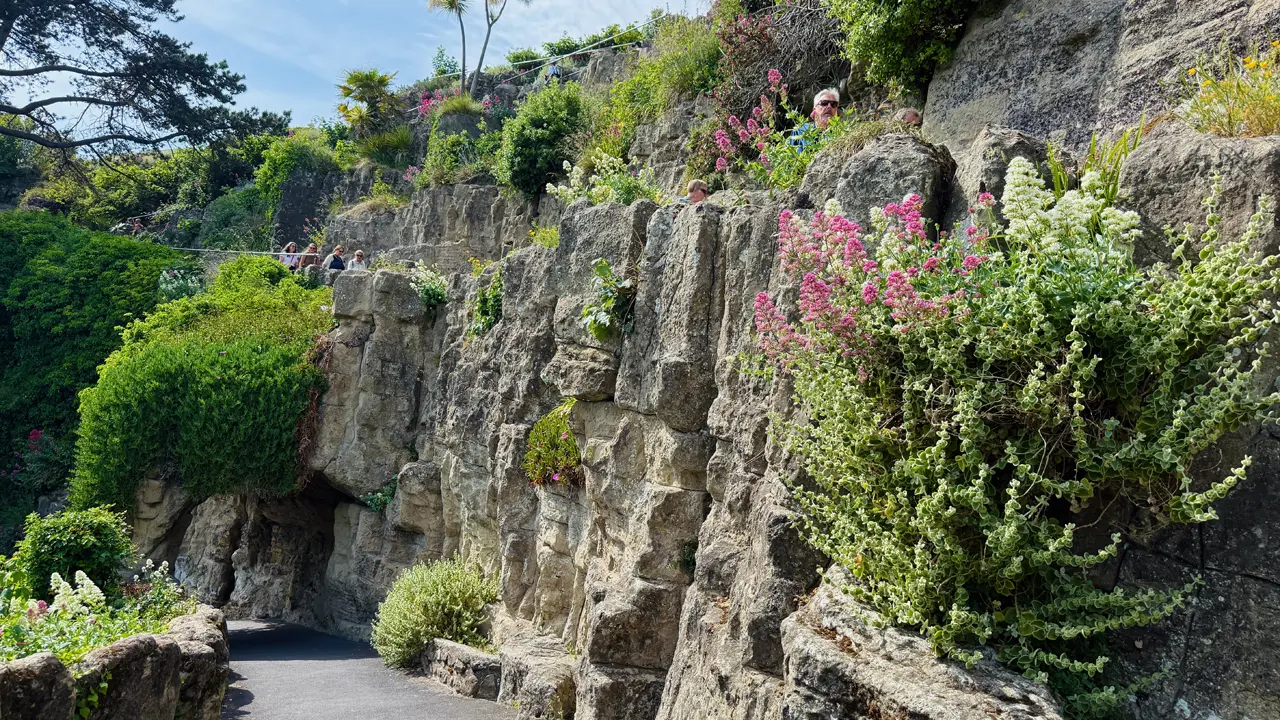
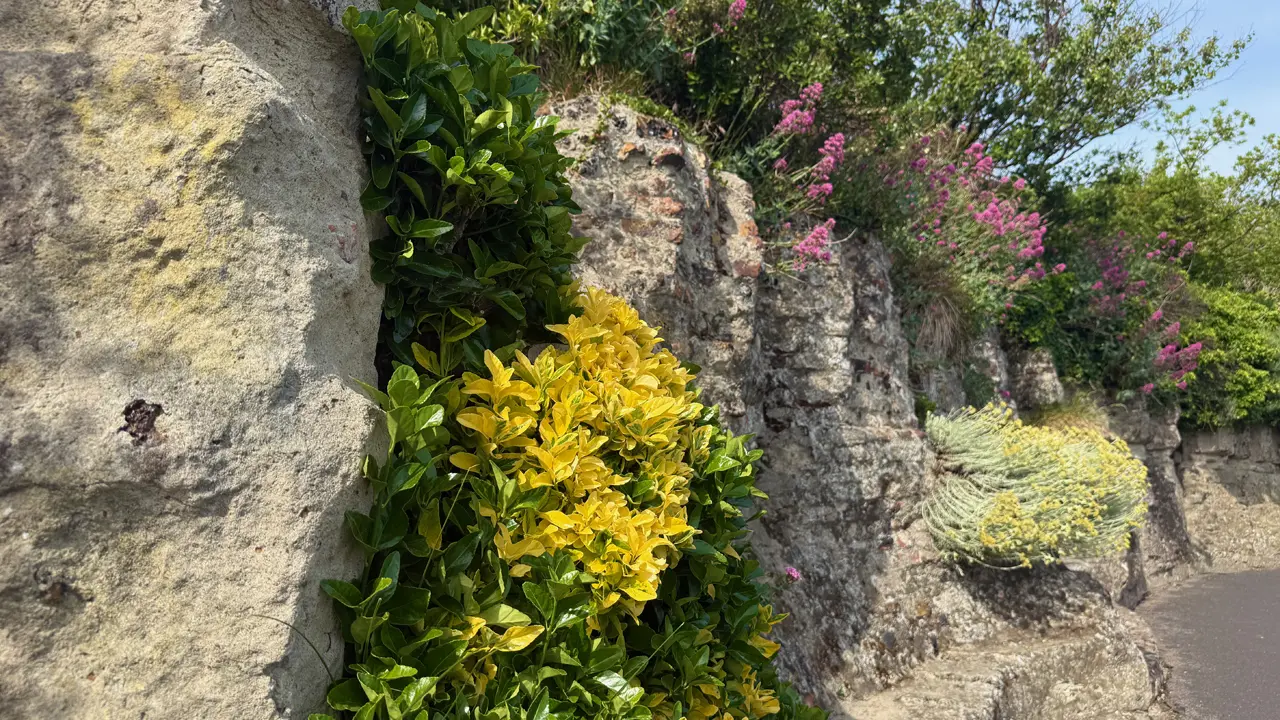
The Zig Zag Path is famous for its artificial grottos, arches and Pulhamite rock work. Shortly after the end of the First World War, Folkestone Corporation decided to create a path to allow easy access to the shore from The Leas. Apparently their first efforts looked so dreadful that in 1920 Mr. Pulham of Pulham & Co. (London) was called in and, with the help of local unemployed war veterans, created the attractive cliffs that are still here today. Mr. Pulham formed the caves, grottos and rock cliffs from a mixture of waste rubble bound together with a special cement called Pulhamite. The recipe that Mr. Pulham used for his cement has been lost so now when repairs are needed, they try to match it up as closely as they can. Beautiful plantings are mixed in throughout the path. So unique!!
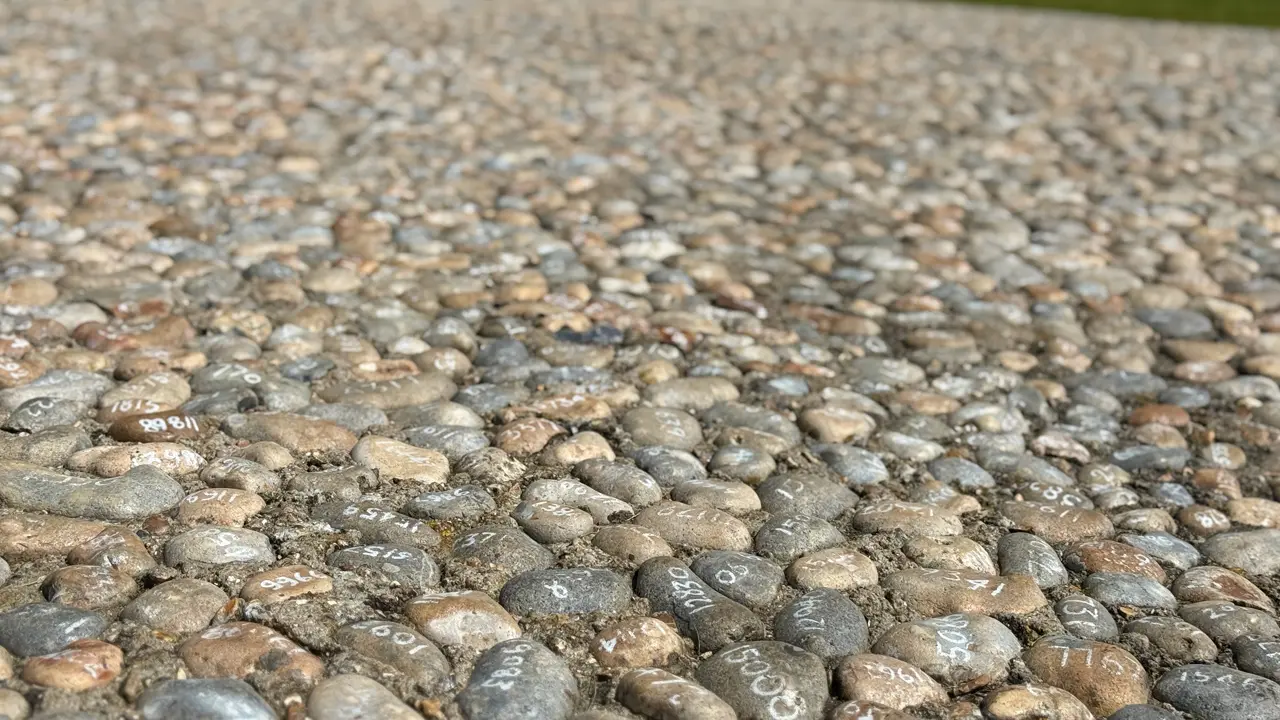
Folkestown is also home to UK’s largest urban contemporary art exhibition. The art installation that moved us the most was entitled Folk Stones by Mark Wallinger. Millions of soldiers embarked from Folkestone to fight for Europe during the First World War. The art installation features 19,240 numbered stones signifying the British soldiers killed on one day – July 1st, 1916, the first day of the Battle of the Somme. The artist numbered the pebbles with the soldier’s military service number as a sign of respect to the deceased, who are as “numberless as the pebbles on a beach.”
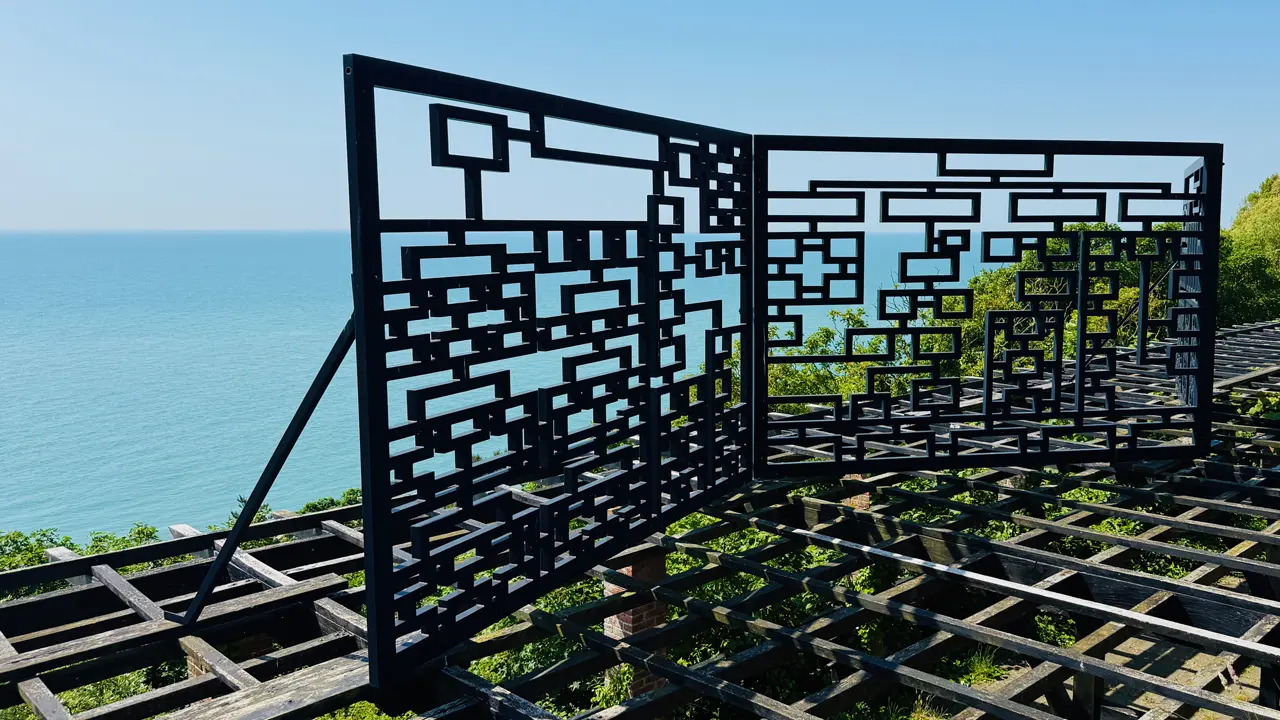
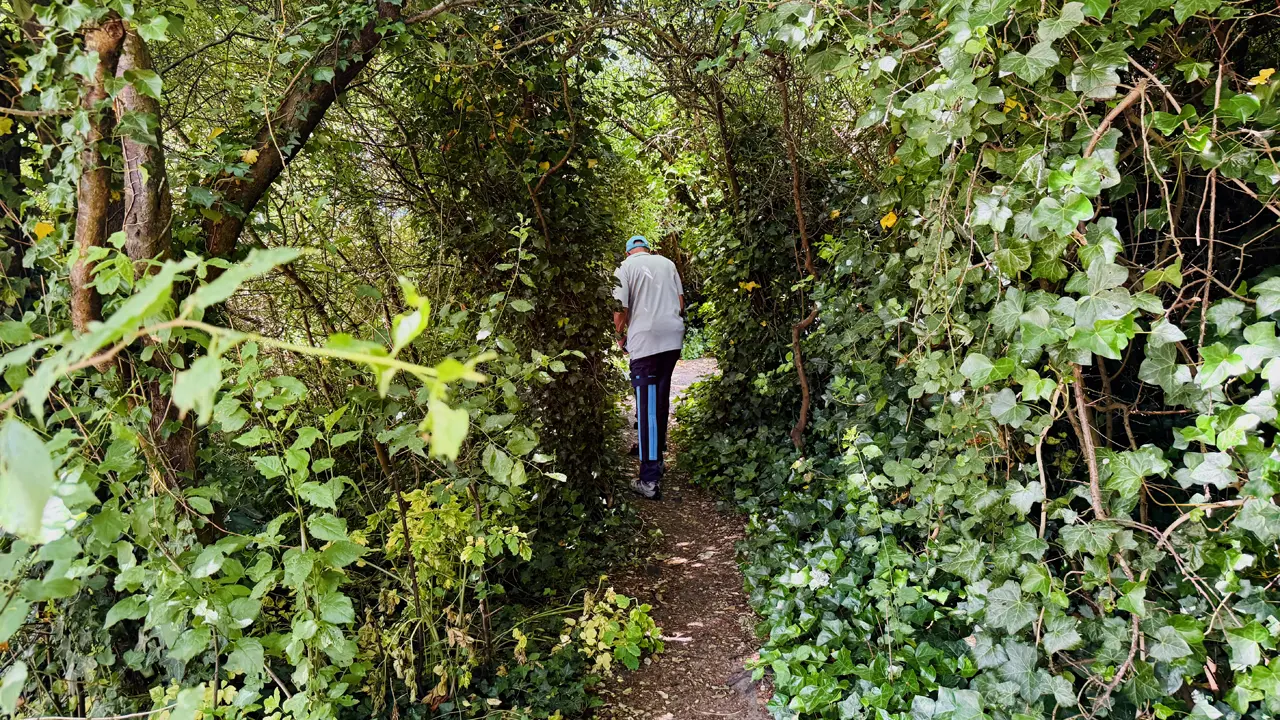
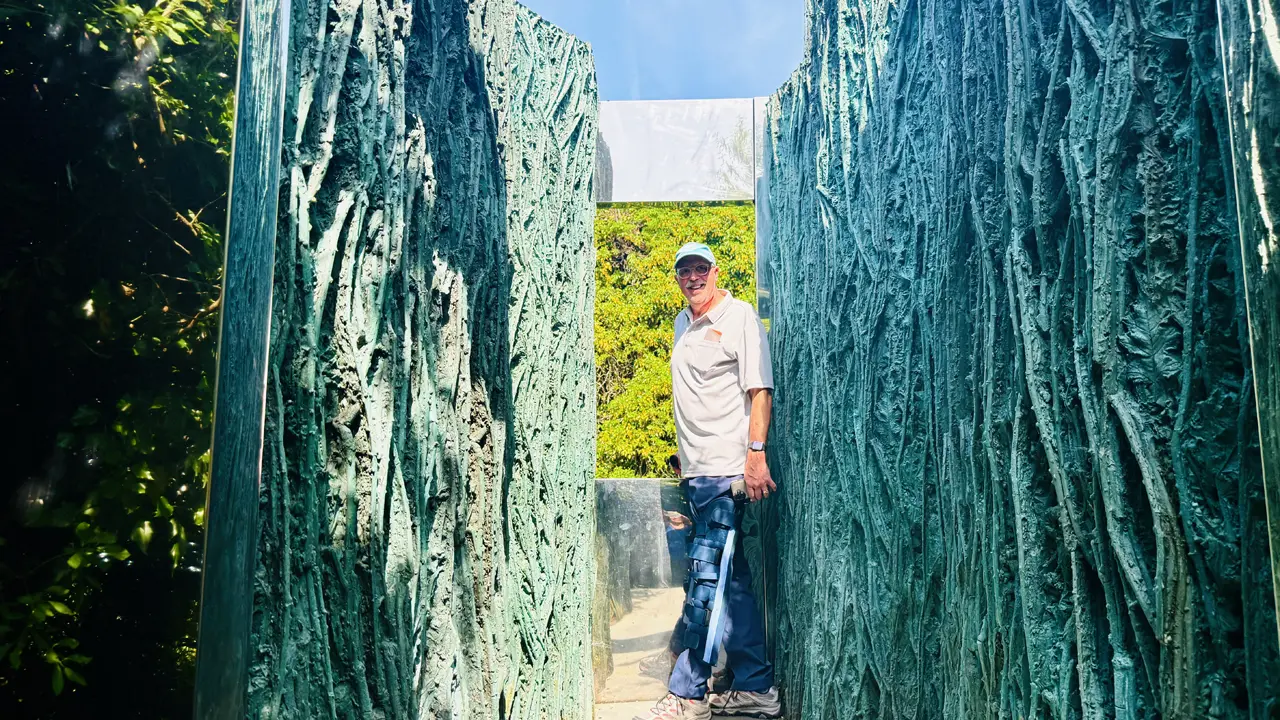
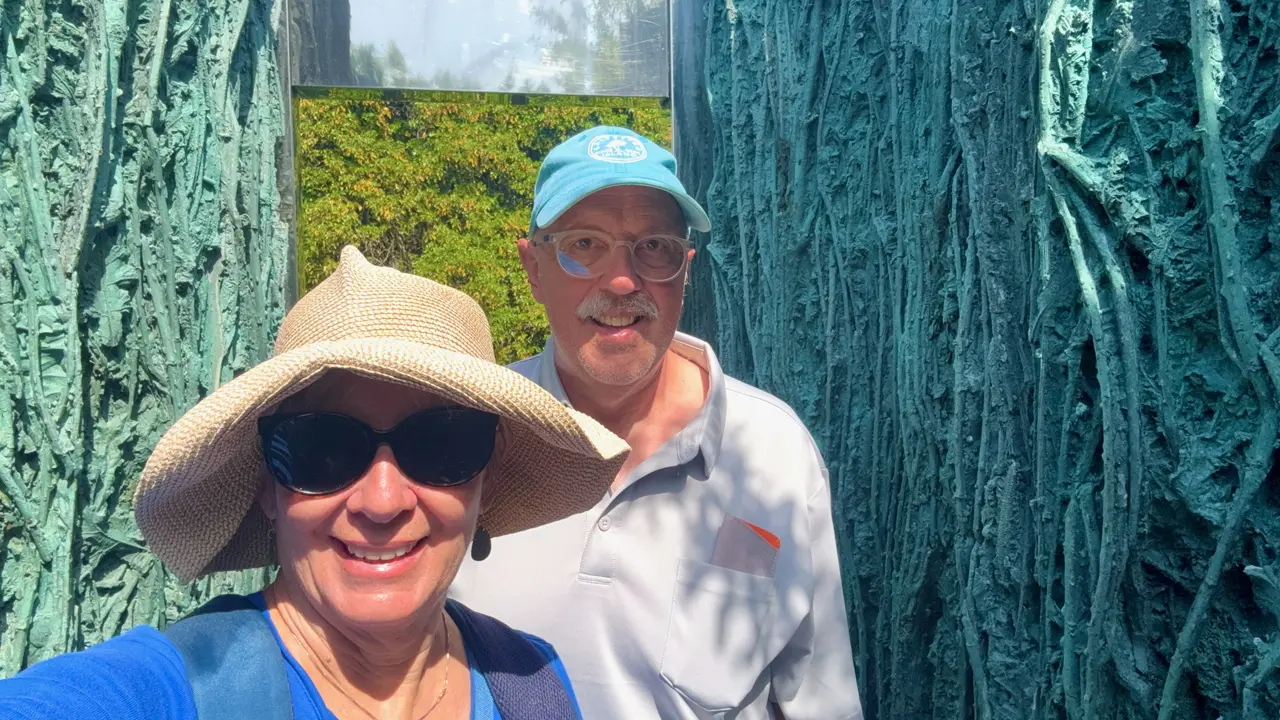
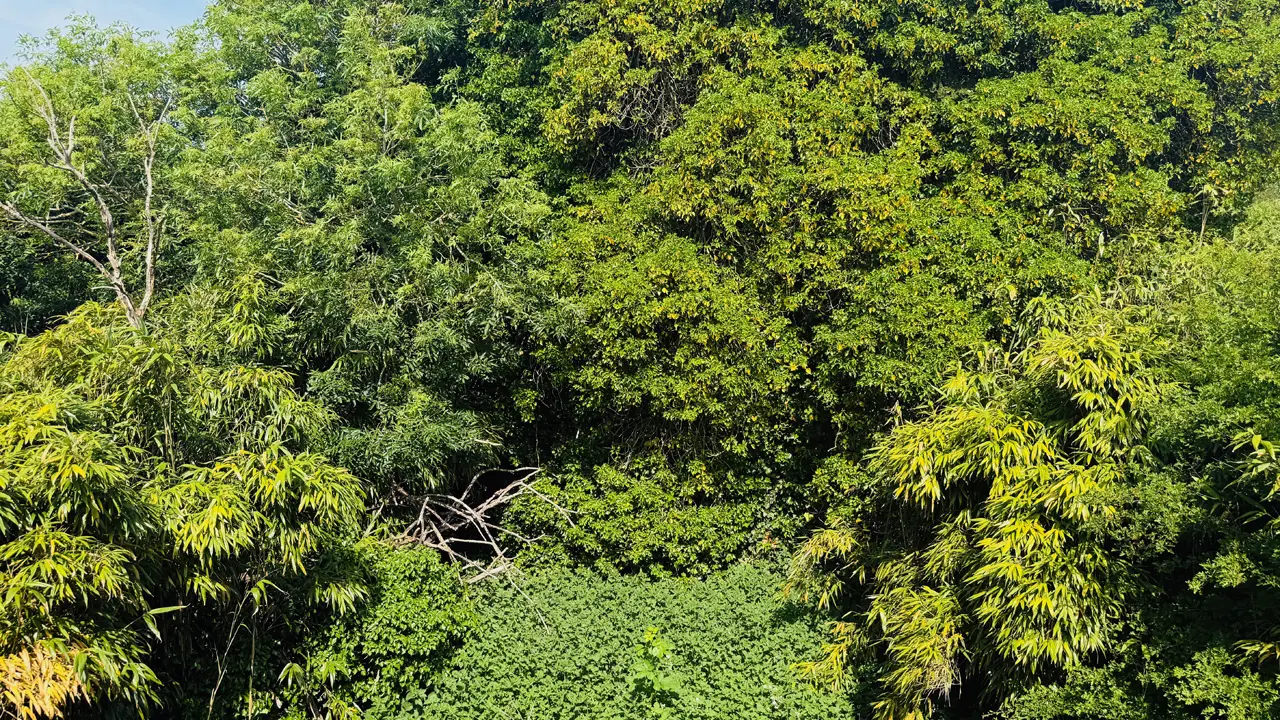
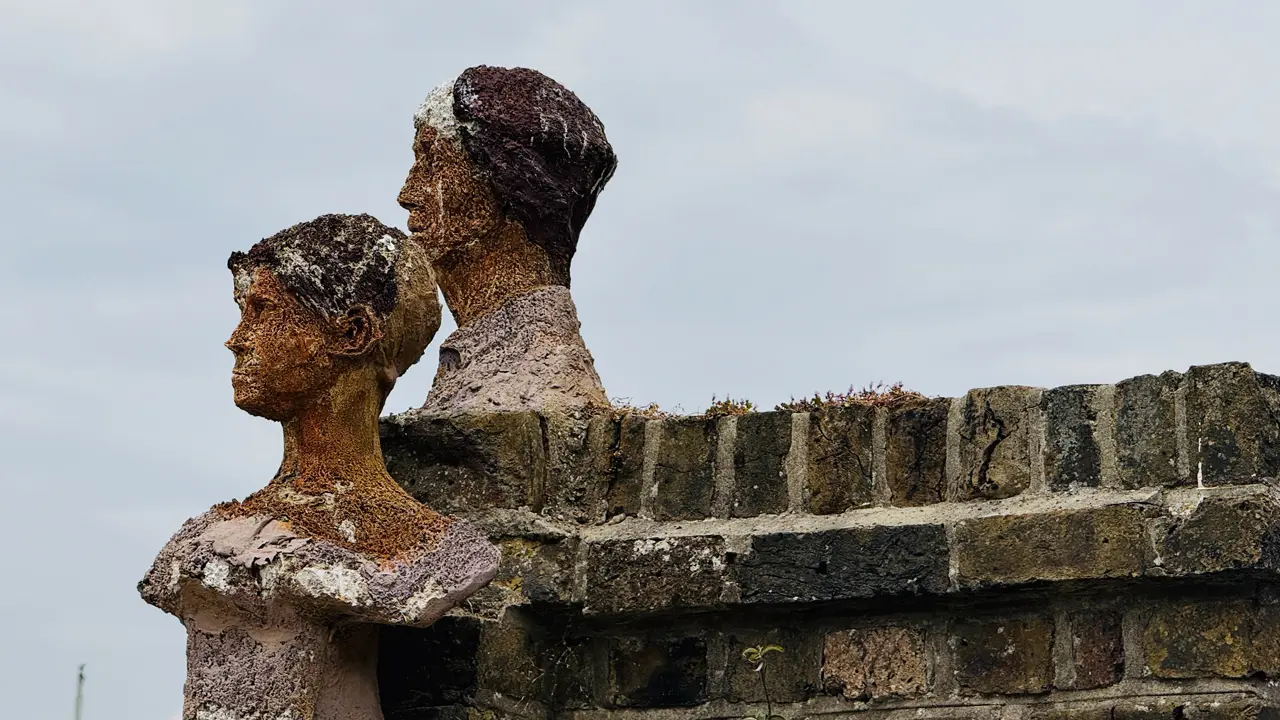
Another interesting piece we came across was entitled “Towards The Sound Of Wilderness” by Cristina Iglesias. The artist was inspired by the surprise of discovering a heritage building significant to Folkestone’s past that had been allowed to return to ‘wilderness.’ Her walk-in mirrored structure, reached through a ‘magical’ overgrown pathway and clad with base-relief resin foliage, leads to a ‘window’ that allows visitors a chance to share this surprise and look over a Napoleonic-era Martello Tower, now entirely obscured by a thick covering of ivy. You can’t see the tower anymore just the ‘wilderness.’ Definitely unique (photos below).
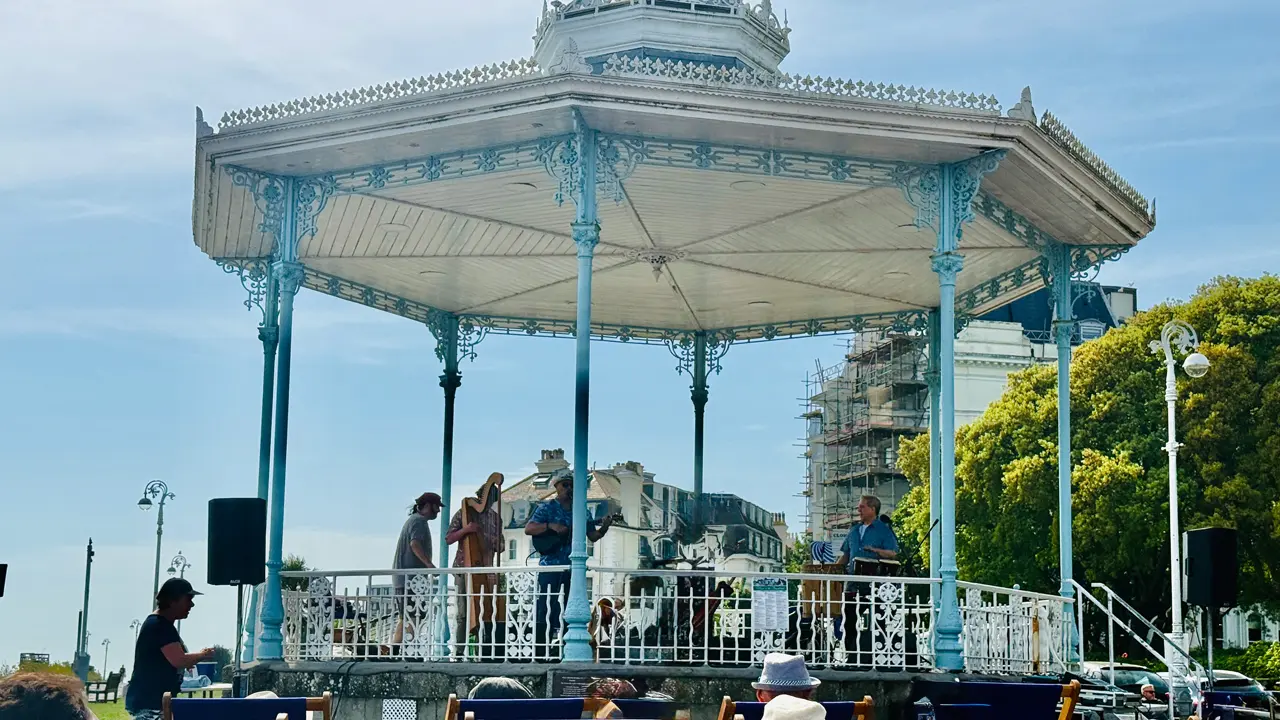
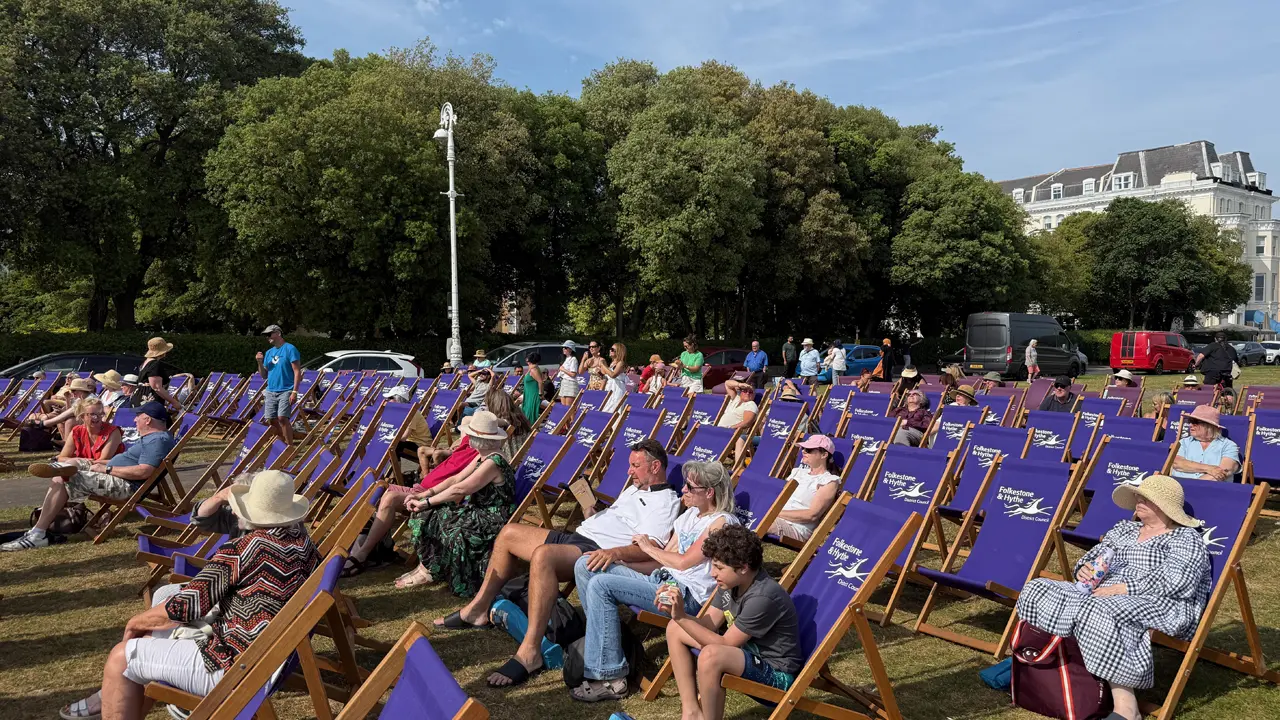
While walking by myself, I came across a bandstand where there was a Latin American band performing. Every weekend during the warm summer months Folkestown offers free music at the bandstand. This town just gets better and better!
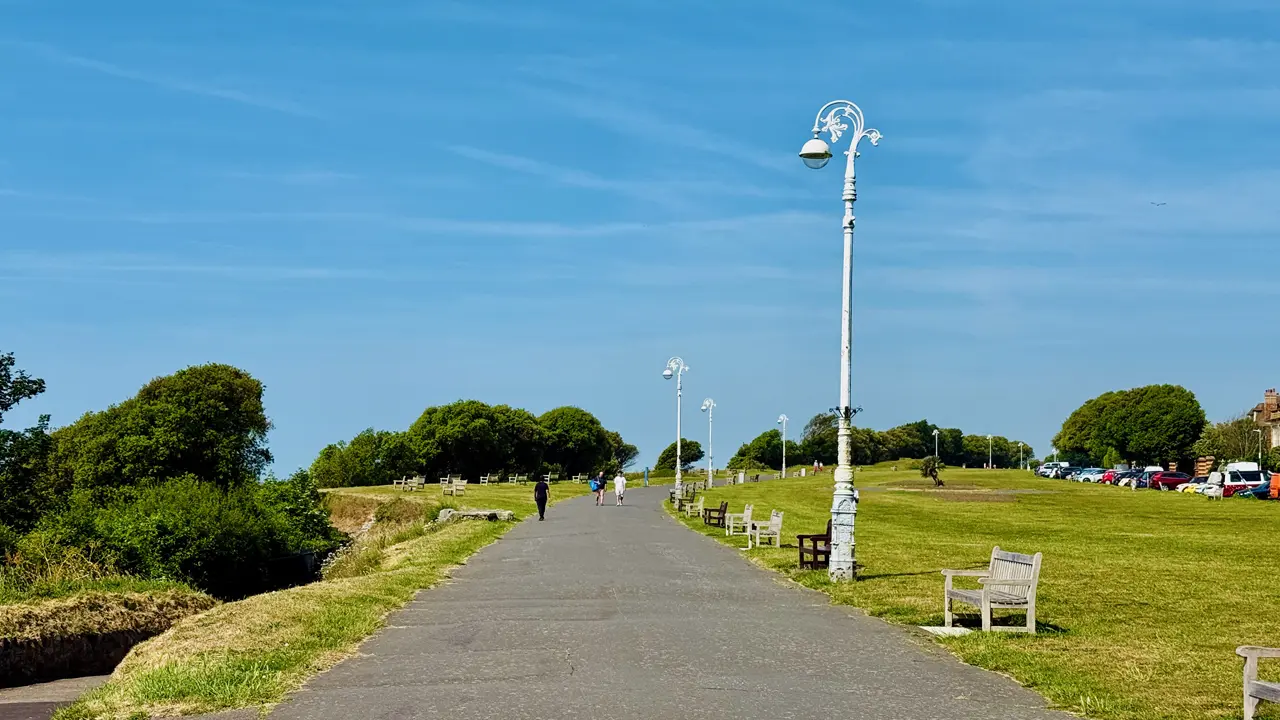 The Leas, a mile-long cliff-top promenade.






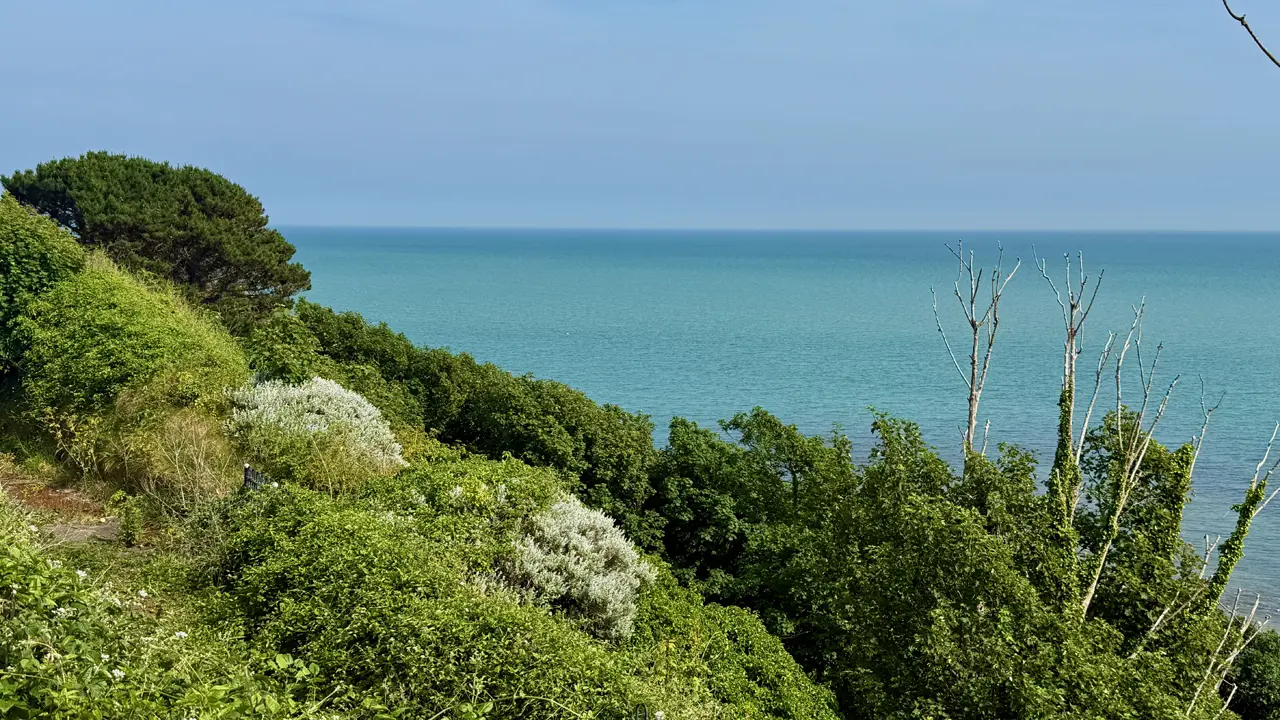

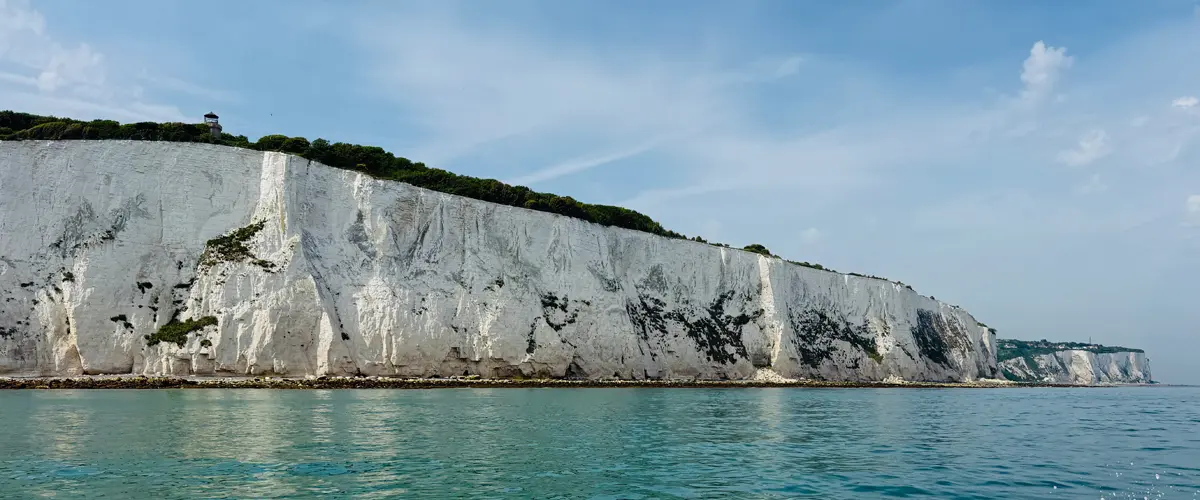
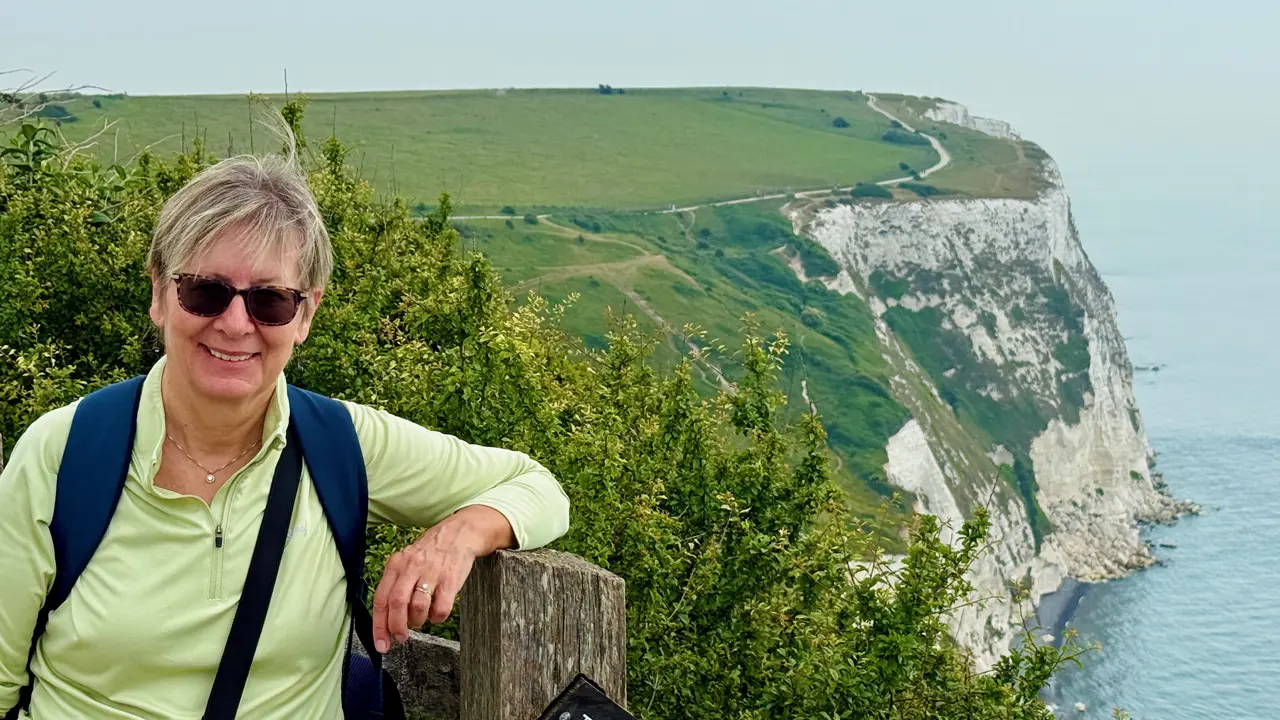
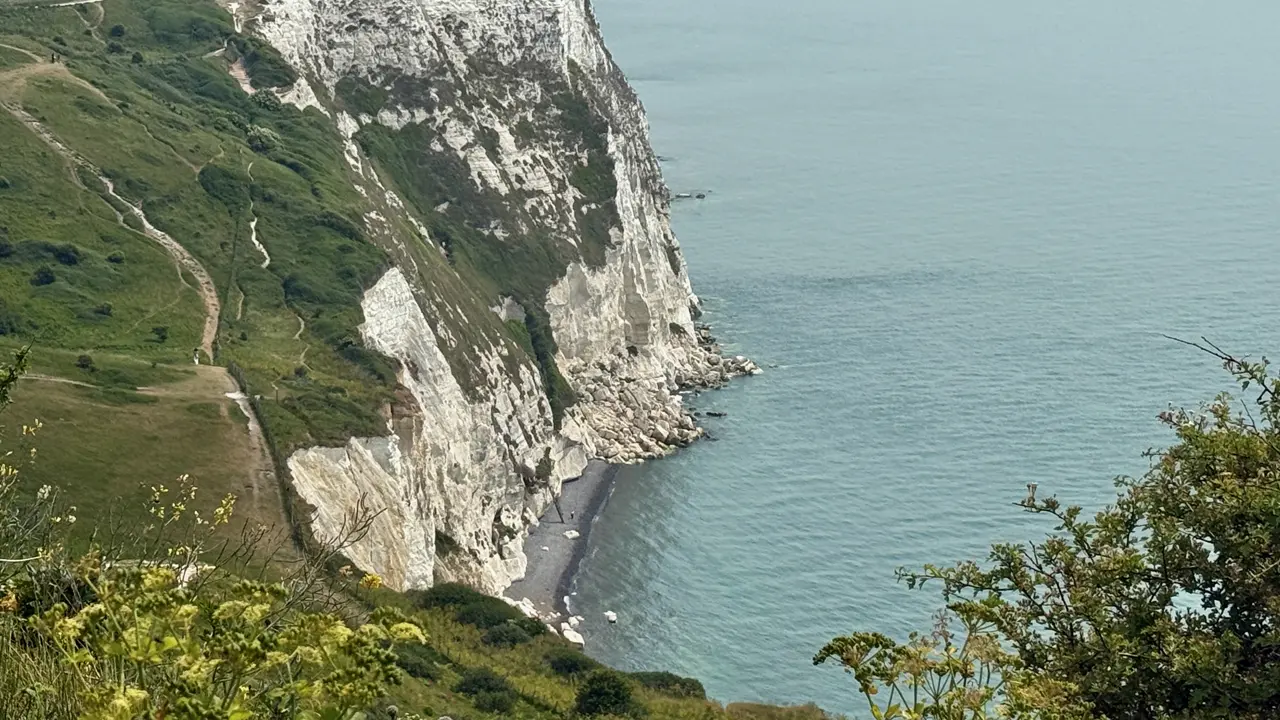
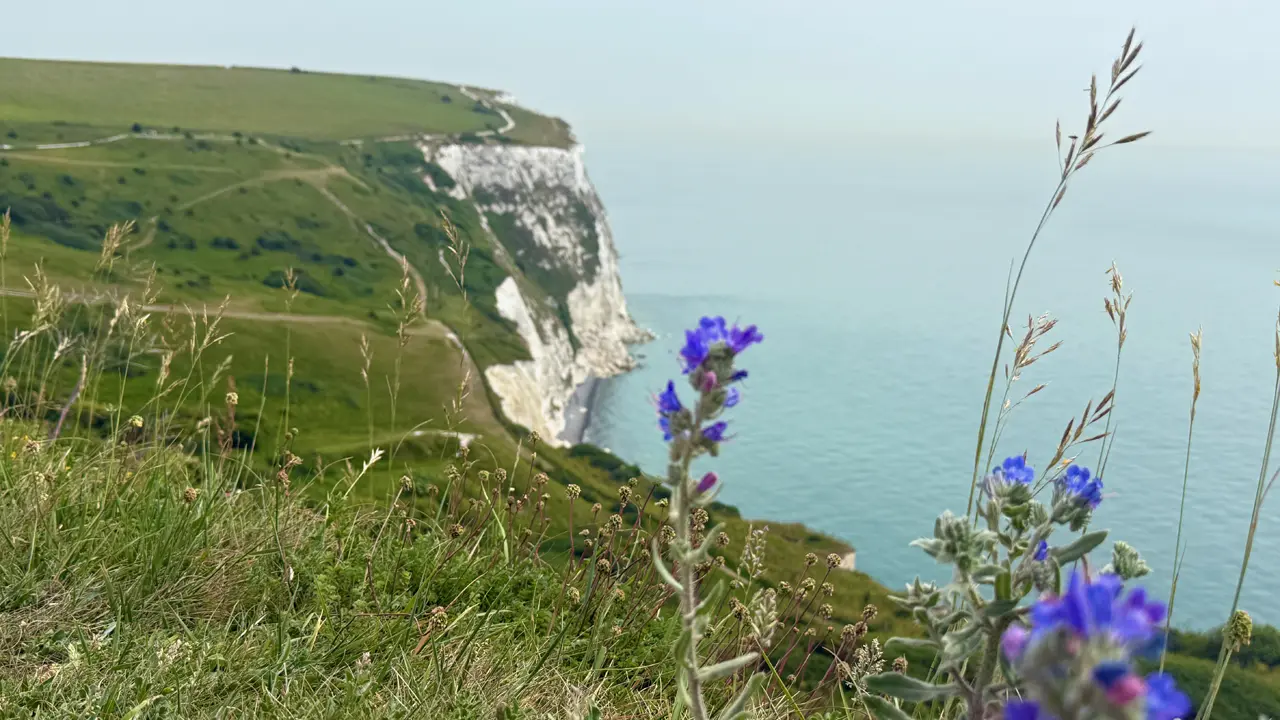
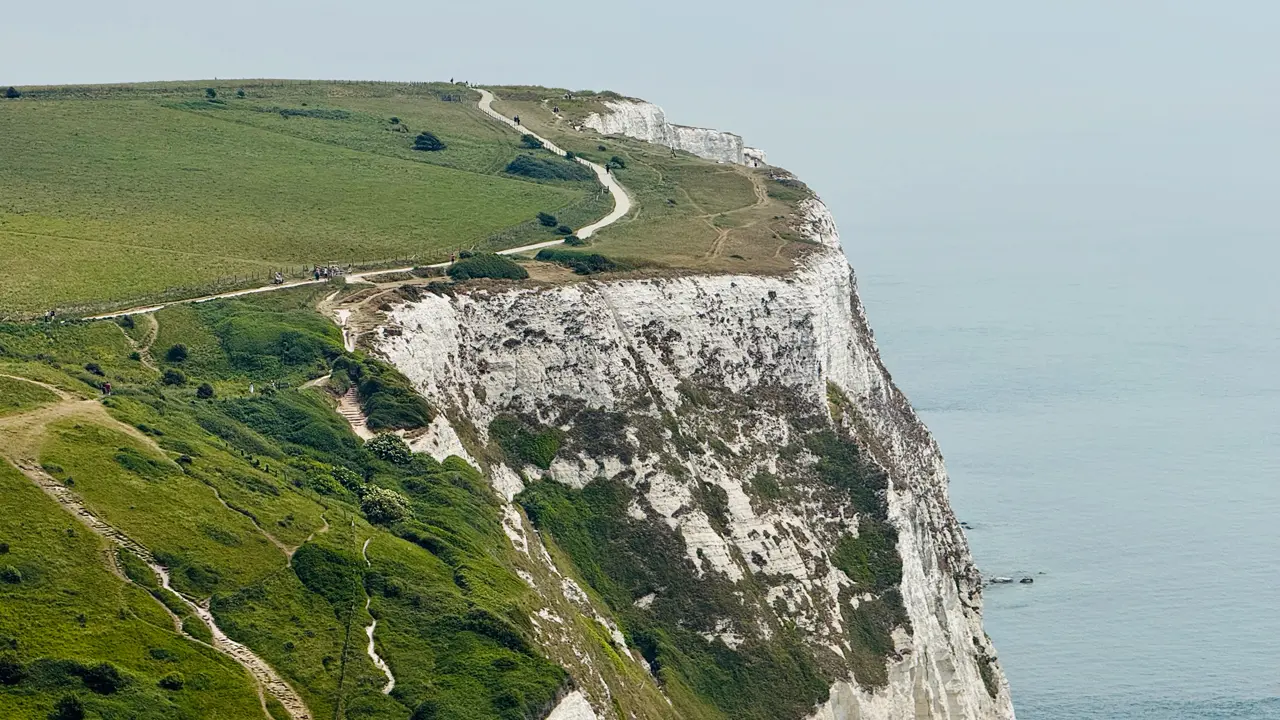
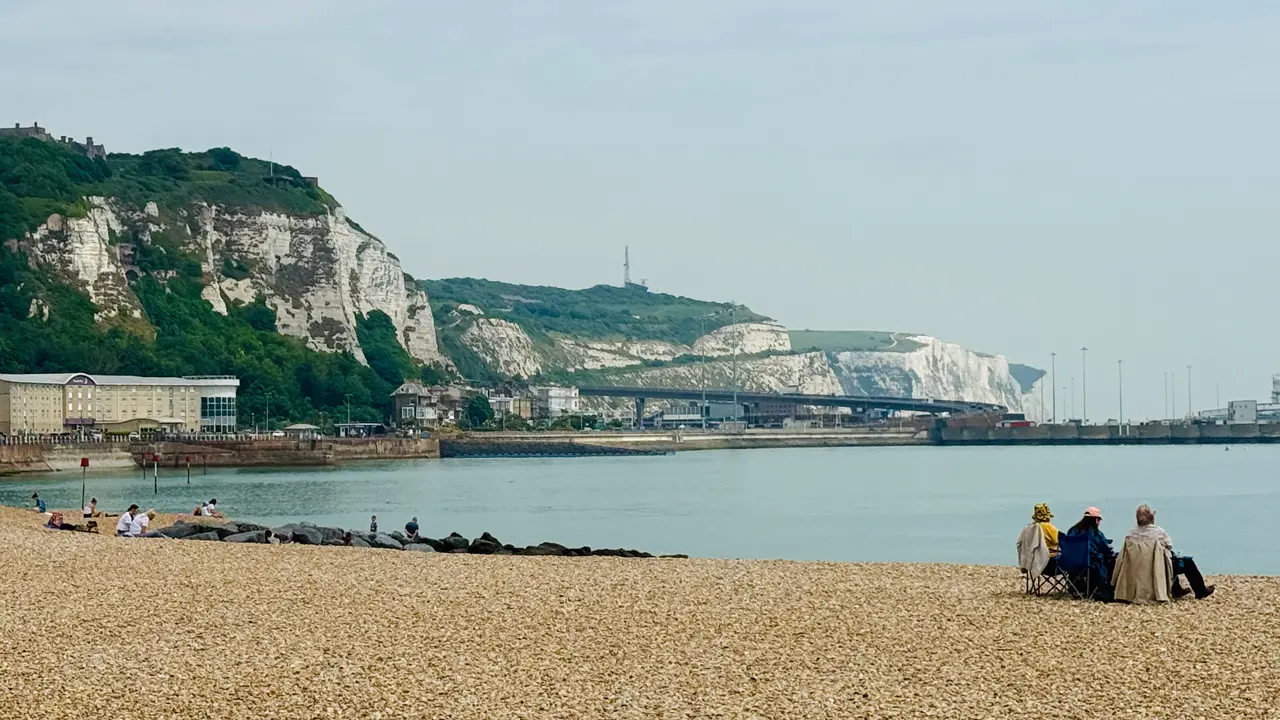
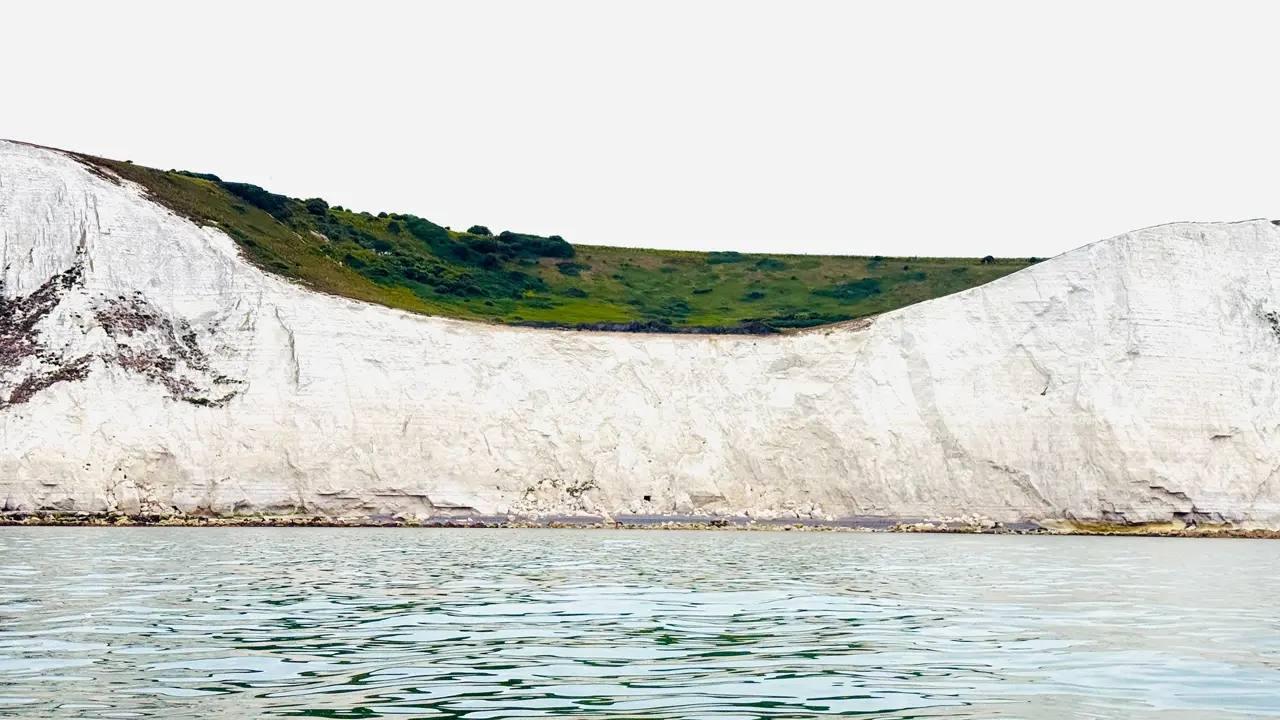
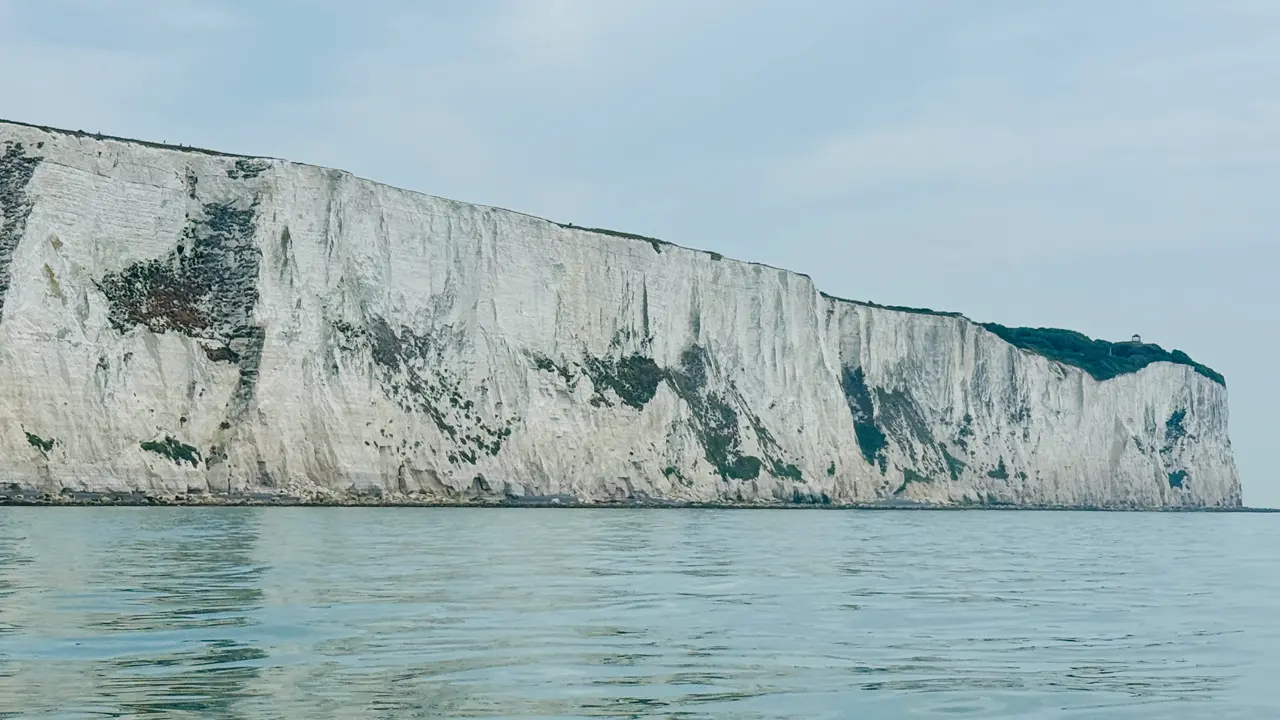
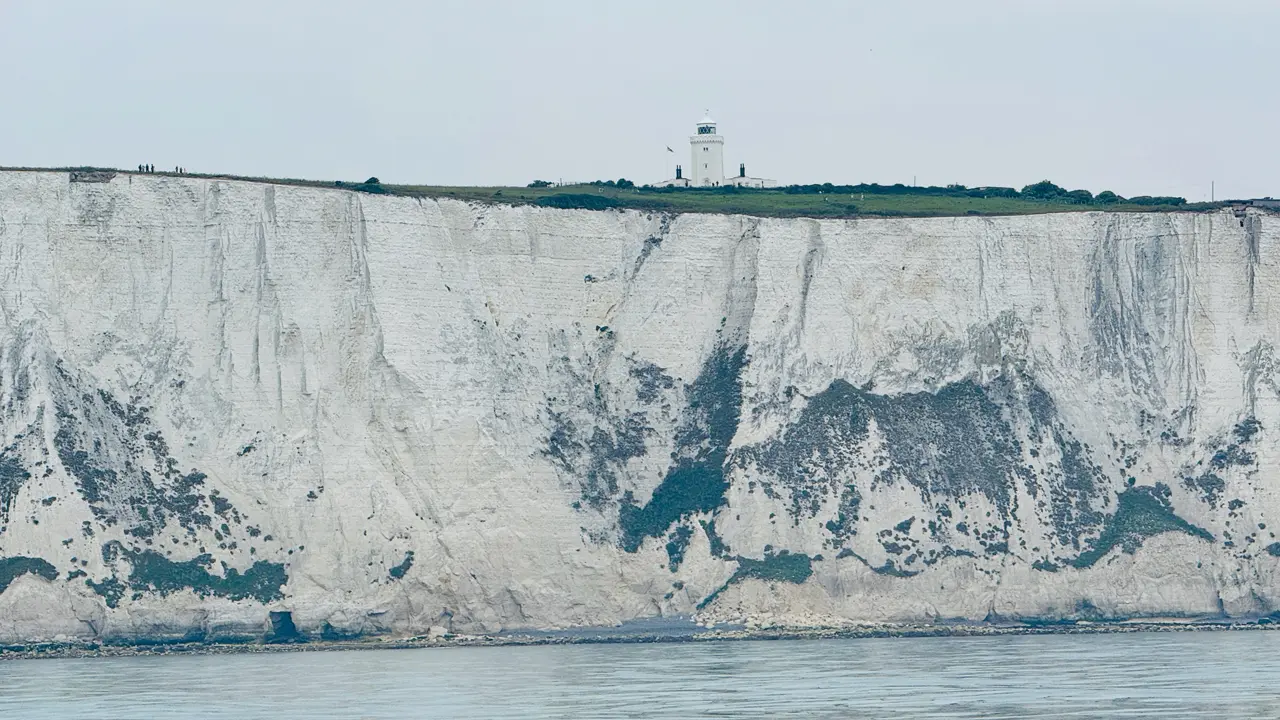
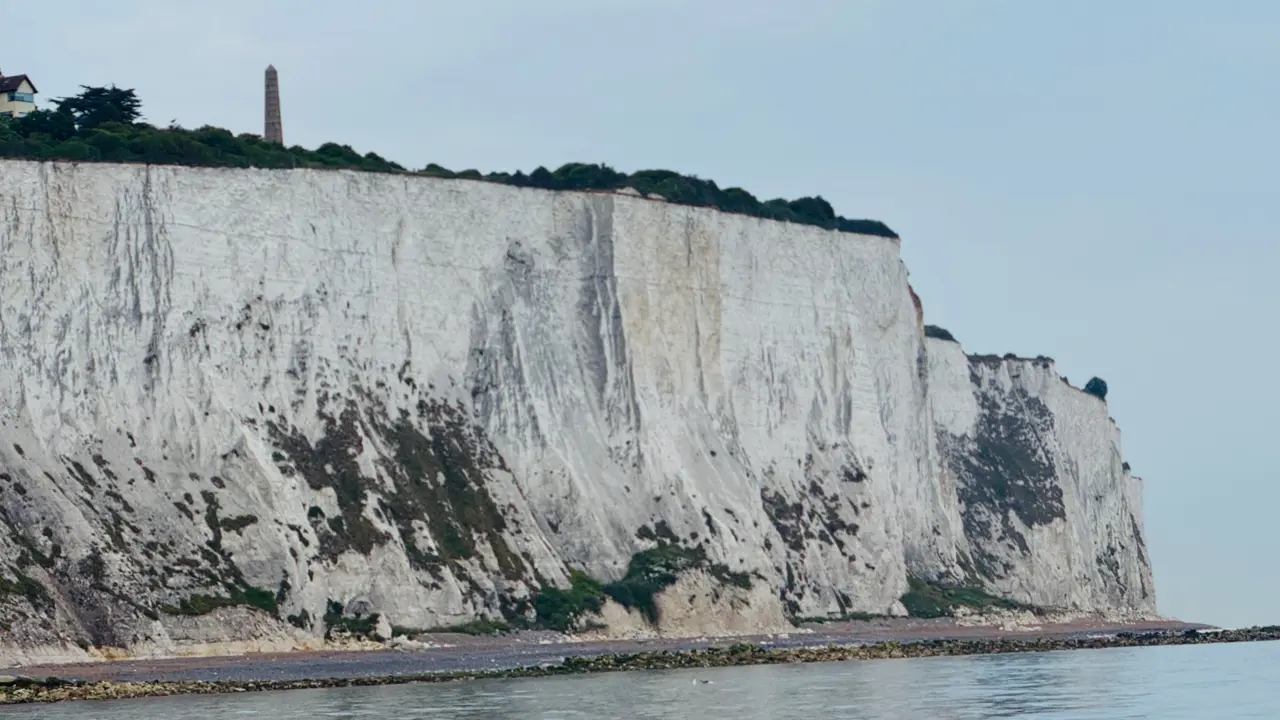
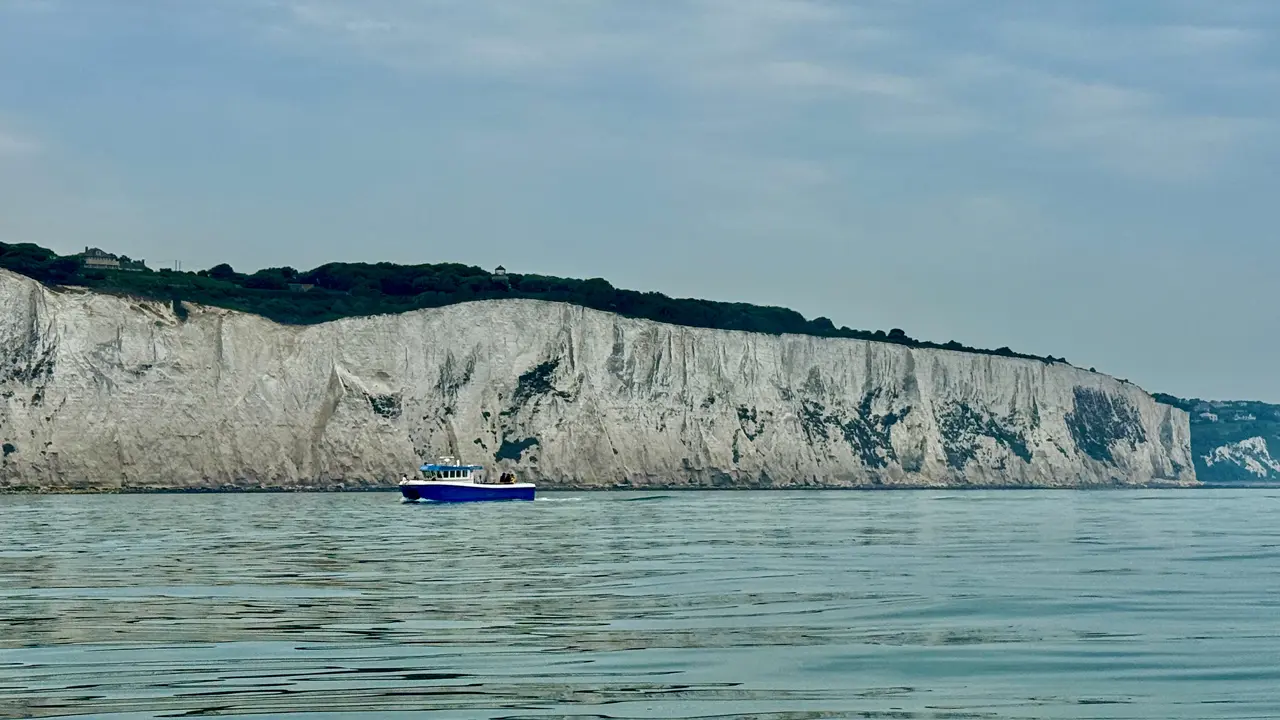
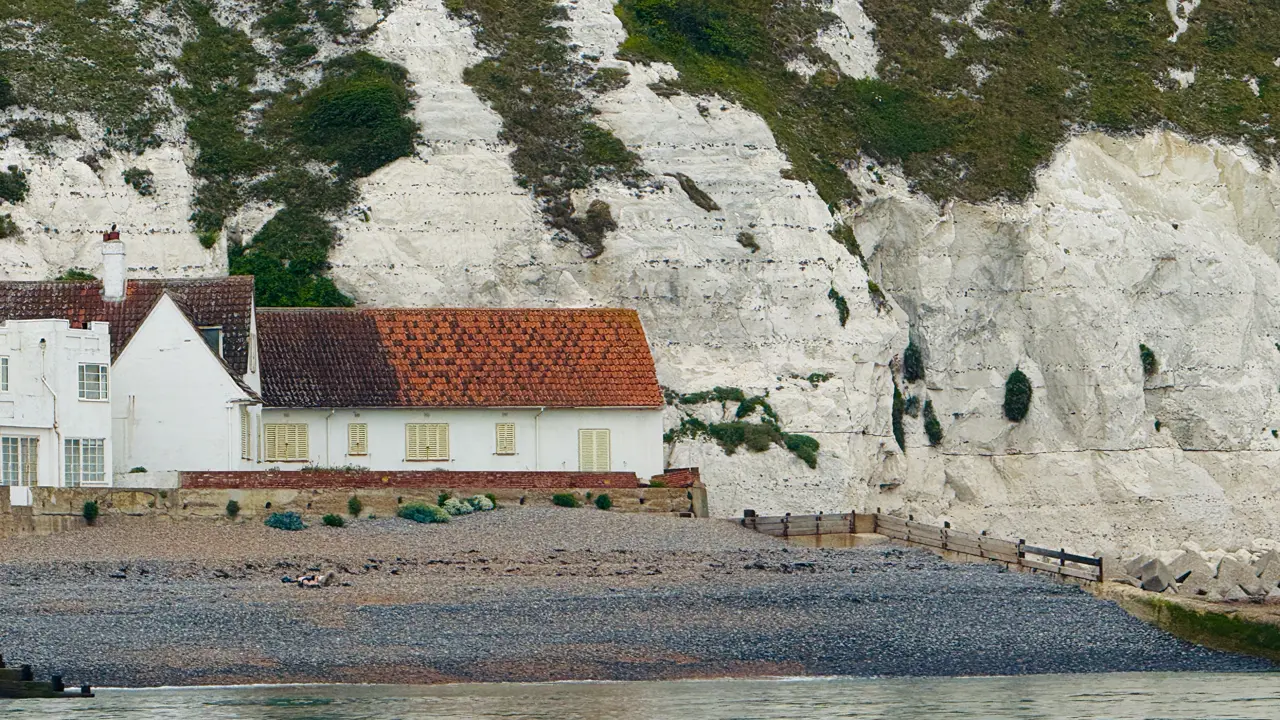
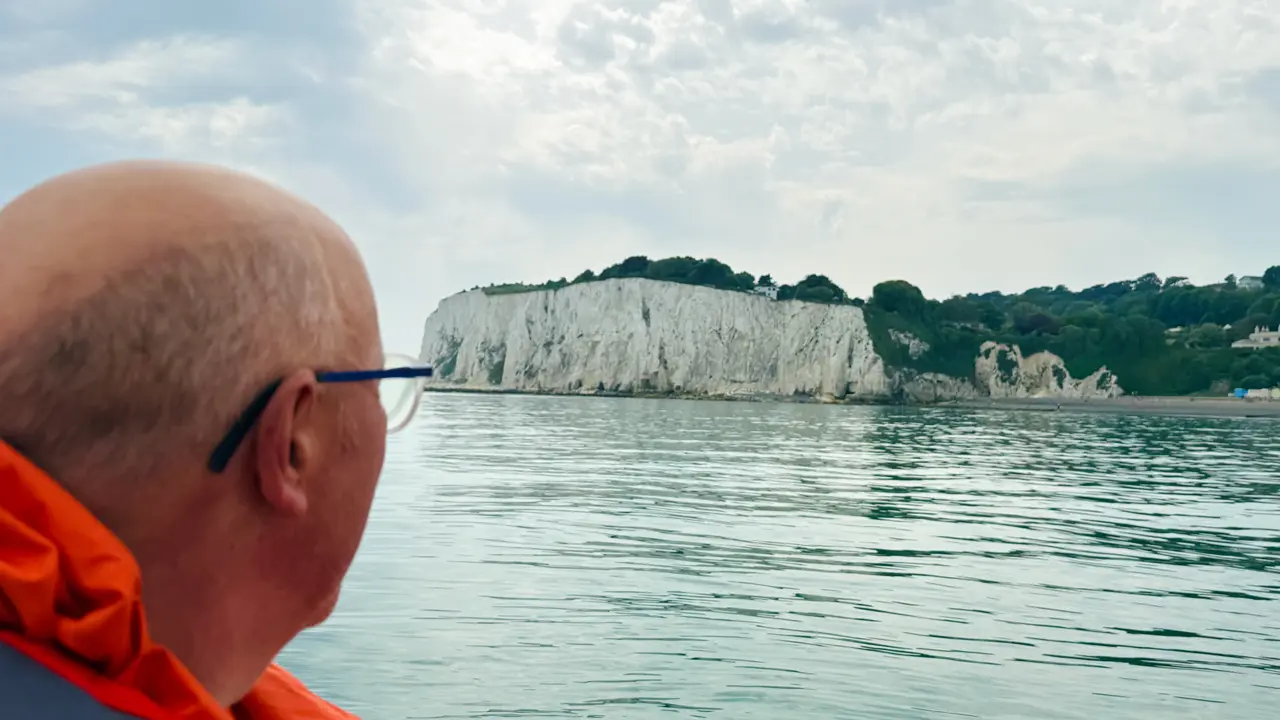
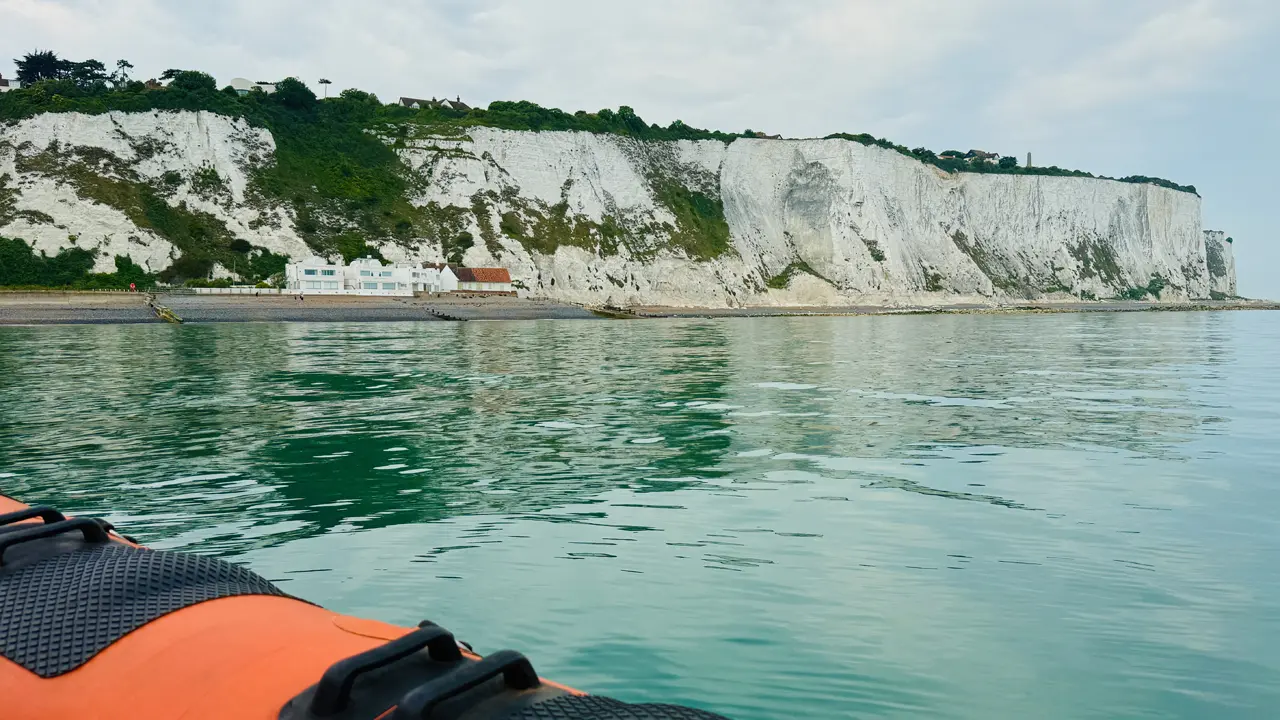
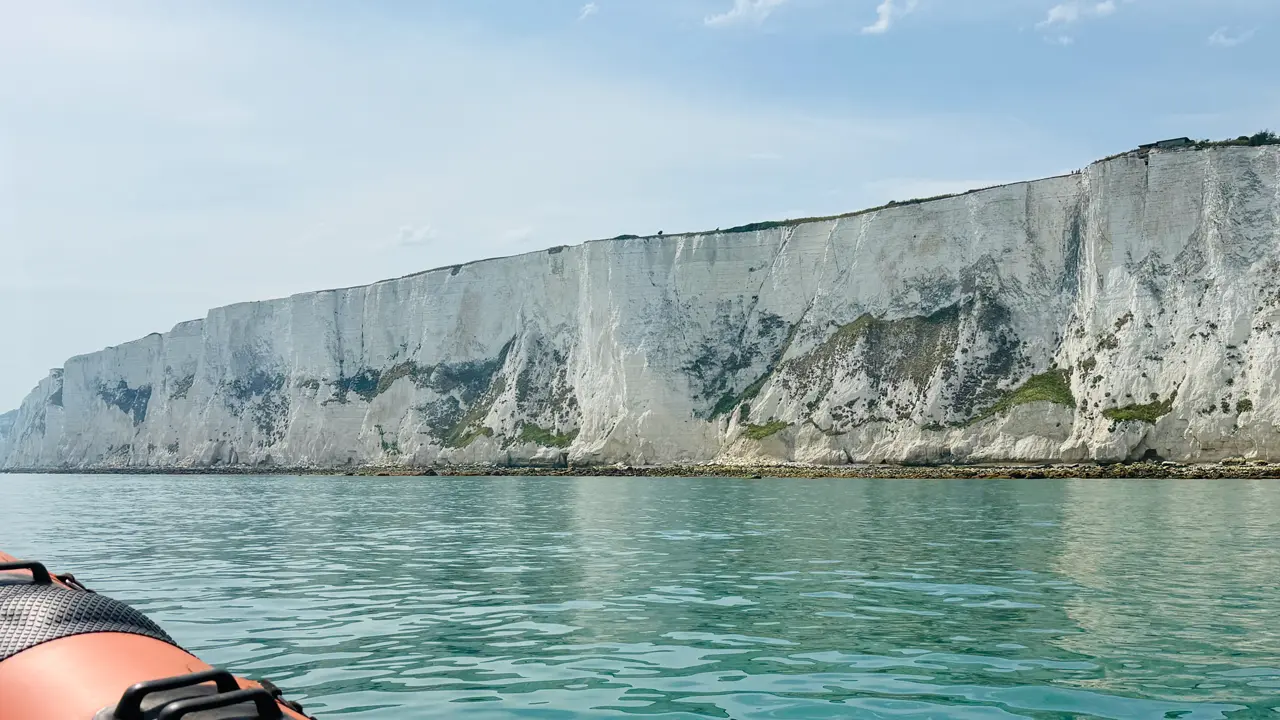
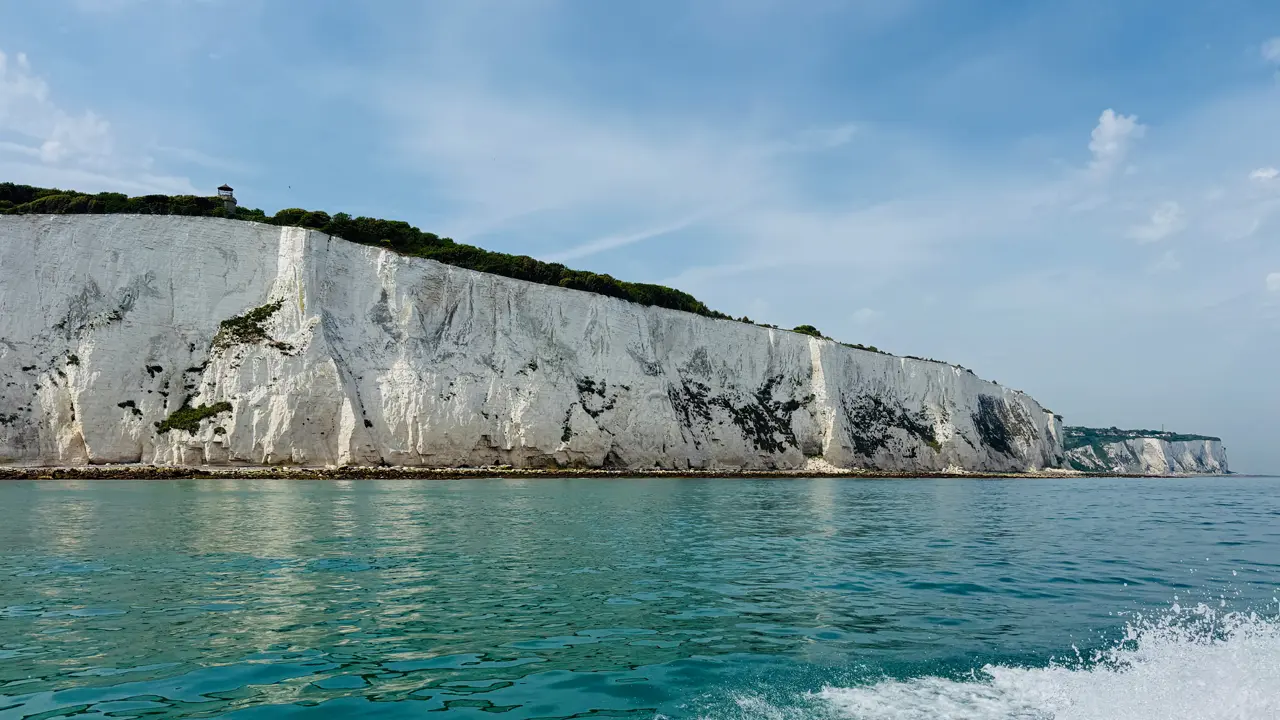
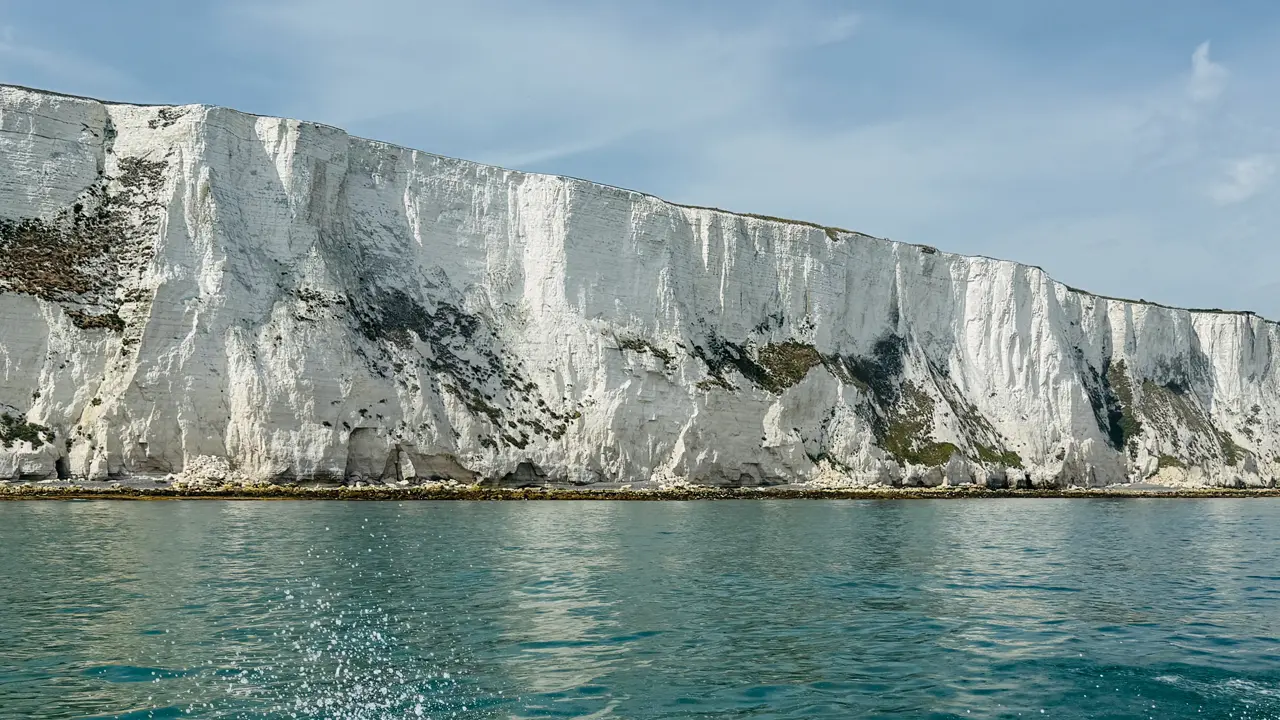
On Fri., May 29th (2026), we headed to the town of Dover Priory to see the White Cliffs of Dover. An iconic, 350-foot-tall, 8-mile stretch of the English coastline. The cliffs are formed of striking white chalk and black flint (formed from the remains of sea sponges), and “serve as a symbolic gateway to the UK.” So beautiful!
We took the train from Folkestone to Dover. While waiting for a taxi in Dover, we met a young man from San Francisco who was in town for the day before heading back to London to meet up with family. We shared a taxi with him to the “White Cliffs of Dover Visitor Center” where all the trails began.
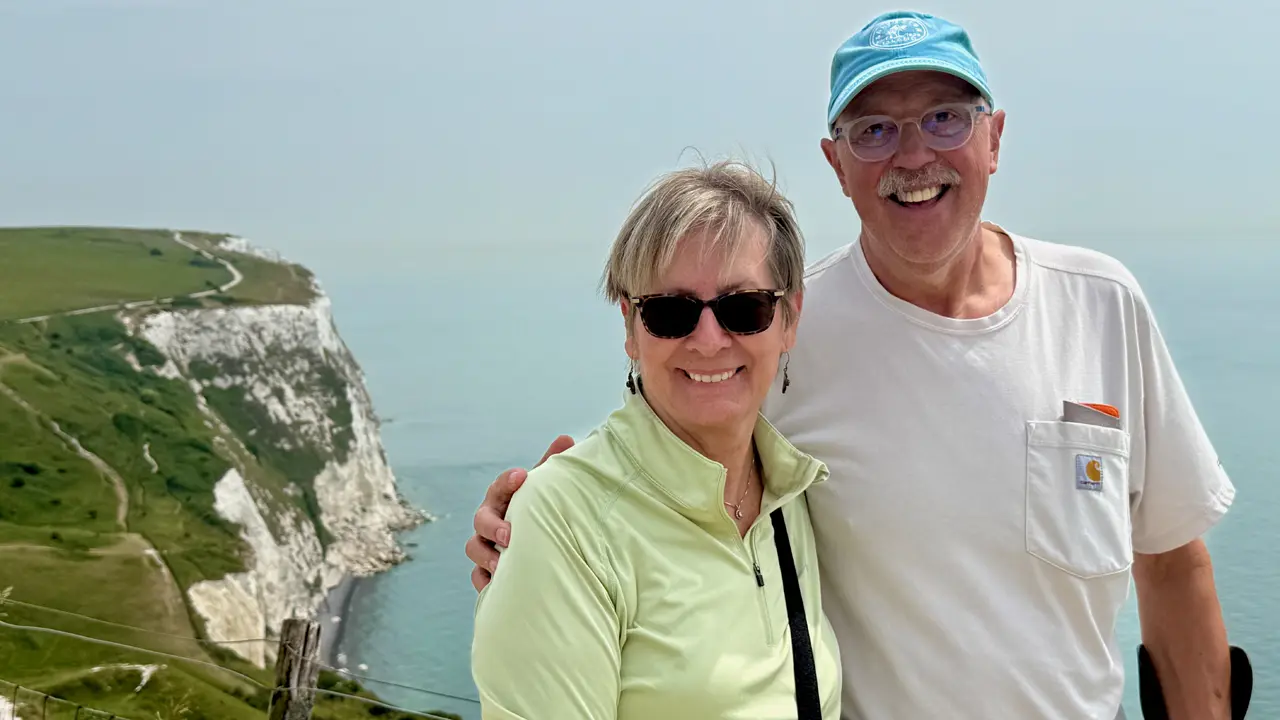
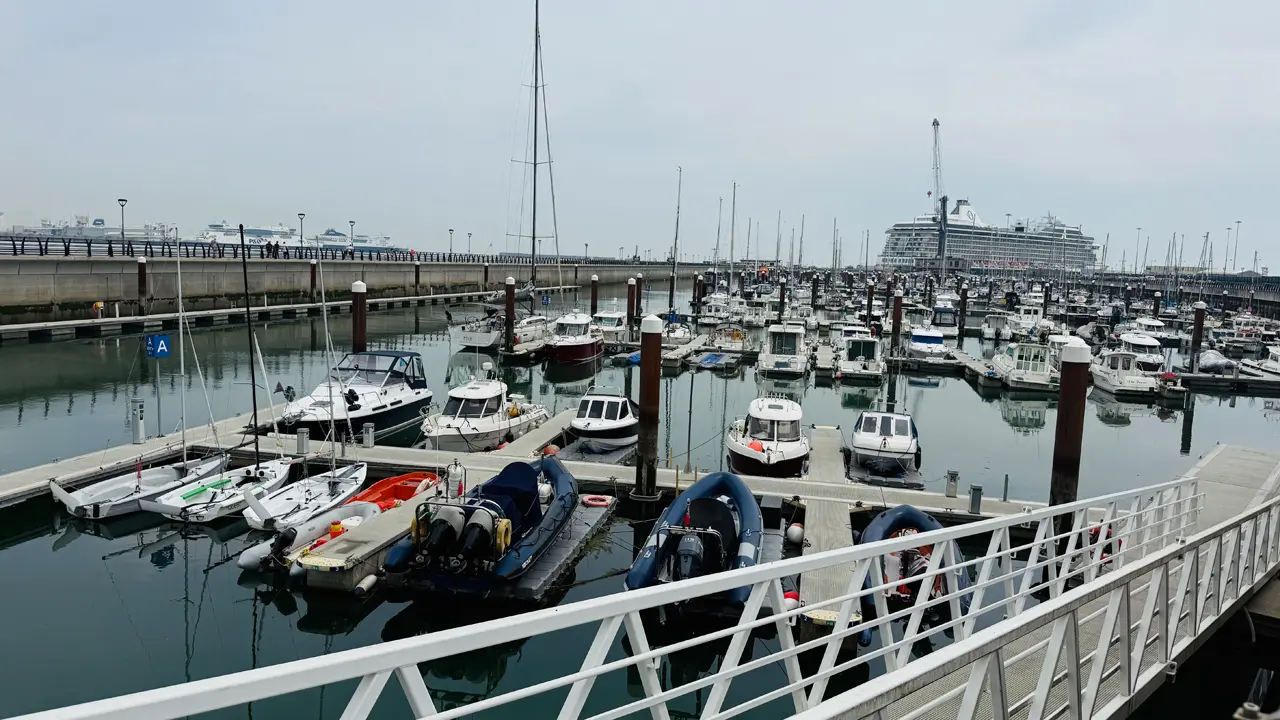
Gary & I took our time at the cliffs and walked an easier trail that Gary could manage with his recovering leg and saw some stunning views. The Port of Dover is one of the busiest in the world. On average 400 vessels pass through the Strait of Dover each day. The tops of the cliffs served as Britain’s frontline during WWII. The greenery atop the White Cliffs is chalk grassland, and is considered as rare as a rainforest.
The bright white color of the cliffs comes from pure chalk (calcium carbonate), formed from the compressed skeletal remains of microscopic plankton and algae that lived millions of years ago. The brilliant white color of the cliffs remains due to ongoing natural erosion; without it, plants would cover the rock and turn the cliffs green. The chalk is rather crumbly so erodes naturally.
The chalk cliff face is between 86 and 91 million years old. Wild! Another sobering fact, it takes about 100,000 years for the cliff to form approx. 3 ft vertically. And one last interesting statistic, 450,000 years ago Britain and France were joined by a chalk ridge.
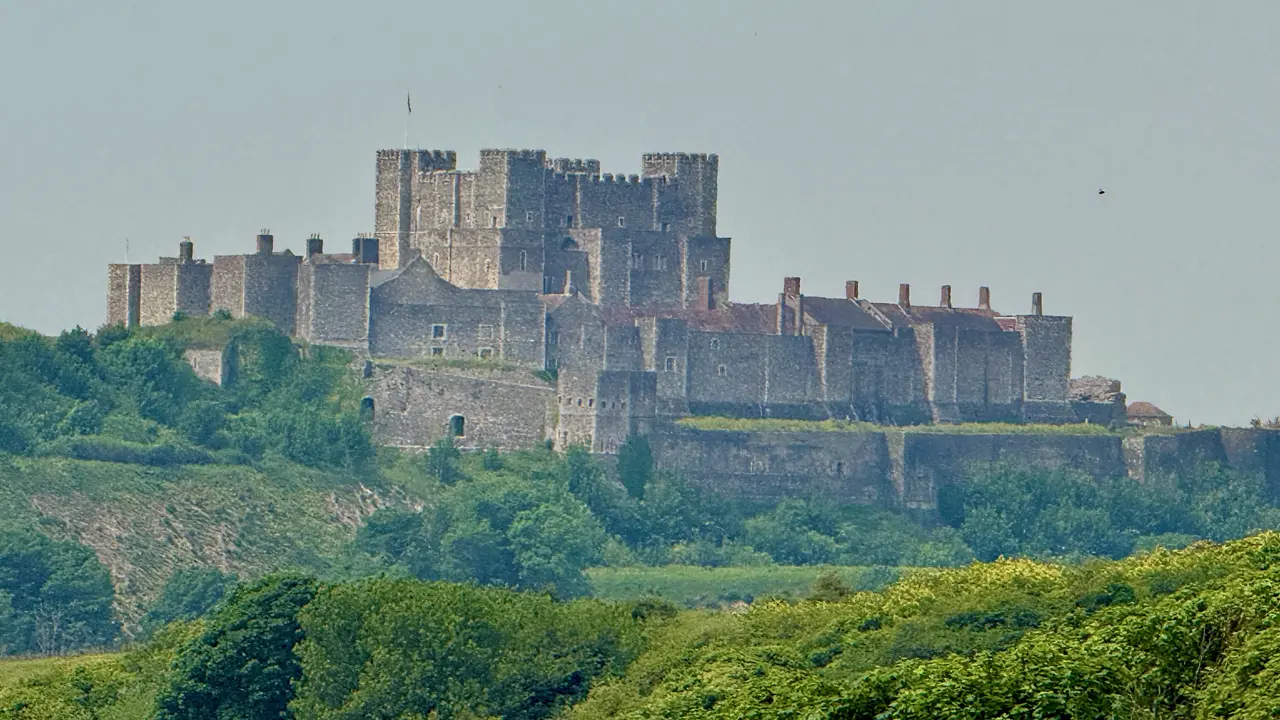
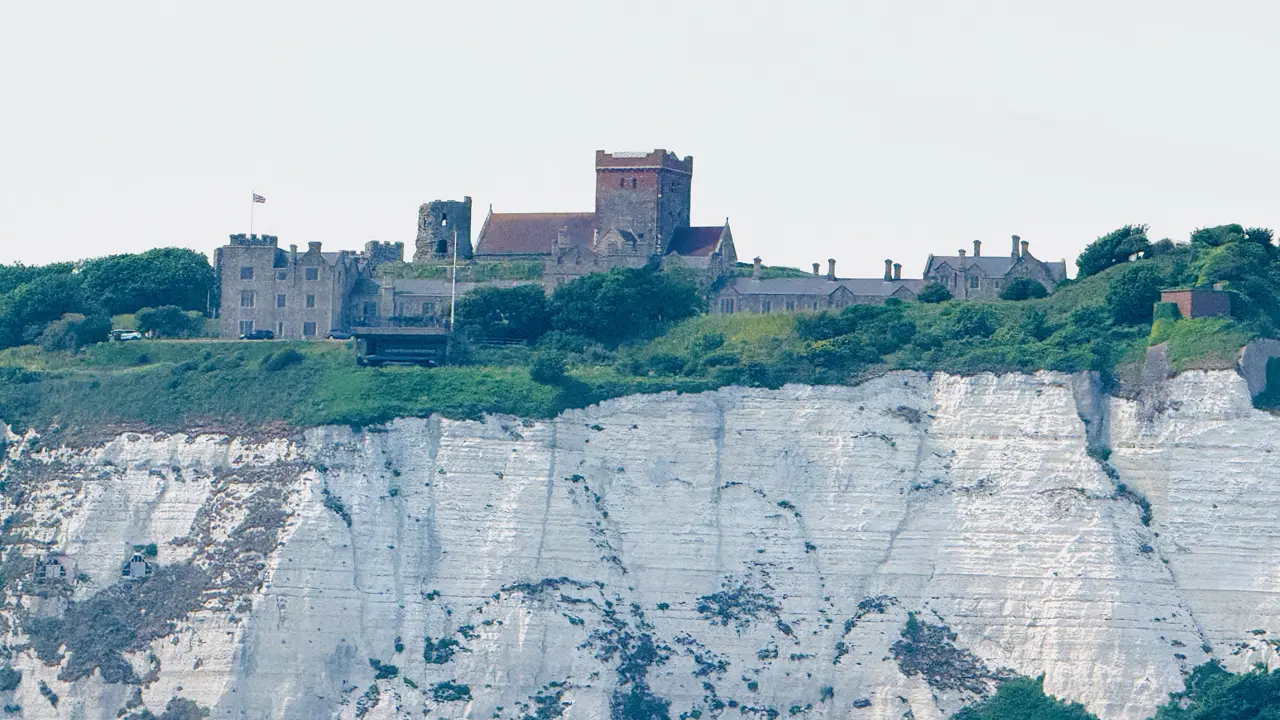
While at the cliffs, we could see the Dover Castle in the distance. We considered doing that today as well, but it would have been too much stair-climbing for Gary.
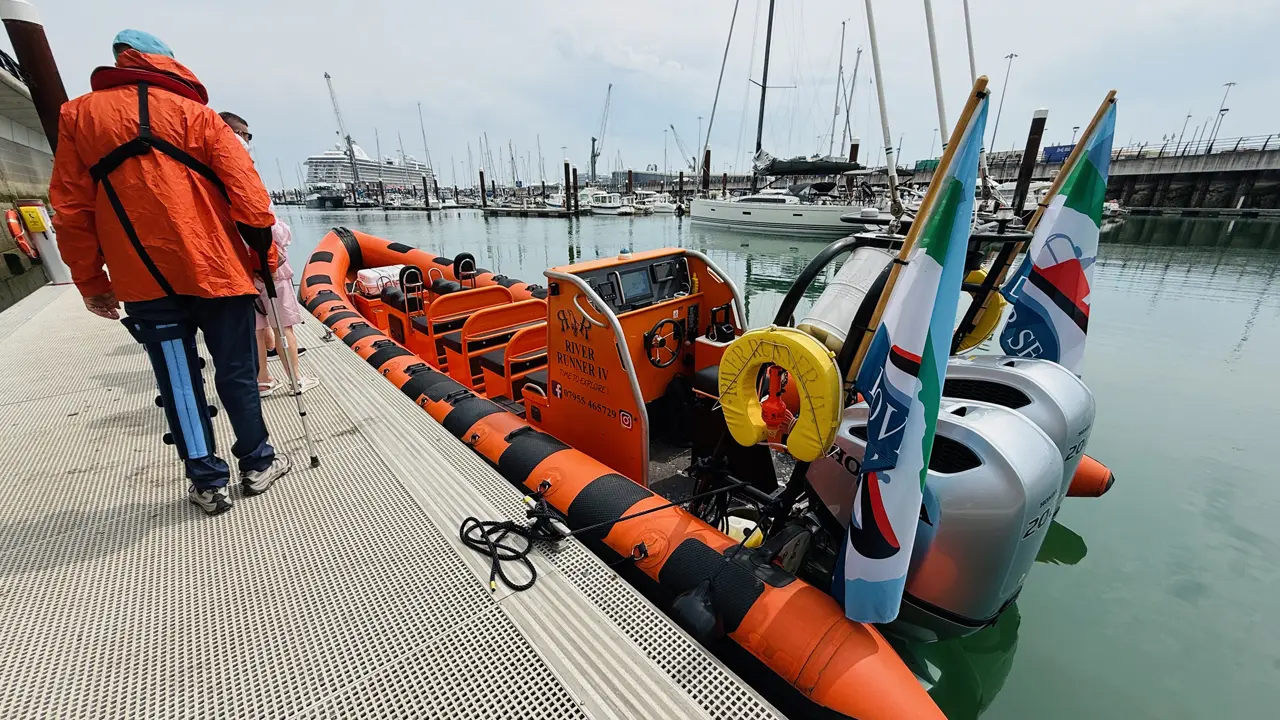
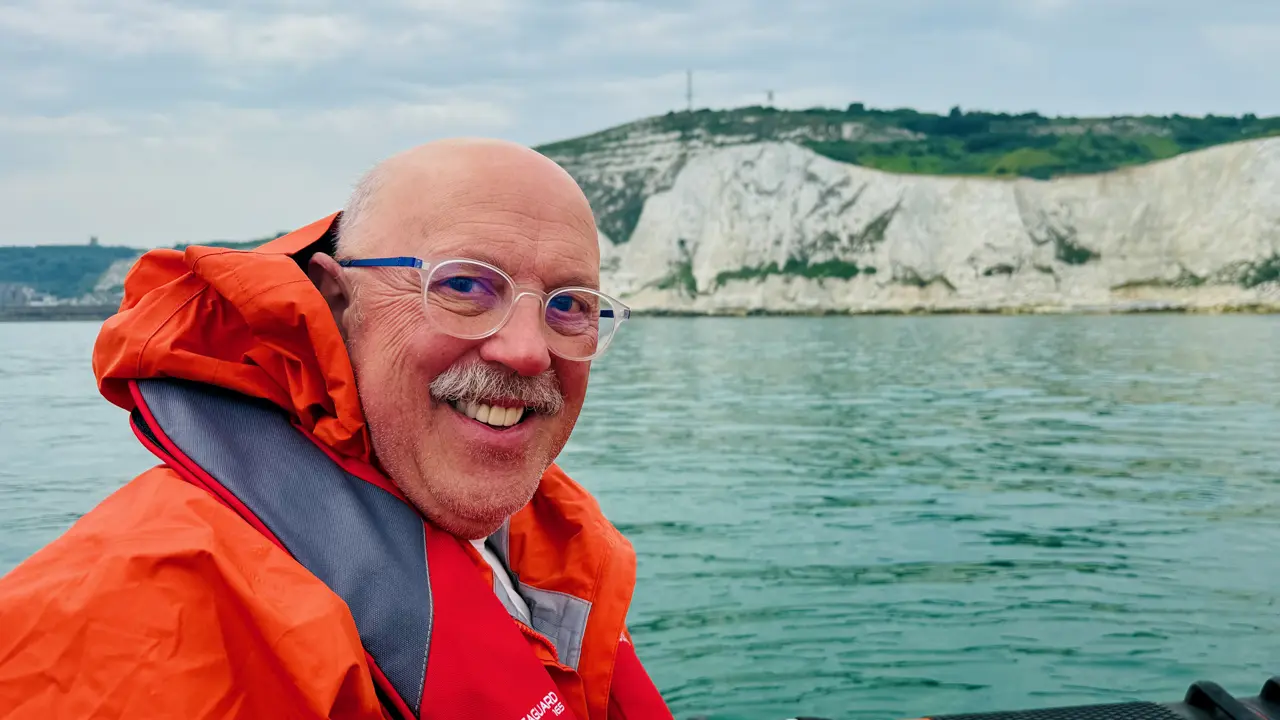
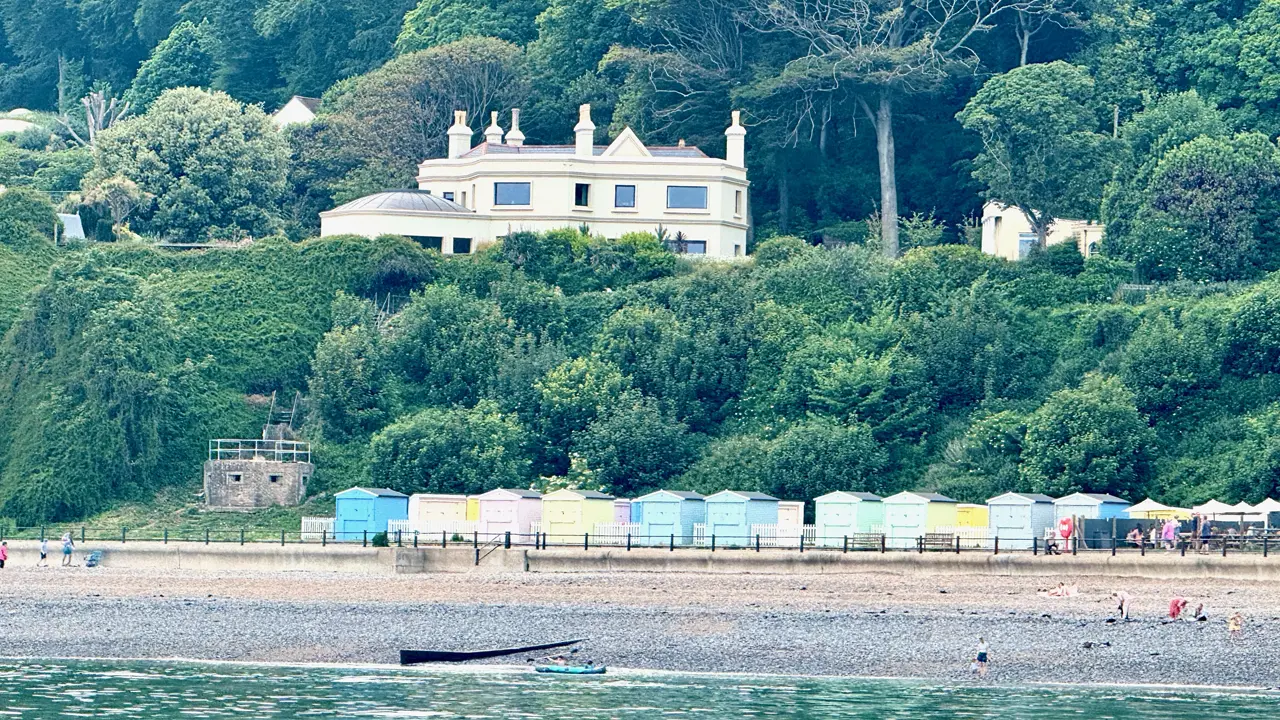
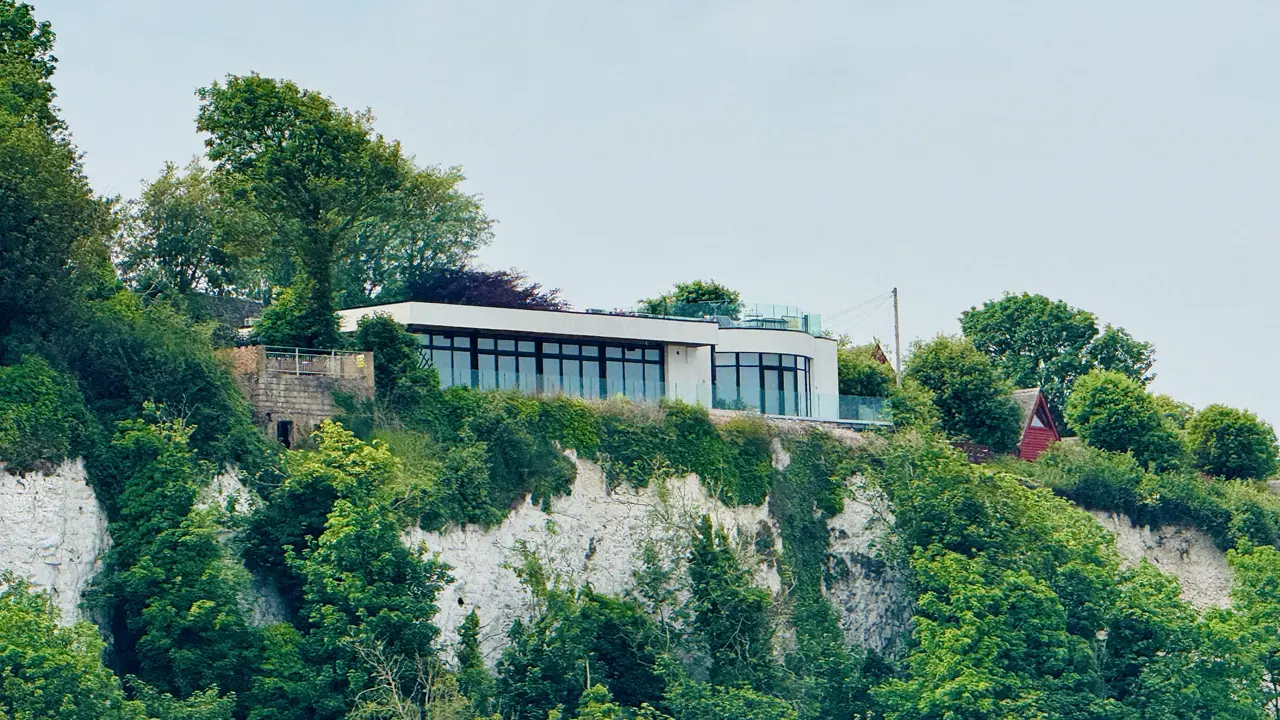
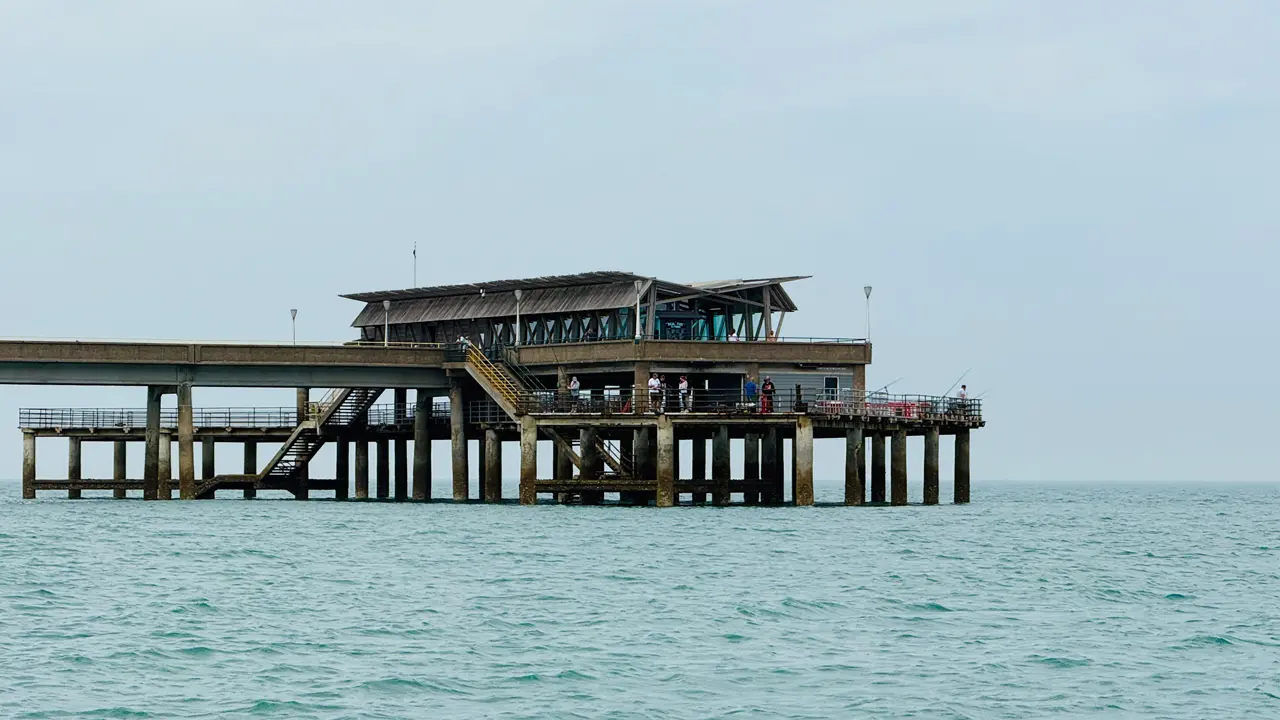
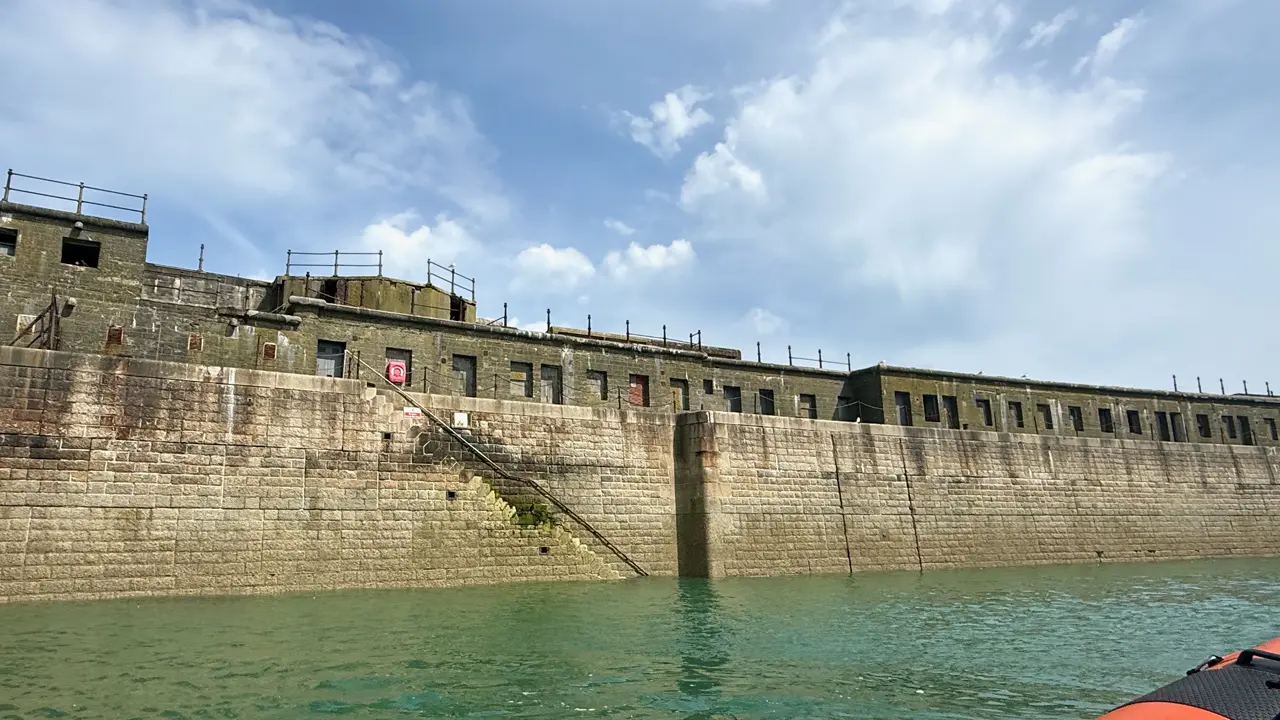
Afterwards we headed back into town for a 1.5 hour Dover Sea Safari Adventure. We were on a 12-passenger rigid inflatable boat (RIB) and got to see the 8-miles of White Cliffs from the water. Such a unique landscape!
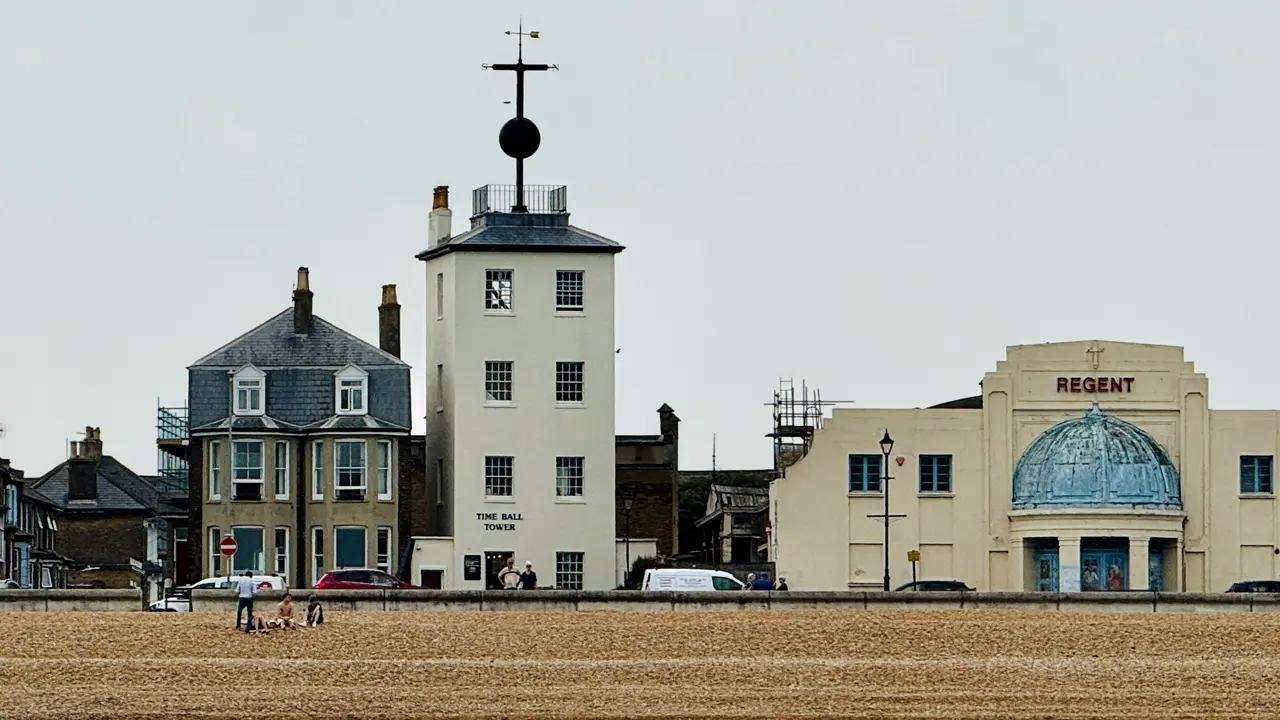
We passed by the Deal Timeball Tower in Kent, England’s most famous historic time ball tower. If you’re wondering what a time ball tower is, it’s a 19th-century maritime signaling structure designed with a large dropping sphere to help ship captains accurately set their navigational chronometers. This one in Kent was built in 1820, and now operates as a maritime museum where the Victorian time ball at the top drops at 1 PM daily. We did see it go down as we were watching at 1pm. It drops quickly. The copper time ball mechanism was installed in 1855.
On a more recent historical note, we passed by the house Ian Fleming once owned! Looked lovely from the outside.
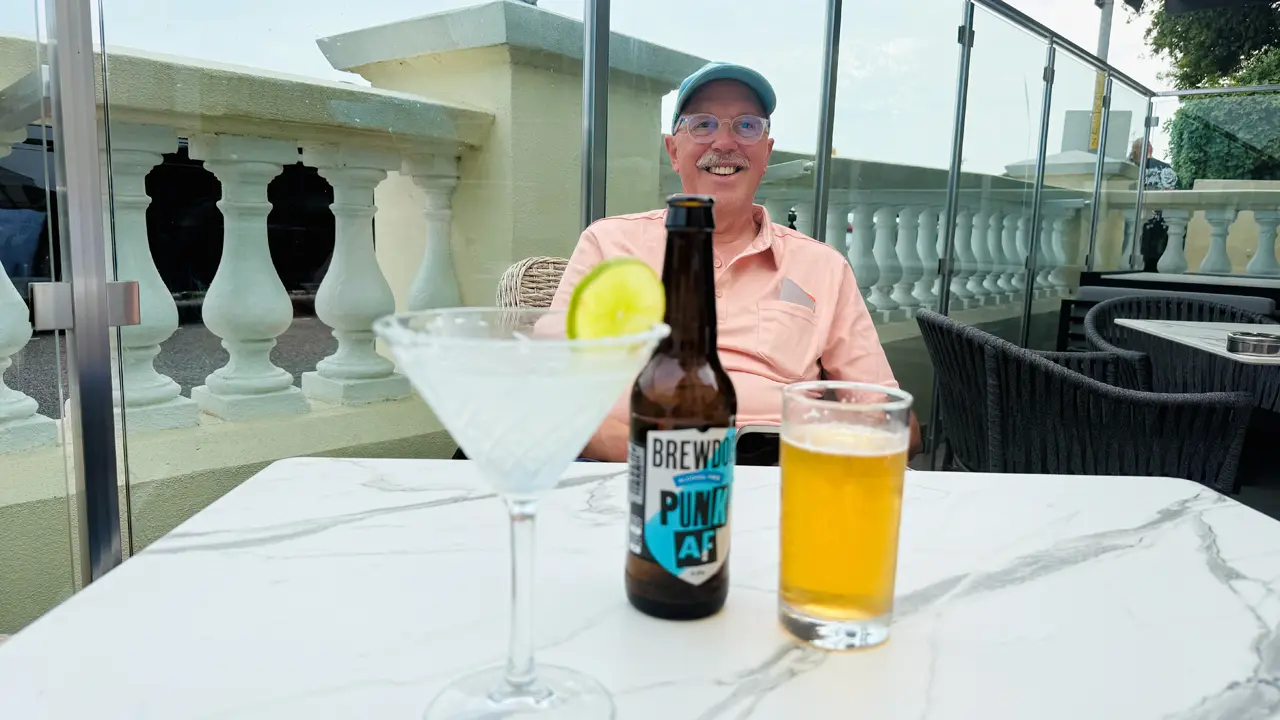
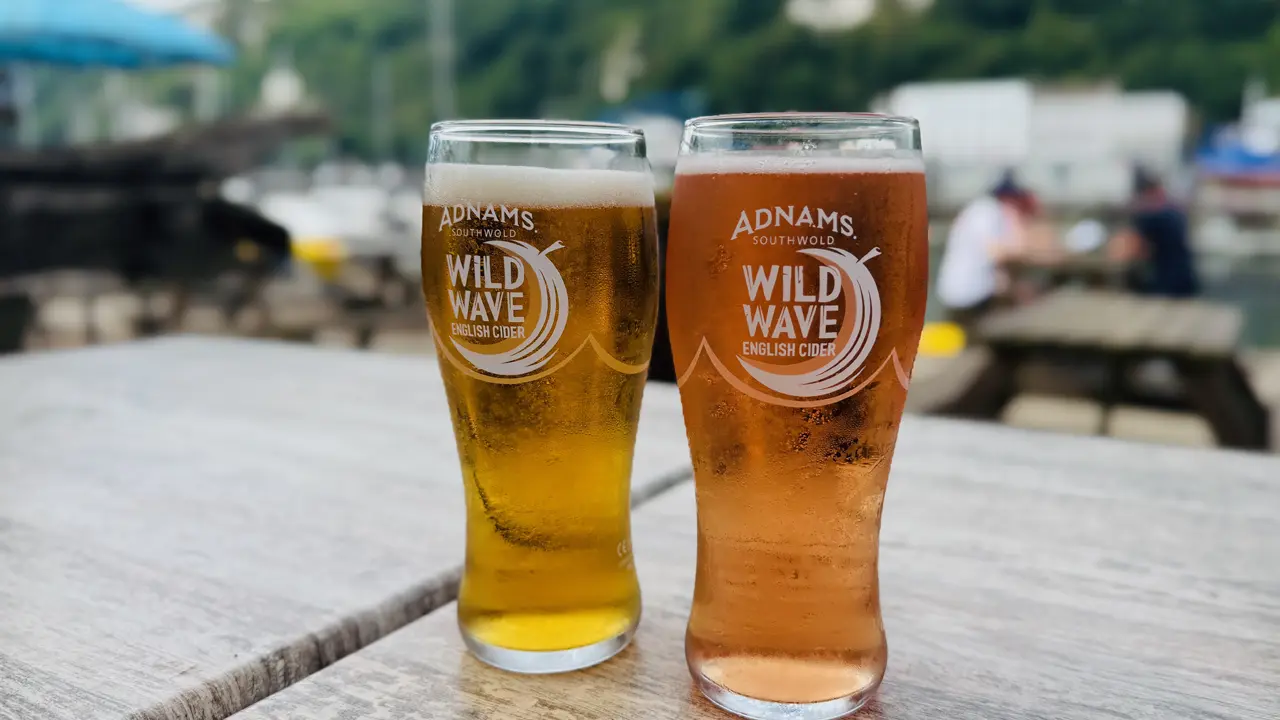
Fun, fun day. We broke up the day with ice cream, beer, and pizza.
On the way home we had a little more excitement than we bargained for! Shortly after exiting the taxi at our hotel, Gary realized he left his phone in the taxi. Uh-oh. We approached Hannah at the front desk, and she quickly called the taxi company. Gary had his phone back in 30 minutes, and we gave Hannah a great big hug!
Next stop on our journey is Portsmouth, UK…
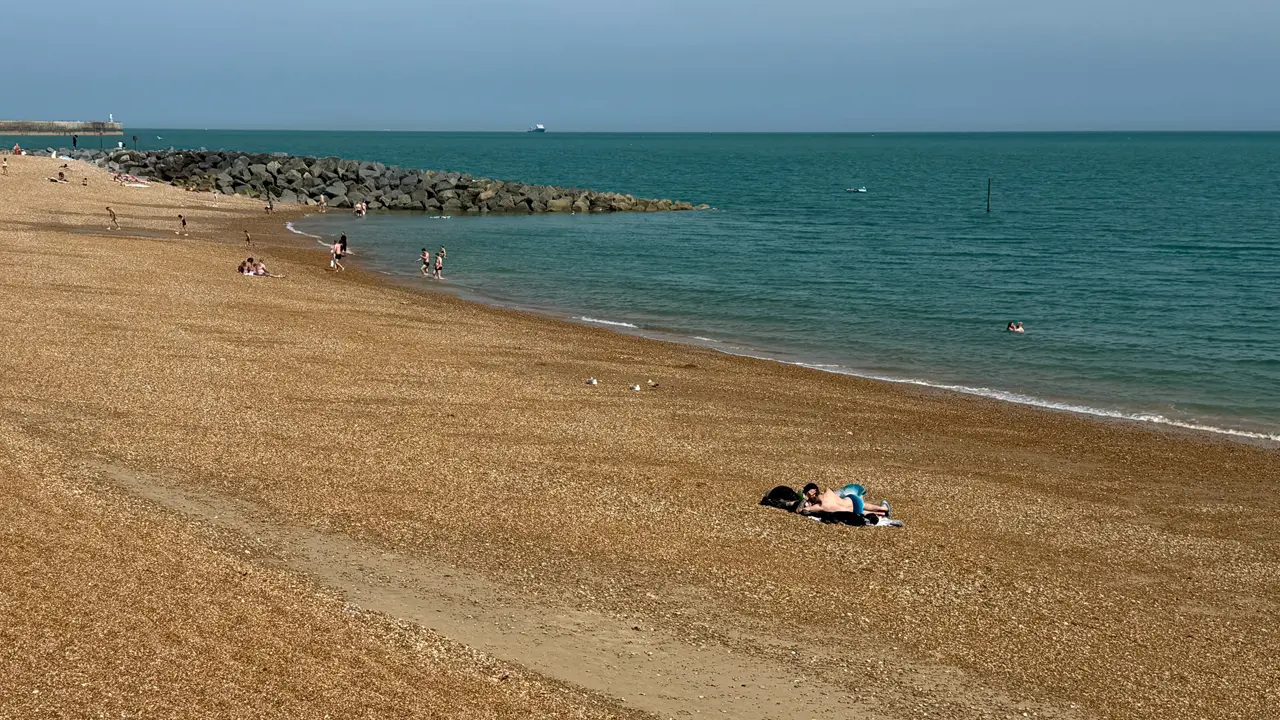
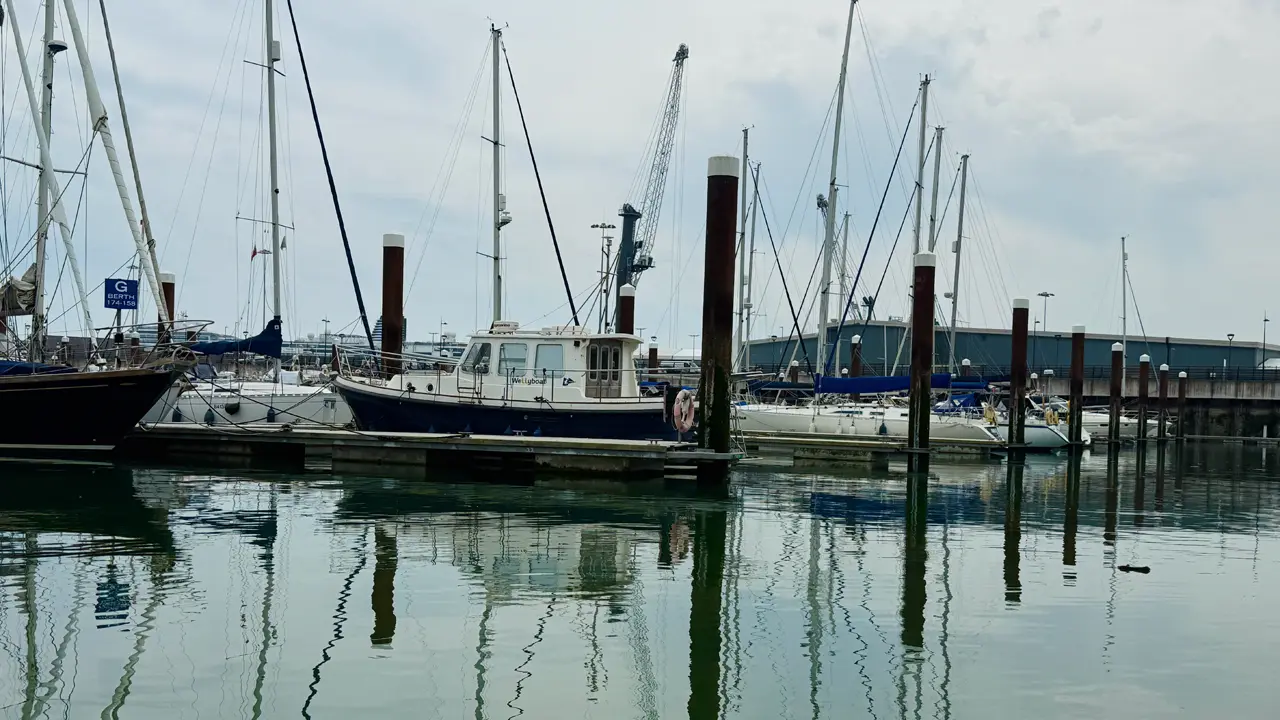
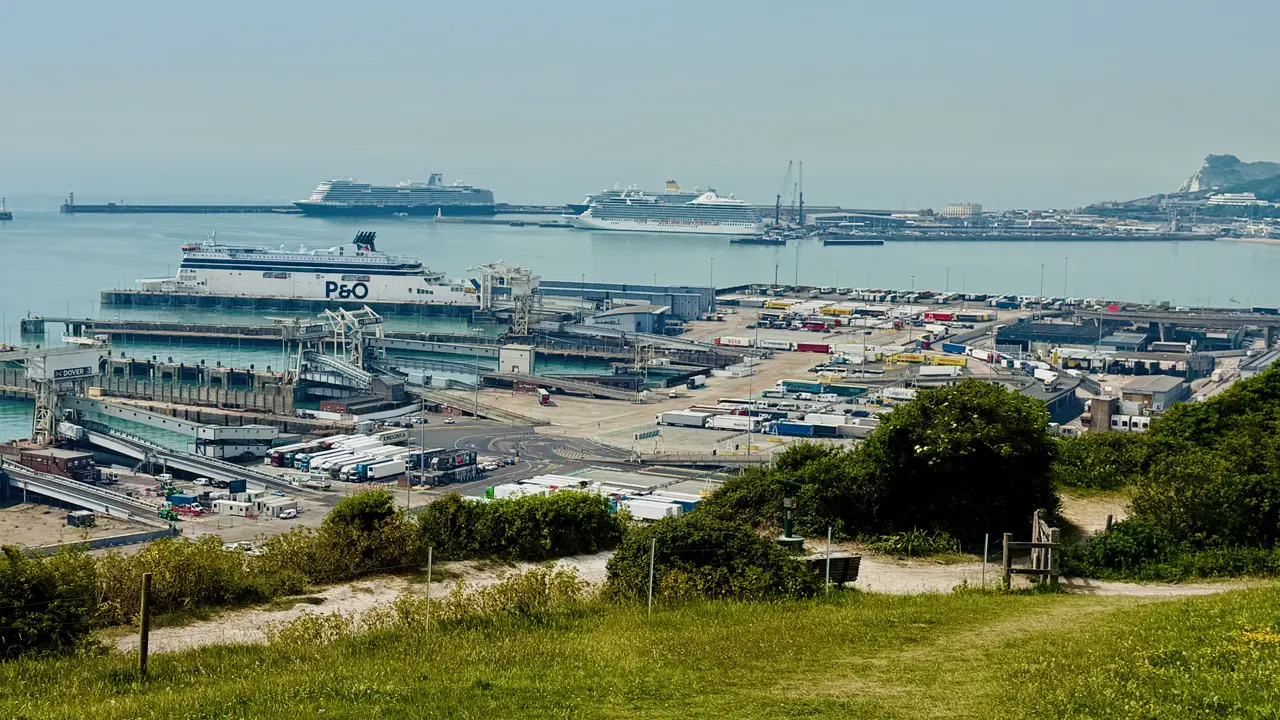 Port of Dover, one of the busiest ports in the world.




Leave a Reply