SUN., FEB 4 thru SAT., FEB 10, 2024
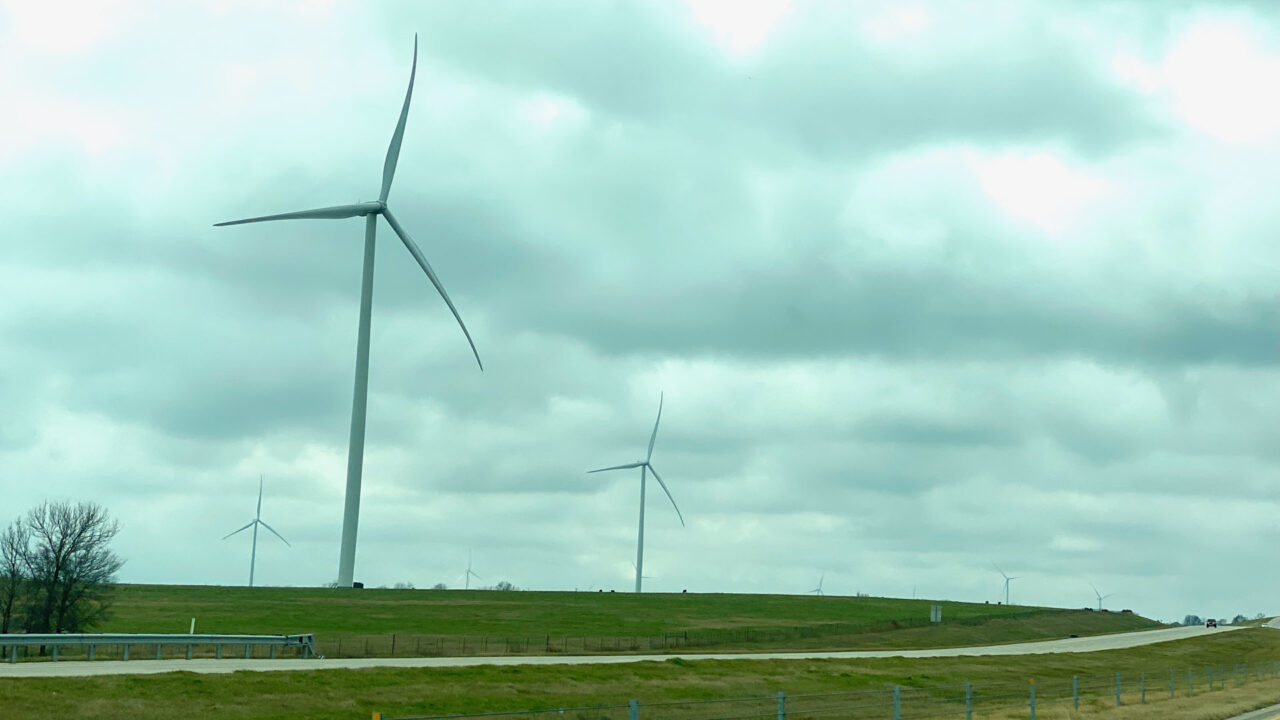
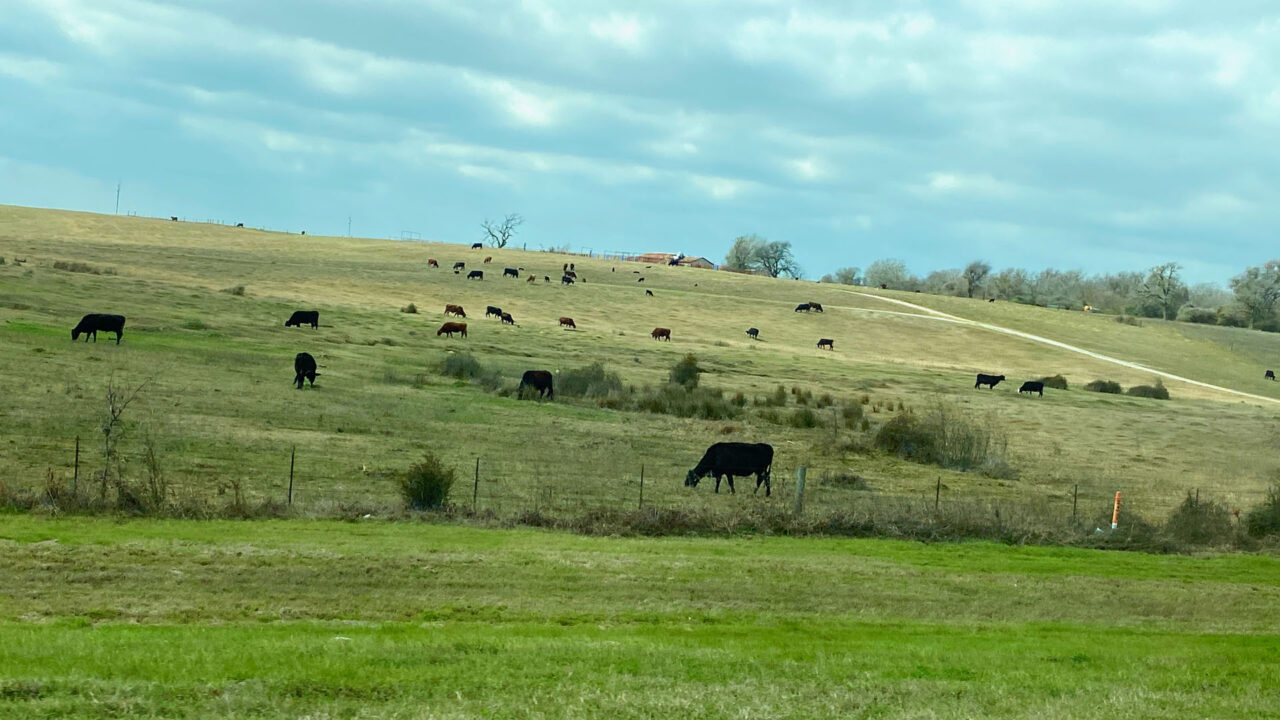
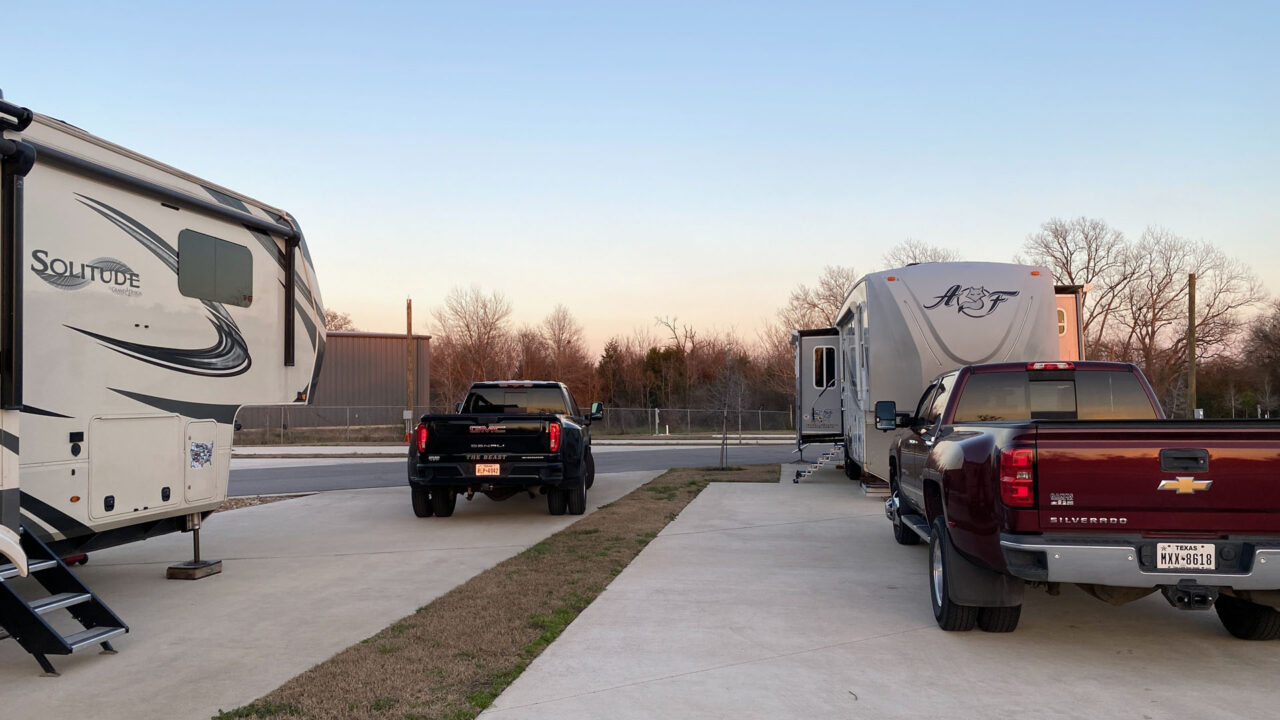
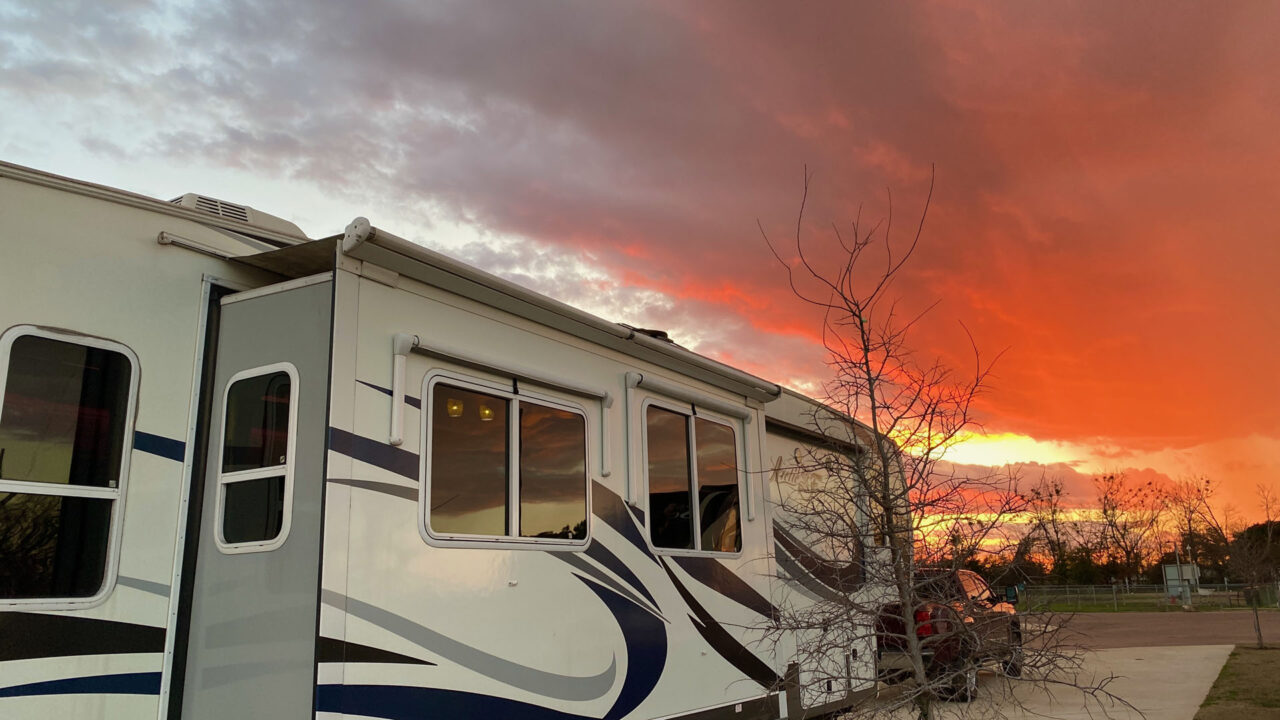
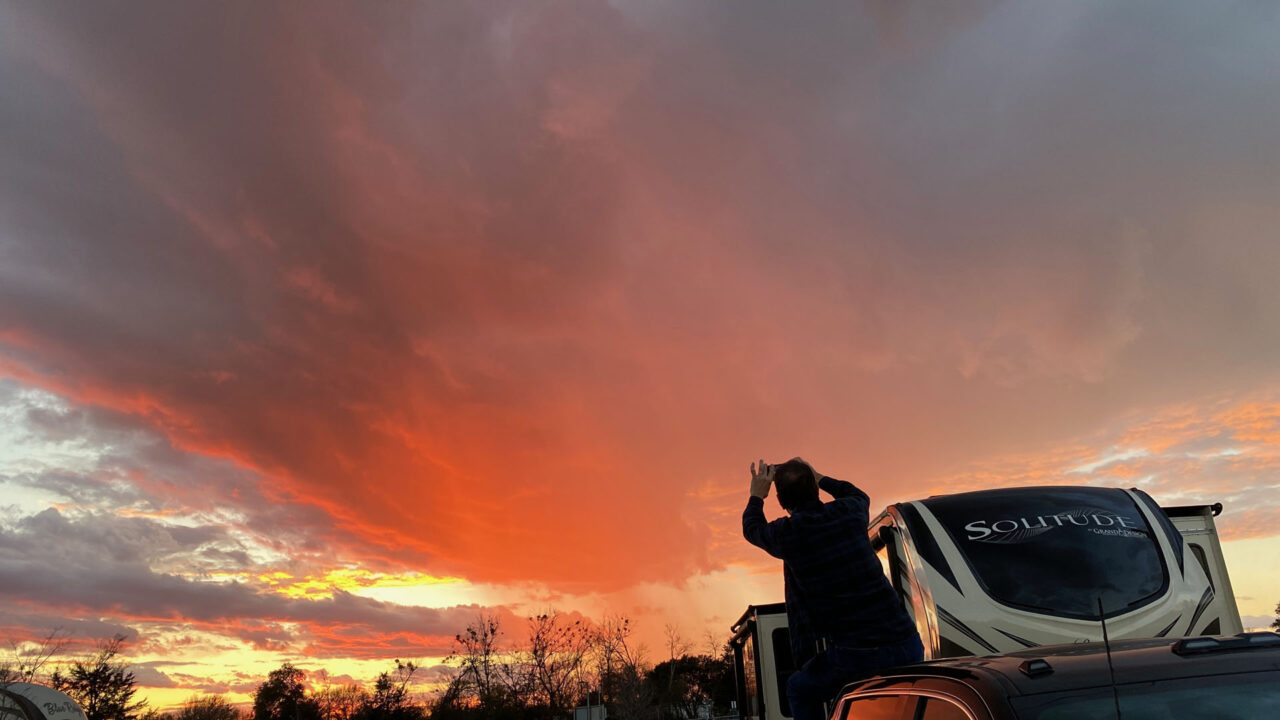
We traveled 120 miles south to arrive in Bryan, TX at Hidden Creek RV Resort. It was a pleasant drive passing by lots of wind turbines, grazing cattle and ranch land. We have a “buddy” site with the Hannafords, meaning the sites face one another. It’s handy since we are, in fact, buddies! We’re here for a week and are looking forward to exploring the Texas A&M campus in nearby College Station and seeing the Bush (#41) Presidential Library. To start our week off right, we were treated to a beautiful sunset our first night.
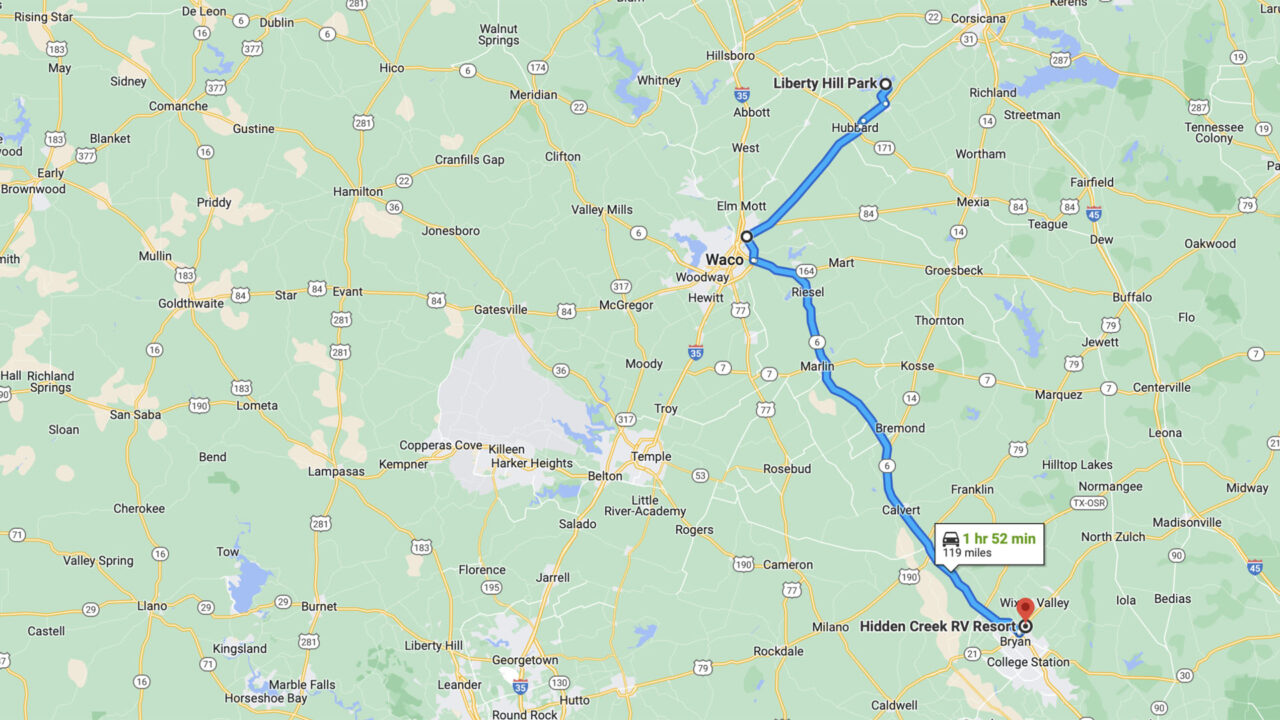 Dawson to Bryan TX
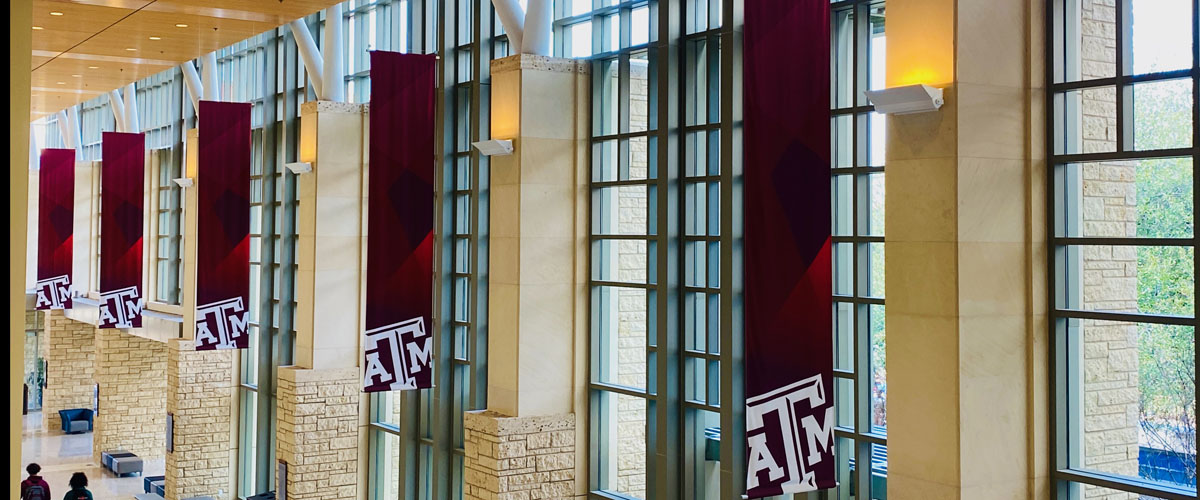
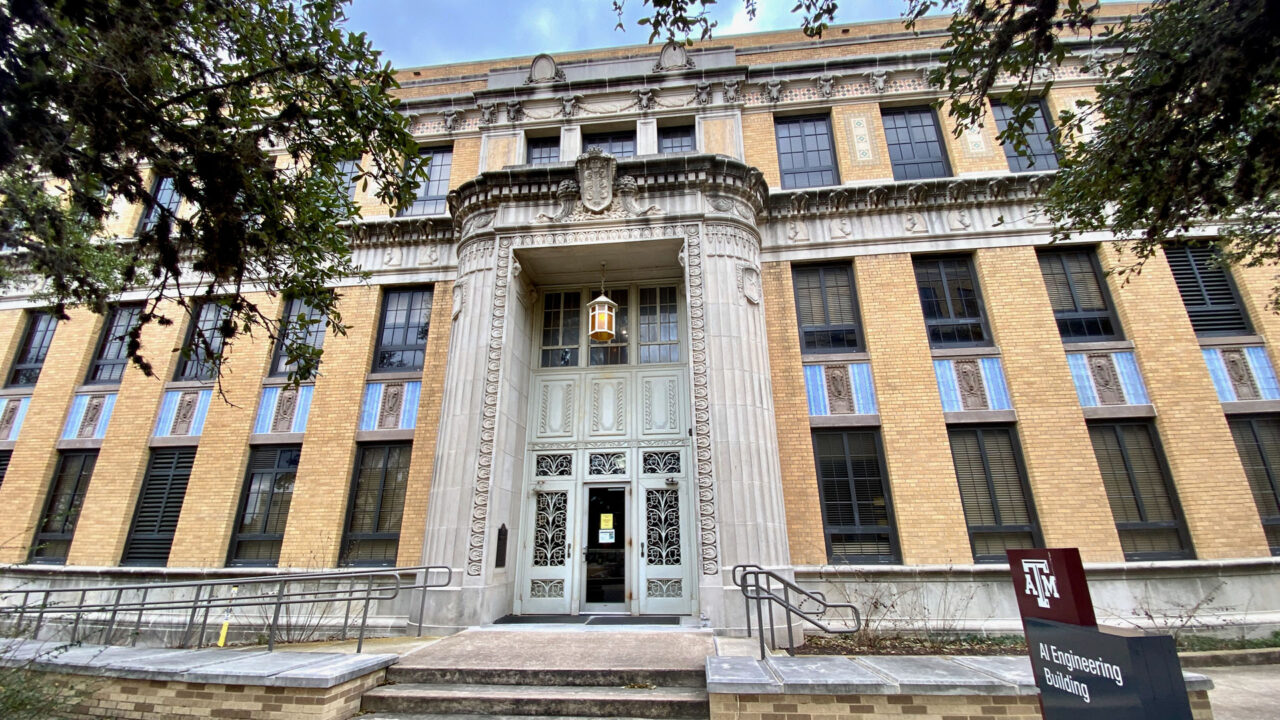
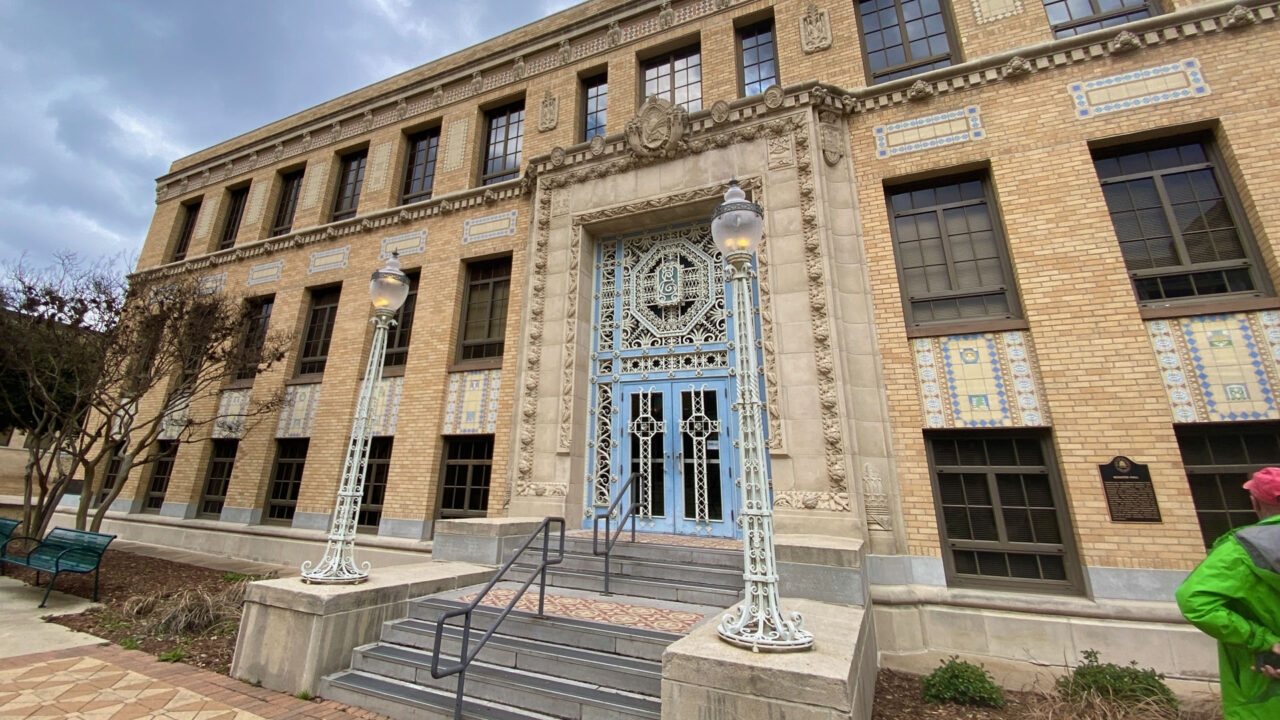
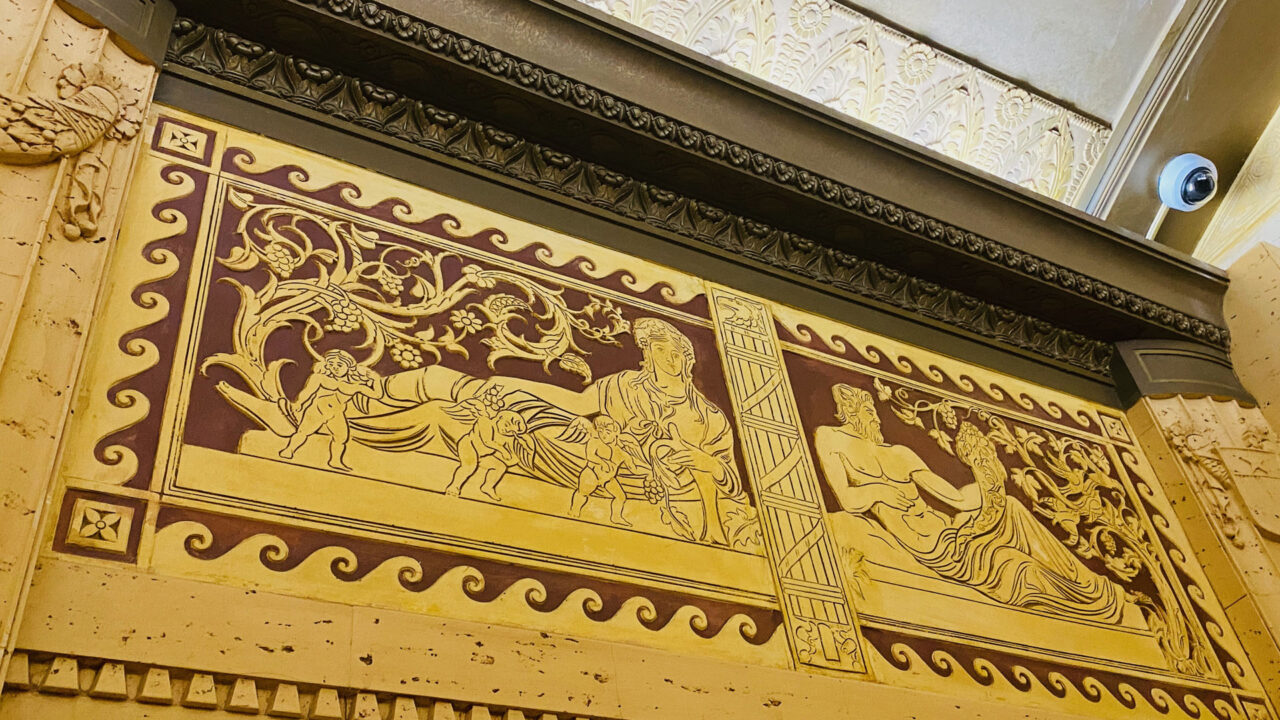
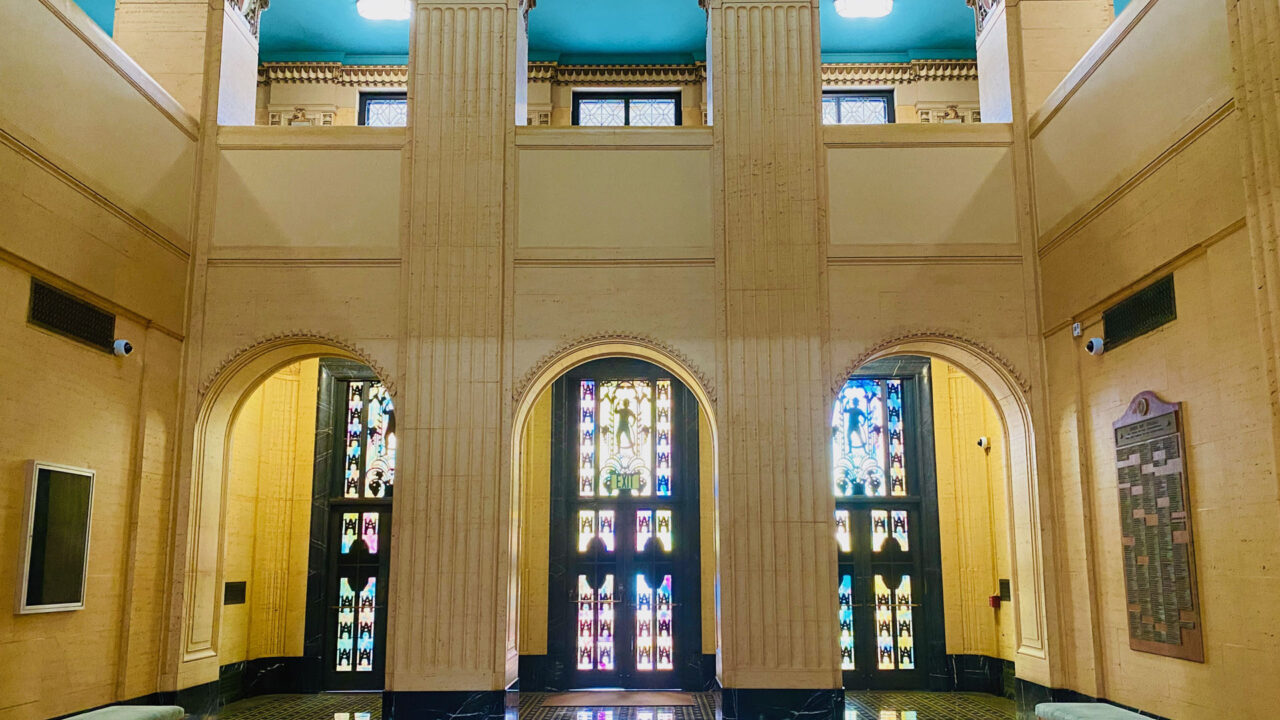
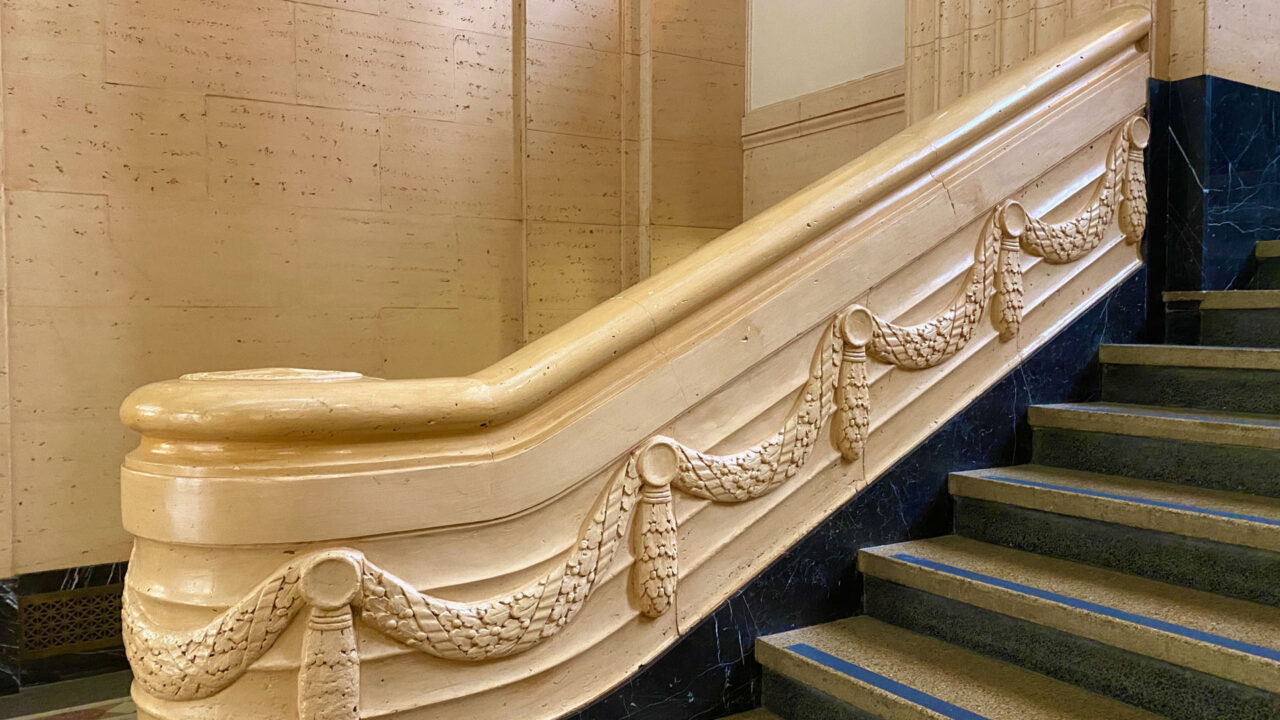
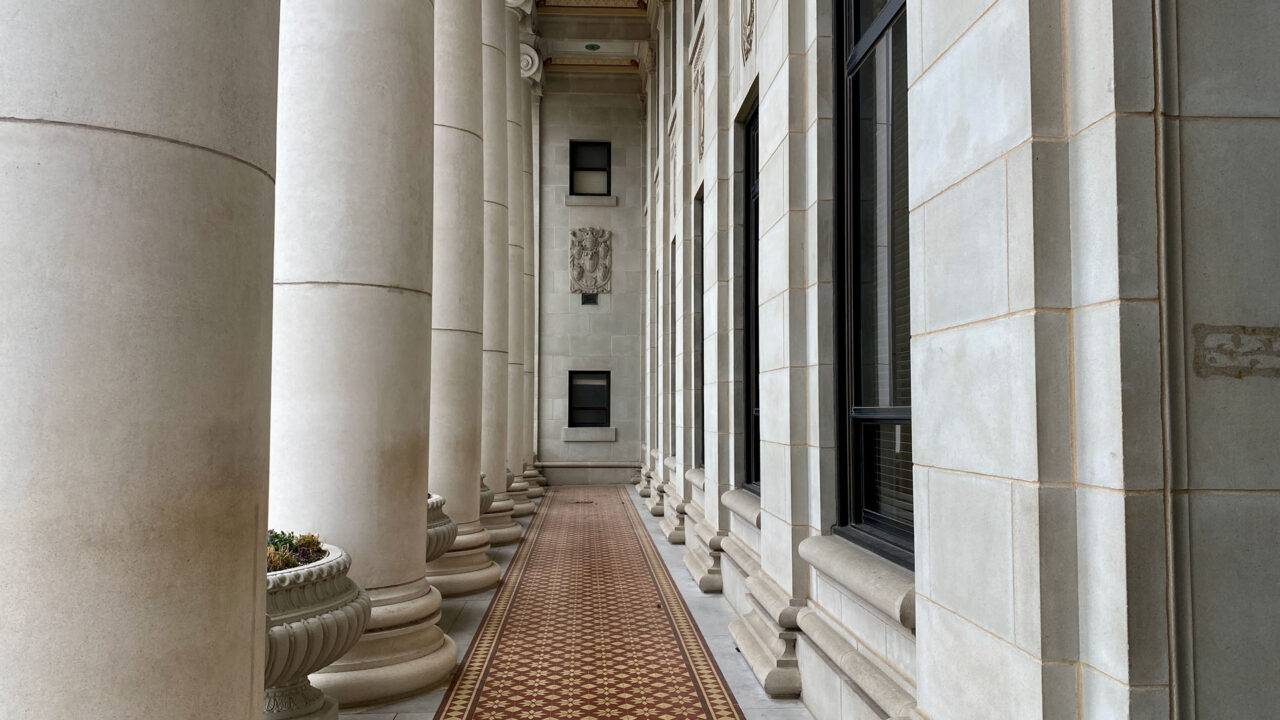
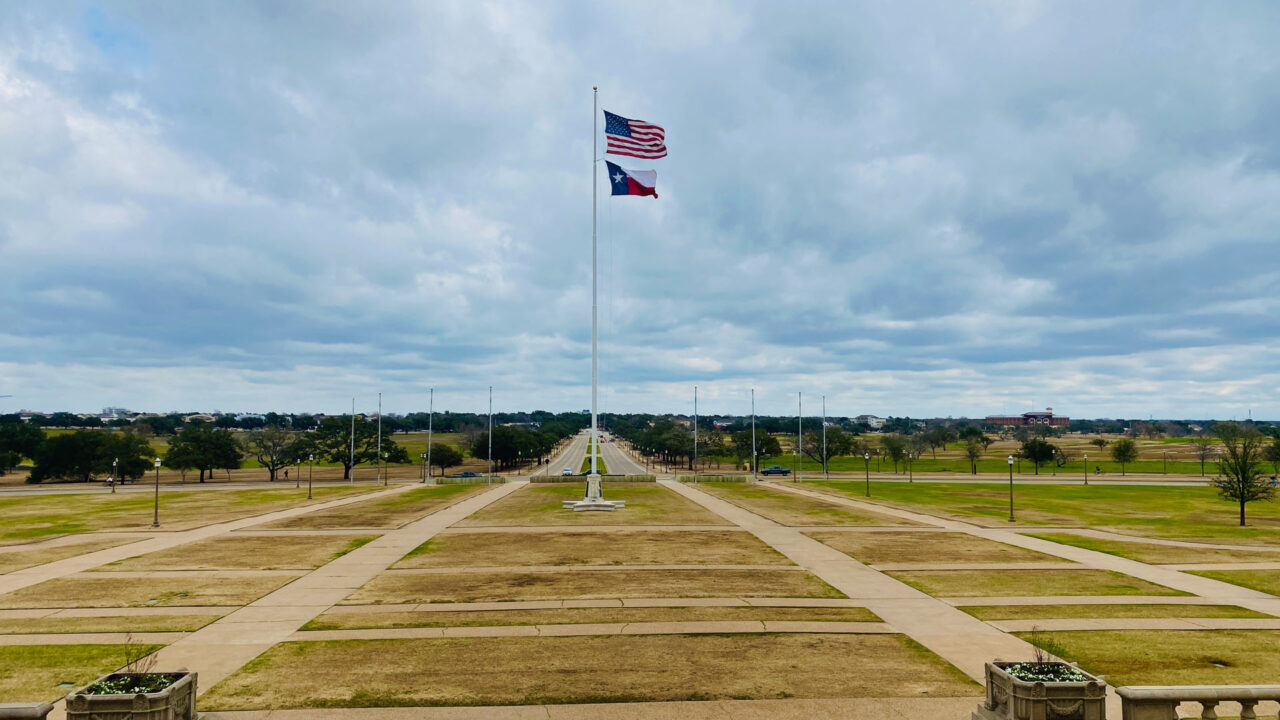
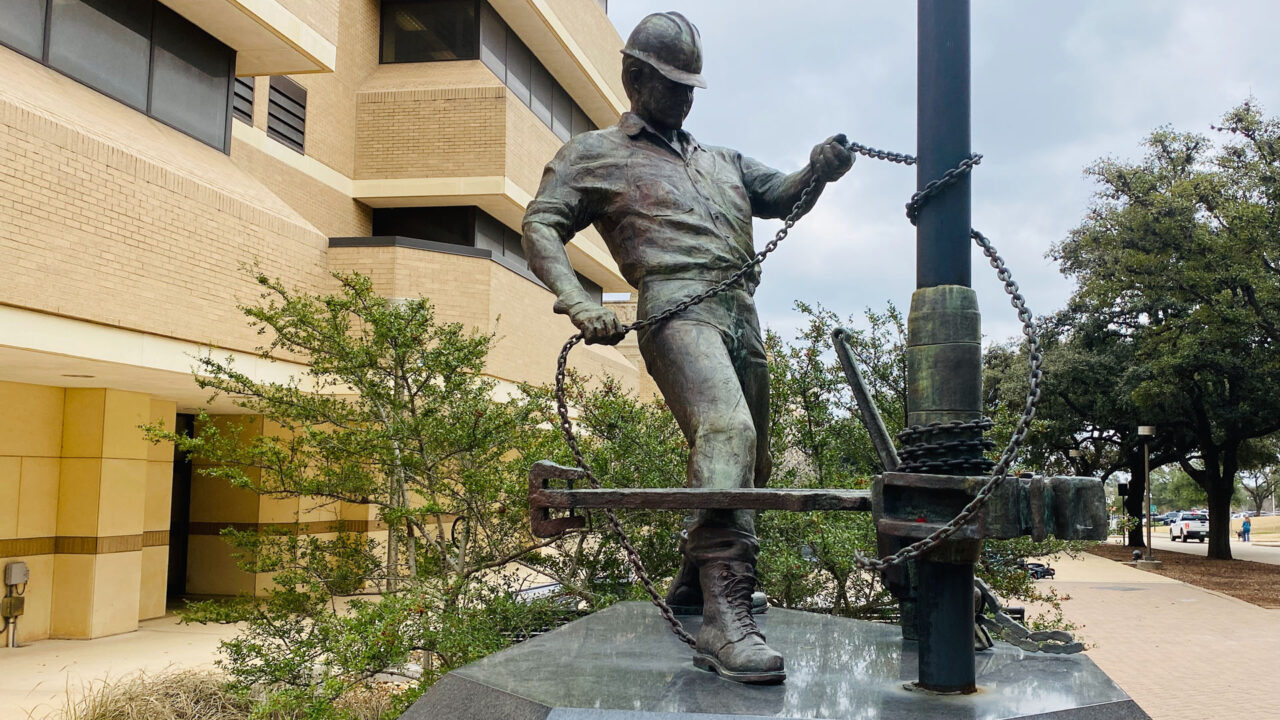
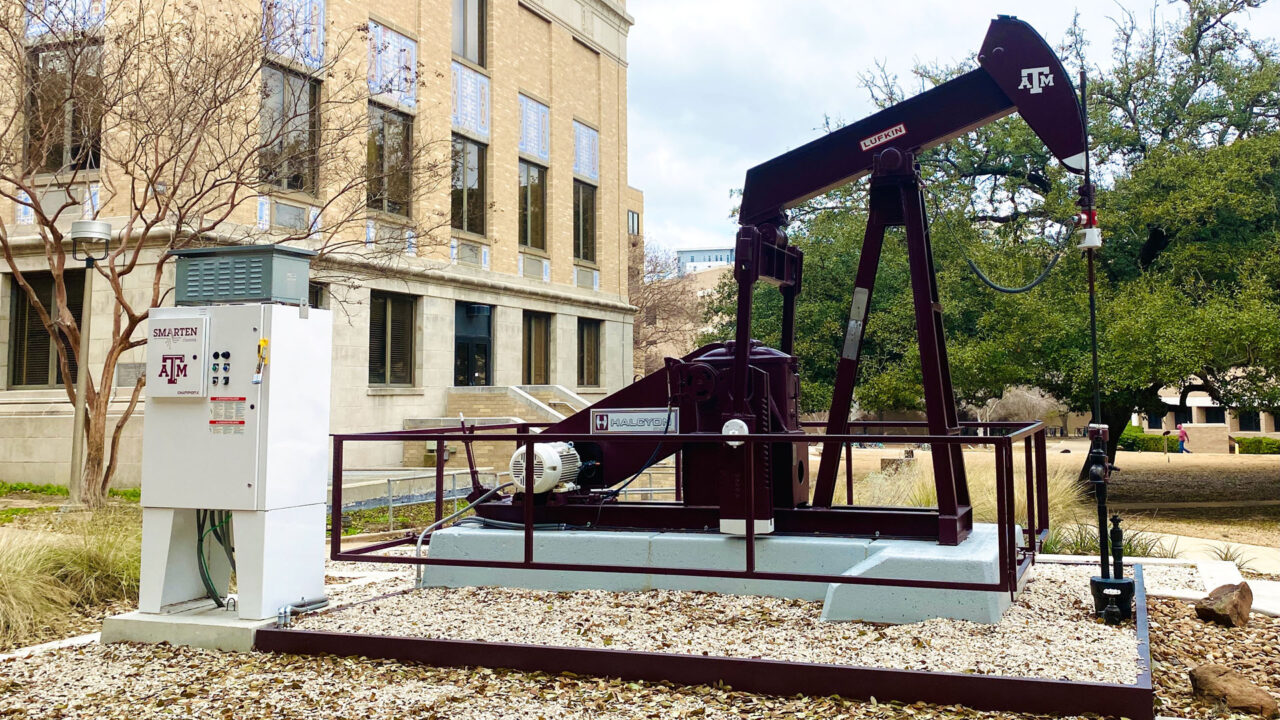
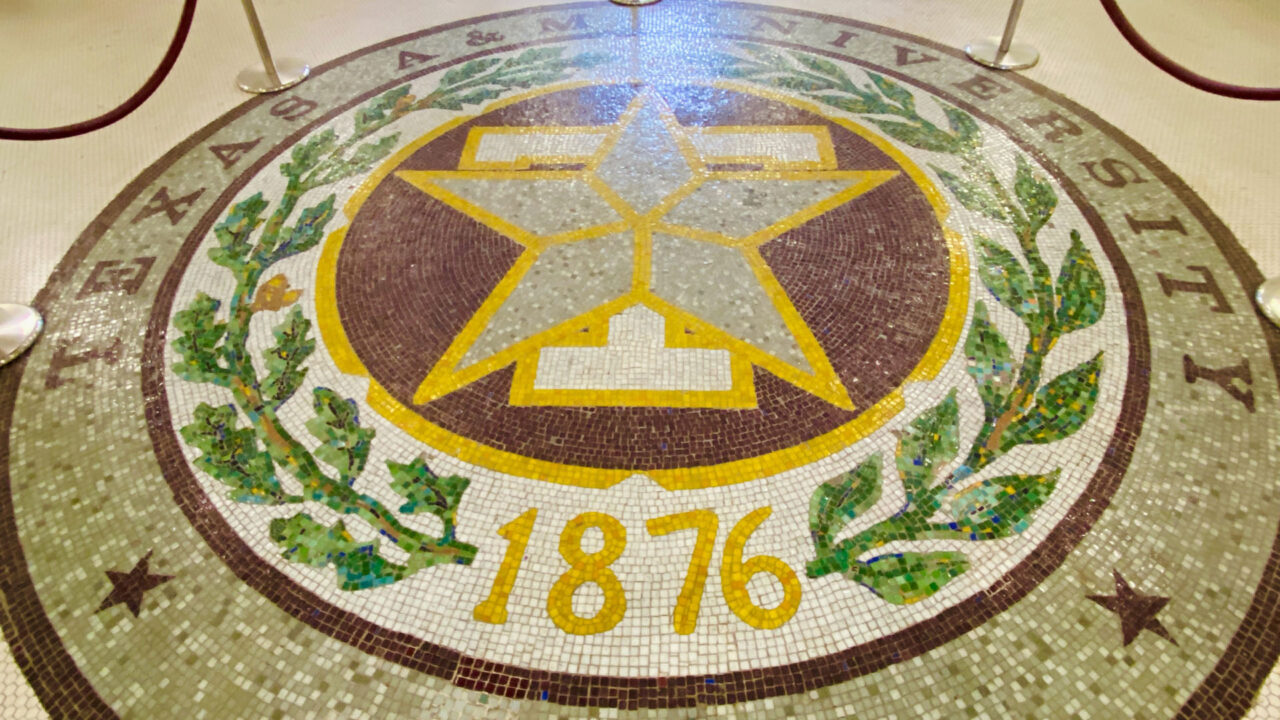
Monday, Feb. 5th, (2024) the pod visited Texas A&M. Founded in 1876, It is the largest university “by enrollment” in the U.S with almost 75,000 students. Buildings on campus date back to the 1930s. Just gorgeous! The main campus at College Station is 5,200 acres. We only covered a fraction of it! It’s gynormous!
Originally called Agricultural and Mechanical College of Texas, or A&M for short, it was renamed Texas A&M University in 1963. The “A” and “M” became a symbolic link to the school’s past but no longer officially stood for “Agricultural and Mechanical.” Texas A&M was founded in 1876 under the Morrill Land Grant College Act of 1862 which set aside federal lands to create colleges to “benefit the agricultural and mechanical arts.”
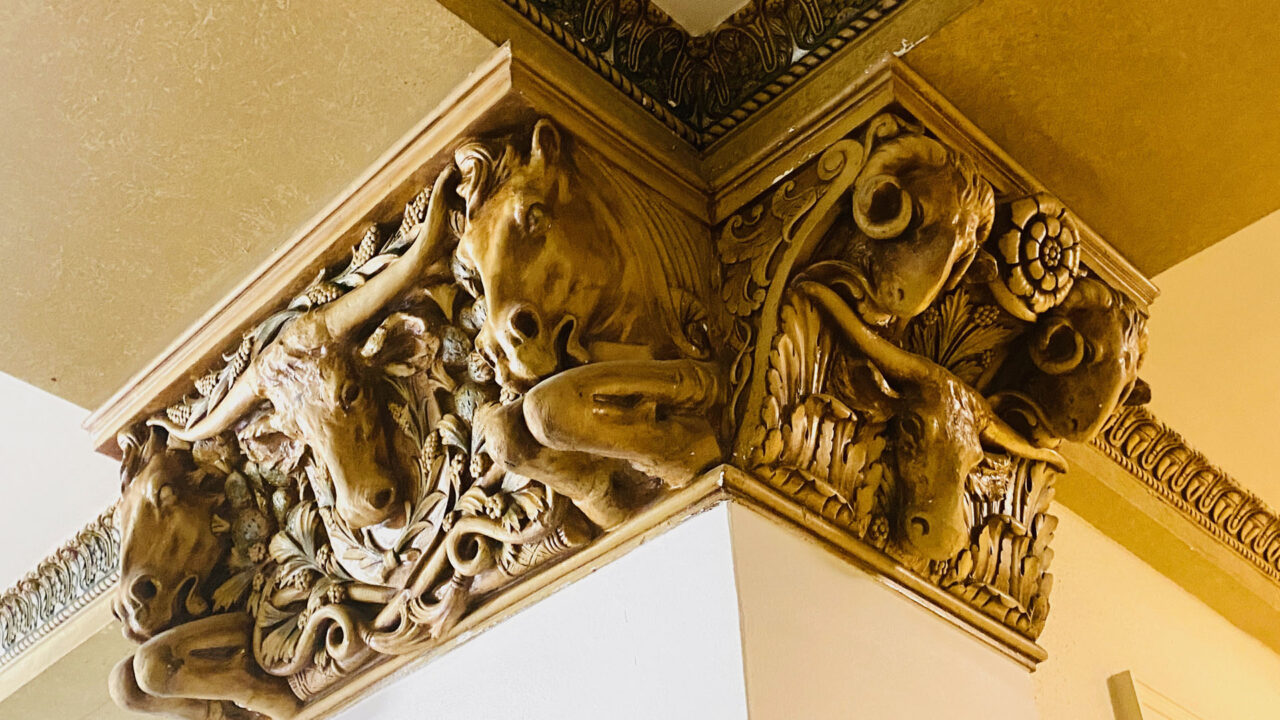
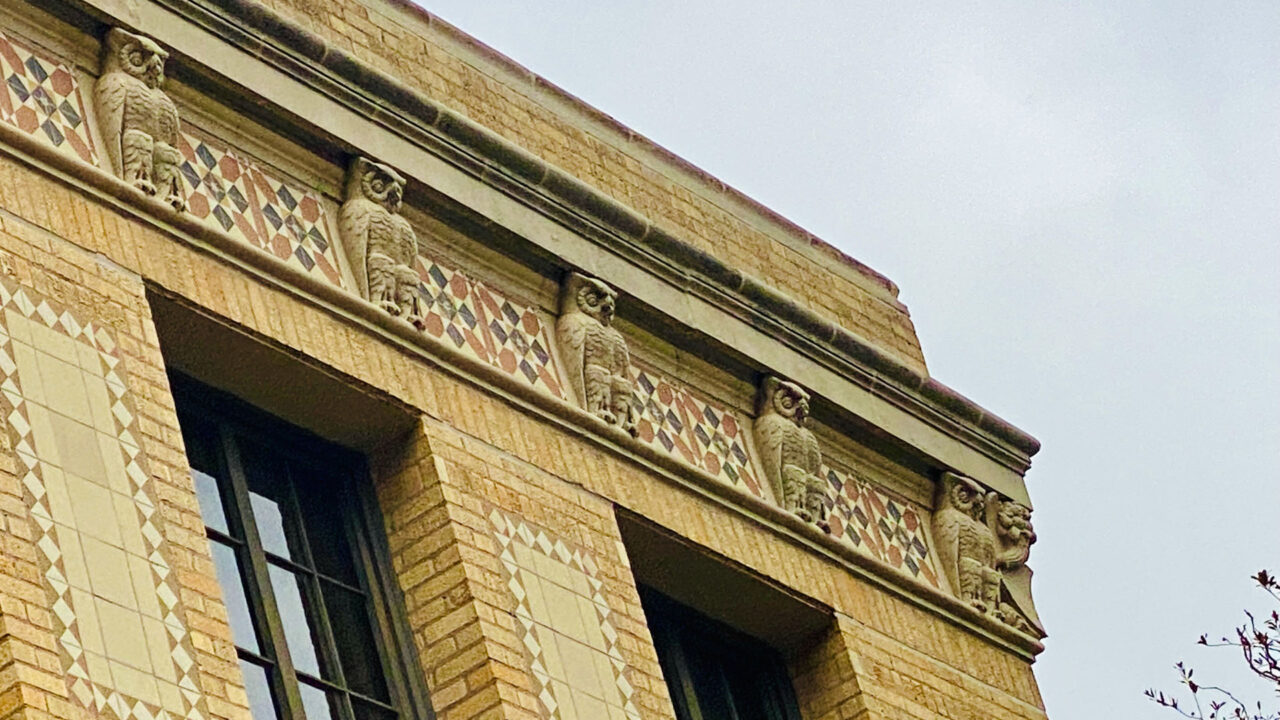
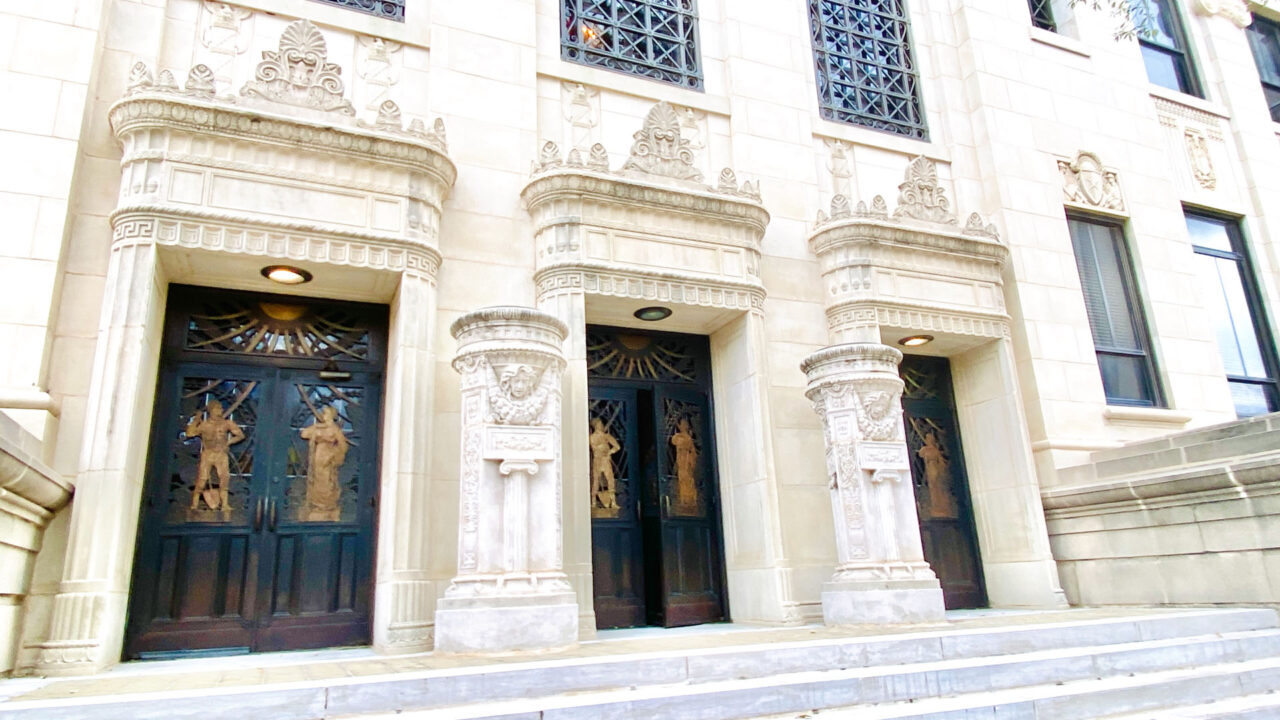
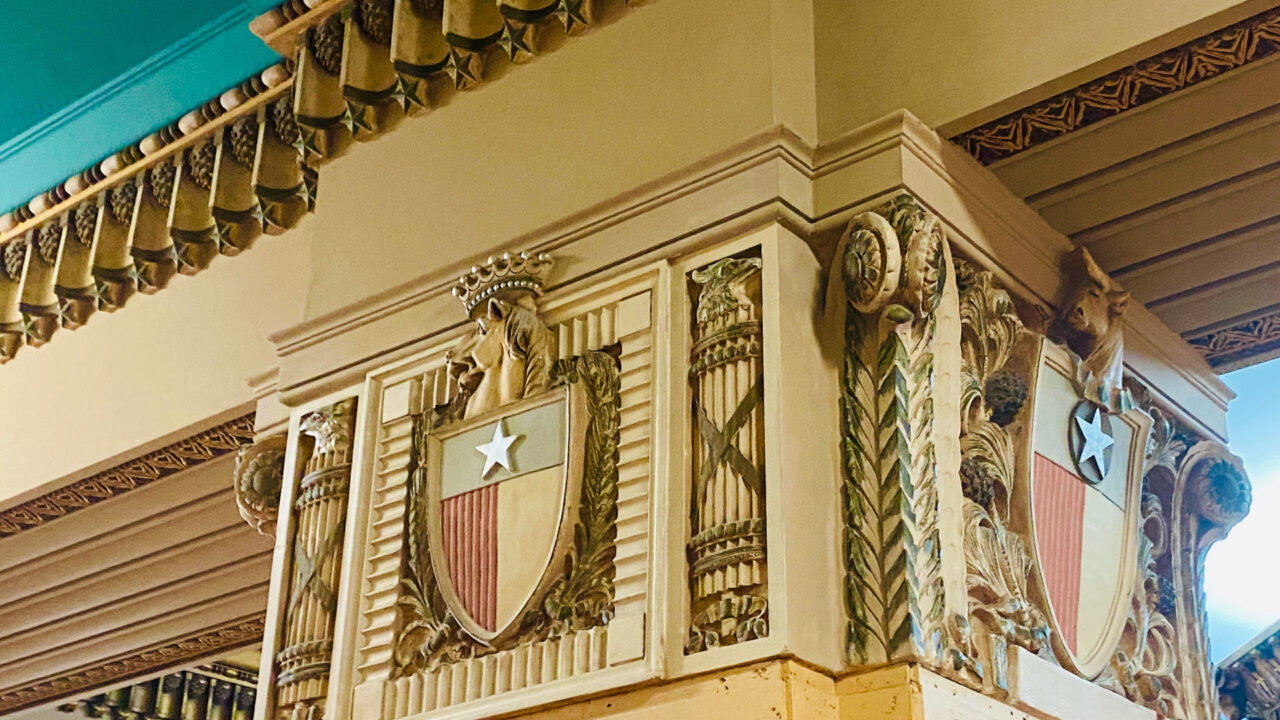
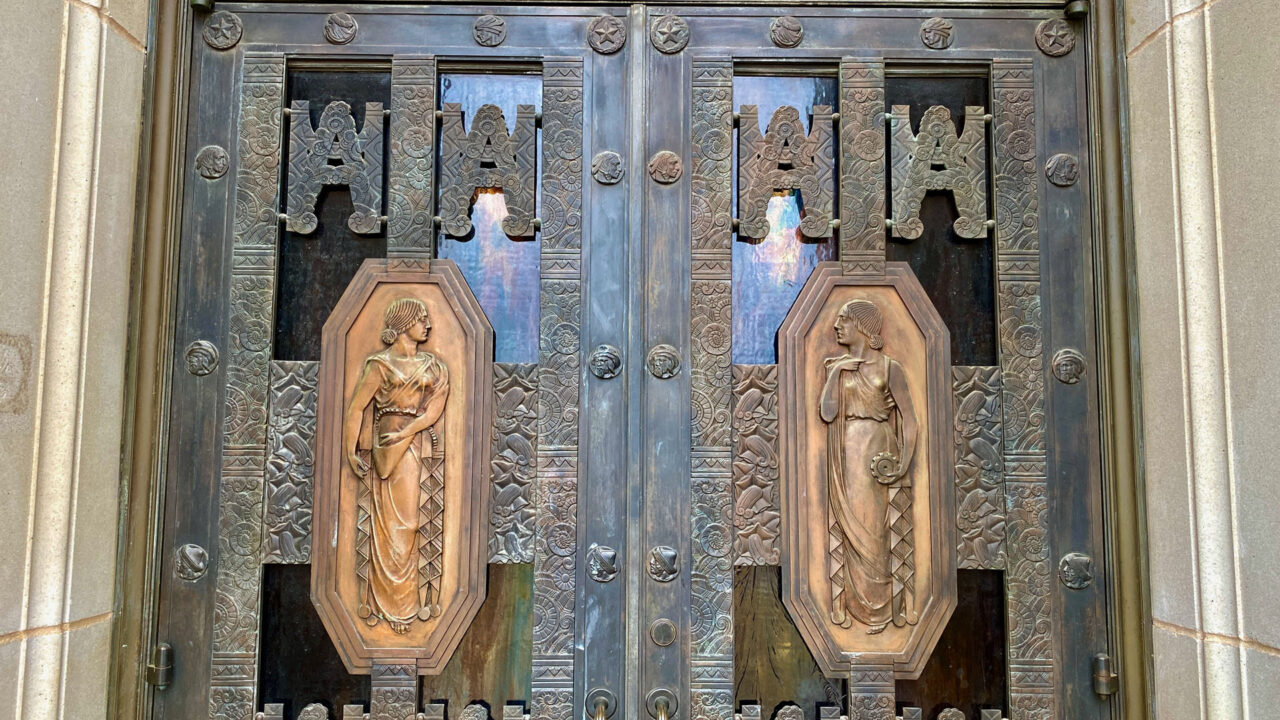
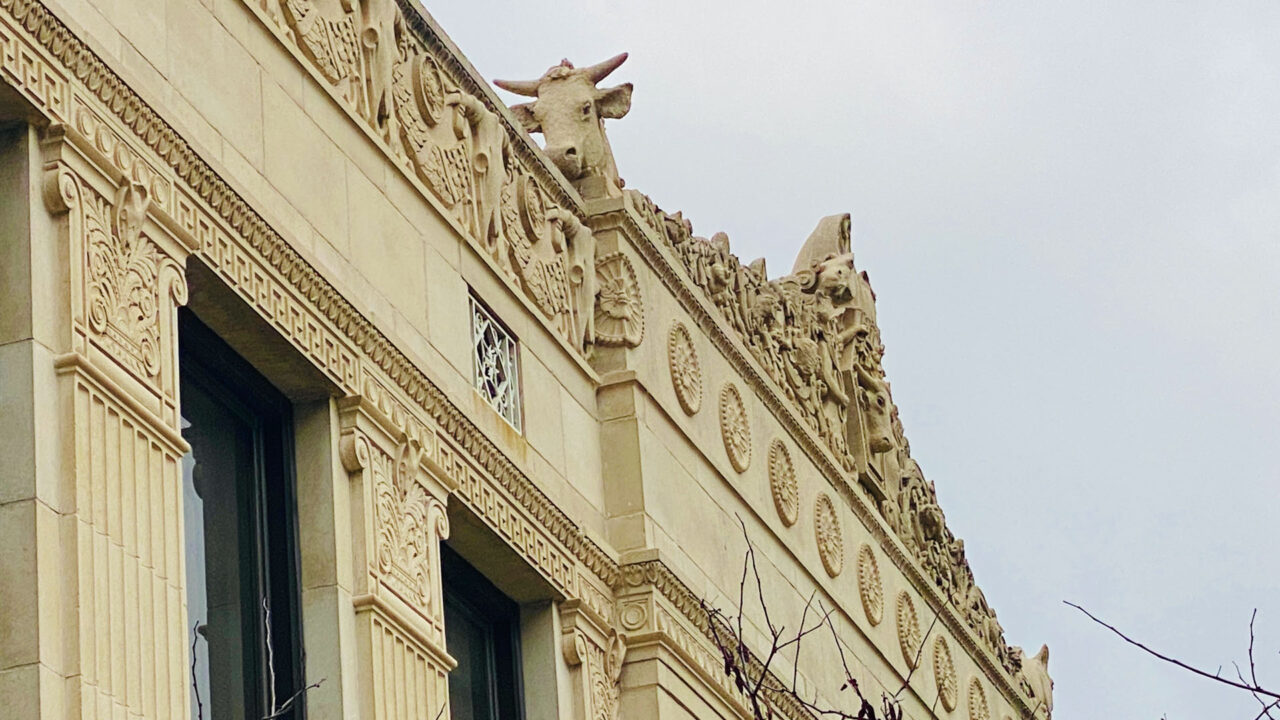
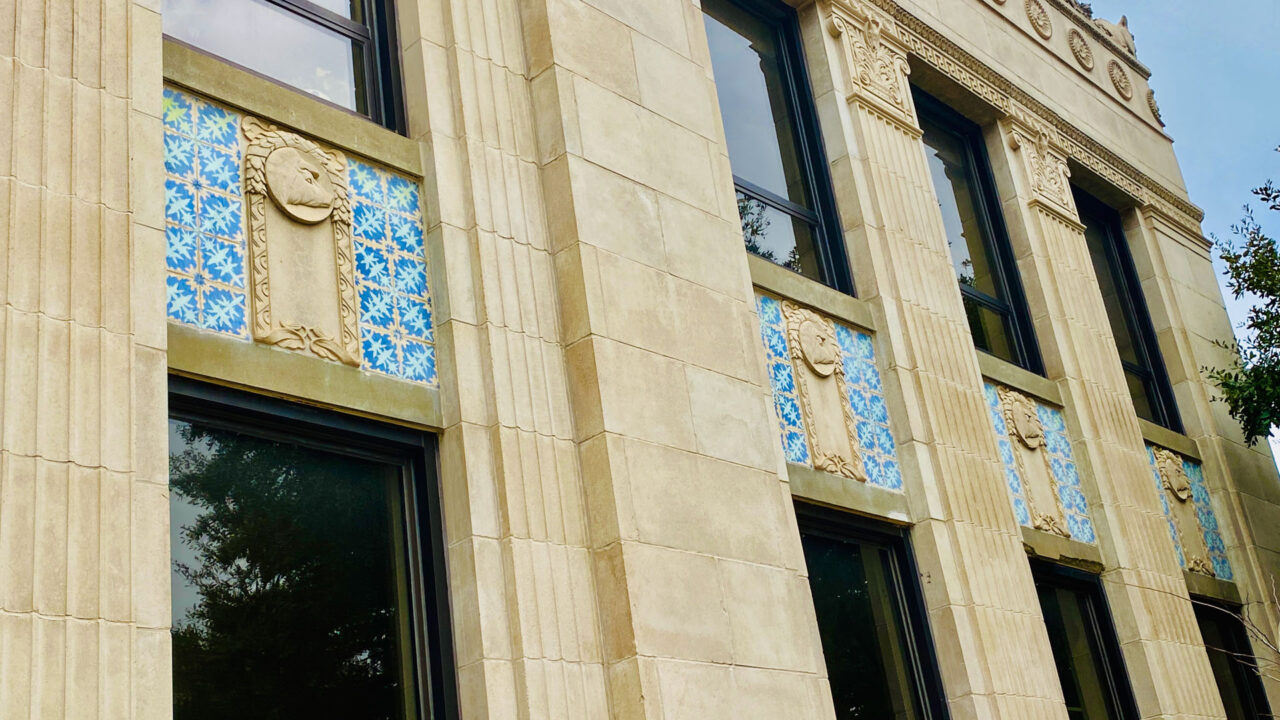
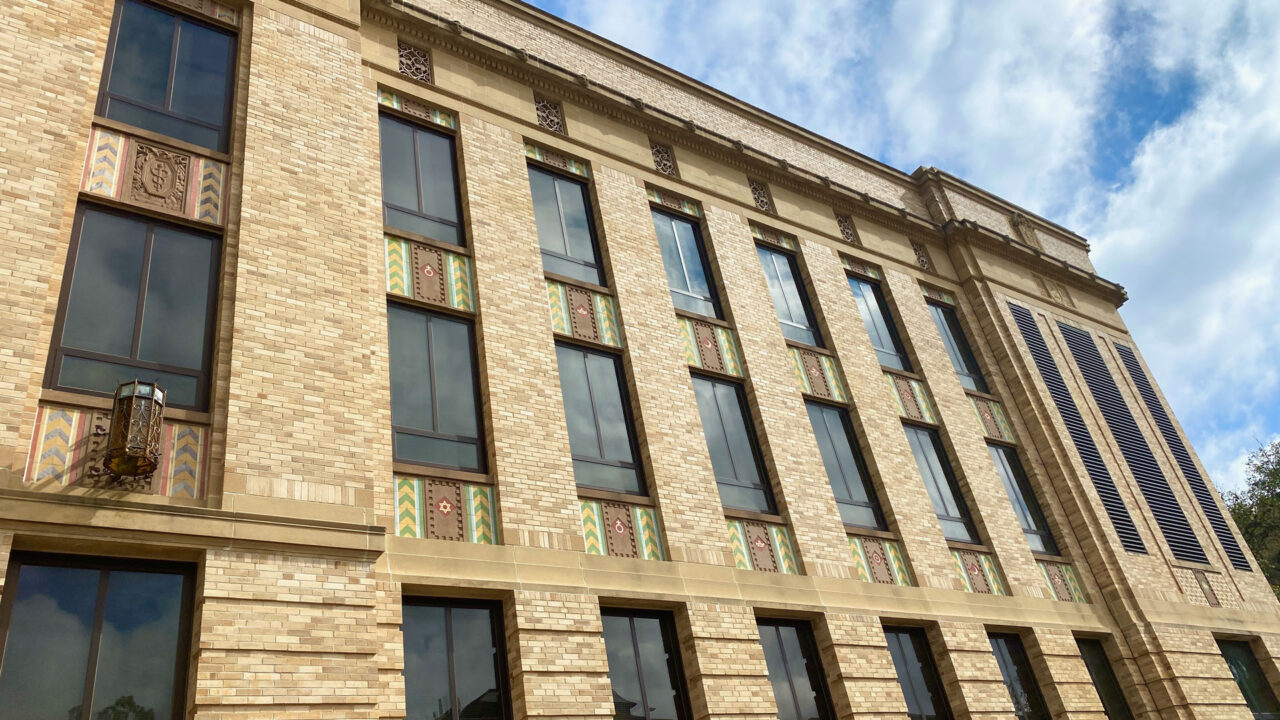
It was really fun to walk around on campus! The Animal Industries Building (now known as the AI Engineering Building) is dedicated as a memorial to “the pioneer livestock men of Texas.” The two-story cast stone entrance is flanked by elaborate ironwork, antique lighting fixtures and “ornamented” by Texas cattle brands. So many of the historic buildings have very grand elaborate entrances.
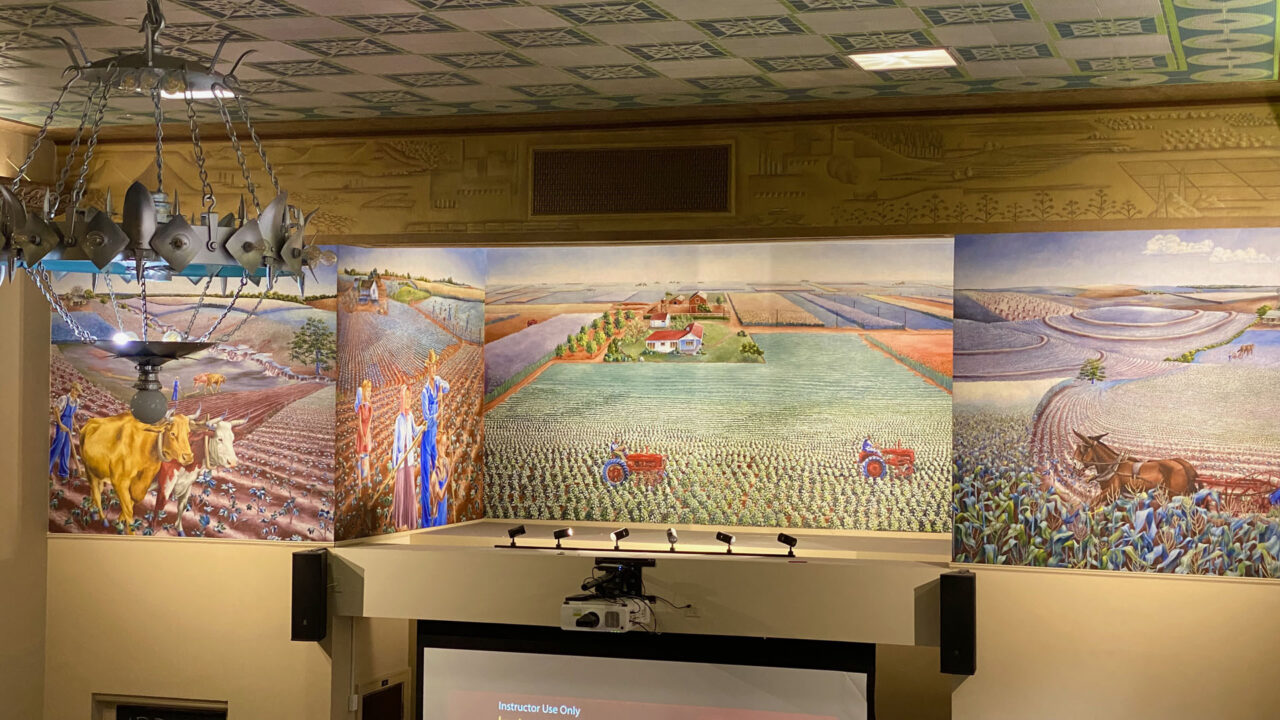
We met a lovely young professor in front of Scoates Hall, built in 1932. It’s now the Agricultural Engineering Building. She saw us ogling the building from inside and invited us in and spent time explaining some of the history of the University and this particular building. Inside one of the lecture halls are beautiful historic murals at the front of the room depicting agricultural scenes.
Some other notables:
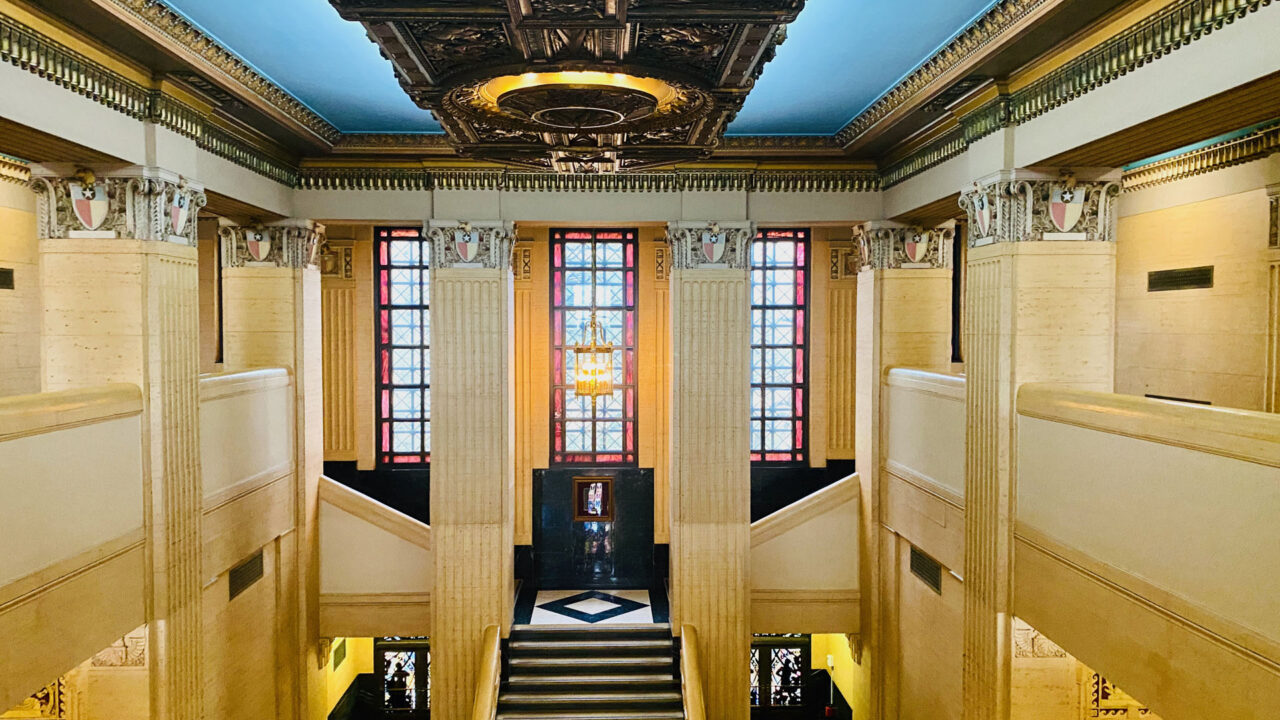
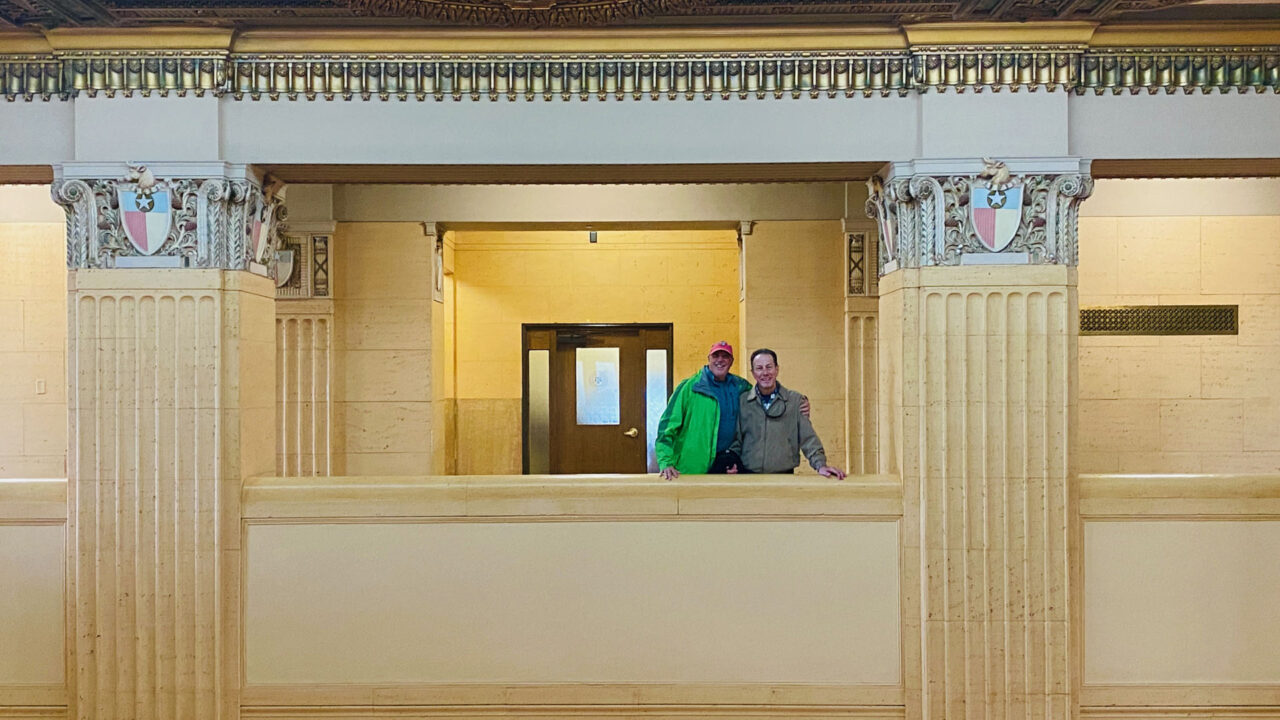
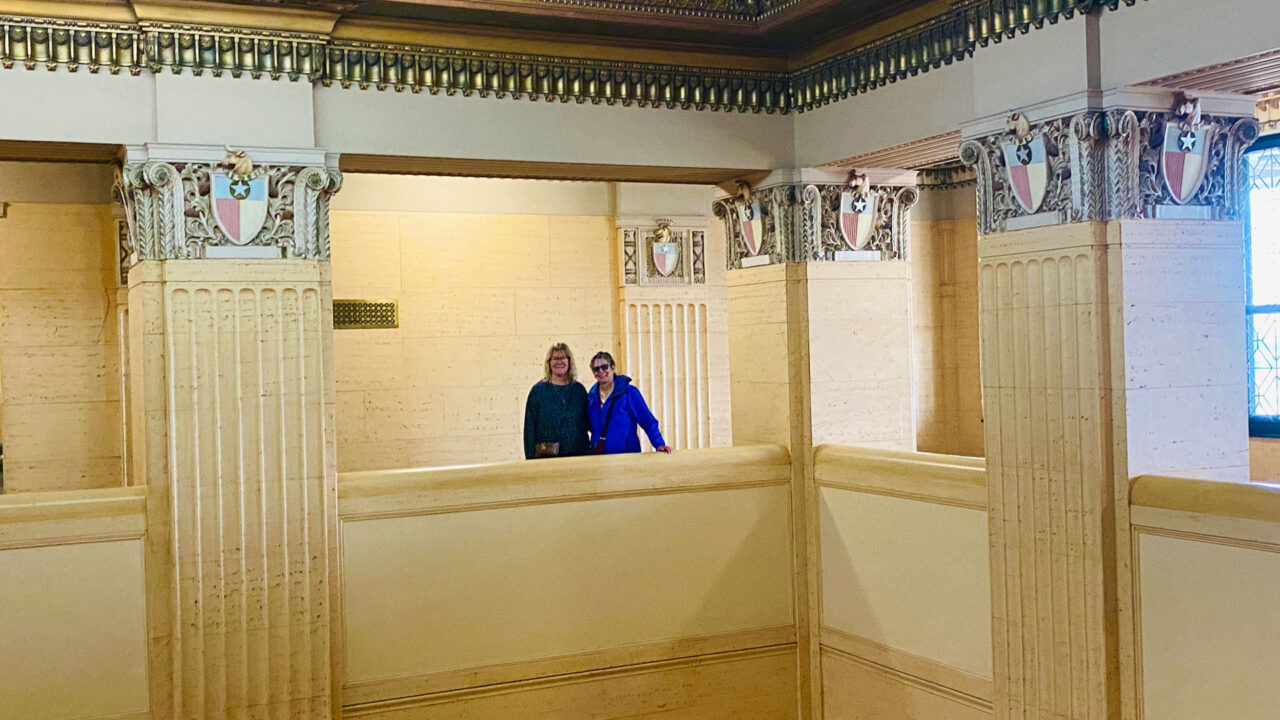
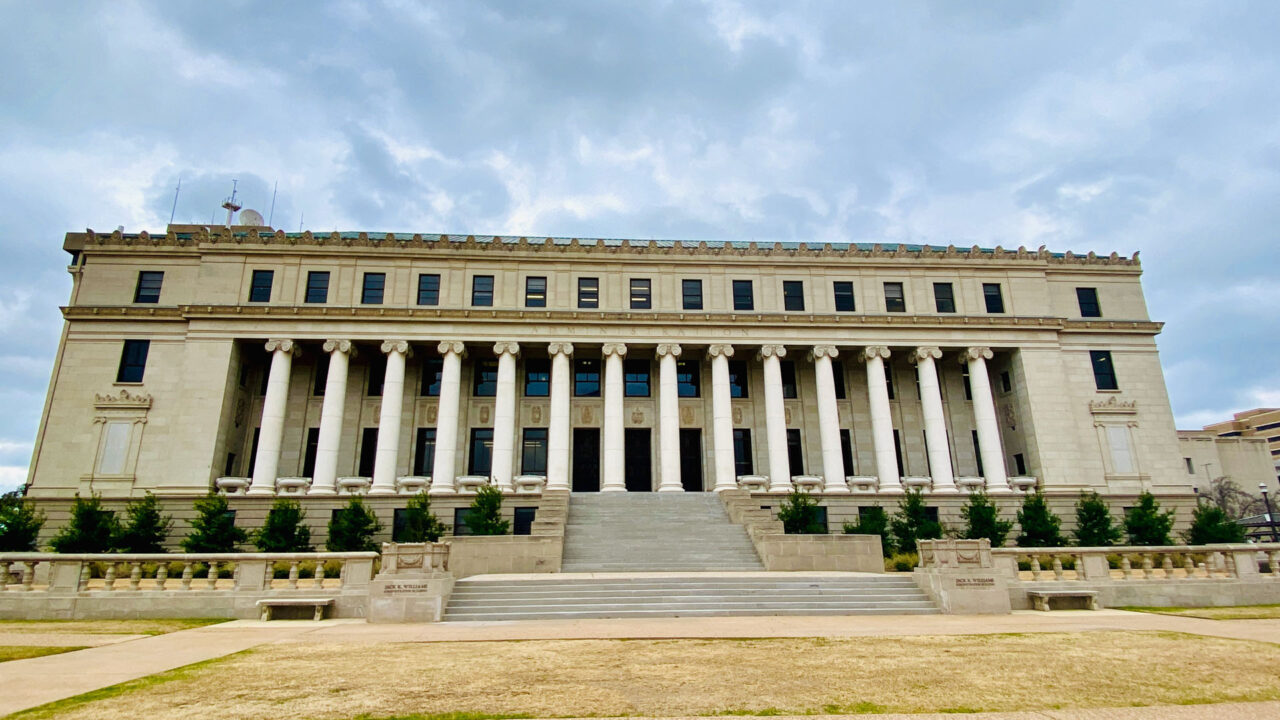
- The Williams Building (1932) with it’s classical revival style and 14 freestanding columns was the headquarters for Texas A&M. The second floor lobby is 53-ft high.
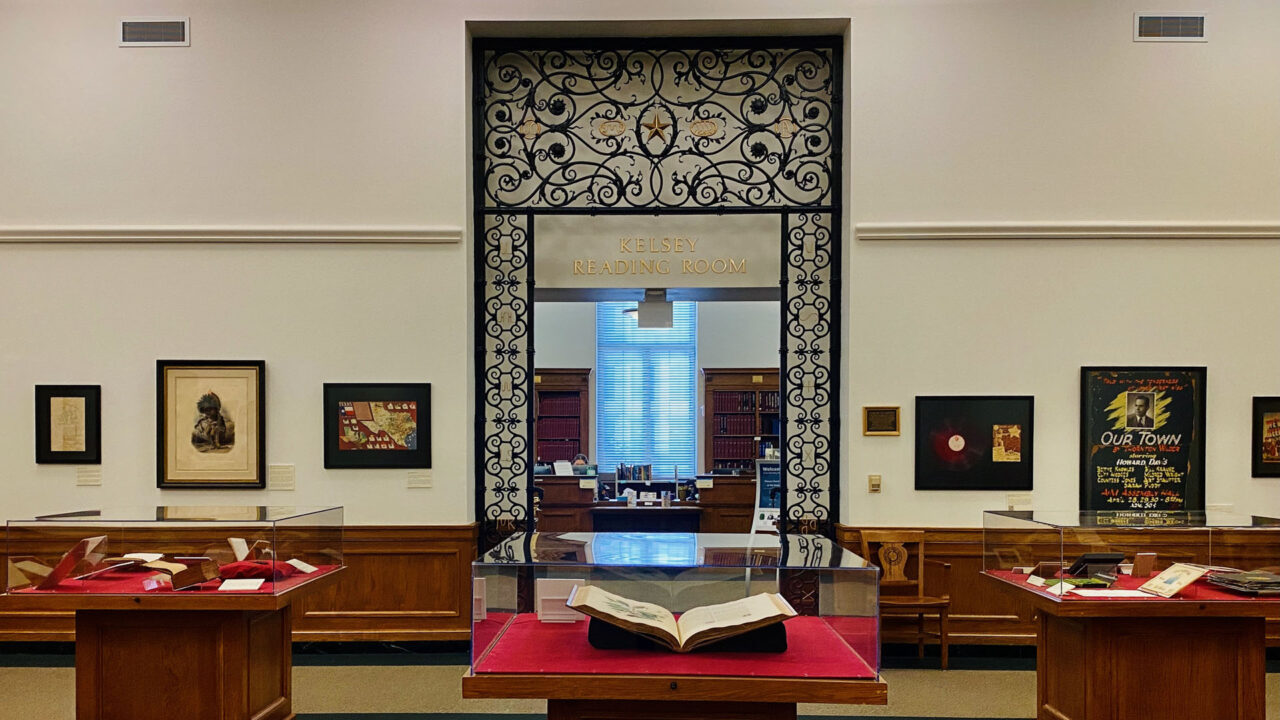
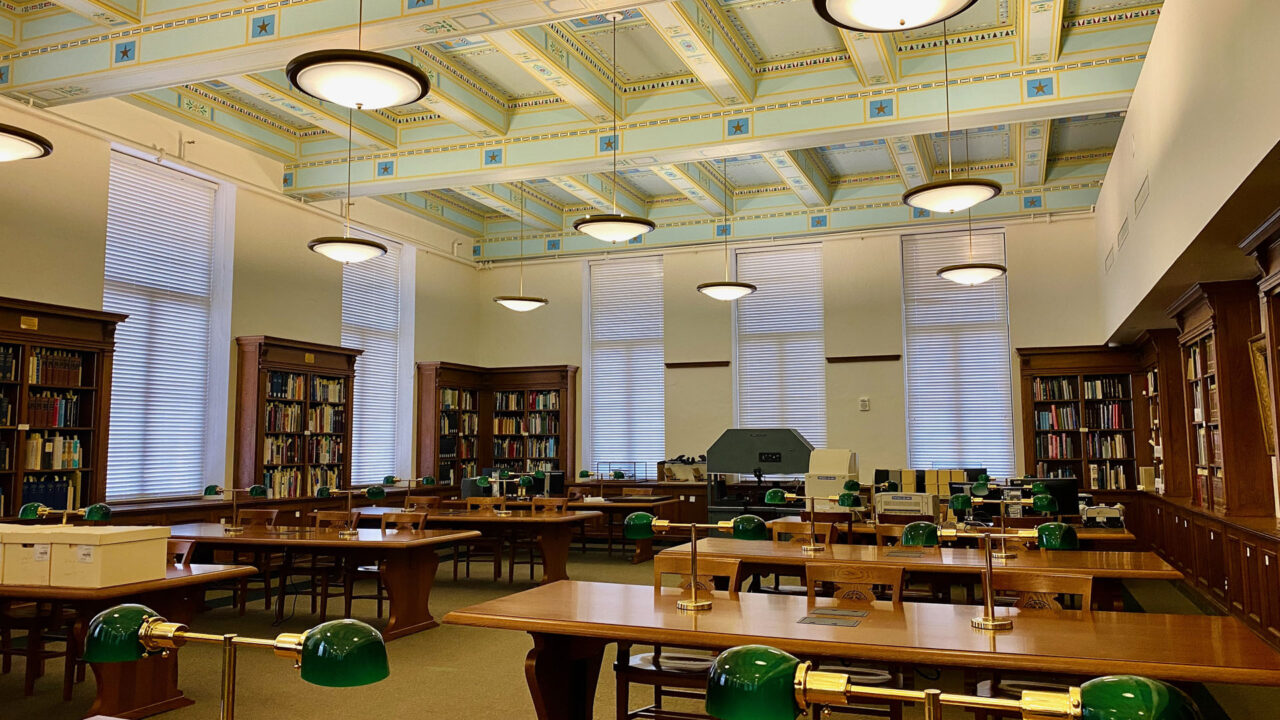
- The Cushing Library (1930) has an intricate metal grille depicting the brands of famous Texas ranches on the second floor and a beautiful Reading Room that reminded me a bit of Boston Public Library.
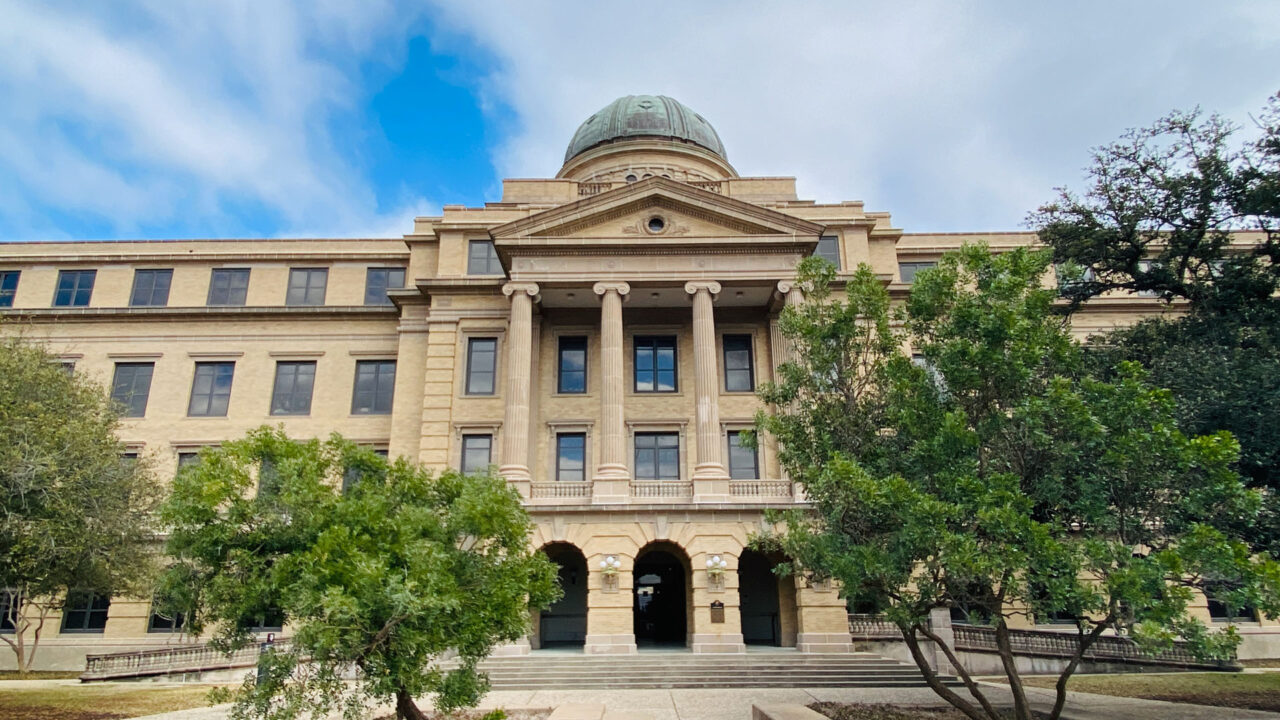
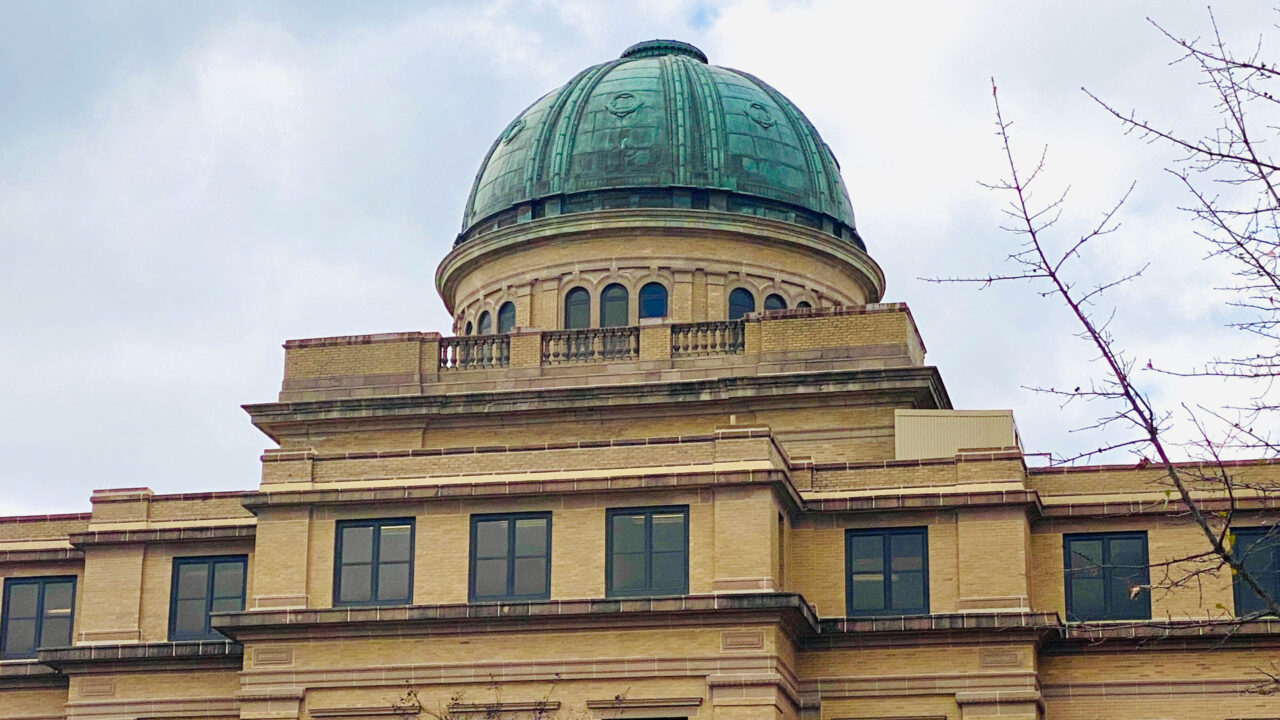
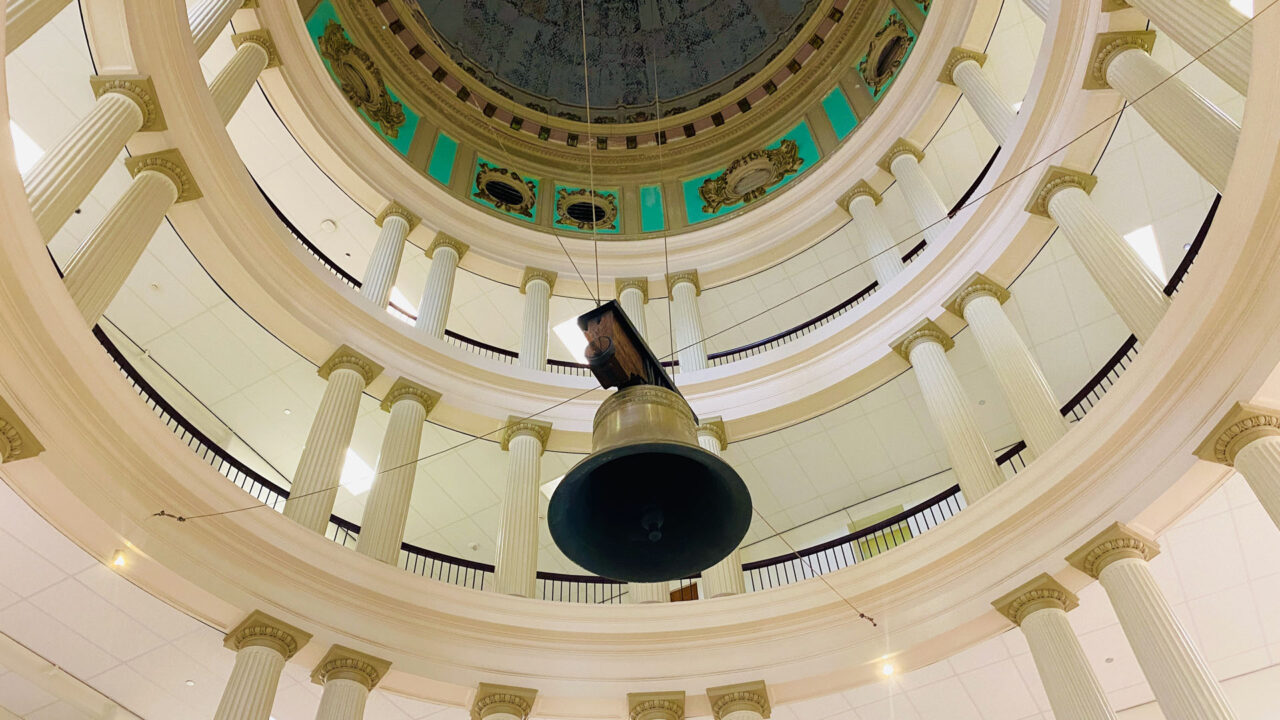
- The Academic Building (1914) is crowned with a copper dome and the interior rotunda is framed by 26 columns. A Liberty Bell replica, presented to the college in 1950, now resides in the rotunda.
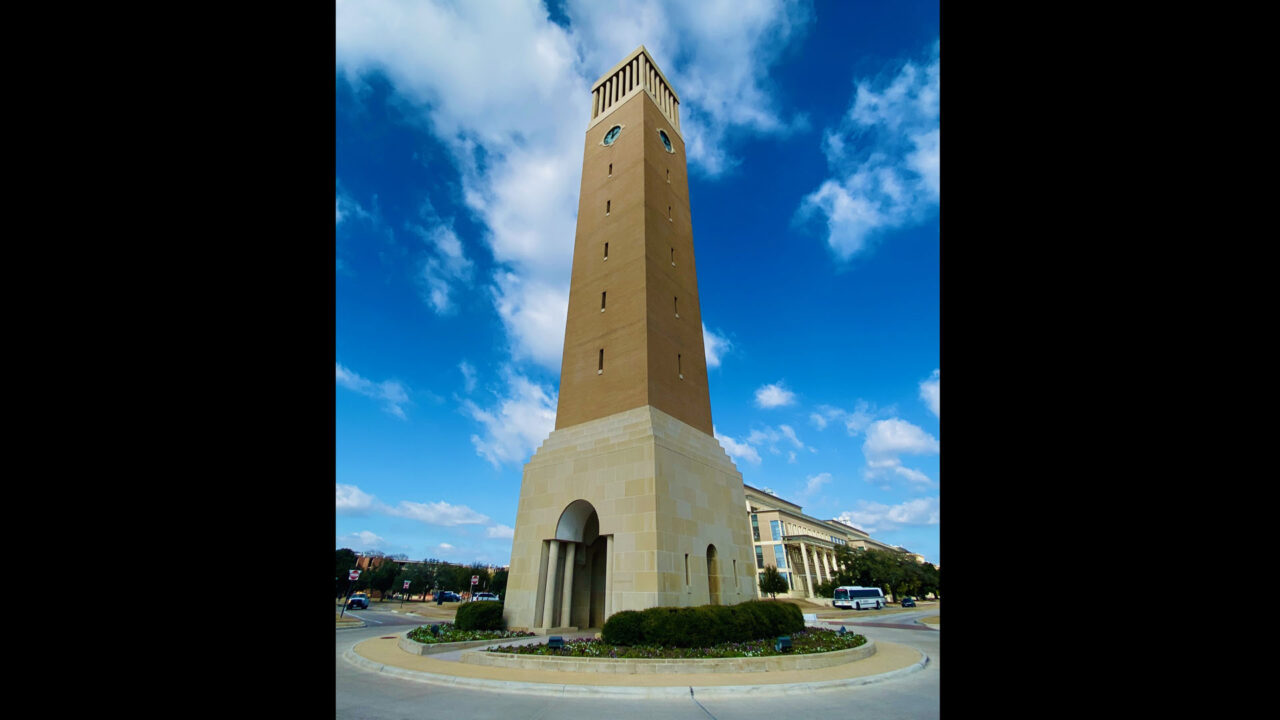
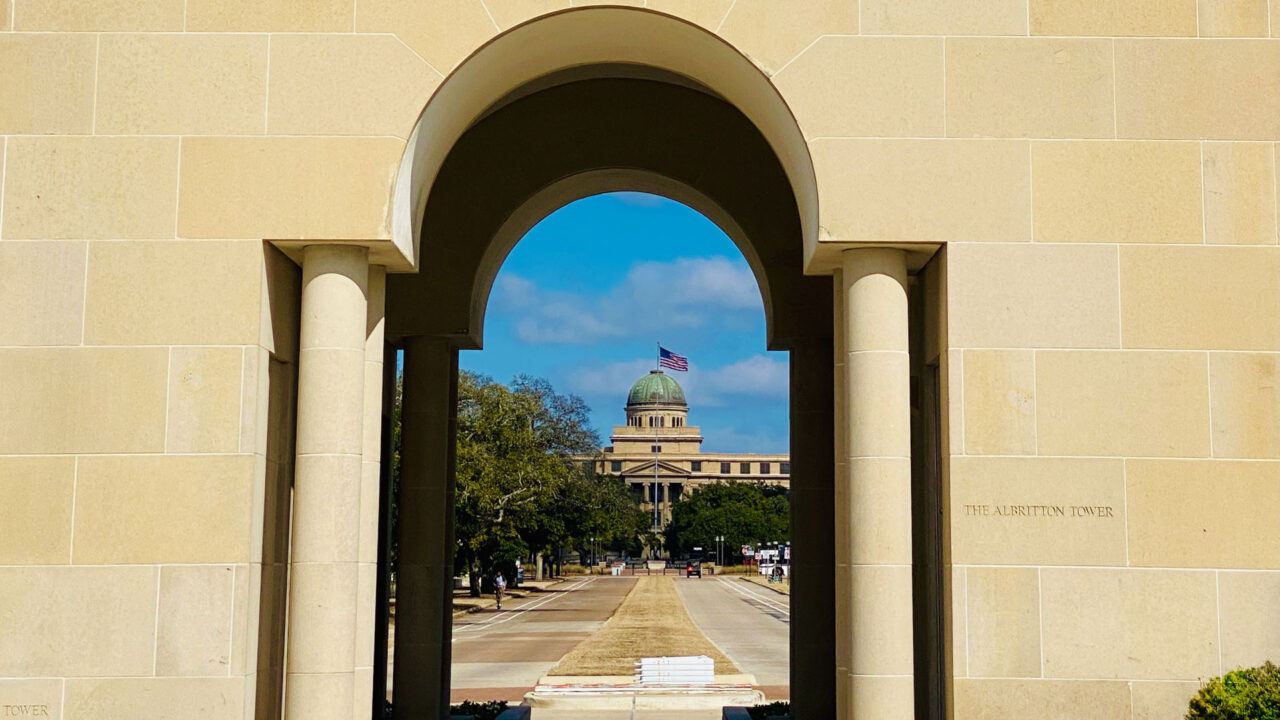
- Albritton Bell Tower was donated in 1984 by Ford Albritton Jr. It’s one of the tallest buildings on campus, standing 138 feet tall. Cast in France, the Bell Tower contains 49 bells that range from 28 to 6,550 pounds. It chimes often! We heard it several times on our walk around campus.
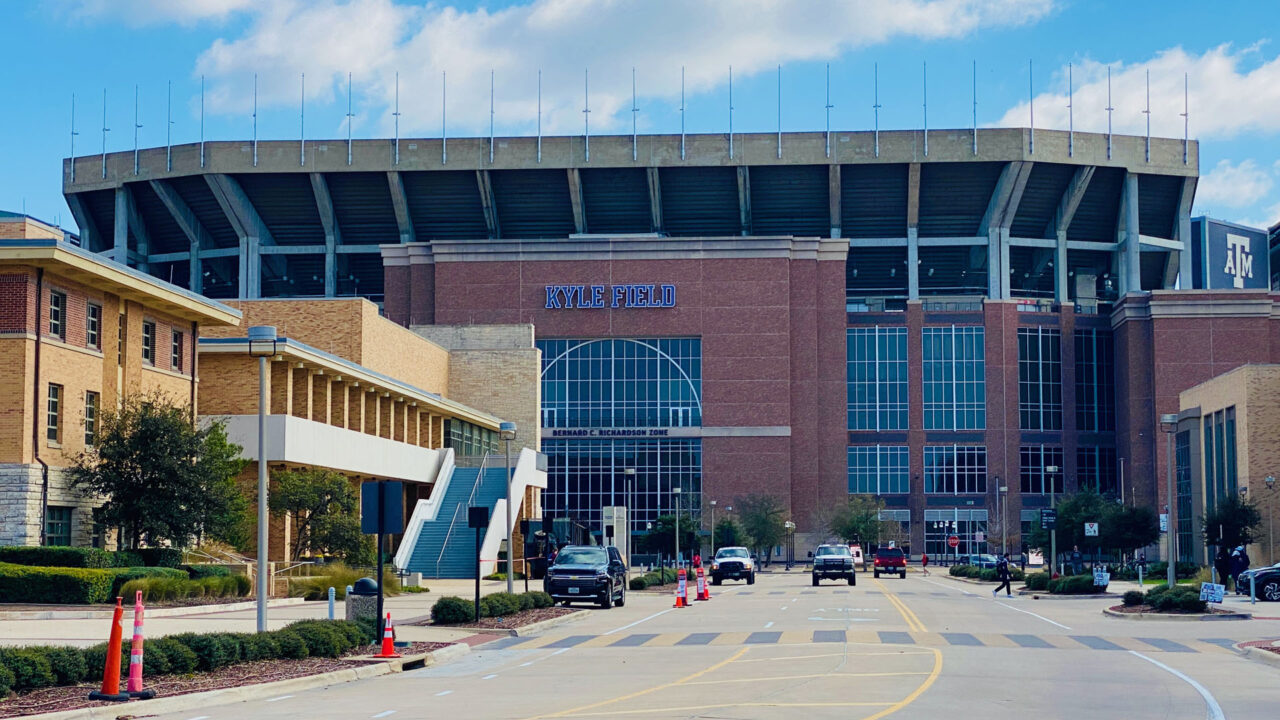
- Kyle Field with seating of over 102,000 makes it one of the five largest collegiate stadiums in the U.S.
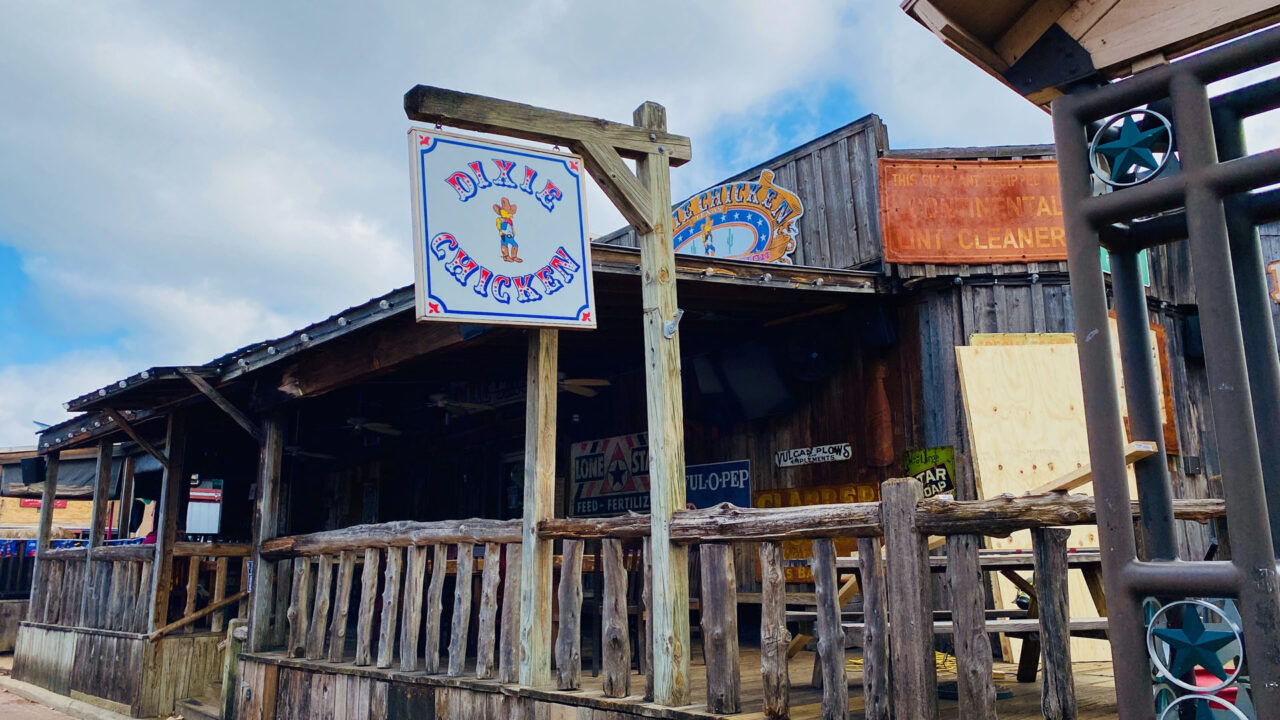
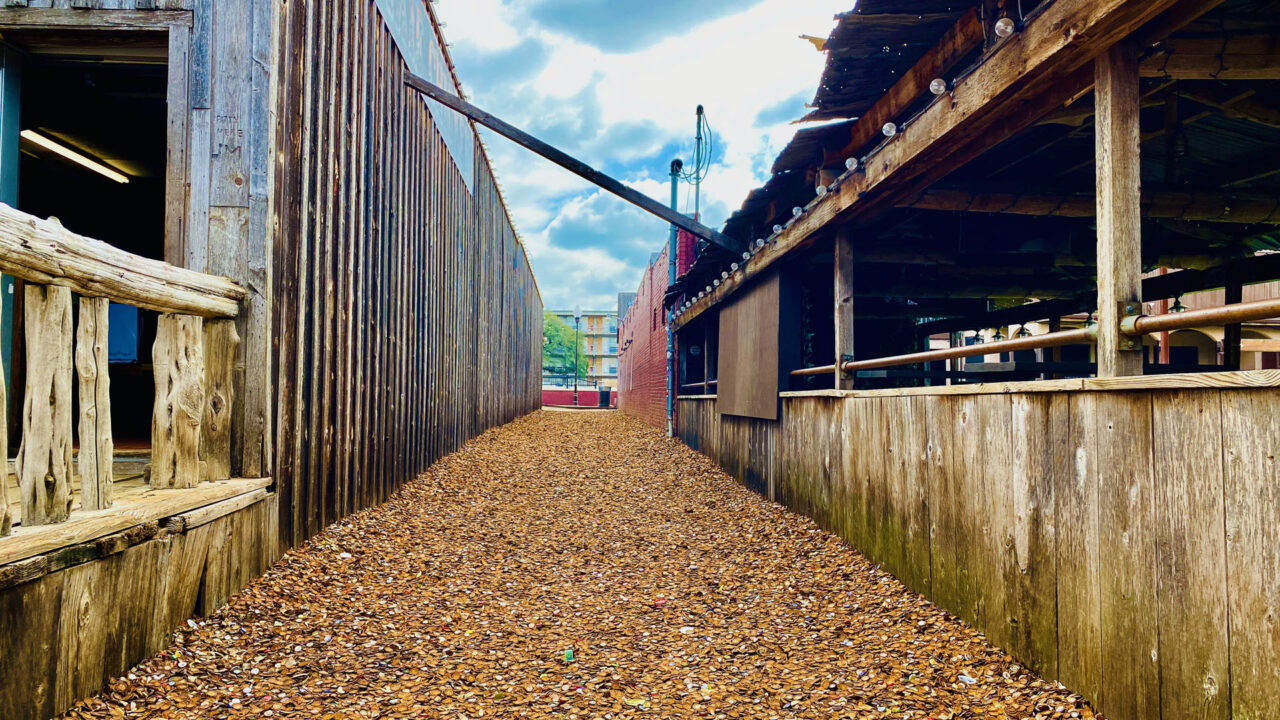
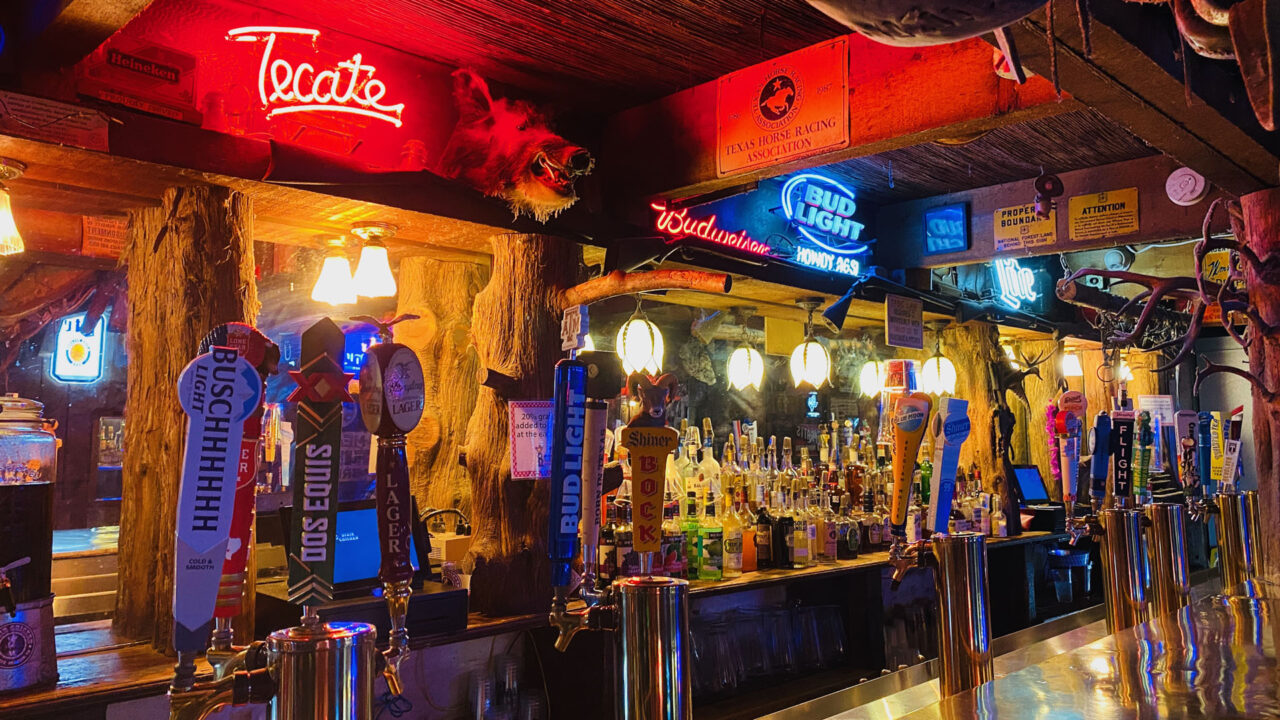
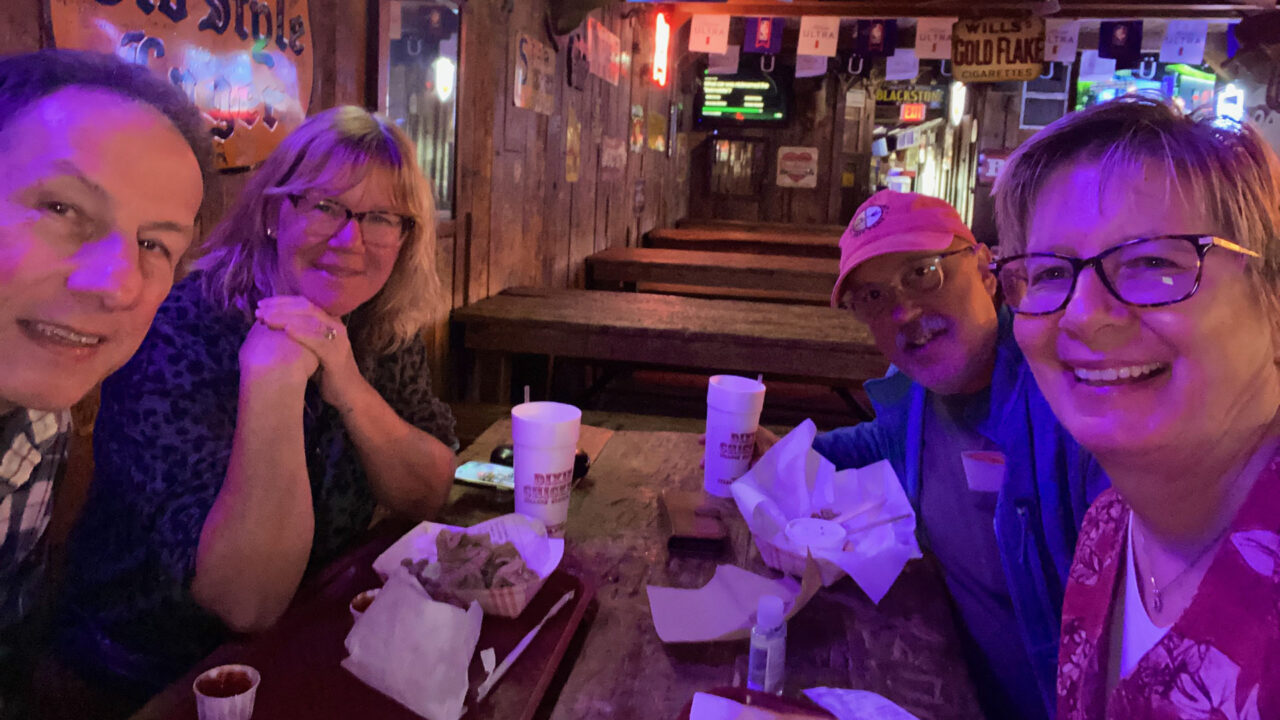
We had a well deserved lunch at The Dixie Chicken located next to the A&M campus and opened in 1974. Lyle Lovett was a frequent guest. Funky interior. The tables definitely looked like they dated from the 70’s. Lots of carved initials! Next to the restaurant is Bottle Cap Alley. Bottle caps were first tossed here by the owners of Dixie Chicken back in the 70’s to take care of the muddy alley that ran next to their restaurant. Students have been throwing bottle caps here ever since!
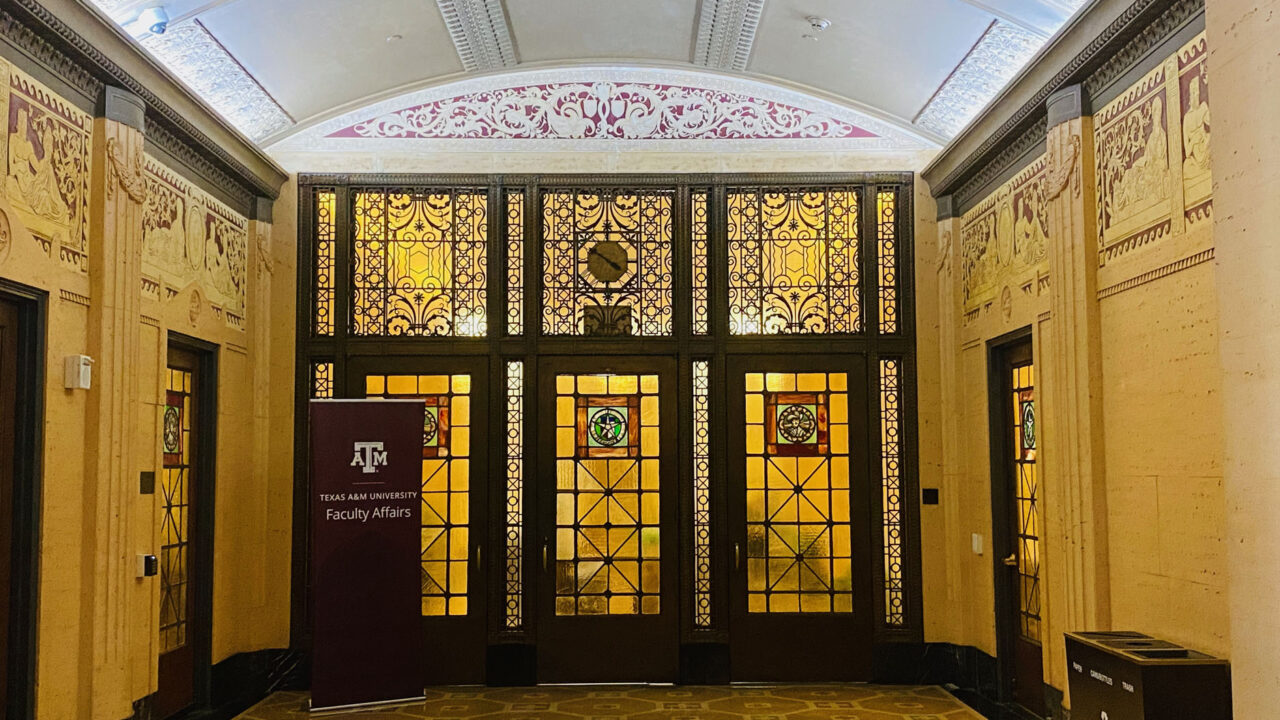
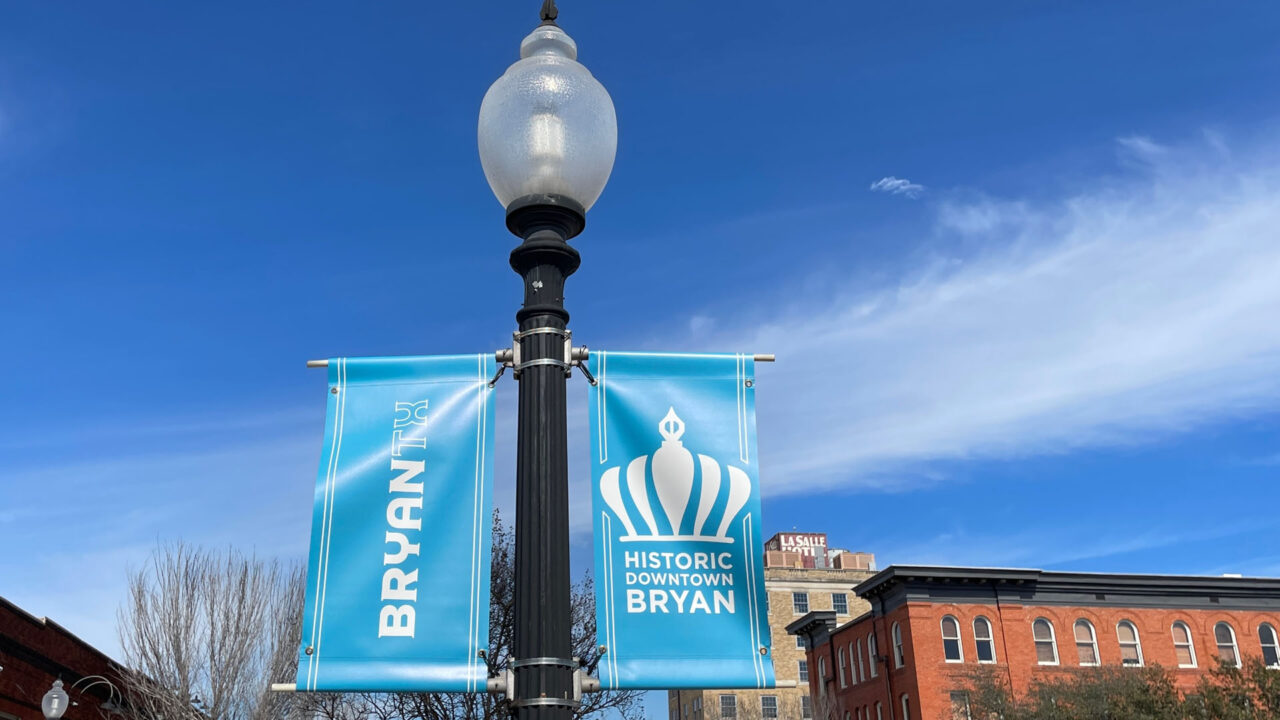
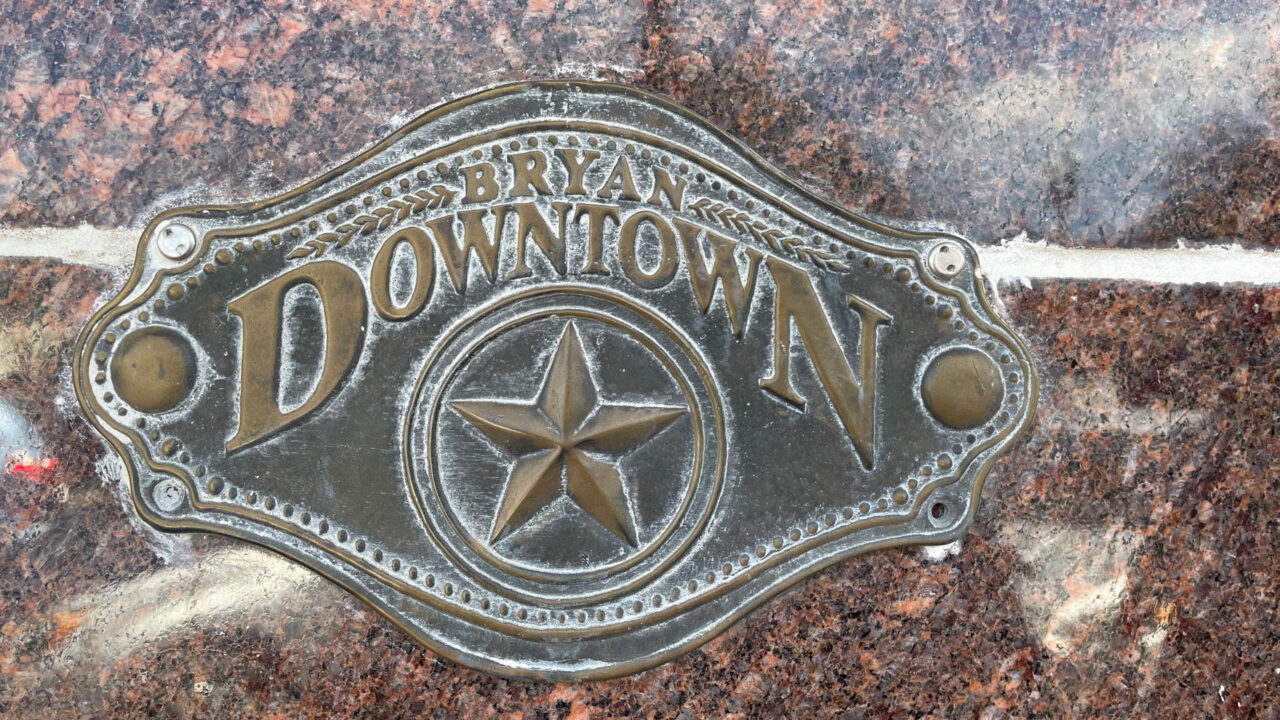
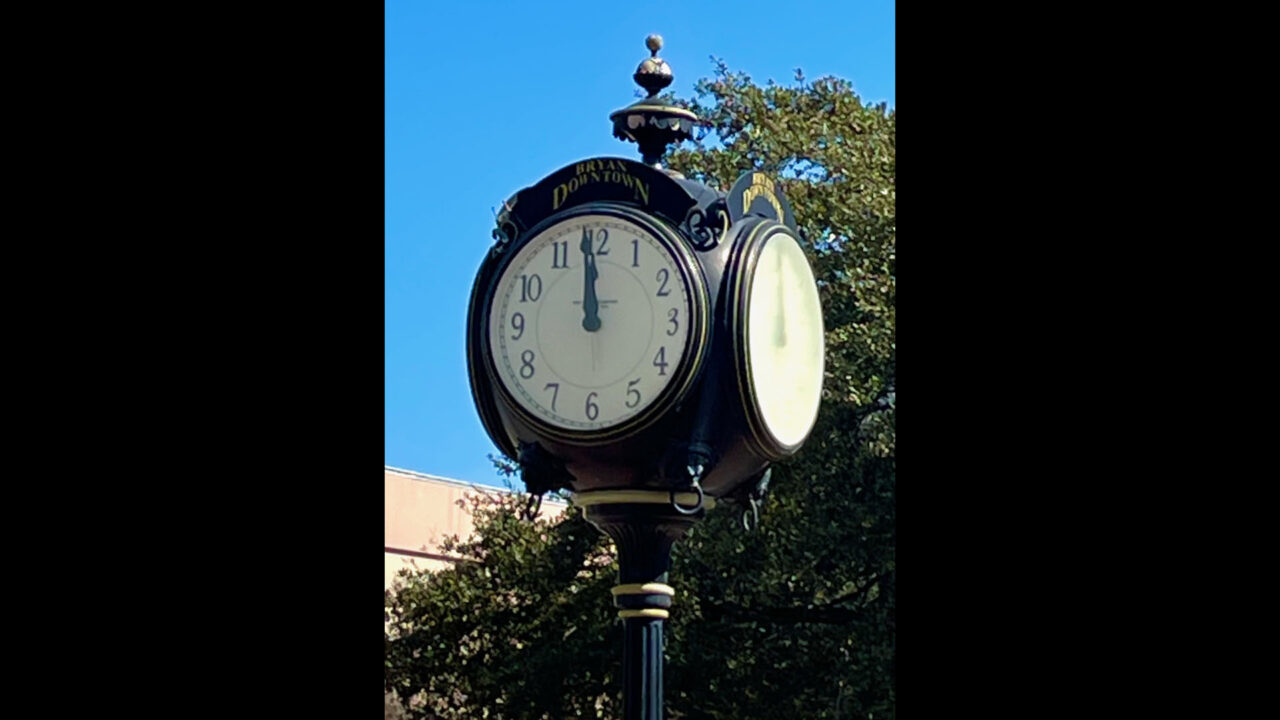
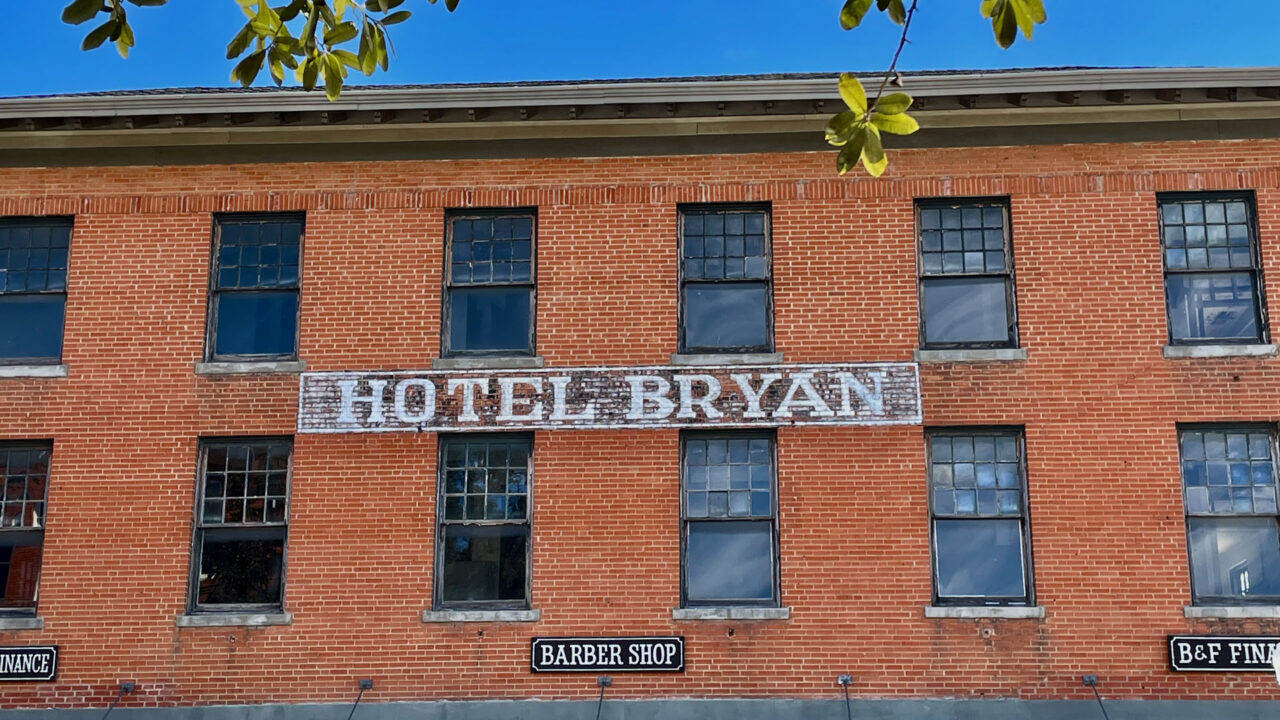
On Tues., Feb. 6th, (2024) our traveling pod visited downtown historic Bryan, TX. A cute small town that seems to be thriving, which was nice to see. So many times we’ve witnessed small towns struggling.
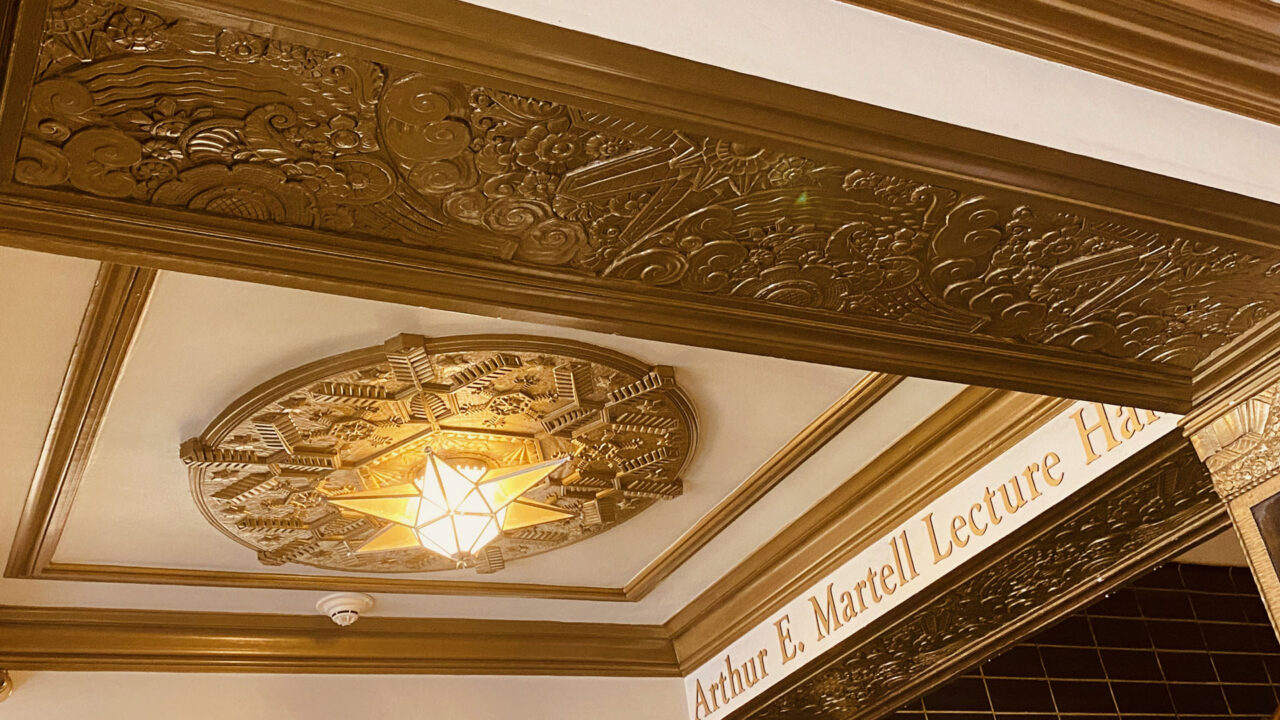
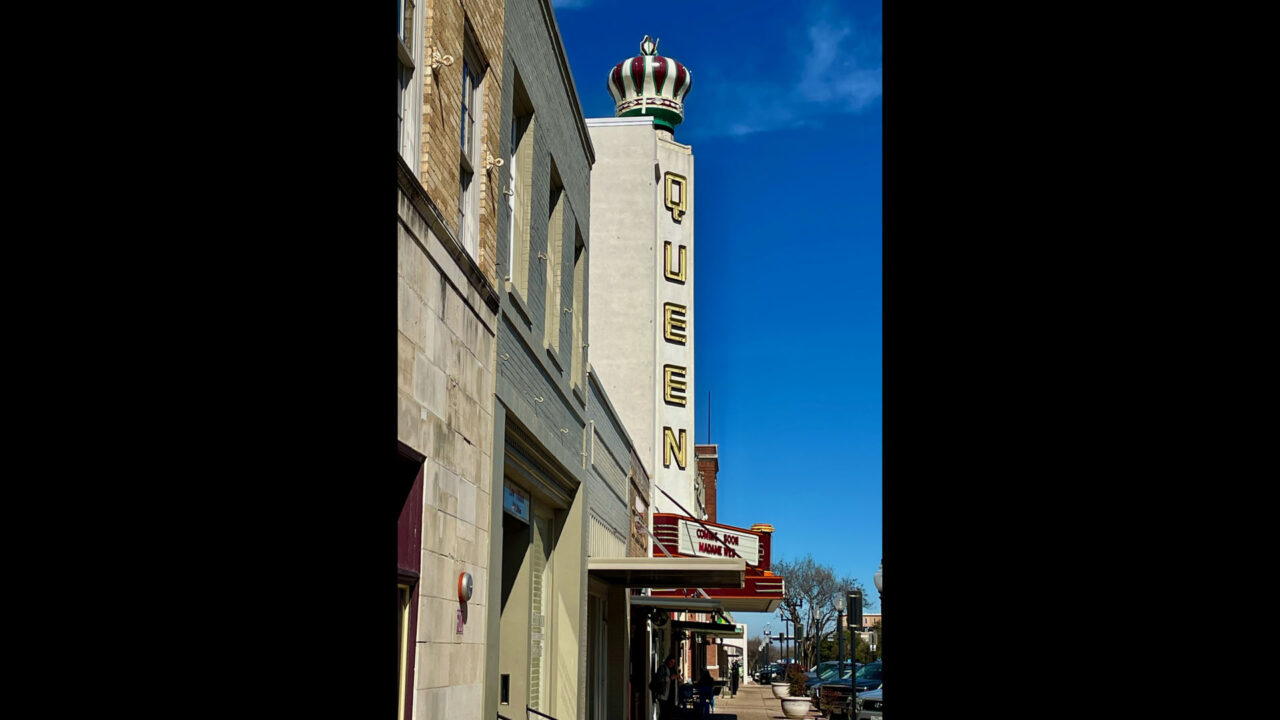
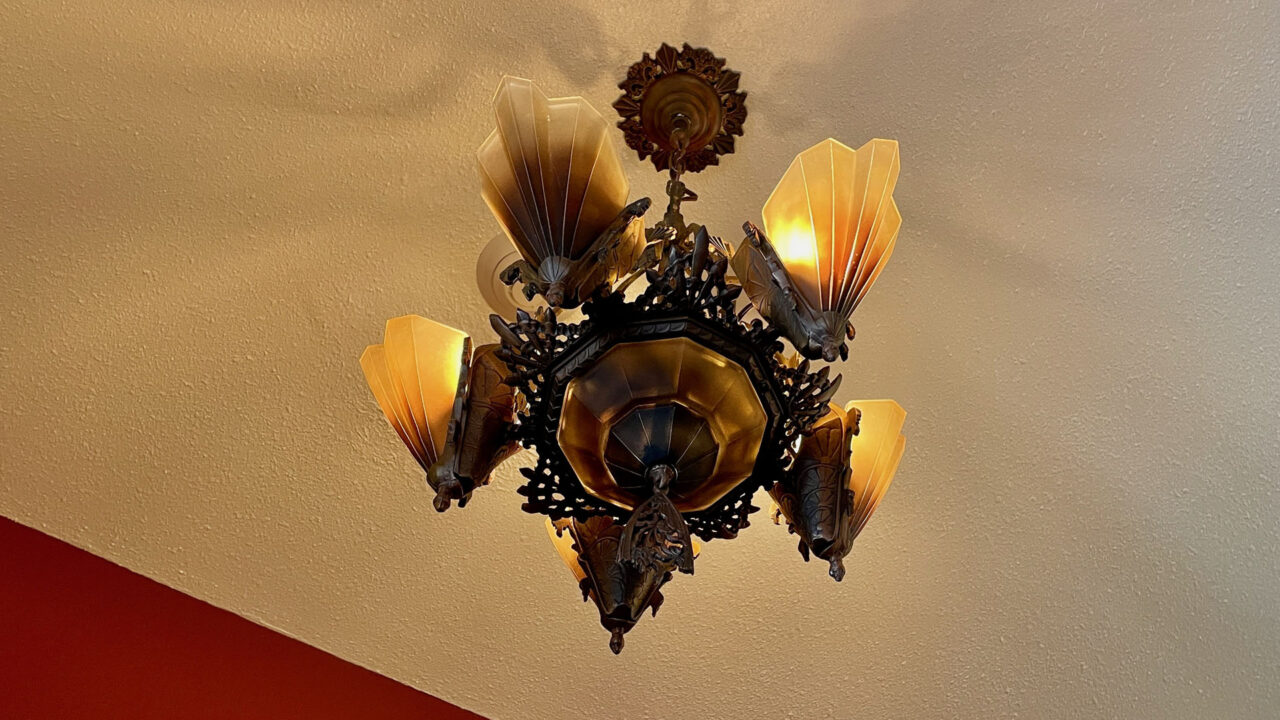
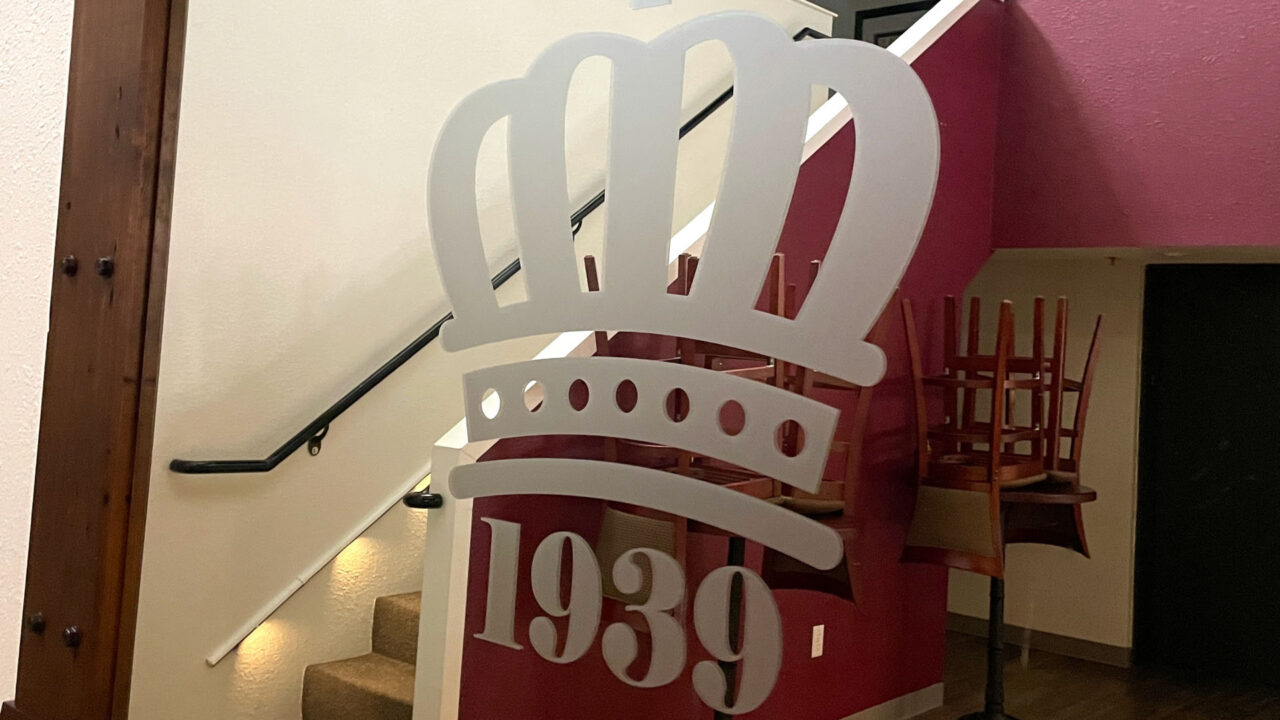
There has been a Queen Theatre here since 1914. The tall, white facade with revolving neon-lit crown dates back to 1939. The door was unlocked so we wandered inside. A small theater with very modern comfortable seating with decorative lighting that dates back to the 1930s. Adorable!
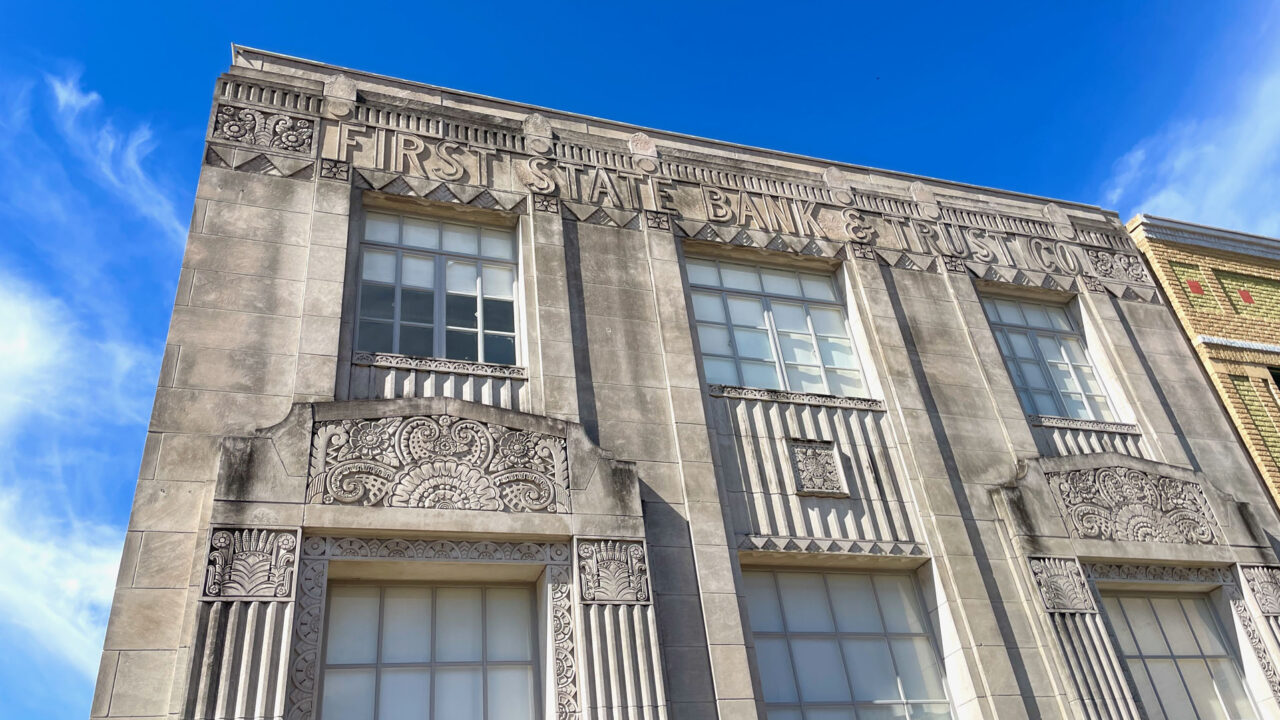
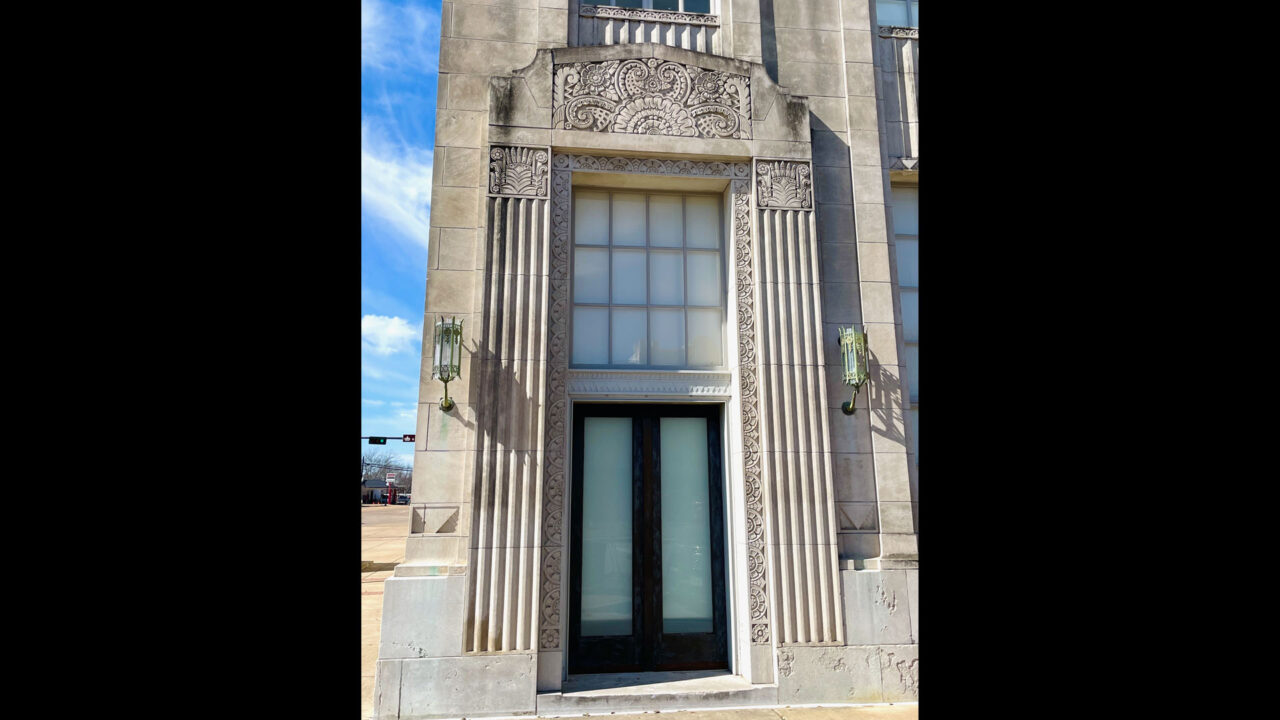
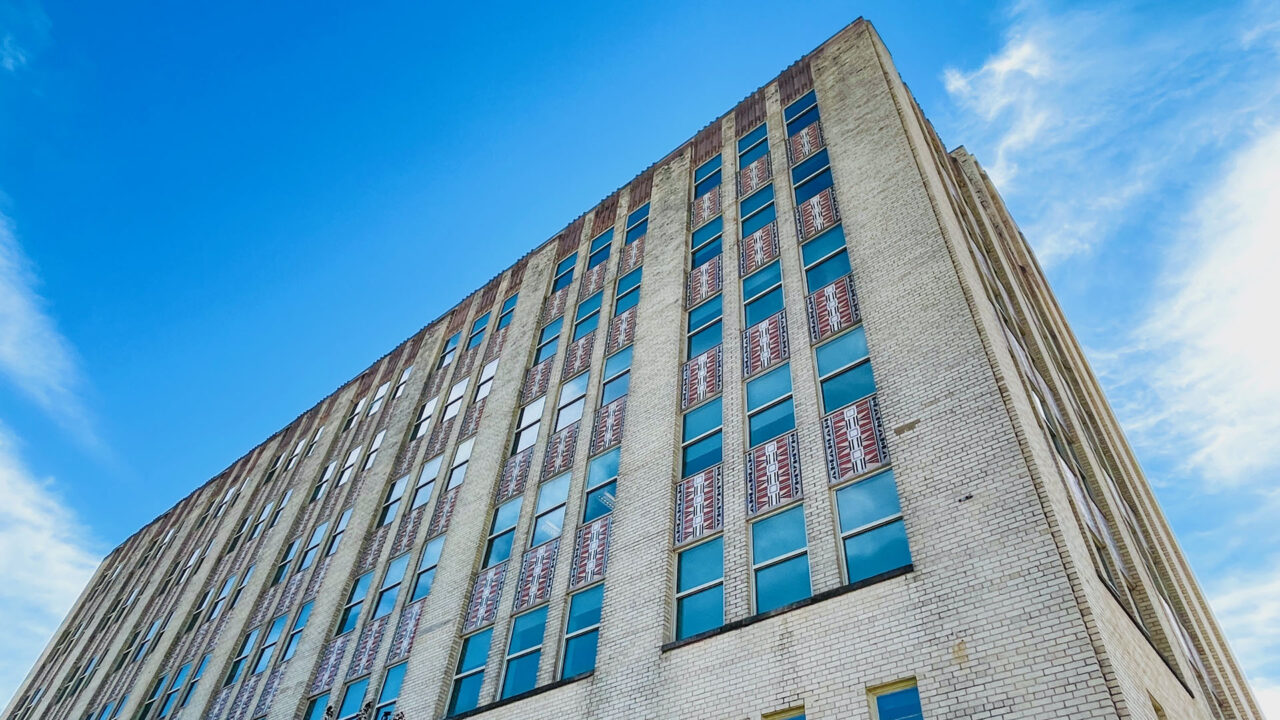
Every historic town seems to have an old bank building. This town was no exception. The decorative panels we saw on yet another historic building reminded us of some of the Texas A&M buildings.
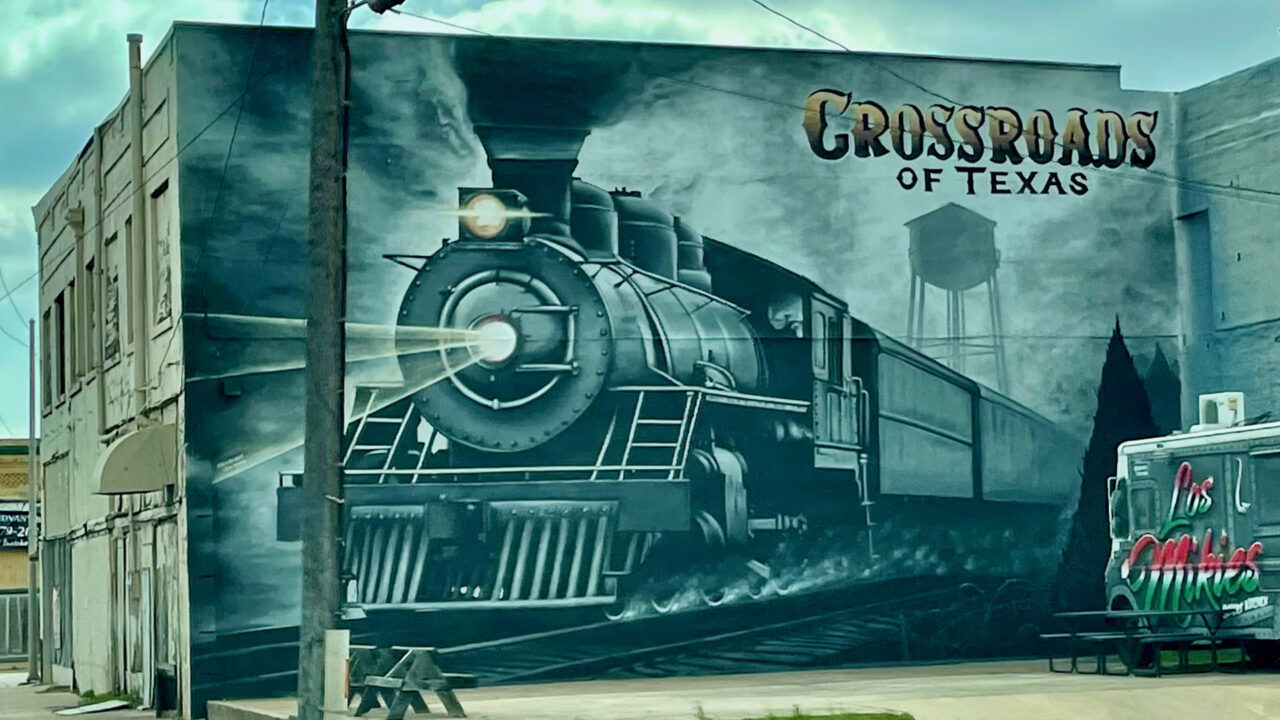
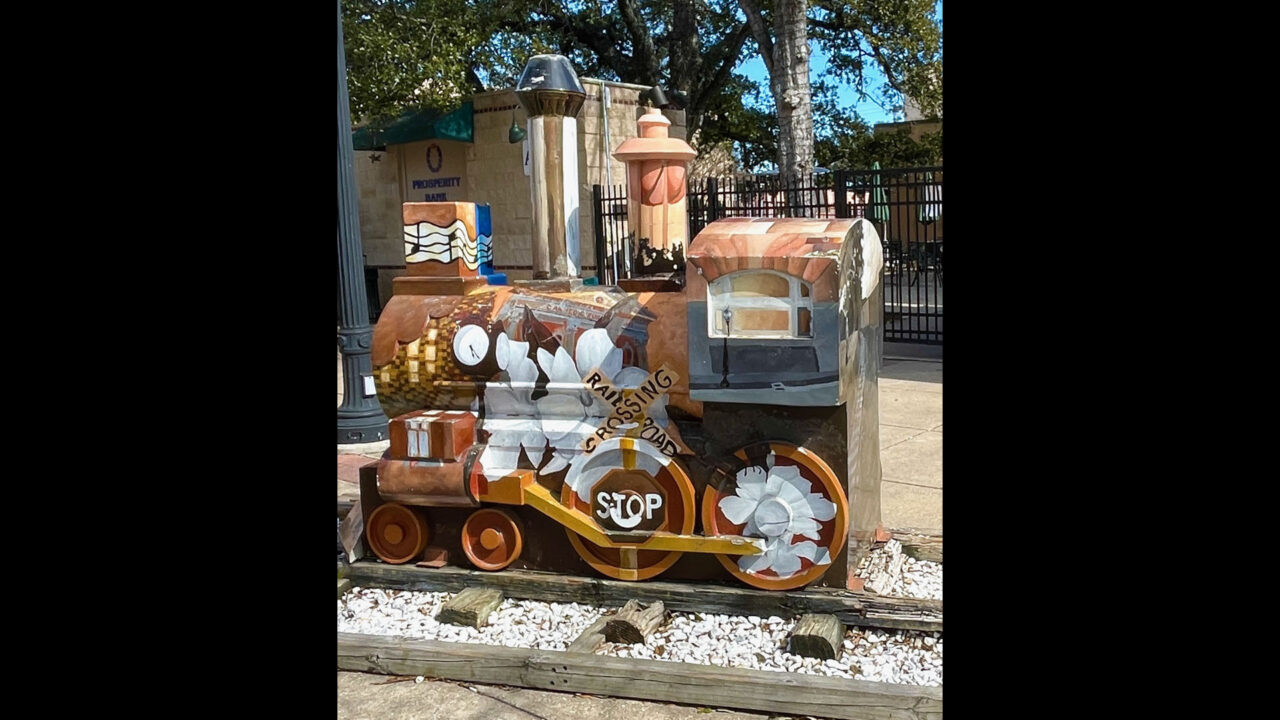
At one time Bryan was a major railroad stop between Houston and Dallas on the Houston and Texas Central Rail Line. Perhaps because of that there is a railroad sculpture in the middle of town.
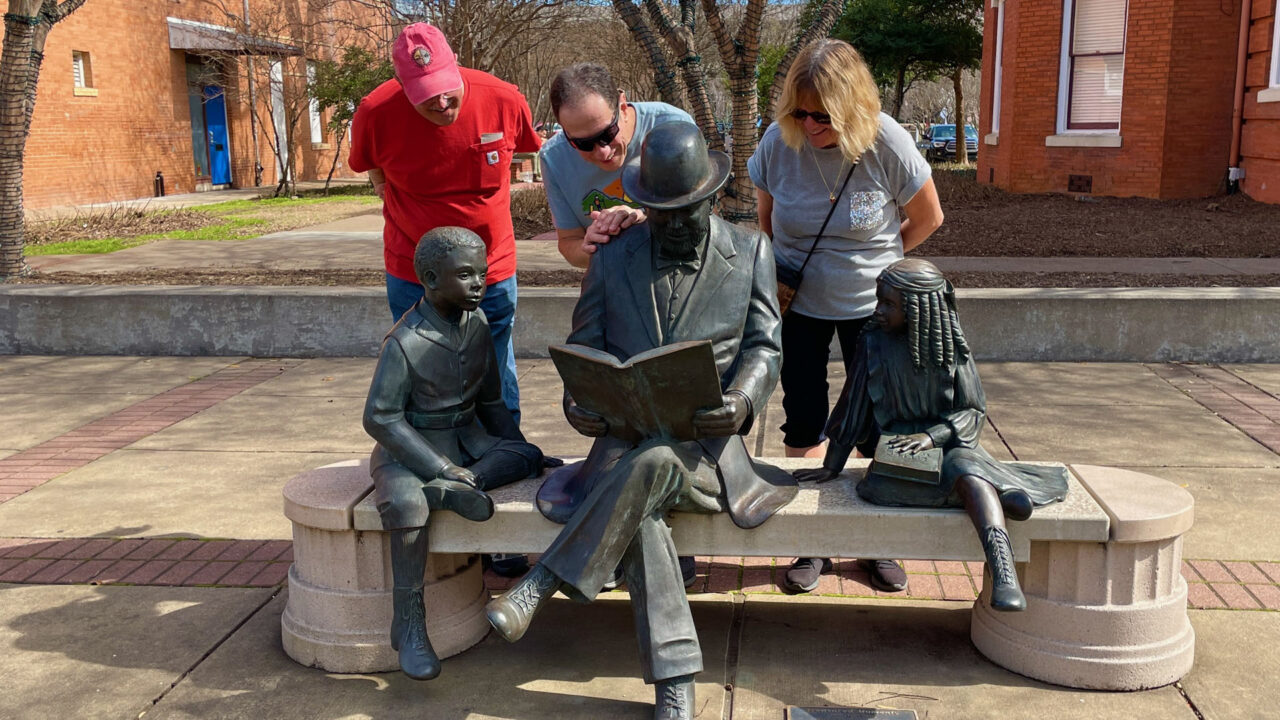
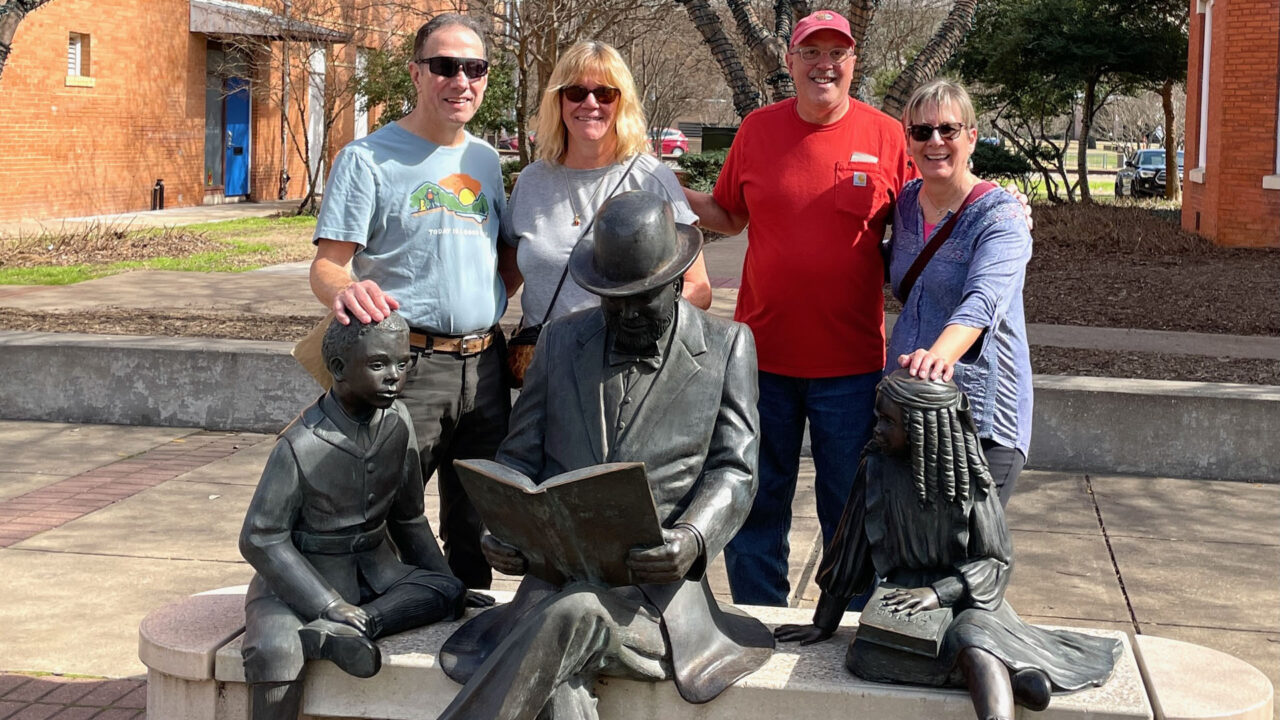
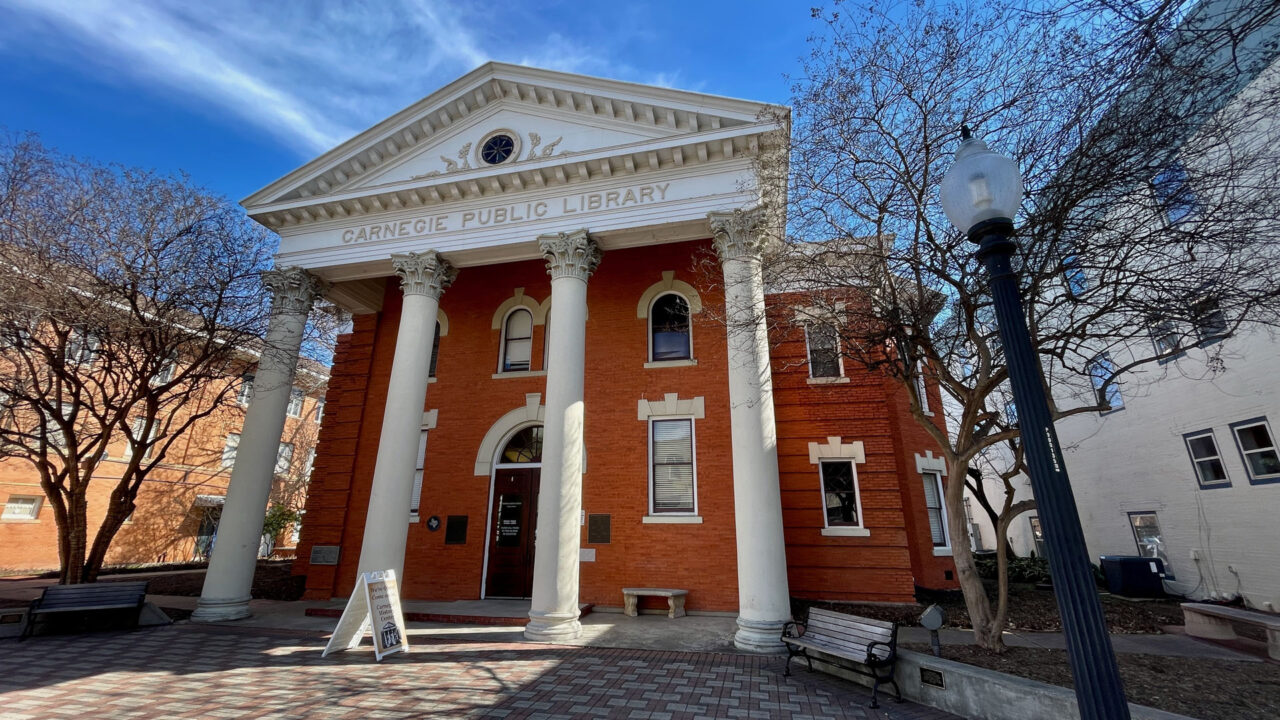
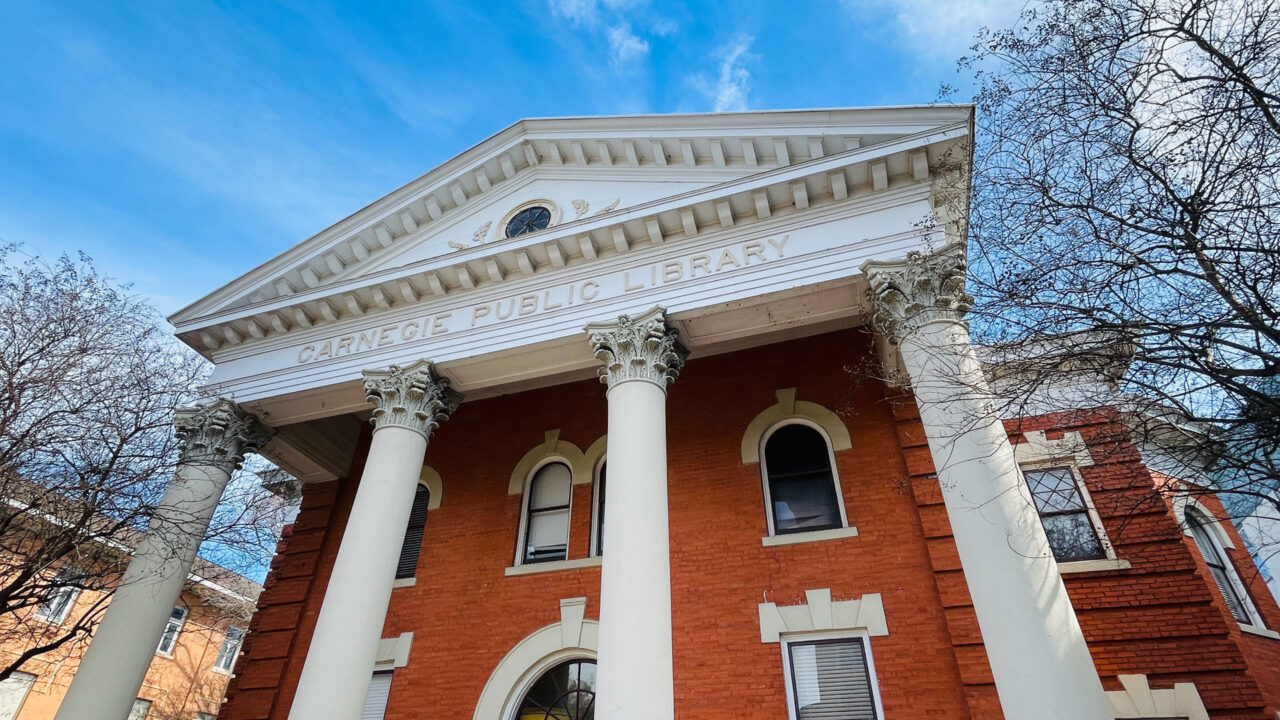
There is also a statue on display of Andrew Carnegie reading with children by his side. Mr. Carnegie was a Scottish immigrant who firmly believed in self-education for everyone and that libraries helped those who helped themselves. He would provide funds for the construction of libraries if a city would provide a suitable site and agree to provide money equal to at least one tenth of the construction grant annually in order to maintain the library and purchase books. Bryan was among the early cities that took advantage of his offer, thanks to several intrepid ladies who wanted their city to be “more civilized.” The architect chosen in 1903 was from what is now Texas A&M. The building was made of red brick and fronted by four enormous Greek Corinthian columns topped with acanthus leaves. In 1999 the Carnegie was restored at a cost of over ten times the $10,000 construction cost.
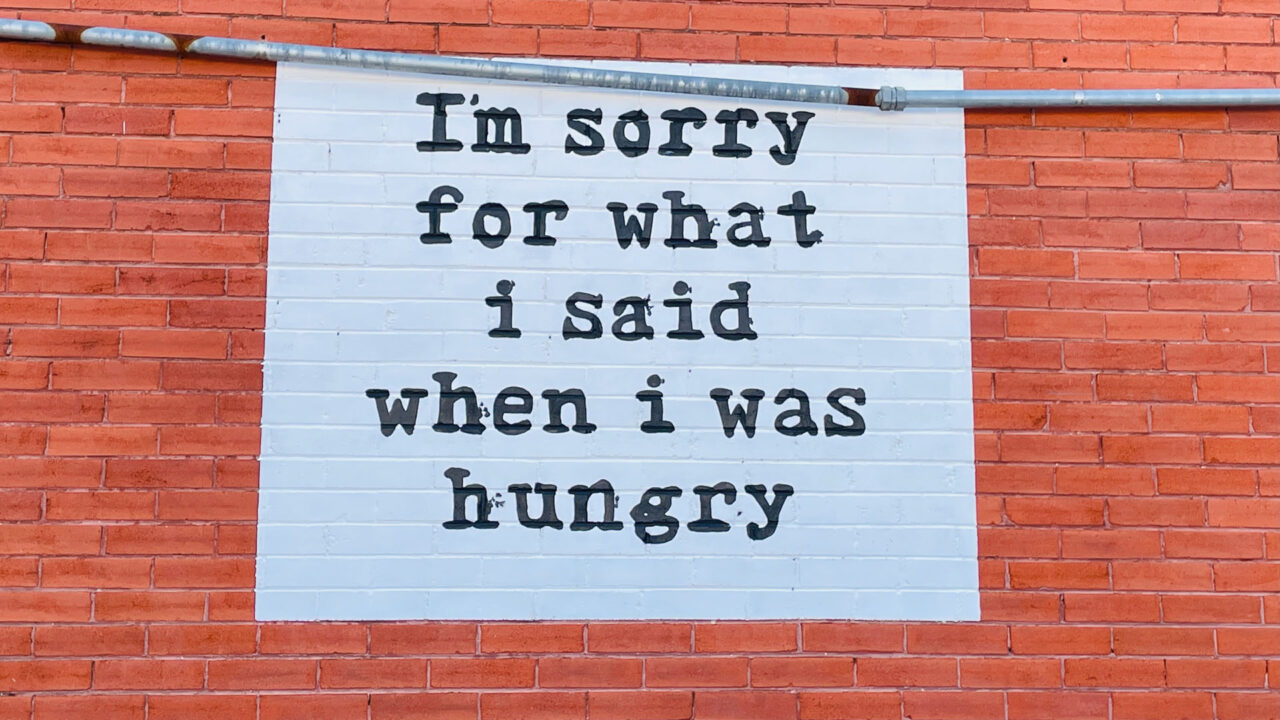
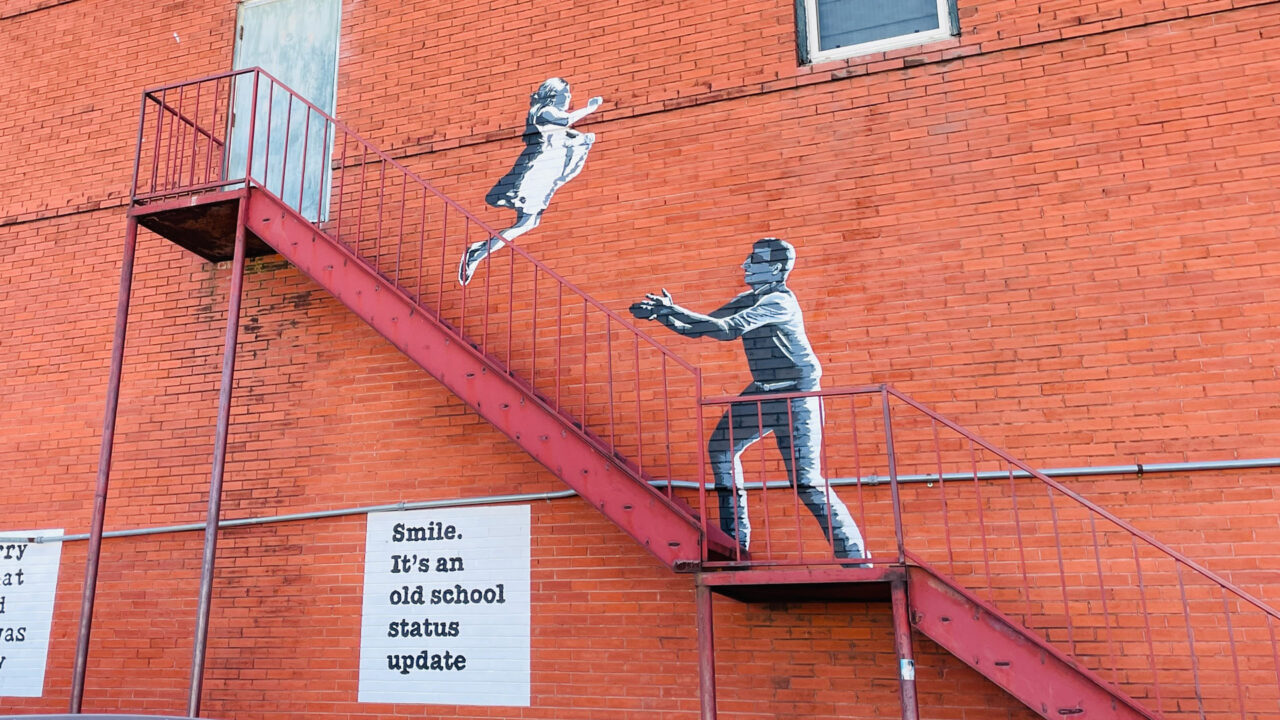
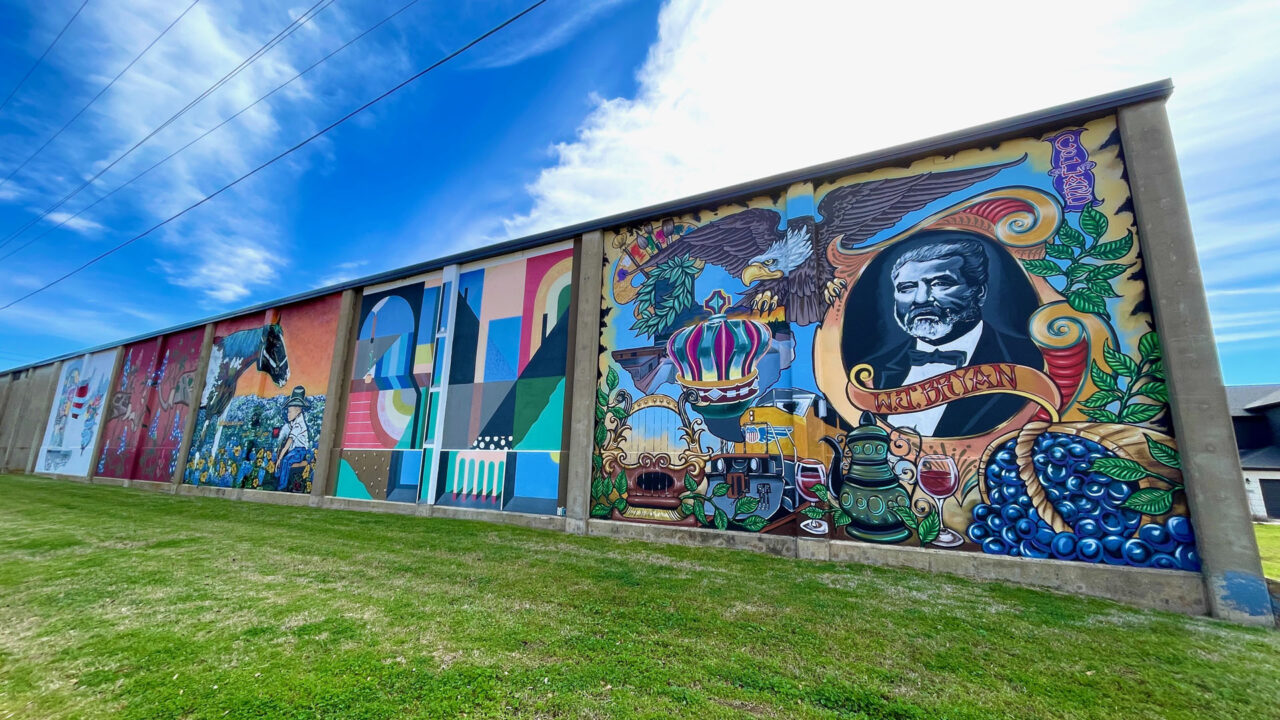
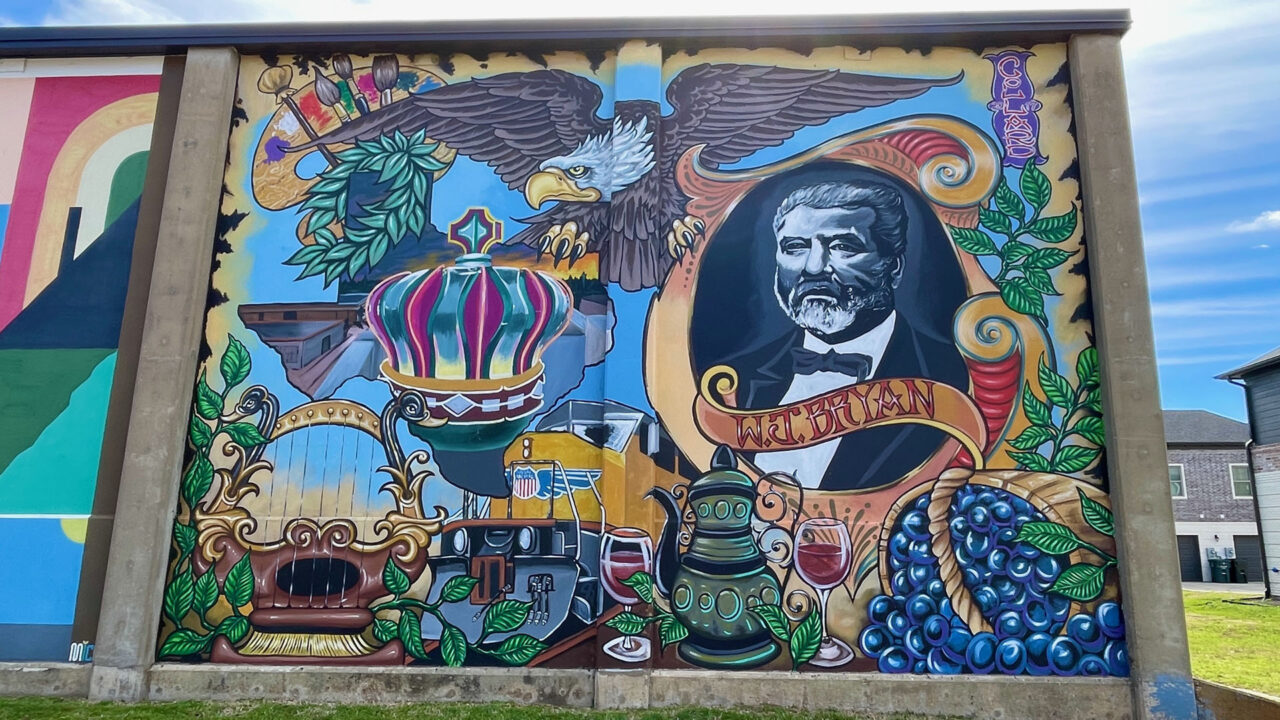
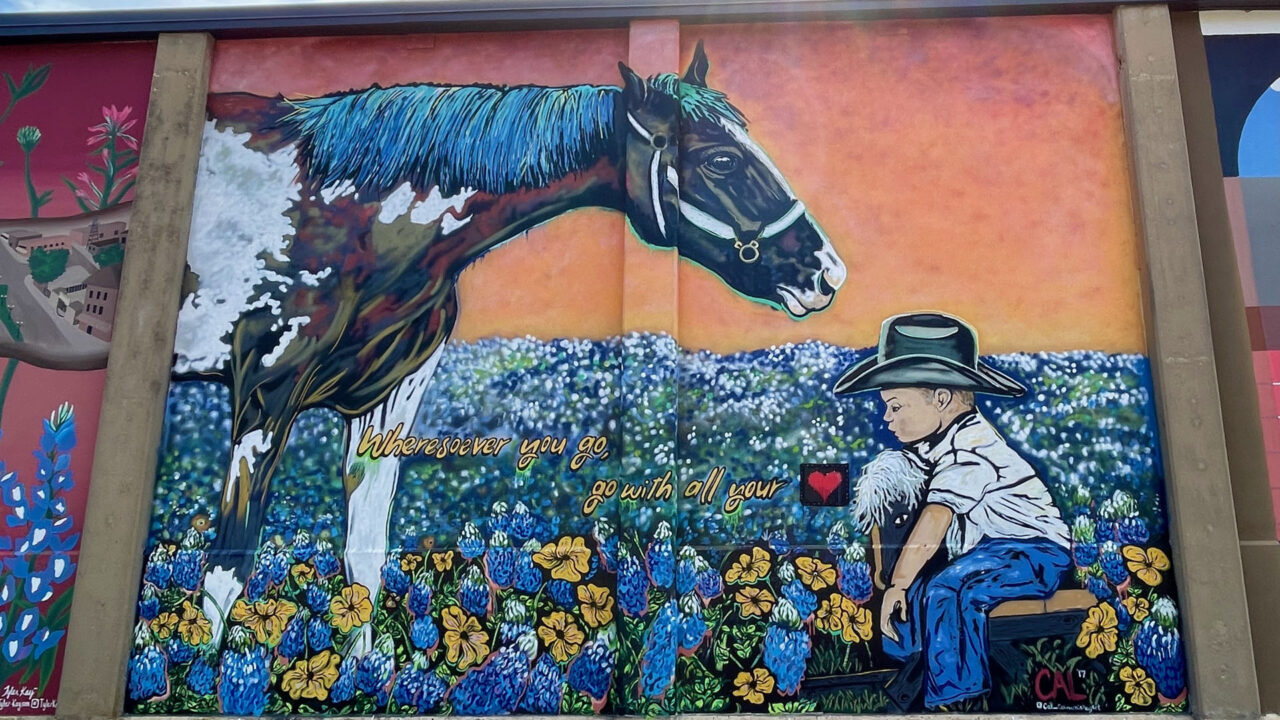
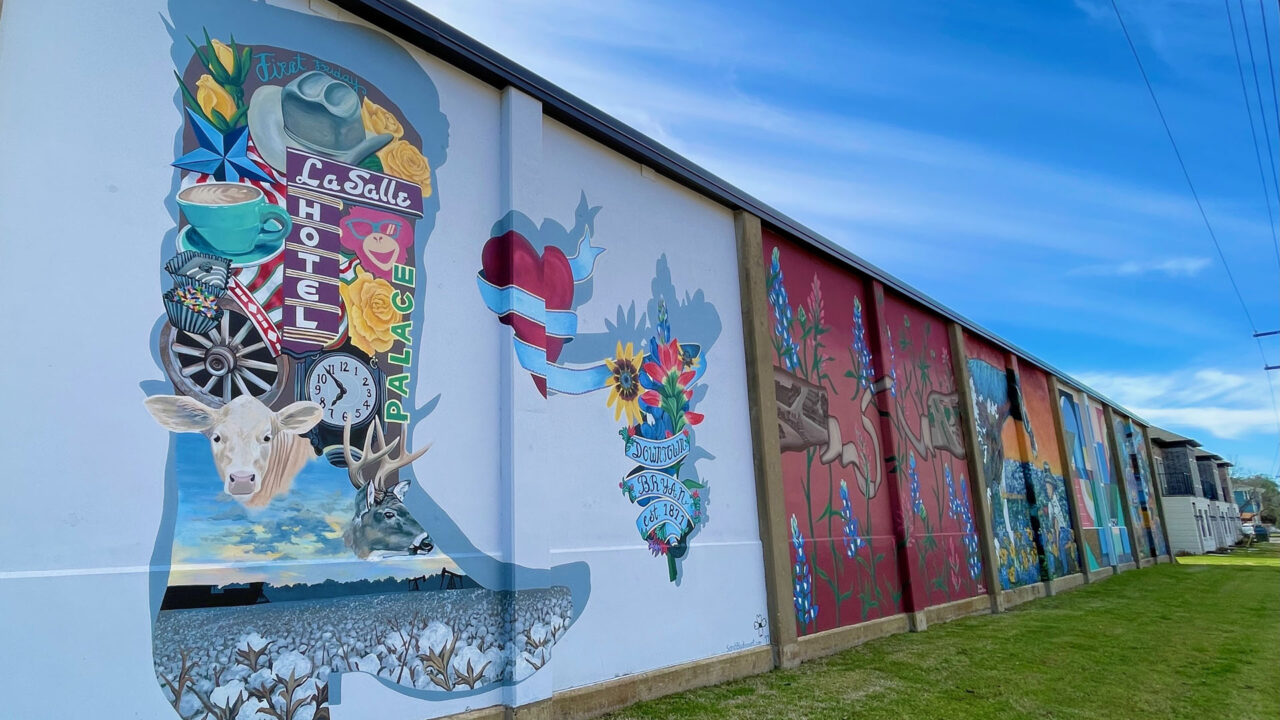
Lastly we loved seeing the 31st Street Murals which were completed by 5 local Texas artists and showcase different aspects of life in Bryan.
After that we headed back to our tiny homes for the day!
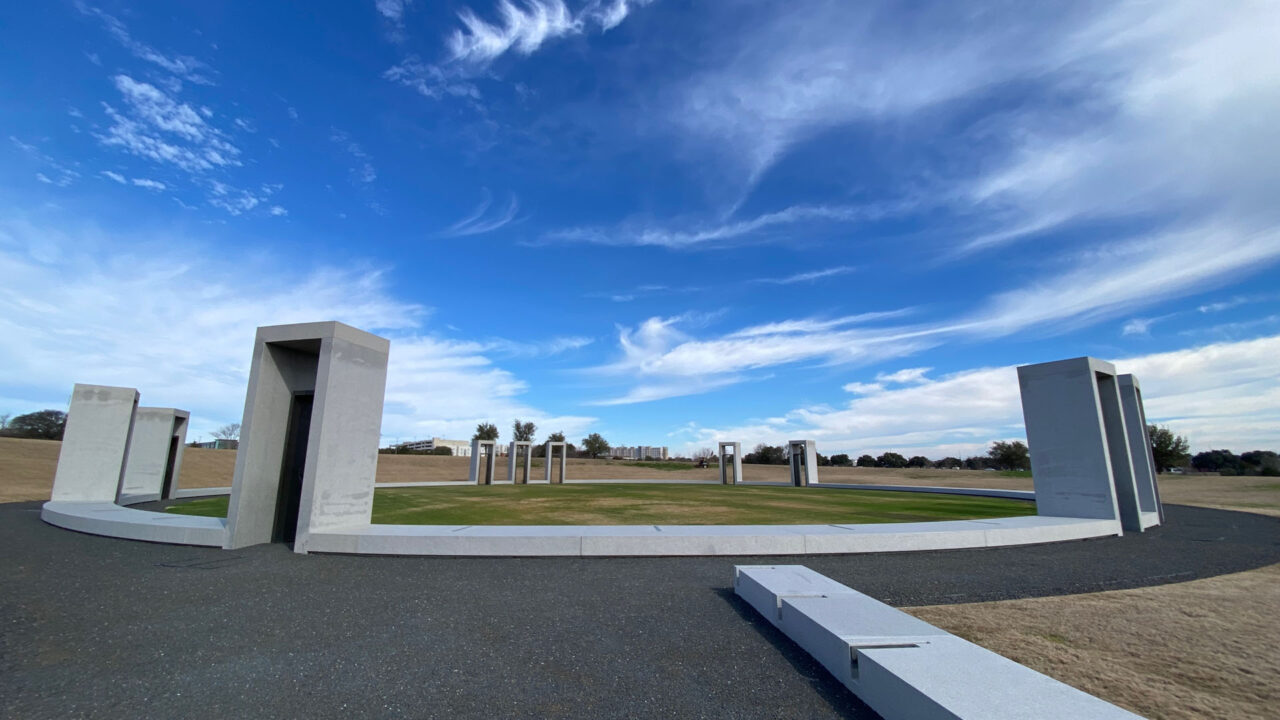
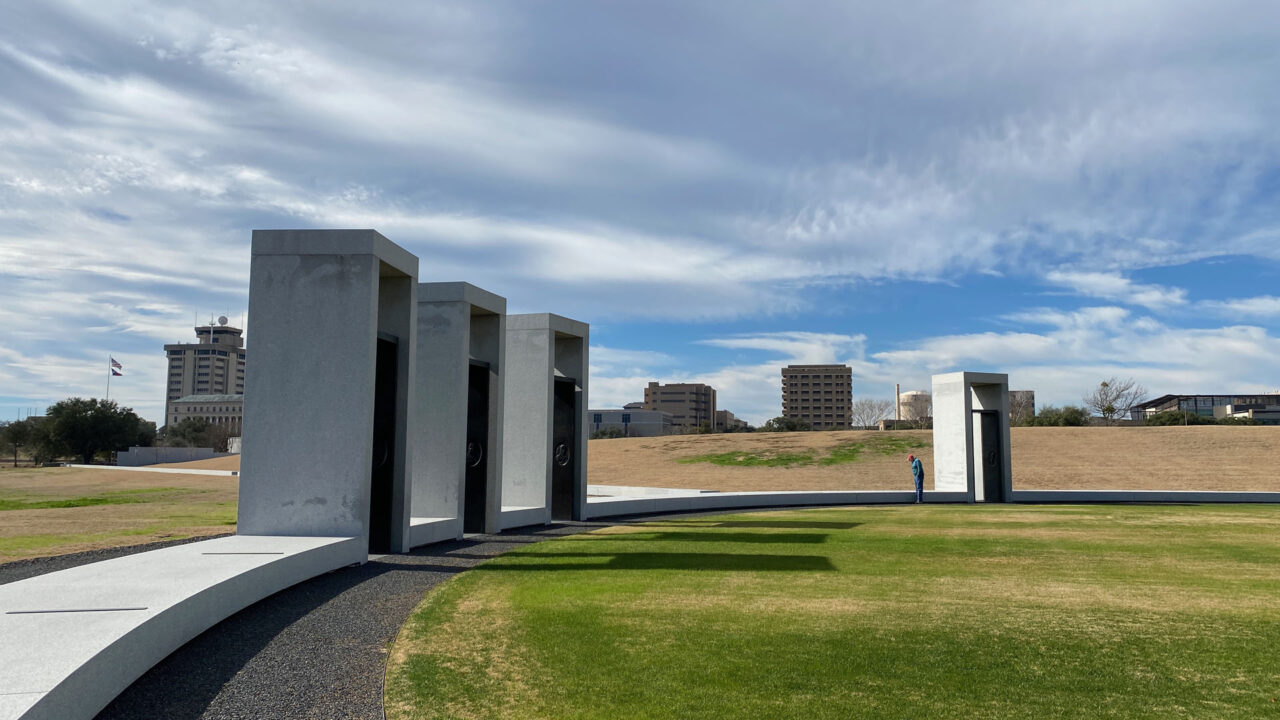
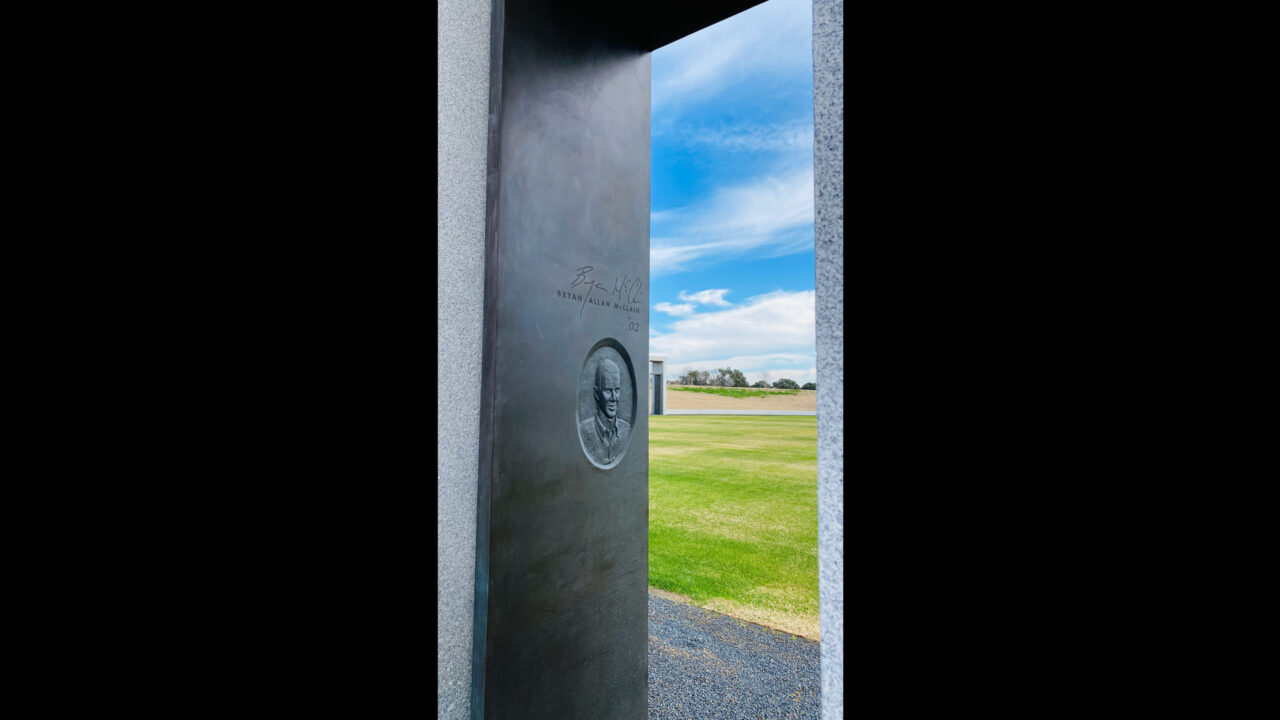
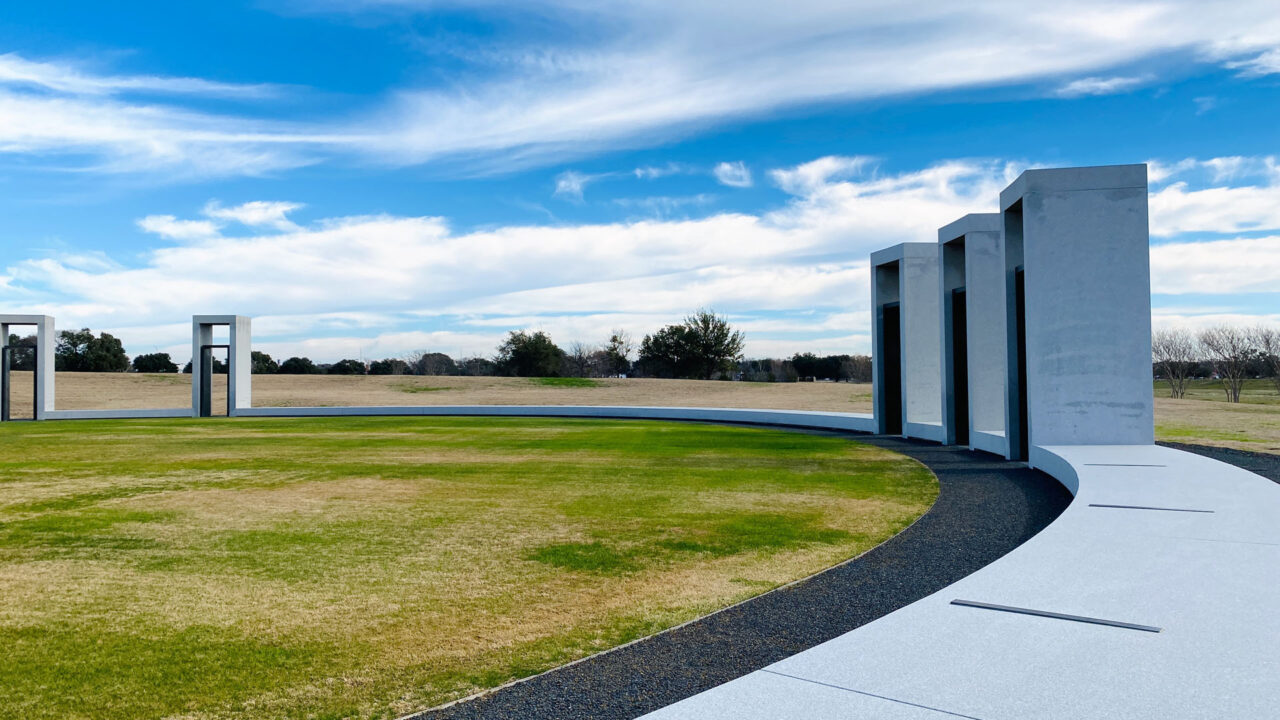
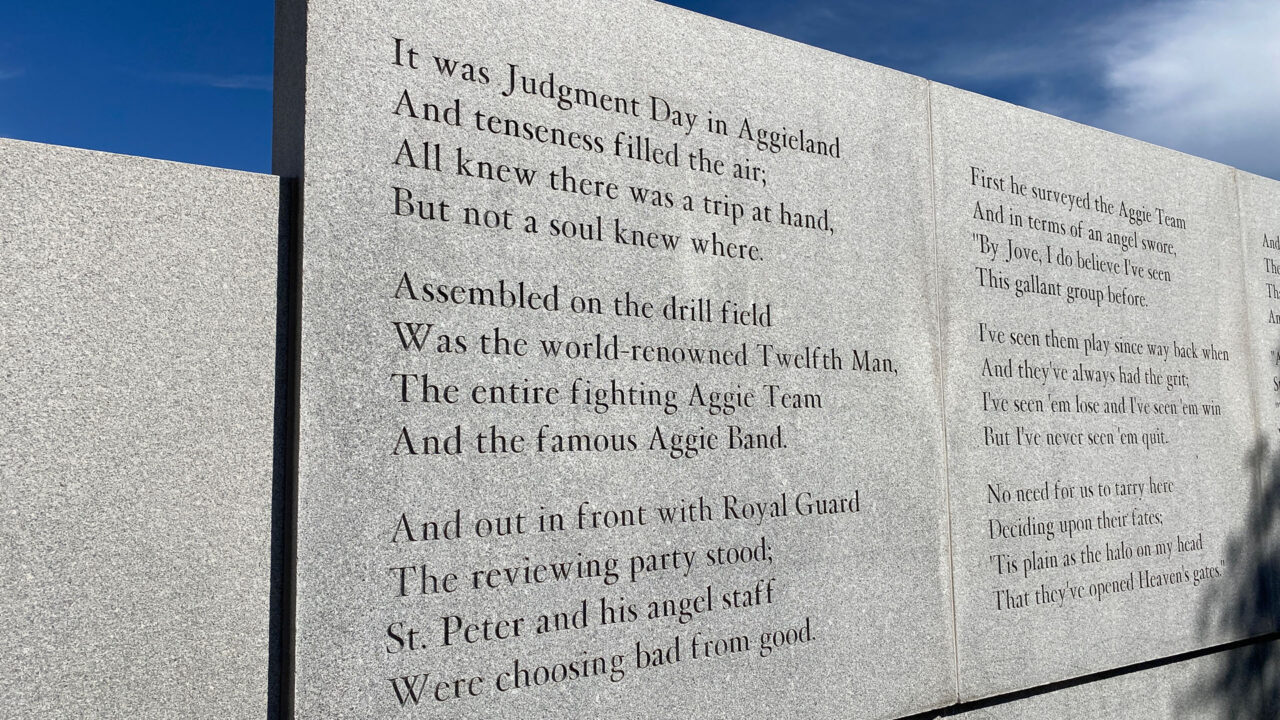
The pod went back to Texas A&M on Wed., Feb. 7th, (2024) and visited the “Aggie” Bonfire Memorial, where on Nov. 18, 1999 at 2:42 AM, “Bonfire” collapsed during construction claiming 12 lives and injuring 27 others. This memorial is a tribute to those 12 lost souls. Aggie Bonfire was a 90-year old tradition every November where thousands of Aggies gathered around to watch a blaze that symbolized their burning desire to beat their arch football rival the University of Texas. The woodpile grew over the years into a 5-story, complex “wedding cake” wood stack that students helped build every year. That tradition tragically came to an end on campus in 1999. It’s now done on a much smaller scale off-campus.
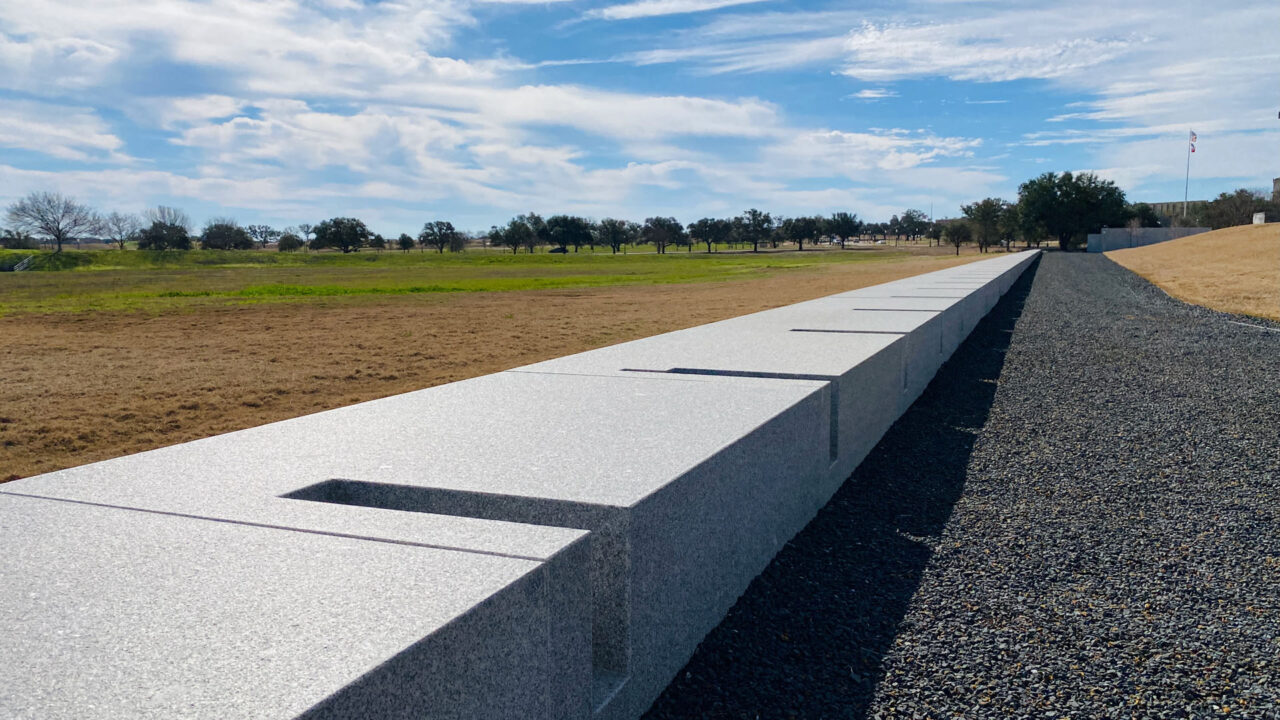
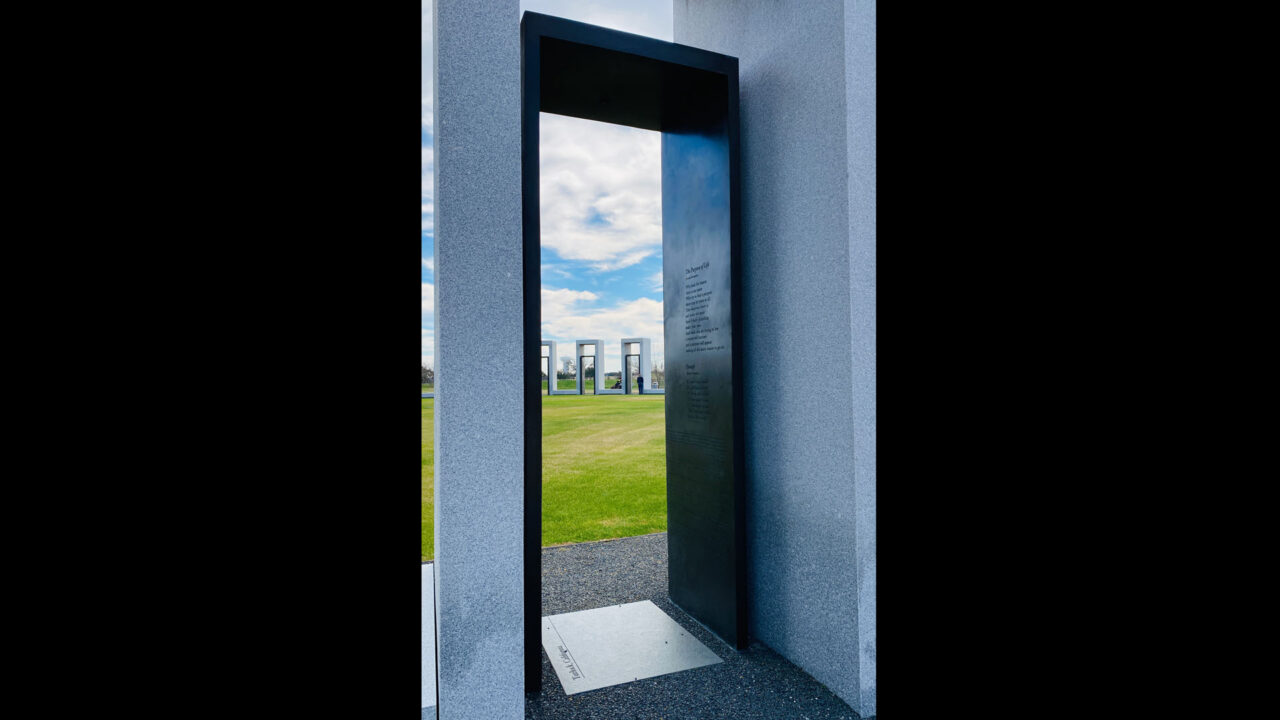
The Memorial is made up of first “The Spirit Wall.” It serves as a symbolic barrier to the outside world engraved with the words “There’s a spirt can ne’er be told…” Then there is the “History Walk” represented by 89 granite blocks representing the years 1909 thru 1998, the time span between the beginning and ending of Bonfire. The position of the notch and the amber light in each stone represent the month, November, and the fire of each Bonfire that burned.
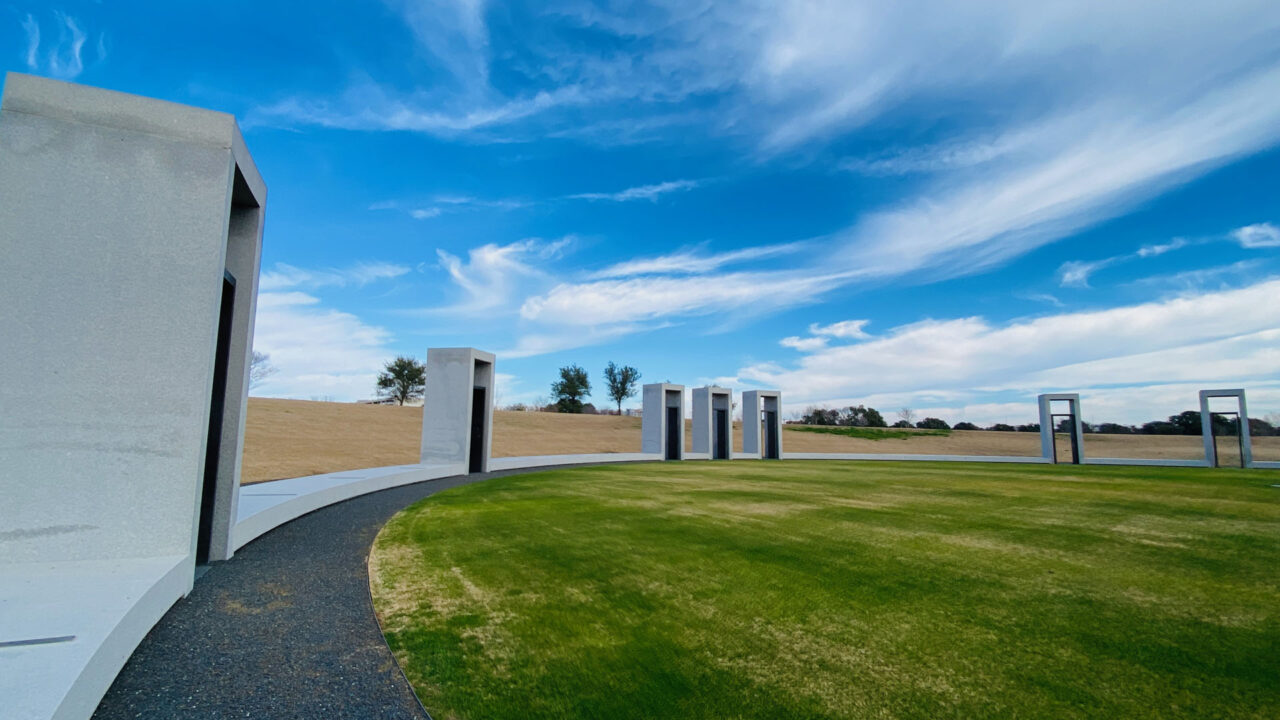
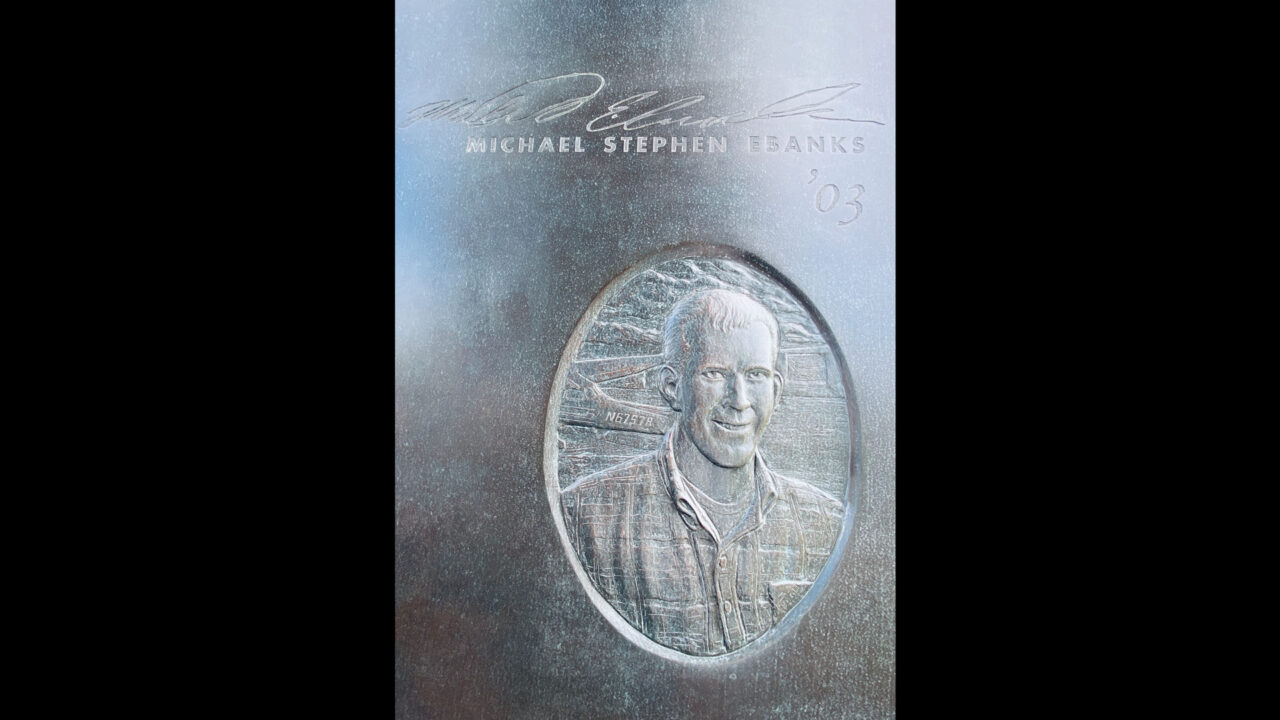
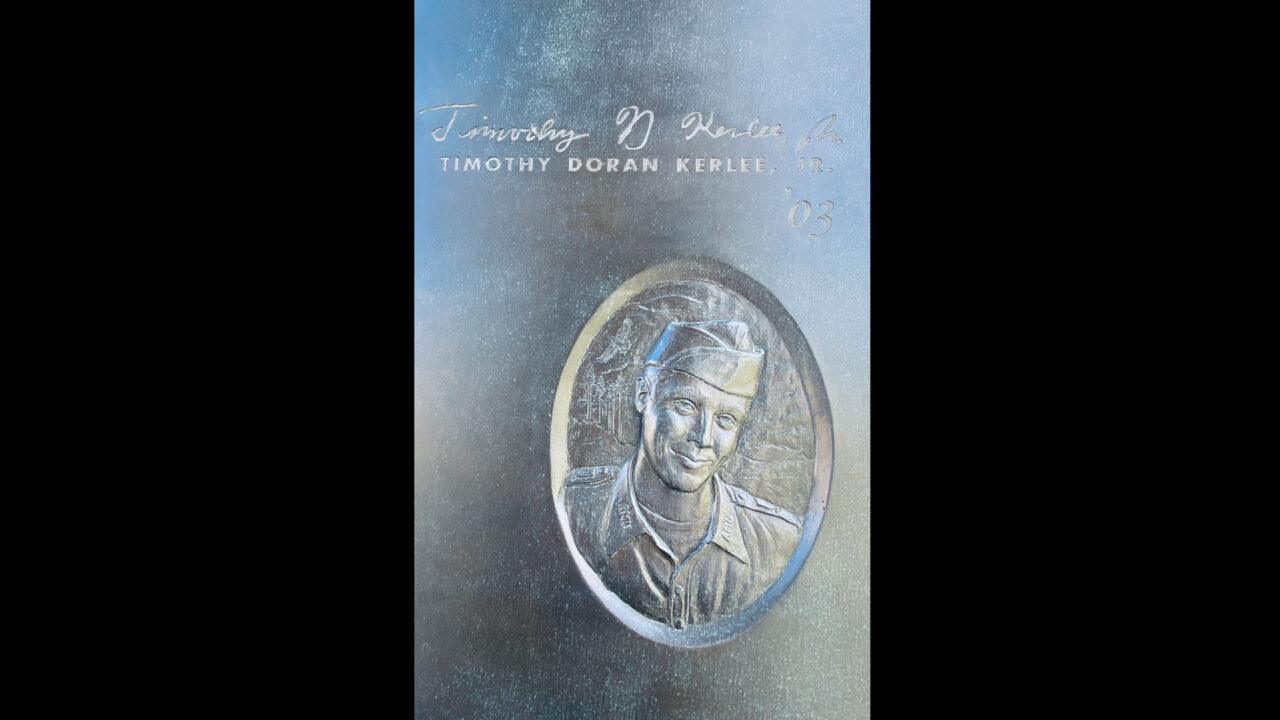
Next you encounter the “Spirit Ring” consisting of 27 low granite blocks that form a ring representing those injured in 1999. This connects 12 granite portals each standing 16 ft tall encasing an inner bronze portal that stands 12 ft tall, representing the Aggies who died during the building of Bonfire. A bronze inlay inside each portal is engraved with the portrait, signature, and graduating class year of the memorialized Aggie. The other side of the portal has messages from family members, and the student’s own words from past letters to family and friends. Sooo incredibly moving. Each of the 12 portals is oriented around the Ring in the direction of the hometown in which the Aggie hailed. It all forms the Spirit Ring, which symbolizes the perimeter fence erected around Bonfire.
The stories on the bronze portals are heartbreaking. One young man lie on the ground injured and asked rescuers to see to his five “buddies” first. Another Aggie who died in Bonfire had lost a brother in a car accident several years earlier. I can’t imagine the pain his family endured losing a second son. Another young man’s portrait included him with his beloved dog.
A tragic time for this University, and they’ve created a moving tribute to never forget what happened.
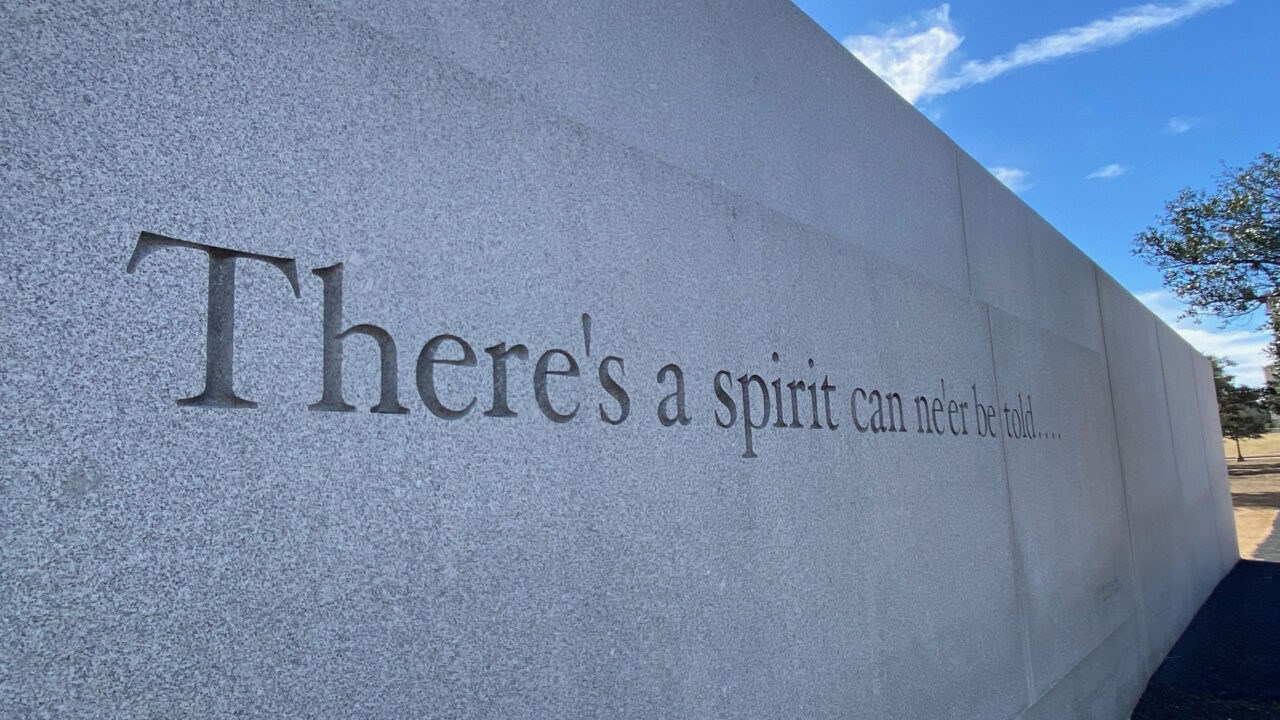 Spirit Wall before entering the memorial.
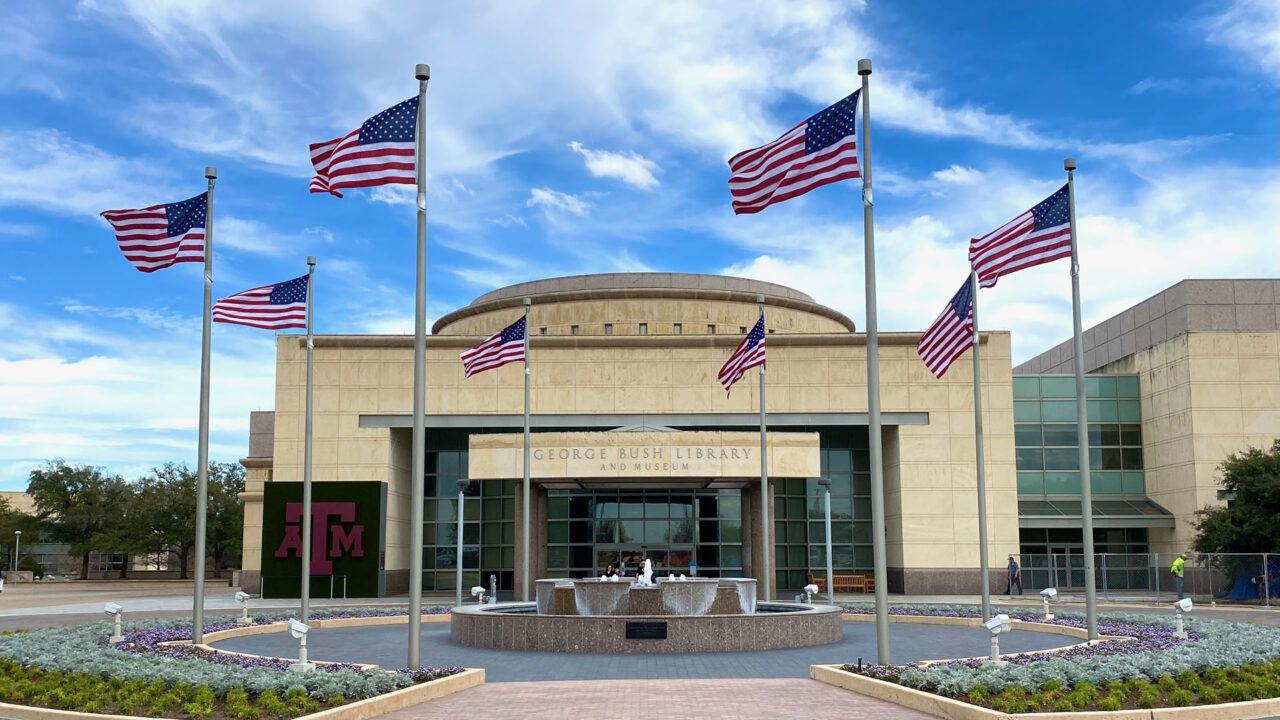
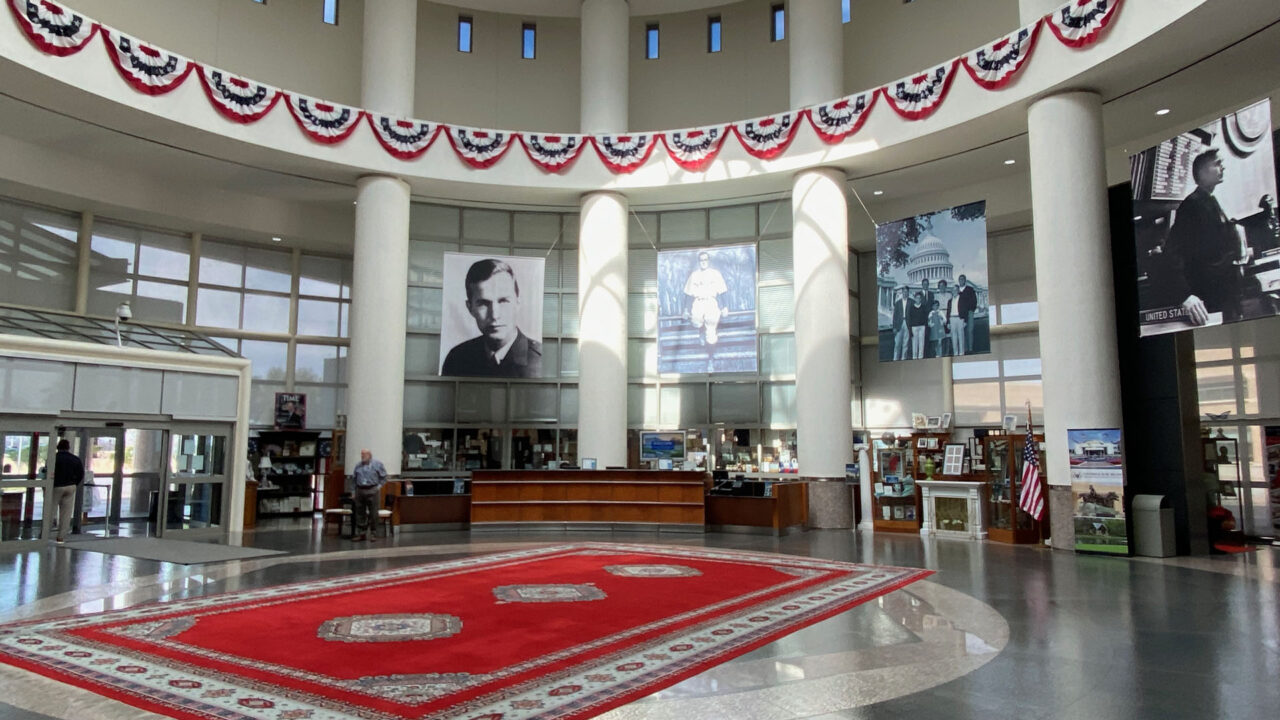
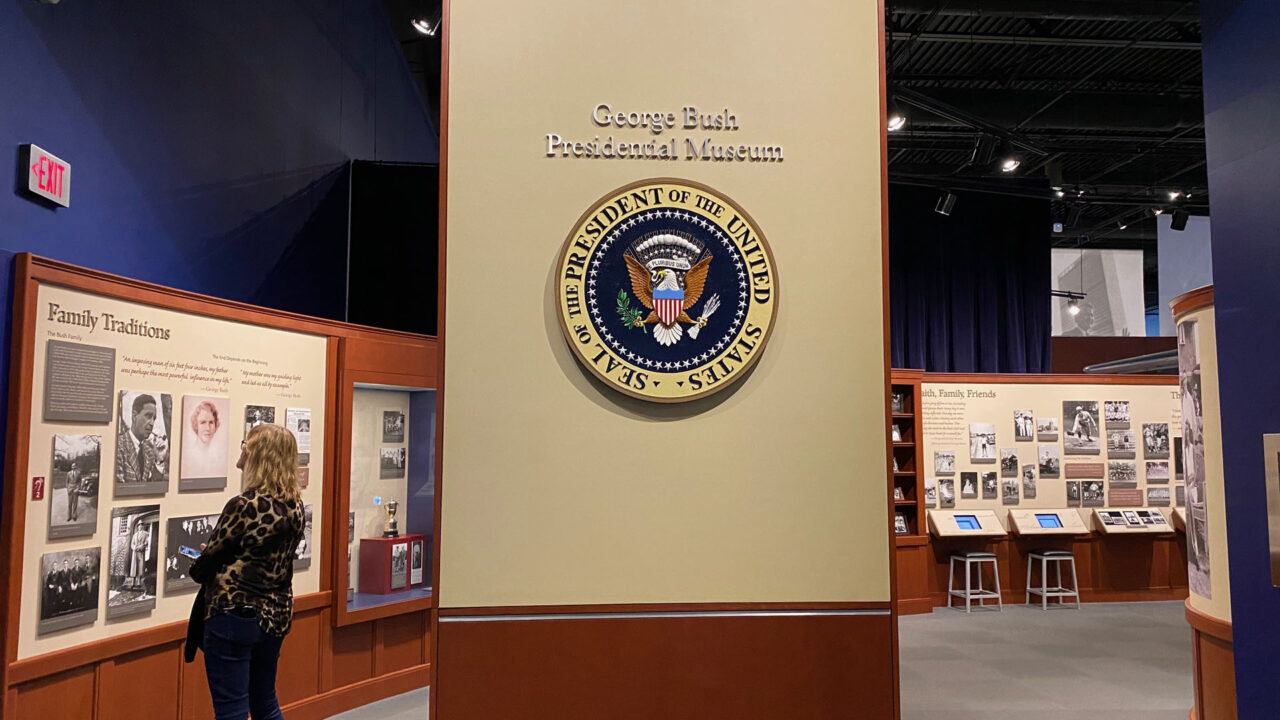
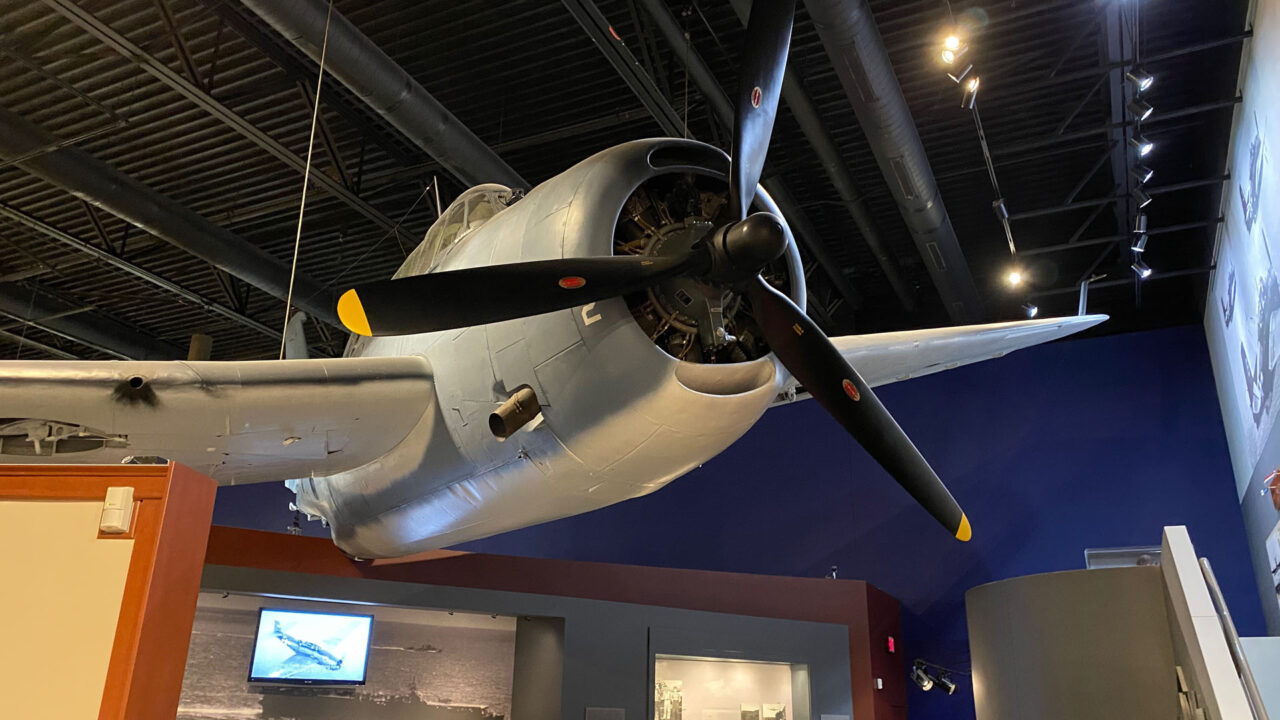
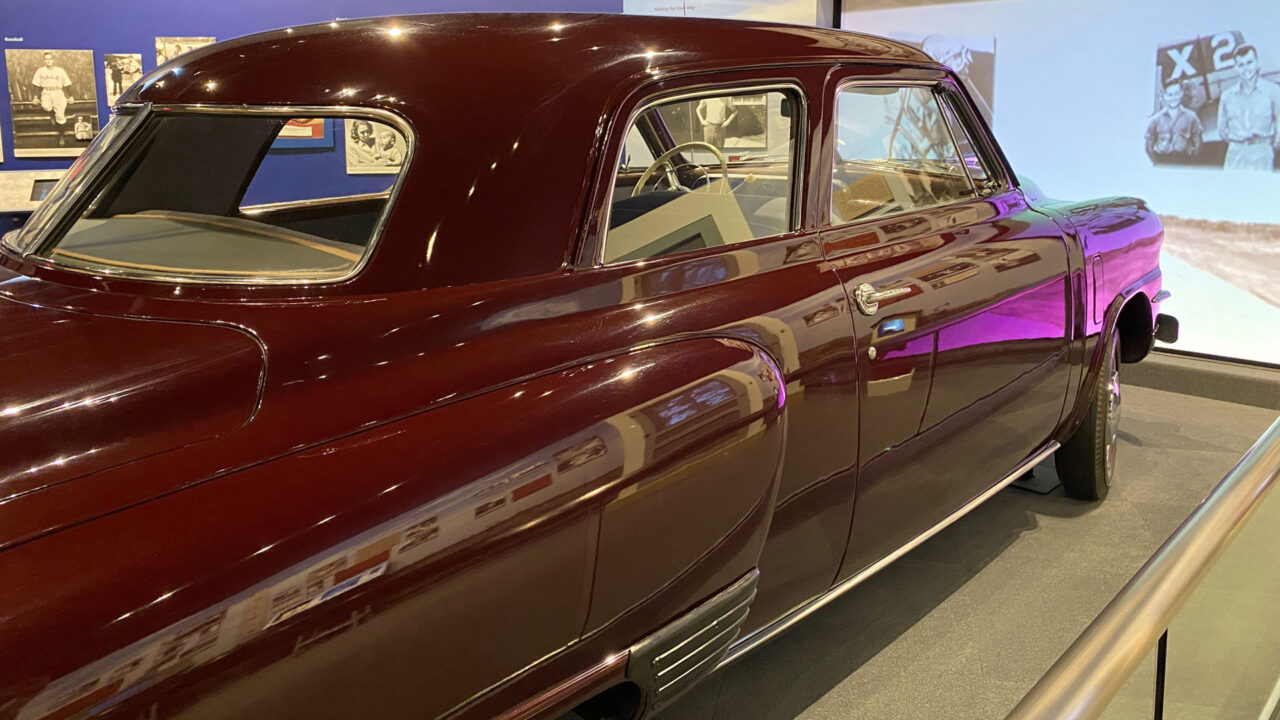
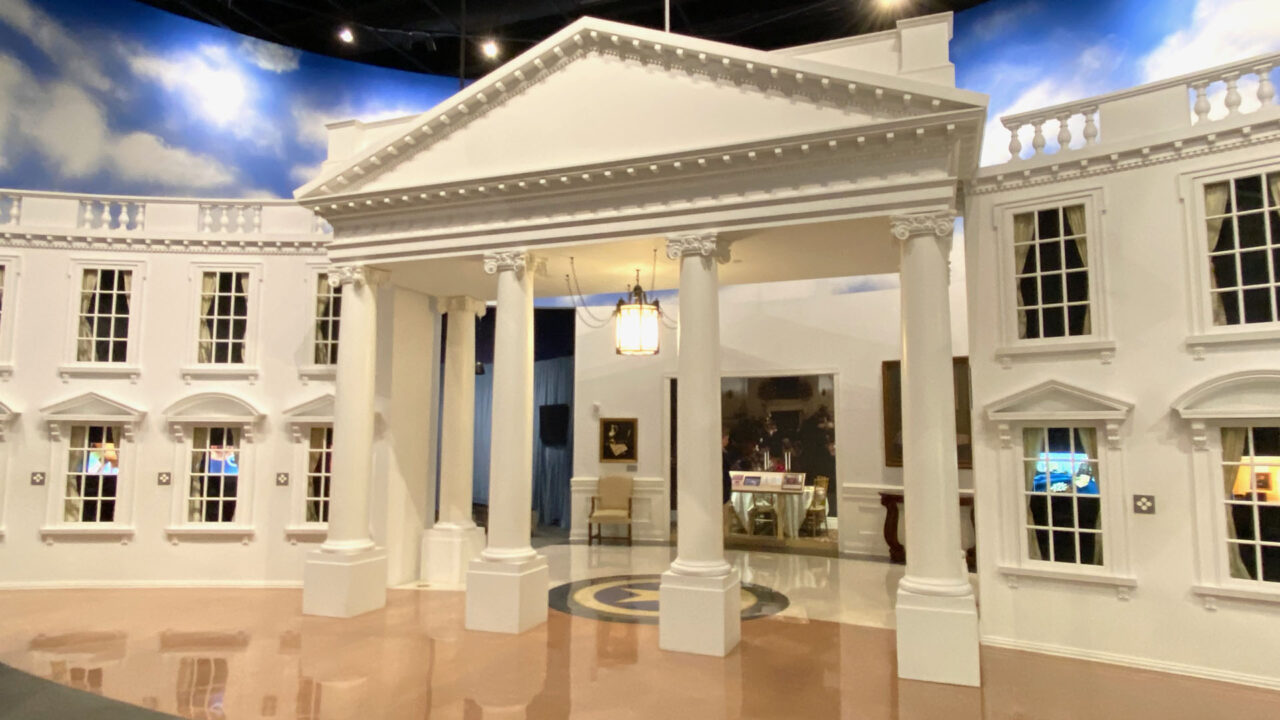
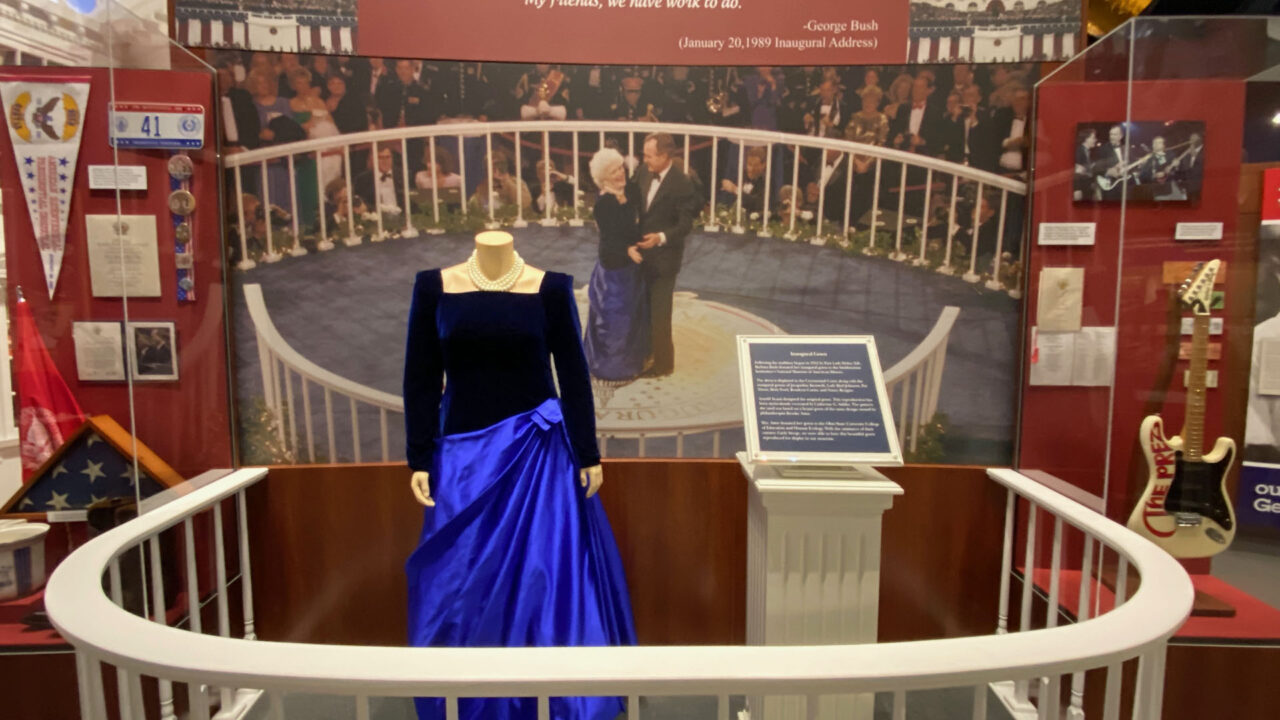
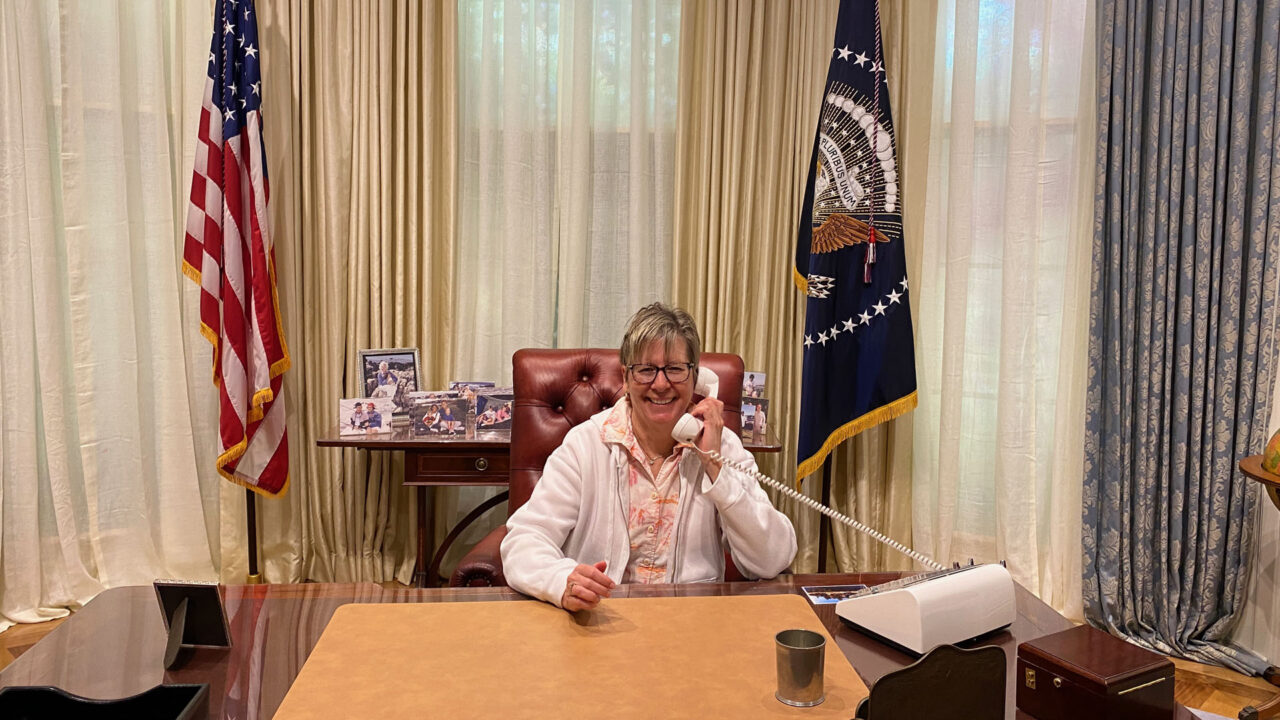
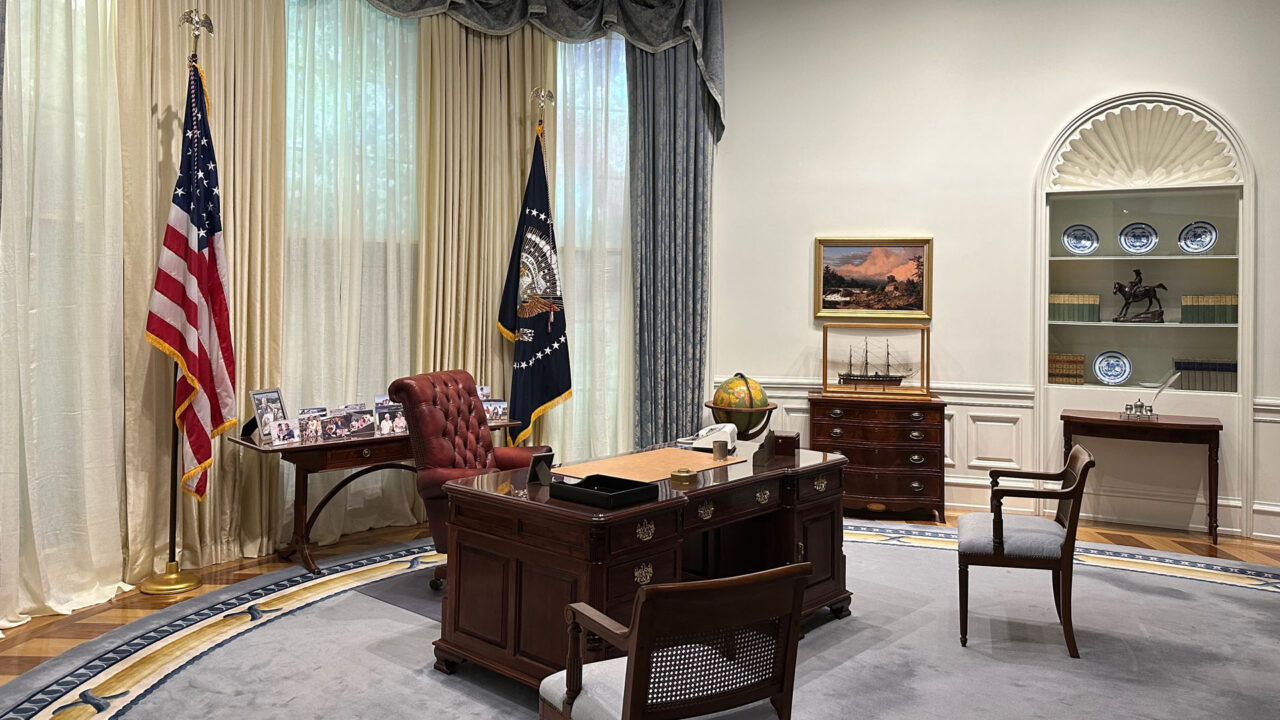
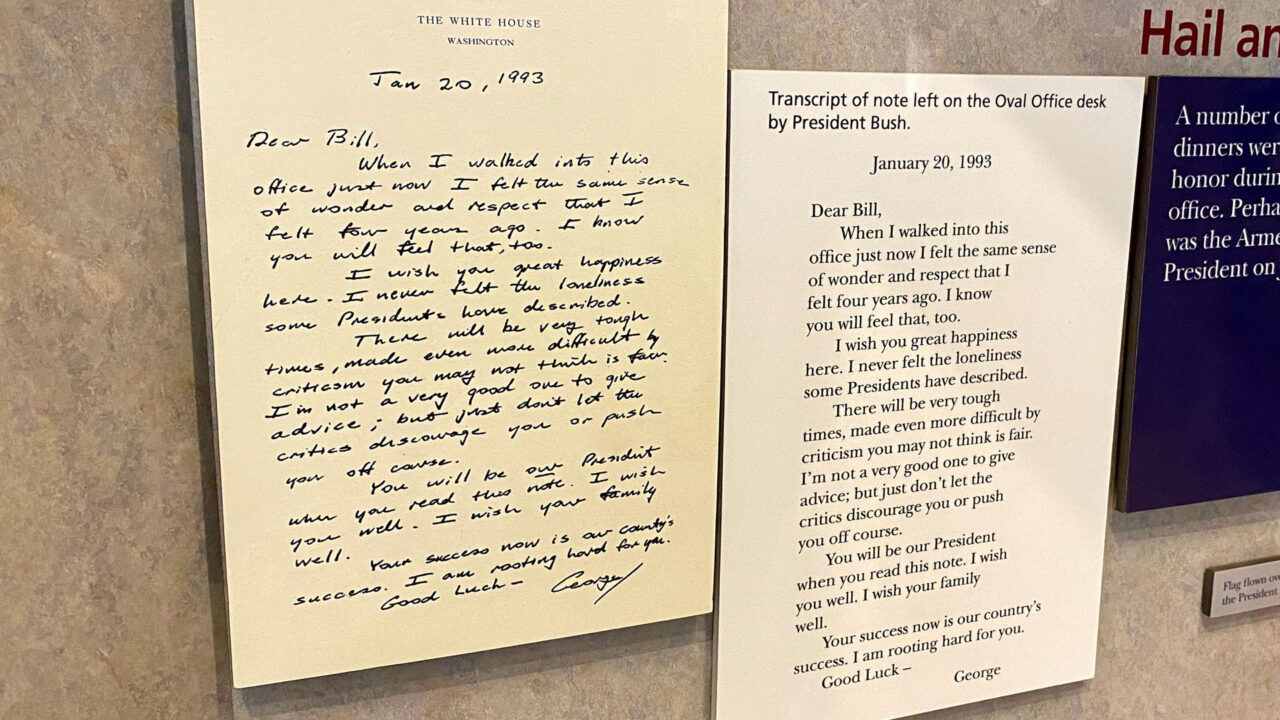
Next we visited the George H.W. Bush Library & Museum on the campus of Texas A&M. This is the 6th Presidential Museum we’ve visited. All different, and we always learn something.
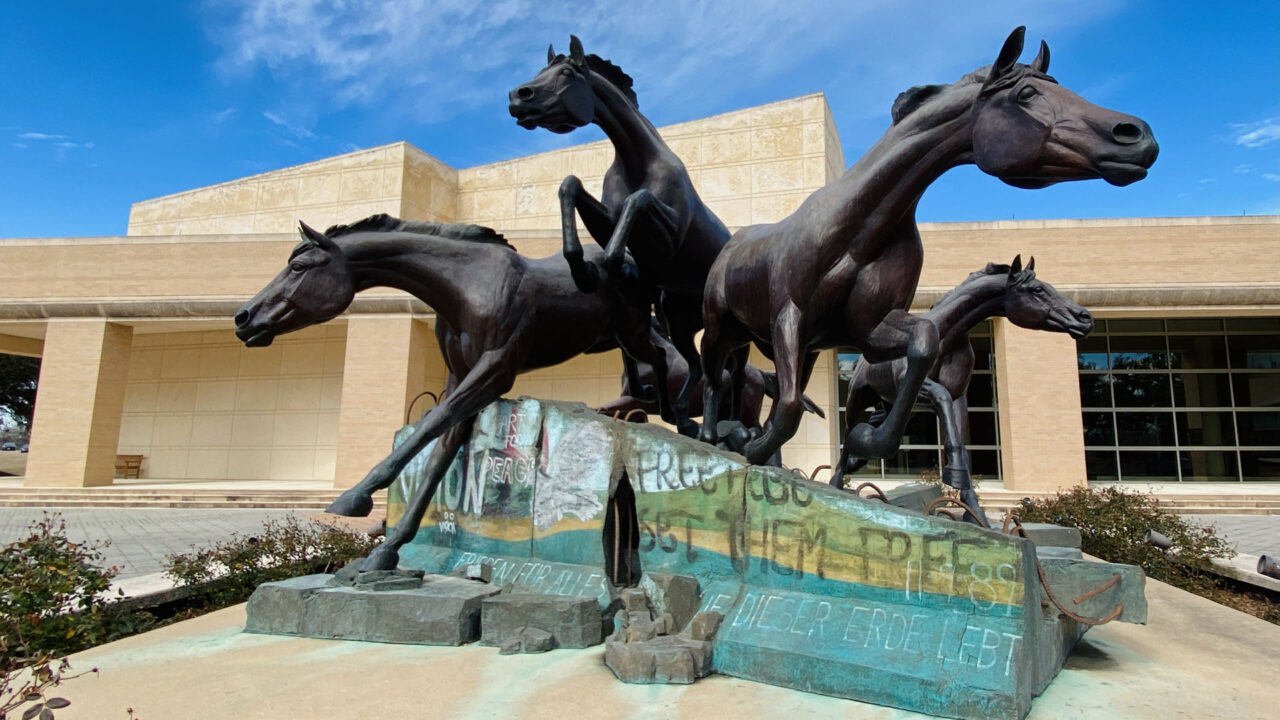
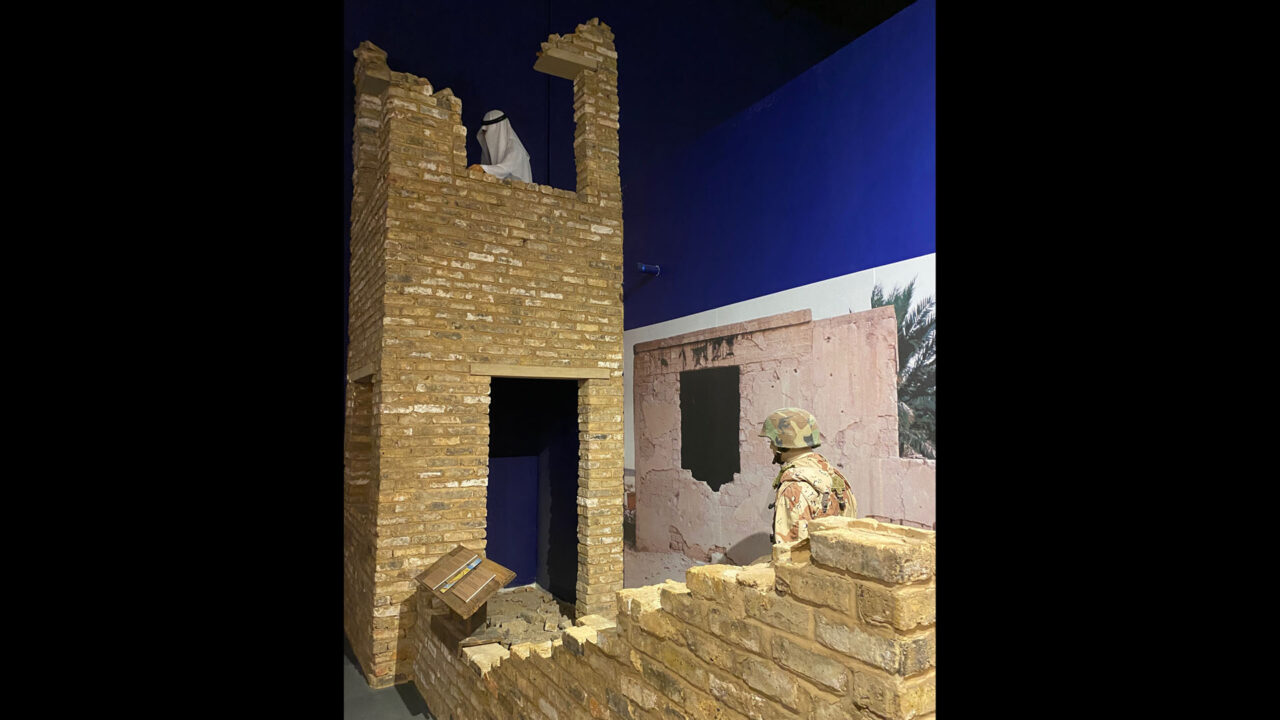
Before you enter the museum, there is a bronze monument entitled “The Day the Wall Came Down.” It weighs 7 tons and took the artist, Veryl Goodnight, 3 1/2 years to complete. The five bronze horses represent “freedom of the human spirit” and the graffiti painted on the rubble beneath the horses was replicated from actual graffiti painted on the Berlin Wall. The Wall stood for over 28 years as the most visible icon of the Cold War. The 14 ft. high, 105 mile long barrier surrounded West Berlin. On November 9, 1989, during George H.W. Bush’s presidency, the world witnessed the sudden and unexpected collapse of the wall. Also during his presidency was the more controversial First Gulf War where we pushed back Iraq from invading Kuwait.
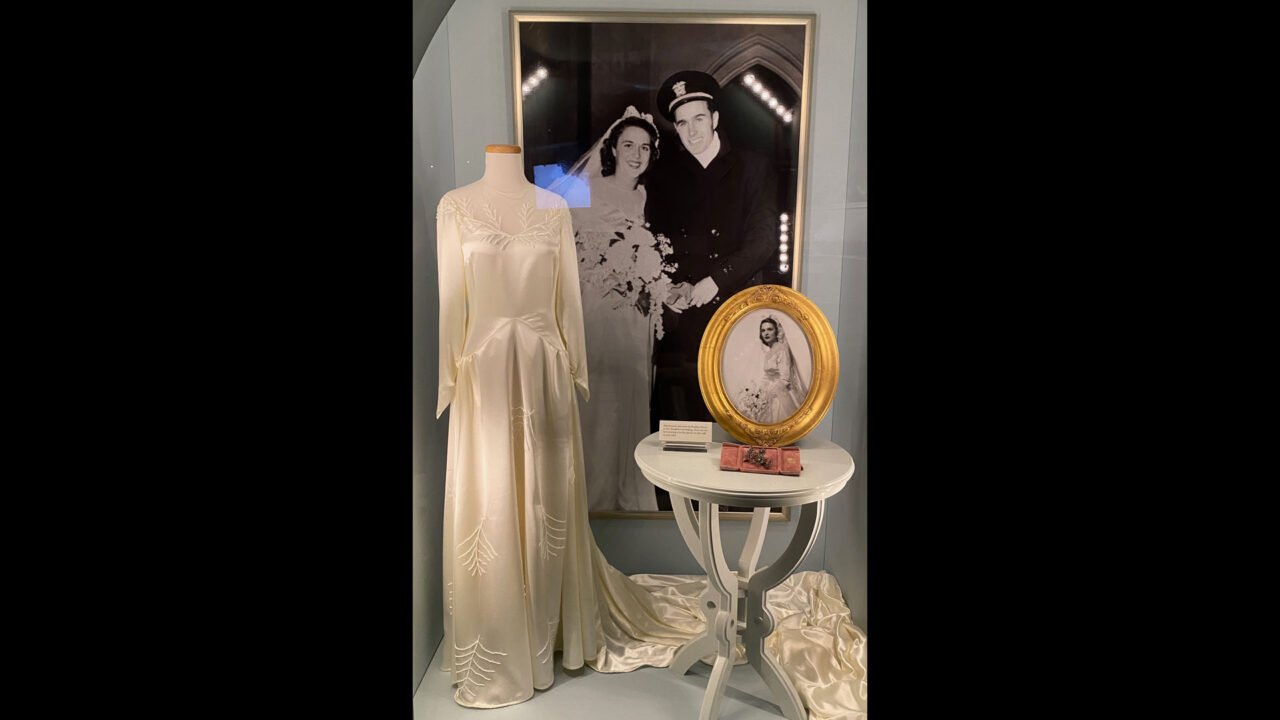
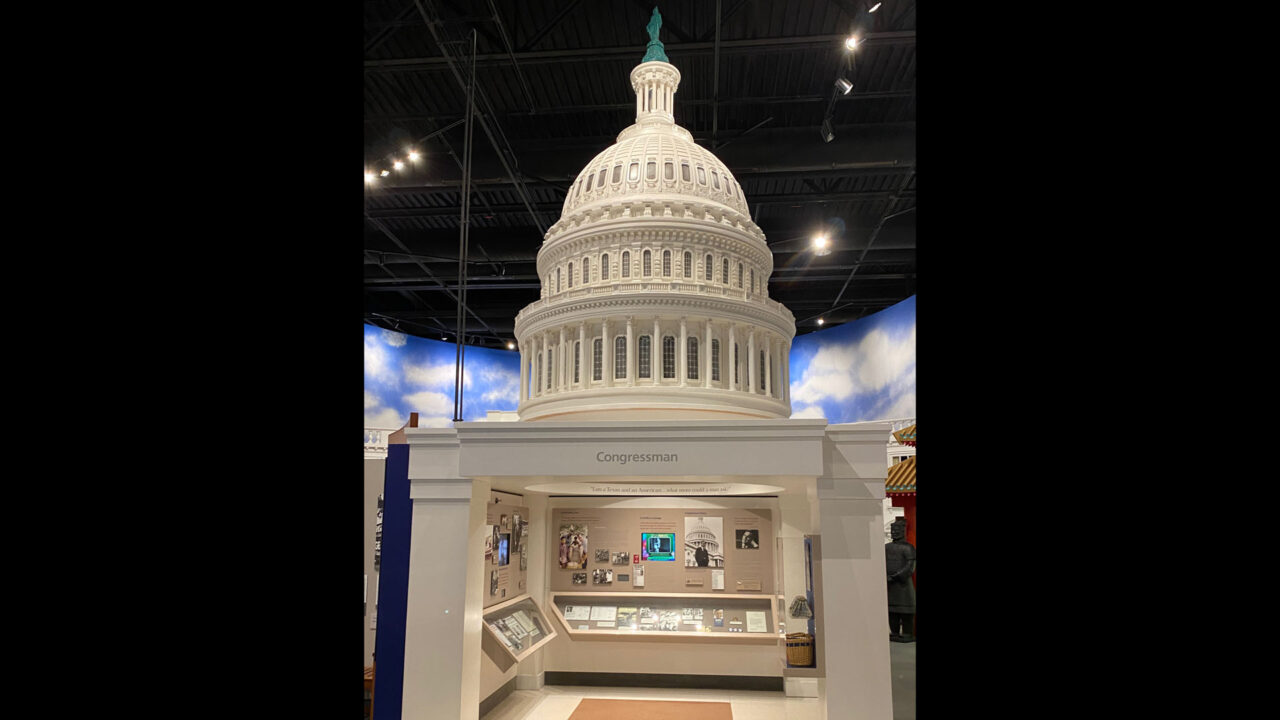
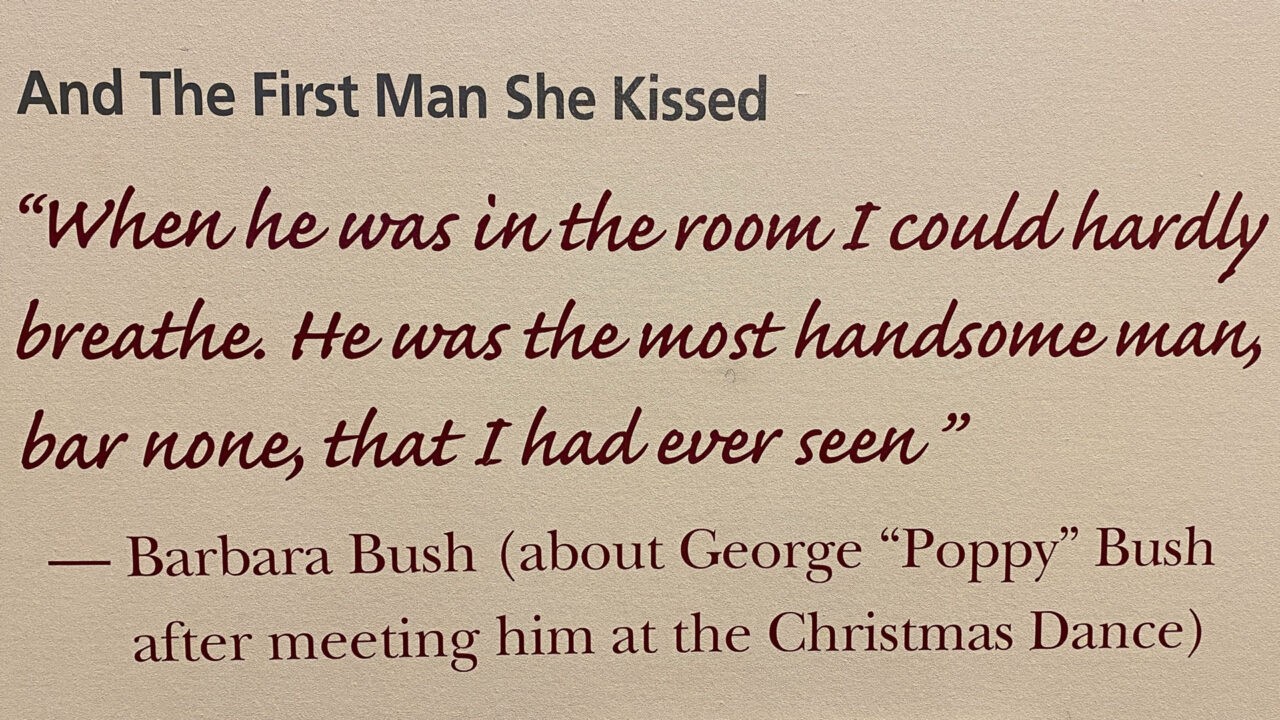
George became a pilot at age 20 during WWII, fell in love with Barbara, married, and graduated from Yale University in 2 1/2 years. The young married couple moved to Texas. George was originally from Massachusetts/Connecticut with summers spent in Maine and Barbara from New York. They quickly came to love Texas. George got into the oil business then became Congressman from Texas, Ambassador to the U.N., Director of the C.I.A., Vice President and then President. Phew! He accomplished monumental things during his lifetime.
President George Bush’s Secret Service code name was “Timberwolf” and the First Lady’s code name was “Tranquility.” A startling statistic is that one out of four Presidents has been shot at, and one out of every ten has been assassinated. President Reagan was shot on March 30, 1981. Vice President Bush was immediately flown back to Washington, D.C., learning about the results of Reagan’s emergency surgery through coded phone calls aboard his plane. After landing at Andrews Air Force Base, aides urged Bush to helicopter to the South Lawn of the White House for security reasons. He refused, saying, “Only the President lands on the South Lawn.” Bush conducted a 7:00 PM emergency NSC/Cabinet meeting in the Situation Room, and the next morning, Vice President Bush took his normal seat in the Cabinet Room, conveying to the world that the U.S. government was functioning smoothly, and that Ronald Reagan was still president.
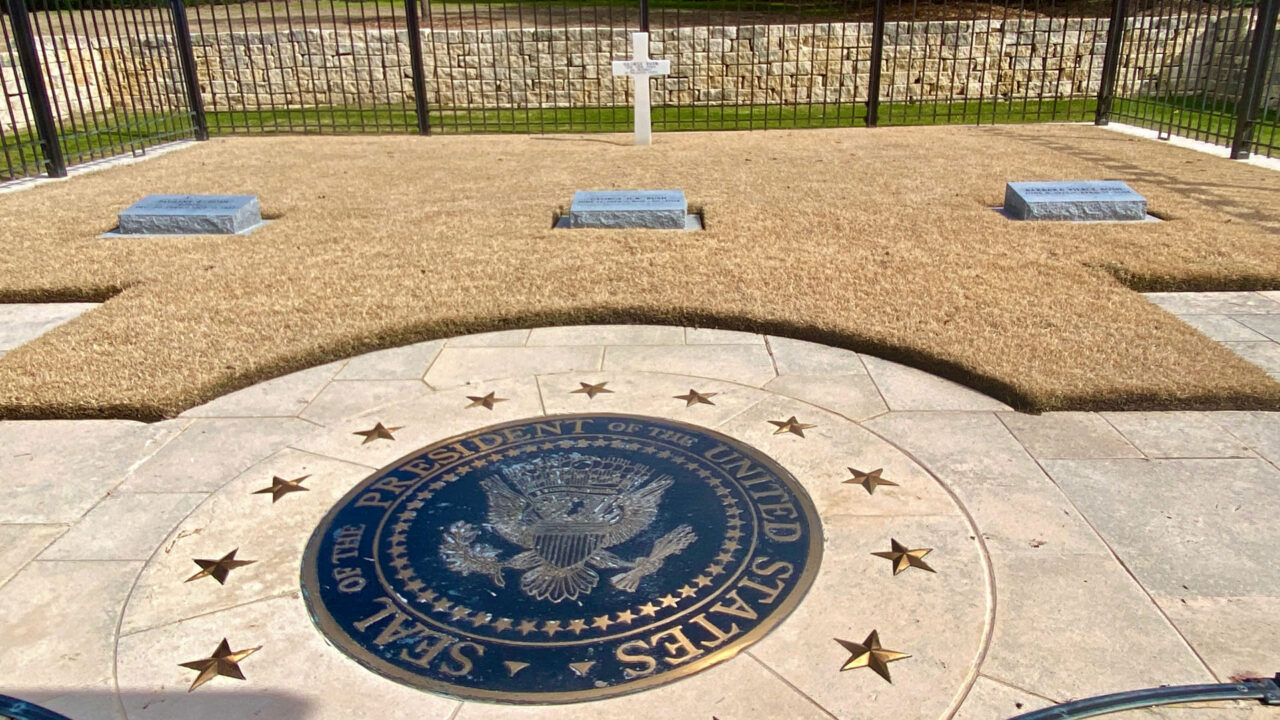
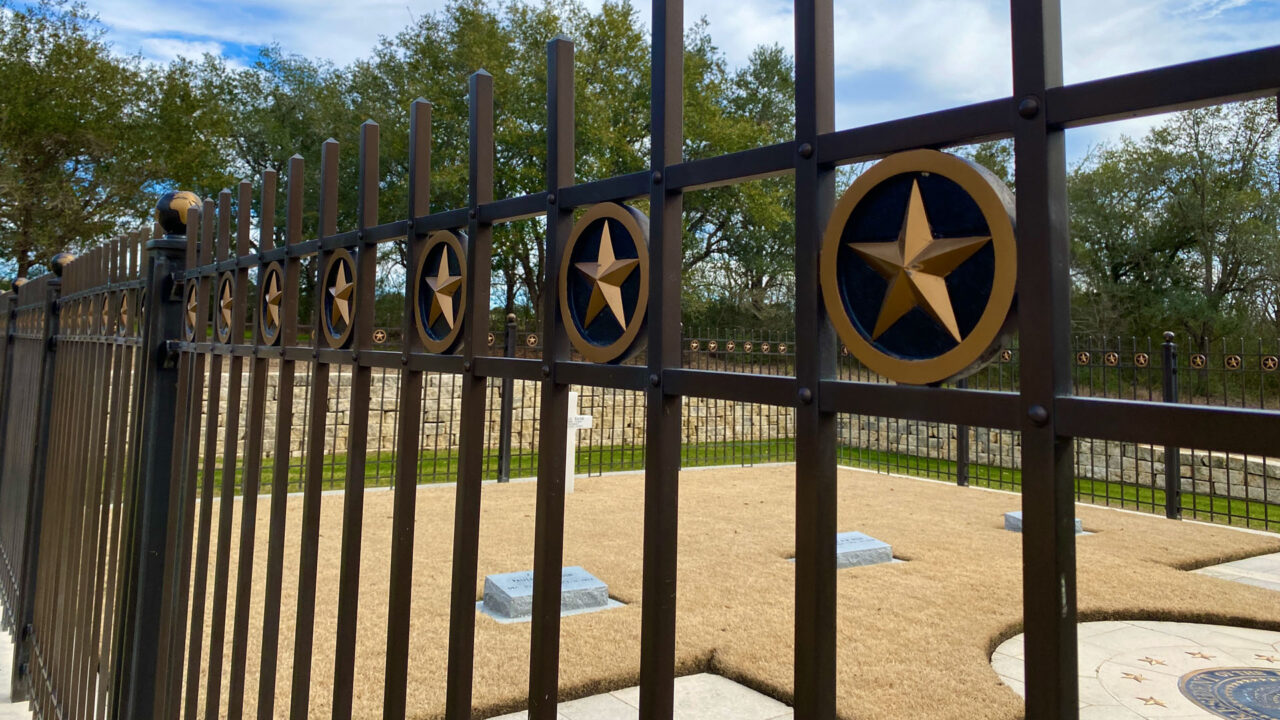
As with all presidential libraries and museums, this one was primarily funded through private and non-federal donations. George, Barbara and their young daughter Robin, who died of leukemia, are buried on the grounds of the museum.
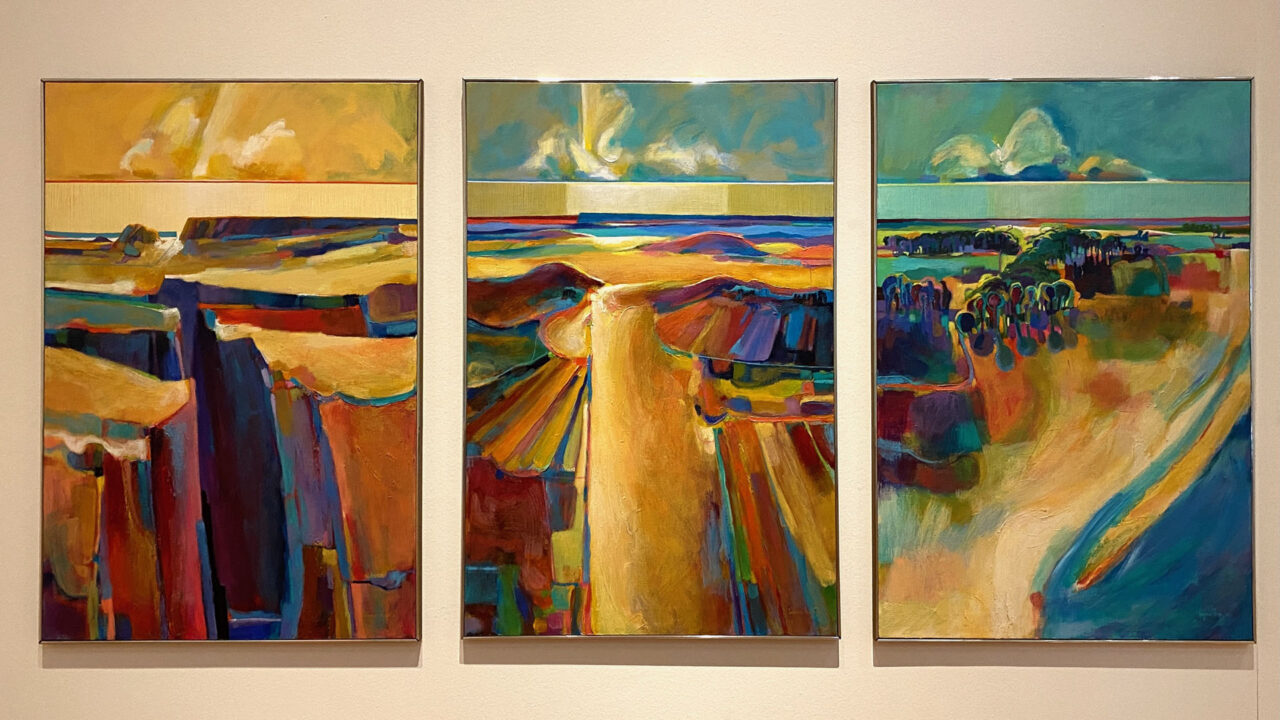
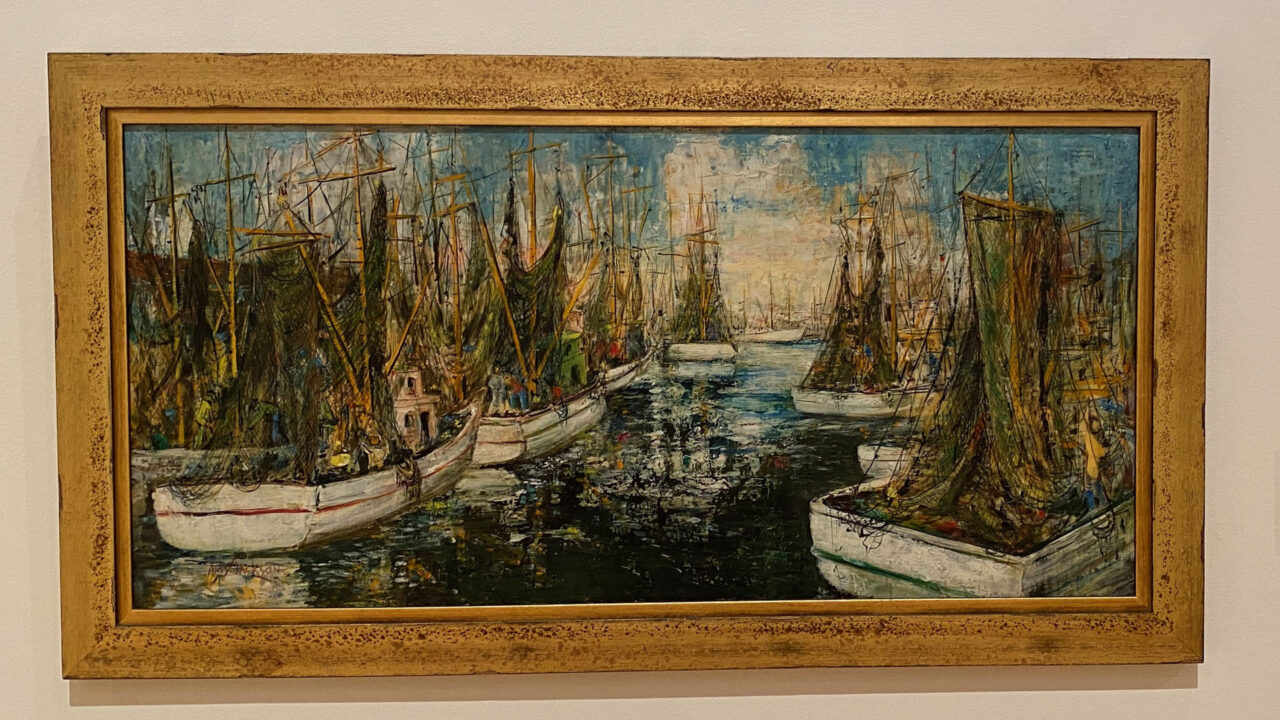
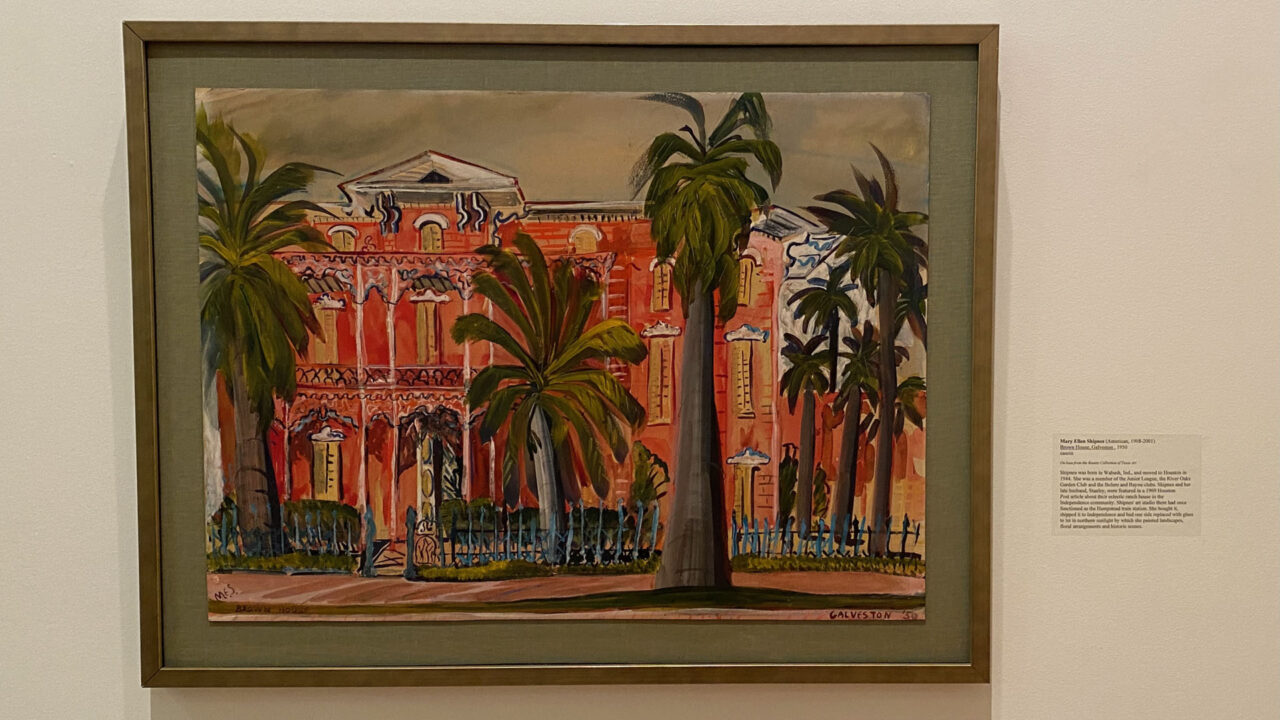
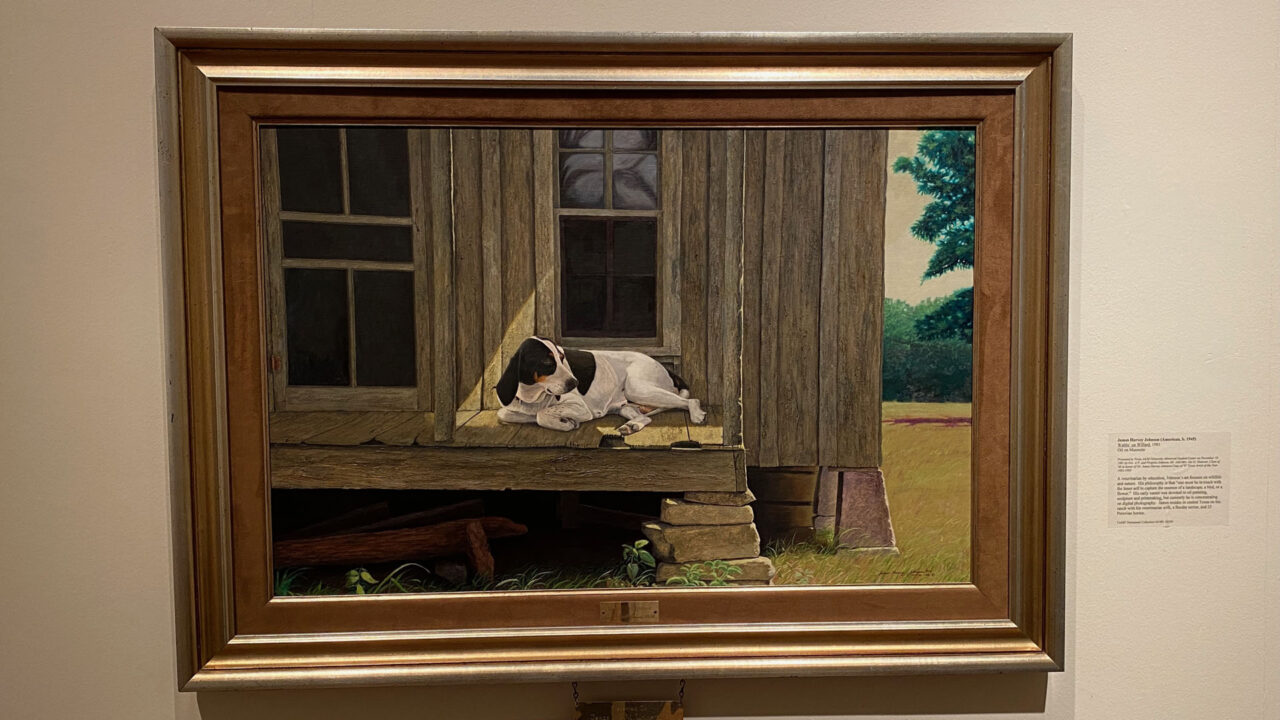
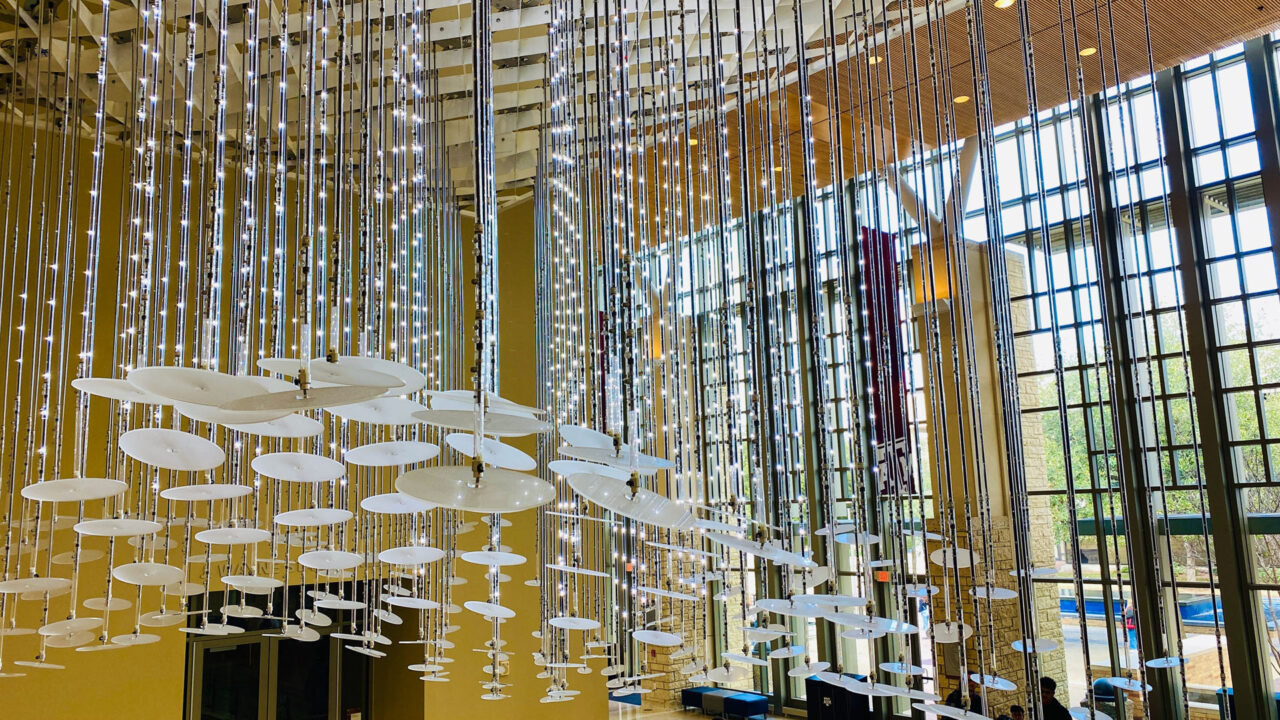
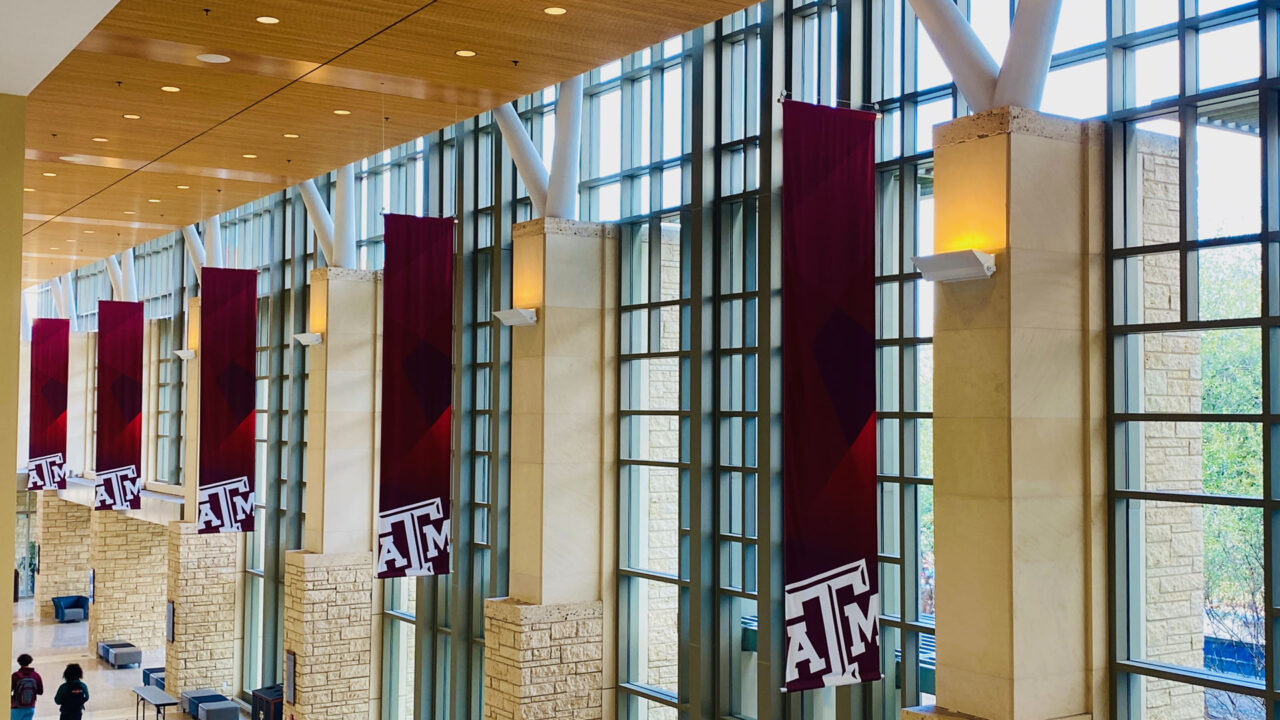
Lastly on Wed., Feb 4th (2024), we visited 3 small Art Museums on the Texas A&M Campus… all in the MSC (Memorial Student Center). All had unique and interesting work! A few photos are shown below.
A very full day! Now to take care of some chores and errands over the next several days before moving to Galveston on Sunday where we will be staying for 3 months.


Leave a Reply to Teresa Cancel reply