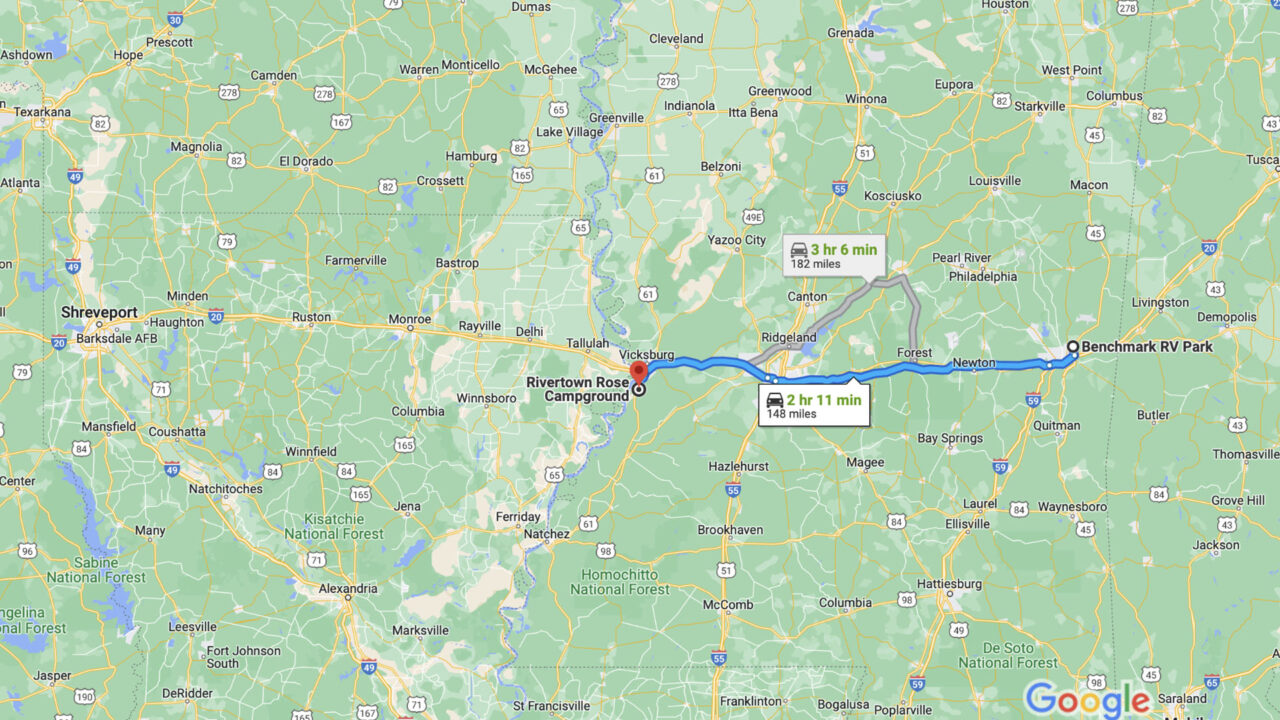
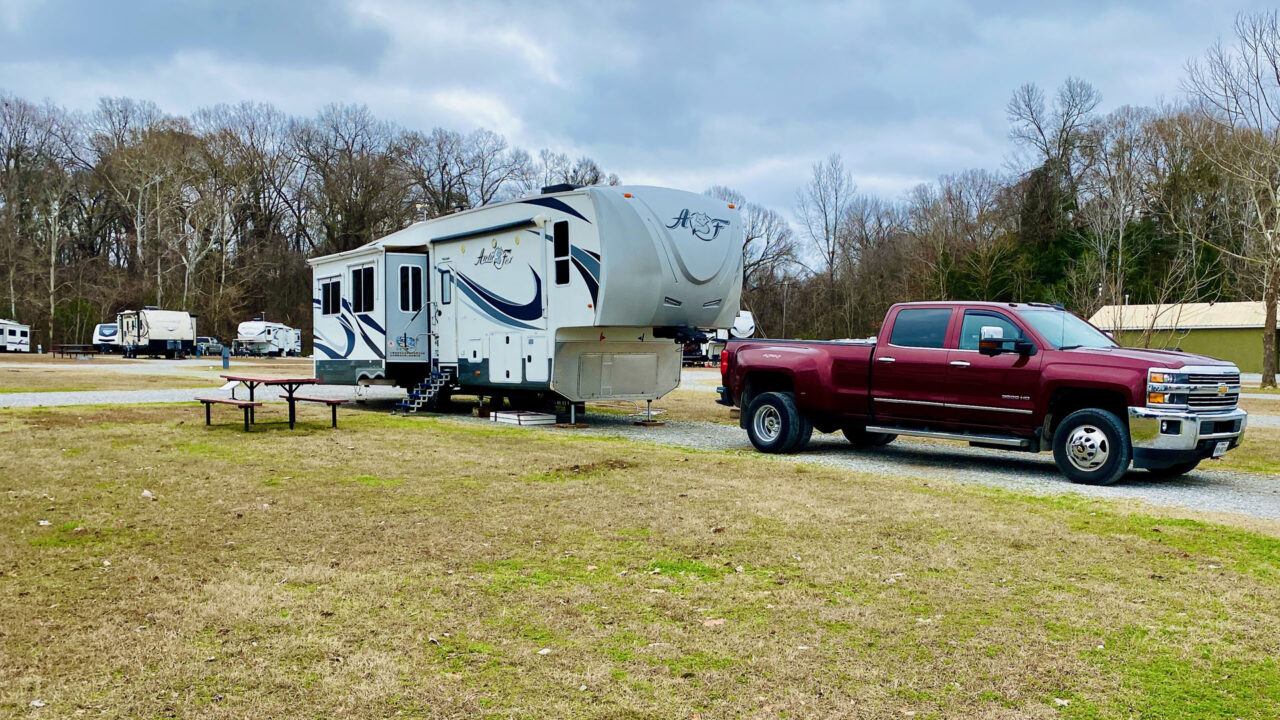
First we traveled 165 miles east from Montgomery, AL to Marion, MS and stayed 2 nights at Benchmark RV Park. This stop was just to break up the drive to our destination of Vicksburg, MS. On Wed., Jan. 24th, (2024) we traveled another 148 miles east to land at Rivertown Rose Campground in Vicksburg.
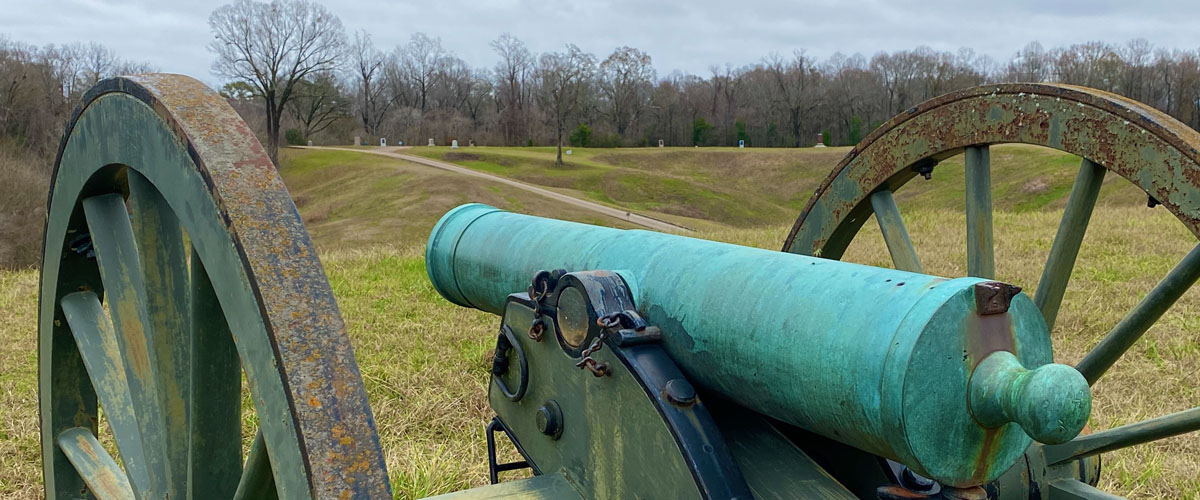
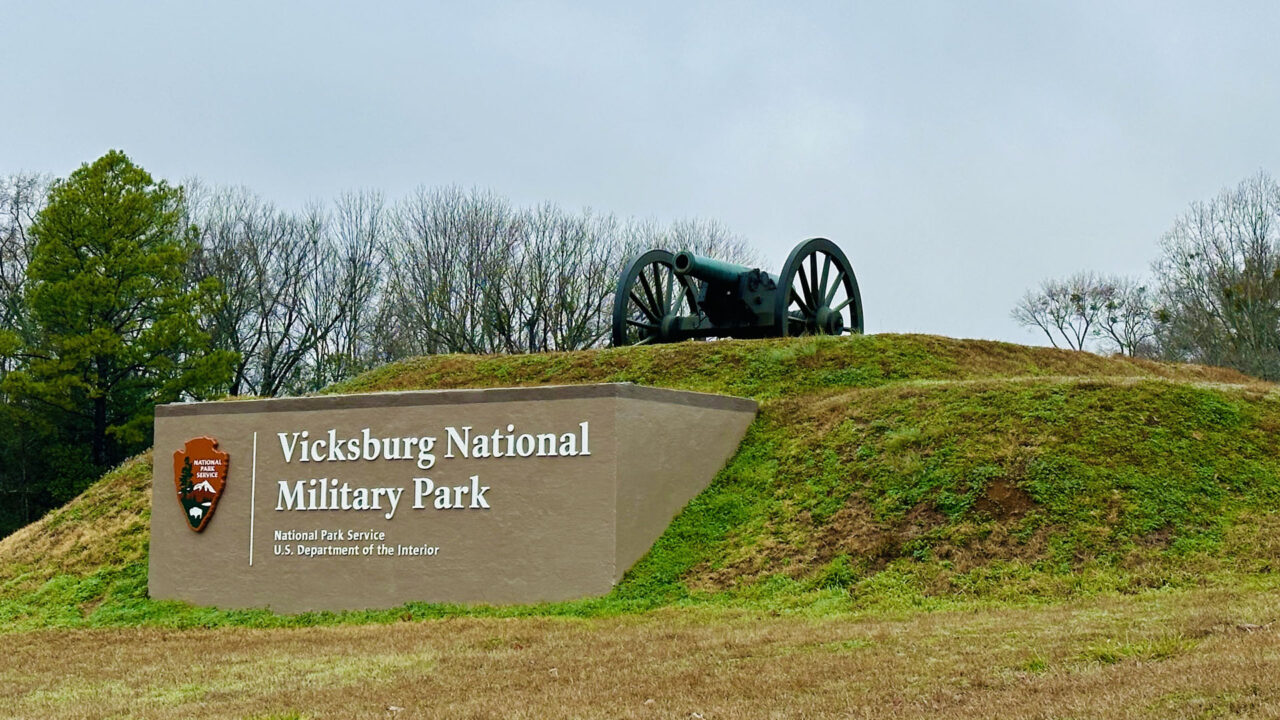
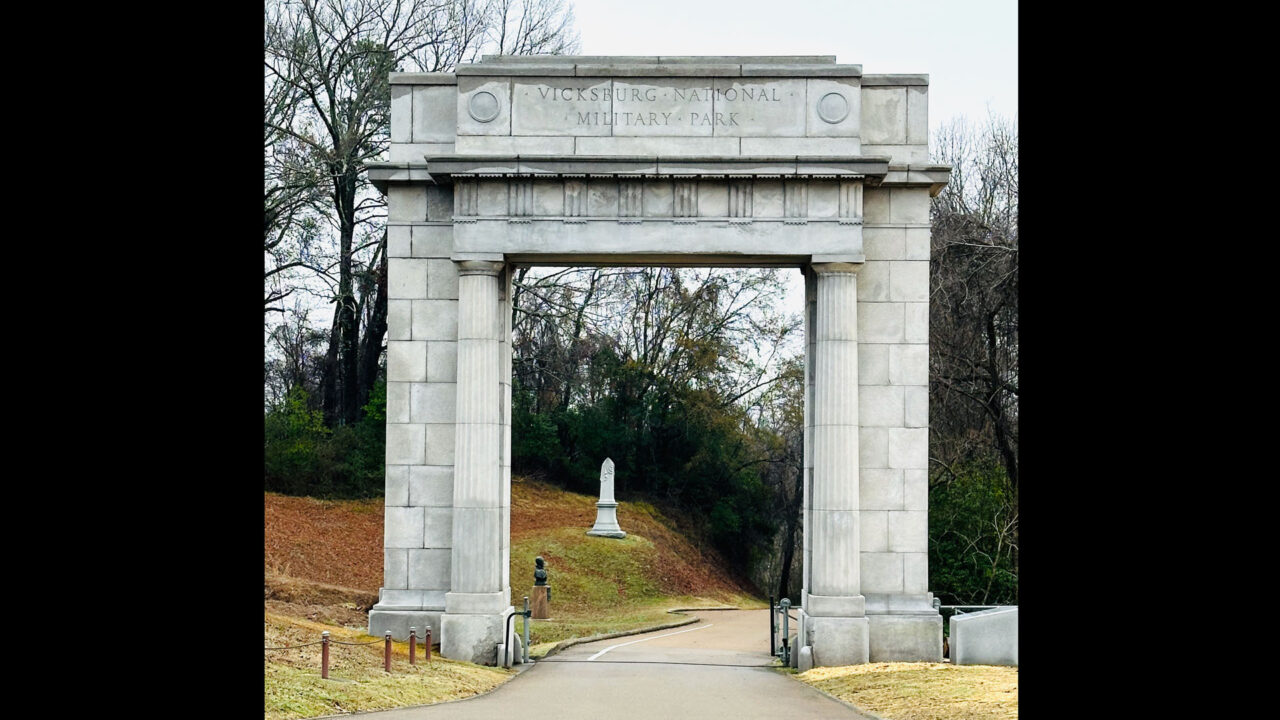
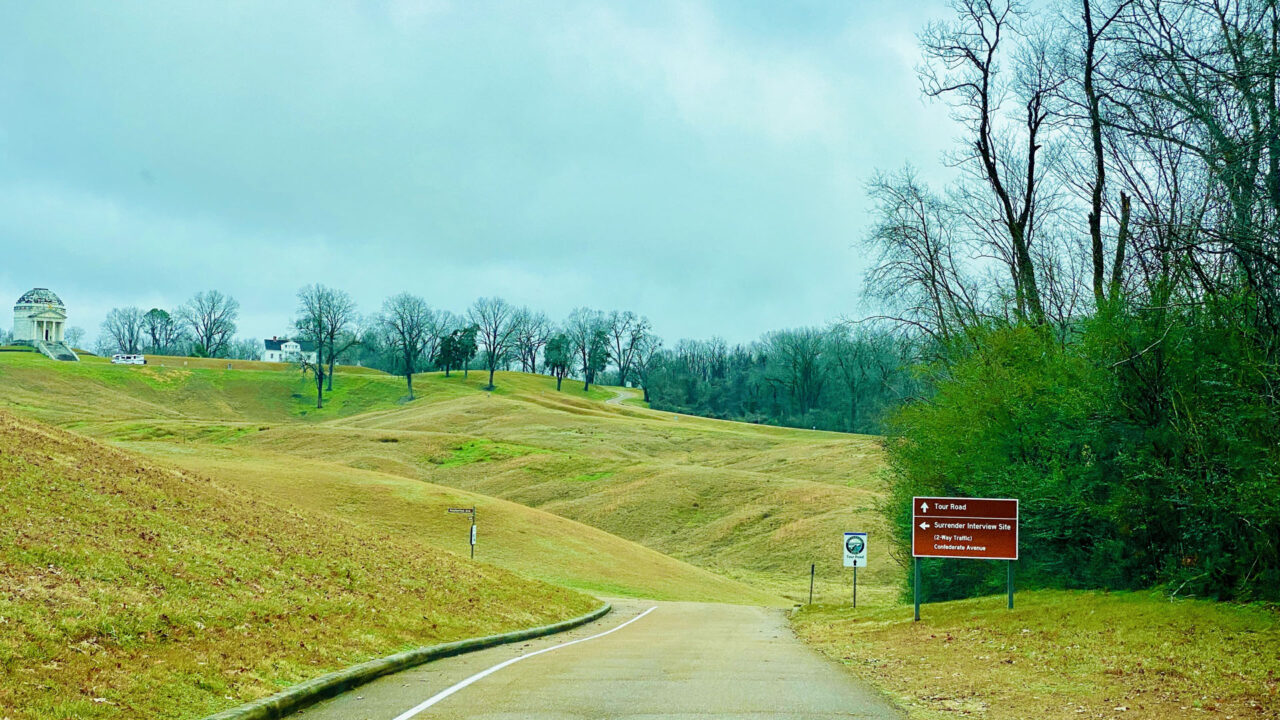
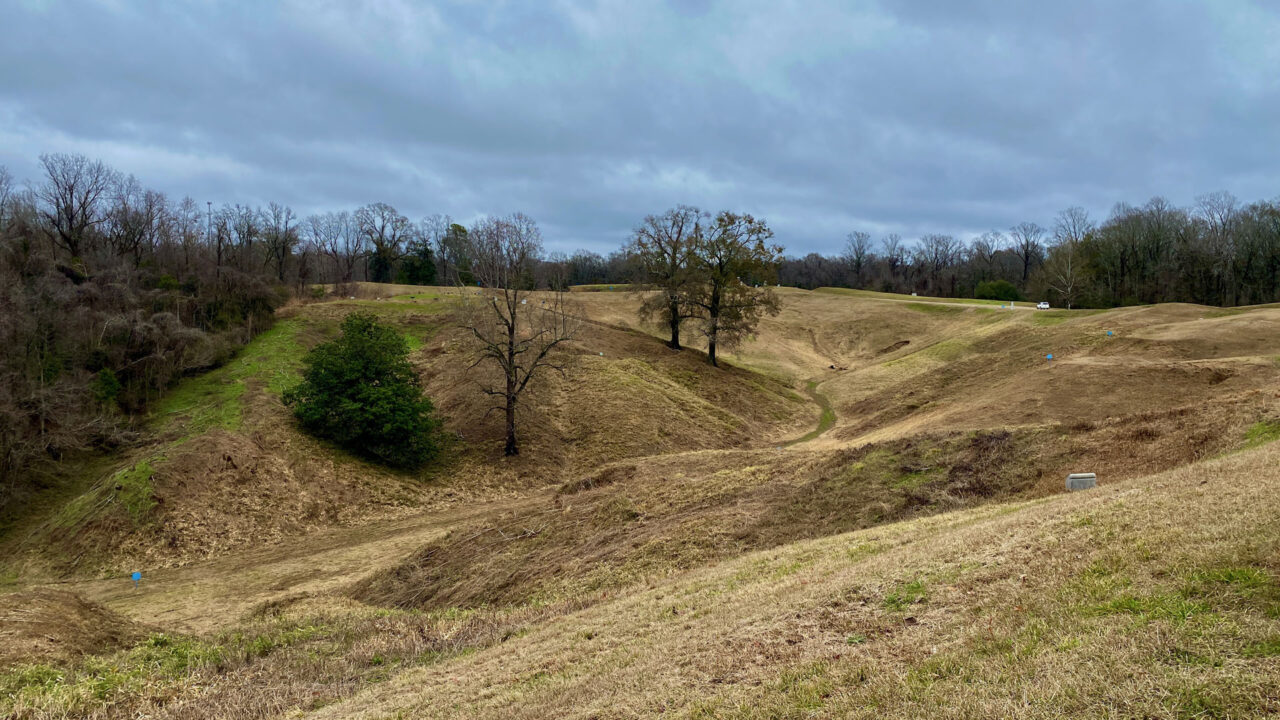
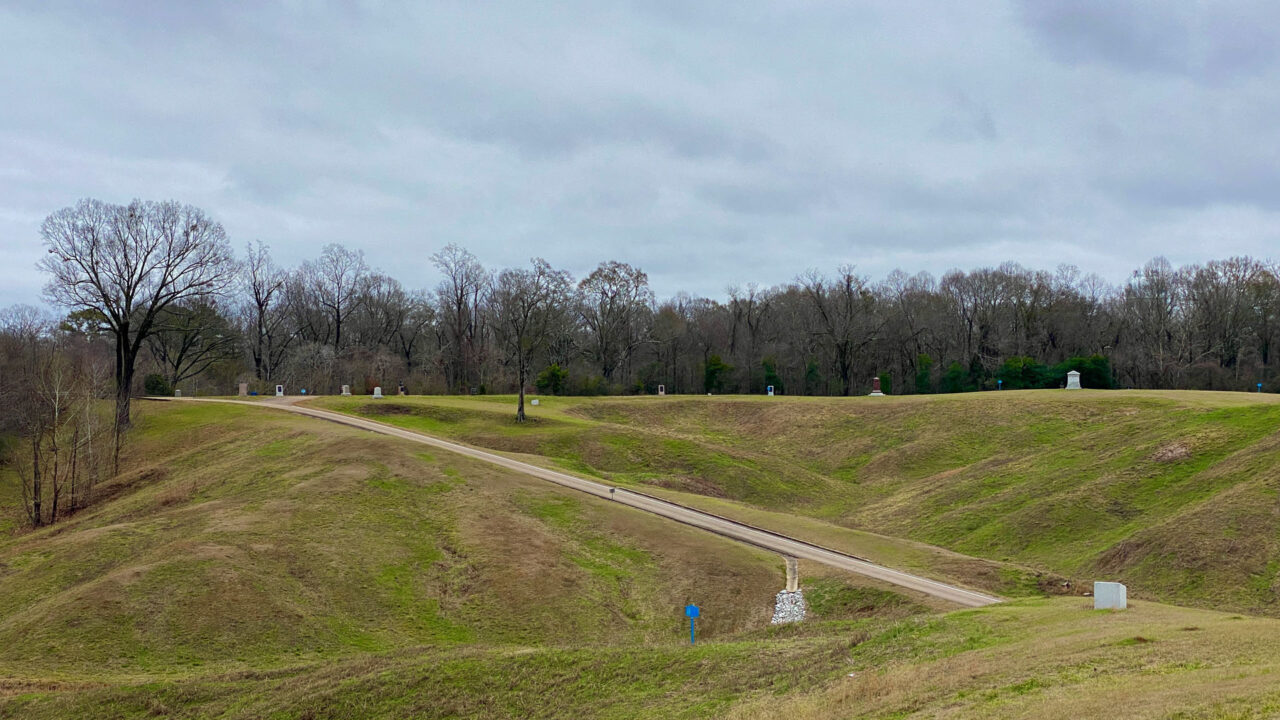
The first few days we caught up on various indoor projects, grocery shopping and errands. Then on a foggy morning on Friday, Jan. 26th, (2024) we were ready to venture out again and visit the Vicksburg National Military Park (est. 1899). A must see in this area! It’s 1,800 acres and commemorates the campaign, siege, and defense of Vicksburg during the Civil War. Vicksburg fell to the Union on July 4, 1863 after a 47-day siege. The Union then controlled the Mississippi River turning the tide of the war and splitting the Confederacy in two. Although the war continued for nearly two more years, the battle here was key to the Union’s ultimate victory.
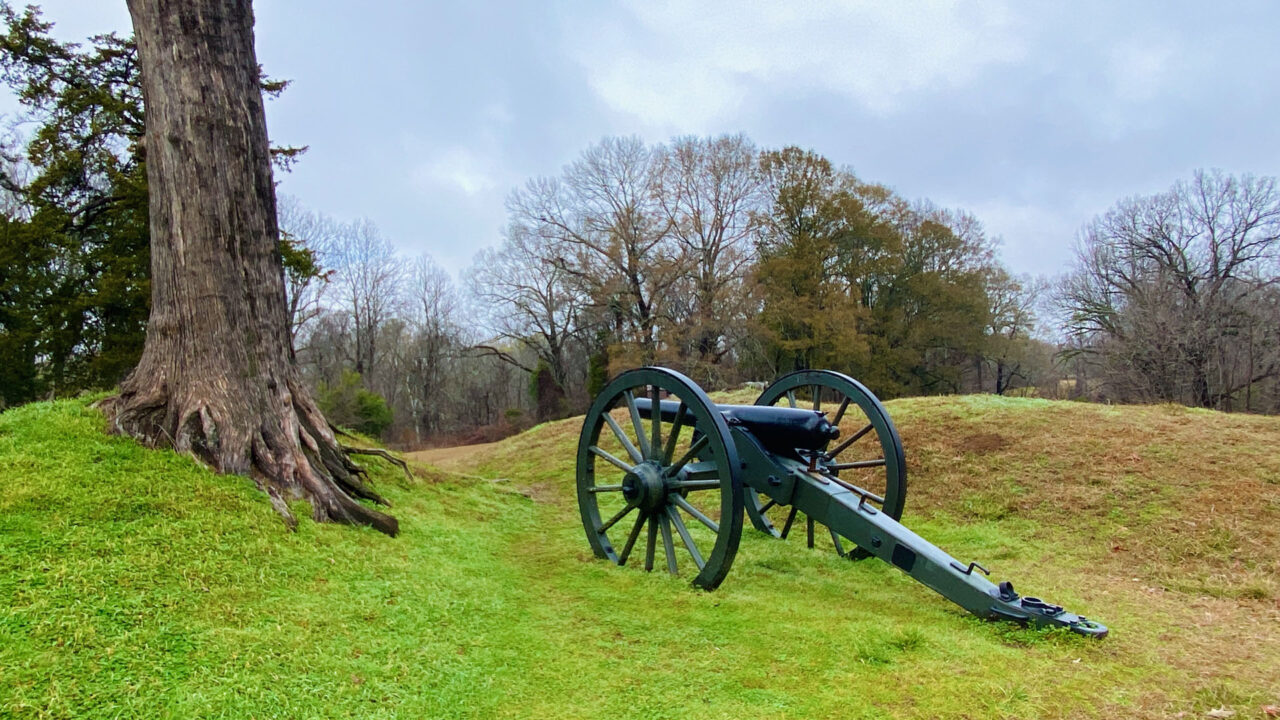
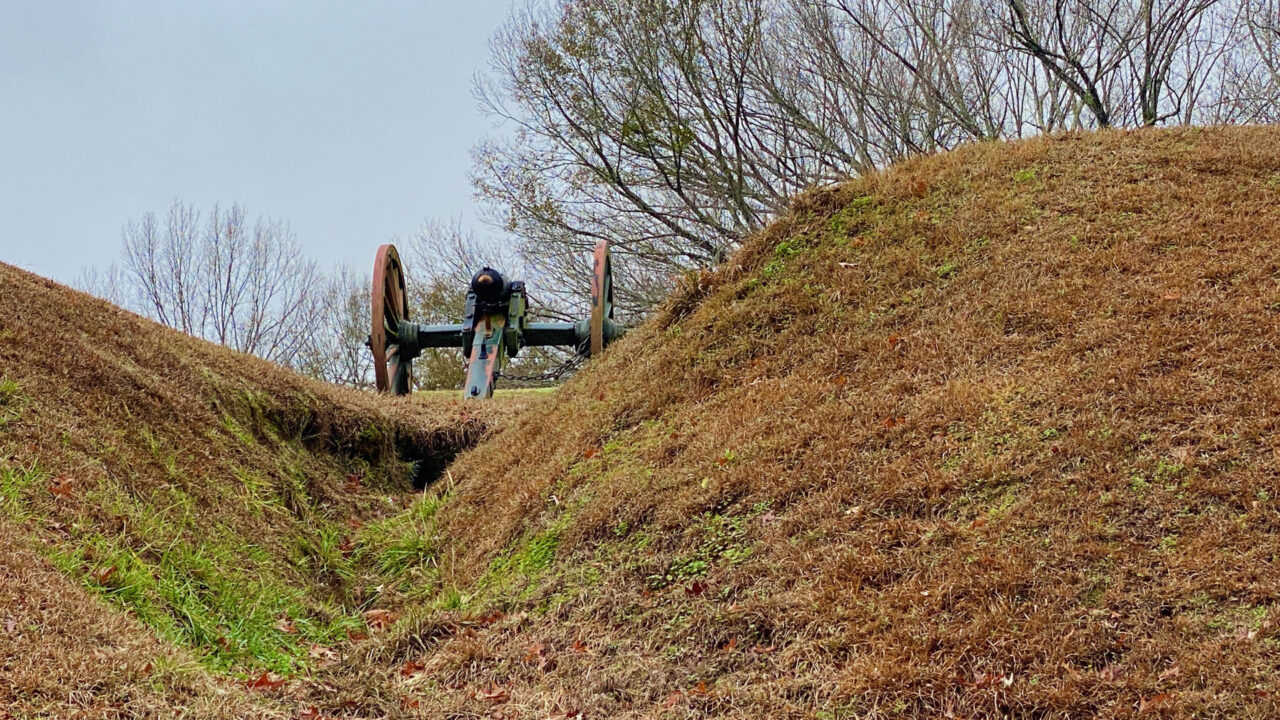
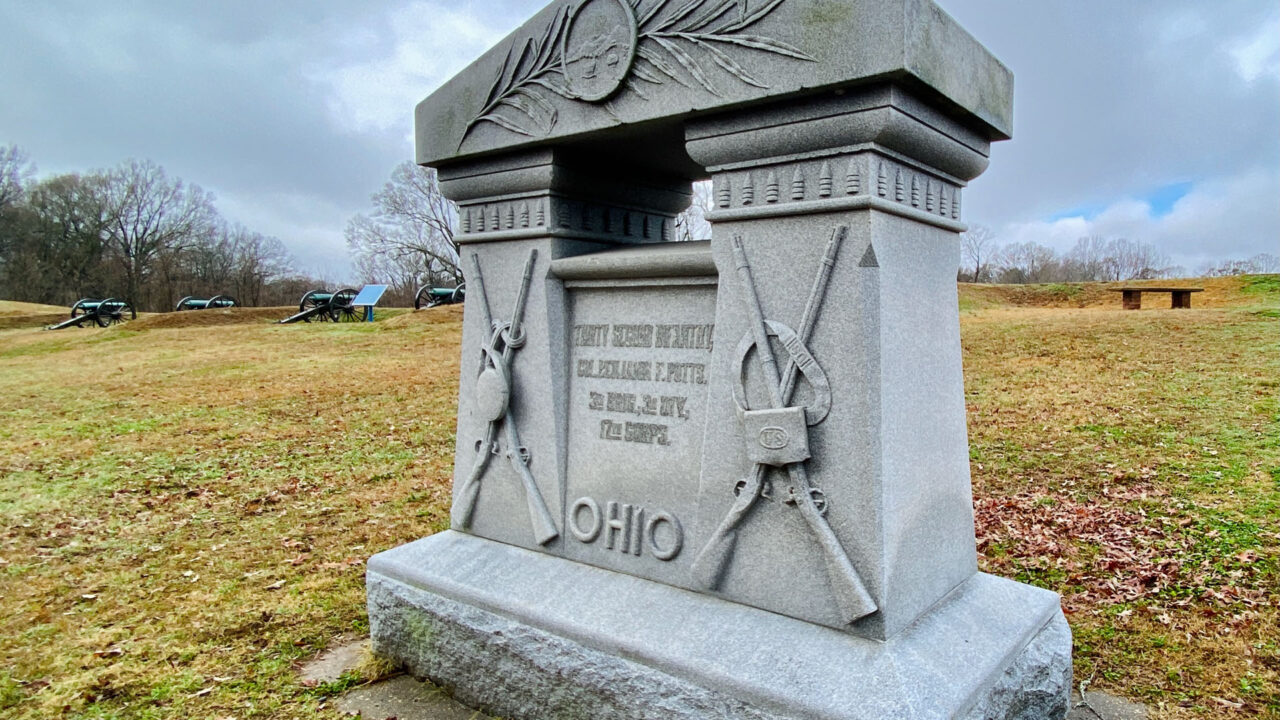
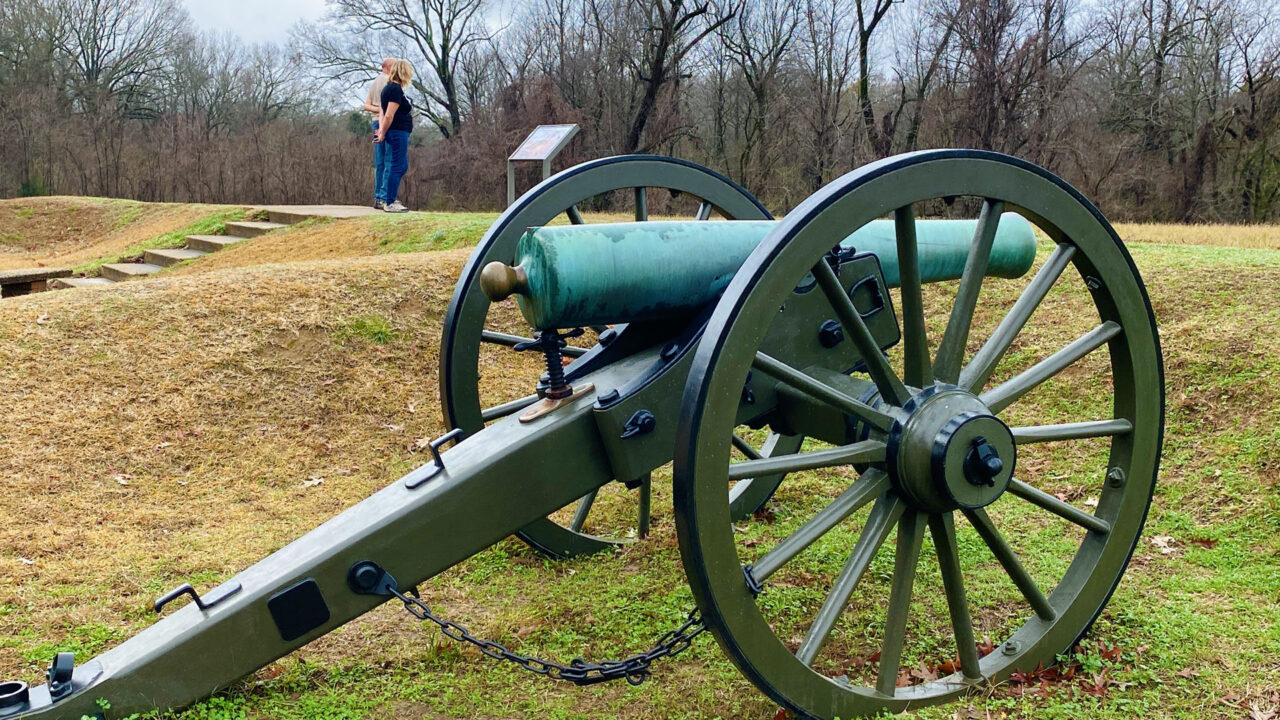
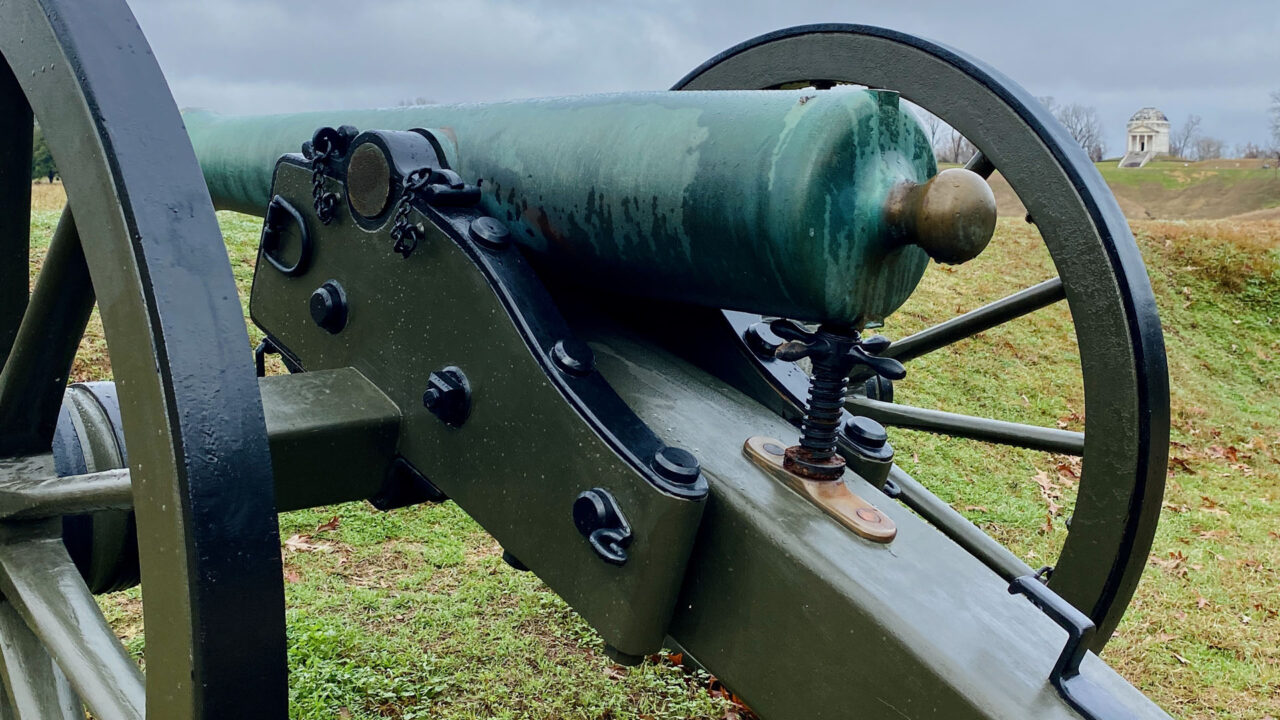
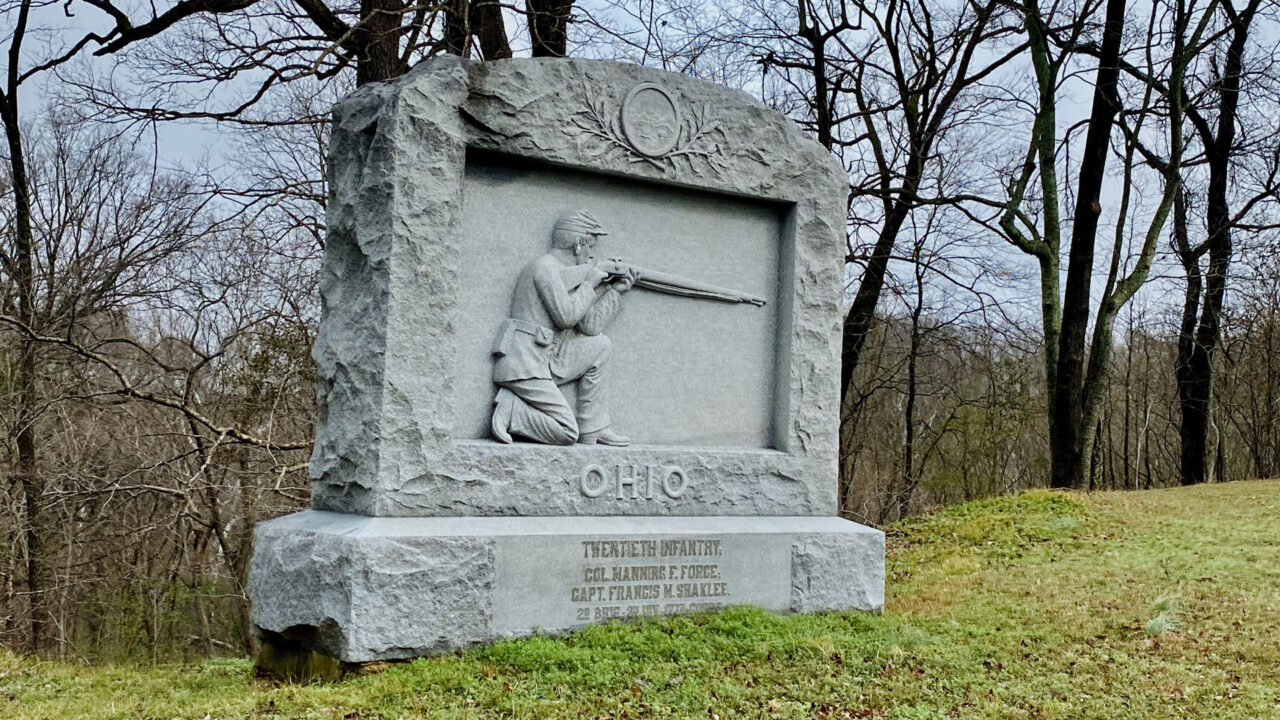
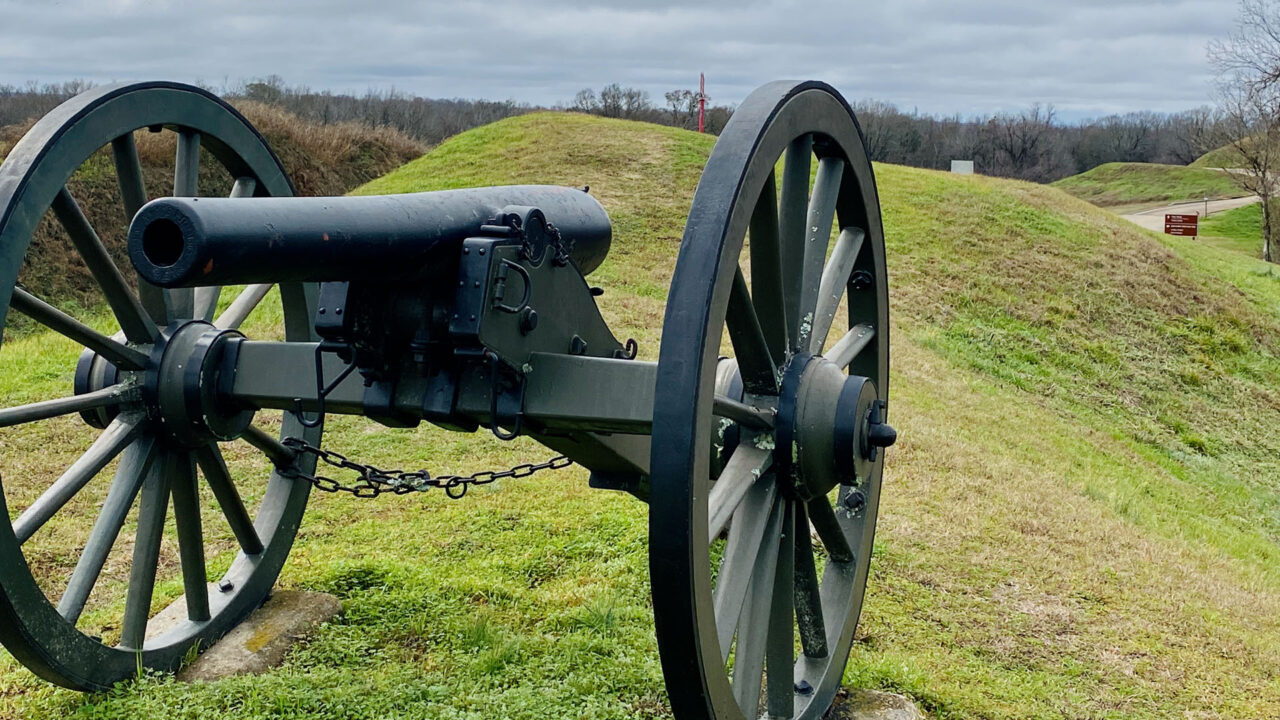
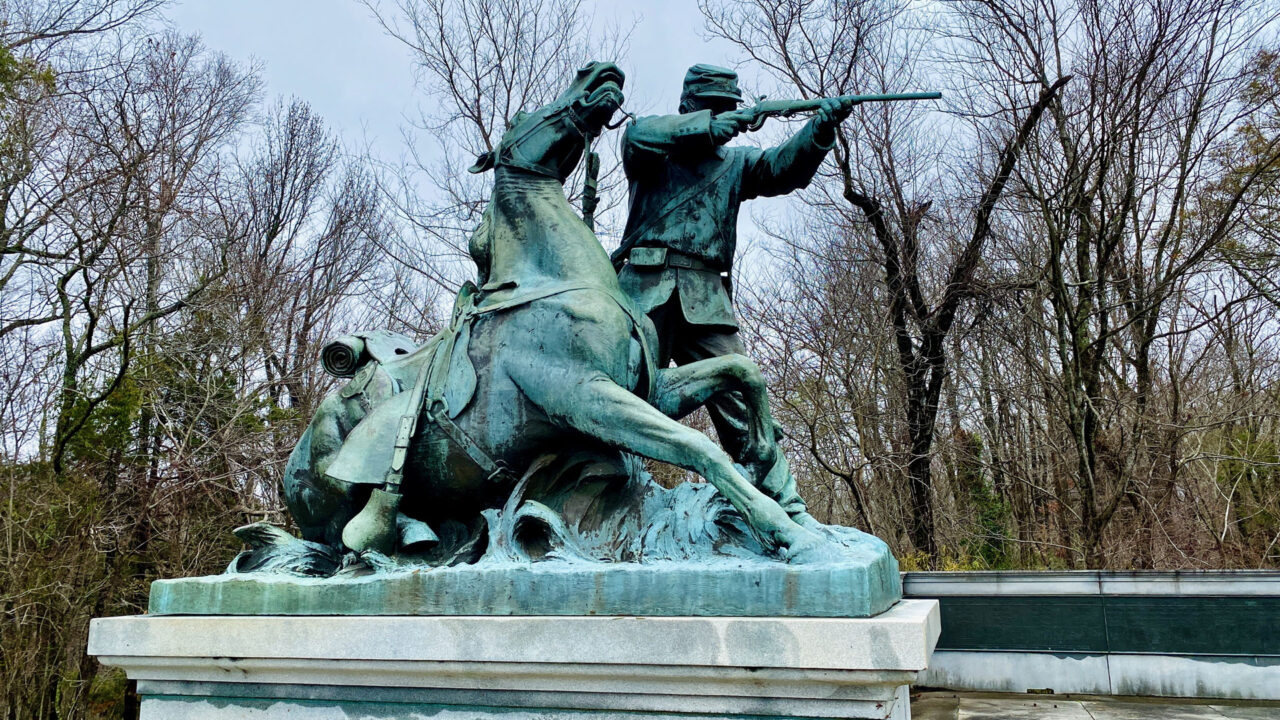
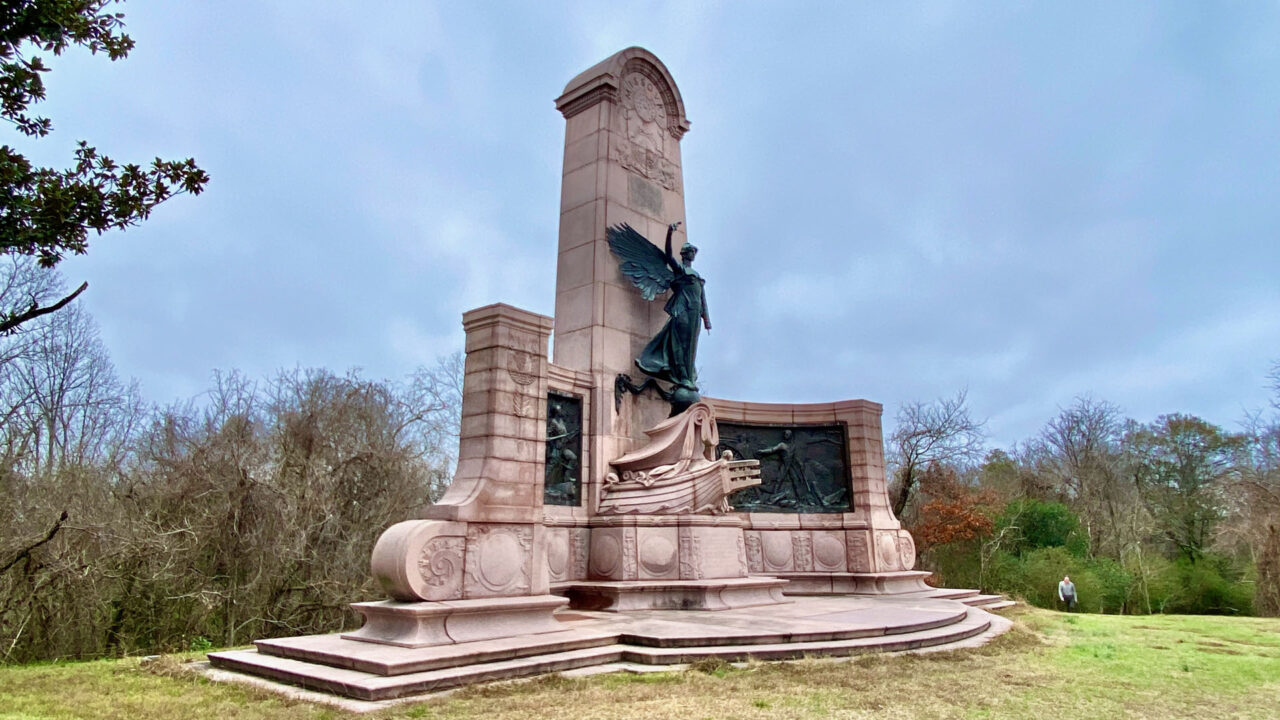
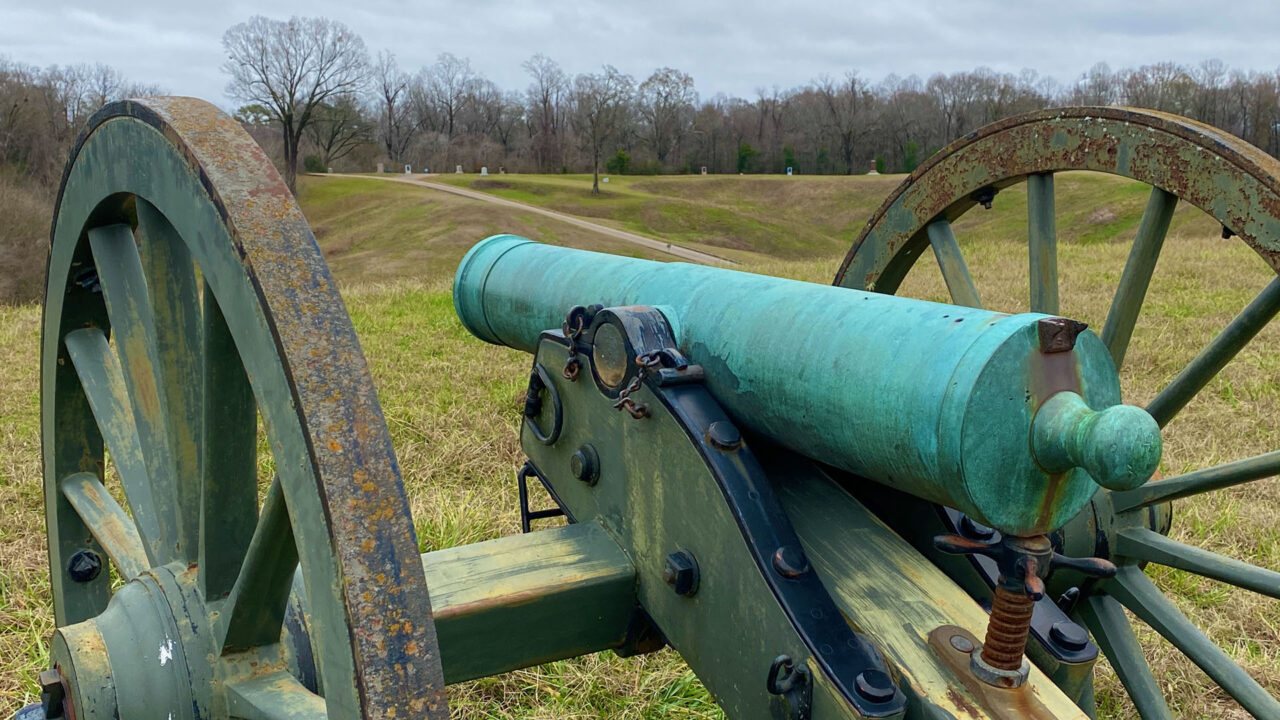
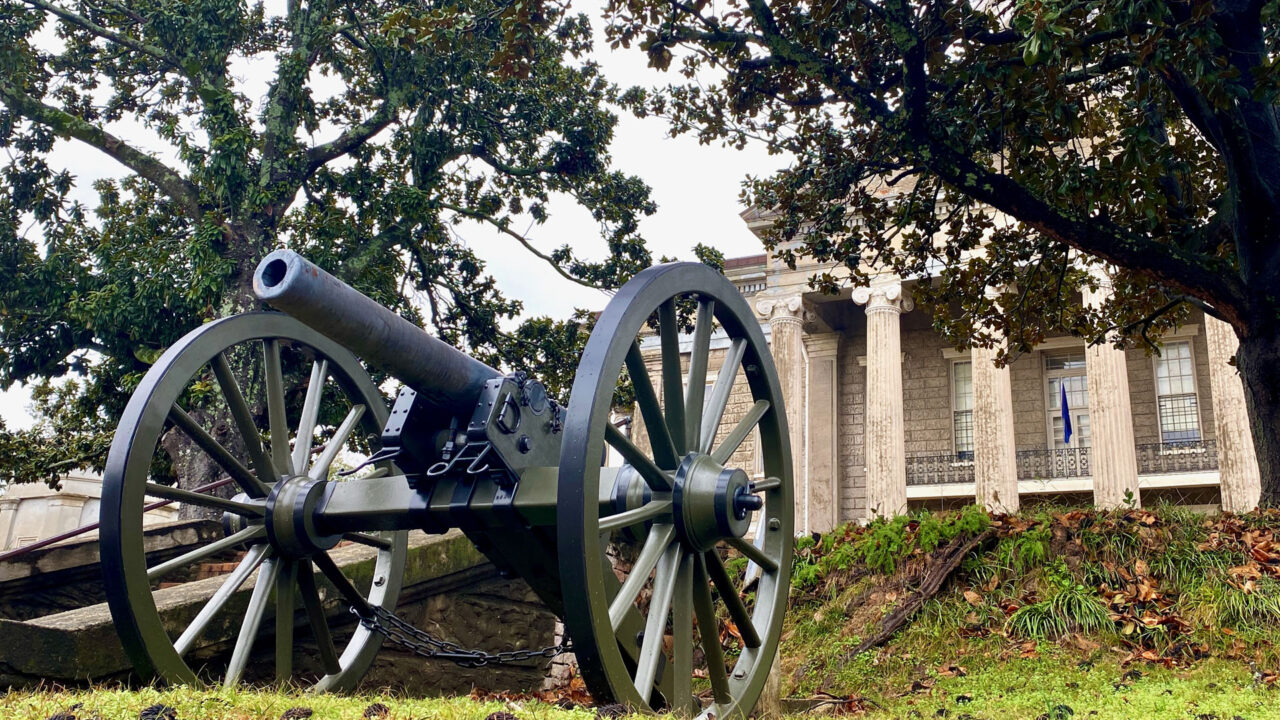
The 16-mile park tour road travels first through the Union assault and siege locations, and then along the Confederate defensive lines. When the park was under construction, veterans helped to mark the park’s battlefield lines, resulting in its recognition as one of the world’s most accurately marked battlefields. The park includes 144 cannons and more than 1,300 sculptures, monuments, markers, and tablets commemorating the individuals, units and events. It is one of “the largest collection of outdoor sculpture in the country.” Soldiers from 28 states fought in the campaign and siege of 1863. Nearly all of those states have erected monuments in the park to honor the men who served, including…
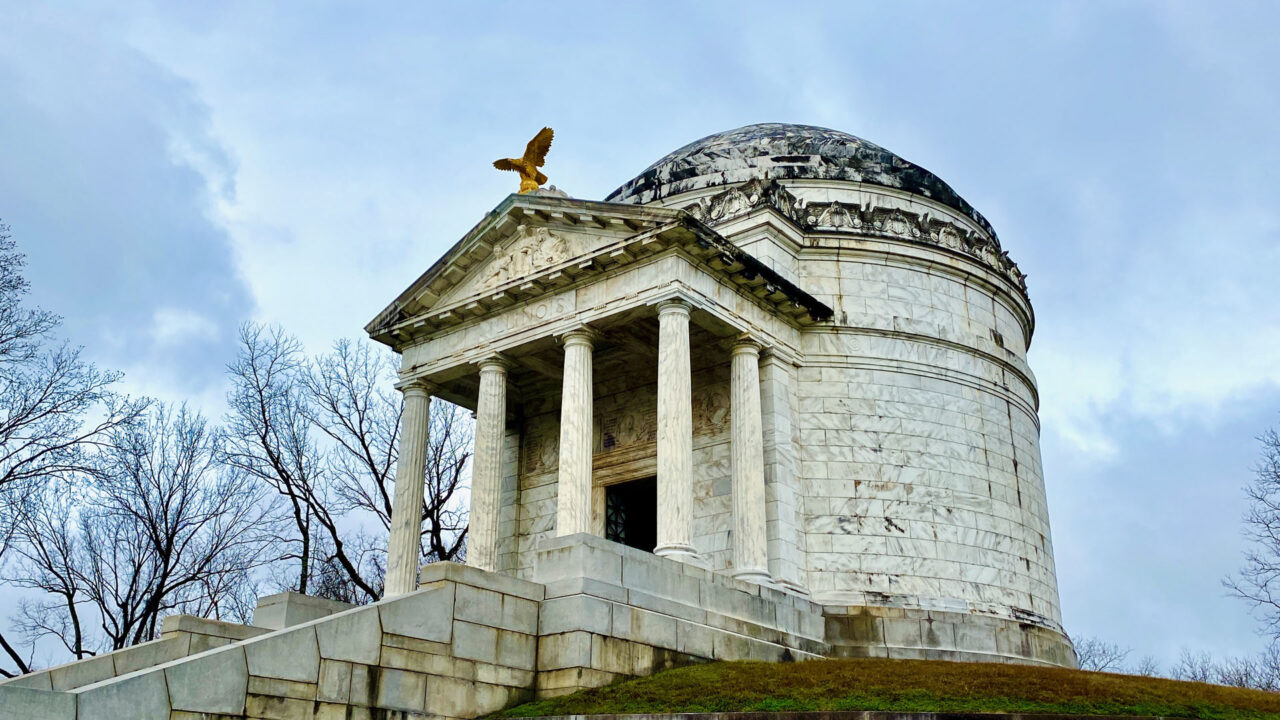
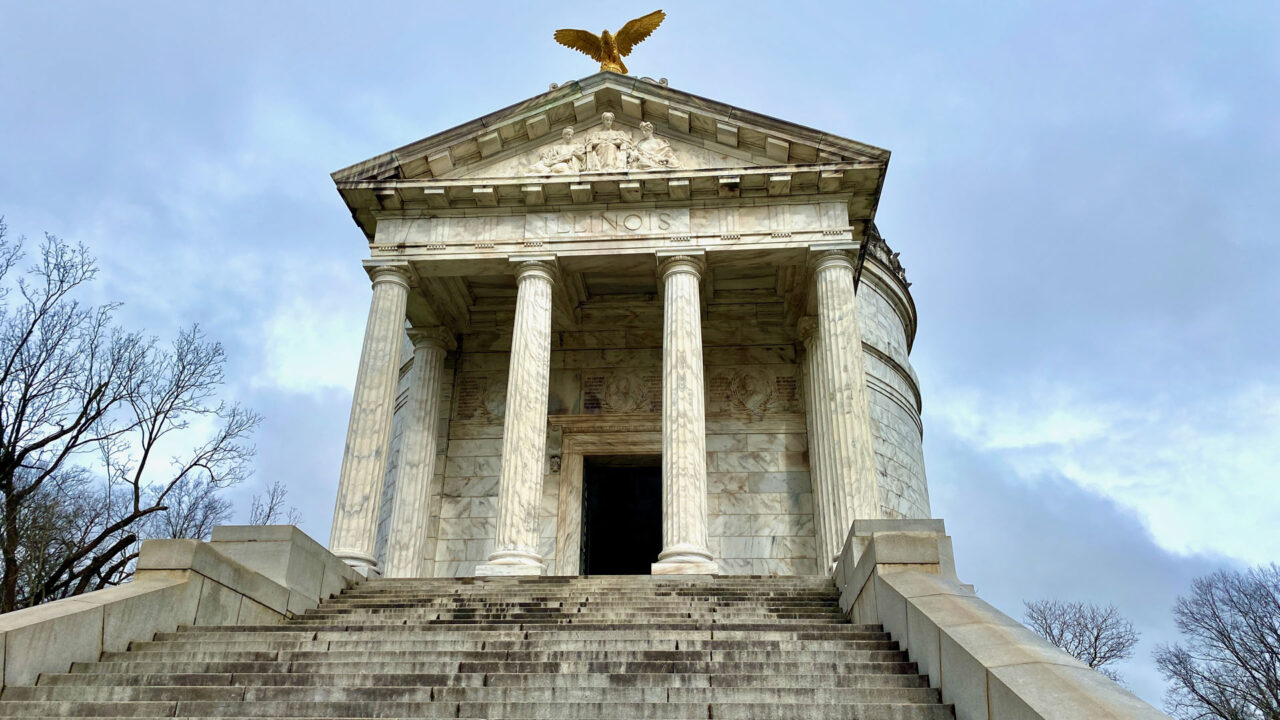
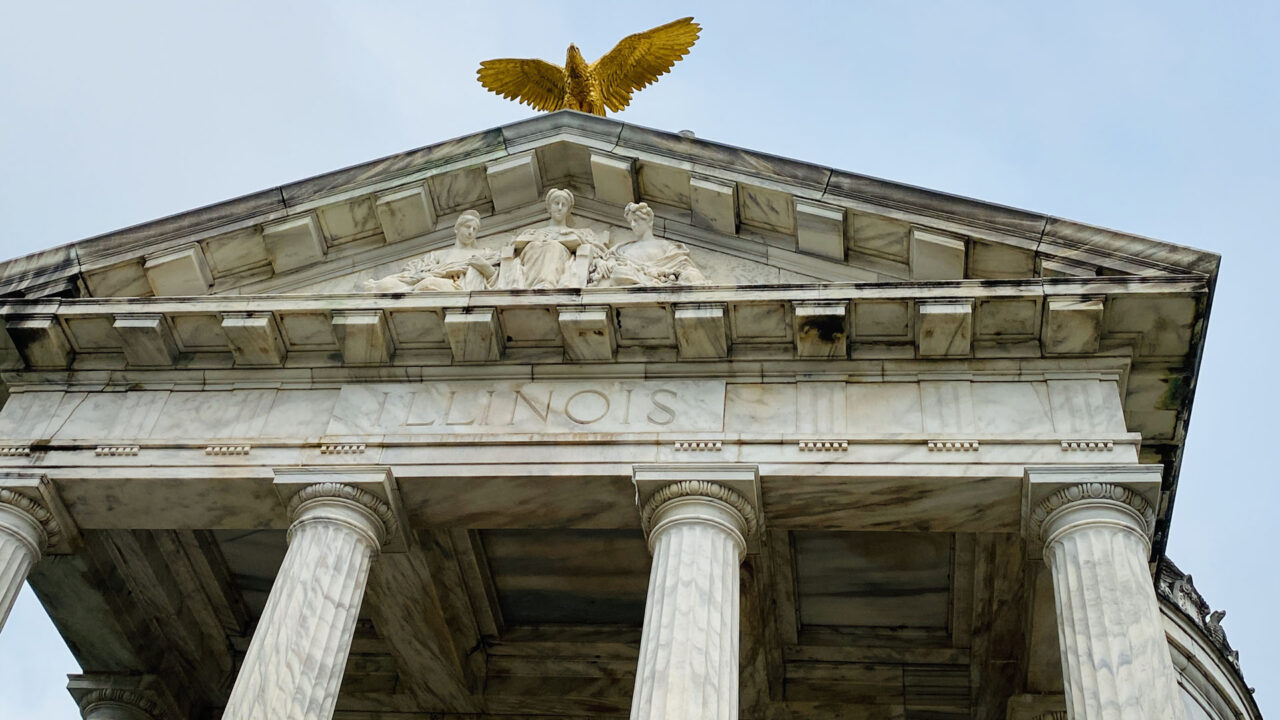
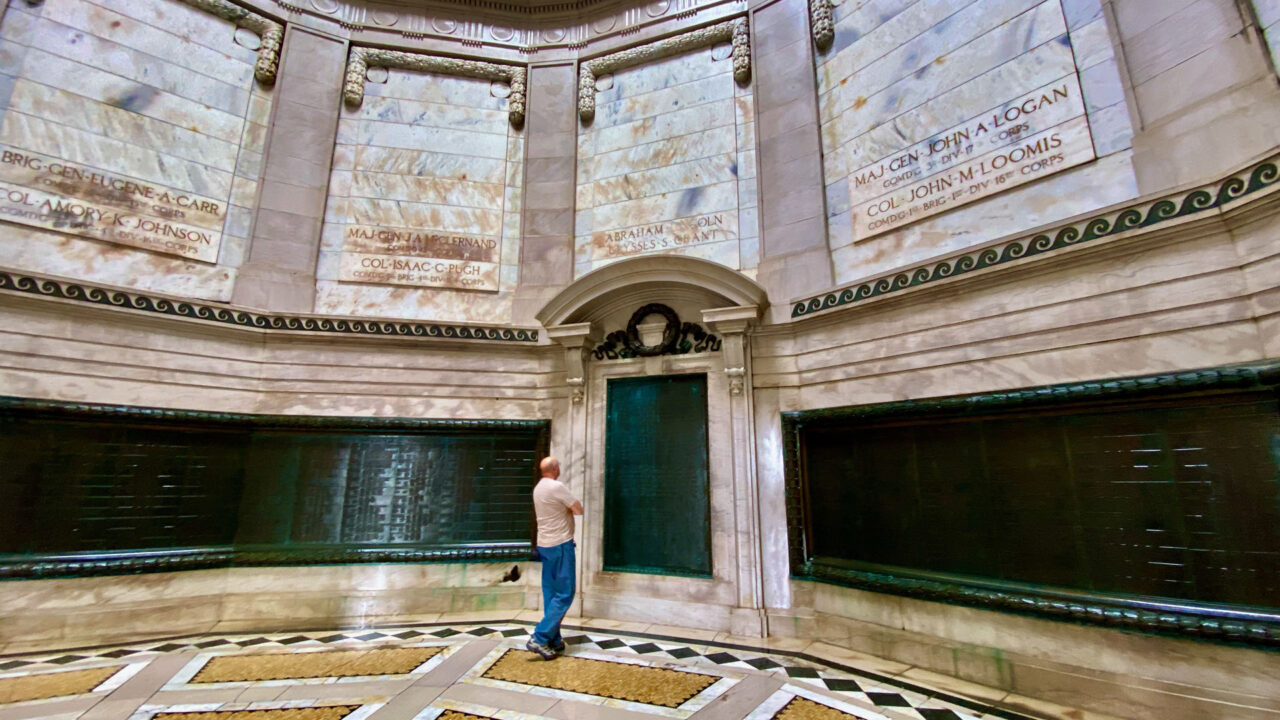
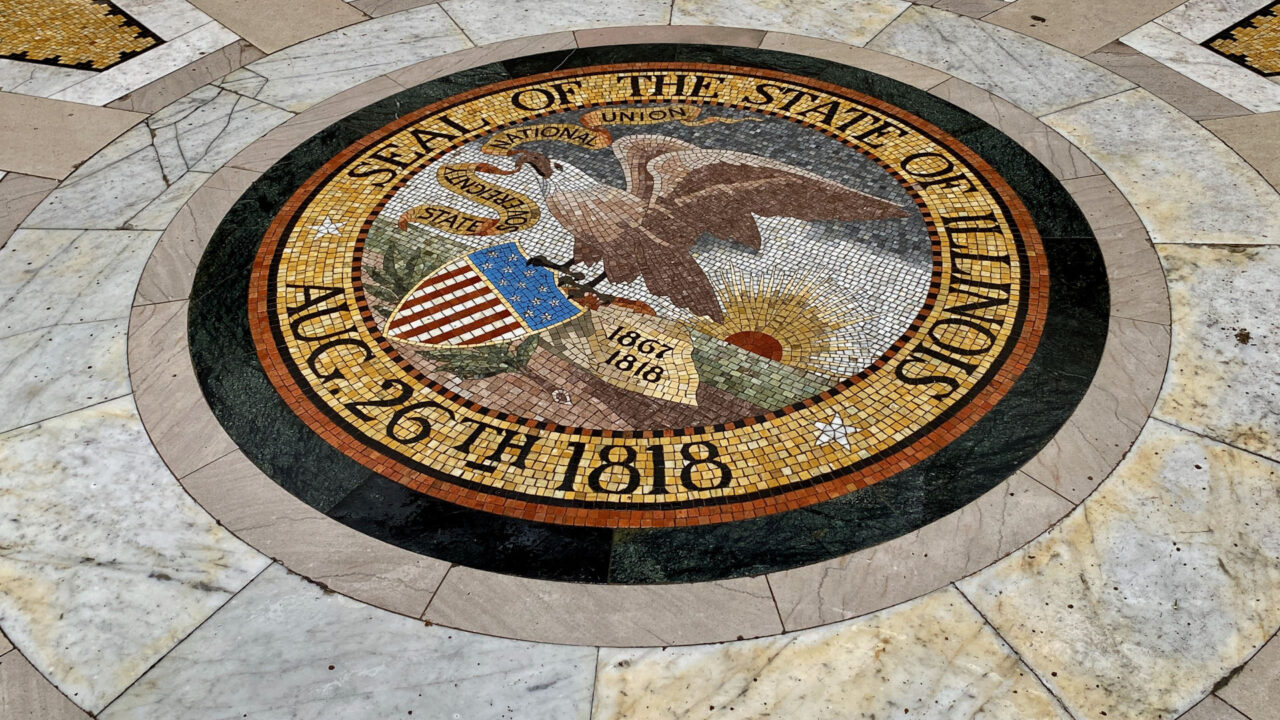
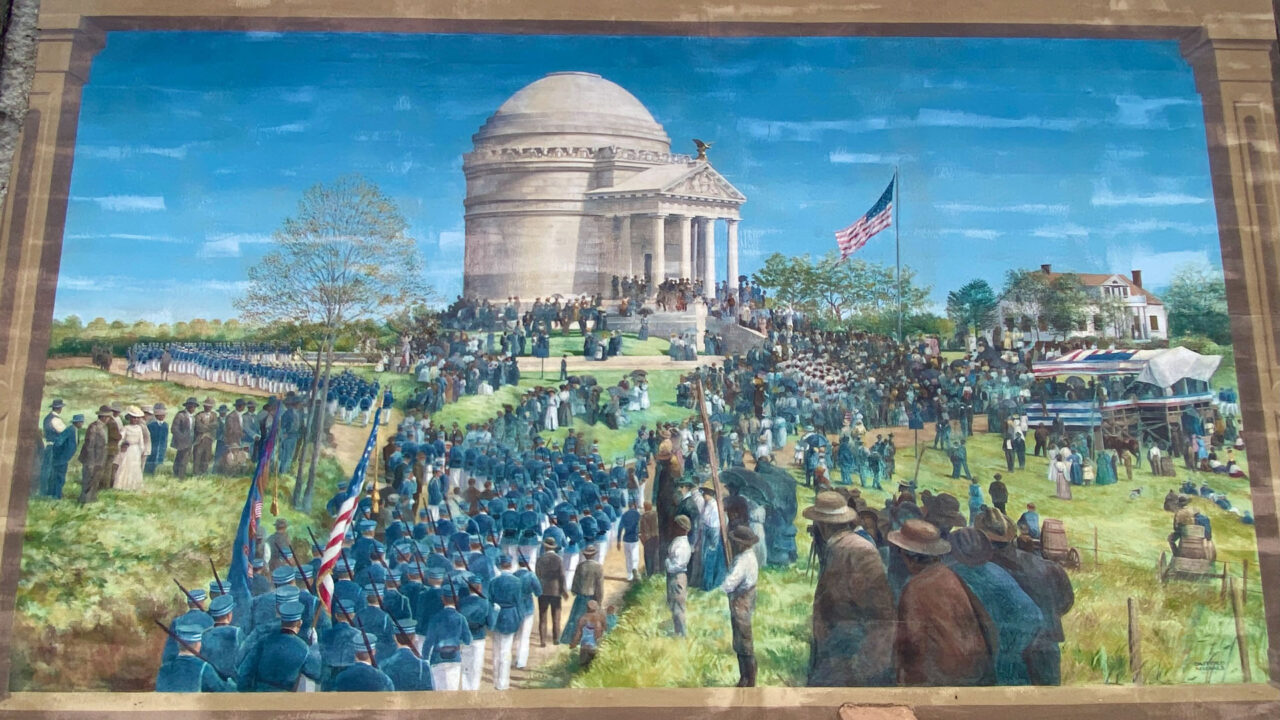
- The Illinois Memorial, dedicated in 1906, and modeled after the Roman Pantheon. On its walls are 60 bronze tablets recording the names of 36,325 Illinois soldiers who participated in the Vicksburg campaign.
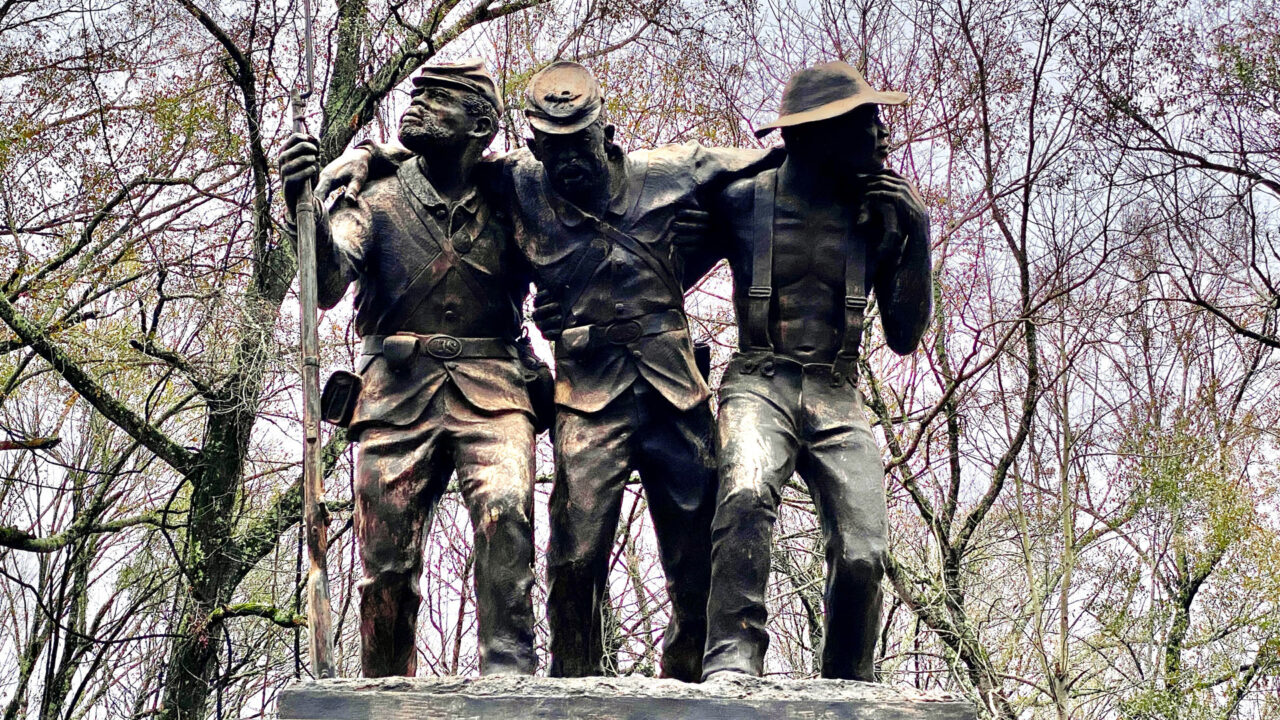
- The Mississippi African-American Monument is a 3,000 pound, 9-foot tall, bronze sculpture resting on a pedestal of African black granite depicting a black soldier and a civilian laborer helping a wounded black soldier from the field of battle. 178,000 free black men and former slaves served during the last two years of the war. They proved early on that they were willing and able to fight. On June 7, 1863 45% of the 9th Regiment of African Descent were killed or mortally wounded in Vicksburg, the highest proportion of any unit in one fight during the entire war.
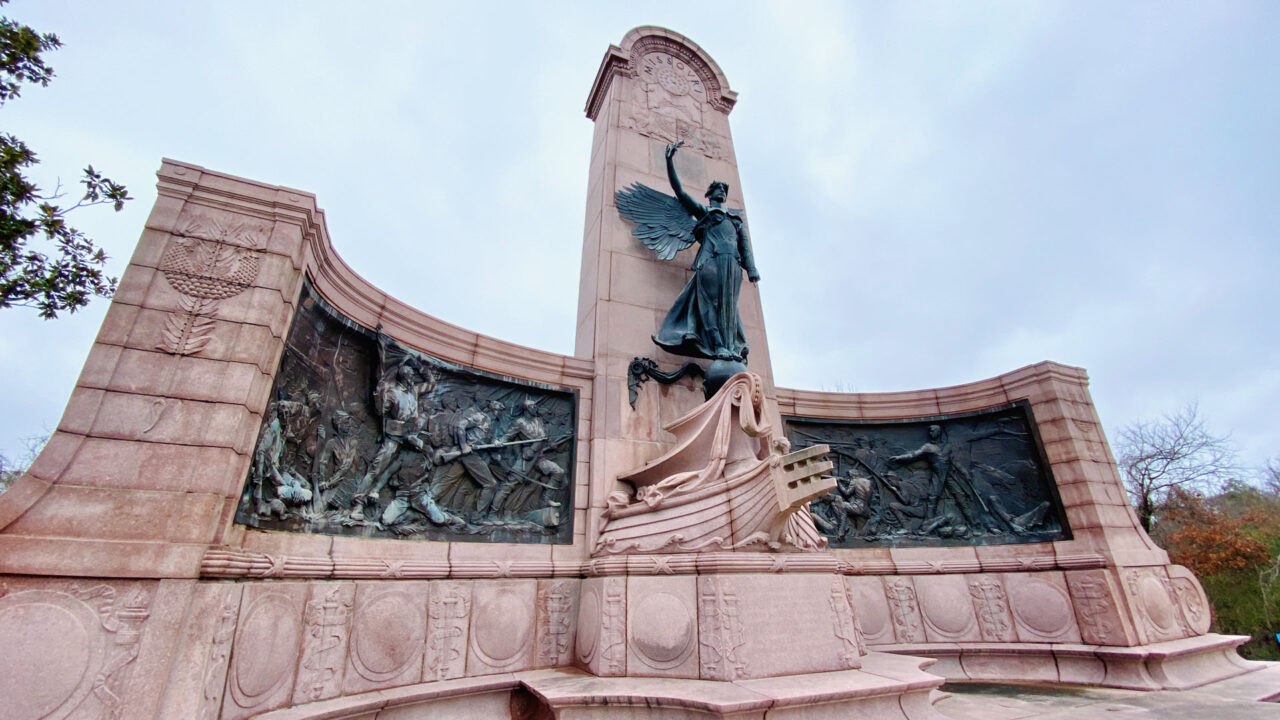
- Missouri Memorial’s friezes show opposing regiments facing off during the “War Between Brothers.”
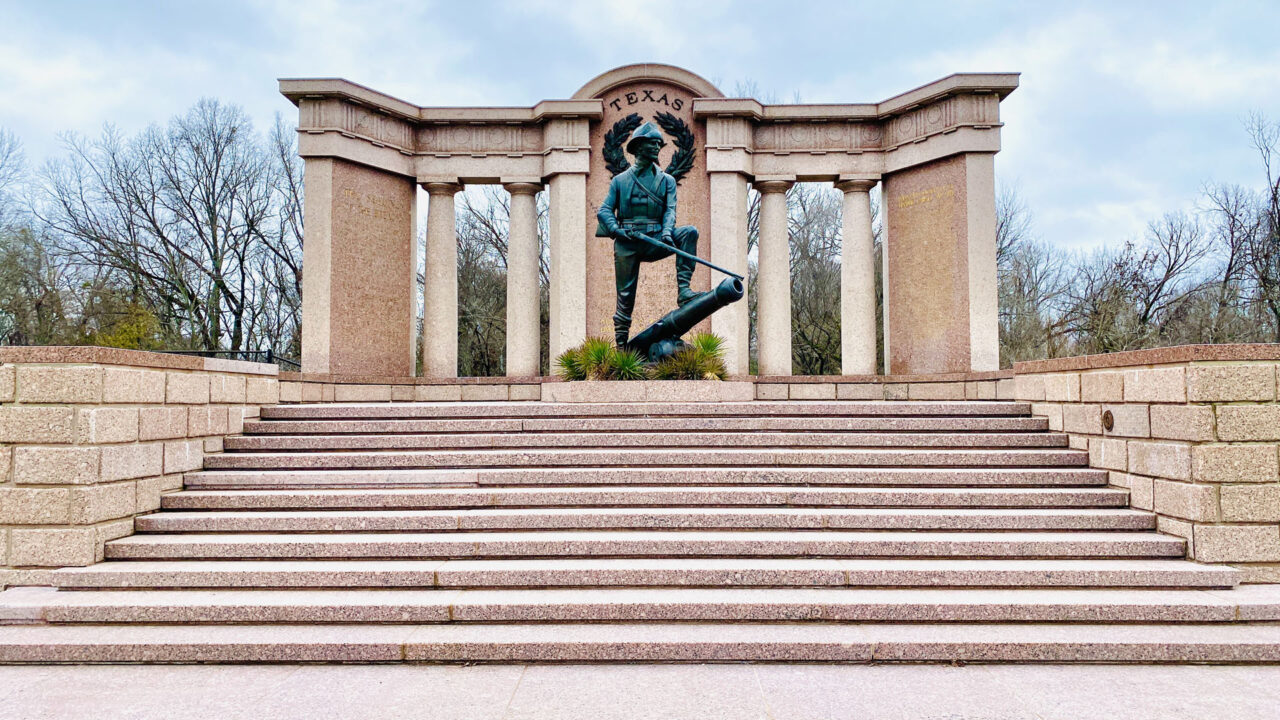
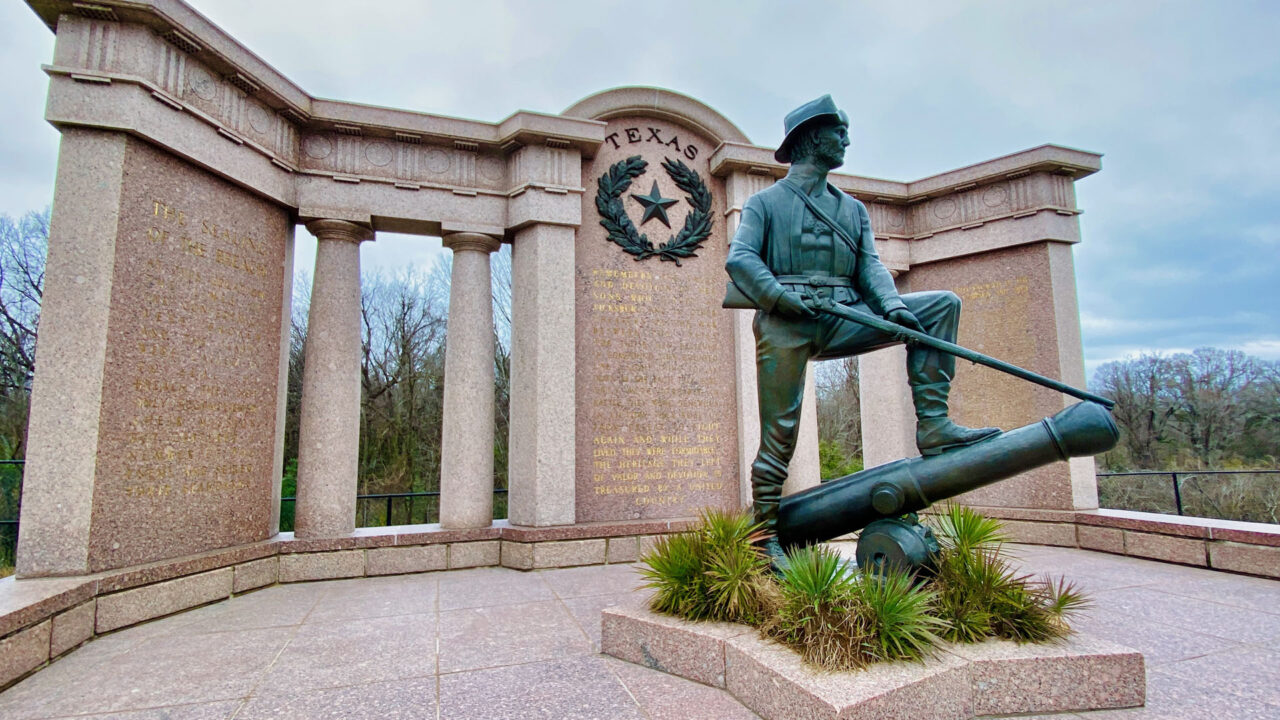
- The Texas Memorial includes eleven steps leading up to the Memorial which symbolize the 11 seceded states.
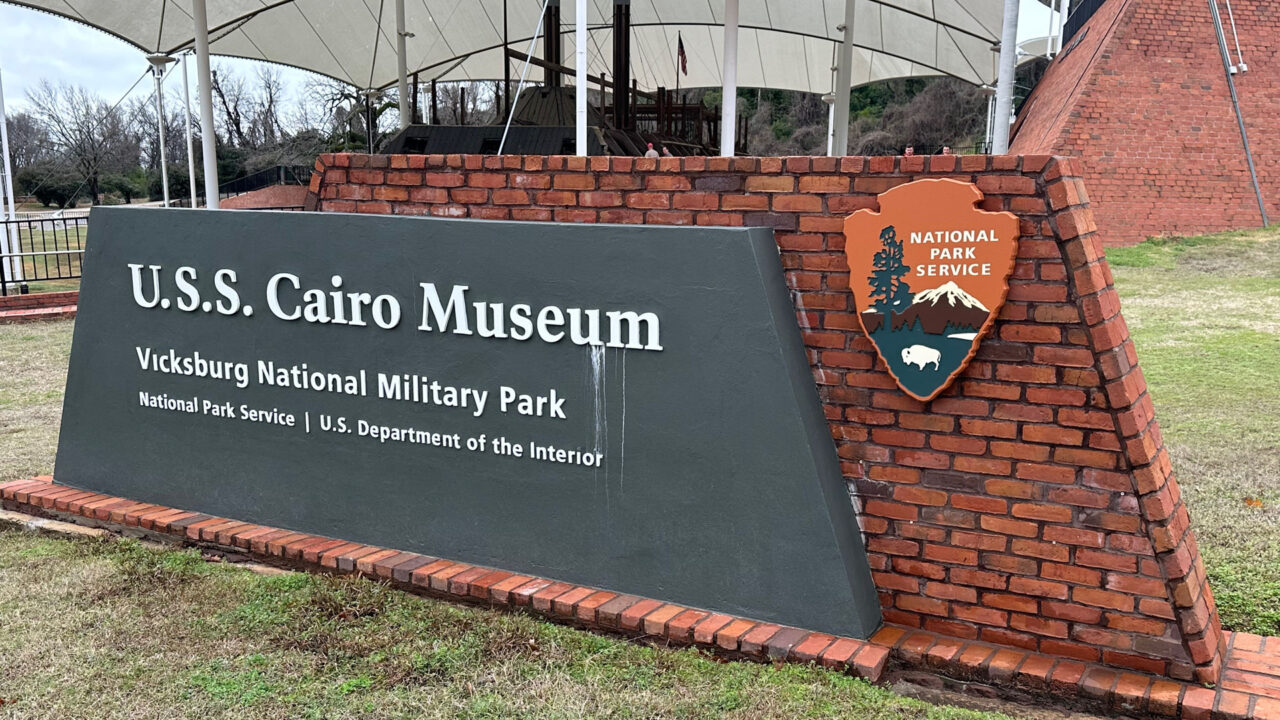
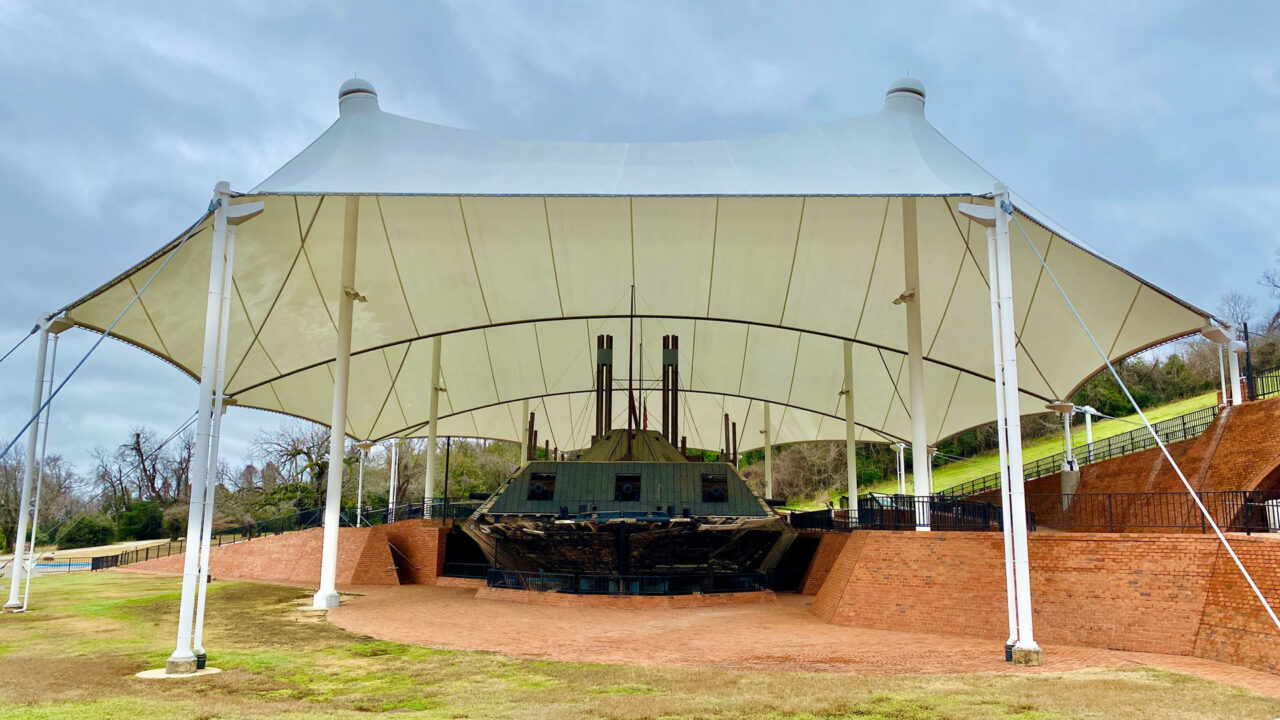
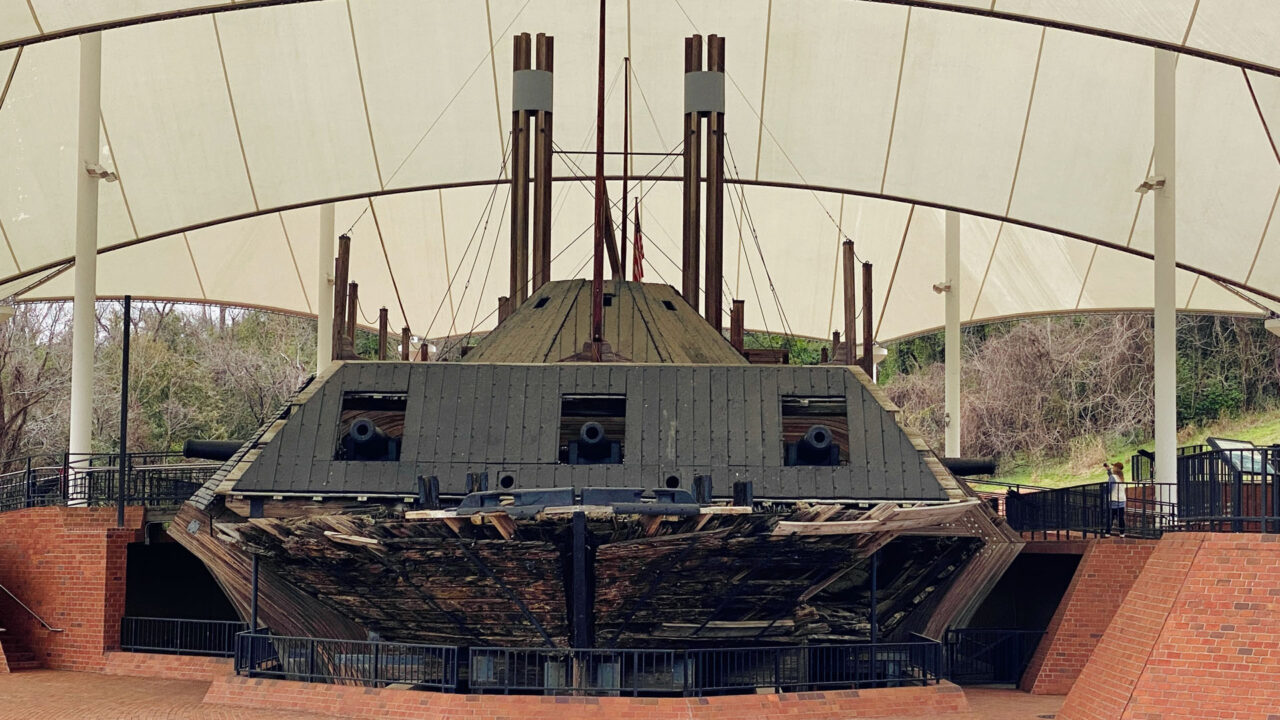
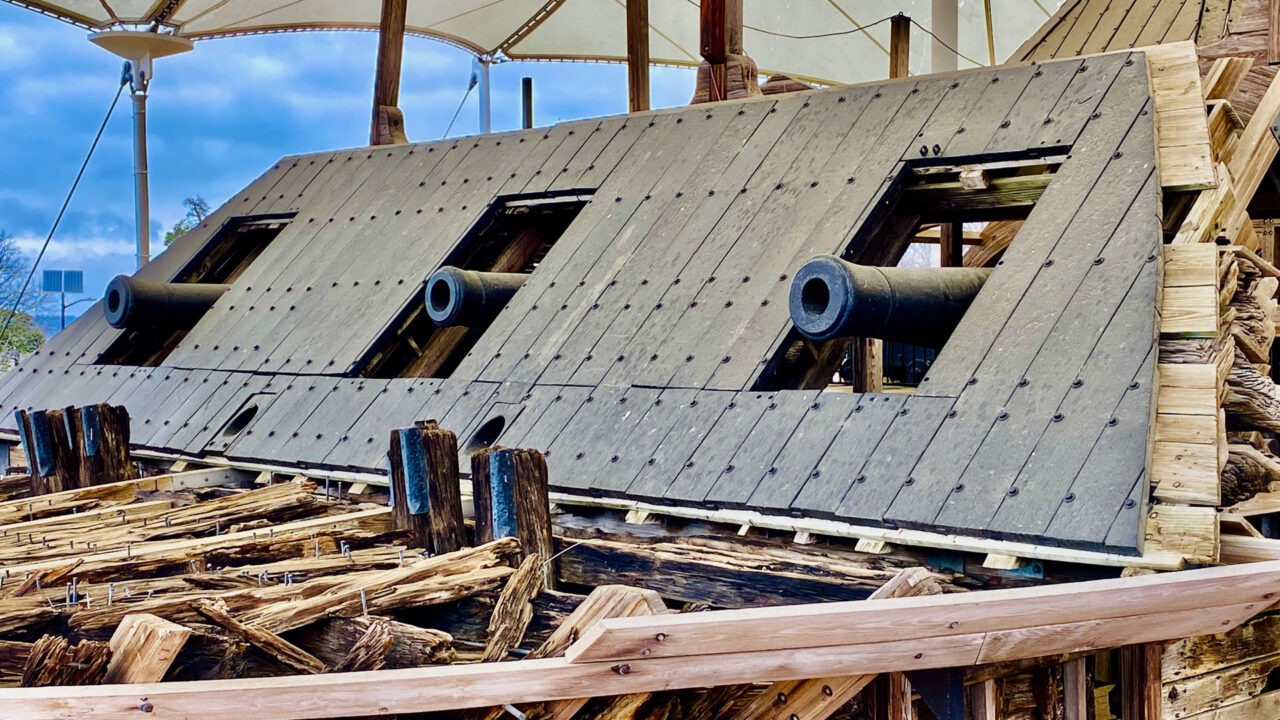
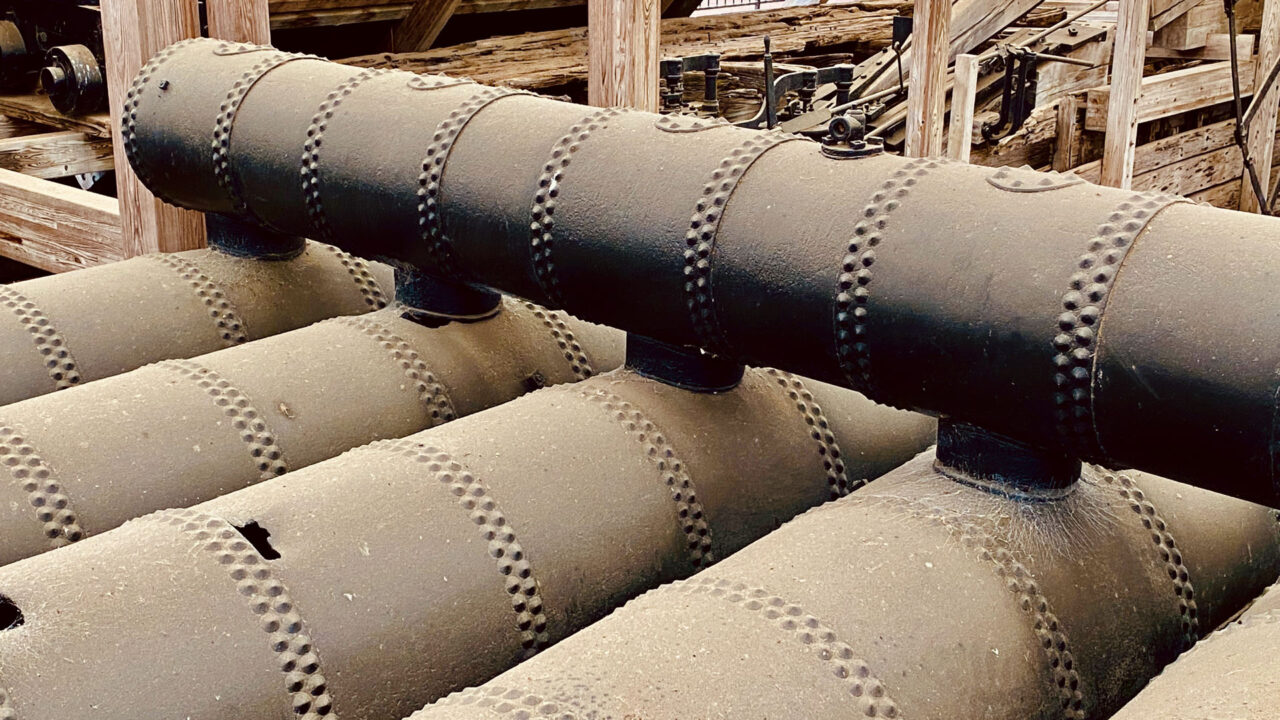
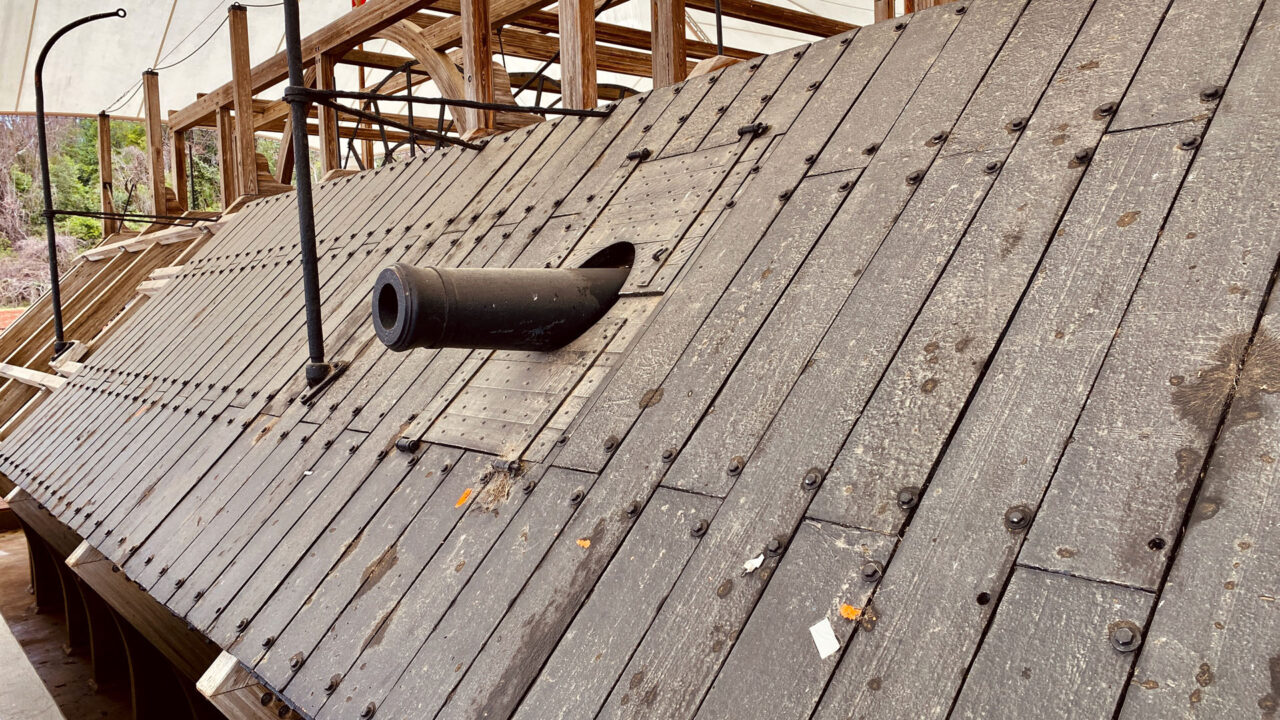
The Military Park is also home to the USS Cairo Gunboat (pronounced kay-roe). It’s the last surviving iron-clad gunboat in the world – 176 men called it home during the Vicksburg Campaign. It was 1 of 7 ironclads built in 100 days at an approx. cost of $100,000 each. James B. Eads, the greatest engineer of his time, convinced the Union that the way to win the war was to control the Mississippi River then proceeded to build all 7 ironclads. USS Cairo was sunk by torpedoes in 36 ft of water in 12 minutes on Dec. 12, 1862 but with no loss of life. The men were picked up from the water by nearby ships. The USS Cairo was raised from the Yazoo River in 1964 and is displayed with its original cannon, boilers, engines, hull and armor. Amazing.
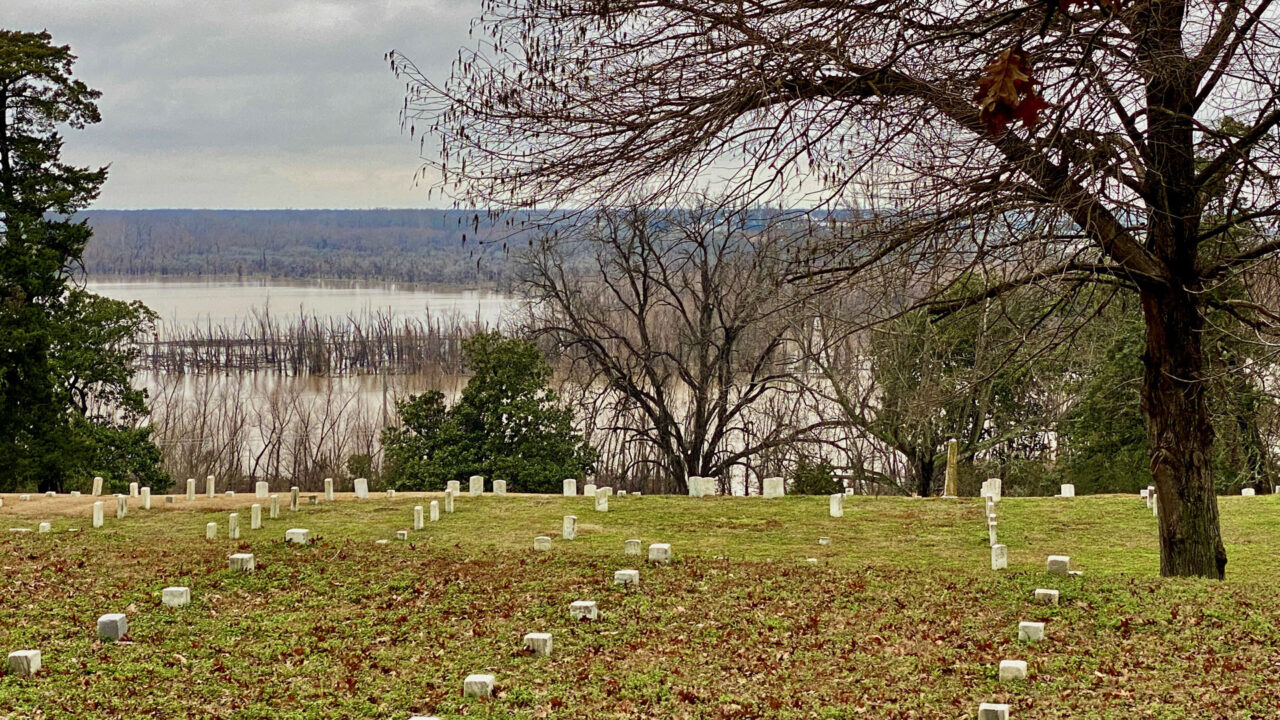
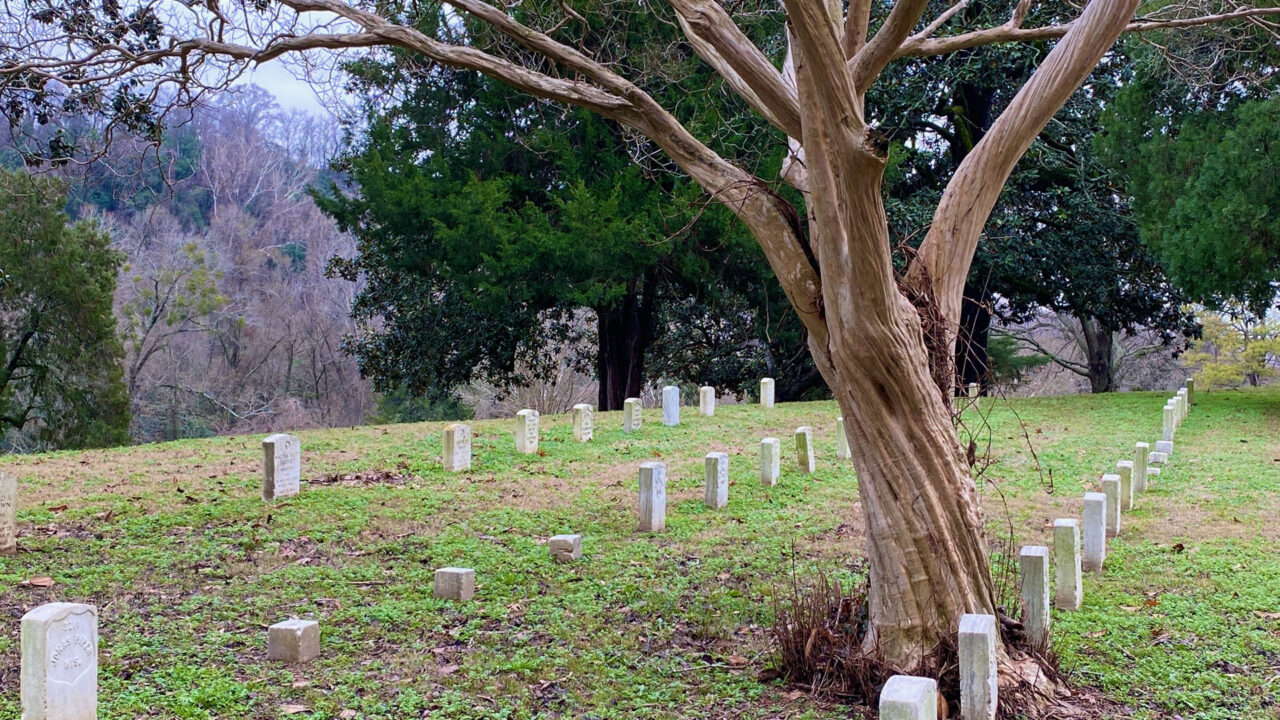
Vicksburg National Cemetery, located inside the National Military Park, is the largest Civil War cemetery. It is 116 acres holding the remains of 17,000 Civil War Union soldiers in addition to soldiers from WWI, WWII, the Korean conflict, and Vietnam. Many of the Civil War markers have a number only.
The Vicksburg campaign involved over 100,000 troops and over 37,500 casualties. For every soldier killed in battle two were lost to disease. Such a sad time in our nation’s history. Remarkable to be here and get a sense of it all.
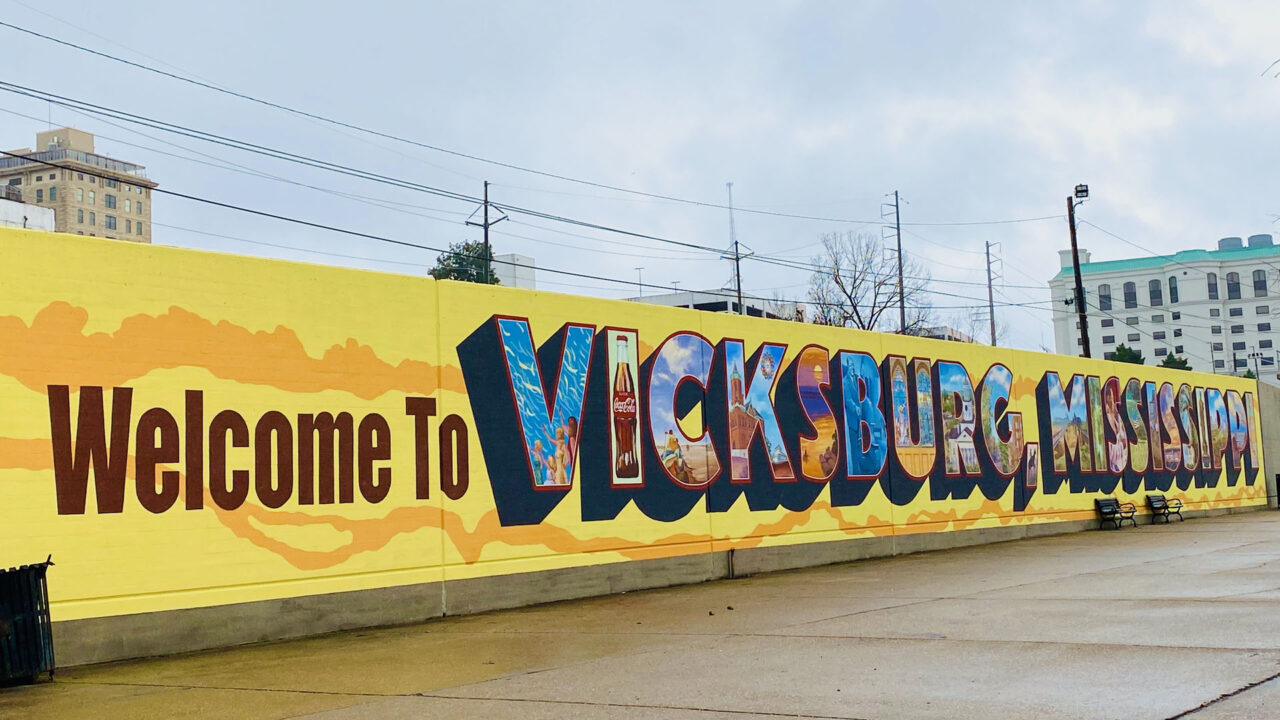
On Sat., Jan. 27th, (2024) we visited downtown Vicksburg. It was a misty, chilly, gray day to explore. But we’re here for a limited time so we suck it up and go exploring!
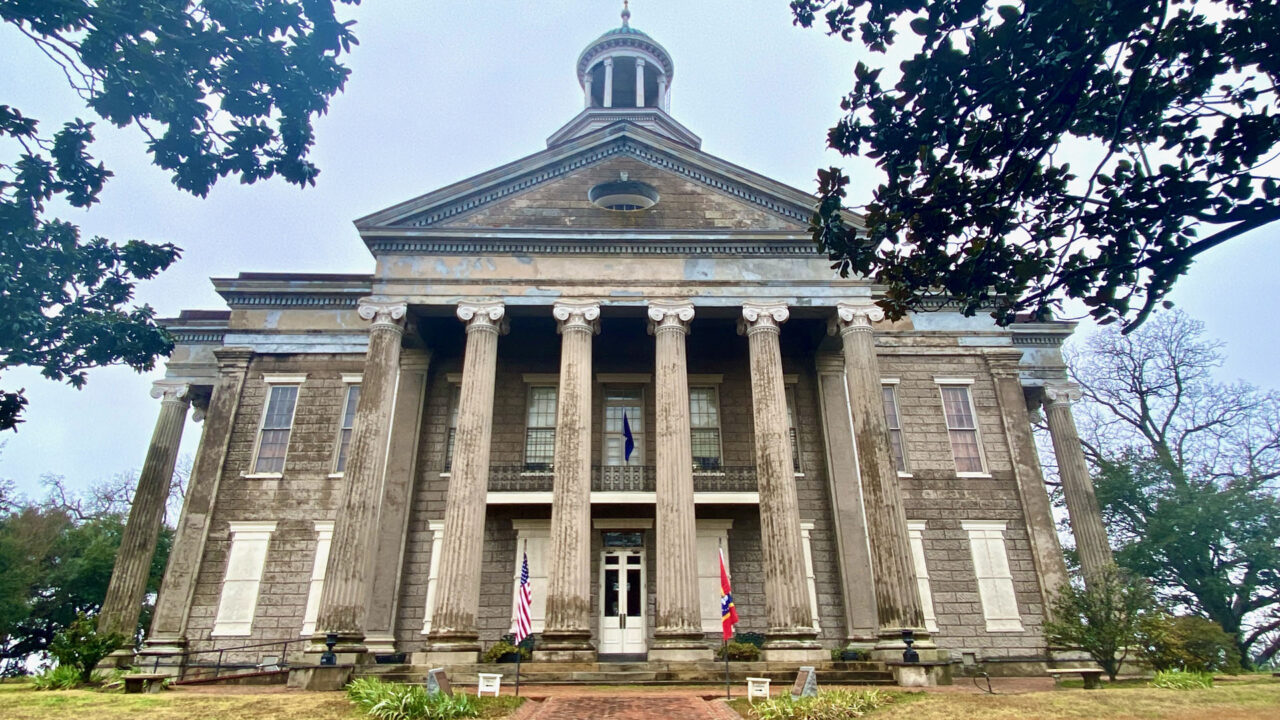
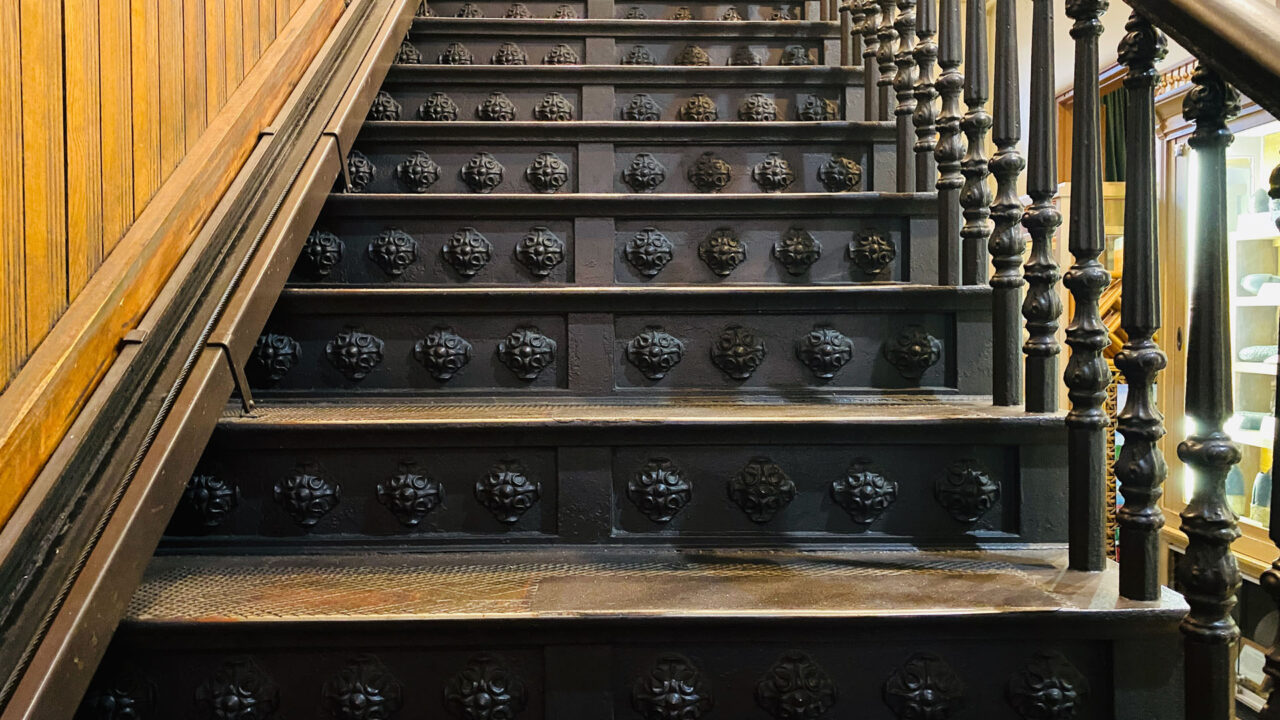
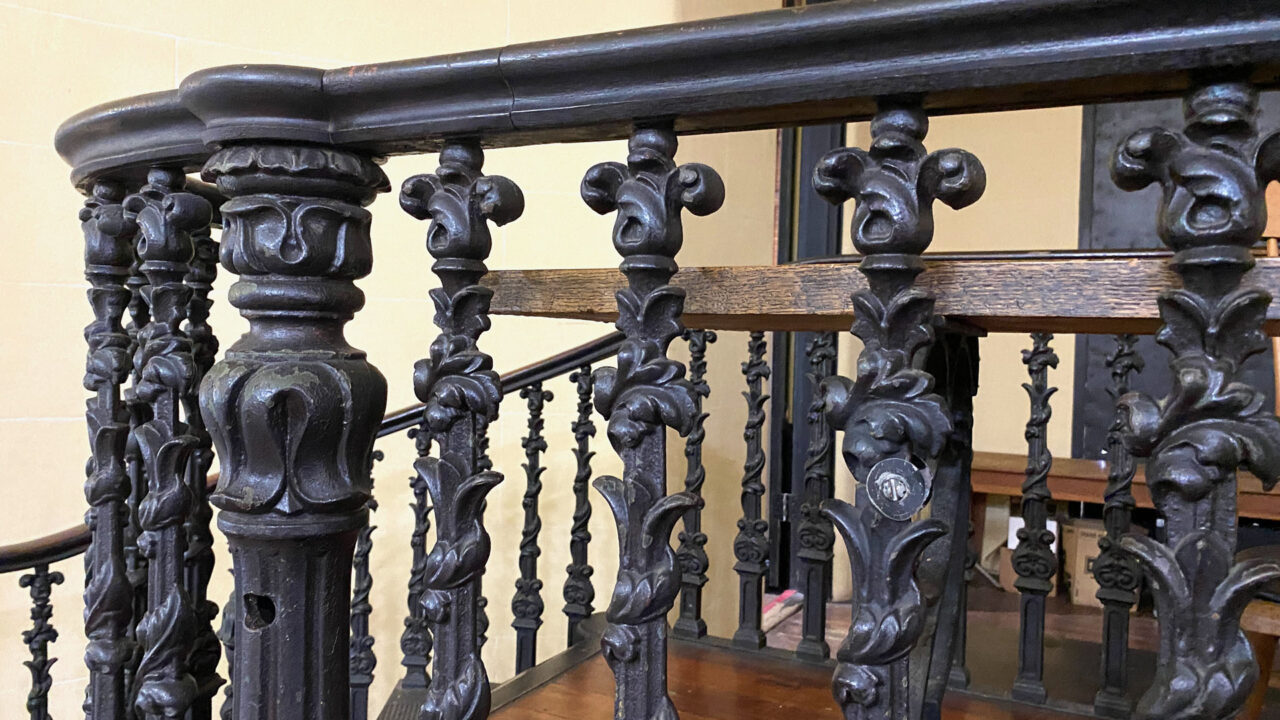
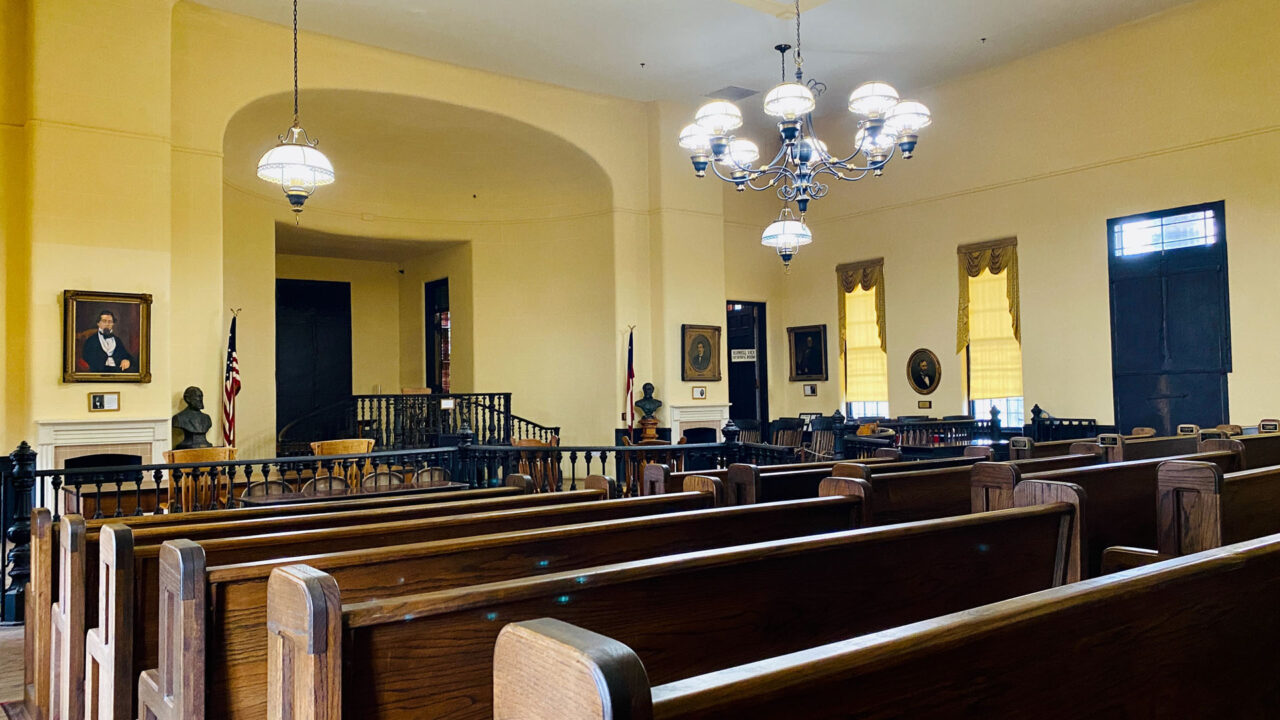
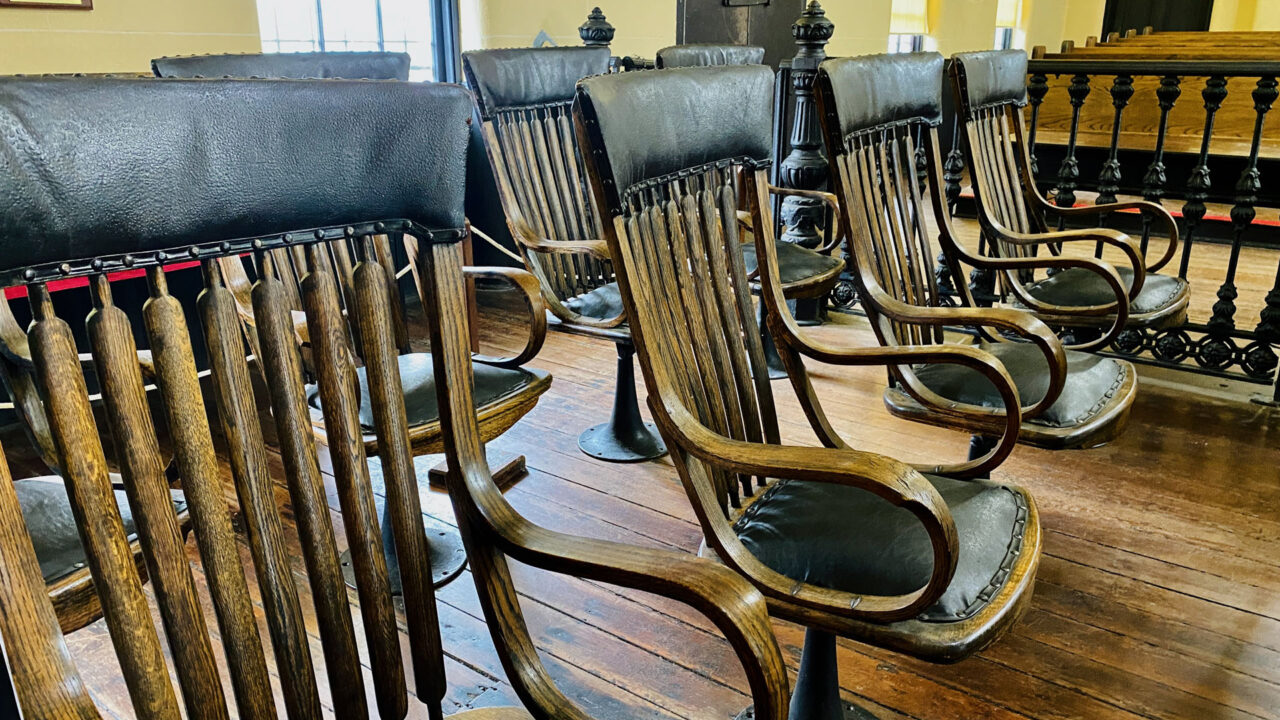
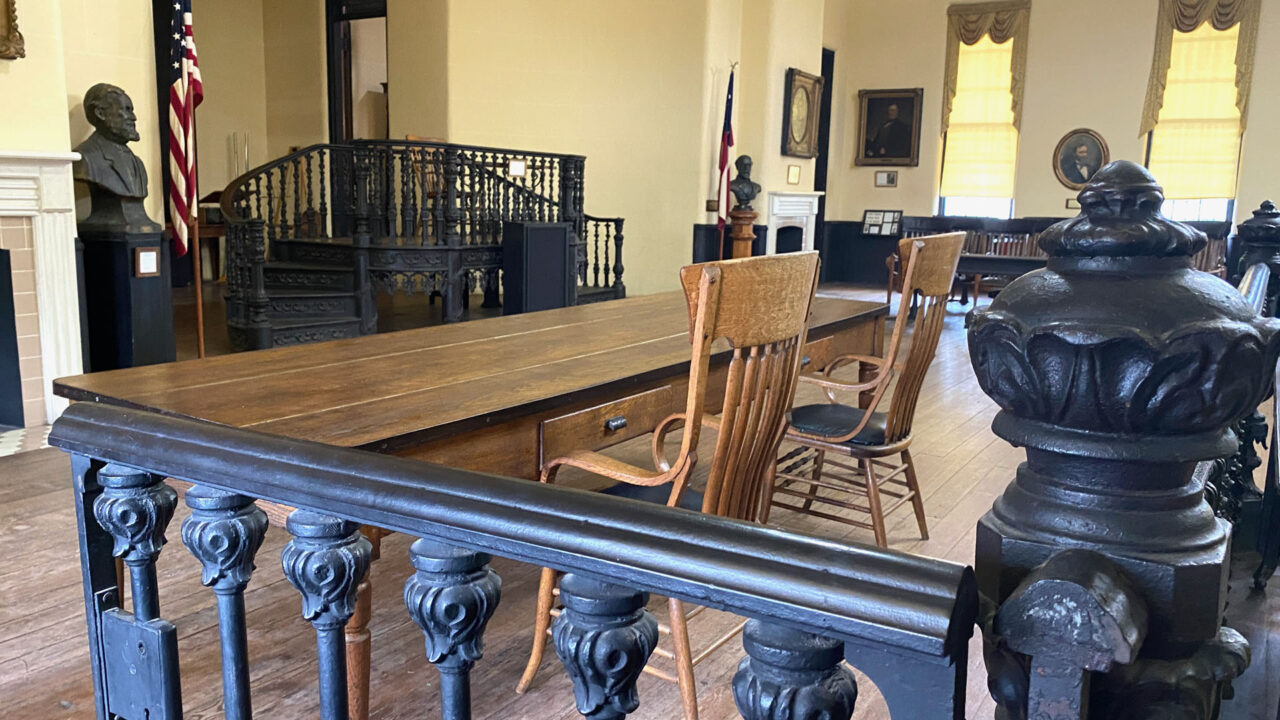
First is the Old Court House Museum, built in 1858. It’s Vicksburg’s most historic building and oldest museum. The court house still retains the original historic courtroom from 1859 with its original ironwork including the iron judge’s dais and railings. The color of the room is authentic, but theatre seat benches and risers were added in late 1800s. There’s an Iron Staircase connecting the first and second floors made by Baker Iron Company from Cincinnati, Ohio and brought by steamboat down the Mississippi River in the late 1850s. On the day Vicksburg surrendered, Union soldiers flocked into the building, and a group of drunken staff officers climbed the stairway, singing and waving a captured flag. When one of them looked down and saw “Baker Iron Company, Cincinnati OH” on the stair, he cursed “The impudence of the people who thought they could whip the United States when they couldn’t even make their own stairs!”
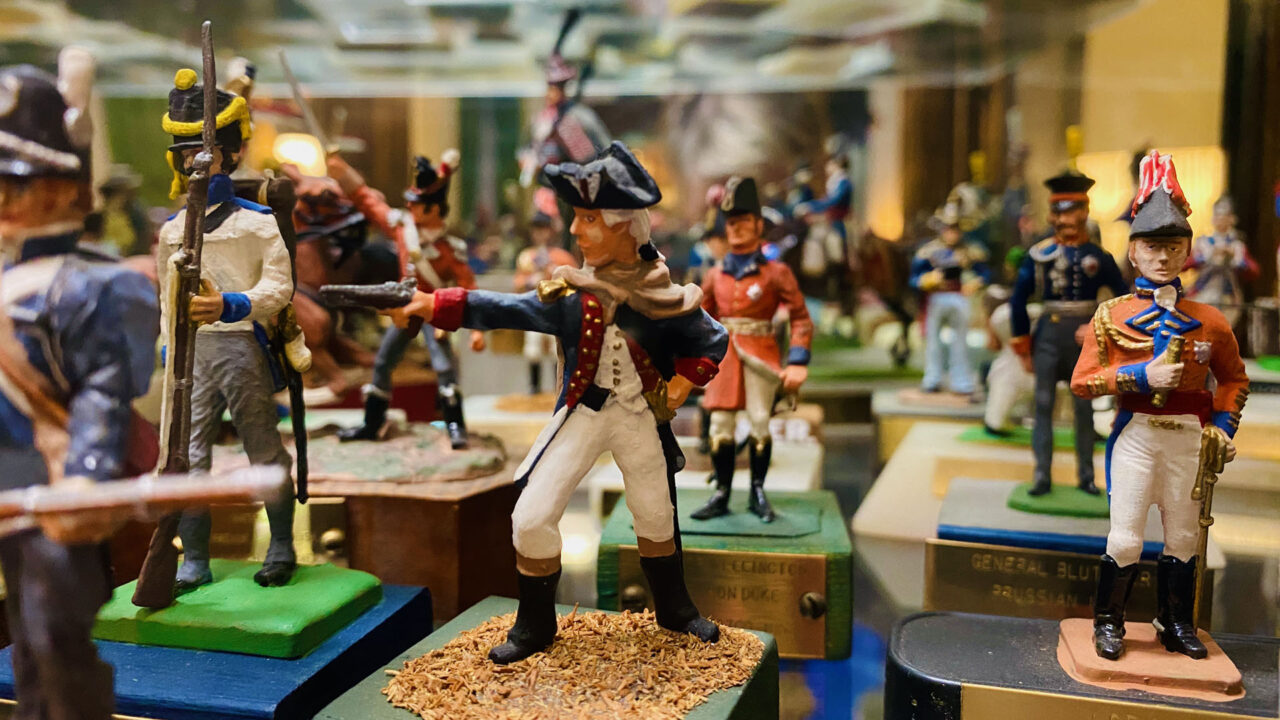
The court house also had lots of civil war memorabilia including 300+ figures hand painted by Vicksburg native, Jim Morris. They accurately represent soldiers from medieval to modern wars.
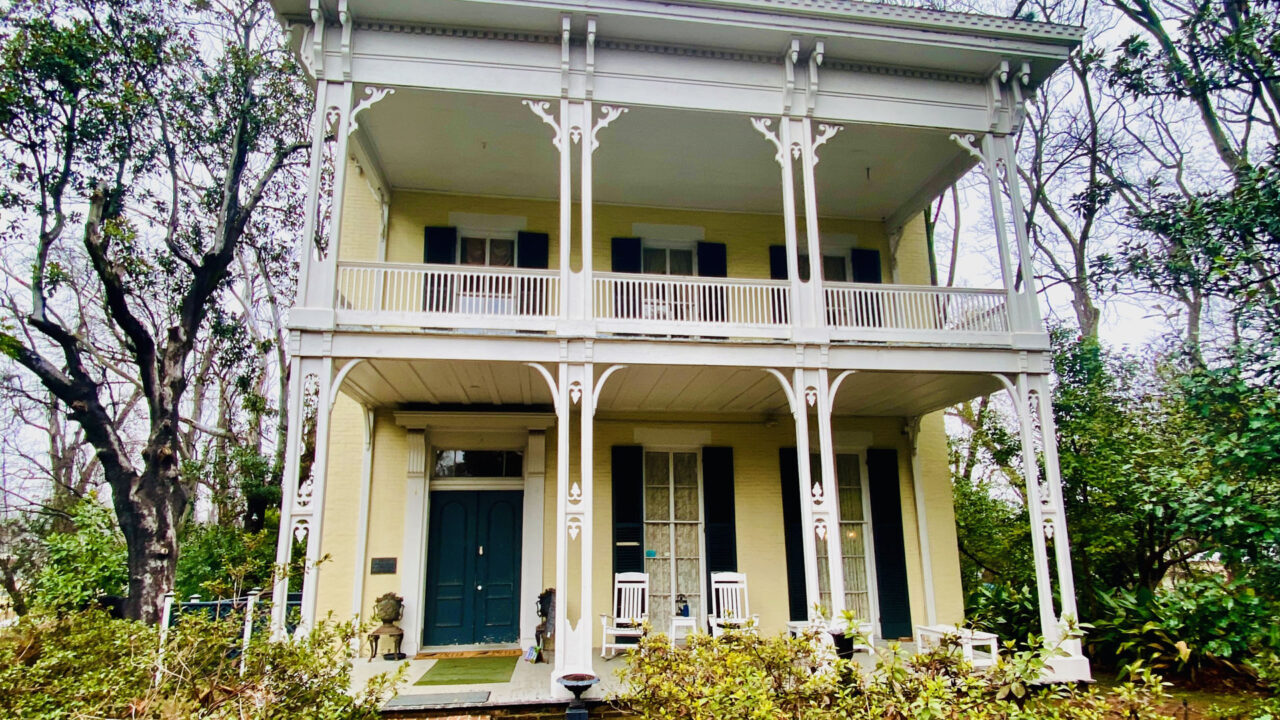
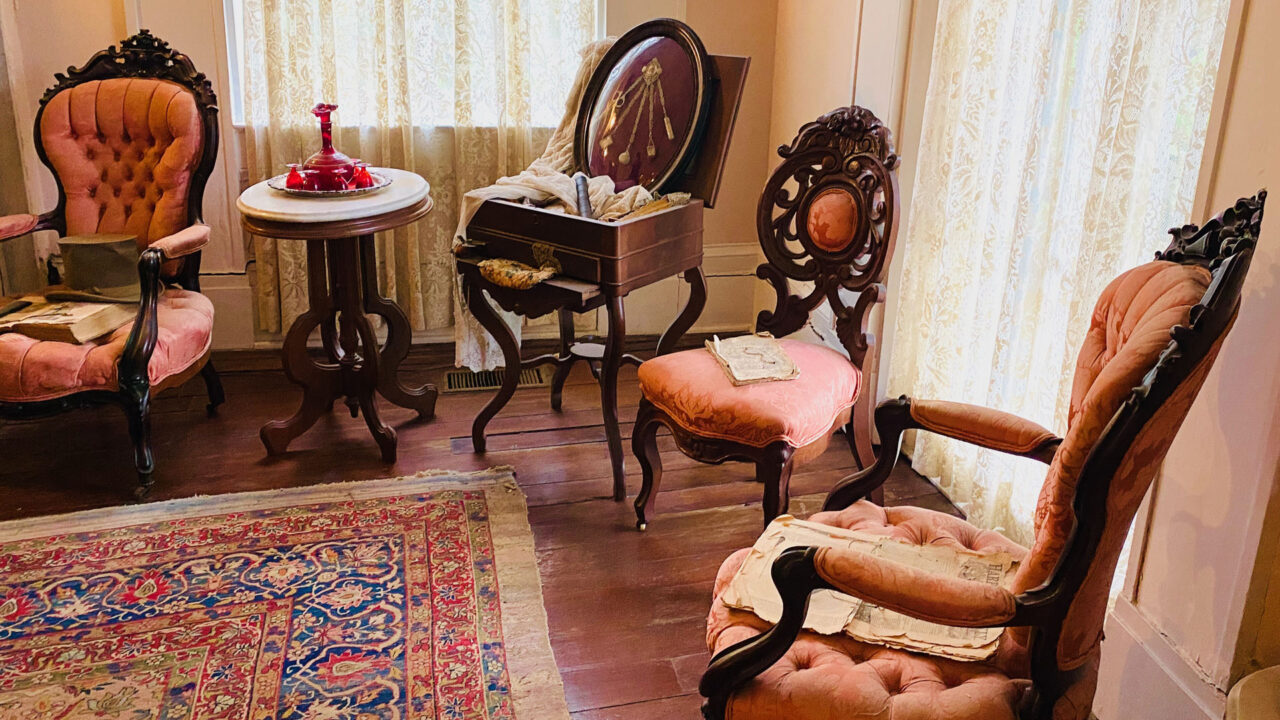
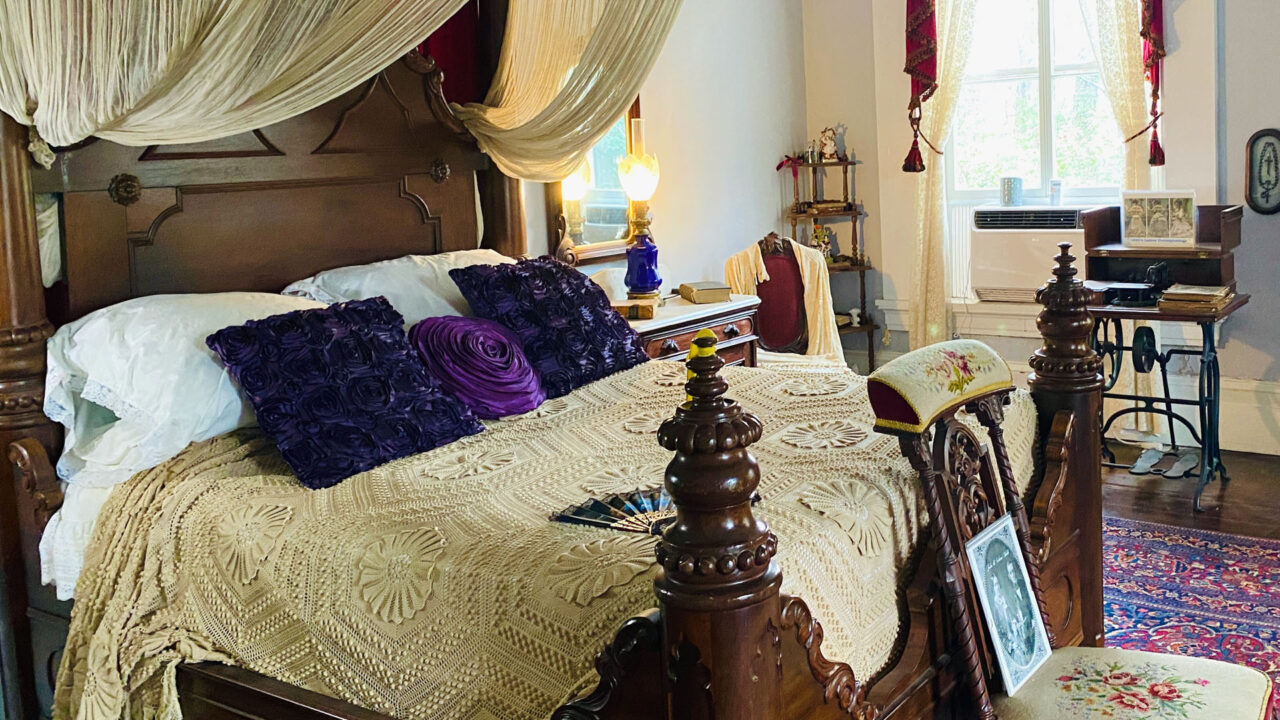
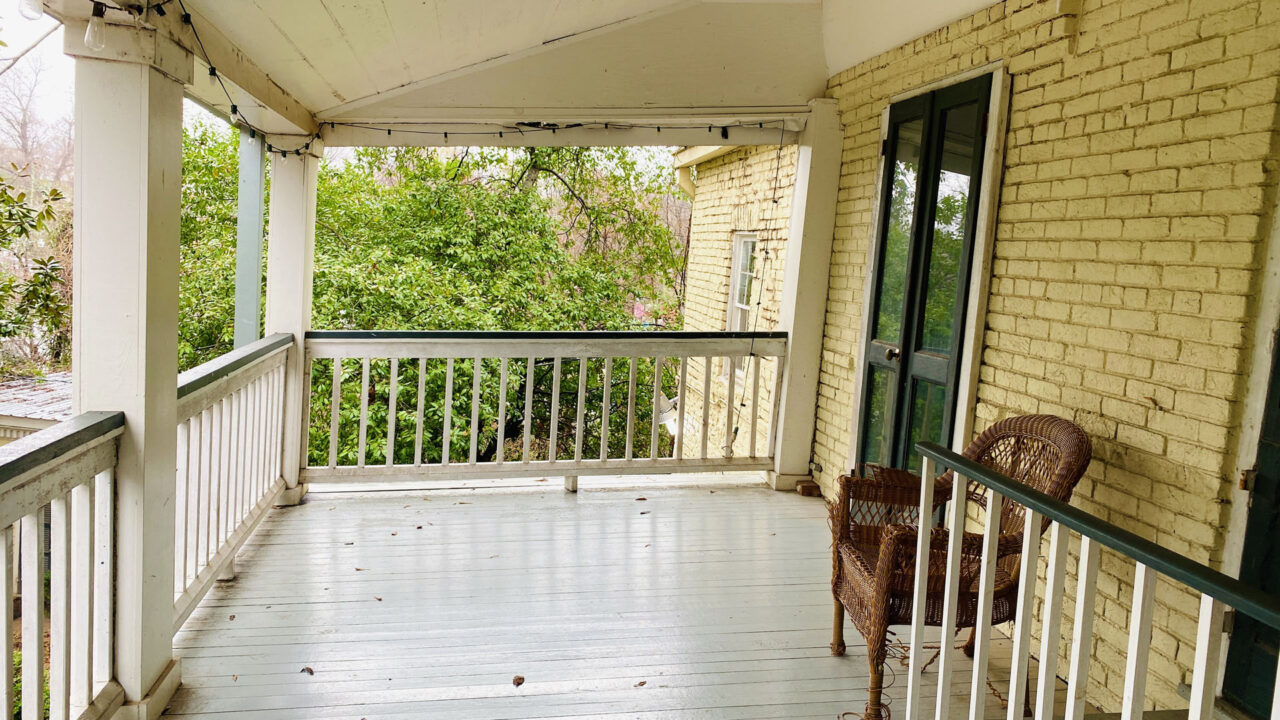
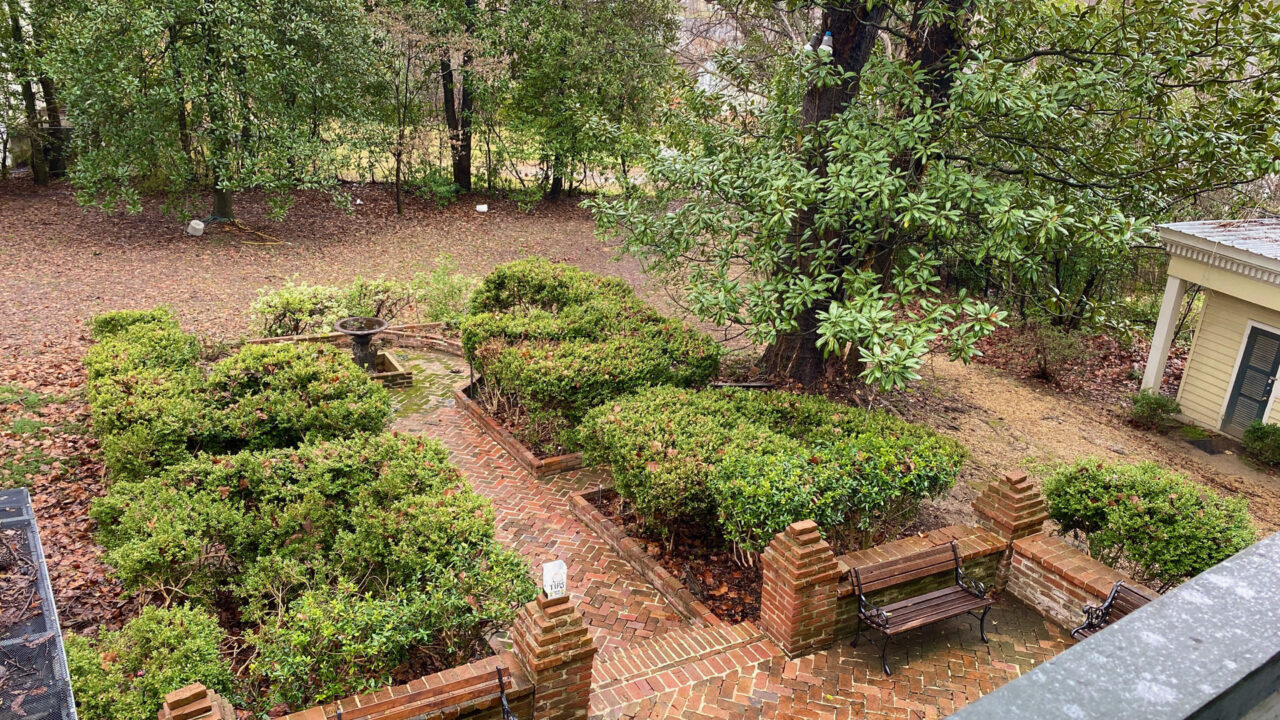
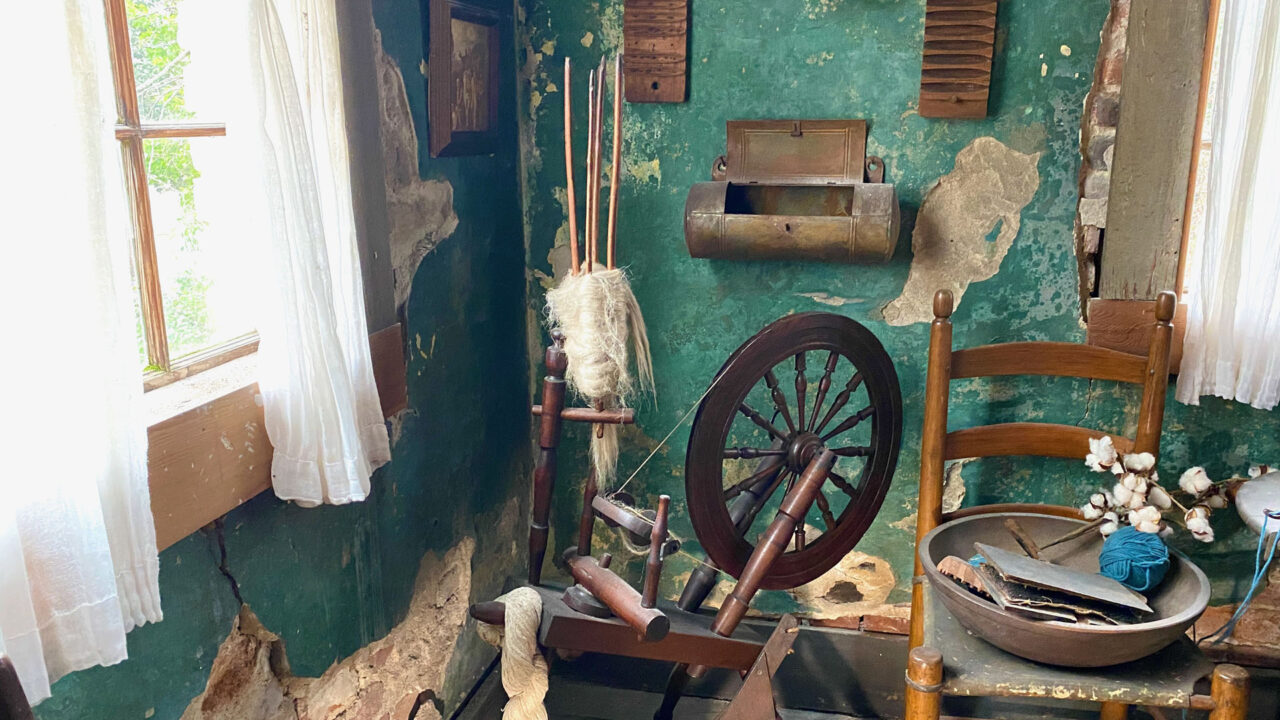
Then we visited McRaven House, known as “Mississippi’s most haunted house.” The house was used as a hospital for convalescing confederate soldiers. Surgeries were performed outside under tents. Surgery typically meant amputation of an arm or leg because of a gunshot wound. A skilled surgeon could amputate a limb in roughly five minutes. There were no antibiotics invented as of yet, so infection was often the cause of death. Confederate soldiers who weren’t expected to make it after surgery ended up waiting it out on the back deck of the house. So sad. There were over 300 confederate soldiers buried on the grounds. Thus the reason for the “most haunted house” designation.
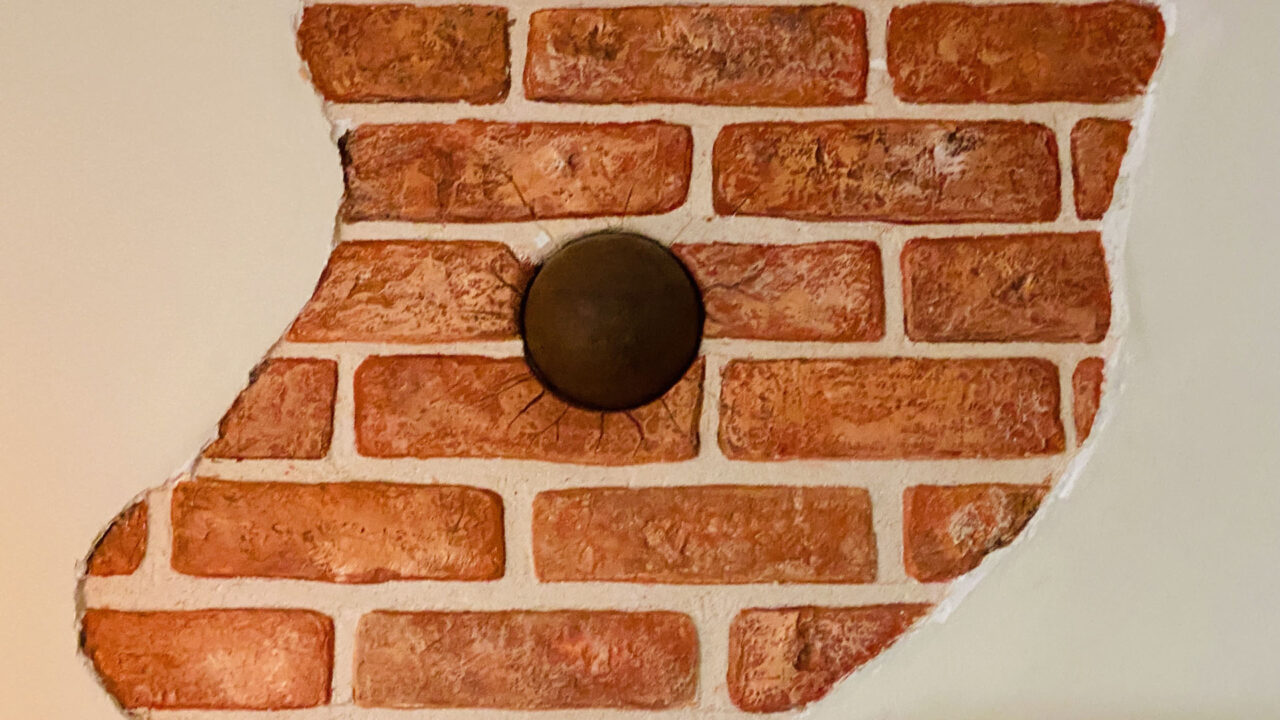
There is a mural inside the property which represents where an actual cannonball was stuck in the wall for decades. When the owners decided to have it removed, experts came in to remove it. It was removed, put in a secure box and driven down the road where it exploded in transit a mile from the house. Truth is stranger than fiction.
People were of small stature back in the Civil War era… women were about 4’5” to 5’ and men about 5” taller. Lincoln at over 6 ft would of been a giant.
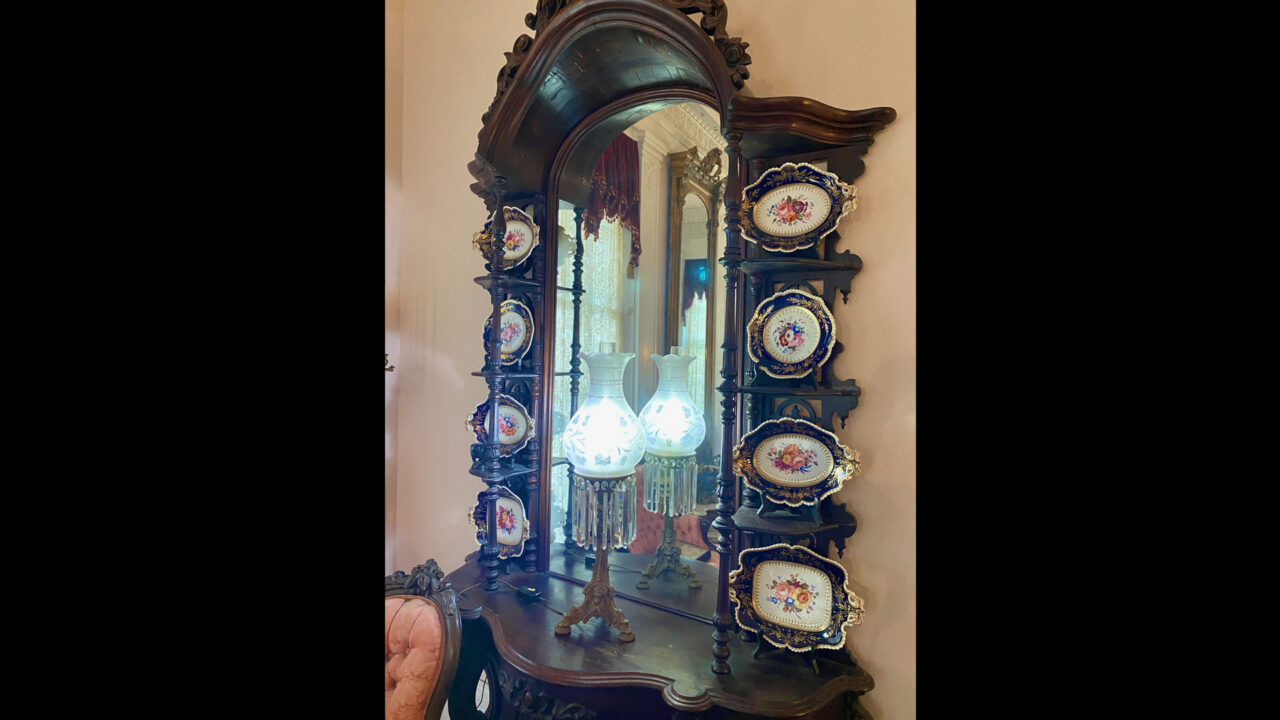
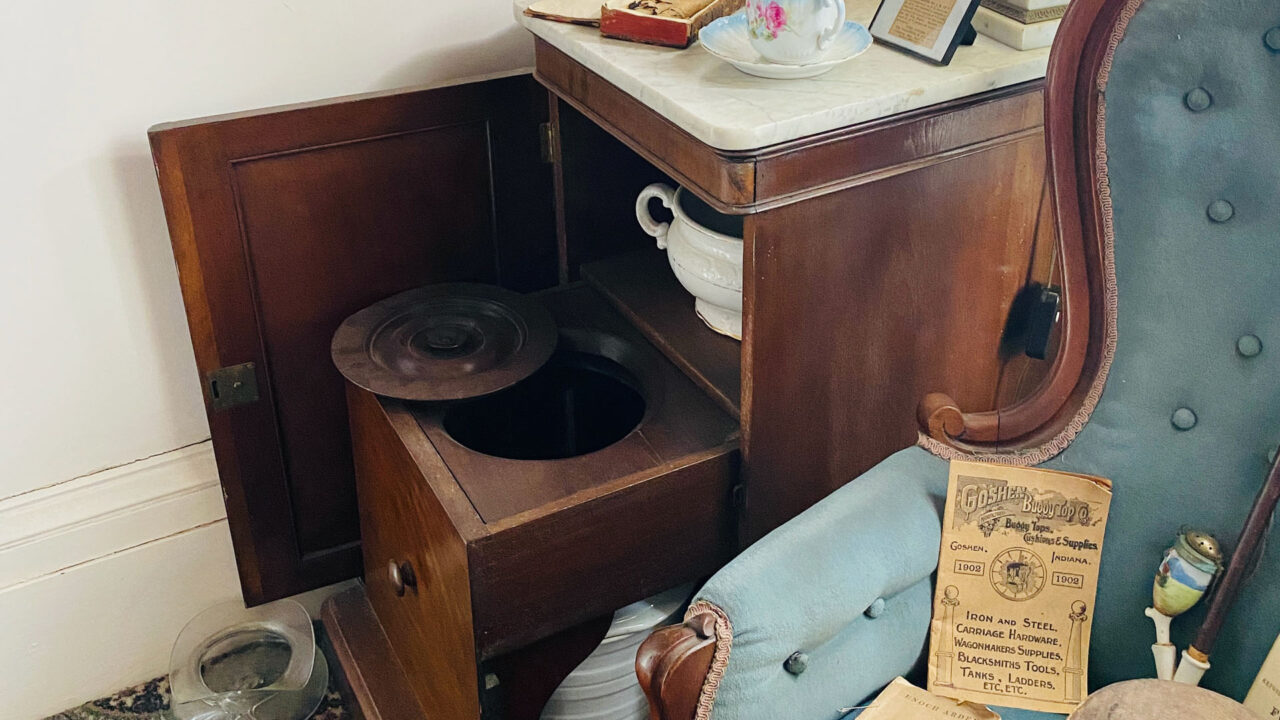
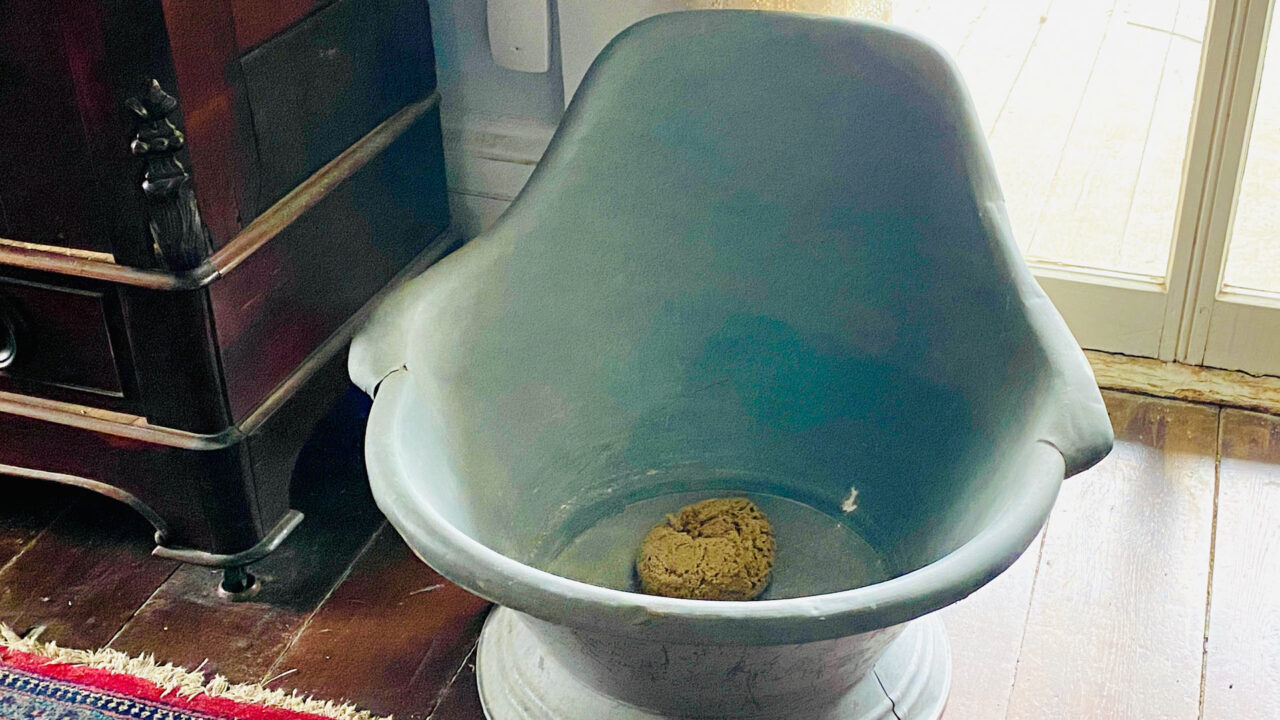
Some notables inside the house: There was a china hutch where each of the 8 plates on display cost $16,000! A chamber pot was on display… apparently the youngest sibling had the job of cleaning it out. Euuuuwww. And lastly… there was a “bathtub” on display… the entire family took a bath once a month, evidently with the same water. Eeeek.
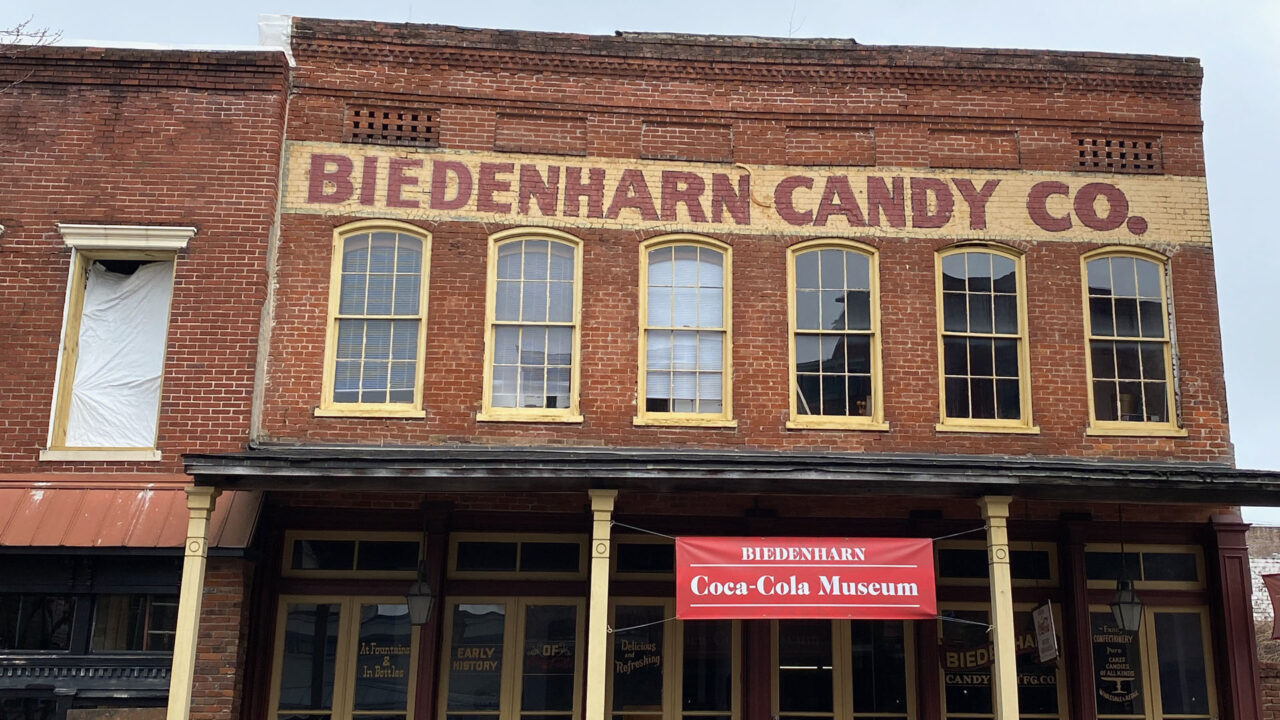
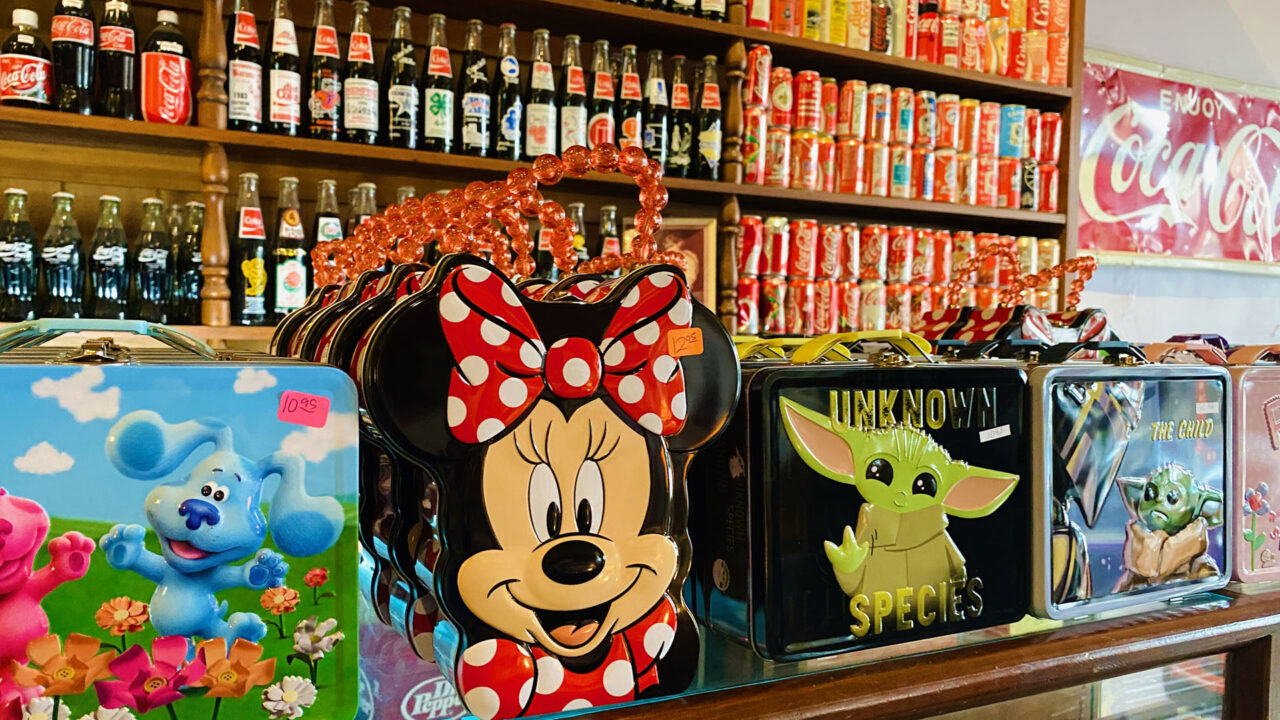
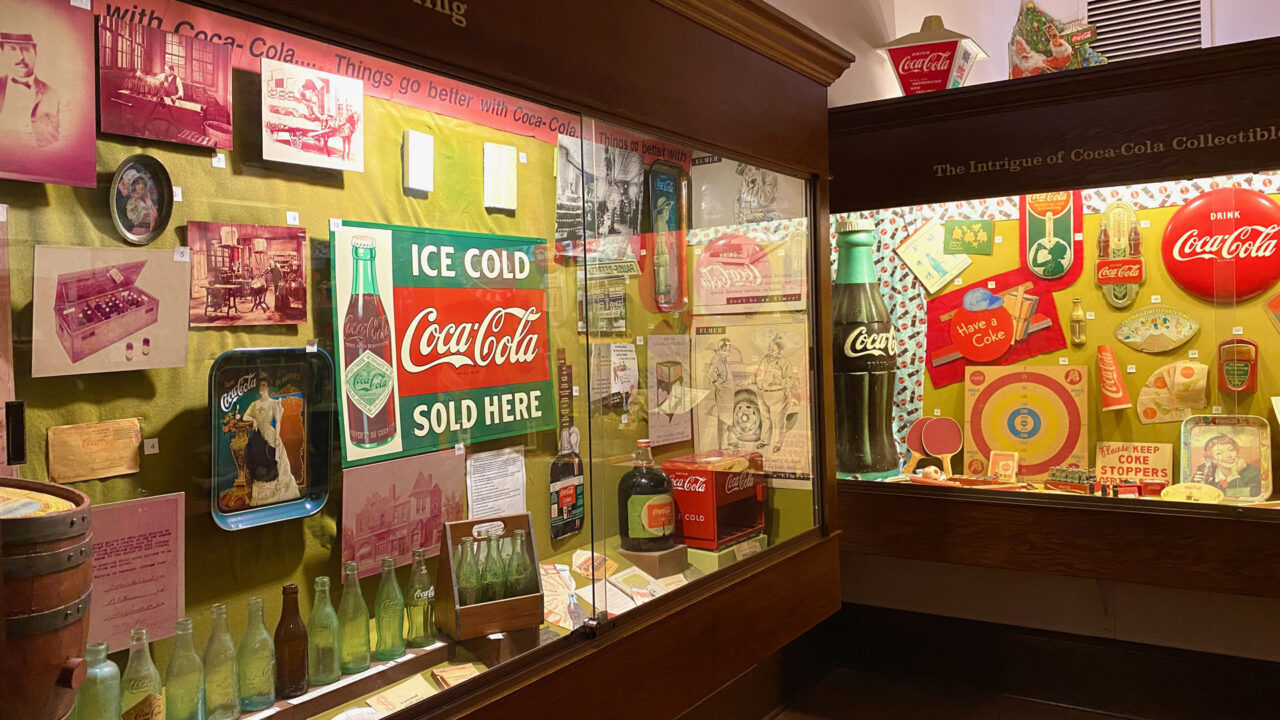
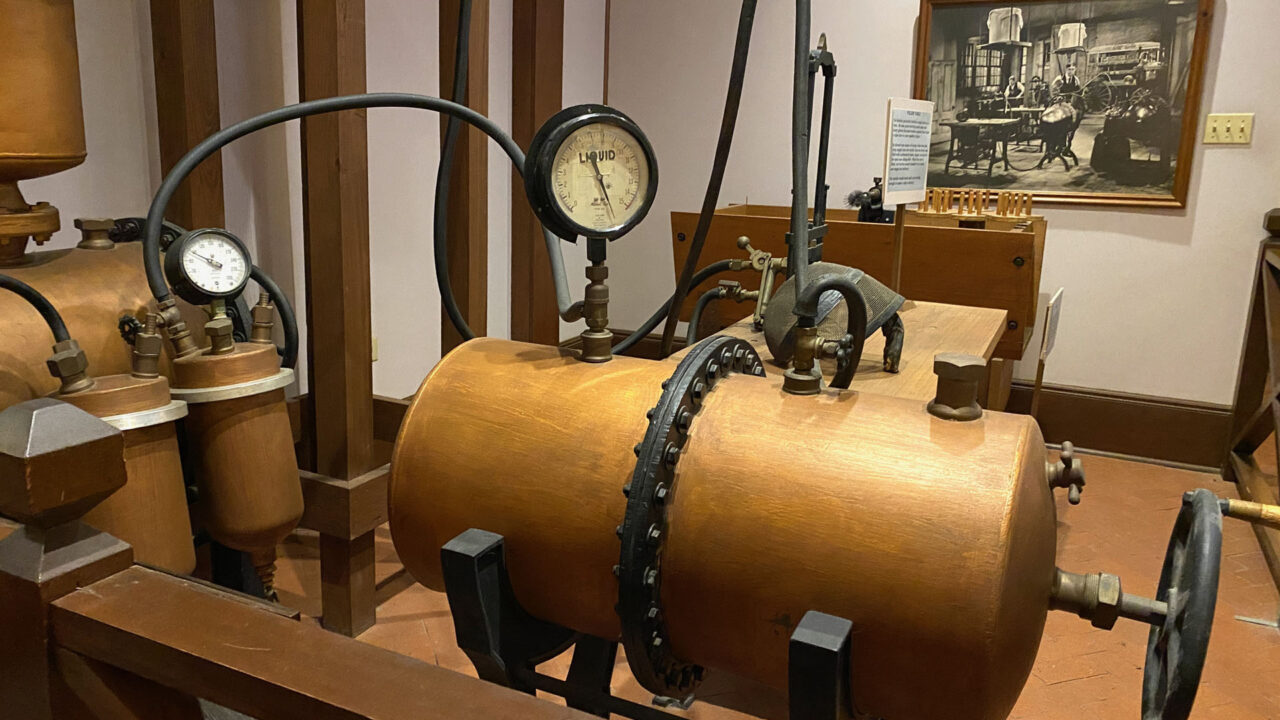
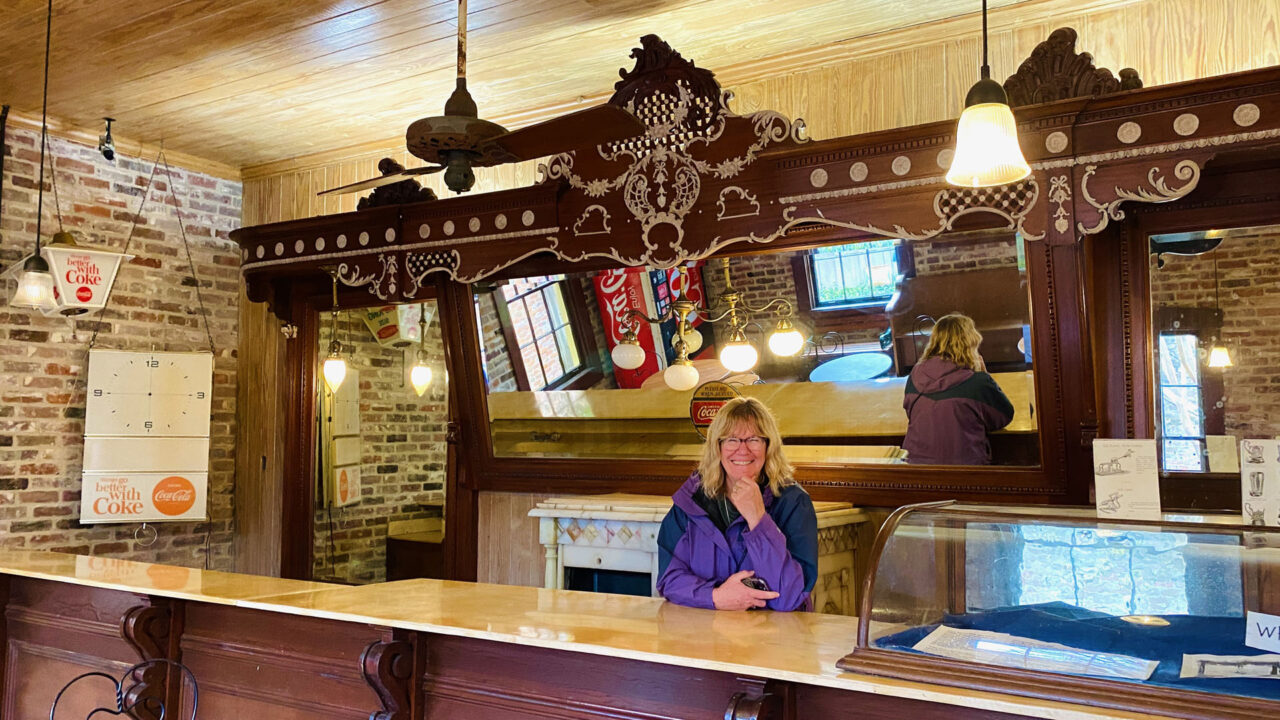
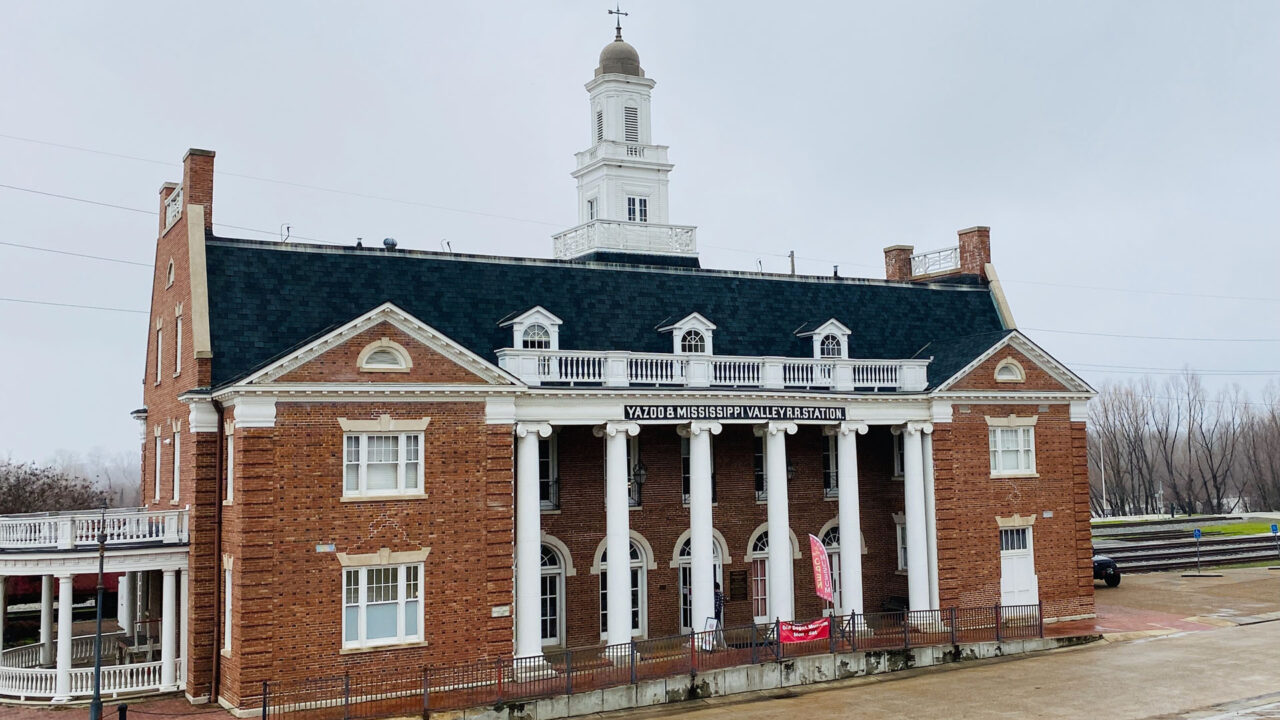
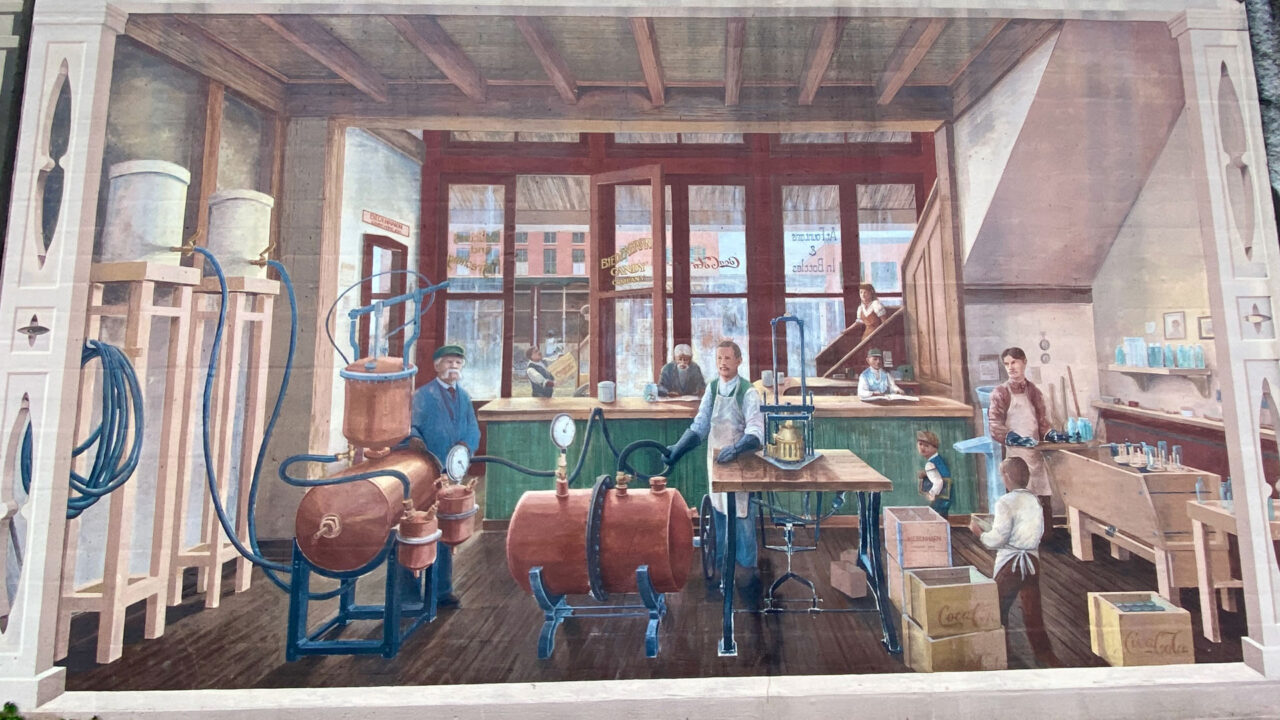
After that the pod stopped in at the Coca-Cola Museum. It’s the site where in 1894 Coke was bottled for the first time anywhere in the world! Great museum of historic Coke memorabilia.
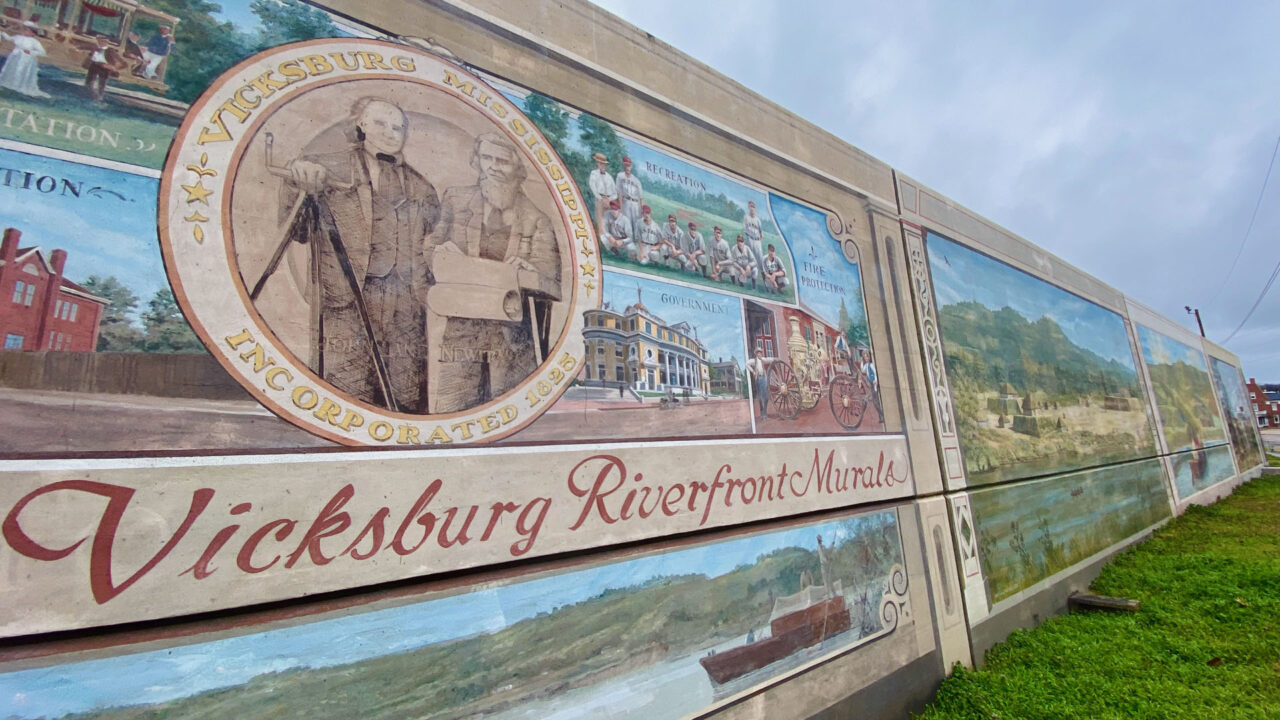
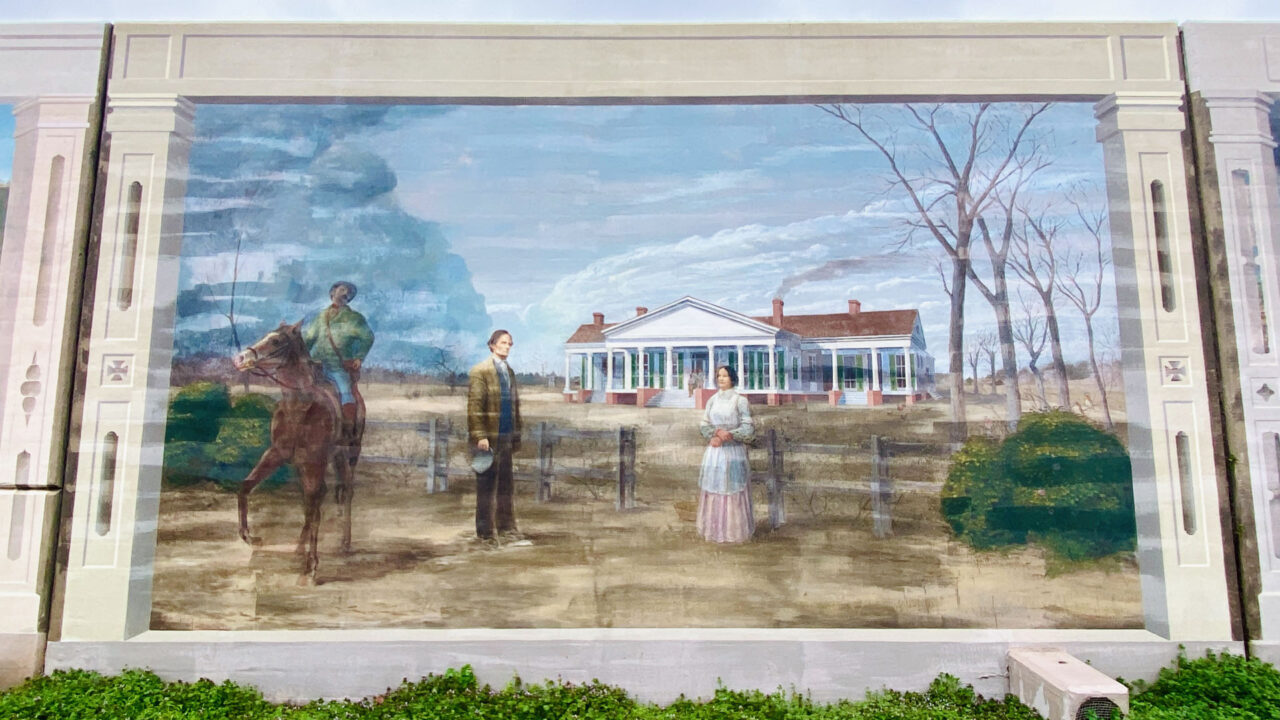
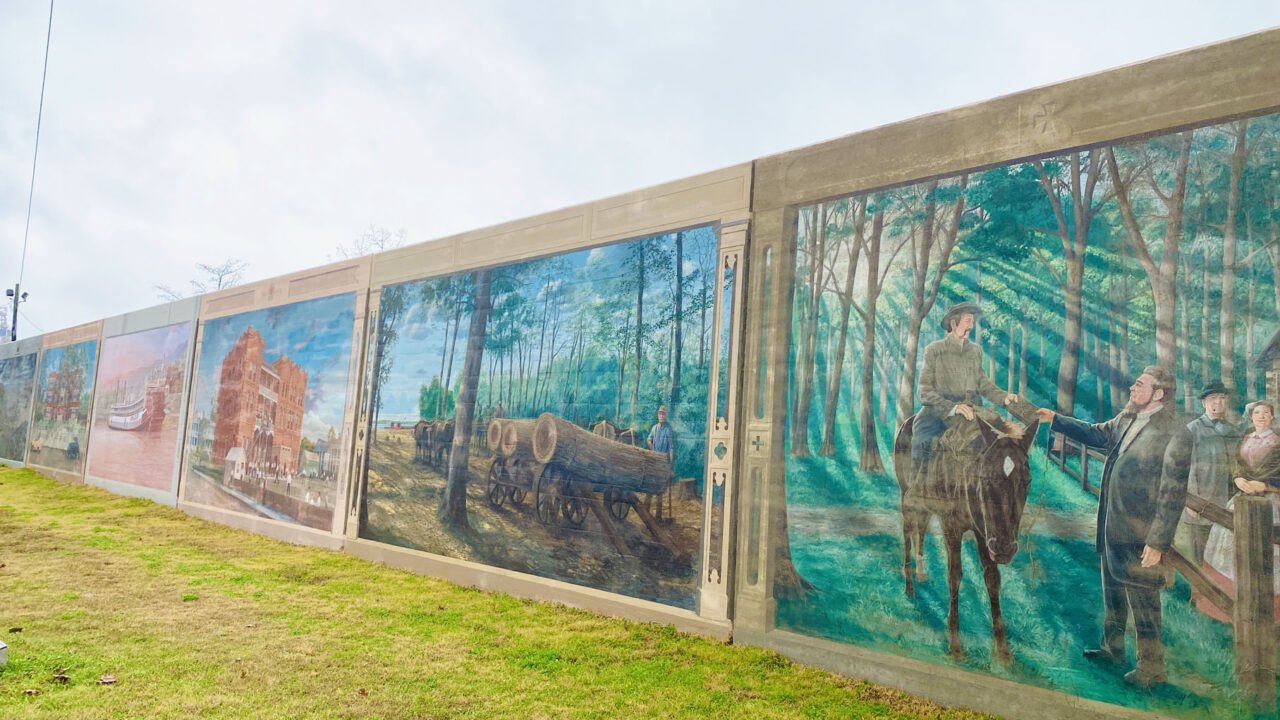
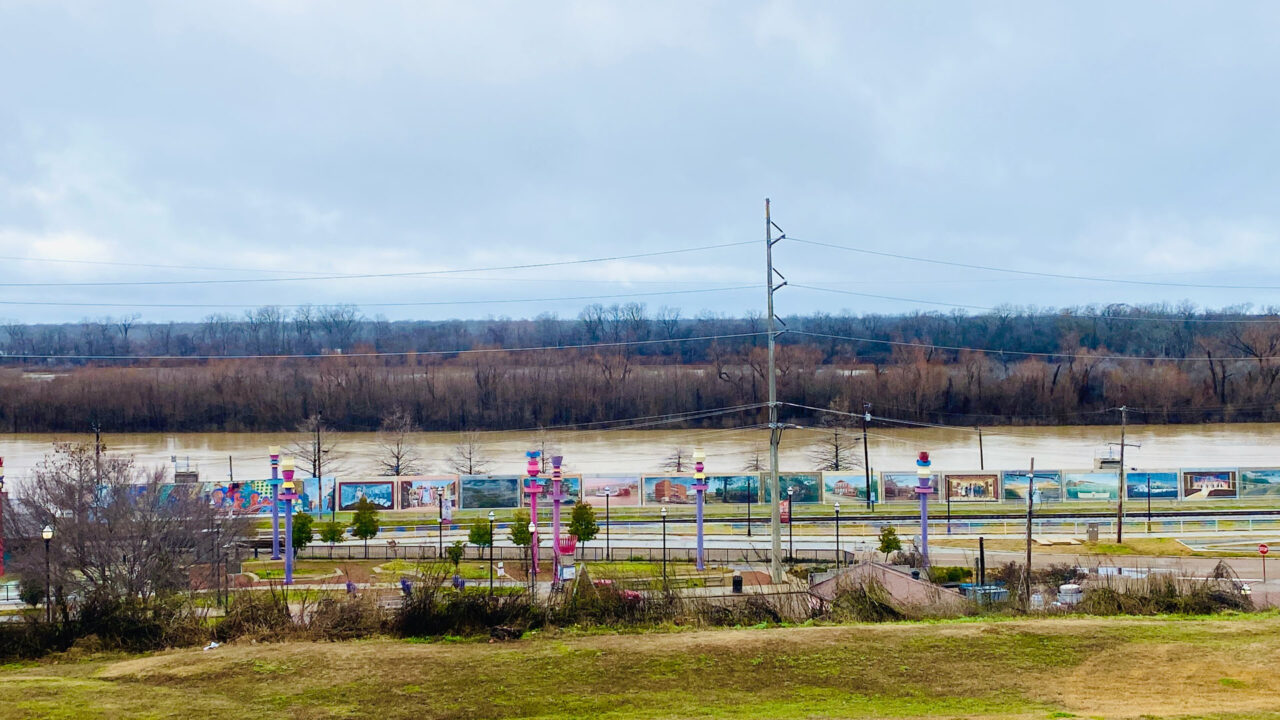
Lastly was the Vicksburg Riverfront Murals located on the flood wall. It’s a series of 32 murals depicting life in Vicksburg through the ages including…
- When Jefferson Davis was notified he’d been voted President of the Confederate States… his wife said he had a look on his face such that she thought there had been a death in the family. In many ways I guess there had been.
- Contributions by Vicksburg’s African American community
- The first bottling of Coca Cola.
- Dedication of the Illinois Monument at Vicksburg National Military Park
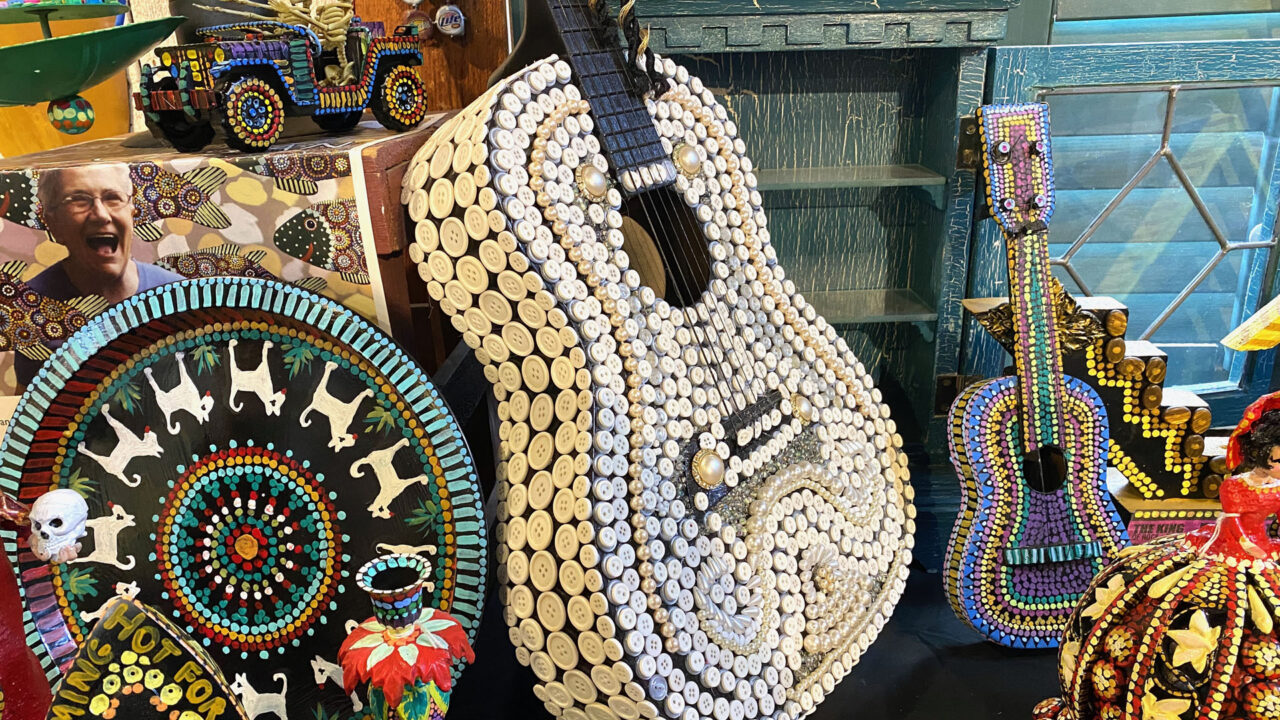
We ended with a visit to a local art gallery in town then headed home. So much history in Vicksburg. We are so glad we spent time here exploring this unique southern city.
Next stop on our traveling road show will be Minden, Louisiana which is just outside Shreveport.
Leave a Reply