SUN., SEPT. 1st, thru WED., SEPT. 4th, 2024
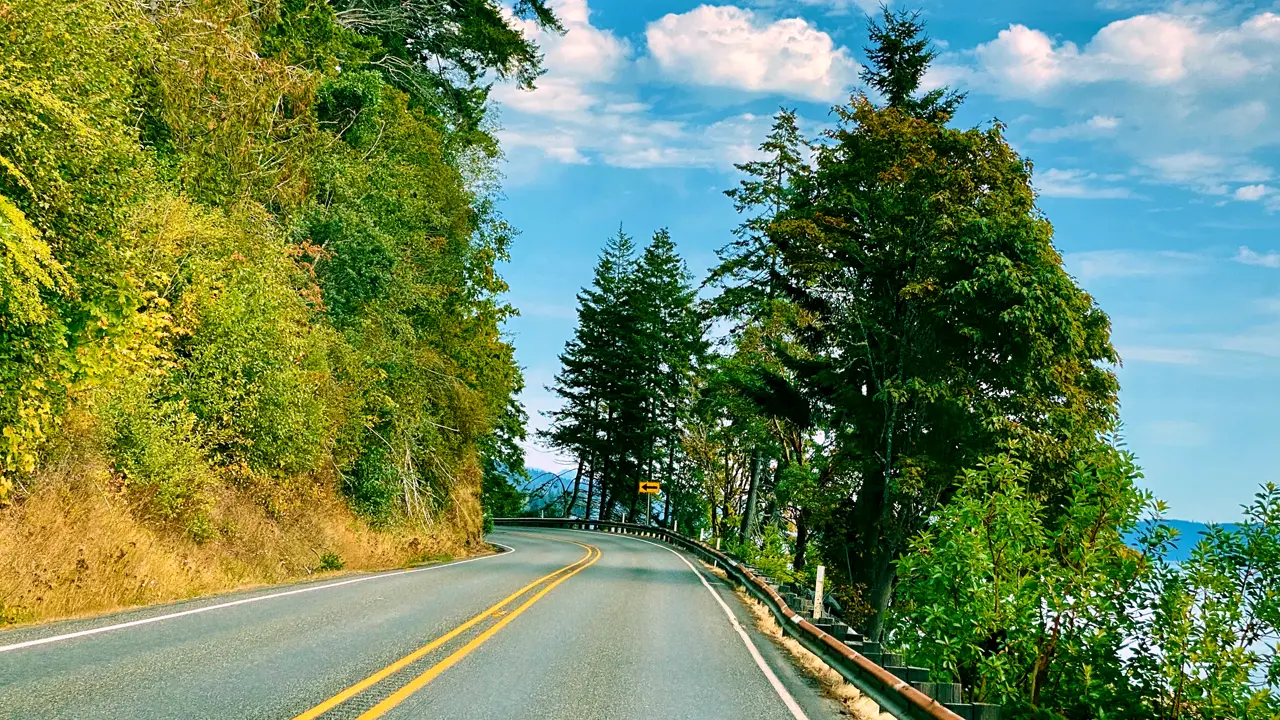
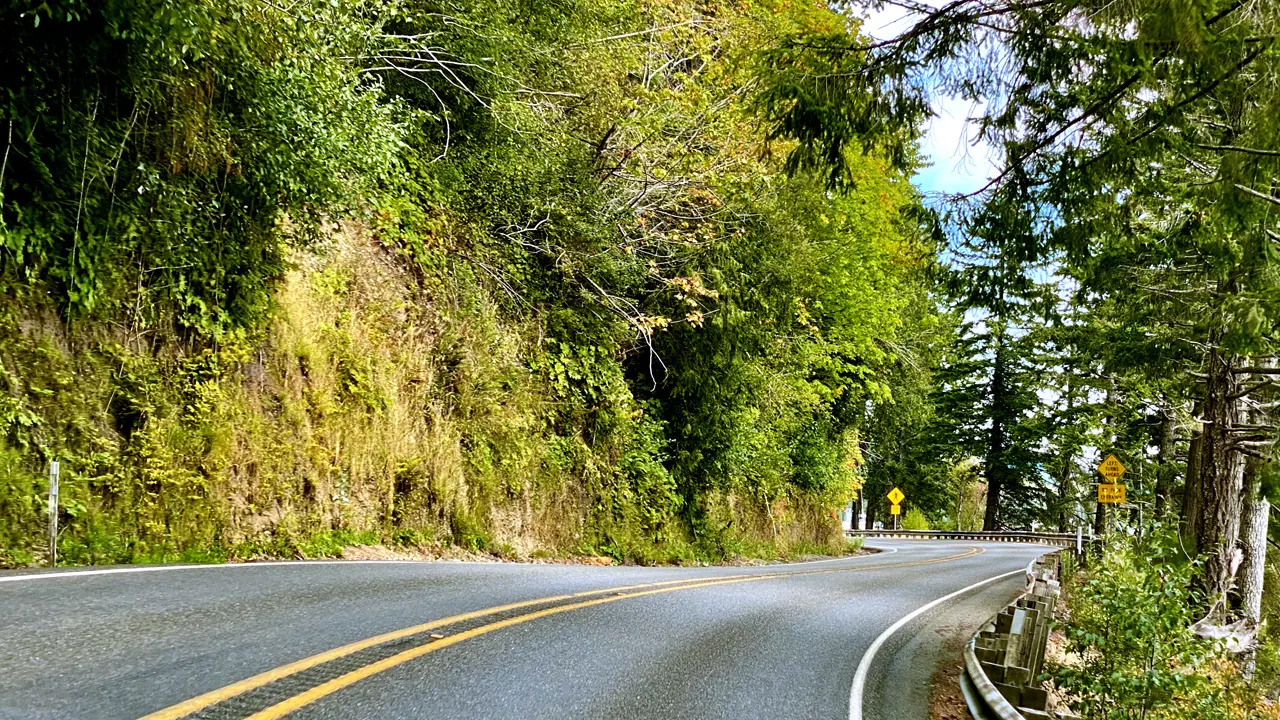
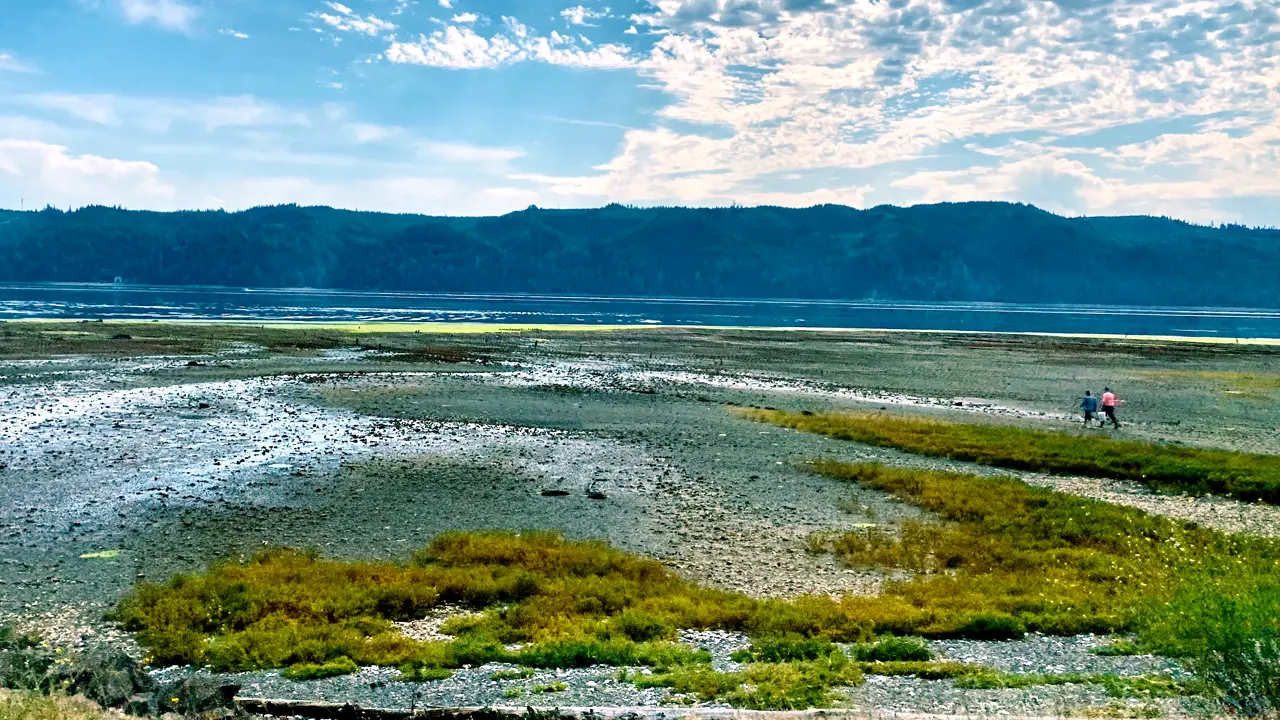
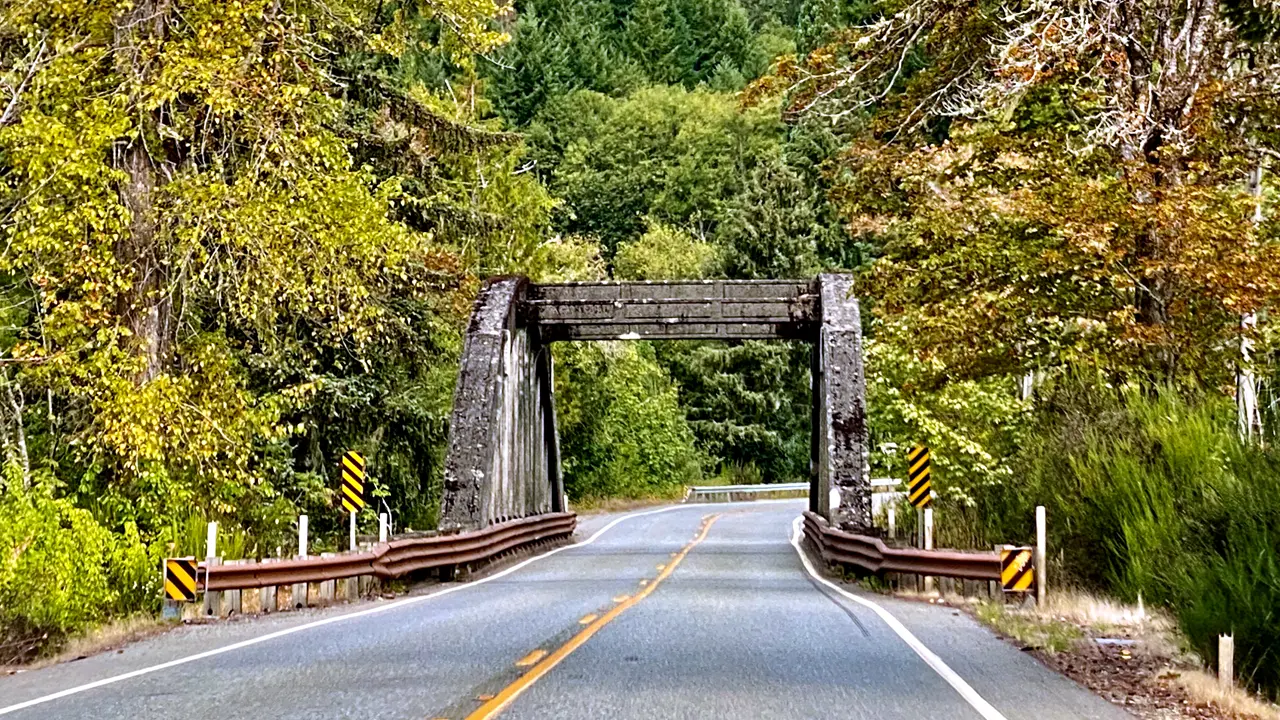
We traveled 86 miles north along scenic Highway 101, also known as the Olympic Coast Highway, to arrive in Sequim, Washington (pronounced Sqwim with the “e” silent). It was a beautiful ride passing a Christmas Tree farm, mud flats, an oyster farm and lots of greenery. It was also a winding road with narrow bridges, drop offs on the sides, and bicyclists to contend with… which all bothered me more than Gary. lol
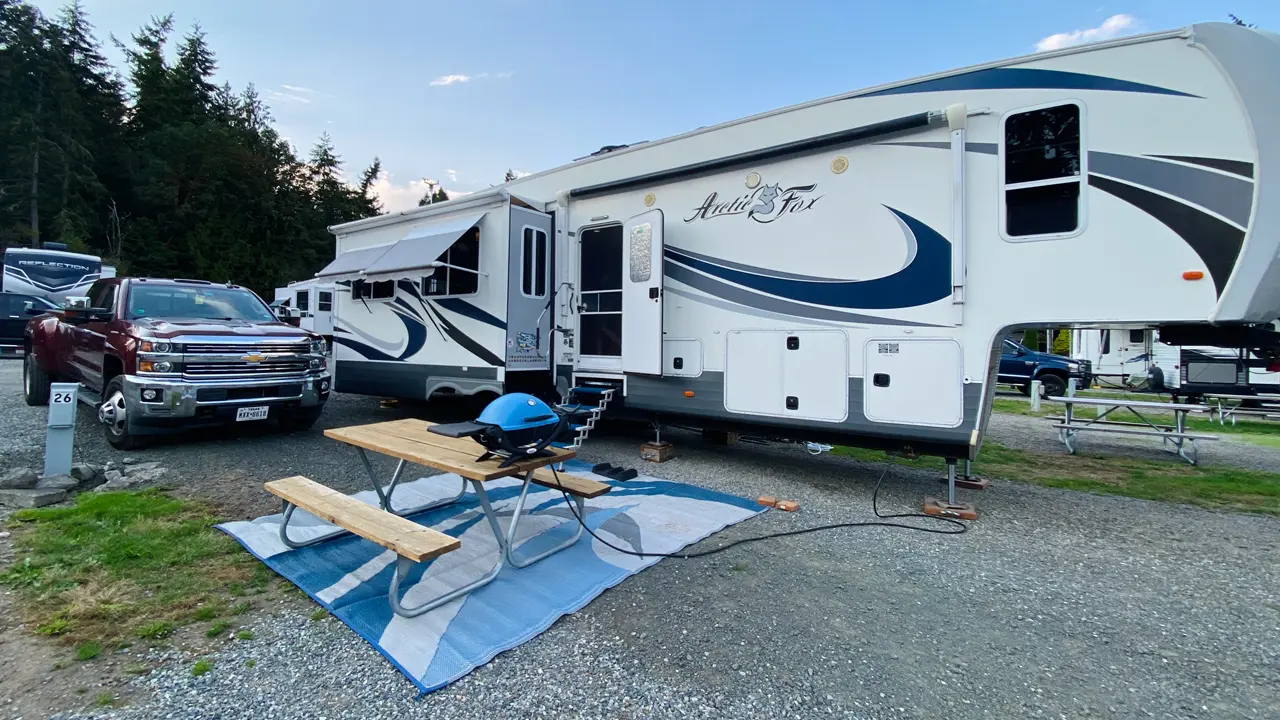
We arrived at John Wayne’s Waterfront Resort. Yes, THAT John Wayne! He loved Sequim and his Foundation was the money behind this campground and the John Wayne Marina, which is across the street. The campground is more “rustic” than “resort.” However, we do have the beautiful waterfront across the street, and it’s a quiet campground with a friendly and helpful staff. We just barely fit into our site. It’s a tight fit! But so was the other campground we stayed at in Sequim when we visited 7 years ago!
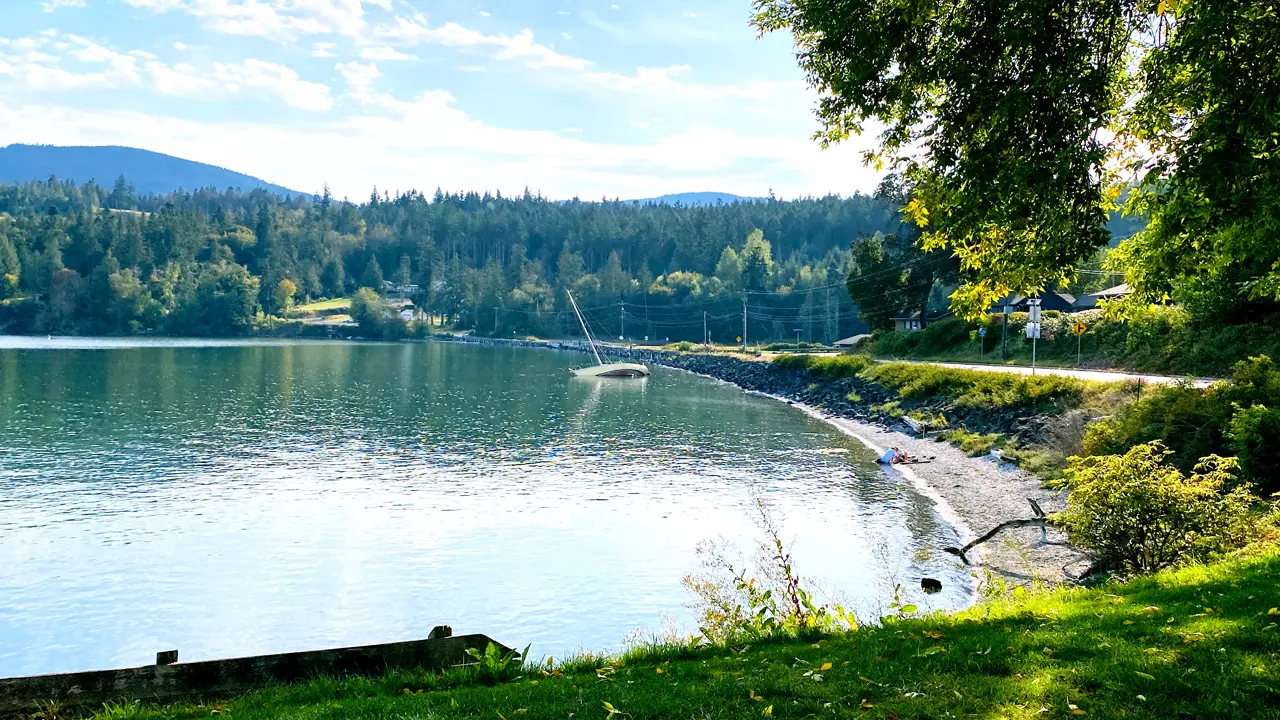
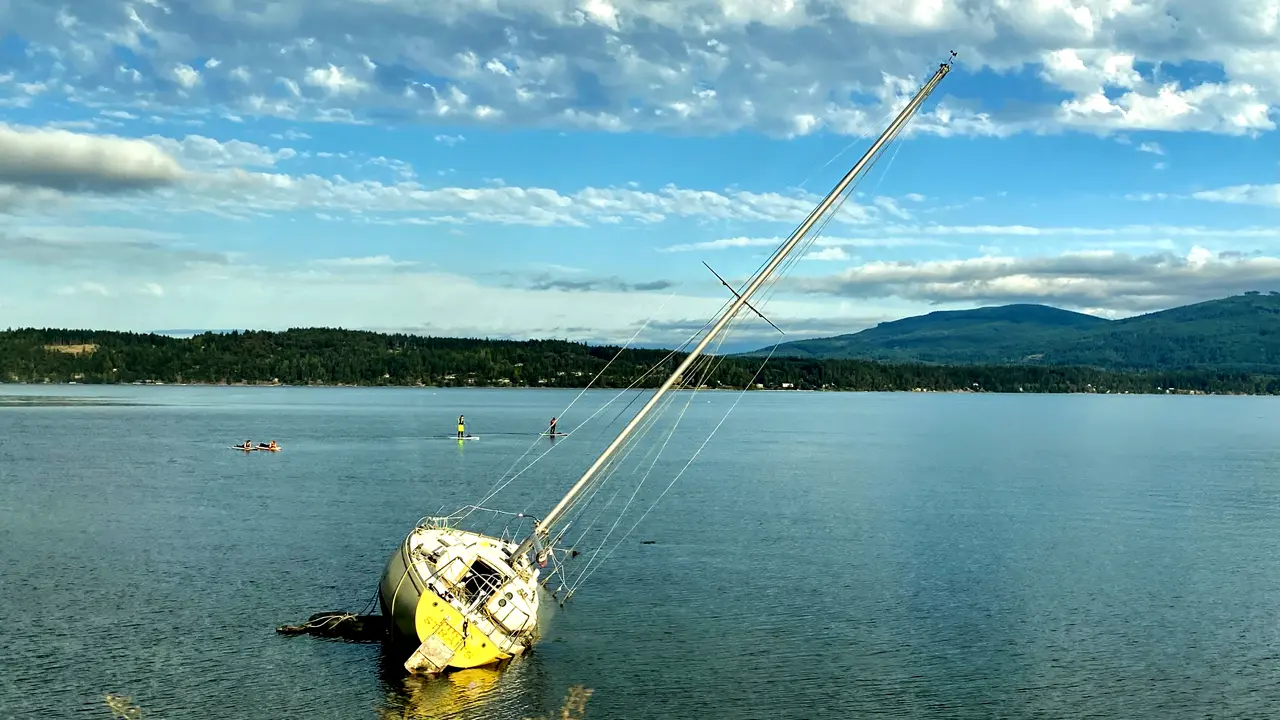
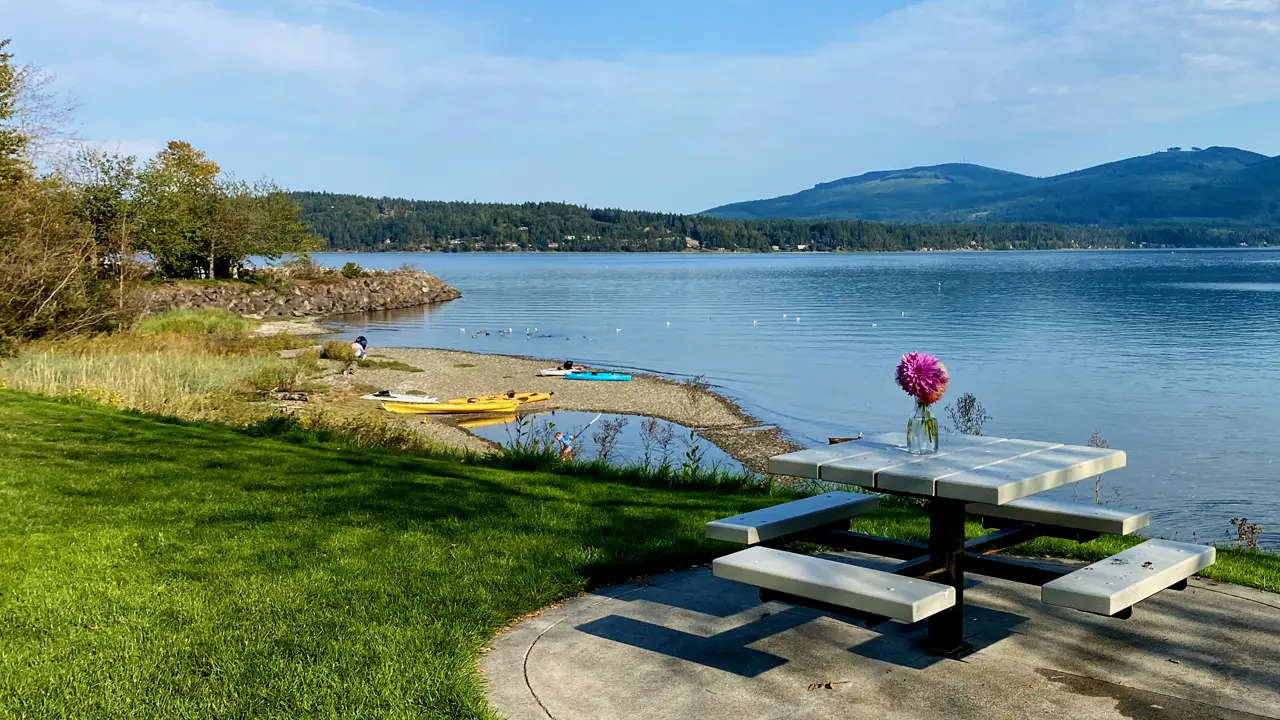
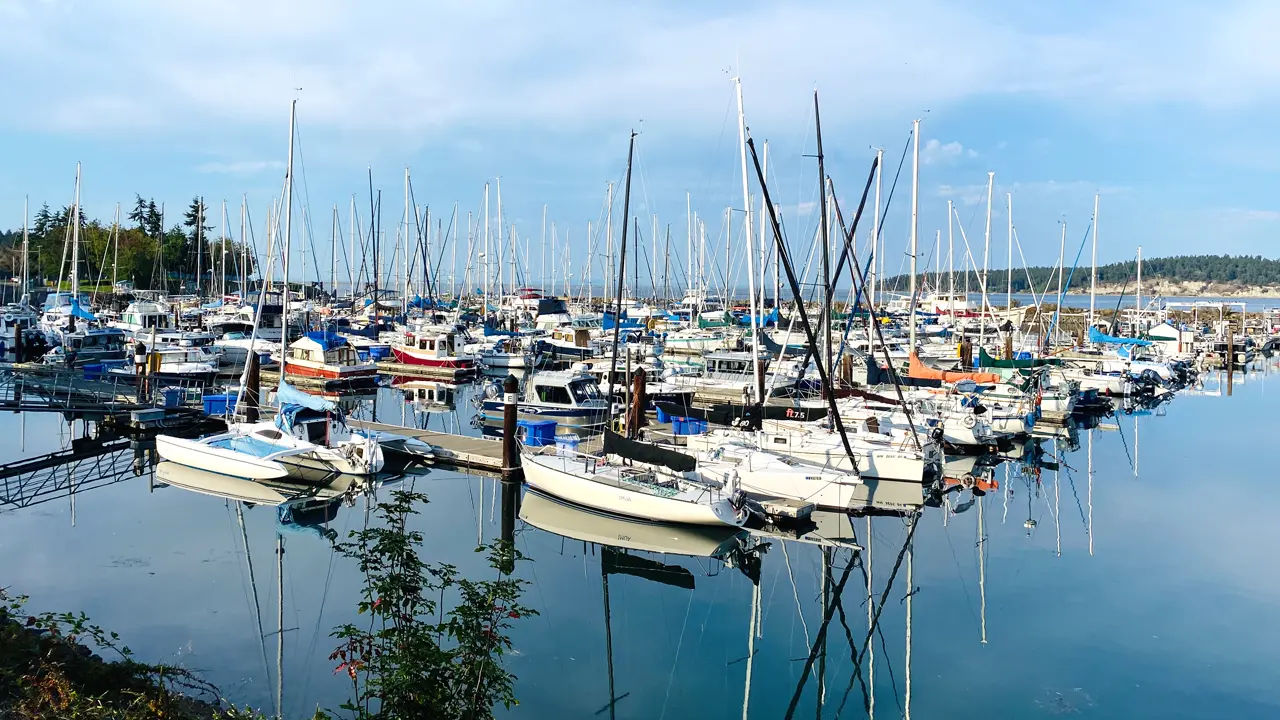
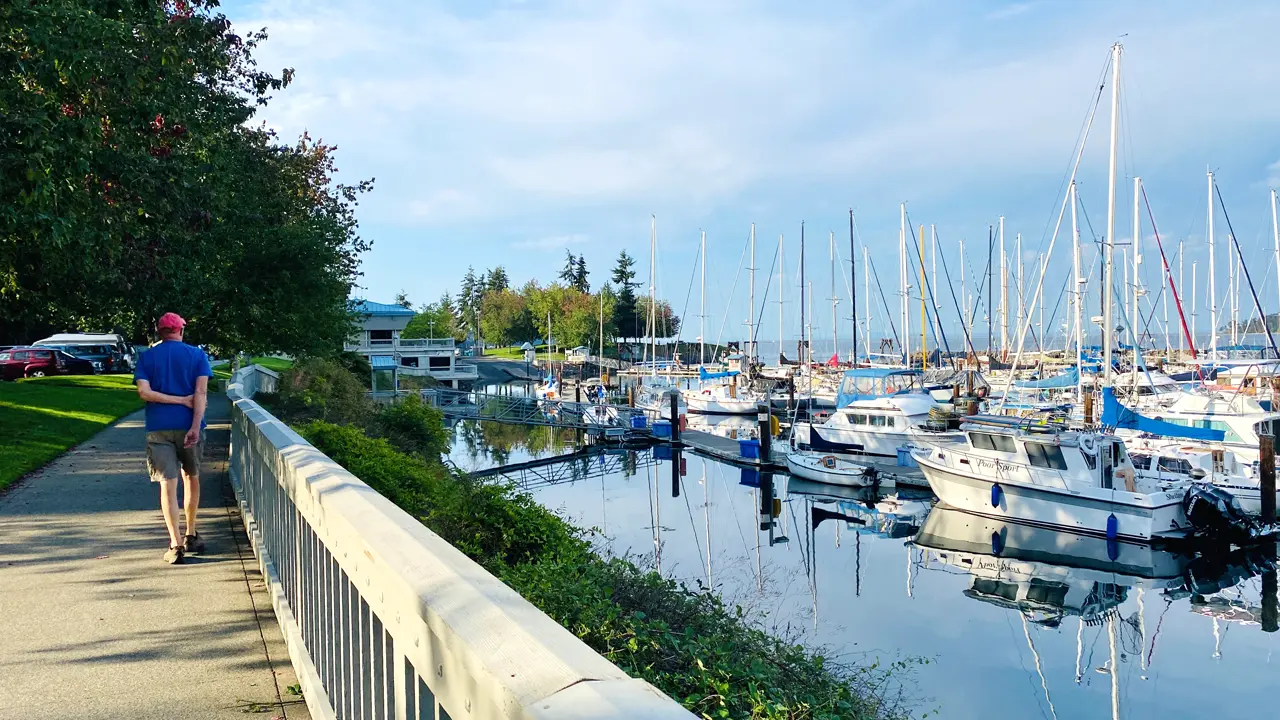
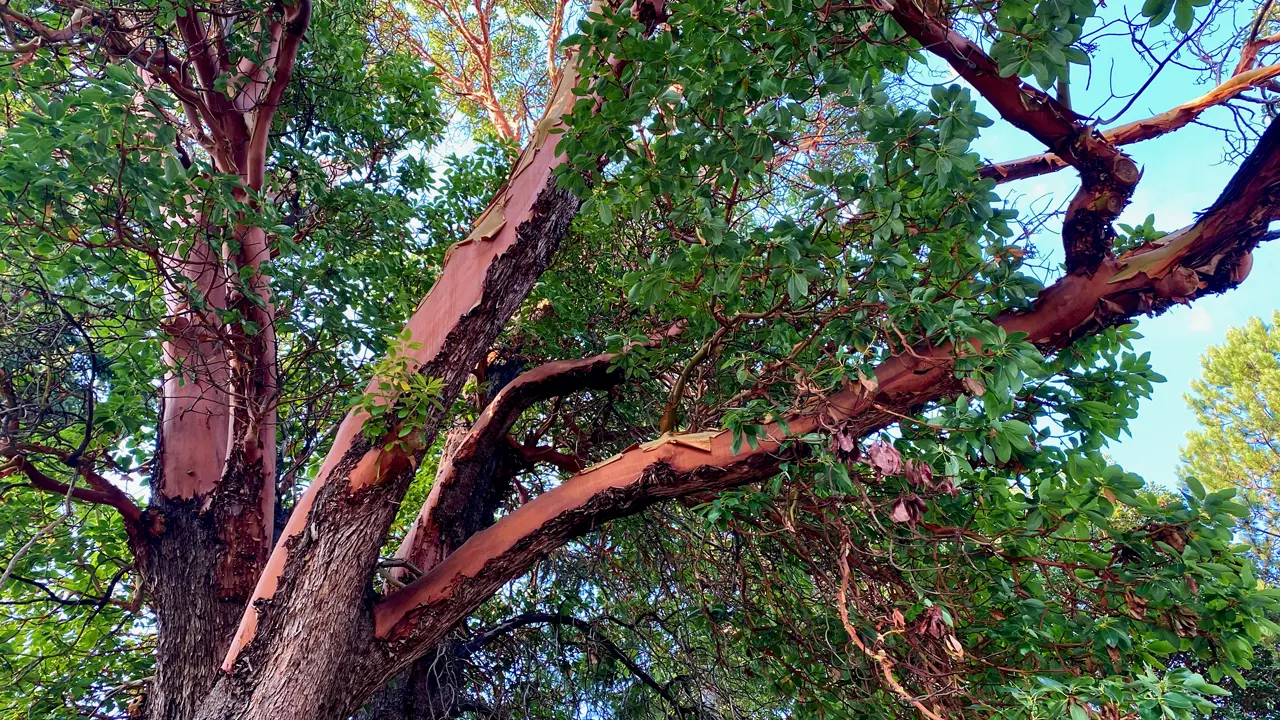
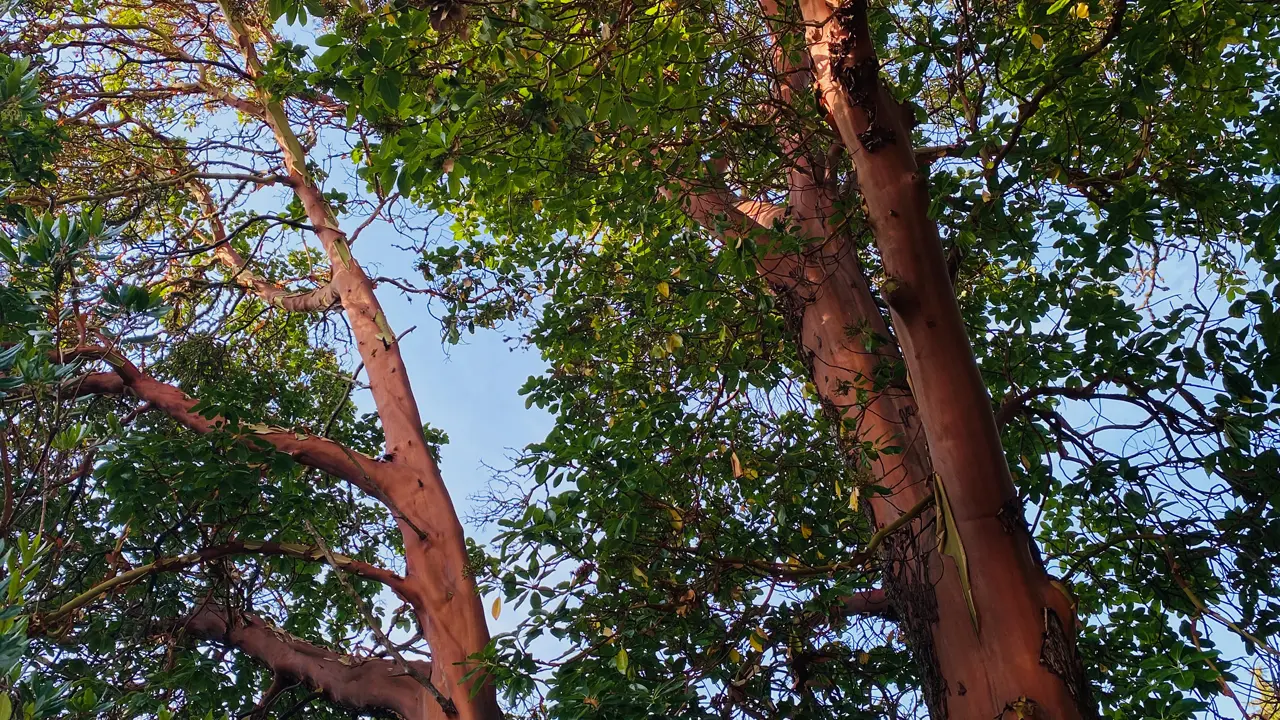
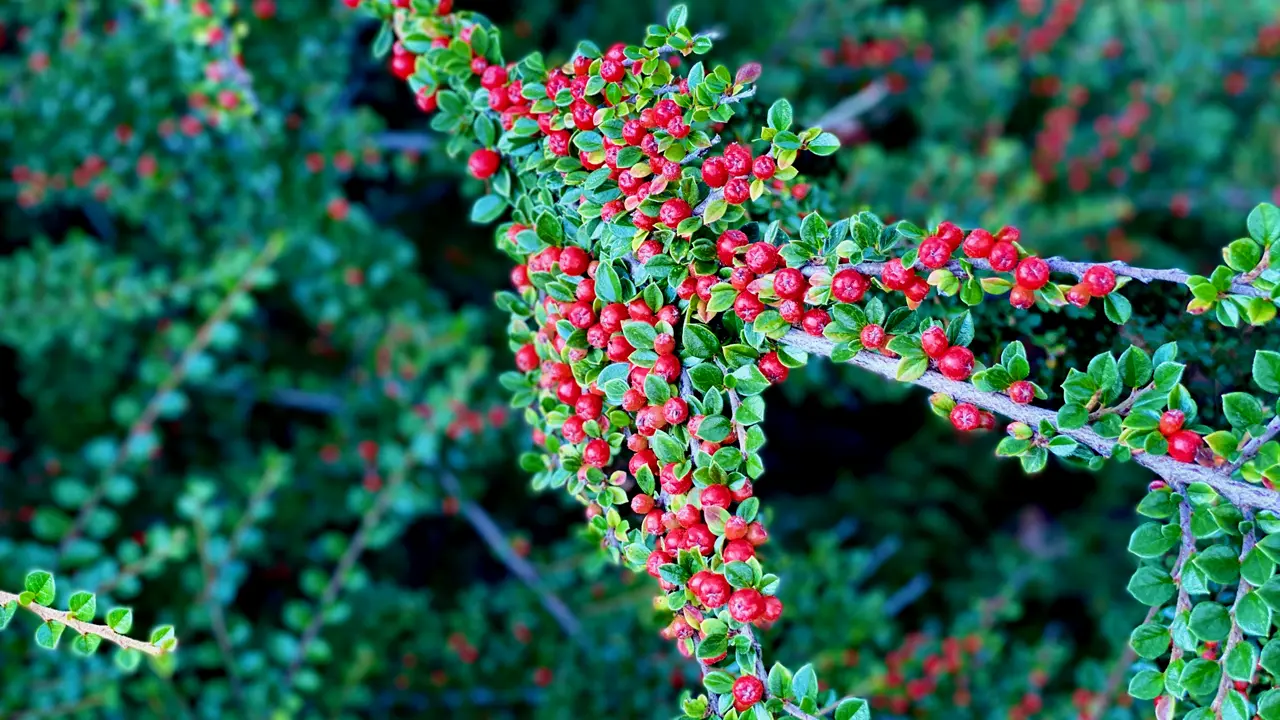
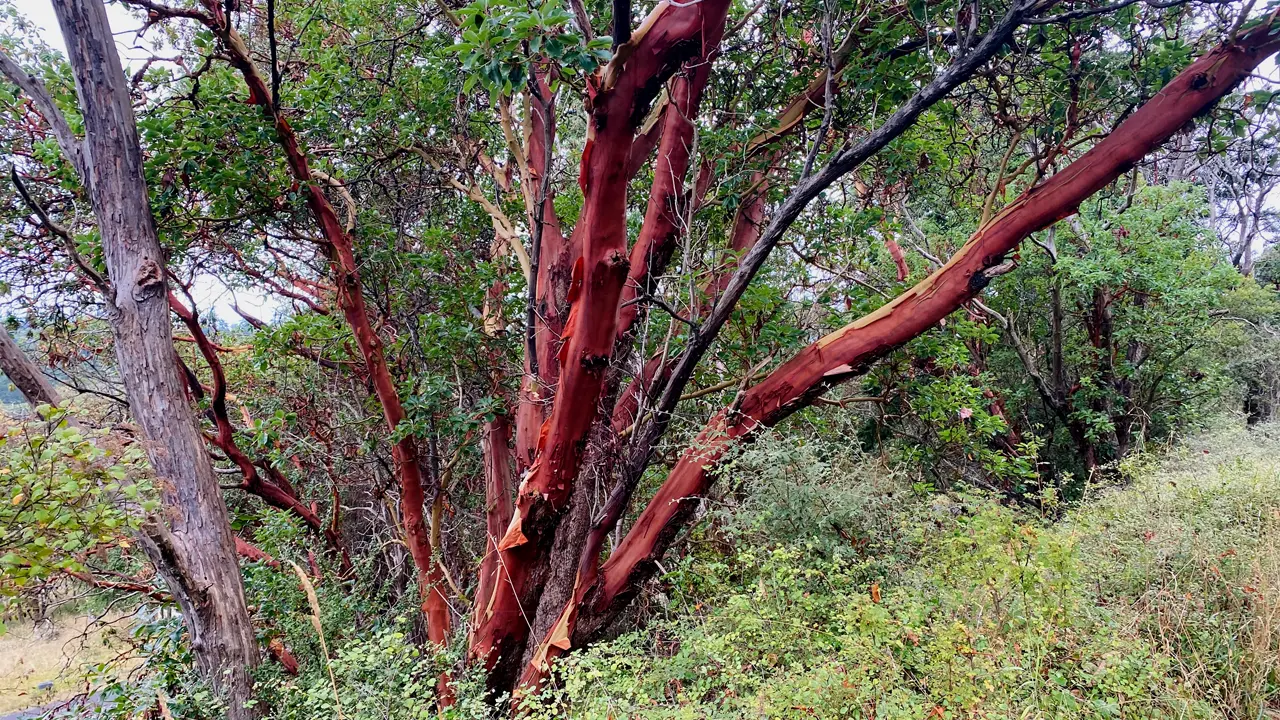
After setting up we took a walk over to the Marina. It is awesome… nice boats, paved paths, a beach, picnic area, lots of greenery, and a restaurant. We spotted a Pacific Madrone tree. It’s an evergreen tree with distinctive copper-colored bark. When the tree is mature, the bark peels off in sheets. It leaves a smooth, satiny surface that turns silver-green colored. In the spring the tree produces flowers followed by berries in the fall. So unique! We also came across a Rockspray Cotoneaster. They were all over the marina. A low-growing deciduous shrub with bright scarlet fruit appearing in late summer to early fall. Glossy dark green leaves turn reddish-purple in the fall.
This is the first of 3 stays for us exploring the Olympic Peninsula and 2 stays exploring Olympic National Park. We so loved this area the first time we were here picking up our then new tiny home and incorporating a 5-week trip back to NH! We are definitely looking forward to exploring the Olympic Peninsula again.
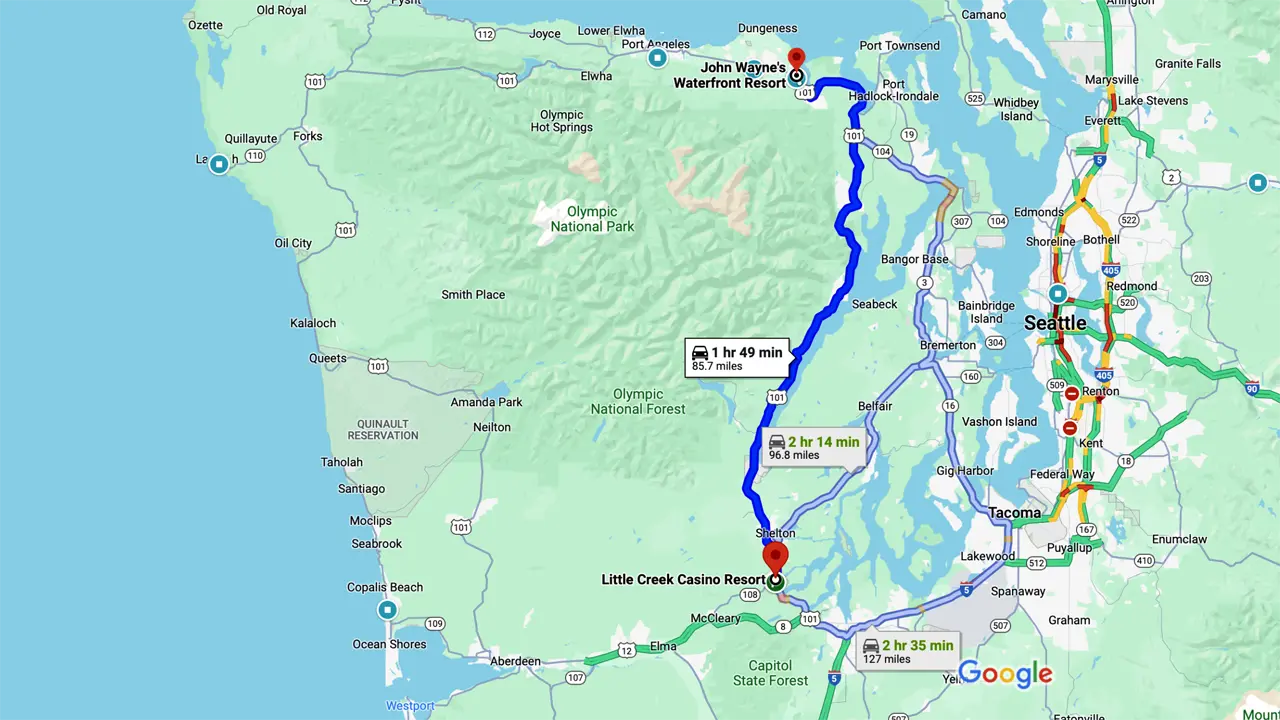 Shelton to Sequim WA
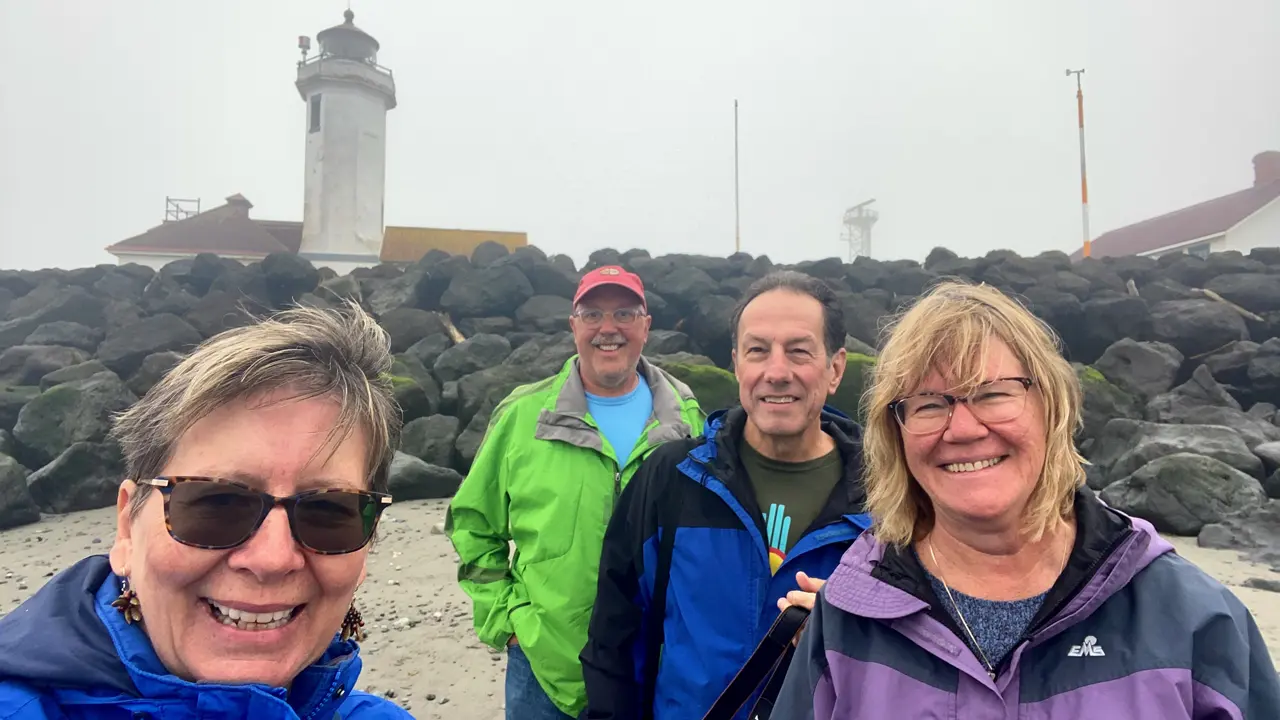
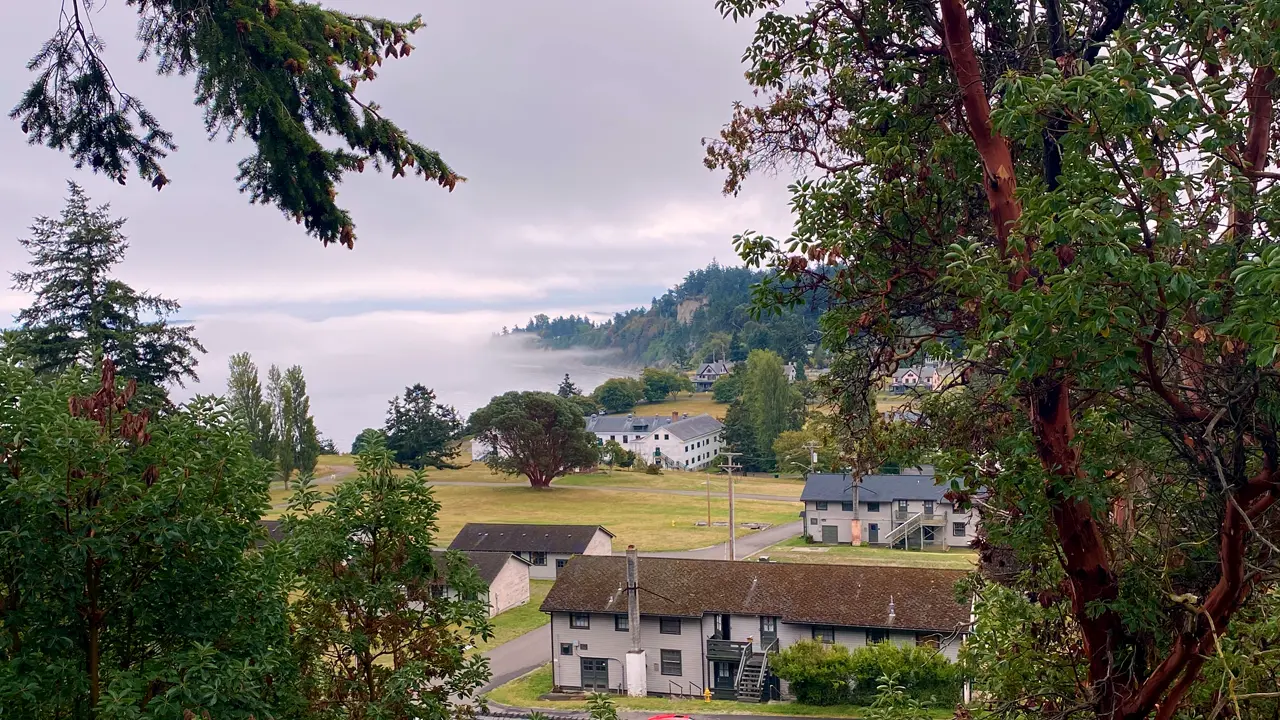
On Monday, Sept. 2nd (2024), it started out as a foggy and misty day… very atmospheric. Our first stop was visiting Fort Worden Historic State Park which sits on a high bluff overlooking Puget Sound. It has 2 miles of shoreline with a driftwood-strewn beach, a historic lighthouse and a 19th-century military fort.
Constructed between 1898 and 1917, Fort Worden was home to nearly 1,000 troops and officers training to defend the Puget Sound from potential invaders. It was operational during WWI and WWII and closed in 1953. Fun fact: An Officer and A Gentleman was filmed at Fort Worden! We did end up watching the movie again a few days later and recognized areas in Ford Worden where we had visited! That was cool!
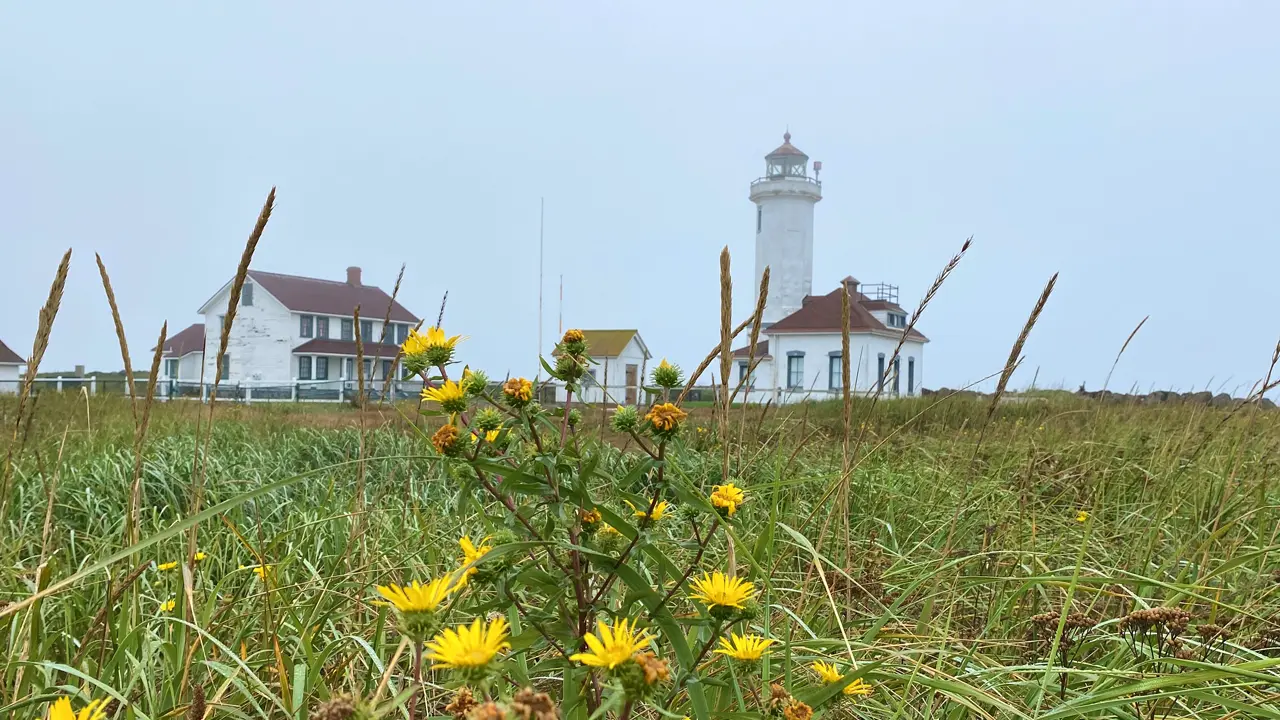
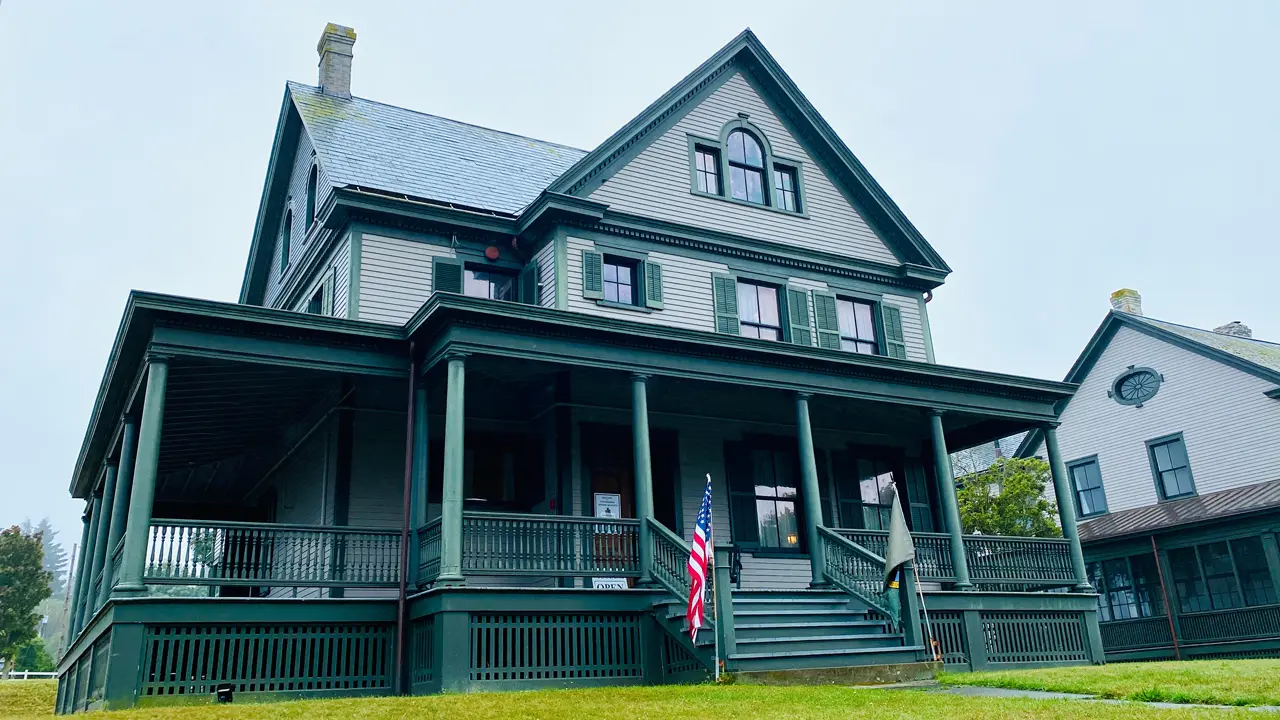
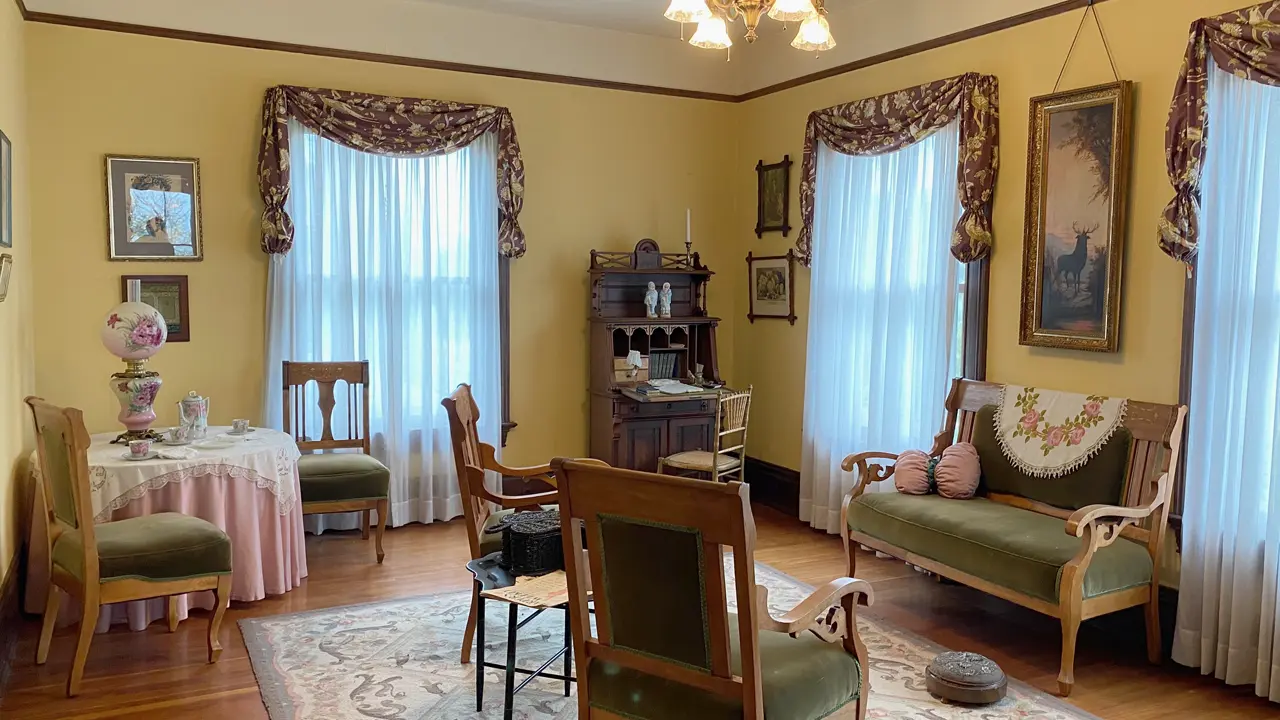
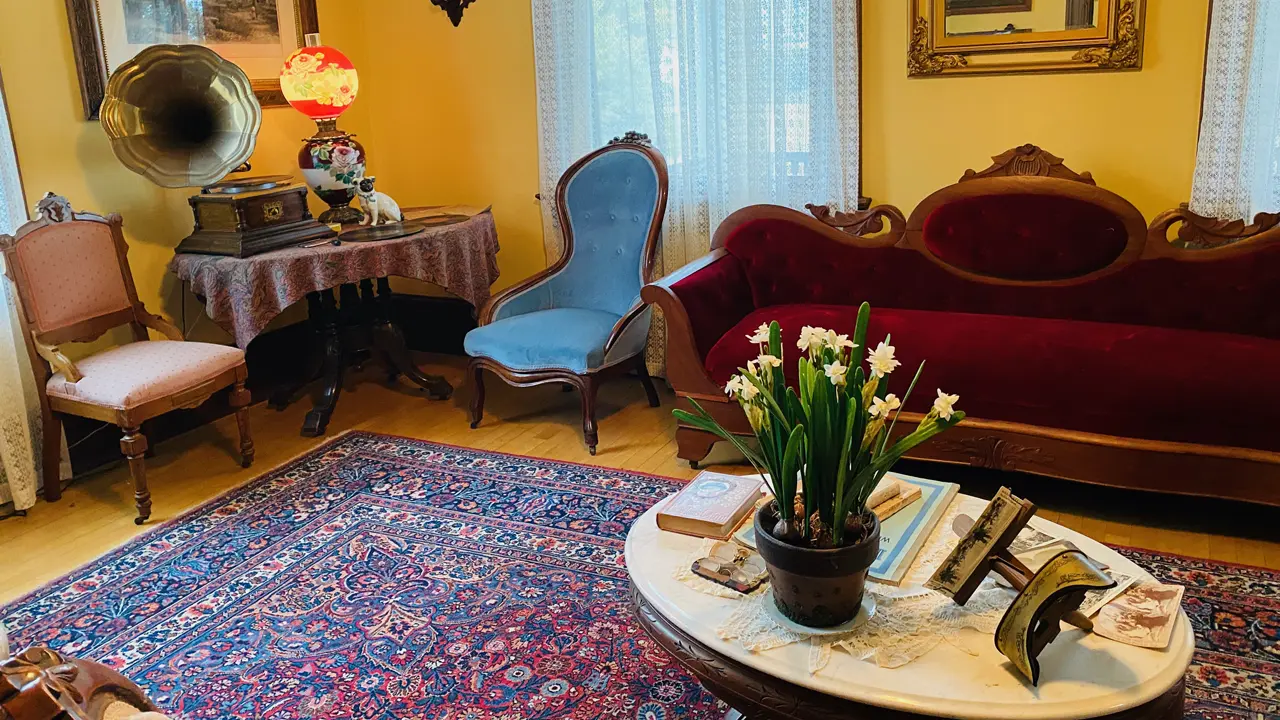
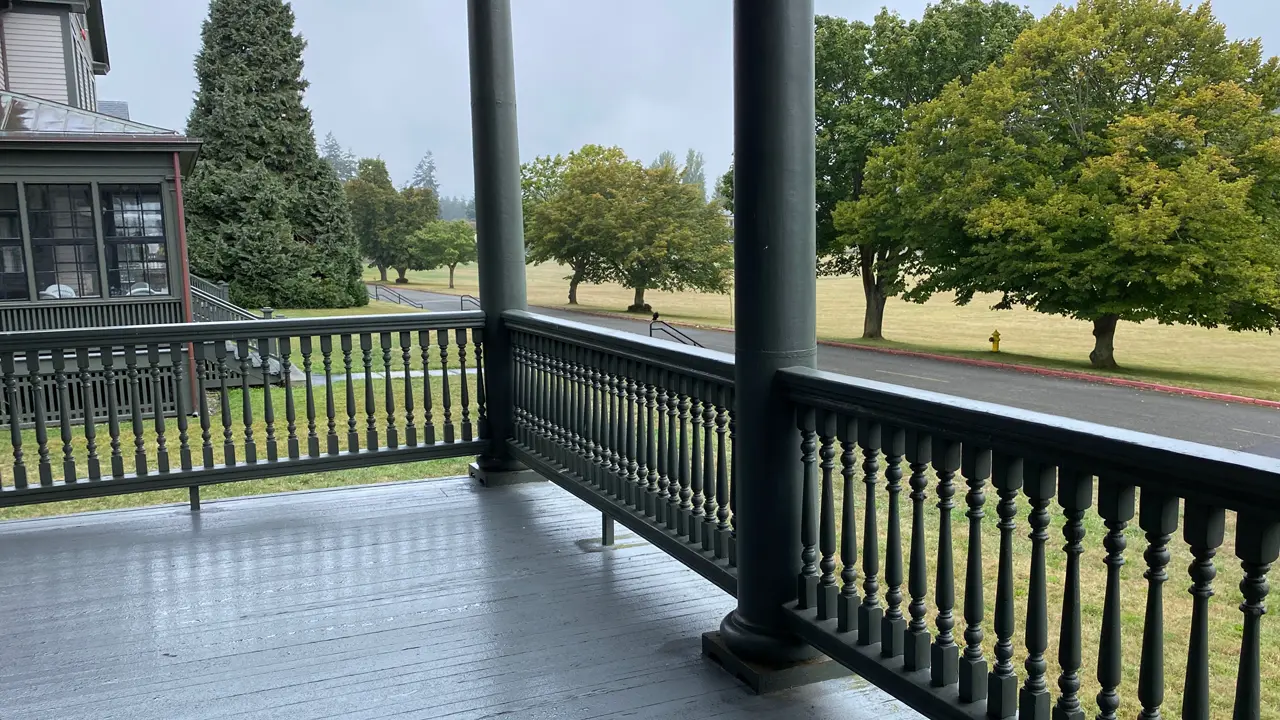
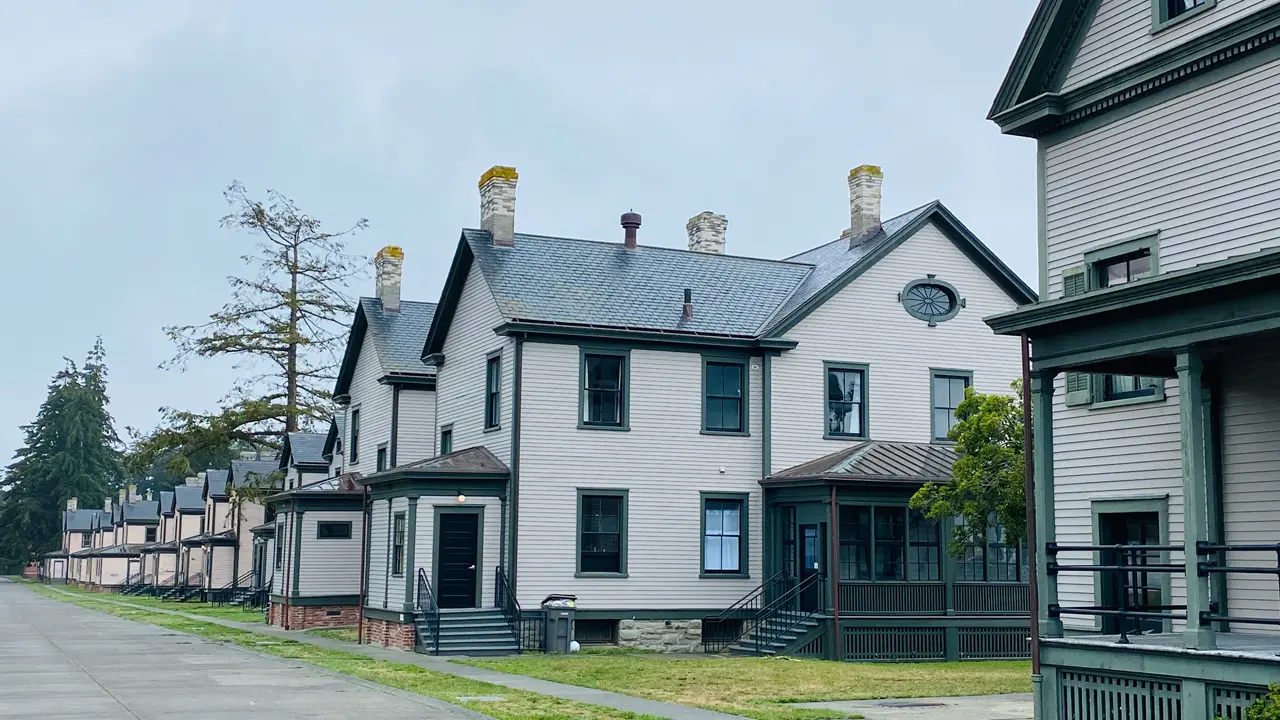
The historic lighthouse has been in operation since 1914, with the light being automated in 1976. It’s in a very picturesque setting (see photos below). Afterwards we headed to the military fort and first visited the Commanding Officer’s Quarters Museum. It was quite posh for its time! It was wired for electricity, had hot and cold running water, and flush toilets. Officers were on a waiting list to live there. The wife’s sitting room, where she would receive guests, was quite nice. I could see curling up with a good book there! We also saw a row of homes that other officers lived in. Now they are rented out as vacation homes.
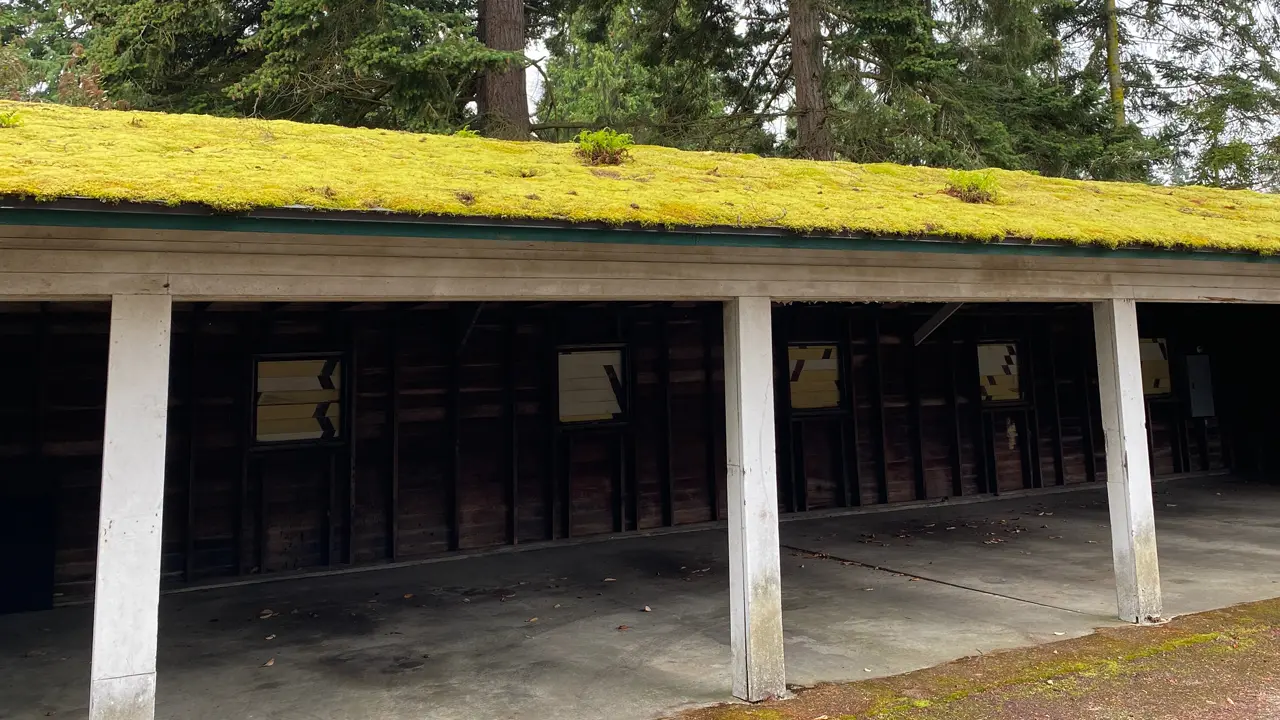
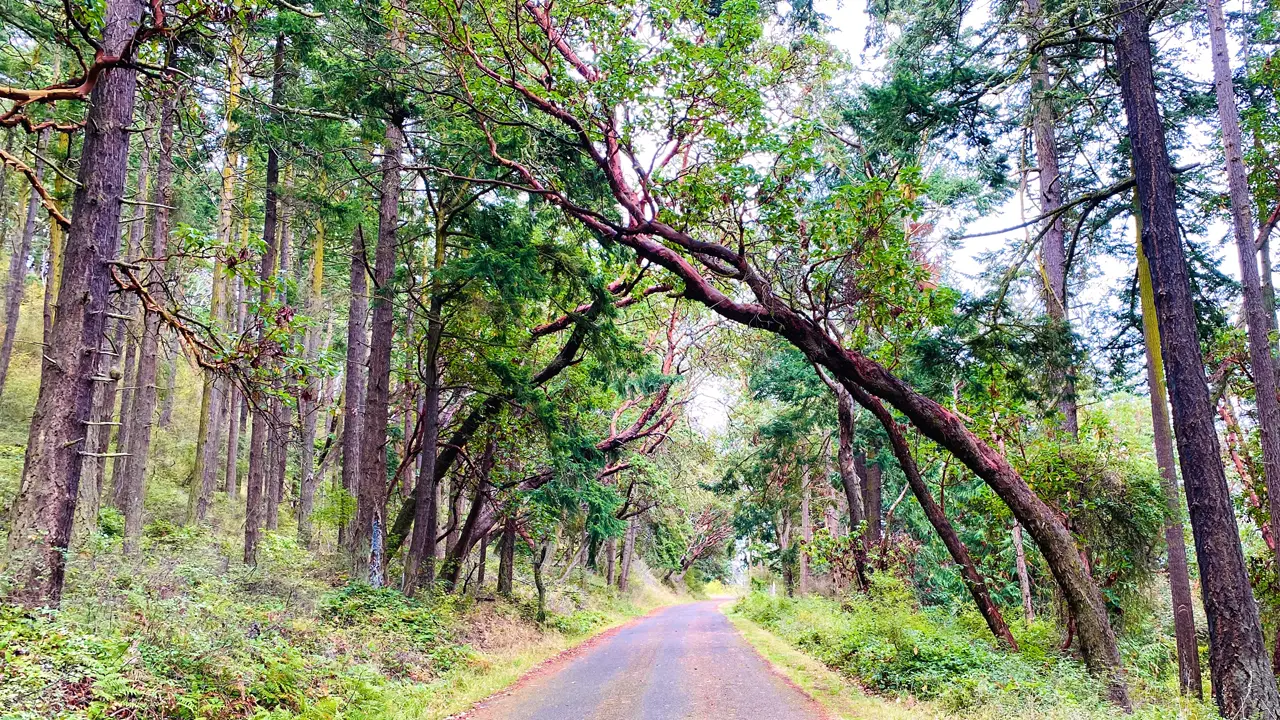
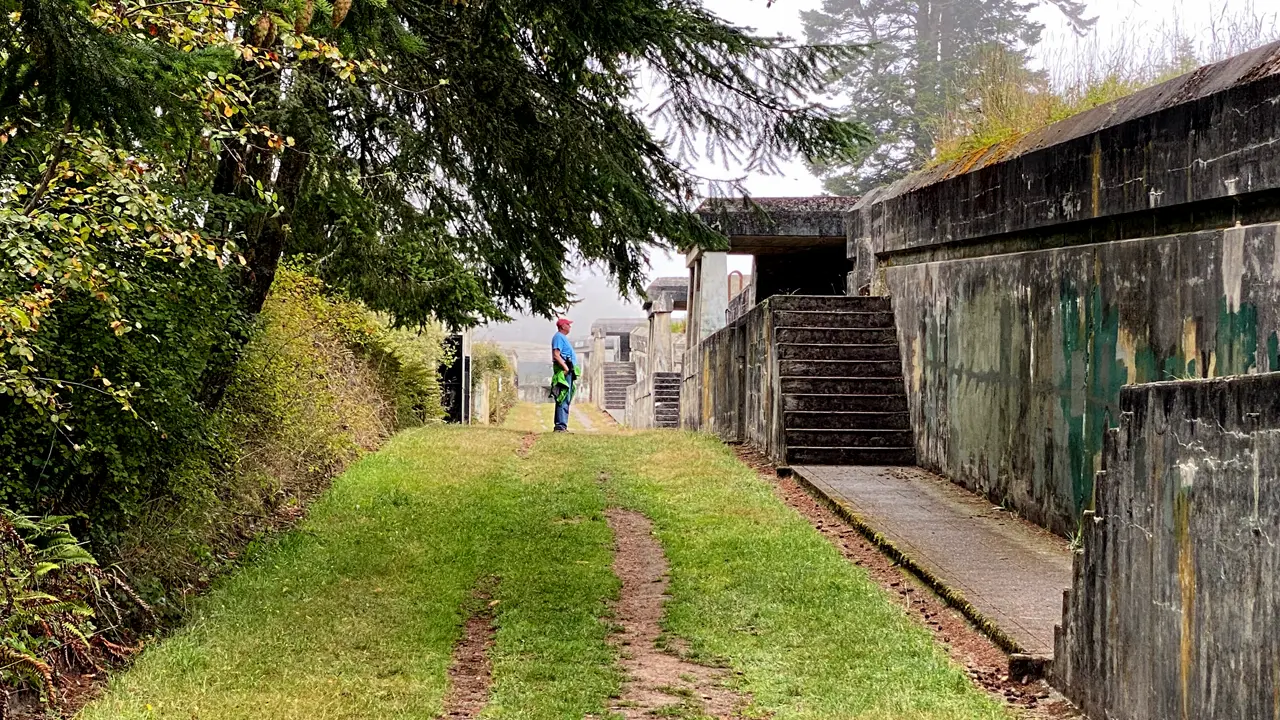
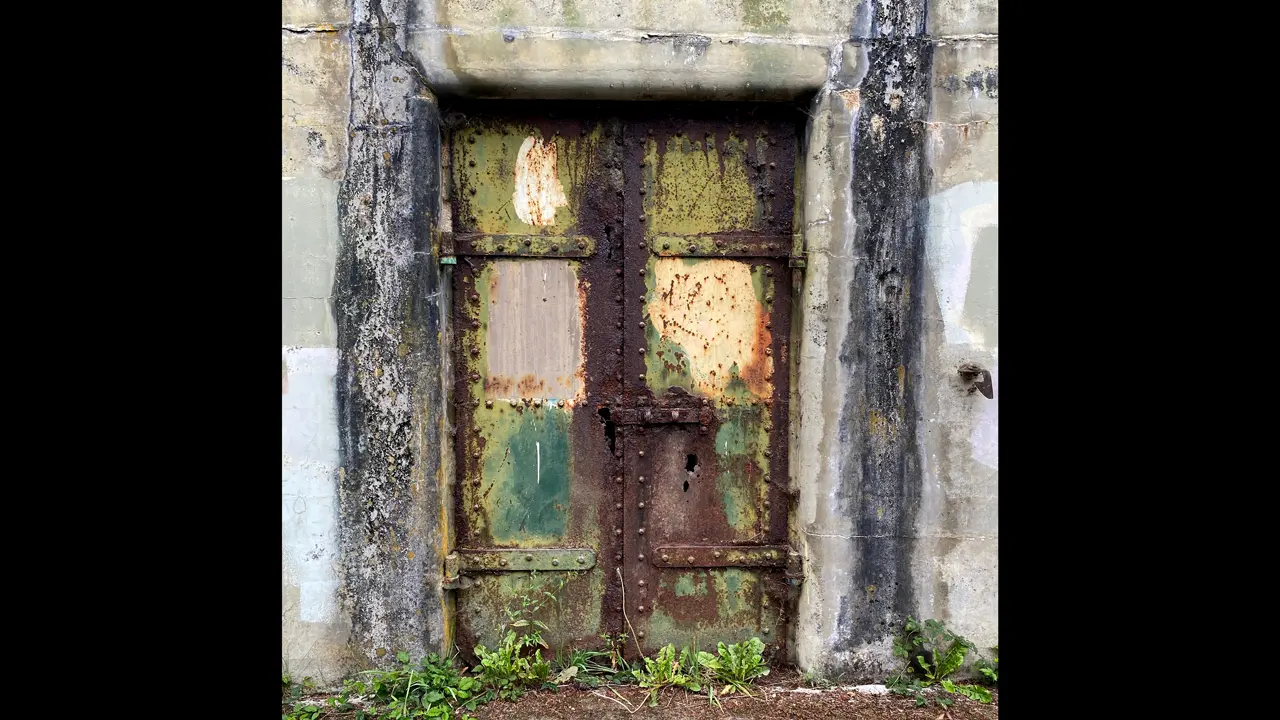
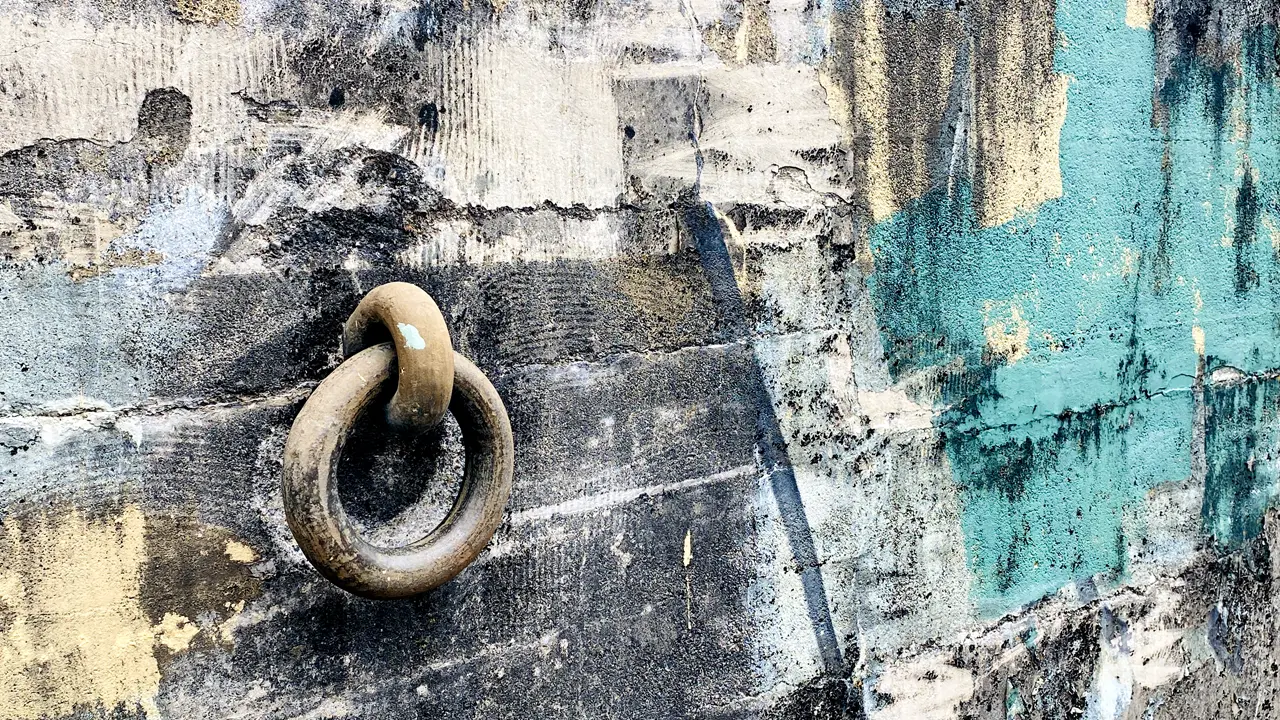
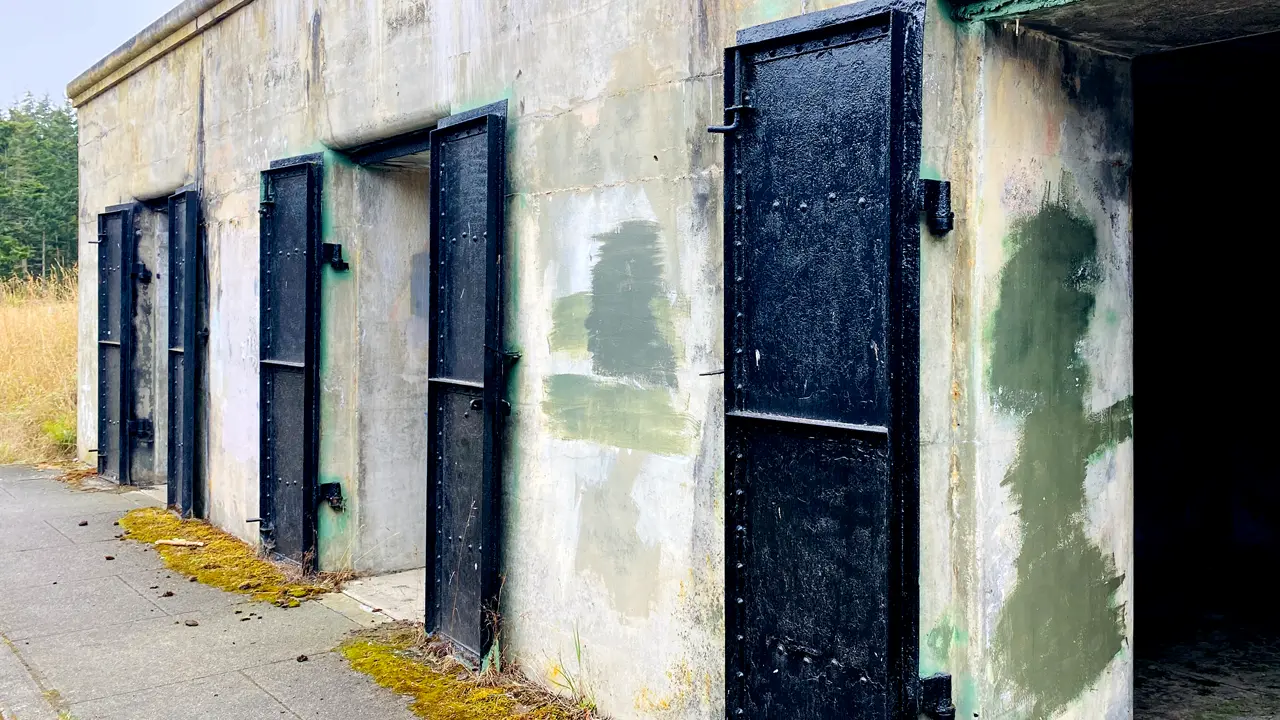
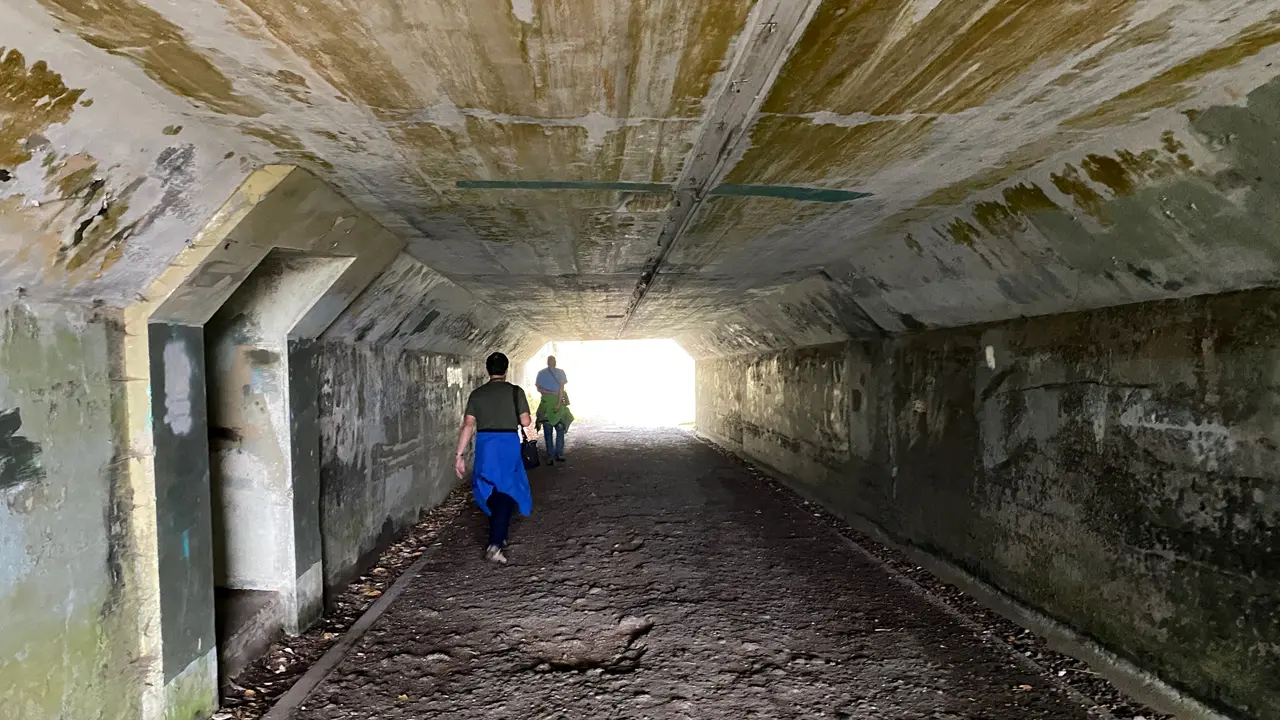
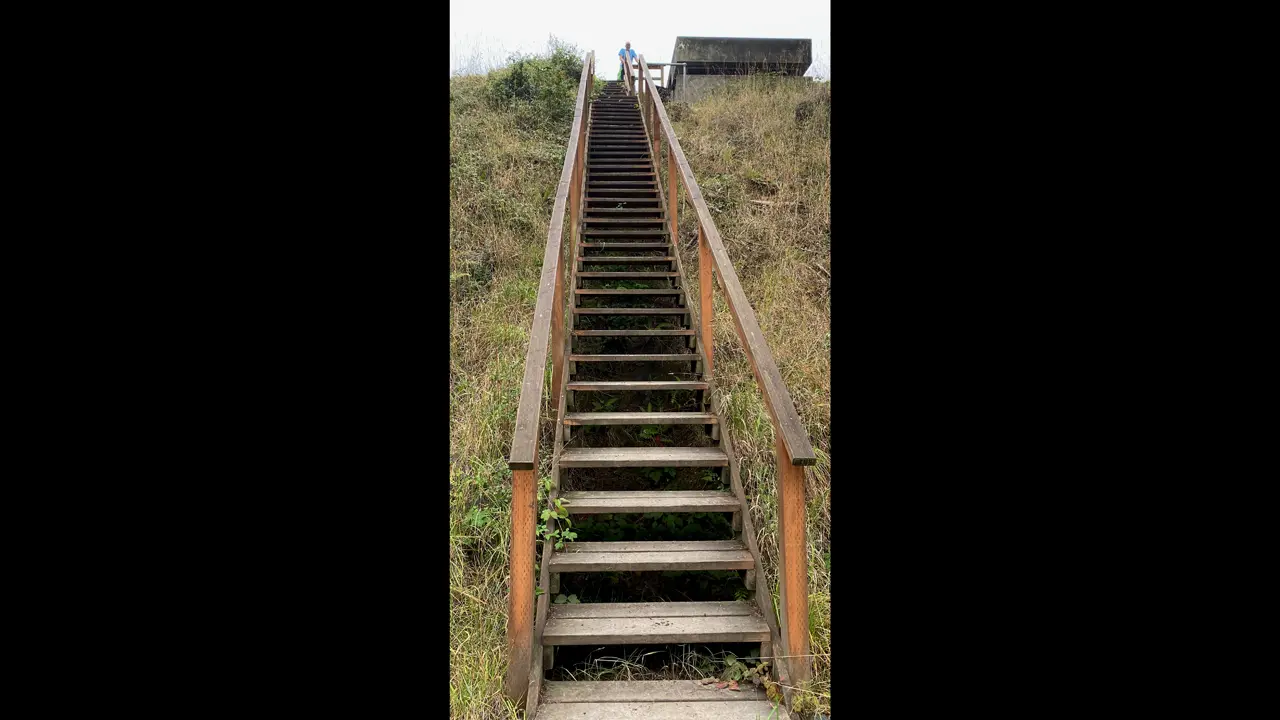
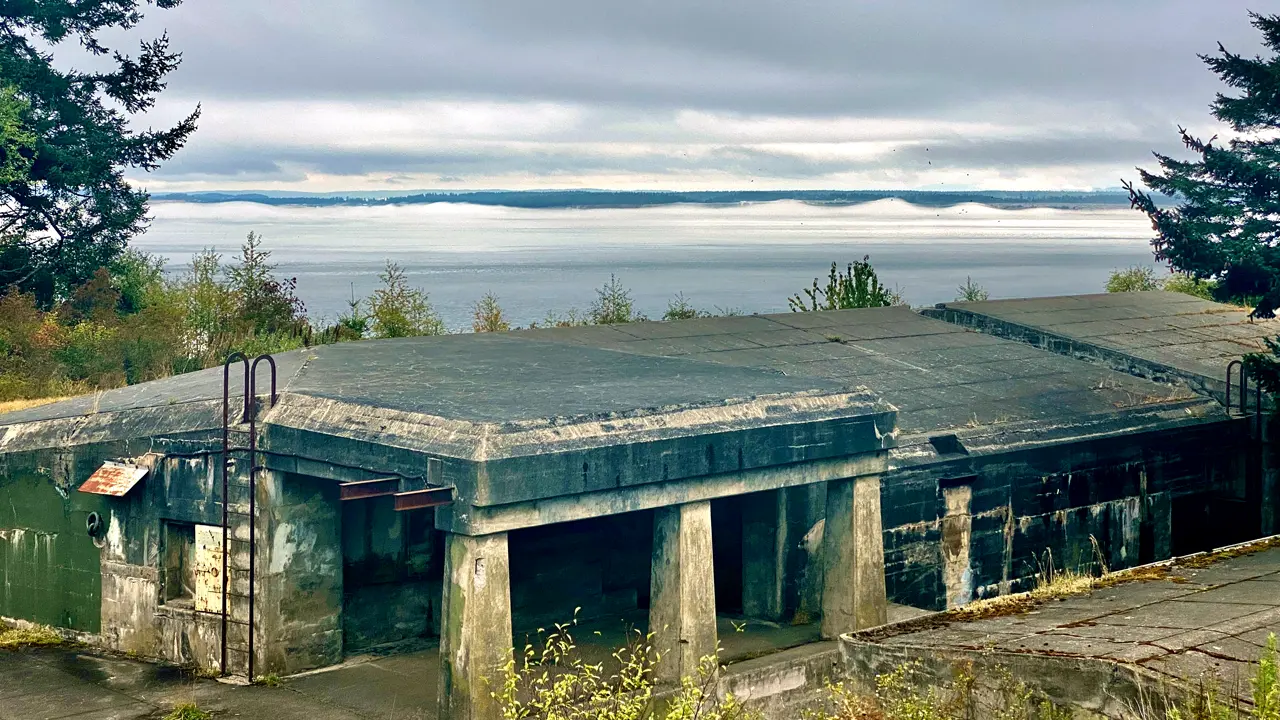
We walked a 1.2 mile path to see the battery area of Fort Worden. Pacific Madrone trees with their copper-colored bark were arching over the path. So pretty. It was interesting to see the old defense structures housing the missiles etc. The structures have definitely seen better days, but they had a certain historic charm all their own.
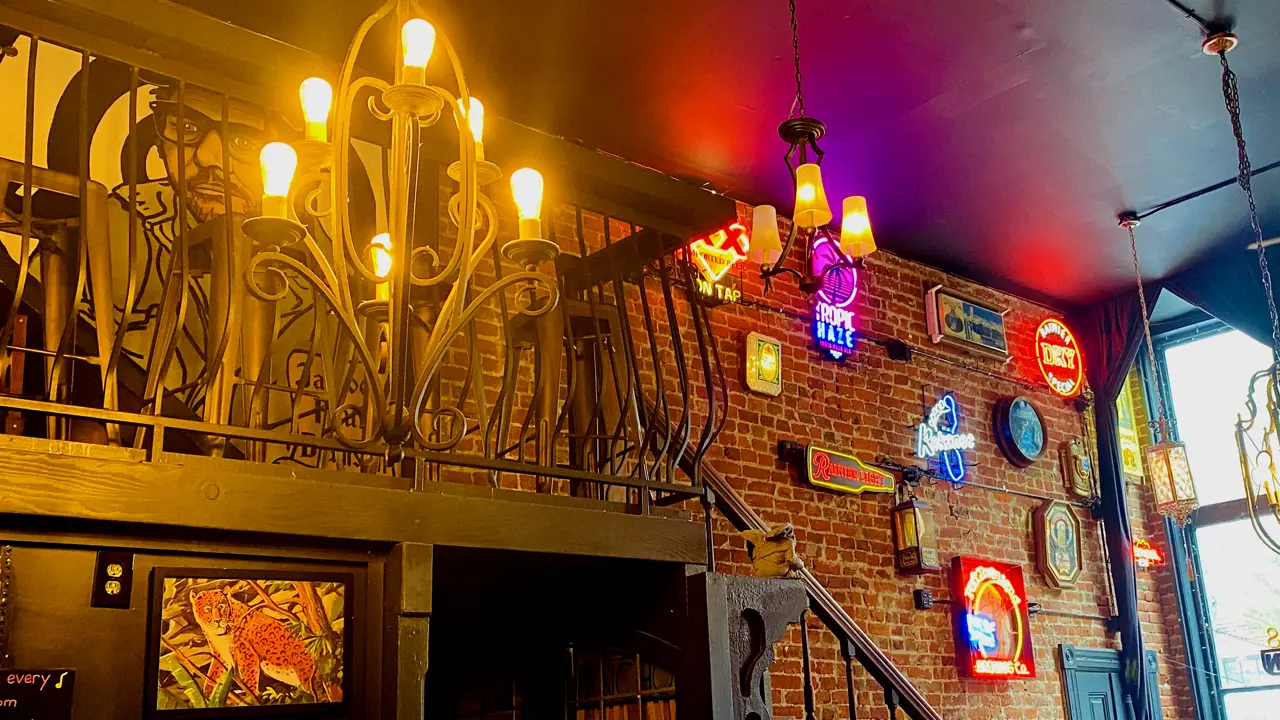
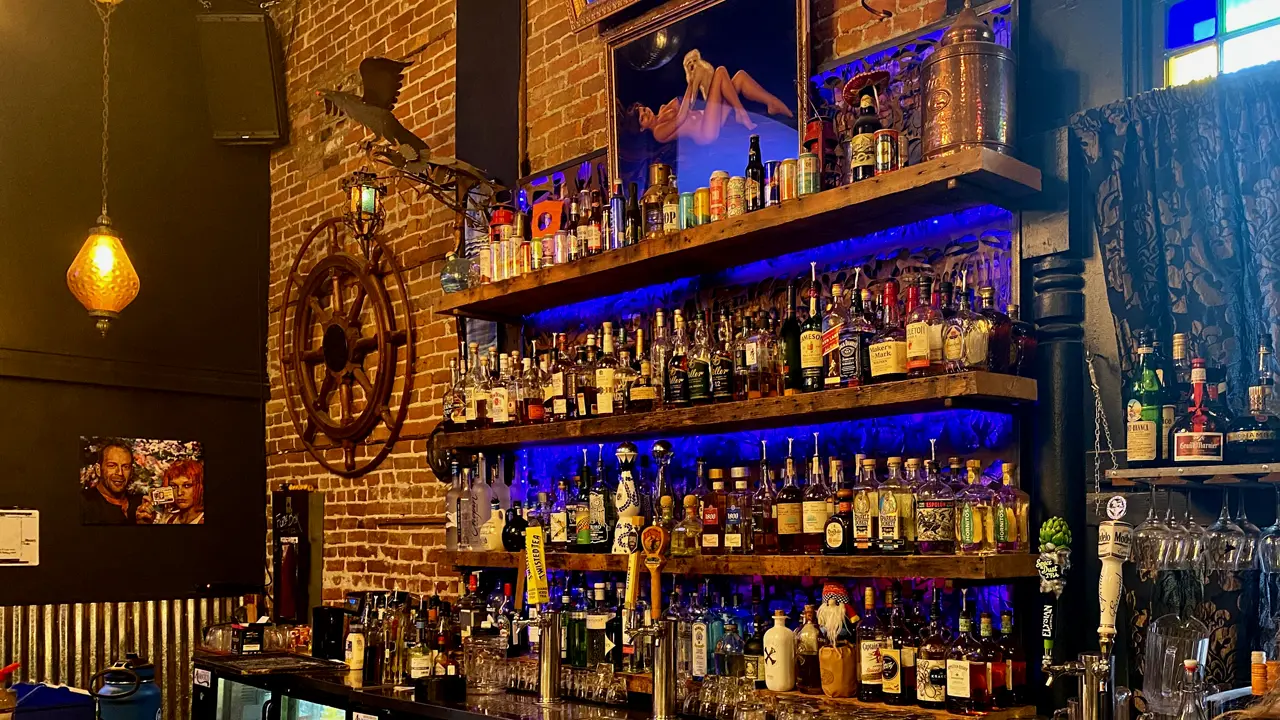
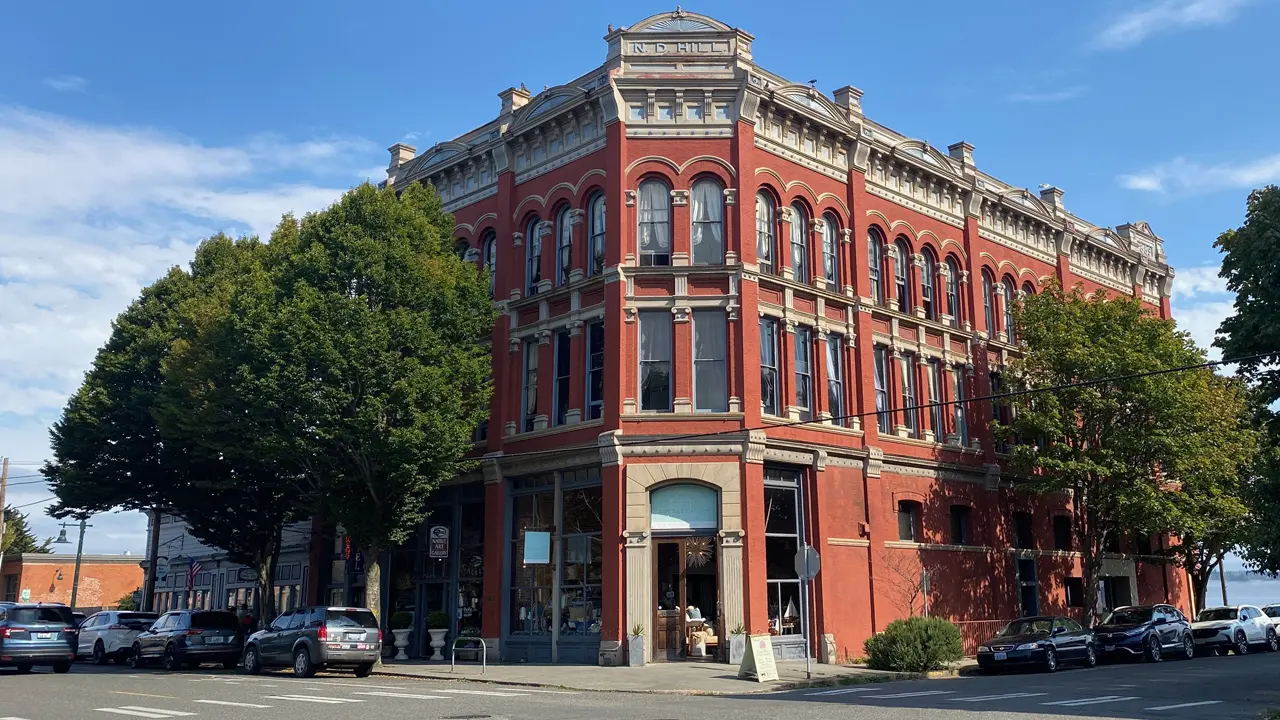
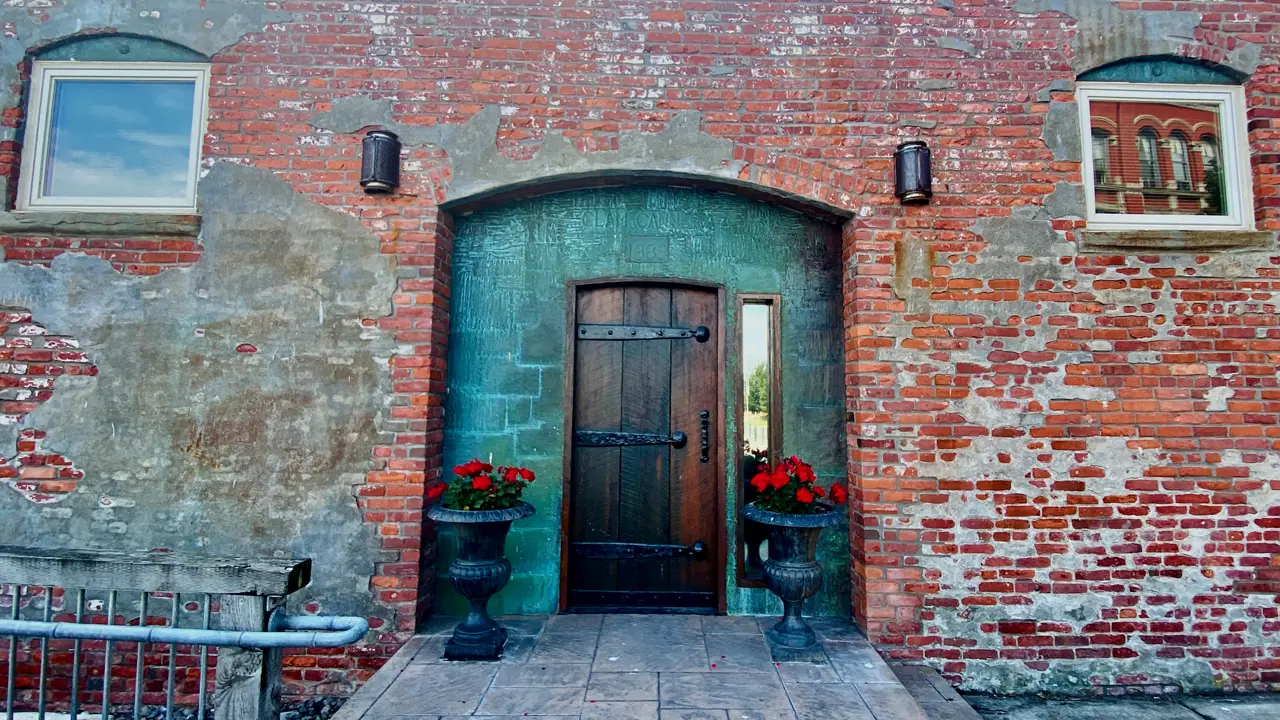
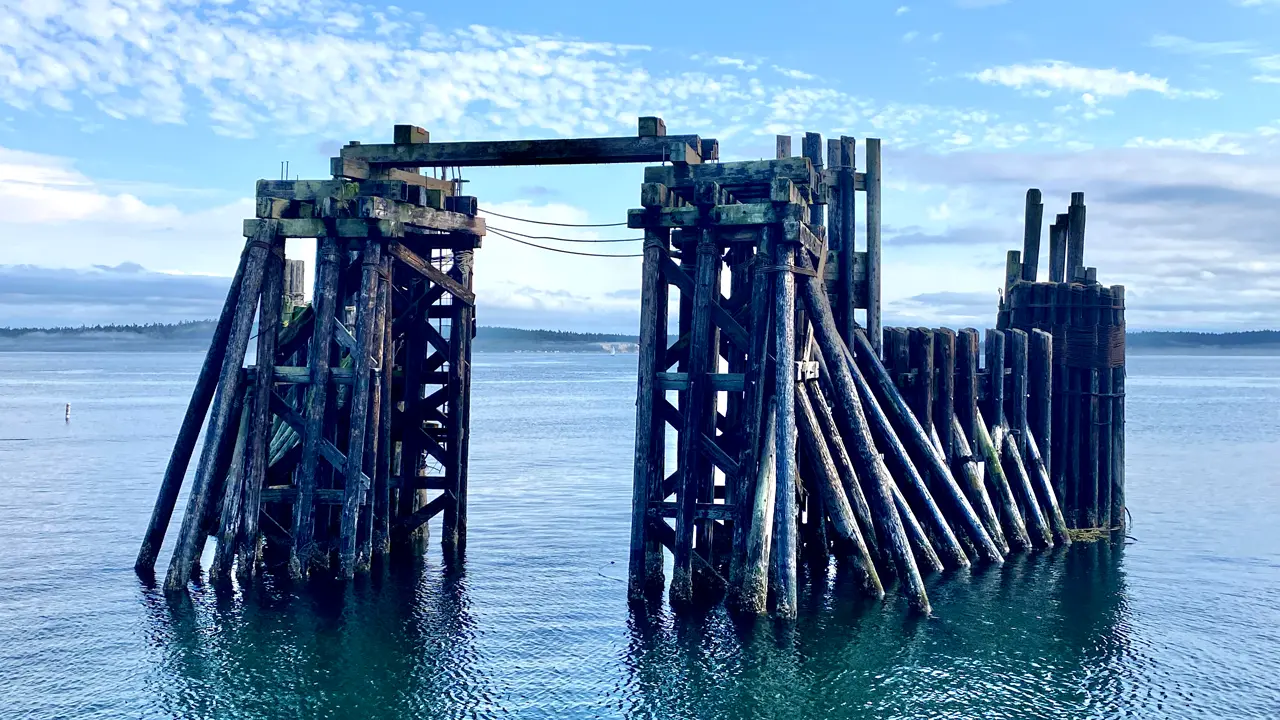
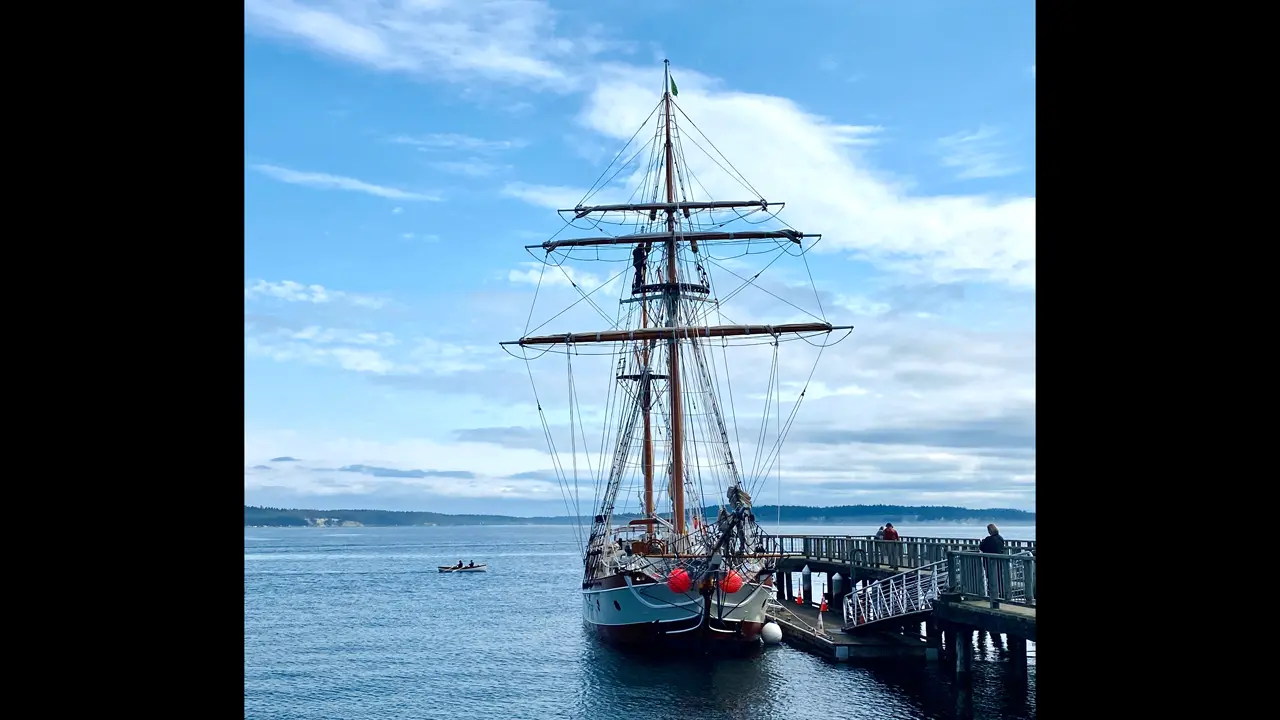
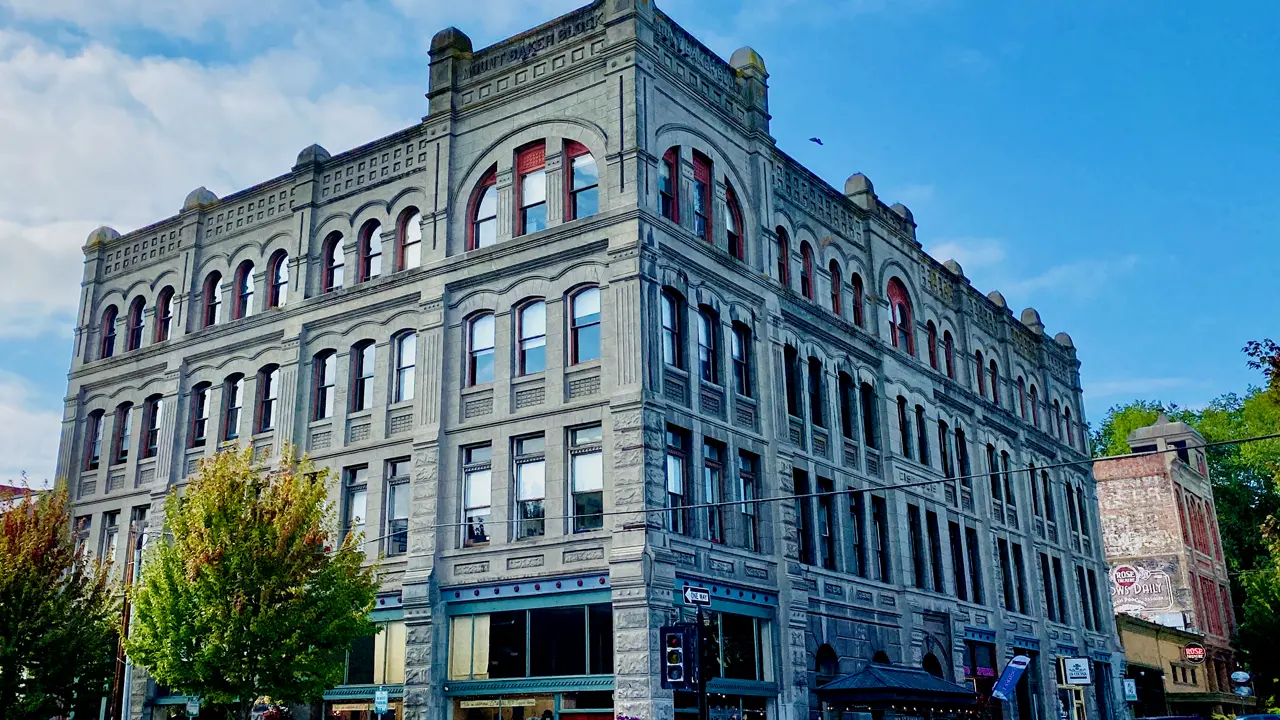
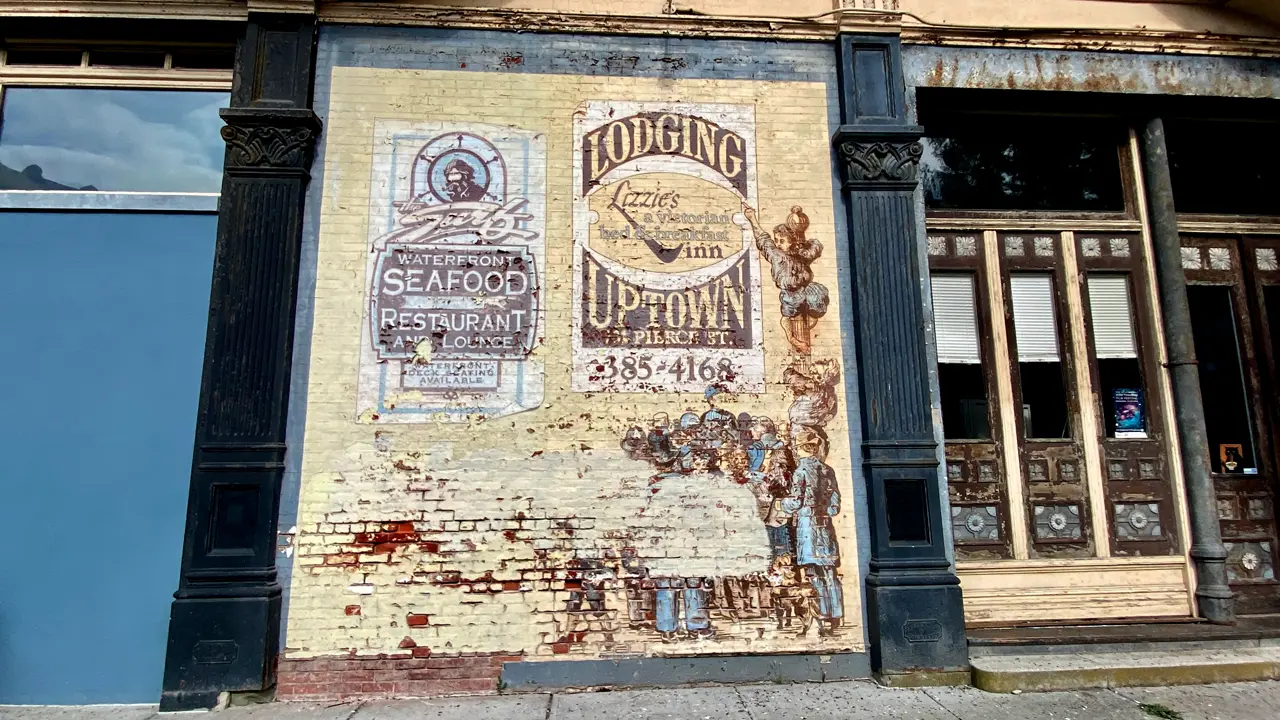
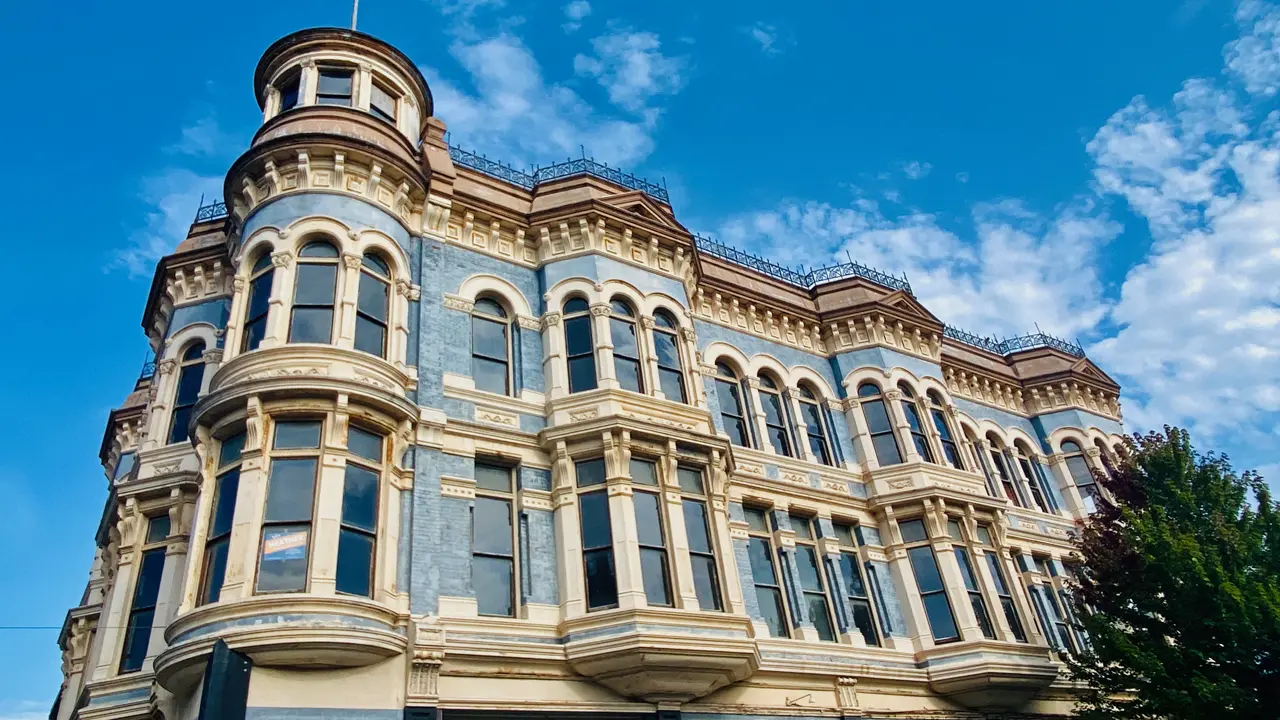
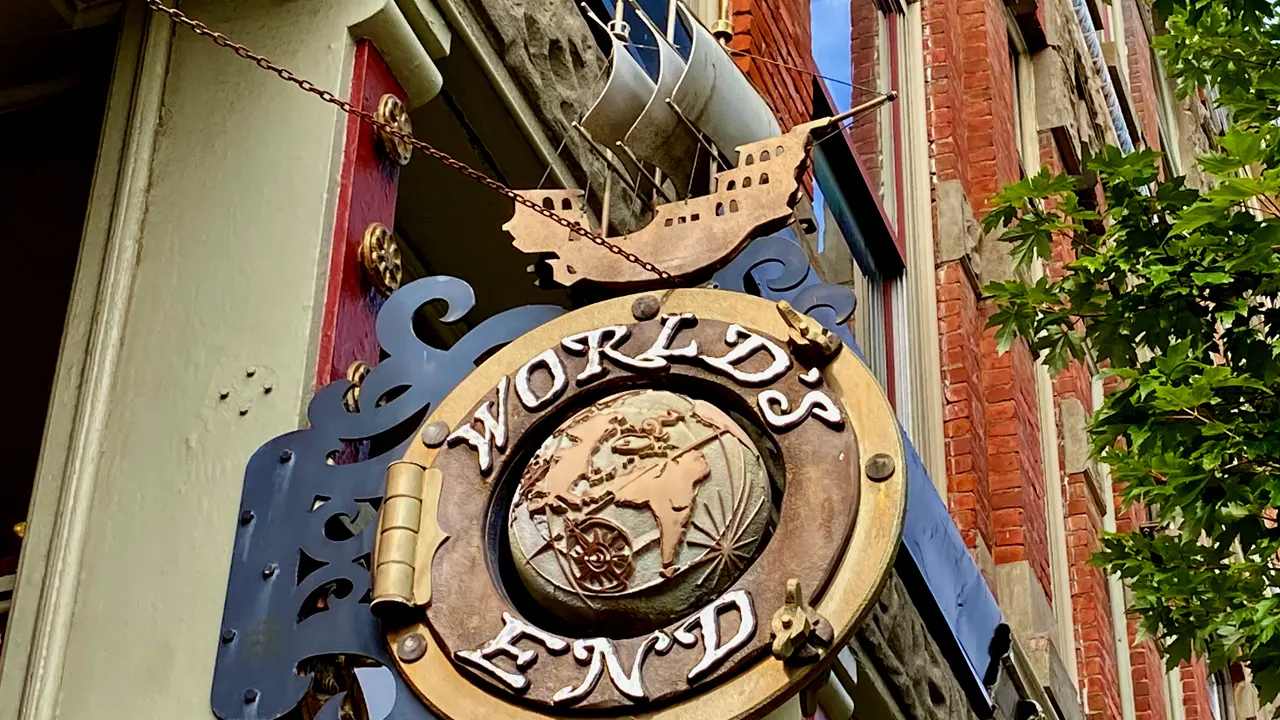
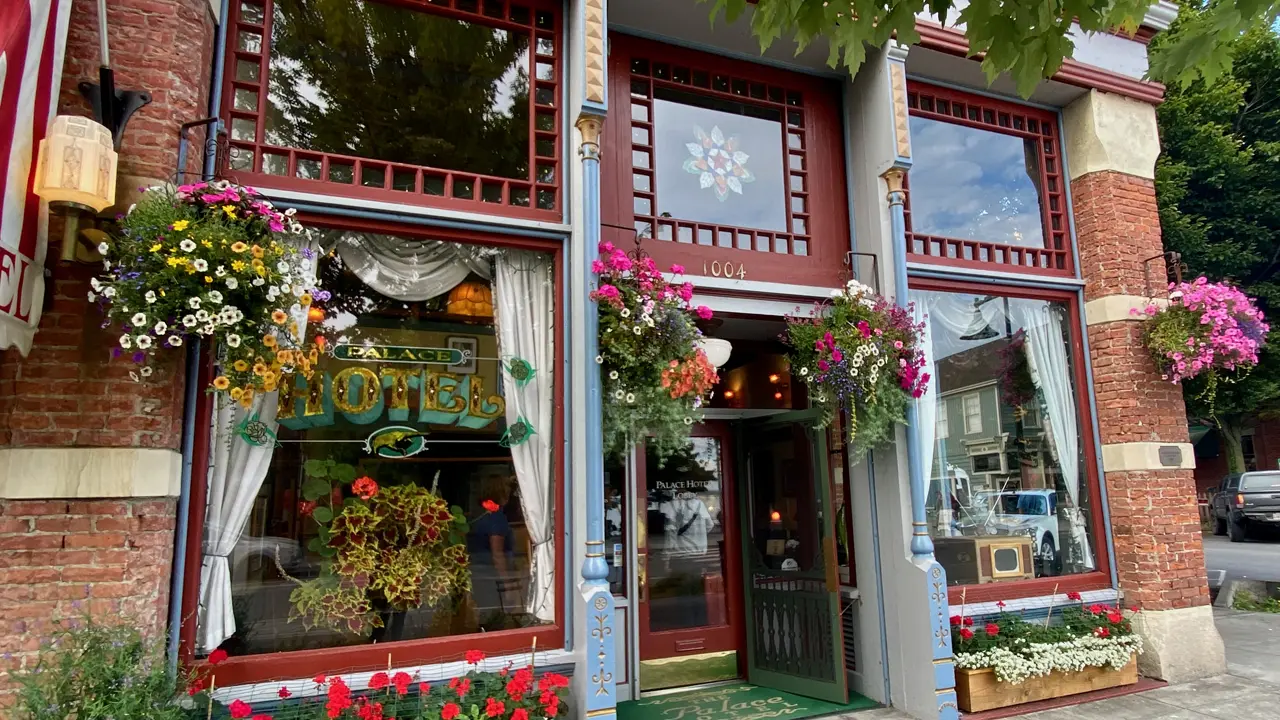
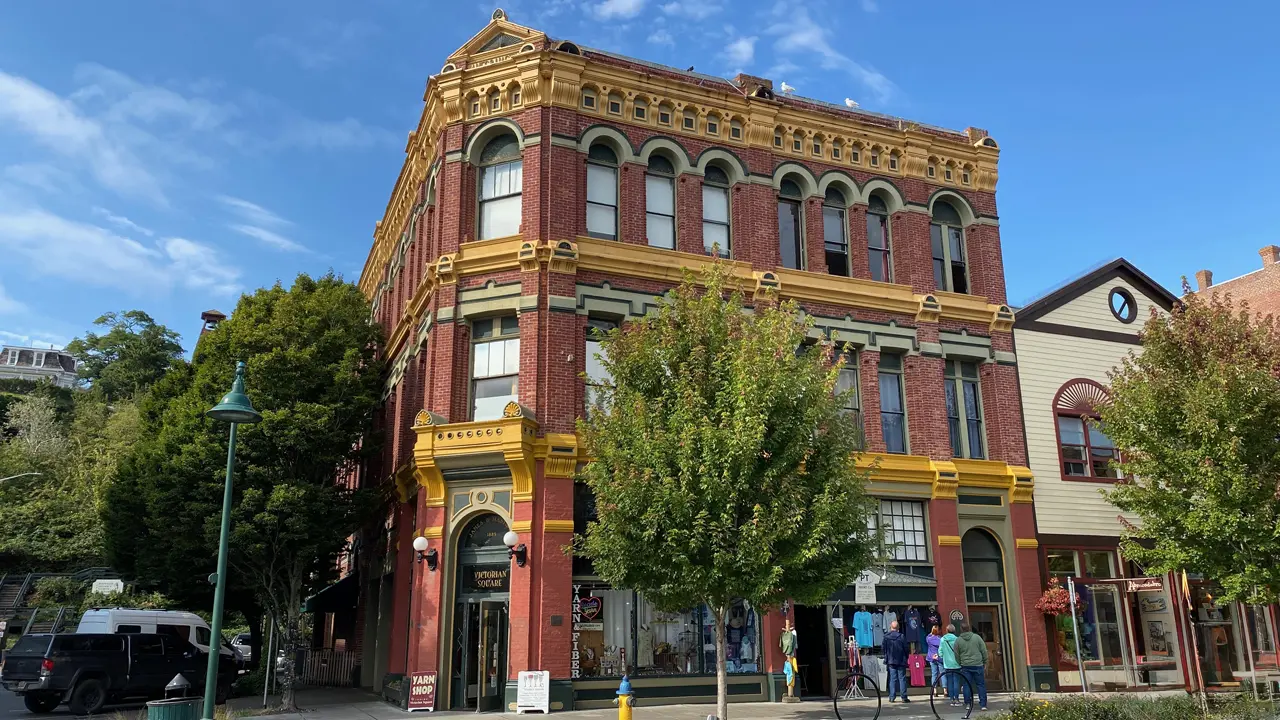
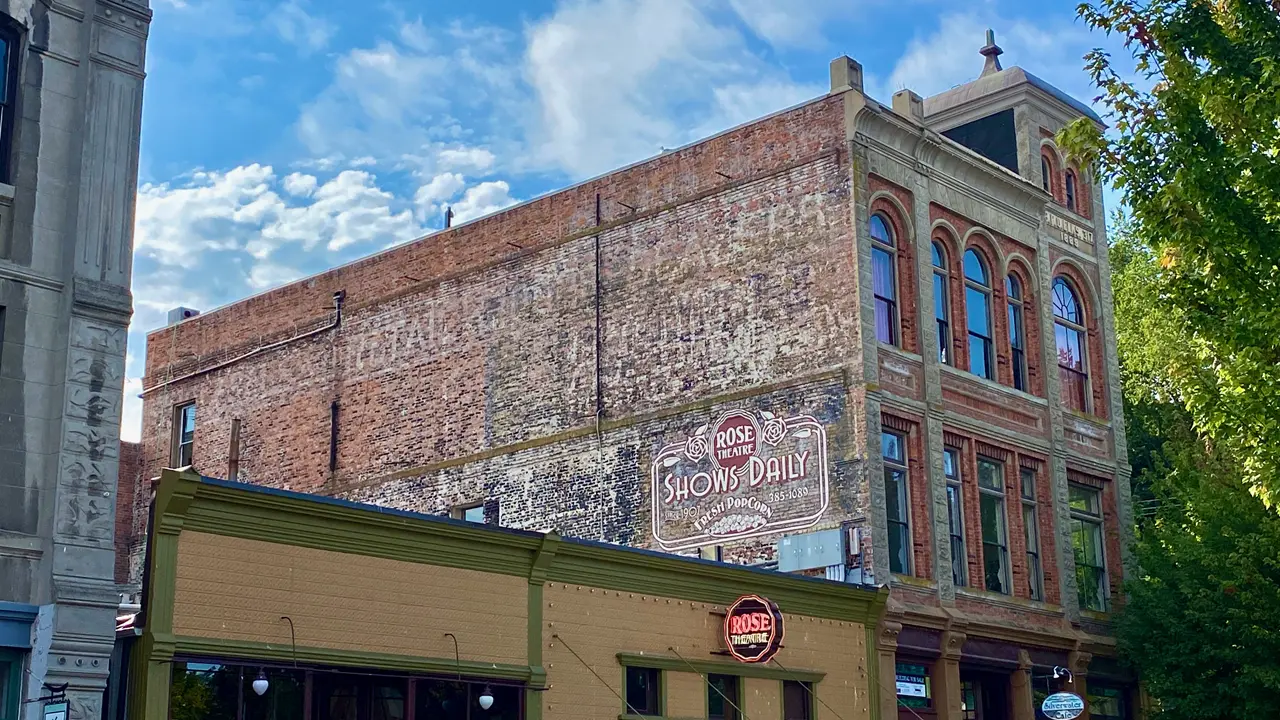
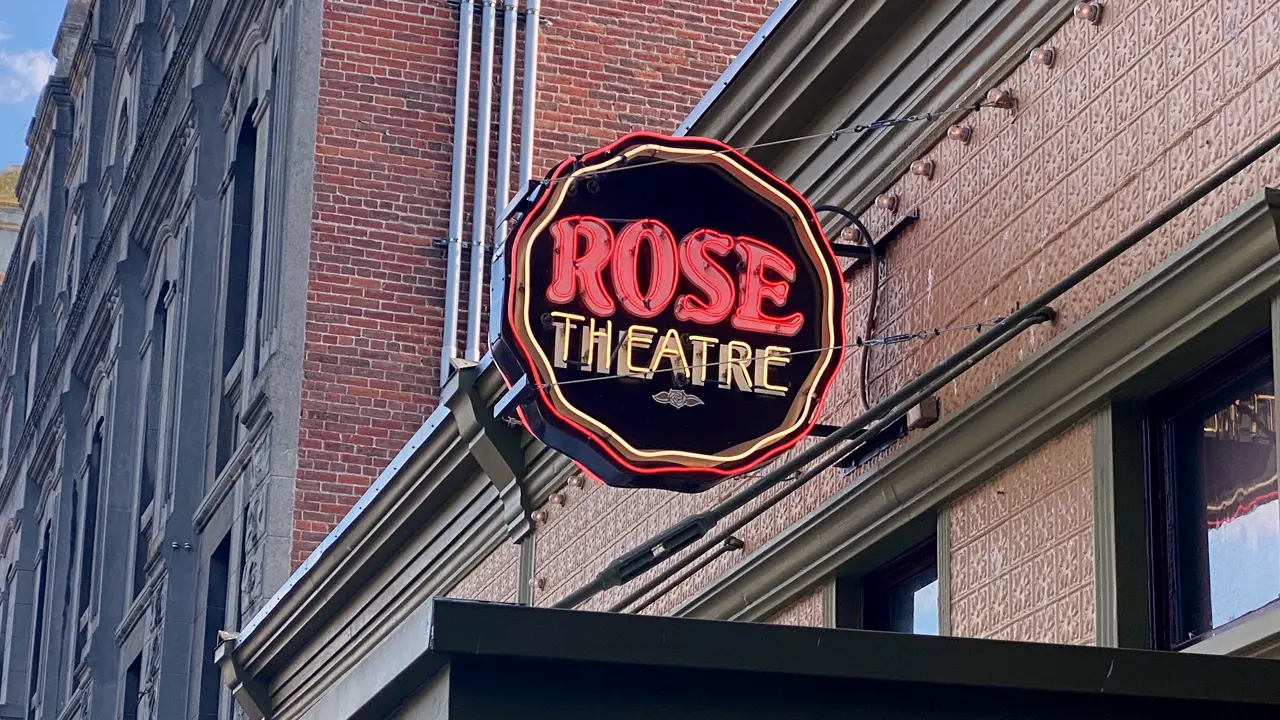
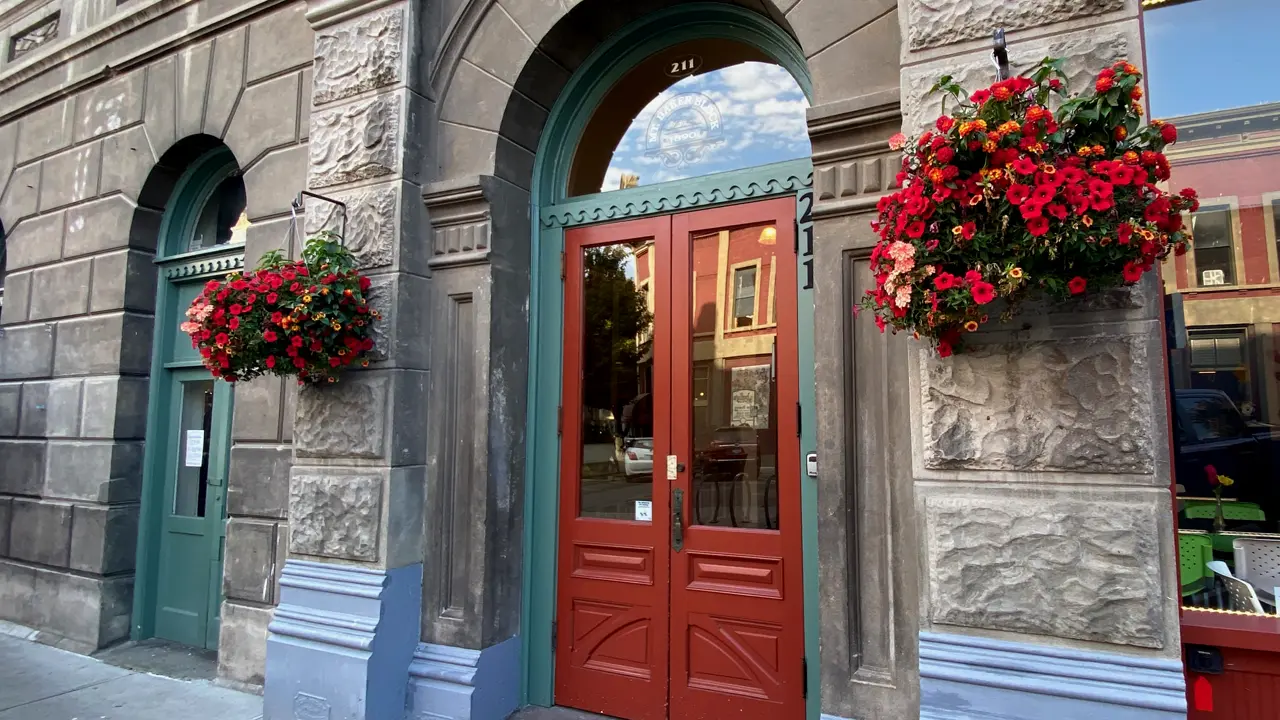
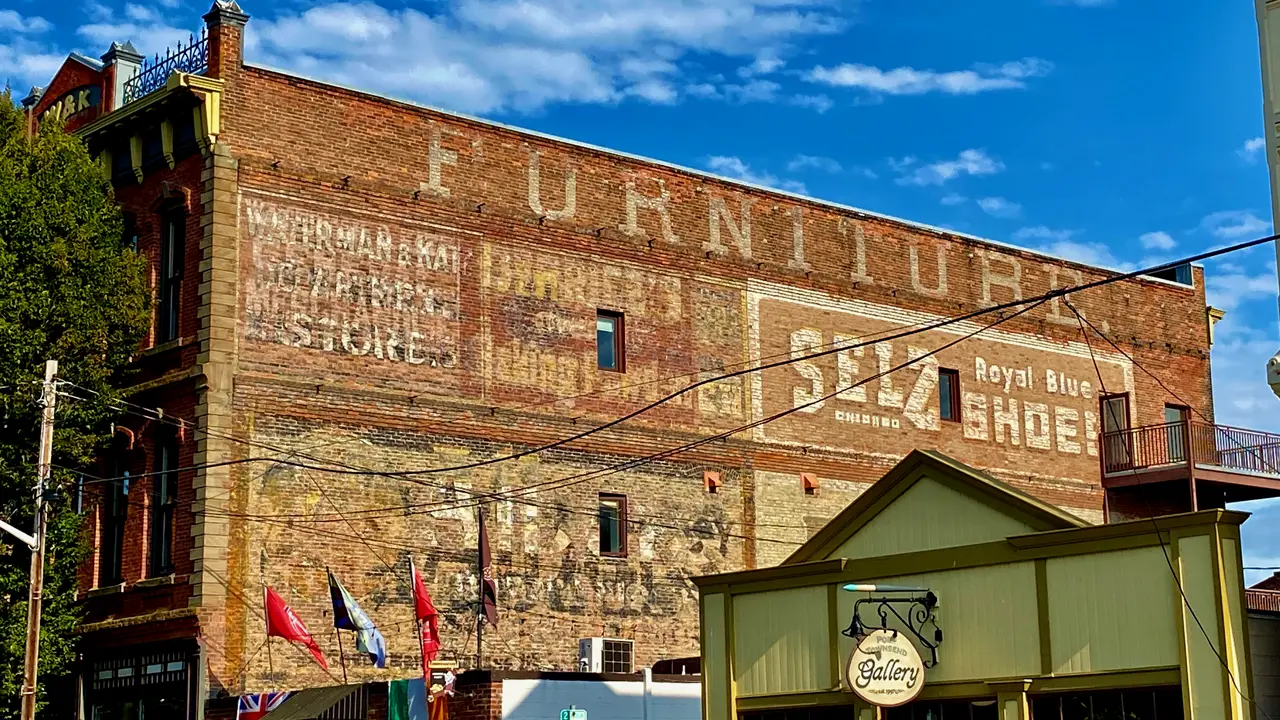
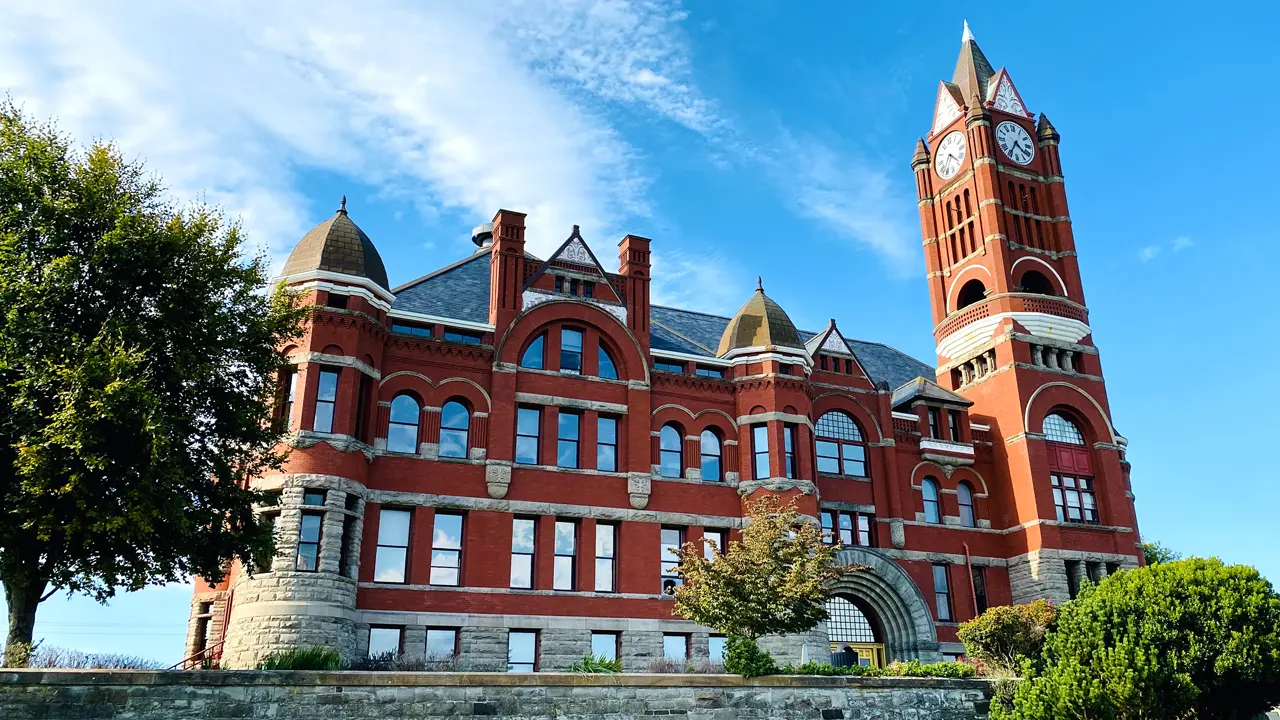
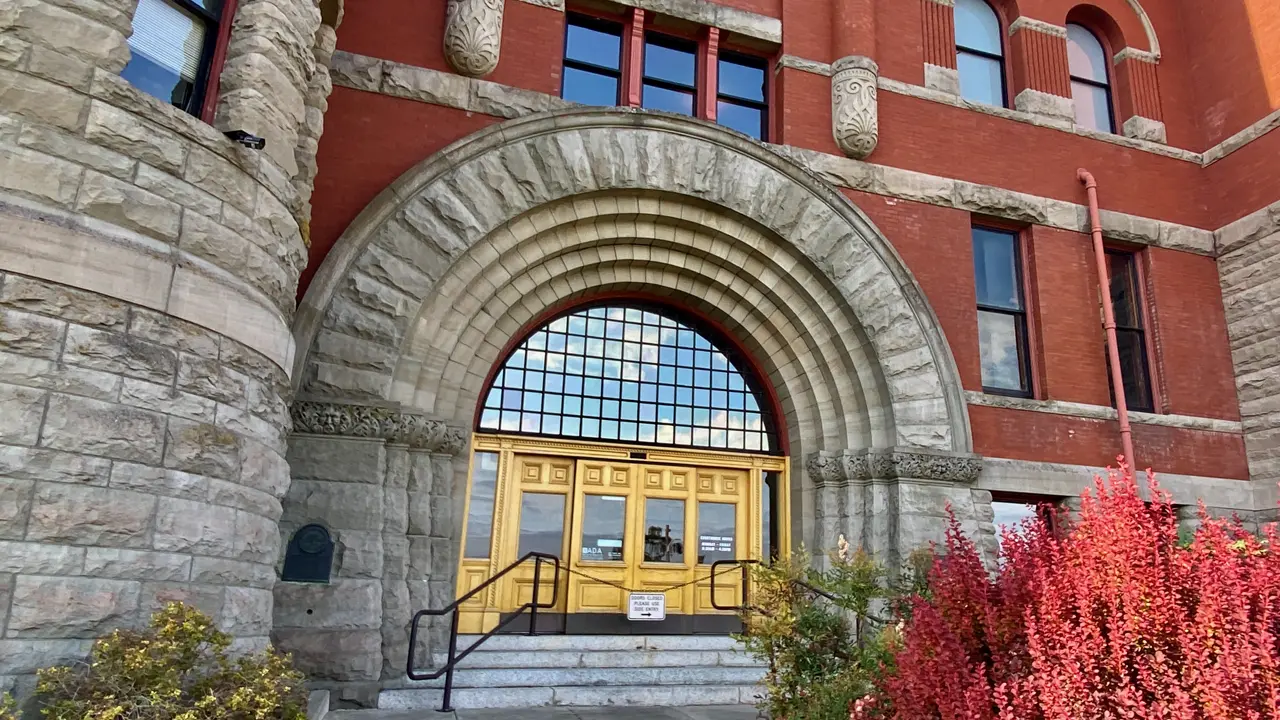
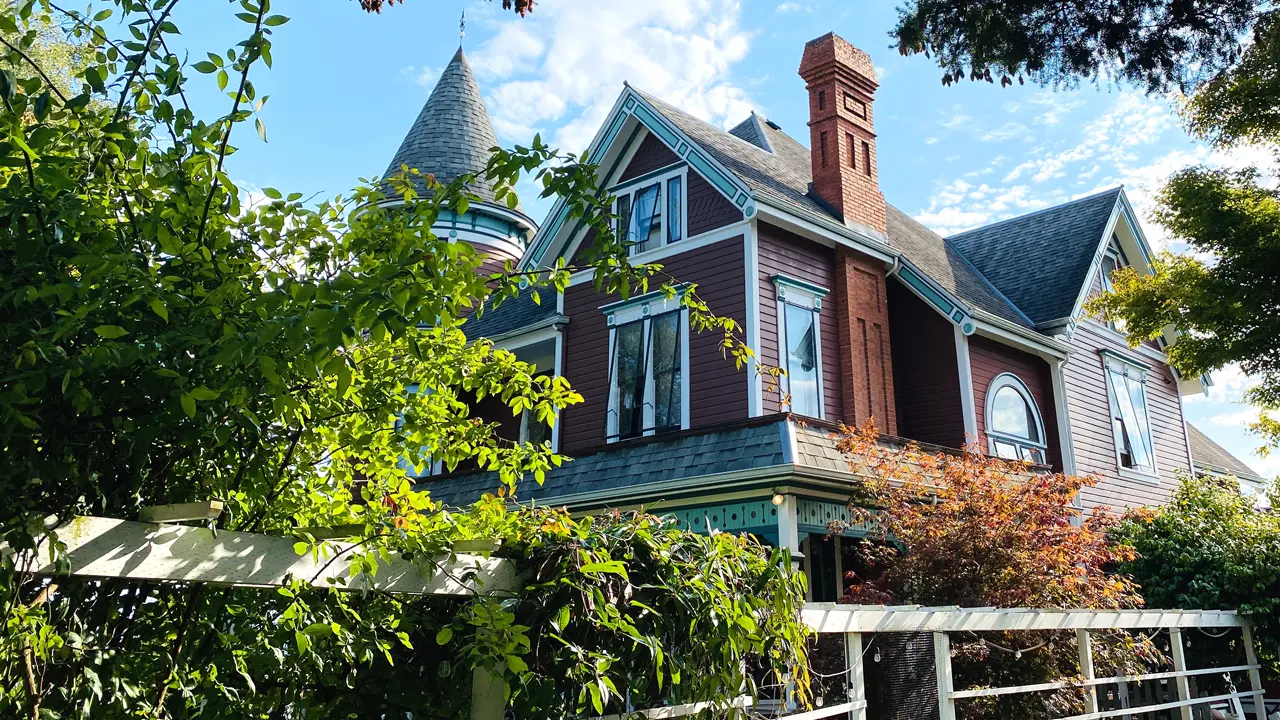
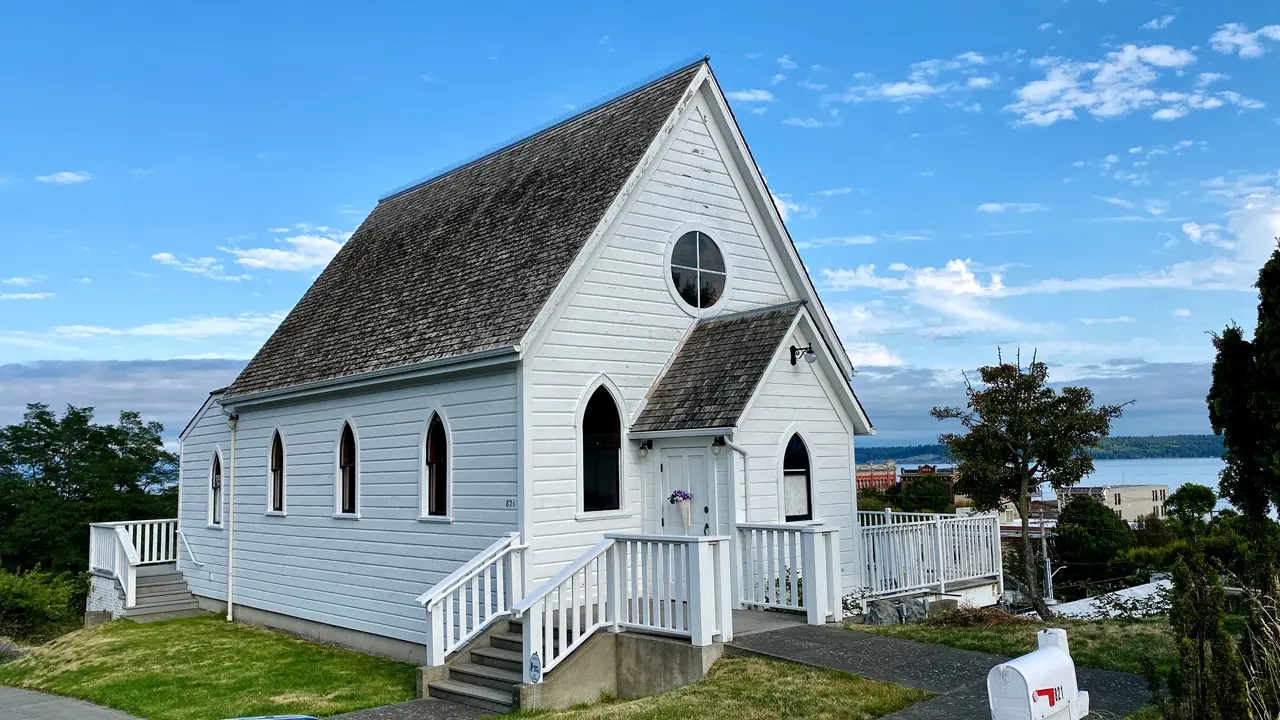
After spending time at the fort, we visited the picturesque Port Townsend, billed as a Victorian Seaport & Arts Community. As Joe found out thru reading, it’s known for having 300 Victorian homes in a city of 10,000 people. It also has a vibrant downtown with gorgeous historic buildings, and thriving waterfront with art galleries, shops and restaurants. We had a delicious ‘linner’ at the funky “Anchor” restaurant, which was very Portsmouth-esque. We also saw the Hawaiian Chieftain, a replica of a tall ship; the Rose Theater, built in 1907 but restored in 1992; and the historic Jefferson County Courthouse. There were lots of flowers all over town, and lots of deer!
A very fun long day of exploring and adventuring! The pod doesn’t do anything fast!
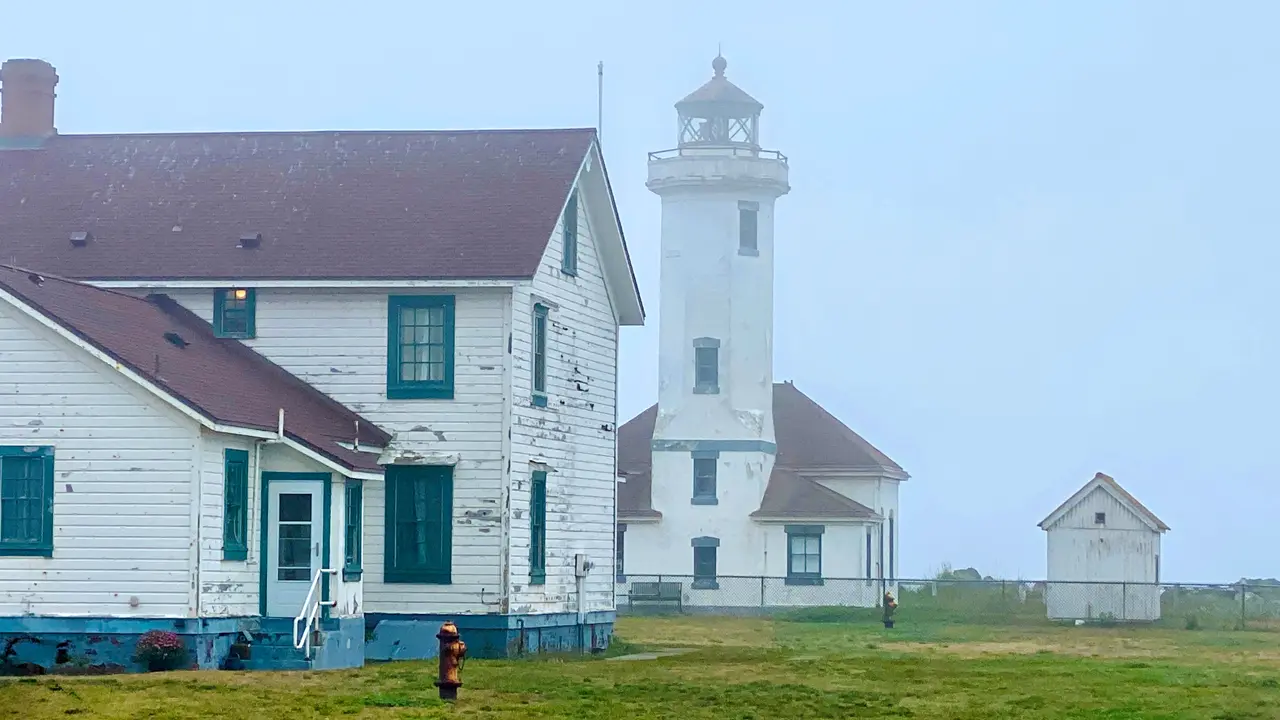 Historic 1914 Lighthouse.
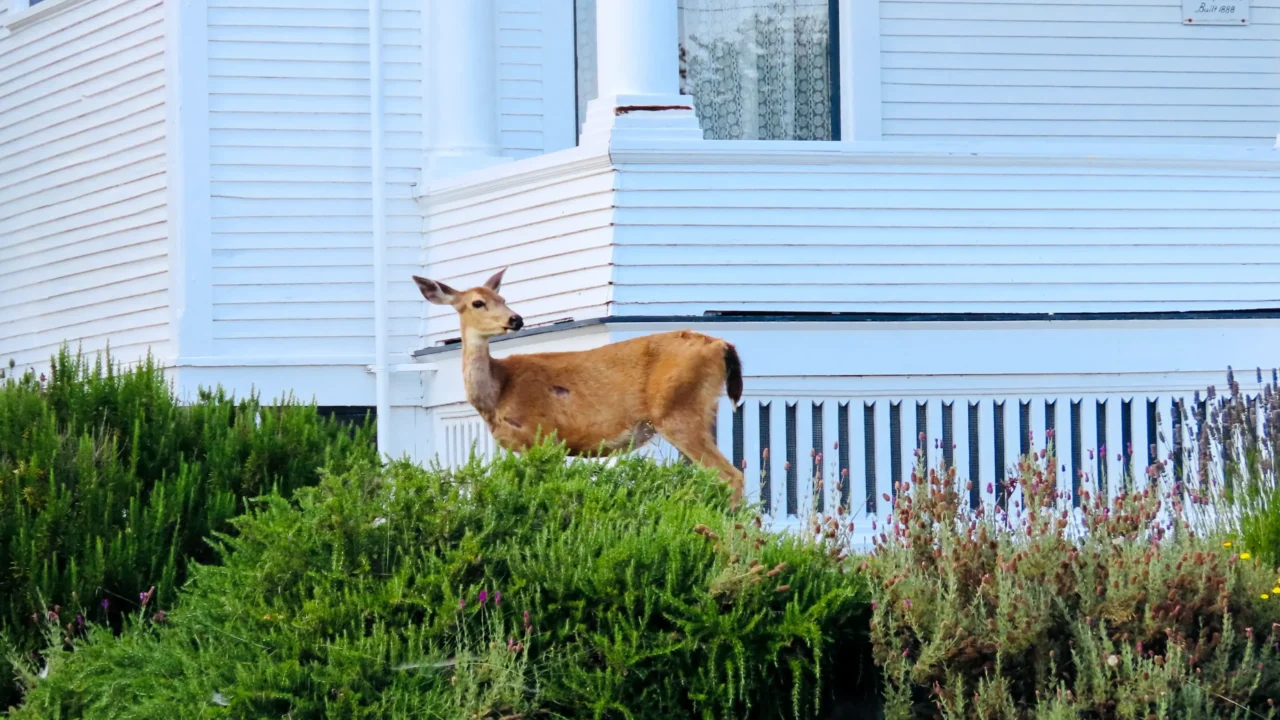
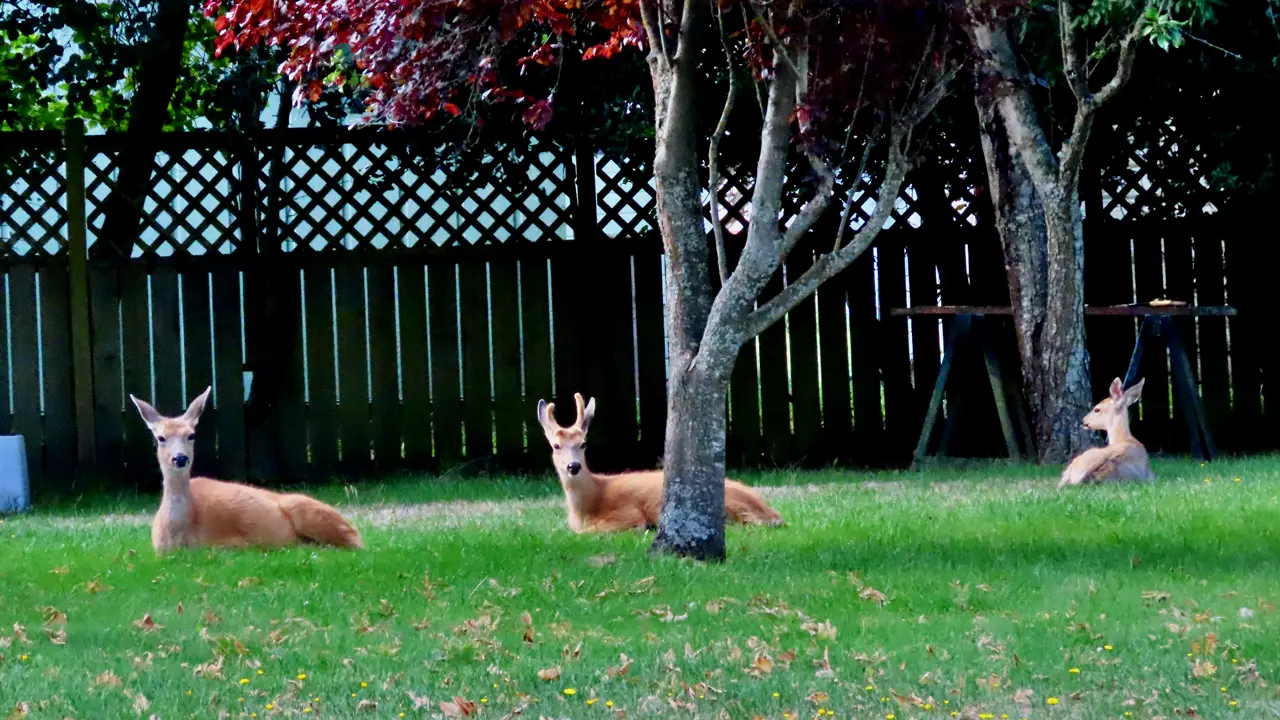
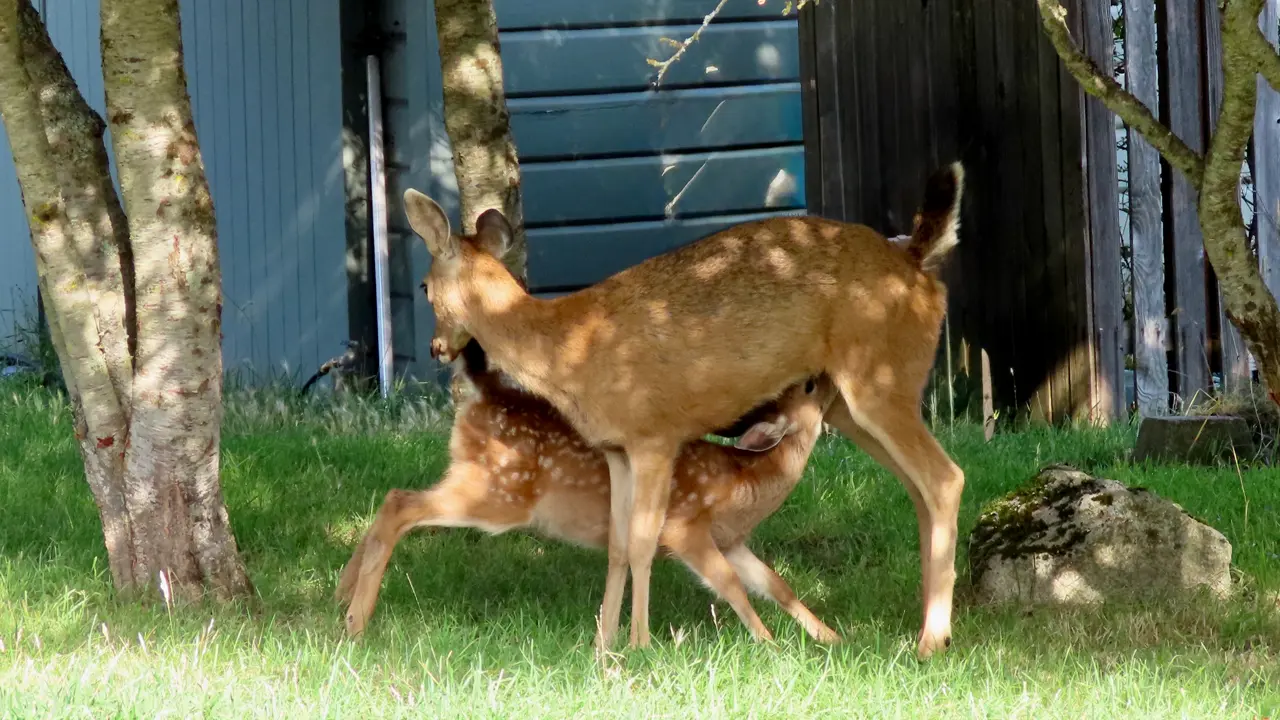
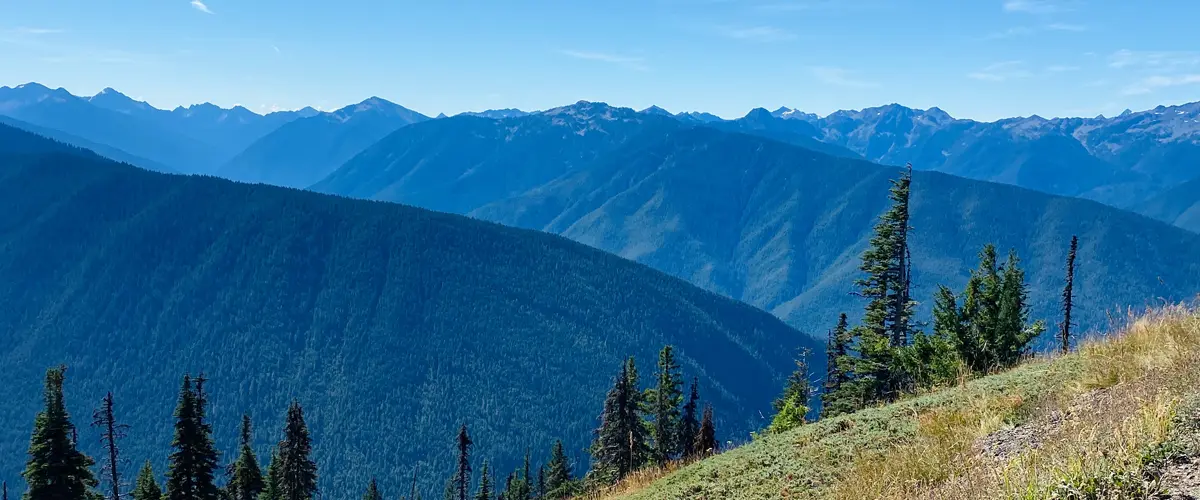
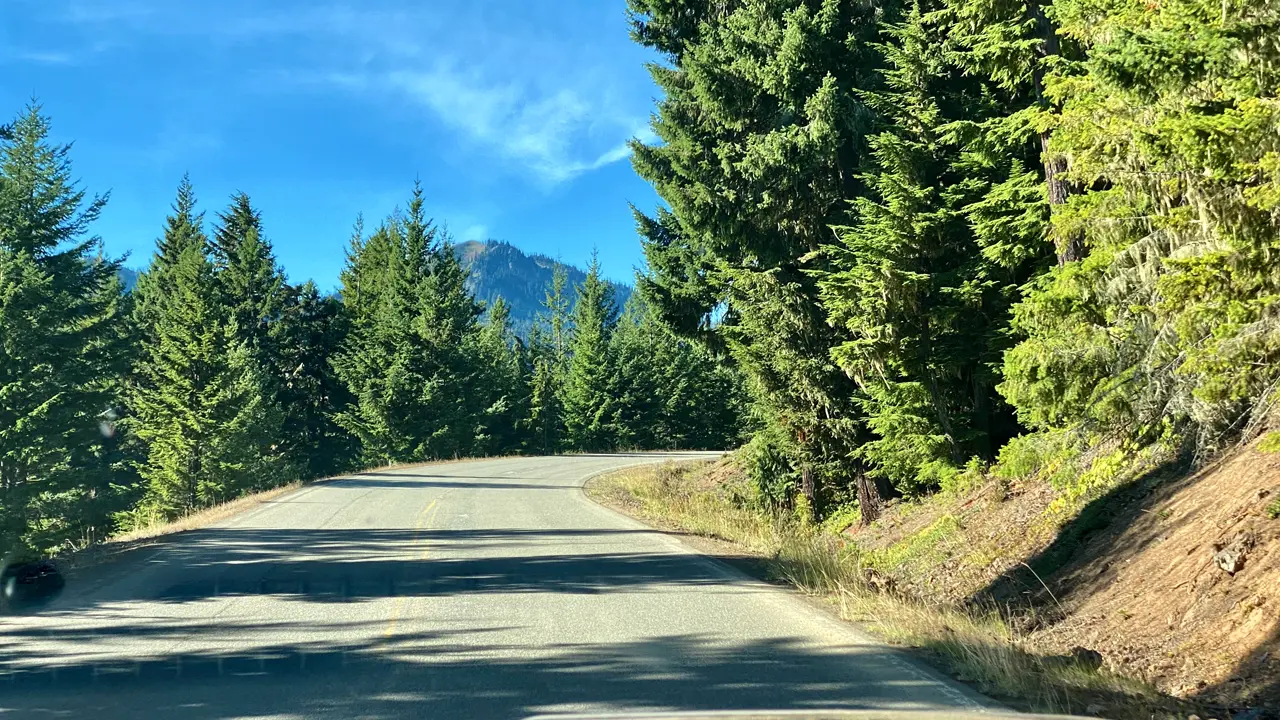
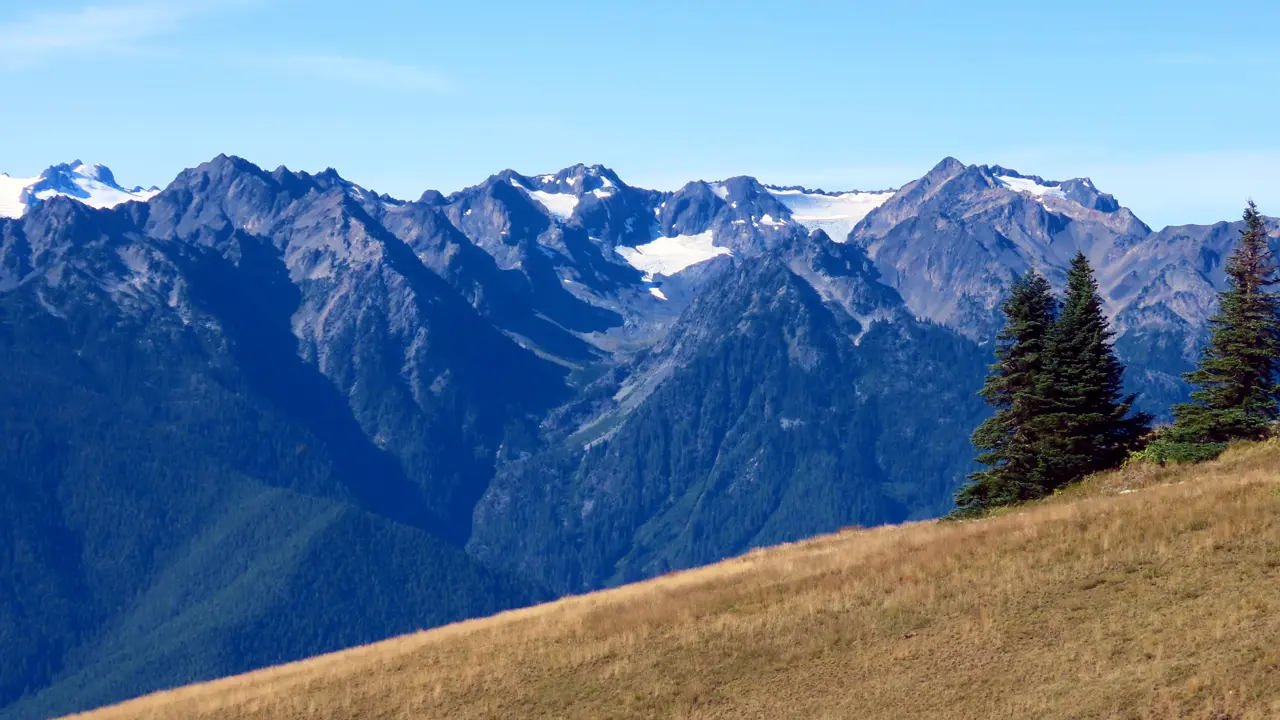
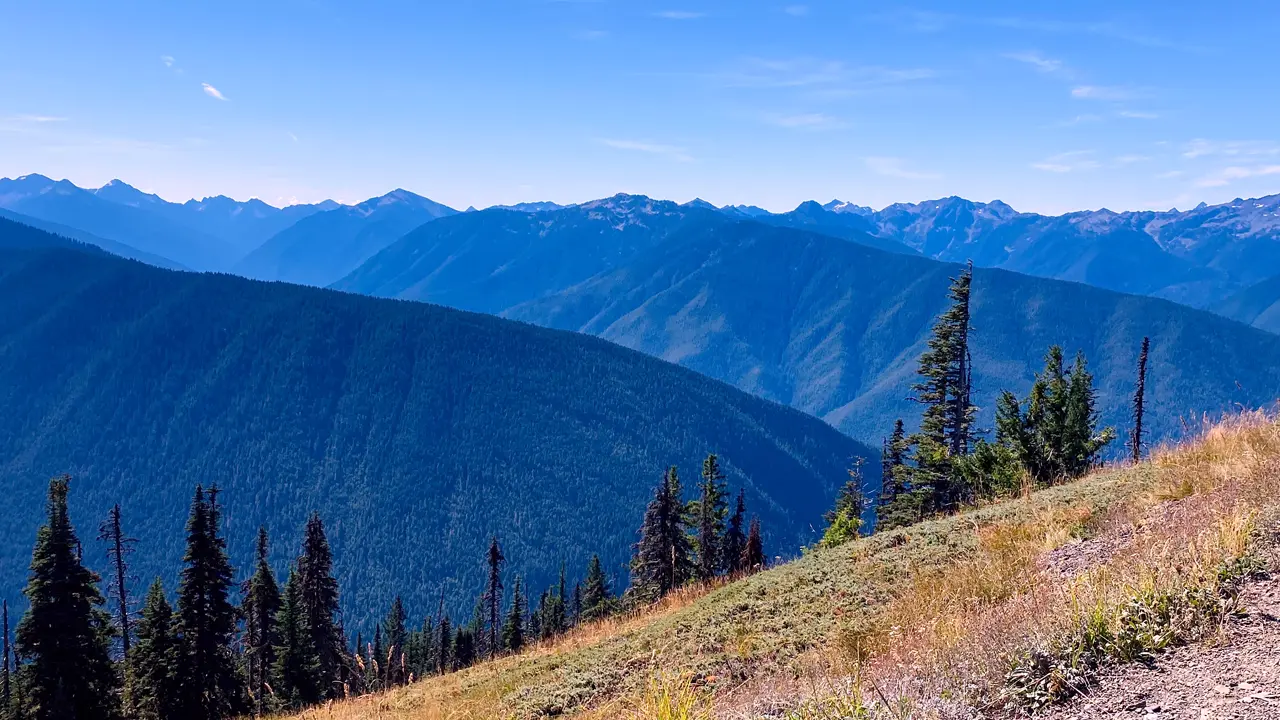
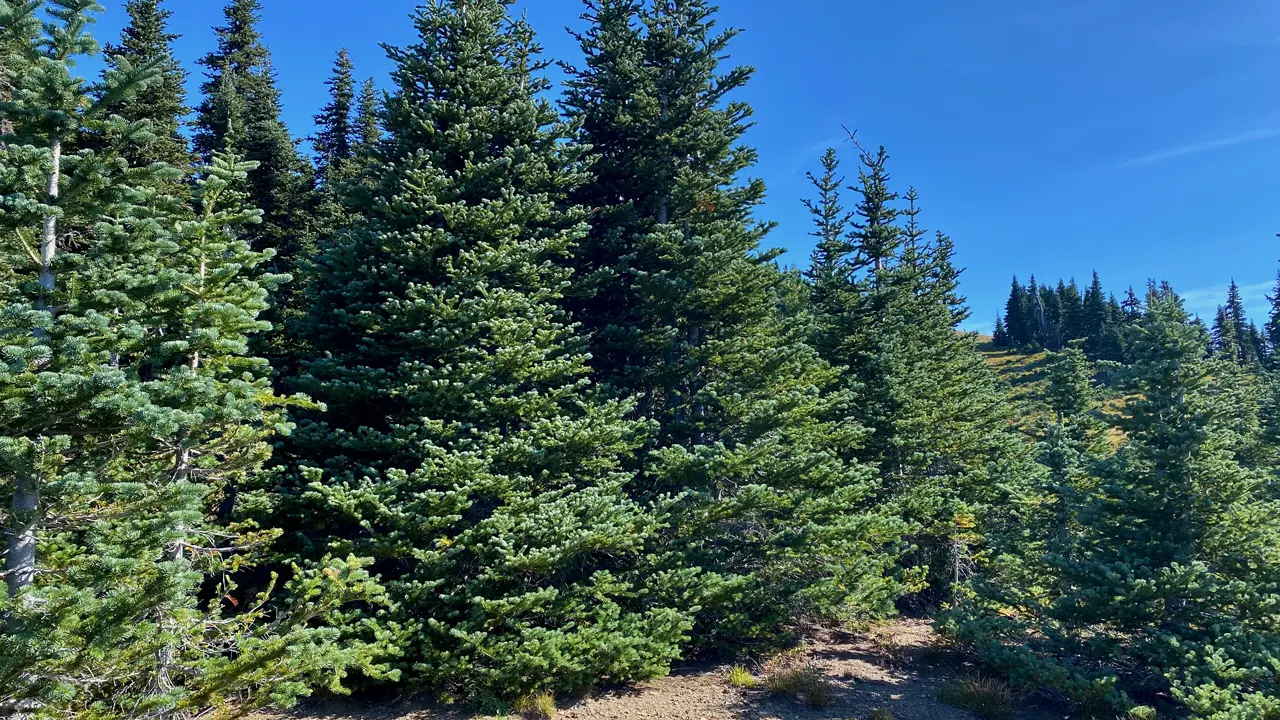
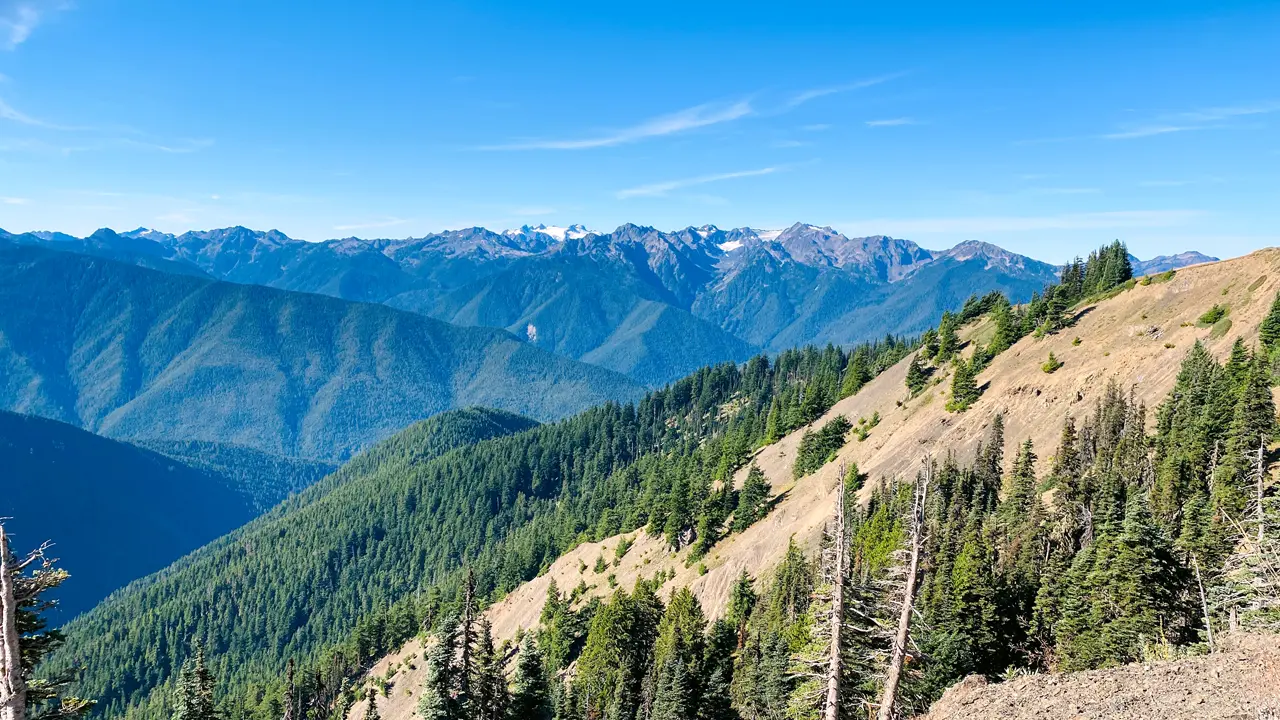
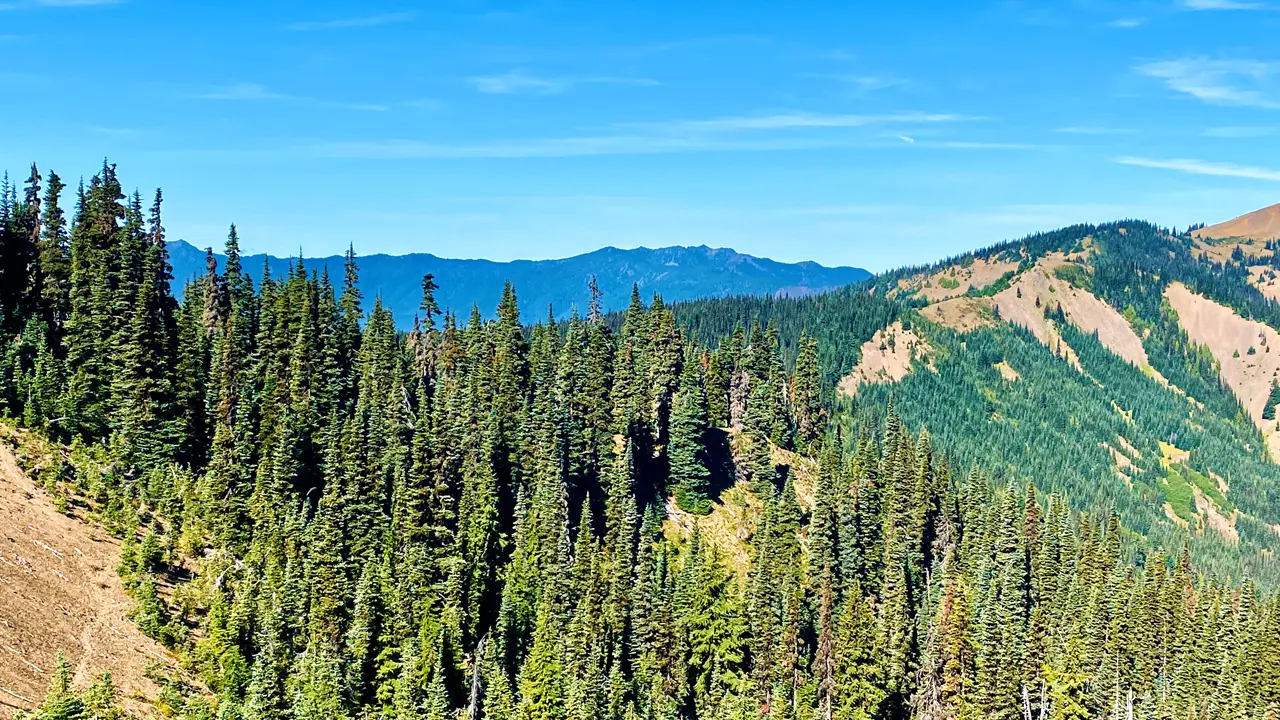
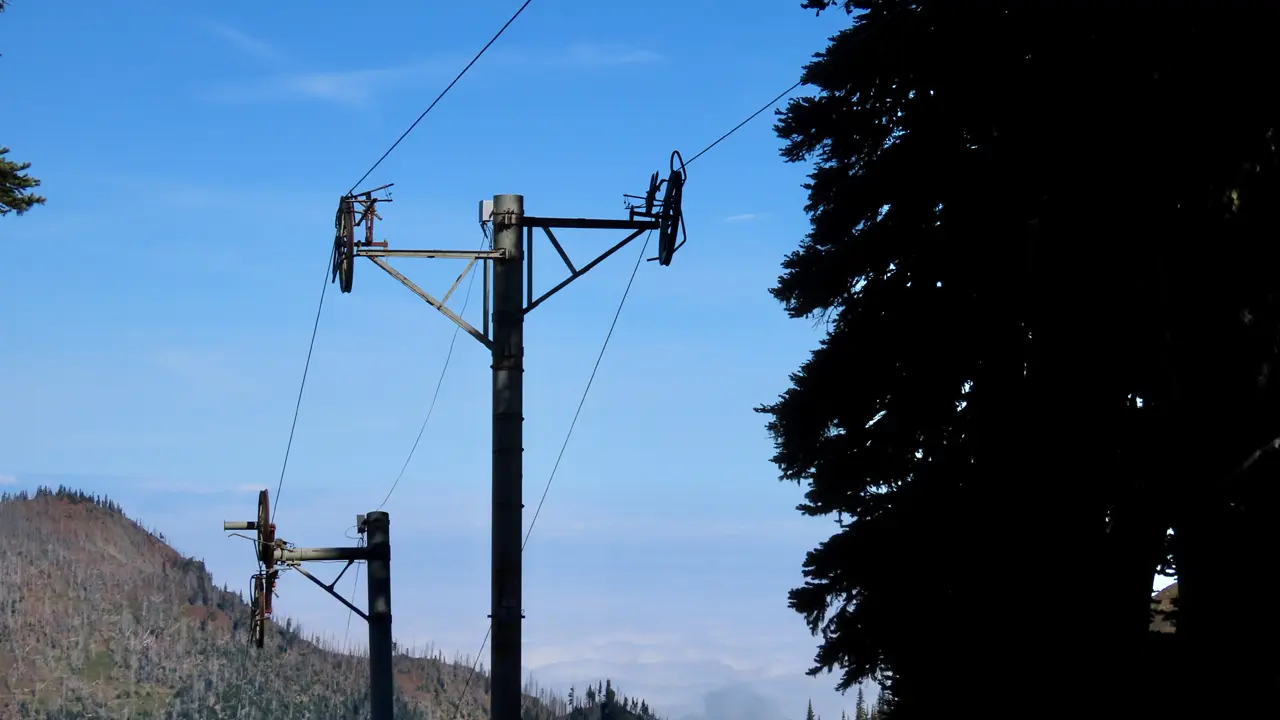
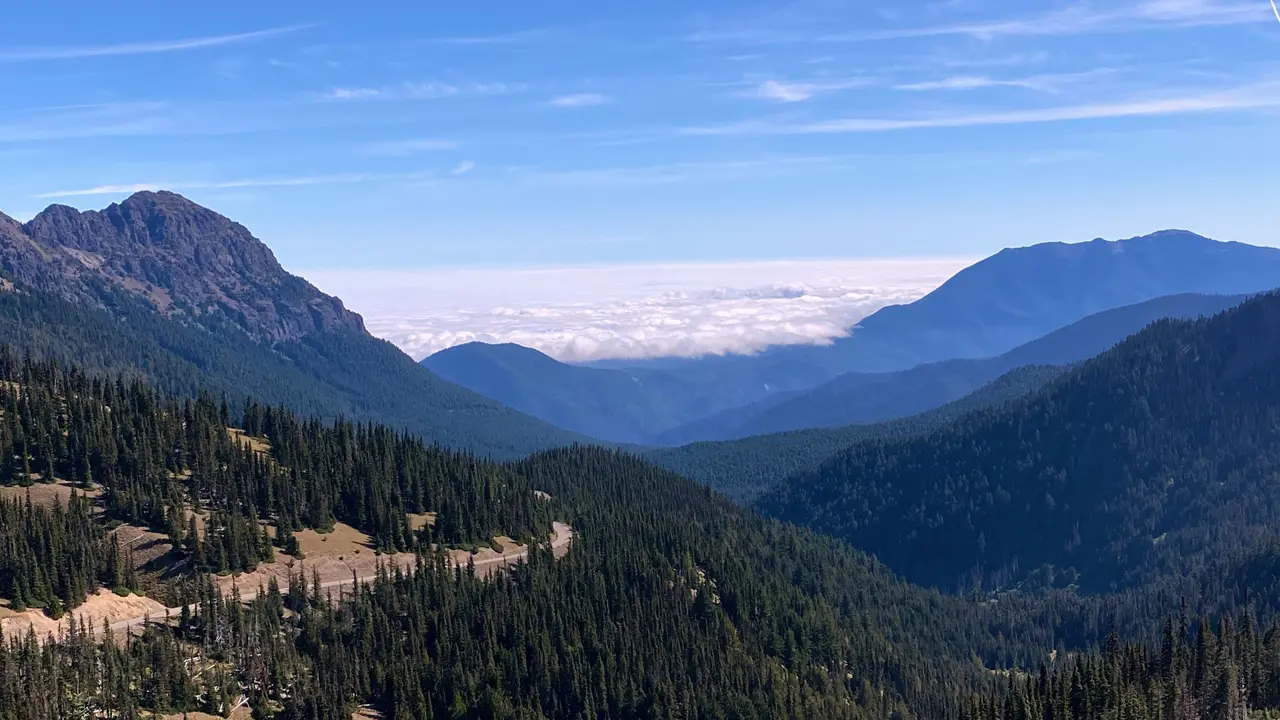
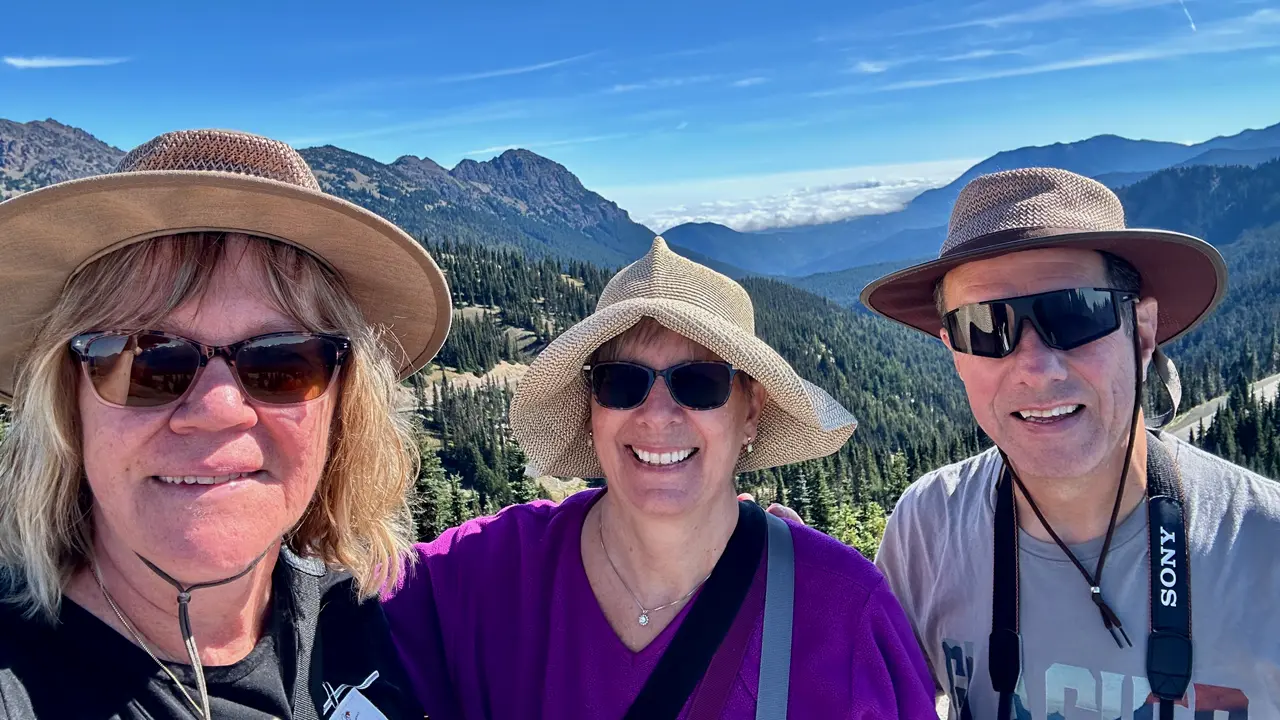
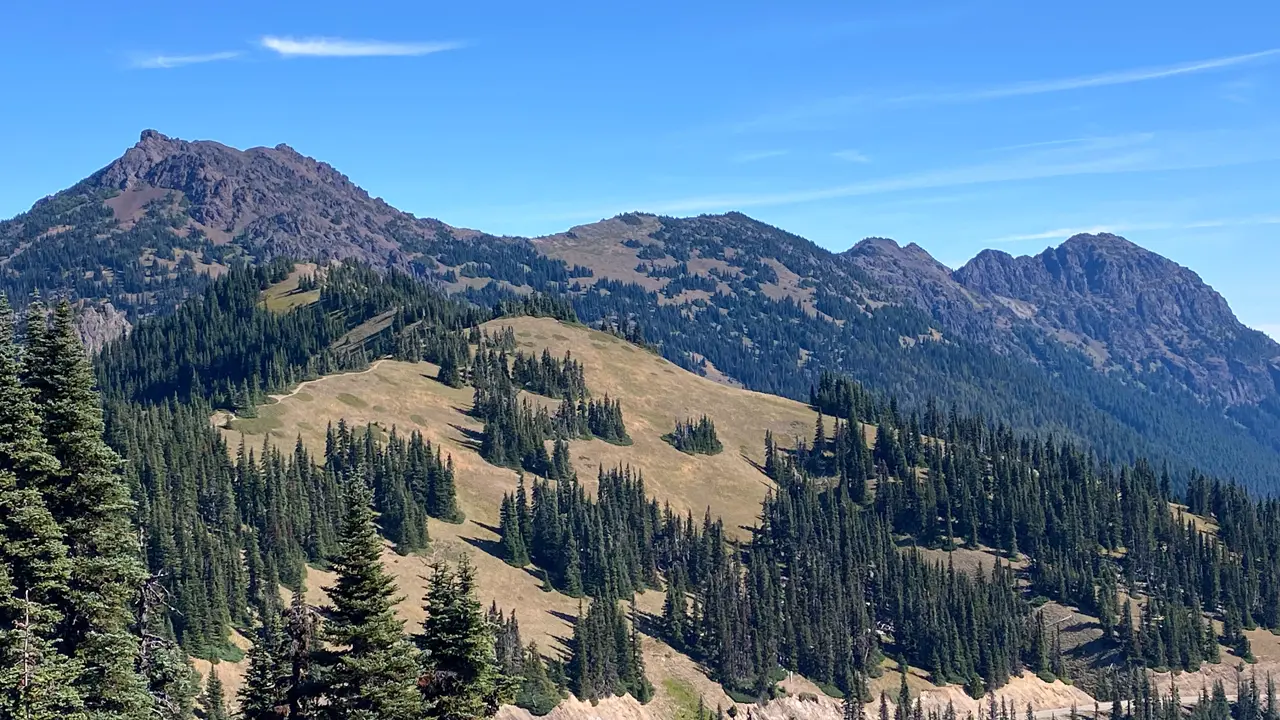
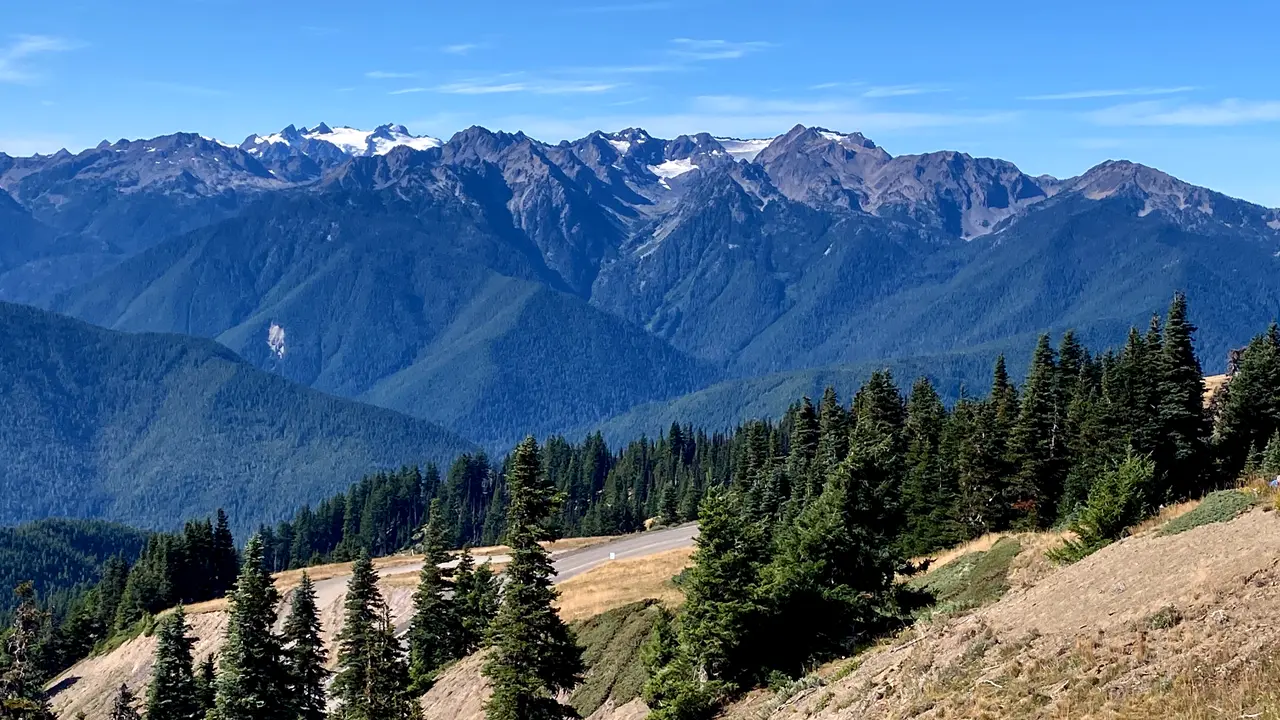
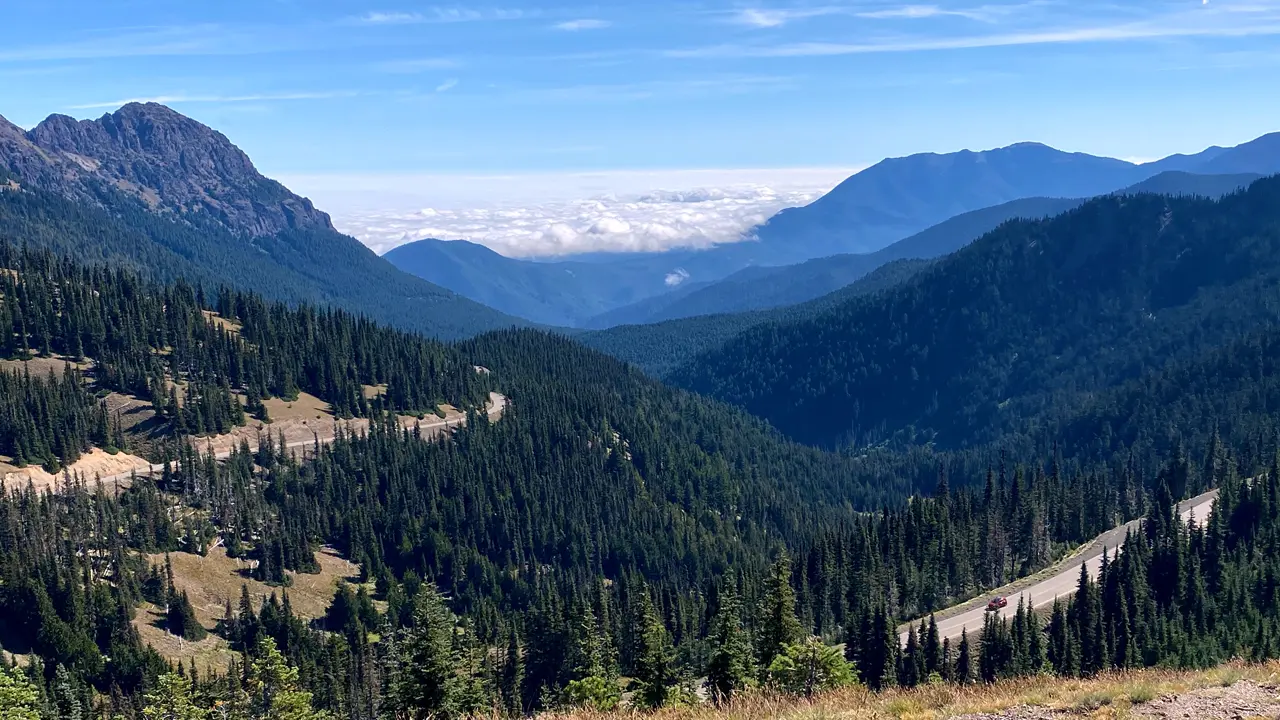
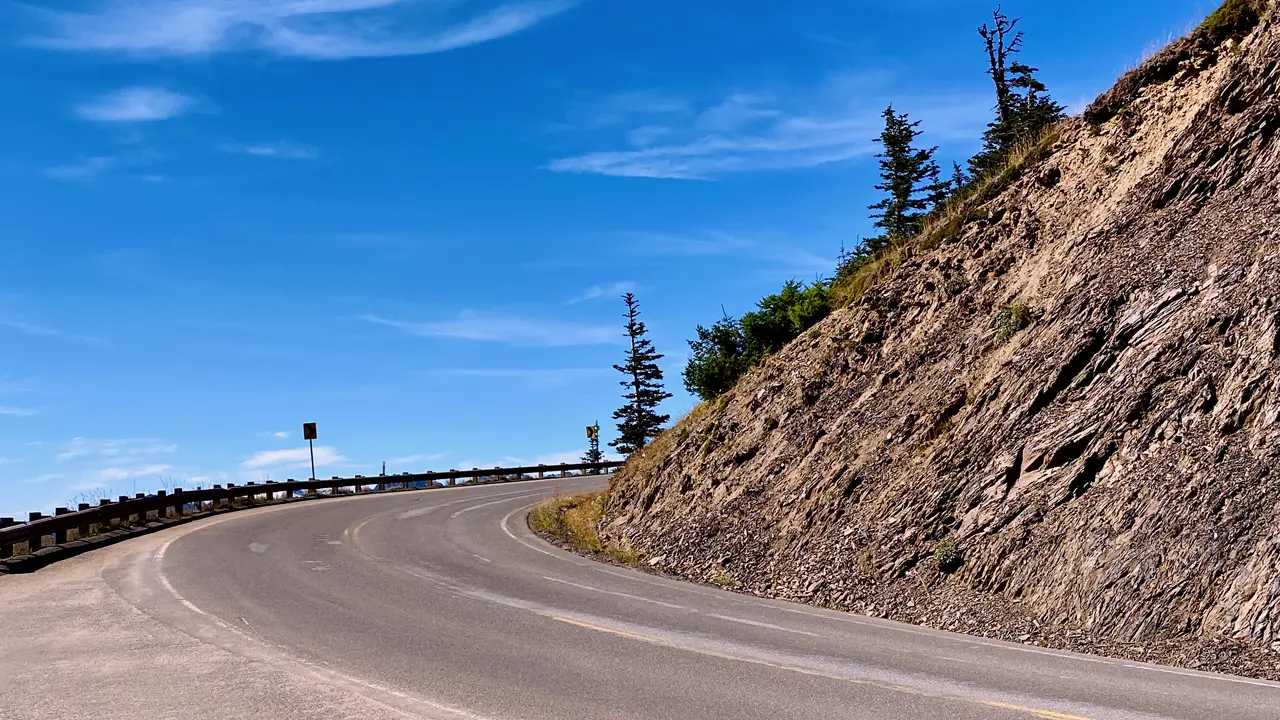
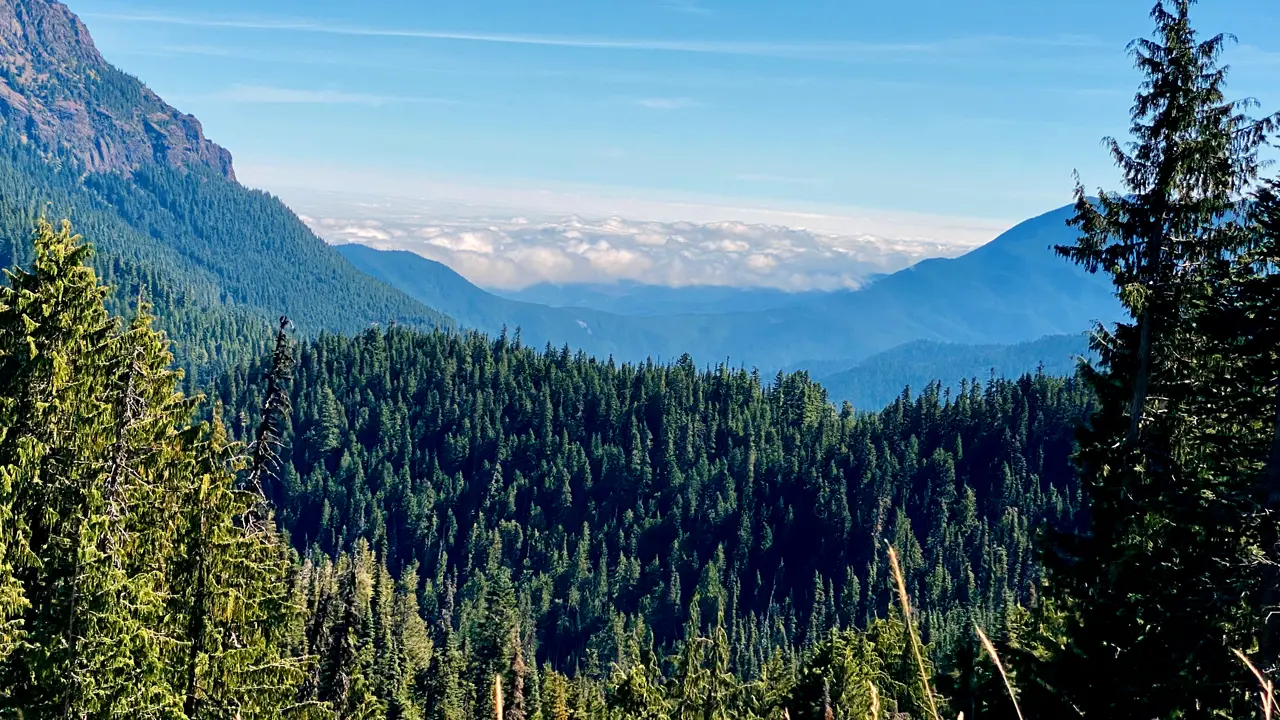
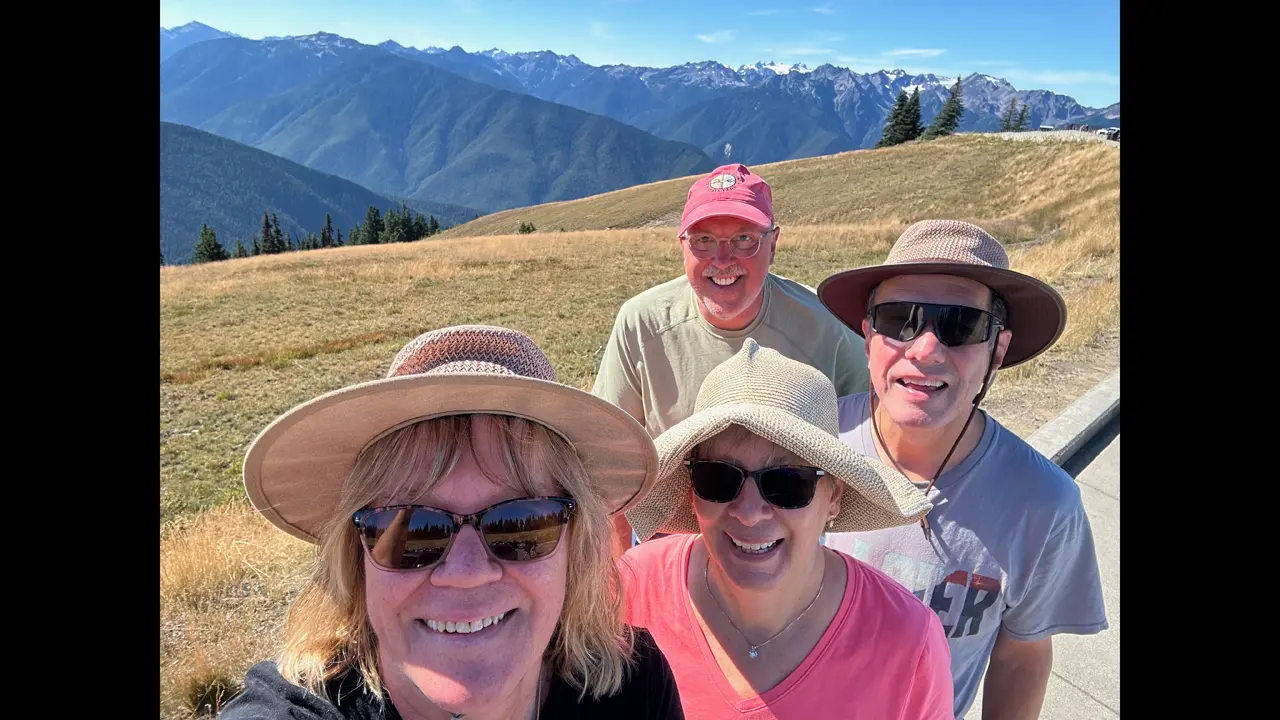
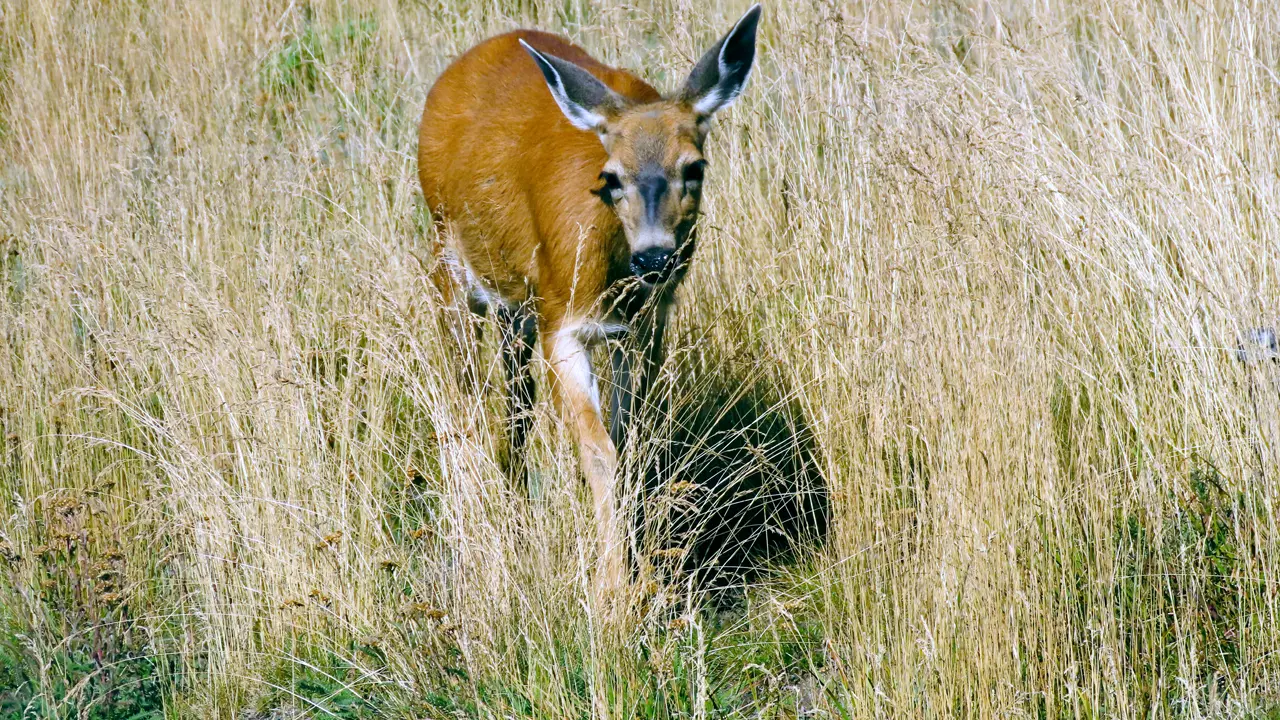
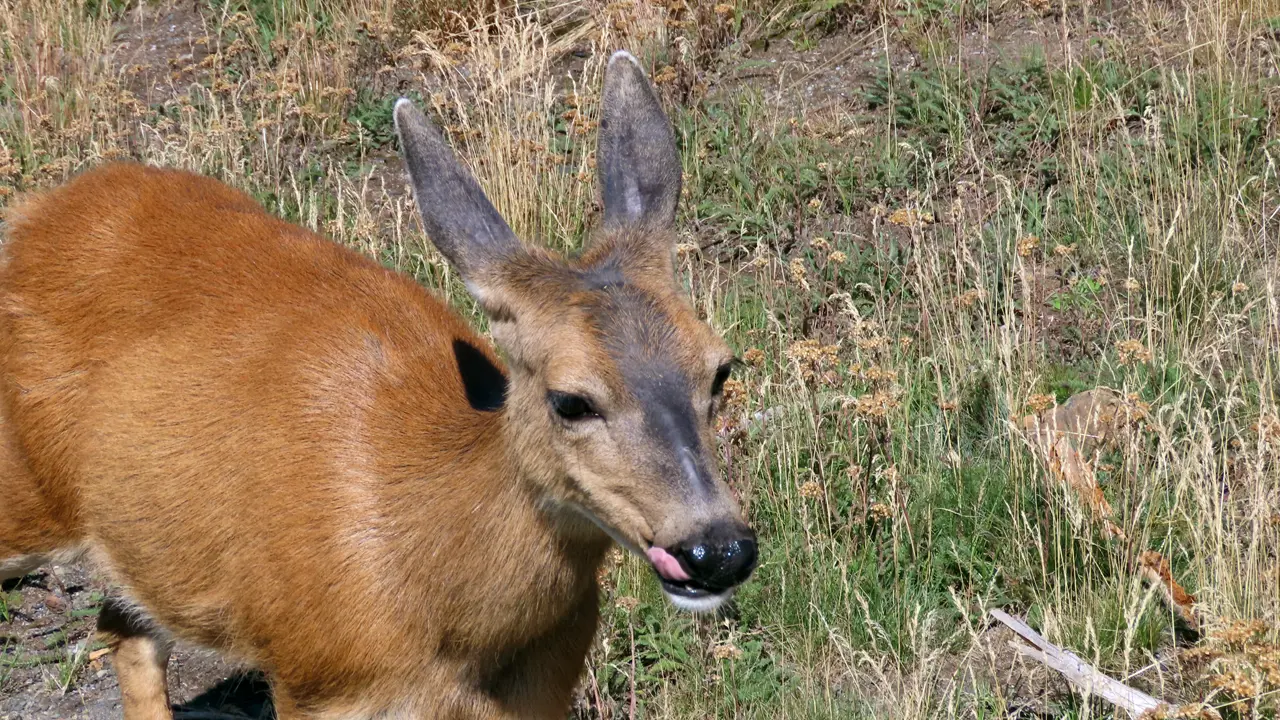
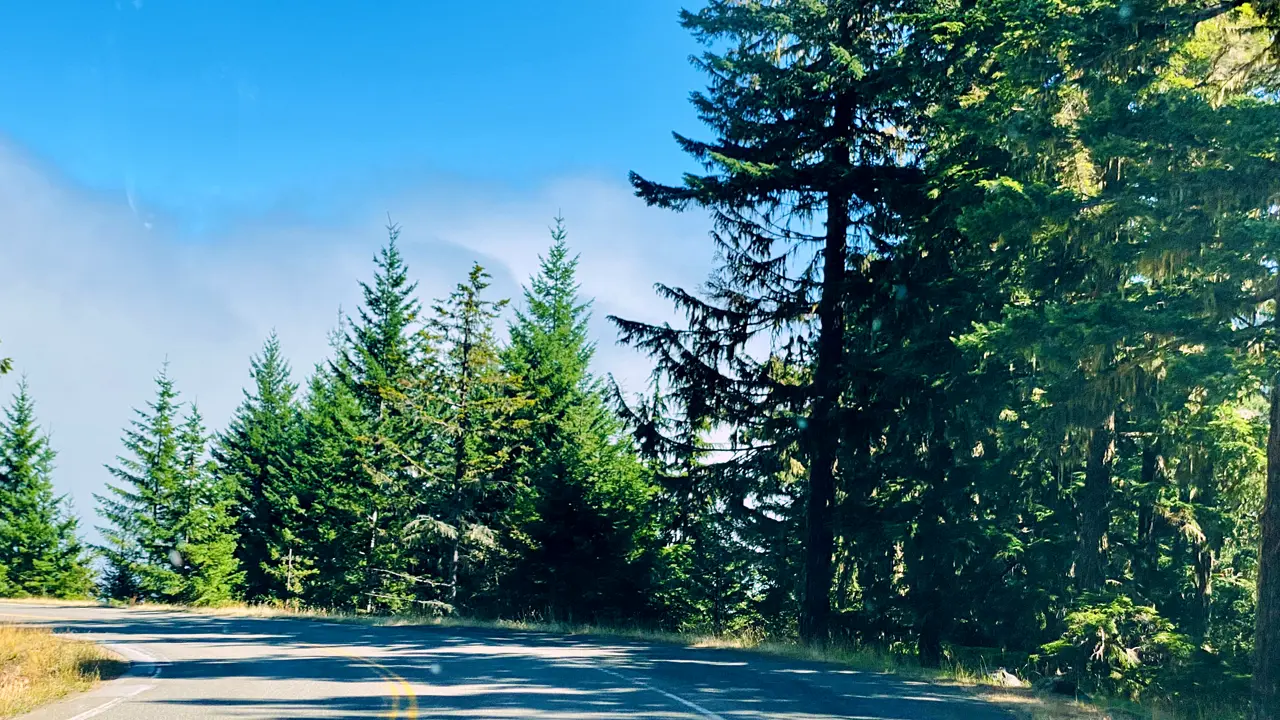
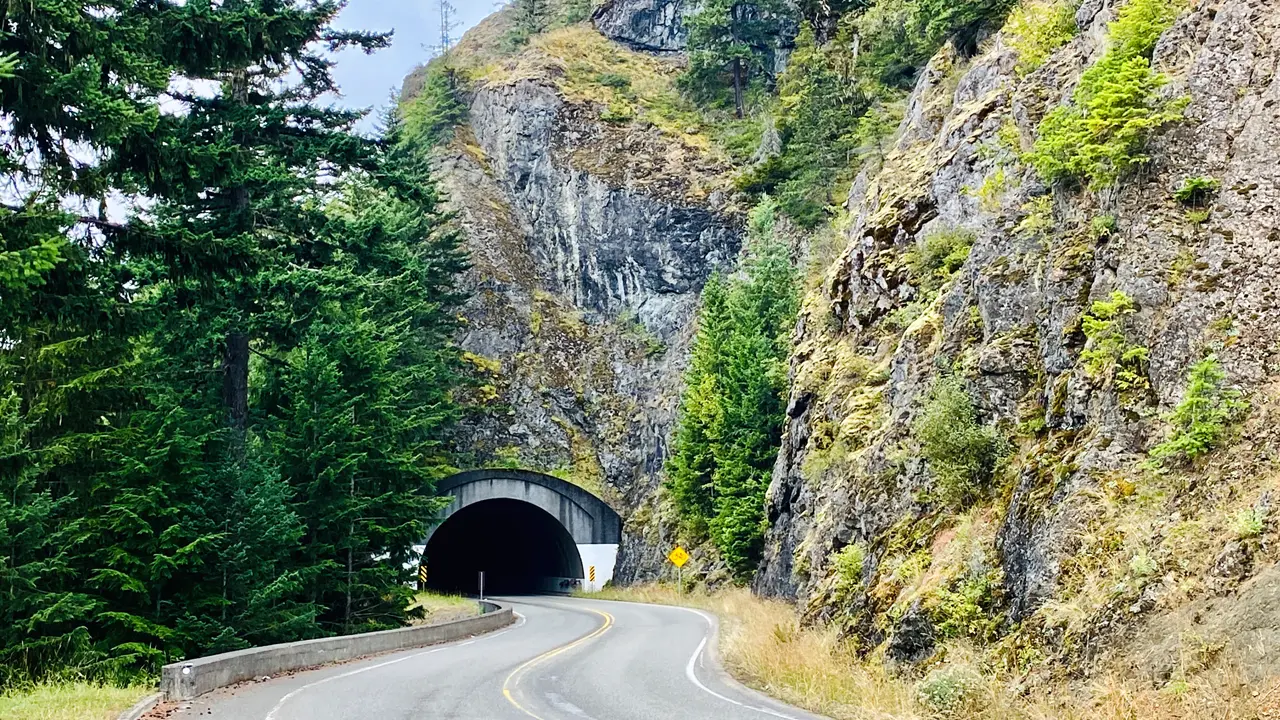
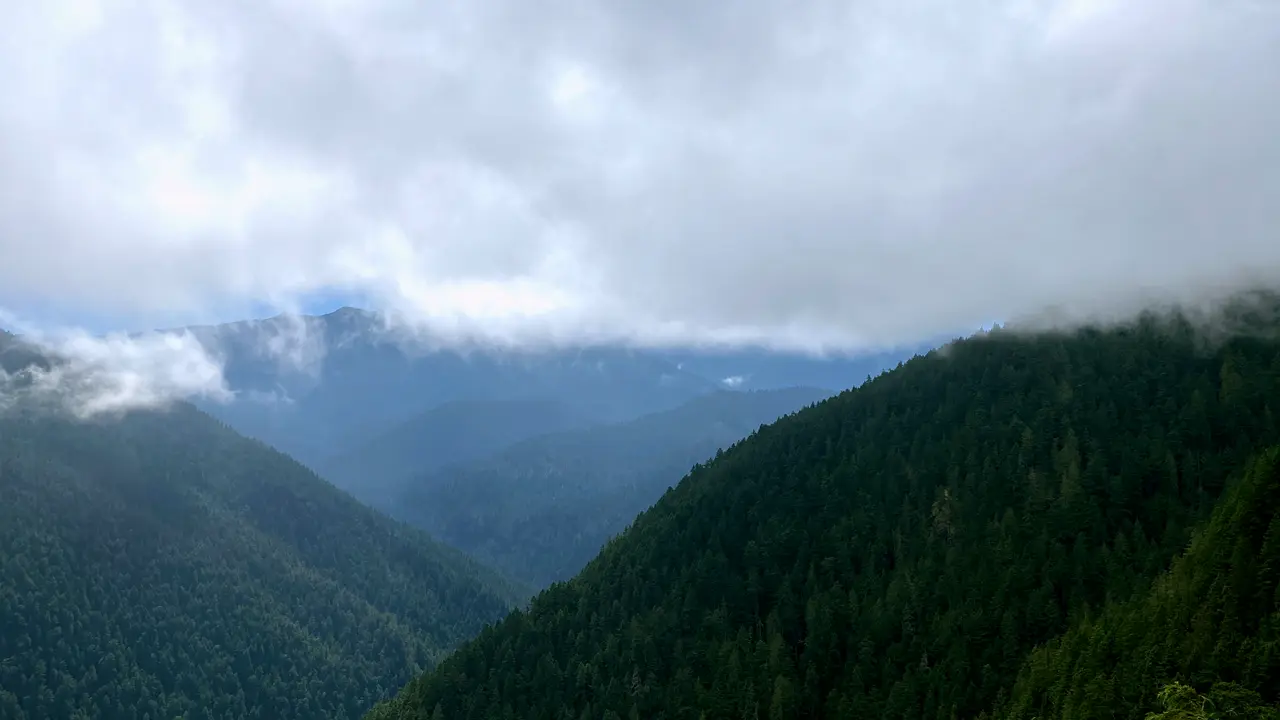
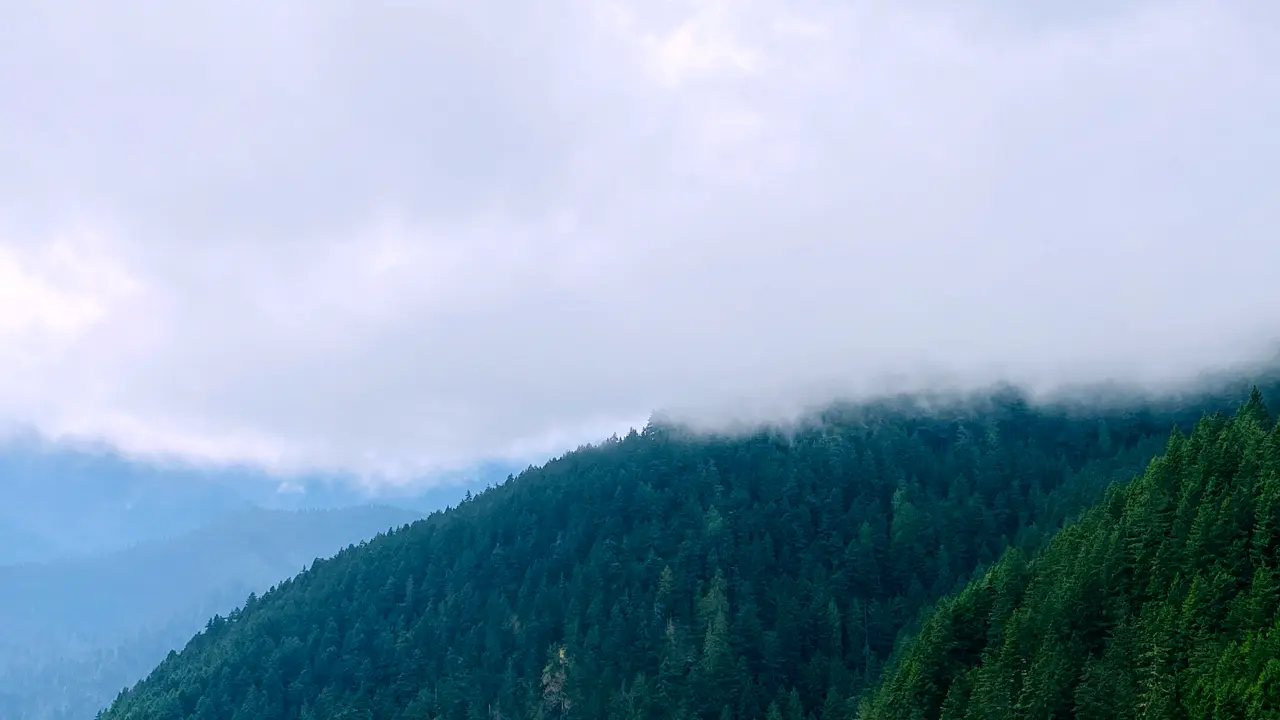
Tuesday, Sept. 3rd (2024), the pod visited Olympic National Park’s Hurricane Ridge, the mountainous area of the park. Hurricane Ridge is shaped by wind and snow. Winds can gust over 75 mph, leading to the “Hurricane” name, and the 30-35 feet of snow that falls annually lingers into summer. Hurricane Ridge Road is a 17-mile winding, narrow drive with drop offs, and views of the Olympic Mountains. The road reaches a height of 5,242 feet. Gary did an awesome job driving and keeping us all safe. We hiked a few short trails along Hurricane Ridge to enjoy the views and saw deer who were not the least bit afraid of humans. I could have reached out and touched one!
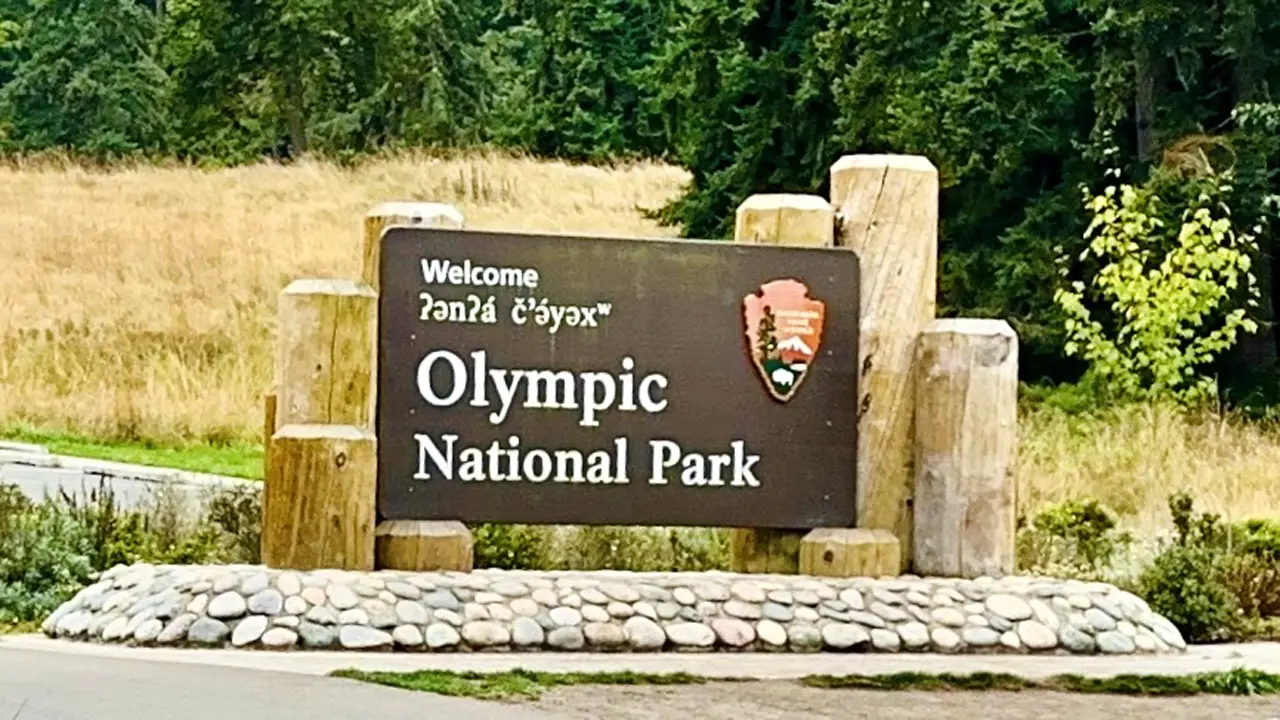
The Olympic Peninsula is home to 8 American Indian tribes. The Olympics were set aside as a national monument in 1909 and then became a National Park in 1938. Today the park is internationally recognized as a Biosphere Reserve and World Heritage Site. At nearly a million acres, this park is incredibly diverse. It has mountains, lakes, two rainforests, and wilderness beaches filled with enormous driftwood. Thankfully we have several more days of exploring to see more of this amazing park.
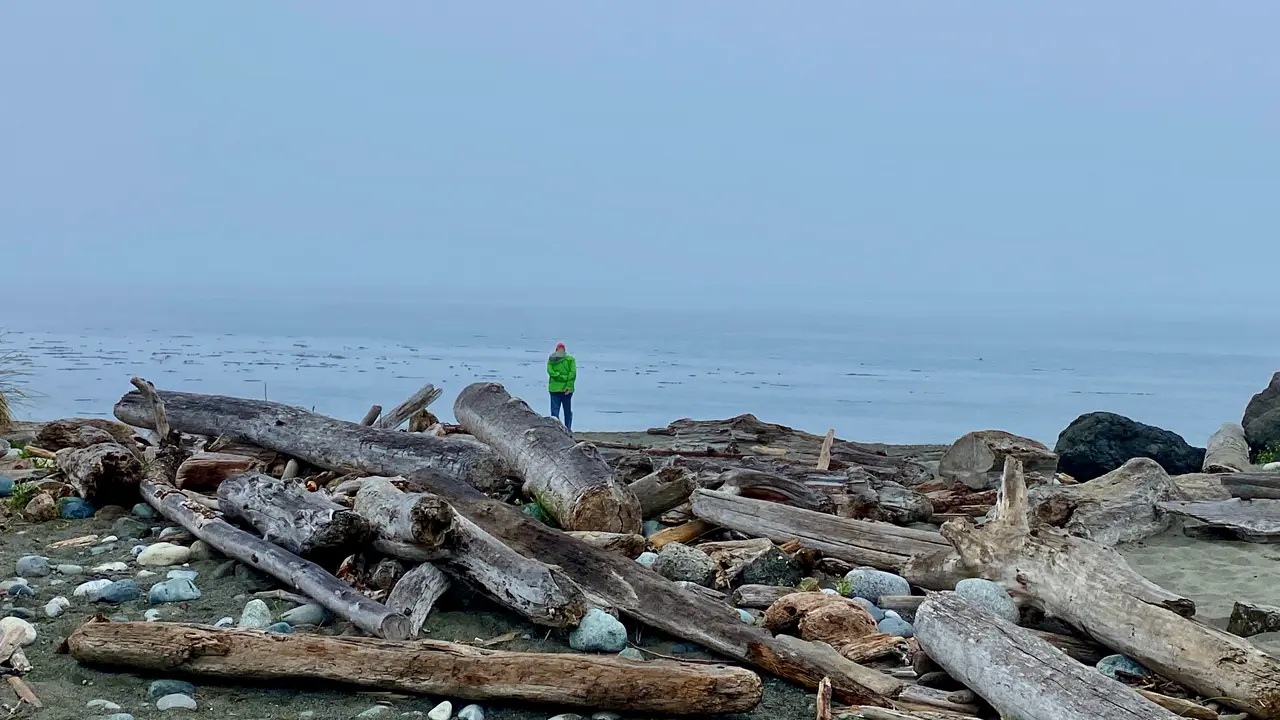
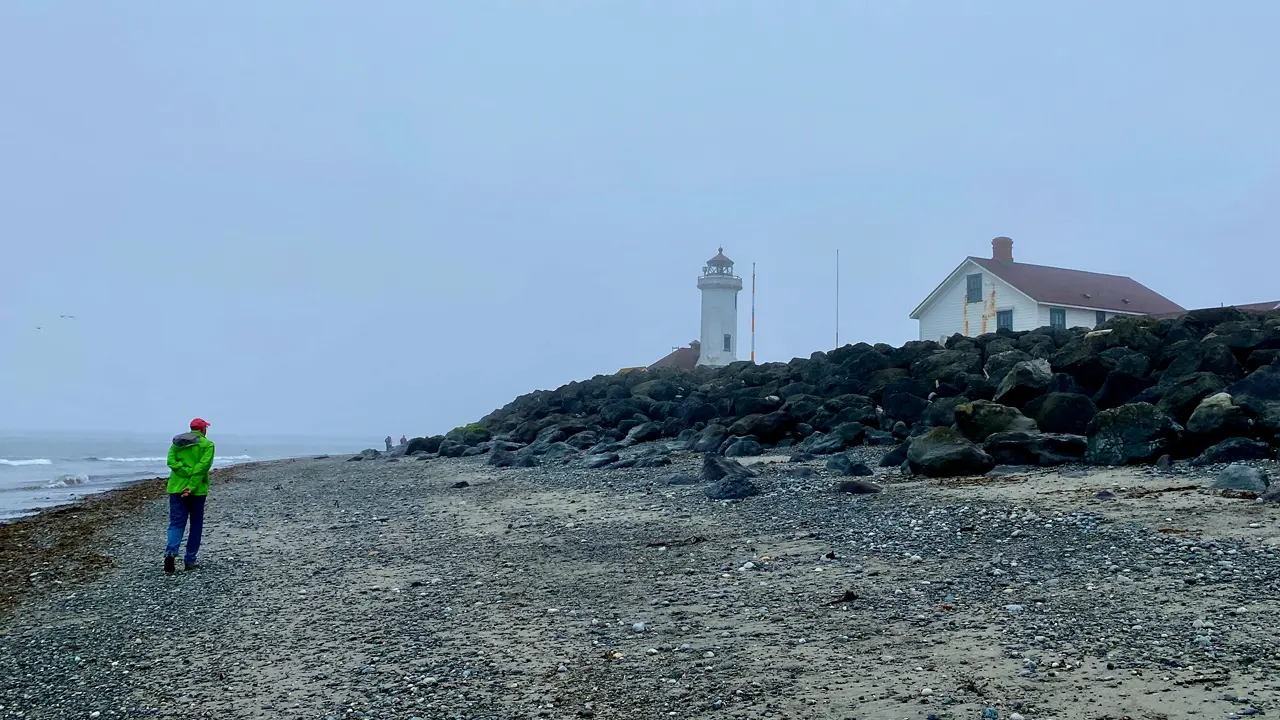
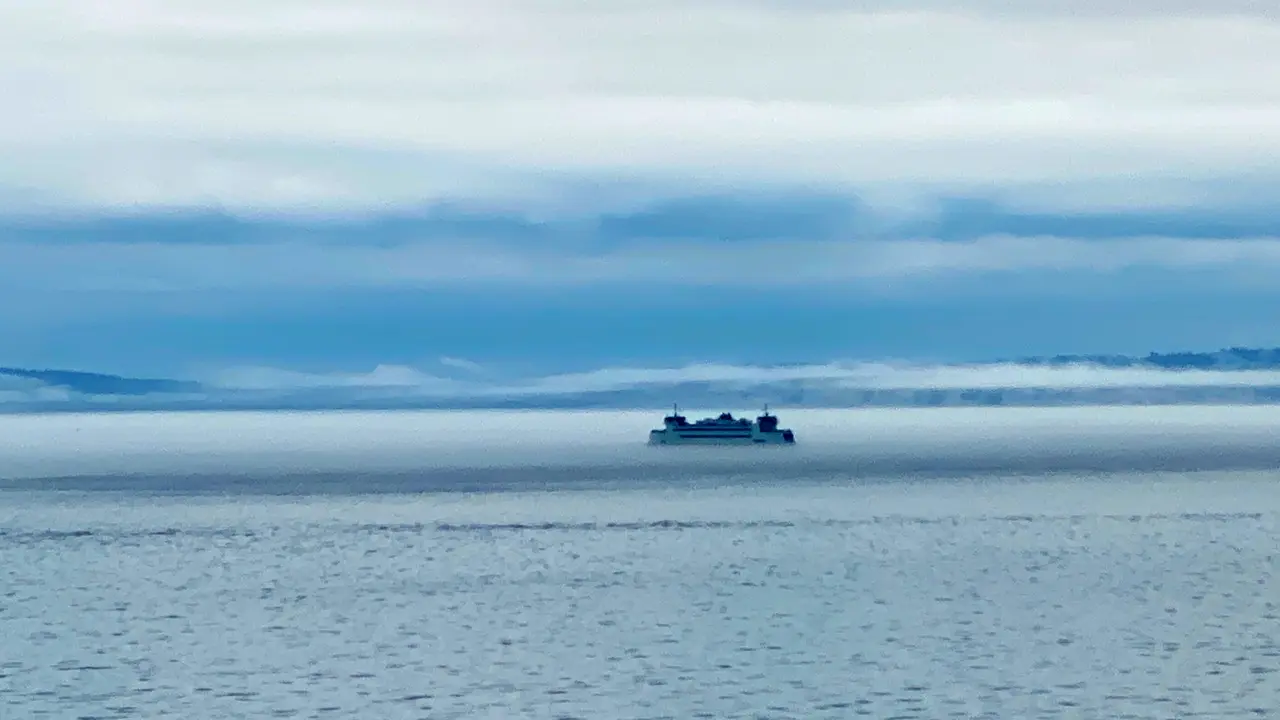
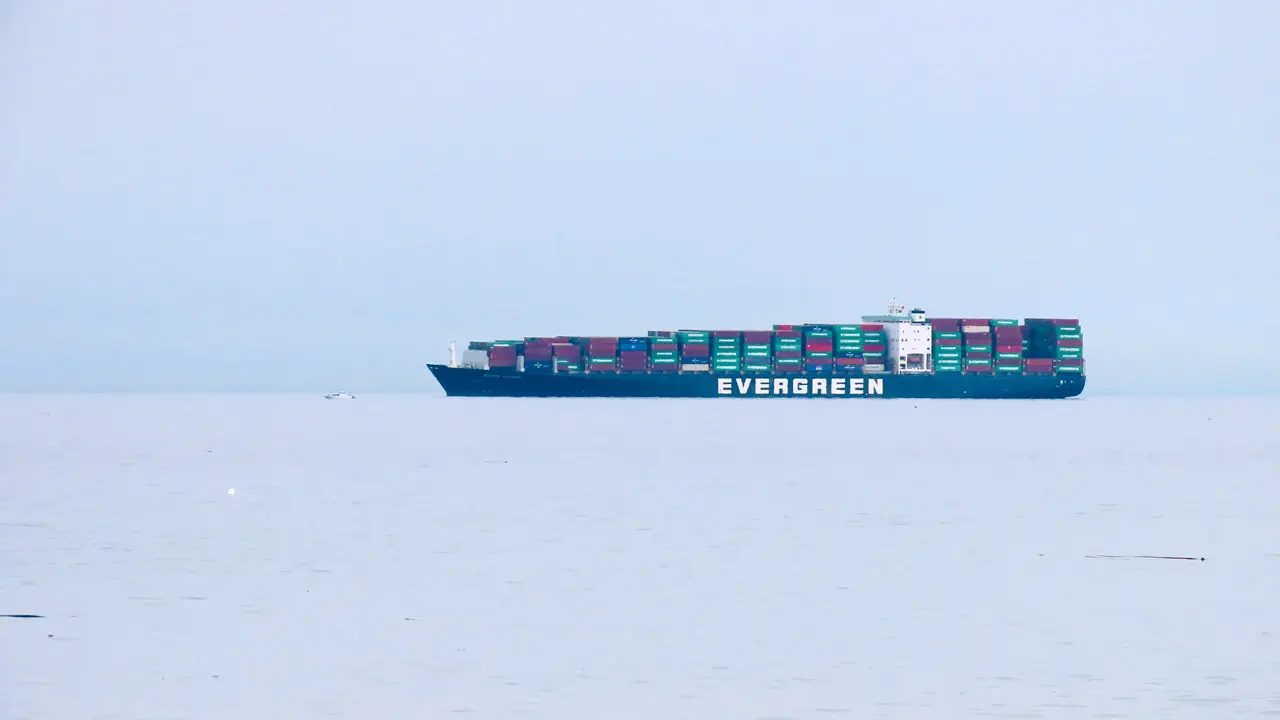
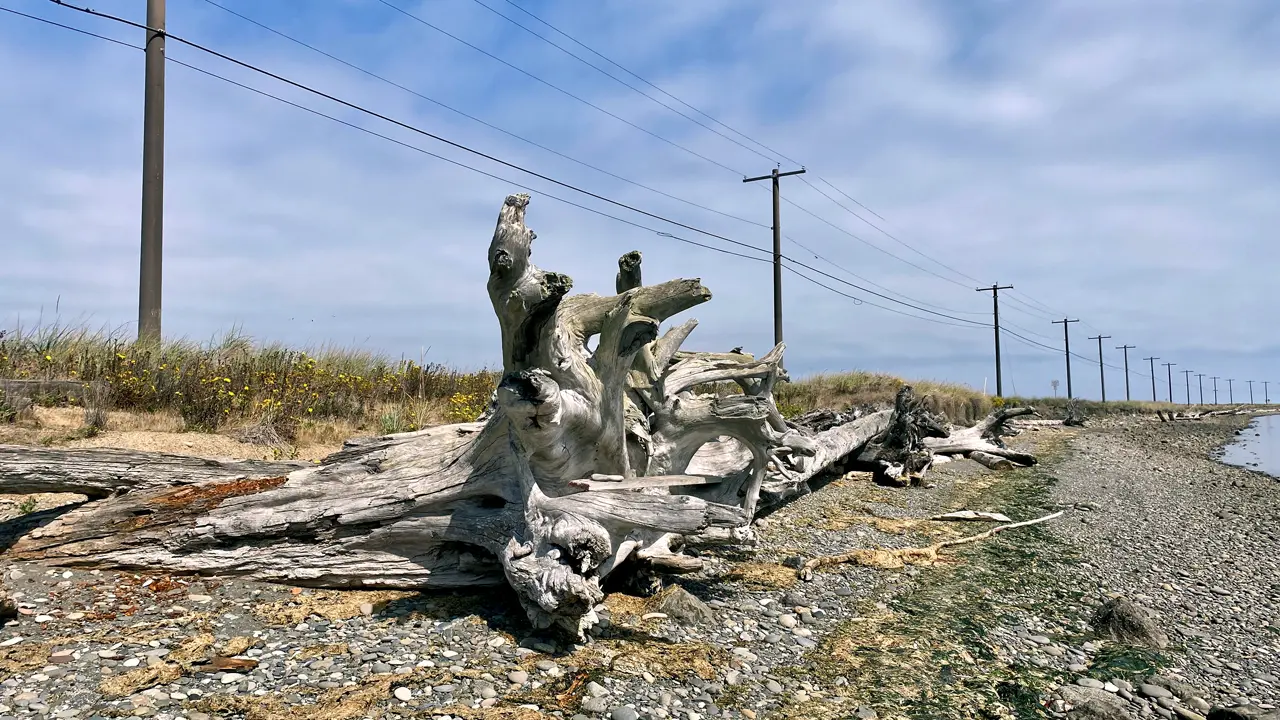
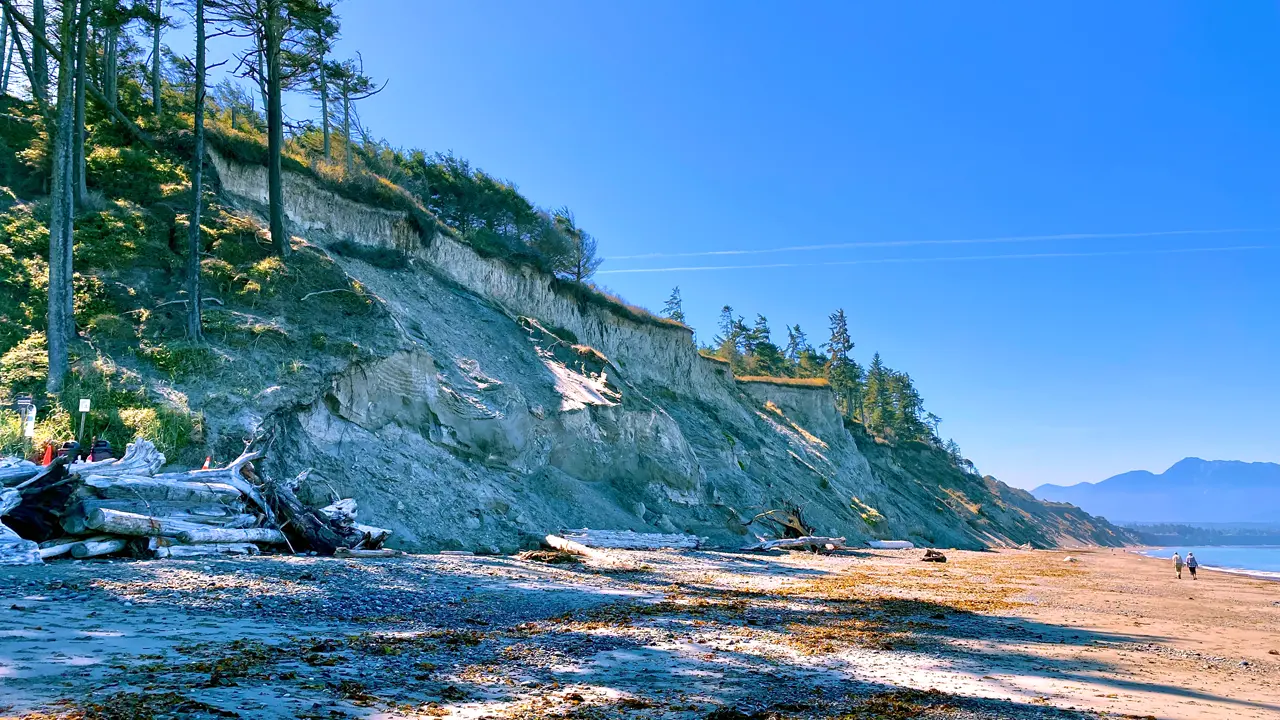
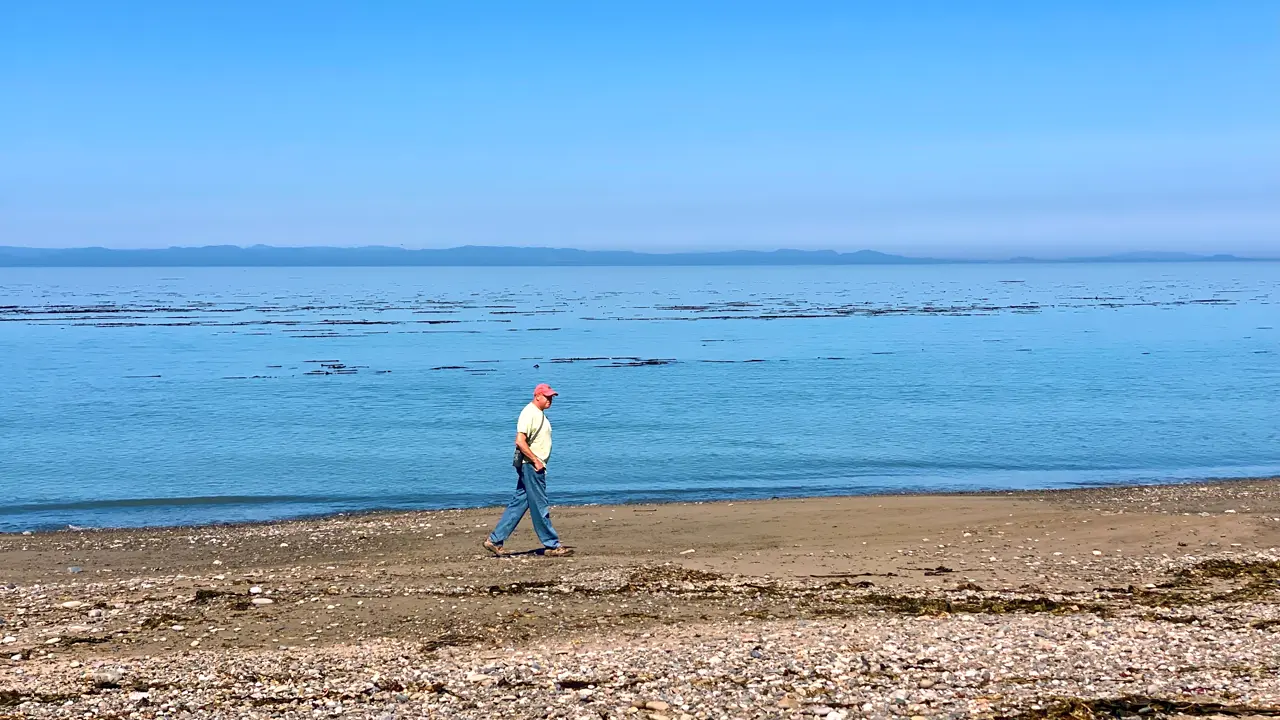
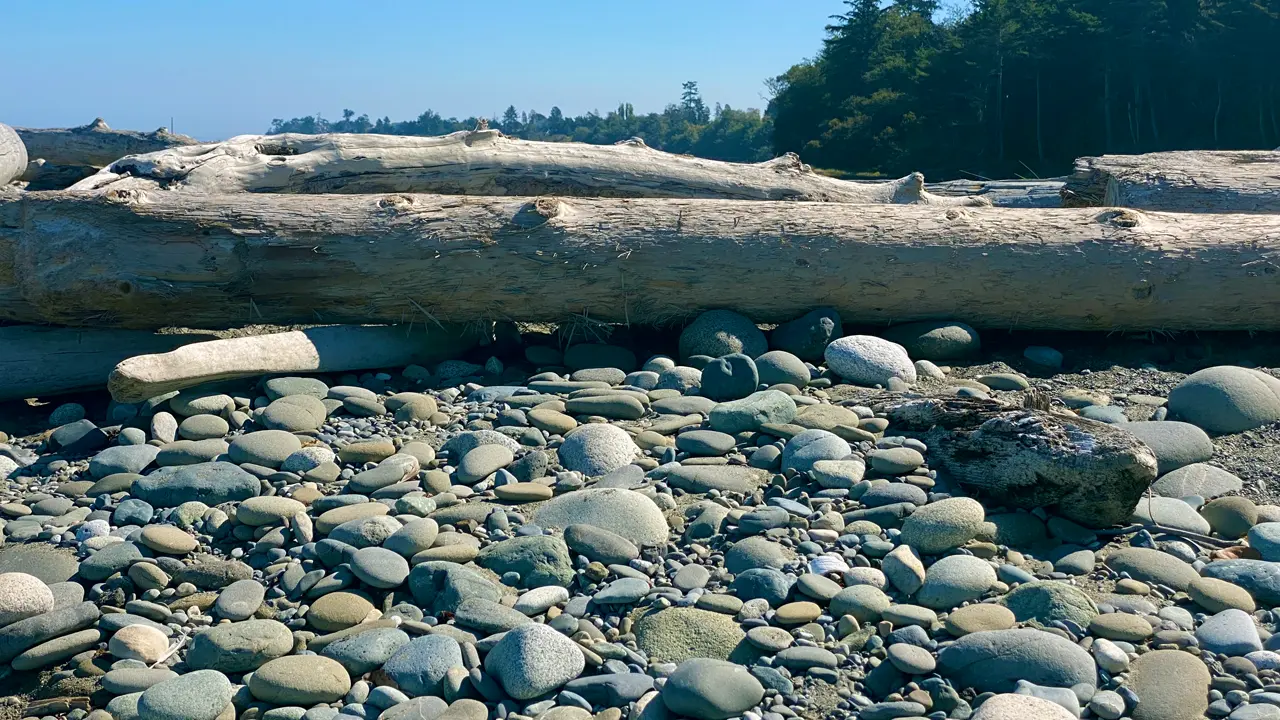
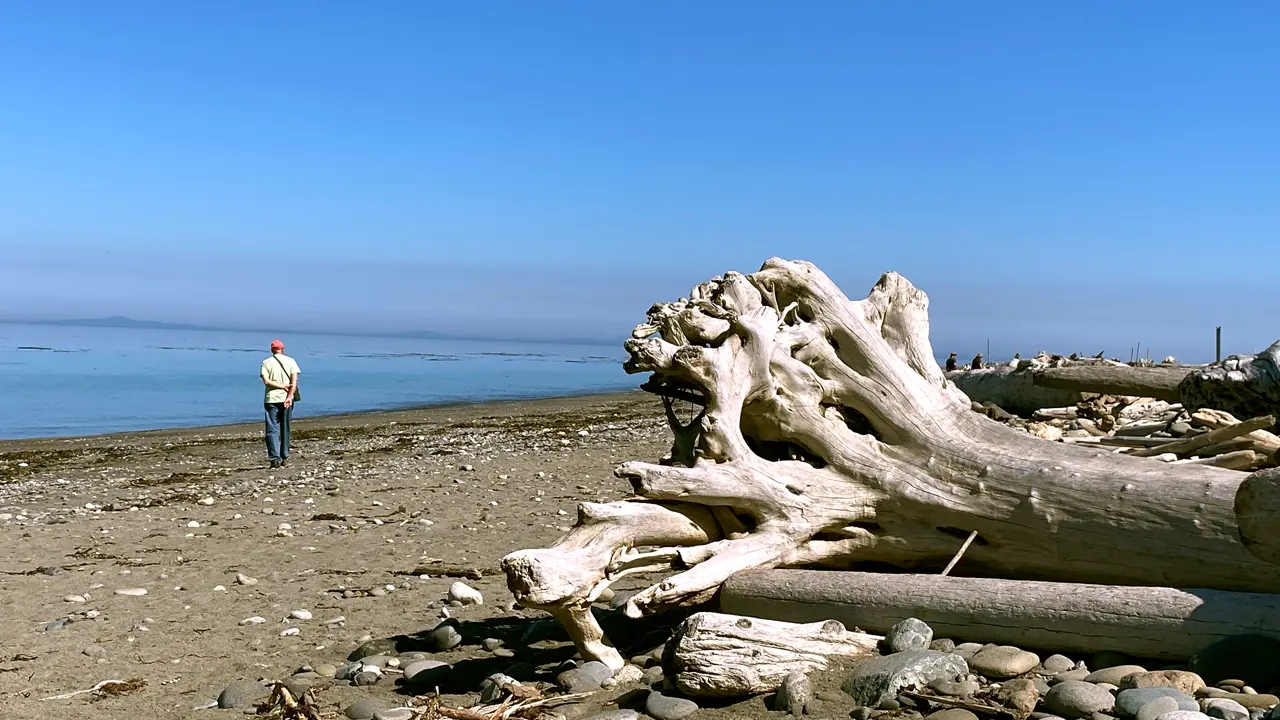
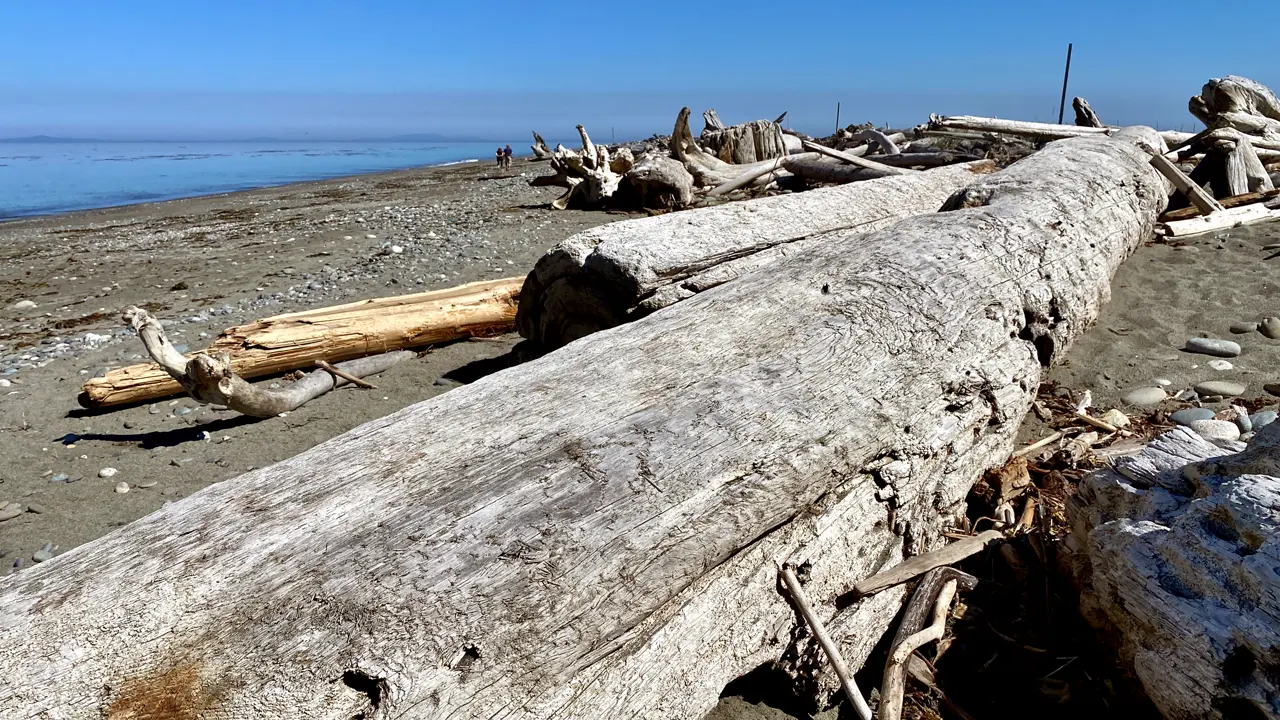
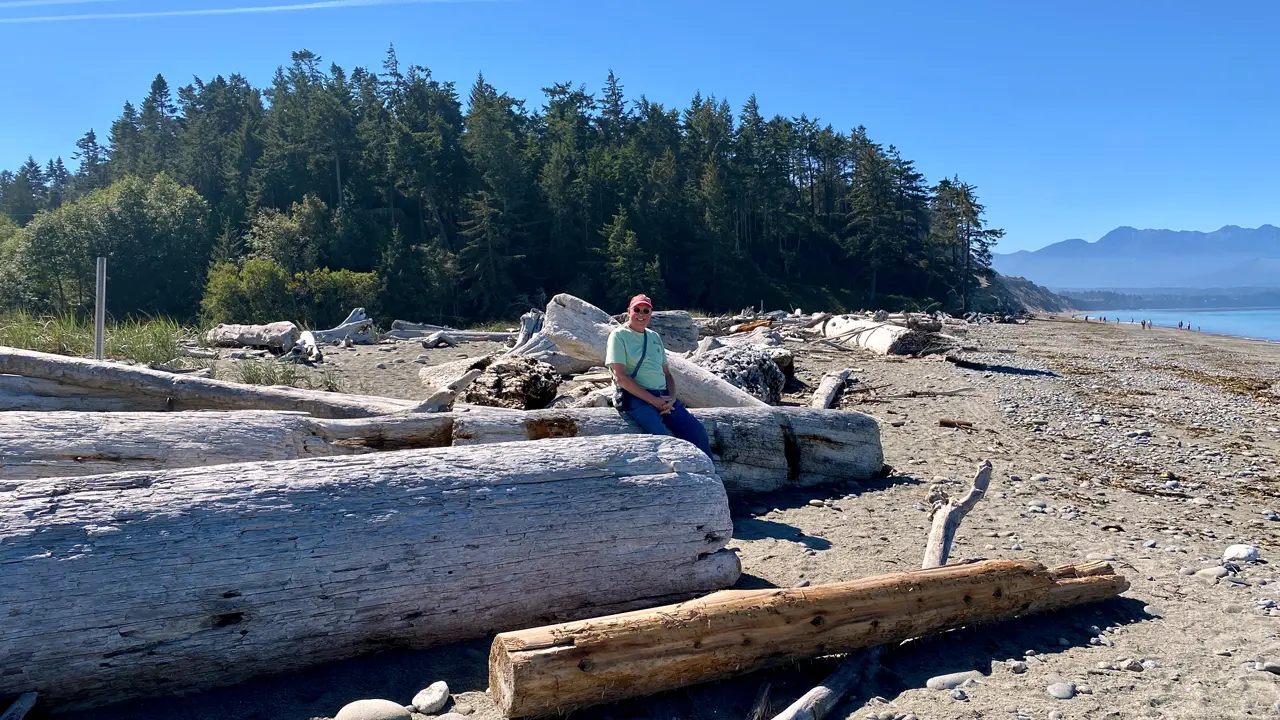
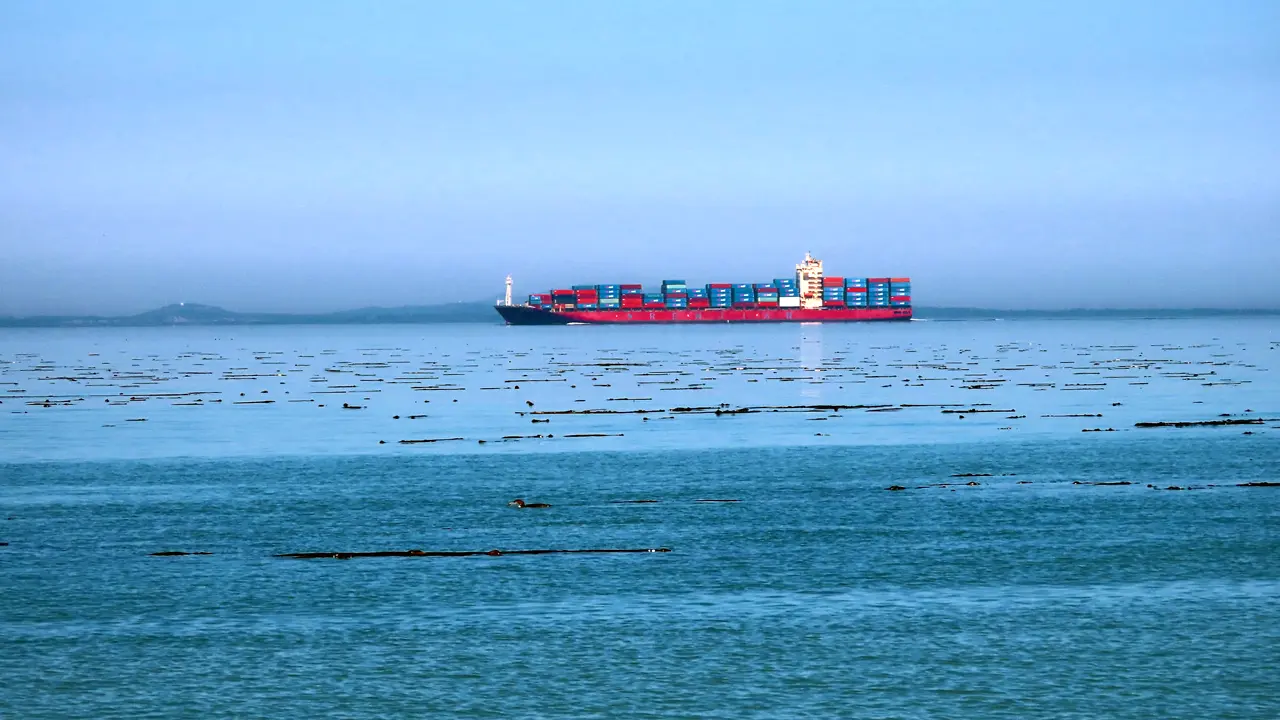
After traversing Hurricane Ridge, we headed back into Port Angeles to visit Ediz Hook, a 3-mile, crescent-shaped sand spit where we also enjoyed our picnic lunch. What’s a spit? Basically a sand peninsula. Ediz Hook is a dark sandy beach with lots of smooth rocks and very large driftwood. The tide was rising, so we had to be careful of how far we walked or we’d be walking through deeper water than we bargained for on the return trip. We also saw container ships off-shore heading to and from Vancouver.
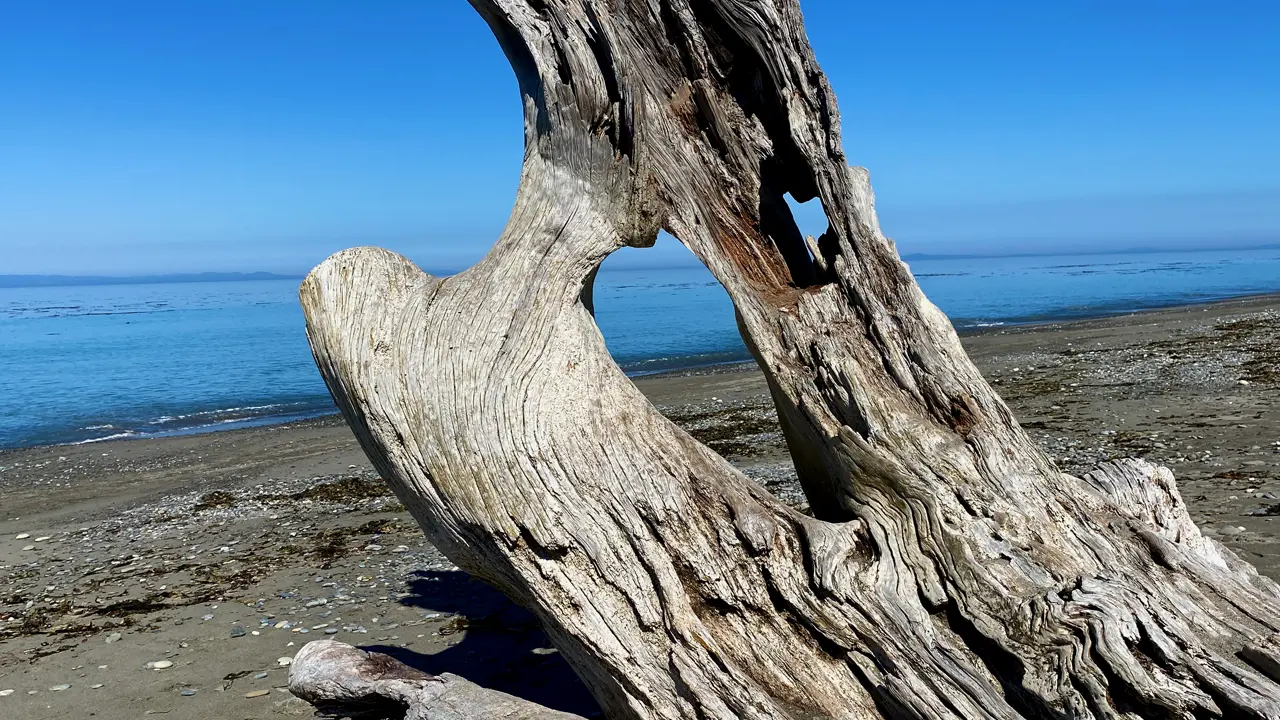
Why are there so many driftwood logs on beaches in the Pacific Northwest? The land is covered with an abundance of trees, which fall into numerous rivers, and float down into the ocean. In winter storms powerful waves toss the logs back up onto the beaches.
We had a bit of a shorter day today so when we got back home, I was able to sit outside in the sun and enjoy reading my latest book!
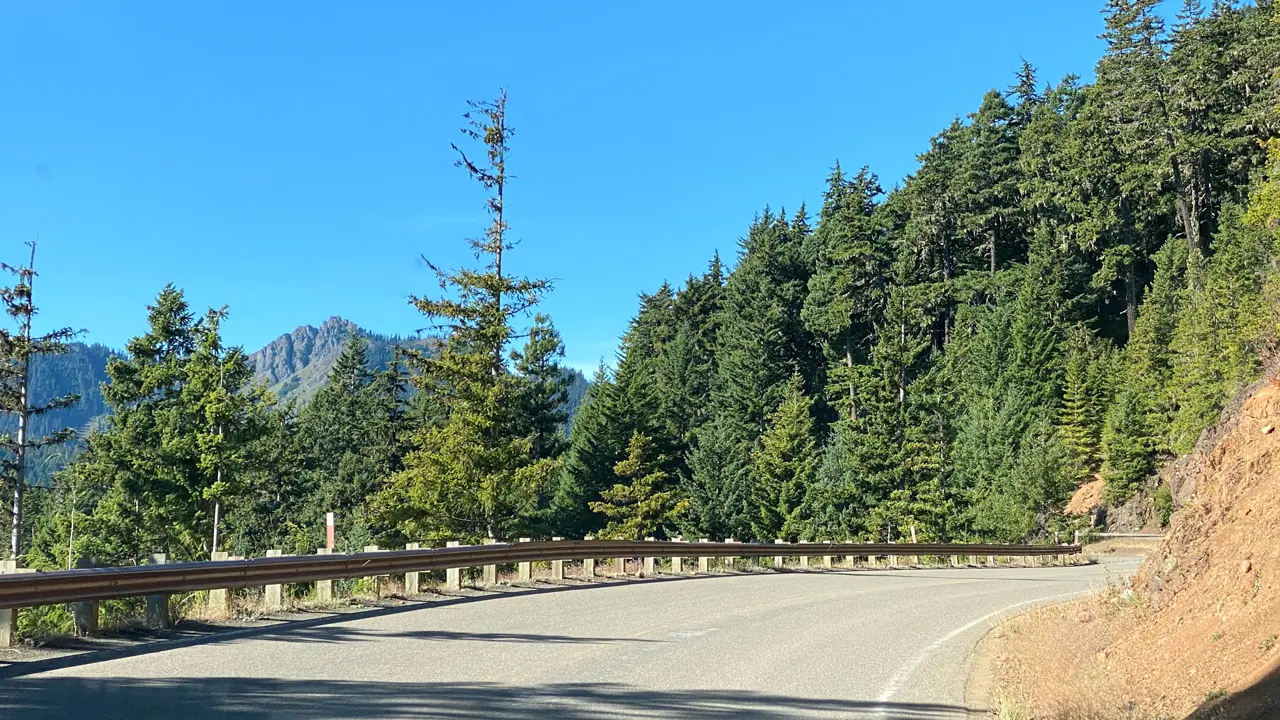
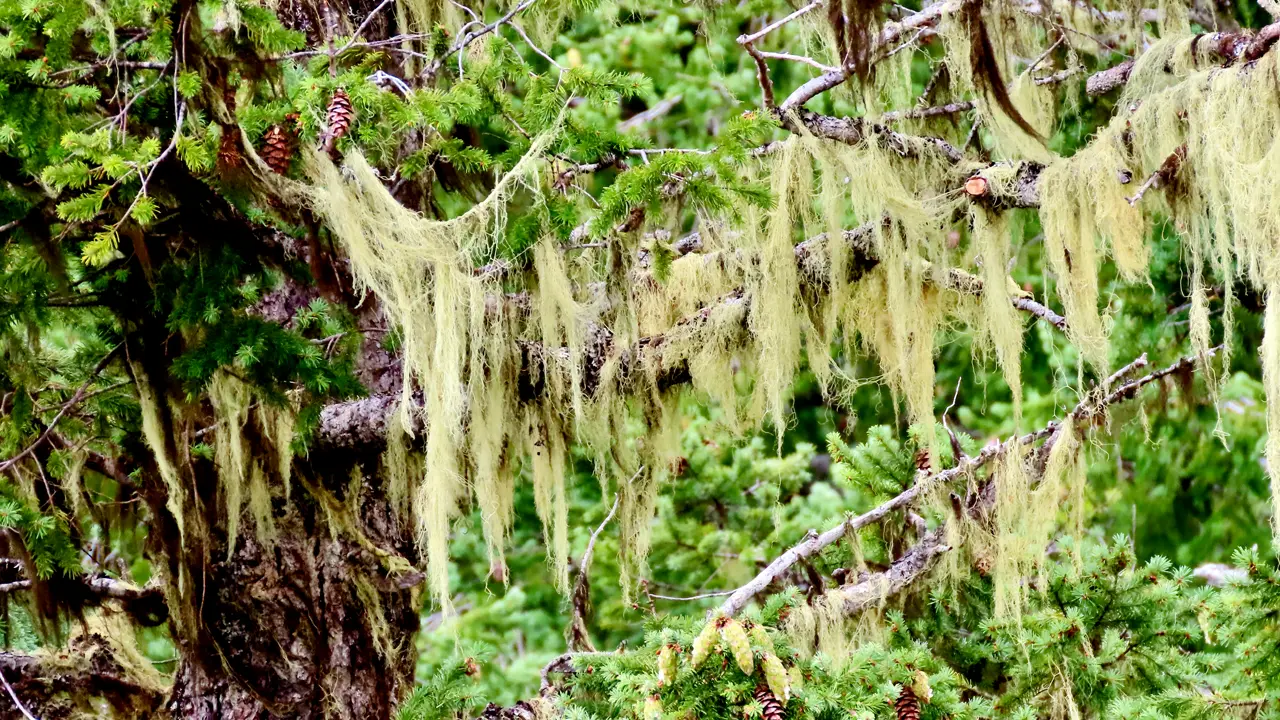
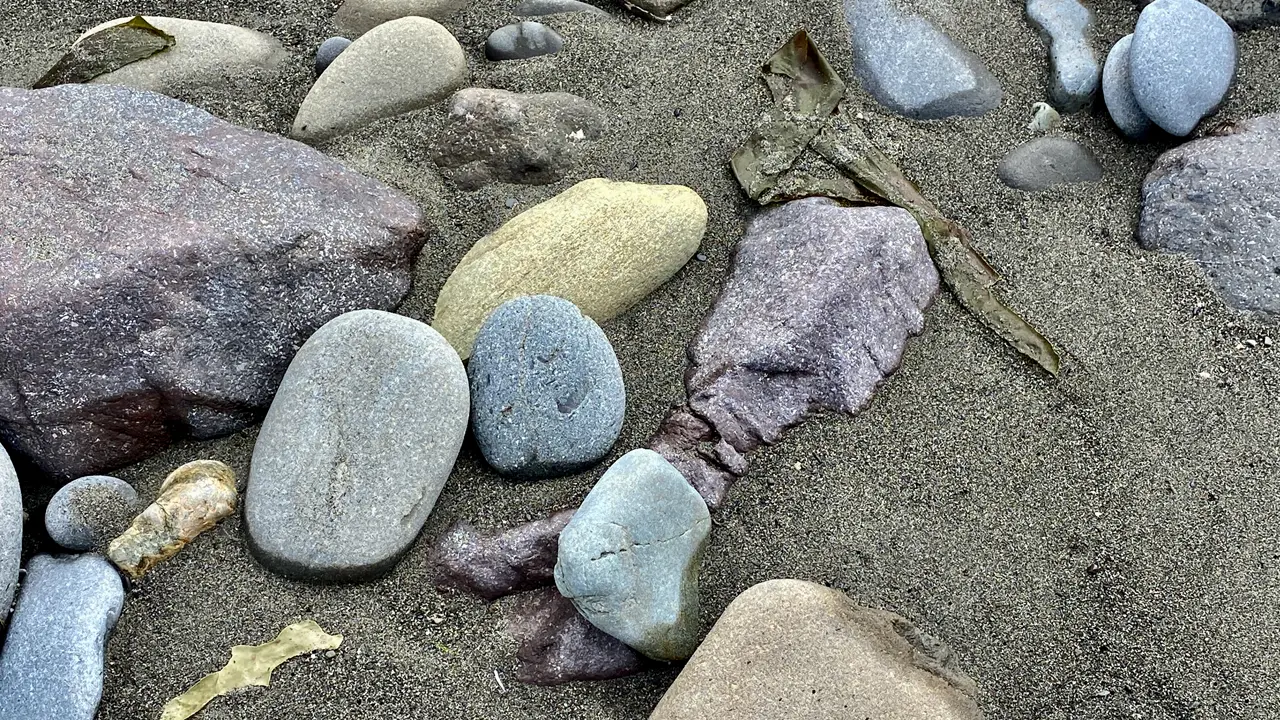
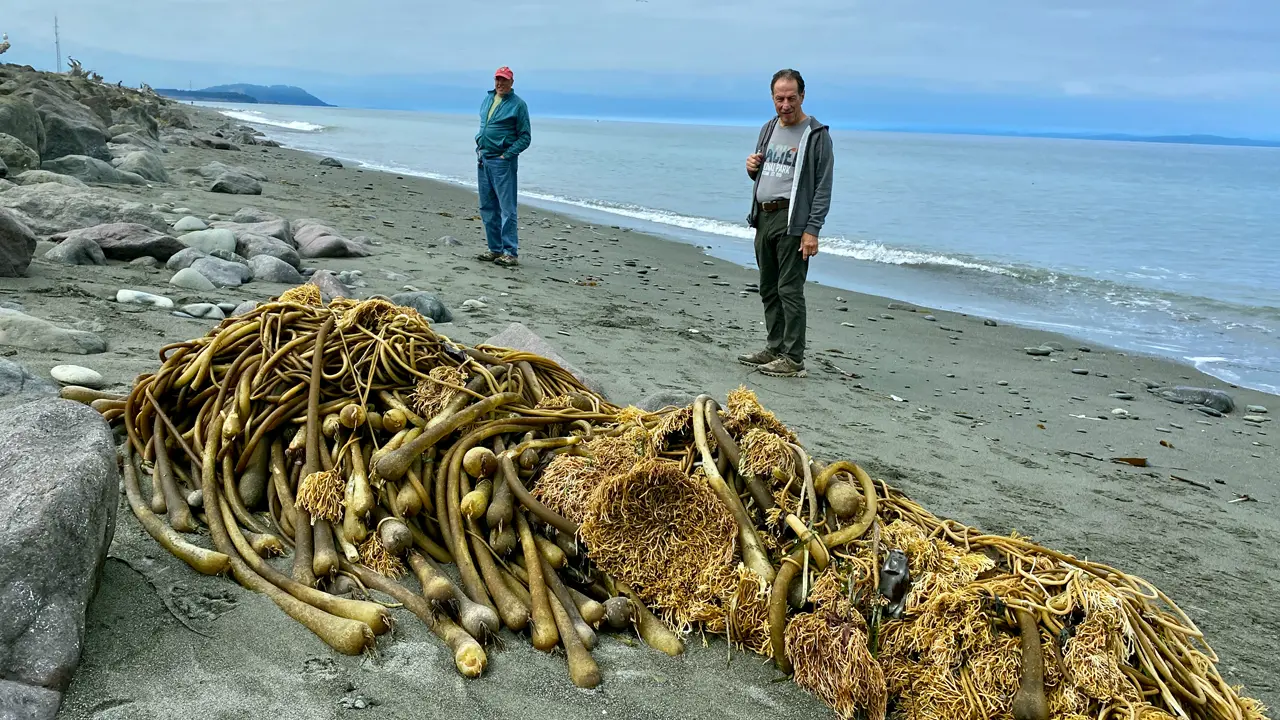
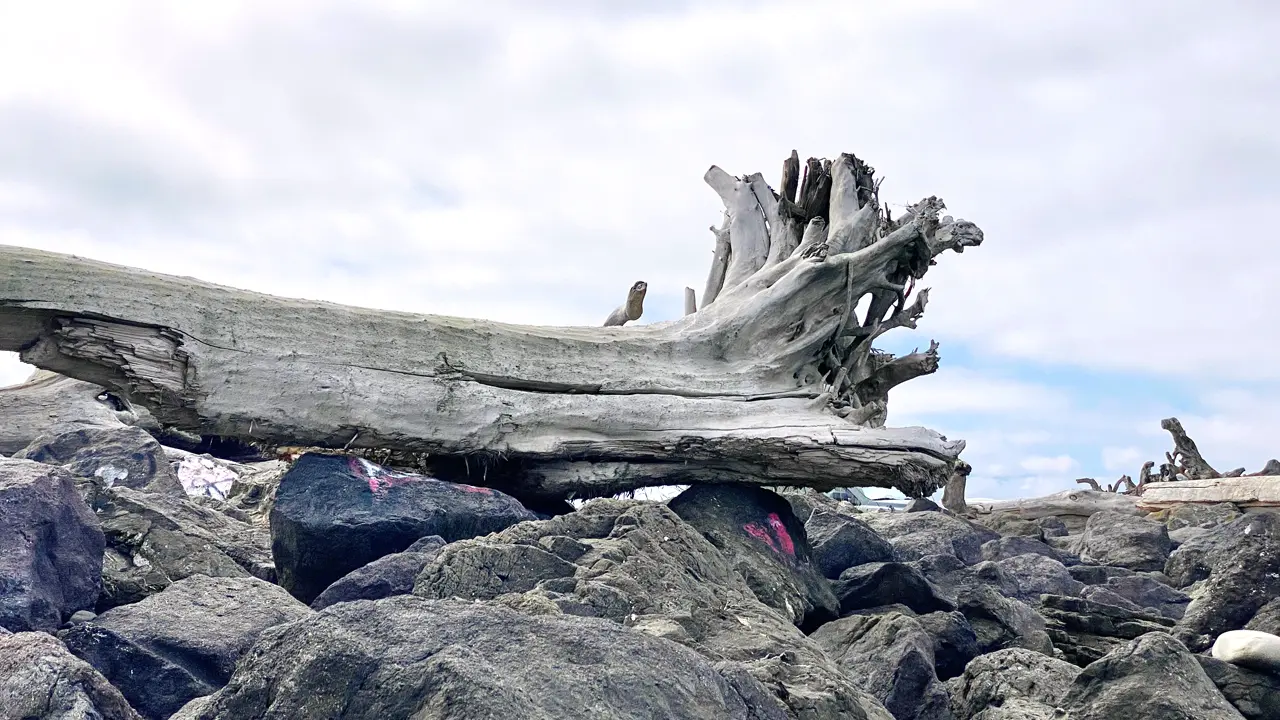
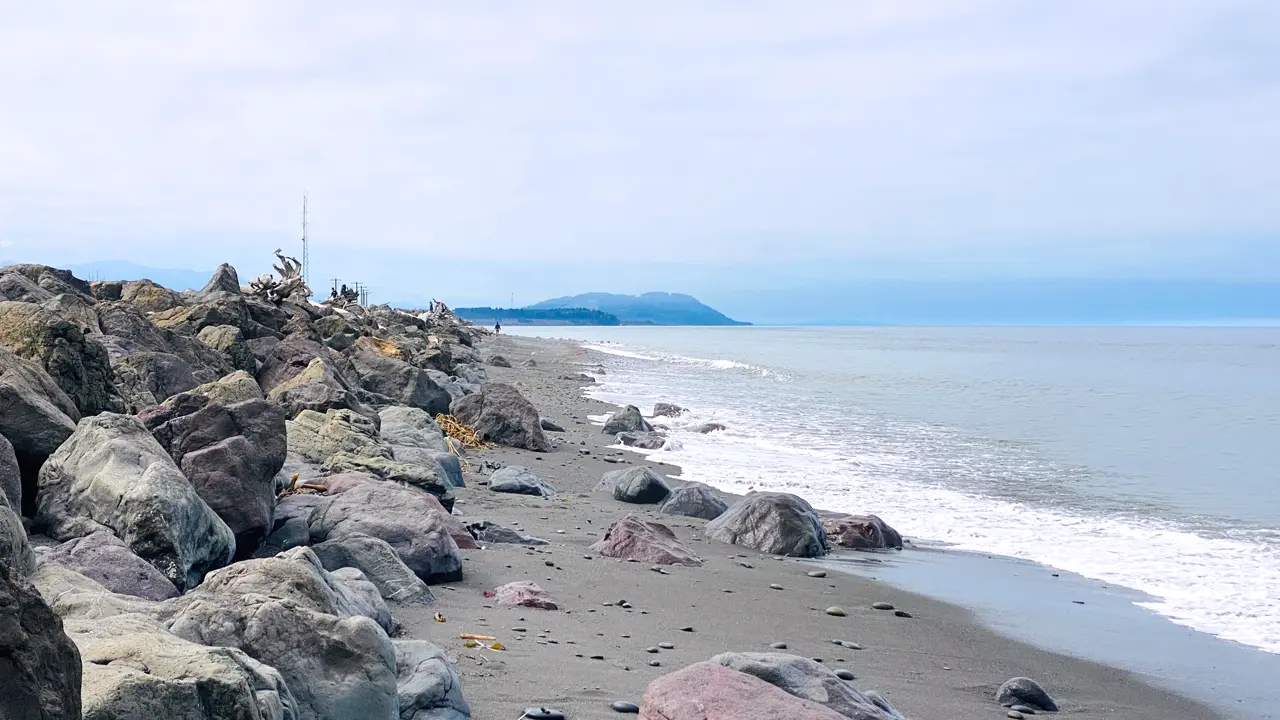
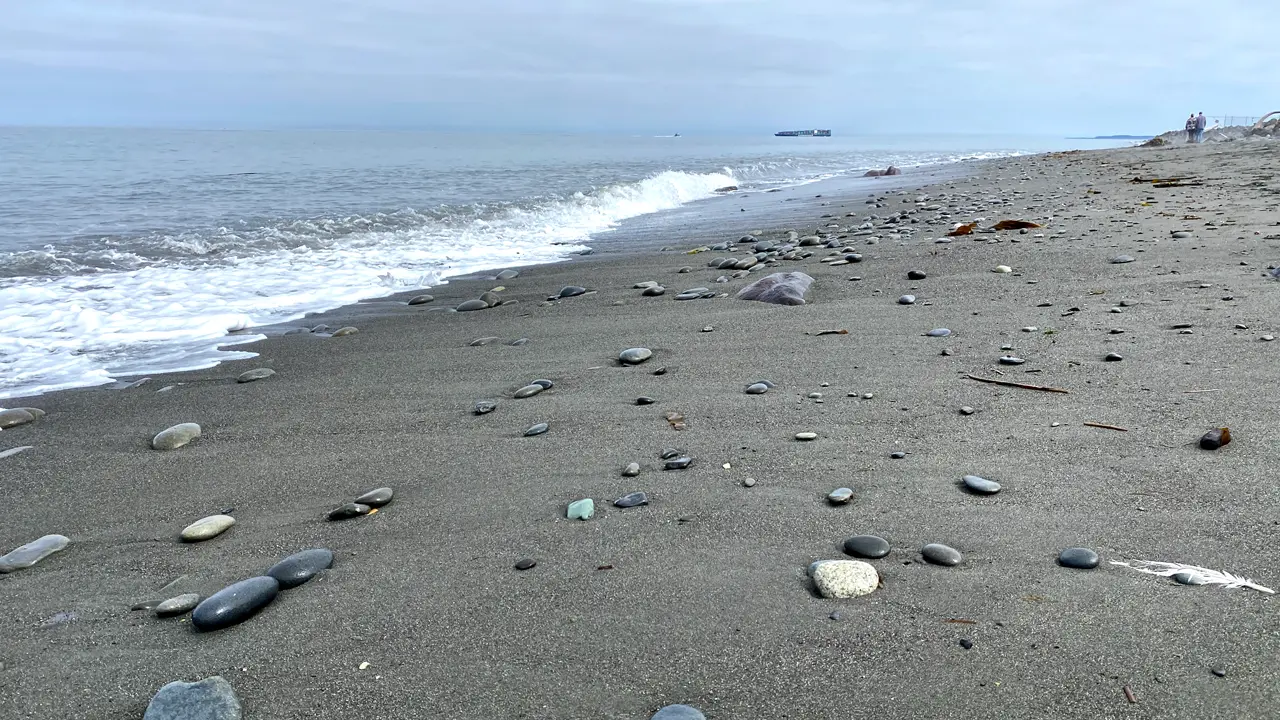
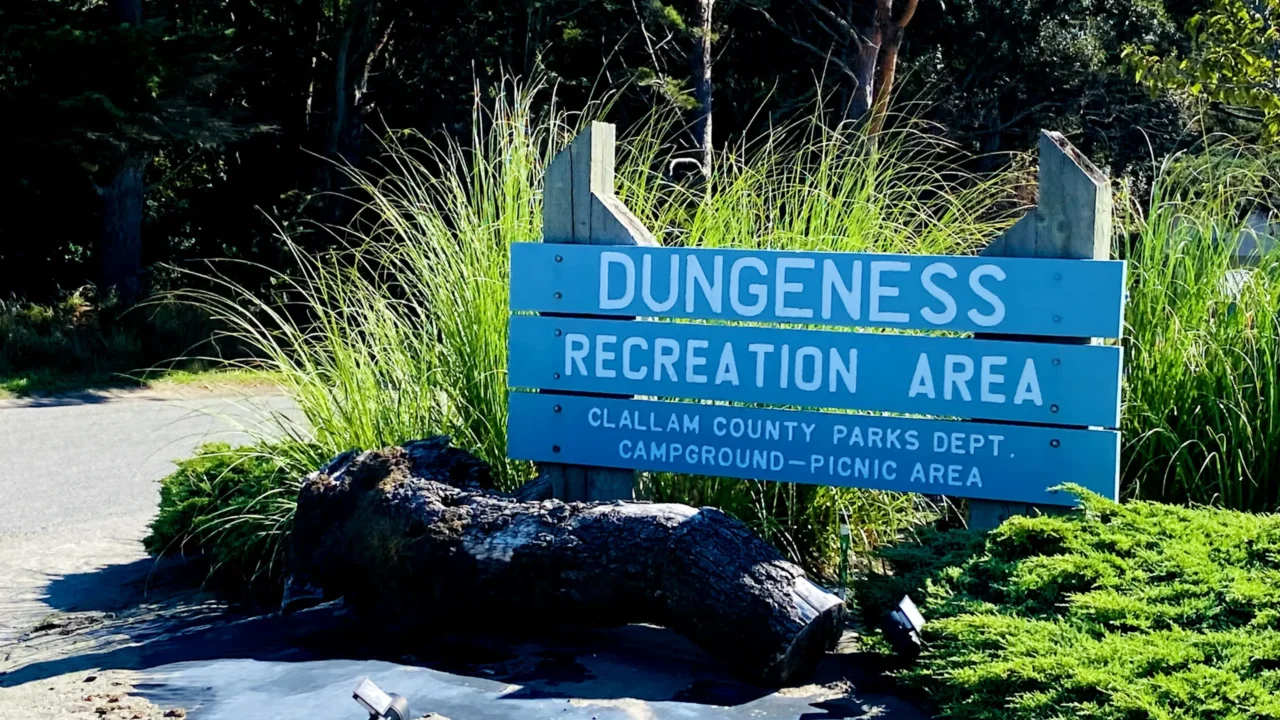
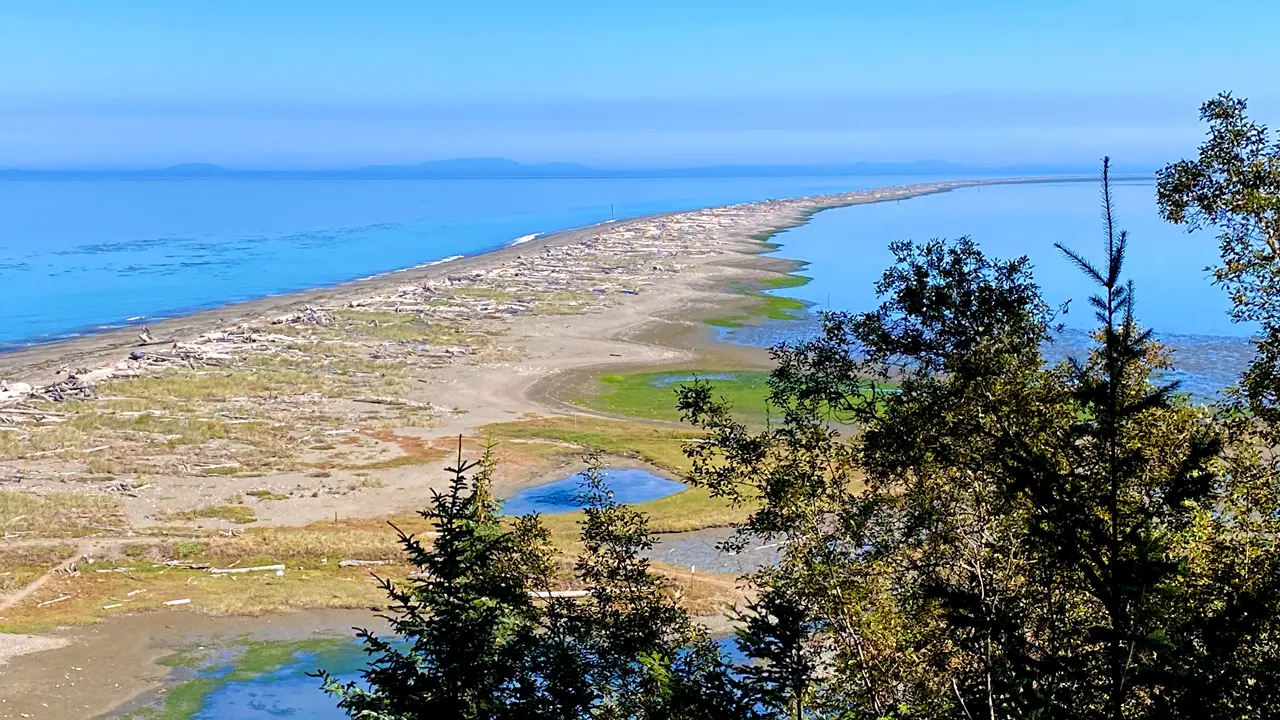
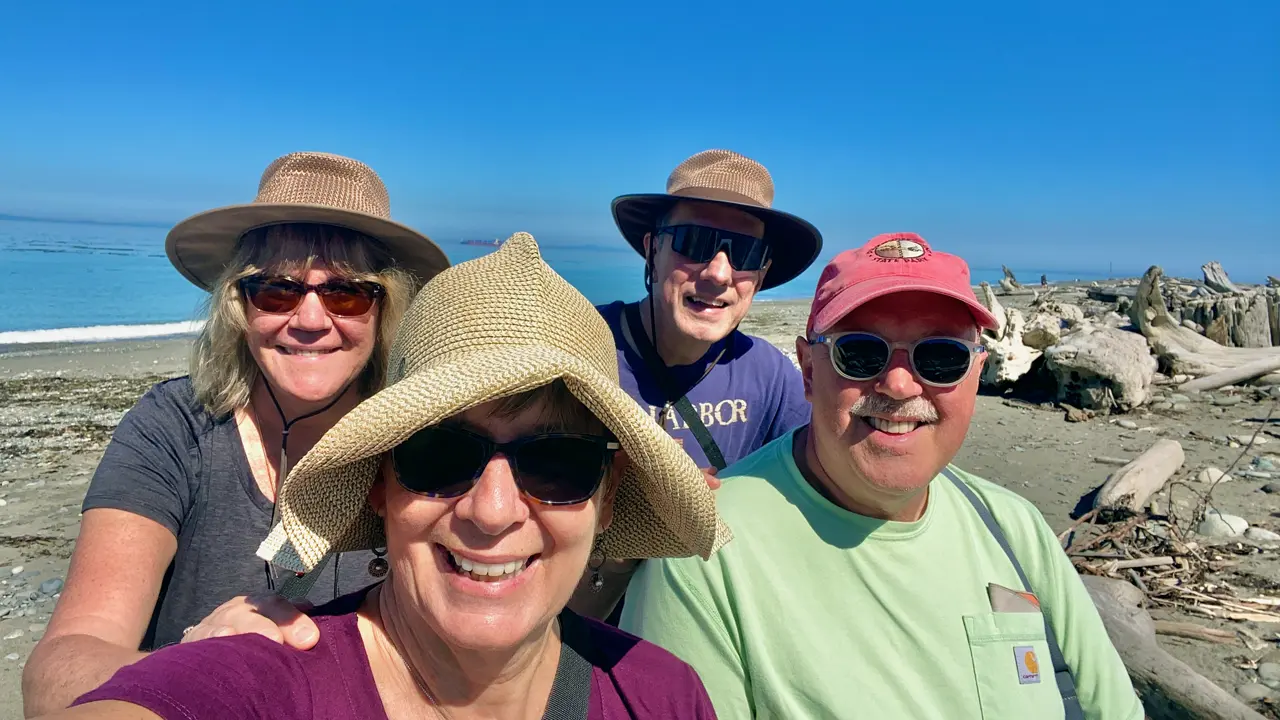
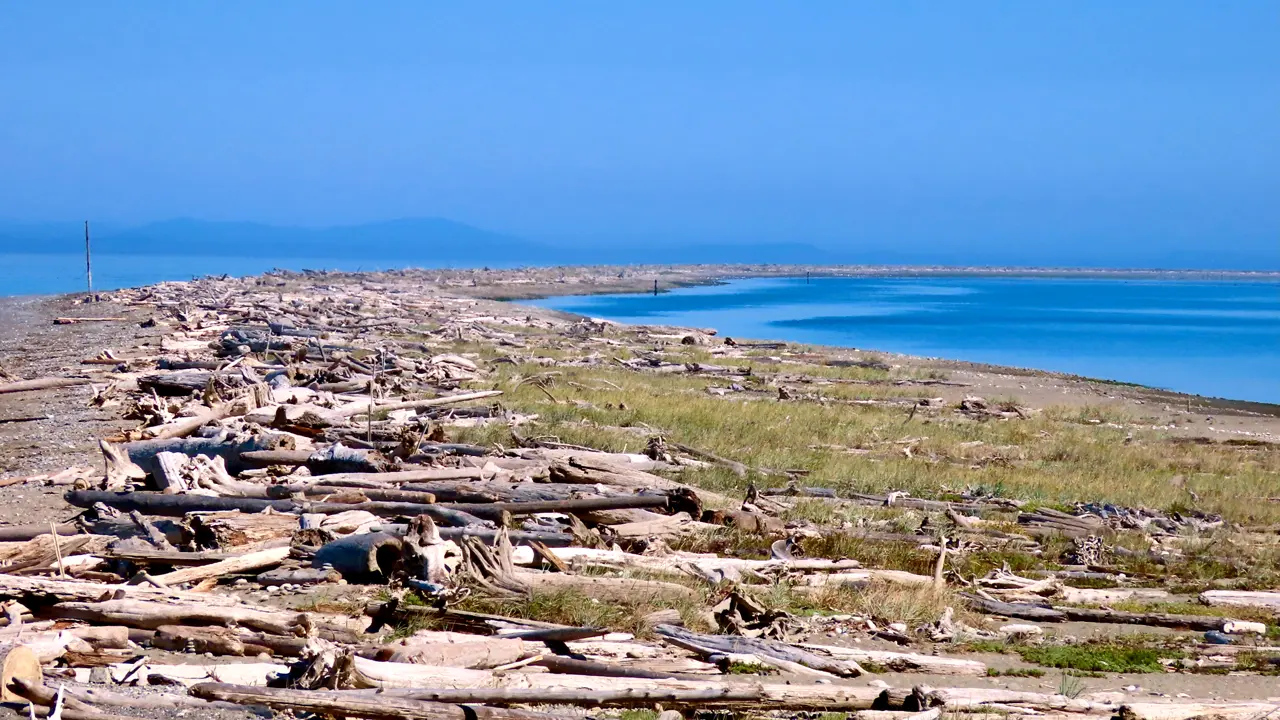
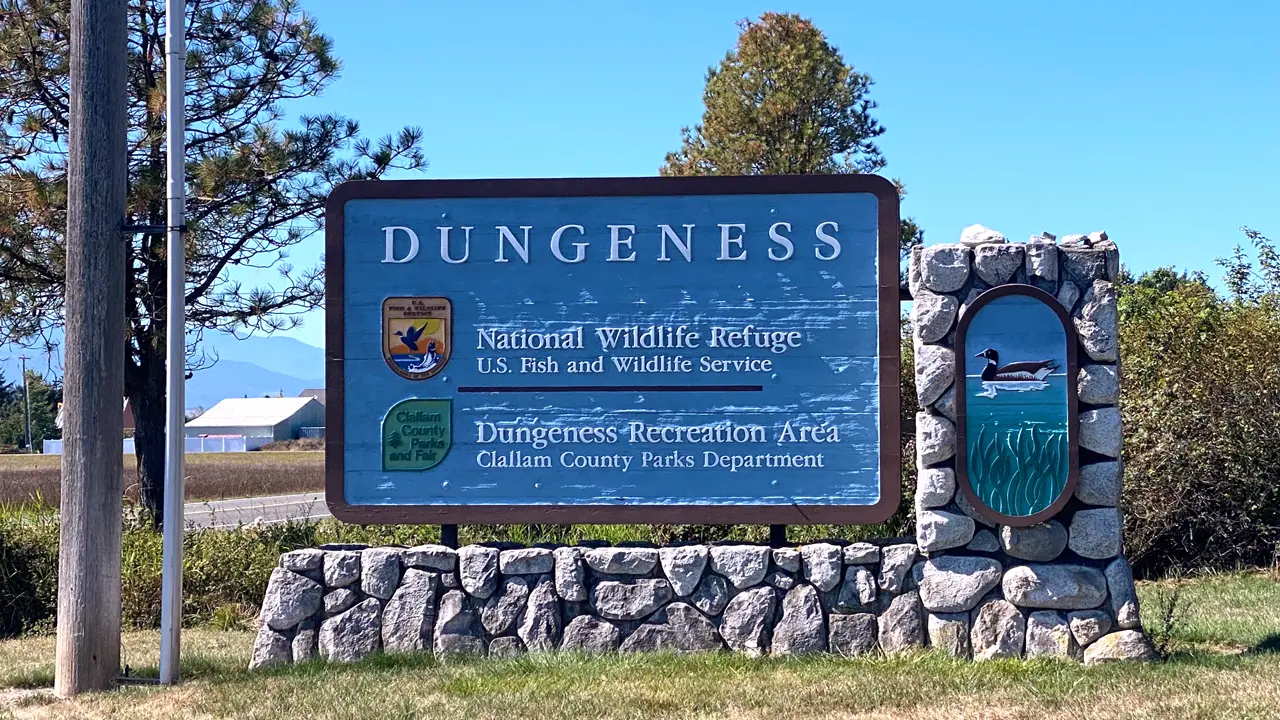
On Wed., Sept. 4th (2024), we visited the Dungeness Spit in Sequim, WA. At more than 5 miles long, it is one of the world’s longest sand spits and the longest in the U.S. As previously mentioned, a spit is a long sandbar that heads far out into the ocean, formed by “longshore drift”… kind of a sand peninsula. This spit is crescent-shaped and extends into the Strait of Juan de Fuca. As winds, waves, and eroding bluffs add sediment to the Spit, it will continue to grow. Dungeness Spit grows in length about 13 feet per year!
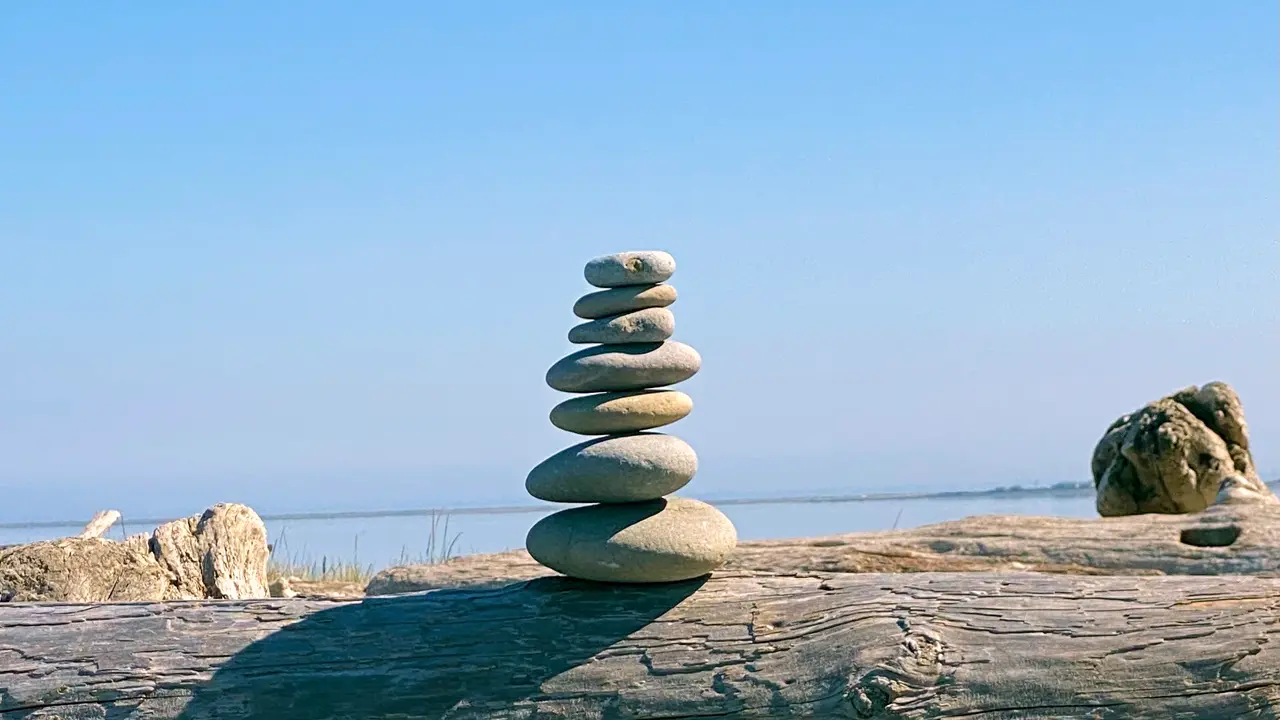
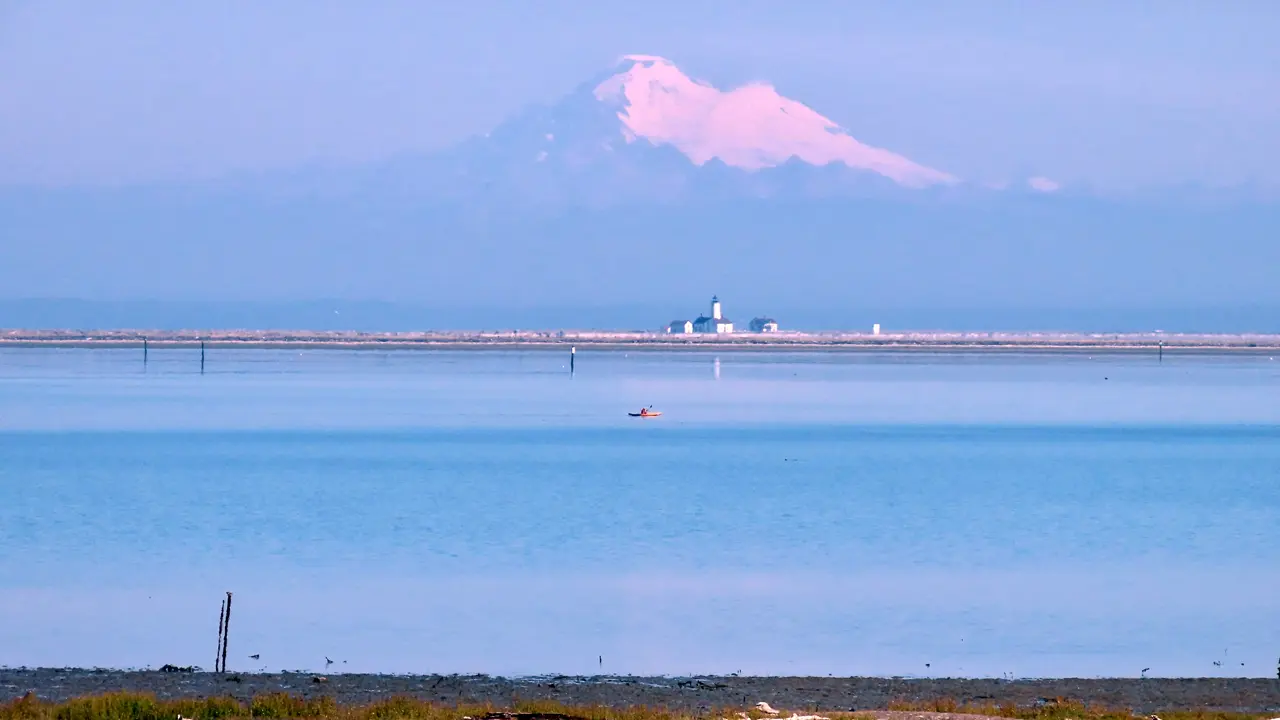
There was a lighthouse at the far end. We passed on what would have been a 10-mile round-trip hike to see it. Instead we contented ourselves with walking part of the beautiful shoreline and admiring the huge driftwood, smooth rocks, and gorgeous views, which included views of Mt. Baker far in the background at 10,786 ft in height.
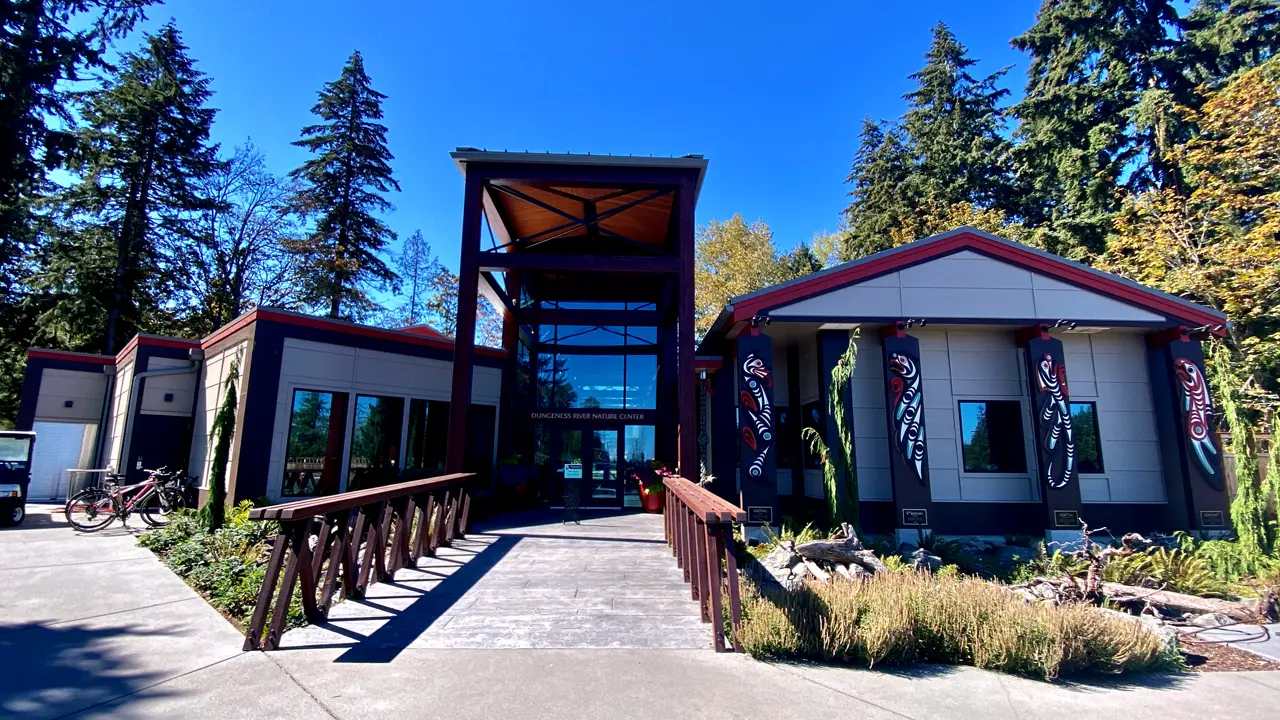
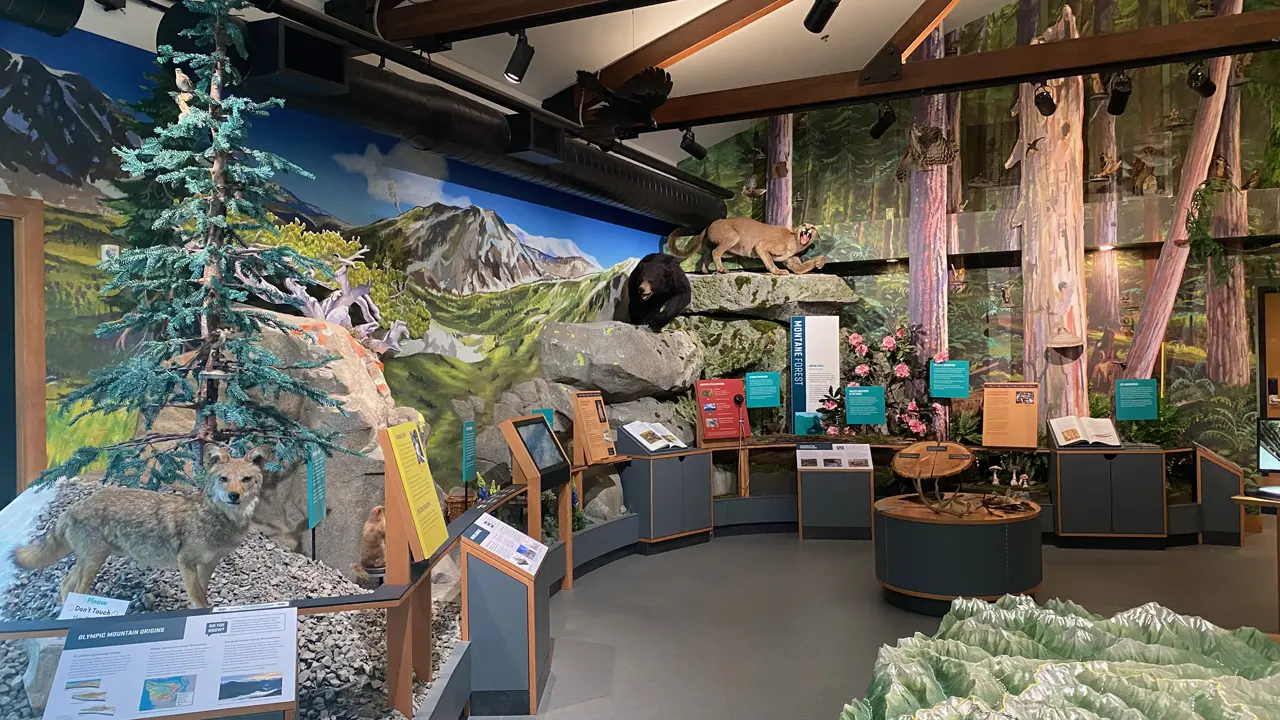
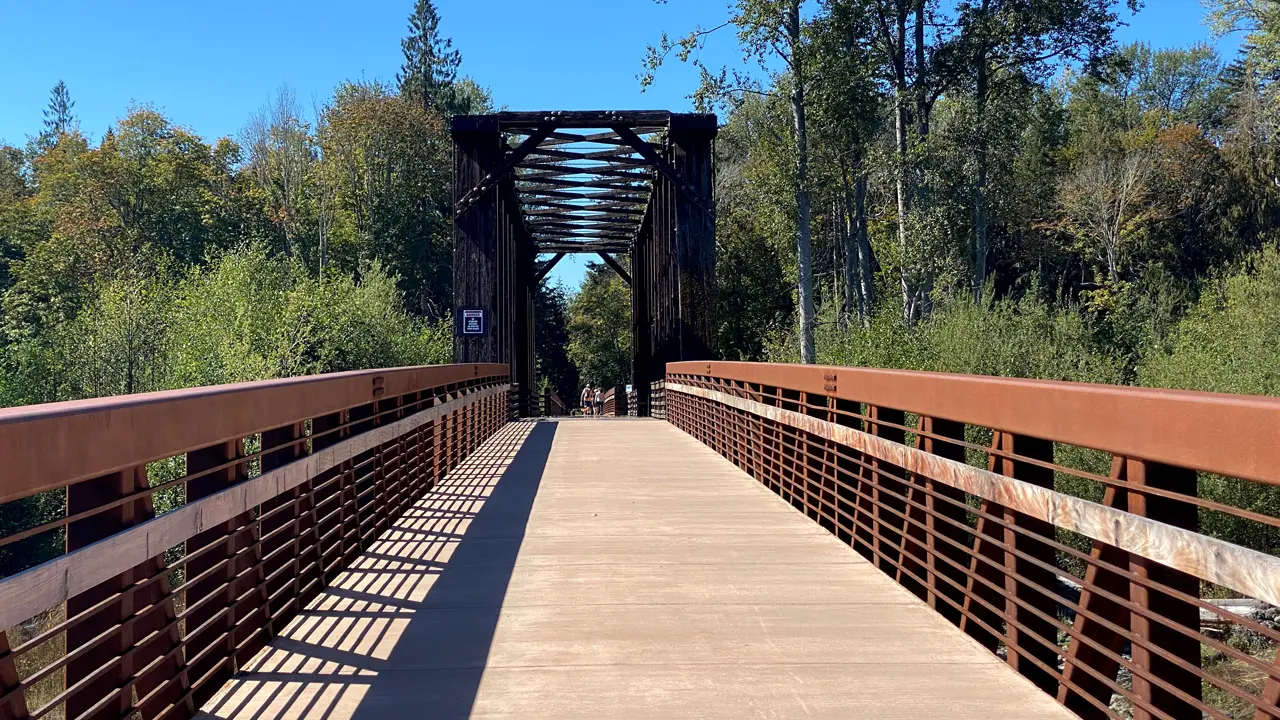
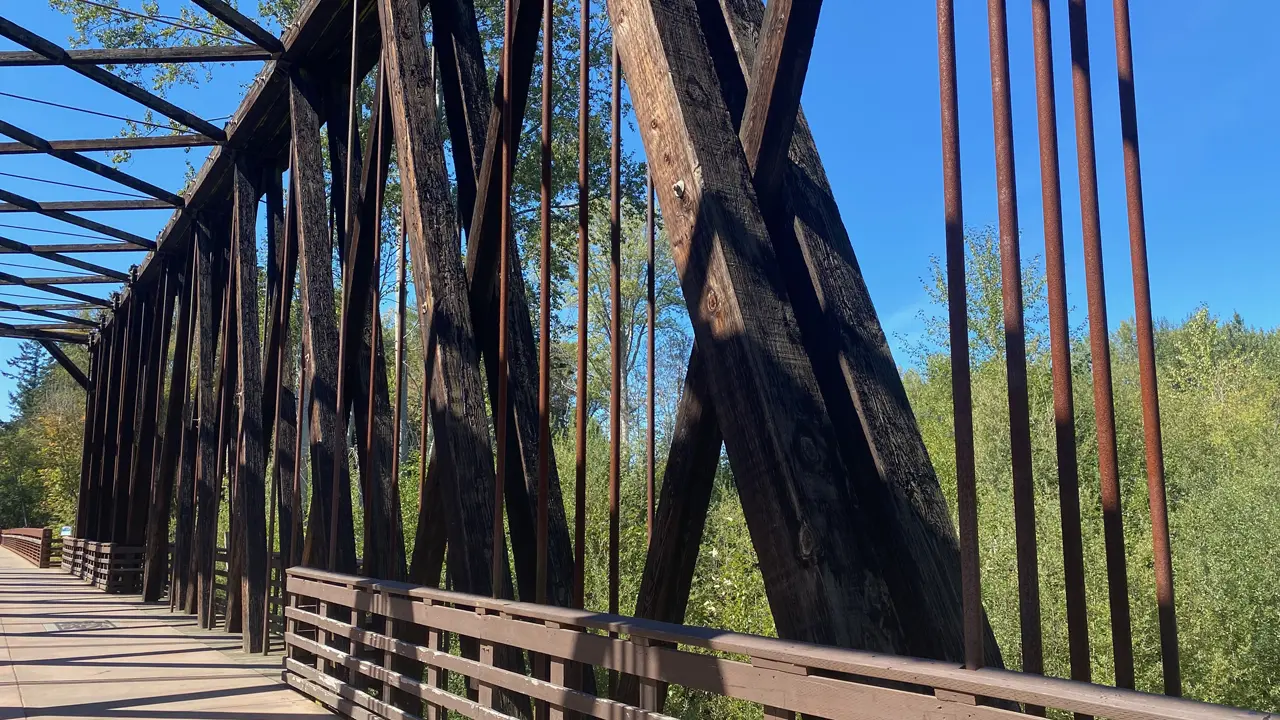
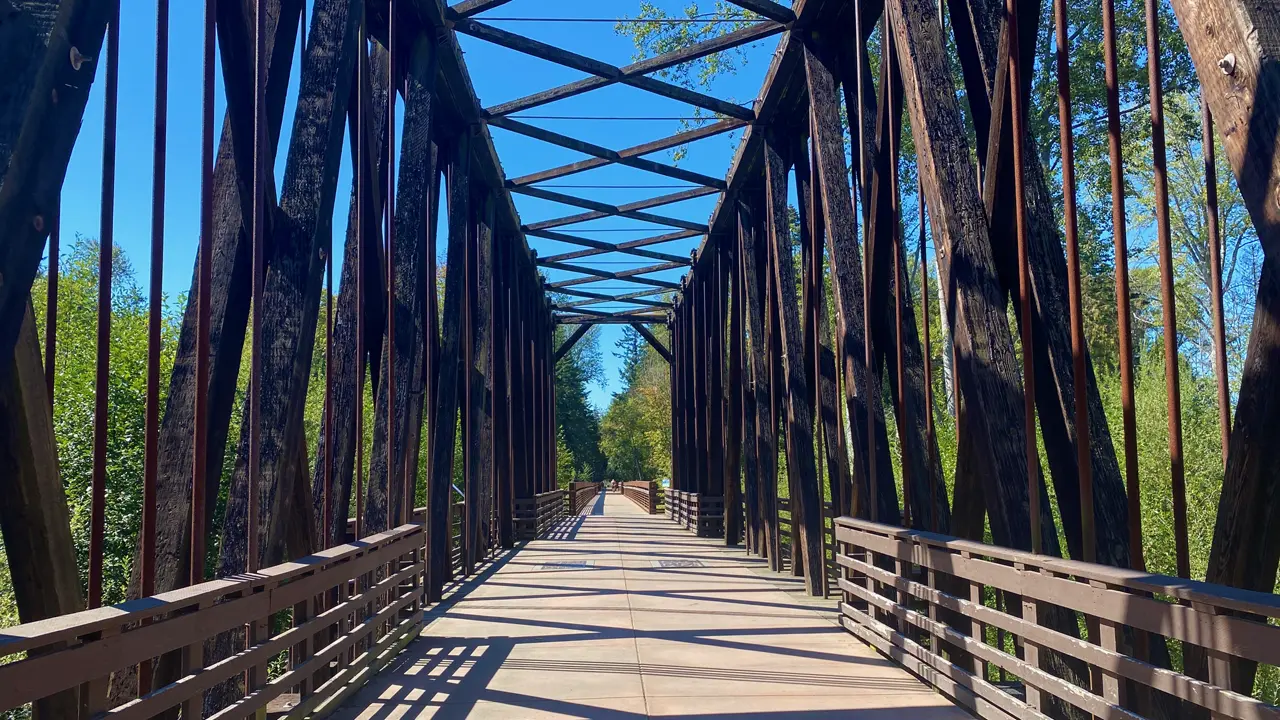
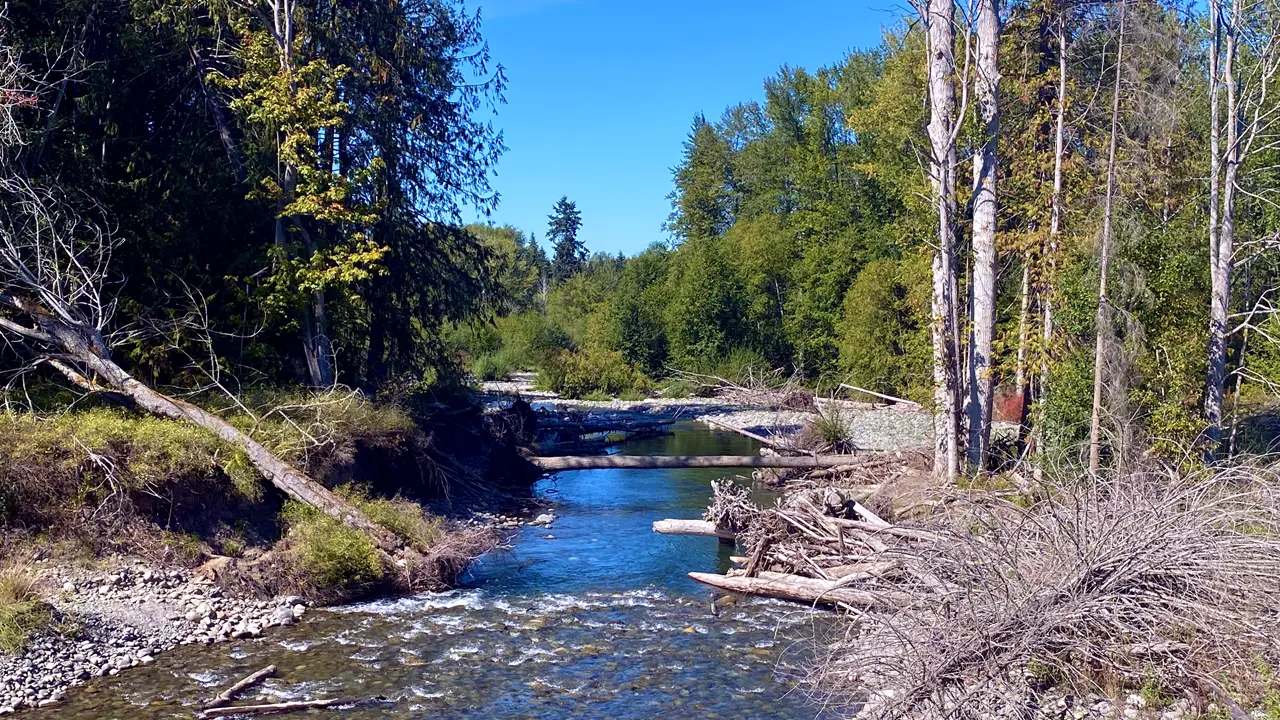
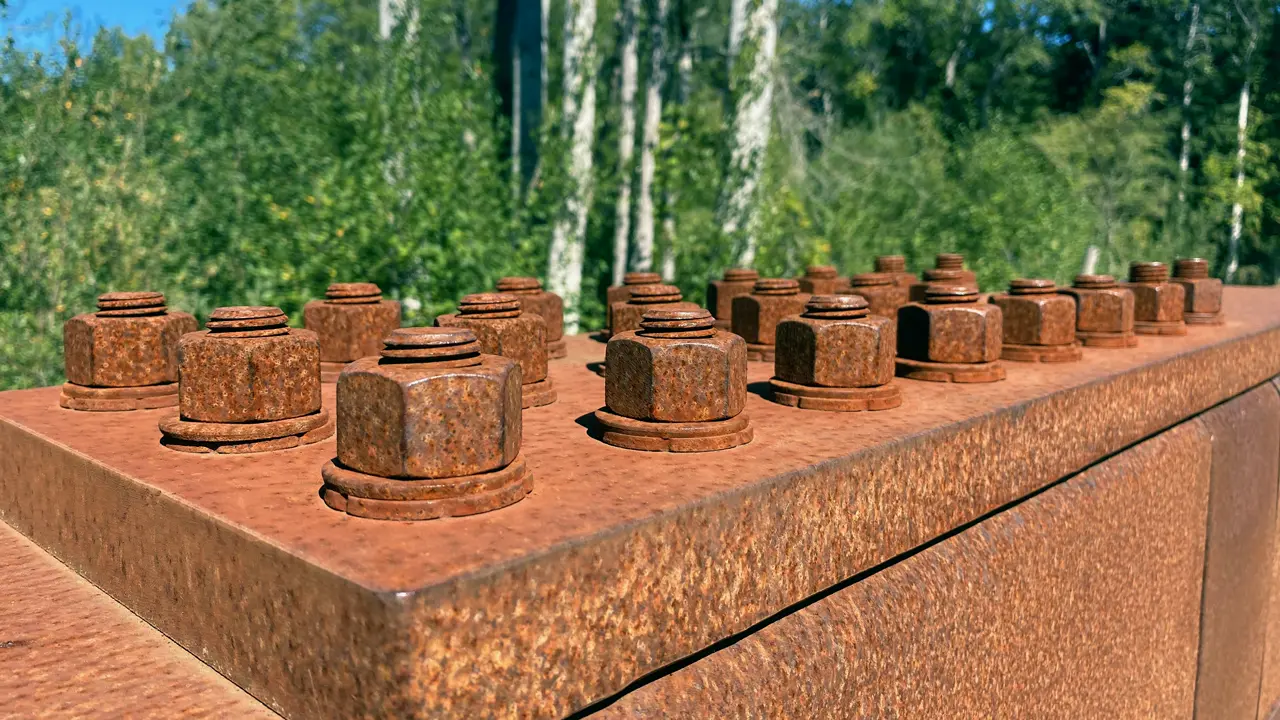
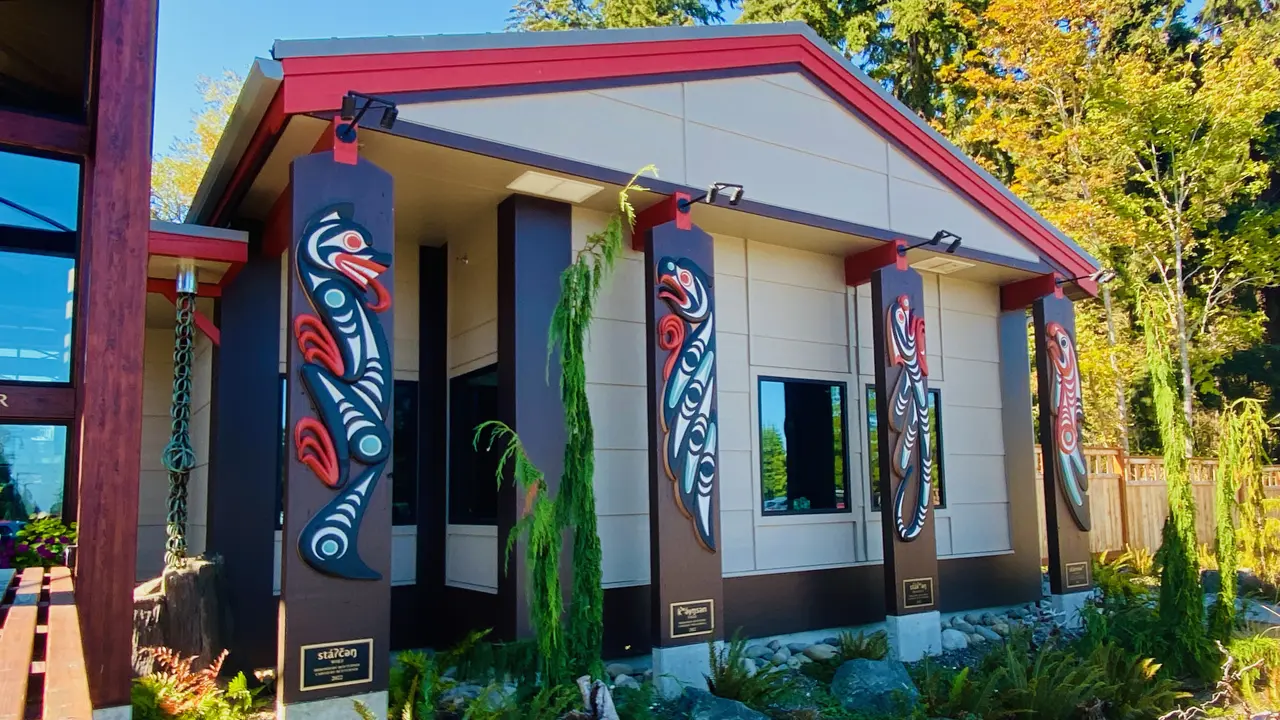
Afterwards we visited the newly re-done Dungeness River Nature Center, which is home to the first Audubon Center in Washington State. It is the only Audubon Center with a Native American tribe as partner and the only center located by a salmon-spawning river. They had a great display of local birds and wildlife, but our favorite was the truss and trestle components from the Railroad Bridge built in 1915 that served the Milwaukee Road from 1915 to1980. Today the “truss and trestle” represents the longest bridge over the Dungeness River. The Howe truss is a 150-ft, angled-beam, timber-truss span over the main Dungeness River channel which is accompanied by a 580-ft timber trestle (a pile-supported walkway). It is part of the Olympic Discovery Trail, a 135-mile trail that stretches from Port Townsend to Port Angeles across the Olympic Peninsula.
A fun last day in this part of the Olympic Peninsula before we move on to La Push WA, an area of Washington made famous by Stephenie Meyer’s Twilight series of books.
Leave a Reply